
Disclaimer:
This article is a speculative comparative mythology and symbolic interpretation project combining mythology, folklore, religious texts, esoteric traditions, historical references, artistic observations, AI-generated visual reconstructions, and personal theories.
The content is not presented as established historical fact, scientific evidence, official religious doctrine, or academic consensus. Interpretations involving reincarnation, archetypal similarities, extraterrestrial theories, symbolism, facial resemblance, prophetic interpretation, or cross-cultural connections are speculative and intended for philosophical, literary, artistic, and comparative discussion purposes only.
References to religious scriptures, spiritual organizations, mythological figures, prophecies, and historical personalities are presented within the context of comparative mythology and symbolic analysis. They do not represent the official views, teachings, or doctrines of any religion, organization, community, or historical authority.
Any visual comparisons, facial similarities, symbolic associations, or reincarnation-related interpretations shown in this article are subjective observations by the author and should not be understood as factual claims regarding identity, lineage, historical continuity, or scientific proof.
References to “alien,” “extraterrestrial,” or “ancient astronaut” concepts reflect speculative theories, symbolic interpretations, and popular mythology discussions, not verified scientific conclusions.
Some visual reconstructions and artistic images used in this article are AI-generated or digitally created for symbolic and illustrative purposes only.
Quotations and references from spiritual or religious sources are included for comparative interpretive discussion and do not represent official doctrinal positions of the respective organizations or traditions.
This article is intended for creative exploration, comparative mythology discussion, symbolic analysis, and research interest only. Readers are encouraged to conduct independent research and form their own conclusions.
“Embodying Transformation: Exploring the Mystery of the Androgynous Dying-and-Rising Deity Across Ancient Civilizations”
Welcome to a realm where mythology, spirituality, symbolism, and ancient mystery traditions converge. This article explores the recurring archetype of the androgynous dying-and-rising deity found across many civilizations throughout history. Representing transformation, rebirth, balance, and cosmic renewal, this figure appears in different forms across cultures and religions. Through comparative mythology, symbolic interpretation, and spiritual traditions, we examine how these recurring patterns may reflect humanity’s timeless fascination with death, rebirth, divine balance, and the continuity of civilization
The Androgynous Dying-and-Rising Deity as a Symbol of Wealth, Fertility, Justice, Light, and Thunder

Credit- Dennis G. Jarvis, CC BY SA 2.0
Across many mythological traditions, the androgynous dying-and-rising deity symbolizes a union of powerful cosmic forces including fertility, justice, renewal, wealth, light, and thunder. These figures often represent balance between creation and destruction, masculine and feminine energies, mortality and immortality. In different cultures, such deities were believed to protect civilization, restore harmony, and guide humanity through cycles of chaos and renewal.
Examples of these symbolic patterns can be found in many ancient cultures. In Mesopotamian mythology, Inanna/Ishtar represents both fertility, combining creative powers within a single divine figure. In Norse mythology, Thor symbolizes thunder, protection, fertility, and strength, acting as a guardian against chaos.
Example –
1. Androgynous Osiris called Dying and Rising Deity as well as Extraterrestrial Alien, Deity of Justice, Fertility.
The Mystery Begins: Why Did Ancient Civilizations Remember the Same Figure?
There is a strange question hiding beneath the ruins of the ancient world.
It does not begin with a single temple, a single manuscript, or a single civilization.
It begins with a pattern.
Across landscapes separated by enormous distances, ancient peoples told stories about extraordinary beings who appeared at moments of transformation. Some were rulers. Some were teachers. Some were associated with fertility, justice, light, storms, kingship, or the renewal of the world. Some suffered death or disappearance and were later restored, remembered, or transformed. Others were described as beings who brought order to humanity after chaos.
Their names changed.
Their languages changed.
Their temples changed.
Yet sometimes the themes seem strangely familiar.
Was this coincidence?
Was it the result of cultural contact?
Did similar human experiences produce similar stories independently?
Or were later traditions preserving fragments of much older ideas?
History cannot answer all of these questions.
But the stories invite us to look closer.
Before Written History: How Could Ancient Memories Survive?
Imagine standing in a settlement thousands of years ago.
There are no libraries.
No printed books.
No universities.
No archaeologists.
Knowledge survives through memory.
An elder tells a story beside the fire. A ritual specialist repeats an ancient formula. A carved symbol is passed from one generation to another. A ruler claims descent from a legendary ancestor. A priest preserves a story whose original meaning has already begun to change.
Then the settlement disappears.
Centuries pass.
Languages evolve.
Kingdoms rise and collapse.
The story survives.
Perhaps the name changes first.
Then the details.
Eventually, only the central image remains.
A being who dies and returns.
A ruler who disappears and is expected to come back.
A teacher who arrives after catastrophe.
A figure who combines opposing qualities.
A mysterious ancestor who brings civilization.
These recurring motifs are among the reasons comparative mythology is so compelling—and so difficult.
The First Pattern: Death, Return, and Renewal
In ancient Egypt, one of the most powerful examples was Osiris.
According to Egyptian religious tradition, Osiris was a ruler whose death transformed him into an eternal ruler of the dead. His story became deeply connected with kingship, death, renewal, fertility, and the continuation of existence.
But Osiris was not the only ancient figure associated with transformation through death.
In Mesopotamia, traditions surrounding Inanna and Dumuzi connected descent, loss, death, and return.
In later traditions surrounding Adonis, the beloved figure became associated with death and renewal.
In the ancient Mediterranean world, seasonal cycles became intertwined with stories of disappearance and return.
In India, traditions surrounding Manu preserved stories of catastrophe, survival, and the restoration of human civilization.
In Iranian tradition, Yima was remembered in connection with preserving life from a devastating winter or catastrophe.
Farther away, cultures of the Americas developed their own traditions involving civilization-bringing beings, ancestral figures, transformations, and cosmic cycles.
The details are radically different.
That matters.
A comparative study becomes misleading if every ancient figure is simply declared to be the same character.
But something else is worth asking:
Why do humans repeatedly tell stories about destruction followed by renewal?
Why does the lost ruler return?
Why does the dying figure become immortal?
Why does civilization repeatedly emerge from catastrophe?
And why are extraordinary beings so often placed at the boundary between two states—life and death, masculine and feminine, human and deity, chaos and order?
When Myth Becomes Memory
There is another possibility worth considering.
Perhaps myths were never intended to function as historical records.
Perhaps they preserved something else.
A memory of a natural disaster.
A memory of a powerful ruler.
A cultural tradition carried by travelers and reshaped by every civilization that received it.
Or simply a universal human response to the same mysteries of existence.
Over generations, the original event—if there ever was one—could disappear while the story remained.
The Central Question of This Investigation
Imagine standing before an ancient temple at sunset.
The inscriptions are worn.
The statues are damaged.
The people who built the sanctuary have been gone for thousands of years.
Yet one idea remains visible.
The world changes.
Kings die. Cities fall. Crops disappear and return. Generations replace generations. Civilizations collapse, and new civilizations rise from their ruins.
Before examining the individual traditions, rulers, lovers, civilization-bringers, flood survivors, and dying-and-rising figures, we first need to understand the central archetype that connects them in this study.
Why did ancient traditions repeatedly imagine a sacred figure who could exist beyond ordinary human categories?
To explore that question, we begin with the Androgynous Deity Archetype.
What Is the Androgynous Deity Archetype?
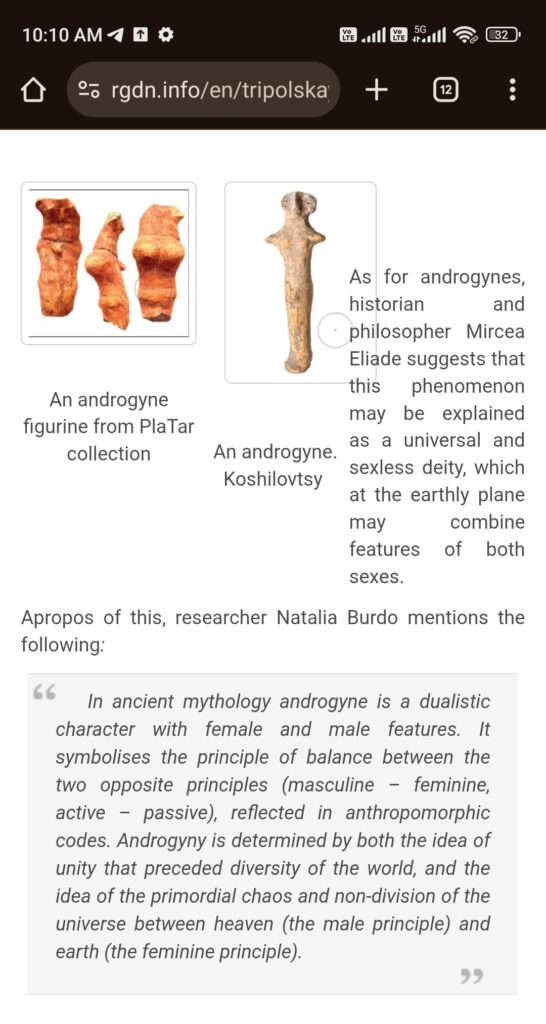
credit – rgdn info Read more
As for androgynes, historian and philosopher Mircea Eliade suggests that this phenomenon may be explained as an expression of primordial unity — a state believed to exist before the separation of masculine and feminine principles. In many ancient traditions, the androgynous figure symbolized wholeness, cosmic balance, and the union of opposites within creation.
Spiritually Beyond Male and Female: The Symbolism of Divine Unity
Researcher Natalia Burdo explains that androgynous figures in mythology often combine both masculine and feminine traits, symbolizing balance between opposing principles such as activity and passivity, heaven and earth, order and chaos. These archetypes frequently represent the idea of an original unified state from which the universe later divided into dual forms.
Androgynous definition Reference – rgdn.info Site-https://share.google/yadT3sAtrM6fljRp1
Sun and Moon: The Ancient Symbolism of Complementary Forces
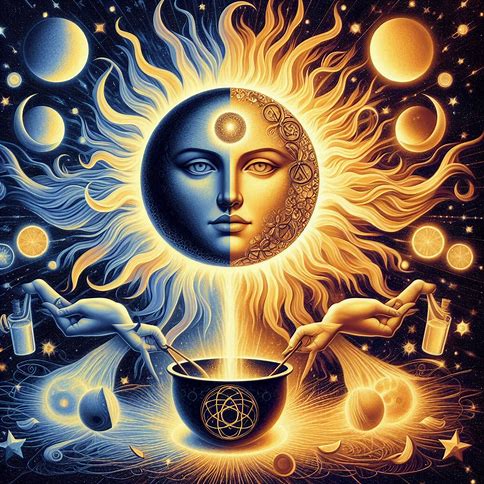
The sun and moon were essential symbols in this divine balance, each representing the merging of opposites within the creator deity. The sun, with its radiant power and life-giving warmth, was often seen as the masculine aspect, embodying vitality, order, and cosmic law. The moon, gentle and mysterious, was the feminine counterpart, representing intuition, renewal, and the cyclical rhythms of nature. Together, these celestial bodies symbolized the androgynous essence of the divine, each half completing the other in a harmonious dance of day and night, masculine and feminine.
When Sun and Moon Become One: Androgynous Cosmic Symbolism
| Civilization / Tradition | Sun and Moon Androgynous Symbolism |
|---|---|
| Medieval Christian and Islamic Mysticism | In medieval Christian and Islamic mysticism, the sun and moon were often seen as symbols of Christ and the Virgin, or Allah’s dual qualities of majesty and beauty, reflecting the fusion of male and female principles in divine unity. |
| Eastern Traditions / Chinese Cosmology | In Eastern traditions, similar symbols existed; for instance, in Chinese cosmology, the Tao was seen as the ultimate androgynous source from which Yin (moon, feminine) and Yang (sun, masculine) emerged, creating balance in the universe. |
| Alchemical Traditions | In alchemical traditions, this androgynous unity was often depicted as the conjunctio oppositorum, or “union of opposites,” where the sun (Sol) and moon (Luna) were joined in the sacred alchemical process, representing the harmonious blend of mind and soul, rationality and feeling. |
| Persian Traditions | Further east, in Persian traditions, the mystical Sufi poets saw the sun and moon as two lovers, eternally circling one another in an embrace that created cosmic harmony. |
| African Mythology and Spirituality | In African mythology and spirituality, the sun and moon are often viewed as complementary forces that embody an androgynous union essential to life and balance. These celestial bodies represent the interplay between masculine and feminine energies, seen not as opposites but as harmonious aspects of a unified cosmic order. |
| Dogon Culture of Mali | For example, in the Dogon culture of Mali, the sun is associated with warmth, life-giving energy, and the masculine principle, while the moon reflects mystery, rhythm, and the feminine principle. Together, they balance the forces of day and night, life and death, embodying a duality that is central to Dogon cosmology. This dualism is celebrated as a fundamental truth of existence, where neither the sun nor the moon could fulfill their roles without the other. |
| Kikuyu People of Kenya | In East Africa, the Kikuyu people of Kenya revere the sun and moon as divine partners. They believe in Ngai (or Mwene Nyaga), the creator Deity, who embodies both masculine and feminine attributes. Ngai’s dual nature is mirrored in the sun and moon, which guide and protect the land, animals, and people. The Kikuyu see this balance as essential for maintaining order and prosperity in their lives, reflecting how both light and dark, male and female, contribute equally to life’s harmony. |
| Yoruba Beliefs | Similarly, in many West African traditions, the sun and moon are seen as siblings or spouses. In Yoruba beliefs, for instance, the Orisha (deity) Orunmila is associated with wisdom and destiny, linked to the sun, while Osun, a goddess of fertility and love, is associated with water and lunar cycles. Their complementary energies represent balance, fertility, and guidance for human life, demonstrating how African spiritual systems often embrace androgyny as a source of unity and creation. |
| Across Africa | Throughout Africa, the sun and moon are not merely celestial objects but embody the dual principles that govern the universe, reflecting a world where masculinity and femininity, day and night, coexist in mutual dependency. This worldview emphasizes unity and interconnectedness, where androgynous symbolism highlights the value of balance and the wholeness found within the fusion of opposites. |
Through this celestial symbolism, medieval civilizations celebrated an androgynous divine presence that sustained dynasties, ruled the earth, and harmonized the heavens, honoring a world where life was born of unity, not division, and governed by the eternal dance of complementary forces.
Trigunatit: The Indian Concept of Transcending Duality
In Hindu philosophical traditions, the term Trigunatit refers to a spiritual state beyond the three gunas (qualities) of nature — sattva, rajas, and tamas. A trigunatit individual is described as detached from worldly desires, emotional disturbances, ego, and material attachments. This state symbolizes spiritual transcendence, inner balance, and freedom from ordinary human limitations.
आध्यात्मिक भाषा में अगर समझे, “ तो कामजित और स्त्री – पुरुष देहभान से ऊपर आत्मिक स्थिति में स्थित मन की अवस्था” |
https://ariseohindu.wordpress.com/page/43/
Vishnu, Brahma and Shankar: A Different Understanding of Divine Roles
References to Brahma Kumaris teachings are presented for comparative and interpretive discussion only and do not represent official organizational positions and all Interpretation by Author.
- पवित्र कोही बाबा वर्सा दे सकते है,पतित बाप के दिल पर चढ़ नहीं सकते |(साकार मुरली- 8,04,2020)
- English Translation– Only to the pure one Parmatma can give the inheritance, impure one cannot make a place in the heart of the supreme Father (Sakar Murli – 8,04,2020)
- भगवान तो एक है | देवताये तीन है | बाकि है मन्युष्य सृष्टि | भगवान राम भगवती सीता परन्तु उनको भगवान नहीं कह सकते, वह तो deitism है | साकार मुरली – २६/०७/२०१८
- English Translation – God is one. There are three deities. The rest is human creation. Lord Rama,Bhagwati Sita but they cannot be called God, that is deitism.( Sakar Murli – 26/07/2018)
- ब्रम्हा, विष्णु, शंकर इन तीनो का बाप शिव है | ( Sakar Murli -4.3.17)
- English Translation– God Shiva is the father of Brahma, Vishnu and Shankar. ( Sakar Murli -4.3.17)
- मर्तबा तो हर एक का अलग है, बाप का भी मर्तबा अलग है ब्रम्हा, विष्णु, शंकर का भी अलग है | ( साकार मुरली – 1.10.2019)
- English Translation– post and Responsibilities is different for each one, for Father also different for Brahma, Vishnu and Shankar also different. (sakar Murali – 1.10.2019)
- ब्रम्हा, विष्णु, शंकर तीनो शिव के बच्चे है | ( साकार मुरली -3.10.2018)
- English Translation– Brahma, Vishnu and Shankar are the children of Shiva. ( Sakar Murali -3.10.2018)
- अगर ब्रम्हा, विष्णु, शंकर तीनो भाई है तो इन्हो का बाप चाहिये |( साकार मुरली -22.4.17)
- English Translation– If Brahma,Vishnu and Shankar are all three brothers, then they need a father. ( Sakar Murli-22.4.17)
- ब्रह्मा विष्णु शंकर तीनों ही देवतायें अलग-अलग हैं। बाकी ऐसे नहीं ब्रह्मा को 3 मुख हैं। वो शिव का ब्रम्हा को लगा दिया है |(sakar murli -14-3-17)
- English Translation– All the three deities are different. It is not like that, Brahma has three faces. They had attached Shiva to Brahma.(sakar murli -14-3-17)
- गाया भी जाता है परमपिता परमात्मा त्रिमूर्ति है। त्रिमूर्ति का अर्थ भी कोई समझते नहीं हैं। रोड पर भी त्रिमूर्ति नाम रखे हुए हैं। वास्तव में त्रिमूर्ति है ब्रह्मा, विष्णु, शंकर, यह तीनों देवतायें हैं अलग-अलग। इन सबसे ऊंच ते ऊंच है परमपिता परमात्मा शिव, करन-करावनहार। उनको गुम कर दिया है।( Sakar Murli- 22/08/2022)
- English Translation– It is also sung that the Supreme Father, the Supreme Soul, is the Trimurti. No one even understands the meaning of Trimurti. Trimurti names are kept on the road too. In fact, the Trimurti is Brahma Vishnu Shankar, these three deities are separate. The Supreme Father, the Supreme Soul, Shiva, is Karan-Karavanahar. They have been lost.( Sakar Murli- 22/08/2022)
- बाबा त्रिनेत्री, त्रिकालदर्शी है, त्रिमूर्ति है, ब्रह्मा विष्णु शंकर का भी रचयिता है। त्रिमूर्ति शिव के बदले त्रिमूर्ति ब्रह्मा का नाम रख दिया है। (sakar murli-29-3-17)
- English Translation– Baba is Trinetri, Trikaldarshi, Trimurti, the creator of Brahma, Vishnu and Shankara. Trimurti Shiva has been replaced by Trimurti Brahma. (Sakar Murli-29-3-17)
- ब्रह्मा, विष्णु पुनर्जन्म में आते हैं।(sakar murli-1-2-17)
- English Translation– Brahma, Vishnu come in rebirth. (sakar murli-1-2-17)
- ब्रह्मा और विष्णु तो पुनर्जन्म में आते हैं, बाकी शंकर नहीं आता। जैसे शिवबाबा सूक्ष्म है वैसे शंकर भी सूक्ष्म है तो उन्होंने फिर शिव शंकर को इकट्ठा कर दिया है। परन्तु हैं तो अलग-अलग ना। शिवबाबा ब्रह्मा द्वारा स्थापना, विष्णु द्वारा पालना फिर शंकर द्वारा विनाश कराते हैं।
- English Translation– Brahma and Vishnu come in Rebirth, the rest of Shankar does not. Just as Shiv Baba is subtle, in the same way Shankar is also subtle, Hence they mix Shiv Shankar. But they are different. Shiv Baba established through Brahma, sustenance through Vishnu and then destruction through Shankar.
- ब्रह्मा, विष्णु, शंकर को भी सूक्ष्म शरीर है।(sakar murli -17-2-17)
- English Translation– Brahma, Vishnu and Shankar also have subtle bodies. (sakar murli -17-2-17)
- ब्रह्मा विष्णु का जन्म भी तो यहाँ होना चाहिए। बाकी शंकर तो सूक्ष्मवतन का है और शिव है मूलवतन में। सूक्ष्म, मूल को भी जानते नहीं, इसलिए शिव शंकर को मिला दिया है। शिव है परमपिता परमात्मा, शंकर है देवता।[sakar murli- 27/05/2022)
- English Translation– Brahma Vishnu should also be born here. The rest,Shankar is from the subtle region and Shiva is from the original region. They do not even know the subtle, and that is why Shiva and Shankar have been merged. Shiva is the Supreme Father, the Supreme Soul, Shankar is the deity. [sakar murli- 27/05/2022]
- ब्रह्मा और विष्णु को महादेव नहीं कहेंगे। वह तो दोनों स्थूल पार्ट में आते हैं। शंकर सूक्ष्मवतन में ही रहता है। (15/07/2023)
- English Translation– Brahma and Vishnu will not be called Mahadev. Both come in physical parts. Shankar lives in the subtle region only
- देवताओं और तुम्हारे में थोड़ा फ़र्क रहा है। पक्के स्वदर्शन चक्रधारी बन जायेंगे तो फिर विष्णु के कुल के बन जायेंगे। तुम समझते हो हम यह बन रहे हैं। वह देवतायें फाइनल हैं। तुम फाइनल तब होंगे जब कर्मातीत अवस्था हो। शिवबाबा तुमको स्वदर्शन चक्रधारी बनाते हैं। उनमें नॉलेज है ना। वह हैं तुमको बनाने वाले। तुम हो बनने वाले। ब्राह्मण बन फिर देवता बनेंगे। अब यह अलंकार तुमको कैसे दें। अब तुम पुरुषार्थी हो। फिर तुम विष्णु के कुल के बनते हो। सतयुग वैष्णव कुल है ना। तो ऐसा बनना है।(Sakar murli 19/01/2021)
- English Translation– There is a slight difference between the deities and you. If you become a true self-realized wheel, you will then become a member of the family of Vishnu. Do You understand that you are becoming this. Those deities are final. You will be final only when you are in the karmateet stage. Shiv Baba makes you into the wheel of self-realisation. They don’t have knowledge. He is the one who created you. You are going to be a Brahmin and then you will become a deity. Now how can I give this ornament to you? Now you are a purusharthi. Then you belong to the family of Vishnu. The golden age is the Vaishnav clan. So you have to become like this.(Sakar murli 19/01/2021)
Ruler of Heaven and king of World or Lord of Earth
Across many ancient mythologies, a recurring divine archetype appears as a ruler connected to both heaven and earth. Often portrayed as transcending ordinary human dualities, this figure symbolizes the eternal cycle of creation, destruction, death, and rebirth. By embodying both masculine and feminine qualities, the deity represents cosmic balance and the unity of opposing forces such as light and darkness, life and death, and order and chaos.
In many traditions, this divine figure is portrayed as both a celestial ruler and an earthly guide. The archetype symbolizes harmony between spiritual and material existence, reminding humanity of the cyclical nature of civilization, renewal, and cosmic transformation. Rather than belonging to a single culture, similar symbolic patterns appear repeatedly across civilizations throughout history.
Example –
Similar themes can be observed in several mythological traditions. Odin in Norse mythology is associated with wisdom, sacrifice, and kingship among the gods. Osiris in Egyptian mythology represents death, resurrection, and rulership of the afterlife. In Mesopotamian tradition, Enki is connected with wisdom, civilization, and the protection of humanity. While these figures emerge from different cultures, they often share symbolic associations with renewal, authority, and cosmic order.
- Androgynous Odin called King of the Deities and Ruler of Heaven.
- Similarly Androgynous Osiris Dying and Rising authority called Ruler of heaven
- Androgynous Annunaki Enki called Lord of the earth
Bramhakumari beliefs– फिर ब्रह्मा का भी आक्यूपेशन चाहिए ना। तुम बच्चे सबका आक्यूपेशन जान चुके हो। विष्णु के भी आक्यूपेशन को जानते हो। कितना सजा हुआ है। स्वर्ग का मालिक है ना। ( Sakar murli 29 jan 2021)English Translation- Then Brahma’s occupation is also needed, isn’t it? You, children, know everyone’s occupation. You also know the occupation of Vishnu. How much is he decorated? He is the master owner of heaven. ( Sakar murli 29 jan 2021)
Dumuzi: Why Did Mesopotamia Mourn a Dying-and-Rising Deity?
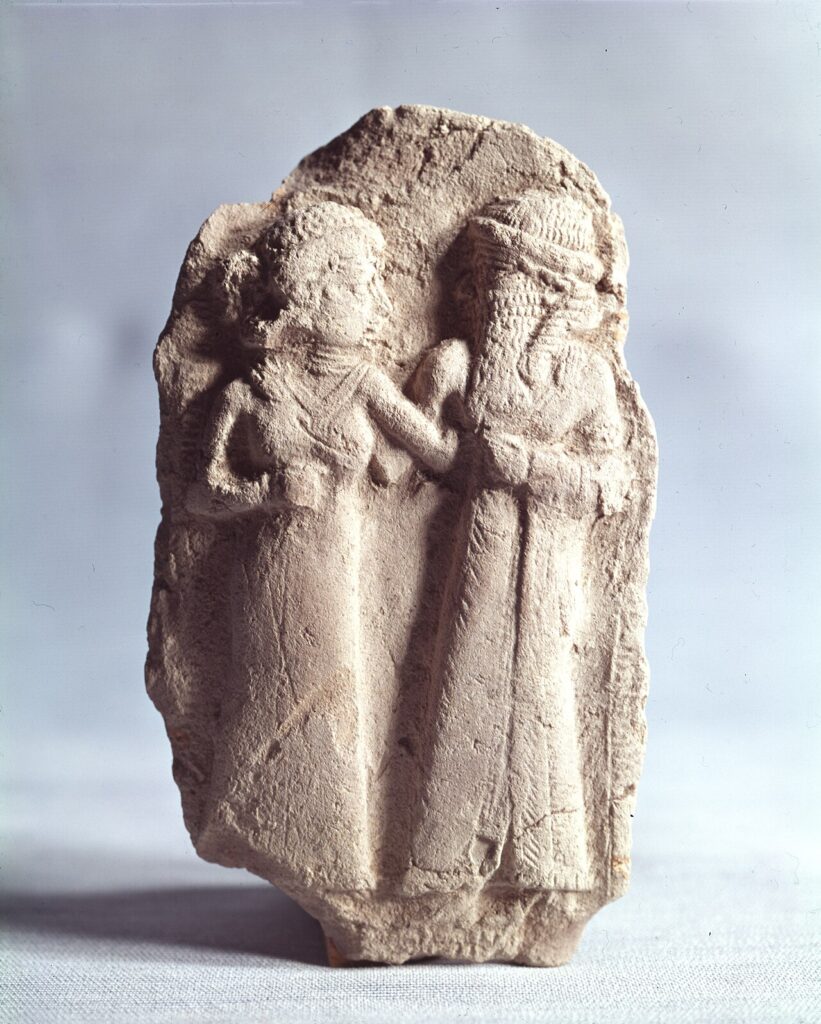
Ancient Sumerian depiction of the marriage of Inanna and Dumuzid
Tello terracotta CC BY-SA 4.0(Françoise Foliot)
The idea of a sacred ruler who possesses authority over the world becomes even more intriguing when we encounter Dumuzi in ancient Mesopotamian tradition. Here, the story of a powerful deity takes an unexpected turn—from sacred kingship to death, mourning, and the possibility of return.
Thousands of years ago, scribes in Mesopotamia pressed wedge-shaped marks into wet clay. They recorded laws, business transactions, royal victories, prayers, and stories. Some of those tablets survived because clay has an unusual advantage over paper: when a building burns, the tablets can become harder rather than disappear.
Among the surviving texts are haunting compositions devoted to Dumuzi, a deity associated with shepherding, fertility, and the continuation of life.
The tablets do not read like ordinary historical records. They contain grief.
Dumuzi has died, and the people around him mourn his fate. His mother mourns. His sister mourns. The landscape itself seems to become part of the lament. Animals, plants, fields, and settlements are drawn into a world in which something important has been lost.
What makes these texts fascinating is that the Mesopotamians did not simply tell the story once and move on. They repeatedly returned to it. Scribes copied compositions concerning Dumuzi, and traditions about his relationship with Inanna continued for centuries.
Dumuzi’s fate became connected with the underworld, but his death was not treated as the absolute end of his story. His traditions became associated with return and renewed existence, creating one of the ancient world’s striking examples of a sacred figure whose story continues beyond death.
For the mystery explored in this study, Dumuzi is therefore particularly important. The ancient Mesopotamian tradition does not simply remember a deity who died; it preserves the mourning, the memory, and the possibility of return.
Why would an ancient civilization mourn the death of a sacred ruler while continuing to preserve a tradition of his return?
That question brings us deeper into the mystery of the dying-and-rising deity.
Osiris: The Lord Who Conquered Death
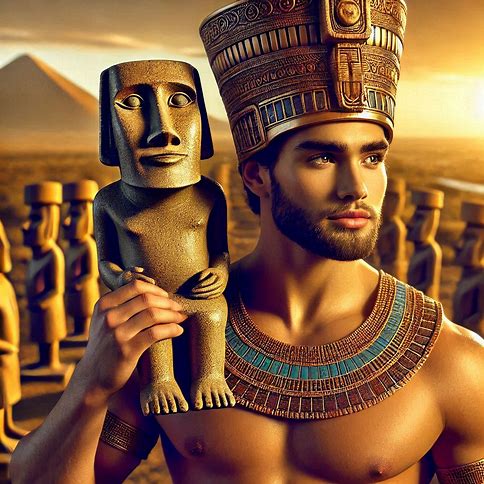
The Immortal Ruler and the Symbolism of Eternity: An androgynous, dying and rising deity known as the Immortal Ruler or Ruler of Eternity in Some Civilization myths, embodies the timeless cycle of life, death, and rebirth—a divine force that transcends mortality and stands as a testament to eternal renewal.
Example –
1.According to Authors Interpretation, In Indian Hindu Scripture, this Androgynous dying and Rising Deity termed Trigunatit as per Sanskrit Terminology and Called Vishnu, Who consider Earth Care taker and Ruler of Eternity, Deity of Wealth and responsible to restore balance of the world in time of Chaos.
In indian vedas Trigunatit Vishnu means androgynous dying and rising authority in English, refer to as Eternal ruler authority, means Here in this episode at 12.00 min, Trigunatit Vishnu refer as who present from Ananta (eternity).
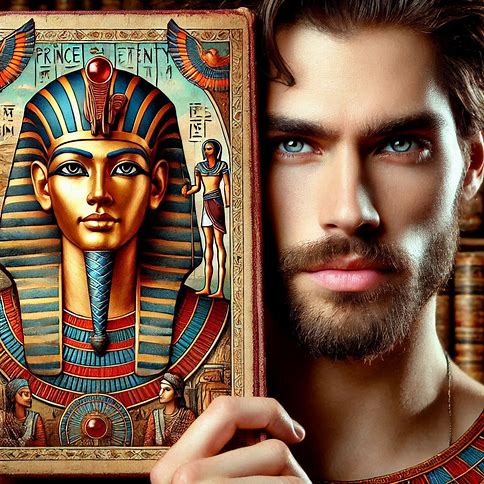
2. Similarly Egyptian Book of the Dead 1200 BC Hymn Praise Androgynous Osiris Dying and Rising Deity as Prince of Eternity and Called Him Eternal Lord.
Osiris and the Green Face: Why Was the Lord of Eternity Green?
Walk through the Egyptian galleries of a museum today and one image of Osiris can seem strangely familiar: a royal figure with a preserved, mummified body and, in some representations, a face or body painted green.
At first, the color looks almost unnatural. Why would Egyptians choose green for a ruler of the dead?
The answer begins with the Nile.
Every year, Egypt depended on the river’s flooding. When the waters withdrew, they left behind dark, fertile soil in which crops could grow. From that soil came the green fields that sustained Egyptian civilization. To someone living along the Nile, the appearance of green vegetation was not simply a pleasant change in scenery. It was evidence that life was returning.
The Egyptians noticed another transformation in their fields. A seed could disappear beneath the earth, remain hidden, and then emerge as a living plant. What looked like disappearance was followed by renewal.
Osiris gradually became closely associated with this idea.
In Egyptian artistic traditions, green could represent regeneration and renewed life, making it an appropriate color for Osiris. His green appearance was therefore not intended to make him look strange or monstrous. It conveyed something about what he represented: life continuing beyond apparent death.
There is an even more interesting detail. Osiris was also sometimes represented in black.
That might seem like a contradiction until we remember what black meant in ancient Egypt. The fertile soil deposited by the Nile was dark, and this rich earth was essential to agricultural life. Black could therefore carry associations with fertility, regeneration, and the productive land of Egypt.
Green and black, two very different colors to modern eyes, could point toward related ideas in Egyptian symbolism: the earth, vegetation, fertility, and renewal.
This helps explain why Osiris was represented differently from an ordinary deceased person. He was not simply shown as someone whose life had ended. His appearance communicated that he belonged to a different stage of existence.
The green-faced Osiris was a visual puzzle with an answer hidden in the landscape itself.
Every year the Nile receded.
The soil remained.
The fields became green.
The crops appeared.
And the cycle began again.
For the Egyptians, Osiris belonged to this world of transformation.
His body could be preserved like a mummy, yet his color could suggest vegetation. He was a ruler of the dead, yet his imagery could evoke the return of life. He belonged to the tomb, yet his symbolism reached back toward the fields that sustained Egypt.
That combination may be one reason his image remained powerful for so many centuries.
The strange green face was not merely an artistic choice.
It was a clue.
To understand Osiris, the ancient Egyptian viewer was being asked to look not only toward the tomb—but toward the Nile, the soil, and the green life that returned after the earth appeared to be dead.
When the Dead Became Osiris
There was something unusual about the way ancient Egyptians spoke about the dead. A person who had died was not always described simply as a former living individual. In funerary texts, the deceased could be given a new identity: Osiris.
This was not just a title.
It was part of a larger religious idea about what could happen after death.
The Book of the Dead—a collection of funerary spells assembled and developed over many centuries—contains texts intended to help the deceased navigate the afterlife. Among them are passages in which a dead person is identified with Osiris, often by placing the name of Osiris before the person’s own name.
Imagine the significance of that idea to an ancient Egyptian family preparing a burial. Their relative had died, but the funeral rituals were not simply marking the end of a life. They were helping the deceased enter a new existence modeled upon Osiris.
Osiris was therefore more than a ruler waiting somewhere in the afterlife. He became the pattern through which the deceased hoped to continue.
The imagery surrounding him made the idea especially powerful. He appeared as a preserved ruler, often holding the royal crook and flail, with his body wrapped like a mummy. He looked simultaneously like a king and like someone who had already crossed the boundary of death.
His throne was no longer an earthly palace.
It was the realm of the dead.
The Egyptians called this realm Duat, a mysterious region through which the deceased had to travel. There the dead encountered various beings, gates, dangers, and divine powers. The journey was not simply a trip to another geographical location. It represented a transition into a different state of existence.
At the end of this journey stood judgment.
The famous scene later known as the weighing of the heart shows the deceased facing a decisive moment. The heart was weighed against the feather associated with Ma’at, the principle of truth, justice, and cosmic order. The deceased had to demonstrate that they had lived according to the required moral and religious order.
If the judgment was successful, the deceased could enter a blessed existence.
Osiris presided over this realm.
This gives his role a fascinating dimension. The deity who had once been remembered as a king became the ultimate judge and ruler of those who hoped to overcome death.
The ordinary Egyptian therefore did not need to imagine becoming a king on earth. Through the funerary tradition, the dead could hope to participate in the existence of Osiris himself.
That idea helps explain why Osiris became so important in Egyptian funerary culture.
His story was not merely something priests told in temples.
It became personally relevant to ordinary people who faced the same unavoidable event: death.
A tomb inscription, a funerary papyrus, or a carefully prepared burial could therefore be understood as part of a larger hope. The deceased had entered the same sacred pattern as Osiris. The earthly identity had not simply vanished; it was being transformed.
This also explains something striking about Egyptian burial practices. The Egyptians invested enormous effort in preserving names, bodies, images, and funerary objects. A person’s identity had to continue to exist. Forgetting was dangerous because remembrance was part of continued existence.
Osiris represented the ultimate version of this principle.
He had died, yet his name endured.
His body was preserved.
His kingship continued.
And his realm became the destination toward which the deceased hoped to travel.
Thousands of years later, when archaeologists began opening Egyptian tombs, they discovered the physical remains of this extraordinary belief system: coffins covered with inscriptions, papyri filled with spells, painted burial chambers, amulets, statues, and offerings intended to accompany the dead.
The objects were silent, but together they revealed something remarkable.
For the Egyptians, death was not simply a moment.
It was a journey.
And Osiris was waiting at the other end.
That is why the title “Osiris” appearing before the name of a deceased person is so significant. It suggests that the dead were being placed within the identity and destiny of the eternal ruler.
The king of eternity was not merely a distant deity.
He was the model of what the deceased hoped to become.
And perhaps that is one of the most intriguing things about Osiris: his greatest influence may not have come from the story of how he died, but from what Egyptians believed his existence after death made possible for everyone else.
Androgynous Dying and Rising Deity called Mortal Consort of Androgynous Mother Goddess
Across many ancient civilizations, the concept of an androgynous Dying and rising deity as the mortal consort of a powerful mother goddess illustrates the enduring cycle of death, rebirth.
One example is the Sumerian Deity Dumuzi, consort of the goddess Inanna, who descends to the underworld each year to restore the earth’s balance.
In Greek mythology, we find a similar figure in Androgynous Adonis Dying and Rising Deity, the beloved of Mother goddess Androgynous Aphrodite, who dies and is reborn in harmony with the seasonal cycle.
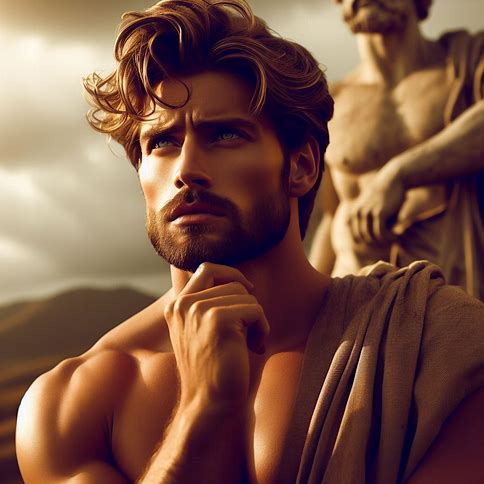
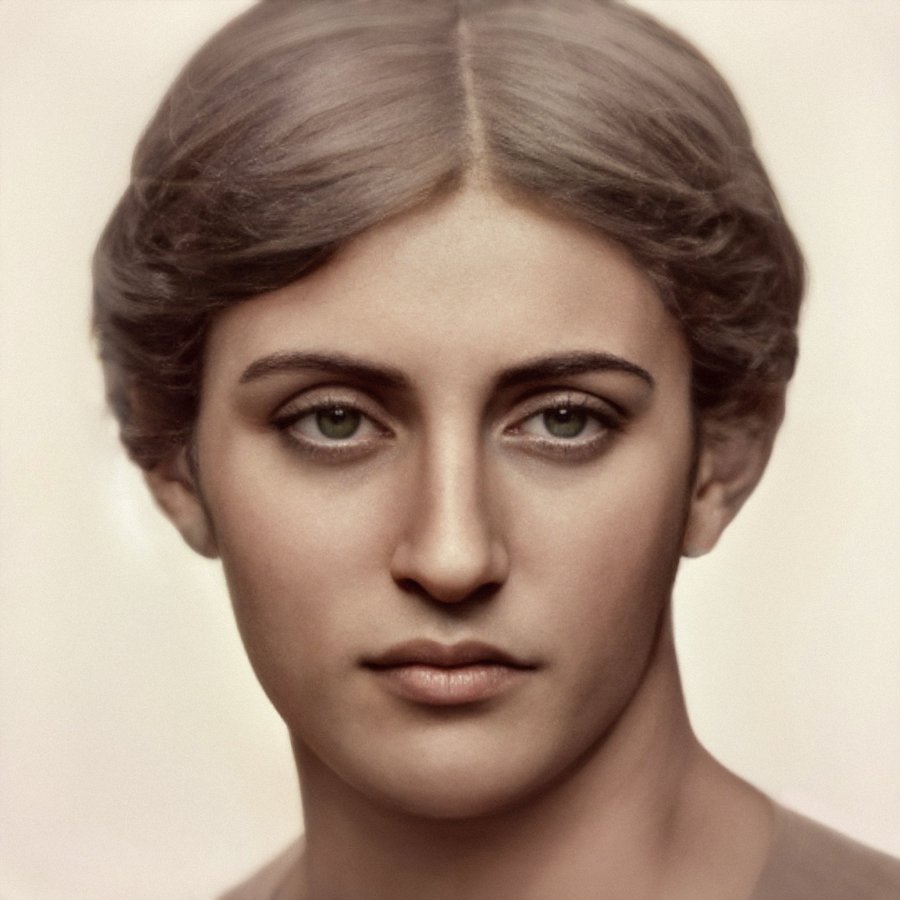
aphrodite image credit – Bas uterwilk
In ancient Egypt, Androgynous Osiris Dying and Rising Deity plays role as a Alien Teacher of Civilization as Per Text of Kolbrin, Osiris transcends mortality through his resurrection, emerging as both king of the underworld and eternal consort to Mother goddess Isis, whose magic and love bring him back to life.
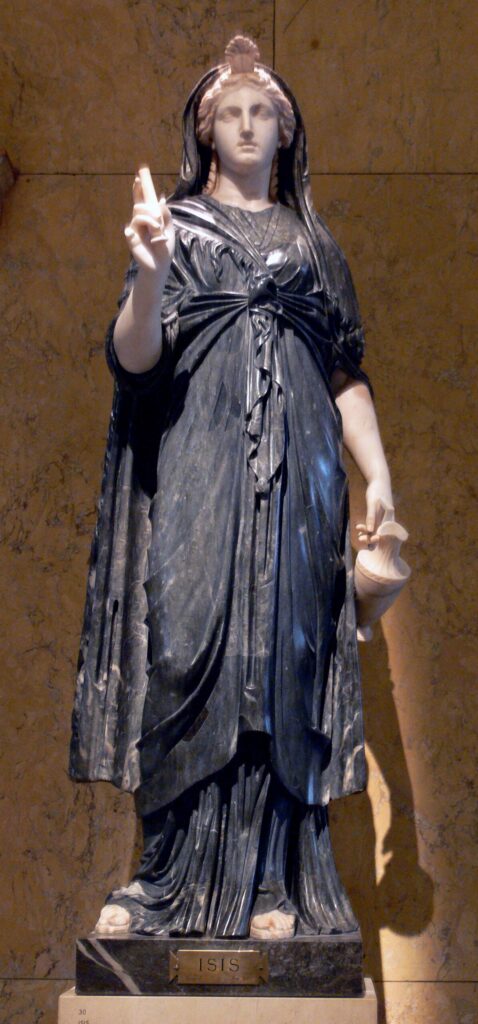
Roman Statue of Isis Mother Goddess – 1st Century, Credit- Andreas Praefcke. Public Domain

Isis Mother Goddess – (Face Reconstruction) from Roman Statue of Isis Mother Goddess
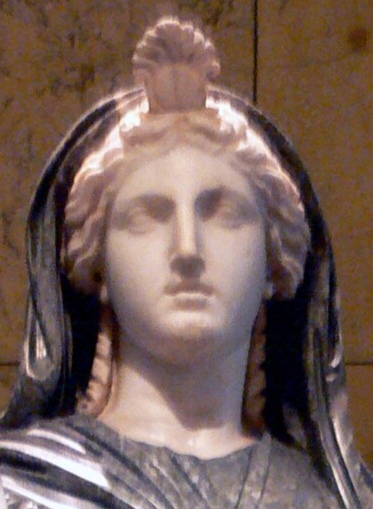
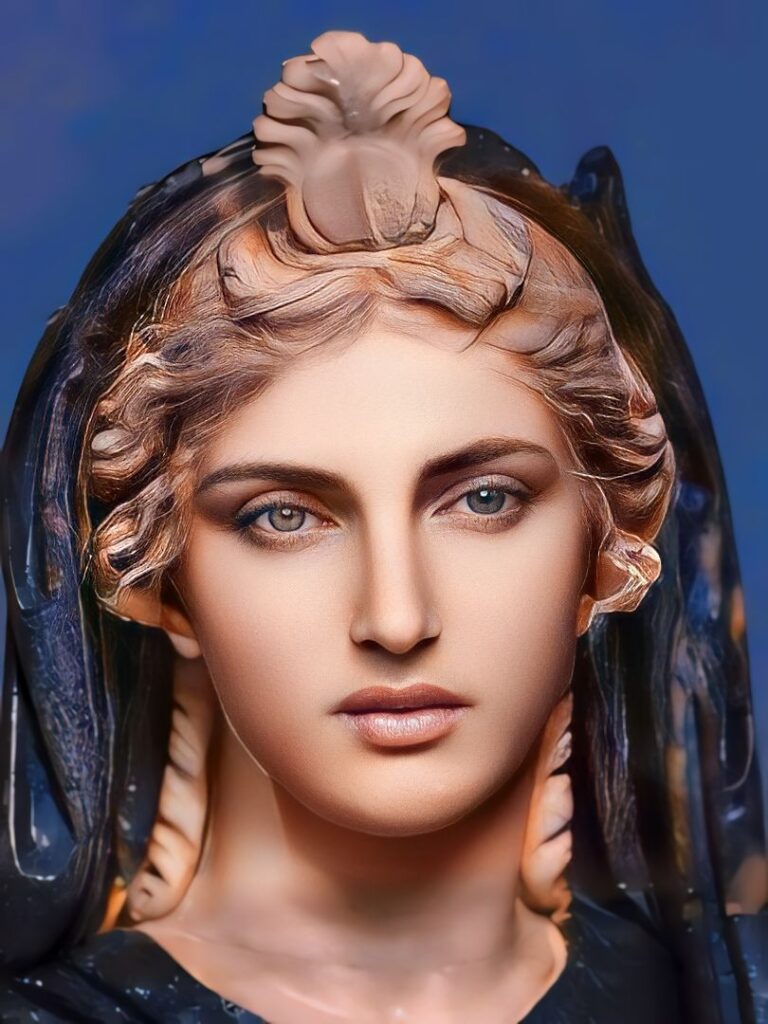
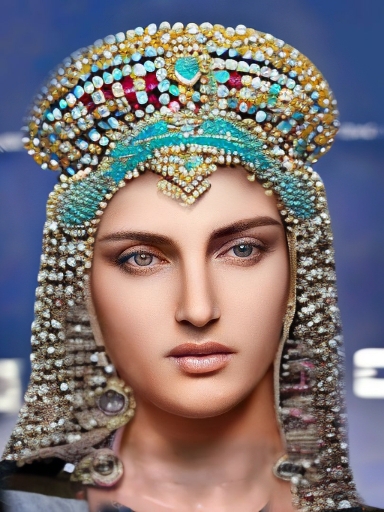
Isis Mother Goddess – Eternal Consort of Androgynous Osiris Dying and Rising Deity (Face Reconstruction)
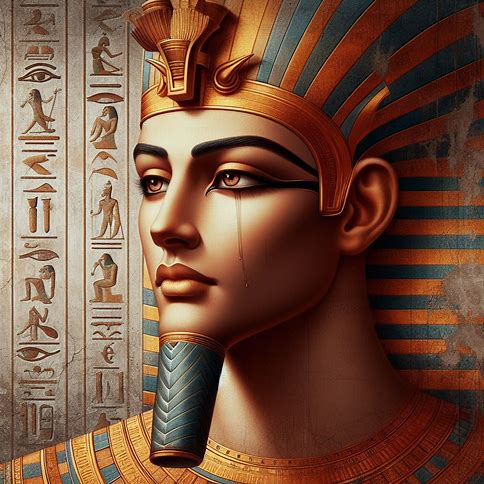
Androgynous Annunaki Marduk – Eternal Consort Mother goddess Sarpanitum
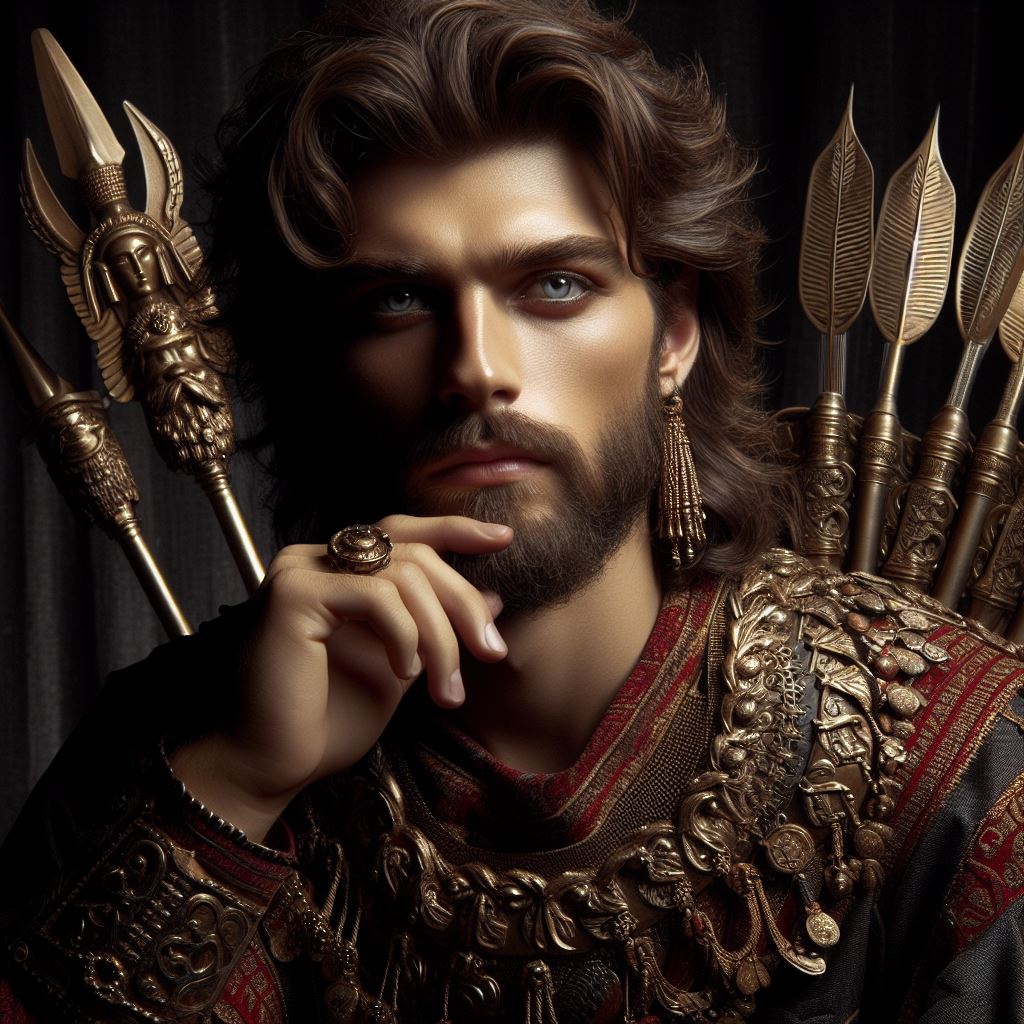
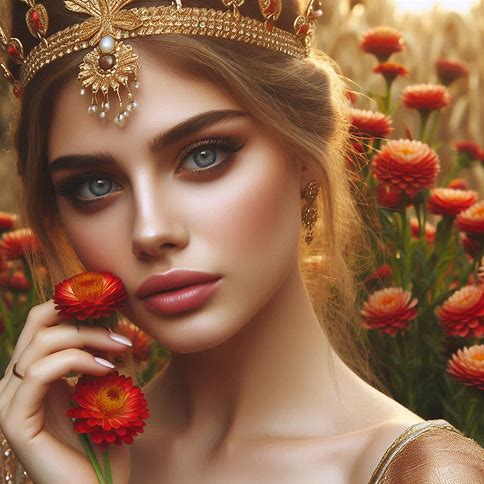
In Mesopotamia Civilization Androgynous Annunaki Marduk and goddess Sarpanitum consider as Eternal life Partner. In each case, these deities are revered as mortal consorts
From Adonis to Attis: Death, Mourning and Renewal
The story of Adonis introduces another ancient tradition in which death, mourning, and renewal became closely connected. The pattern continues with Attis, a figure associated with the powerful Anatolian deity Cybele, whose worship later spread into the Roman world.
Attis adds another variation to the mystery we are following: a sacred figure whose death becomes connected with mourning, transformation, and renewed life.
But the deeper question remains the same:
Why did ancient traditions repeatedly return to the image of a sacred figure who passes through death and is somehow connected with renewal or return?
With Attis, the mystery takes us into another ancient religious world, where the themes of death, transformation, and renewal appear in a new form.
Androgynous Cybele Consort of Mortal Ruler Androgynous Attis Dying and Rising Deity
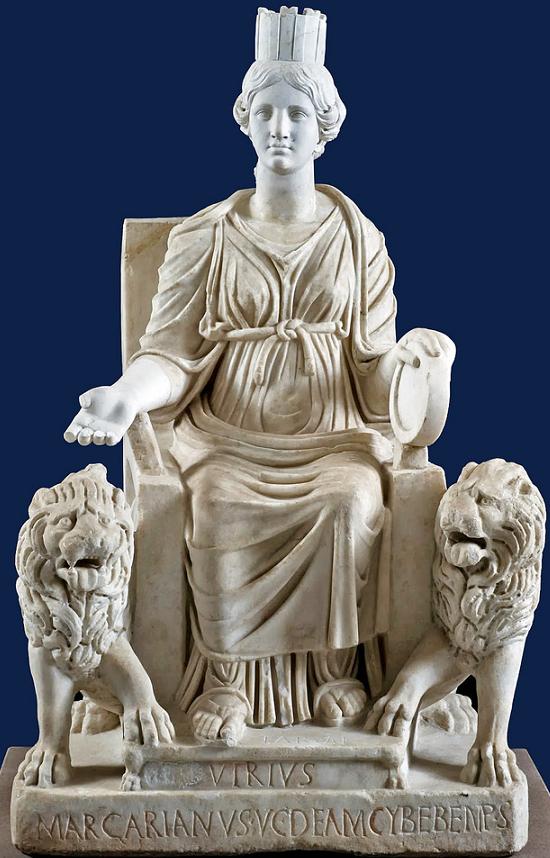
credit- Bujomar CC BY SA 4.0
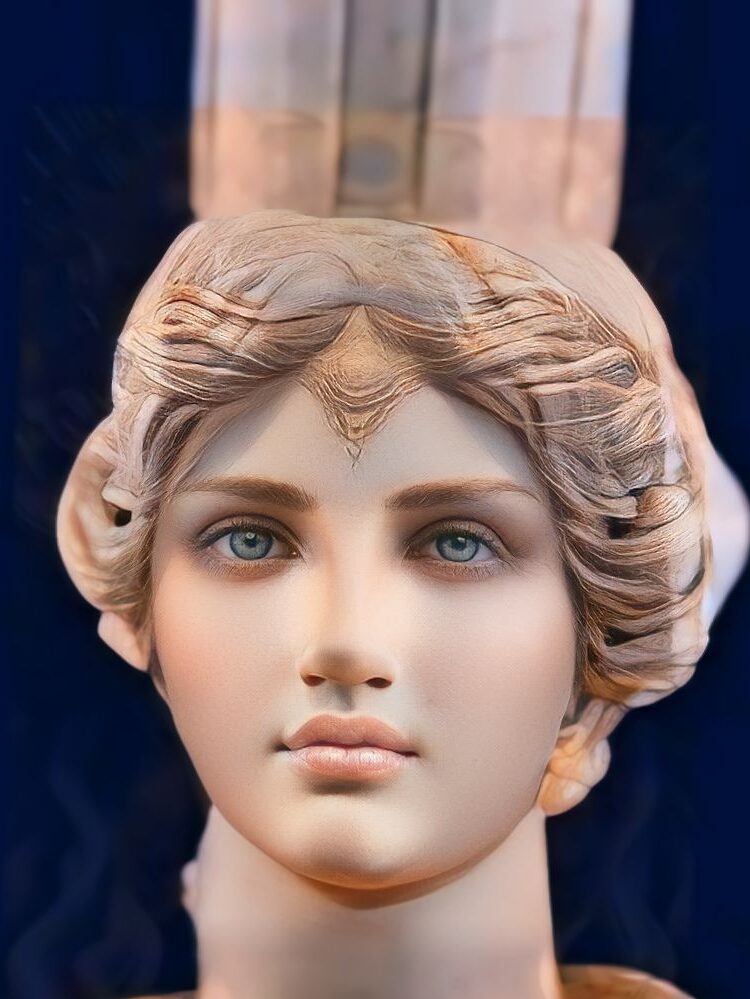



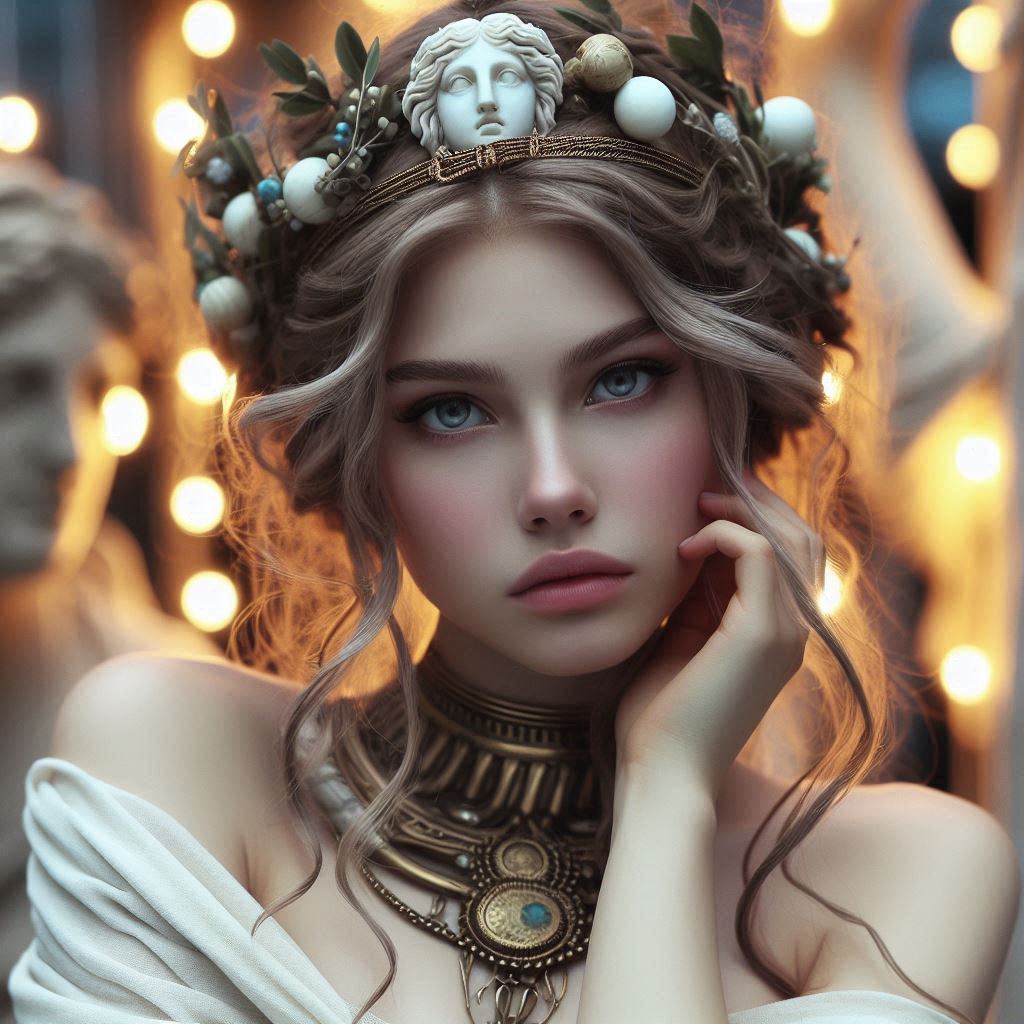
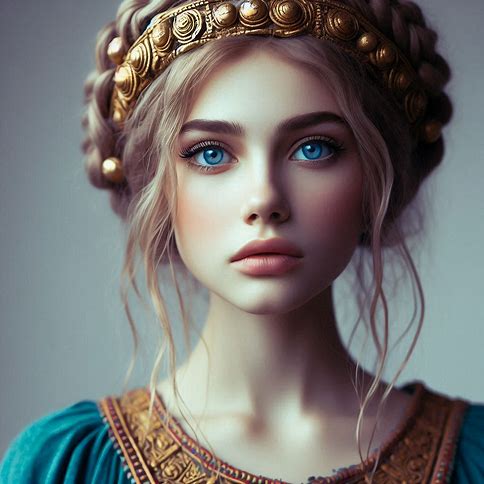
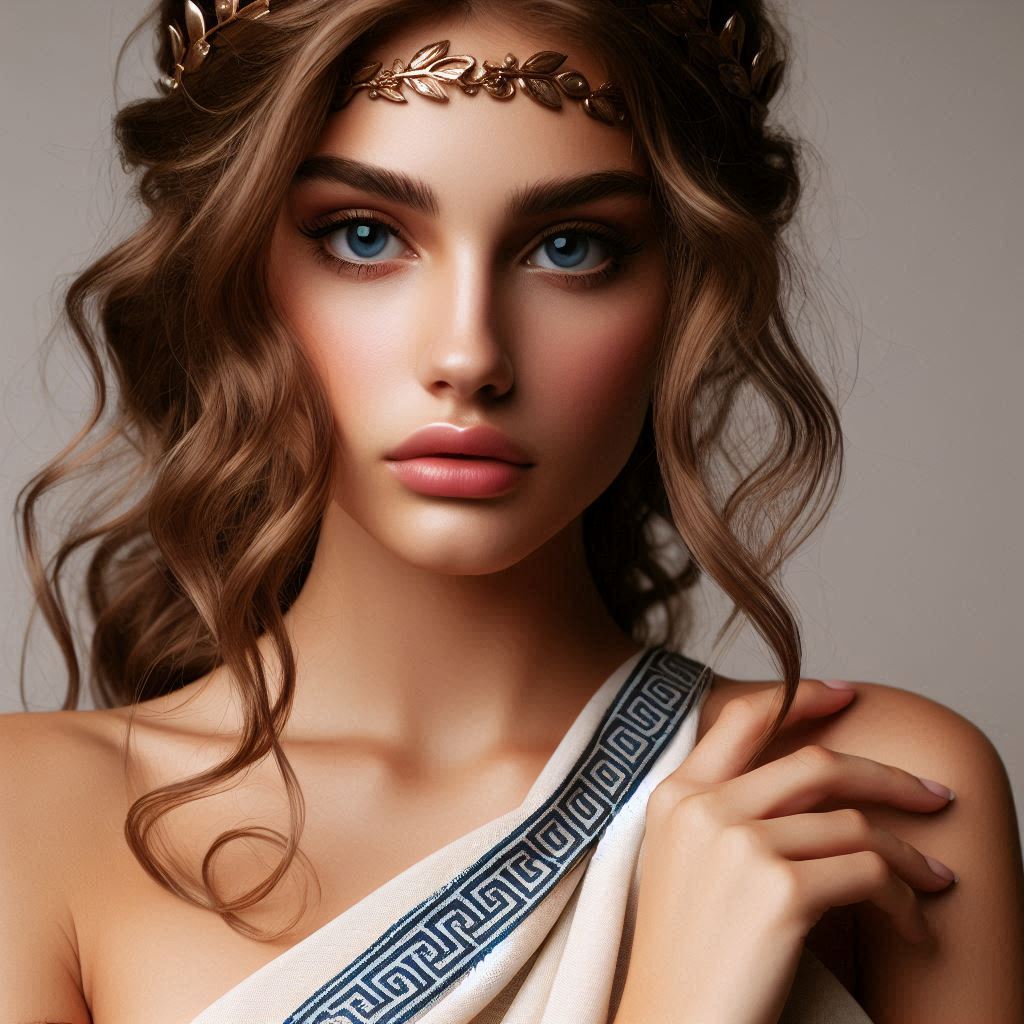
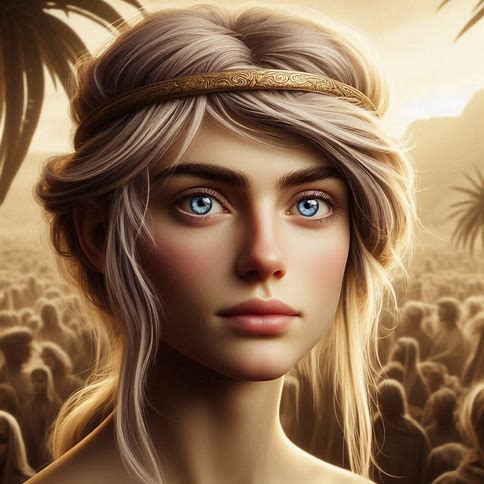


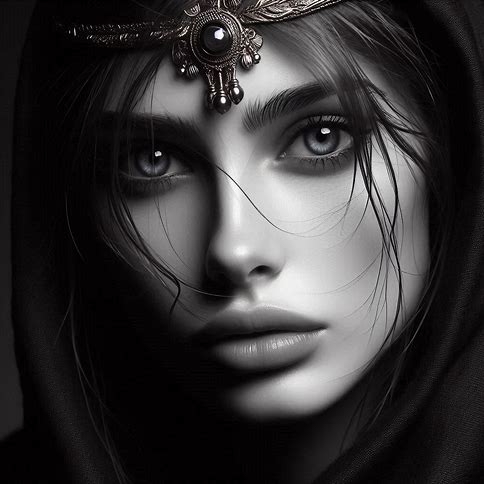
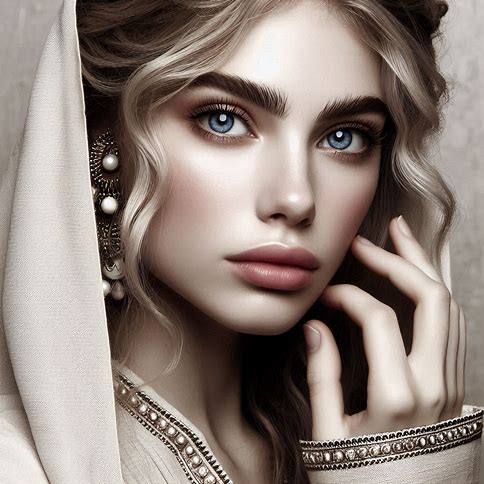

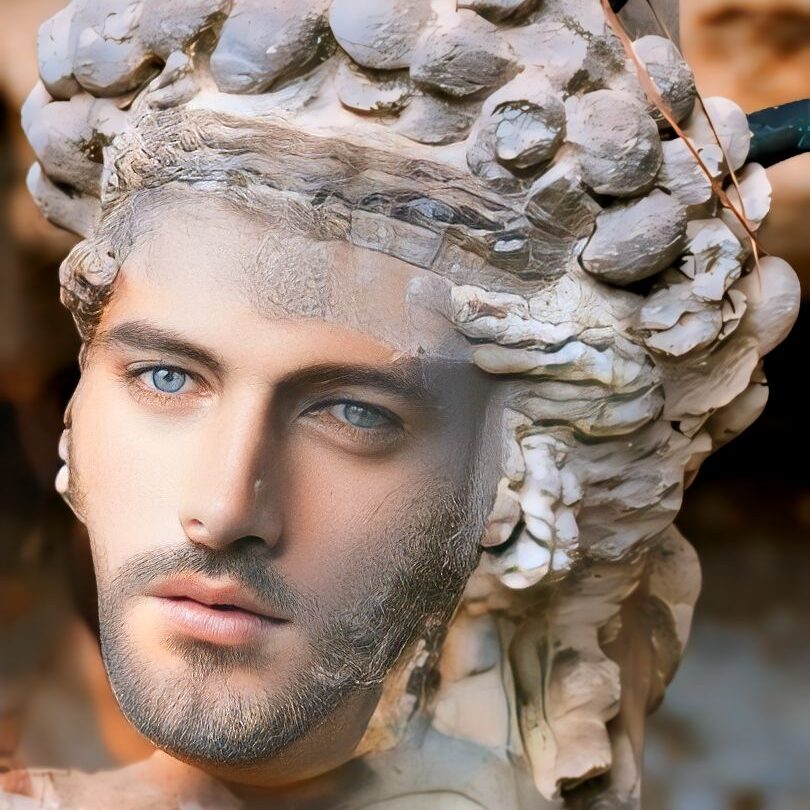
Attis Dying and Rising Deity face Reconstruction
Credit- Dennis G. Jarvis, CC BY SA 2.0
Why Does the Dying-and-Rising Motif Keep Returning?
After examining traditions surrounding Dumuzi, Osiris, Adonis, and Attis, a recurring pattern begins to emerge.
The stories are not identical. Each belongs to a different civilization, developed within a different cultural setting, and carries its own religious meaning. Yet several traditions repeatedly describe a sacred figure who experiences death, disappearance, descent, destruction, or separation, followed in some form by renewal, restoration, return, or continued existence.
This raises a simple but difficult question:
Why does the idea of a dying and returning sacred figure appear again and again in ancient traditions?
One possibility is that these stories emerged from humanity’s observation of nature and recurring cycles.
Day disappears into night and returns as morning.
Vegetation dies and grows again.
The agricultural landscape changes with the seasons.
The Moon disappears and reappears.
Life itself moves through birth, growth, decline and death.
The death and return of a deity could therefore have provided a powerful symbolic language for explaining renewal after disappearance.
But the pattern becomes more interesting when the dying-and-rising figure is not merely associated with nature.
In several traditions, the figure is also connected with kingship, fertility, creation, civilization, divine authority, or the continuation of life after death.
This creates a larger pattern:
Death → Absence → Mourning → Transformation → Renewal → Return
The meaning, however, may not always have been the same.
For one tradition, the story may have explained the agricultural cycle.
For another, it may have expressed the hope of life after death.
For another, it may have represented the restoration of cosmic order.
And for another, it may have symbolized the continuing power of a sacred ruler.
Therefore, the similarities should not automatically be treated as proof that all these traditions came from one historical source.
But neither should the recurring pattern be ignored.
The more civilizations we compare, the more important the question becomes:
Was the dying-and-rising figure simply a symbolic explanation of natural cycles, or did ancient traditions use this pattern to express a deeper idea about transformation, rebirth, and continued existence?
This question becomes especially important when the same broader archetype begins to appear alongside other recurring features—androgynous symbolism, sacred kingship, civilization-bringing, divine partnership, catastrophe, return, and rebirth.
Perhaps these themes developed independently because human societies repeatedly confronted the same fundamental mysteries:
Where does life come from?
What happens when life ends?
Can something that has disappeared return?
Can order emerge again after destruction?
Or perhaps some ancient traditions preserved fragments of older ideas that travelled across generations and civilizations.
At this stage, we cannot assume the answer.
But the recurring pattern gives us a new direction for the investigation:
If “dying and rising” represents more than physical death—could it also represent rebirth?
That question takes us from the ancient stories of death and renewal to a much deeper possibility:
One Life Ends—Another Begins
The dying-and-rising traditions raise a deeper possibility.
If the sacred figure does not simply disappear, but returns, is restored, or continues to exist in another form, then perhaps the ancient idea of “death” was not always understood as the absolute end of existence.
Instead, death could have been imagined as a transition.
One form ends.
Another form begins.
One existence disappears.
Another existence emerges.
This idea can be seen at different levels.
In nature, vegetation disappears and returns. The seasons change and repeat. Day gives way to night, and night gives way to day. The Moon appears to disappear before returning again.
Human life follows a different cycle:
Birth → Growth → Decline → Death
But the ancient question may have been:
Does the cycle end with death, or does something continue beyond it?
This distinction is important.
A dying-and-rising story can be interpreted simply as renewal—the return of vegetation, fertility, light, or cosmic order.
But it can also be interpreted more deeply as rebirth—the continuation of existence through a new life or form.
These two ideas are not necessarily the same.
Renewal means something returns or is restored.
Rebirth means an existence begins again in another life or form.
This difference opens a new direction in our investigation.
If ancient traditions repeatedly describe sacred figures who disappear and return, could some of these stories have preserved an idea of existence continuing beyond physical death?
And if existence can continue, another question follows:
Could the returning figure be understood not merely as the same deity coming back, but as the same identity appearing again in another existence?
At this point, the investigation moves beyond the agricultural and seasonal symbolism of dying and rising.
We begin to encounter traditions involving return, reincarnation, repeated existence, and memory of a previous life.
Could these traditions represent completely different ideas that developed independently?
Or could they preserve different expressions of a much older question:
What if death is not the end of the journey, but a transition from one existence to another?
To explore that possibility, we must examine what different traditions actually say about rebirth and the return of the divine figure.
Could “Dying and Rising” Mean Rebirth?
Perhaps the deepest question behind the dying-and-rising figure is not simply what happens after death, but what happens next.
In the interpretation explored in this book, death is not the final disappearance of the individual. It is the ending of one human life followed by another beginning. The figure dies, but existence continues through rebirth into human life again.
Seen from this perspective, the phrase “dying and rising” takes on a different meaning. The death belongs to one life; the rising belongs to the next. What appears to be an ending becomes a transition.
This interpretation gives the ancient stories a different dimension. The dying figure is not necessarily returning to the same earthly existence in the same body. Instead, the deeper idea may be that life continues through transformation, with the individual passing from one human existence into another.
However, this is where we must distinguish ancient evidence from our interpretation. Osiris, Dumuzi, Adonis, Attis, and other figures belonged to different religious traditions, and their surviving texts do not all explicitly teach reincarnation in the same way. Their stories must therefore be examined individually rather than treated as proof of one universal doctrine.
The question this book explores is more specific:
Could some ancient dying-and-rising traditions preserve, symbolize, or echo an older idea of spiritual rebirth—the death of one human life followed by birth into another?
If so, the familiar image of the deity who dies and rises again may carry a meaning deeper than physical resurrection.
The body dies.
The old life ends.
Then life begins again.
And the mystery is not simply how the figure rises.
It is who the figure becomes when life begins again.
The Divine Figure Who Returns
Rama and Kalki — The Promise of Another Age
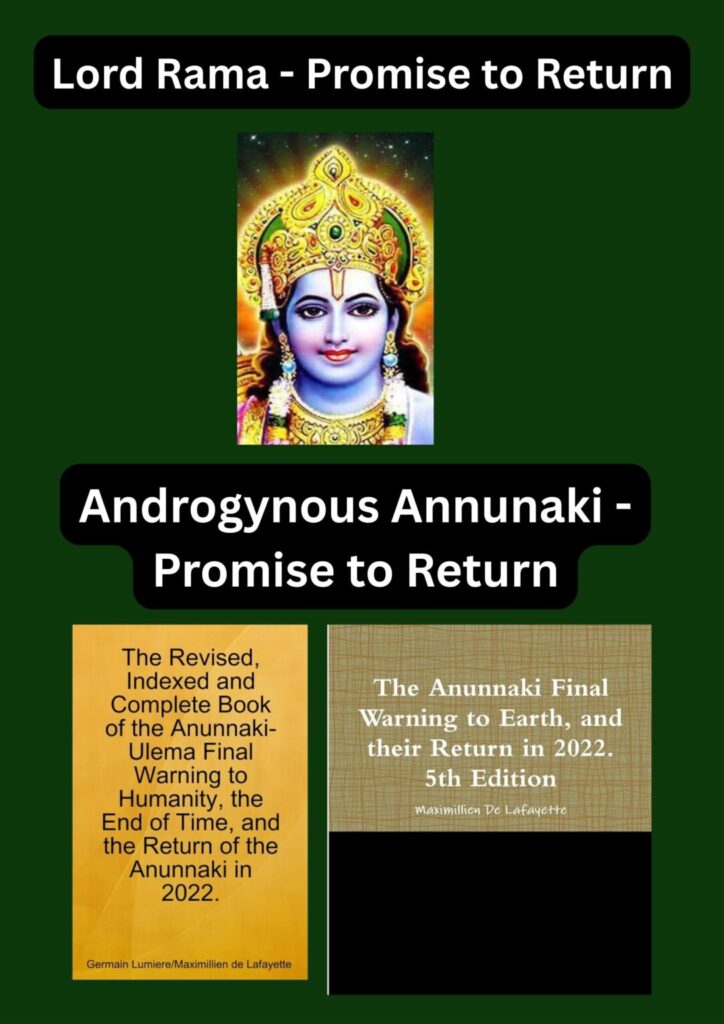
One of the intriguing traditions connected with Lord Rama and Vaishnavi tells of a promise that reaches beyond a single lifetime.
According to the tradition, Vaishnavi was devoted to Rama and awaited his return. Rama, however, could not fulfill her wish during that incarnation. He is therefore said to have promised that he would return in another age, when he would appear as Kalki, and their destined meeting would take place.
This creates an interesting connection with the dying-and-rising and returning-deity theme explored in this study. The divine figure does not simply disappear at the end of one incarnation; instead, the promise points toward a future return in another form or age.
The story therefore raises a fascinating question:
If Rama promised to return as Kalki, could this tradition preserve an ancient memory of the same divine authority appearing again at another point in the cosmic cycle?
The answer belongs to the deeper mystery of divine return, incarnation, and continuity across ages.
Androgynous Anunnaki Deity: The Promise of Return — A Final Warning?
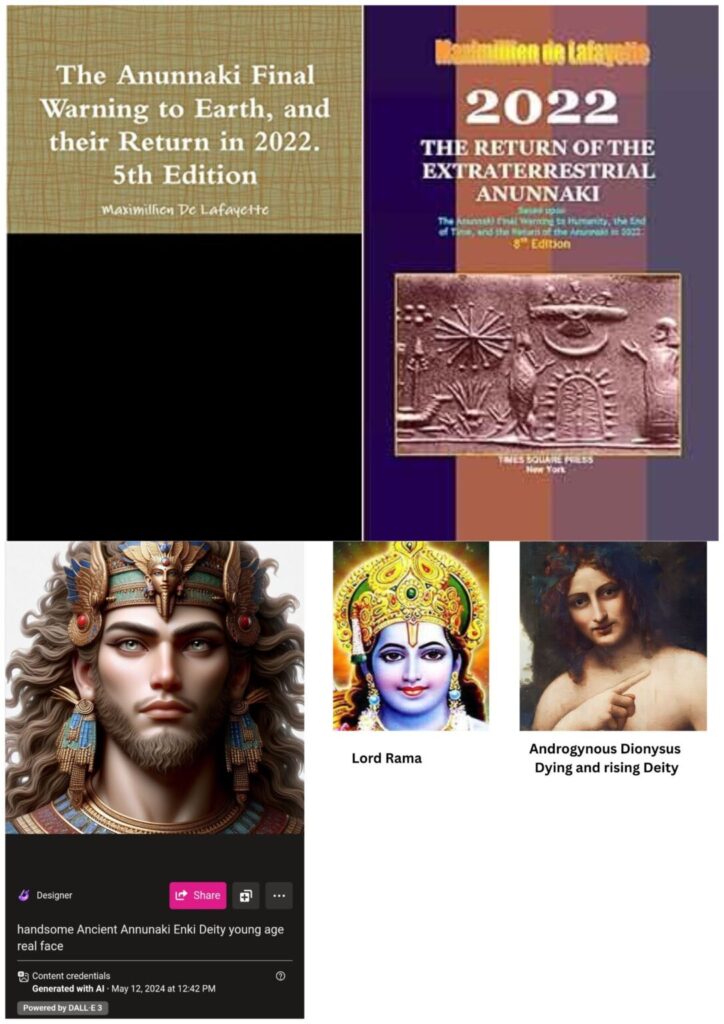
The mystery deepens when we turn to the ancient stories surrounding the Anunnaki. Within the interpretation explored in this study, these androgynous divine authorities are not remembered only for their connection with civilization, knowledge, and kingship, but also through traditions and modern interpretations that speak of a future return.
A promise of return creates a powerful question.
If the ancient civilization-bringing deity once appeared, taught humanity, established order, and then disappeared from the world, was the disappearance truly an ending—or only a departure before another return?
The idea becomes even more mysterious when stories described as an “Anunnaki final warning” are placed beside the ancient traditions of divine return. Could such warnings represent a memory of an authority that was expected to appear again when humanity reached another critical point?
Perhaps the ancient message was never simply:
“We have gone.”
Perhaps it was:
“We will return.”
If so, the final warning would not be the end of the story.
It would be the beginning of another chapter.
And that leaves us with the question:
Was the promised return of the Anunnaki part of the same ancient mystery of the dying-and-rising deity—an authority that disappears from one age, only to return when the next great cycle begins?
Androgynous Kukulkan and Quetzalcoatl: The Promise of Return
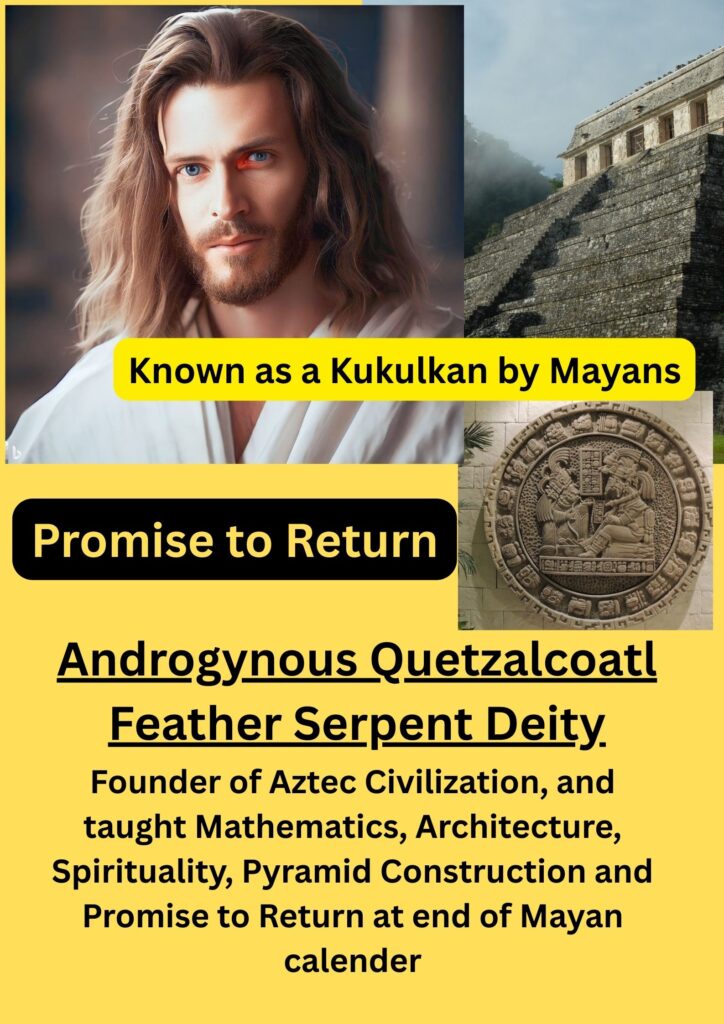
The mystery of the returning deity appears again in the Mesoamerican traditions surrounding Kukulkan and Quetzalcoatl. Quetzalcoatl was associated with knowledge, civilization, rulership, and sacred order, while Kukulkan became an important Maya expression of the feathered-serpent tradition.
Traditions recorded after the Spanish conquest describe Quetzalcoatl leaving and being expected to return. Some accounts describe a promise of return and the restoration of his authority, although the historical evidence surrounding this tradition remains complex.
The mystery becomes even more fascinating when viewed alongside the 2012 Maya calendar cycle. The completion of the 13th baktun marked the end of a major calendrical period, but it was not simply understood by the ancient Maya as the end of the world. Maya concepts of time were cyclical, meaning that the completion of one period could also mark the beginning of another.
Within the pattern explored in this study, a striking sequence begins to appear:
A divine figure appears.
He teaches civilization.
He disappears.
A return is anticipated.
And a new cycle begins.
A similar pattern can be explored in the traditions surrounding Rama and Kalki, Trigunatit, and the Anunnaki return.
Could these seemingly different traditions preserve the same ancient idea—that the androgynous civilization-bringing authority does not disappear permanently, but returns when a new age or cosmic cycle begins?
Androgynous Kon-Tiki Viracocha — The Promise to Return
The mystery of the returning civilization-bringer appears again in the traditions surrounding Kon-Tiki Viracocha, the great creator and culture-bringing deity of the ancient Andes.
According to traditions recorded by early chroniclers, Viracocha appeared as a creator and teacher who brought knowledge and civilization to humanity. After completing his journey, he travelled westward toward the ocean and disappeared, with traditions describing a promise that he would return.
The story becomes even more intriguing because Viracocha was not remembered simply as a distant creator. He was portrayed as a figure who walked among people, taught them, established order, and then departed, leaving behind the expectation of his eventual return.

When this tradition is placed beside the other return traditions explored in this study, a remarkable pattern emerges:
The deity appears.
He brings knowledge.
He establishes civilization.
He disappears.
And a promise of return remains.
Could the story of Kon-Tiki Viracocha therefore preserve another chapter in the ancient mystery of the dying-and-rising, returning civilization-bringer?
And if Viracocha was expected to return when humanity needed him again, could this be another expression of the same ancient belief that the divine authority does not disappear forever—but returns at the beginning of another age or cycle?
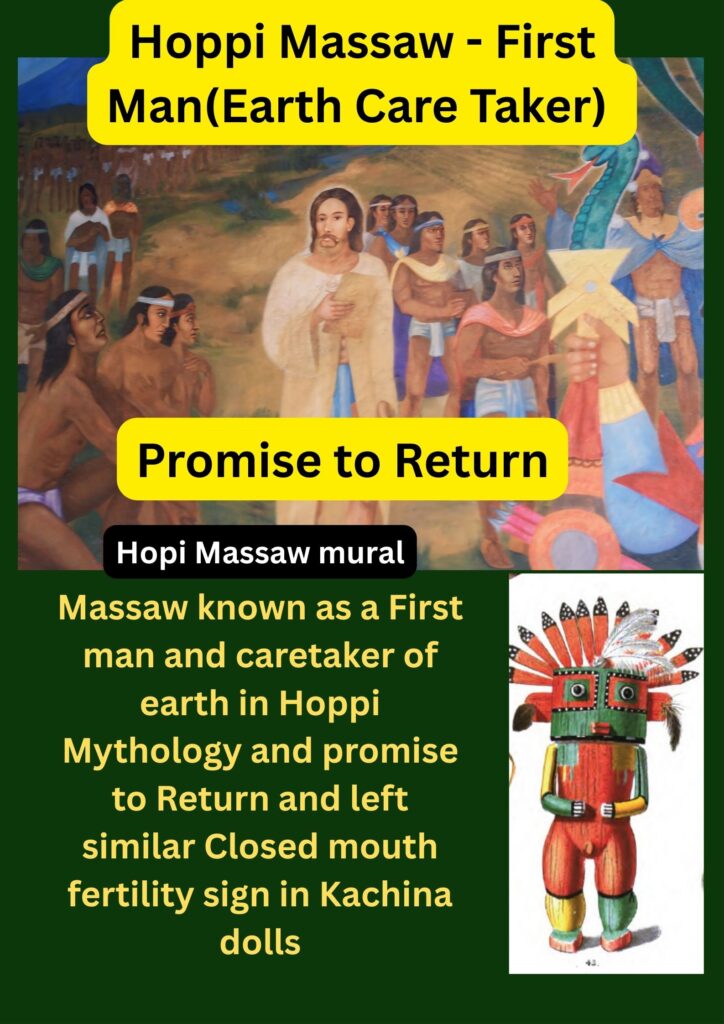
Hopi Civilization Wisdom-Bringer Massaw — The Promise to Return
The trail now leads to the Hopi tradition of Massaw (Maasaw), a figure associated with the beginning of the present Hopi world, sacred instructions, the care of the Earth, and the survival of humanity after an earlier world was destroyed by a great flood. In a Hopi message, Massaw is described as the Great Spirit who appeared to the first people, taught them how to live, gave them seeds and sacred instructions, and entrusted them with the responsibility of caring for the land. (crab.rutgers.edu)
But the story contains another remarkable element.
Massaw did not simply establish the new world and disappear from the tradition. He withdrew from ordinary human sight, while the Hopi continued to follow the life plan and teachings associated with him. The tradition also contains expectations concerning the return or reappearance of sacred figures and the fulfillment of ancient signs. (crab.rutgers.edu)
This creates a striking connection with the other First Man and civilization-bringer traditions examined in this study.
The First Man appears.
He teaches humanity.
He establishes the way of civilization.
A catastrophe separates one world from another.
The divine teacher withdraws.
And the possibility of return remains.
The resemblance becomes even more intriguing when Massaw is placed beside Yima/Jamshid, Fuxi, Da Yu, Viracocha, Quetzalcoatl, Rama, and the other civilization-bringing figures discussed earlier.
Could these stories preserve a recurring memory of a First Man who teaches civilization, survives or guides humanity through the destruction of an earlier world, and remains connected with a future return?
And could the Hopi story of Massaw therefore represent another chapter in the ancient mystery of the civilization-bringer who leaves—but never truly disappears?
The question is not simply why the First Man came.
It is why so many traditions seem to leave the door open for his return.
Inkarri — Founder of Paititi and the Promise of Return
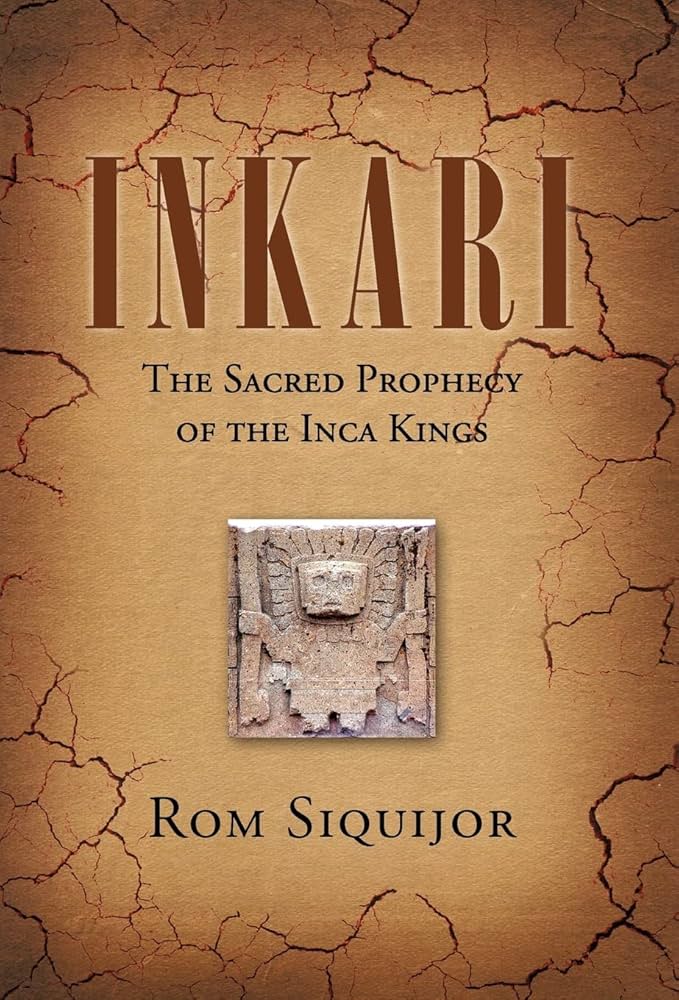
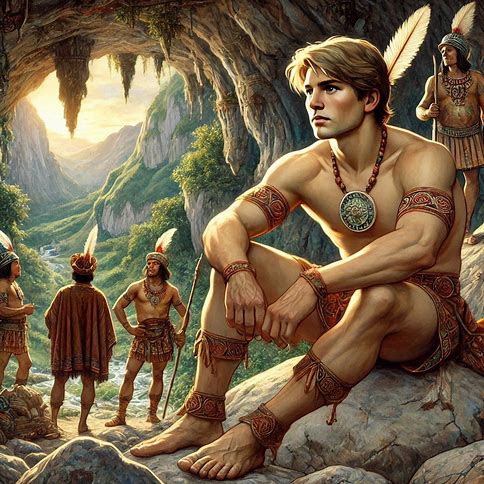
The trail now leads into the Andes, where another remarkable story emerges around Inkarri, the legendary Inca culture-hero associated in some traditions with the founding of Q’ero and Cusco and, in later versions, with the mysterious refuge of Paititi. (Wikipedia)
But Inkarri’s story does not end with his disappearance.
In one powerful version of the tradition, Inkarri is defeated and his body is separated, while his head remains alive beneath the earth. Slowly, the rest of his body is said to regenerate. When the body becomes complete, Inkarri will return and restore the broken order. (rcllletras.unmsm.edu.pe)
Other versions connect Inkarri with Paititi, describing him as retreating toward the hidden city after establishing Q’ero and Cusco. (El Comercio Perú)
The imagery is striking:
The civilization-bringer appears.
He establishes order.
He disappears.
His body is hidden.
His body regenerates.
And one day, he returns.
This creates another intriguing connection with the dying-and-rising figures examined throughout this study. Inkarri is not simply remembered as a ruler of the past; his story carries the expectation of renewal, restoration, and return.
Could Inkarri therefore represent another cultural memory of the ancient dying-and-rising civilization-bringer—the figure who disappears at the end of one era but remains destined to return when the world is ready for renewal?
And if Paititi became the mysterious place associated with his departure, another question remains:
Did the ancient tradition intend Paititi to be merely a hidden refuge—or the place from which the civilization-bringer would one day return?
From Inkarri’s Return to Remembering Previous Existence
The traditions we have examined so far describe something remarkable: the sacred figure does not simply disappear forever. Whether through prophecy, return, restoration, or the expectation of a future reappearance, the figure remains connected to humanity.
But this raises a deeper question.
If a divine or sacred figure can return, what exactly is returning?
Is it merely the role of the ruler or teacher?
Is it the tradition and memory of that figure?
Or could it be understood as the continuation of the same identity across different forms of existence?
And there is an even more intriguing possibility.
Could the returning figure retain not only the same identity, but also recognizable physical characteristics?
If traditions describe a figure returning across different periods, could similarities in facial appearance, distinctive features, or artistic representations provide another possible clue to investigate?
This is only a hypothesis at this stage—not a conclusion. The question of whether a recurring face could have any relationship to a continuing identity will be examined later through comparative visual and historical analysis.
For now, the deeper question is:
Can something from a previous existence continue into a new one—and, if so, could identity or memory survive the transition?
This leads us to another intriguing area of ancient and religious traditions: the idea of remembering a previous existence.
Remembering Previous Existence
The idea of a divine figure returning raises another, more specific question:
If existence continues beyond one lifetime, can anything from a previous existence be remembered?
The idea of rebirth and the idea of remembering a previous existence are not necessarily the same.
A person could be believed to take birth again without consciously remembering the life that came before. Therefore, if we are investigating the possibility of a continuing identity, memory becomes an important additional question.
Androgynous Nummo: Remembering Previous Existence After Rebirth — Ancient Dogon Beliefs

The question of a divine figure remembering a previous existence appears again in traditions associated with the Nummo of Dogon cosmology. In the interpretation explored here, the Nummo are viewed as an androgynous, otherworldly civilization-bringing figure whose story raises a striking question: could a divine being return through successive existences while retaining knowledge of what came before?
Across different religious and cultural traditions, we find ideas concerning previous births, continuing spiritual identity, and knowledge carried from one existence to another. The details differ considerably from one tradition to another, but the underlying question is similar:
Does something of the previous existence survive the transition into a new one?
It could be described as memory, knowledge, personality, tendencies, spiritual awareness, or another form of continuity.
This creates an important distinction:
Death → Rebirth
does not necessarily mean:
Death → Rebirth → Memory of the previous existence
The second possibility is much more specific.
If memories or knowledge from a previous existence could continue, then another question emerges. How could a returning identity be recognized?
Would recognition depend only on a religious tradition or prophecy?
Could it be associated with remembered knowledge?
Could distinctive personality or behaviour provide a clue?
Could recognizable physical characteristics also become part of such a hypothesis?
These questions are particularly interesting when examining traditions that describe a sacred figure returning after a long absence.
However, these possibilities should not be treated as proof. Similarities in stories, memories, behaviour, or appearance can have many possible explanations. They must be examined separately through historical evidence, religious traditions, comparative analysis, and, where appropriate, visual evidence.
For our investigation, the important question is therefore not simply whether a figure returns.
It is:
If the same identity returns, what—if anything—would allow us to recognize that identity?
This leads to the next question:
Could the Same Divine Identity Return Again?
The idea of a returning divine figure raises a deeper question. If the figure returns, what exactly is returning? Is it simply the same role being fulfilled by another person, the continuation of the same tradition or teaching, or could it be understood as the same divine identity appearing again?
These possibilities should be kept separate. A tradition may preserve the memory of an ancient ruler and later associate that ruler’s role with another person. Similarly, a tradition may describe rebirth without necessarily claiming that the new individual is the same identity as the previous one. But the third possibility is more intriguing: could one divine identity manifest more than once while remaining the same identity?
If such continuity were possible, the meaning of “return” would become very different. The figure would not simply be remembered, imitated, or replaced. Instead, the same underlying identity would be understood as appearing again in another period or another existence.
This brings us back to the question of previous existence. If an identity continues from one existence to another, what could reveal that continuity? It might be suggested through memory, knowledge, personality, behaviour, spiritual or intellectual abilities, relationships, recurring roles, distinctive symbols, or other recognizable characteristics. A further possibility—which will be examined separately later—is whether physical or facial characteristics could also provide a clue.
However, similarities cannot automatically establish that two historical individuals were the same person. Similar names, symbols, stories, personalities, or facial features can have many possible explanations. Each therefore needs to be examined separately through historical, cultural, textual, and visual evidence.
This becomes particularly interesting when we compare divine and civilization-bringing figures from different civilizations. A recurring pattern could have several explanations: a common archetype, cultural transmission, independent development, or—more speculatively—the continuation of an identity.
At this stage, the purpose is not to claim which explanation is correct. The purpose is to ask whether the recurring divine figure described in different traditions could represent something more than a shared symbol or archetype.
Could some traditions preserve the idea of one continuing divine identity appearing repeatedly?
Bhagavad Gita 4.6
Bhagavad Gita 4.6 provides an important theological perspective for this question. The verse describes the divine as unborn and imperishable while also describing divine manifestation in the world.
अजोऽपि सन्नव्ययात्मा भूतानामीश्वरोऽपि सन् ।
प्रकृतिं स्वामधिष्ठाय सम्भवाम्यात्ममायया ॥ ६ ॥
Bhagavad Gita 4.6
Ajo ’pi sann avyayātmā
bhūtānām īśvaro ’pi san
prakṛtiṁ svām adhiṣṭhāya
sambhavāmy ātma-māyayā
Traditional Translation of Verse :
although He may appear like an ordinary person, He remembers everything of His many, many past “births,” whereas a common man cannot remember what he has done even a few hours before.
“The Lord says that He appears in His own body. He does not change His body, as the common living entity changes from one body to another.”
” The conditioned soul may have one kind of body in the present birth, but he has a different body in the next birth. In the material world, the living entity has no fixed body but transmigrates from one body to another.”
The Lord, however, does not do so. Whenever He appears, He does so in the same original body, by His internal potency.
He appears exactly in His eternal body, uncontaminated by this material world. Although He appears in the same transcendental body and is Lord of the universe, it still appears that He takes His birth like an ordinary living entity.
although He is the oldest person in the whole creation—past, present, and future. Neither His body nor His intelligence ever deteriorates or changes.
The Vedic supplementary literatures also confirm that even though the Lord appears to be taking His birth, He is still without change of body.
The Lord is conscious of all of His previous appearances and disappearances, but a common living entity forgets everything about his past body as soon as he gets another body.
He is the Lord of all living entities because He performs wonderful and superhuman activities while He is on this earth.
References-
1.https://www.bhagavad-gita.us/bhagavad-gita-4-6/
2.https://asitis.com/4/6.html
The surrounding verses add another important dimension to this idea. The divine manifestation is distinguished from the ordinary process of birth and death experienced by living beings.
The commentary also emphasizes a striking distinction concerning memory: the divine is described as being conscious of previous appearances, whereas an ordinary living being does not retain complete memory of previous bodies.
This introduces three important ideas for our investigation: repeated manifestation, continuity of identity, and remembrance of previous manifestations.
The traditional commentary further describes the divine as appearing in the same original or transcendental body. This raises an intriguing question for our research. If the divine identity remains unchanged across manifestations, could some recognizable characteristics of that manifestation also remain consistent?
This does not establish that two historical figures with similar facial features must be the same individual. Facial resemblance can occur naturally, and artistic representations can also influence perceived similarity. Nevertheless, within the theological framework being examined here, the idea of an unchanging divine identity and an unchanging divine form provides an interesting basis for investigating whether recurring physical characteristics could ever serve as a possible clue.
This question will be examined separately later through comparative visual analysis, where historical representations and later images can be studied independently from the theological argument.
The important point at this stage is not to prove that a particular historical person was the returning divine figure. Rather, Bhagavad Gita 4.6 and its traditional commentary provide a conceptual framework for asking:
If a divine identity can manifest repeatedly while retaining continuity of identity, memory, and divine form, could traces of that continuity potentially be recognized across different appearances?
This leads to the next question:
Vishnu and the 84-Birth Cosmic Cycle
The question of a continuing divine identity becomes even more intriguing when examined through the idea of a larger cycle of existence. Indian religious traditions contain many concepts of repeated births, divine manifestations, and cycles of creation and dissolution. Within the Brahma Kumaris framework explored in this research, these ideas are connected with an 84-birth cycle, in which the soul passes through successive births and experiences different roles across the cosmic cycle.
Vishnu provides an important point of comparison because Vishnu is traditionally associated with the preservation and protection of cosmic order. Within the Brahma Kumaris interpretation explored here, Vishnu also has a specific connection with the perfected state of the Golden Age and with the larger journey of the soul through the cycle.
Vishnu and the 84-Births
A Brahma Kumaris teaching gives particular importance to Vishnu’s role within the complete cycle:
सबसे जास्ती पार्ट कहेंगे विष्णु का। 84 जन्मों का विराट रूप भी विष्णु का दिखाते हैं, न कि ब्रह्मा का। विराट रूप विष्णु का ही बनाते हैं क्योंकि पहले-पहले प्रजापिता ब्रह्मा का नाम धरते हैं। ब्रह्मा का तो बहुत थोड़ा पार्ट है इसलिए विराट रूप विष्णु का दिखाते हैं। चतुर्भुज भी विष्णु का बना देते। मुख्य पार्ट तो उनका है। ब्रह्मा का पार्ट भी बहुत थोड़ा है इस समय का। विष्णु का कितना समय राज्य है! सारे झाड़ का बीज रूप है शिवबाबा।
(Sakar Murli – 19/08/2015)
English Translation: “The greatest part would be called that of Vishnu. The Virat great form of 84 births also shows that of Vishnu and not of Brahma. The Virat great form is created only by Vishnu because, first of all, Prajapita incarnates with the name of Brahma. Brahma has a very small part, and that is why the Virat great form is shown as Vishnu. The four-armed form is also made of Vishnu. The main part belongs to him. Brahma’s part is also very small at this time. How long is the kingdom of Vishnu! Shiv Baba is the seed form of the whole tree.”
(Sakar Murli – 19/08/2015)
This teaching adds an important dimension to the 84-birth discussion. Within the Brahma Kumaris framework, Vishnu is associated with the larger or complete representation of the 84-birth cycle, while Brahma represents a comparatively smaller part within the present stage. The reference to the Virat form of Vishnu therefore becomes significant for understanding why Vishnu is used as a representation of the complete journey.
If Vishnu represents the complete form of the 84-birth cycle, another question naturally arises: what does Vishnu’s Swadarshan Chakra represent?
Swadarshan Chakra and Awareness of the Soul’s Journey
The meaning of Swadarshan Chakra becomes particularly important here. The term can be understood as the wheel of self-realization—awareness of the self and, within the Brahma Kumaris framework, awareness of the soul’s role throughout the world cycle.
A Brahma Kumaris teaching states:
आत्मा का इस सृष्टि चक्र में क्या – क्या पार्ट है, उनको जानना स्वदर्शन चक्रधारी बनना | स्वदर्शन चक्रधारी ही बाप के प्रिय है |
(Avyakt Vani – 10/11/1987)
English Translation: “To know what part the soul has played in this world cycle is to become a Swadarshan Chakradhari. Those who have this awareness are dear to the Father.”
This gives the Swadarshan Chakra a meaning beyond simply being a symbolic weapon or ornament. Within this framework, it represents awareness of the soul’s roles throughout the world cycle—an awareness of what the soul has experienced and performed during its journey.
The connection becomes more significant when the Swadarshan Chakra is specifically associated with Vishnu:
अब तुम ईश्वर की वंशवाली हो फिर बनेंगे विष्णु की वंशावली | स्वदर्शन चक्र का अलंकार भी विष्णु को दिया है | तुम हो पुरुषार्थी |
(Sakar Murli – 14/03/2018)
English Translation: “Now you are the descendants of God and then you will become the lineage of Vishnu. The ornament of the Swadarshan Chakra is also given to Vishnu. You are a purusharthi.”
(Sakar Murli – 14/03/2018)
The specific association of the Swadarshan Chakra with Vishnu therefore becomes significant in the context of the 84-birth cycle. If Swadarshan Chakra represents awareness of the soul’s roles throughout the cycle, and Vishnu is specifically depicted with this symbol, it can be interpreted as representing a special state of awareness of the soul’s complete journey.
Authors’ Interpretation: Swadarshan Chakra as Cycle-Awareness
Within the interpretive framework of this research, the Swadarshan Chakra may therefore be understood not merely as an ornament associated with Vishnu, but as a symbol of special awareness connected with the roles played by the soul throughout the 84-birth cycle.
The important point is the specific association: the Swadarshan Chakra is not presented in these references as an attribute equally associated with every human being. It is specifically connected with Vishnu. This raises the possibility that Vishnu’s four-armed form and the Swadarshan Chakra represent a special spiritual capacity or authority connected with awareness of the soul’s complete journey through the cycle.
Within this interpretation, the Supreme Soul’s role can be understood as enabling or granting the knowledge through which the soul becomes aware of its journey. The Swadarshan Chakra can therefore be interpreted symbolically as the power of self-realization, cycle-awareness, and awareness of one’s roles throughout the cosmic cycle.
This connects directly with the question explored in the previous section: what, if anything, continues from one birth to another? If the physical body changes from one birth to another, but the soul continues through the cycle, then the question of identity becomes particularly important. What remains continuous—consciousness, identity, role, memory, or something deeper?
The Brahma Kumaris framework provides one possible way of approaching this question. Ordinary human consciousness may not retain conscious awareness of previous births, while the Swadarshan Chakra is associated with a state of awareness of the soul’s journey through the cycle. In this interpretation, Vishnu therefore becomes a symbolic representation of complete cycle-awareness rather than merely one isolated lifetime.
This also provides a possible connection with the earlier discussion of remembering previous existence. If the Swadarshan Chakra represents awareness of the soul’s complete journey, could it also symbolize awareness of the roles played across previous births?
At this point, however, an important distinction must be maintained. The Murli references establish the association between Vishnu, the Swadarshan Chakra, and awareness of the soul’s role in the cycle. The further interpretation that this represents a specific power of remembering previous roles across all 84 births is the hypothesis being explored in this research.
Vishnu, Identity and the 84-Birth Cycle
The combination of these ideas creates a larger picture. Vishnu is associated with the 84-birth Virat form, the Swadarshan Chakra, and the major role within the cycle. The Swadarshan Chakra, in turn, is associated with knowing the soul’s roles throughout the world cycle.
This raises a deeper possibility: could Vishnu represent the identity of a soul viewed across its complete journey, rather than simply the identity of one particular birth?
If so, the four-armed Vishnu form may be interpreted symbolically as representing a state in which the soul’s complete journey, authority, and awareness are expressed together.
This interpretation also brings us back to the earlier question concerning physical continuity. If the identity of the soul is understood as continuing through successive births, could any recognizable characteristics associated with that identity also appear repeatedly?
The possibility of recurring facial characteristics is therefore an interesting hypothesis to investigate. It should not, however, be treated as proof that the same physical individual literally retains the same body through successive births. Similar facial features can occur naturally, and artistic representations can also preserve or reproduce earlier visual traditions.
The question is instead whether visual continuity could have symbolic, theological, or historical significance when considered alongside the ideas of repeated births, continuing identity, and cycle-awareness.
Taken together, the Brahma Kumaris references therefore provide a framework in which Vishnu, the 84-birth cycle, the Swadarshan Chakra, and awareness of the soul’s journey can be examined as interconnected ideas.
This leads to a still larger question:
If the soul’s journey follows a repeating cosmic cycle, and Vishnu represents awareness of that complete journey, could the recurring divine and civilization-bringing figure found across different traditions be understood as a World Teacher whose role unfolds across the entire cycle?
Part IV – The World Teacher Across the Cosmic Cycle
The possibility raised at the end of the previous section changes the direction of our investigation.
If a soul can be understood as moving through a repeating cosmic cycle, and if Vishnu is associated with awareness of that journey, then another question naturally emerges:
Could the figure who repeatedly brings knowledge, order, and civilization to humanity also have a recurring role within that cosmic cycle?
Across ancient civilizations, we encounter remarkable traditions of creator figures, divine rulers, teachers, lawgivers, and civilization-bringers who appear at important moments in human history. They teach, establish order, introduce knowledge, transform society, and sometimes disappear—only to become associated with prophecy, restoration, or return.
The names and traditions are different. The civilizations are separated by enormous distances and periods of time. Yet certain characteristics appear repeatedly.
A mysterious authority.
A teacher of humanity.
A bringer of civilization.
A connection with the divine or heavenly realm.
A figure associated with death, renewal, or return.
Could these recurring characteristics represent completely independent developments? Could they have emerged from a common human archetype? Or could some traditions preserve memories of a more specific historical or spiritual figure whose identity was transformed as the story travelled across civilizations?
To explore this possibility, we must temporarily step away from the question of Vishnu alone and examine the broader figure that appears across civilizations: the World Teacher and Civilization-Bringer.
The investigation therefore begins with a fundamental question:
Who was the mysterious authority whom ancient traditions remembered as the giver of knowledge and the bringer of civilization?
The Creator and Civilization-Bringer
Across ancient civilizations, a recurring figure appears in different forms: an extraordinary creator and civilization-bringing authority who is associated not only with the origins of humanity and the world, but also with the knowledge, order, and systems through which civilization develops.
This figure is remembered as an authority who creates, teaches, establishes order, introduces knowledge, guides humanity, and shapes civilization. In some traditions, the figure is presented as divine; in others, as a mysterious ruler, teacher, culture-bringer, or extraordinary being whose knowledge appears far beyond the ordinary capabilities of the people who encountered him.
The important point for our investigation is that these characteristics are often brought together in the same figure. The authority is not merely described as a creator who exists apart from humanity. He is also remembered as someone who interacts with humanity and contributes to the development of civilization.
The recurring pattern can therefore be expressed simply:
Creation → Knowledge → Teaching → Order → Civilization
The figure appears at a significant point in humanity’s development, brings or reveals knowledge, establishes or restores order, and becomes associated with the foundations of civilization.
In some traditions, this authority is also connected with kingship, law, agriculture, astronomy, architecture, technology, spiritual knowledge, or other forms of advanced knowledge. These traditions differ greatly in their details, but the recurring image of an extraordinary authority who helps humanity move from an earlier condition toward an organized civilization is striking.
This raises an important question for our investigation:
Why do ancient civilizations repeatedly remember an extraordinary creator and civilization-bringing authority who appears to possess knowledge beyond the ordinary human world?
Could these traditions have developed independently as different cultures attempted to explain their origins and the beginnings of civilization?
Could they represent different cultural interpretations of a common human archetype?
Or could some of them preserve memories of an actual ancient authority whose identity and achievements were transformed over time into religious and mythological traditions?
The question becomes even more intriguing when the same type of authority is also associated with divine status, mysterious origins, death and renewal, extraordinary knowledge, departure, and eventual return.
Rather than examining these characteristics separately, this investigation will follow how they repeatedly appear together around the same type of creator and civilization-bringing authority.
The next question therefore becomes:
If this authority was remembered as the one who helped establish civilization, what connection might he have had with the earliest kingdoms, rulers, and systems of human society?
The Creator Behind the First Kingdoms
What if the ancient stories of the first kings were not only stories about kings?
In several traditions, the beginning of civilization is linked with a powerful creator figure who establishes order, teaches humanity, and stands above the ordinary world of rulers. The same figure may also be connected symbolically with Earth, the Sun, and the Moon.
What makes this interesting is the androgynous imagery. The creator is sometimes presented as containing both masculine and feminine principles, suggesting that creation begins from a state of unity before the world becomes divided into opposites.
Later civilizations inherited and transformed these ideas. The original figure could become a creator, ancestor, ruler, celestial being, or source of dynasties. The names changed, but the ancient image remained: one primordial figure standing at the beginning of both creation and civilization.
And this raises a fascinating question:
Was the androgynous creator simply a symbol of cosmic unity—or was this image preserving an older memory of a primordial being from whom both humanity and civilization were believed to descend?
That is the mystery we now follow through the traditions of creators, first rulers, dynasties, and celestial symbolism.
In medieval civilizations, the concept of an androgynous creator deity as the origin of life, civilization, and dynasties was woven into many cultural tapestries, symbolizing a divine balance that governed both earth and the cosmos. This creator deity or goddess often embodied both masculine and feminine qualities, representing a source that was whole and complete, bringing forth life from within itself. In many traditions, this androgynous deity was not only the originator of civilizations and royal lineages but also the protector and sustainer of the earth, symbolizing the union of strength, wisdom, compassion, and creation.
The Civilization-Bringer: Who Taught Humanity?
If the creator and civilization-bringing authority described in different traditions was not remembered only as the originator of humanity, another question becomes important:
What did this authority actually teach humanity?
Across ancient traditions, extraordinary figures are repeatedly associated with the introduction of knowledge, skills, laws, customs, and systems that helped human societies develop into organized civilizations. They are remembered not simply for existing, but for teaching.
The knowledge attributed to these figures often extends across several areas of civilization: agriculture, astronomy, architecture, mathematics, writing, medicine, navigation, metallurgy, law, governance, religious knowledge, and social organization.
In some traditions, this knowledge appears to be given directly to humanity. In others, the figure is remembered as establishing institutions, teaching rulers, introducing laws, or restoring knowledge after a period of destruction or disorder.
This creates a recurring image:
The mysterious authority arrives → knowledge is given → humanity learns → civilization develops.
The question is not whether every ancient tradition describes exactly the same event. They clearly do not. The important question is whether the role of the teacher itself appears repeatedly.
Why would distant civilizations preserve stories of extraordinary beings who were remembered as teachers of civilization?
Were these stories simply symbolic explanations of how early societies acquired knowledge?
Could they reflect the achievements of unusually advanced human individuals whose contributions became mythologized over generations?
Could knowledge have travelled between ancient civilizations, causing similar stories to emerge in different regions?
Or, more speculatively, could some traditions preserve memories of encounters with an unknown or otherworldly authority whose knowledge appeared extraordinary to ancient humanity?
At this stage, no single explanation should be assumed. Each tradition must be examined independently, including its historical context, original sources, later interpretations, and the actual knowledge attributed to the figure.
Yet one pattern deserves closer investigation: the teacher is often more than a teacher.
The same figure may simultaneously appear as a creator, ruler, lawgiver, civilization-bringer, spiritual authority, and mysterious visitor. In some traditions, the figure also disappears from the human world and becomes associated with a future return.
If these characteristics repeatedly occur together, they may provide an important clue to the larger figure being investigated in this study.
The next step is therefore to examine some of the most striking examples of ancient civilization-bringing teachers and compare what different cultures remembered about them.
Did ancient civilizations merely remember different teachers—or could they have been remembering different names and forms of a much older civilization-bringing authority?
Androgynous Authority — The Mysterious Nature
There is another quality repeatedly attached to the ancient civilization-bringing authority: mystery.
In comparisons involving Osiris, Viracocha, and Quetzalcoatl, these figures appear not simply as ordinary human rulers, but as extraordinary authorities occupying a space between the human and the superhuman. Graham Hancock describes Osiris as both human and superhuman, while also presenting him as a ruler connected with both heaven and earth. He further compares Osiris with Viracocha and Quetzalcoatl, describing their ways as subtle and mysterious.
This mysterious dual nature adds another layer to the figure we have been following.
The authority appears as a king among humans, yet is simultaneously associated with a higher or heavenly realm. He brings knowledge and civilization, yet his origins remain difficult to explain. He appears in the world, influences the development of civilization, and then disappears again into the unknown.
Human and superhuman.
Earthly ruler and heavenly authority.
Teacher and mystery.
Visible in the traditions of history, yet never completely explained.
Could this mysterious dual nature be another reason why similar civilization-bringing figures were remembered under different names across distant civilizations?
And if Osiris, Viracocha, and Quetzalcoatl were remembered as extraordinary authorities who stood between the human and divine worlds, could this be another clue to the androgynous authority explored throughout this study?
The descriptions attributed to these figures therefore add another recurring characteristic to our investigation: the civilization-bringing authority is not always presented as entirely human or entirely divine. Instead, the figure occupies an intriguing position between the two.
This raises a further question:
Could the recurring image of a mysterious, androgynous, civilization-bringing authority reflect different cultural memories of the same underlying figure—or does it represent a common pattern that developed independently across civilizations?
The Recurring Motif of Conquering Death and Immortality
Across different ancient civilizations, the theme of a creator or sovereign deity overcoming death appears in various forms. These traditions often portray such figures through death-and-rebirth narratives, sometimes emphasizing their androgynous nature and their association with immortality. The following examples illustrate how this motif appears across different cultural traditions.
This Androgynous Creator Deity Is Often Portrayed as Conquering Death and Being Immortal or Mortal
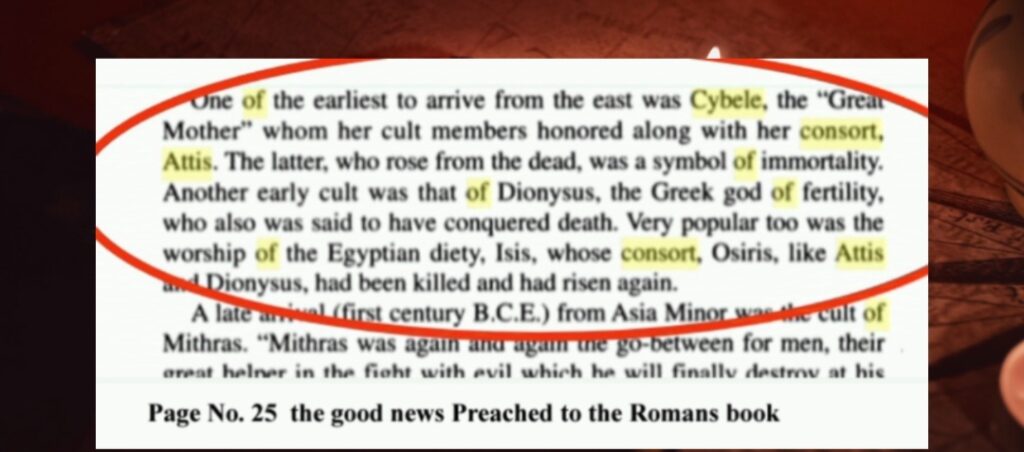
The Good News Preached to the Romans, page 25, mentions androgynous Attis and androgynous Dionysus as dying-and-rising deities associated with conquering death and described in relation to being immortal or mortal.
Similarly, androgynous Osiris is presented as a dying-and-rising deity associated with conquering death and with the theme of immortality. Androgynous Adonis, another dying-and-rising deity, was also associated with the recurring theme of death and renewal in the ancient Mediterranean world. And famous for Conquering Death in Ancient Greek.
These examples are important for the investigation because they show that the combination of androgyny + death + rising/renewal + immortality appears within ancient religious traditions.
The individual traditions are different and should therefore be examined separately. However, the recurrence of these characteristics raises a broader question:
Why does the image of an androgynous divine authority conquering death and associated with immortality appear in different ancient traditions?
This question becomes particularly significant when the motif is considered together with the other characteristics already identified in this study: creator, civilization-bringer, teacher, mysterious authority, dying-and-rising figure, and returning figure.
Could these recurring characteristics represent independent religious developments, a shared cultural motif, or perhaps different cultural memories of a deeper underlying tradition?
At this stage, the purpose is not to claim that these figures were the same being. The purpose is to identify the recurring pattern and investigate whether the combination of these characteristics becomes significant when compared across civilizations.
The Recurring Motif of the Mysterious Culture-Bringer and Wanderer
Across ancient traditions, another recurring motif is the appearance of a mysterious, extraordinary figure who arrives at a pivotal moment in human history and becomes associated with the restoration, advancement, or transformation of civilization.
These figures are remembered as wanderers, teachers, culture-bringers, rulers, or mysterious authorities who appear from distant lands, mountains, the sea, or other unfamiliar places and impart knowledge that transforms human society.
In some traditions, the figure arrives when humanity is experiencing disorder, destruction, or a major transition. The figure then introduces knowledge, establishes order, teaches important skills, or helps restore civilization before eventually departing or disappearing from the human world.
This creates another recurring pattern:
Arrival → Teaching → Civilization → Departure → Return or Renewal
The details vary considerably between civilizations, and these traditions should not automatically be assumed to describe the same historical figure. Nevertheless, the repeated combination of mysterious arrival, extraordinary knowledge, civilization-building, departure, and possible return provides another important pattern for our investigation.
When this pattern is considered together with the earlier motifs of the androgynous authority, death and renewal, immortality, civilization-building, and return, the figure we are investigating begins to acquire a more complex and recurring identity across different traditions.
This leads to the next question:
Who were these mysterious wanderers, and why were they remembered as the teachers and culture-bringers who appeared from beyond the familiar human world?
Oannes, Viracocha and Quetzalcoatl: Teachers from Elsewhere
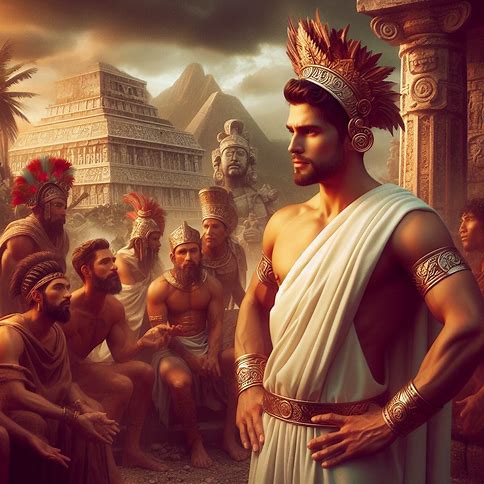
Ancient Civilizations and the Mysterious Culture-Bringers
Across different ancient traditions, we encounter extraordinary figures who are remembered as teachers, wanderers, rulers, or culture-bringers who appeared at important moments in the development or restoration of civilization. Some traditions also associate such figures with floods, waters, distant lands, or mysterious journeys.
One of the most striking examples is androgynous Oannes in Mesopotamian tradition. Oannes is described as a mysterious being who emerged from the Persian Gulf with human and fish-like characteristics. He is associated with bringing knowledge and cultural practices to humanity, including forms of agriculture, architecture, writing, and social organization.
A similar civilization-bringing pattern appears in traditions concerning androgynous Viracocha of the Andes. Viracocha is remembered as an extraordinary, bearded figure associated with creation, teaching, and the introduction of knowledge and civilization. In traditions surrounding his departure, he is said to have travelled toward the sea.
Another important example is androgynous Quetzalcoatl, a Mesoamerican deity associated with knowledge, wisdom, creation, and civilization. Traditions concerning Quetzalcoatl preserve the image of an extraordinary authority connected with the advancement of human society.
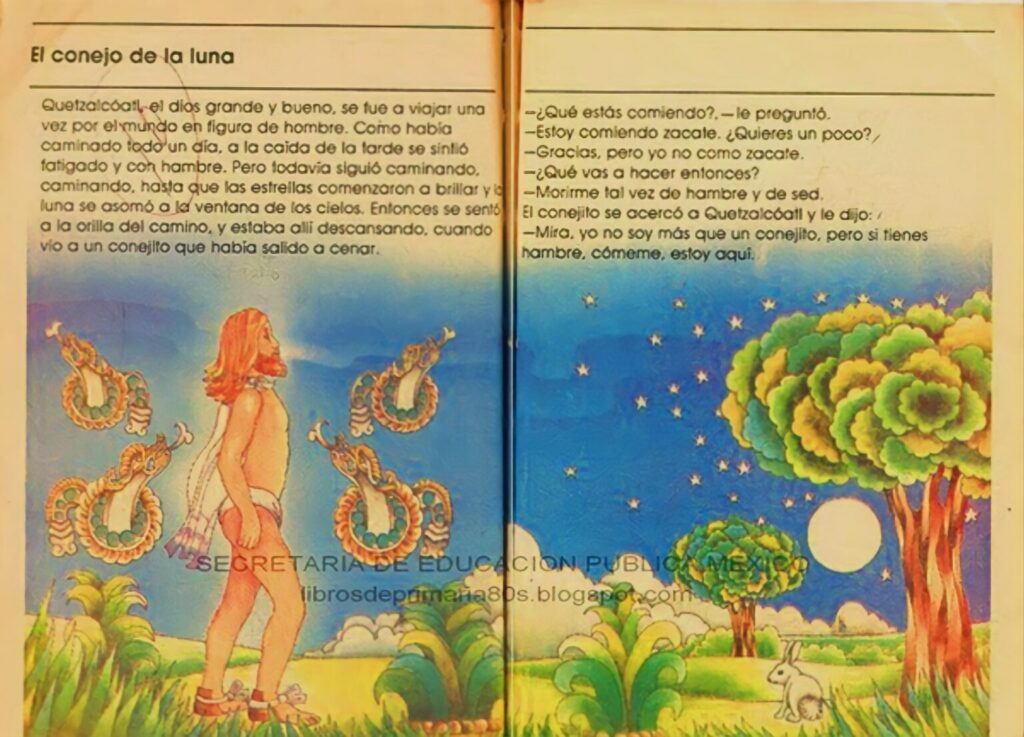
Quetzalcoatl from Mexican education book
Although these traditions belong to different civilizations and must be examined within their own historical and cultural contexts, their similarities are intriguing:
A mysterious figure appears.
Knowledge is introduced.
Civilization is transformed or restored.
The figure eventually departs or disappears.
The recurring pattern raises an important comparative question:
Why do distant civilizations preserve traditions of extraordinary culture-bringing figures who appear to humanity, introduce knowledge, and then depart from the human world?
Could these similarities have developed independently from similar human experiences and cultural needs?
Could cultural transmission have carried stories between ancient societies?
Or, more speculatively, could some of these traditions preserve memories of encounters with an unknown or extraordinary authority whose knowledge appeared unusual to ancient people?
Androgynous Odin — The Wanderer
Another tradition provides a different expression of the wandering-authority motif. Odin is frequently portrayed in Norse tradition as a wanderer, seeker of knowledge, and mysterious authority who travels among humans and gods.
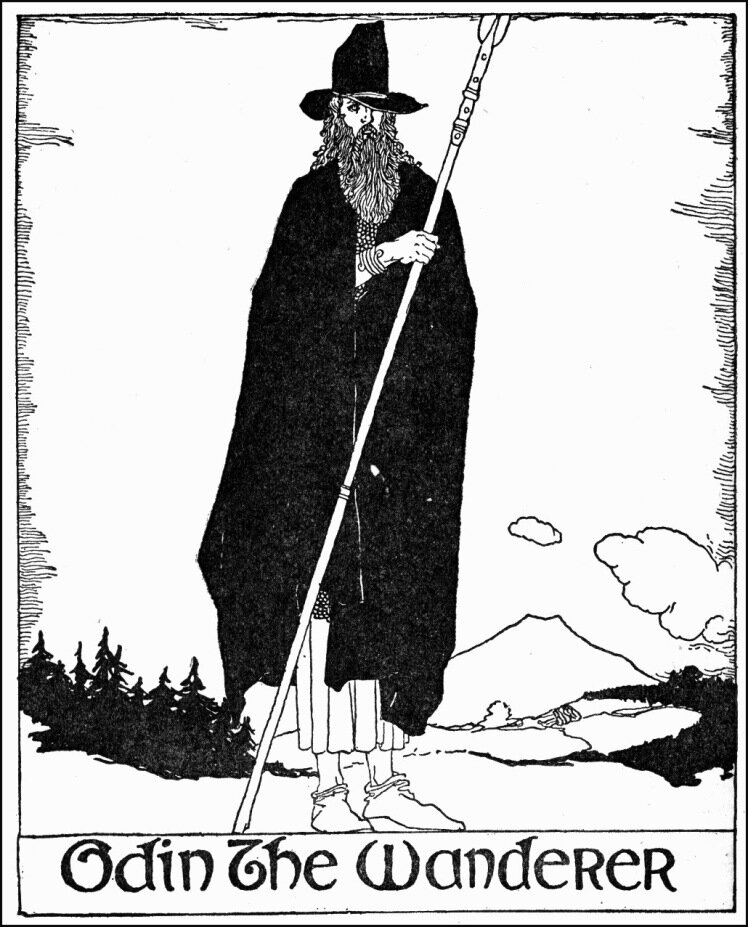
His inclusion in this comparison does not mean that Odin must be identified with Oannes, Viracocha, or Quetzalcoatl. Rather, his wandering and knowledge-seeking characteristics provide another example of the recurring mysterious teacher and wanderer motif.
The similarities and differences between these figures will become important when we later examine whether ancient civilizations may have preserved different cultural memories of a recurring authority.
Were these simply different mythological traditions—or could the recurring image of the mysterious teacher, wanderer, and civilization-bringer point toward a deeper common memory?
The Mysterious Wanderer Who Appears After Catastrophe
The traditions discussed above become particularly intriguing when another pattern is considered: the appearance of an extraordinary figure at a moment of catastrophe or major transformation.
Floods, destruction, migrations, and the collapse of earlier orders appear repeatedly in ancient traditions. In some narratives, an unusual figure emerges during or after such events and becomes associated with the restoration of knowledge, order, or civilization.
This raises a narrower question:
Why is the civilization-bringing authority sometimes remembered as appearing at the moment when an earlier world has been disrupted or destroyed?
Rather than treating every flood or catastrophe story as evidence of the same event, this study examines whether the timing of the figure’s appearance represents another recurring motif.
The possibility becomes more interesting when considered alongside the earlier dying-and-rising theme: destruction is followed by renewal, and the mysterious authority appears at the transition between the two.
This gives us the next question:
Could the ancient memory of this recurring authority have been interpreted as an extraordinary visitor from beyond the ordinary human world?
The Alien Hypothesis: The Androgynous Dying-and-Rising Deity as a Mysterious Giver of Ancient Knowledge
The patterns examined so far raise a more speculative possibility.
What if the mysterious androgynous dying-and-rising authority described in ancient traditions was remembered not merely as a supernatural being, but as an extraordinary visitor whose knowledge appeared far beyond the ordinary capabilities of early humanity?
Across the traditions examined in this study, several characteristics repeatedly appear together: civilization-building, advanced knowledge, mysterious origins, association with the heavens or distant places, death and renewal, disappearance, and return.
Individually, these characteristics can have many explanations. Together, however, they raise a more provocative question:
Could some ancient accounts of gods and civilization-bringing authorities preserve distorted cultural memories of extraordinary visitors who were later understood as divine beings?
Under the extraterrestrial hypothesis, an advanced visitor could have been interpreted by an ancient society as a god because of an apparent superiority in knowledge, technology, medicine, astronomy, engineering, or other abilities.
Over generations, an actual encounter could then become transformed through oral tradition, religious symbolism, mythology, and later cultural interpretation. A historical visitor might eventually be remembered as a creator, teacher, king, dying-and-rising deity, or immortal authority.
This possibility should not be confused with established historical fact. The extraterrestrial interpretation remains a hypothesis, and similarities between myths do not by themselves demonstrate extraterrestrial contact.
There are also alternative explanations. Similar traditions may arise independently because human societies share recurring experiences of death, rebirth, catastrophe, kingship, agriculture, celestial observation, and the search for the origins of civilization. Cultural transmission between ancient societies may also explain some similarities.
Nevertheless, the extraterrestrial hypothesis provides a framework through which the recurring combination of characteristics can be investigated.
The central question therefore becomes:
Were ancient civilizations describing supernatural beings, symbolic religious figures, extraordinary human teachers, or perhaps visitors whose nature and abilities were later interpreted through the language of divinity?
If the last possibility were considered, then the ancient dying-and-rising deity, civilization-bringer, mysterious teacher, and returning authority might represent different cultural interpretations of an underlying phenomenon.
And this leads to an even more difficult question:
Could different civilizations have remembered the same extraordinary authority under different names, forms, and religious traditions?
One Figure, Many Names?
Across ancient civilizations, extraordinary creator, ruler, teacher, and civilization-bringing figures appear under different names, languages, symbols, and cultural traditions. Their stories are not identical, yet some of them appear to share intriguing characteristics and roles.
This raises an important question:
Are these simply different deities who independently developed similar characteristics, or could some traditions preserve different cultural memories of an older or underlying figure?
As traditions developed across generations and geographical regions, the identity of a divine figure could be interpreted through the beliefs, language, symbols, and social structure of each civilization. A figure associated with creation, civilization, knowledge, kingship, fertility, death and renewal, or restoration in one tradition might therefore appear differently in another.
The similarities alone do not establish that these figures were the same being. They could result from independent religious development, cultural transmission, shared human experiences, or later reinterpretation.
But there is another possibility worth investigating.
Could different names and cultural forms represent different expressions or memories of the same underlying authority?
If that possibility is considered, then the investigation should not begin with names alone. It should compare the role, characteristics, symbols, narratives, relationships, and civilization-building functions attributed to each figure.
The question therefore shifts from:
“Why do these deities have different names?”
to:
“Why do some figures with different names appear to share such similar roles and characteristics?”
This is where the comparison becomes more significant.
The following section examines this possibility more directly:
Could Different Civilizations Remember the Same Authority?
The possibility of one underlying authority being remembered across different civilizations becomes more intriguing when the comparison moves beyond names and focuses on roles, characteristics, symbols, narratives, and the identity attributed to the figure. The same type of divine or civilization-bringing authority may be remembered differently by different societies because each civilization interprets extraordinary figures through its own language, religious system, geography, artistic traditions, and historical experience.
The idea explored in this study is that the androgynous creator and civilization-bringing authority may have appeared across different civilizations under different names and cultural forms. In this interpretation, figures such as Kukulkan, Quetzalcoatl, Viracocha, Osiris, Oannes, Vishnu, and other civilization-associated figures may preserve different cultural memories or manifestations of an underlying authority. These figures are associated, in different traditions, with characteristics such as creation, civilization, fertility, knowledge, kingship, divine authority, cosmic order, restoration, death and renewal, and the continuation of life.
The traditions surrounding these figures are not identical, and each must be understood within its own historical and cultural context. Therefore, the presence of one or two similar characteristics cannot by itself establish that two figures represent the same identity. The investigation becomes more significant when several characteristics appear together and when those characteristics occupy a similarly important position within otherwise separate civilizations.
According to the interpretation explored here, the name, appearance, symbols, attributes, stories, and surrounding mythology may have changed according to the civilization in which the tradition was preserved. A figure remembered primarily as a creator in one civilization could be remembered as a king, teacher, culture-bringer, fertility authority, or restorer of civilization in another. The possibility being examined is that these differences may represent cultural reinterpretations of an underlying identity rather than necessarily proving that the figures were completely unrelated.
This interpretation also considers the possibility that an ancient authority could have been understood through different cultural forms while retaining certain recognizable characteristics. If a tradition passed through many generations, migrations, languages, and religious transformations, its original narrative could gradually change. Some elements might disappear, others could be added, and still others could remain sufficiently recognizable to create similarities between distant traditions.
A further element of this investigation concerns the relationship between the divine authority and a feminine or Mother Goddess counterpart. In different traditions, the civilization-bringing or creator authority may appear alongside a feminine divine figure associated with fertility, abundance, creation, motherhood, and the continuation of life. In some traditions this relationship is represented through a divine couple or complementary male and female principles. The identities and meanings differ between cultures, but the recurrence of complementary divine figures provides another element that can be examined comparatively.
Another recurring feature is the association of the mysterious authority with catastrophe, destruction, or a major transformation of the human world. Some traditions connect the appearance of an extraordinary figure with a flood or another period of disruption, after which the figure becomes associated with the restoration or advancement of civilization. The knowledge attributed to such figures may include agriculture, architecture, social organization, sacred practices, technology, law, astronomy, or other foundations of organized human society.
When these characteristics are placed together, a broader sequence begins to emerge within the interpretation developed in this study: creation, civilization, knowledge, catastrophe or transformation, restoration, departure, and possible return. Not every tradition contains every element, and the order varies considerably. Nevertheless, the combination provides a framework through which the different figures can be compared without assuming in advance that they are identical.
The similarities could have several possible explanations. They may have developed independently because human societies repeatedly encounter the same fundamental questions concerning creation, death, renewal, authority, fertility, catastrophe, and the origin of civilization. They may also reflect cultural transmission, in which stories, symbols, and religious concepts travelled between civilizations and were transformed by each society that adopted them.
There is also another possibility that this study explores more speculatively: that different traditions could preserve cultural memories of an extraordinary underlying authority. If such an authority existed, later civilizations might have interpreted the figure according to their own religious worldview, giving the authority a new name, new symbols, new relationships, and new mythological characteristics while preserving certain elements of the original memory.
An even more speculative extension of this possibility concerns the extraterrestrial or non-human visitor hypothesis. If an ancient civilization encountered an extraordinary being possessing knowledge or abilities far beyond its own technological or cultural understanding, the society might have interpreted that encounter through the religious language available to it. Over generations, an extraordinary visitor could therefore become remembered as a god, creator, teacher, king, civilization-bringer, or immortal authority.
This possibility must remain clearly distinguished from established historical evidence. Similarities between myths do not demonstrate extraterrestrial contact, nor do they prove that different ancient deities were one historical individual. The extraterrestrial interpretation is therefore presented here as a speculative hypothesis, while the similarities between traditions can be examined independently through historical, textual, archaeological, comparative, and visual evidence.
The central purpose of this investigation is therefore not to decide in advance that all these figures were one deity. Instead, it is to determine whether the combination of their characteristics, roles, symbols, narratives, and civilization-building functions is sufficiently distinctive to justify investigating a possible underlying connection.
If different civilizations repeatedly remembered an extraordinary authority through different names and cultural forms, then the differences between the traditions may represent not only separation but also transformation. One civilization may preserve one aspect of the figure, another may emphasize a different characteristic, while later traditions may reinterpret the figure according to their own religious and historical circumstances.
This leads to the central question of this section:
Could different civilizations have remembered the same underlying authority while changing its name, appearance, symbols, attributes, and story according to their own cultural world?
If this possibility has merit, then the apparently separate divine and civilization-bringing figures examined throughout this study may need to be considered not only individually, but also as different cultural expressions of a potentially recurring authority.
The following sections therefore examine the proposed equivalent figures individually. Each figure can be considered according to the same comparative framework: identity, characteristics, civilization-building role, knowledge attributed to the figure, symbols, relationship with death and renewal, relationship with a feminine counterpart, association with catastrophe, and traditions concerning departure or return.
One authority, many names and forms—or many different authorities sharing a recurring human pattern?
That is the central comparative question of this investigation.
Individual Equivalent-Deity Examples
The hypothesis can now be examined through individual figures. Rather than assuming in advance that these figures were the same deity or authority, each tradition will be considered separately and compared according to the characteristics relevant to the central investigation.
The purpose of this comparison is to determine whether figures from geographically and culturally different civilizations share a sufficiently distinctive combination of characteristics to justify further investigation. The comparison will consider their identity, creation role, civilization-building function, knowledge or teachings, divine authority, androgynous or complementary symbolism, association with death and renewal, connection with catastrophe or restoration, mysterious origins, departure, and traditions of return.
Each figure will therefore be examined within its own cultural context before being compared with the others. This approach is important because similarities between traditions can have different explanations. They may reflect independent development, cultural transmission, common human experiences, symbolic patterns, or—more speculatively—a memory of an underlying authority.
The following examples should therefore be understood as comparative case studies rather than proof of a single deity. The objective is to identify both the similarities and the differences and then determine whether a meaningful pattern emerges when the traditions are examined together.
- Androgynous Osiris — Creator, King and Dying-and-Rising Authority
- Androgynous Quetzalcoatl — Civilization-Bringer and Teacher
- Androgynous Viracocha — Creator and Culture-Bringer
- Androgynous Oannes — The Mysterious Teacher from the Waters, taught Civilization
- Androgynous Nommo — The Mysterious Creation and Civilization Tradition
- Vishnu — Cosmic Authority and Continuity of Identity
After examining these figures individually, the investigation will bring their characteristics together for direct comparison.
The central question will then be:
Do these figures merely share recurring religious characteristics, or do their similarities reveal a deeper pattern of a creator, teacher, civilization-bringer, and returning authority remembered in different cultural forms?
Androgynous Dying-and-Rising Authority Called the World Teacher
What if the dying-and-rising authority was remembered not only as a creator, ruler, or restorer of civilization, but also as a World Teacher?
In the Vedic episode discussed here, Bhrigu Rishi is presented as associating Vishnu/Trigunatit with a divine authority connected with teaching humanity within the cosmic cycle. This introduces another dimension to the figure we have been following: the authority is not only associated with appearance, disappearance, and return, but also with the transmission of knowledge across the cosmic cycle.
This idea becomes particularly intriguing when considered alongside other civilization-bringing figures. Graham Hancock has drawn comparisons between Quetzalcoatl, Osiris, and Viracocha, particularly in relation to their associations with teaching, knowledge, and journeys across different lands.
Could this recurring image of the travelling teacher point toward a deeper memory?
A divine figure appears, teaches humanity, brings or restores knowledge associated with civilization, moves beyond one land, disappears, and in some traditions becomes associated with a future return or renewal.
If Vishnu/Trigunatit is understood within this interpretation as the World Teacher of the cosmic cycle, could Quetzalcoatl, Osiris, Viracocha, and other civilization-bringing figures preserve different cultural memories of a similar ancient teaching authority?
The question remains open. However, when the motifs of teacher, civilization-bringer, mysterious wanderer, dying-and-rising authority, and returning figure are considered together, the comparative pattern becomes increasingly intriguing.
Source Material and Interpretation
A Vedic episode discussed in this study presents Bhrigu Rishi in connection with Vishnu/Trigunatit as a World Teacher within the cosmic cycle. This source is used here as part of the theological and interpretive framework of the investigation.
[YouTube source]
G. Hancock has found numerous similarities between the Androgynous Quetzalcoatl, the Egyptian Androgynous Osiris, and the South American deity Androgynous Viracocha. Playing the role of a teacher and missionary, he hardly planned to stay in one land for a long time. Hence, he obviously saw no sense in any confrontation with the external forces around him.
These sources do not by themselves establish that the figures were the same historical or divine identity. Rather, they provide separate pieces of material for the comparative hypothesis explored in this study.
One Mind Behind Ancient Civilizations? The Androgynous Dying-and-Rising Deity and the Architecture of Civilization
Across the ancient world, civilizations separated by vast distances created remarkable structures, developed complex systems of knowledge, and preserved traditions surrounding mysterious creator and civilization-bringing figures.
The names changed from one culture to another. The languages changed. The symbols changed. Yet, within the pattern explored in this study, certain ideas appear repeatedly: creation, divine authority, fertility, kingship, knowledge, cosmic balance, death, and renewal.
Could these recurring patterns point toward more than independent traditions?
Perhaps ancient civilizations were preserving different cultural memories of one underlying divine authority, remembered under different names and represented through different cultural forms.
The possibility becomes even more intriguing when we look at ancient architecture. Temples, monuments, sacred orientations, astronomical alignments, and monumental structures often reveal an extraordinary concern with geometry, celestial cycles, measurement, and cosmic order.
Was this knowledge independently discovered by different civilizations?
Or could some of these similarities represent the preservation or transmission of a much older body of knowledge associated, in the interpretation explored in this study, with the androgynous dying-and-rising deity—the creator, teacher, and restorer of civilization?
If the same authority was remembered under different names, perhaps architecture itself became another form of cultural memory.
Could the stones, temples, and monuments of ancient civilizations preserve traces of a much older intellectual or sacred tradition, remembered by different peoples under different names?
The question now moves beyond the identity of the civilization-bringer and toward another closely connected mystery: the source of authority itself.
If the creator and civilization-bringing figure was also remembered as a divine teacher and ruler, then another question naturally emerges:
Who gave the ancient rulers their authority to govern?
This leads to the next investigation: the Sacred Ruler and the mysterious relationship between divine authority, kingship, heaven, and earth.
Part V — The Sacred Ruler
Who Gave Ancient Kings Their Authority?
Across ancient civilizations, kings were often presented as more than ordinary political rulers. Their authority was frequently connected with the divine, cosmic, or sacred order, and their right to rule was described through religious traditions, rituals, symbols, genealogies, and claims of divine descent or divine appointment.
This raises an important question: where did the authority of the ancient king actually come from?
Was kingship simply created by human society as a practical system for organizing communities? Or did ancient civilizations understand the king as someone who received authority from a higher divine or cosmic source?
In many traditions, the ruler was placed between heaven and earth. The king governed human society, but his legitimacy was connected to the gods, the cosmic order, sacred law, or a divine lineage. His responsibility was therefore understood as extending beyond political administration. He was expected to preserve order, protect the people, maintain justice, perform sacred duties, and ensure harmony between the human world and the divine order.
This becomes particularly significant when considered alongside the civilization-bringing figures examined in the previous part. If the mysterious creator and civilization-bringer was also remembered as a teacher, ruler, or source of knowledge, then the distinction between civilization-building and kingship becomes less clear.
Perhaps the same ancient authority was remembered in different traditions not only as the one who brought civilization, but also as the one who established the principles by which civilization should be governed.
This possibility introduces another layer to the investigation. The ancient king may not have been viewed merely as a person who possessed political power. He may have been regarded as the representative, descendant, chosen servant, or earthly manifestation of a higher authority.
The symbols of kingship therefore become important. Crowns, thrones, sacred garments, royal ceremonies, divine genealogies, temples, royal titles, and rituals of enthronement may have served not merely as symbols of political status, but as expressions of a deeper belief: that legitimate authority ultimately came from beyond the ordinary human ruler.
Yet the traditions differ greatly from civilization to civilization. Some describe kings as descendants of gods; others portray them as chosen by the gods, appointed by divine authority, or responsible for maintaining cosmic order. These differences must be examined carefully rather than treated as evidence of a single universal system.
The central question is therefore not simply who ruled, but why the ruler was believed to have the right to rule.
If ancient civilizations repeatedly connected kingship with heaven, divine authority, sacred law, and cosmic order, could these traditions preserve a much older idea of an Eternal Ruler whose authority existed above the human king?
This leads to the next question:
Was the ancient king understood as the ultimate ruler—or as the earthly representative of a higher Eternal Ruler?
The Eternal Ruler: Heaven, Earth and Kingship
The idea of sacred kingship becomes more profound when ancient traditions are examined through the relationship between heaven, earth, and the authority of the ruler. In many civilizations, the highest source of authority was not considered to be the human king himself. The king ruled on earth, while the ultimate source of legitimacy was associated with a divine or cosmic order above him.
This created a distinctive relationship between the heavenly authority and the earthly ruler. The king could be understood as the representative, chosen servant, descendant, or earthly expression of a higher divine power. His authority therefore depended not merely upon military strength, wealth, inheritance, or political control, but upon his perceived relationship with the sacred order.
The ancient ruler was consequently placed between two worlds. Heaven represented the higher source of authority, while earth represented the domain in which that authority was exercised. The king stood at the meeting point between them, carrying responsibilities toward both the divine order and the human community.
This understanding helps explain why royal ceremonies were often surrounded by religious symbolism. Coronation, enthronement, sacred marriage, royal rituals, divine genealogies, temple ceremonies, crowns, sceptres, thrones, and other symbols could communicate that kingship was not merely a political institution. They could also express the belief that legitimate rule had a sacred foundation.
In some traditions, the ruler was described as descended from a deity. In others, the ruler was chosen, appointed, protected, or empowered by divine beings. Elsewhere, the king’s responsibility was associated with maintaining cosmic balance, justice, fertility, prosperity, or sacred law. Although these traditions differ substantially, they repeatedly raise the same fundamental question: what makes a human being worthy of ruling over others?
This question becomes especially important within the broader investigation of the creator and civilization-bringing authority. If the same ancient figure was remembered as one who brought knowledge, established civilization, taught humanity, and restored order, it is possible to understand why later traditions could also associate that authority with the origin or legitimization of kingship.
The civilization-bringer, in this interpretation, would not merely teach people how to build cities, cultivate the land, organize society, or preserve knowledge. The authority could also be remembered as establishing the principles of legitimate rule—the relationship between the ruler, the people, the sacred order, and the laws governing civilization.
This creates an intriguing possibility: perhaps ancient traditions concerning divine kingship preserved a memory of a much older relationship between a supreme or eternal authority and the earthly ruler.
The human king might therefore have been understood not as the ultimate source of power, but as the holder of delegated authority.
If so, the crown itself would represent more than political status. It could symbolize the transfer of authority from a higher source to an earthly ruler.
This leads to an important distinction:
The king may possess authority, but the king may not be the ultimate source of authority.
The ultimate source could instead be represented as an Eternal Ruler—an authority existing beyond individual kings, dynasties, and generations.
This raises the next question:
If earthly kings received their authority from a higher divine source, how was that authority believed to be transmitted from one ruler or dynasty to another?
To explore this question, we must examine the traditions surrounding the deity behind the dynasty.
The Deity Behind the Dynasty
If the authority of an earthly ruler was believed to originate from a higher divine source, then the dynasty itself could be understood as more than a succession of human rulers. In many ancient traditions, royal families were connected with gods, divine ancestors, sacred lineages, or a primordial ruler who was believed to have established the foundations of kingship.
This raises a deeper question: was the dynasty understood as belonging to the king, or was the king understood as belonging to a greater sacred lineage?
A dynasty could preserve its legitimacy by claiming descent from a deity, a divine ancestor, a culture-bringing hero, or an ancient sovereign. Such traditions transformed political succession into something more than the transfer of power from one individual to another. The continuation of the dynasty could be presented as the continuation of a sacred order established in the distant past.
In this framework, the first ruler becomes particularly important. If a civilization believed that its earliest king received authority from a divine or supernatural source, then later rulers could claim legitimacy by presenting themselves as successors to that original relationship. The authority of the first ruler would therefore become the foundation upon which the entire dynasty was built.
This may help explain why ancient royal traditions frequently connected kings with divine ancestry, sacred bloodlines, heavenly approval, or primordial rulers. Such traditions did not necessarily mean that every king was considered a god. Instead, they could establish the idea that the king’s right to rule originated from a source greater than ordinary human authority.
The concept becomes even more intriguing when considered alongside the civilization-bringing figures examined earlier. In some traditions, the figure who brings civilization is also associated with kingship, the establishment of laws, the founding of cities, or the beginning of a royal lineage. The roles of teacher, creator, civilization-bringer, and ruler therefore sometimes converge in the same sacred narrative.
Could this convergence reflect a deeper idea?
Perhaps the ancient civilization-bringer was remembered not only as the one who taught humanity how to build civilization, but also as the one who established the first principles of legitimate authority within that civilization.
If so, later dynasties may have understood their authority as descending from—or remaining connected with—the original sacred ruler.
This would create a symbolic chain:
Divine Authority → First Ruler → Sacred Dynasty → Successive Kings
Within such a framework, the dynasty does not derive its legitimacy solely from military conquest, wealth, or inheritance. Its legitimacy is presented as originating from a sacred source and continuing through a recognized lineage.
Yet this raises an important historical caution. Similar claims of divine ancestry appear in many cultures, and they do not necessarily prove that the same deity or historical figure stood behind every dynasty. Such traditions may have developed independently, served political purposes, expressed religious beliefs, or emerged through the gradual transformation of earlier myths.
The question for this investigation is therefore more specific:
Why did so many ancient civilizations connect the legitimacy of their rulers with a divine or primordial authority?
And if the same civilization-bringing authority was repeatedly remembered as a teacher, ruler, law-giver, or source of order, could the traditions surrounding sacred dynasties preserve another fragment of that ancient memory?
This leads to the next question:
Why Were Civilization-Bringers Also Rulers?
The connection between civilization-bringing and kingship appears repeatedly in ancient traditions. Figures remembered as creators, teachers, culture-bringers, or restorers of civilization were sometimes also described as kings, founders of royal lineages, divine ancestors, or authorities who established the principles by which human society was to be governed.
This raises an important question: why would the figure who brought civilization also be remembered as a ruler?
One possible explanation is that, in the ancient understanding, civilization and legitimate authority were not completely separate concepts. To establish a civilization was not simply to introduce agriculture, architecture, writing, technology, or social organization. It also meant establishing laws, customs, social order, justice, responsibilities, and systems of leadership. The person remembered as the founder of civilization could therefore naturally become associated with the origin of kingship.
The civilization-bringer may have been remembered as the one who taught humanity how to live together, while the ruler represented the authority responsible for preserving that order. In this sense, the roles of teacher and ruler could become connected within the same cultural memory.
A civilization emerging from a period of catastrophe or disorder would have required more than material knowledge. It would also have required a system of authority capable of organizing people, protecting settlements, establishing rules, distributing responsibilities, and maintaining social stability. The figure credited with restoring civilization could therefore also be remembered as the first law-giver, king, or source of royal authority.
This may help explain why ancient traditions sometimes place civilization-bringing figures at the beginning of royal histories. The first ruler was not necessarily remembered merely as the strongest person in the community. Instead, the ruler could be portrayed as someone who inherited, received, or was entrusted with an authority that had already been established by a divine or primordial source.
The relationship can therefore be imagined as:
Civilization → Order → Law → Authority → Kingship
If the civilization-bringer established the foundations of social order, then the king could be understood as the guardian and continuation of that order.
This also provides another possible explanation for traditions in which kings claimed descent from gods, divine ancestors, primordial rulers, or culture-bringing heroes. Such claims could connect the political authority of a later dynasty with the sacred authority attributed to the original founder of civilization.
However, this pattern should not automatically be interpreted as evidence that every civilization-bringing figure was literally a historical king, or that all ancient dynasties descended from the same individual. Different civilizations developed their own religious systems, political institutions, genealogies, and traditions. Some similarities may have arisen independently, while others may reflect cultural transmission or later reinterpretation.
The more specific question for this investigation is therefore whether the recurring association between civilization, divine authority, and kingship represents a common human pattern—or whether some traditions preserve memories of a deeper connection between the civilization-bringer and the origin of sacred rulership.
If the same authority was remembered as a teacher who brought civilization, a ruler who established order, and a sacred source from which later kings derived their legitimacy, then the distinction between the civilization-bringer and the sacred ruler becomes increasingly difficult to separate.
The next step is therefore to examine the individual traditions in which civilization-bringing figures are connected with royal dynasties, sacred ancestry, or the origin of kingship.
Civilization-Bringers and the Dynasties Associated with Them
The connection between the civilization-bringer and the royal dynasty becomes clearer when individual traditions are examined. If a civilization remembered a particular figure as a creator, teacher, culture-bringer, ruler, or restorer of order, it is worth asking whether that same figure—or the lineage associated with that figure—was also connected with the origin or legitimacy of later rulers.
Across ancient traditions, stories of the first rulers and the origins of dynasties sometimes extend back to divine ancestors, primordial kings, culture-bringing heroes, or supernatural authorities. In some traditions, the connection is presented as direct divine ancestry; in others, it appears through sacred descent, divine appointment, succession from an ancient ruler, or the preservation of a royal tradition established in the distant past.
The following examples therefore examine the relationship between civilization-bringing figures and royal authority within their respective cultural traditions.
This comparison does not assume that every civilization-bringer was literally the founder of a historical dynasty, nor does it assume that figures from different civilizations were the same individual. Instead, each case is examined according to what the tradition actually claims and how later interpretations have understood that relationship.
The central question is:
When ancient traditions remembered the arrival or establishment of civilization, did they also remember the establishment of the first legitimate rulers and dynasties?
The examples that follow provide the individual cases through which this question can be investigated.
Across different civilizations, related patterns can be observed under different names and cultural forms.
1. Androgynous Osiris — the Dying-and-Rising Deity: In ancient Egyptian tradition, Osiris was associated with death, renewal, fertility, kingship, and the continuation of cosmic and social order. Together with Isis, his divine counterpart, Osiris became deeply connected with Egyptian ideas of kingship and royal legitimacy.
2. Perseus — Founder of a Royal Line: In Greek tradition, Perseus was remembered as a heroic founder and ancestor of the Perseid dynasty. His story connects heroic ancestry, divine parentage, kingship, and the establishment of royal lineage.
3. Kukulkan — Civilization and Sacred Authority: Kukulkan is associated in Maya traditions with religious knowledge, civilization, and sacred authority. Later traditions and interpretations have connected the figure with the organization of society and legitimate rulership.
4. Quetzalcoatl — Creation, Knowledge, and Civilization: Quetzalcoatl was an important Mesoamerican deity associated with creation, knowledge, priesthood, culture, and civilization. In some traditions and later interpretations, the figure also became connected with rulership and the ordering of society.
5. Apollo — Divine Order and Political Authority: Apollo was associated in Greek tradition with prophecy, divine knowledge, purification, justice, and sacred order. His importance to cities, sanctuaries, and political communities illustrates how divine authority could become connected with the organization and legitimacy of human society.
6. Romulus — Founder and First King of Rome: Romulus was remembered in Roman tradition as the founder of Rome and its first king. His mysterious disappearance and subsequent association with divine status created a distinctive connection between founding, kingship, and divinity.
7. Marduk and Sarpanitum — Divine Authority of Babylon: Marduk became the chief deity of Babylon, while Sarpanitum was regarded as his divine consort. Their position within Babylonian religious tradition reflects the close relationship between divine order, the city, kingship, and the political identity of Babylon.
8. The Yellow Emperor — Primordial Culture Hero and Ancestral Ruler: The Yellow Emperor is remembered in Chinese tradition as a primordial culture hero and ancestral ruler associated with the foundations of civilization, technology, social organization, and imperial tradition. Modern interpretations have sometimes described such figures as “otherworldly” or “alien,” but this is distinct from the traditional Chinese accounts.
9. Viracocha — the Androgynous Creator and Civilization-Bringer: In Andean traditions, Viracocha is remembered as a creator and civilization-bringing deity associated with the ordering of the world and the teaching of humanity. Some scholarly interpretations describe Viracocha as an androgynous creator deity.
10. Androgynous Oannes — Culture-Bringer from the Sea: Oannes, as described in the account of Berossus, was a mysterious culture-bringing being who emerged from the sea and taught humanity various arts and knowledge associated with civilized life. His tradition is particularly relevant to the recurring motif of an extraordinary being appearing from outside ordinary human society and introducing the foundations of civilization.
11. Odin — Divine Ancestry and Kingship: Odin is a major figure in Norse tradition associated with wisdom, sovereignty, warfare, magic, and divine ancestry. Medieval Scandinavian and Germanic genealogical traditions sometimes traced royal lineages back to Odin, creating a direct connection between divine ancestry and the legitimacy of ruling dynasties
The Mystery of Sacred Kingship
The relationship between the divine authority and the earthly ruler raises another important question: why was kingship considered sacred in so many ancient civilizations?
An ancient king was often understood as more than a political administrator or military leader. His authority could be connected with the divine order of the universe, the protection of the people, the maintenance of justice, and the prosperity of the kingdom. In many traditions, the king stood at the meeting point between the human world and the sacred world.
This understanding of kingship helps explain why ancient rulers were frequently associated with gods, divine ancestors, sacred lineages, heavenly authority, or primordial rulers. The legitimacy of the king was not necessarily believed to originate from the king himself. Instead, it could be understood as something received from a higher sacred source and entrusted to the ruler for the protection and organization of society.
The sacred king therefore occupied a unique position. He was a human ruler, yet his authority was connected with something regarded as greater than ordinary human power. His responsibility was not merely to control territory or command armies, but to preserve the cosmic, social, and moral order upon which the civilization depended.
This idea also connects the mystery of kingship with the civilization-bringing figures examined earlier. If a primordial authority was remembered as the one who introduced knowledge, established social order, taught sacred principles, or founded the first civilization, then later rulers could be understood as successors or representatives of that original sacred authority.
The pattern can therefore be expressed as:
Divine or Primordial Authority → Civilization → First Ruler → Sacred Dynasty → Successive Kings
This does not mean that all ancient civilizations shared the same conception of kingship, nor does it prove that their sacred rulers originated from a single historical figure. Each tradition developed within its own cultural, religious, and political environment.
Nevertheless, the recurrence of this relationship raises a deeper comparative question:
Why did so many civilizations imagine that legitimate earthly authority ultimately came from a sacred or primordial source?
And if the civilization-bringing authority was also remembered in some traditions as a ruler, law-giver, teacher, creator, or source of order, then the mystery of sacred kingship may represent another part of the larger pattern explored in this study.
The mystery of sacred kingship, however, does not end with the relationship between the divine authority and the earthly ruler. Across many ancient traditions, the sacred ruler is also accompanied by a female divine counterpart—a goddess, consort, mother, or sacred partner associated with fertility, creation, abundance, protection, love, and the continuation of life.
This recurring relationship raises another important question. If the divine authority was understood as the source of creation, civilization, order, and kingship, why was that authority so often represented alongside a complementary feminine power?
Was the female counterpart simply the consort of the male deity, or did the sacred couple represent a deeper conception of creation itself—two complementary forces working together to sustain the cosmic and earthly order?
The question becomes particularly significant when we encounter recurring sacred couples such as Dumuzi and Inanna, Adonis and Aphrodite, and Attis and Cybele. Their stories differ considerably, yet they repeatedly bring together themes of divine partnership, fertility, death, renewal, and the continuation of life.
These recurring sacred partnerships lead naturally to the next dimension of the investigation: the Mother Goddess and the Divine Partner.
Part VI — The Mother Goddess and the Divine Partner
The recurring appearance of a powerful female counterpart beside a divine or civilization-bringing figure introduces another important dimension to the mystery explored in this study. Across ancient civilizations, the divine figure is often not presented in isolation. Instead, the figure appears alongside a goddess, consort, mother, queen, or sacred feminine counterpart, whose role may be connected with fertility, creation, abundance, protection, love, wisdom, or the continuation of life.
This recurring relationship raises a fundamental question: why does the divine ruler so often appear together with a female divine counterpart? If the male figure is associated with authority, kingship, creation, knowledge, or the restoration of civilization, what role does the female figure represent within the same sacred tradition?
In some traditions, the relationship appears to be expressed through marriage or divine partnership. In others, the female figure functions as a mother goddess, creator, queen, consort, or embodiment of fertility and life. The forms differ considerably, but the recurring presence of a complementary feminine figure is important enough to deserve separate examination.
The importance of the female counterpart becomes even greater when the associated myths involve love, separation, sacrifice, death, renewal, and reunion. The relationship between the divine pair may therefore extend beyond a simple romantic story. In many traditions, the relationship becomes closely connected with fertility, the continuation of life, sacred order, and the renewal of the world.
This pattern can be observed in traditions involving sacred couples such as Dumuzi and Inanna, Adonis and Aphrodite, and Attis and Cybele. Their individual histories and religious meanings are different, and they should not be treated as identical. Yet their stories provide important comparative material for investigating why divine masculine and feminine figures were so frequently placed together.
The female counterpart may therefore represent more than an accompanying character in the mythology of the divine ruler. She may embody a complementary source of creation, fertility, continuity, protection, or sacred legitimacy, while the male figure may be associated with authority, kingship, knowledge, civilization, or cosmic order.
The following sections examine these sacred partnerships individually, beginning with some of the best-known divine couples preserved in ancient traditions.
Dumuzi and Inanna: The Sacred Couple
Among the oldest surviving traditions of Mesopotamia is the story of Dumuzi and Inanna, a sacred couple whose relationship became closely associated with love, fertility, kingship, death, and the renewal of life.
Imagine a civilization watching the fields change with the seasons, waiting for the return of fertility after a time of barrenness. At the center of this cycle stood a sacred couple: Inanna, the powerful goddess, and Dumuzi, the shepherd associated with fertility and renewal.
Inanna, one of the most important goddesses of ancient Sumer, was associated with love, fertility, political power, and the authority of kingship. Dumuzi, also known as Tammuz in later Mesopotamian traditions, was associated with shepherding, fertility, vegetation, and the seasonal renewal of life. Their relationship became one of the central sacred partnerships of the ancient Mesopotamian religious world.
The relationship between Dumuzi and Inanna was not simply a story of divine romance. Their mythology connected the sacred couple with the continuation of fertility and the natural cycle of life. The union of the goddess and her consort could therefore be understood within a larger religious framework in which fertility, prosperity, kingship, and the renewal of the land were interconnected.
The story therefore brings together several themes that repeatedly appear in the traditions examined throughout this study:
Divine partnership.
Fertility and abundance.
Descent and return.
Death and renewal.
The relationship between divine authority and earthly life.
The connection between Dumuzi and Inanna also became significant in relation to sacred kingship. In ancient Mesopotamia, the relationship between the king and the goddess could be represented through the sacred marriage tradition, known as the hieros gamos. The ritual symbolically connected kingship with the goddess and with the fertility and prosperity of the land.
This creates an important connection with the previous discussion of sacred kingship. The divine partnership was not necessarily understood merely as a personal relationship between two supernatural beings. It could also have a wider social and political meaning: the prosperity of the kingdom, the fertility of the land, and the legitimacy of the ruler could all be placed within a sacred framework.
Dumuzi therefore occupies an intriguing position in the comparative pattern explored in this study. He is remembered as a divine consort, a fertility figure, a dying-and-returning figure, and a figure connected with kingship. Inanna, meanwhile, represents a powerful female divine authority whose role extends far beyond that of a passive consort.
Their story consequently provides an early and important example of the sacred couple—a divine partnership in which masculine and feminine figures become connected with fertility, authority, death, renewal, and the continuation of life.
Whether these themes represent a symbolic expression of natural cycles, religious ideas concerning kingship and fertility, or a deeper memory preserved through later traditions remains an open question. What is clear is that the story of Dumuzi and Inanna provides one of the earliest and most influential examples through which the relationship between a divine ruler, a powerful goddess, and the recurring cycle of death and renewal can be examined.
Adonis and Aphrodite: Love, Death and Renewal
Another important example of the sacred relationship between a divine feminine figure and a dying-and-renewing masculine figure appears in the ancient traditions surrounding Adonis and Aphrodite.
Adonis was remembered as an exceptionally beautiful young figure whose story became closely connected with love, death, mourning, and the return of life. Aphrodite, the powerful goddess of love and beauty, became deeply attached to him. Their relationship developed into one of the most famous tragic love stories of the ancient Mediterranean world.
image – Ancient Statue of Boar and Adonis
Giuseppe Mazzuoli CC BY 3.0
According to the best-known versions of the myth, Adonis dies after being attacked by a wild boar while hunting. Aphrodite mourns his death, and his fate becomes connected with the recurring movement between life and death.
The story is particularly significant because Adonis does not remain simply a mortal hero who dies in an isolated tragedy. His death became incorporated into religious traditions concerning fertility, vegetation, seasonal change, and renewal. In later interpretations and ritual traditions, his disappearance and return were understood through the imagery of the natural world: life emerges, flourishes, disappears, and returns again.
Aphrodite’s role is equally important. She is not merely the lover who mourns a lost companion. Her grief becomes part of the larger religious symbolism surrounding Adonis. The emotional relationship between the divine feminine and the dying masculine figure is therefore connected with a wider mystery—the apparent disappearance of life and its subsequent renewal.
This creates an interesting parallel with the Dumuzi and Inanna tradition. The two stories are not identical, and they developed in different cultural and historical environments. Nevertheless, both contain a powerful combination of divine partnership, loss, mourning, fertility, and renewal.
The comparison becomes particularly interesting when the female figure is examined alongside the fate of the male figure. Aphrodite represents a powerful divine feminine presence, while Adonis represents beauty, youth, mortality, and the recurring disappearance of life. Their relationship therefore places love and death within the same sacred narrative.
The myth also raises a deeper question relevant to the investigation of this book:
Why would ancient religious traditions repeatedly connect a powerful female divine figure with a male figure whose story involves death, disappearance, and renewal or Rising?
One possible interpretation is that such myths provided a symbolic language for natural cycles. The death of vegetation, the changing seasons, fertility, and the return of life could all be expressed through the relationship between a divine feminine figure and her beloved companion.
Another possibility is that these stories preserved a broader religious pattern in which the masculine and feminine divine principles were understood as complementary forces. The male figure undergoes disappearance or death, while the female figure becomes associated with love, mourning, fertility, and the continuation of life.
However, these interpretations should not be treated as proof that all ancient traditions originated from a single historical source. The similarities may result from shared human concerns, independent religious development, cultural transmission, or some combination of these factors.
The importance of Adonis and Aphrodite therefore lies not in proving that every sacred couple represents the same deity, but in demonstrating how frequently love, death, fertility, and renewal become connected within the mythology of divine couples.
Adonis consequently becomes another important figure in the comparative investigation of the mysterious dying-and-rising deity. His story adds a new dimension to the pattern: the divine figure is not only associated with kingship, civilization, or cosmic authority, but also with beauty, desire, mortality, mourning, and the hope of renewed life.
The next tradition provides another variation of this recurring pattern: Attis and Cybele, in which the relationship between a powerful mother goddess and a dying male figure becomes central to a distinctive religious tradition of the ancient Mediterranean.
Attis and Cybele: The Tragedy of the Divine Couple
The tradition of Attis and Cybele provides another important example of a divine relationship in which love, death, mourning, and renewal become closely connected. Originating in the religious traditions of Anatolia and later becoming prominent within the Roman world, the story developed around Cybele, the Great Mother, and Attis, a youthful figure associated with her cult.
Cybele was a powerful mother goddess connected with fertility, nature, mountains, protection, and the generative forces of life. Her worship eventually spread beyond Anatolia, particularly during the Hellenistic and Roman periods. Attis, meanwhile, became closely associated with her religious tradition and was portrayed as a beautiful young figure whose tragic fate became central to later interpretations of the cult.
The mythology surrounding Attis exists in several versions, and the surviving sources were written in different periods. Because of this, there is no single ancient version that should be treated as the definitive form of the story.
In one widely known tradition, Attis becomes connected with Cybele but eventually suffers a tragic fate. His death, often associated with self-inflicted injury beneath a sacred tree, becomes the central event around which later mourning rituals developed.
The tragedy of Attis is important because his death was not remembered simply as the death of an ordinary mortal. Within the religious traditions that developed around his cult, his fate became connected with mourning, fertility, vegetation, and the possibility of renewed life.
Cybele’s presence gives the story another important dimension. She represents the powerful maternal and generative force, while Attis becomes the youthful figure whose death is mourned within her sacred sphere. Their relationship therefore creates a striking image of the divine feminine and the dying masculine figure existing within the same religious mystery.
The comparison with Dumuzi and Inanna and Adonis and Aphrodite is therefore intriguing, although the traditions must remain historically distinct.
In the story of Dumuzi and Inanna, the relationship becomes connected with descent, the underworld, fertility, and the continuation of life.
In the story of Adonis and Aphrodite, the central themes include beauty, desire, death, mourning, and renewal.
In the tradition of Attis and Cybele, the emphasis falls particularly strongly upon the Great Mother, the death of the youthful male figure, ritual mourning, and the possibility of restoration or renewal.
These similarities do not prove that the three traditions originated from a single source. They may instead reflect recurring human concerns with fertility, mortality, seasonal change, and the mystery of life returning after apparent death. Cultural interaction between ancient societies may also have contributed to the development and transformation of such themes.
The Roman period is especially important because the cult of Cybele and Attis developed further within the Roman religious environment. Ritual observances associated with their worship included periods of mourning and ceremonies connected with the death of Attis. These practices demonstrate that the story was not merely a mythological narrative; it became part of a living religious tradition.
The relationship between Cybele and Attis therefore raises an important question for the larger investigation of this book:
Why does the figure of the powerful Mother Goddess so often appear alongside a Divine Androgynous male figure whose story involves death, disappearance, mourning, or renewal?
One possible interpretation is that the relationship symbolically expresses the dependence of mortal and seasonal life upon a greater generative power. The Mother Goddess represents the source or sustaining force of life, while the dying male figure represents the temporary disappearance of life and its anticipated return.
Another interpretation is that such relationships encode complementary aspects of existence: generation and destruction, death and renewal.
Yet Attis and Cybele also demonstrate why comparative mythology must be approached carefully. Similar symbols do not necessarily mean identical. The meaning of Cybele belongs to the particular religious history of Anatolia and Rome, while the mythology of Attis developed through different stages and sources.
Nevertheless, when placed beside Dumuzi and Inanna and Adonis and Aphrodite, the Attis–Cybele tradition contributes another piece to the larger comparative pattern.
Across these traditions, the sacred feminine figure is not merely an accompanying character. She can be mother, goddess, lover, protector, source of fertility, and powerful divine authority, while the male figure may become associated with youth, mortality, sacrifice, disappearance, or renewal.
This recurring relationship invites a deeper investigation: perhaps the ancient sacred couple was not simply a story about divine romance, but a symbolic structure through which ancient societies attempted to understand how life is generated, lost, mourned, and renewed.
The next question is whether similar tragic or transformative relationships can be found beyond these major traditions—and whether those examples strengthen the comparative pattern or reveal important differences.
Tragic Love Story Myths Associated with This Deity
Across ancient civilizations, the mysterious deity is not remembered only as a creator, ruler, civilization-bringer, or dying-and-rising authority. Again and again, the story becomes deeply personal through love, separation, sacrifice, loss, mourning, transformation, and reunion.
Behind the cosmic figure stands a partner. Behind the divine authority is a love story. And in many traditions, that love itself becomes part of the mystery.
When these stories are examined comparatively, an intriguing pattern begins to emerge: the Androgynous Mother Goddess frequently appears alongside a powerful male counterpart who, in some traditions, is associated with death, disappearance, sacrifice, transformation, or renewal—a figure who can be interpreted within this study as an Androgynous Dying-and-Rising Deity and Consort.
The individual traditions are different and should not be treated as identical. Yet their recurring themes invite comparison.
● Rama – Sita — Indian tradition: the enduring and tragic love story of Rama and Sita, involving separation, suffering, sacrifice, duty, and restoration. Rama should not be treated simply as a dying-and-rising deity; rather, their story provides another example of how a sacred couple can become central to ideas of divine authority, moral order, separation, and reunion.
In Hindu theology, Rama is traditionally regarded as an incarnation of Vishnu, while Sita is regarded as an incarnation of Lakshmi, the powerful divine feminine associated with prosperity, abundance, fertility, beauty, love, and auspiciousness. Their relationship therefore presents another important example of a divine masculine and feminine partnership.
An important comparative dimension emerges when the Hindu concept of Trigunatit is considered. Trigunatit means beyond the three gunas—beyond sattva, rajas, and tamas. In this study, the concept may be placed comparatively alongside the idea of the androgynous divine, not because the two terms have exactly the same meaning, but because both can be explored in relation to the transcendence of ordinary dualities and the conception of a more complete divine reality.
Within this comparative framework, Vishnu and Lakshmi may therefore be examined as a Trigunatit divine pair, while the Western concept of the Androgynous Divine provides a different cultural language for exploring a related question: Can the ultimate divine reality transcend the ordinary divisions between masculine and feminine?
This does not mean that Hindu theology literally defines Vishnu and Lakshmi as “androgynous” in the same sense used in Western comparative mythology. Rather, the comparison is an interpretive bridge between two different religious vocabularies.
Rama, as an incarnation of Vishnu, may further be examined within the broader hypothesis of the Dying-and-Rising Deity. Unlike the conventional dying-and-rising myths of Dumuzi, Adonis, or Attis, Rama’s story does not follow the same literal pattern of death and resurrection. Instead, the broader Vishnu tradition involves divine descent into the world, confrontation with disorder, restoration of dharma, and return to the divine realm.
Sita, as an incarnation of Lakshmi, represents the complementary divine feminine presence. Their separation and eventual reunion therefore provide another powerful expression of the sacred-couple motif.
From the perspective of this study, Rama and Sita can consequently be examined as an Indian expression of a much broader possibility: the divine masculine and divine feminine appearing as complementary manifestations of a transcendent sacred reality.
The comparison remains a hypothesis rather than a claim of historical identity. Yet the recurring appearance of divine couples, transcendent divine principles, separation and reunion, and the restoration of cosmic or moral order makes the Rama–Sita tradition an important case in the investigation of the Androgynous Mother Goddess and her Dying-and-Rising Divine Consort.
● Androgynous Cybele & Attis Tragic Love Myths— Anatolian and later Greco-Roman traditions: the tragic love story of Androgynous Cybele, the powerful Mother Goddess, and Androgynous Attis, her Dying-and-Rising Deity and Consort. Their story of love, separation, death, mourning, and renewal provides another striking example of the recurring Mother Goddess–Dying-and-Rising Consort pattern examined in this study.
● Apollo and His Tragic Love Story— Greek tradition: Apollo, the powerful deity associated with justice, order, prophecy, healing, music, knowledge, and the cultural ordering of human life, presents an intriguing parallel to the mysterious Androgynous Civilization-Bringing Deity examined in this study. His association with justice and the ordering of civilization, together with his numerous myths of love, separation, transformation, and tragic loss, makes Apollo another significant comparative example.
Within the hypothesis of this study, Apollo may therefore be examined as another possible cultural expression of the Androgynous Deity, while his tragic love stories—particularly those involving Daphne and Hyacinthus—provide another variation of the recurring pattern in which the mysterious divine figure becomes connected with love, loss, transformation, and the tragic fate of a beloved counterpart.
● Adonis & Aphrodite and Tragic Love— ancient Near Eastern and Greek traditions: the tragic love story of Adonis, a beautiful youthful figure whose death became associated with mourning, fertility, and renewal, and Aphrodite, the powerful goddess of love. Within the hypothesis explored in this study, androgynous Adonis may be examined as another form of the Dying-and-Rising Deity and Androgynous Consort associated with a powerful divine feminine figure.
● Eros & Psyche — Greek tradition: Psyche was a mortal woman renowned for her extraordinary beauty whose relationship with Eros involved secrecy, separation, trials, suffering, and eventual reunion. Her transformation and eventual immortality make the story another important example of love leading through death-like separation and transformation toward reunion.
● Cupid and Psyche — Roman literary tradition: the famous version of the story appears in Metamorphoses by Lucius Apuleius, written in the 2nd century CE. The tale follows Psyche through a series of trials before her eventual reunion with Cupid, or Eros, and her transformation into an immortal being. The story therefore presents love, suffering, transformation, and sacred union within a single narrative.
● Marduk & Sarpanitum — Mesopotamian/Babylonian tradition: Marduk, the great Babylonian deity associated with kingship, cosmic order, creation, and the restoration of order, appears alongside Sarpanitum, his divine consort and a powerful feminine figure associated with motherhood, fertility, and protection. Within the comparative hypothesis of this study, Androgynous Marduk may be examined as a civilization-ordering and transformative Dying-and-Rising Deity, while Androgynous Sarpanitum represents the complementary Mother Goddess and Divine Consort. Their sacred partnership adds another example to the recurring pattern of the Androgynous Mother Goddess and her Androgynous Dying-and-Rising Deity, expressed through divine partnership, fertility, kingship, creation, and the restoration of cosmic order.
●Androgynous Shango & Oshun Mother Goddess— Yoruba tradition: Shango, a major orisha associated with thunder, lightning, kingship, and power, and Oshun, an orisha strongly associated with rivers, fertility, love, beauty, and prosperity, provide another example of a powerful masculine–feminine divine relationship. Their traditions developed within a distinct Yoruba religious context and should not be treated as identical to the Mesopotamian, Anatolian, or Greek examples. Within the broader comparative hypothesis of this study, however, their relationship can be examined for recurring themes of divine partnership, feminine power, fertility, Androgynous authority, and restoration.
These stories may appear at first to be simply tales of divine romance. But when placed beside the wider pattern explored throughout this study, another possibility emerges.
Why does the civilization-bringing, ruling, transformative, or dying-and-rising deity so often appear alongside a powerful Androgynous female divine partner?
Is the love story merely an independent myth—or could the recurring union of the Androgynous Mother Goddess and her Androgynous Dying-and-Rising Deity and Consort represent another expression of the deeper mystery explored throughout this study?
Perhaps the tragedy of the lovers was never only about love.
Perhaps it was also about separation and reunion, death and renewal, heaven and Earth—two complementary forces repeatedly moving apart and coming together again.
If this recurring structure is more than coincidence, then the tragic love story may represent another surviving layer of the ancient memory of the divine couple: the Mother Goddess and her Consort, the feminine and masculine, the source of life and the figure who passes through death, transformation, and renewal.
The question is not whether all these figures were historically the same deity. The evidence does not establish that conclusion.
The deeper question is whether different civilizations independently preserved, transformed, or inherited fragments of a much older sacred pattern—a pattern in which the Androgynous Mother Goddess and her Dying-and-Rising Deity and Consort became symbols through which humanity expressed the mystery of life, death, love, fertility, separation, transformation, and renewal.
Ideal Wife — Similar Myths Found in All Civilizations About His Consort
Behind many of the ancient stories of powerful rulers and dying-and-rising deities stands another remarkable figure—the devoted wife or divine consort.
She is not merely a companion. In many traditions, her loyalty, love, courage, and devotion become an essential part of the story of the deity himself. When the husband disappears, dies, or faces catastrophe, the wife remains beside him, searches for him, mourns him, or helps restore his place in the cosmic order.
Across different civilizations, this recurring image creates another intriguing question: Was the ideal divine consort simply a cultural expression of marriage and devotion, or does it preserve another part of the ancient pattern of the divine couple?
- Egyptian — Isis is celebrated for her fierce devotion to her husband, Androgynous Osiris, the Dying-and-Rising Deity. Her devotion for Osiris became one of the central elements of the Osiris myth.
- Hera is known as the ideal wife of Zeus, with Zeus associated with divine authority and justice in the Greek tradition.
- Sita is known as the ideal wife of Lord Rama/Vishnu, the Indian deity known for repeated incarnations, and her devotion to Rama remains one of the most enduring themes of the Ramayana.
The stories are separated by geography and culture, yet the image is strikingly familiar:
The divine ruler has his consort.
The ruler faces loss or separation.
The consort remains devoted.
And their union becomes part of the larger story of cosmic order and renewal.
Could these recurring stories of the ideal wife and her divine husband be another expression of the same ancient belief in complementary masculine and feminine forces?
Perhaps the mystery of the deity cannot be understood by studying him alone.
Perhaps his consort is the other half of the story.
Androgynous Dying-and-Rising Deity Mentioned as Hermaphrodite
The androgynous character of certain ancient deities becomes even more intriguing when some traditions describe them using terms associated with both masculine and feminine characteristics. Ancient art also provides striking examples of figures whose bodies combine or blur conventional sexual distinctions.
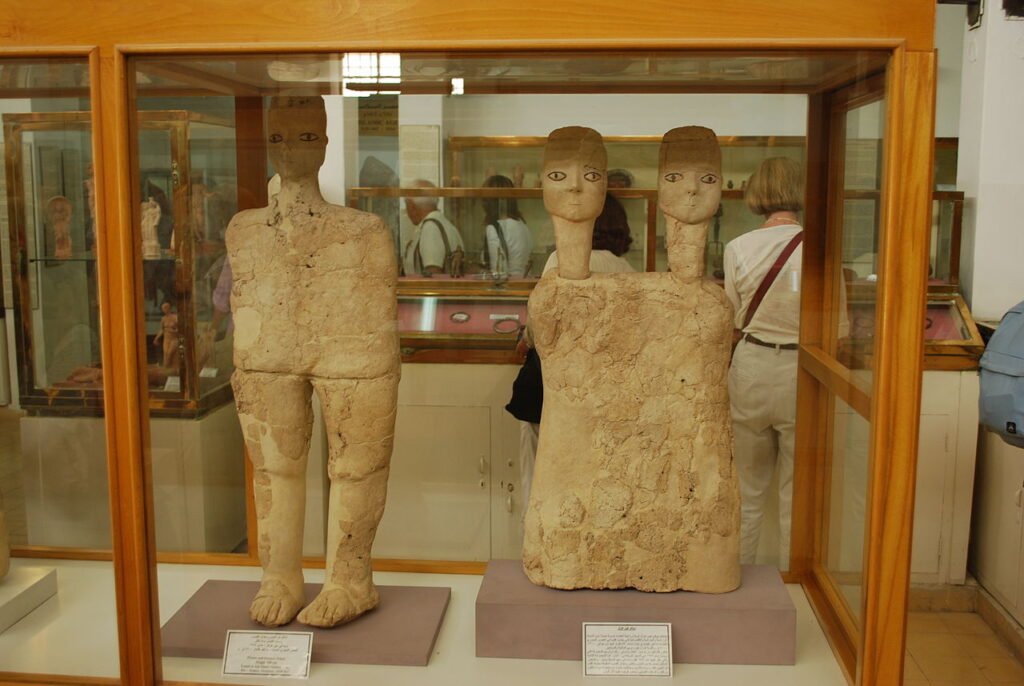
Double Headed Androgynous Statue, Ain Ghazal, Jordan Credit- Jeanhousen CC BY SA 3.0
One such example is the Double-Headed Androgynous Statue from Ain Ghazal, Jordan, an extraordinary prehistoric figure that has been interpreted in different ways. Its unusual form raises questions about how early societies represented human or supernatural beings whose identity did not fit neatly into a single category.
In later traditions, Attis, associated with Cybele, was connected with an androgynous or gender-transcending identity in some ancient sources and later interpretations. Another famous example is Hermaphroditus in Greek mythology, traditionally described as the child of Hermes, associated with wealth and commerce, and Aphrodite, associated with love and beauty. Hermaphroditus became famous for possessing both masculine and feminine characteristics.
A comparable creator tradition appears in ancient China with Fuxi and Nuwa, who are portrayed as primordial culture-bringers and creators. Their imagery and relationship have sometimes been interpreted through the idea of complementary masculine and feminine creative principles.
These examples provide another intriguing dimension to the comparative study. Across very different societies, figures connected with creation, divine ancestry, transformation, or civilization could sometimes be represented through imagery that crossed ordinary distinctions between masculine and feminine.
The question, then, is whether these recurring images represent independent cultural developments or whether they preserve fragments of a much older conception of the androgynous creator figure.
Mysterious Facts: Androgynous Cybele Consort of Mortal Ruler Androgynous Attis Dying and Rising Deity Mentioned as Hermaphrodite, A notable example of such a deity is Hermaphroditus from Greek mythology, the child of Deity of wealth Hermes and Androgynous Aphrodite, Similar Myths found in Ancient Society of China regarding Androgynous Fuxi And Androgynous Nuwa Mother goddess called Creator Deity.
Does He Always Leave a Closed Mouth, Alien-Like Appearance, and Fertility Signs?
Question: Does he always Left Closed Mouth, Alien, Fertility Sign to Prove his Presence from Eternity as a Creator of civilization Eternal Authority?
Across ancient civilizations, some sacred figures are portrayed with unusual facial features, closed or restrained mouths, distinctive headgear, and symbols connected with fertility and creation.
At first, these details may seem unrelated. But when they appear around figures remembered as creators, teachers, rulers, or founders of civilization, they raise an intriguing question.
Was this simply ancient artistic symbolism, or were these features intended to preserve something about the nature of a divine authority?
The fertility symbols are especially interesting because fertility was closely connected with the continuation of life and the renewal of civilization. The unusual, sometimes almost alien-like appearance of certain figures adds another layer to the mystery, although appearance alone cannot prove an extraterrestrial interpretation.
Perhaps these were simply sacred symbols.
Or perhaps they were fragments of a much older tradition surrounding an eternal creator and civilizing authority.
Why did ancient artists repeatedly give certain sacred figures such distinctive features?
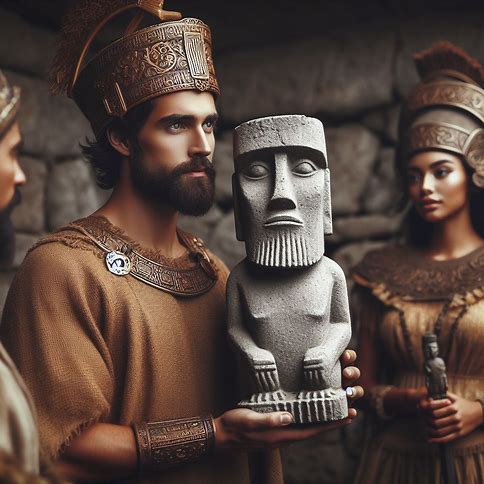
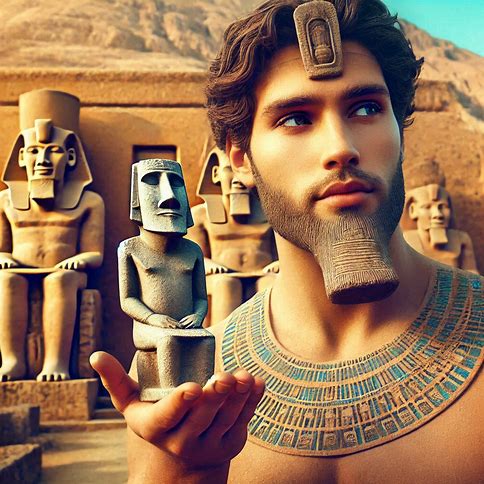
Could Trigunatit Be an Alternate Term for the Universal Androgynous Dying-and-Rising Deity in Hinduism?
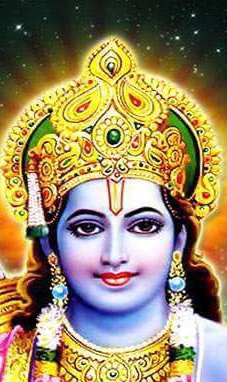
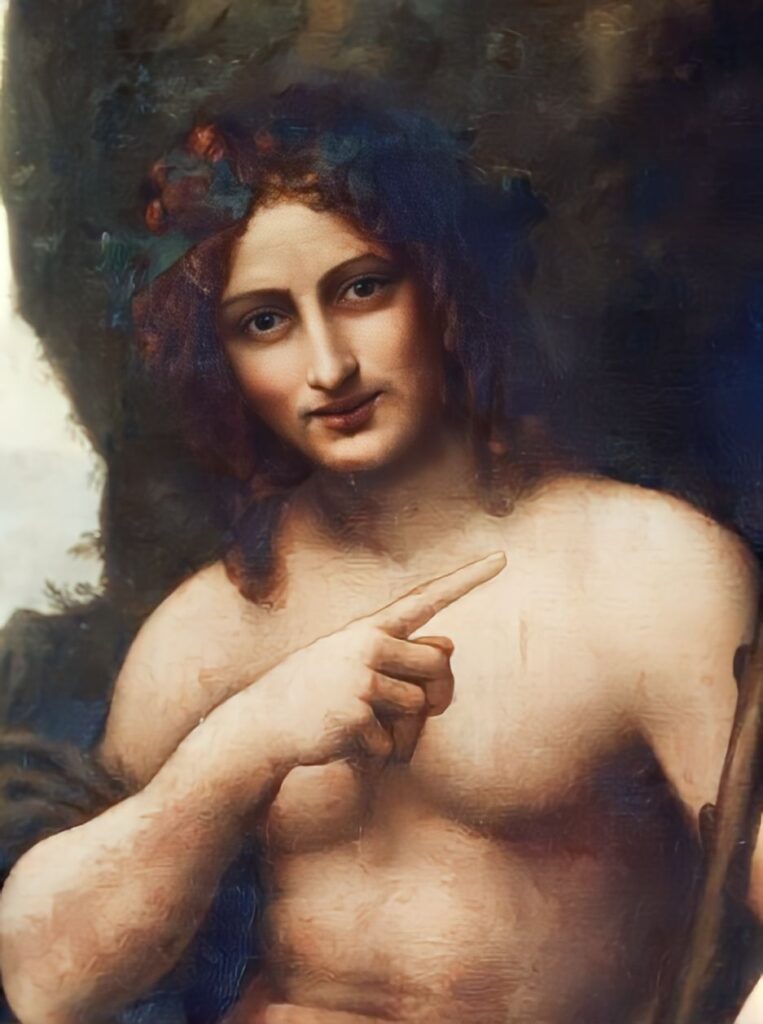
Androgynous Dionysus Dying and Rising Deity
Androgynous Dying and Rising Deity mentioned as who remember his Previous Existence and Without change of Body in Every birth?
The idea of a divine figure who repeatedly appears in the world takes an interesting form in Hindu tradition. Instead of simply asking whether a deity dies and rises again, another question appears: Could the same divine figure enter human existence again while retaining awareness of previous existence?
The Bhagavad Gita presents a striking passage on this idea. In Chapter 4, Verse 6, Krishna describes himself as unborn and imperishable, yet appearing in the world through divine power.
अजोऽपि सन्नव्ययात्मा भूतानामीश्वरोऽपि सन् |
प्रकृतिं स्वामधिष्ठाय सम्भवाम्यात्ममायया || ६ ||
Bhagavad Gita 4.6
The passage creates an unusual image: a divine being appears to take birth, yet is not described as an ordinary human being subject to ordinary birth and death.
The distinction becomes even more intriguing when divine existence is compared with ordinary human existence. A human being moves from one body to another without ordinarily remembering previous lives. The divine figure, however, is described as knowing previous appearances.
This raises a question for the interpretation explored in this book:
Could this be another expression of the same universal dying-and-rising figure found in other ancient traditions?
If the dying-and-rising figure is understood as a being who returns to human life while retaining the same essential divine identity—and, in the interpretation explored here, perhaps even recognizable continuity of appearance—then the comparison becomes particularly intriguing.
An ordinary human is born, lives, dies, and does not normally remember previous existence.
But what if the ancient dying-and-rising figure was believed to die and return again while remaining the same divine personality?
That would make the figure fundamentally different from ordinary human rebirth.
The question, therefore, is not simply whether Krishna’s teaching describes reincarnation. It is whether the passage preserves an idea of a divine being who repeatedly enters the world without losing awareness of who he is.
The Hindu tradition has its own theological meaning and should be understood on its own terms. Yet within the larger investigation of this book, the resemblance raises an intriguing possibility:
Could the divine figure who repeatedly appears in the world be another cultural expression of the ancient dying-and-rising deity—the one who dies, returns, and remains eternally recognizable?
Authors’ Interpretation: The Androgynous Dying-and-Rising Authority, Vishnu’s Soul, and the Memory of Past Births in Brahma Kumaris Beliefs
आत्मा का इस सृष्टि चक्र में क्या – क्या पार्ट है, उनको जानना स्वदर्शन चक्रधारी बनना | स्वदर्शन चक्रधारी ही बाप के प्रिय है | (Avyakt vani -10/11/1987)
English Translation– What is the part of the soul in this world cycle, knowing them to become a self-realised wheel. Only those with the wheel of self-realization are dear to the Father. (Avyakt vani -10/11/1987)
अब तुम ईश्वर की वंशवाली हो फिर बनेंगे विष्णु की वंशावली | स्वदर्शन चक्र का अलंकार भी विष्णु को दिया है | तुम हो पुरुषार्थी | ( sakar murli – 14.3.2018 )
English Translation– Now you are the descendants of God and then you will become the lineage of Vishnu. The ornament of the Swadarshan Chakra is also given to Vishnu. You are a purusharthi. ( Sakar murli – 14.3.2018 )
Authors Interpretation
As mentioned in the Gita verse 4.6, Vishnu’s soul performs superhuman activities across past births. At the same time, Shiv Parmatma does not come within the birth-and-death cycle, and this is what Shiv Parmatma explains in his Murli.
“Lord’s title is for holy, not to God.” (Sakar Murli, 12-09-2019)
Hence, according to this interpretation, the above verses are referring to Vishnu, whose body does not change with every birth. This interpretation also holds that the Bhagavad Gita was spoken by Shiv Parmatma to the ancient sages through meditation.
Shiv Parmatma kept Vishnu’s facial features the same in every birth in order to preserve and demonstrate the spiritual principles, true history, and authentication of Vishnu’s identity.
Shiv Parmatma handing over the Swadarshan Chakra to Vishnu may therefore be understood as granting him the memory and awareness of the roles he has played throughout his past births in the cosmic cycle.
Androgynous Alien Nummo: Remembering Previous Existence After Rebirth — Ancient Dogon Beliefs
The mystery of a divine figure who remembers previous existence appears again in traditions associated with the Nummo of Dogon cosmology. In the interpretation explored here, the Nummo are viewed as an androgynous, otherworldly civilization-bringing figure whose story raises a striking question: could a divine being return through successive existences while retaining knowledge of what came before?
A similar idea appears in the teachings of the Brahma Kumaris concerning the soul and the cosmic cycle. One teaching states:
“What is the part of the soul in this world cycle, knowing them to become a self-realised wheel.”
— Avyakt Vani, 10/11/1987
Another teaching connects the lineage of God with the lineage of Vishnu and associates Vishnu with the Swadarshan Chakra:
“Now you are the descendants of God and then you will become the lineage of Vishnu. The ornament of the Swadarshan Chakra is also given to Vishnu.”
— Sakar Murli, 14/03/2018
Within the interpretation presented in this study, the Swadarshan Chakra becomes especially significant. It may be understood not merely as an ornament or weapon, but as a symbol of awareness of the cosmic cycle and the parts played within it.
This leads to an intriguing distinction: ordinary human beings may be born without conscious memory of previous lives, while the divine authority described in these traditions is portrayed as possessing a deeper awareness of existence across the cycle.
In Authors interpretation, this is also connected with Vishnu’s recognizable identity across successive births, including the possibility that his facial identity remains continuous. However, the quoted passages themselves do not explicitly state that Vishnu retains the same physical face in every birth, so that this part is proposed interpretation.
The larger mystery therefore becomes:
Could the dying-and-rising authority be a figure who does not merely return to life, but returns with a continuing spiritual identity and awareness of previous existence?
That question connects the traditions of Dumuzi, Osiris, Adonis, Attis, Vishnu, and the Nummo to the central mystery explored in this study: whether the ancient dying-and-rising figure was remembered as a being capable of returning again and again while remaining fundamentally the same divine authority.
Androgynous Enki and Rama, and Other Androgynous Deities: Similar Face Transformation
Ancient artists did not always portray a sacred figure in exactly the same way. Across different periods and civilizations, the appearance of a deity could change—yet certain features, expressions, proportions, or symbolic characteristics might remain recognizable.
This becomes particularly intriguing when comparing figures such as Enki and Rama with other androgynous deities. In the interpretation explored in this study, some of these representations may preserve a recognizable facial identity even when the figure appears in a different cultural setting or artistic style.
The question is therefore not simply whether two statues look alike.
It is whether similar facial characteristics could have been intentionally preserved as a way of identifying the same divine authority across different times, names, and civilizations.
If the dying-and-rising deity was believed to return again and again, then the face itself could become an important form of identity—almost like an ancient signature.
Could these recurring facial features represent artistic convention, symbolic resemblance, or an attempt to preserve the identity of a deity believed to appear across different ages?
This is where the visual comparisons become particularly interesting.
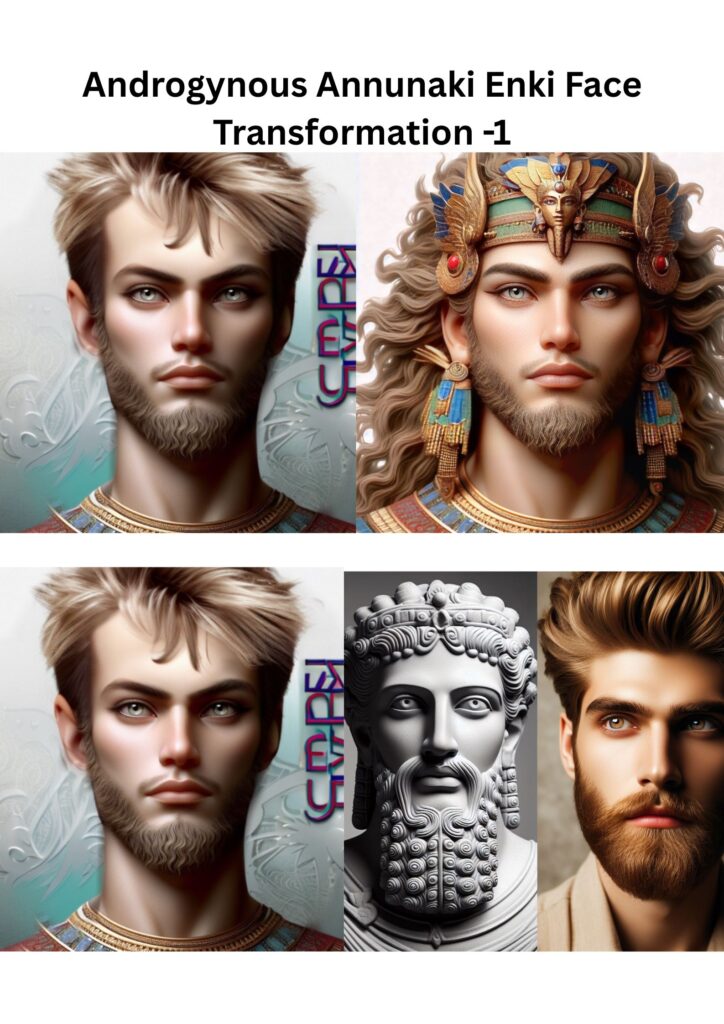
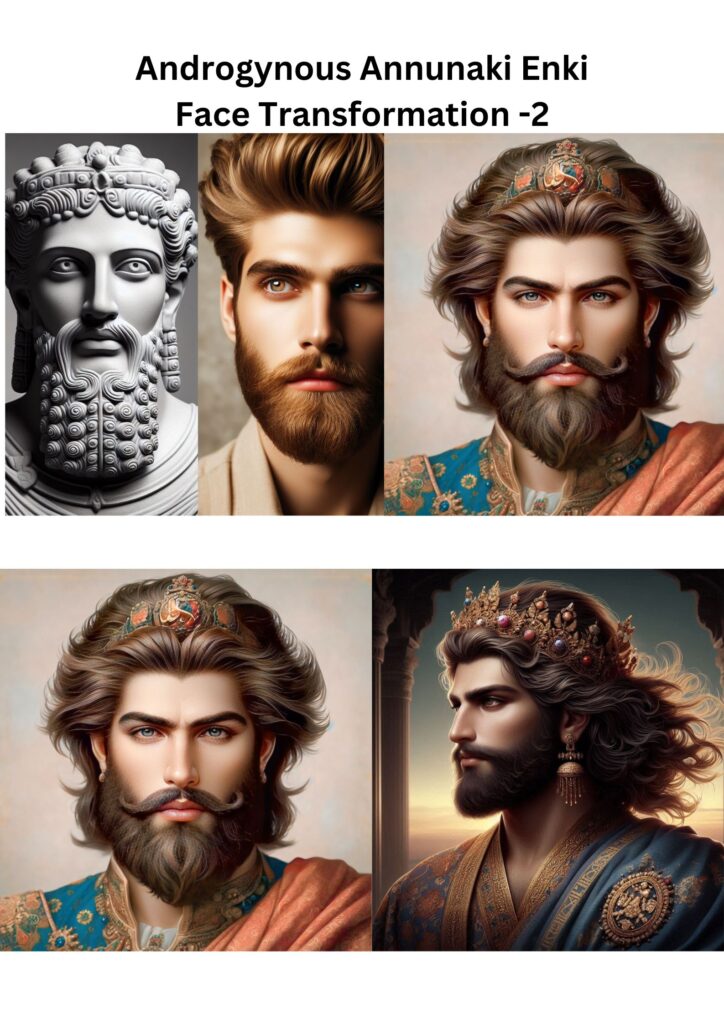
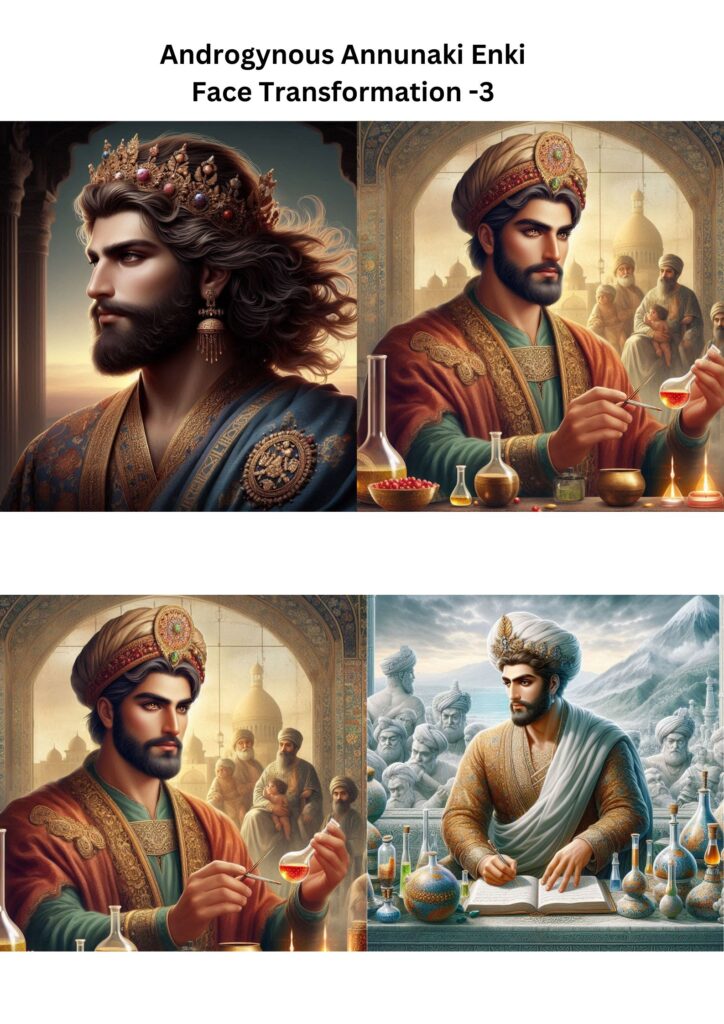
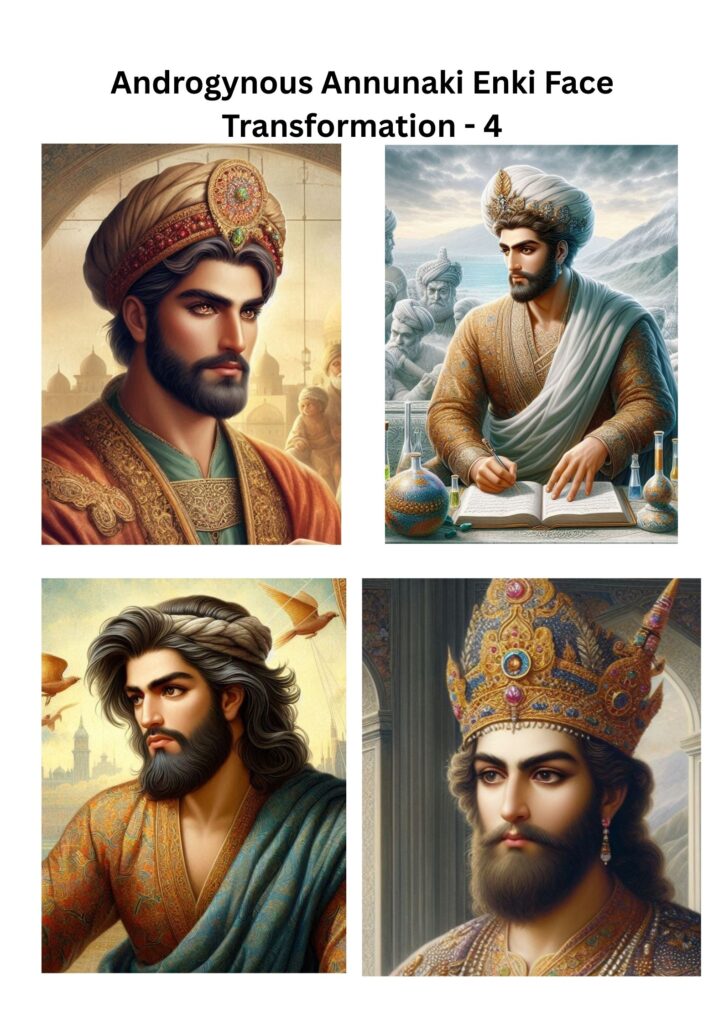
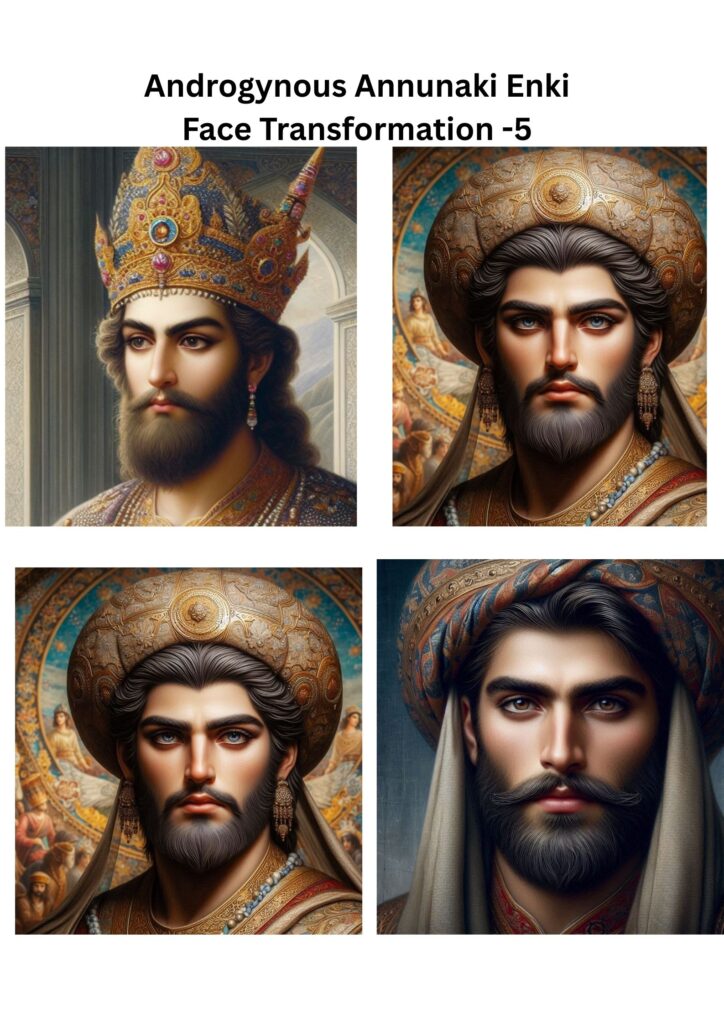
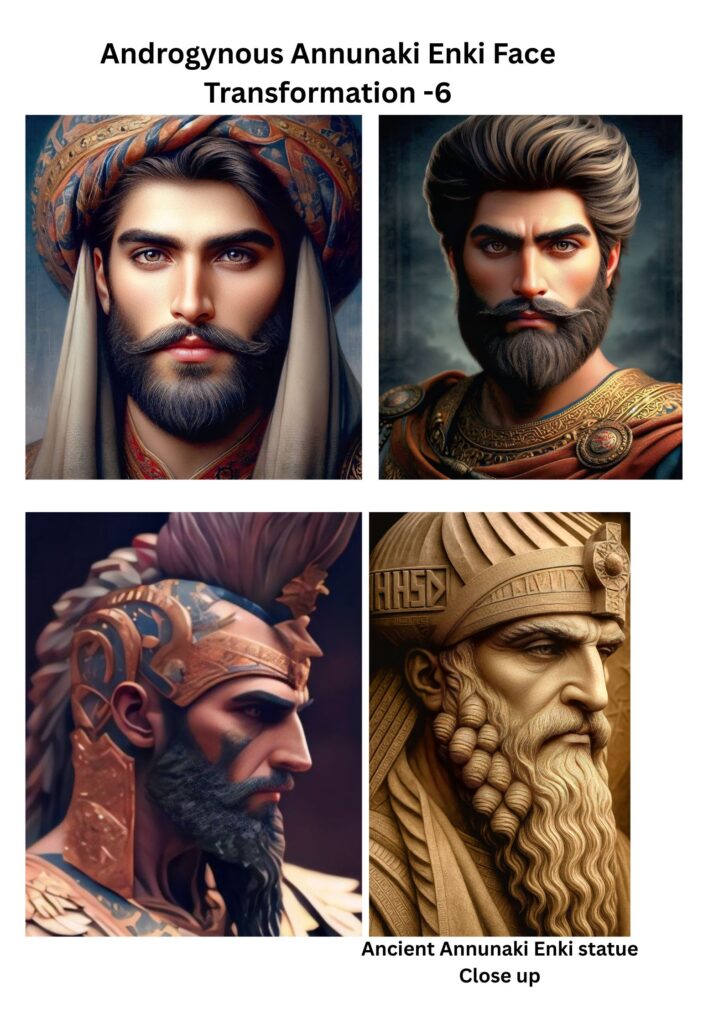
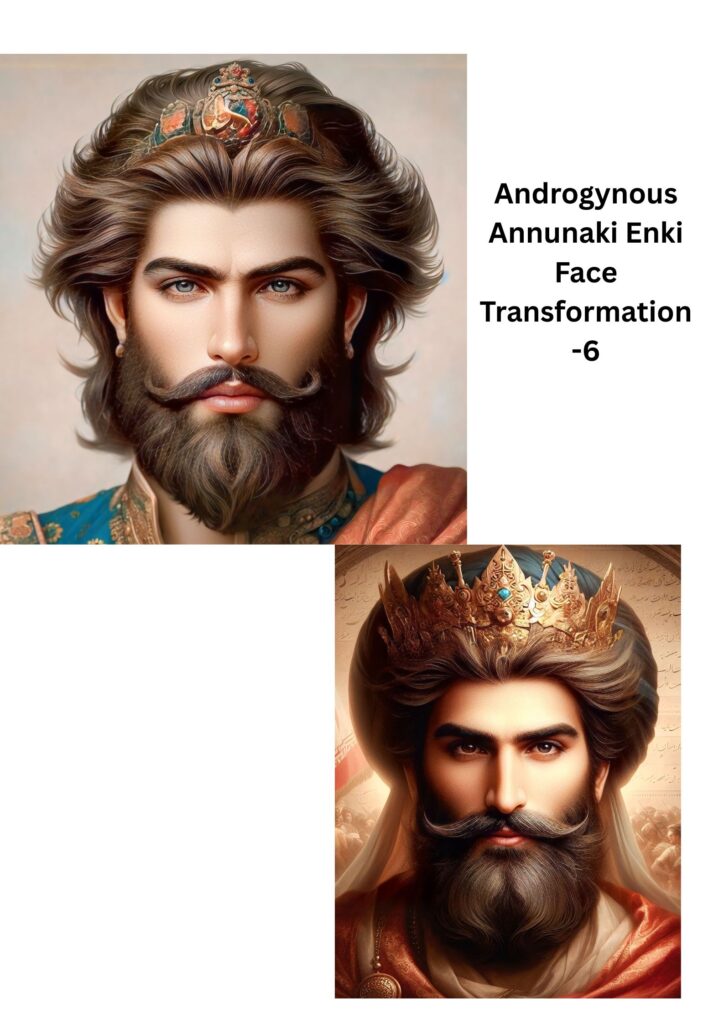
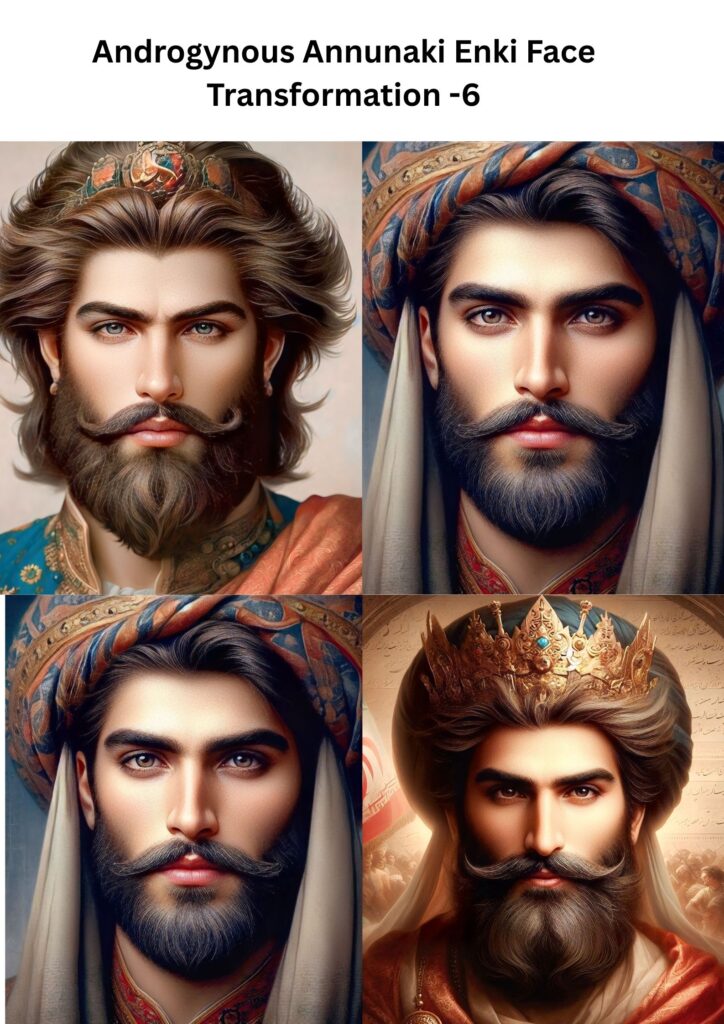
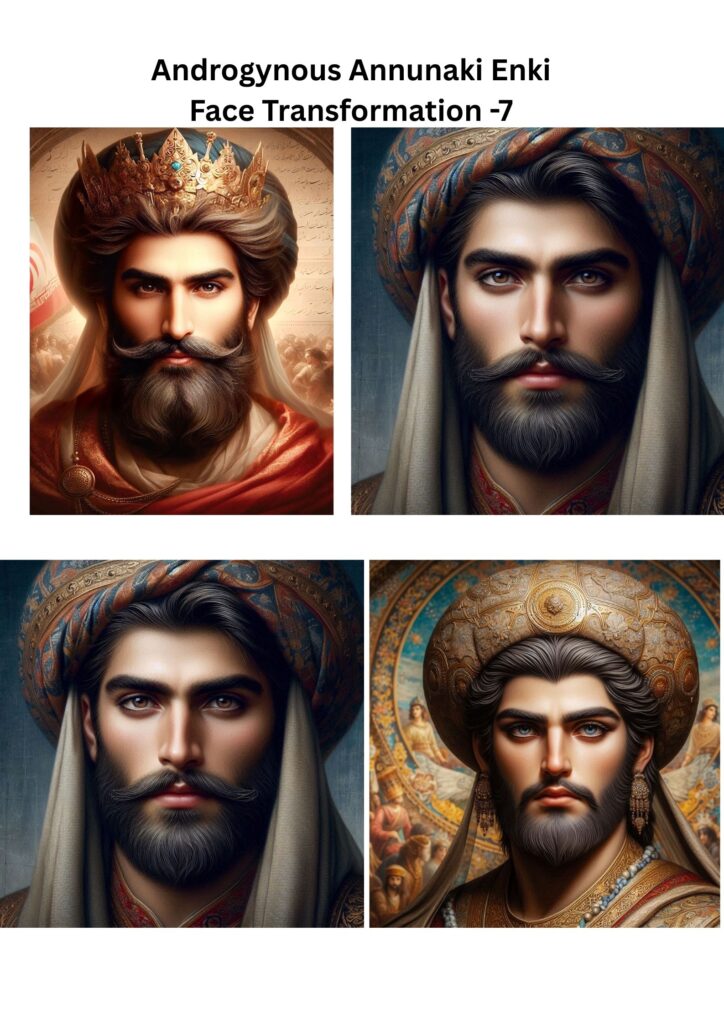
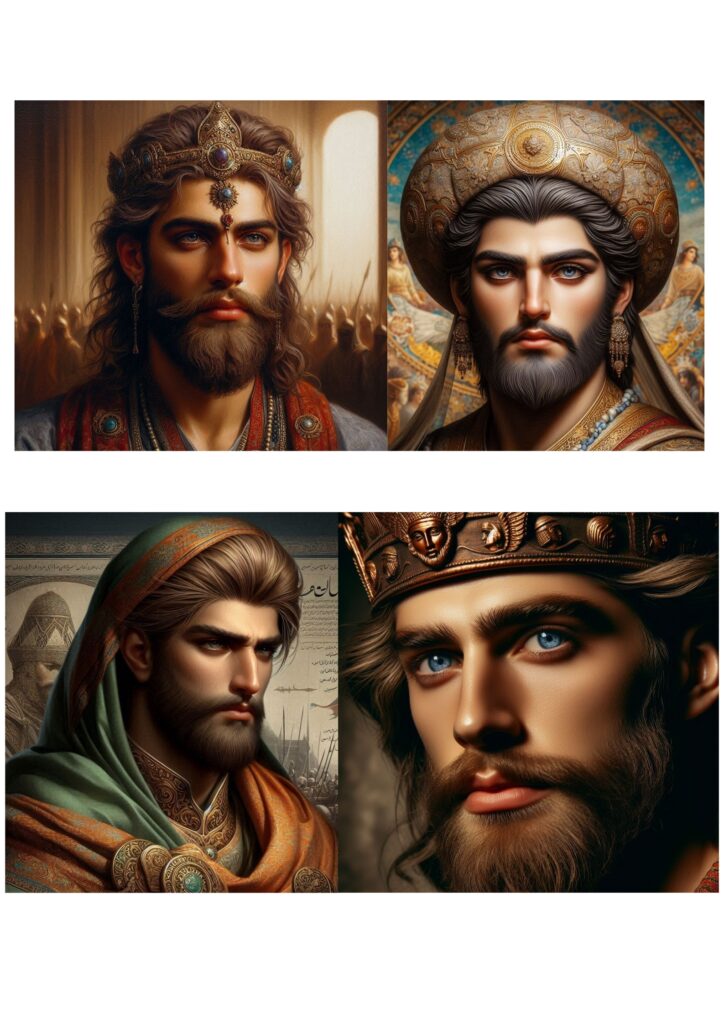
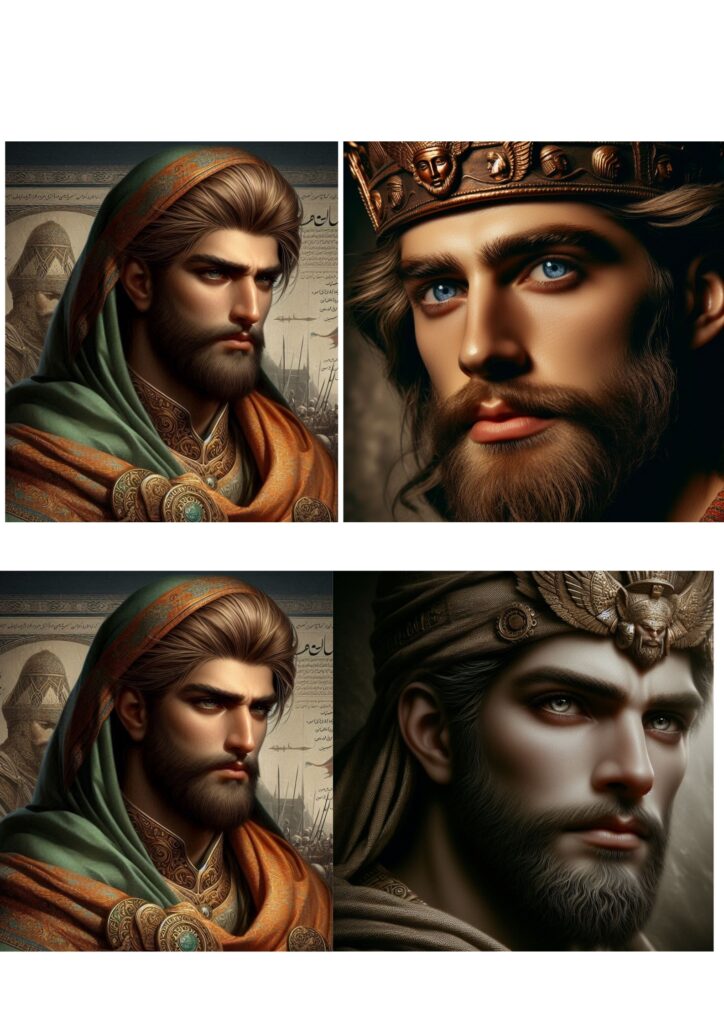
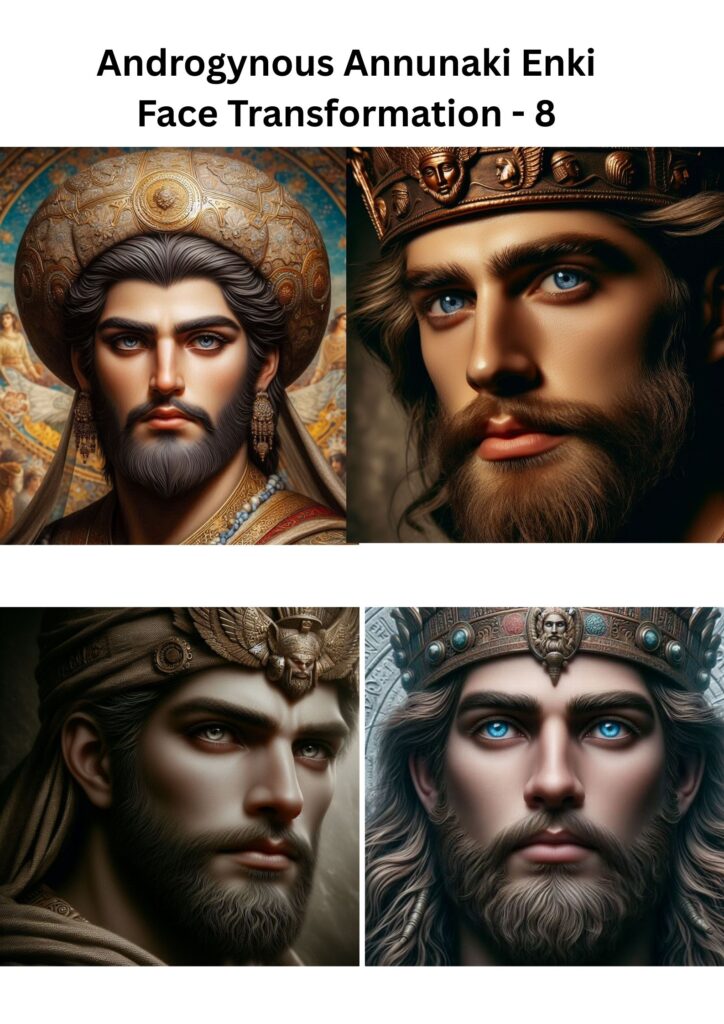
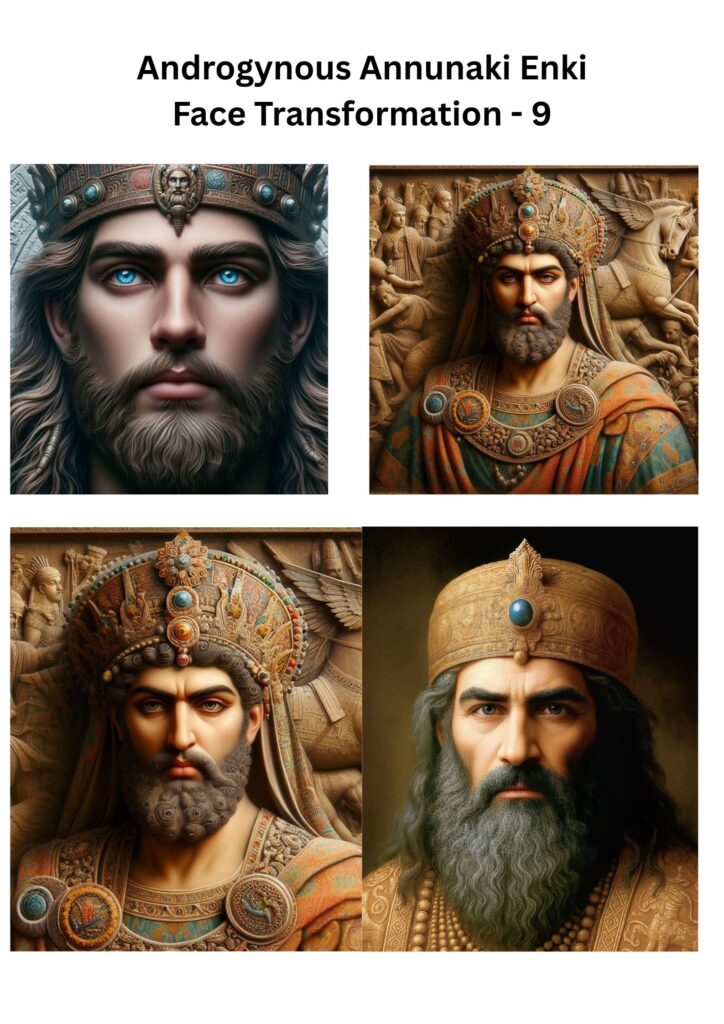
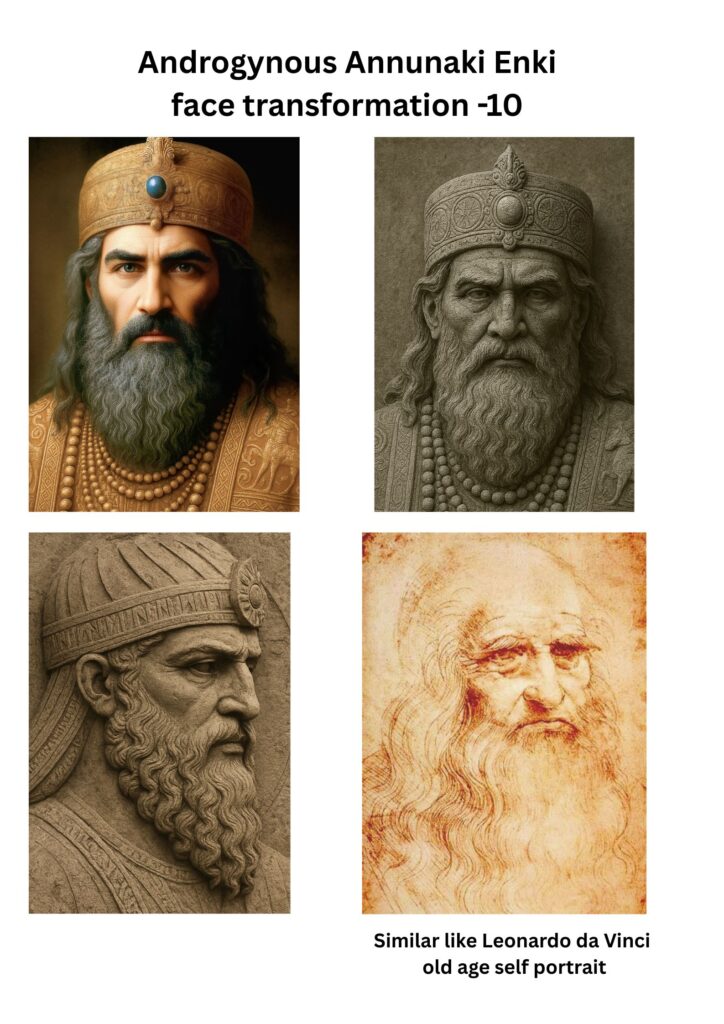
Was Leonardo da Vinci the Reborn Soul of the Androgynous Dying-and-Rising Deity—with the Same Face?
Throughout history, the androgynous dying-and-rising deity in the traditions explored in this study is repeatedly associated with the transmission of knowledge, the development of civilization, and the restoration of human society after great destruction or flood. More about this recurring pattern can be explored in our Closed mouth Mysteries Timeline Series
Leonardo da Vinci also became one of history’s most remarkable figures in the development of human knowledge. His notebooks and studies covered subjects ranging from engineering and anatomy to machines, flight, water, architecture, and art.
This creates an intriguing comparison.
If the ancient dying-and-rising deity was remembered as a figure who returned to guide humanity and advance civilization, could Leonardo’s extraordinary range of knowledge represent another appearance of that same spiritual authority?
The question becomes even more fascinating when his facial features are compared with the androgynous deity face transformations discussed earlier in this study.
The resemblance, if intentional or significant, could be viewed as more than an artistic curiosity. Within the interpretation explored in this book, it raises the possibility of a continuing identity appearing through different historical lives and civilizations.
Was Leonardo simply an extraordinary Renaissance thinker—or could his life, knowledge, and recognizable facial features preserve another chapter in the story of the dying-and-rising deity?
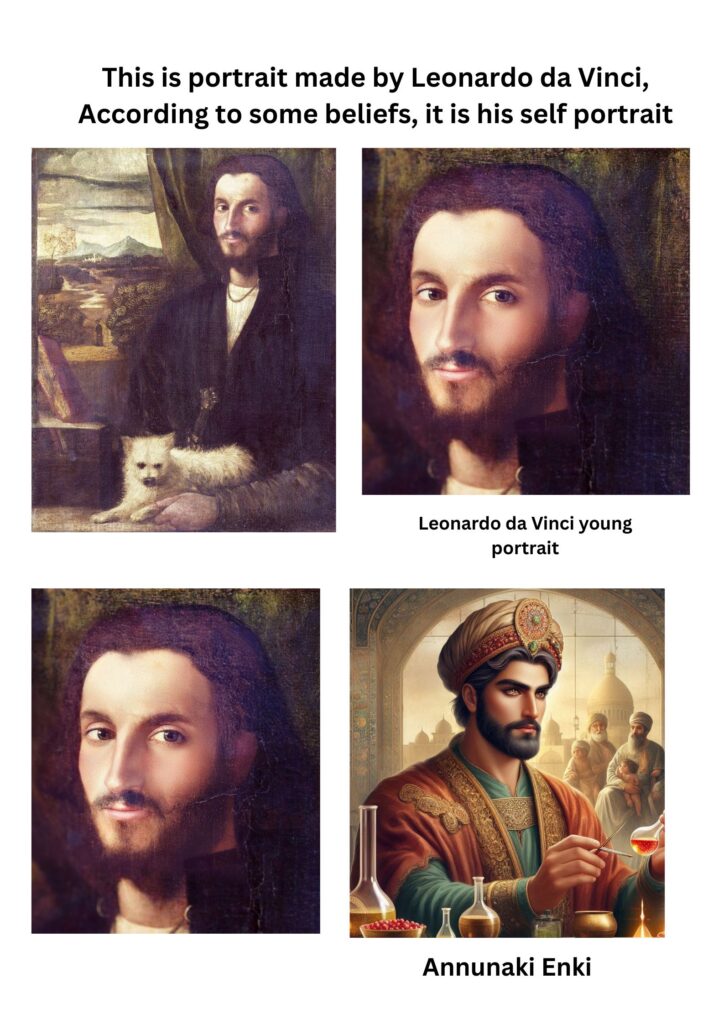
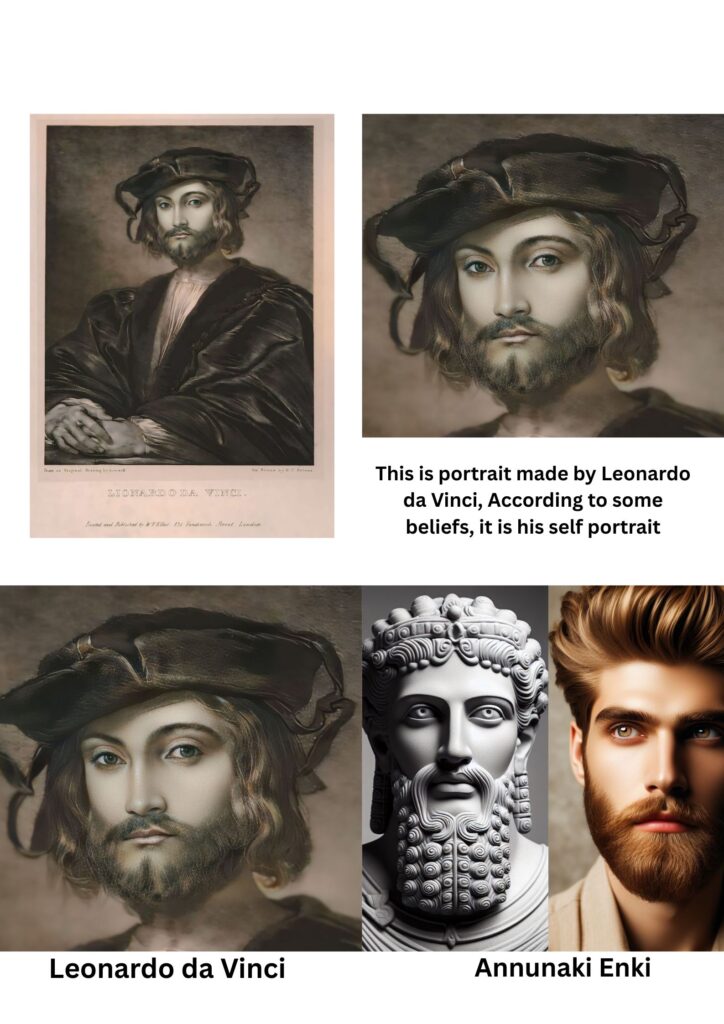
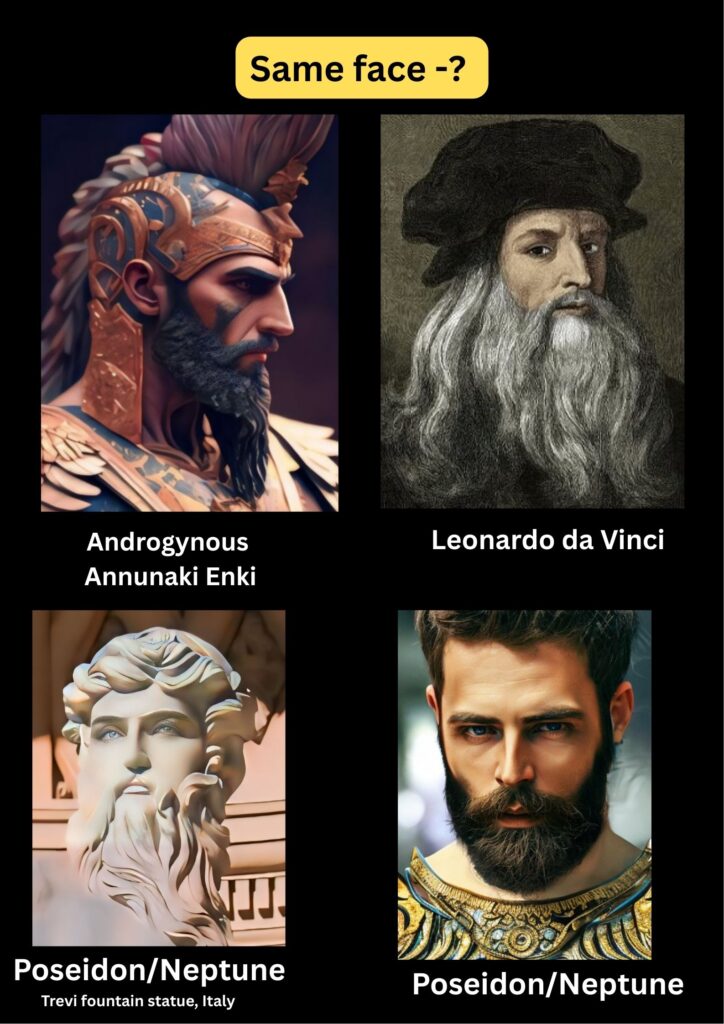
Did Leonardo da Vinci Leave the Same Closed-Mouth, Alien-Like, and Fertility Symbols in the Mona Lisa?
Leonardo also appears to have left behind visual clues that, in the interpretation explored in this study, resemble the closed-mouth, alien-like, and fertility symbolism associated with the androgynous deities discussed earlier. These details become particularly intriguing when examined in the Mona Lisa, where the mysterious expression and carefully constructed imagery have inspired centuries of interpretation.
If the ancient androgynous deity was remembered as a figure who brought knowledge and helped advance civilization, could Leonardo’s own fascination with invention, science, anatomy, and human knowledge represent a continuation of the same archetype?
And could the visual similarities in the Mona Lisa be another clue connecting Leonardo with the ancient dying-and-rising figure?
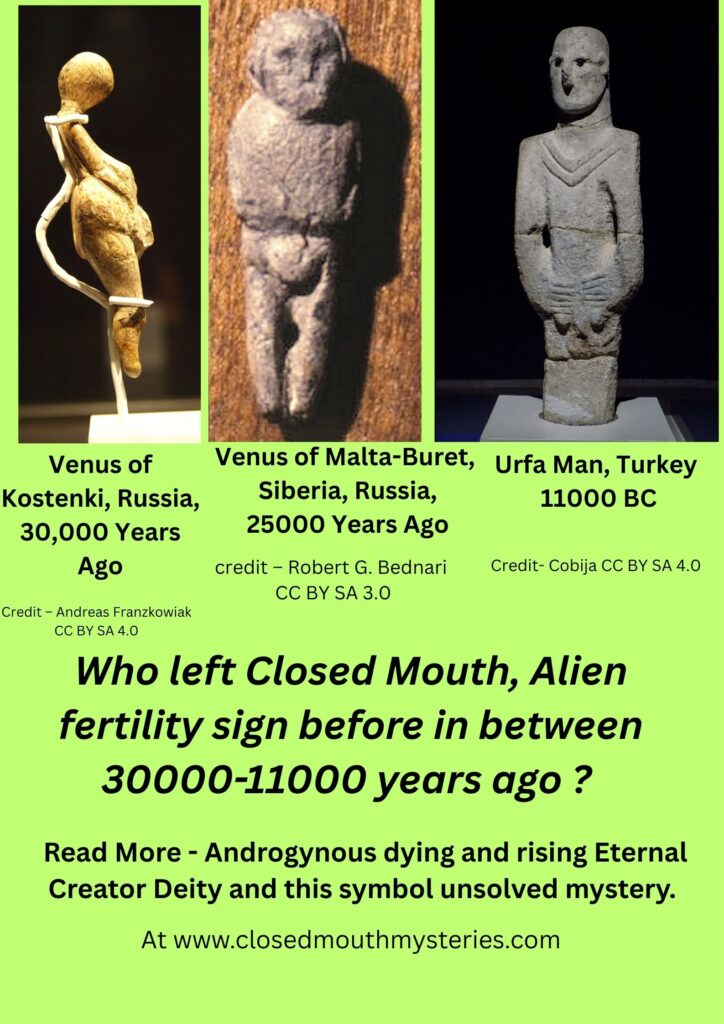
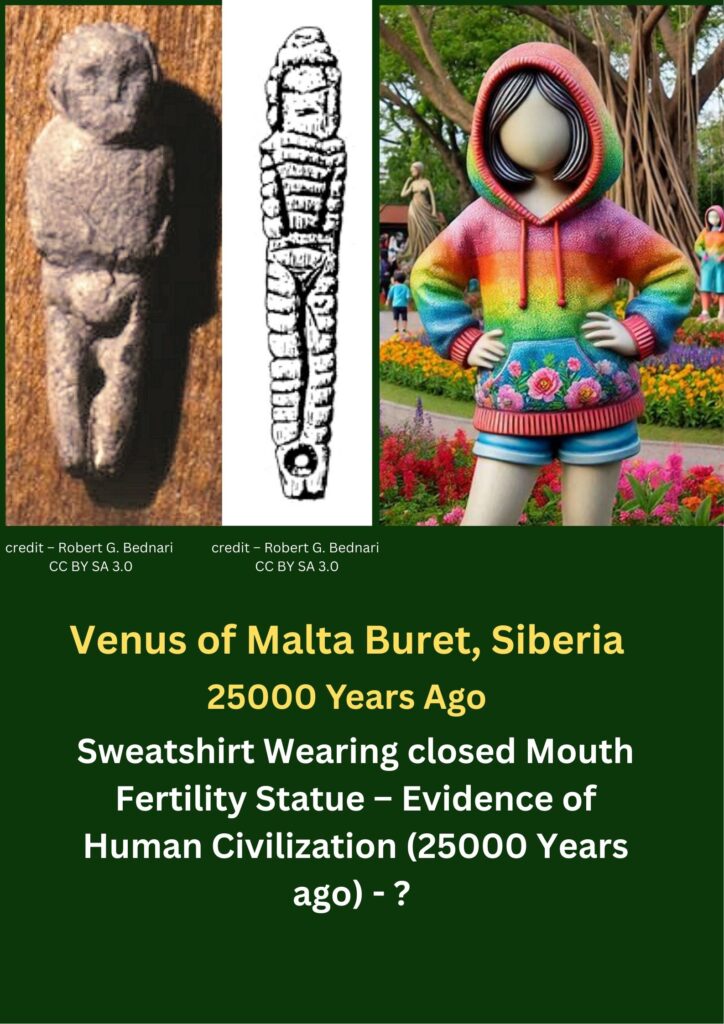
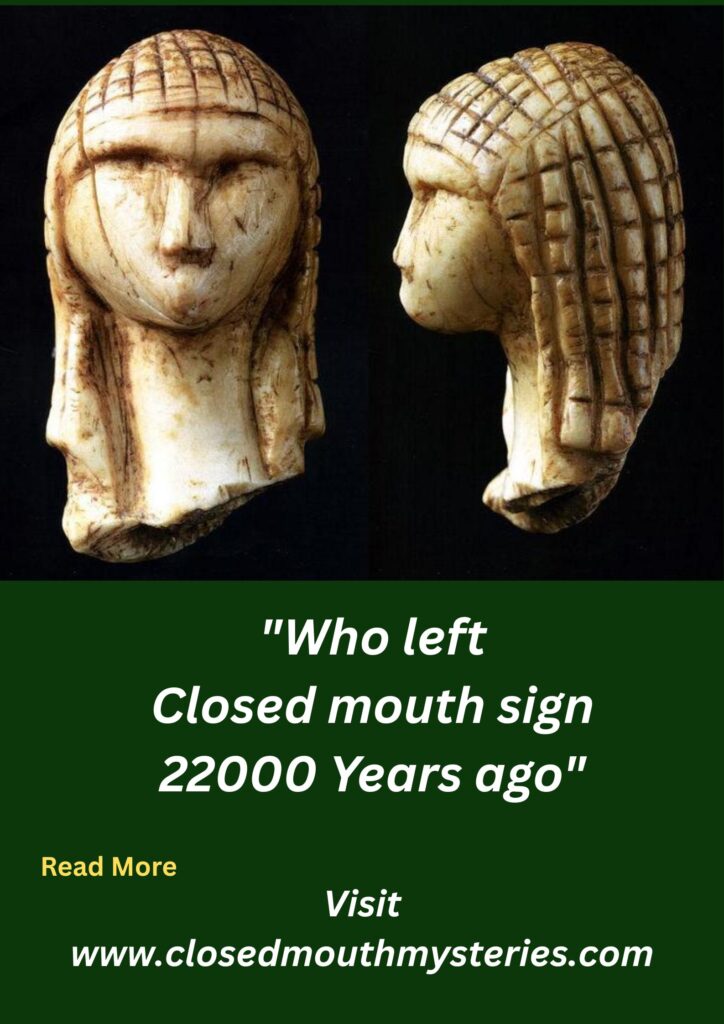
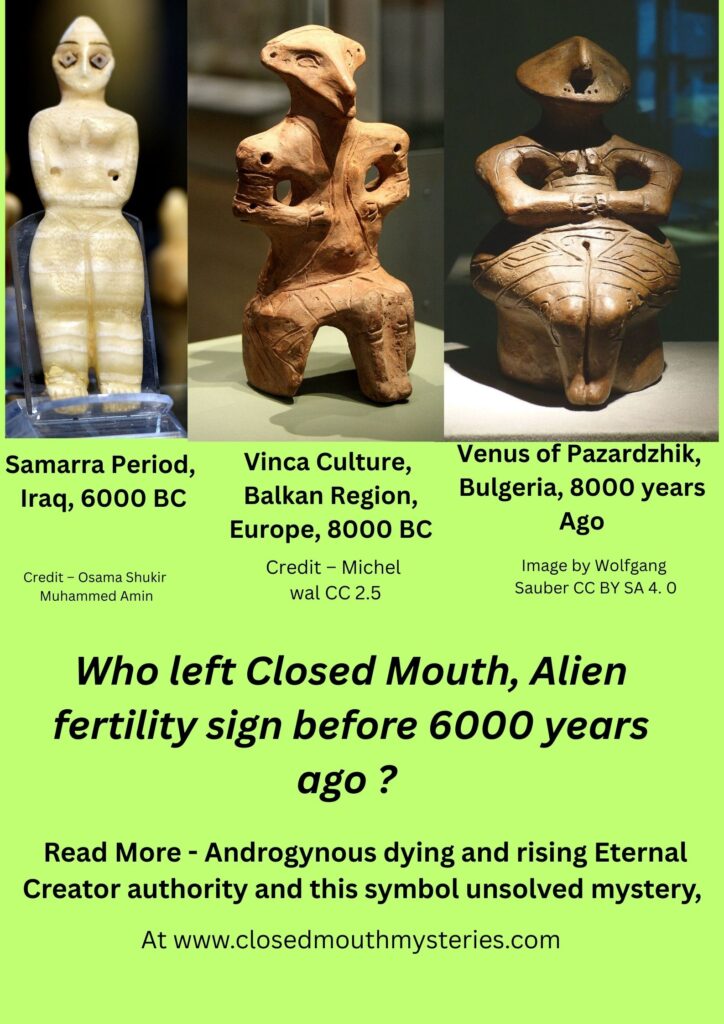
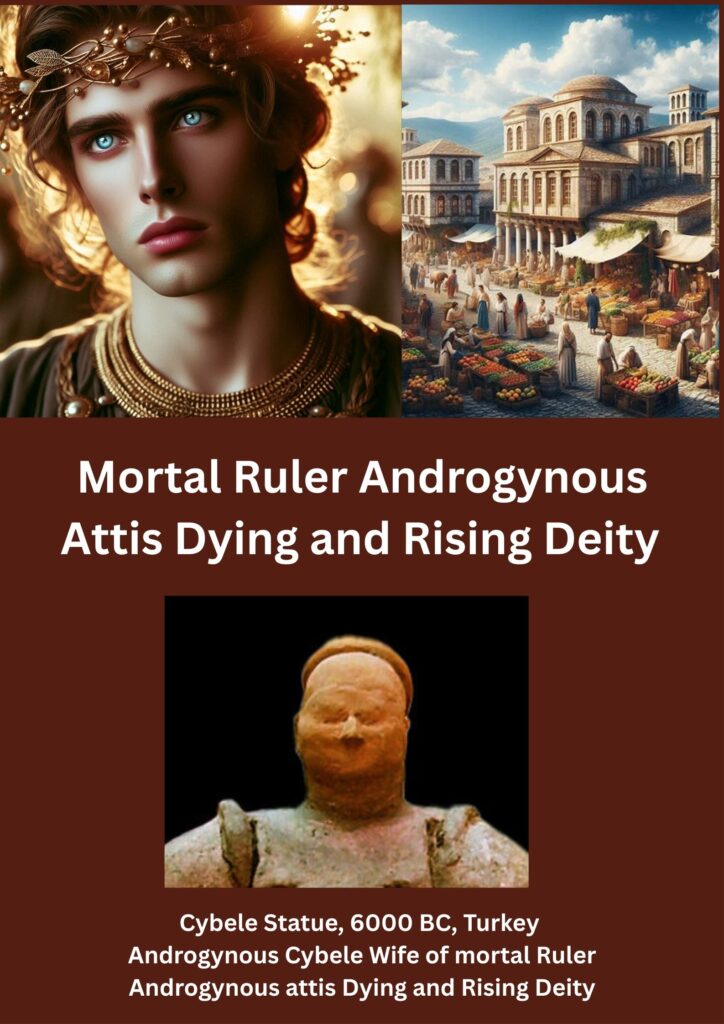
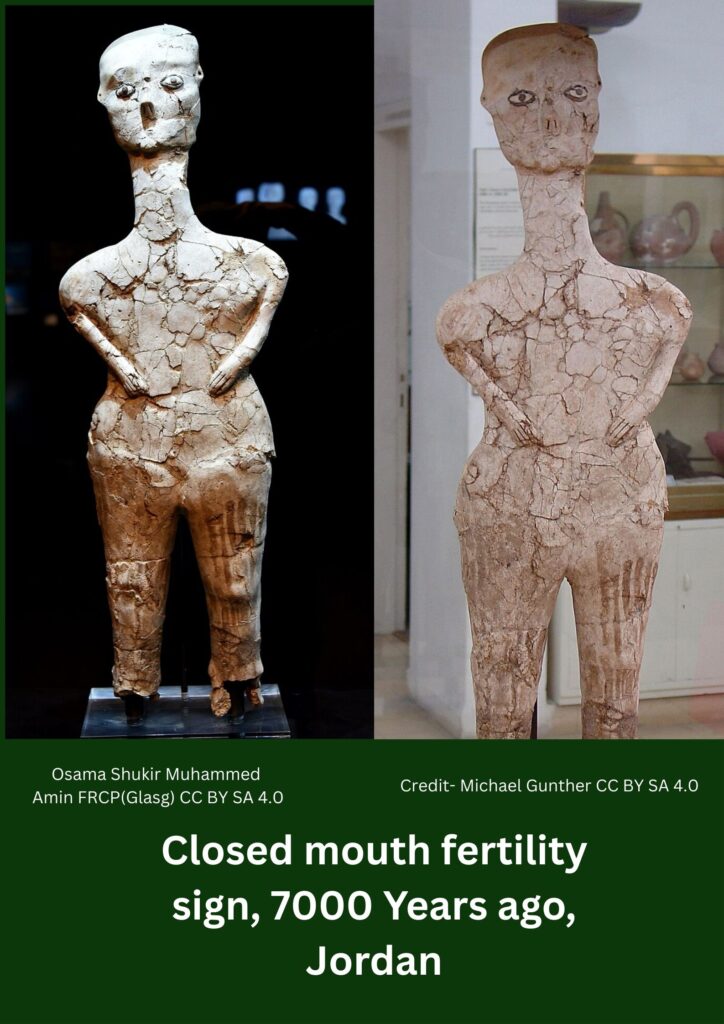
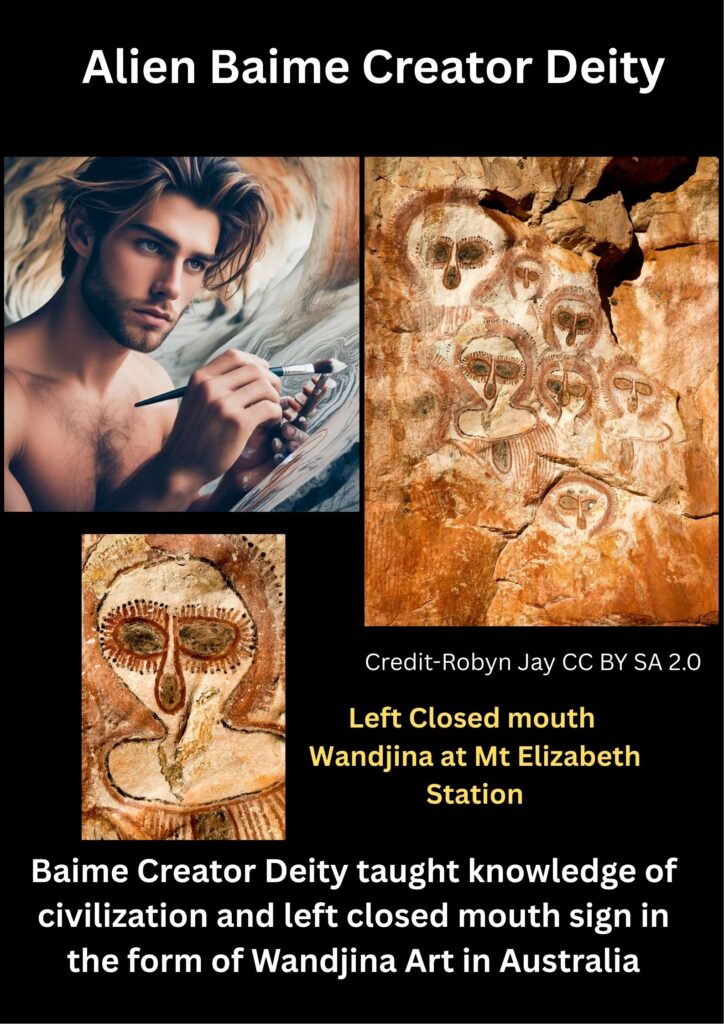
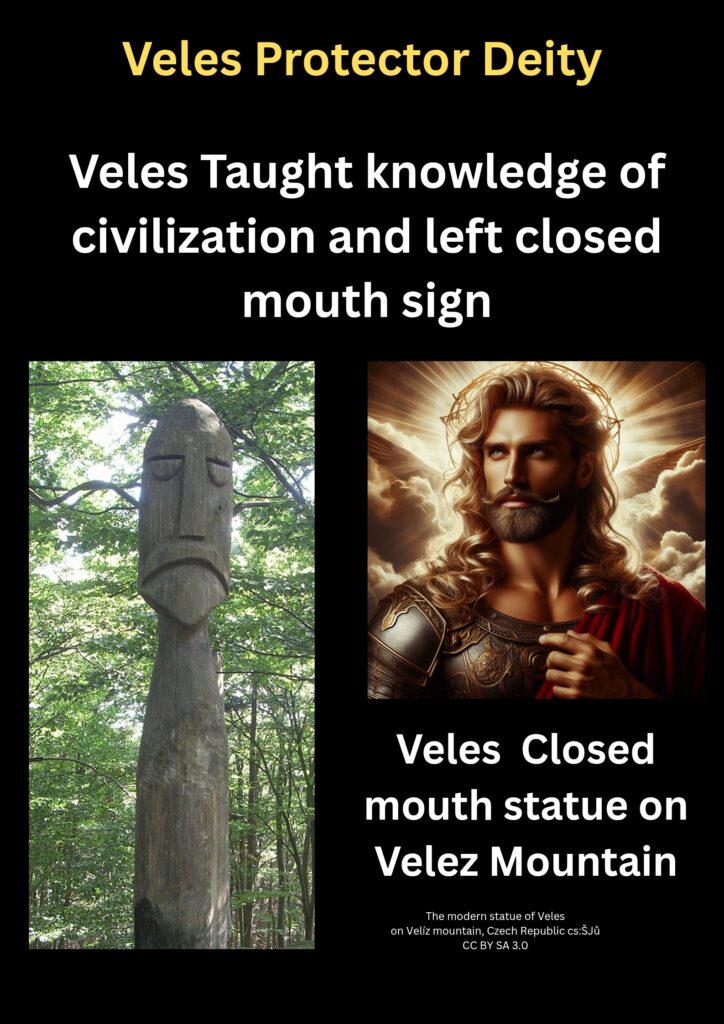
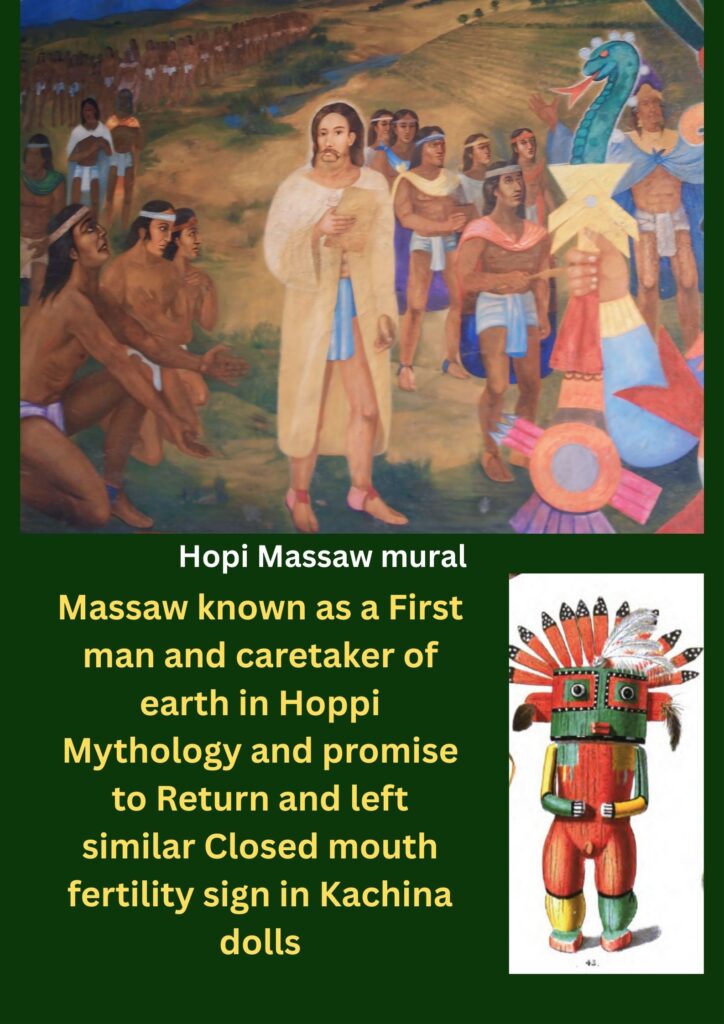
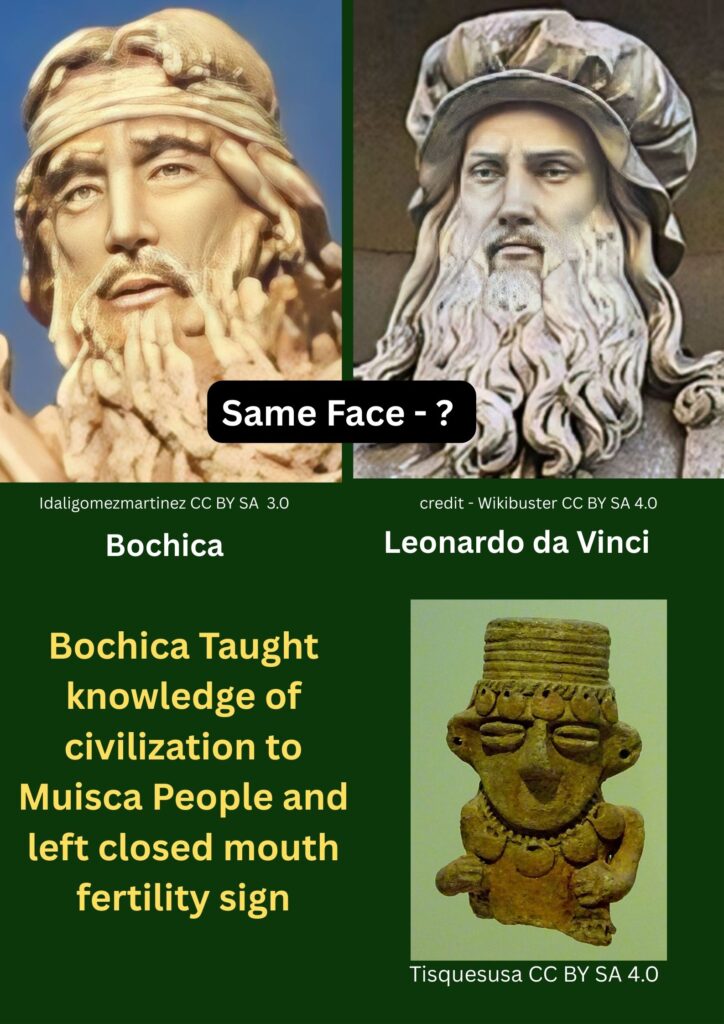
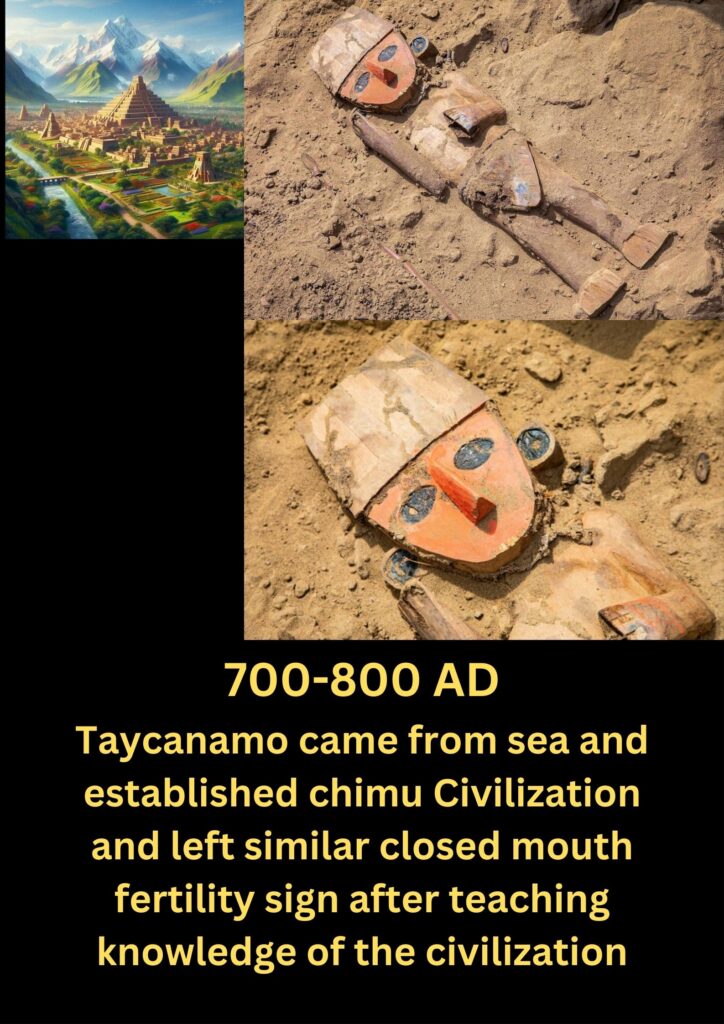
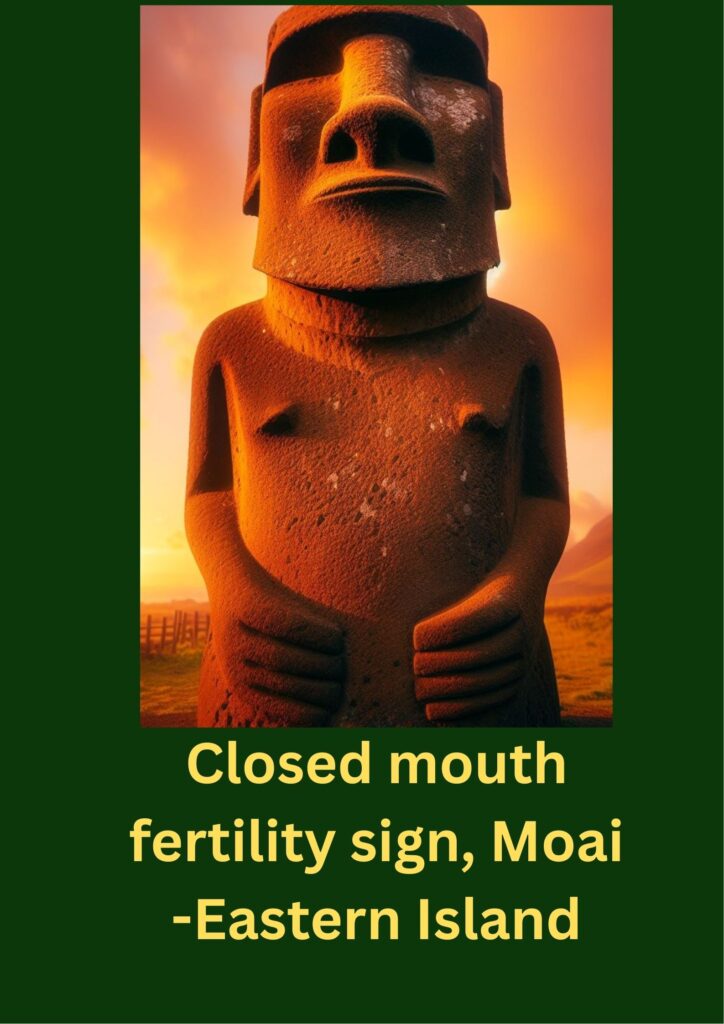
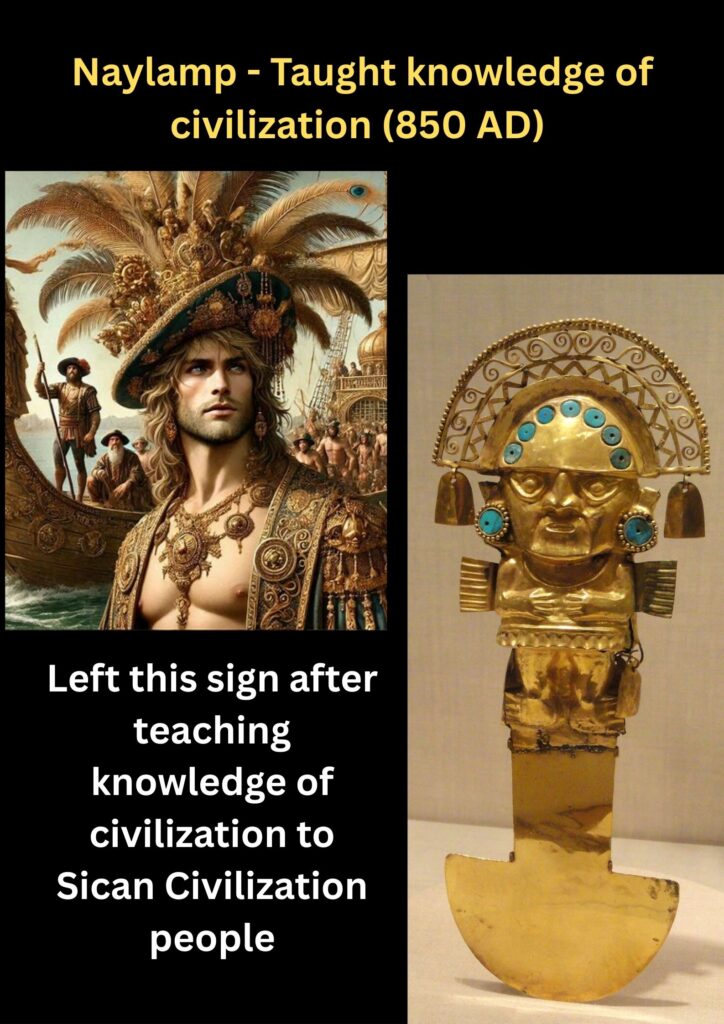
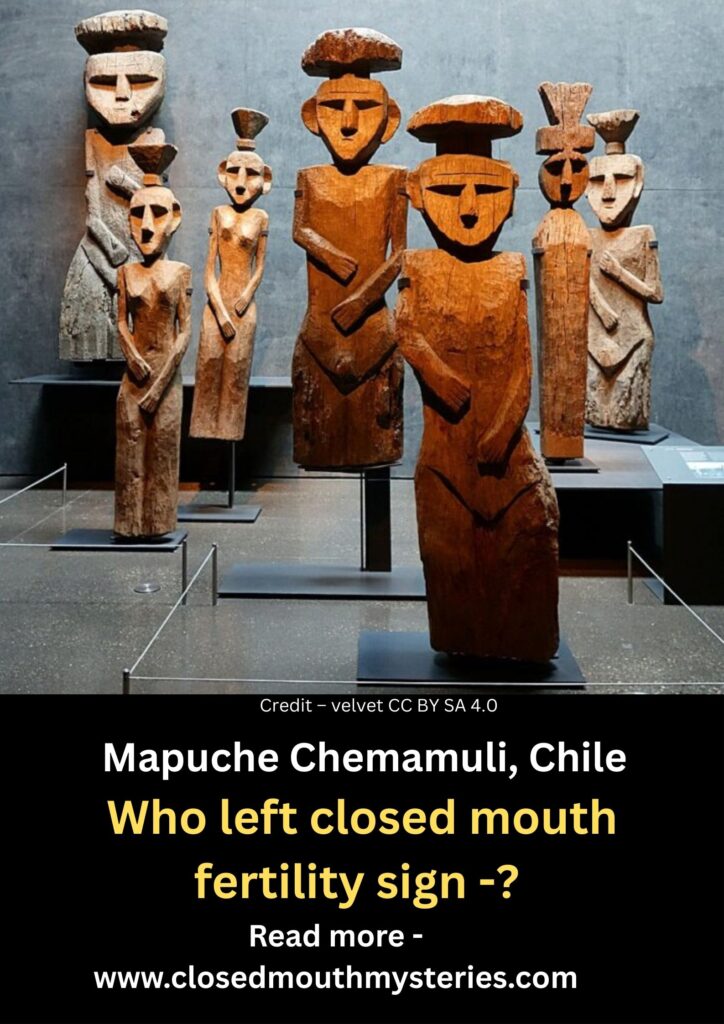
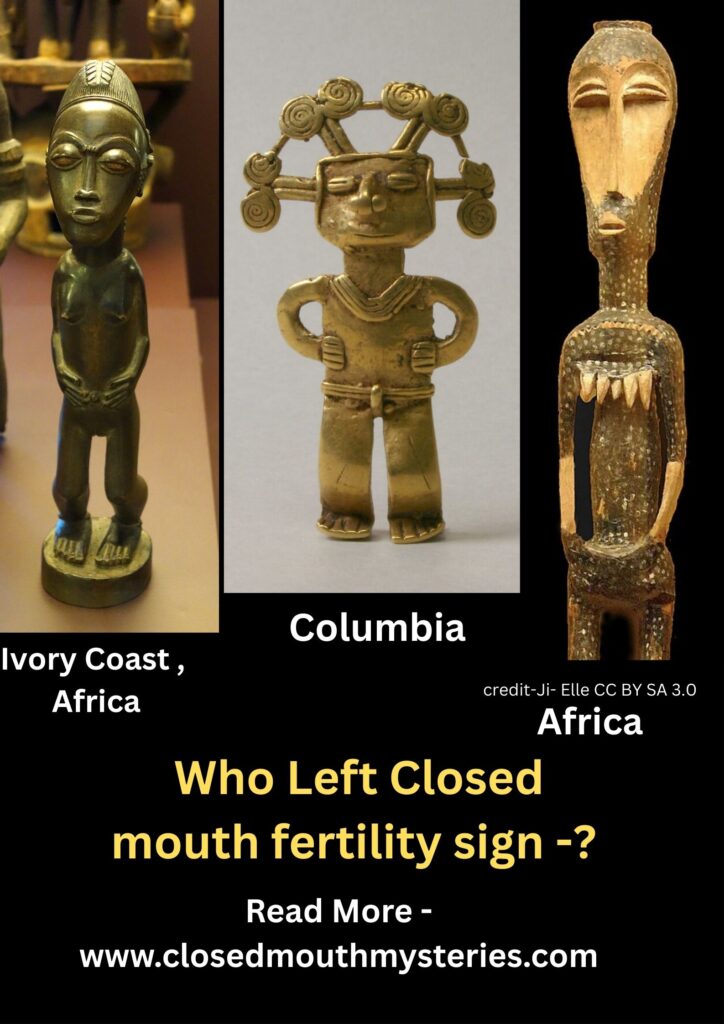
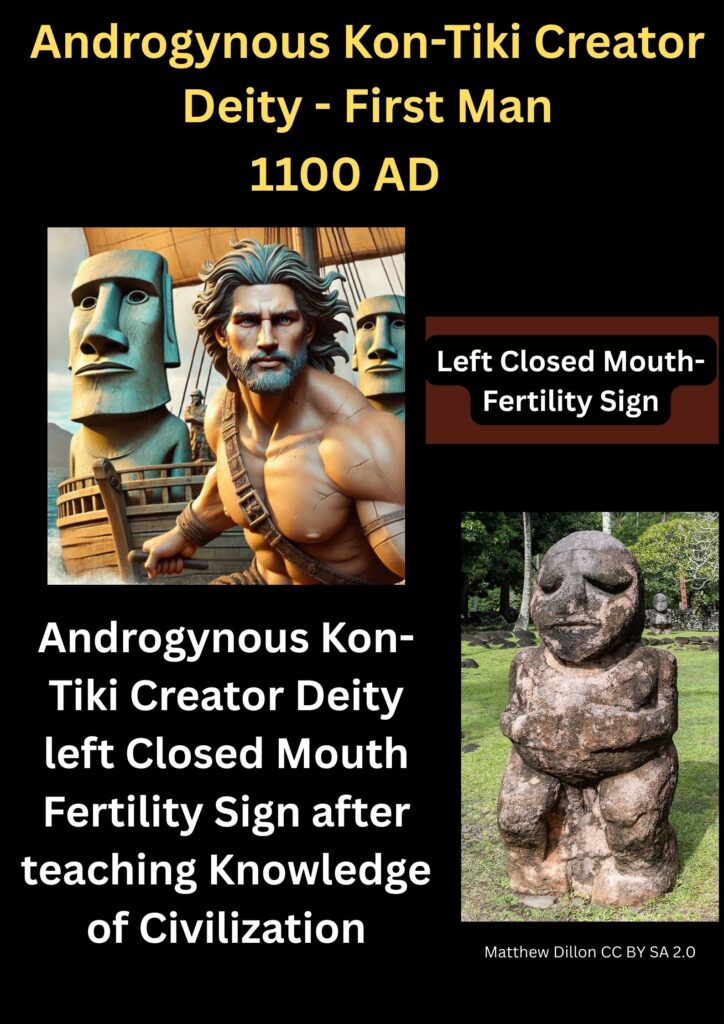
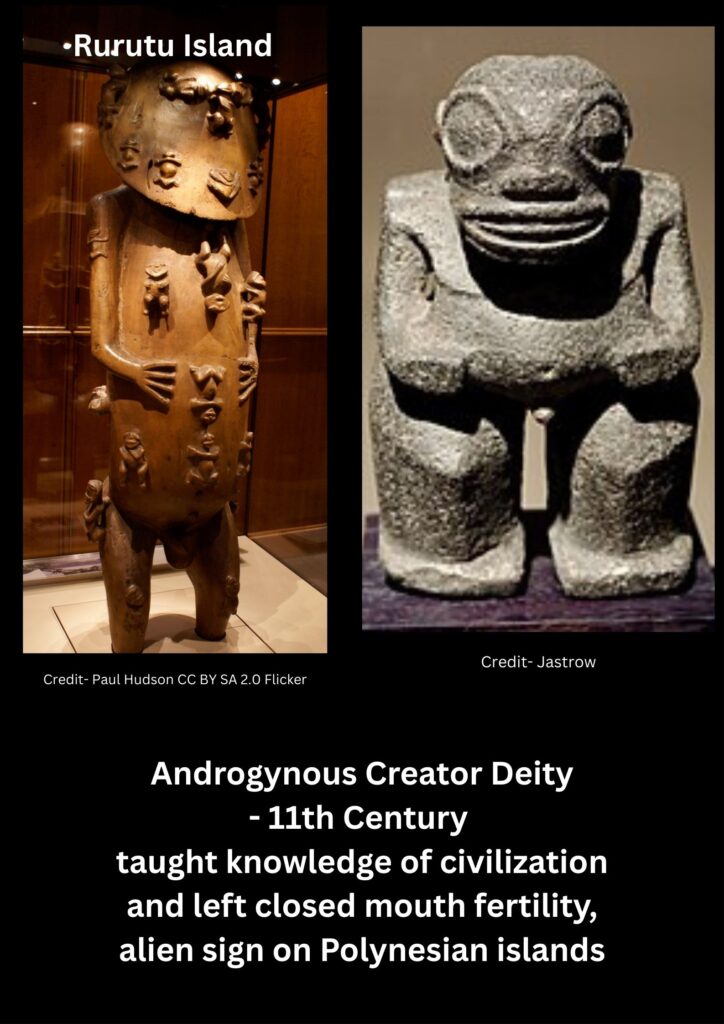
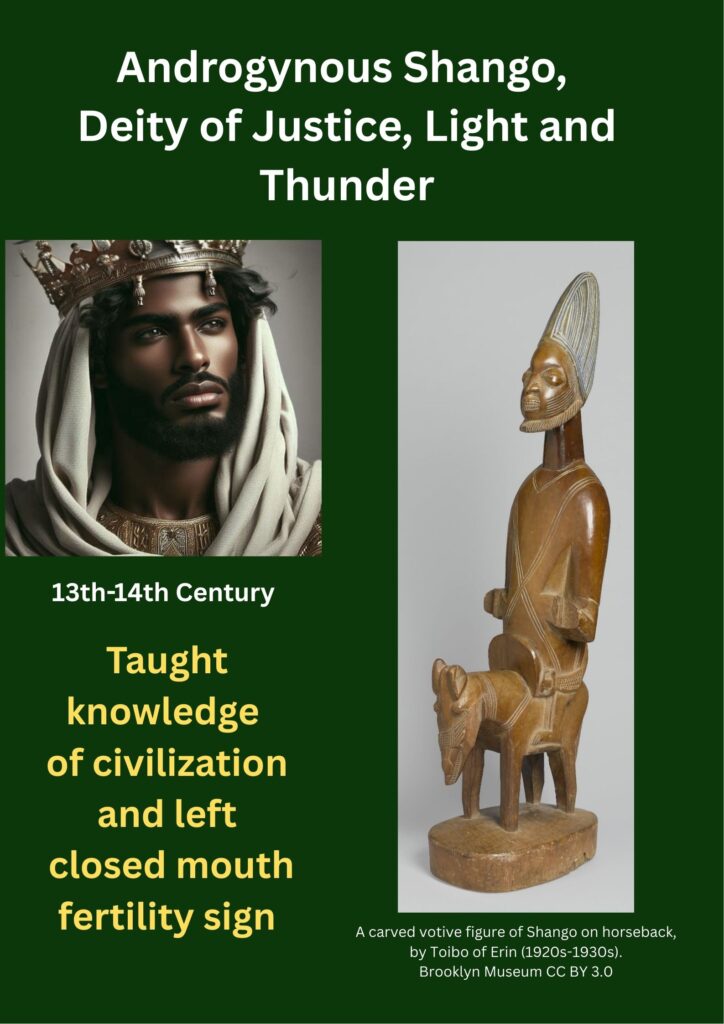
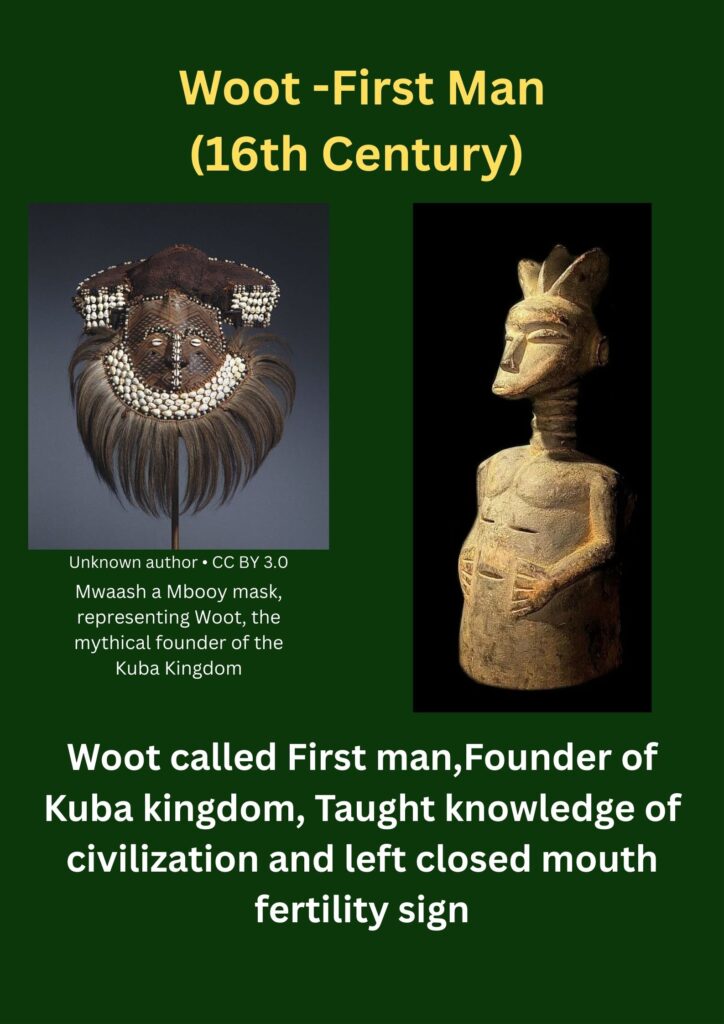
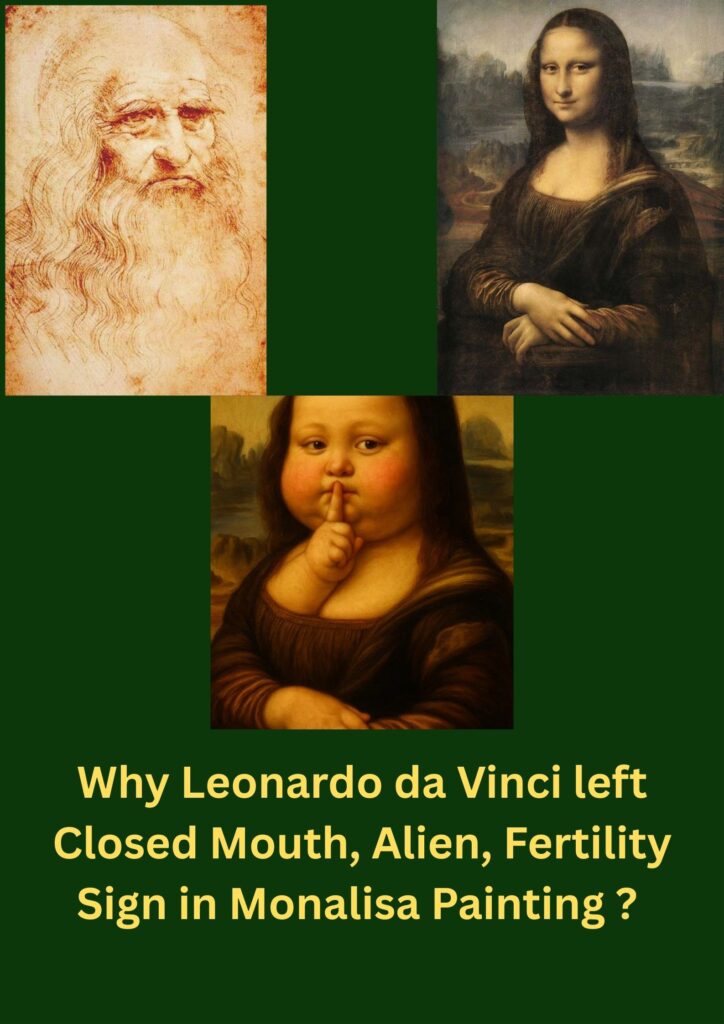
Dying-and-Rising Deity: Without Change of Body in Every Birth?
If the same divine soul were believed to return through successive births while retaining its essential identity, another intriguing question would arise: could something about that identity remain recognizable from one life to another?
In the interpretation explored in this study, the answer may be found not only in names or stories, but also in facial appearance. If a divine authority was believed to return again and again, could a recognizable face have served as a visual sign of continuity?
This possibility becomes particularly interesting when we look at Leonardo da Vinci. His surviving portraits and self-representations have long attracted attention because of their distinctive features and mysterious expressions. When these images are placed beside artistic representations of ancient androgynous, dying-and-rising, and civilization-bringing deities, certain facial similarities become worthy of examination.
This does not by itself prove that Leonardo was a reborn divine figure. Artistic style, portrait conventions, copying, and resemblance must also be considered.
But within the interpretation explored in this book, the comparison raises a fascinating question:
If the same divine soul could return in another human life, could the face provide one of the clues through which that continuing identity might be recognized?

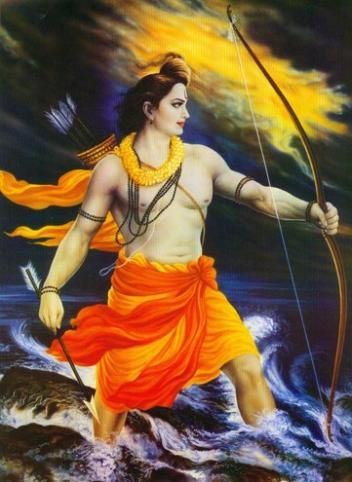
The investigation now turns to Leonardo da Vinci and the faces of the ancient deities.
Leonardo da Vinci and the Faces of the Dying-and-Rising Deity
Leonardo da Vinci and Androgynous Dionysus: A Similar Face to Lord Rama?
Leonardo da Vinci’s artistic representations become particularly intriguing when compared with images associated with Androgynous Dionysus, the dying-and-rising deity of ancient tradition. In this study, the facial features are also compared with traditional representations of Lord Rama, whom Hindu tradition connects with a divine incarnation and the broader idea of divine return.
The resemblance becomes interesting not simply because of the face itself, but because of the role associated with these figures. Dionysus is examined here as a dying-and-rising deity, while Rama represents a divine figure who appears in human form.
Could Leonardo’s representation therefore preserve a facial pattern associated with the same broader divine archetype?
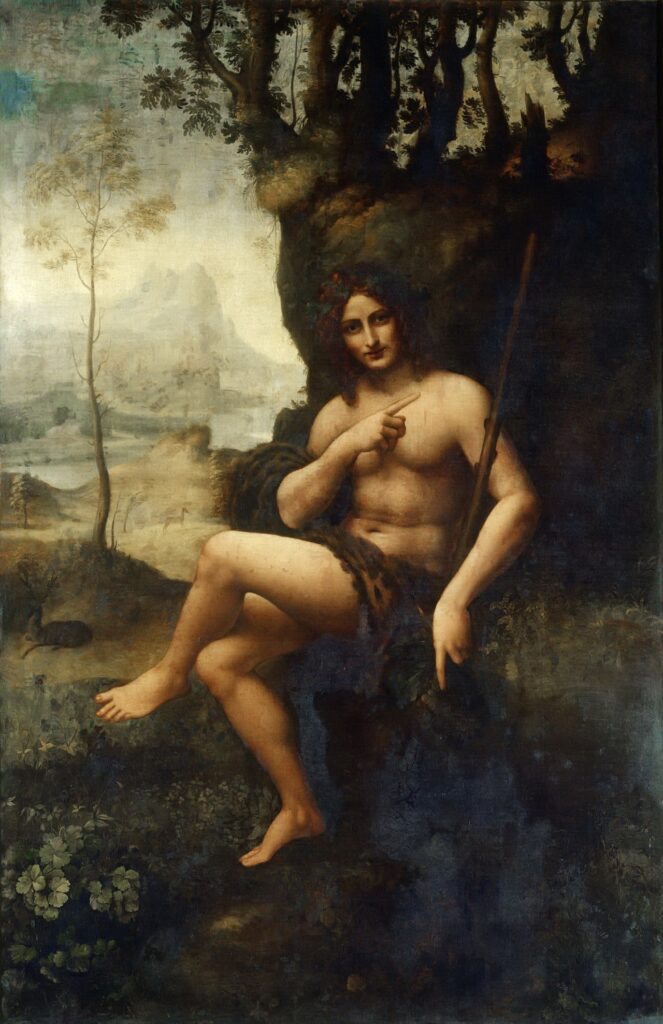
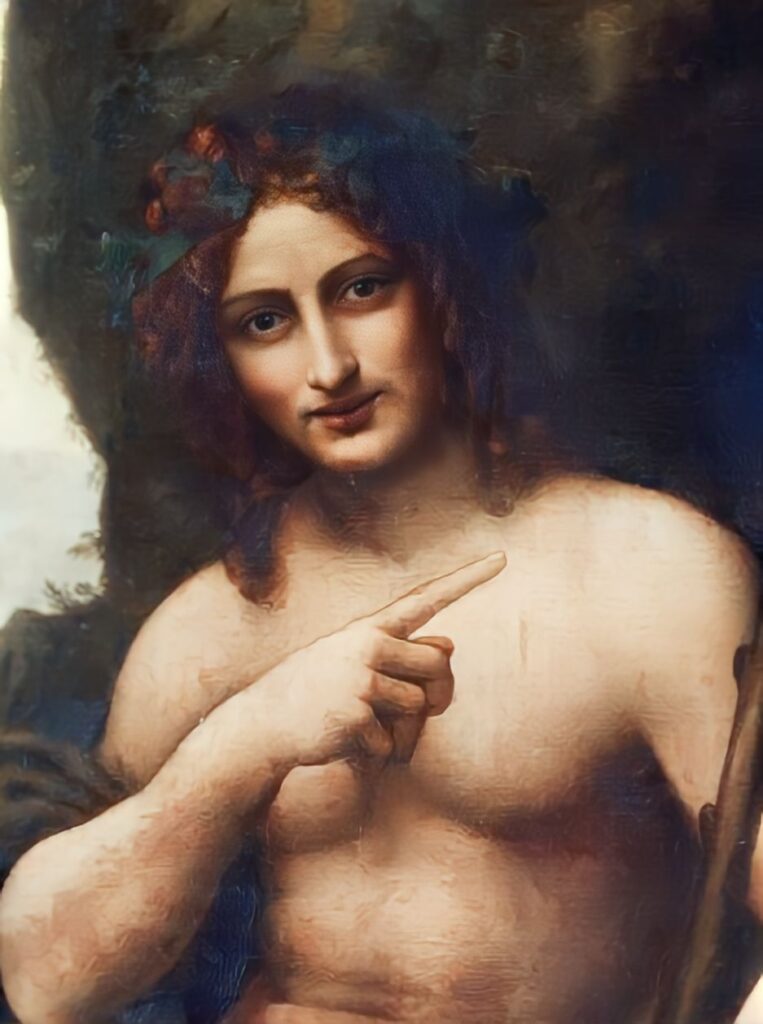
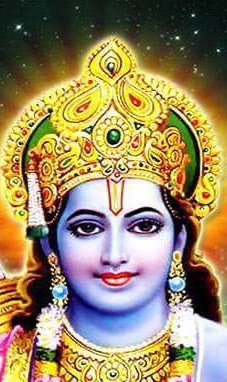
This is a visual comparison rather than proof of identity. The question is whether the resemblance of the face, combined with the recurring theme of divine appearance in human form, deserves further investigation.
Similar Faces of Androgynous Apollo, Deity of Justice, and Androgynous Attis, the Dying-and-Rising Deity?
Another intriguing comparison emerges when the facial representations associated with Apollo, a deity connected with justice and divine order in this study, are placed beside those of Attis, the dying-and-rising deity associated with Cybele.
Although Apollo and Attis belong to different traditions and their myths are distinct, their artistic representations can sometimes invite comparison through facial features, expression, hairstyle, and overall appearance.
If these similarities are placed alongside the wider facial comparisons in this chapter, another question emerges:
Could recurring facial characteristics across representations of different ancient deities reflect an artistic convention—or might they preserve a visual memory of a common divine figure?
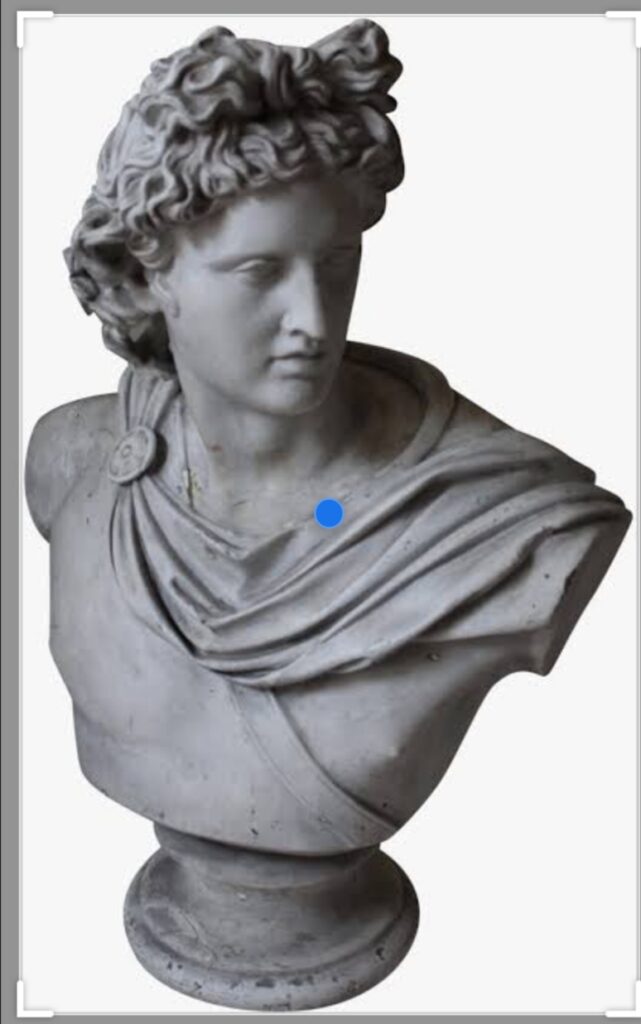
Attis Credit- Dennis G. Jarvis, CC BY SA 2.0,
apollo -Copyright © image Clearpng/nicepng
For this investigation, the resemblance itself becomes the clue to examine, while the question of whether the figures were historically connected remains open.
Leonardo da Vinci and Androgynous Enki — similar facial characteristics
The comparison becomes even more intriguing when Leonardo da Vinci’s own appearance is placed beside artistic representations of Enki, the ancient Mesopotamian deity associated in this study with wisdom, knowledge, and civilization.
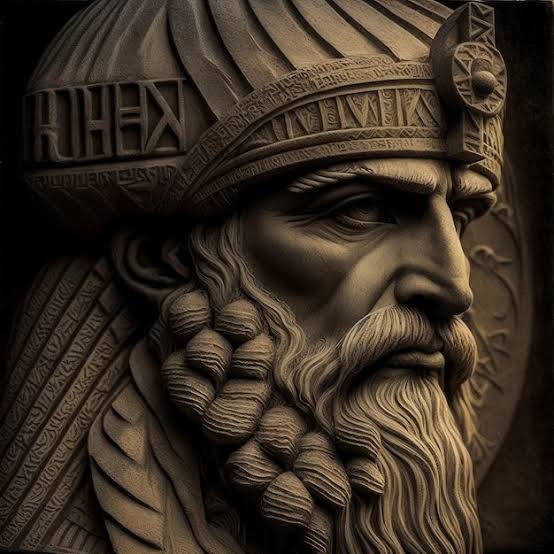
©Copyright image – Freepik, Vectezey
Certain facial features—such as the shape of the face, eyes, nose, beard, and overall expression—can appear strikingly similar when the images are viewed side by side.
If Leonardo’s face is compared with other representations of the dying-and-rising and civilization-bringing figures discussed in this chapter, the resemblance becomes another piece of the visual mystery.
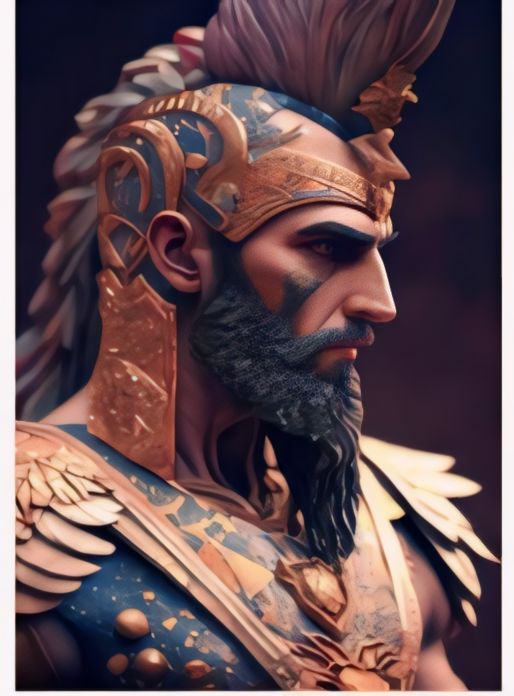
Could these similarities simply reflect artistic conventions and coincidence, or could Leonardo’s appearance preserve a visual identity associated with an ancient divine figure?
Leonardo da Vinci’s Old-Age Face and Androgynous Dionysus — Similar Facial Characteristics
The comparison becomes particularly intriguing when Leonardo da Vinci’s later-life appearance is placed beside artistic representations of Androgynous Dionysus, the dying-and-rising deity discussed earlier. Certain features of the face and overall expression may appear remarkably similar despite the different periods and artistic traditions.
Within the interpretation explored in this study, the resemblance raises a question about whether the same recognizable facial identity could have been preserved across different representations of the deity.
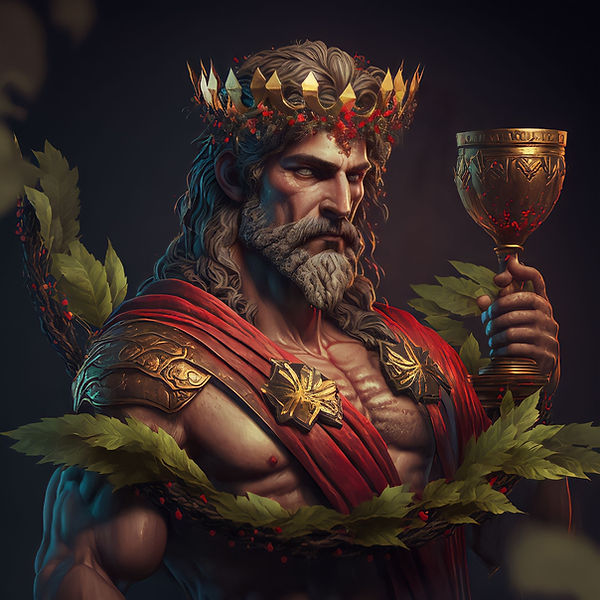
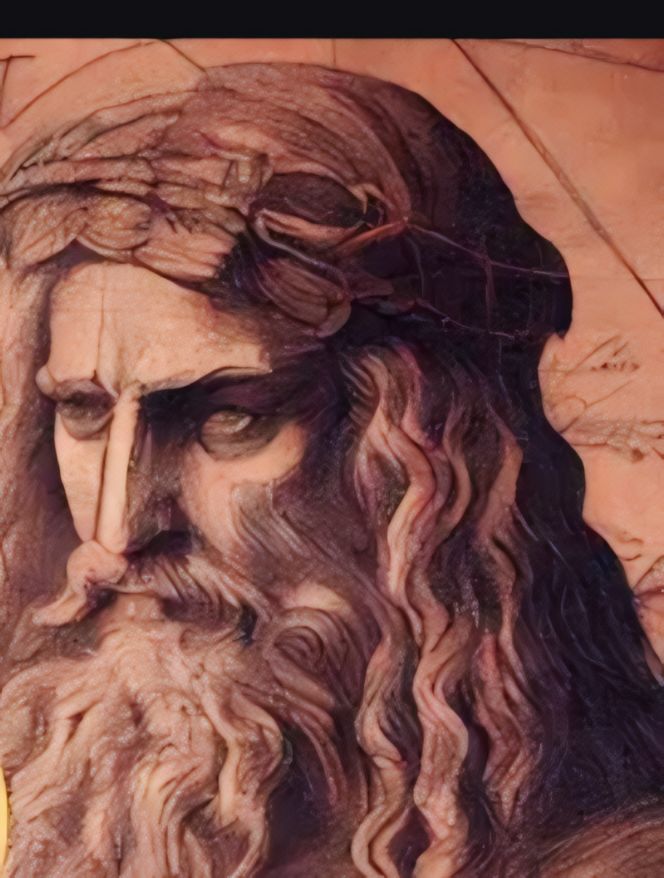
Above image use Under Fair Use Policy. If your Owner of Image, and, don’t want, we, will remove it.
Could Leonardo’s later-life appearance be another visual clue in the continuing mystery of the dying-and-rising figure?
Leonardo da Vinci and Androgynous Odin — Similar Facial Characteristics
Leonardo da Vinci’s facial appearance can also be compared with artistic representations of Odin, another figure examined in this study as an androgynous authority associated with wisdom, knowledge, and ancient kingship.
Certain facial characteristics and expressions may appear similar when the representations are placed side by side. Within the interpretation explored here, this adds another visual comparison to the broader pattern of recurring facial identity.
Could the resemblance be simply artistic convention, or might it represent another visual clue in the mystery of the returning divine figure?
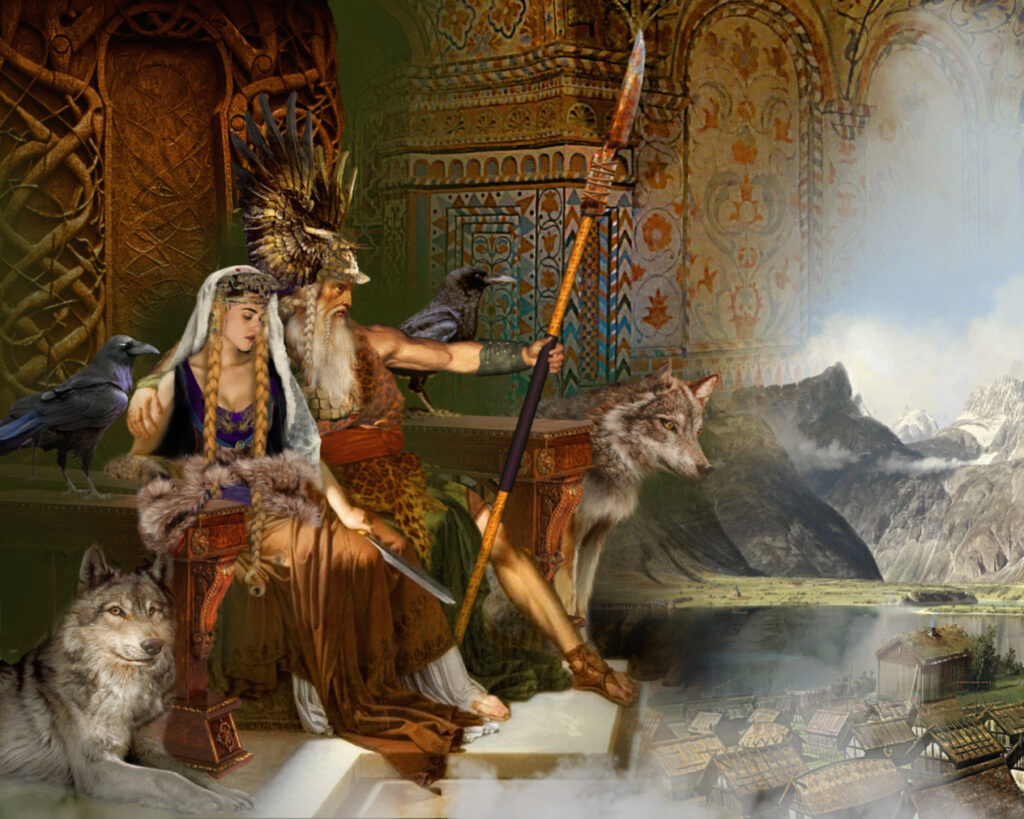
Odin Painting -Cover Art by Howard David Johnson © 2016
Leonardo Da Vinci Painting Monalisa
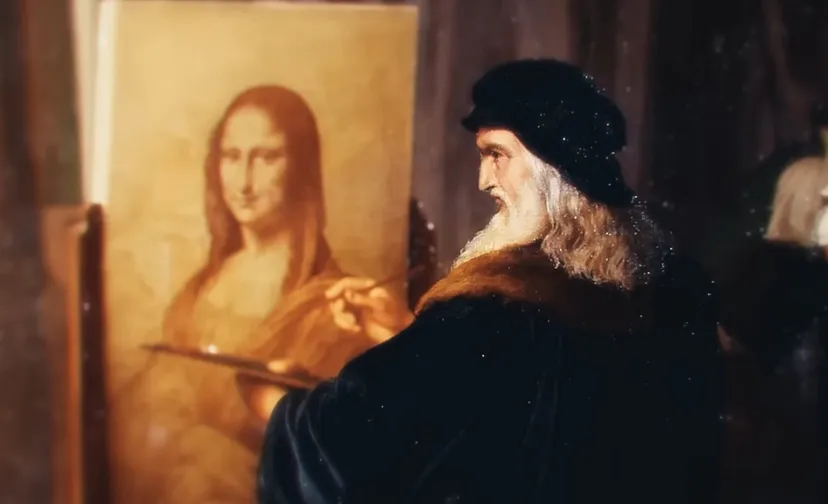
Match Androgynous Odin and Leonardo Da Vinci Side Face
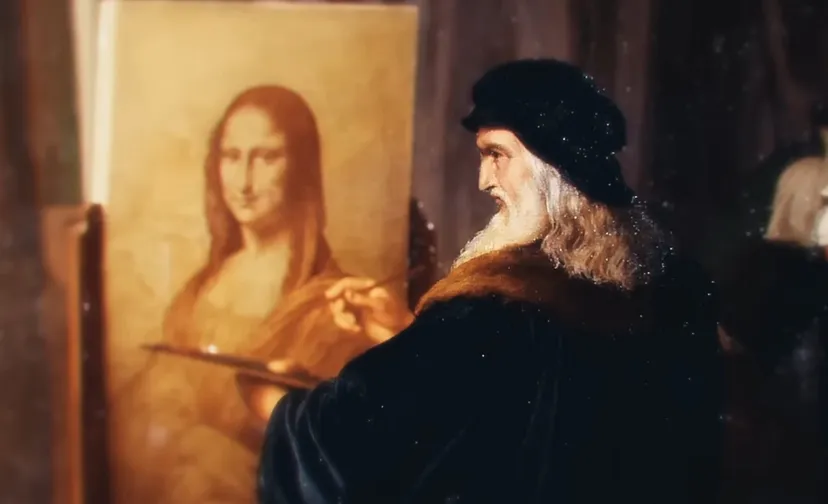
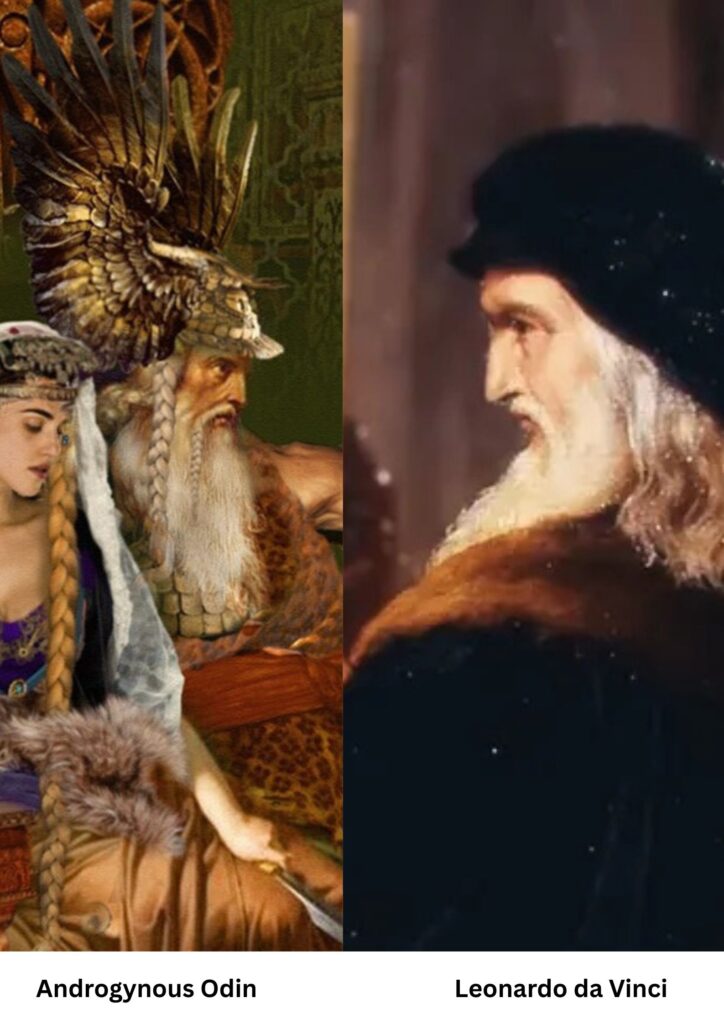
Leonardo da Vinci’s Old-Age Face and the Russian Rod Deity — Similar Facial Characteristics
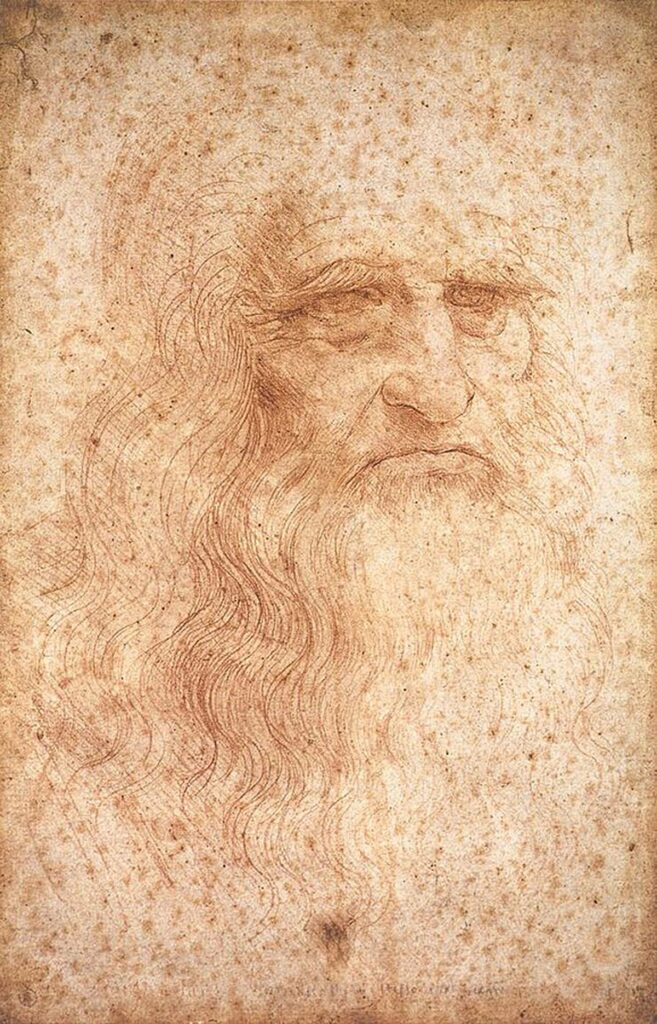
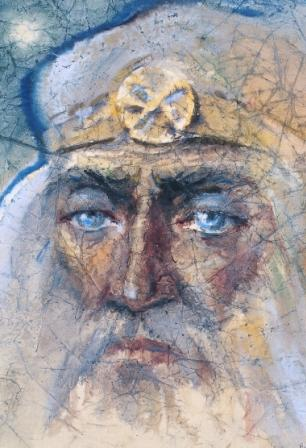
Rod- Юрій Самсон – Yuri Samson on Narodna Pravda • CC BY 2.0
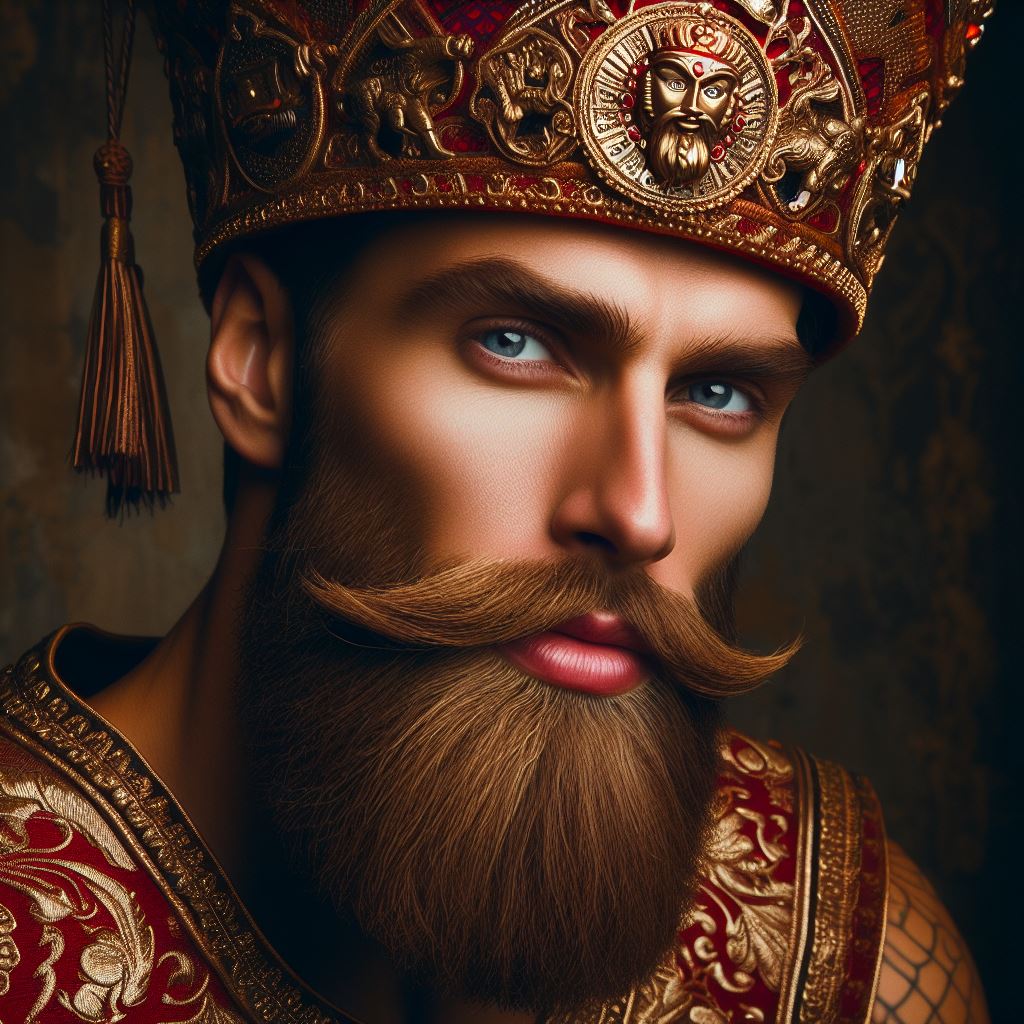
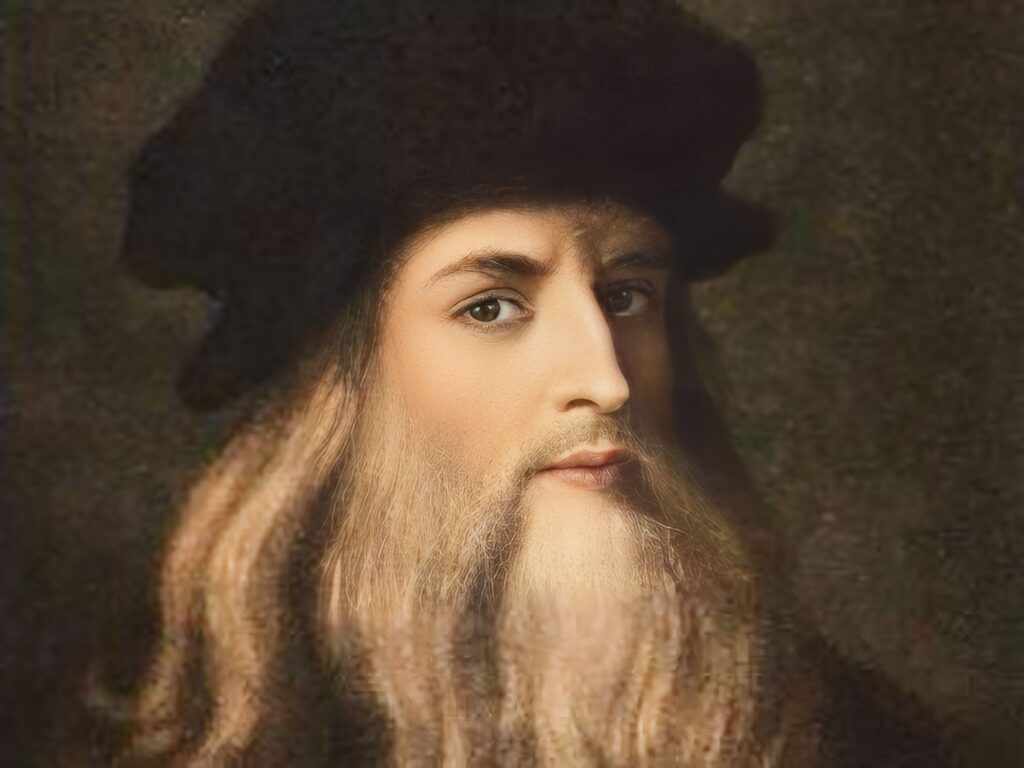
Leonardo da Vinci’s later-life appearance can also be compared with artistic representations of the Russian Rod Deity. Certain facial features and the overall expression may appear similar when the representations are placed side by side.
Within the interpretation explored in this study, this comparison adds another example to the recurring question of whether recognizable facial characteristics could have been preserved across different representations and periods.
Could this resemblance be another visual clue in the continuing mystery of the returning divine figure?
Leonardo da Vinci and the Civilization-Bringer
The investigation now moves from facial resemblance to something more significant: the role of the figure as a bringer of knowledge and civilization.
Across ancient traditions, figures such as Poseidon/Neptune, Bochica, and King Jamshid/Yima are associated in different ways with civilization, knowledge, kingship, survival, or the restoration of human society. Leonardo da Vinci, centuries later, also devoted his life to exploring knowledge that could transform human civilization—from engineering and architecture to anatomy, machines, flight, water systems, and artistic science.
The similarities therefore extend beyond appearance.
Could the recurring image of the civilization-bringer have continued in Leonardo—not merely through a similar face, but through an extraordinary drive to discover, preserve, and advance human knowledge?
The following comparisons examine this possibility through Poseidon/Neptune, Bochica, and Jamshid/Yima.
Leonardo’s image becomes even more intriguing when we move from the Renaissance world to the ancient Mediterranean. At first, the distance between Leonardo da Vinci and Neptune—or Poseidon—could hardly be greater. One was a Renaissance polymath; the other belonged to an ancient mythological tradition. Yet the comparison becomes worth examining when we look beyond their historical identities and ask what kind of authority each figure came to symbolize.
Leonardo da Vinci and Poseidon — Similar Facial Characteristics
Another intriguing comparison arises between Leonardo da Vinci and artistic representations of Poseidon/Neptune, the ancient deity associated with the sea and, in the tradition discussed here, with the founding story of Atlantis.
In Plato’s account, Poseidon is connected with Cleito, the mortal woman who becomes the mother of Atlantis. This places Poseidon within a story involving divine authority, lineage, and the beginnings of a legendary civilization.
When Poseidon’s artistic representations are compared with Leonardo’s appearance, certain facial characteristics may appear similar. Combined with Leonardo’s extraordinary interest in water, engineering, architecture, and the development of human knowledge, the comparison becomes particularly intriguing.
Could the resemblance of face and the shared association with knowledge, civilization, and the ancient world be another clue in the mystery of the returning civilization-bringer?

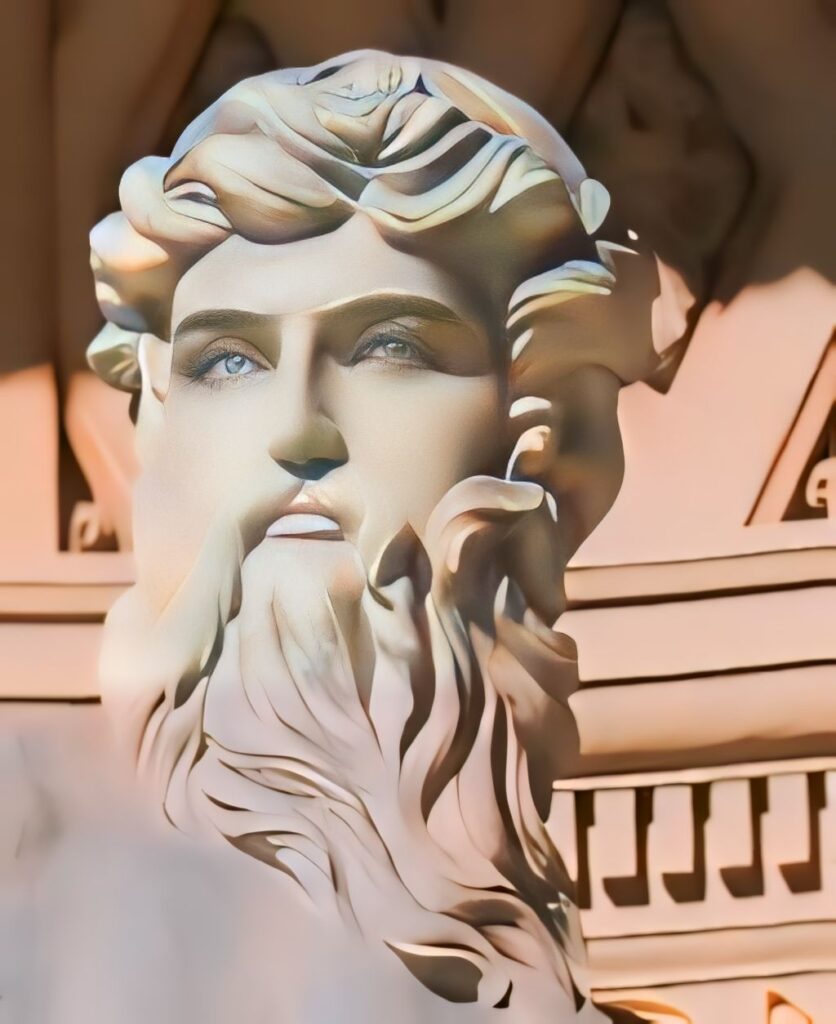
Image: Poseidon = Neptune — Equivalent Names of the Same Authority” and “Leonardo da Vinci.”
If this were only a Mediterranean pattern, it would remain an intriguing but limited observation. The investigation becomes more compelling when we leave the Mediterranean altogether and travel to the ancient traditions of the Americas. There we encounter Bochica, a figure remembered by the Muisca as a powerful civilizing and teaching presence. The cultural distance is enormous—but perhaps that distance is precisely what makes the comparison worth examining.
Leonardo da Vinci’s Face and Bochica — Similar Facial Characteristics
Bochica was remembered by the Muisca as a civilizing figure who brought knowledge and order to society.
Leonardo da Vinci’s face can also be compared with artistic representations of Bochica, the revered culture-bringer associated with teaching knowledge and civilization to the ancient Muisca people.
The comparison becomes particularly intriguing because both figures are connected, within the traditions being examined, with the transmission of knowledge and the advancement of human civilization. When their representations are placed side by side, certain facial characteristics and expressions may appear similar.
Within the interpretation explored in this study, this raises another question:
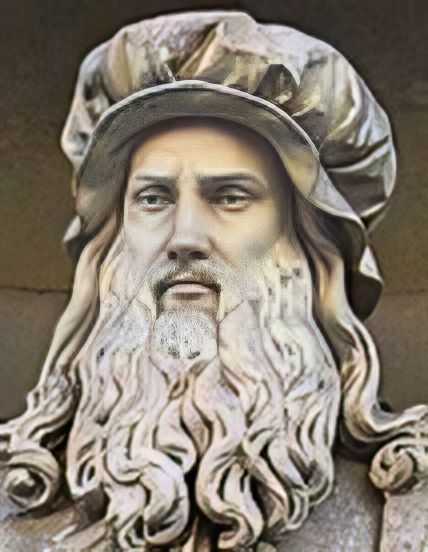
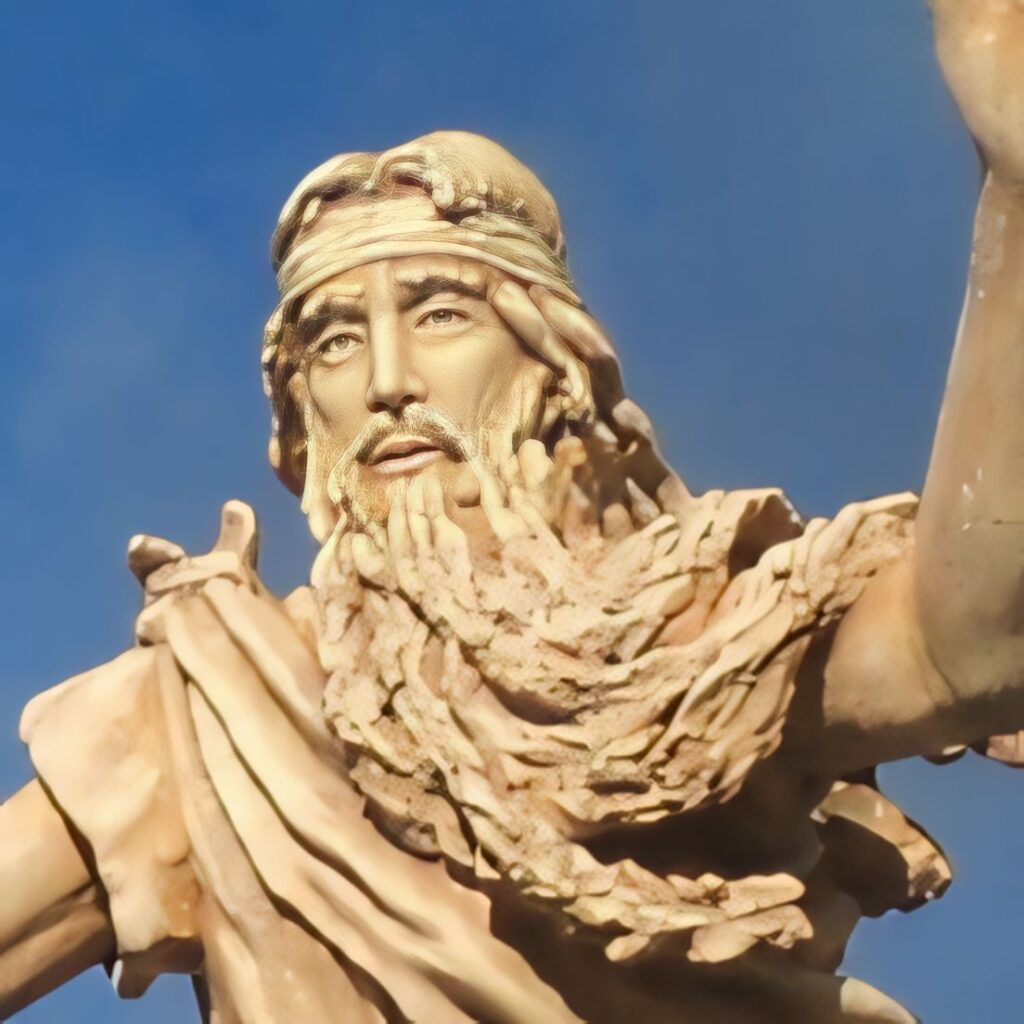
Leonardo image Credit- Wikibusters CC BY SA 4.0
Could the resemblance of face, together with the shared image of the civilization-bringer and teacher, represent another clue in the mystery of the returning authority?
Bochica gives us another important piece of the puzzle: the figure of the civilizing teacher who appears in a society’s collective memory as a bringer of knowledge and order. But this motif does not end in the Americas. Turning toward the ancient Iranian tradition, we encounter another remarkable figure—Jamshid, or Yima—whose story introduces yet another dimension to the pattern: civilization, kingship, transformation and survival in the aftermath of catastrophe.
Leonardo da Vinci’s Face and King Jamshid/Yima — Similar Facial Characteristics
Leonardo da Vinci’s face can also be compared with artistic representations of King Jamshid/Yima, the ancient figure associated with knowledge, kingship, and the preservation of civilization in the face of a great catastrophe.
The comparison becomes especially intriguing because Jamshid/Yima is connected with the preservation of life and knowledge, while Leonardo devoted his life to studying nature, engineering, architecture, anatomy, and the advancement of human knowledge.
When their representations are placed side by side, certain facial characteristics may appear similar.
Within the interpretation explored in this study, this creates another question:
Could the resemblance of face, combined with the recurring role of the civilization-bringer, represent another clue in the mystery of the returning authority?

File:A monumental portrait of King Jamshid, signed by Mihr ‘Ali, Persia, Qajar, dated 1218 AH 1803 AD. (Public Domain)
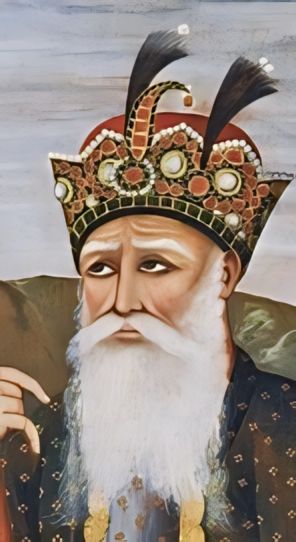
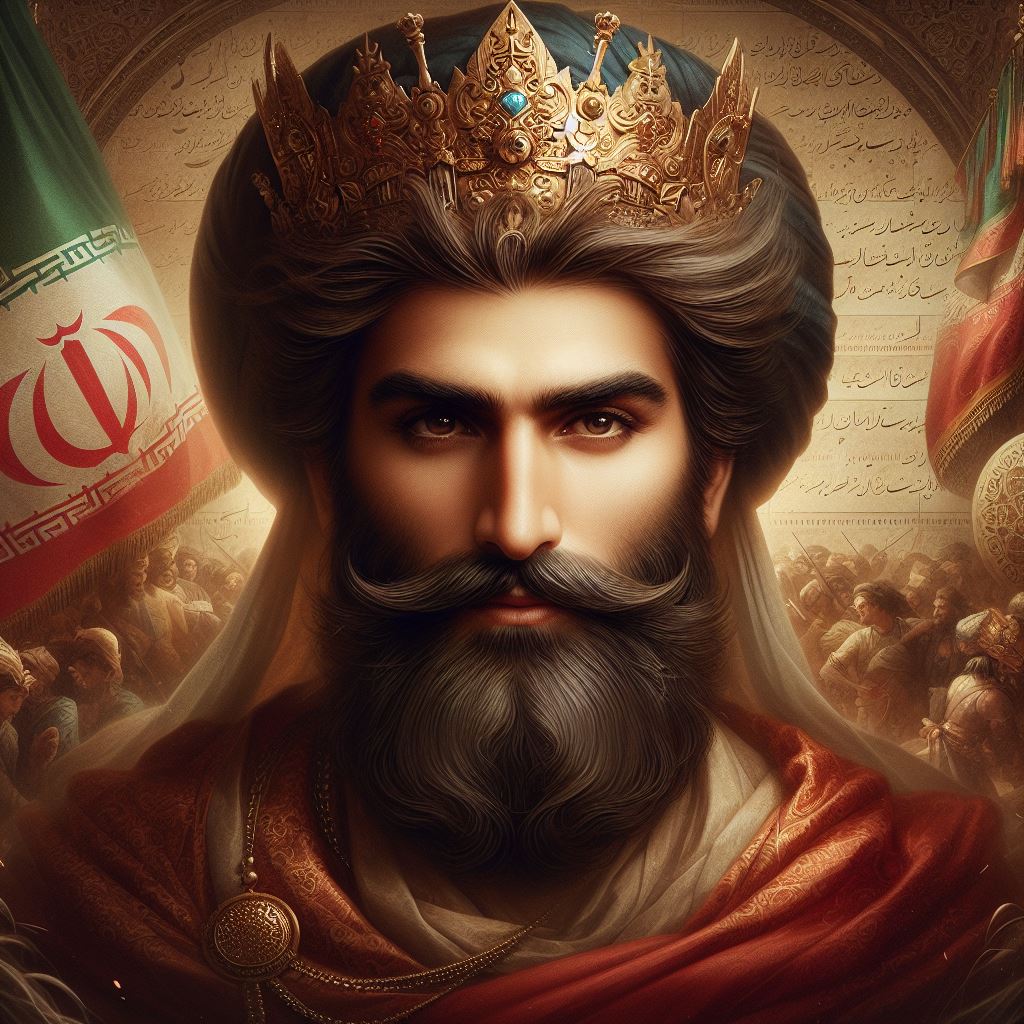
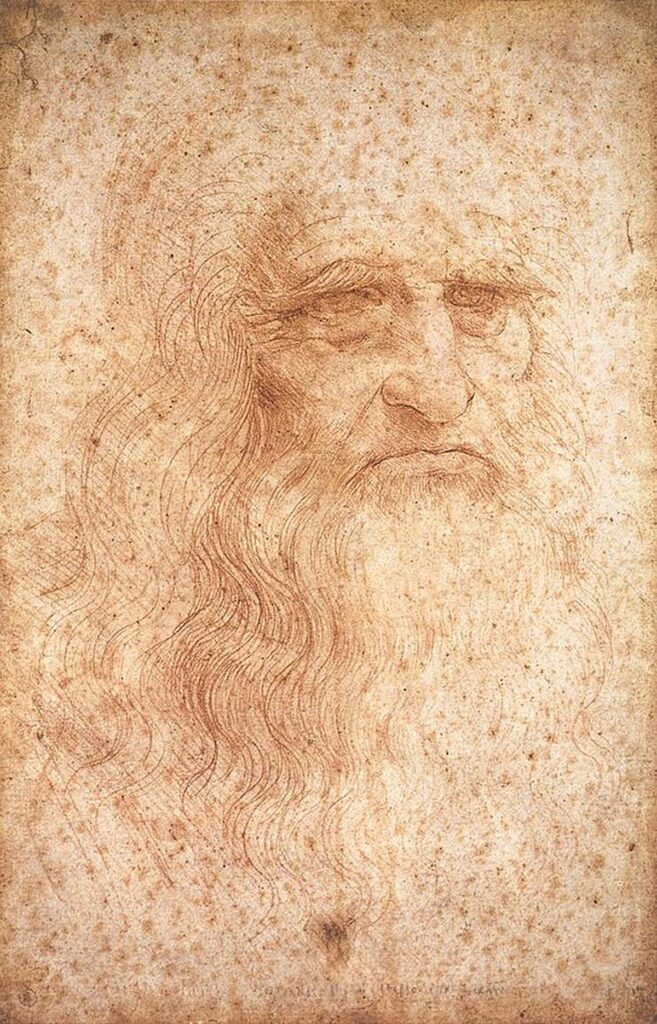
The Mystery of the Returning Civilization-Bringer
We have now followed the comparison from facial resemblance to something deeper: the recurring image of a figure who appears as a teacher, creator, ruler, or restorer of civilization.
Dionysus, Enki, Odin, Poseidon, Bochica, and Jamshid/Yima belong to very different traditions, yet within the interpretation explored in this study, their stories invite comparison with Leonardo da Vinci—not only through appearance, but through the extraordinary role of knowledge and civilization.
But resemblance alone cannot establish identity.
The real mystery is whether the face, knowledge, civilizing role, and recurring appearance across different ages can be understood as separate coincidences—or as clues pointing toward a continuing identity.
Could Leonardo da Vinci have been another appearance of the ancient civilization-bringing authority remembered under different names across different civilizations?
Disclaimer for Leonardo da Vinci Comparison Section:
The following visual comparisons and symbolic interpretations involving Leonardo da Vinci and various mythological or religious figures are speculative artistic observations presented for comparative mythology and creative discussion purposes only. These comparisons are not intended as historical claims, scientific conclusions, proof of reincarnation, identity continuity, or factual evidence connecting Leonardo da Vinci with any deity, historical figure, or spiritual entity. Any perceived facial similarities, symbolic parallels, or thematic connections are subjective interpretations by the author.
Twin Soulmate World Organizers– Ruler Deity of Heaven & his Partner Earth Goddess
Before the ancient stories speak of kings, dynasties, or creators of civilization, another mysterious pair appears again and again: Heaven above and Earth below.
One governs the realm of the sky, while the other represents the living Earth. Together, they form a sacred partnership through which the ancient imagination could explain the ordering of the world. But sometimes, the distinction between the two becomes even more mysterious—the heavenly deity and earthly goddess are understood as two complementary aspects of a higher unified divine power.

The Deity of heaven is in many areas the partner of the earthly deity. This partnership of a sky Deity and an earth goddess can be found in areas of Africa that have been influenced by other civilizations (especially Sudan and Northeast Africa). in eastern Indonesia and in some areas of America under the influence of European civilizations
● Not infrequently the Deity of the heaven and the goddess of the earth are united in a hermaphroditic higher deity. This is consistent with certain features of ancient civilizations that they try to show in customs and myths.
From Whom Did He Receive This Authority? — The Unsolved Mystery
If the same divine authority appears again and again as a creator, teacher, ruler, and dying-and-rising figure, another question naturally follows:
From whom did he receive this authority?
According to the beliefs of the Brahma Kumaris and the Author’s Interpretation, the Supreme Creator, Shiva, is distinct from the cycle of human birth and death. In their understanding, Shiva sustains the great 84-birth human cycle through the sacred Trinity of Brahma, Vishnu, and Shankar.
Within this framework, Brahma represents the beginning of the cycle, Vishnu represents the androgynous dying-and-rising authority, and Shankar represents another aspect of the divine cycle.
This creates an intriguing possibility for the wider investigation. If the ancient creator, ruler, civilization-bringer, and dying-and-rising figures were remembered under different names across civilizations, could they ultimately be connected with this sacred Trinity?
Perhaps the mystery is therefore not only who the ancient authority was, but where his authority came from.
Was the authority of the ancient dying-and-rising civilization-bringer ultimately derived from the Supreme Creator, Shiva?
This remains one of the deepest unanswered questions explored in this study.
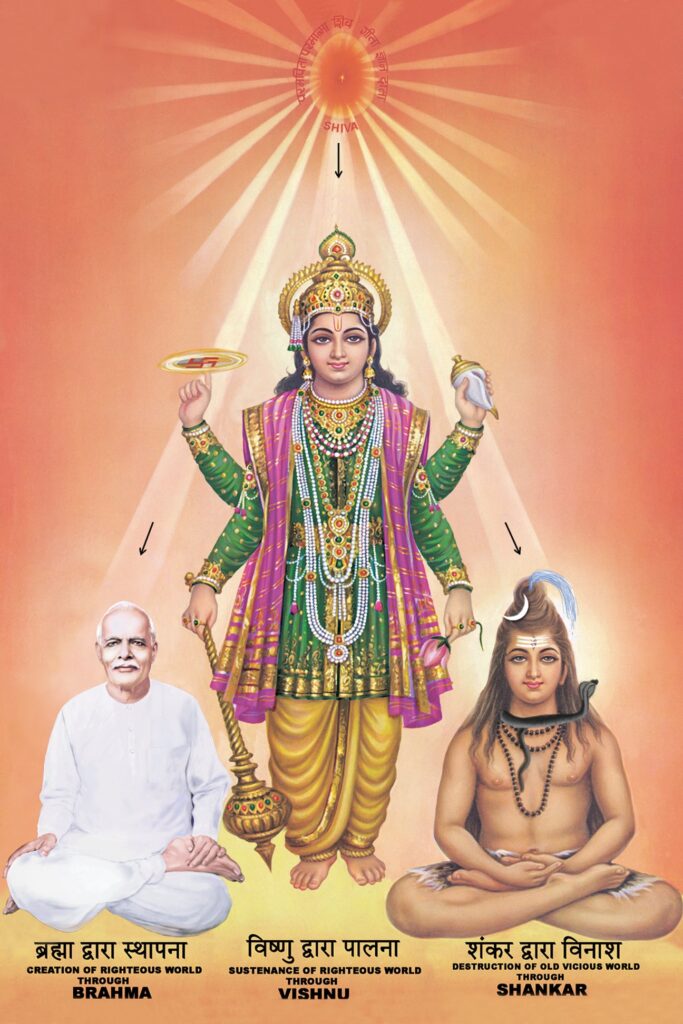
Unsolved Questions: Did the Dying-and-Rising Deity Inspire the Ancient Belief in Rebirth?
If ancient civilizations repeatedly remembered a divine figure who died and rose again, could this have influenced the way people understood their own existence?
Did the story of the dying-and-rising deity become a model for the belief that death is not the end, but a passage toward another life?
And if the same figure was remembered as a creator, teacher, ruler, and restorer of civilization, could the idea of his return have helped preserve a wider belief in rebirth and the continuation of life beyond death?
These questions remain open.
- Did ancient people see the deity’s return as a model for their own rebirth?
- Was the dying-and-rising figure connected with an older belief in successive human lives?
- Why does the image of death followed by renewed existence appear in so many traditions?
- Could different names preserve memories of one underlying sacred figure?
- Was the belief in rebirth older than the civilizations that recorded it?
- And could the ancient stories of dying and rising contain a deeper understanding of the human journey?
The evidence does not provide simple answers.
But perhaps that is what makes the mystery worth exploring.
The deity dies.
The deity rises.
And humanity begins asking the same question:
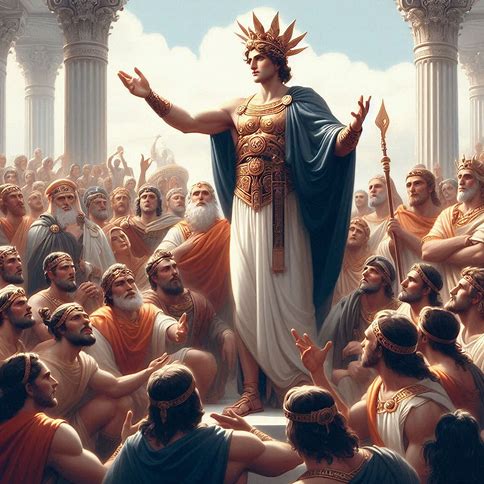
If the divine can return, could human life also begin again?
Mentioned as the First Man
The idea of the First Man appears across ancient traditions in remarkably different forms. In some traditions, he is connected with the creation of humanity; in others, he becomes a teacher of civilization, a survivor of the flood, or the founder of a new dynasty.
In the mythology of creation found in the Vedas, for example, it was Purusha, a Androgynous man, who separated himself from the beginning by becoming a man and a woman and from whom the world and all its variations were created.
In the Vedic tradition, Purusha is described as an androgynous cosmic being associated with the creation of the world. In Plato’s Symposium, an original human race is described as androgynous, before humanity was divided into male and female forms.
This raises another intriguing question in our investigation:
Could the “First Man” remembered by different civilizations be another expression of the same ancient androgynous creator and civilization-bringing authority?
The figures examined in this study include:
- Yima/Jamshid — First Man, associated with teaching and preserving knowledge of civilization after the flood.
- Keyumars — First Man, regarded as the founder of the Pishdadian Dynasty.
- Androgynous Fuxi — First Man, associated with teaching knowledge of civilization after the flood.
- Da Yu the Great — First Man, associated with the restoration of civilization after the flood and the establishment of the Xia Dynasty.
- Massaw of the Hopi — First Man, associated with civilization, care of the Earth, and a promise to return.
- Shri Rama — First Man, described as Adipurush, the original or primordial man.
- Pelasgus — First Man, associated with teaching knowledge of civilization.
- Androgynous Kon-Tiki — First Man, associated with teaching knowledge of civilization.
- Woot — First Man, remembered as a civilization teacher of the Kuba Kingdom.
- Androgynous Quetzalcoatl — First Man, carrying echoes of the ancient first-man and civilization-bringer tradition.
The names and cultures are different, yet the recurring description is striking: the First Man appears at the beginning of human civilization, brings knowledge, establishes order, or helps humanity begin again after catastrophe.
Could these different First Men represent different names and traditions surrounding one ancient figure?
And could the First Man, the Creator of Civilization, and the Dying-and-Rising Deity ultimately be the same universal authority remembered across civilizations?
Similar Beliefs Across Civilizations — The Androgynous Sole Survivor
Across ancient traditions, another striking pattern appears: the idea of an androgynous figure who survives a great cosmic catastrophe and remains when much of humanity has disappeared.
According to the ancient Chinese tradition presented in this study, Androgynous Fuxi and his wife, Androgynous Nuwa, the Mother Goddess, are associated with the survival of humanity after the great flood. In this interpretation, Fuxi and Nuwa also become symbolic figures representing the beginning and ending of a cosmic cycle.
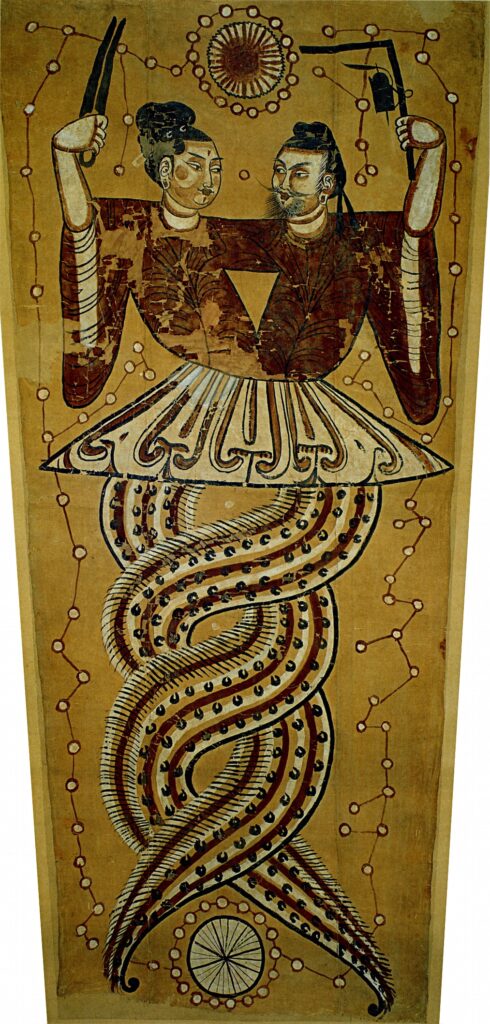
According to the Indian Vedic tradition presented in this study, Trigunatit is described as the sole survivor at the end of the cosmic cycle. This interpretation is illustrated in Jai Mahalakshmi Maa, Episode 51, timing of Video at 11.09 – Jai Mahalakshmi Maa Episode – 51
where Narada Muni refers to Trigunatit in connection with the end of the cosmic cycle.
A similar question appears in the traditions associated with the Hopi civilization.
Could these stories be preserving the memory of the same ancient pattern—a divine androgynous survivor who remains at the end of one cosmic cycle and becomes connected with the beginning of the next?
If so, the mystery becomes even deeper:
Why do distant civilizations remember an androgynous figure surviving the destruction of an old world?
Serpent Spiritual Symbol: Is It Always Associated with the Androgynous Dying-and-Rising Deity?
According to the teachings shared by Ogotemmêli, a Dogon elder and wise man who conveyed much of the Dogon cosmology to French anthropologist Marcel Griaule, the androgynous Alien Nommo (or Nummo) are spiritual beings for whom rebirth is not death, but more like shedding skin, much like how a serpent renews itself.
Bramhakumari Beliefs –
माया की छाया से बचने के लिए छत्रछाया के अन्दर रहोः- सदा अपने ऊपर बाप के याद की छत्रछाया अनुभव करते हो? याद की छत्रछाया है? इस छत्रछाया को कभी छोड़ तो नहीं देते? जो सदा छत्रछाया के अन्दर रहते हैं वे सर्व प्रकार के माया के विघ्नों से सेफ रहते हैं। किसी भी प्रकार से माया की छाया पड नहीं सकती। यह 5 विकार, दुश्मन के बजाए दास बनकर सेवाधारी बन जाते हैं। जैसे विष्णु के चित्र में देखा है कि सांप की शैया और सांप ही छत्रछाया बन गये। यह है विजयी की निशानी (Avyakt vani- 27/03/1982)
English Translation– To avoid the shadow of Maya, stay inside the umbrella:- Always feel the umbrella of the memory of the Father on you? Is the umbrella of remembrance? Never leave this umbrella? Those who always live inside the umbrella, they remain safe from the obstacles of all kinds of illusion. Maya’s shadow cannot fall in any way. These 5 Vices become servants by becoming slaves instead of enemy. Like in the picture of Vishnu, it is seen that the snake’s bed and snakes became umbrellas. This is the sign of victory. (Avyakt vani- 27/03/1982)
Across ancient traditions, the serpent appears as a powerful symbol of renewal, transformation, protection, and spiritual knowledge. Its ability to shed its skin naturally creates an image of leaving one state behind and entering another.
According to teachings shared by Ogotemmêli, the Dogon elder who conveyed Dogon cosmological traditions to Marcel Griaule, the androgynous Nommo/Nummo are associated with a form of renewal in which rebirth is compared to the shedding of a serpent’s skin. In this interpretation, rebirth is not simply an ending, but a transformation into another state of existence.
A similar mystery appears in the interpretation of Bhagavad Gita 4.6, discussed earlier in this study: the divine figure appears again without being subject to ordinary change in identity. This raises the possibility that ancient ideas of rebirth, continuity of the soul, and renewal may have been represented through the serpent symbol.
The connection becomes even more intriguing in Brahma Kumaris teachings. An Avyakt Vani from 27/03/1982 uses the image of Vishnu resting upon the serpent,
In Brahma Kumaris teachings, the serpent associated with Vishnu carries a specific spiritual meaning. The serpent bed and the serpent canopy represent victory over the five vices—lust, anger, greed, attachment, and arrogance. The image therefore represents Vishnu as victorious over these five negative forces.
When these traditions are placed beside one another, a fascinating question emerges:
Why is the serpent so frequently connected with divine figures associated with renewal, rebirth, protection, and the continuation of life?
Is the serpent simply a universal symbol of transformation—or could it preserve an older spiritual memory connected with the androgynous dying-and-rising authority and the mystery of the soul’s rebirth?
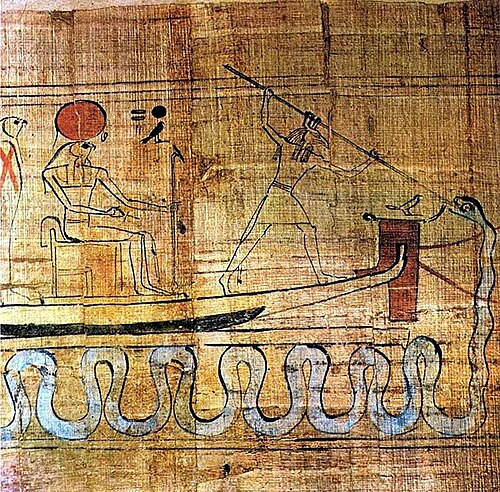
Ra Creator Deity Riding boat of Eternity and Snake
Hermes Consort of Androgynous Aphrodite hold Caduceous Serpent Symbolism
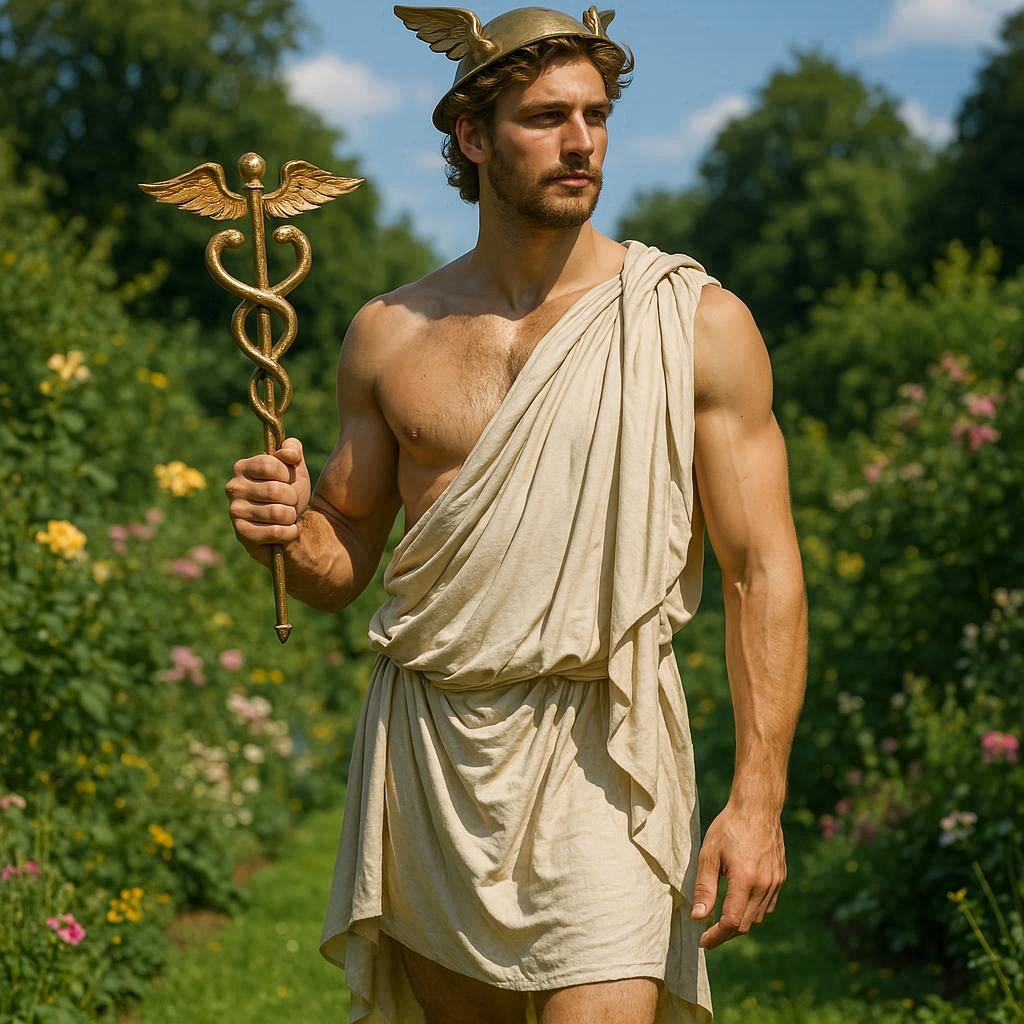
Androgynous Quetzalcoatl/Kukulcan Called Feather Serpent Deity
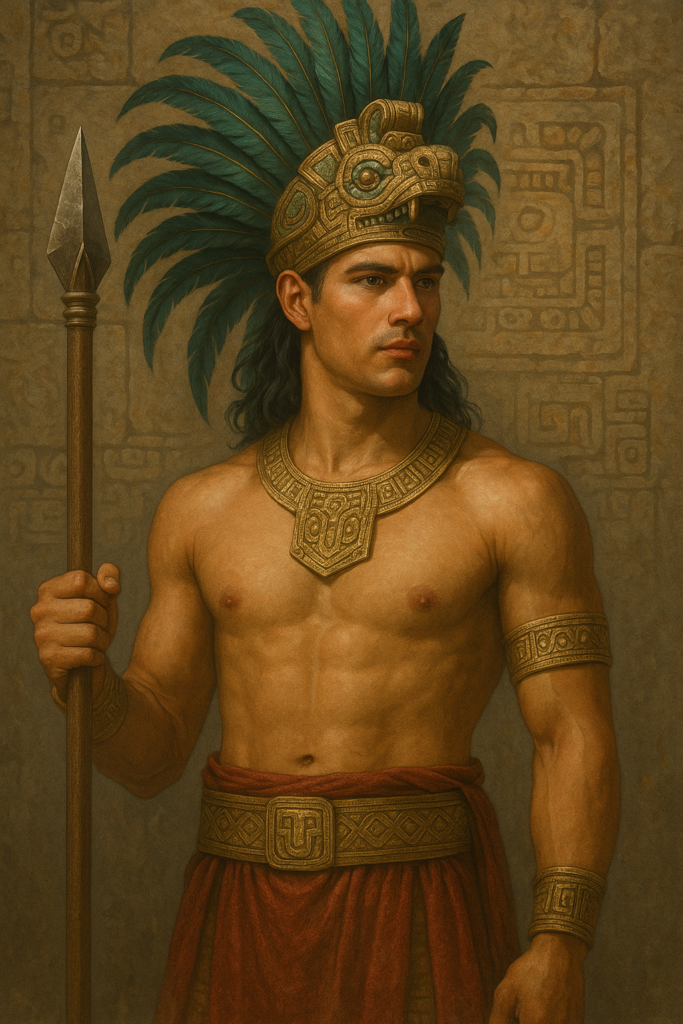
Hercules Dying and Rising Deity
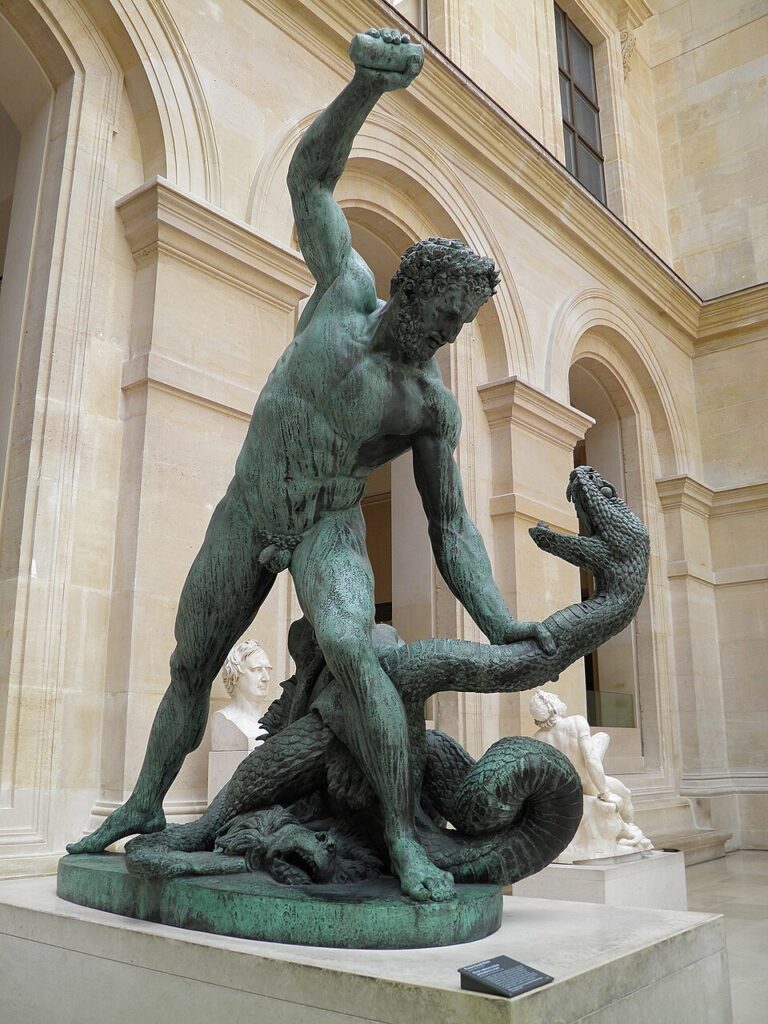
Credit- Carole Raddato CC Attribution-Share Alike 2.0 Generic
Antinous Dying and Rising Deity
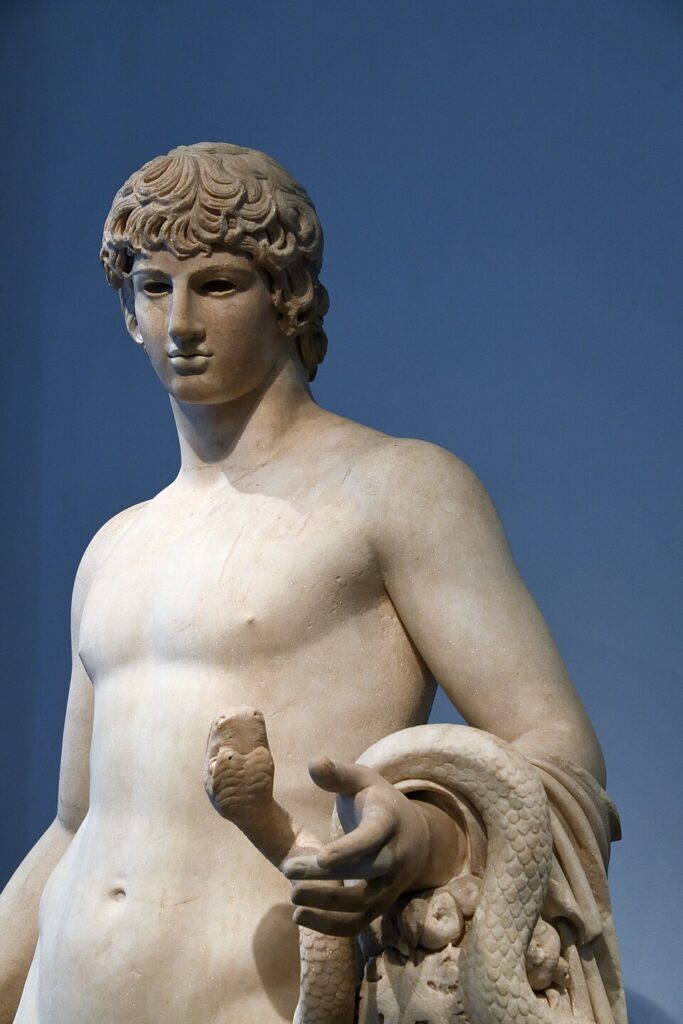
Androgynous Fuxi – Consort of Mother Goddess Nuwa
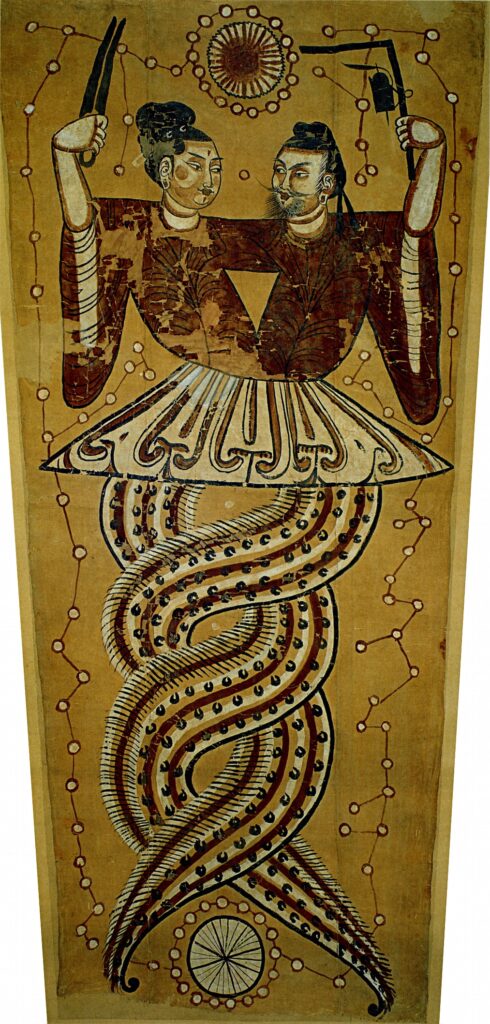
Viracocha Symbol – holding Snakes beast in both hand
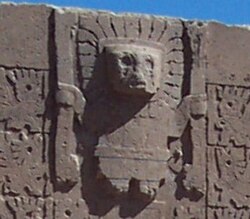
Androgynous Kukulkan Feather serpent reincarnated Deity – Maya Civilization
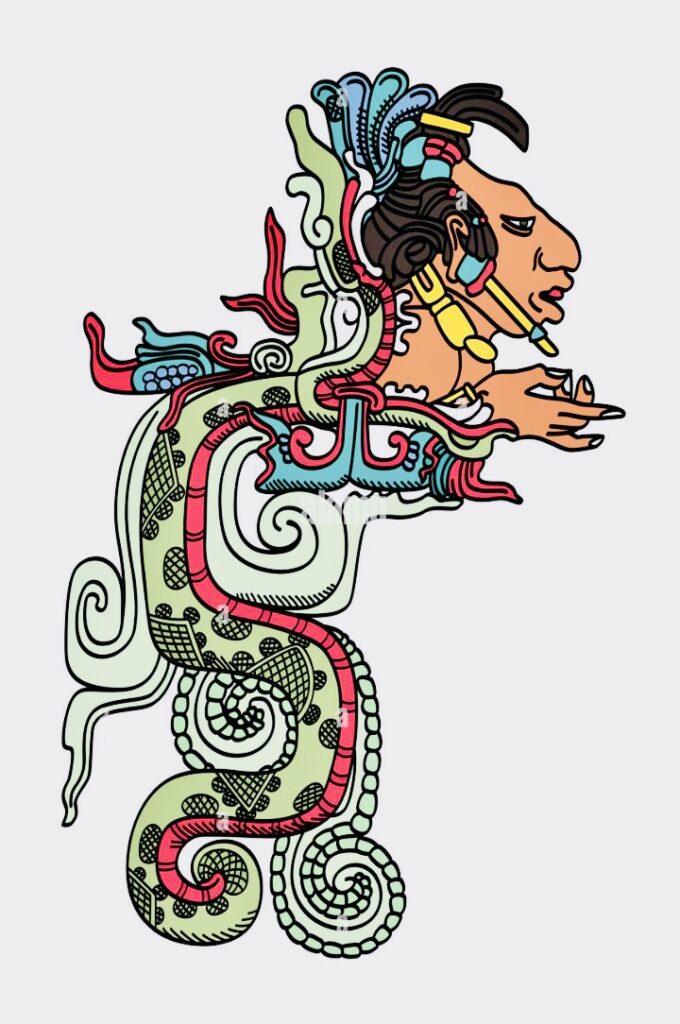
Lucas J. Goodwin • CC BY-SA 4.0
Often Pre warned Before Flood and Seven Sage Story Mystery –
Many ancient legends tell us that in ancient times, a group of seven sages of extraordinary wisdom and unspeakable abilities visited Earth from the stars. They traveled the world and imparted knowledge of all sciences and arts to people. They advised kings on their royal duties, established the right principles of life, and instituted the right ways of ritual to maintain cosmic harmony and ensure the happiness and prosperity of the people.
● The ancient Egyptian deity Osiris was said to be a divine king of Egypt who, like Thoth, also came from elsewhere, and is also credited with founding civilization and religion in Egypt.
● And like other wisdom bringers, such as Viracocha of South America, Osiris is said to have traveled to the rest of the world and founded civilization elsewhere.
● And there is much evidence to suggest that Osiris, Viracocha, Maasaw, and Odin/Wotan (as well as other wisdom bringers) were either the same person or people from the same group of people who shared the same mission.
● Each of these wisdom bringers is described as bearded in appearance, having blue eyes, wearing long robes, teaching the religion of the sun, and such things as agriculture, buildings, ethics, and monogamous marriage.
● These wisdom bringers are described in incredibly similar ways across continents and regions. For example, the Edfu construction text of ancient Egypt describes how their civilization was founded by a series of deities, including Thoth and Horus, who were accompanied by seven sages. Another is Osiris, who brings civilization to Egypt accompanied by seven foreigners. This corresponds to the story of the Sumerian civilization founded by Zisudra and seven sages called Apkallu, and in the Vedic accounts by Manu and the seven sages. Easter Island is said to have been founded by King Hotu Matu’a and seven explorers. The peoples of Central and South America consistently describe a culture bringer who was accompanied by a number of helpers and who came to re-initiate civilization after He or people like him who shared the same mission were various Viracocha, Kukulkan, Quetzalcoatl, Bochica, Votan, etc. The name Wotan (pronounced Votan) also appears in Germany as the name of the wisdom bringer of the Germanic peoples, corresponding to the wisdom bringer of the Nordic people called Odin. Similar legends also exist in North America, where Maasaw, the wisdom bringer, appeared to the pre-Columbian Hopi people. The Slavic peoples also had a wisdom bringer, called Svarog.
● Yima traveled with seven sages, and all above were supernaturally forewarned of impending floods.
Yima and the Lost Civilization Before the Flood
Yima, in ancient Iranian religion, was the first man, the progenitor of the human race, and the son of the sun.
In the ancient Iranian tradition, Yima is also remembered in connection with a terrible winter and an approaching catastrophe. Ahura Mazda warns Yima that a deadly winter is coming and instructs him to preserve the finest specimens of humans, animals, plants, and seeds within an enclosed refuge known as the vara. The story therefore places Yima at a mysterious boundary between an old world facing destruction and a preserved world prepared to continue afterward.
The image is striking: while catastrophe approaches, Yima is not simply a survivor. He becomes the guardian of life and knowledge, carrying the possibility of civilization beyond the destruction of the previous world.
This connects intriguingly with the recurring civilization-bringer pattern explored throughout this study—the figure who appears at the threshold of catastrophe and becomes associated with the preservation or restoration of humanity.
● ‘Their mission, in short, was to re-promulgate the lost civilization & the lost religion of the days before the flood.’’ Graham Hancock, a Magician of the God’s book The ancient religion of sun book, Lara Atwood, Page No. 46,55,56,71,74
The mystery becomes deeper when Yima is placed beside other ancient figures who appear at the boundary between destruction and renewal. Like the flood-surviving and civilization-restoring figures found elsewhere, Yima stands between the world that was lost and the world that would come after. He preserves life, protects what must survive, and becomes connected with the continuation of civilization beyond catastrophe.
Was Yima simply the first man of an ancient Iranian tradition—or was he another memory of the mysterious civilization-bringer who appears whenever one world ends and another begins?
Tragic Love Story Myths Associated with This Deity

Across ancient civilizations, the mysterious deity is not remembered only as a creator, ruler, or dying-and-rising authority. Again and again, the story becomes deeply personal through love, separation, sacrifice, loss, and reunion.
Behind the cosmic figure stands a partner. Behind the divine authority is a love story. And in many traditions, that love itself becomes part of the mystery.
● Rama – Sita — Indian tradition: the tragic and enduring love story of Rama and Sita, associated with the Indian dying-and-rising deity tradition.
● Greek myths — Cybele & Attis — the tragic love story of Androgynous Cybele, the Mother Goddess, and Androgynous Attis, the dying-and-rising deity and mortal ruler.
● Greek myths — Apollo — the tragic love stories associated with Androgynous Apollo, the deity of justice.
● Greek myths — Adonis & Aphrodite — the tragic love story of Androgynous Adonis, the dying-and-rising deity and mortal beloved of Androgynous Aphrodite.
● Eros & Psyche love story myths — Psyche was a mortal woman renowned for her extraordinary beauty. Her love, trials, and sacrifice for Eros ultimately led to her immortality.
● Cupid and Psyche — This famous love story appears in Metamorphoses, written in the 2nd century AD by Lucius Apuleius. The tale follows the obstacles faced by Psyche and Cupid, or Eros, before their eventual union in a sacred marriage.
● African myths — Shango & Oshun — the tragic love story associated with Androgynous Shango, a deity of justice and thunder, and Oshun, a fertility deity. Within the tradition explored in this study, Shango and Oshun are also connected with the restoration of African civilization after the flood, placed here approximately in the 13th century.
These stories may appear at first to be simply tales of divine romance. But when placed beside the wider pattern, another possibility emerges.
Why does the civilization-bringing or dying-and-rising deity so often appear alongside a powerful female divine partner?
Is the love story merely an independent myth—or could the recurring union of divine masculine and feminine principles be another expression of the androgynous mystery explored throughout this study?
Perhaps the tragedy of the lovers was never only about love.
Perhaps it was also about separation and reunion, death and renewal, masculine and feminine, heaven and Earth—two complementary forces repeatedly becoming one.
Ideal Wife — Similar Myths Found in All Civilizations About His Consort

Behind many of the ancient stories of powerful rulers and dying-and-rising deities stands another remarkable figure—the devoted wife or divine consort.
She is not merely a companion. In many traditions, her loyalty, love, courage, and devotion become an essential part of the story of the deity himself. When the husband disappears, dies, or faces catastrophe, the wife remains beside him, searches for him, mourns him, or helps restore his place in the cosmic order.
Across different civilizations, this recurring image creates another intriguing question: Was the ideal divine consort simply a cultural expression of marriage and devotion, or does it preserve another part of the ancient pattern of the divine couple?
- Egyptian — Isis is celebrated for her fierce devotion to her husband, Androgynous Osiris, the Dying-and-Rising Deity. Her determination to find and restore Osiris became one of the central elements of the Osiris myth.
- Hera is known as the ideal wife of Zeus, with Zeus associated with divine authority and justice in the Greek tradition.
- Sita is known as the ideal wife of Lord Rama/Vishnu, the Indian dying-and-rising deity, and her devotion to Rama remains one of the most enduring themes of the Ramayana.
The stories are separated by geography and culture, yet the image is strikingly familiar:
The divine ruler has his consort.
The ruler faces loss or separation.
The consort remains devoted.
And their union becomes part of the larger story of cosmic order and renewal.
Could these recurring stories of the ideal wife and her divine husband be another expression of the same ancient belief in complementary masculine and feminine forces?
Perhaps the mystery of the deity cannot be understood by studying him alone.
Perhaps his consort is the other half of the story.
Androgynous Authority — The Mysterious Nature
There is another quality repeatedly attached to the ancient civilization-bringing authority: mystery.
In the comparisons made between Osiris, Viracocha, and Quetzalcoatl, these figures appear not simply as ordinary human rulers, but as beings occupying a space between the human and the superhuman. Graham Hancock describes Osiris as both human and superhuman, while also presenting him as a ruler connected with both heaven and earth. He further compares Osiris with Viracocha and Quetzalcoatl, describing their ways as subtle and mysterious.
This dual nature adds another layer to the mystery we have been following.
The figure appears as a king among humans, yet is simultaneously associated with a higher realm. He brings knowledge and civilization, yet his origins remain difficult to explain. He appears in the world, changes the course of human civilization, and then disappears again into the unknown.
Human and superhuman.
Earthly ruler and heavenly authority.
Teacher and mystery.
Visible in history, yet never completely explained.
Could this mysterious dual nature be another reason why similar civilization-bringing figures were remembered under different names across distant civilizations?
And if Osiris, Viracocha, and Quetzalcoatl were all remembered as mysterious authorities who stood between the human and divine worlds, could this be another clue to the androgynous authority explored throughout this study?
Osiris/Viracocha/Quetzalcoatl – is depicted as both human and superhuman. Furthermore, as a king among men, he expresses his essential dualism by ruling both in heaven and on earth. His ways, like those of Viracocha in the Andes and Quetzalcoatl in Central America, are subtle and mysterious
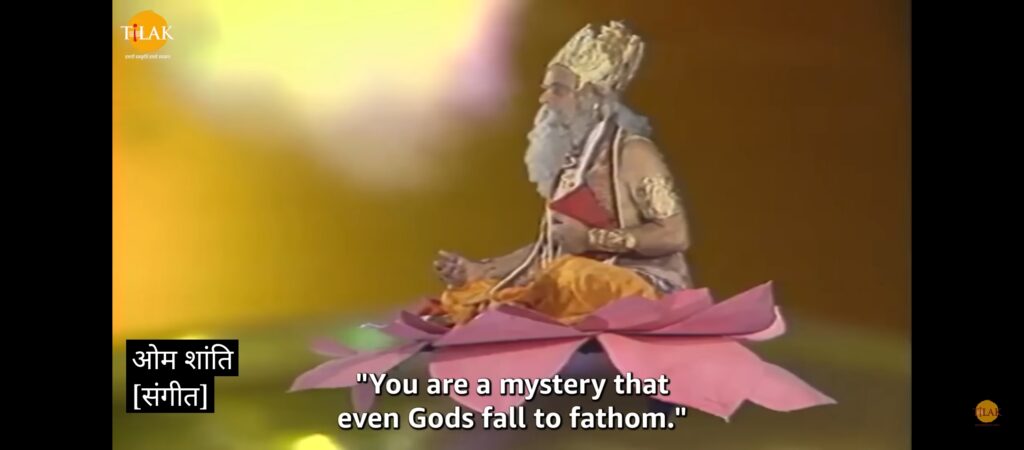
References
https://youtu.be/RG3Hqth0Eus?si=uf63oihrO632dFjI
https://youtu.be/vVGBEInlQkA?si=sLkx5GpwhNC3bHwY
Here in this source mention Quetzalcoatl as Mysterious
https://rgdn.info/en/ketcalkoatl_kukulkan_pernatiy-zmey
Nostradamus and the Prophecy of the Immortal Ruler
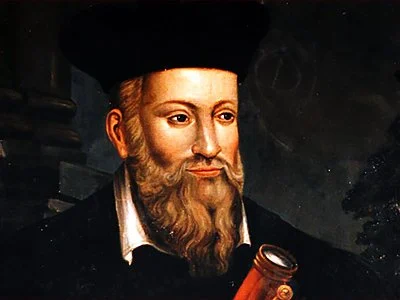
A mysterious passage attributed to Nostradamus, identified online as Quatrain 75 of Century X, speaks of a long-awaited ruler who would not be born in Europe and would instead emerge from India. The commonly circulated English version describes this figure as an “immortal ruler” possessing extraordinary wisdom and power.
“Long awaited, he will not take birth in Europe,
India will produce the immortal ruler,
Seeing wisdom and power of unlimited scope,
Asia will bow before this conquering scholar.”
The passage becomes particularly intriguing when placed beside the recurring pattern examined throughout this study.
Many of the ancient creator and dying-and-rising authorities were remembered in European civilizations under different names and forms. Greek and Roman traditions, for example, preserved stories of figures associated with divine return, civilization, kingship, and transformation.
Could the reference to a ruler who “will not take birth in Europe” therefore be interpreted as a movement of the ancient authority away from the civilizations where earlier manifestations were remembered—and toward India?
Within the interpretation explored in this book, the possibility becomes especially fascinating.
If the dying-and-rising authority is believed to appear repeatedly across different ages and civilizations, could the “immortal ruler” described in this passage represent another future appearance of the same eternal authority?
The wording itself leaves the mystery open.
Who is the long-awaited ruler?
Why India?
And could the “immortal ruler” be another appearance of the ancient creator and dying-and-rising authority whose story has travelled across civilizations for thousands of years?
The answer remains part of the mystery.
Brahma Kumaris Beliefs: Vishnu as the Eternal Ruler and Sustainer of the 84-Birth Cosmic Cycle
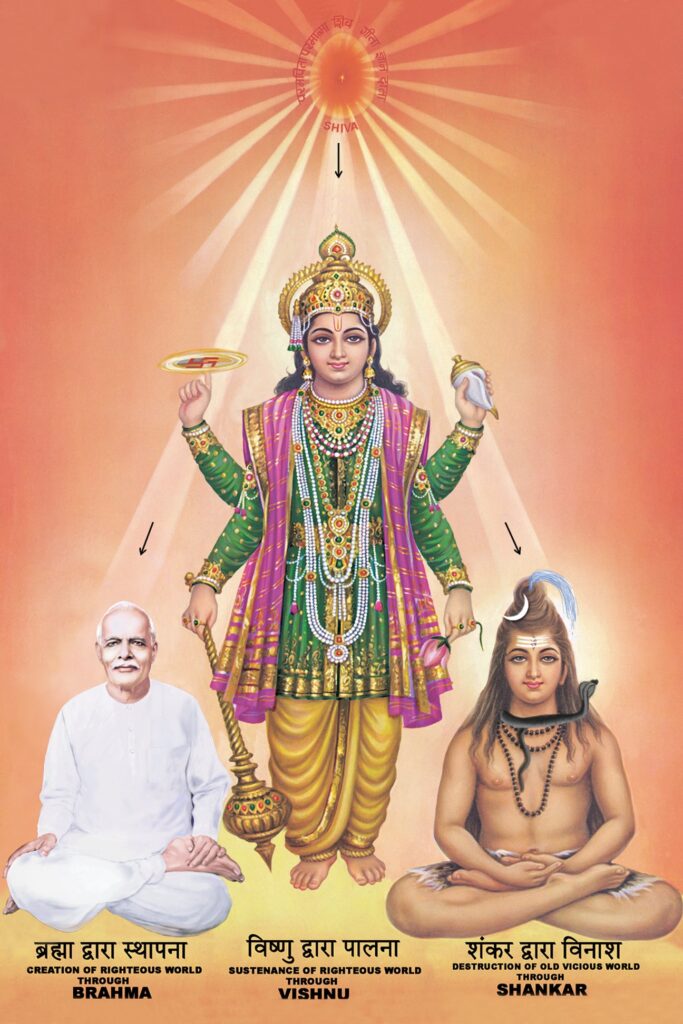
● Shiva sustains the cosmic cycle & Civilization through Vishnu (84 births). (16/06/2016)
The greatest part would be called that of Vishnu. The Virat great form of 84 births also shows that of Vishnu and not of Brahma. The Virat great form is created only by Vishnu because first of all, Prajapita incarnates with the name of Brahma. Brahma has very few parts and that is why shows the Virat great form of Vishnu. The quadrilateral would also have been made of Vishnu. The main part belongs to him. Brahma’s part is also very small at this time. How long is the kingdom of Vishnu?( Sakar Murli 19/08/2015)
According to Brahma Kumaris teachings, Shiva sustains the cosmic cycle and the continuation of civilization through Vishnu and the cycle of 84 births. This gives Vishnu a distinctive place in the cosmic drama—as the figure associated with the great cycle of human existence, rulership, and continuity.
A Sakar Murli dated 19/08/2015 describes the Virat great form of 84 births as belonging particularly to Vishnu. The same teaching asks:
“How long is the kingdom of Vishnu?”
Another Brahma Kumaris teaching dated 16/06/2016 similarly describes Shiva as sustaining the cosmic cycle through Vishnu.
Within the interpretation explored in this study, these teachings become significant because Vishnu is not presented merely as a single historical incarnation. He is connected with the entire 84-birth cycle, giving his role an extraordinary continuity across time.
This raises another mystery:
Could the ancient traditions of an eternal ruler, dying-and-rising authority, and civilization-bringer be preserving memories of a figure whose role extends across the entire cosmic cycle?
And if Vishnu represents the greatest part of the 84 births, could this explain why similar attributes of the divine ruler—creation, civilization, kingship, renewal, and return—appear repeatedly throughout the ancient world?
Promise to Return
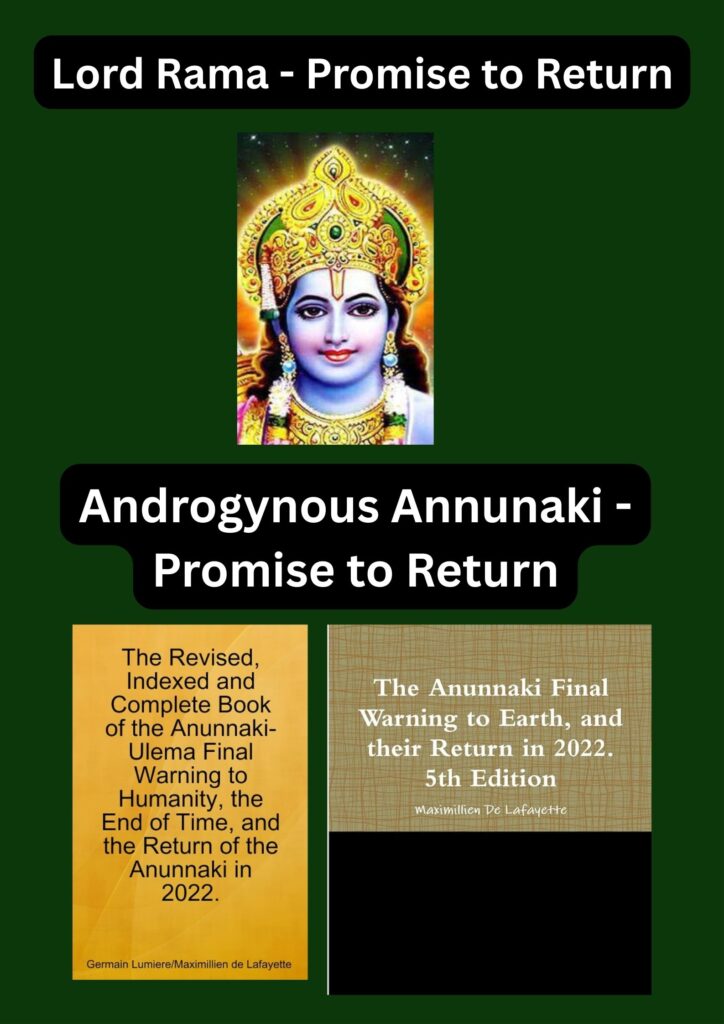
Lord Rama’s Promise to Return — The Mystery of Vaishnavi
One of the intriguing traditions connected with Lord Rama and Vaishnavi tells of a promise that reaches beyond a single lifetime.
According to the tradition, Vaishnavi was devoted to Rama and awaited his return. Rama, however, could not fulfill her wish during that incarnation. He is therefore said to have promised that he would return in another age, when he would appear as Kalki, and their destined meeting would take place.
This creates an interesting connection with the dying-and-rising and returning-deity theme explored in this study. The divine figure does not simply disappear at the end of one incarnation; instead, the promise points toward a future return in another form or age.
The story therefore raises a fascinating question:
If Rama promised to return as Kalki, could this tradition preserve an ancient memory of the same divine authority appearing again at another point in the cosmic cycle?
The answer belongs to the deeper mystery of divine return, incarnation, and continuity across ages.
Androgynous Anunnaki Deity: The Promise of Return — A Final Warning?
The mystery deepens when we turn to the ancient stories surrounding the Anunnaki. Within the interpretation explored in this study, these androgynous divine authorities are not remembered only for their connection with civilization, knowledge, and kingship, but also through traditions and modern interpretations that speak of a future return.
A promise of return creates a powerful question.
If the ancient civilization-bringing deity once appeared, taught humanity, established order, and then disappeared from the world, was the disappearance truly an ending—or only a departure before another return?
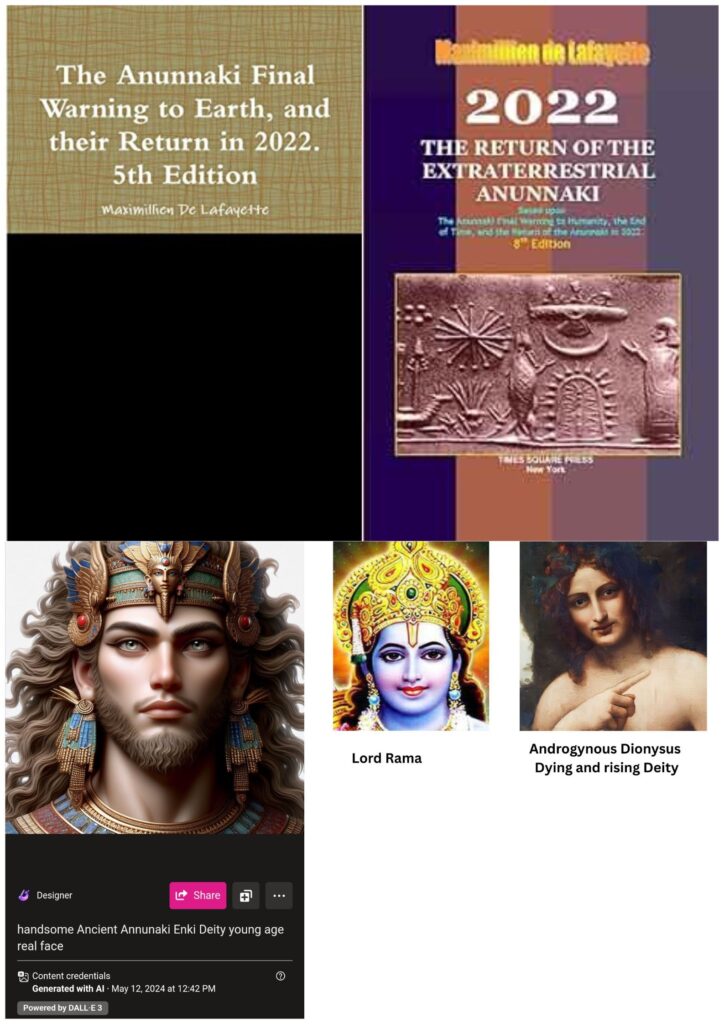
The idea becomes even more mysterious when stories described as an “Anunnaki final warning” are placed beside the ancient traditions of divine return. Could such warnings represent a memory of an authority that was expected to appear again when humanity reached another critical point?
Perhaps the ancient message was never simply:
“We have gone.”
Perhaps it was:
“We will return.”
If so, the final warning would not be the end of the story.
It would be the beginning of another chapter.
And that leaves us with the question:
Was the promised return of the Anunnaki part of the same ancient mystery of the dying-and-rising deity—an authority that disappears from one age, only to return when the next great cycle begins?
Androgynous Kukulkan and Quetzalcoatl: The Promise of Return
The mystery of the returning deity appears again in the Mesoamerican traditions surrounding Kukulkan and Quetzalcoatl. Quetzalcoatl was associated with knowledge, civilization, rulership, and sacred order, while Kukulkan became an important Maya expression of the feathered-serpent tradition.
Traditions recorded after the Spanish conquest describe Quetzalcoatl leaving and being expected to return. Some accounts describe a promise of return and the restoration of his authority, although the historical evidence surrounding this tradition remains complex.
The mystery becomes even more fascinating when viewed alongside the 2012 Maya calendar cycle. The completion of the 13th baktun marked the end of a major calendrical period, but it was not simply understood by the ancient Maya as the end of the world. Maya concepts of time were cyclical, meaning that the completion of one period could also mark the beginning of another.
Within the pattern explored in this study, a striking sequence begins to appear:
A divine figure appears.
He teaches civilization.
He disappears.
A return is anticipated.
And a new cycle begins.
A similar pattern can be explored in the traditions surrounding Rama and Kalki, Trigunatit, and the Anunnaki return.
Could these seemingly different traditions preserve the same ancient idea—that the androgynous civilization-bringing authority does not disappear permanently, but returns when a new age or cosmic cycle begins?
The question remains open.
Is the promised return another chapter in the ancient mystery of the dying-and-rising deity?
Androgynous Kon-Tiki Viracocha — The Promise to Return
The mystery of the returning civilization-bringer appears again in the traditions surrounding Kon-Tiki Viracocha, the great creator and culture-bringing deity of the ancient Andes.
According to traditions recorded by early chroniclers, Viracocha appeared as a creator and teacher who brought knowledge and civilization to humanity. After completing his journey, he travelled westward toward the ocean and disappeared, with traditions describing a promise that he would return.
The story becomes even more intriguing because Viracocha was not remembered simply as a distant creator. He was portrayed as a figure who walked among people, taught them, established order, and then departed, leaving behind the expectation of his eventual return.
When this tradition is placed beside the other return traditions explored in this study, a remarkable pattern emerges:
The deity appears.
He brings knowledge.
He establishes civilization.
He disappears.
And a promise of return remains.
Could the story of Kon-Tiki Viracocha therefore preserve another chapter in the ancient mystery of the dying-and-rising, returning civilization-bringer?
And if Viracocha was expected to return when humanity needed him again, could this be another expression of the same ancient belief that the divine authority does not disappear forever—but returns at the beginning of another age or cycle?
Hopi Civilization Wisdom-Bringer Massaw — The Promise to Return
The trail now leads to the Hopi tradition of Massaw (Maasaw), a figure associated with the beginning of the present Hopi world, sacred instructions, the care of the Earth, and the survival of humanity after an earlier world was destroyed by a great flood. In a Hopi message, Massaw is described as the Great Spirit who appeared to the first people, taught them how to live, gave them seeds and sacred instructions, and entrusted them with the responsibility of caring for the land. (crab.rutgers.edu)
But the story contains another remarkable element.
Massaw did not simply establish the new world and disappear from the tradition. He withdrew from ordinary human sight, while the Hopi continued to follow the life plan and teachings associated with him. The tradition also contains expectations concerning the return or reappearance of sacred figures and the fulfillment of ancient signs. (crab.rutgers.edu)
This creates a striking connection with the other First Man and civilization-bringer traditions examined in this study.
The First Man appears.
He teaches humanity.
He establishes the way of civilization.
A catastrophe separates one world from another.
The divine teacher withdraws.
And the possibility of return remains.
The resemblance becomes even more intriguing when Massaw is placed beside Yima/Jamshid, Fuxi, Da Yu, Viracocha, Quetzalcoatl, Rama, and the other civilization-bringing figures discussed earlier.
Could these stories preserve a recurring memory of a First Man who teaches civilization, survives or guides humanity through the destruction of an earlier world, and remains connected with a future return?
And could the Hopi story of Massaw therefore represent another chapter in the ancient mystery of the civilization-bringer who leaves—but never truly disappears?
The question is not simply why the First Man came.
It is why so many traditions seem to leave the door open for his return.
Inkarri — Founder of Paititi and the Promise of Return
The trail now leads into the Andes, where another remarkable story emerges around Inkarri, the legendary Inca culture-hero associated in some traditions with the founding of Q’ero and Cusco and, in later versions, with the mysterious refuge of Paititi. (Wikipedia)
But Inkarri’s story does not end with his disappearance.
In one powerful version of the tradition, Inkarri is defeated and his body is separated, while his head remains alive beneath the earth. Slowly, the rest of his body is said to regenerate. When the body becomes complete, Inkarri will return and restore the broken order. (rcllletras.unmsm.edu.pe)
Other versions connect Inkarri with Paititi, describing him as retreating toward the hidden city after establishing Q’ero and Cusco. (El Comercio Perú)
The imagery is striking:
The civilization-bringer appears.
He establishes order.
He disappears.
His body is hidden.
His body regenerates.
And one day, he returns.
This creates another intriguing connection with the dying-and-rising figures examined throughout this study. Inkarri is not simply remembered as a ruler of the past; his story carries the expectation of renewal, restoration, and return.
Could Inkarri therefore represent another cultural memory of the ancient dying-and-rising civilization-bringer—the figure who disappears at the end of one era but remains destined to return when the world is ready for renewal?
And if Paititi became the mysterious place associated with his departure, another question remains:
Did the ancient tradition intend Paititi to be merely a hidden refuge—or the place from which the civilization-bringer would one day return?