
Era of Prehistoric Fertility Cults, Wisdom Bringers, and Early Sacred Civilizations (25,000 BC – 7,000 BC)
In Part 2 of the Closed Mouth Mysteries Timeline, the investigation explored ancient accounts of cosmic disturbances, Atlantean catastrophe traditions, the role of Thoth in post-cataclysmic civilization rebuilding, and symbolic connections between prehistoric artifacts, sacred knowledge, and recurring civilization-founder figures.
Part 3 continues this investigation by examining additional prehistoric statues, fertility symbols, closed-mouth figures, ancient priest traditions, and civilization-bringer deities appearing across Eurasia and the ancient Near East between approximately 25,000 BC and 7,000 BC.
Through the symbolic framework of the Eternal Authority hypothesis, this section explores whether recurring artistic patterns, androgynous divine figures, wisdom bringers, and sacred civilization symbols preserved across multiple ancient cultures may represent fragmented memories of recurring spiritual authority preserved through mythology, ritual, and sacred tradition.
Venus of Malta-Buret, Siberia, Russia, 25000 Years Ago
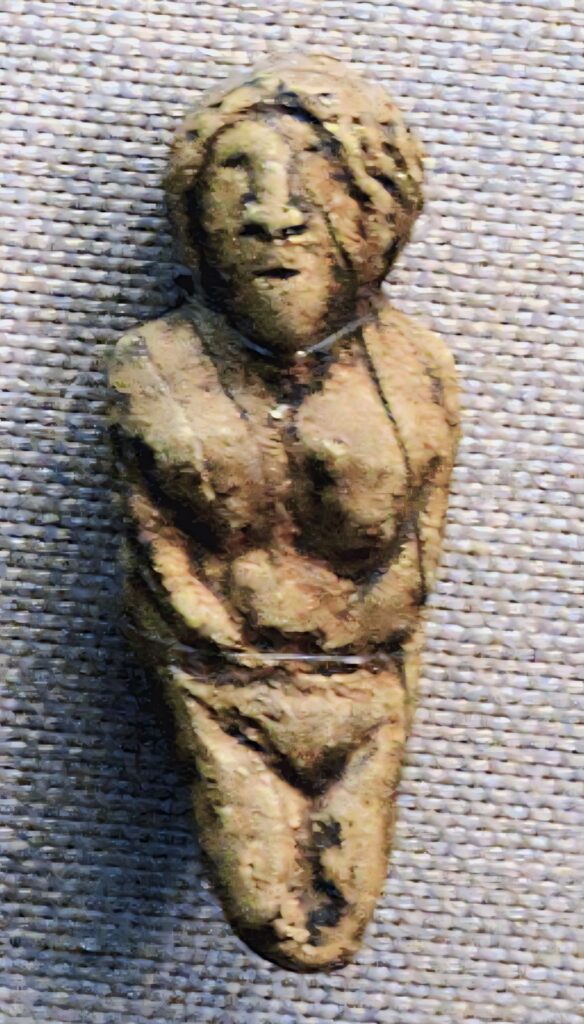
Credit -Лапоть CC BY SA 4.0
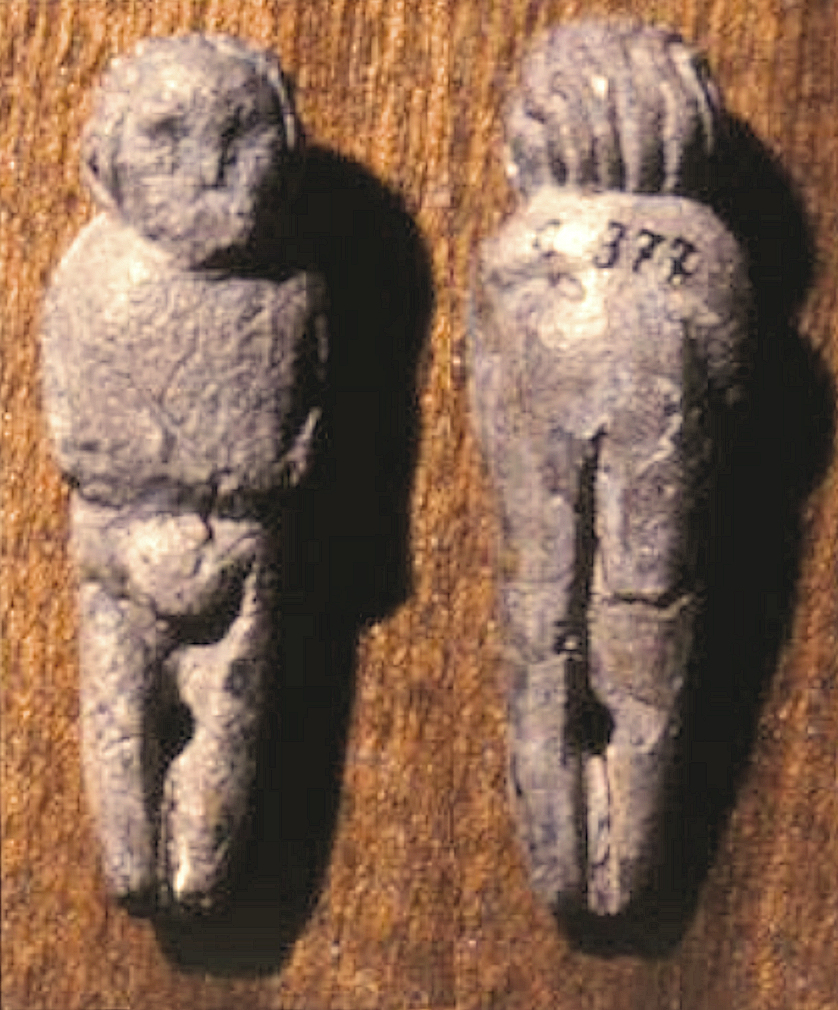
credit – Robert G. Bednari CC BY SA 3.0

Image by Robert G. Bednari CC BY SA 3.0
Malta Buret Sweatshirt Wearing Closed Mouth Fertility Statue – Evidence of Human Civilization (25000 Years ago)
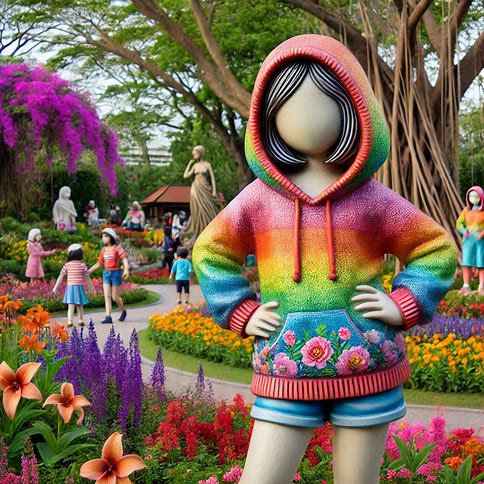

Credit – José-Manuel public domain
Closed Mouth, Venus of Brassempouy,
Cave of Brassempouy
France 25000 years Ago
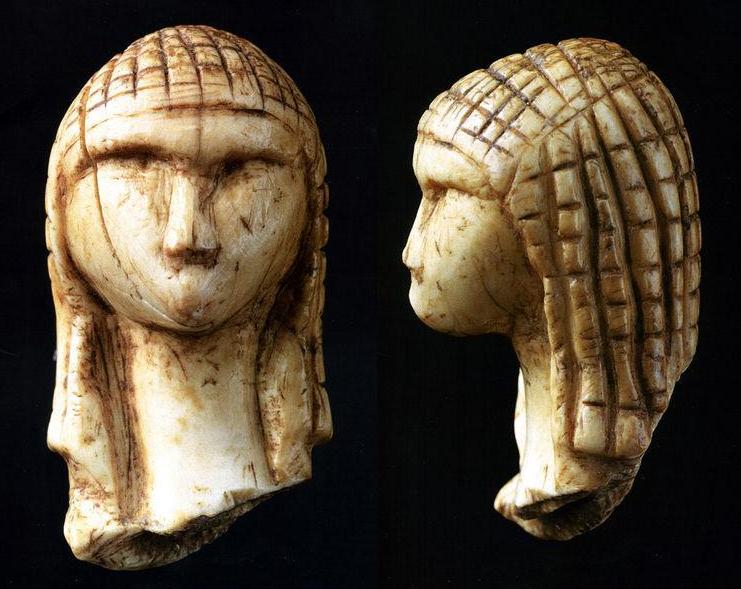
public domain
Across multiple prehistoric cultures separated by vast distances, closed-mouth figurines and symbolic fertility representations continue to appear with striking similarities in posture, facial structure, and sacred symbolism.
Within the framework of this timeline investigation, these recurring artistic patterns raise symbolic questions concerning whether early human civilizations may have preserved shared spiritual ideas connected with fertility, rebirth, sacred authority, or recurring divine figures associated with the continuity of civilization.
22000 Years old Androgynous Deity Statue, Ukraine
Joannes Richter in his book The Sky Deity Dyaeus makes the remarkable claim that a common global religion which
worshipped an androgynous deity existed in deep antiquity. He states,
“it is hard to believe that people have already been devoted to a singular androgynous deity.
Nahal Ein Jev ll –15000 years Ago (Closed Mouth)
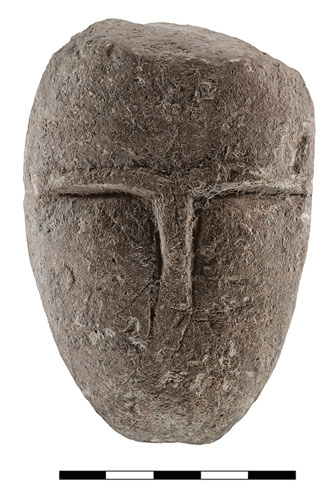
Credit- Leore Grosman
Visit to read Source –
Disclaimer – above image use under fair use policy, if your owner of image or any issue we will remove it.
Dogu, Jomon Culture, Japan,14000 Years Ago(Closed Mouth)
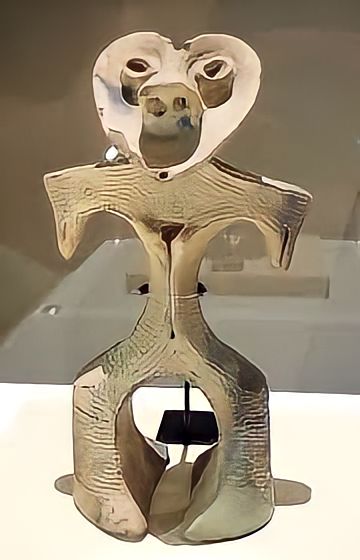
Credit- Daderot Public domain
As the timeline progresses toward the end of the last Ice Age, additional sacred figures, ritual objects, and priestly traditions continue to emerge across Eurasia.
Some researchers and alternative historians interpret these discoveries as possible evidence that symbolic religious systems, sacred authority structures, and organized spiritual traditions may have existed far earlier than traditionally assumed
Shigir Idol, Russia, 12000 Years Old
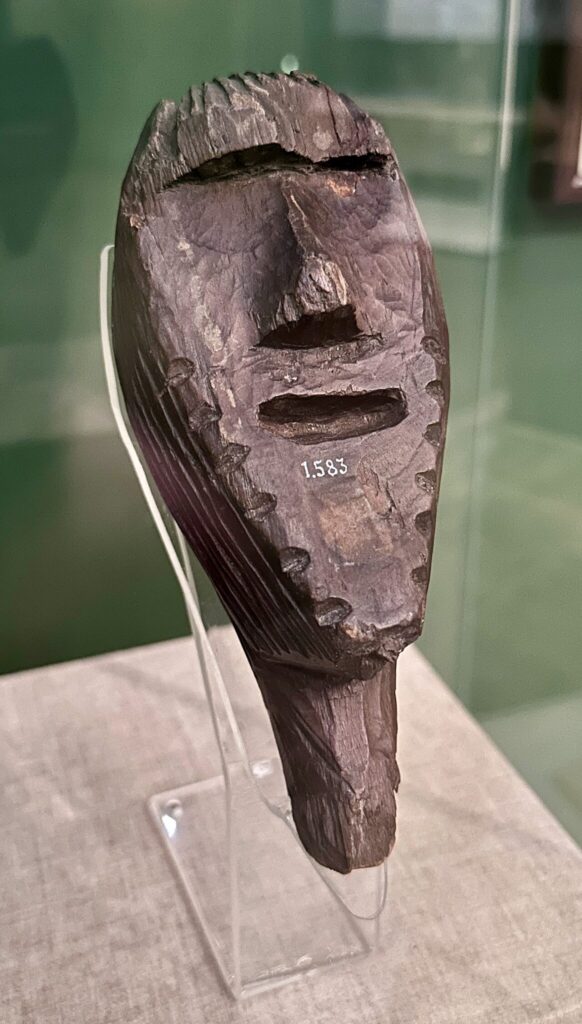
Credit- Vyacheslav Bukharov
The lineage of High Priests referred to would stretch back to around 11,940 BC.
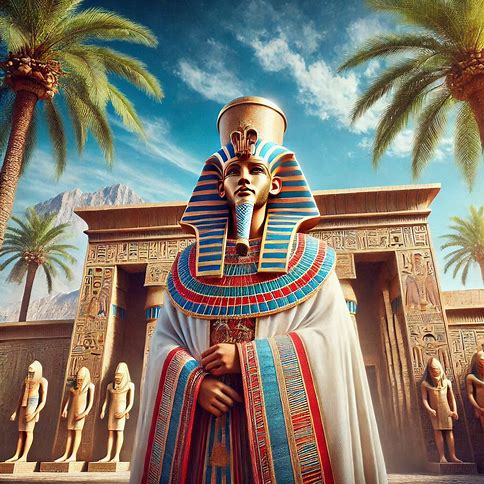
The very ancient age of Egypt is corroborated by a list of their high priests that stretches back over ten thousand years.”They [the Egyptian priests] brought me into the great inner court of the temple […] every high priest sets there in his lifetime a statue of himself […] they traced descent through the whole line of three hundred and forty-five figures […] Before these men, they said, the rulers of Egypt were gods.”26 HERODOTUS, BOOK OF History
given that Herodotus was writing at around 440 BC, and using the Greek calculation of three generations per one hundred years, the lineage of high priests referred to would stretch back to around 11,940 BC. – Ancient religion of sun book page no -23
Urfa Man, Turkey 11000 BC

Credit- Cobija CC BY SA 4.0
11000 BC,Hand near Navel Statue, Turkey
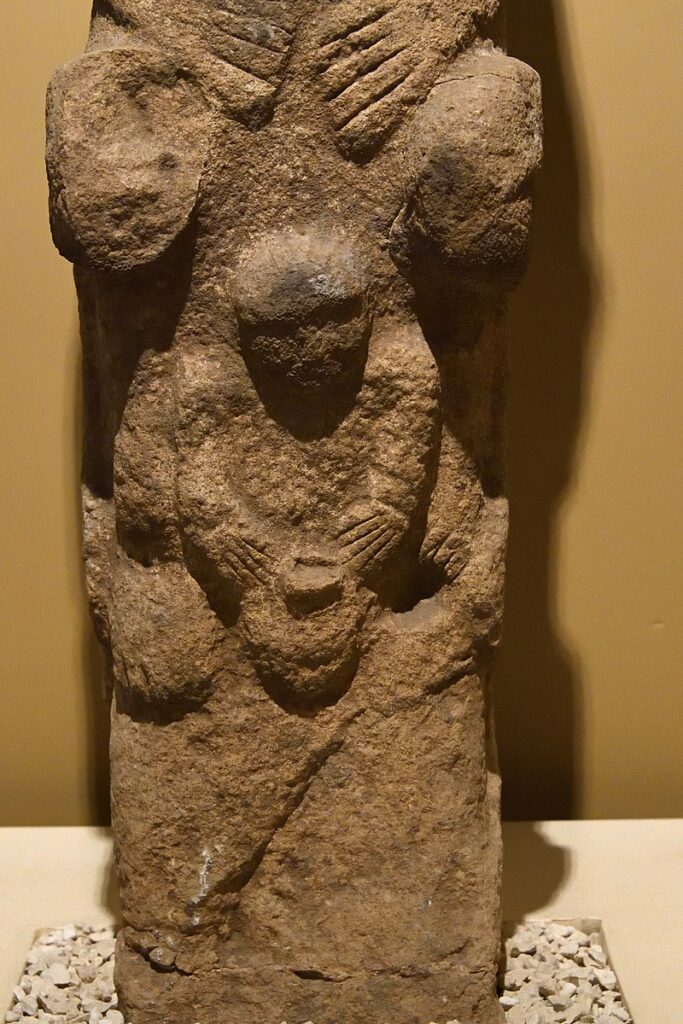
11000 BC, credit- Dosseman BY SA 4.0 , Turkey Site Hand near Navel Statue
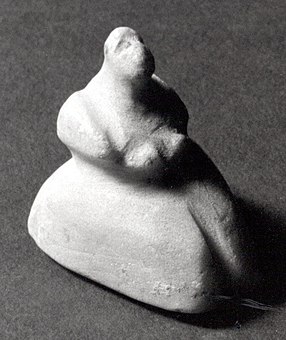
8000 BC, Syria
Androgynous Annunaki Statue, 7000 BC
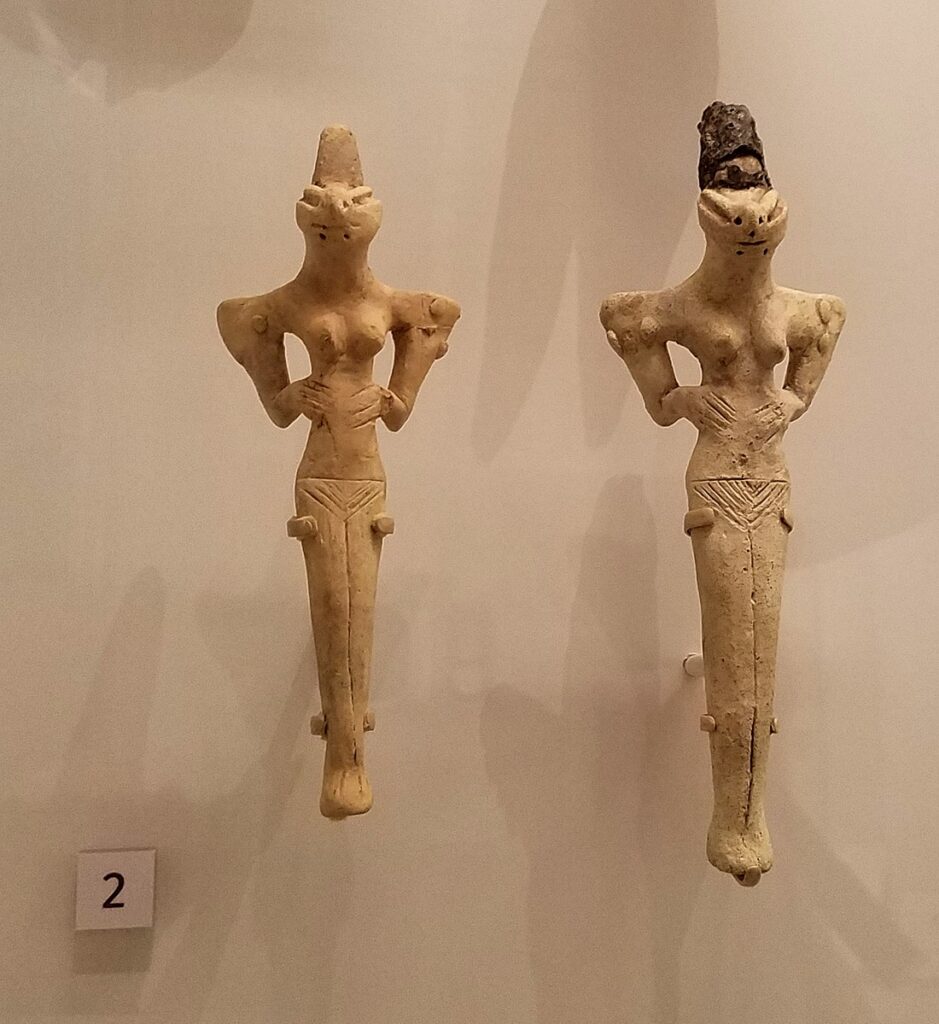
Credit- Utopian100 CC BY SA 4.0
As civilization gradually emerged across Mesopotamia and the ancient Near East, divine figures associated with wisdom, creation, law, water, fertility, and civilization-building became increasingly central within religious traditions.
Among these figures, Enki remains one of the most important culture-bringer deities associated with knowledge, sacred laws, craftsmanship, and the advancement of human civilization.
Within the symbolic framework of this investigation, these characteristics raise parallels with earlier civilization-founder figures explored throughout the timeline series.
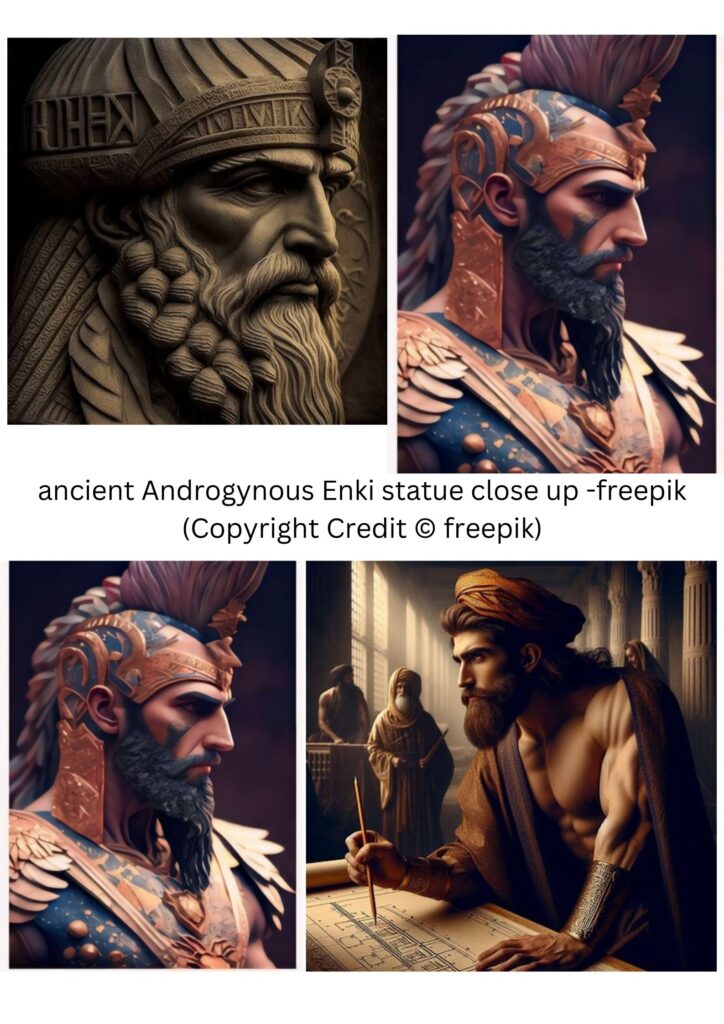
Alien Androgynous Annunaki Enki
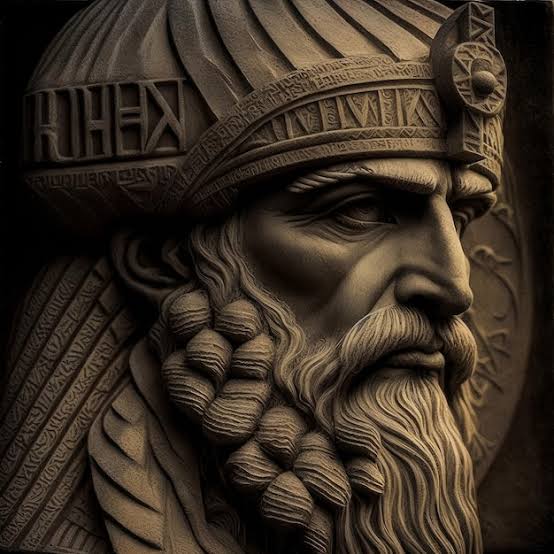
ancient Androgynous Enki statue close up -freepik, vecteezy(Copyright © freepik)
His name means “Lord of the Earth” and his symbols are a fish and a goat, both representations of fertility.
Originally, Enki (then known as Enkig) was the Sumerian deity of fresh water and patron of the city of Eridu, which the Mesopotamians believed to be the first city founded at the beginning of the world. In every story or legend, Enki is associated with the heights and depths of universal understanding and is always seen as the friend of mankind.who was later worshipped by the Akkadians.Enki was a cultural hero and benefactor to humanity in many myths.
- Knowledge and Wisdom: Enki was a Deity of wisdom and intelligence.
- Crafts and Culture: He was the patron Deity of craftspeople and was known as a bearer of culture.
- Enki played a pivotal role in the development and advancement of crafts and culture in ancient Mesopotamia. He was not only revered as a deity associated with water, wisdom, and creation, but also as a patron Deity of artisans and craftsmen.
- Keeper of the Me
- Enki was the custodian of the “Me” – divine decrees or laws essential for civilization and human culture.
- These decrees encompassed various aspects of life, including craftsmanship, arts, and professions such as carpentry, metalworking, writing, masonry, and basket weaving.
- Humanity’s Benefactor: In many myths, he shows compassion for humankind and helps to improve their lives.
Return of Annunaki

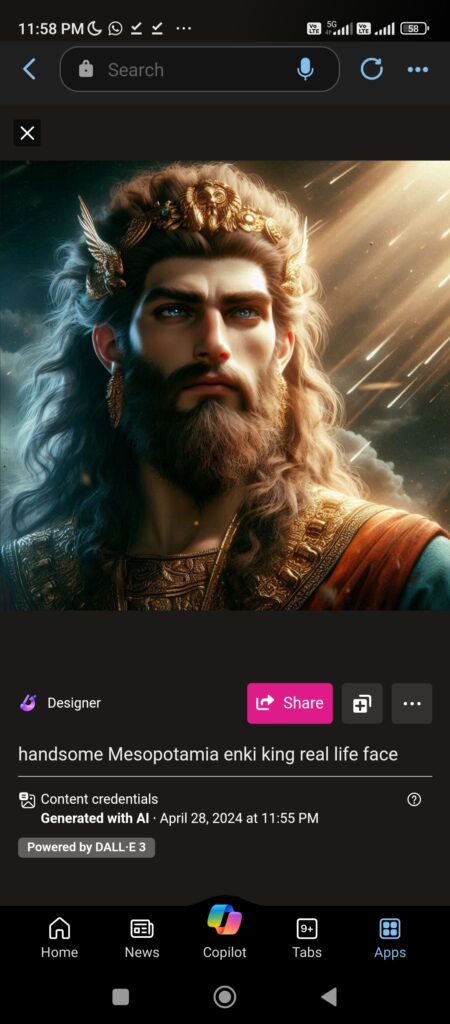
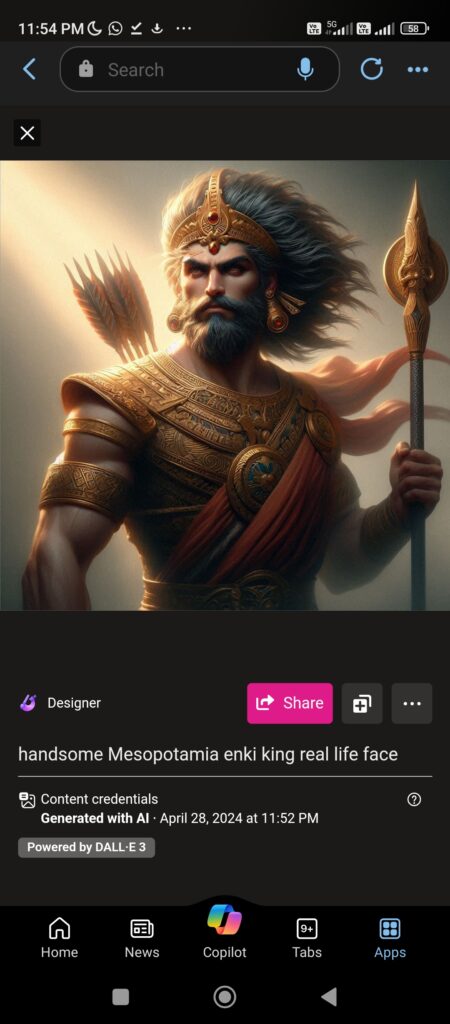
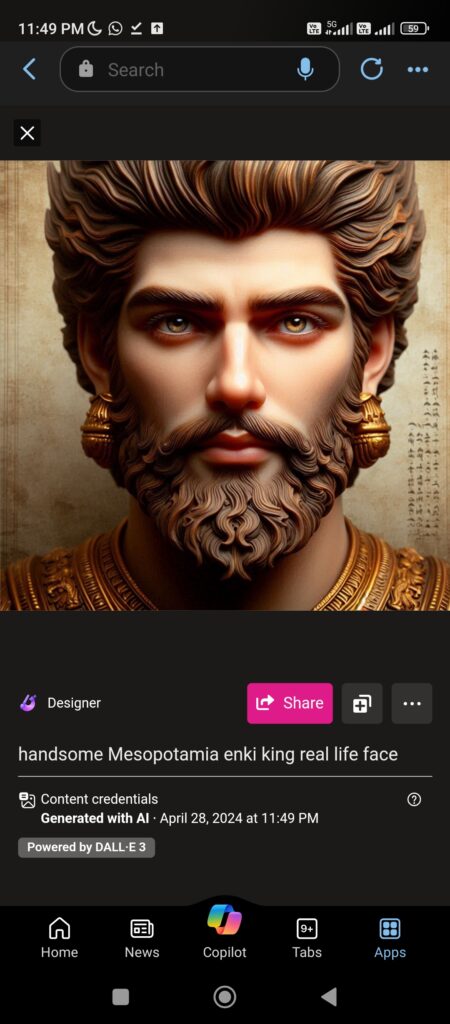
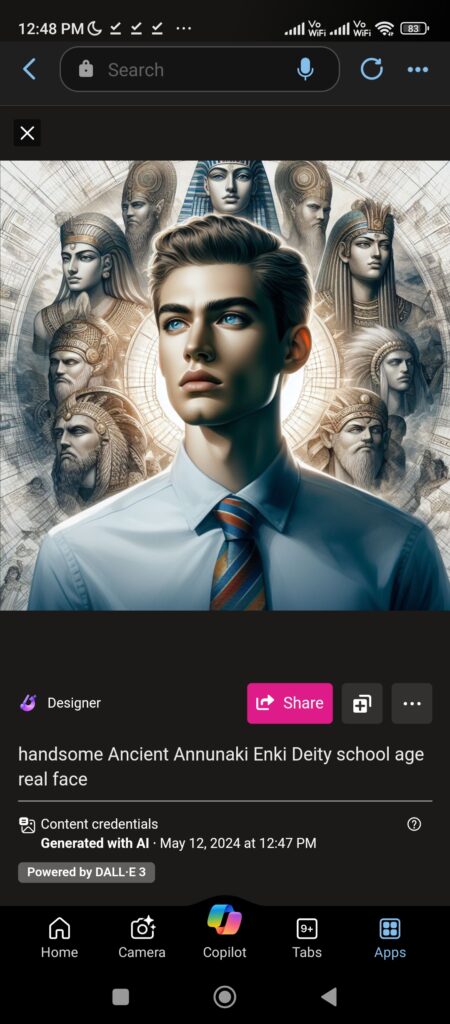
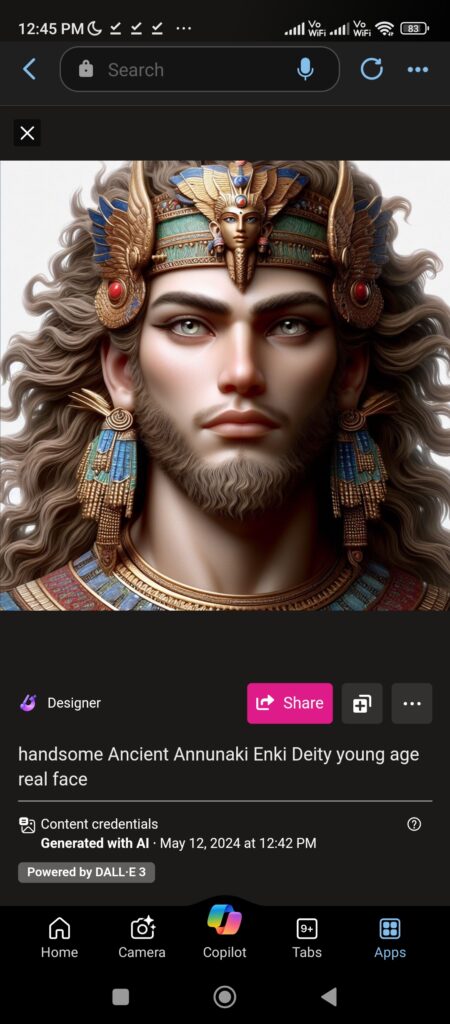
Various artistic interpretations, reconstructions, and AI-generated visualizations connected with Annunaki and Enki traditions are presented below for symbolic comparison and research purposes.
These images are included as part of the broader visual investigation into recurring facial symbolism, civilization-founder archetypes, and mythological representations associated with the Eternal Authority hypothesis explored throughout this timeline series.
Download Individual Images from Here

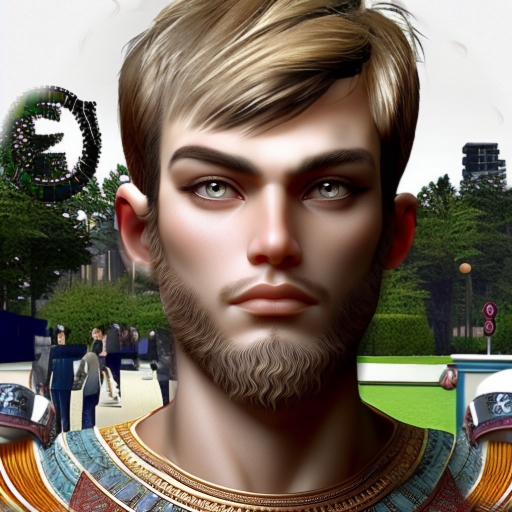


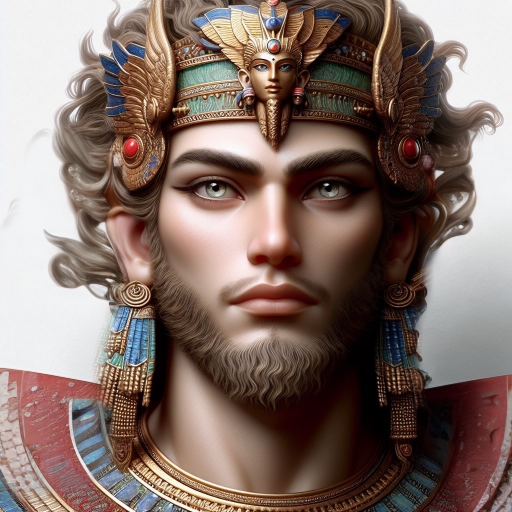
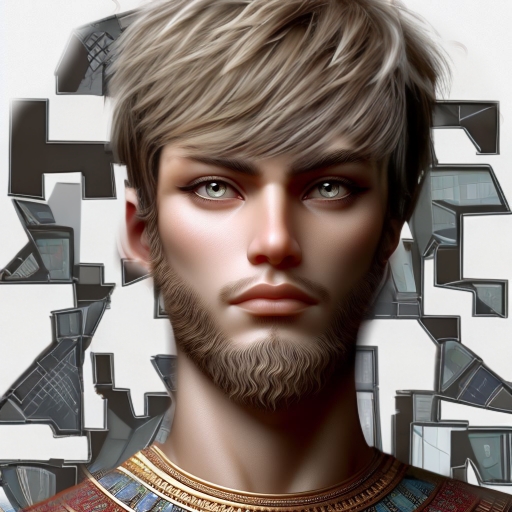
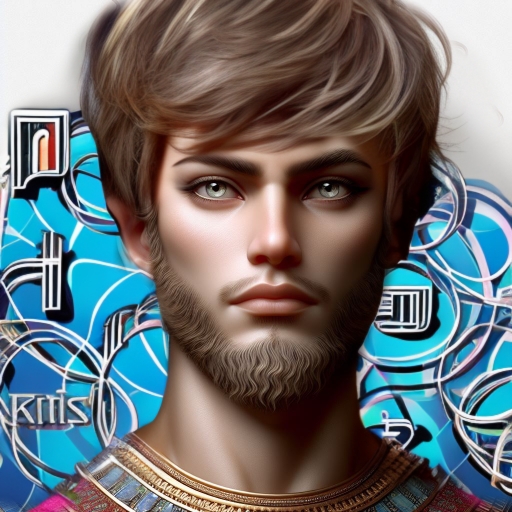
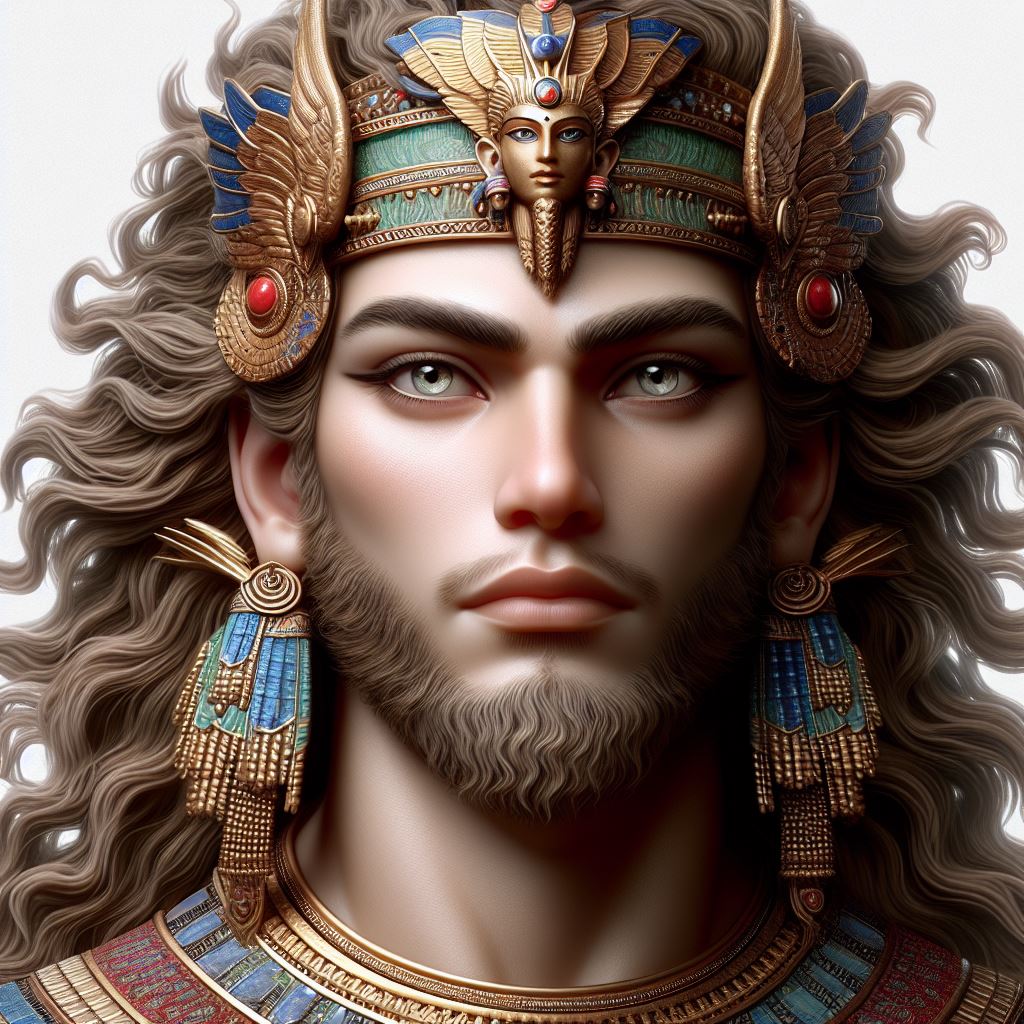
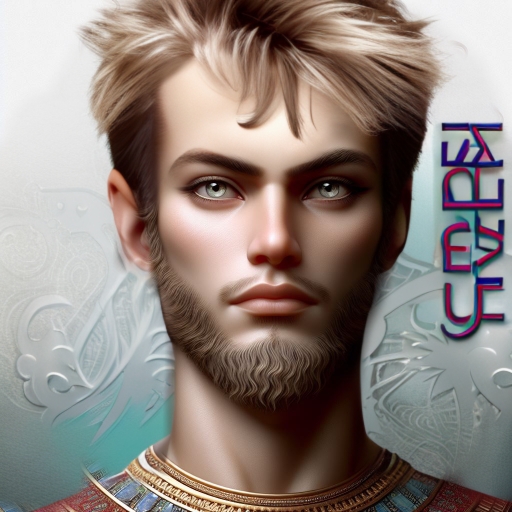
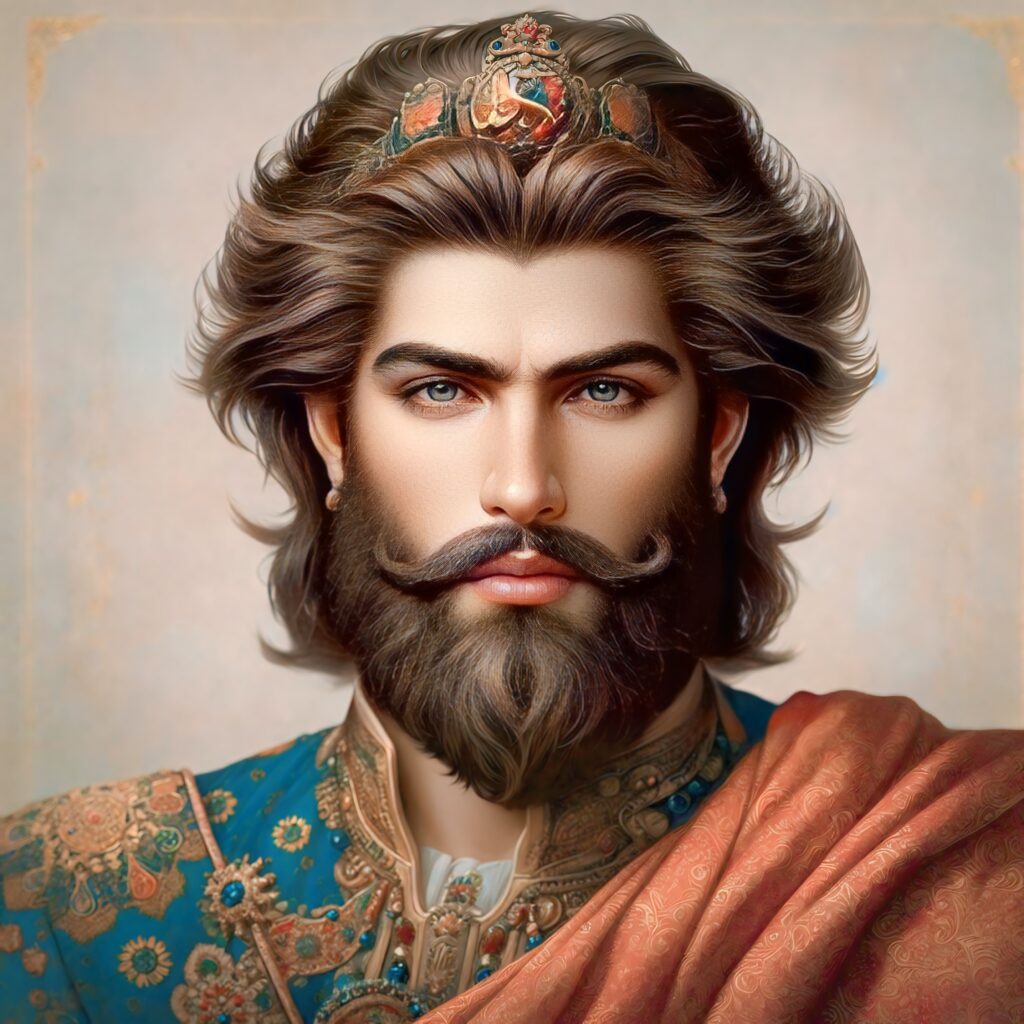
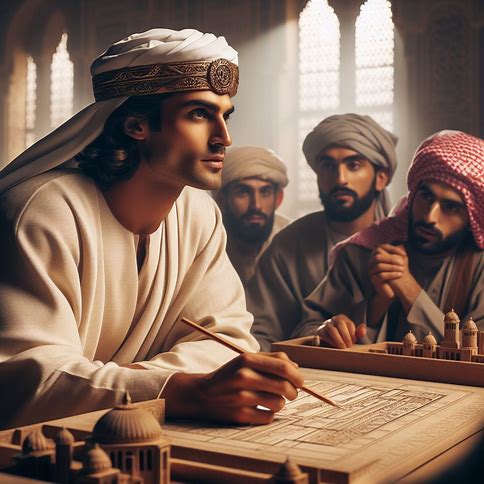
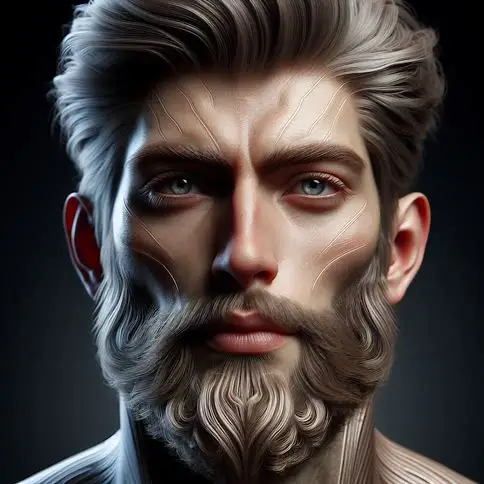
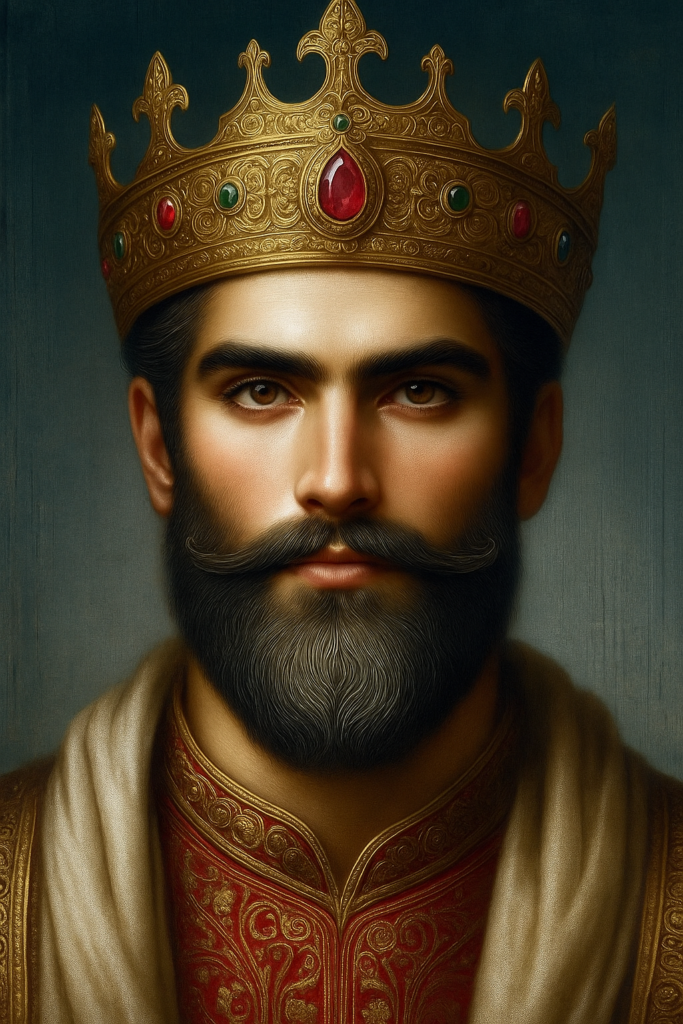
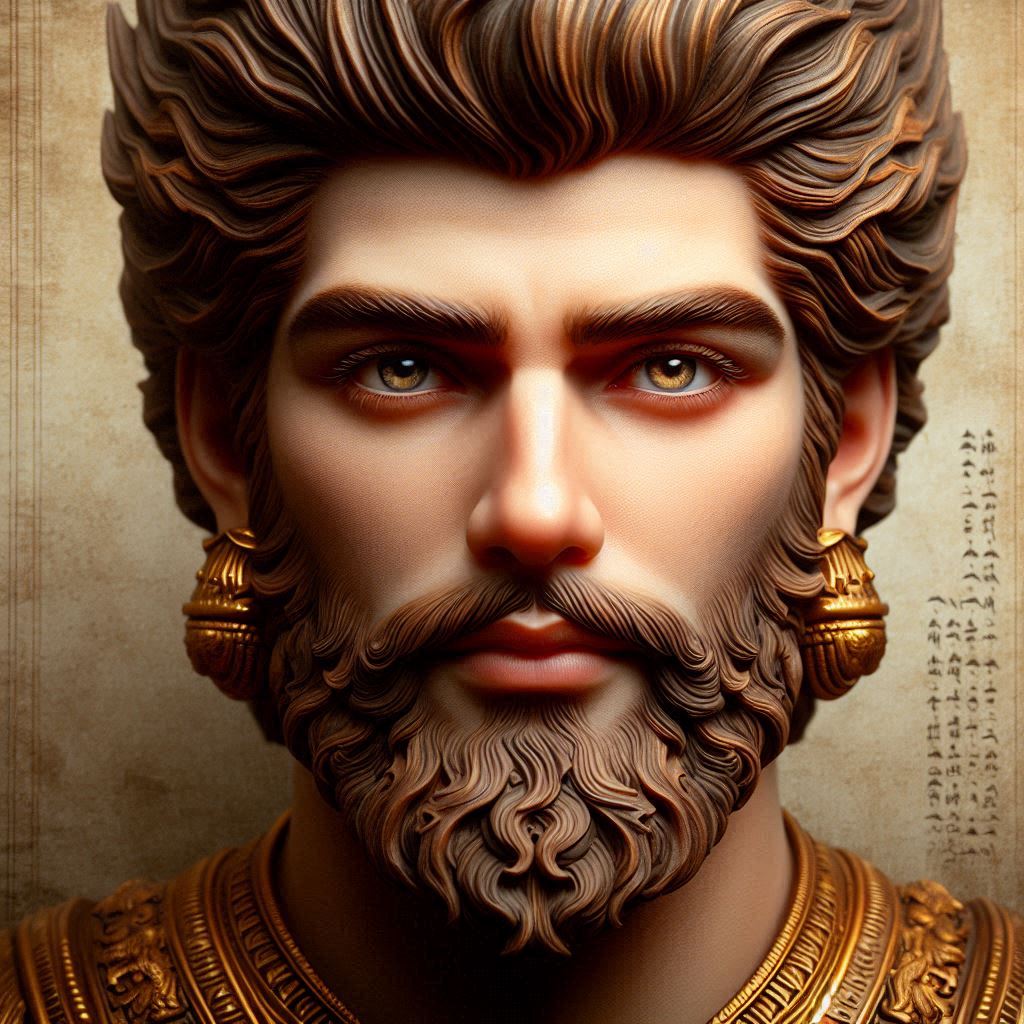

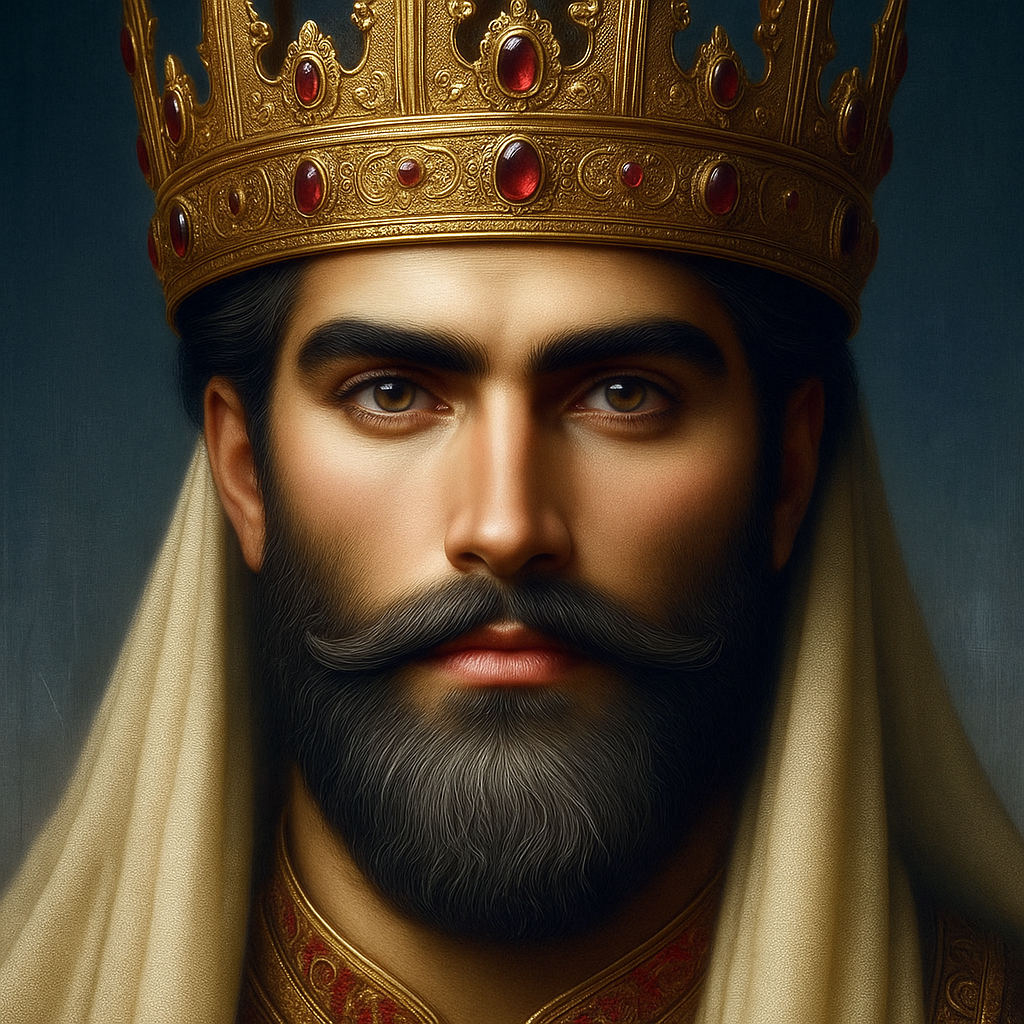
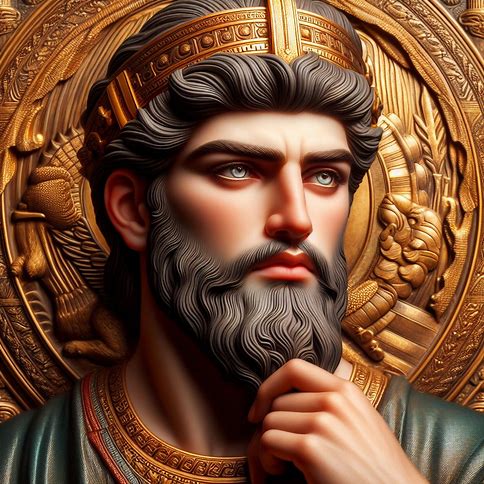
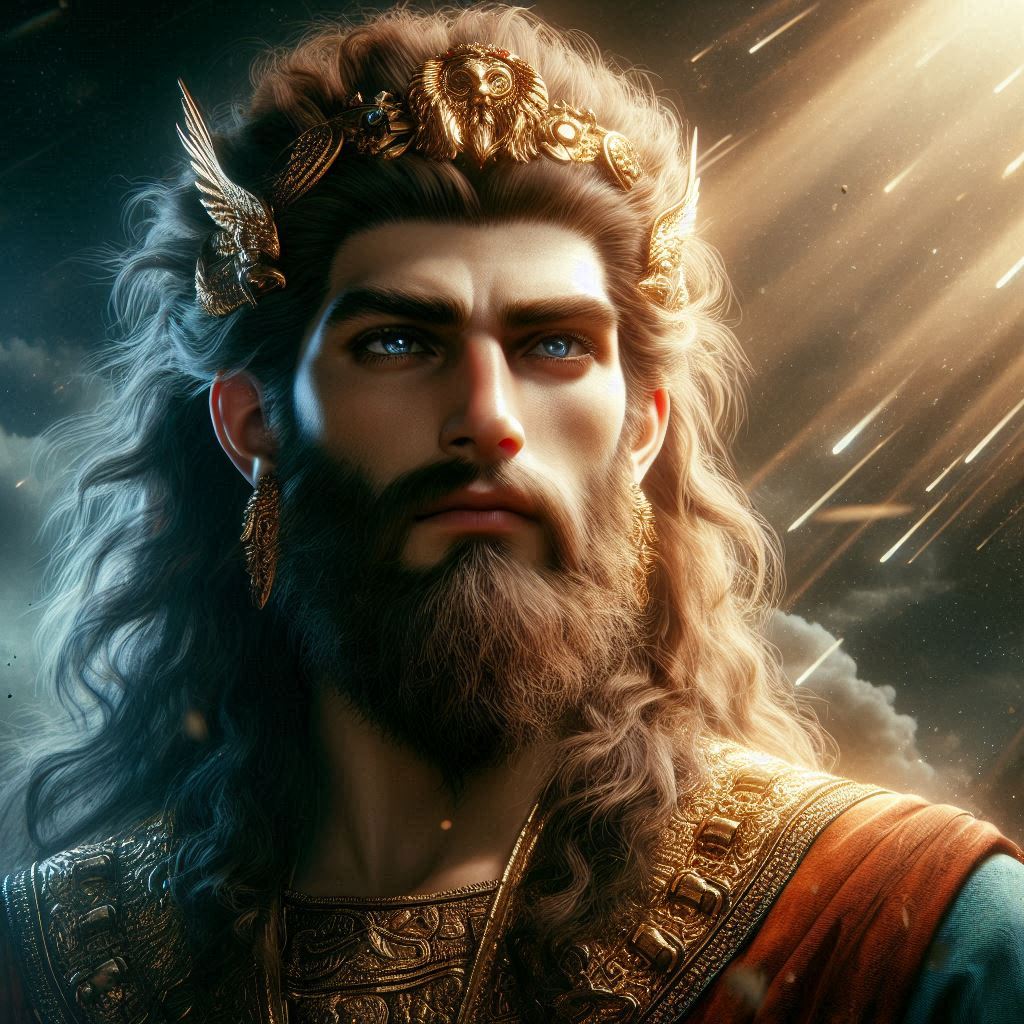
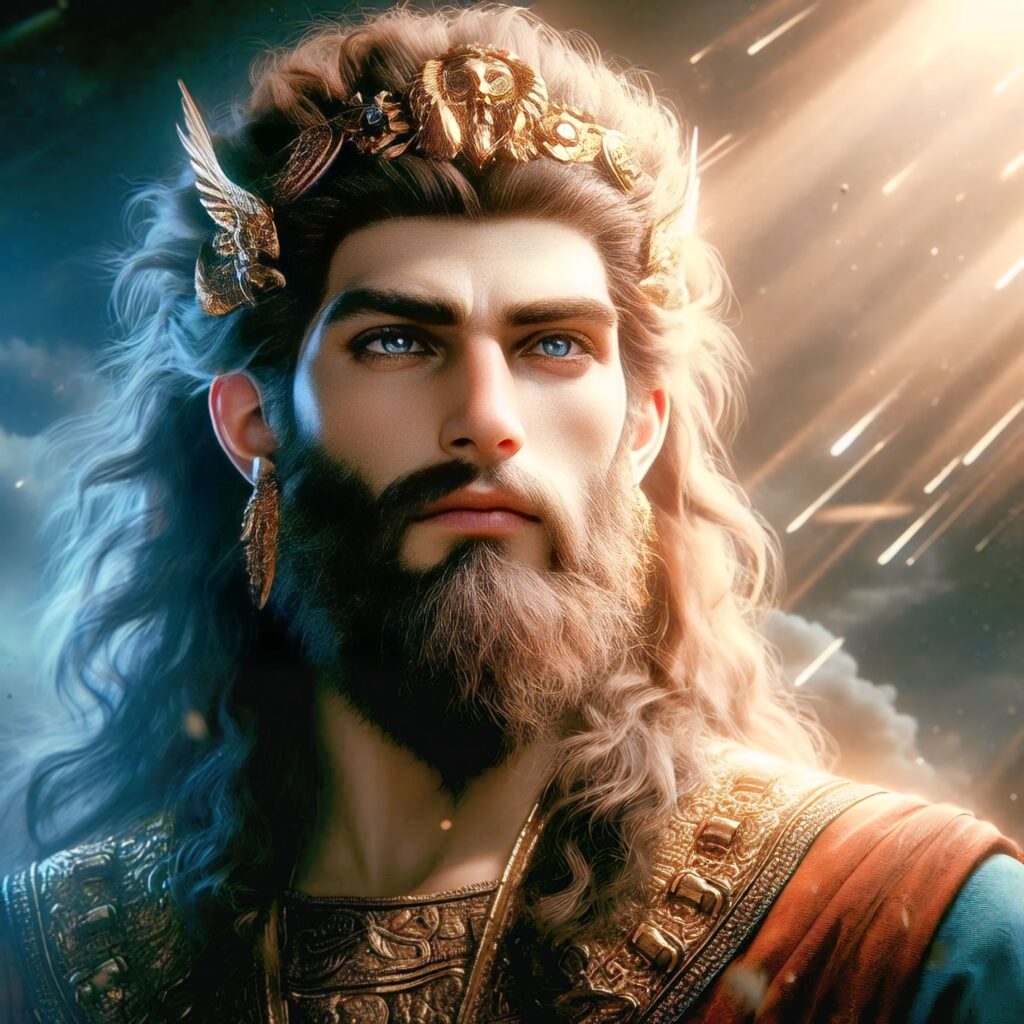
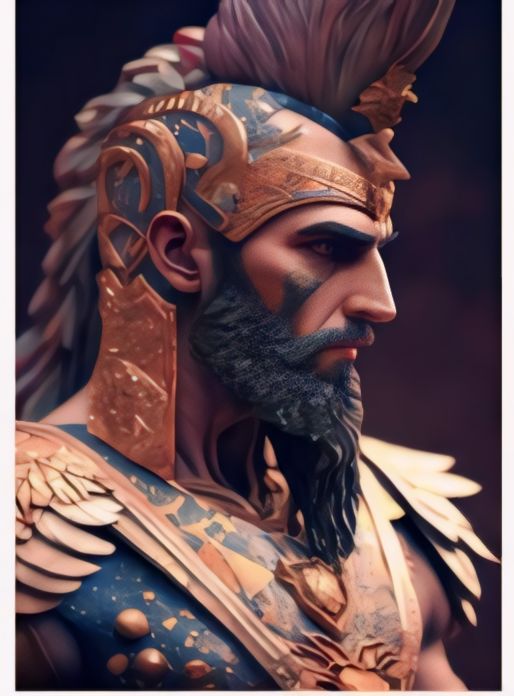
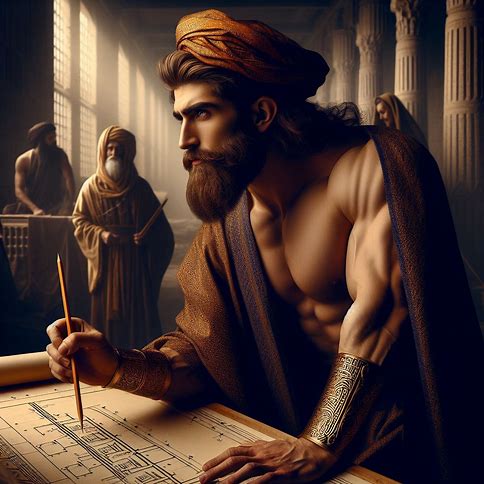
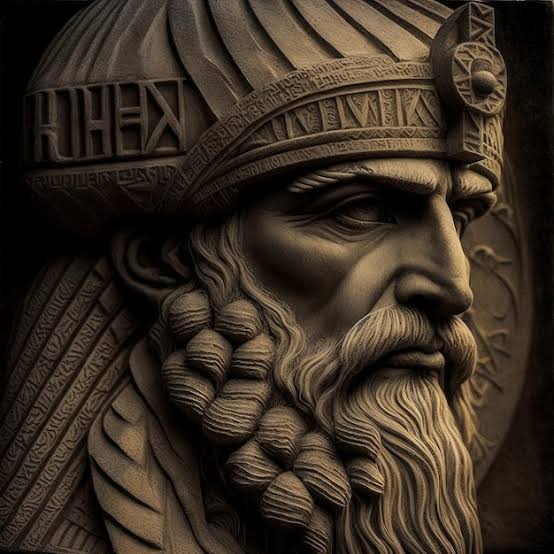
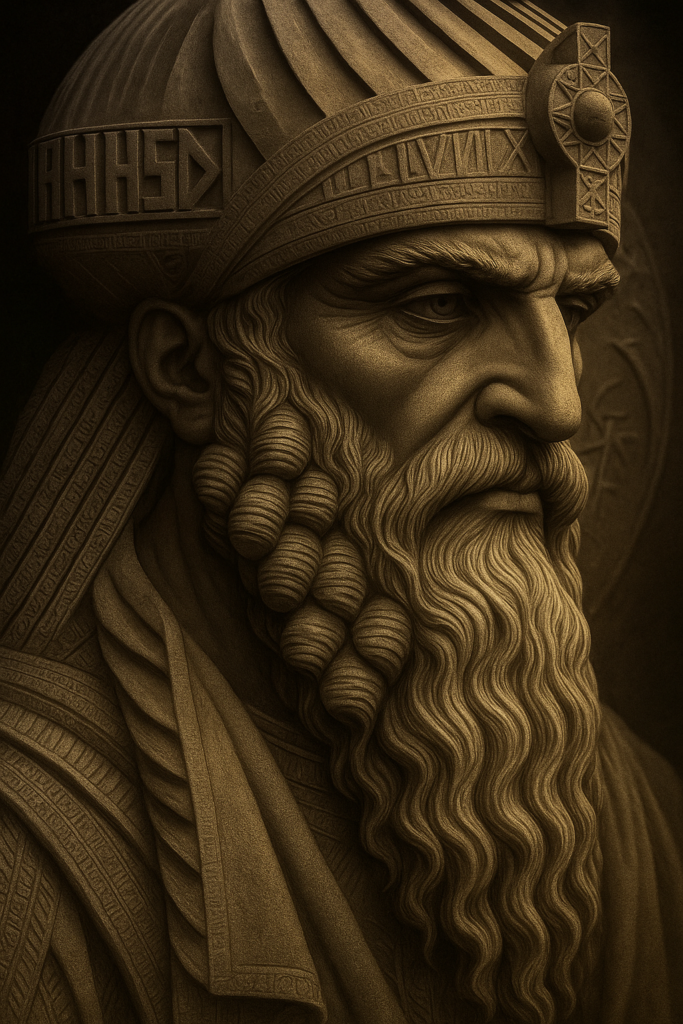
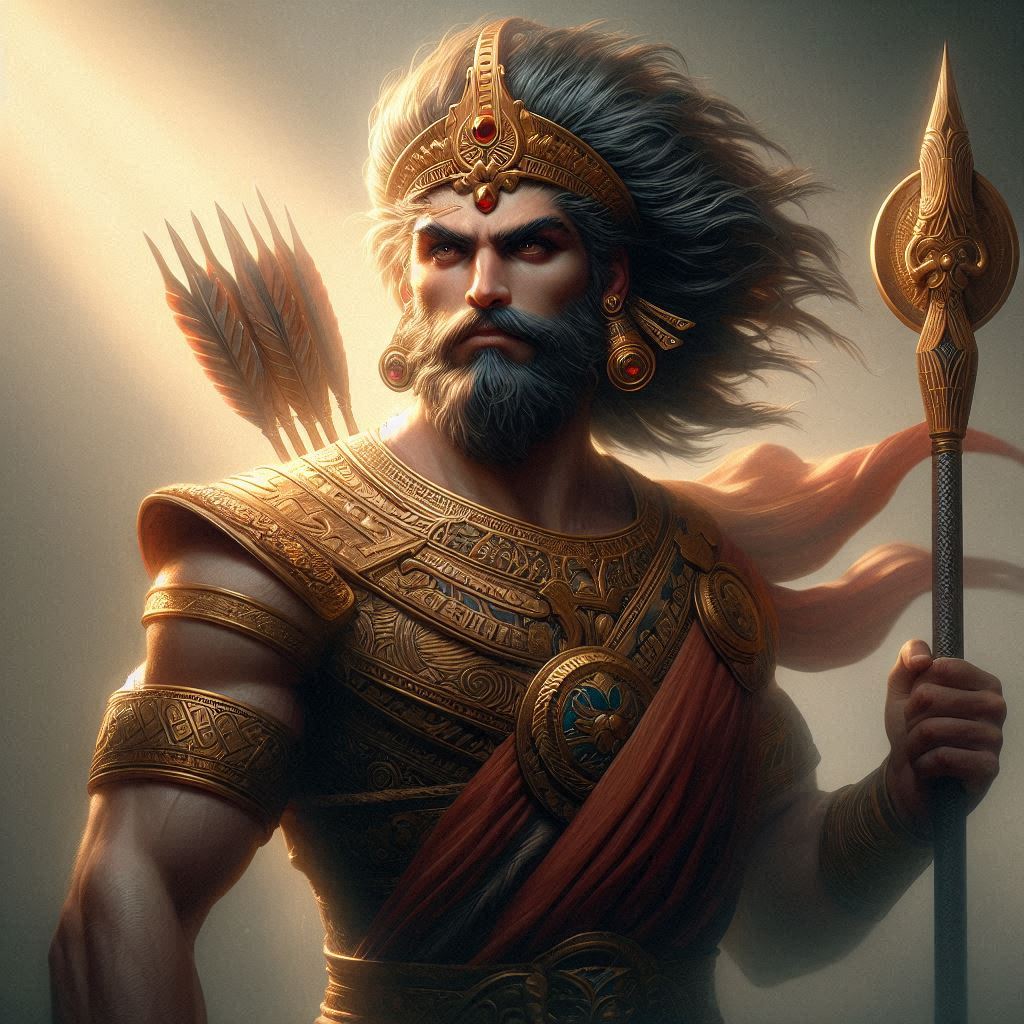
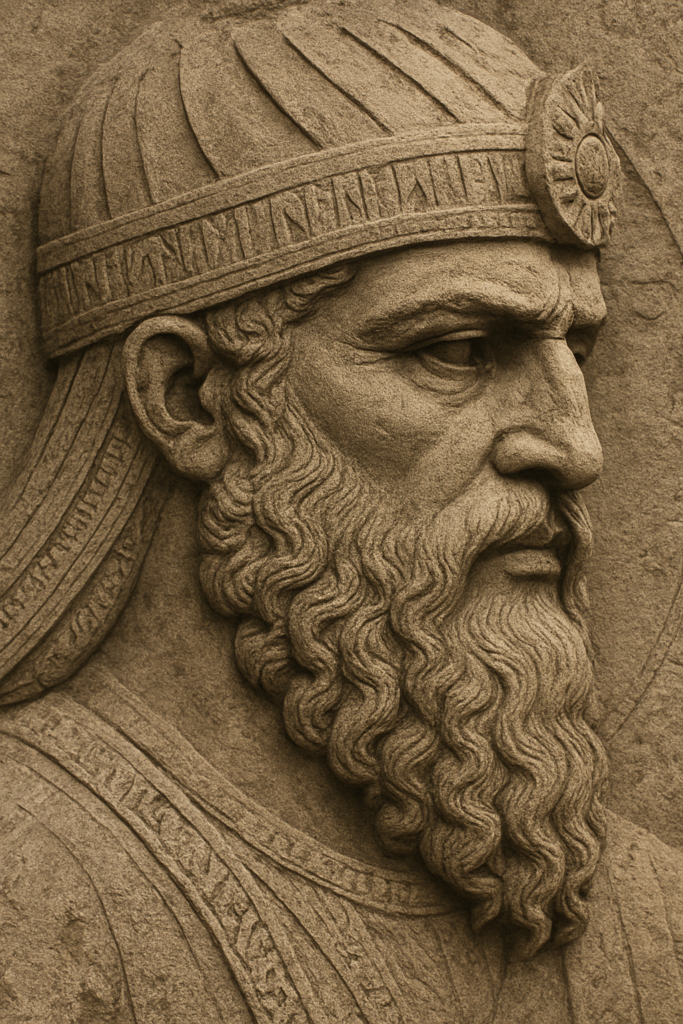
Face Transformation of Annunaki Enki From Old to Young Age
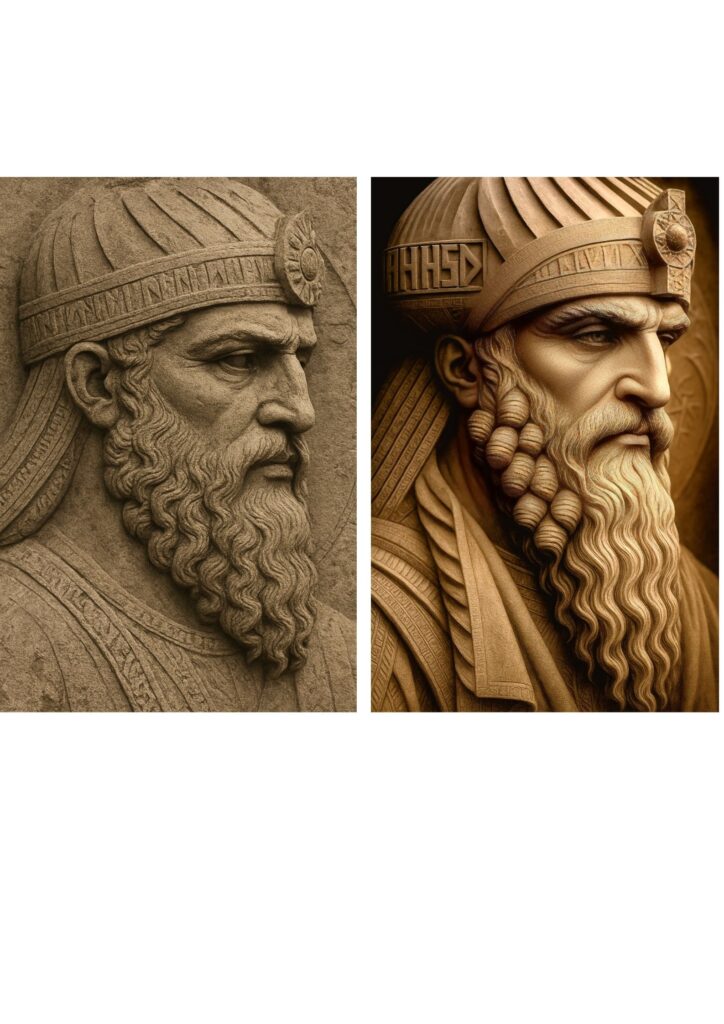
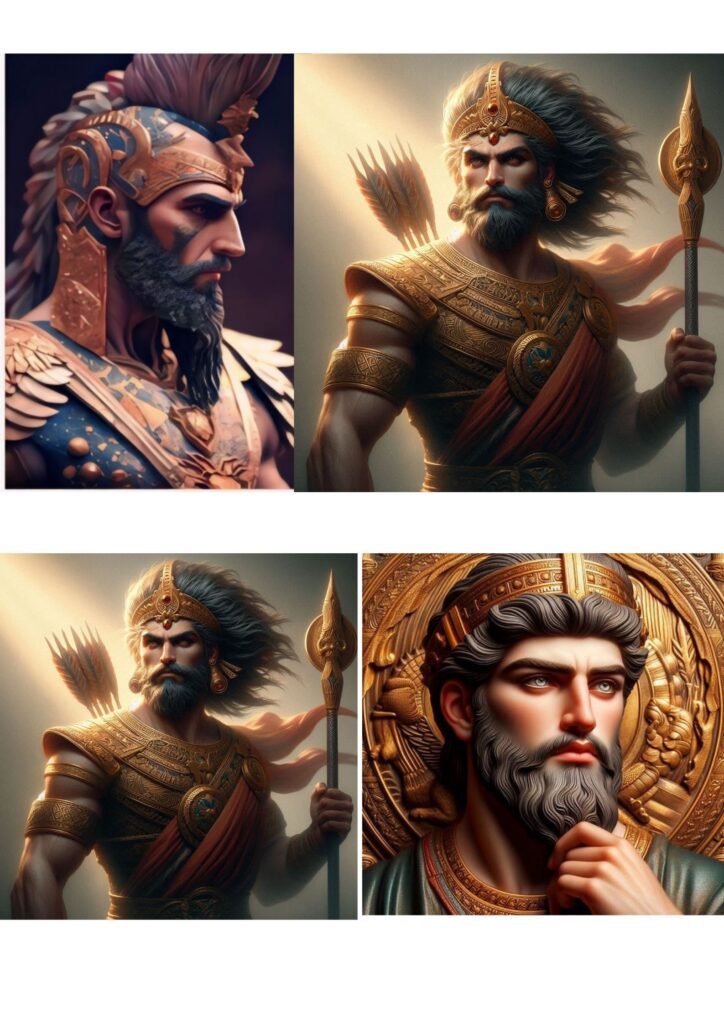
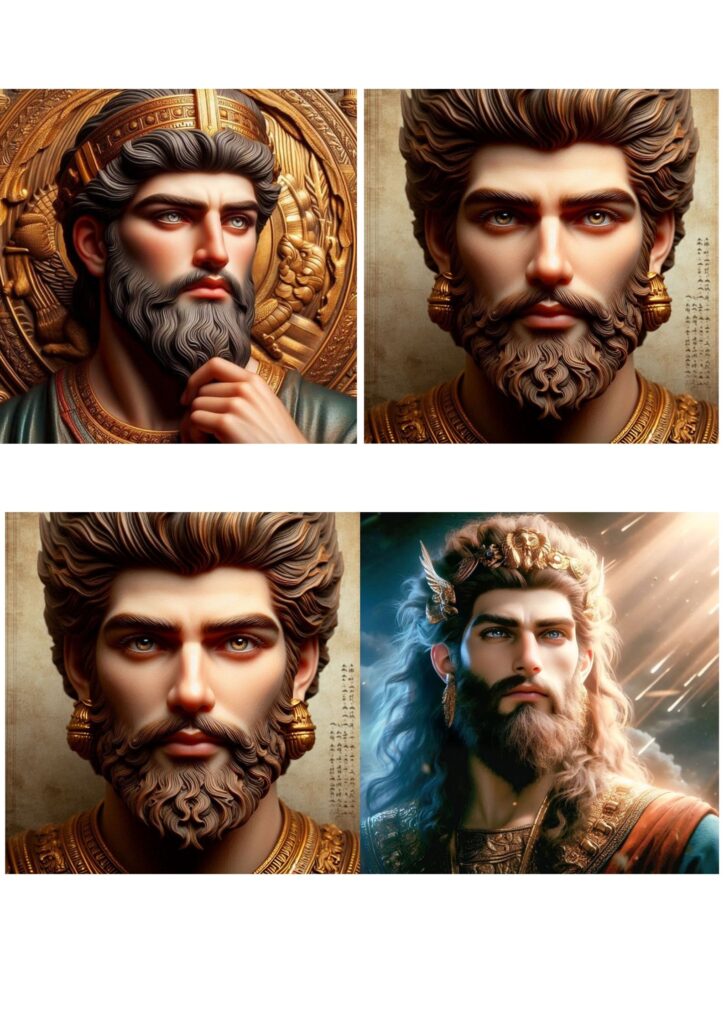
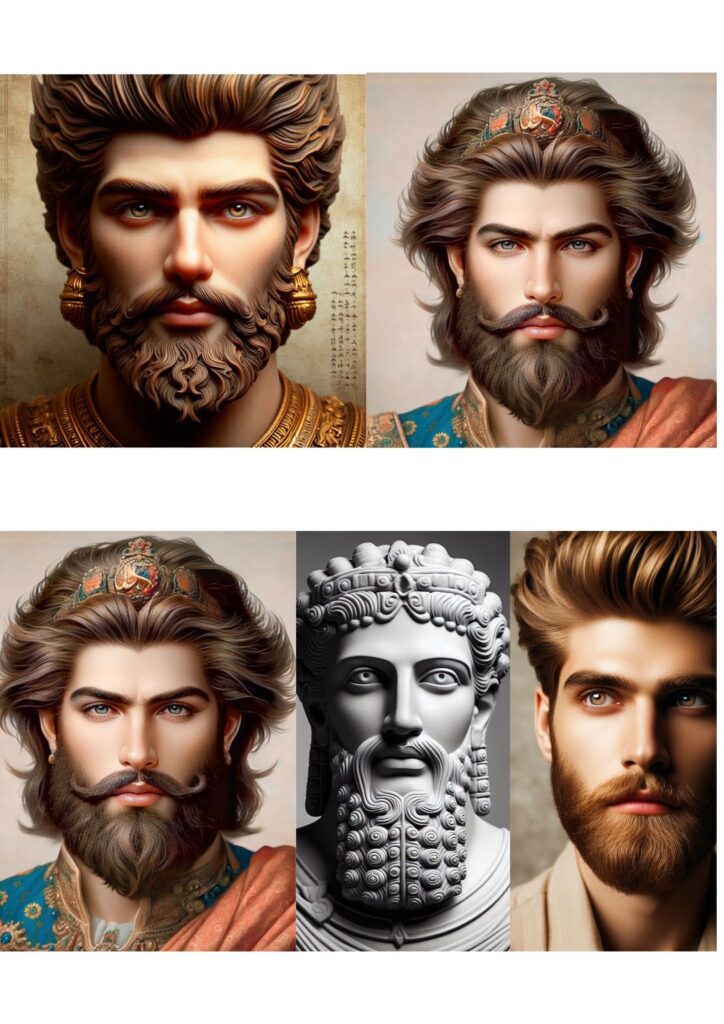
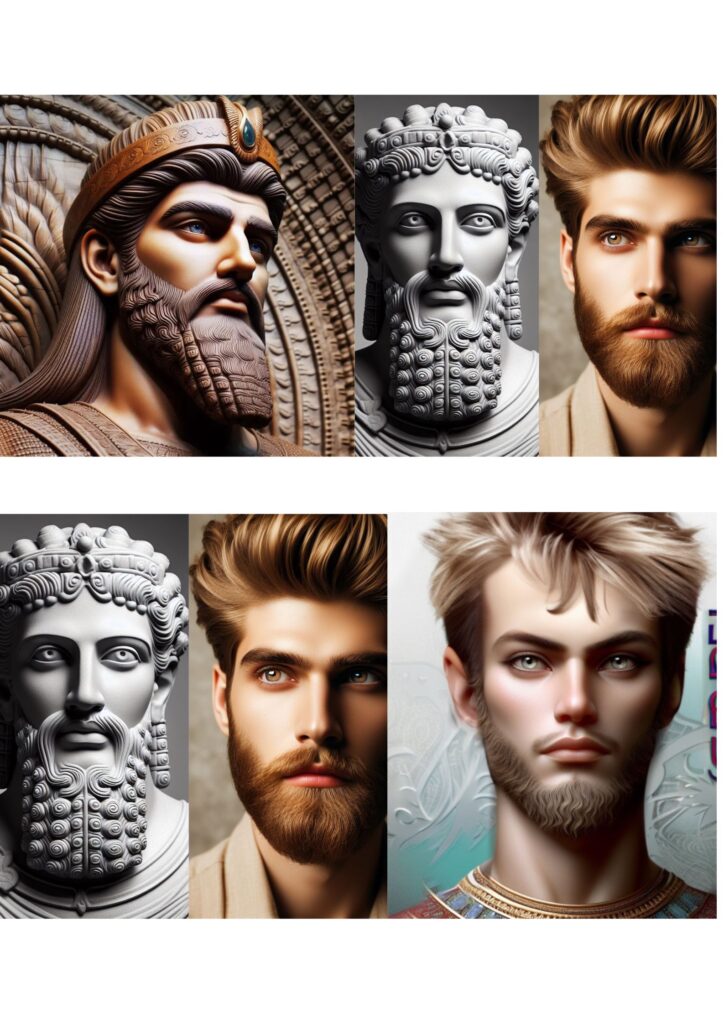
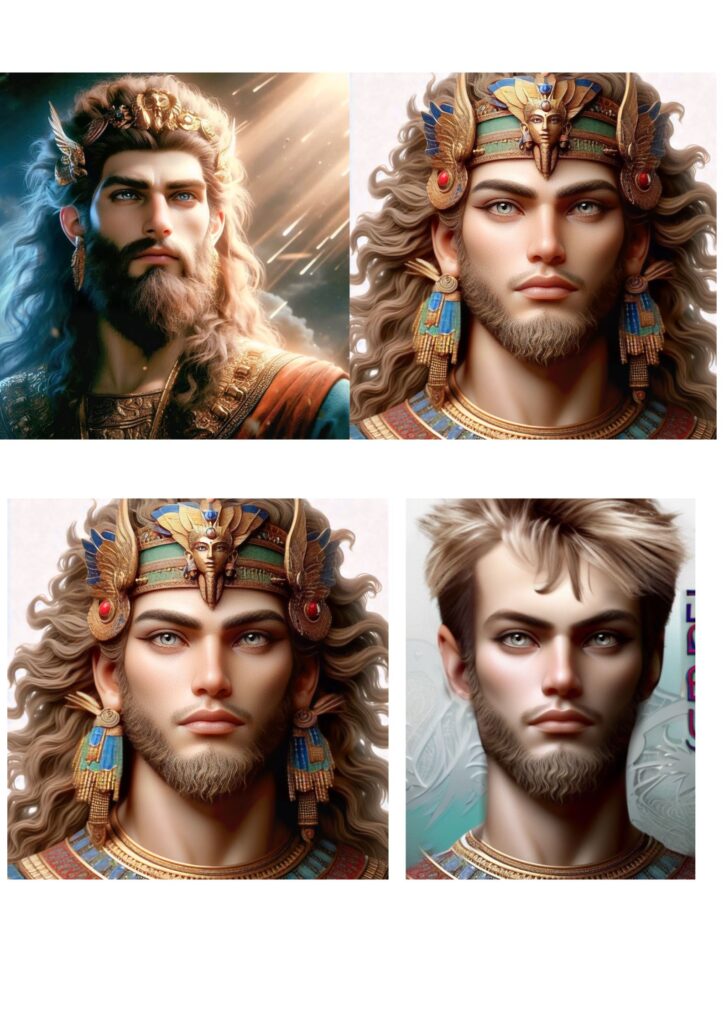
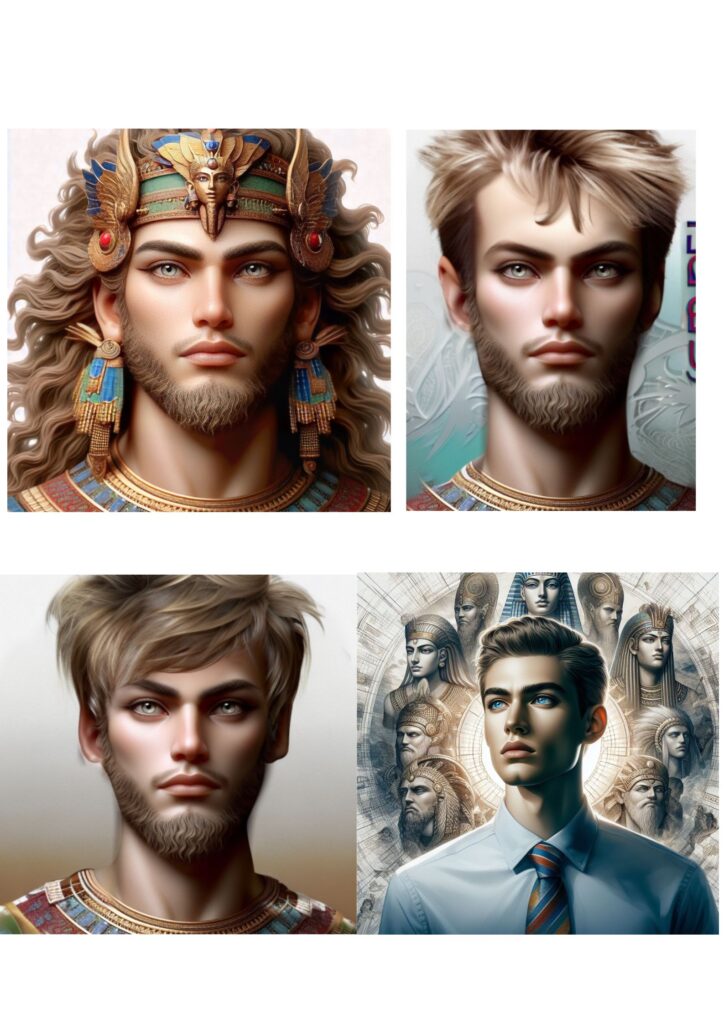
Annunaki Enki face Reconstruction through Microsoft Bing AI Software
Conclusion – was Androgynous Annunaki the same Androgynous dying and Rising authority, Mentioned as a Ruler of Eternity as per Indian Vedic Text and Egyptian Book of the Dead, Who’s face remains the same in Every Birth, as per Bhagvad-Gita Verse 4.6 , as Annunaki Enki taught knowledge of civilizations after flood and known as a Extraterrestrial.
As recurring civilization-founder figures continue to appear throughout ancient mythology, comparative symbolic analysis becomes increasingly significant within the framework of this investigation.
The following section explores visual and symbolic parallels associated with different mythological identities connected with wisdom, civilization-building, sacred authority, and recurring divine rulership traditions preserved across cultures.
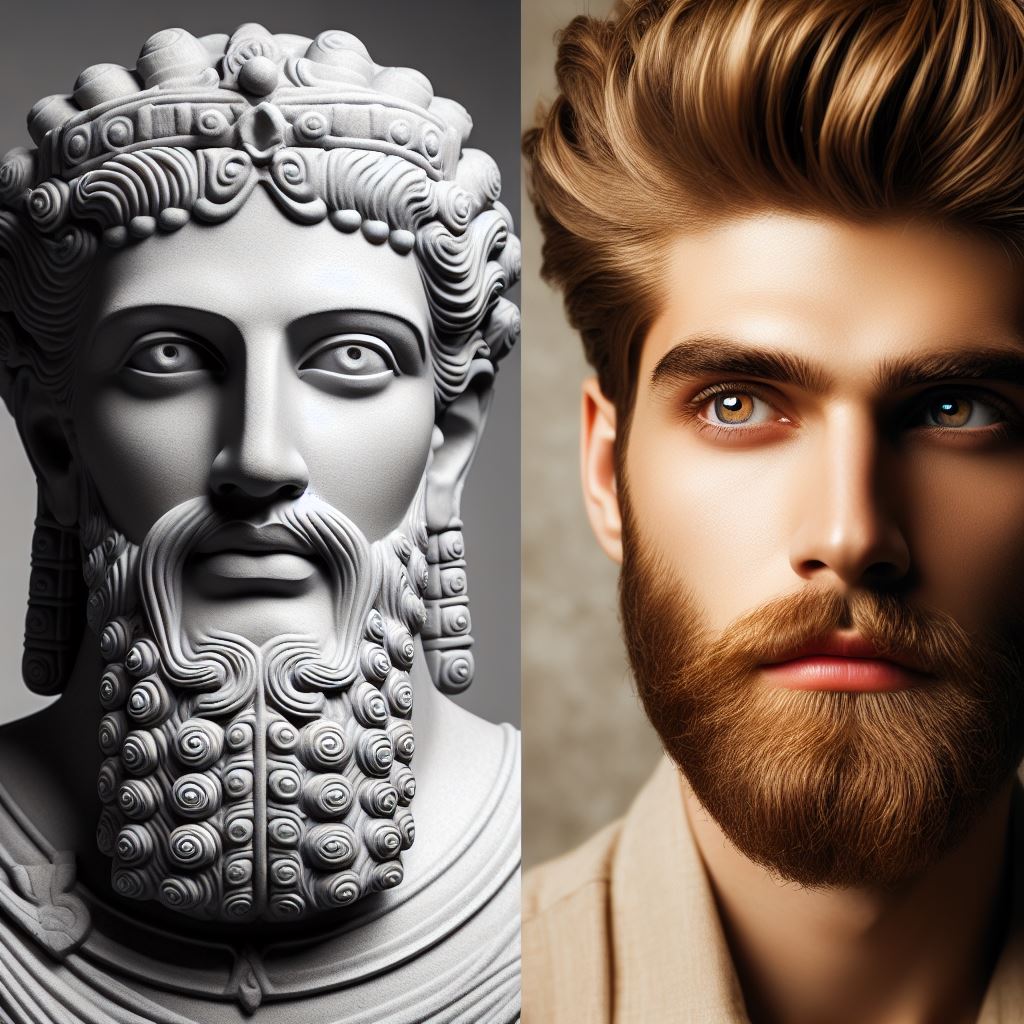
Lets Test the Hypothesis
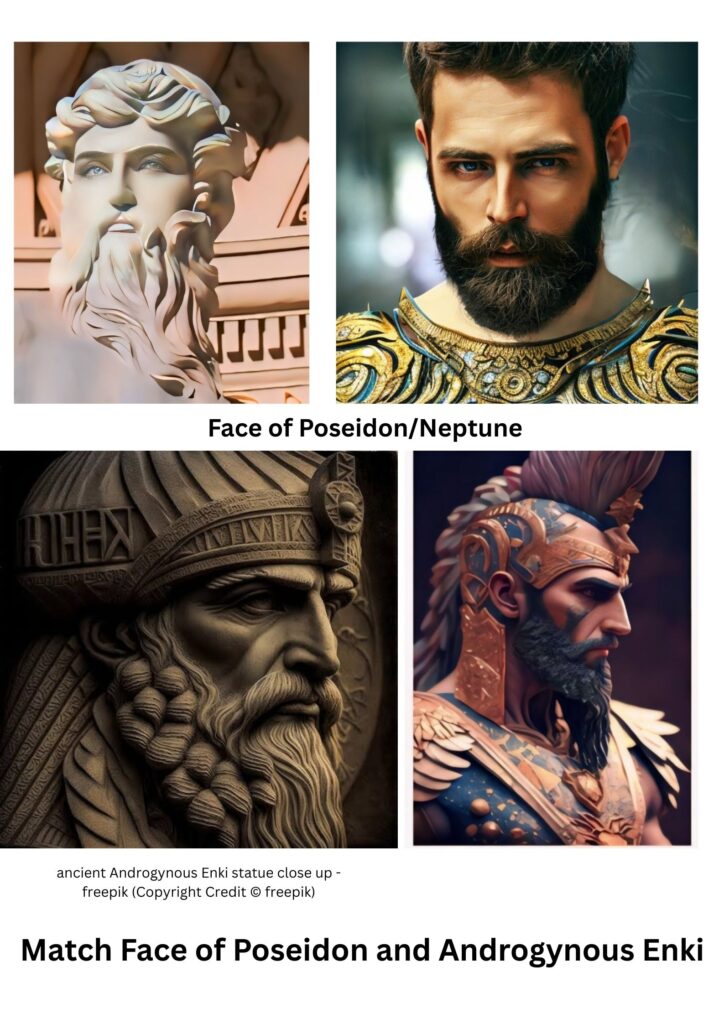
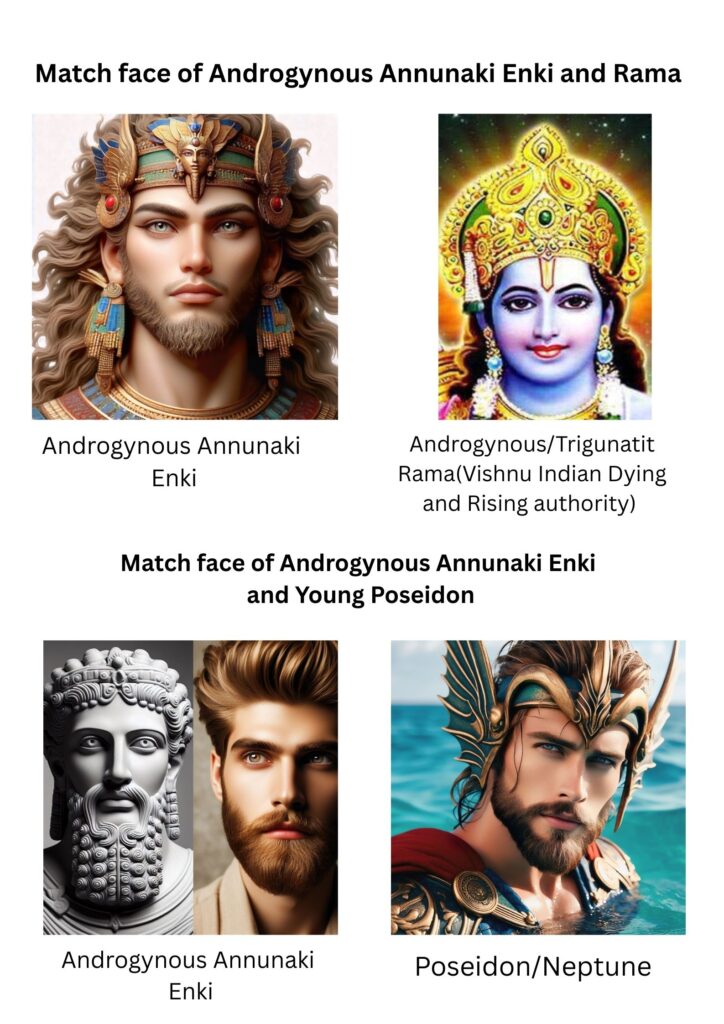
Unsolved Mystery – Annunaki Enki face Match with Another Possible Births of this Creator of civilizations and Dynasty founder Androgynous Dying and Rising authority Mentioned in Indian vedic text, and Egyptian book of the dead.it is Biggest unsolved Mystery.
Ain ghazal Statue, Jordan, 8000-7000 BC

Image by Michael Gunther CC BY SA 4.0
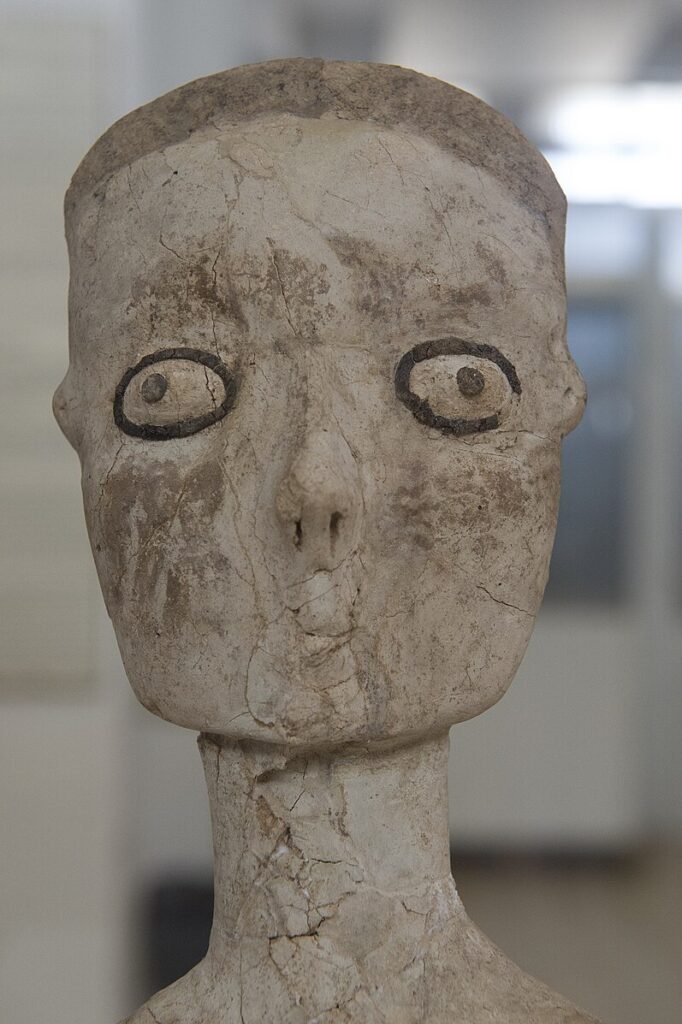
Image by dosseman CC BY SA 4.0
As the timeline advances closer toward the rise of organized civilization, recurring themes of sacred knowledge, fertility symbolism, civilization-building, divine rulership, and mysterious closed-mouth figures continue to emerge across multiple ancient cultures.
Whether these similarities represent shared mythology, cultural transmission, symbolic coincidence, spiritual allegory, or fragmented memories of forgotten civilizations remains an unresolved mystery.
The investigation continues in Part 4, where additional ancient civilizations, sacred traditions, unexplained artifacts, and recurring divine figures will be examined through the framework of cyclical civilization and the Eternal Authority hypothesis.
Every age leaves symbols behind.
Every civilization preserves fragments of memory.
And every closed mouth may guard a forgotten truth.