
Era of First Kings, Sacred Dynasties, and Dying-and-Rising Divine Traditions
(Mythic Prehistory – 8,000 BC to Early Dynastic Egypt)
In Part 3 of the Closed Mouth Mysteries Timeline, the investigation explored prehistoric fertility figures, closed-mouth statues, ancient wisdom bringer traditions, and recurring symbolic patterns associated with civilization-founder deities appearing across Eurasia and the ancient Near East.
Part 4 continues this investigation by examining the legendary first king Keyumars, ancient Near Eastern fertility symbolism, androgynous divine traditions associated with Cybele and Attis, prehistoric ritual figures, and the continuing appearance of recurring civilization-founder archetypes preserved across mythology, sacred traditions, and archaeological discoveries.
Through the symbolic framework of the Eternal Authority hypothesis, this section explores whether recurring themes of divine rulership, sacred knowledge, rebirth symbolism, and civilization restoration may preserve fragmented memories of recurring spiritual authority appearing across different ages of human history.
Keyumars – First Man (Founder of Pishdadian Dynasty)
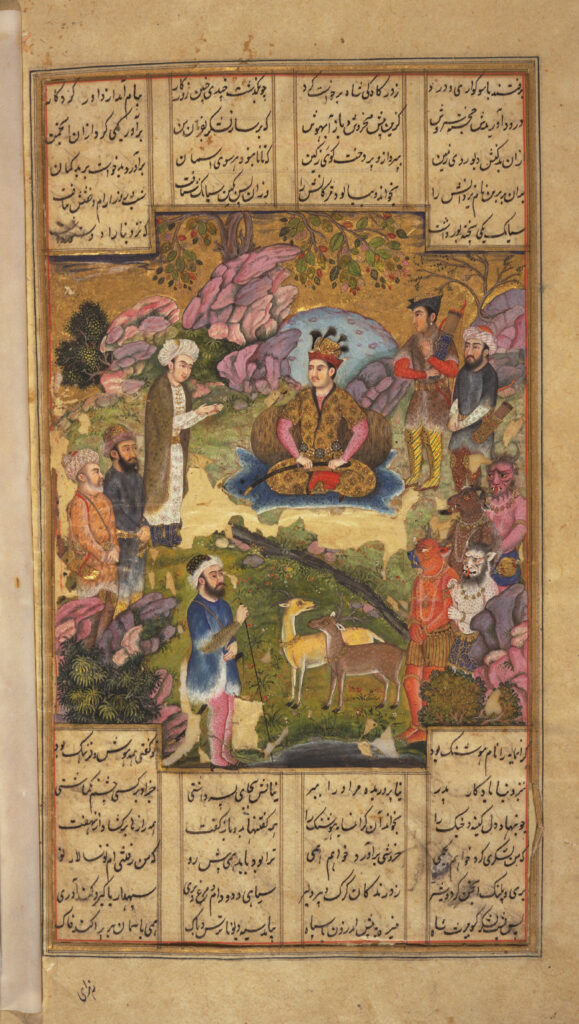
The Pishdadian kings are said to be the earliest rulers of the world, according to the Shahnameh and Zoroastrian texts.
According to the Shahnameh and Zoroastrian texts, Keyumars was the first human and the first king of the world, living in the mountains and wearing leopard skin.
Symbol of Civilization: He taught humans how to live—introducing food preparation, clothing, and the principles of justice. He’s often called the pišdād, meaning “the first to practice justice”
Divine Favor: He was granted the farr, a divine radiance symbolizing royal glory and legitimacy
During his reign, humans lived among wild animals, gradually learning to domesticate them. Keyumars introduced the earliest forms of law, justice, and royal customs. He was so revered that even beasts paid homage to him. Ahura Mazda granted him the divine radiance known as farr, a supernatural light reserved for rightful kings.Keyumars’ legacy is profound. He is remembered not just as a mythical ancestor, but as a symbol of justice, divine favor, and the beginning of human civilization. His name itself — derived from Avestan roots meaning “mortal life” — reflects his role as the bridge between divine creation and earthly existence.
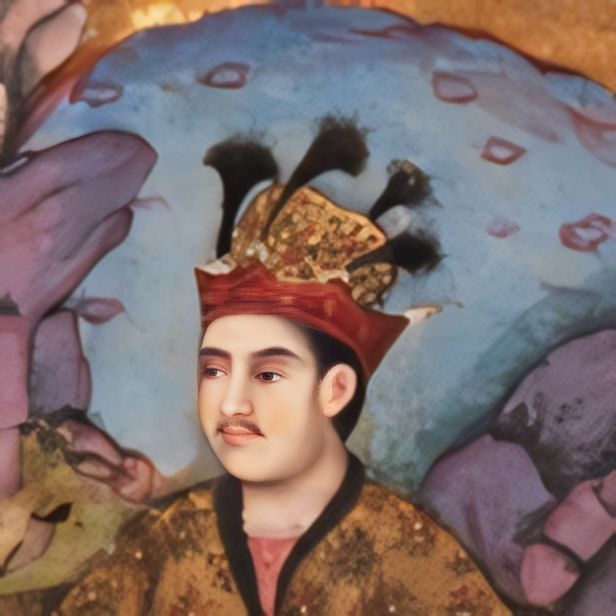
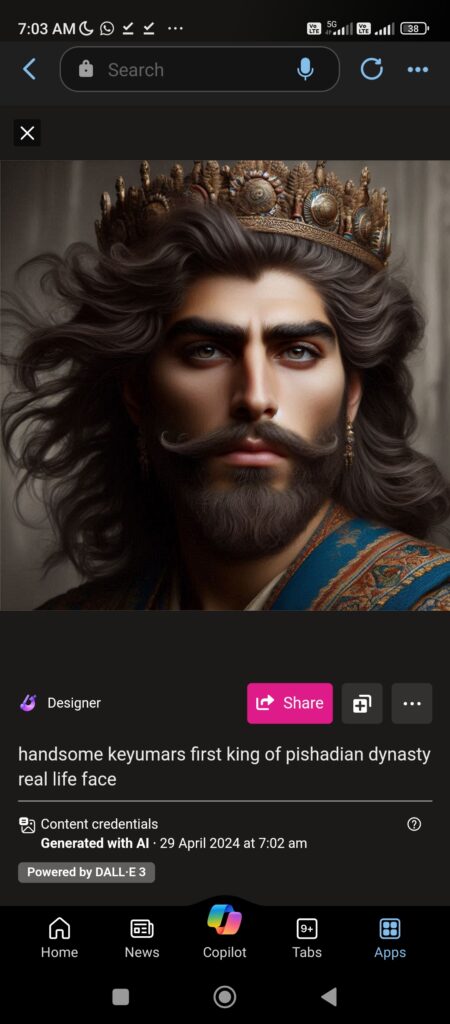
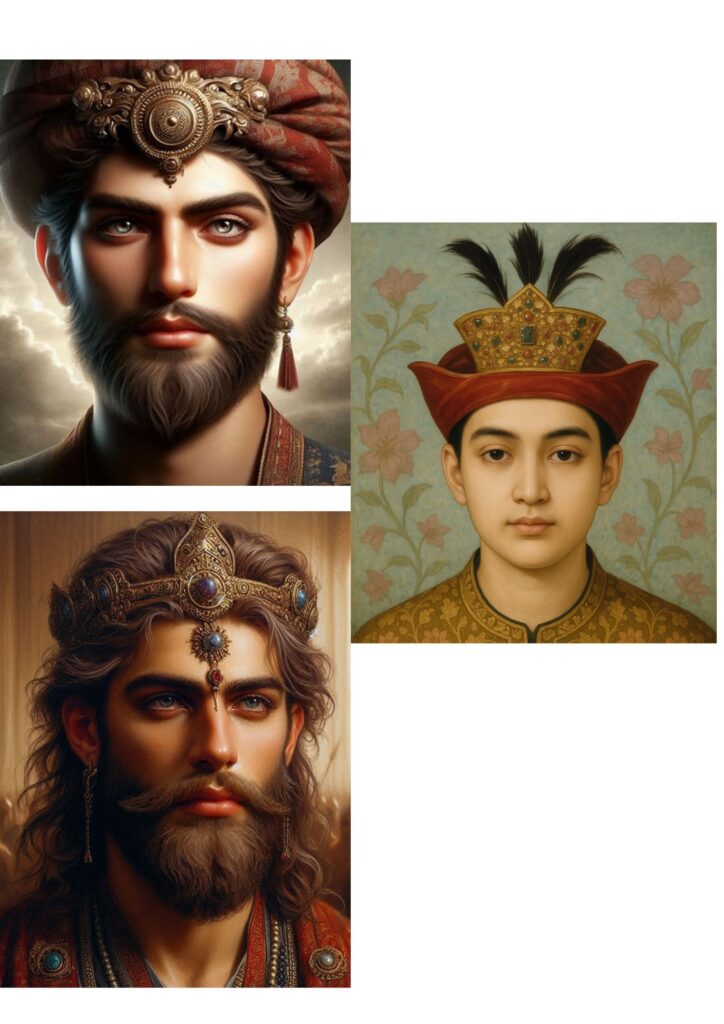
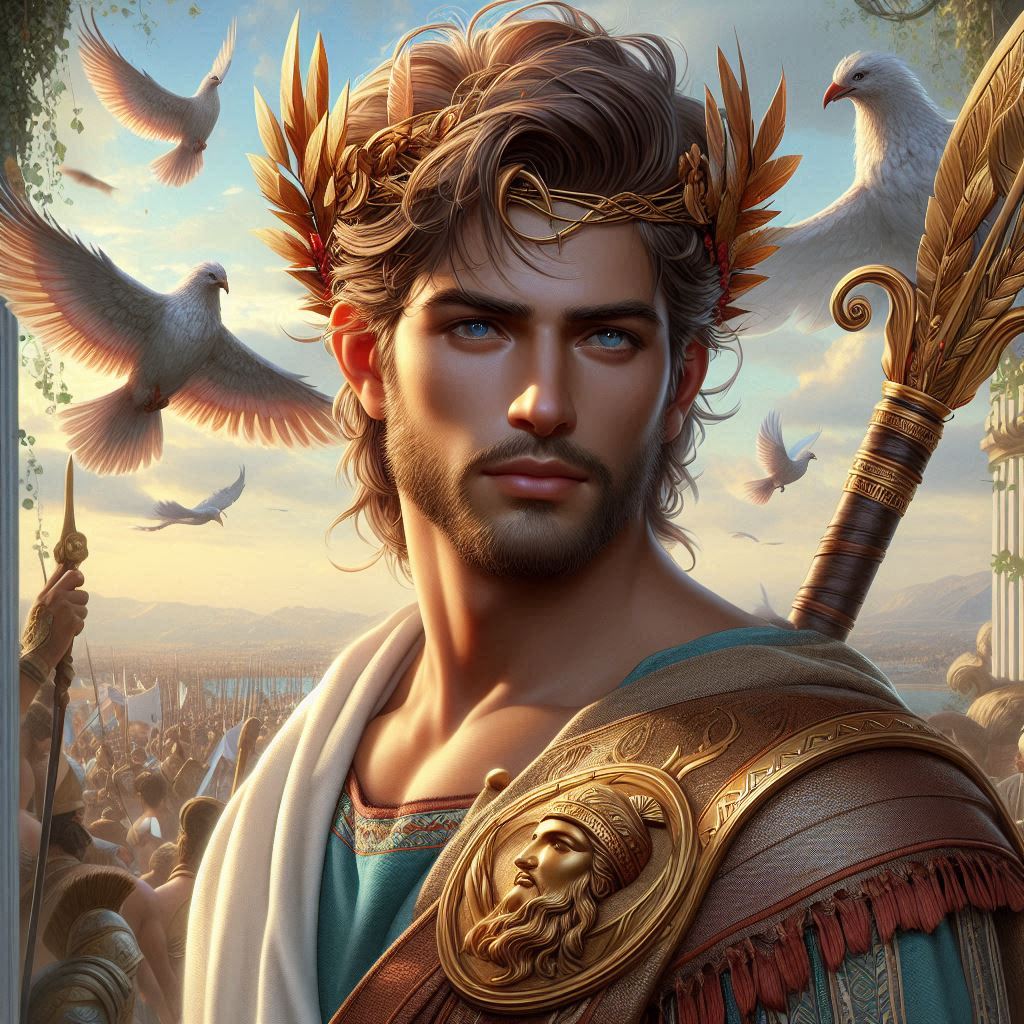
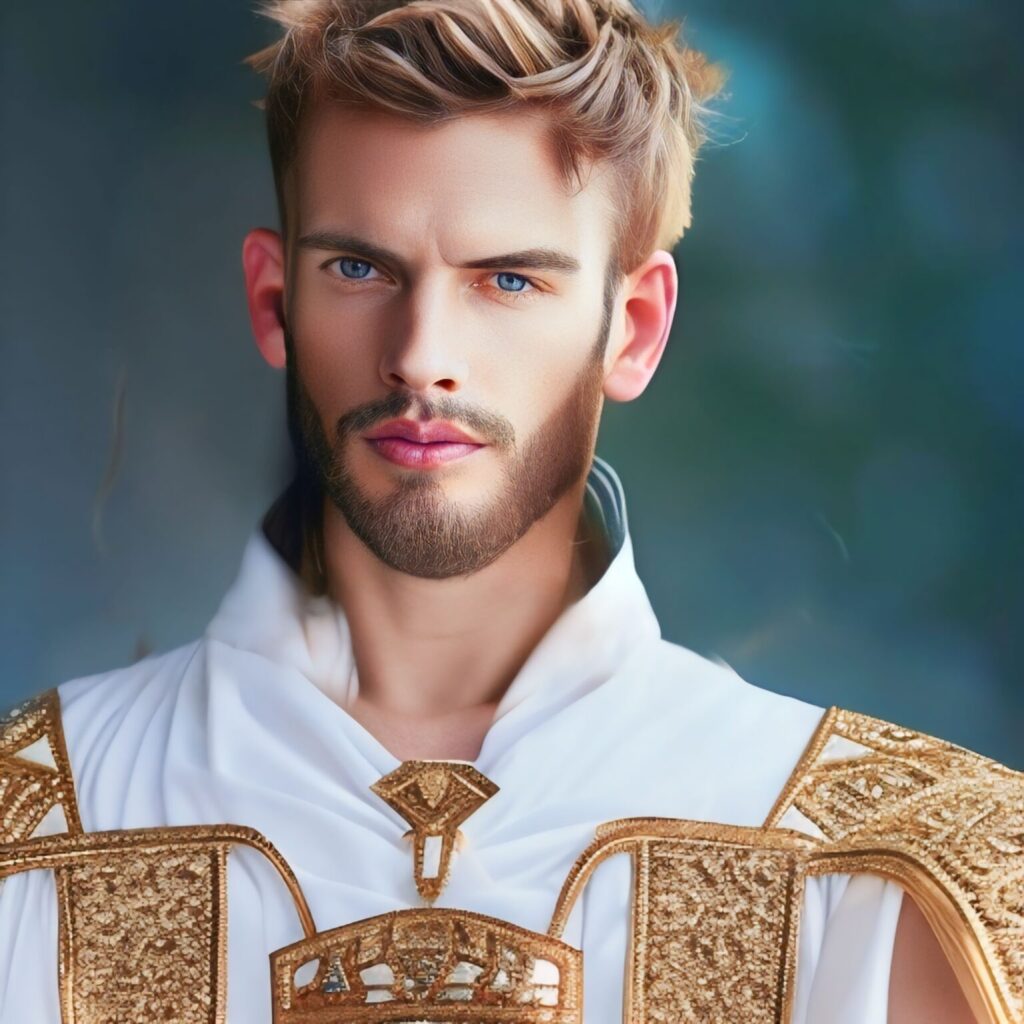
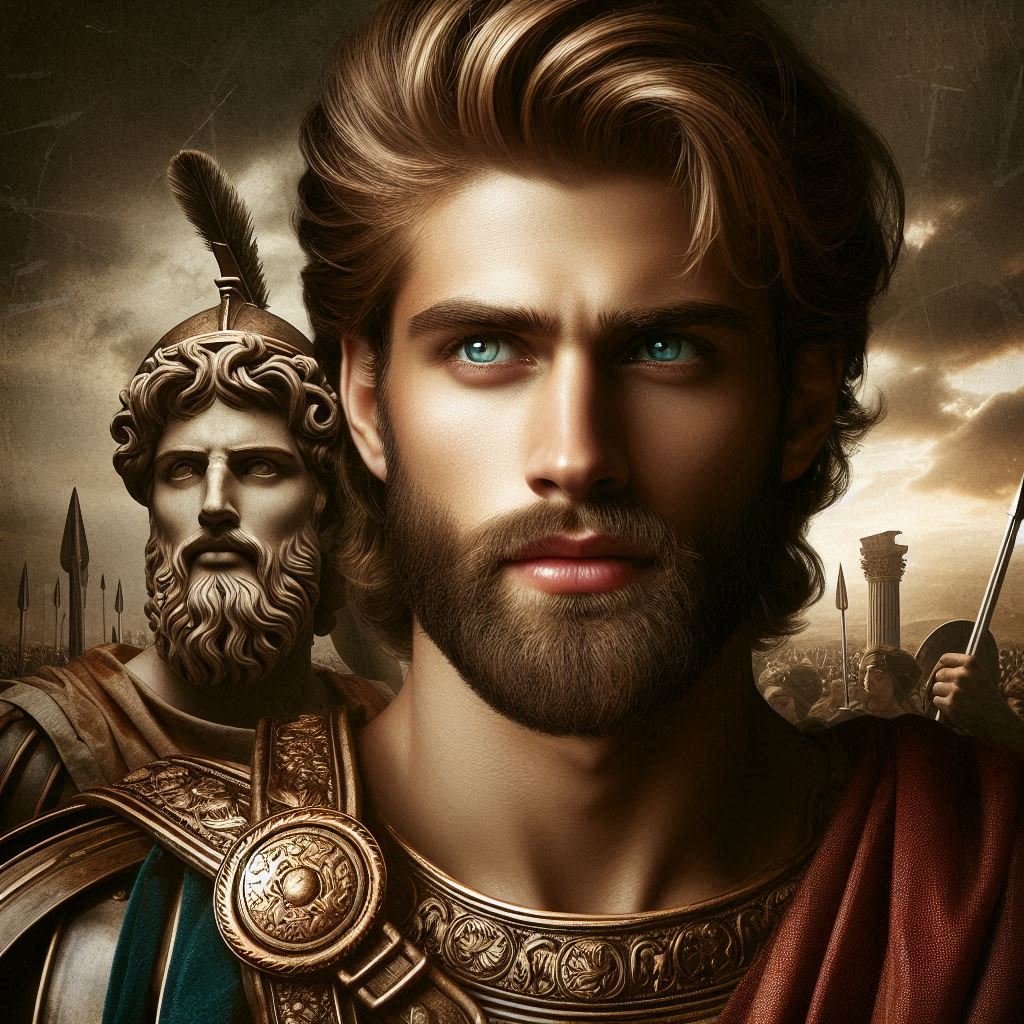
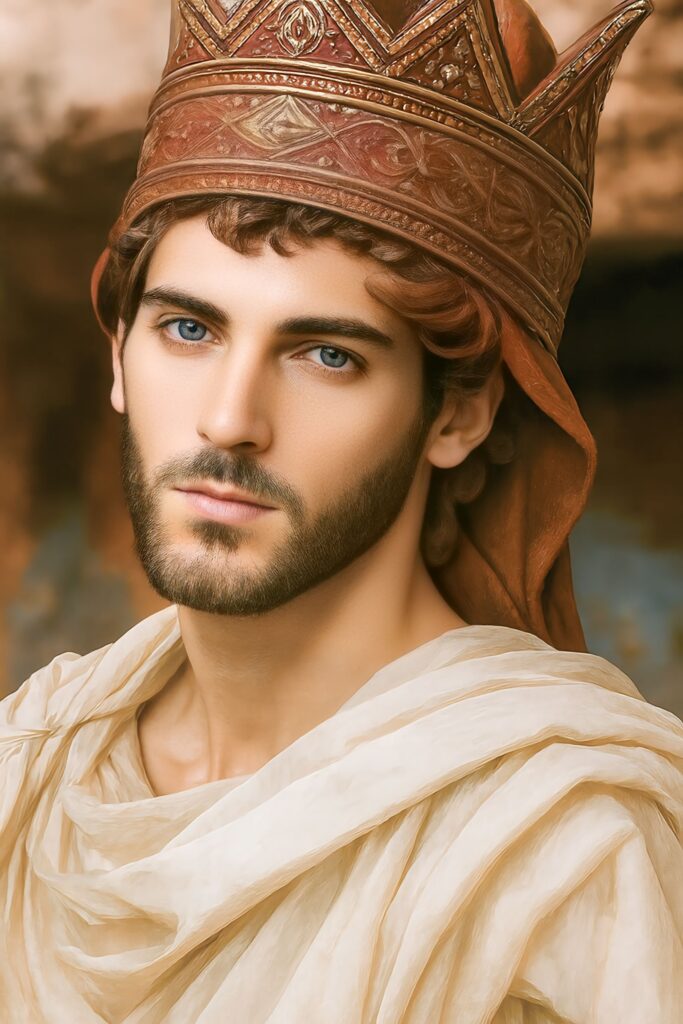
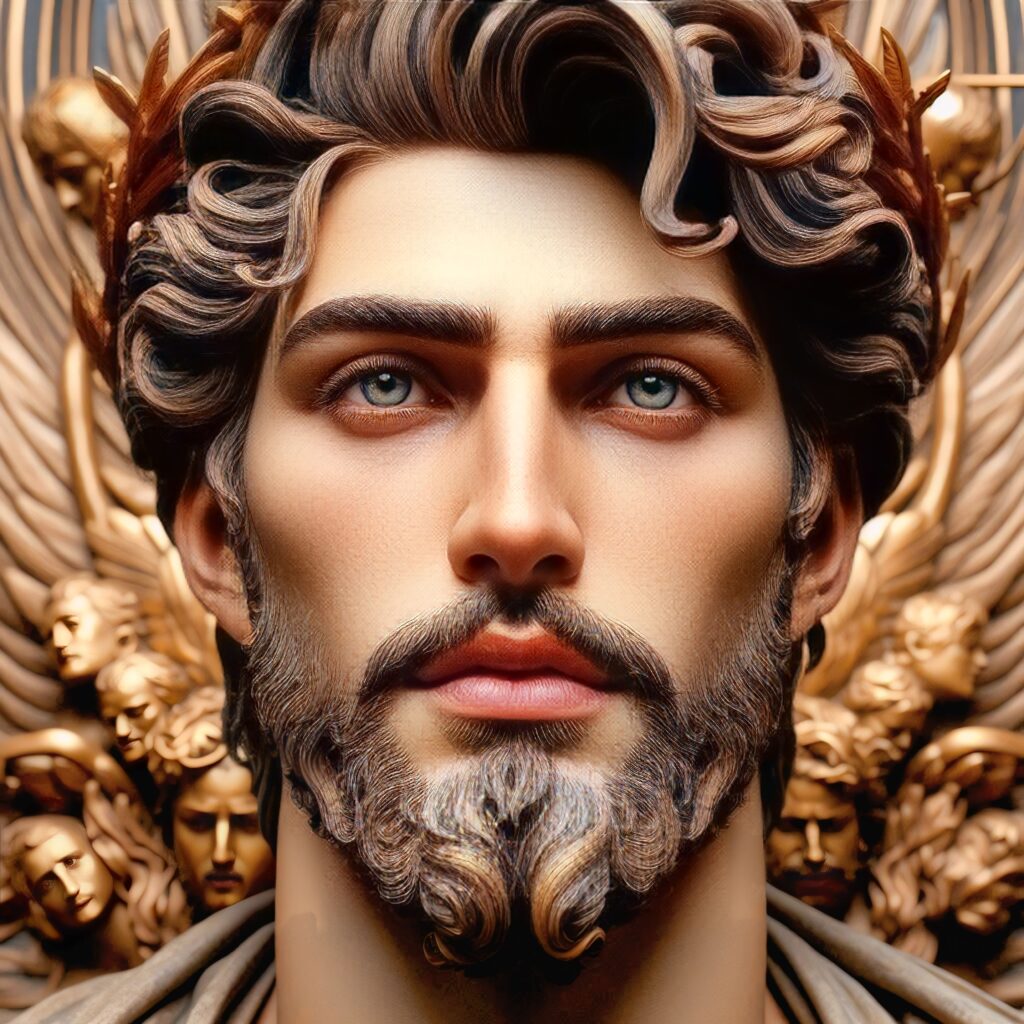
Various artistic interpretations and AI-assisted visual reconstructions of Keyumars are presented below for comparison and research purposes.
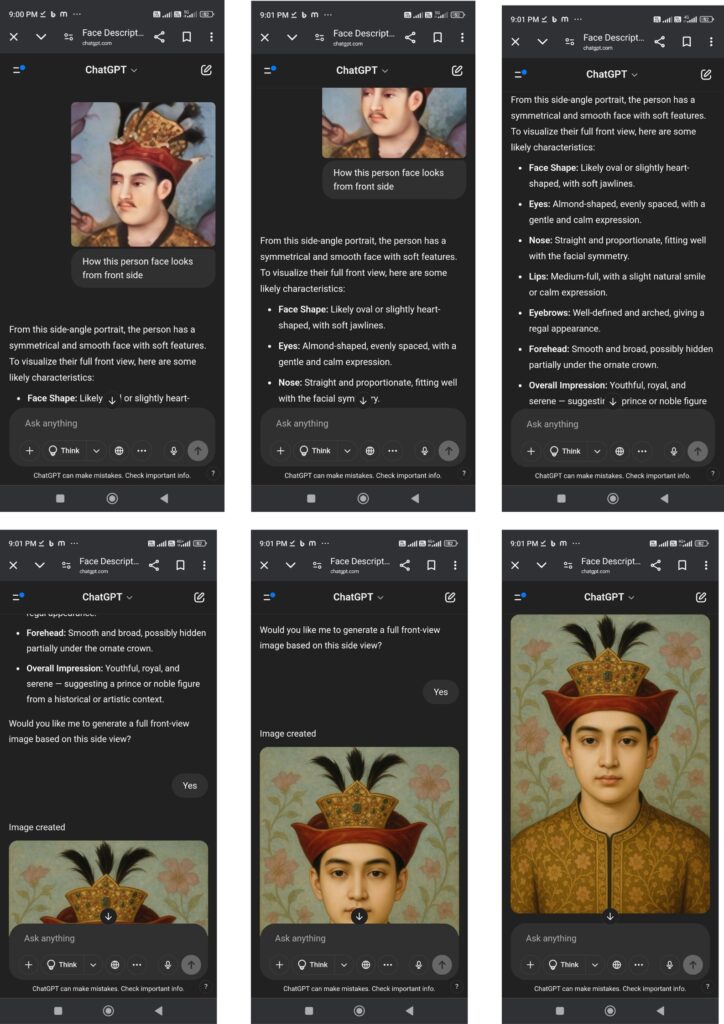
Download individual images from here
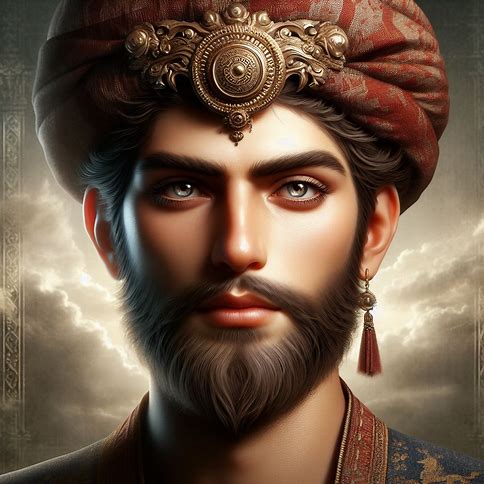
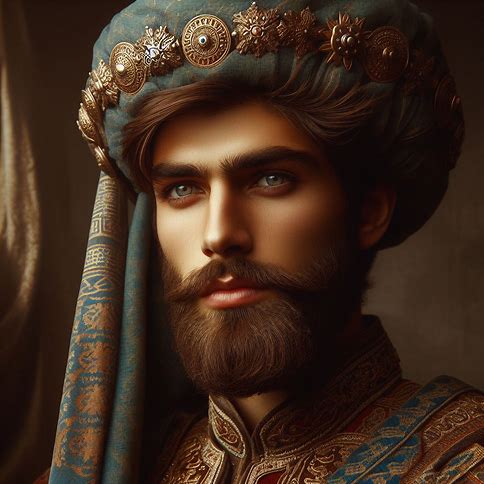
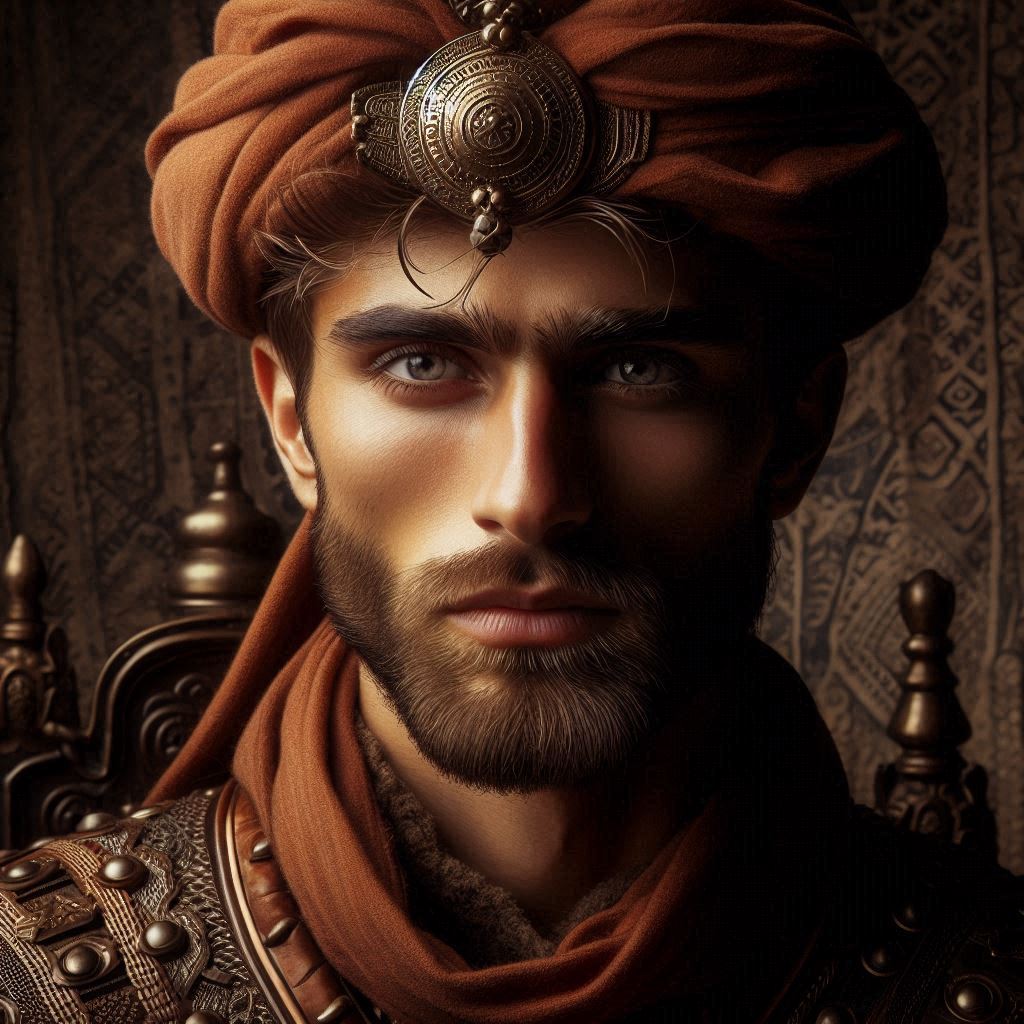
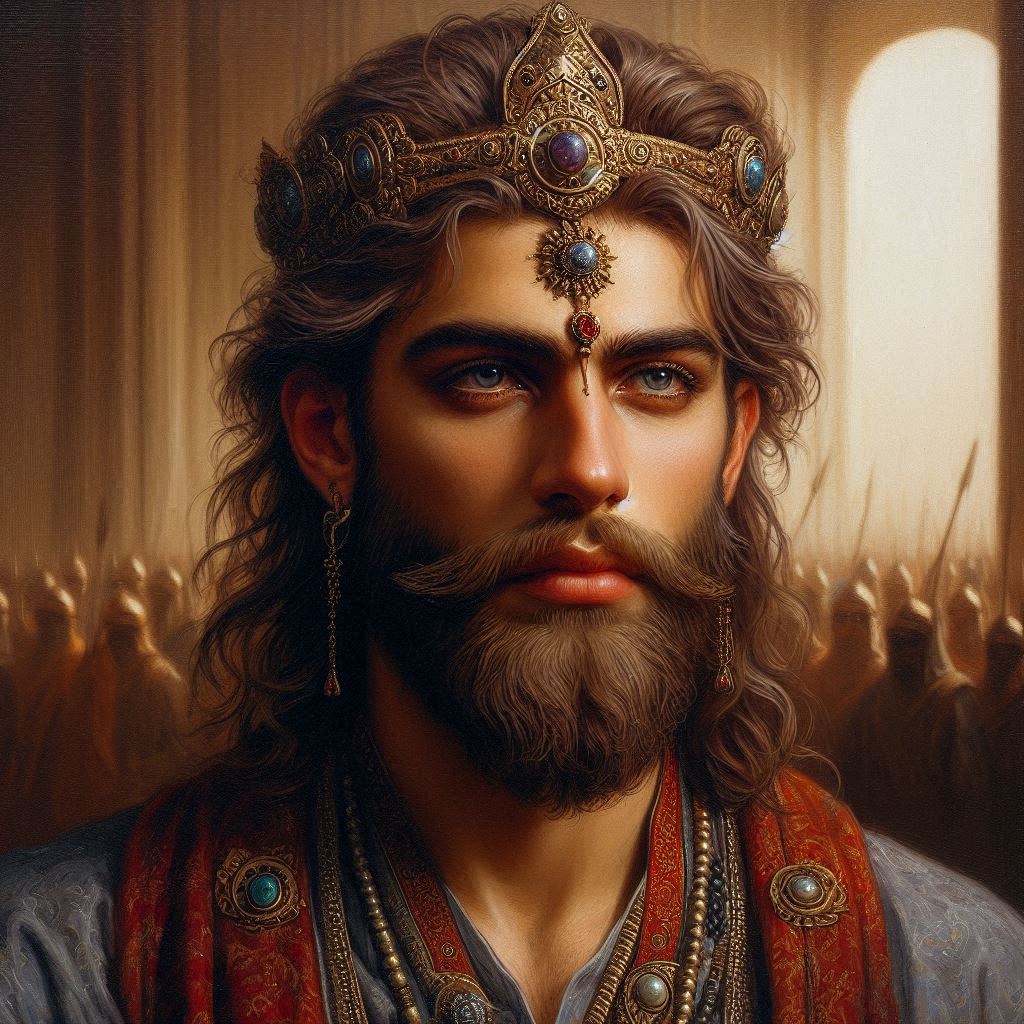
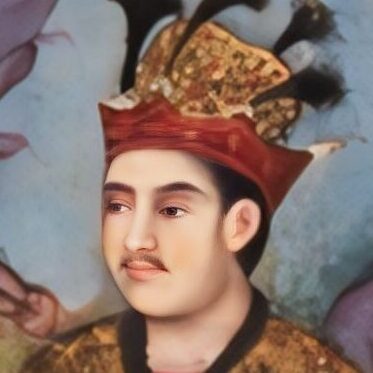
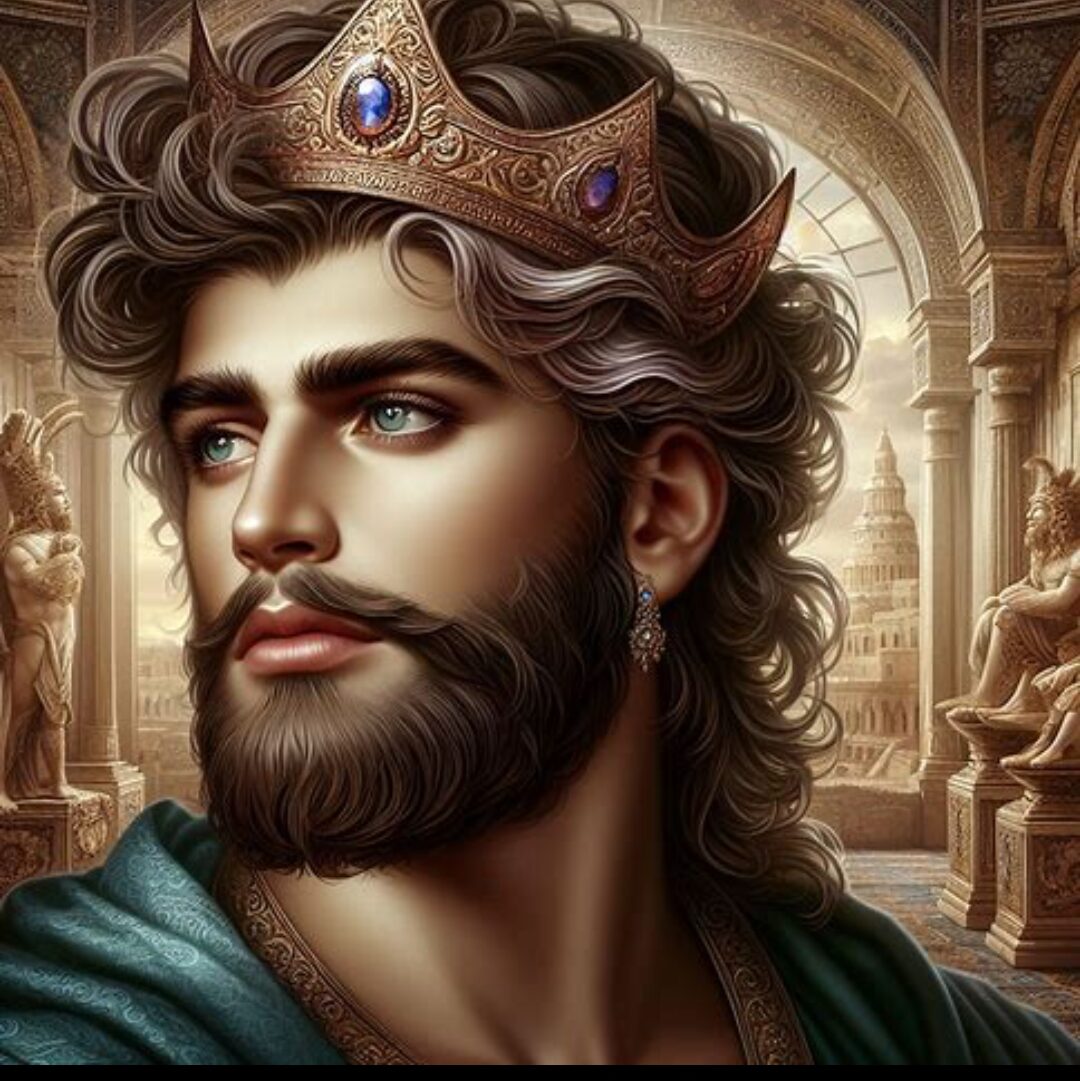
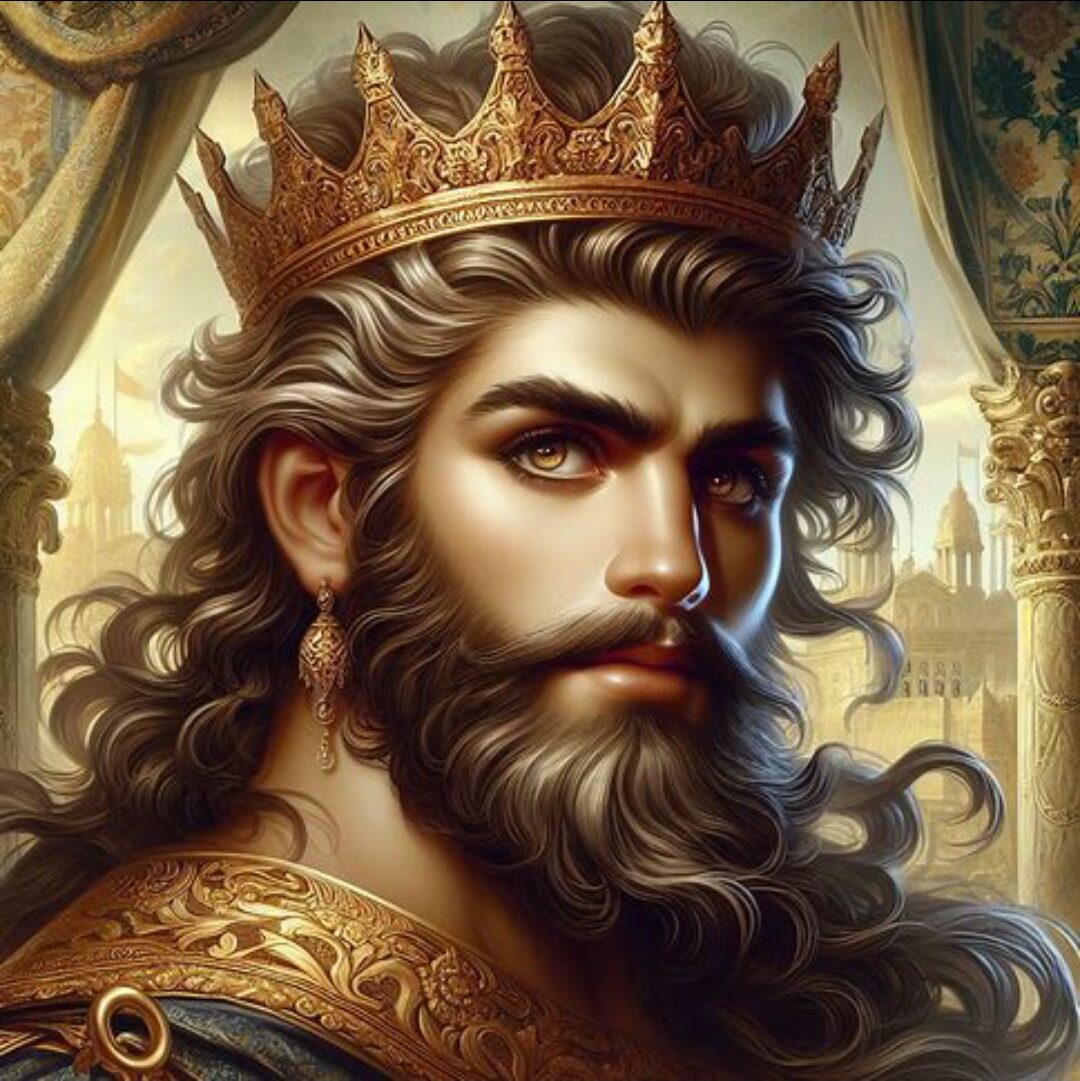
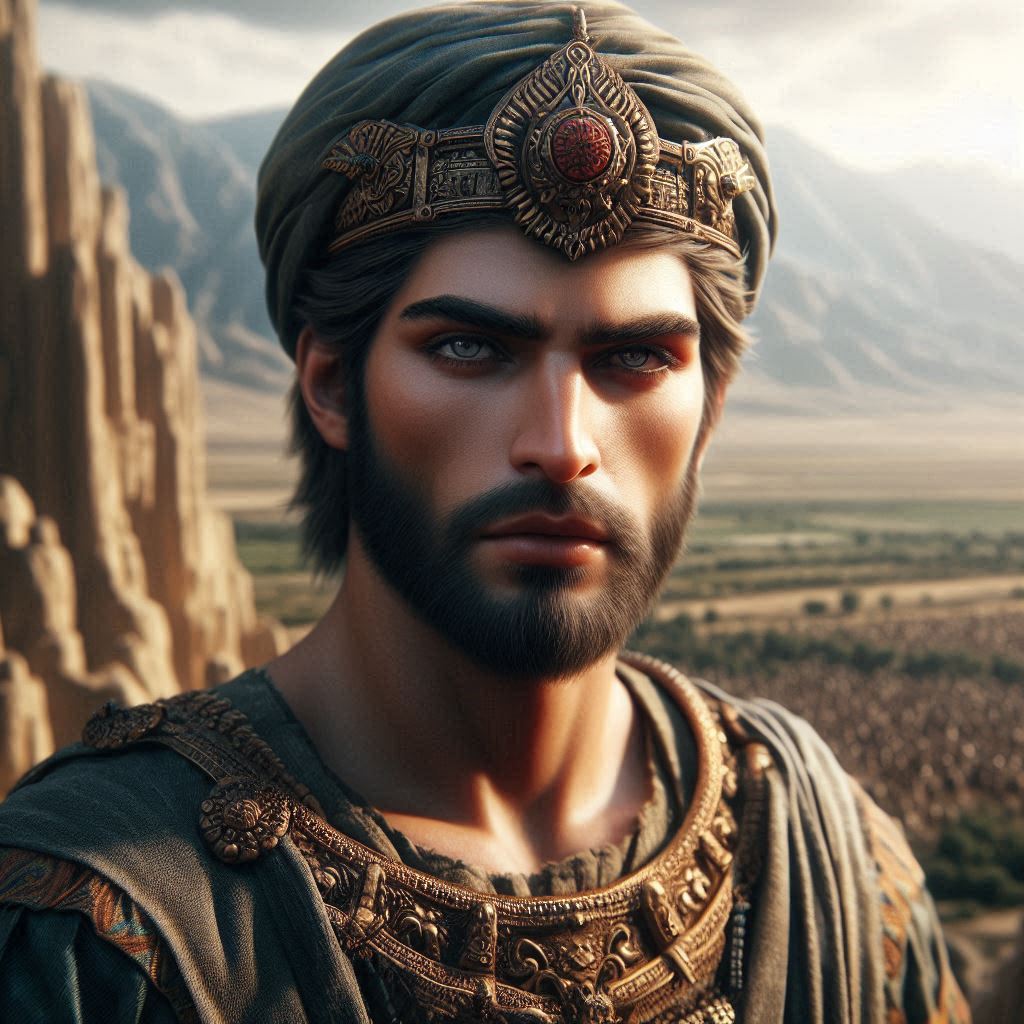
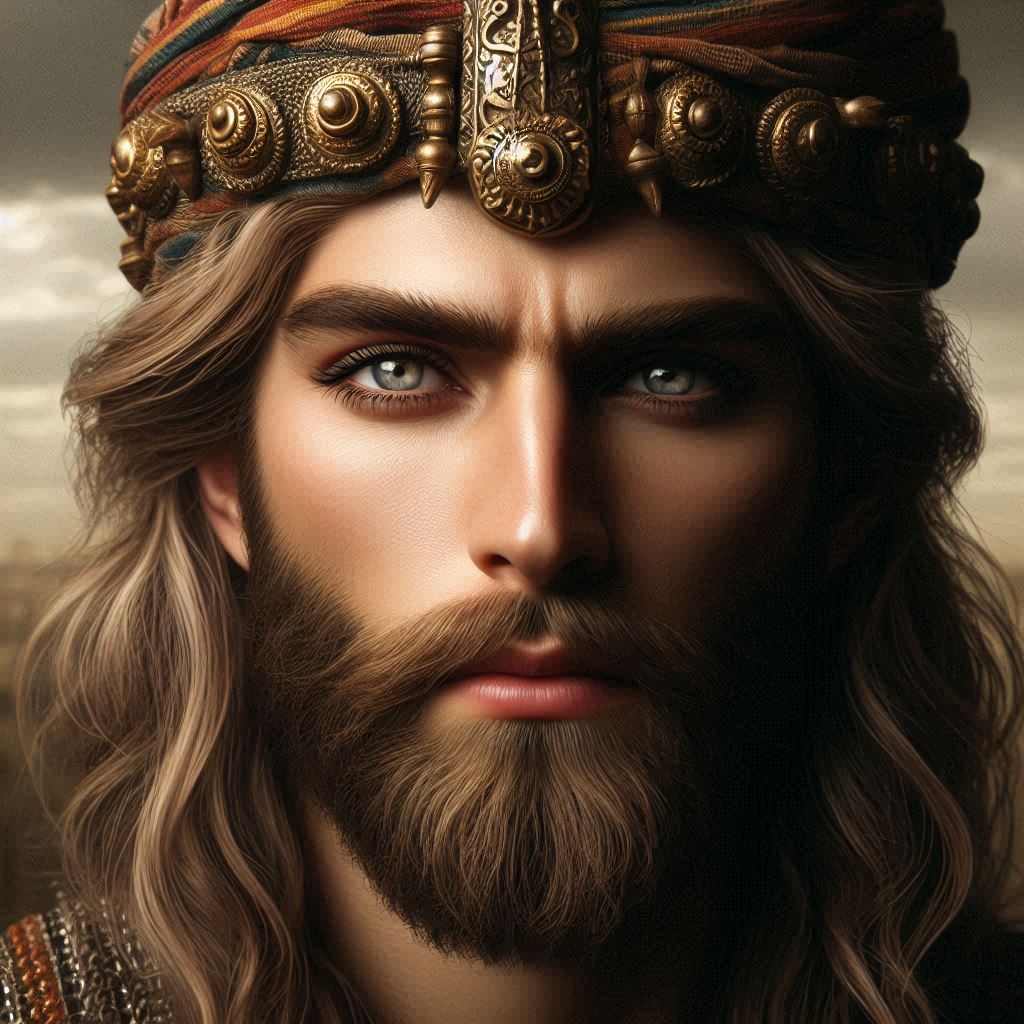
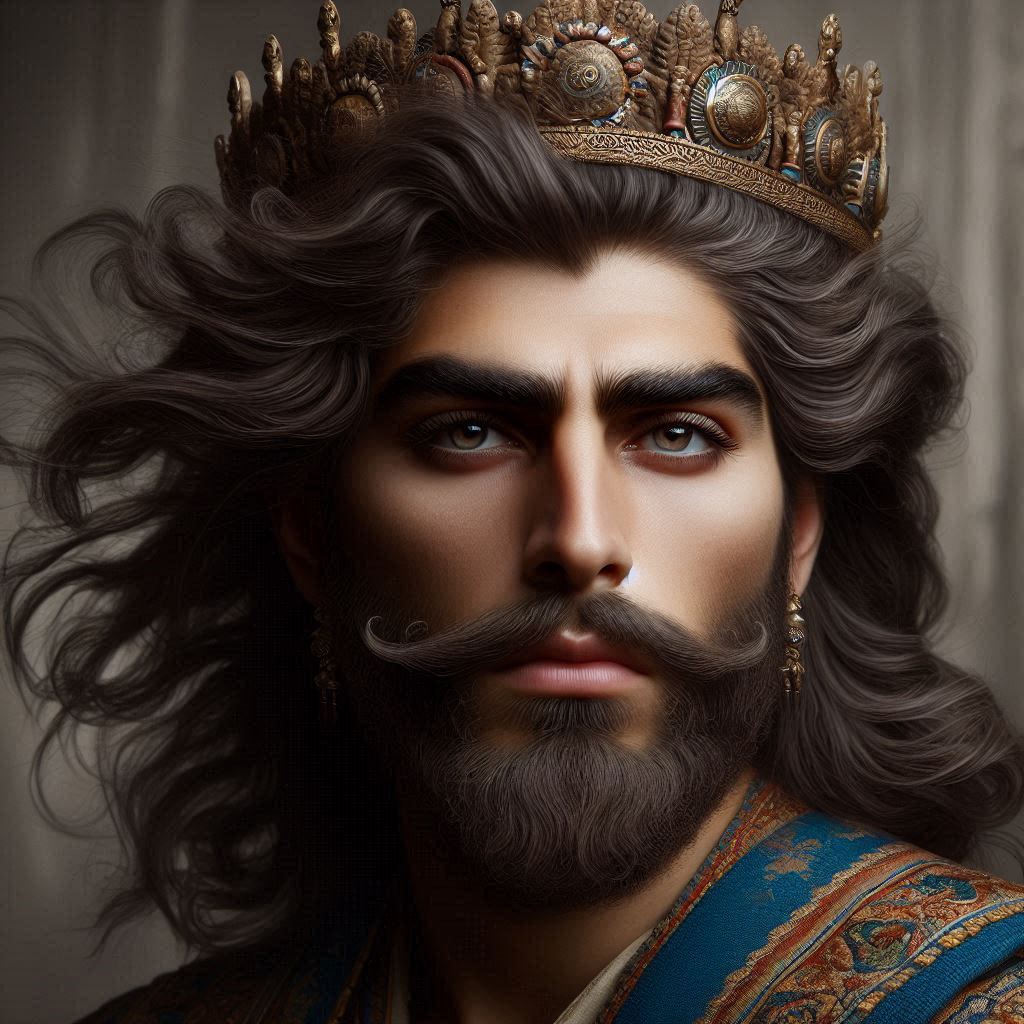
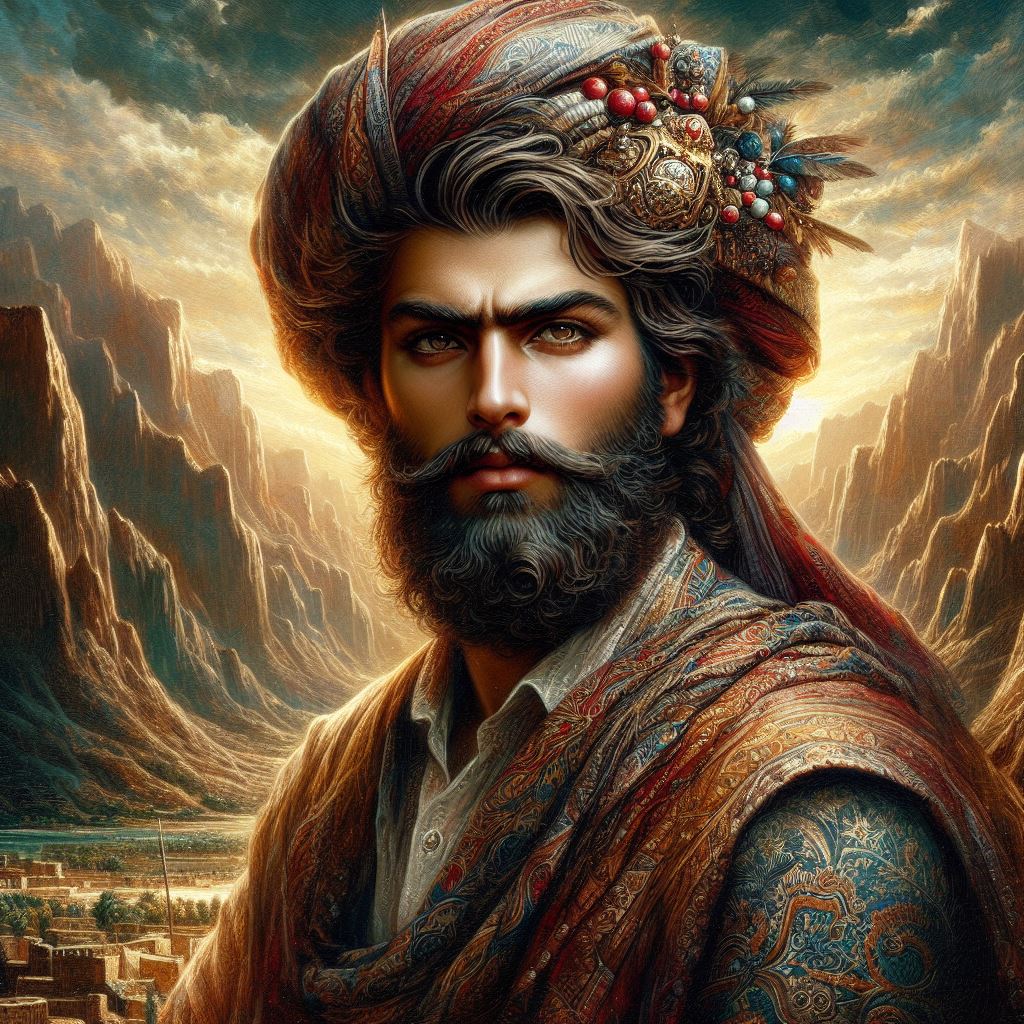
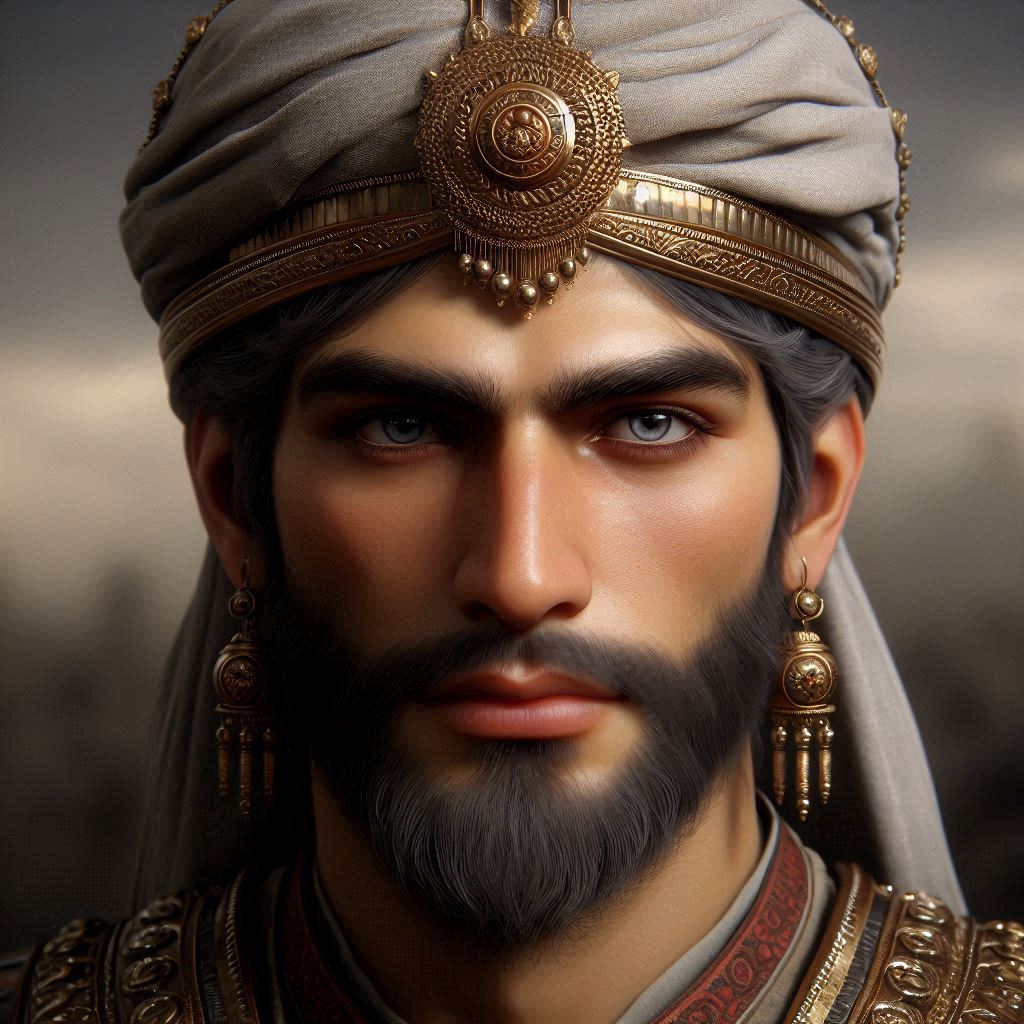





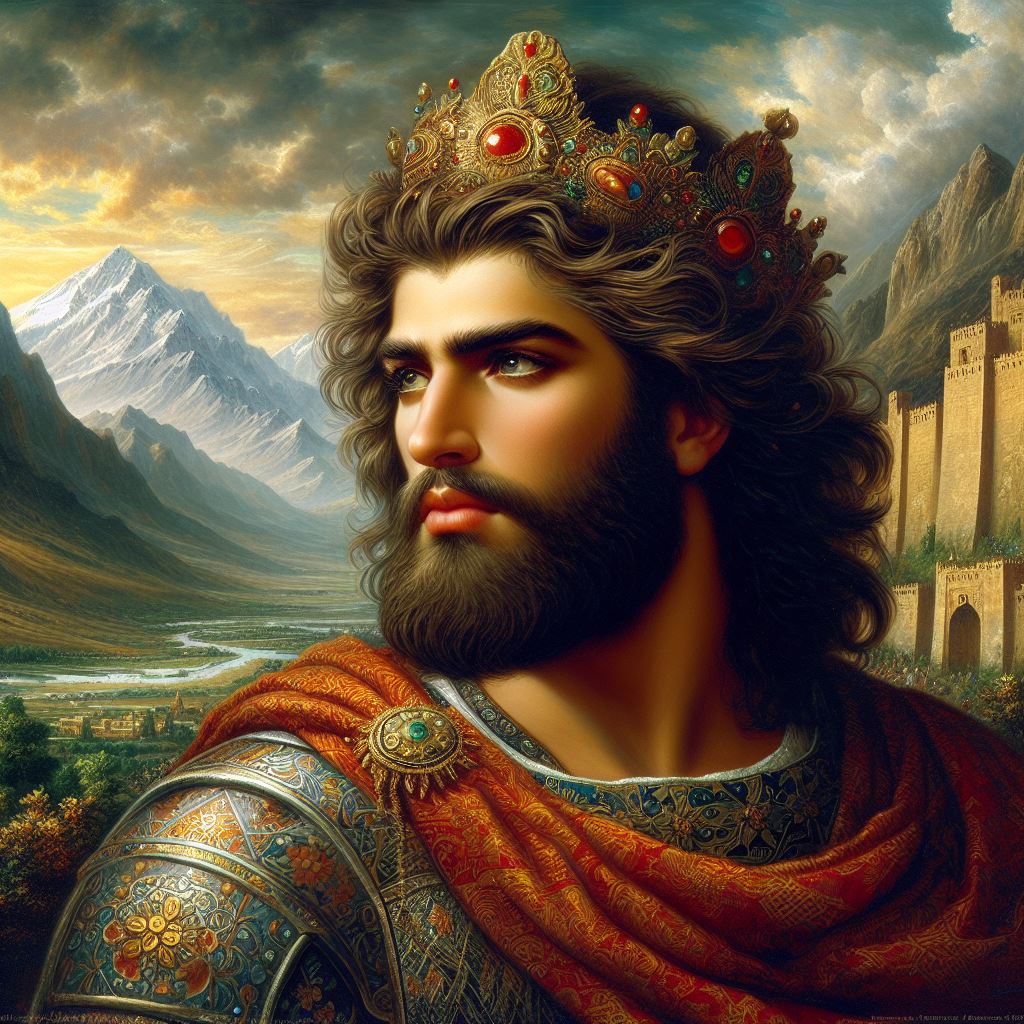
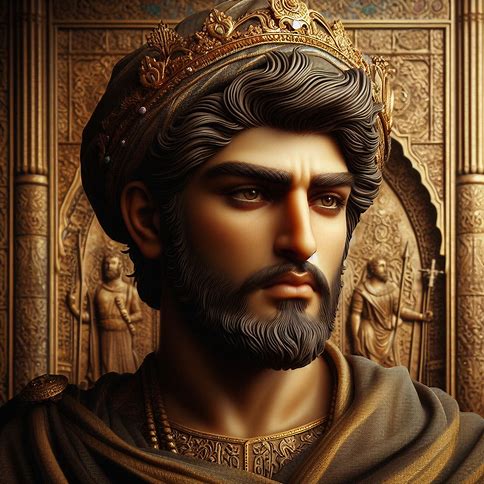
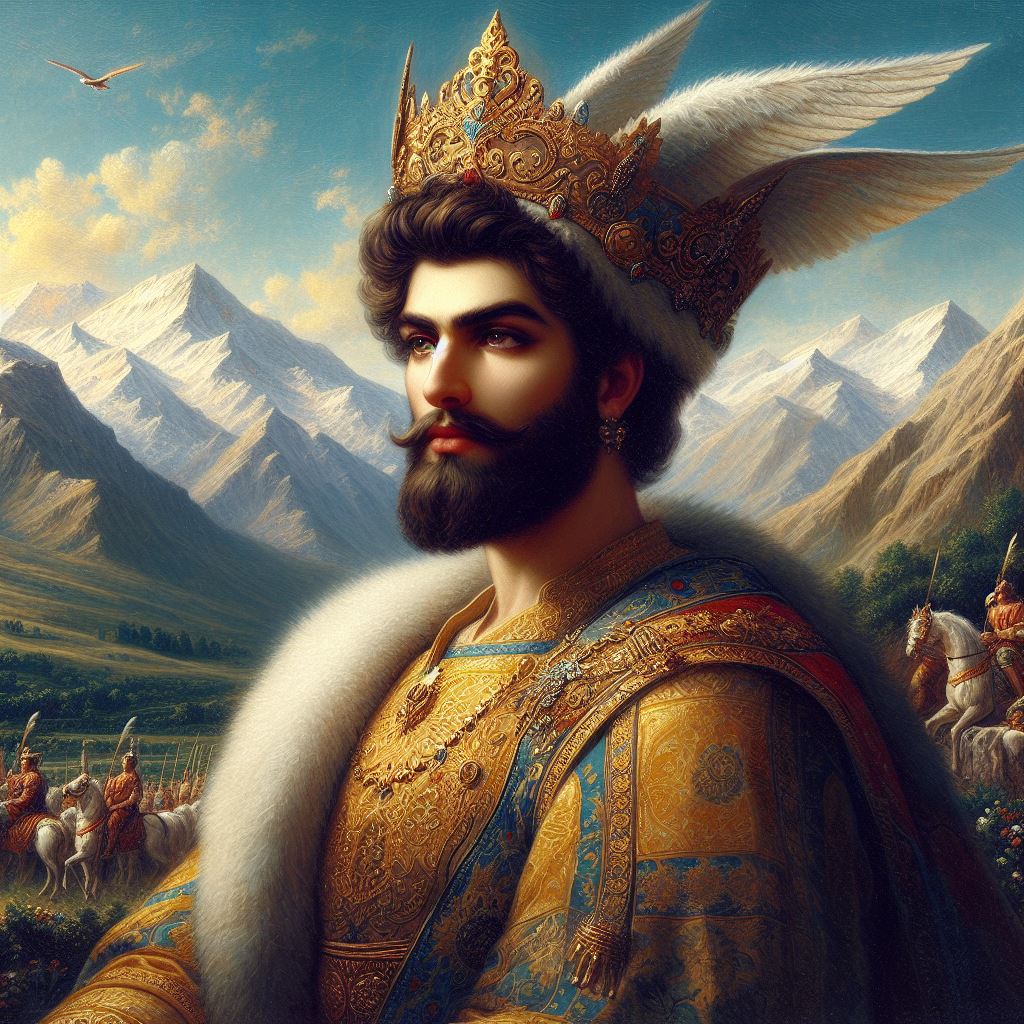
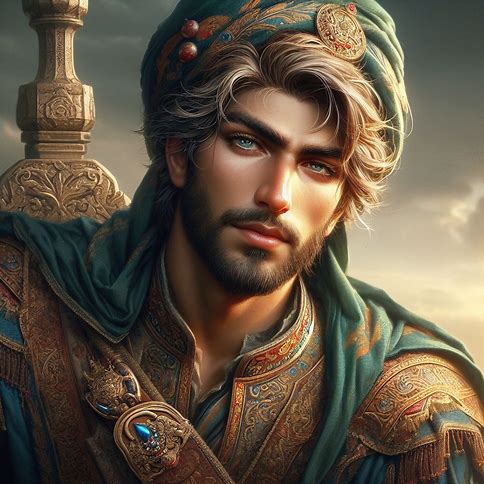
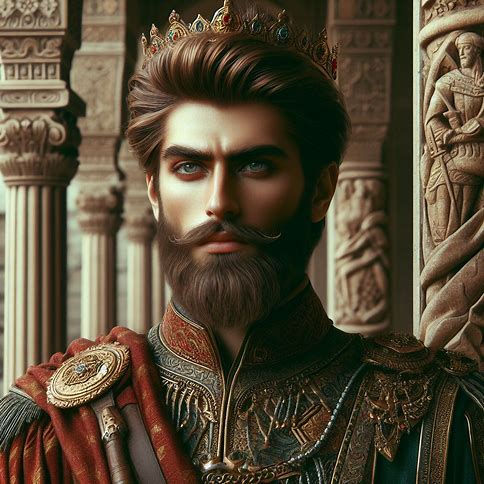
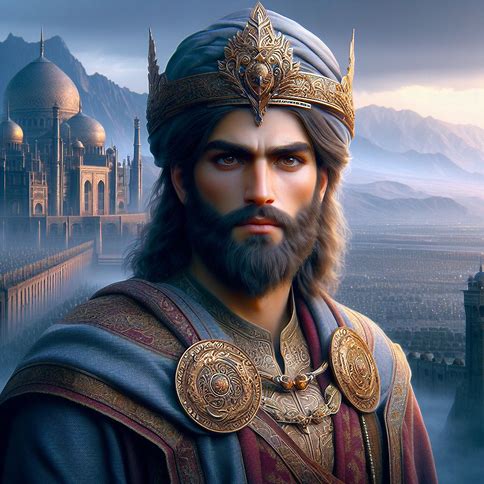
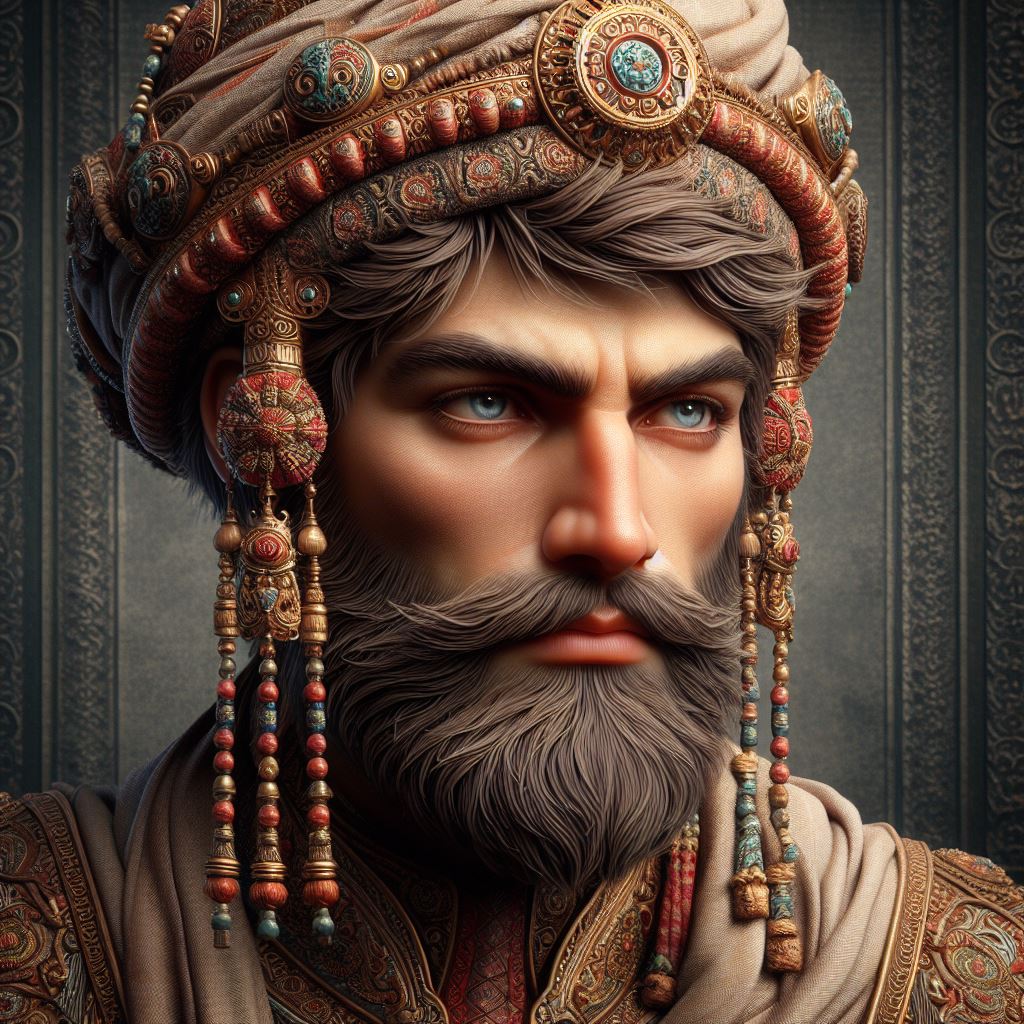
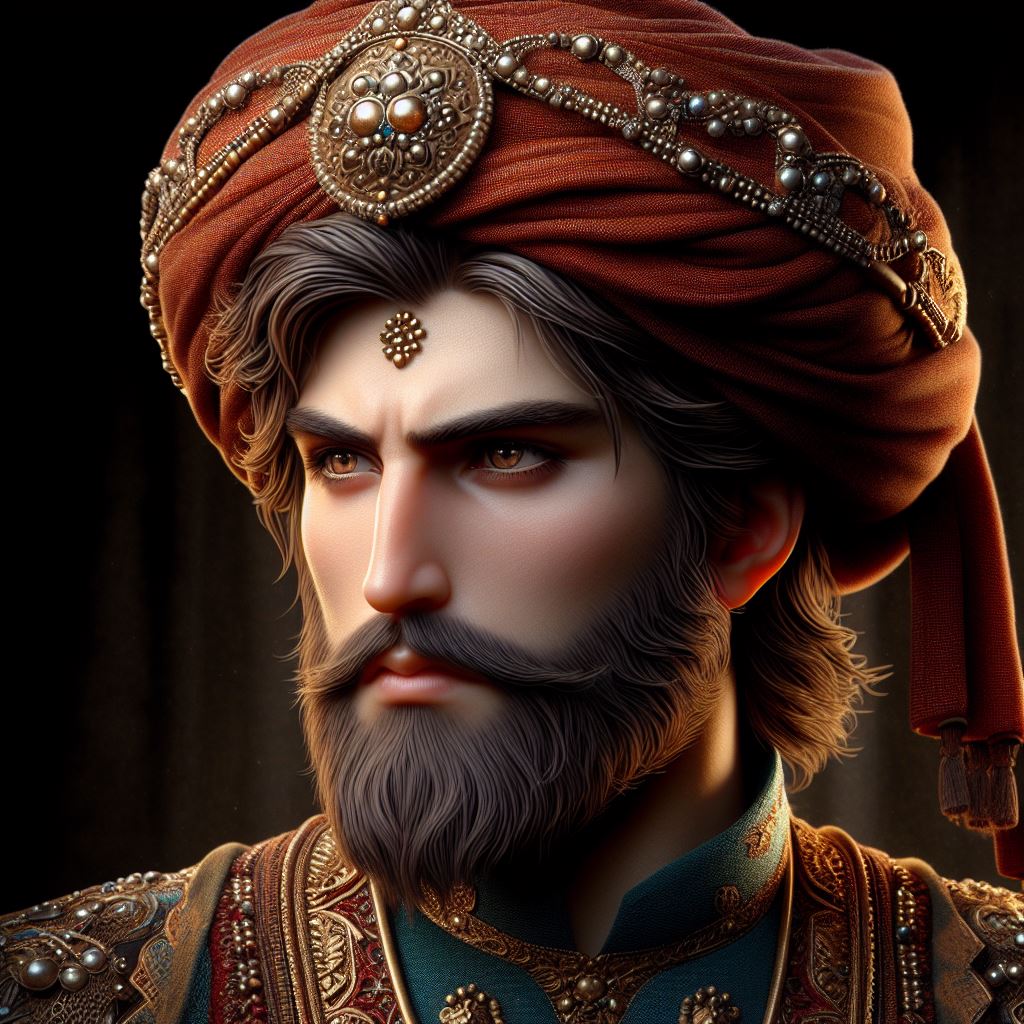
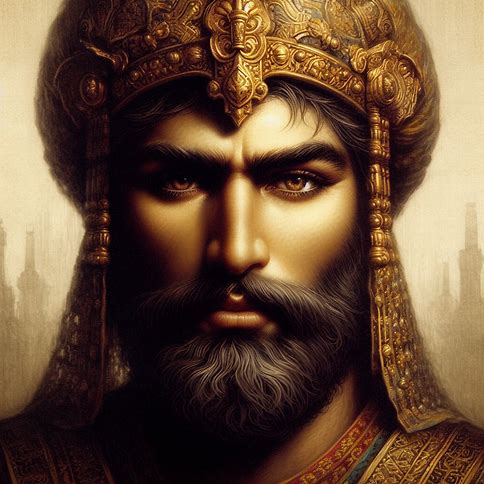
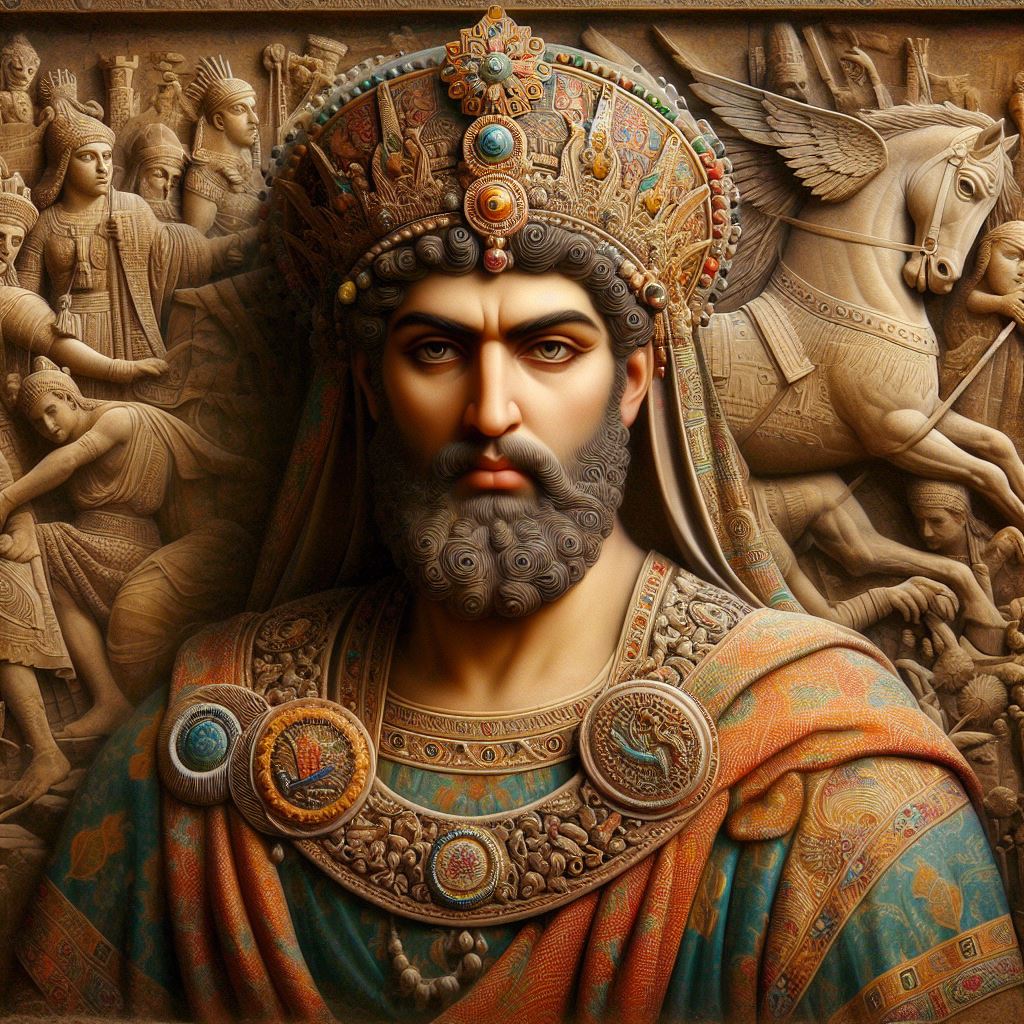
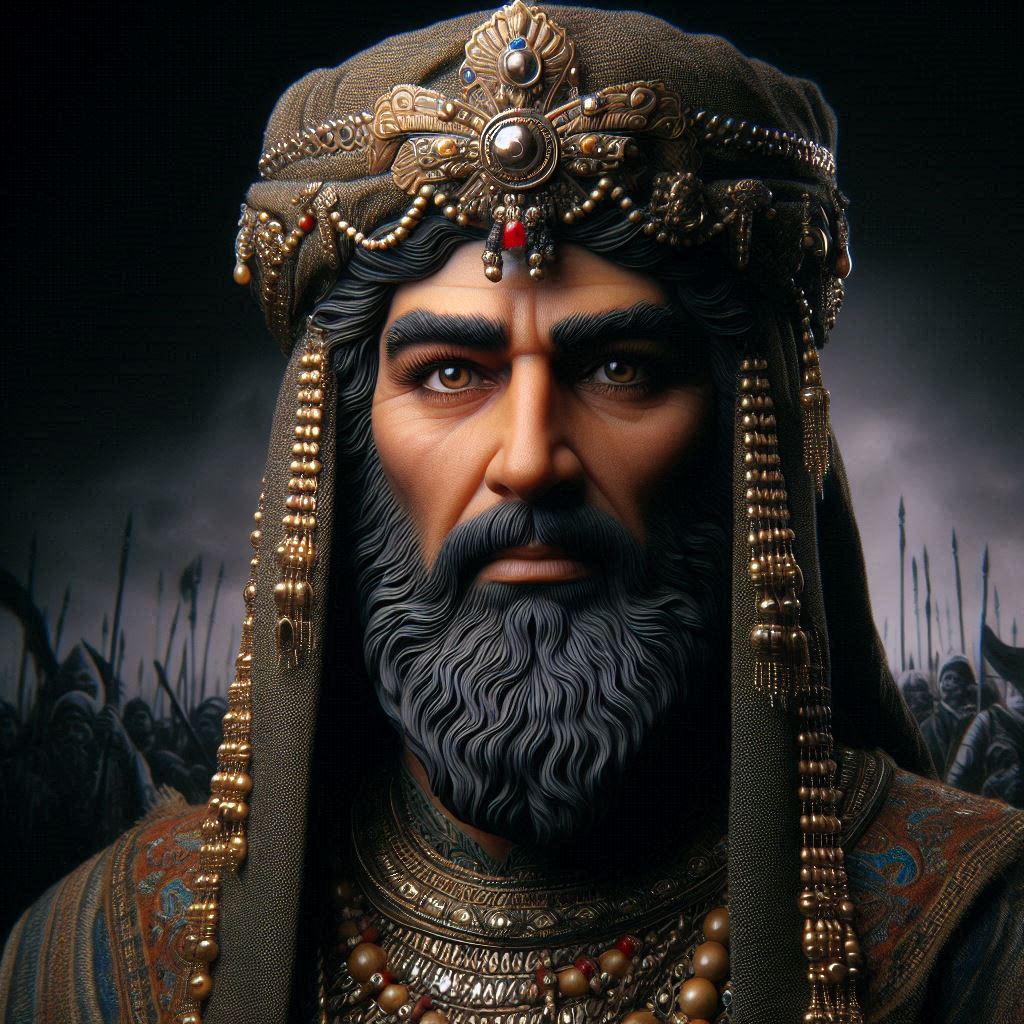
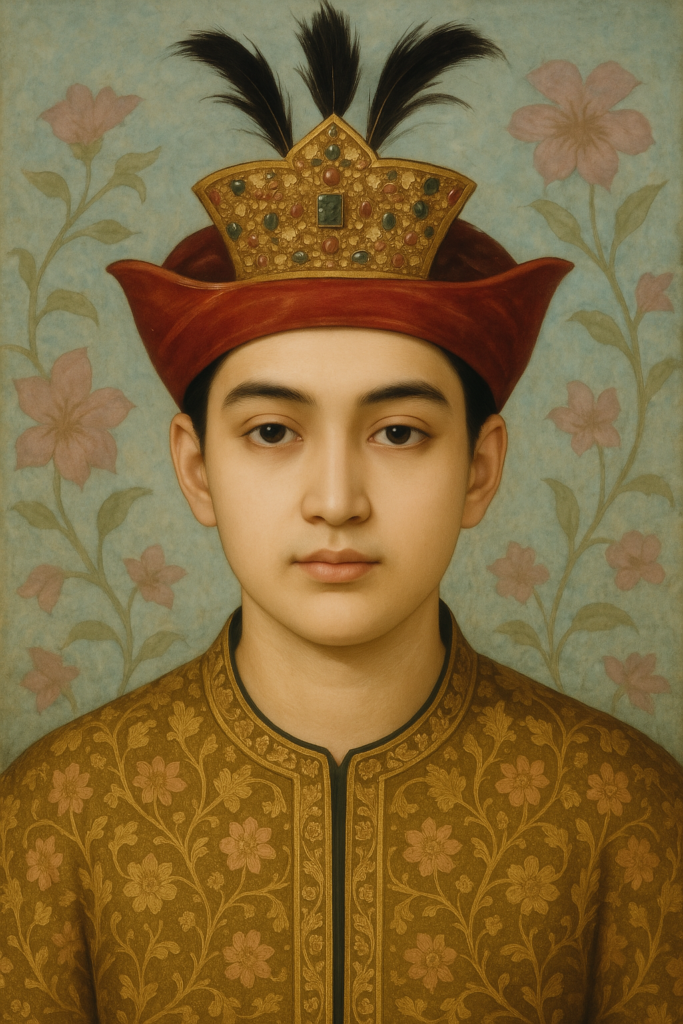
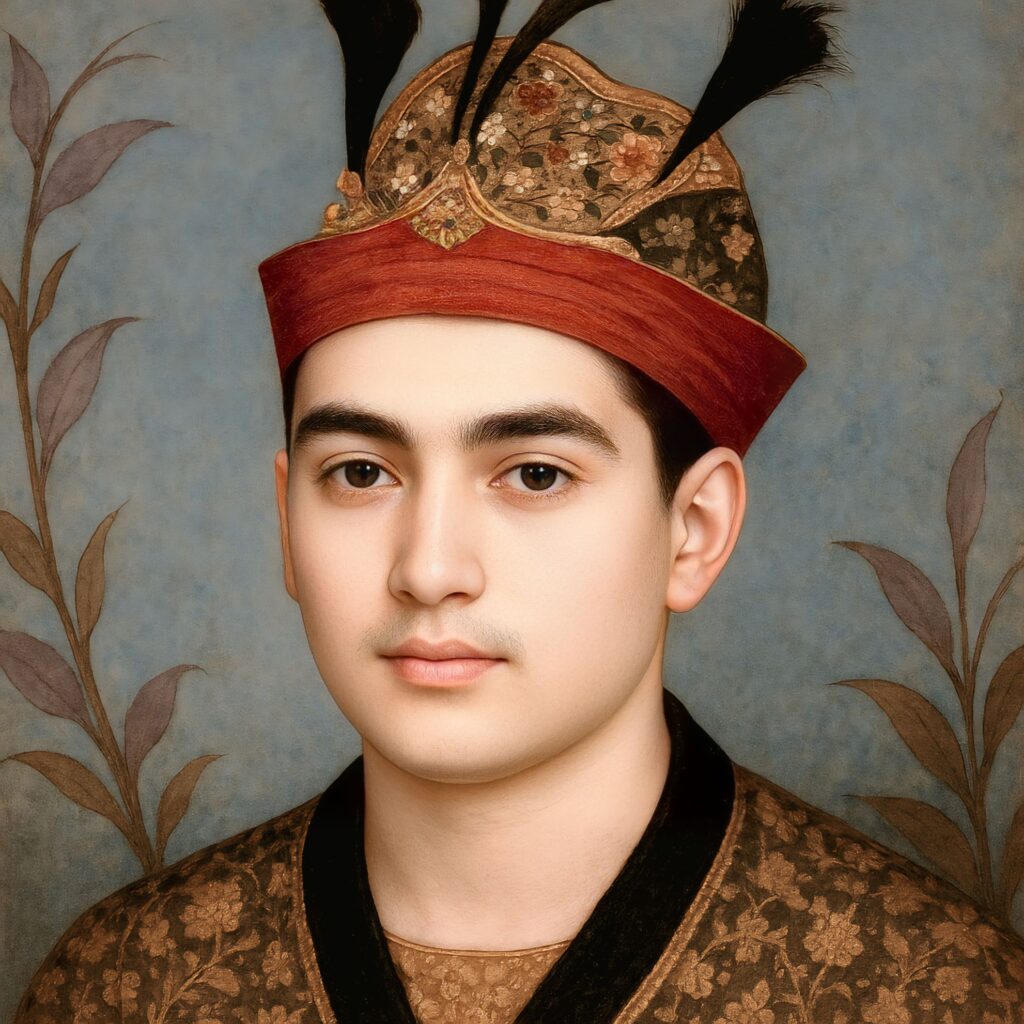

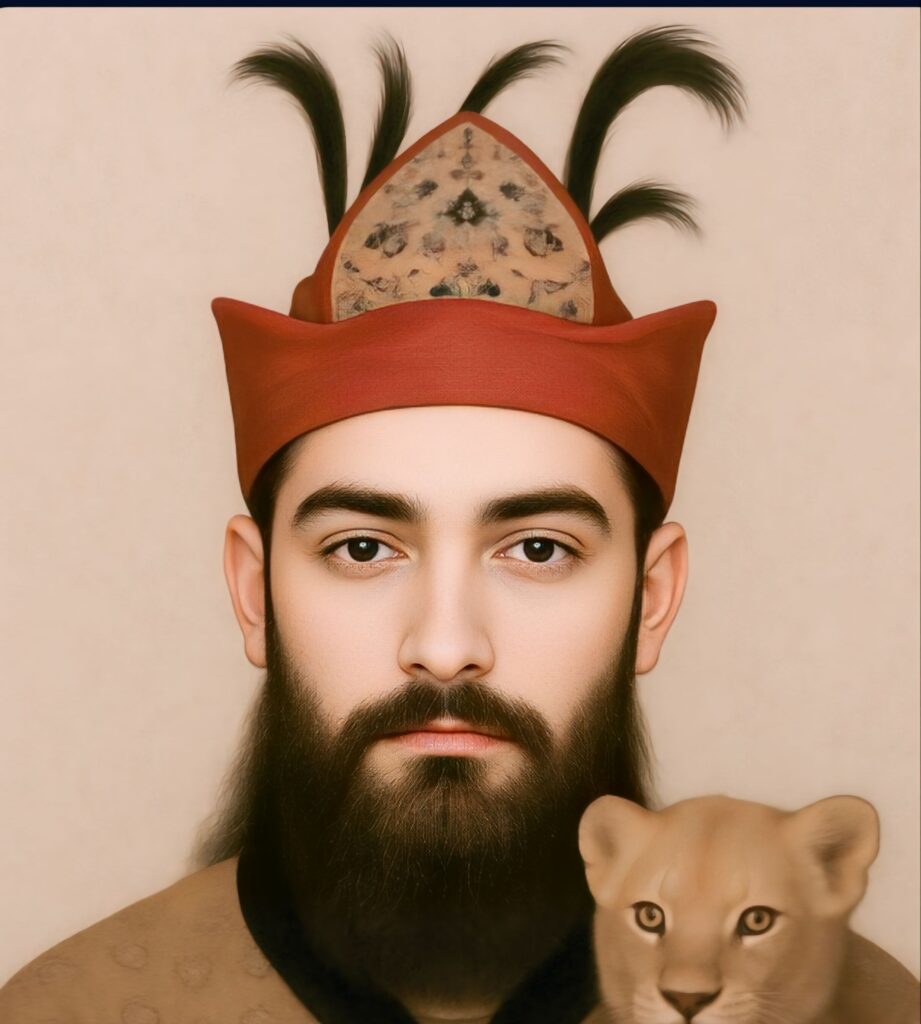
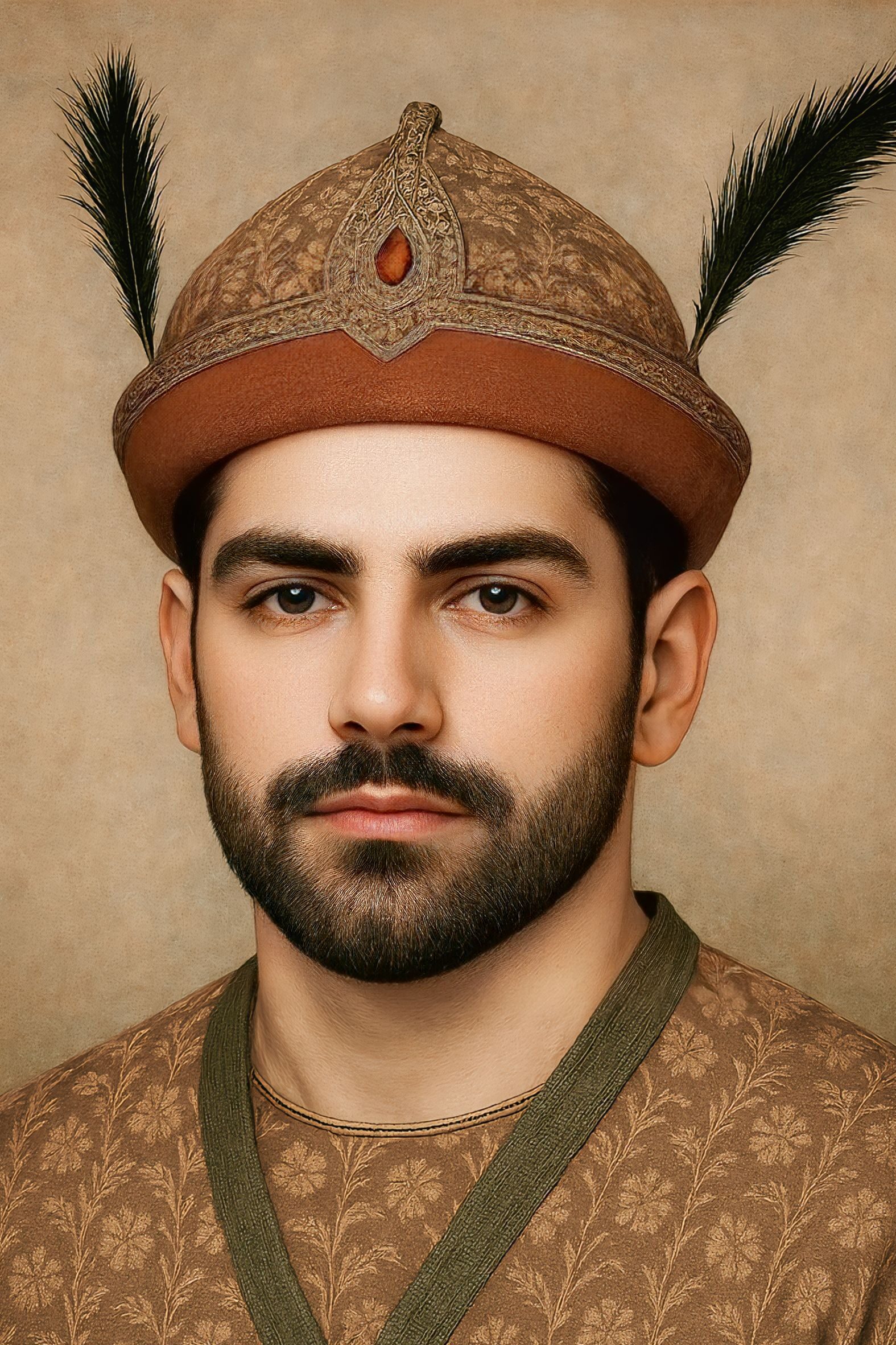
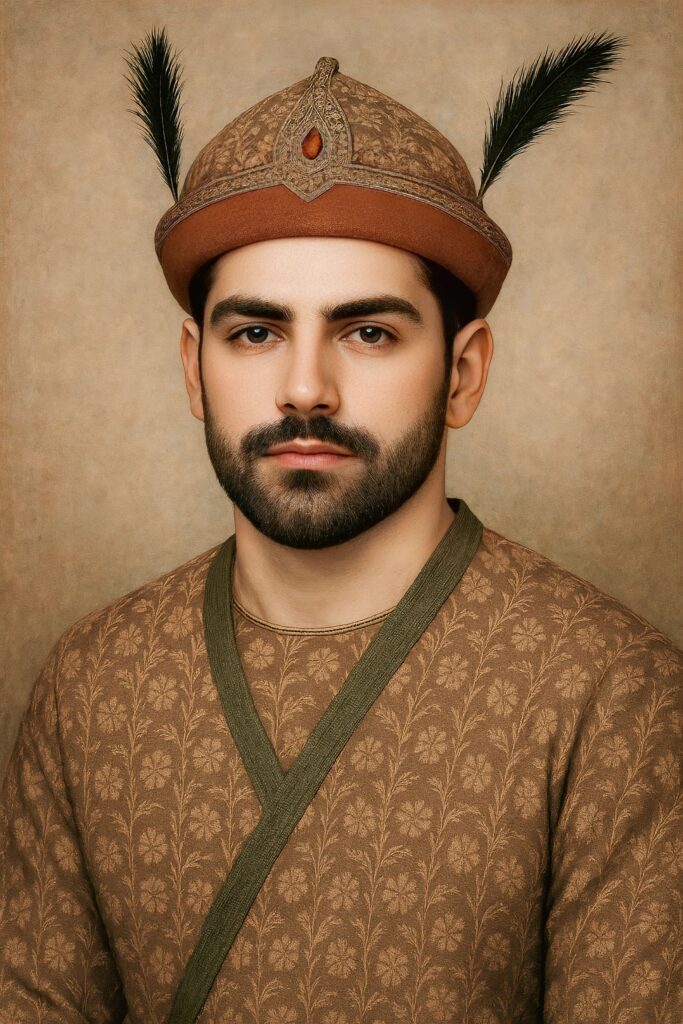

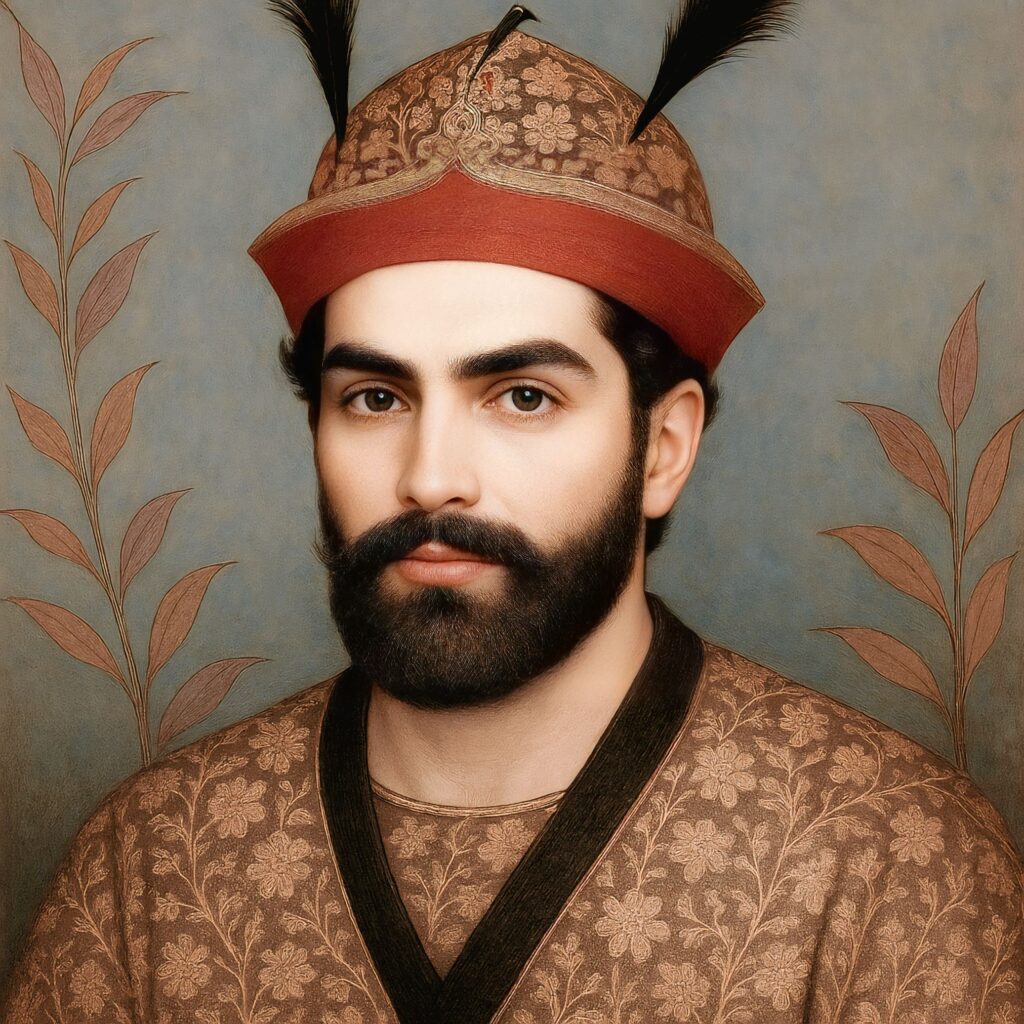
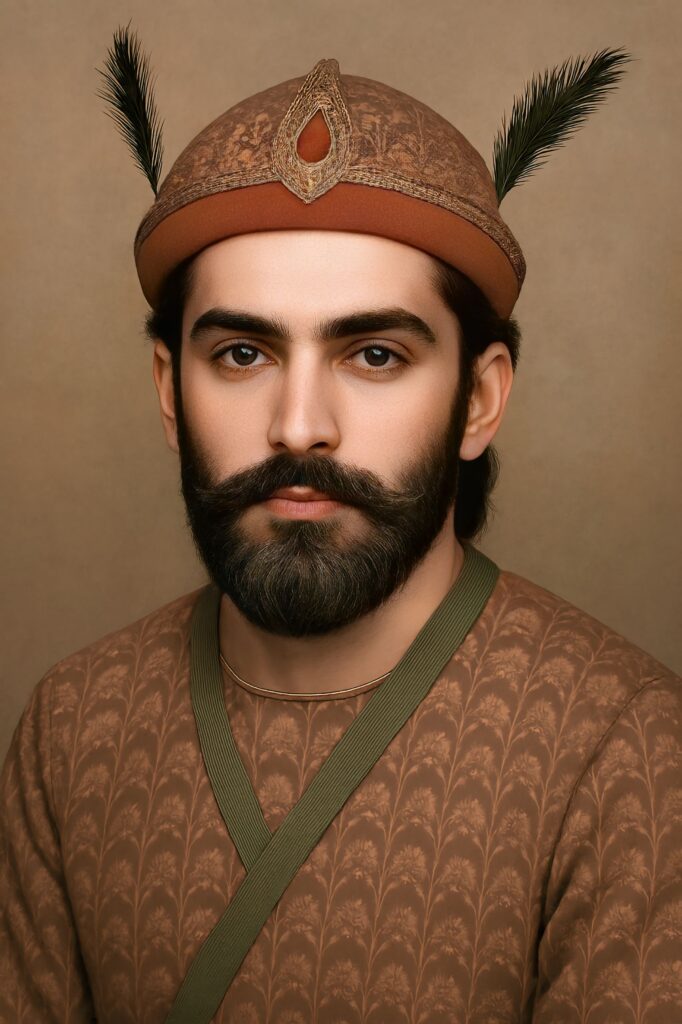
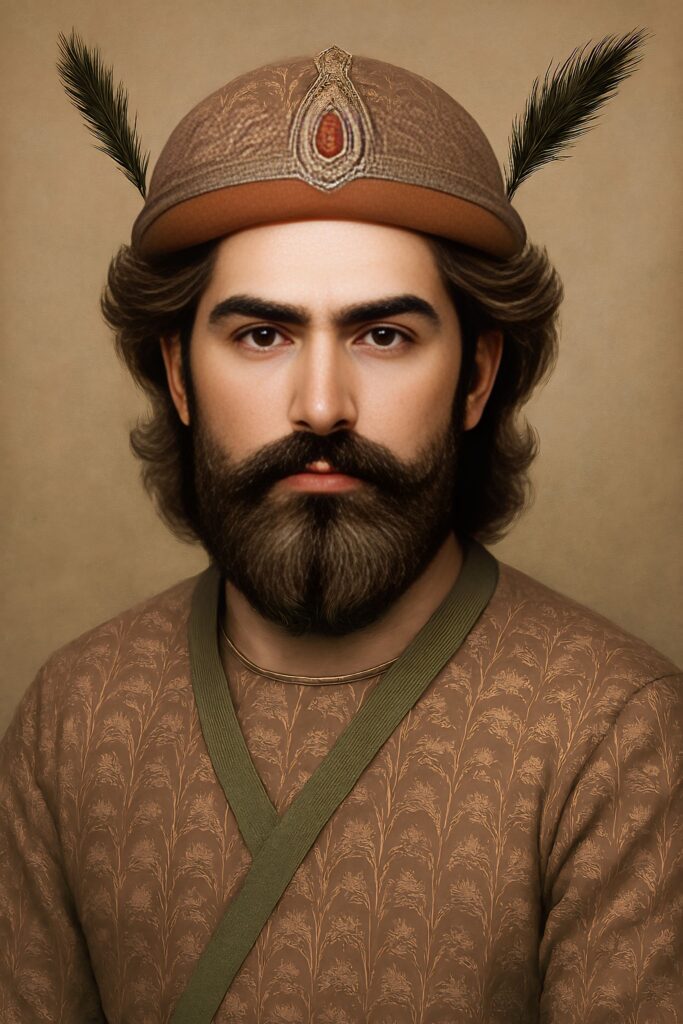
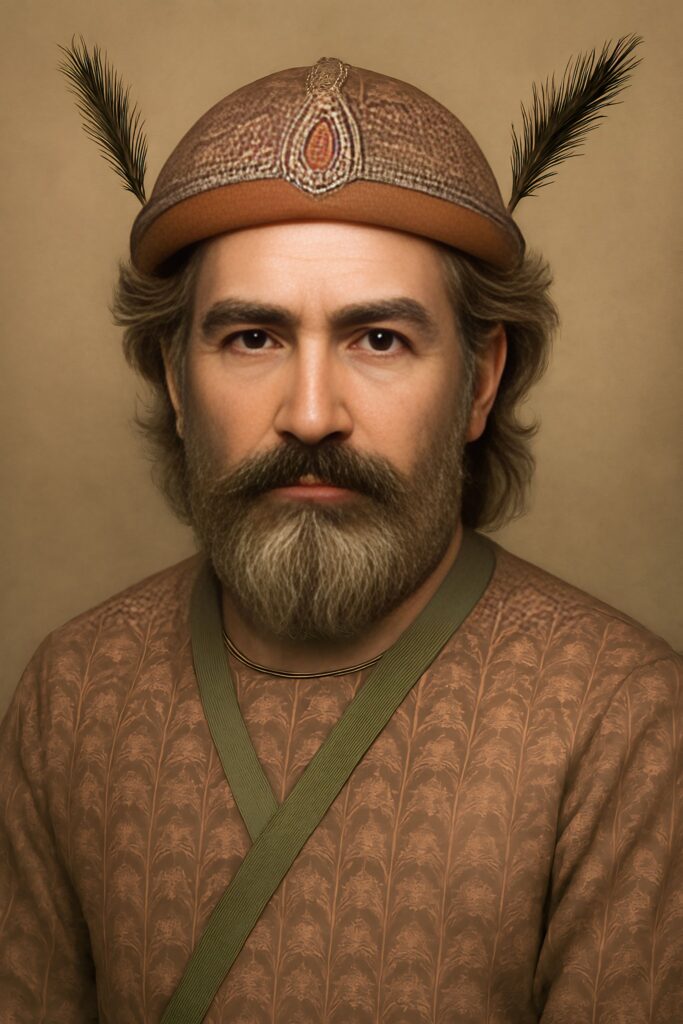
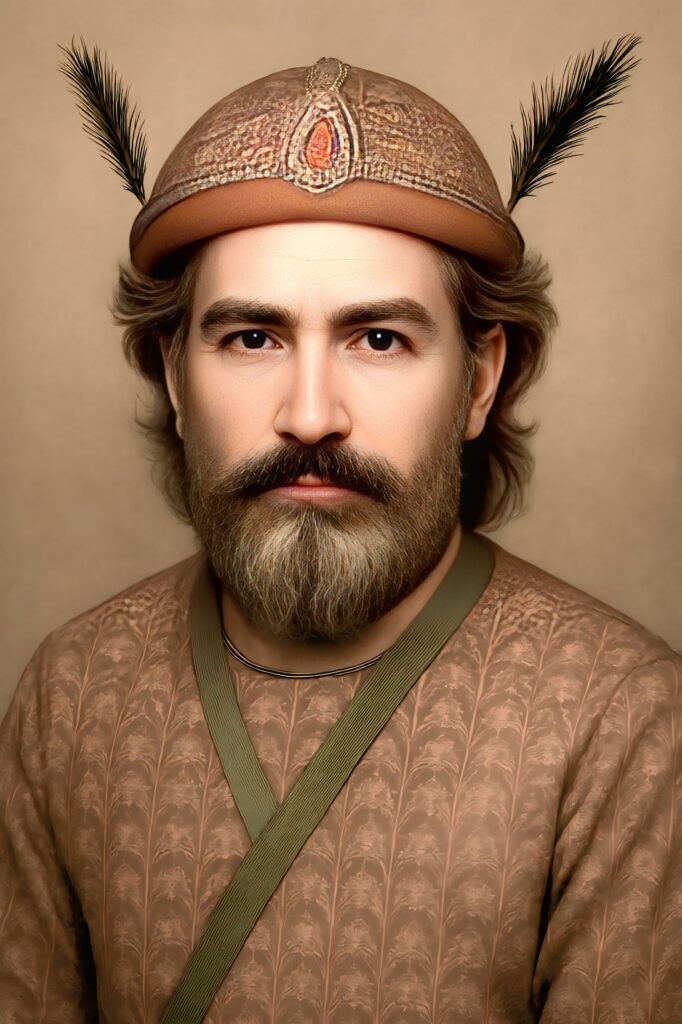
Keyumars Face Reconstruction through Microsoft Bing AI software
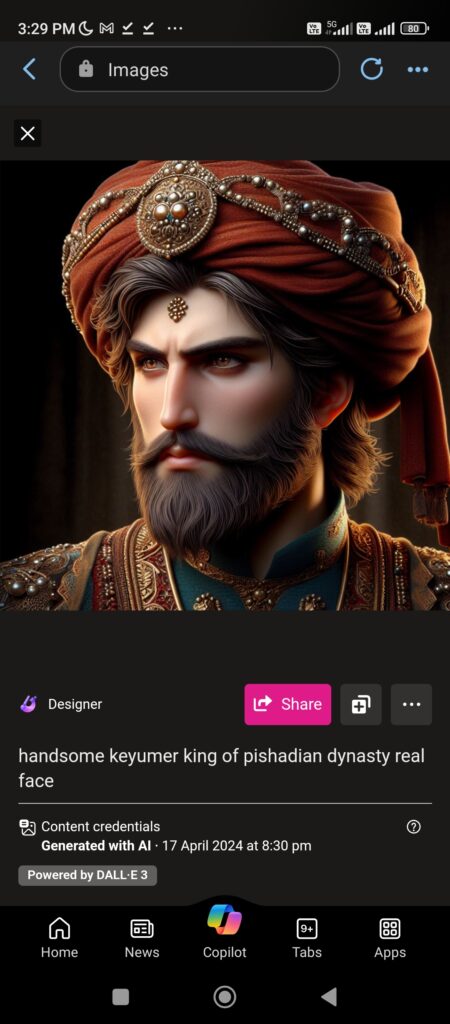
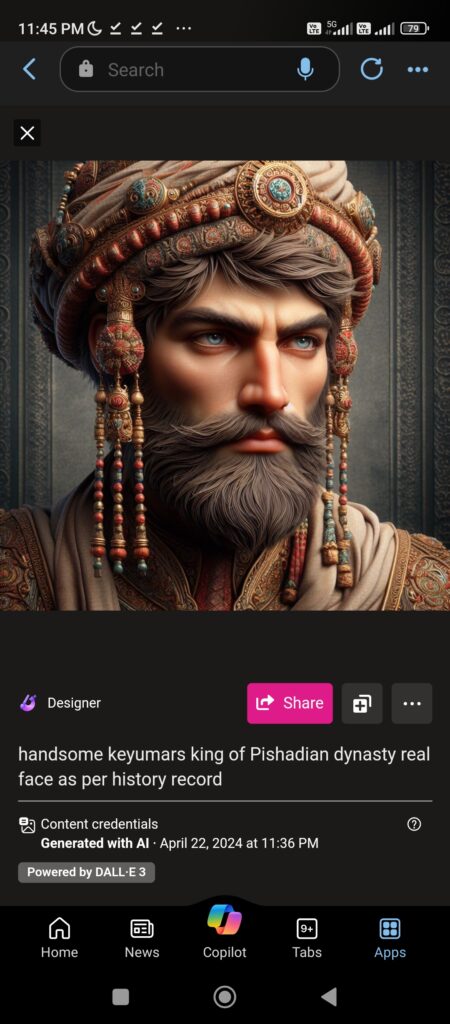
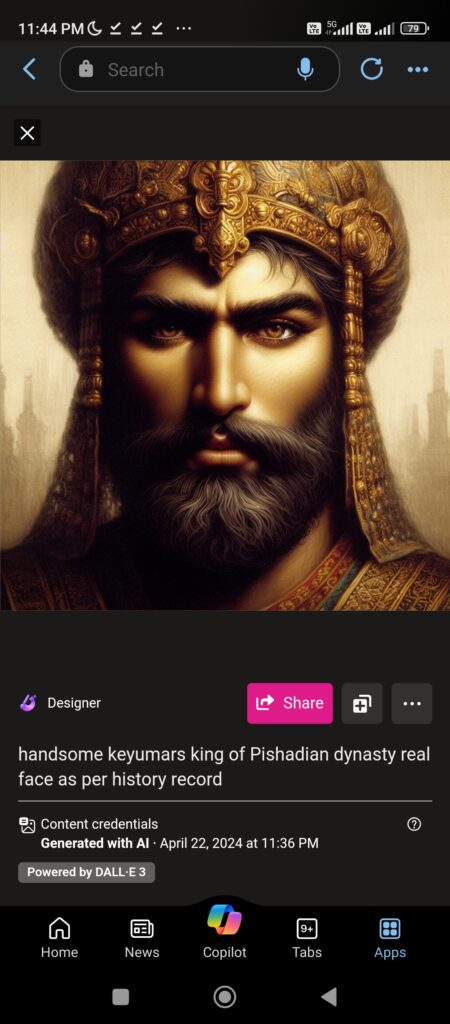

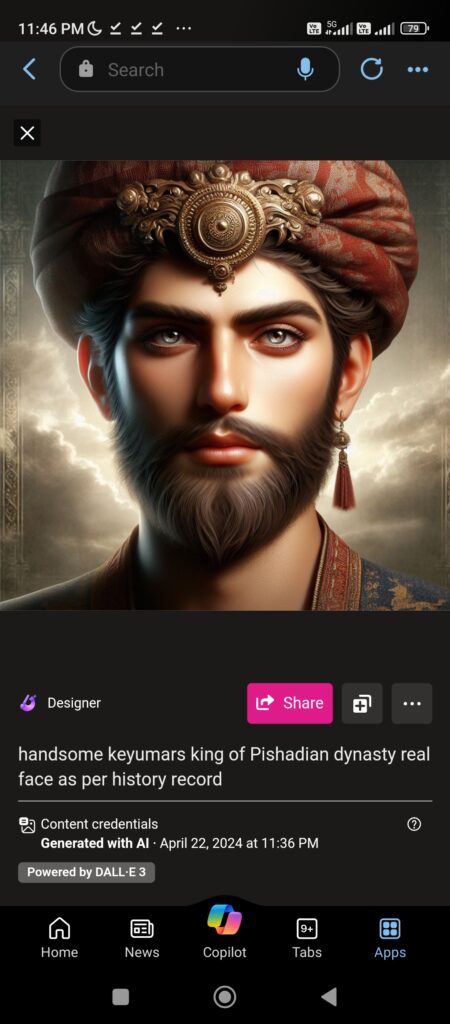
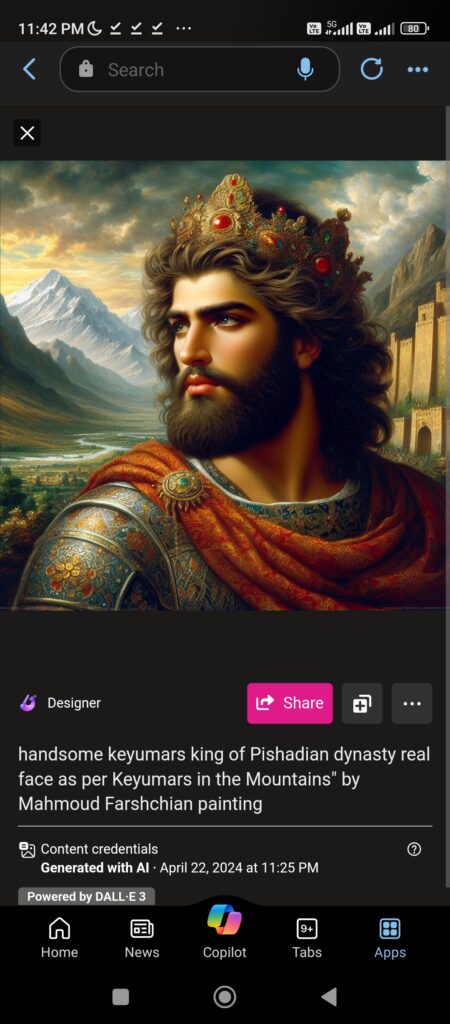
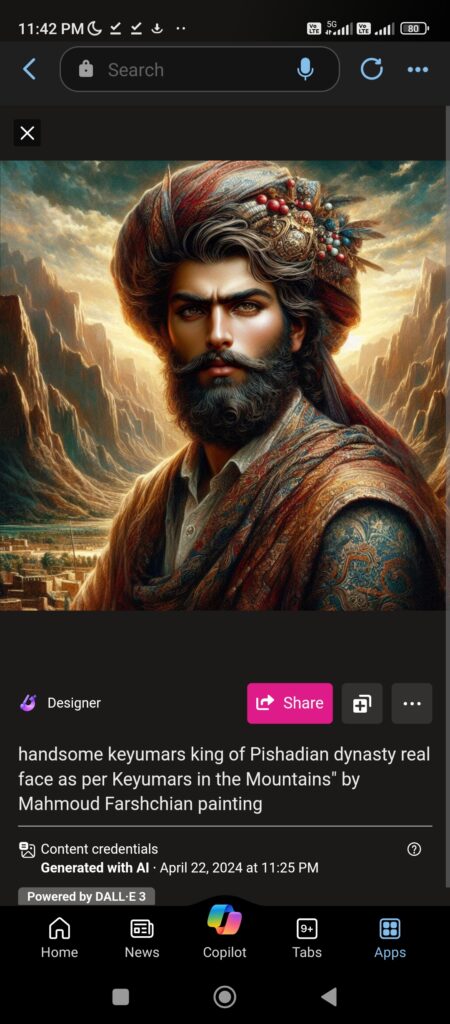
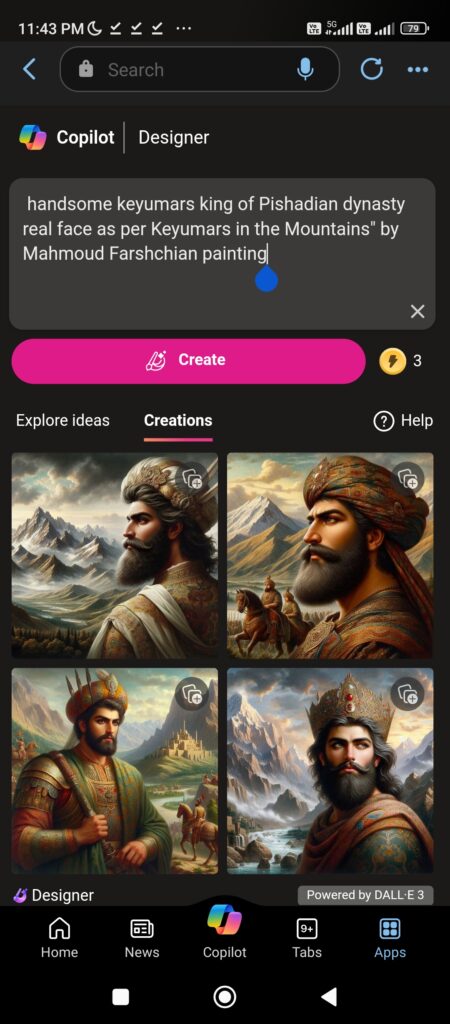
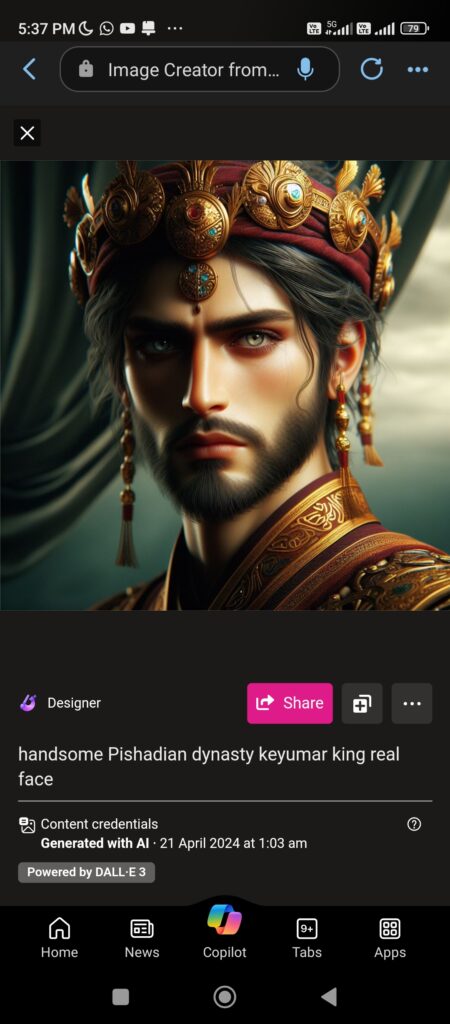
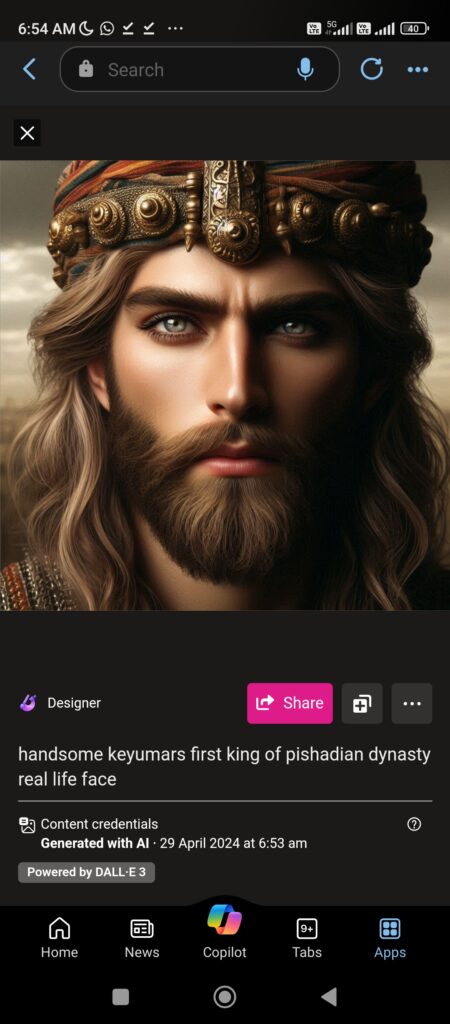
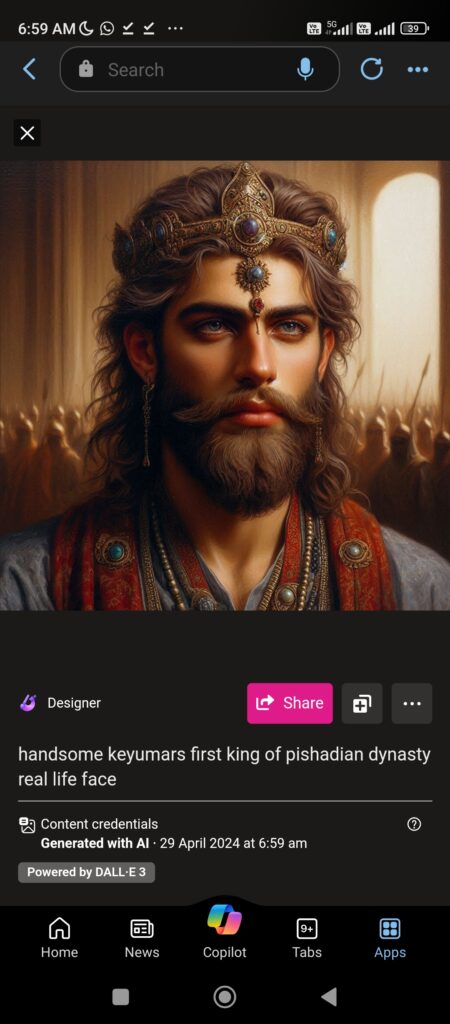
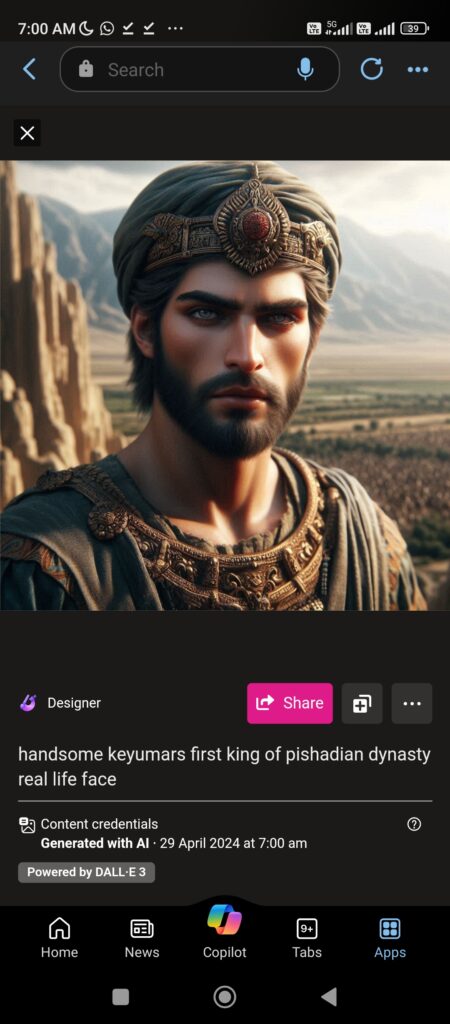
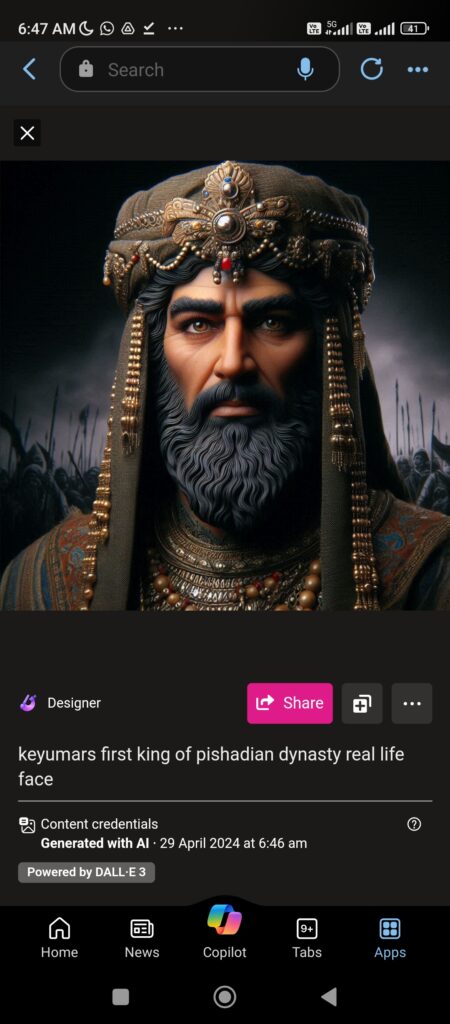
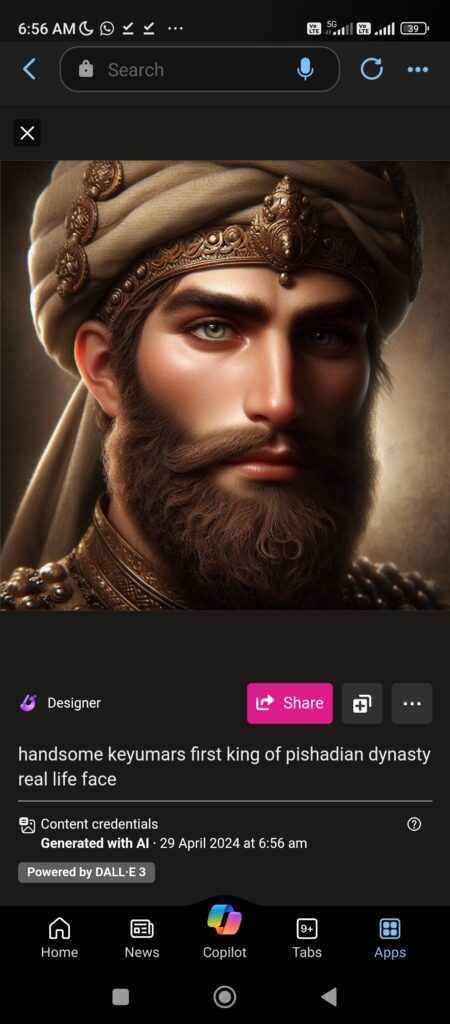
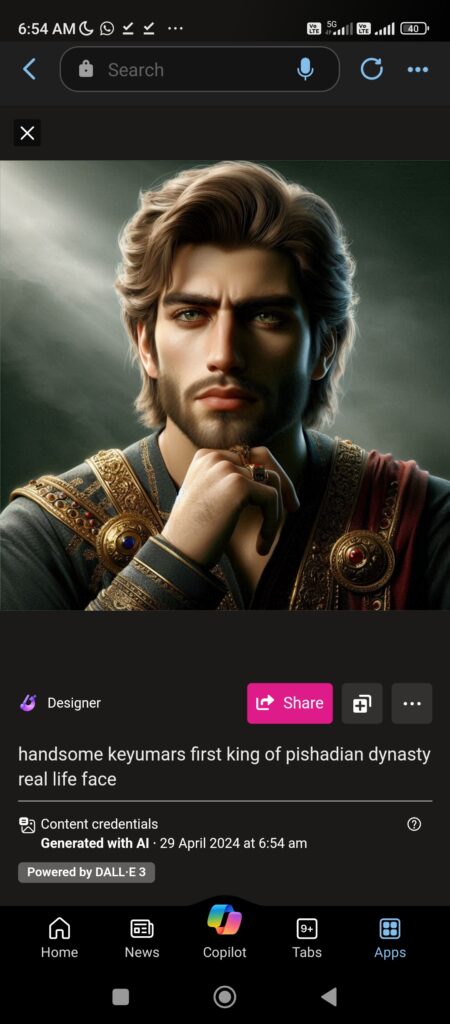
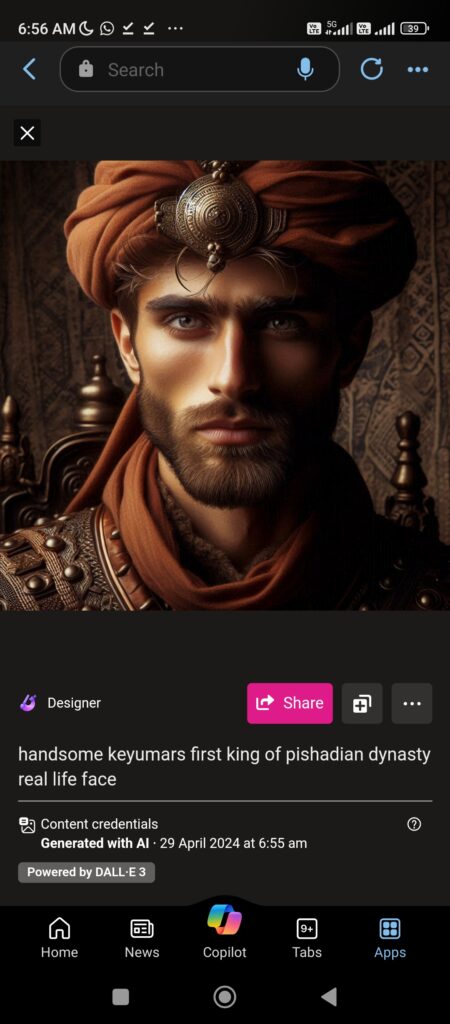
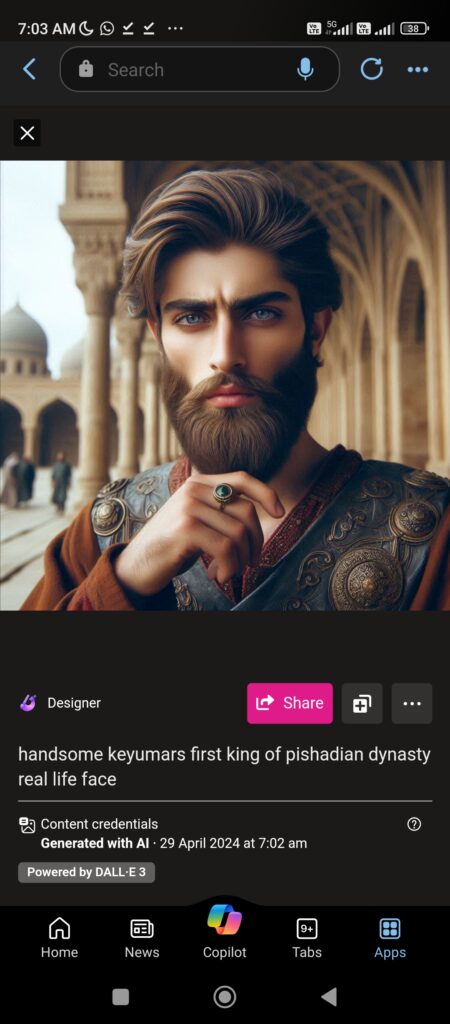
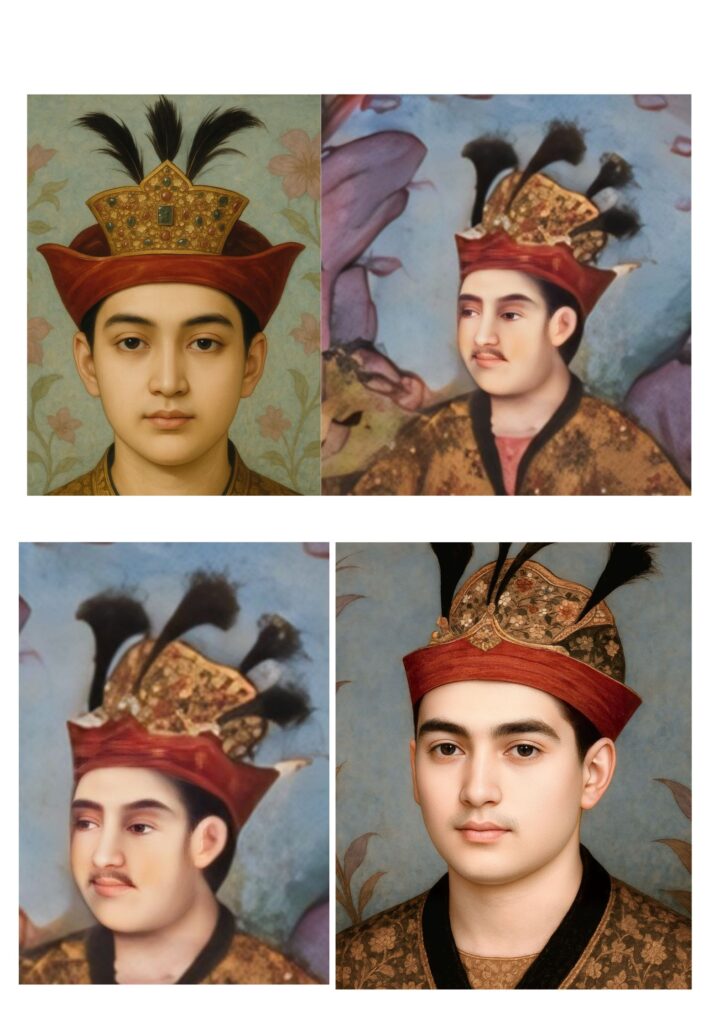
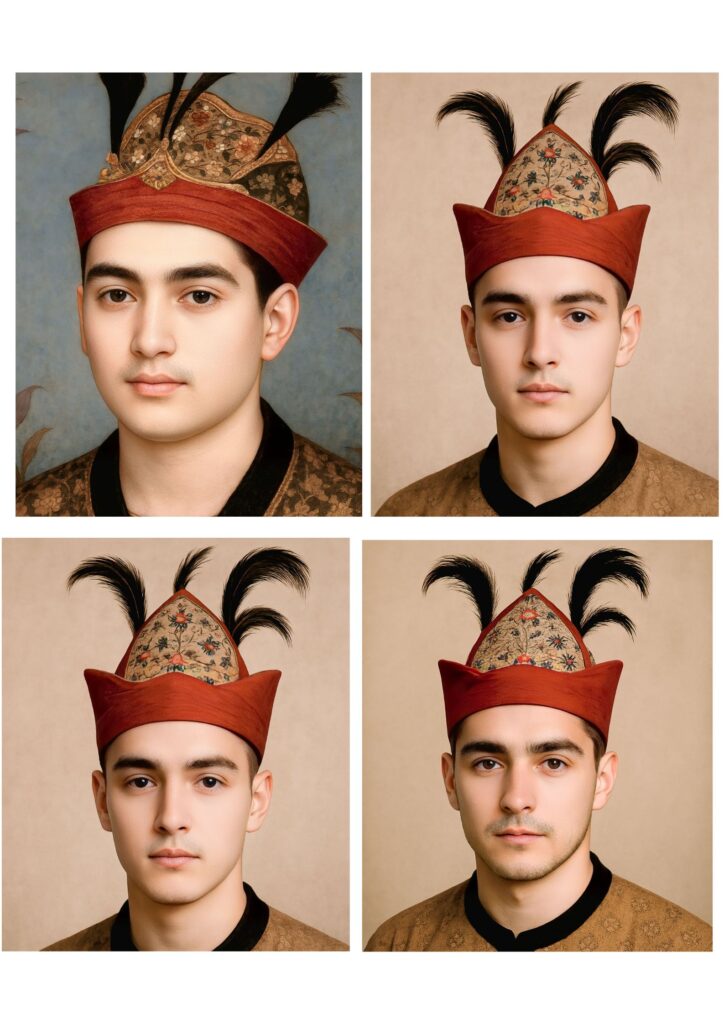
Face Transformation of Keyumars from Young to Old Age
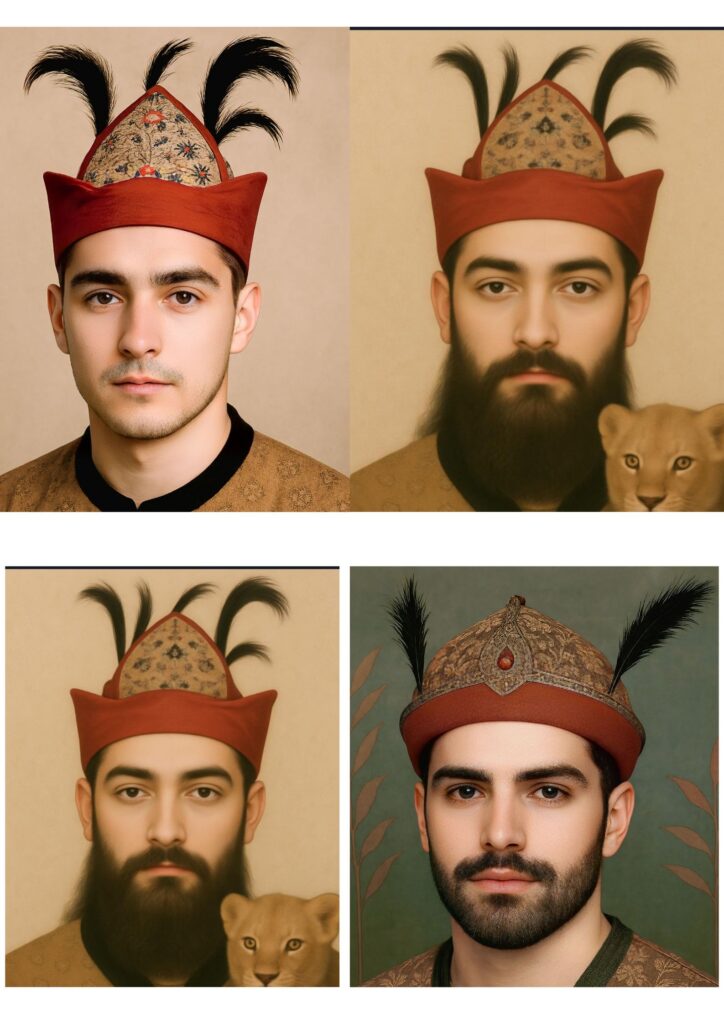
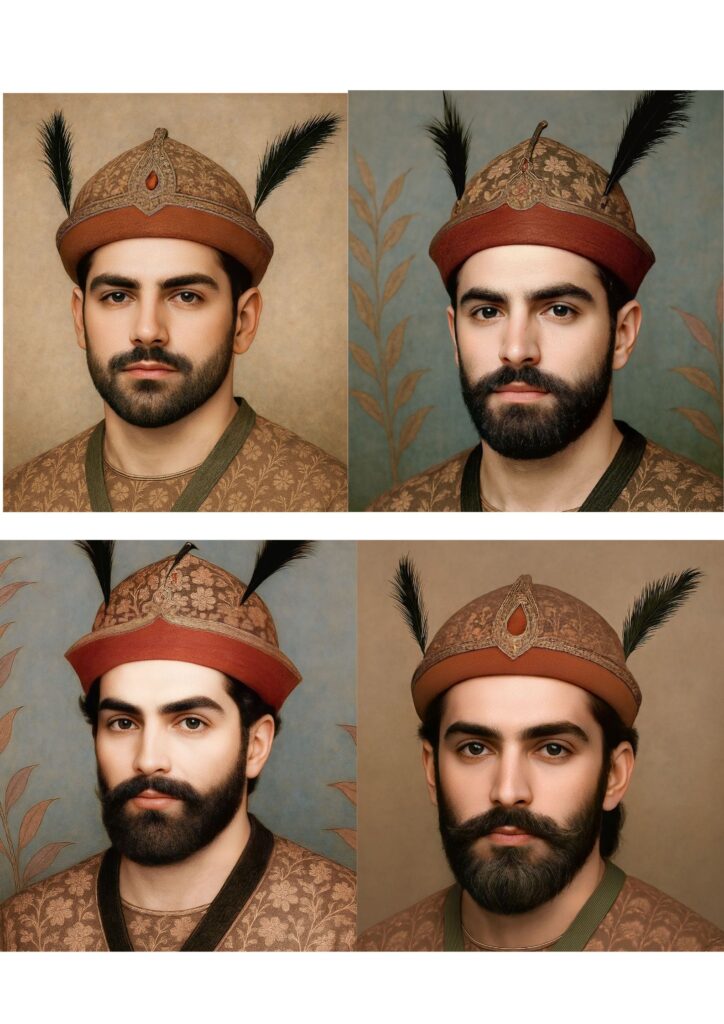
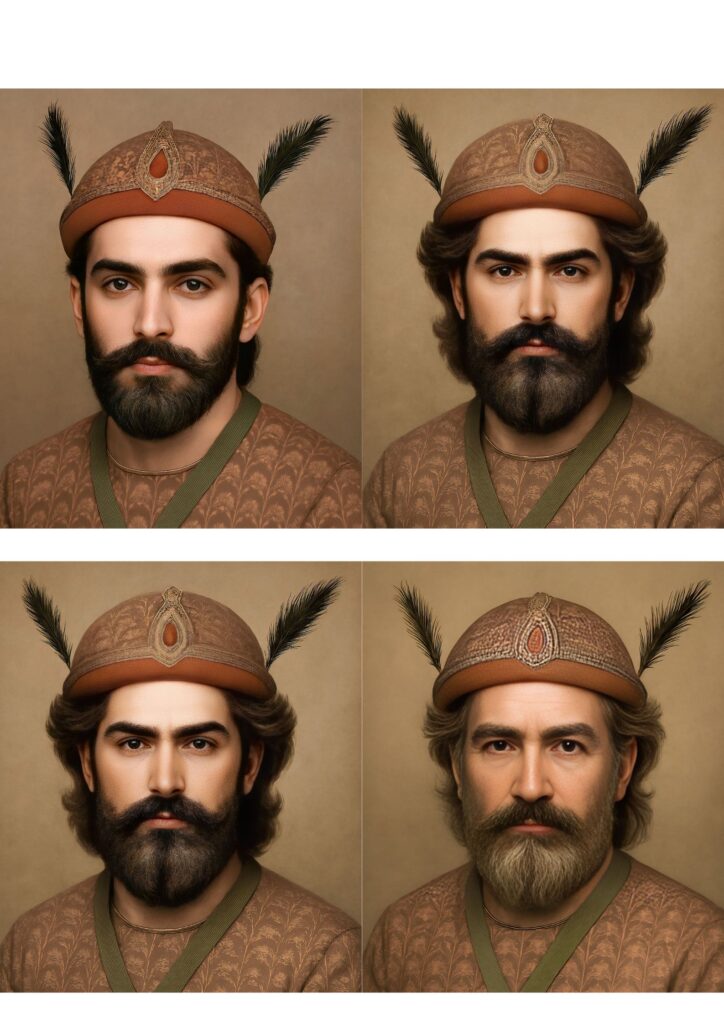
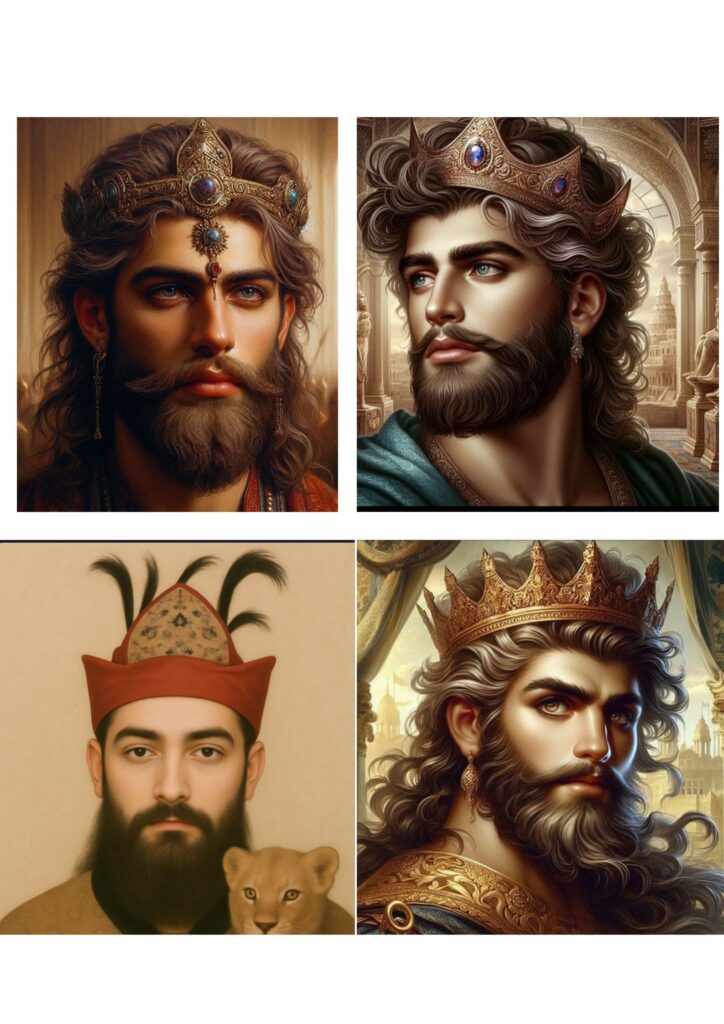
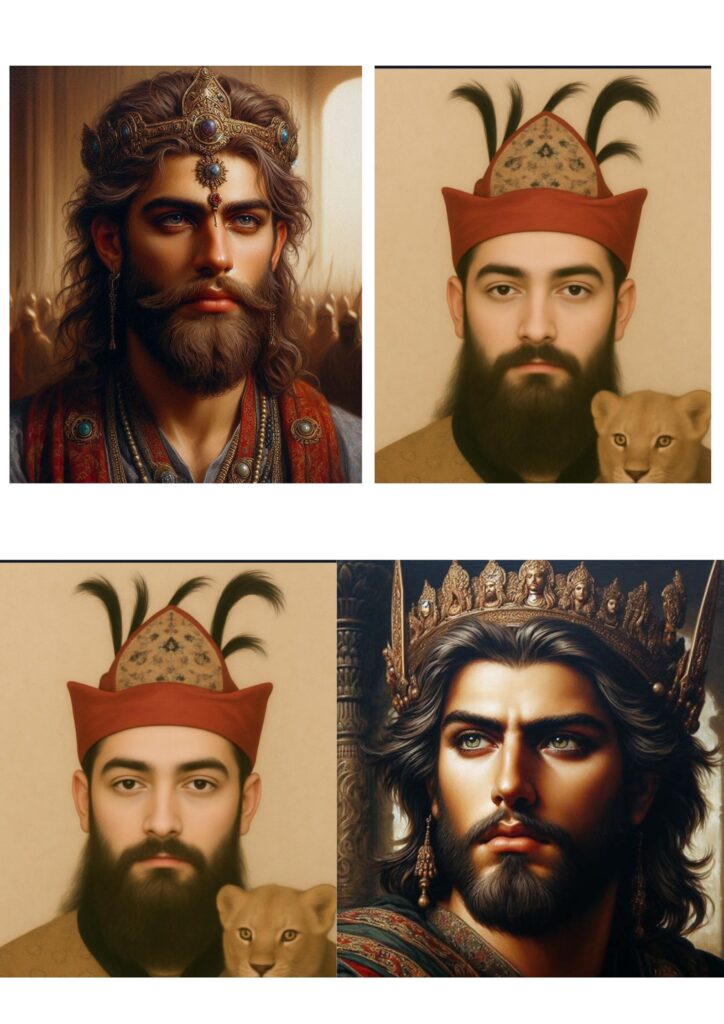
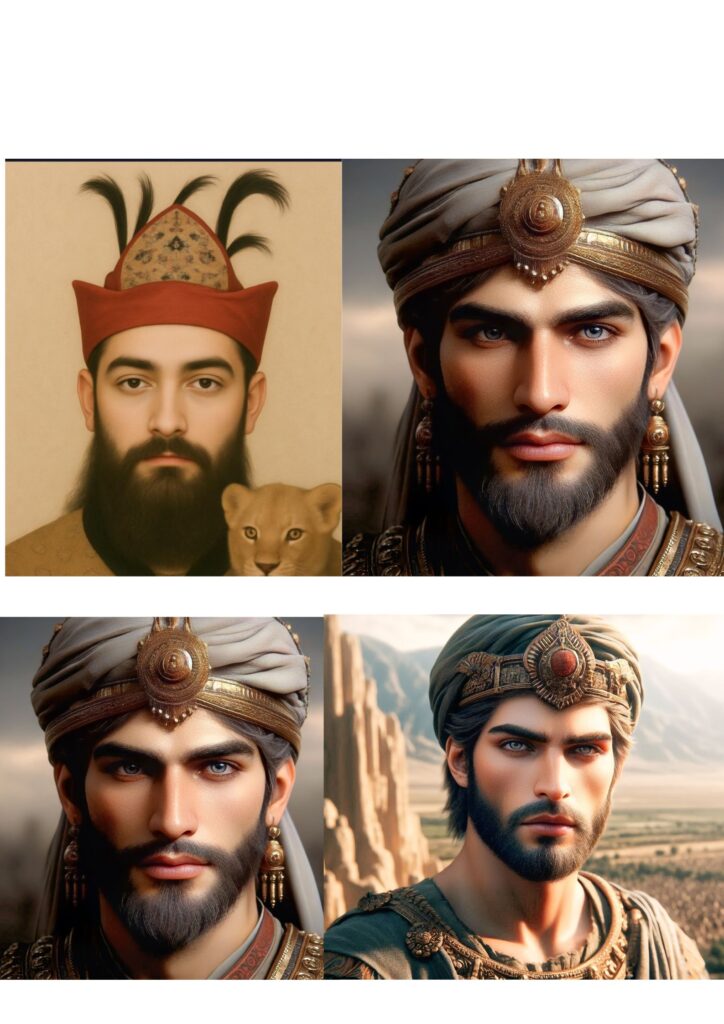
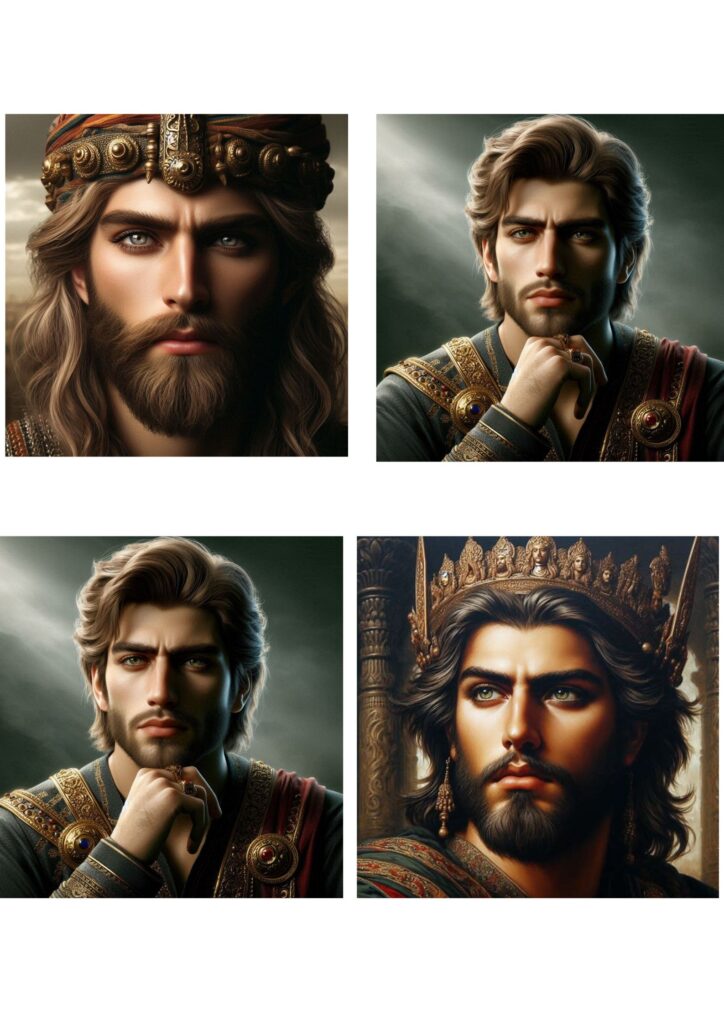
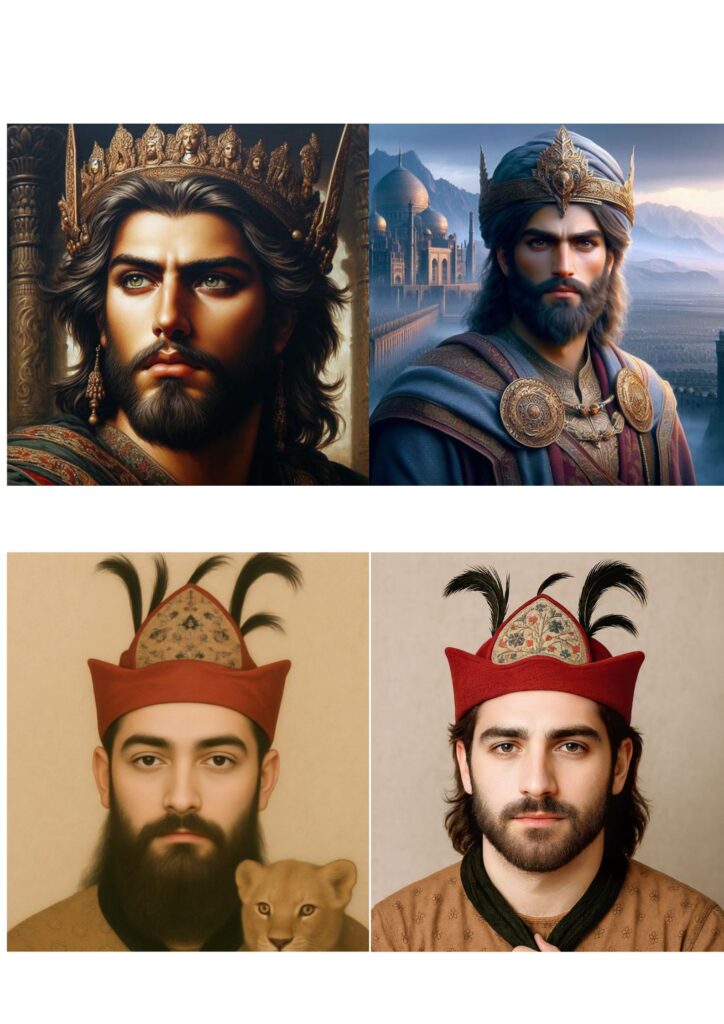
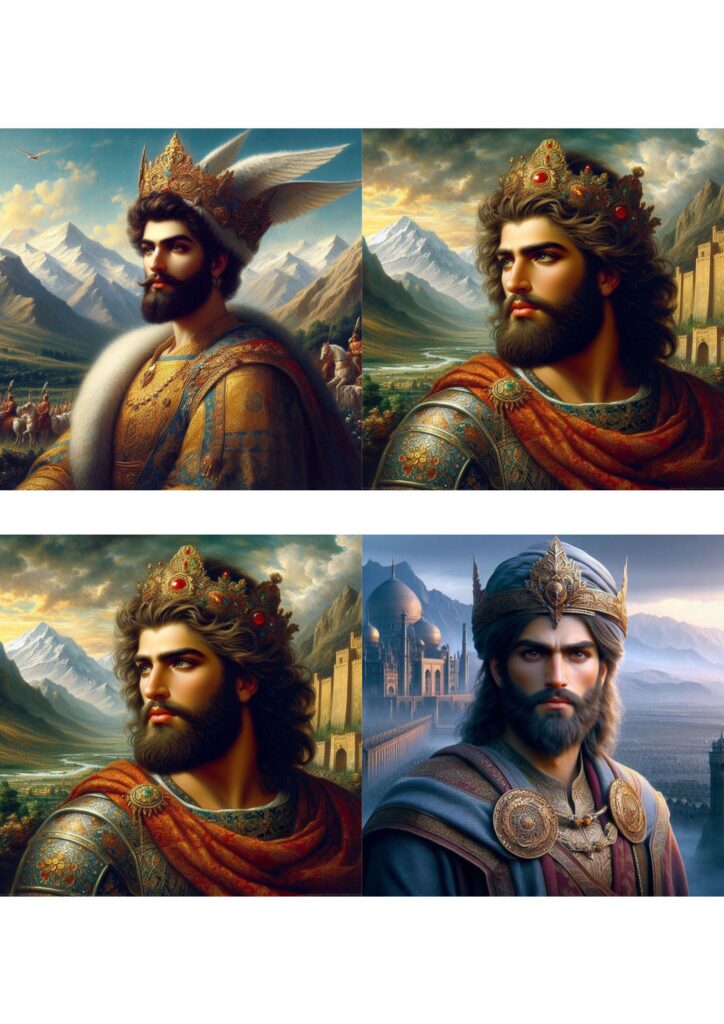
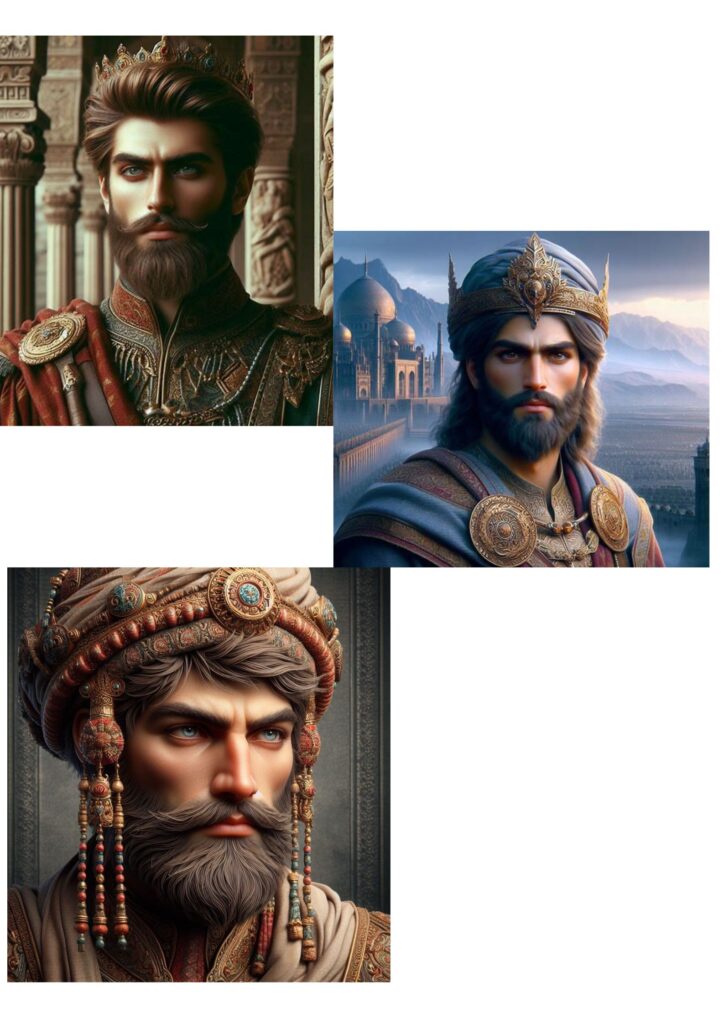
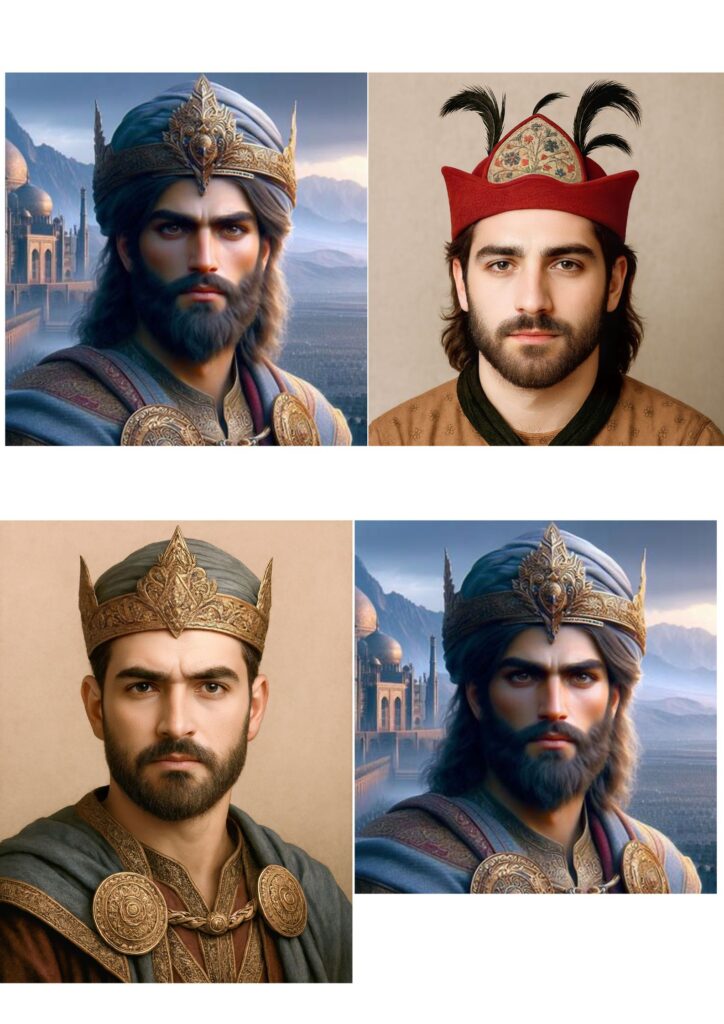
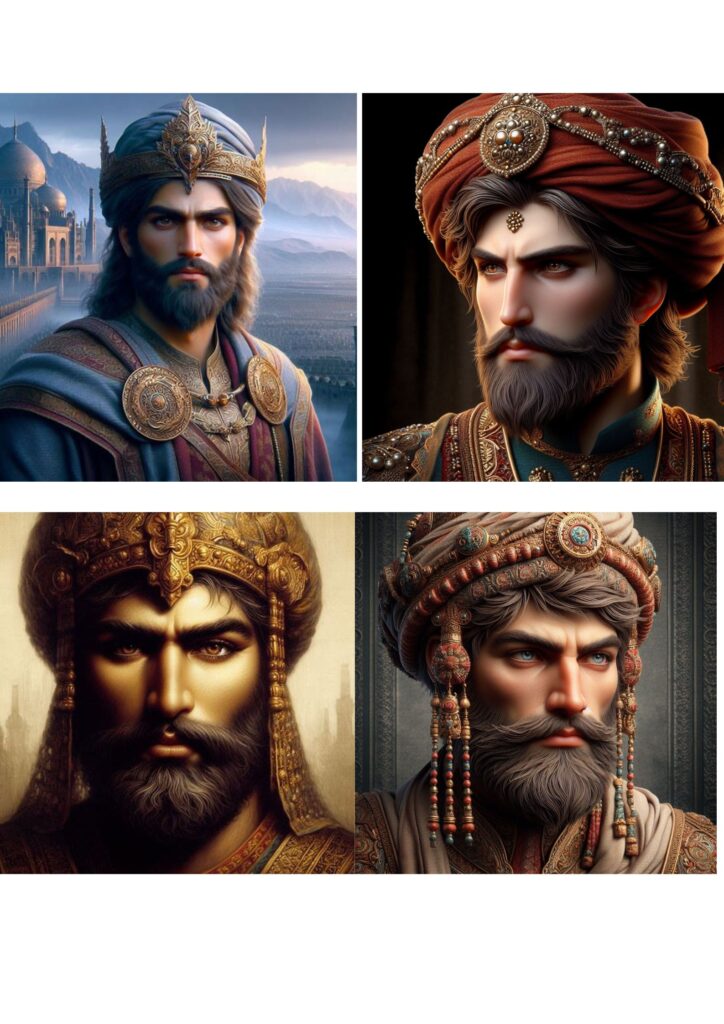
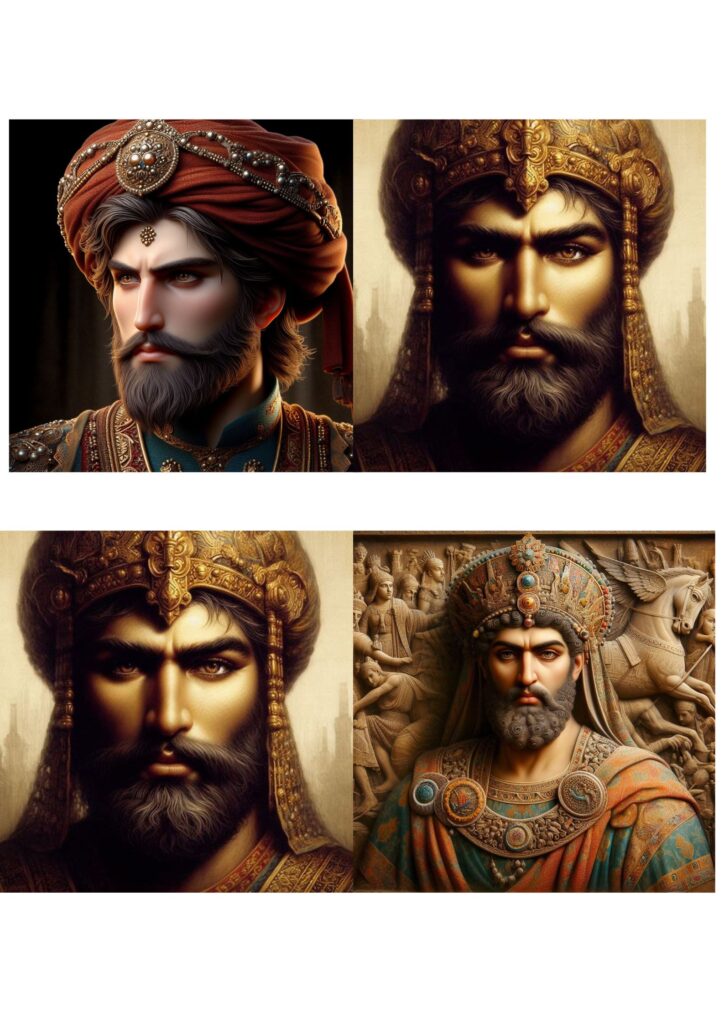
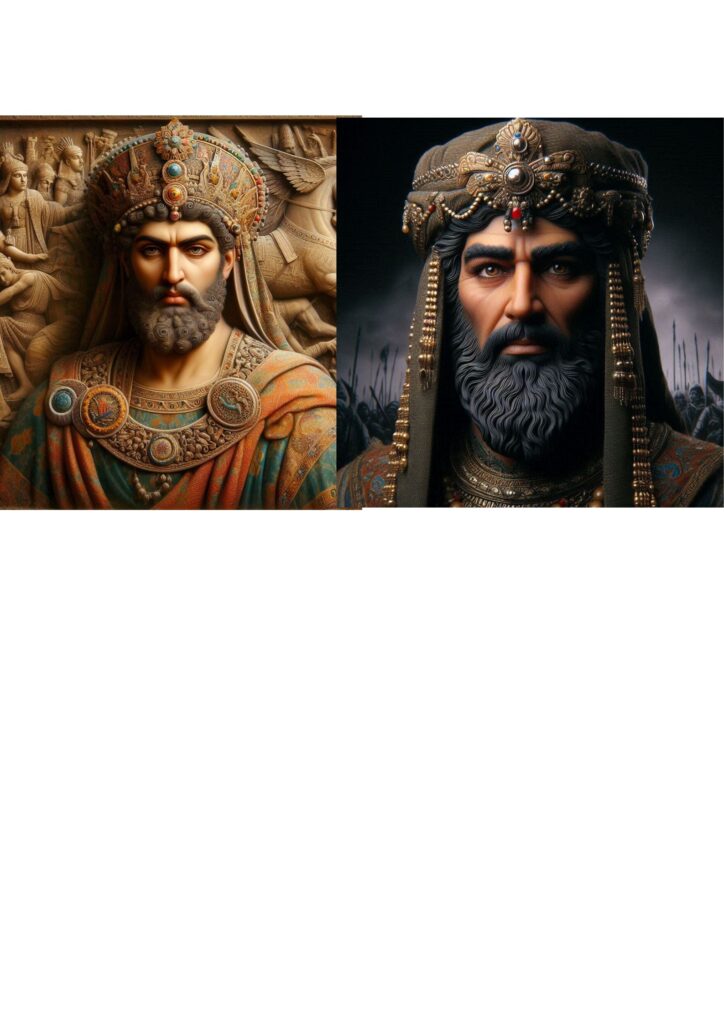
Conclusion – Keyumars Known as a First man and Established Pishdadian Dynasty, was He the same Androgynous dying and Rising authority who is responsible for restoring knowledge of civilizations after flood and Establishment of Dynasty and whose face remains the same in every birth as per Bhagvadgita verse 4.6, ?
– as well as Face of Keyumars match with Other possible births of this Androgynous Dying and Rising authority. As well as as per Myths Early Pishdadian Rulers were the World Rulers.
Within Persian mythology, Keyumars occupies a unique position as both the first human and the first king, standing at the symbolic beginning of civilization itself.
Because many ancient traditions describe civilization founders as lawgivers, wisdom bringers, or divine rulers connected with justice and sacred order, Keyumars becomes especially significant within the framework of this timeline investigation.
The following section explores visual and symbolic parallels associated with different traditions connected with sacred kingship, civilization-building, and recurring divine authority.
Lets Test the hypothesis
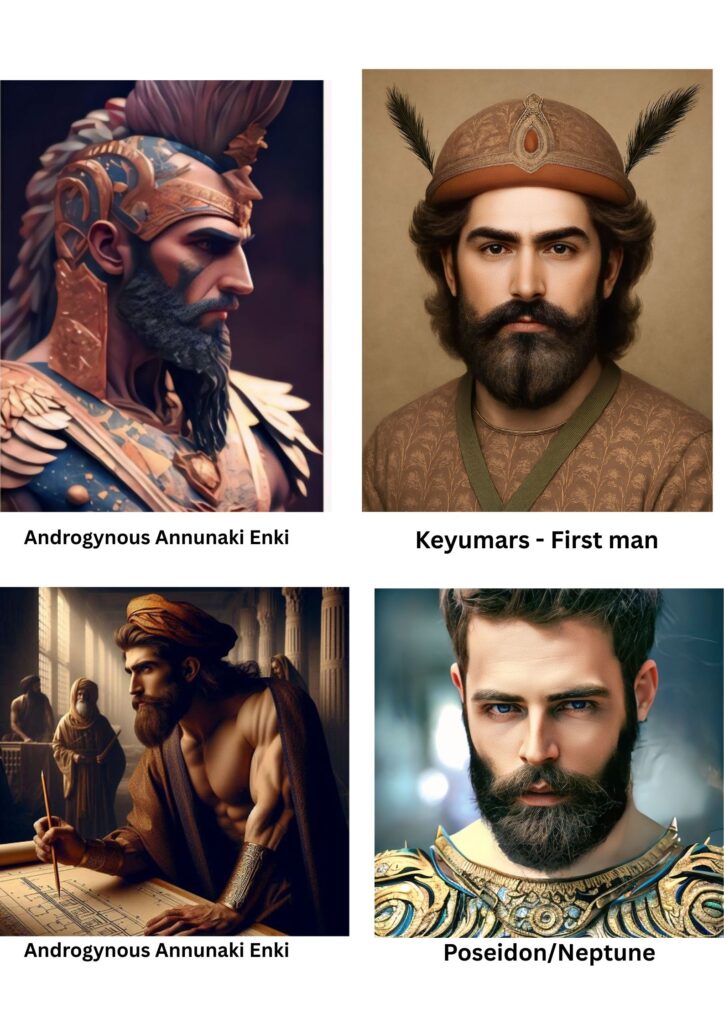
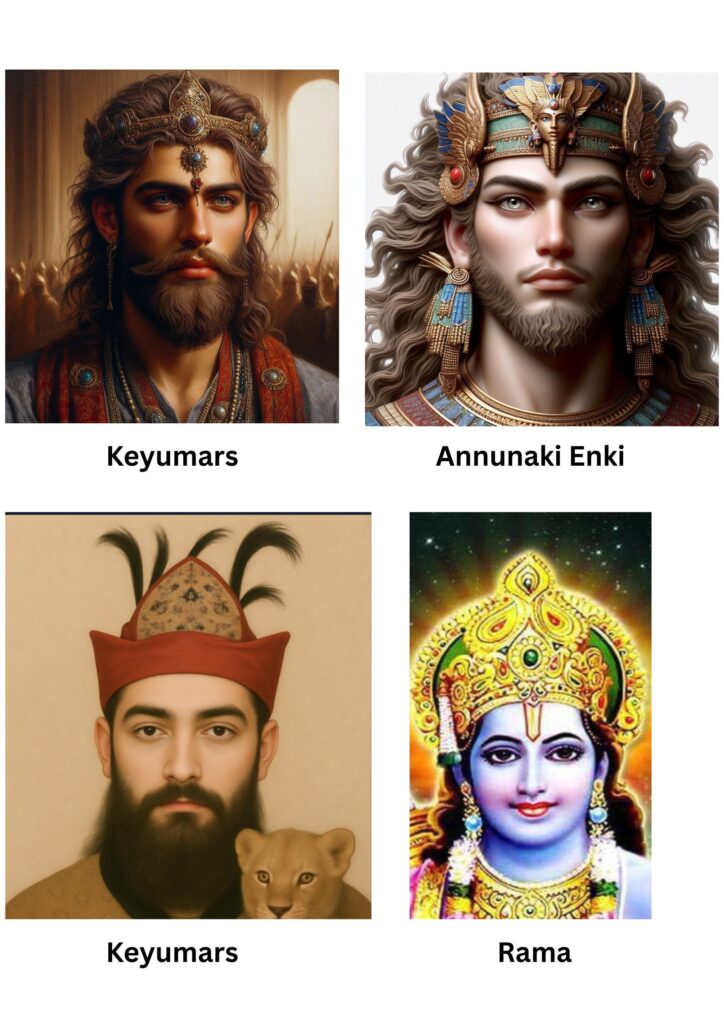
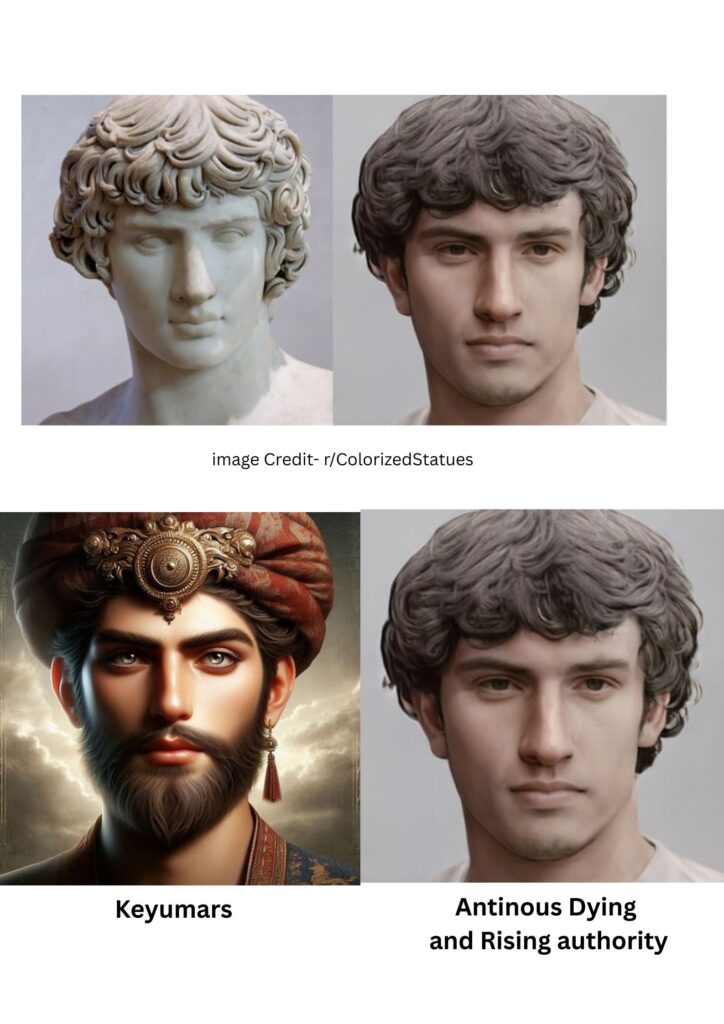
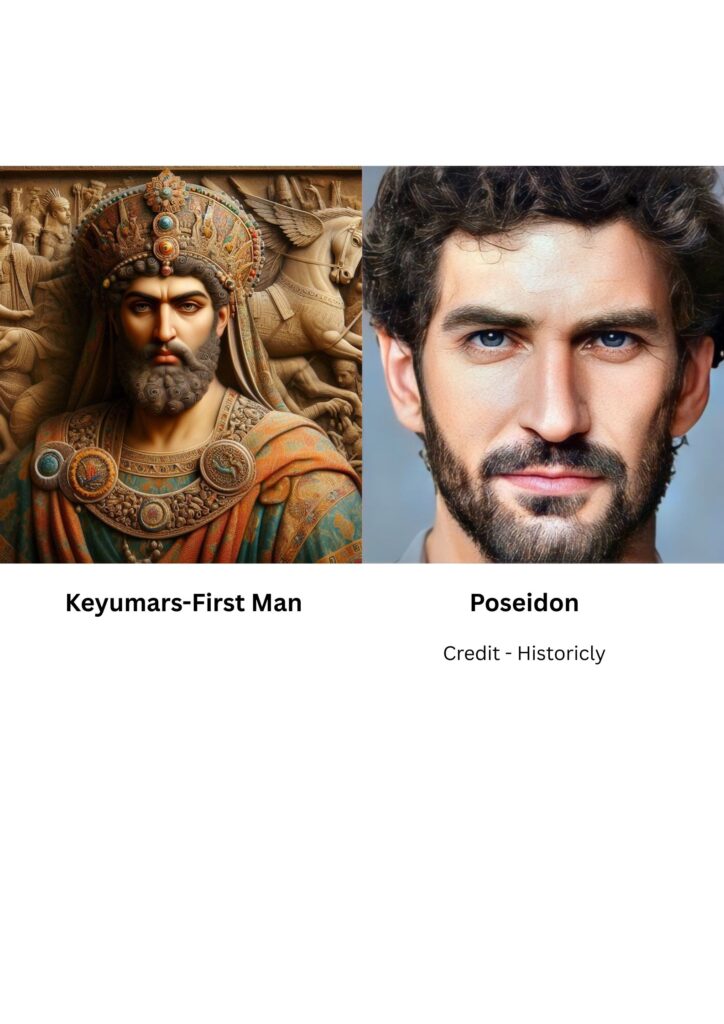
Unsolved Mystery – Keyumars face Match with Another Possible Births of this Creator of civilizations and Dynasty founder Androgynous Dying and Rising authority Mentioned in Indian vedic text, and Egyptian book of the dead.was he the same Androgynous dying and Rising authority, as he is also known as first Man,it is the Biggest unsolved ancient Mystery.
Kernosovsky Idol

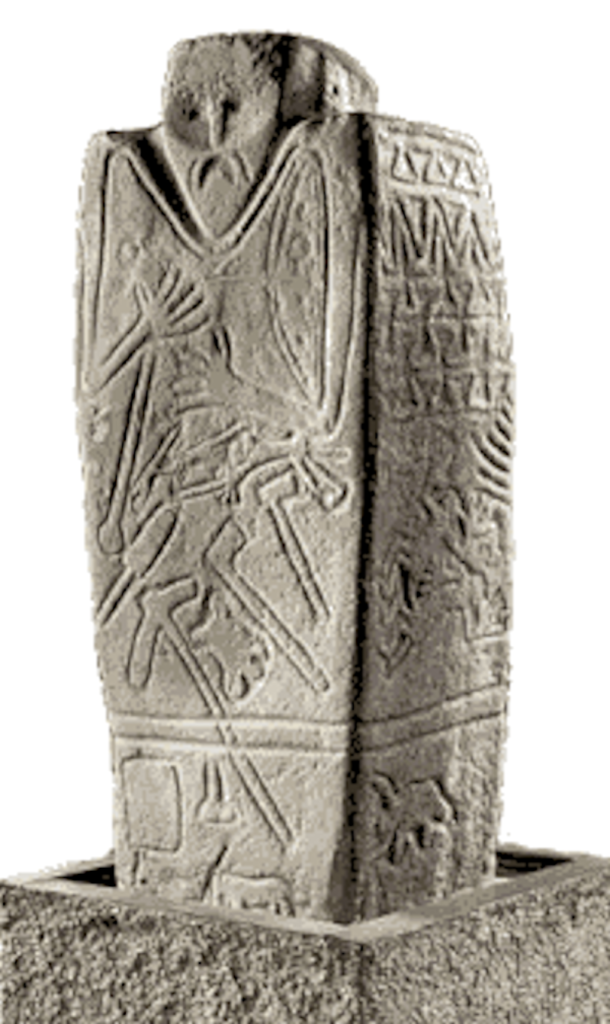
Left image – Kernosovsky Idol, UkraineImage by Кабак public domainright image -romania, Image by Histria Museum Neolithic Menhirs CC BY SA 2.5
Tell es Sawwan Fertility, Mesopotamia statue -6000 BC

Across multiple prehistoric and early agricultural civilizations, closed-mouth figurines, fertility statues, and ritual symbolic forms continue to emerge with notable similarities in posture, facial expression, and sacred symbolism.
Within the framework of this timeline series, these recurring artistic traditions raise symbolic questions concerning whether certain religious motifs or sacred representations may have spread through shared ritual memory, migration, cultural transmission, or recurring civilization cycles preserved through mythology and sacred practice.
Cyprus Closed Mouth, (9000-3000 BC)
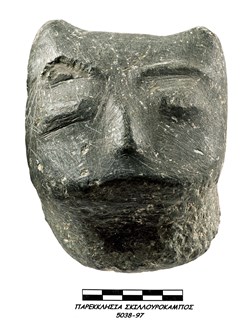
Disclaimer – Above image use under Fair use policy, kindly check link of original source. If your owner of image and any issue, we will remove it.Room I of the Cyprus Museum showcases artifacts from the Neolithic and Chalcolithic periods, dating from the 9th to the 3rd millennium BC. These items, uncovered at some of Cyprus’s oldest archaeological sites, provide insight into the island’s early inhabitants and its pivotal role in the westward spread of agriculture from the Middle East. Among the notable displays are artifacts from the Neolithic site of Choirokoitia, including stone figurines, vessels, tools, and jewelry.
Vinca Culture, Balkan Region, Europe, 8000 BC
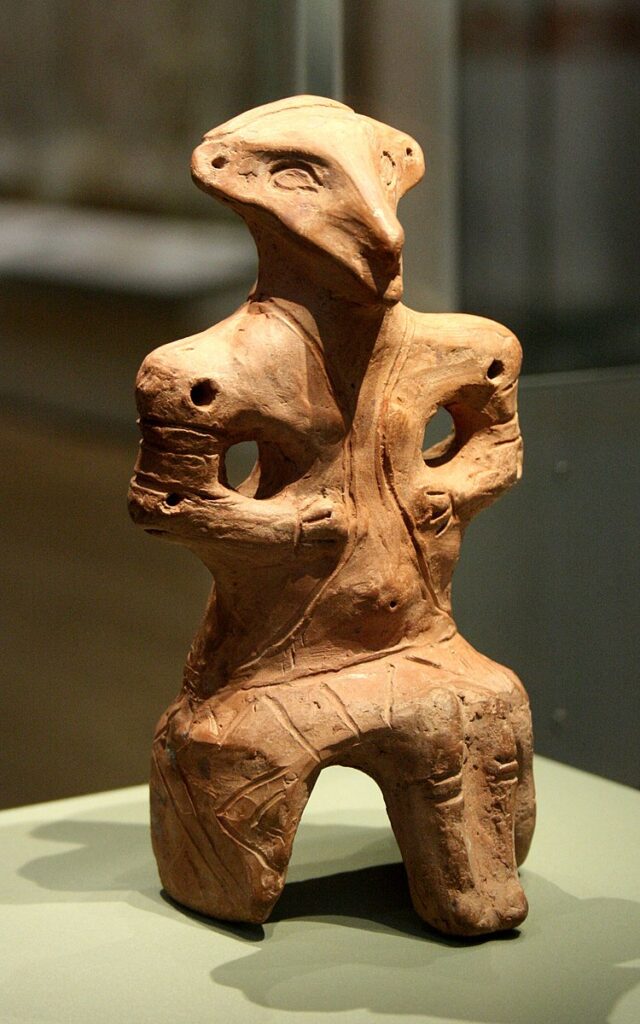
Credit – Michel wal CC 2.5
Venus of Pazardzhik, Bulgeria, 8000 years Ago
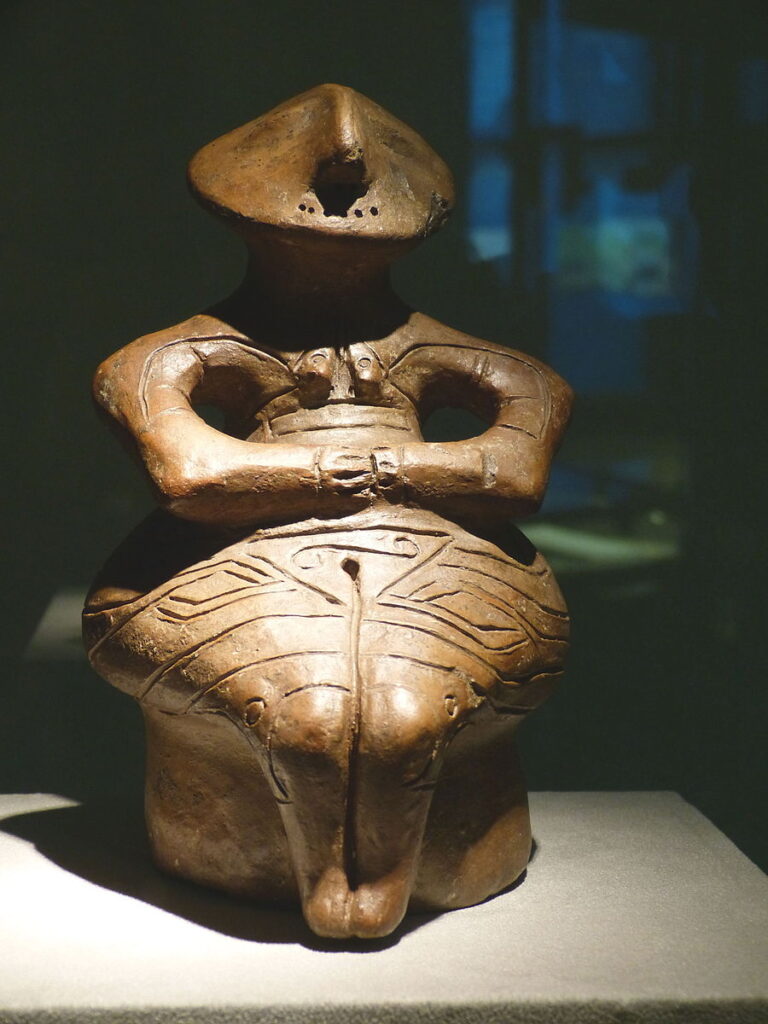
Image by Wolfgang Sauber CC BY SA 4. 0
As organized settlements and early cities emerged across Anatolia and the ancient Near East, divine figures associated with fertility, death, rebirth, sacred kingship, and seasonal renewal became increasingly central within religious traditions.
Among these traditions, the mythology surrounding Cybele and Attis remains one of the most important ancient examples of dying-and-rising symbolism connected with divine authority and cyclical renewal.
Androgynous Cybele Statue, Catalhoyuk City, Turkey (8000 BC)
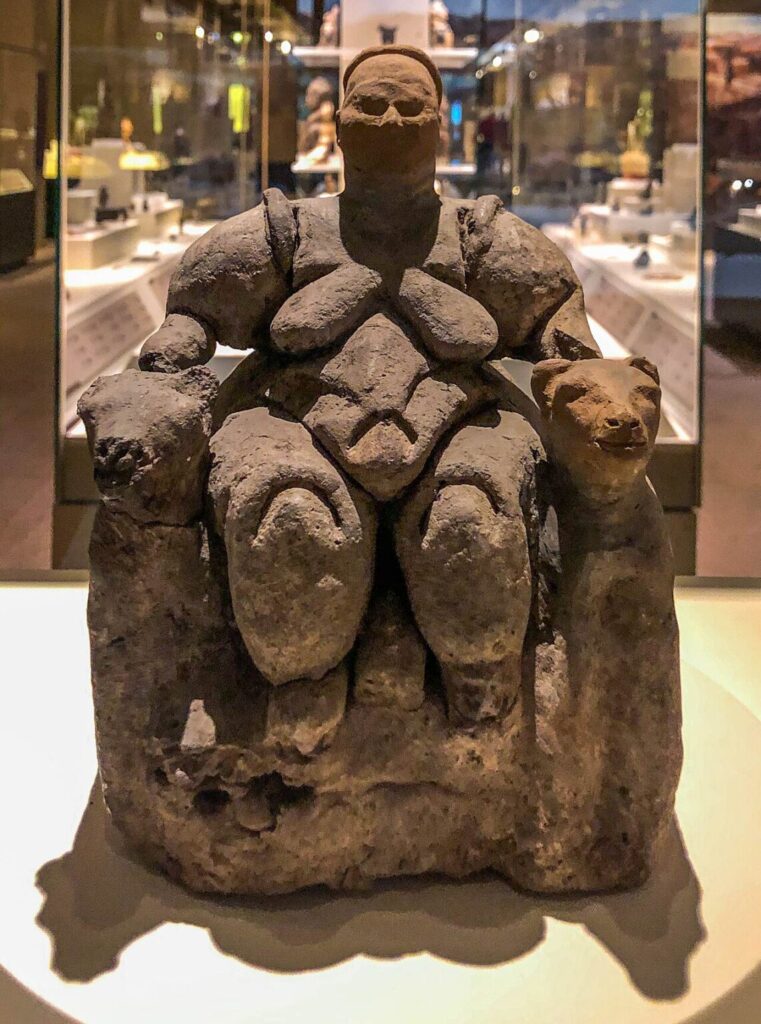
Sefer azeri CC BY SA 4.0
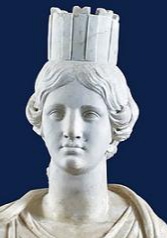
Androgynous Cybele Consort of, Mortal, Ruler Attis Dying and Rising Deity, whose statue found in 8000 years old Catalhoyuk of Turkey
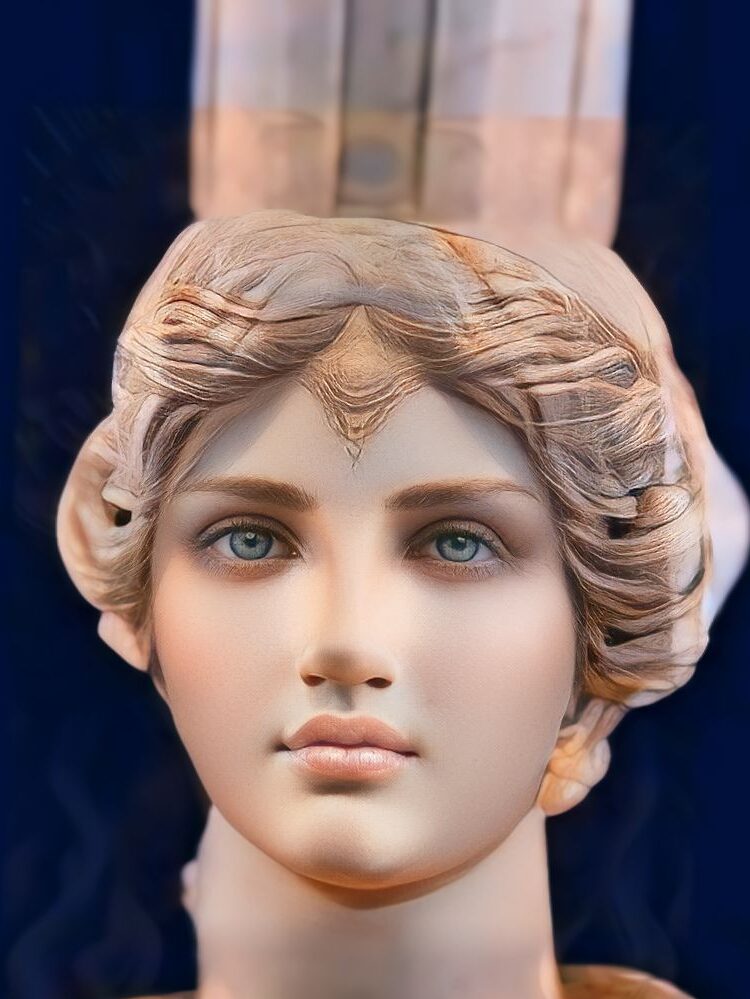
Face Reconstruction of Androgynous Cybele
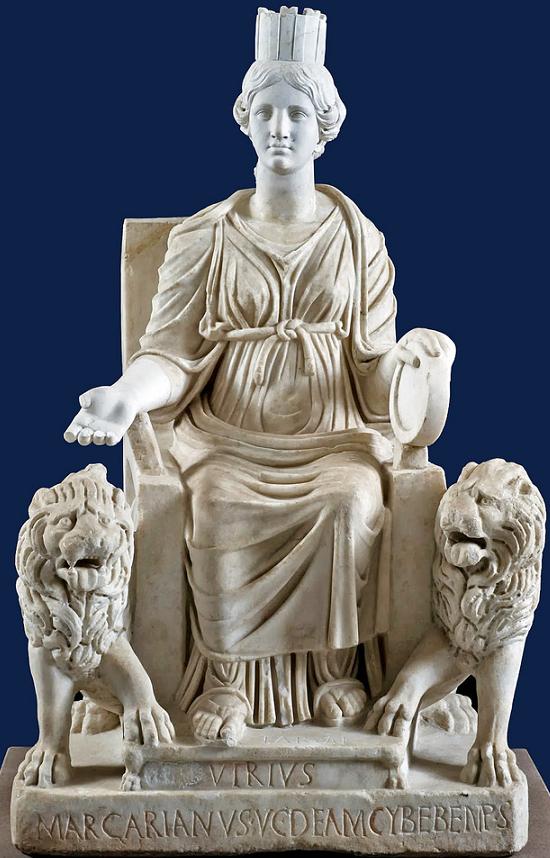
Credit- Bujomar CC BY SA 4.0

J. Paul Getty Museum.


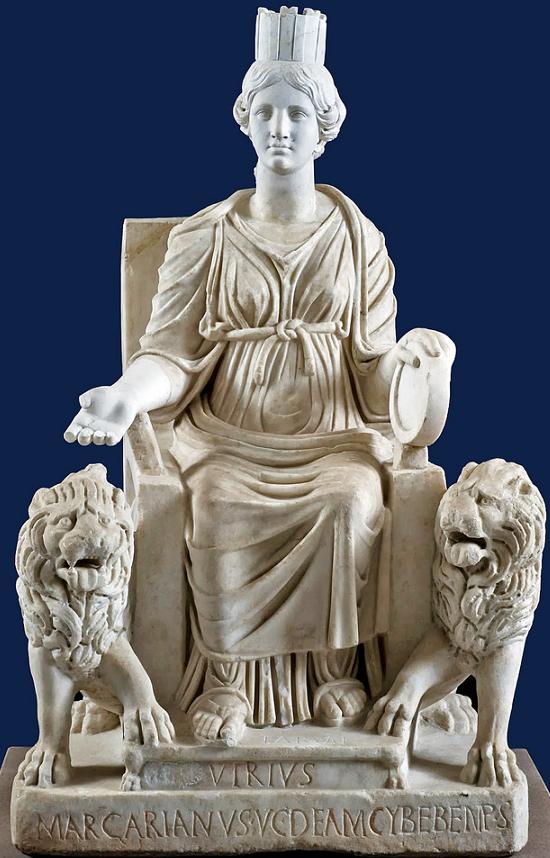










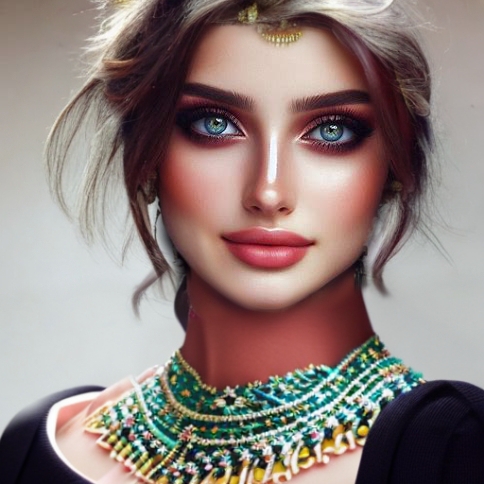

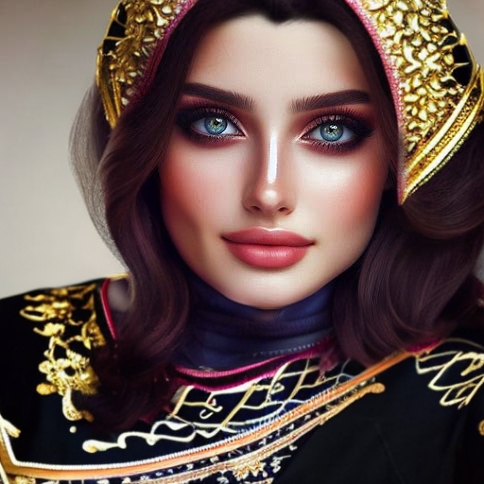



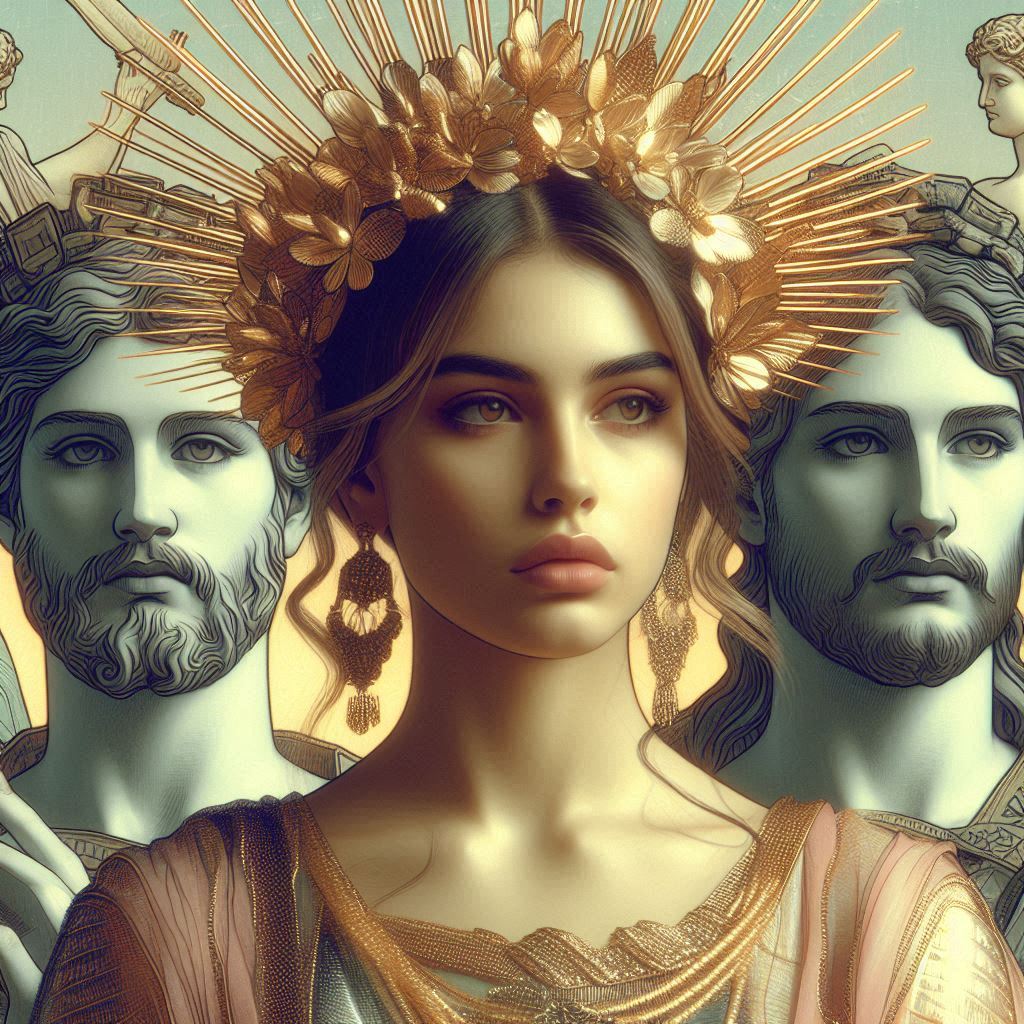

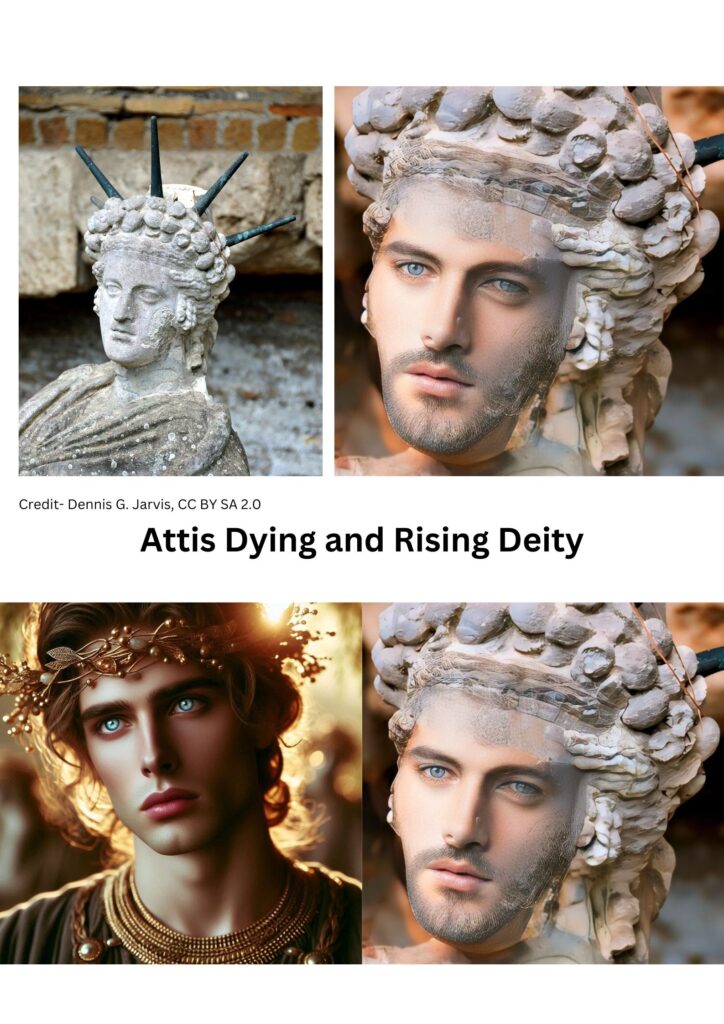
Androgynous Attis Dying and Rising Deity

Credit- Dennis G. Jarvis, CC BY SA 2.0

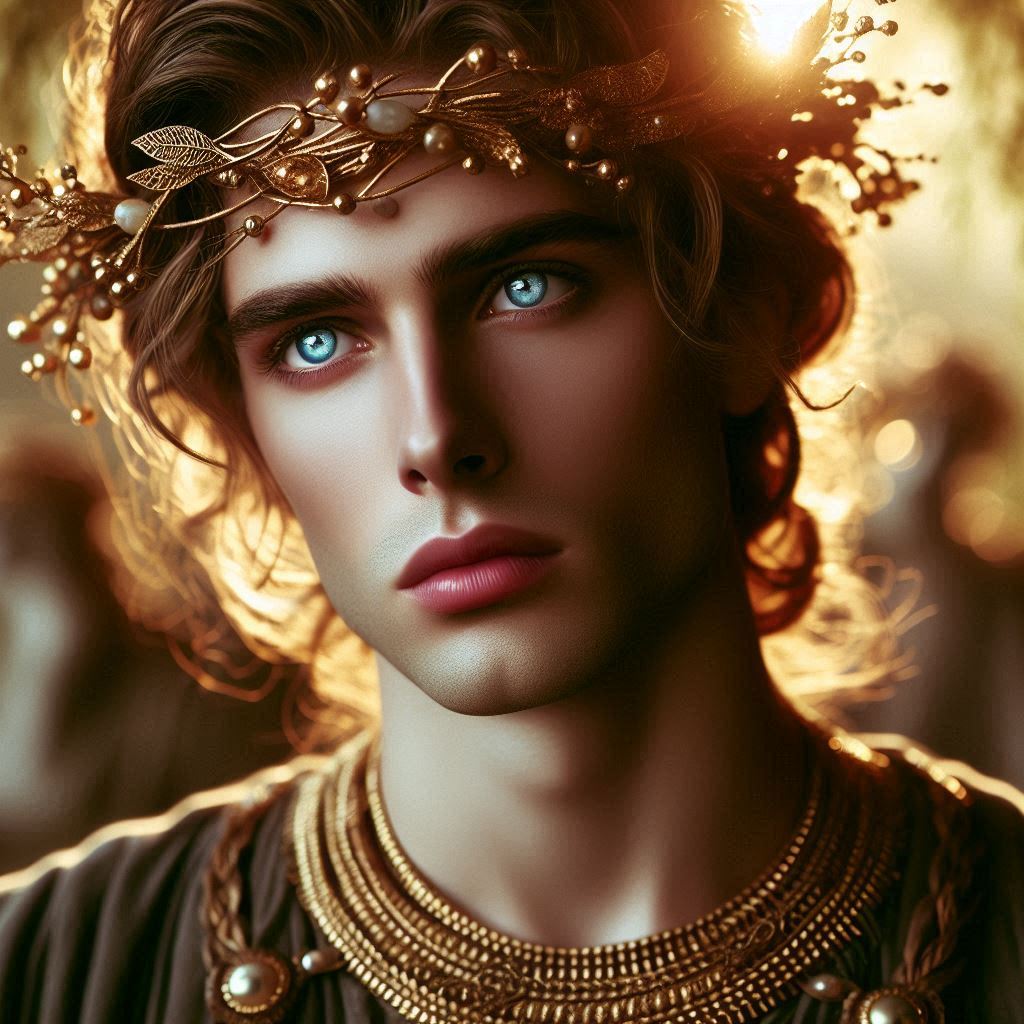





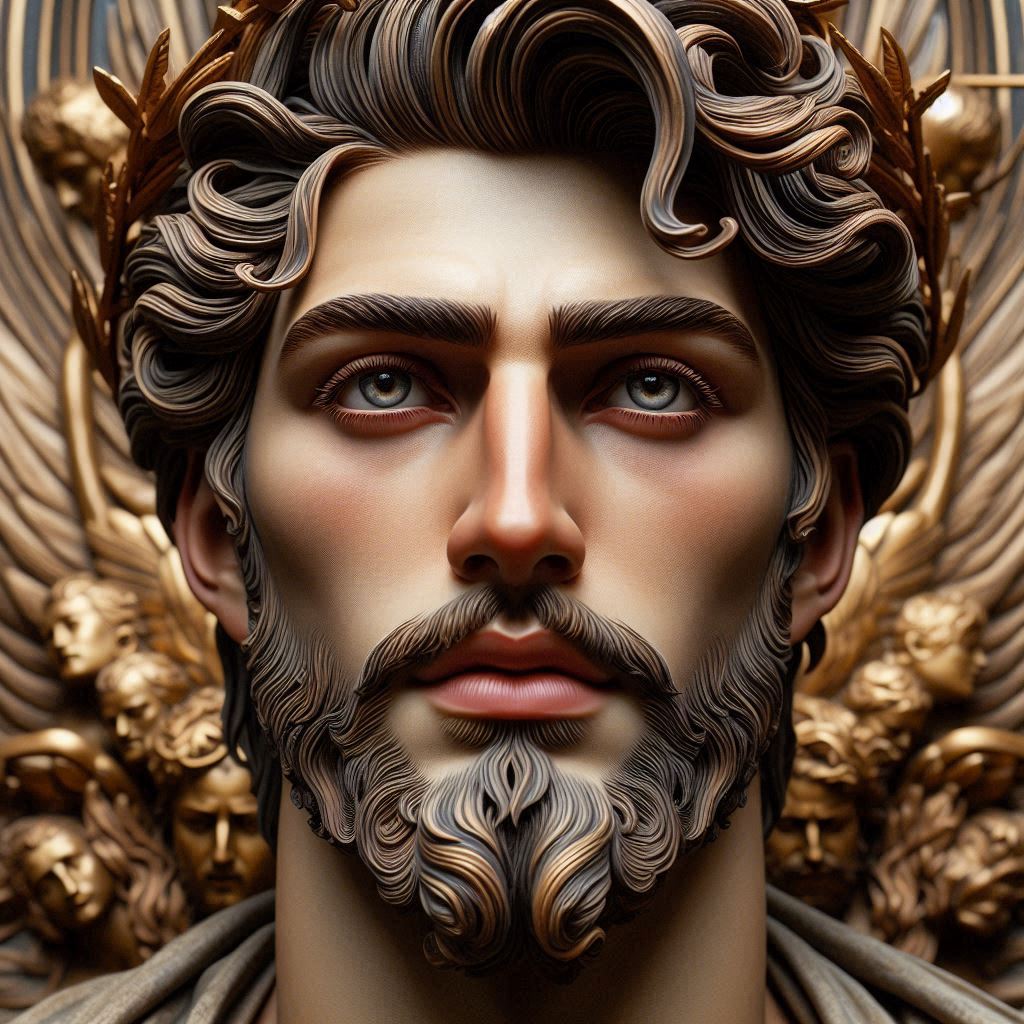

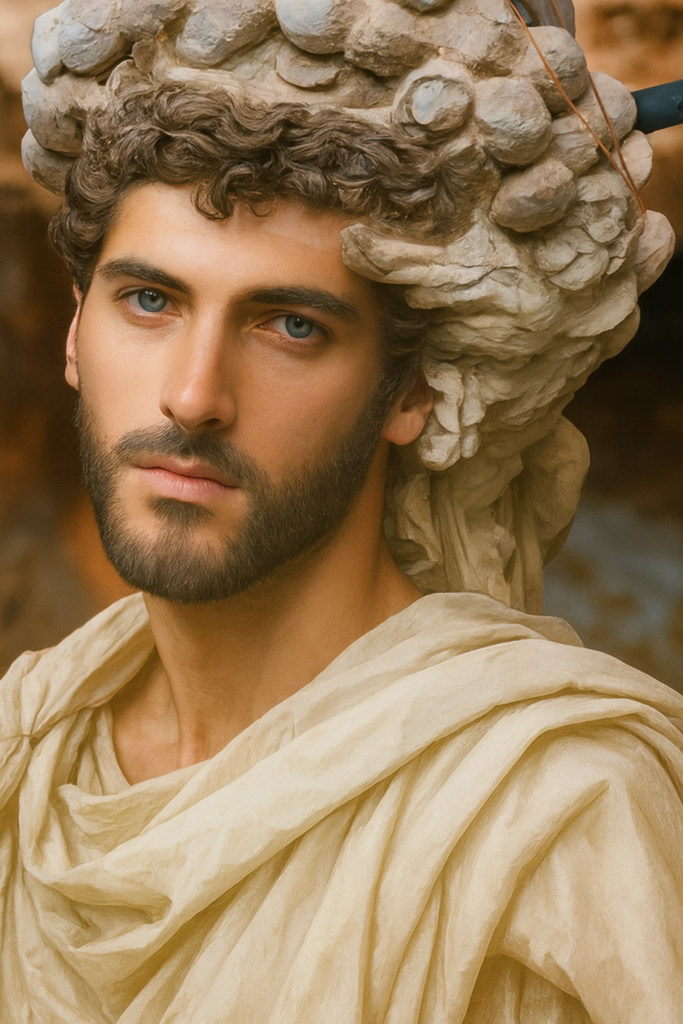
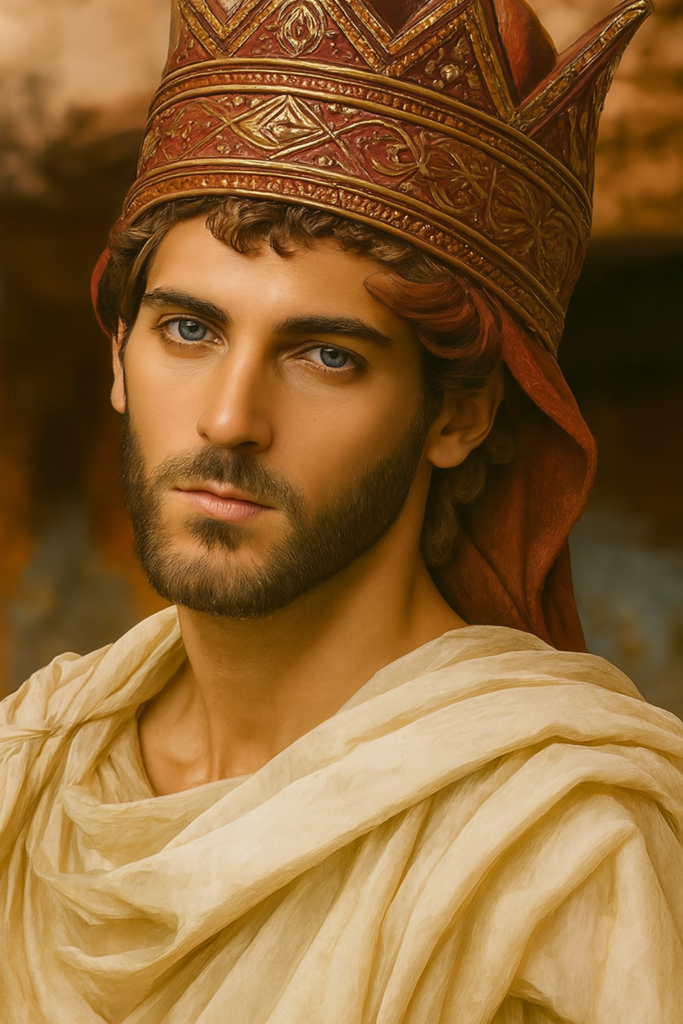
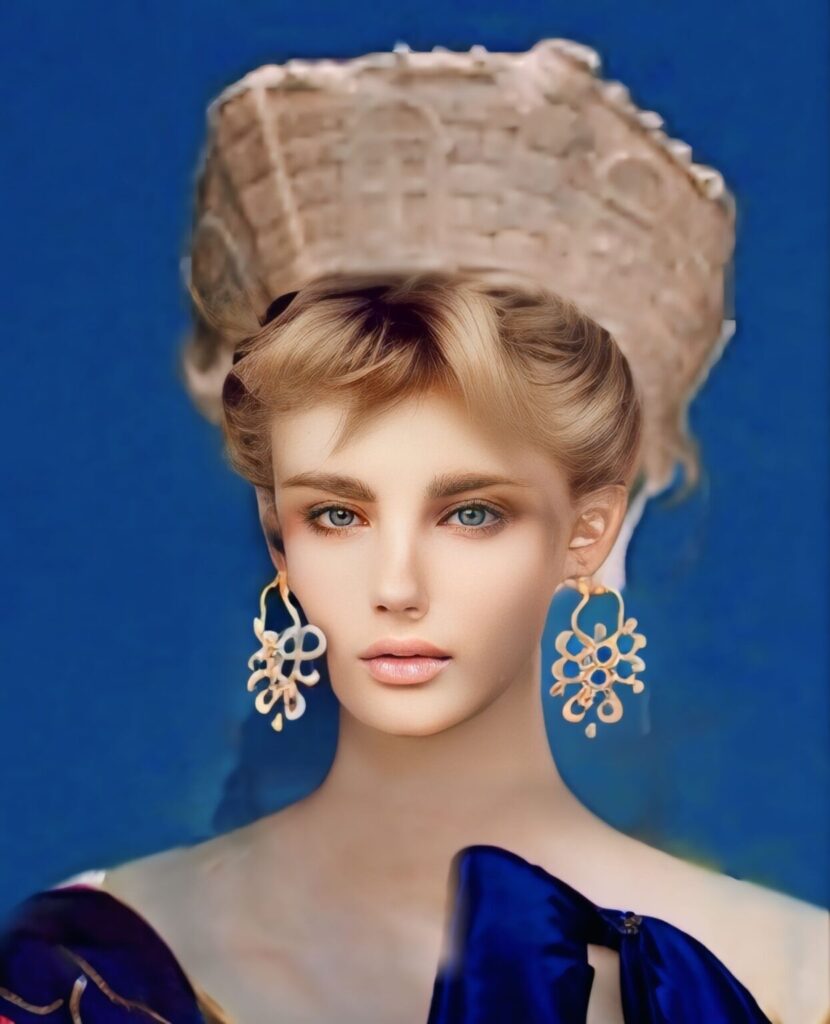
Attis Face Reconstruction through Microsoft Bing AI software
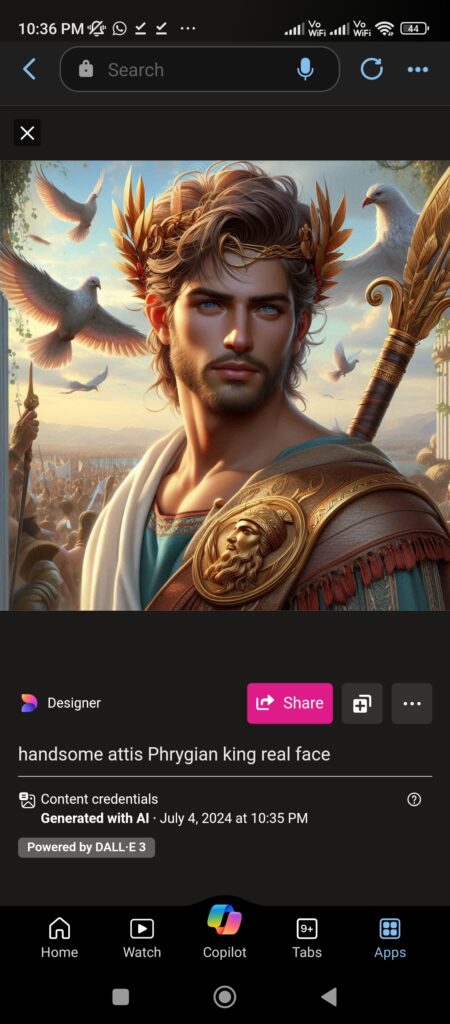
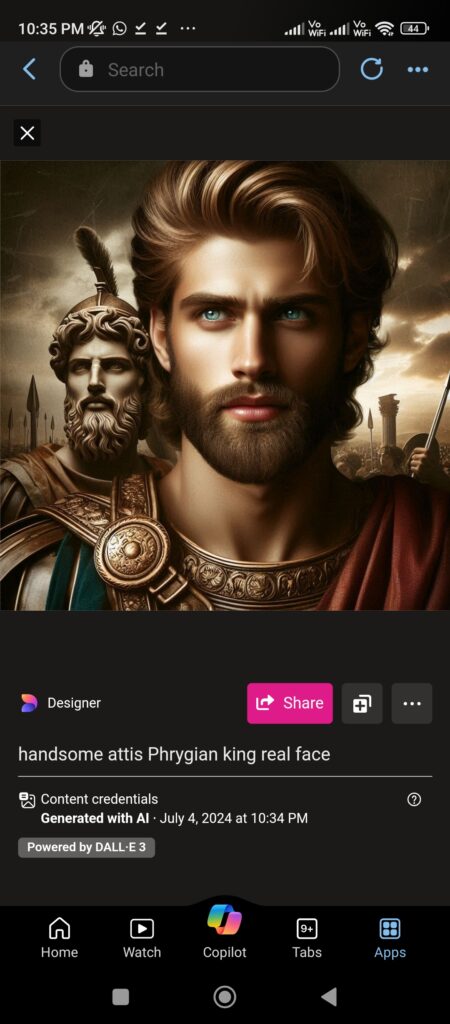
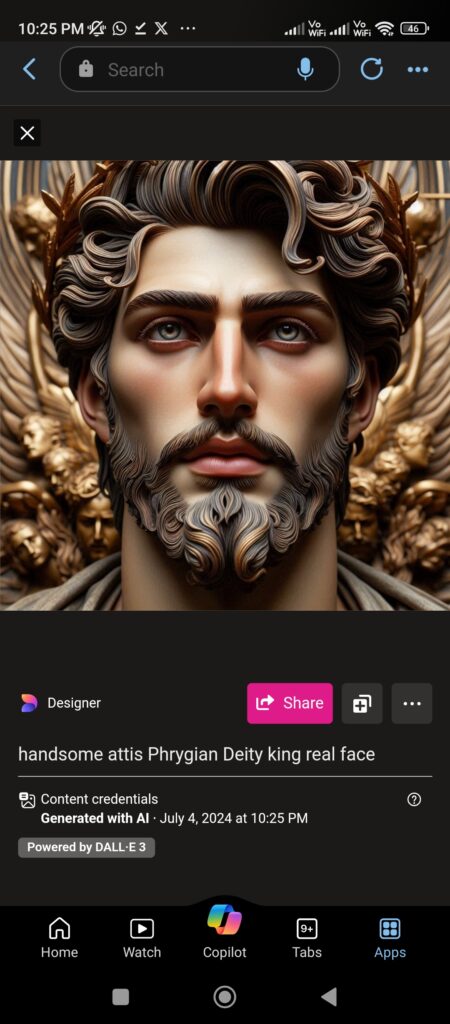
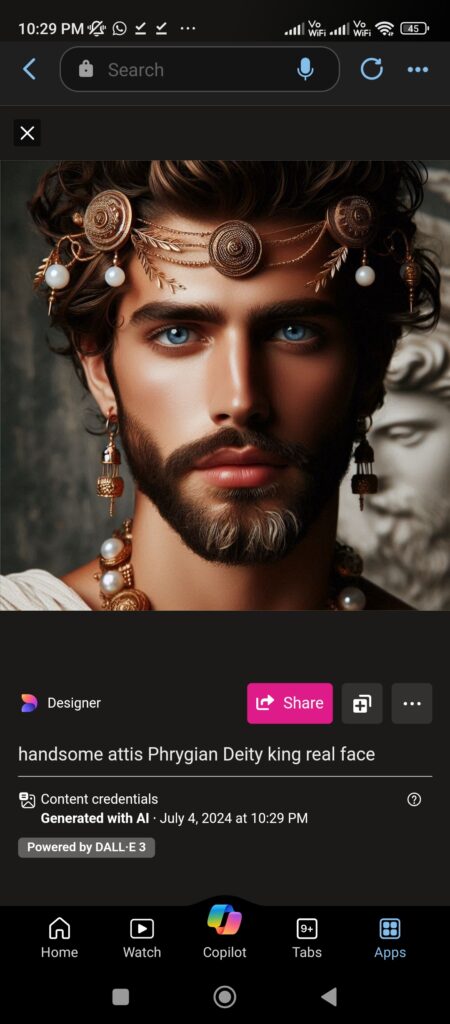
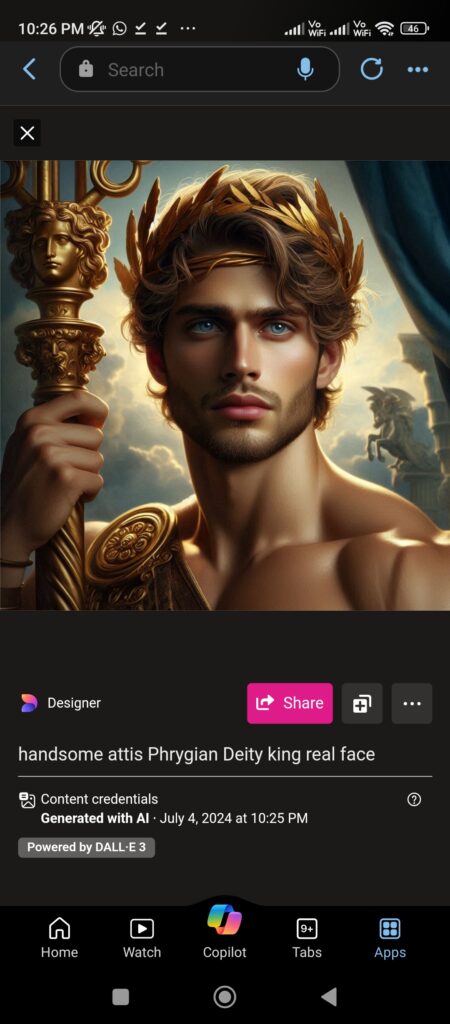
Face Transformation of Attis Dying and Rising Deity
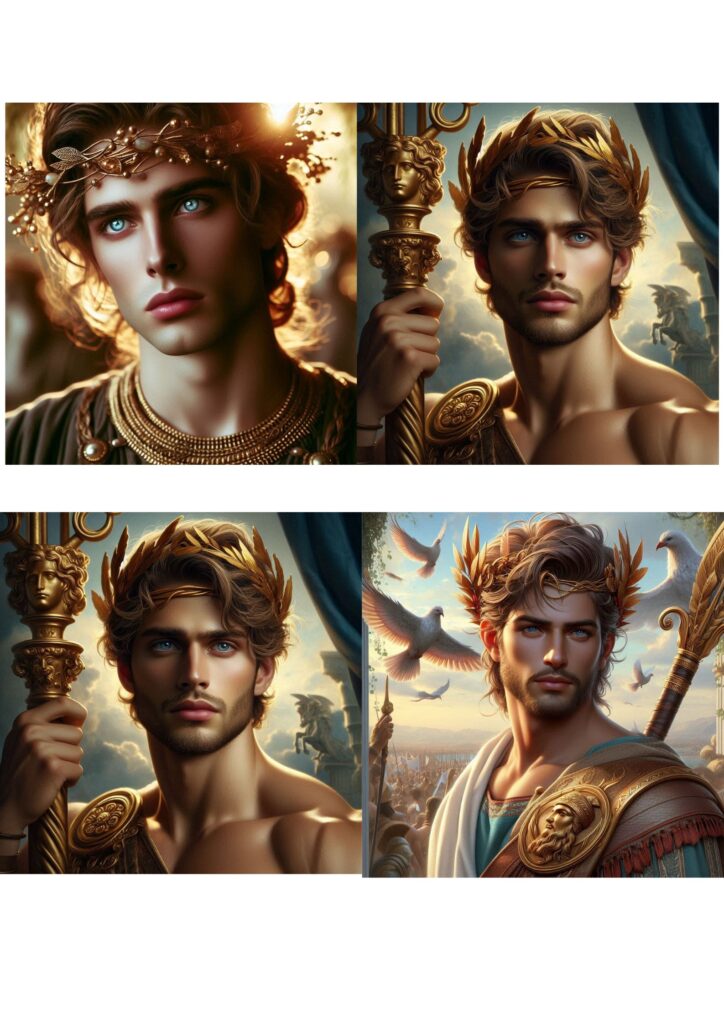
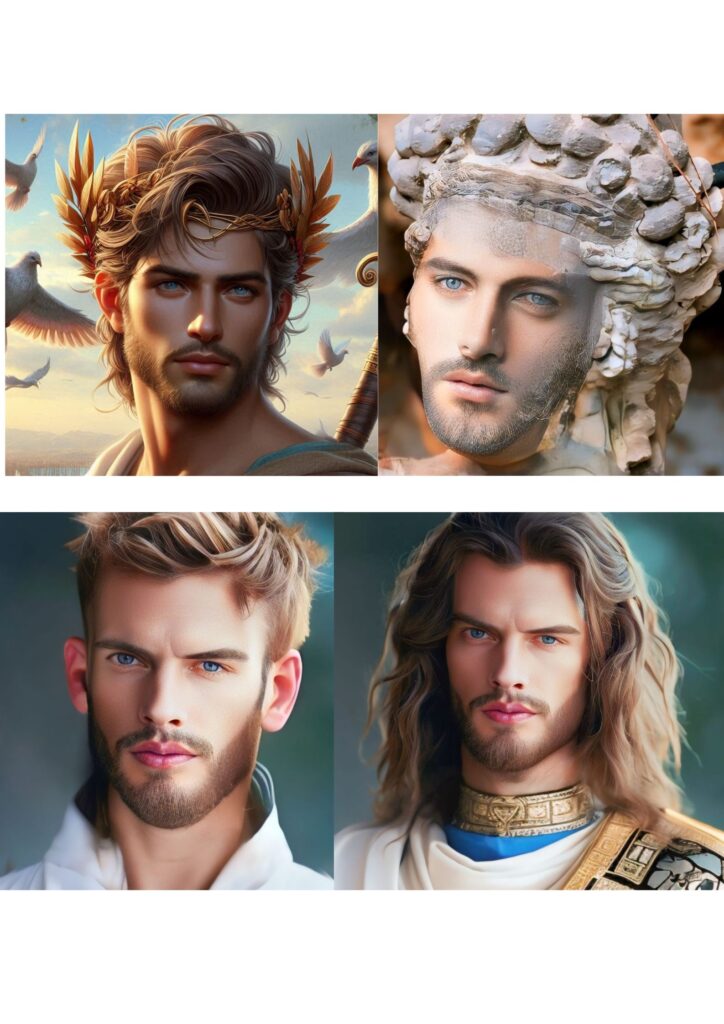

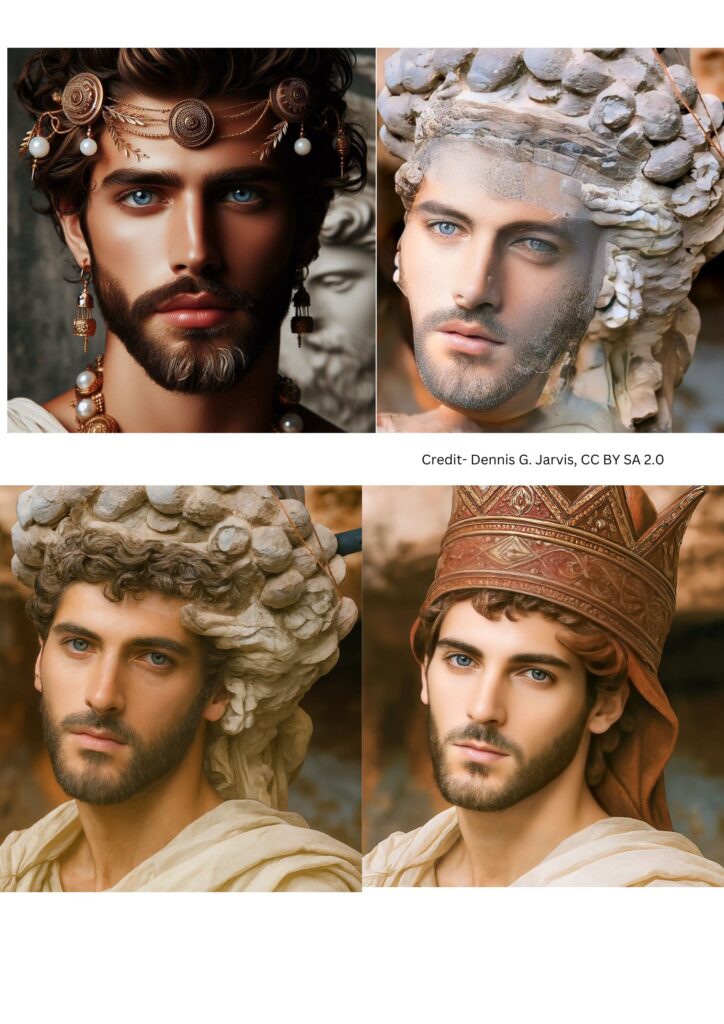
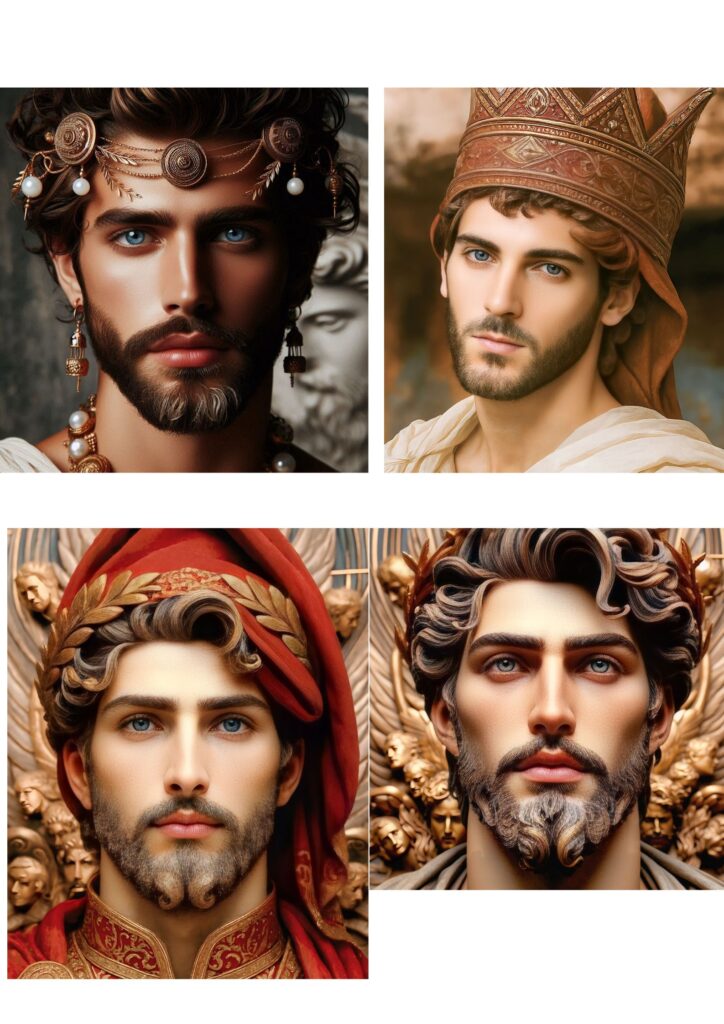
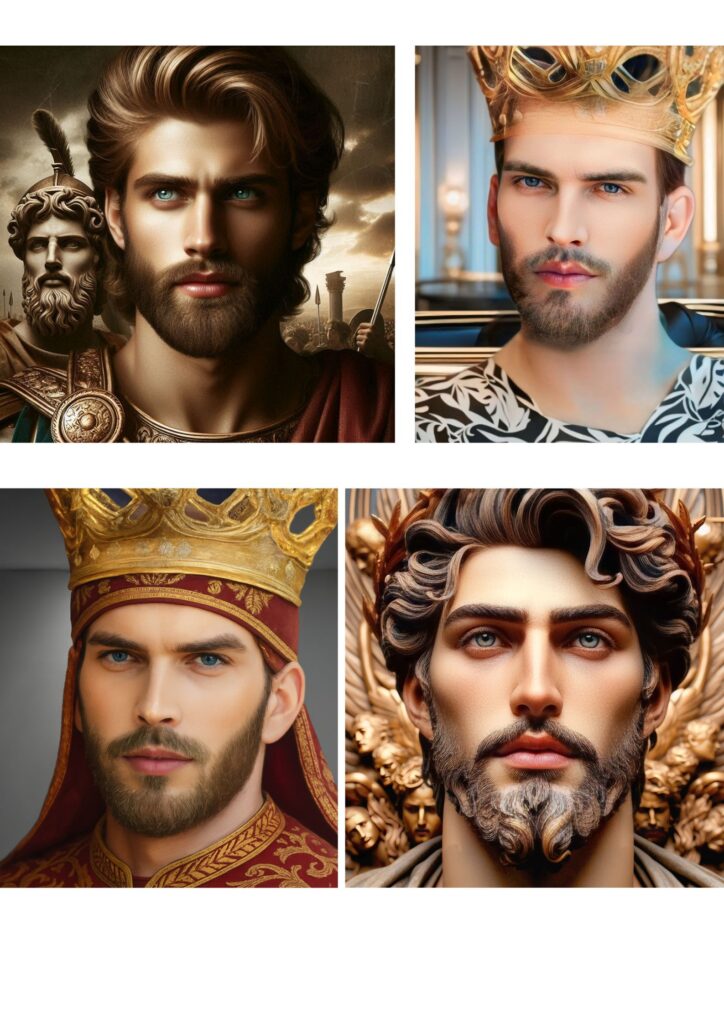
Conclusion – Was Attis the Same Androgynous Dying and Rising Authority, this Authority Mentioned as a Ruler of eternity as per indian vedic text and Book of the dead of Egypt. As well as Attis known as a Mortal ruler. “
As well as per Bhagvad-Gita Verse 4.6 face of Androgynous Dying and Rising authority remain the same in every Birth “and Attis face also match with another possible births of this Androgynous Authority,
As recurring civilization-founder figures continue to appear throughout ancient mythology, symbolic comparisons between sacred rulers, wisdom bringers, and dying-and-rising figures become increasingly central within this investigation.
The following section explores visual and symbolic parallels associated with different traditions connected with sacred kingship, civilization-building, and recurring divine authority.
Lets Test the Hypothesis
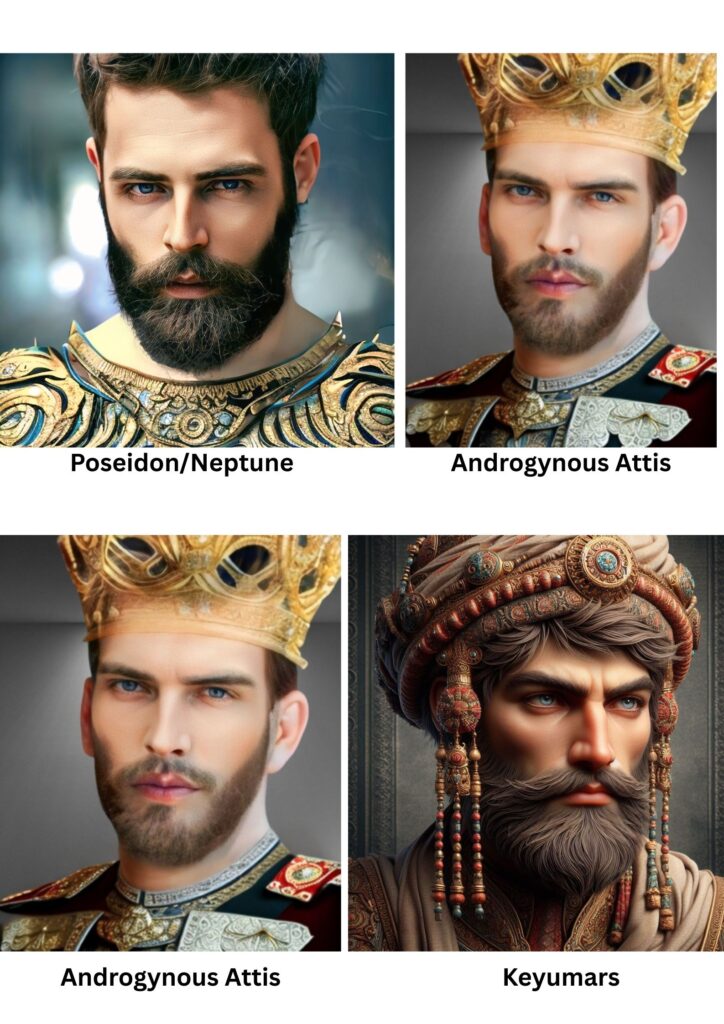
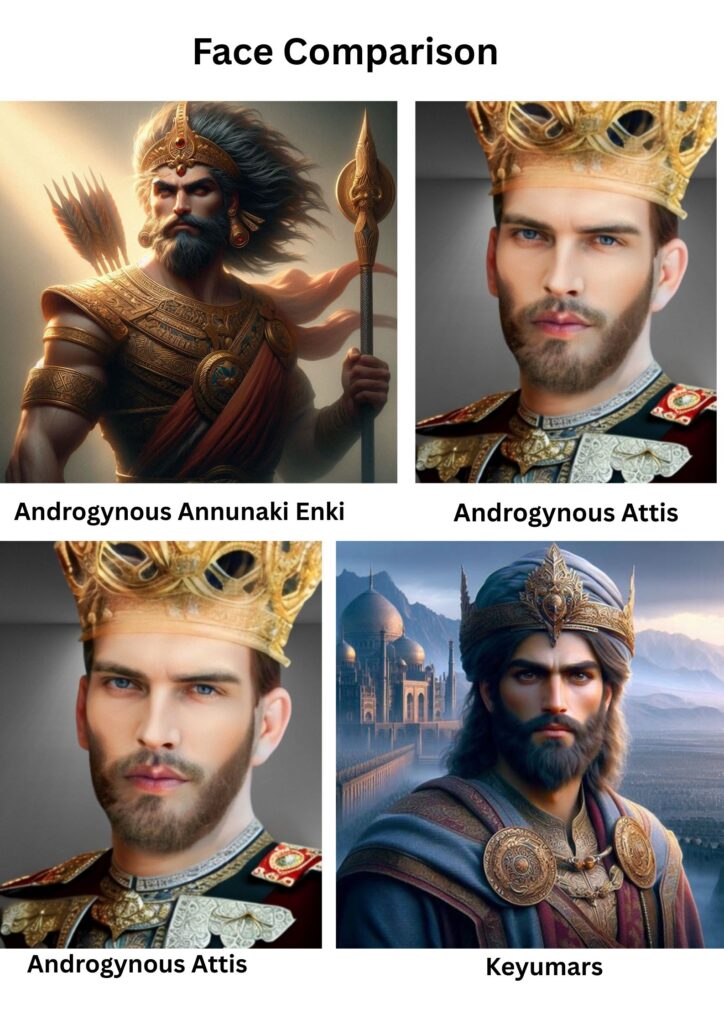
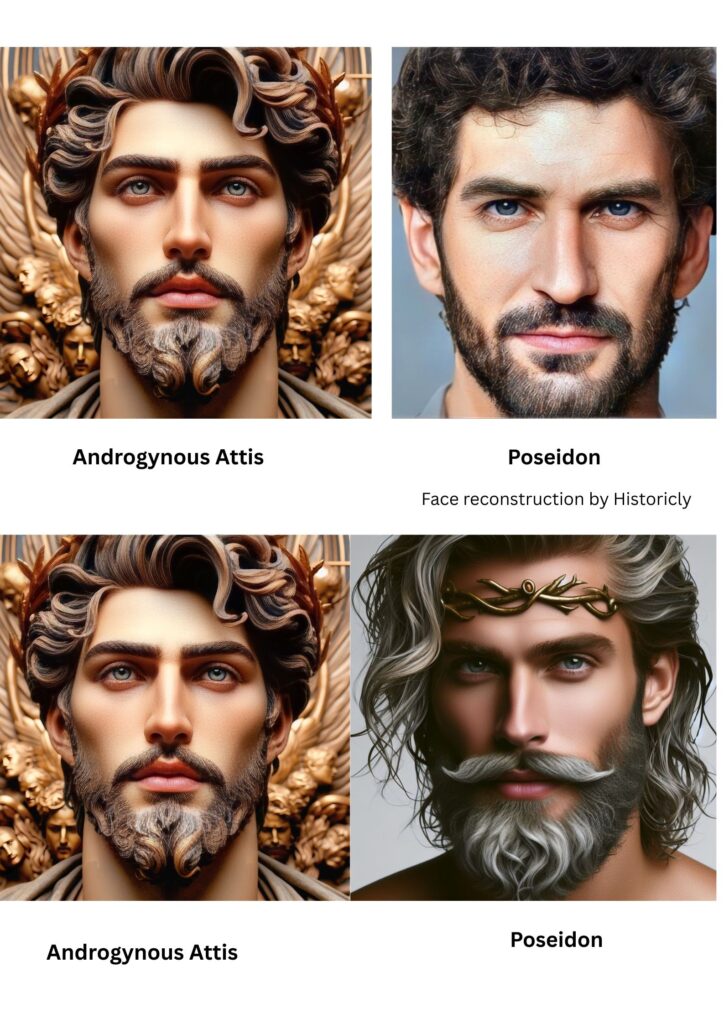
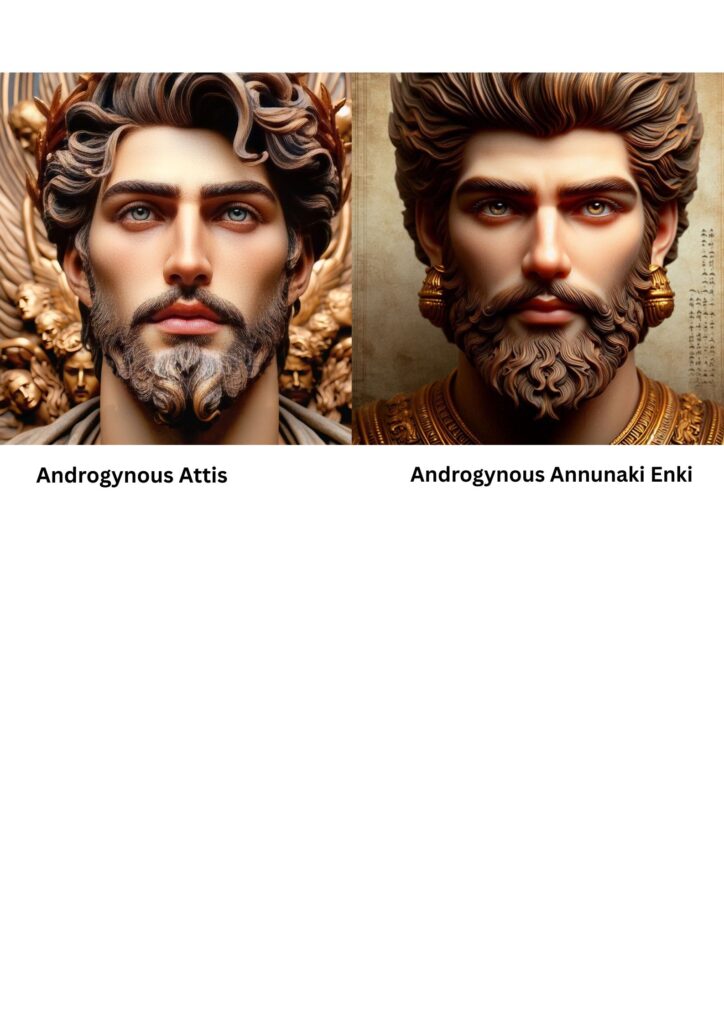
Unsolved Mystery – Androgynous Attis Dying and Rising authority face Match with Another Possible Births of this Creator of civilizations and Dynasty founder Androgynous Dying and Rising authority Mentioned in Indian vedic text, and Egyptian book of the dead.it is Biggest unsolved Mystery.
As the investigation progresses toward the earliest dynastic civilizations, Thoth once again emerges as one of the most significant wisdom bringer figures associated with sacred knowledge, writing, law, cosmic order, and the preservation of civilization.
Ancient Egyptian traditions surrounding Thoth continue to raise symbolic parallels with other civilization-founder figures explored throughout this timeline investigation.
Worship of Androgynous Thoth Begin Around -6000 BC
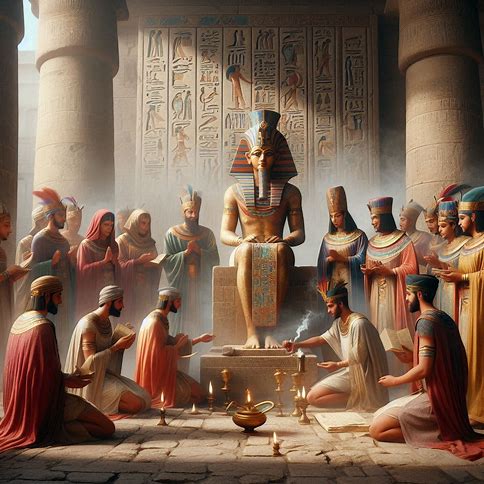
Earlier he was king later people deified him as god & Worship of Thoth began in Lower Egypt most likely in the Predynastic Period (c. 6000-3150 BCE) and continued through the Ptolemaic Period (323-30 BCE)
● Thoth described as Immortal ruler
was he the same Ruler of eternity, Androgynous dying and Rising creator of civilization authority ?
● Manetho wrote that according to stelae coming from the Deity of the First Dynasty, More than 20000 works were attributed to Thoth. He also reported that these same Deity reigned from 33,894 to 23,642 BC.
● Scientists Dated the Emerald Tablet was written by thoth in 36000 BC.
References
https://www.worldhistory.org/Thoth/
As the timeline advances through the earliest eras of organized civilization, recurring themes of sacred rulership, fertility symbolism, wisdom bringers, and dying-and-rising divine figures continue to appear across multiple ancient cultures.
From Persian first-king traditions to Anatolian rebirth mythology and Egyptian wisdom teachings, the persistence of these symbolic patterns continues to raise questions concerning the origins of civilization and the possibility of recurring spiritual archetypes preserved across ages.
Whether these similarities represent shared mythology, ritual symbolism, cultural memory, or fragmented recollections of forgotten civilizations remains an unresolved mystery.
The investigation continues in Part 5, where additional ancient traditions, sacred symbols, archaeological mysteries, and civilization-founder figures will be examined through the framework of cyclical civilization and the Eternal Authority hypothesis.
Every civilization preserves symbols.
Every myth carries fragments of memory.
And every closed mouth may guard a forgotten truth.