
Era of Sacred Symbols, Divine Archetypes, and Early Mythological Civilizations (4000 BC – 3000 BC)
In Part 5 of the Closed Mouth Mysteries Timeline, the investigation explored flood survivors, primordial kings, post-catastrophic civilization restoration traditions, and recurring “first man” archetypes associated with Yima/Jamshid and other early civilization founders.
Part 6 continues this investigation by examining the emergence of sacred symbols, mythological archetypes, divine rulers, and recurring spiritual motifs appearing across Egypt, Mesopotamia, Greece, India, Australia, and other ancient civilizations during the rise of organized kingdoms and early religious systems.
Within the framework of the Eternal Authority hypothesis, this section explores whether recurring themes involving sacred animals, dying-and-rising figures, wisdom bringers, fertility symbolism, and civilization-teaching deities may preserve fragmented memories of recurring spiritual archetypes shared across ancient cultures.
Egypt, 4000 BC
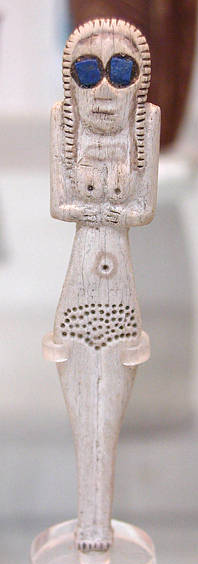
Image by Jon Bodsworth CC
As organized civilizations expanded across Egypt, Mesopotamia, the Mediterranean world, and the Indus Valley, symbolic systems associated with sacred authority, divine protection, fertility, kingship, and cosmic balance began appearing with increasing complexity.
Among the most widespread recurring symbols were lion deities, serpent staffs, hybrid beings, and sacred animal archetypes connected with rulership, healing, wisdom, and spiritual transformation.
Lion Bastet, Centaur & Caduceus Symbol Start Appearing in between 4000-3000 BC
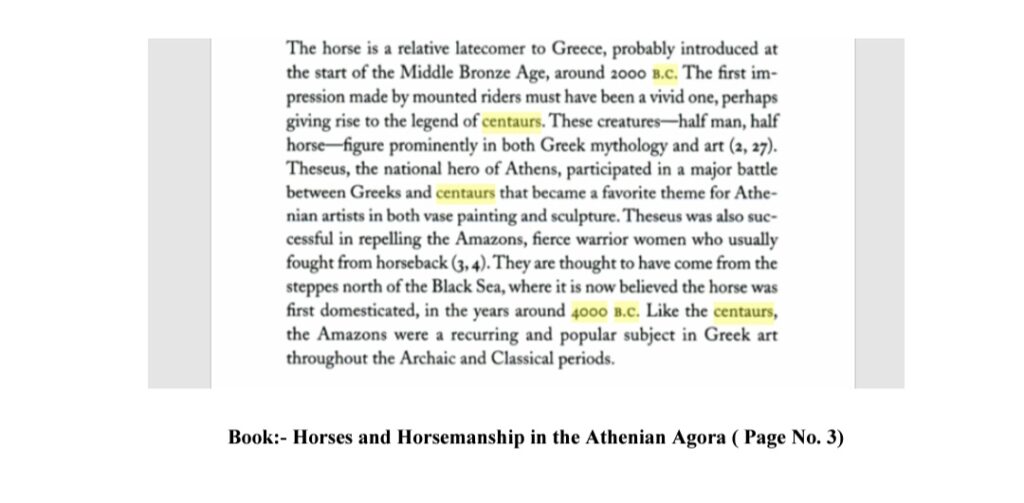
The Book “horses & horsemanship in the Athenian agora” page 3. – The author mentioned that centaurs 1st domestication started in 4000 BC,
Battle of Centaurmachy

Credit- Niko Kitsakis CC BY SA 4.0
Russian Centaur called polkan
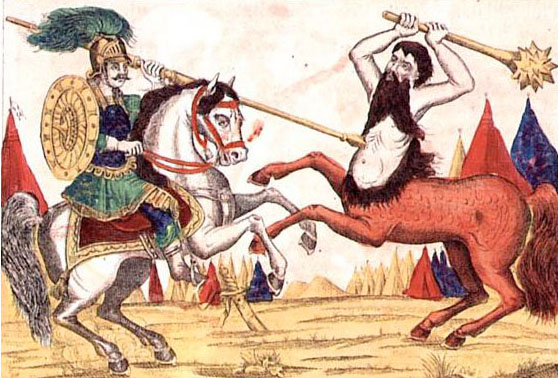
russian polkan centaur art
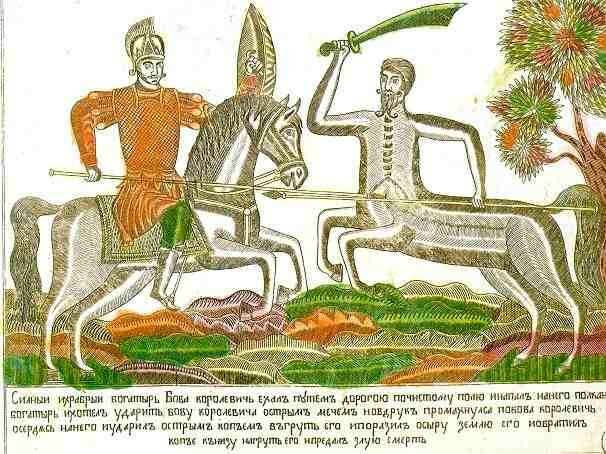
russian polkan -19th century
Centaur on coin of Turkey
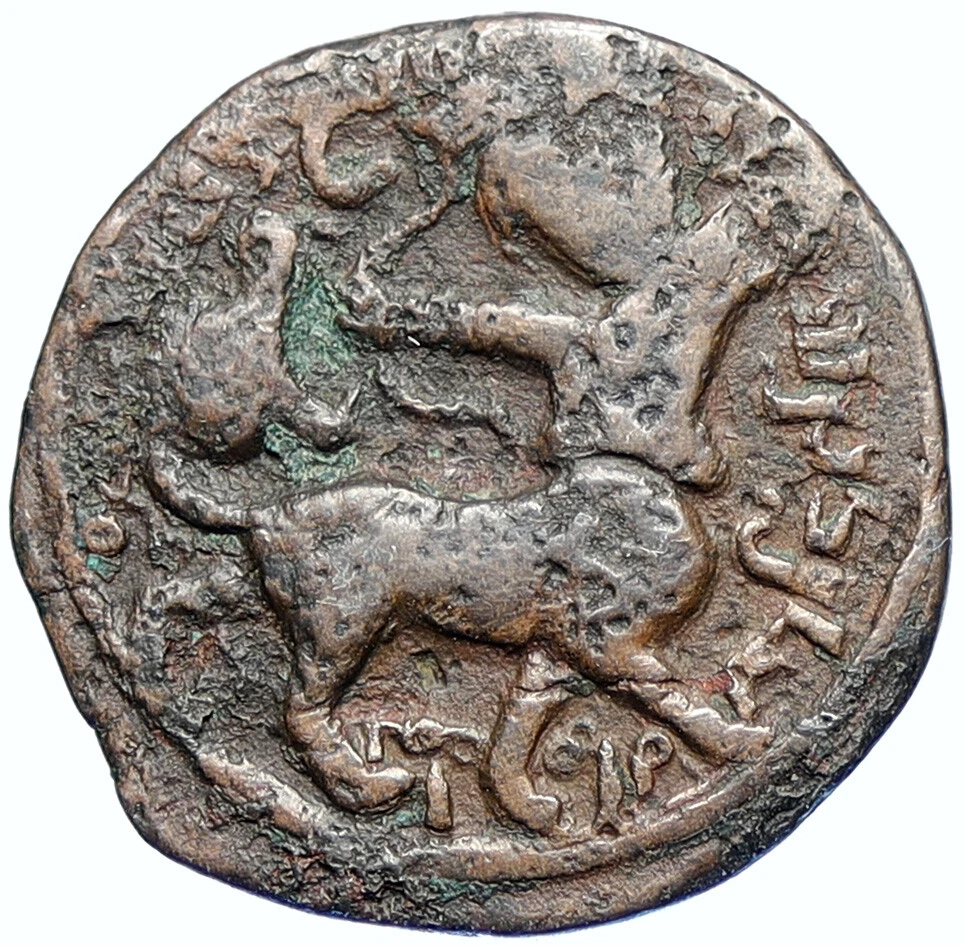
https://www.ebay.com/itm/325159428013 use under education fair use policy
Centaur, Kalibangan Indus valley civilization, Ancient India
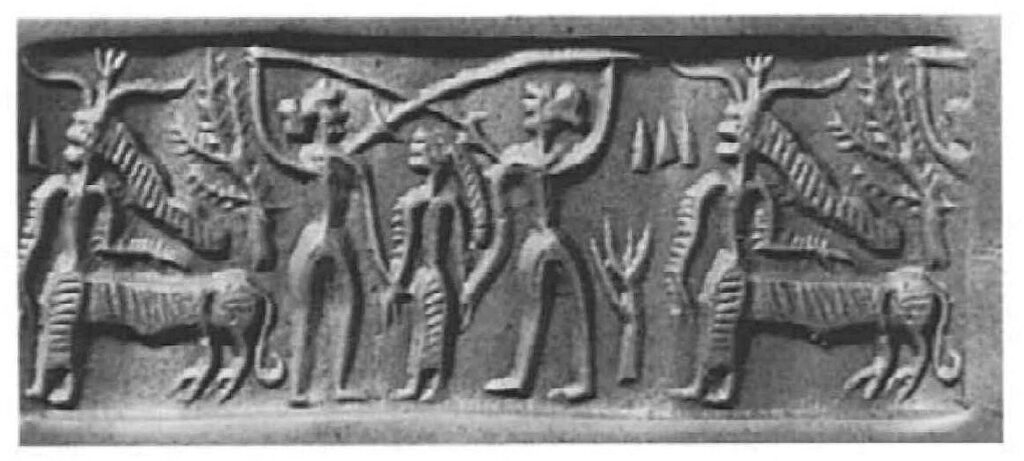
ministry of culture GODL-India
Caduceus Symbol from 4000-3500 BC
➢ Another Object is the Caduceus, a staff with two Intertwined Snakes, sometimes crowned with a pair of Wings and a Sphere. The Caduceus, Historically, appeared with Hermes and is Documented among the Babylonians from about 3500 BC.
Bastet Symbol
– Bastet first appears in the Third Millennium BC, where she has Been depicted as either a fierce lioness or a woman with the head of a lioness. Two thousand years later, during the Third Intermediate Period of Egypt (c. 1070–712 BC), Bastet began to be depicted as a domestic cat or a cat-headed woman.
As mythological traditions evolved across different civilizations, recurring stories involving divine rulers, tragic separation, rebirth symbolism, sacred marriage, and dying-and-rising archetypes continued to emerge throughout ancient religious literature.
Many of these narratives center around civilization-protecting figures connected with justice, sacrifice, fertility, cosmic order, or spiritual restoration.
Indian Lord Rama /Vishnu Dying & Rising Deity- Aadi Purush, First Man
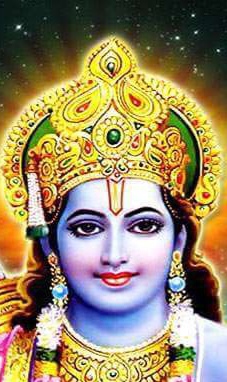
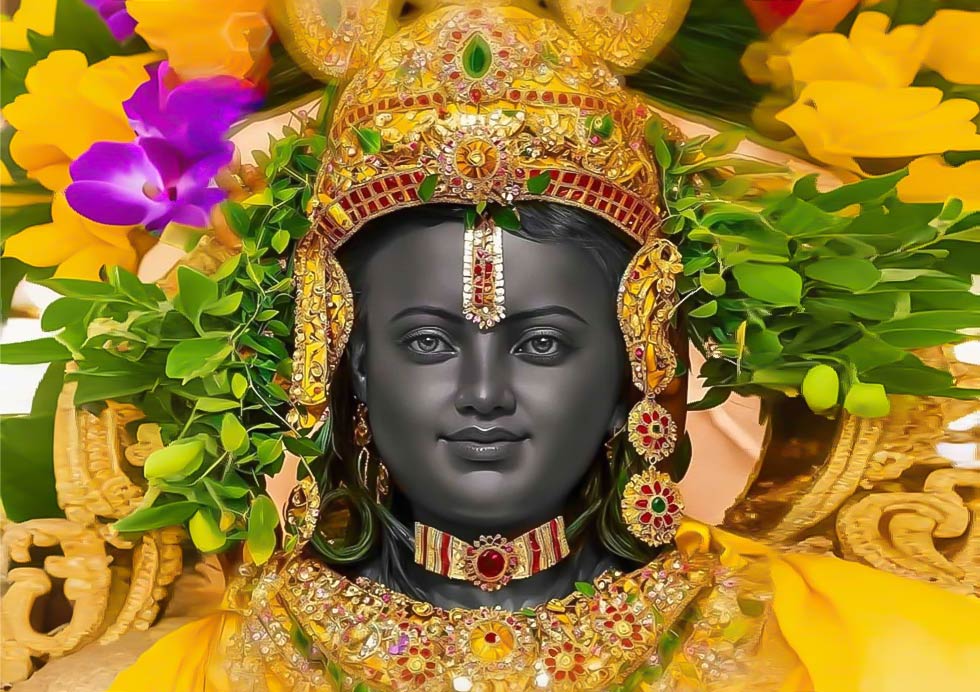
Similar Myths about Androgynous dying and Rising Authority and Tragic Love Story with his consort
1.Rama(Vishnu Trigunatit/Androgynous soul) abandoned Sita (Mahalaxmi trigunatit/Androgynous soul )

2.Greek myths- the tragic love story of Cybele (mother goddess) & Attis(the mortal ruler Androgynous dying and Rising Deity )
● Greek myths-The tragic love story of apollo (apollo deity of justice)
● Greek myths- The tragic love story of adonis & aphrodite (adonis mortal partner of aphrodite & called the dying & rising deity )
● Eros & psyche love story myths-Psyche was a woman gifted with extreme beauty and grace, one of the mortal women whose love and sacrifice for her beloved deity Eros earned her immortality.
● Cupid and Psyche is a story originally from Metamorphoses written in the 2nd century AD by Lucius Apuleius Madaurensis (or Platonicus). The tale concerns the overcoming of obstacles to the love between Psyche and Cupid or eros and their ultimate union in a sacred marriage
● African Myths- Tragic love Story of Shango ( (Deity of Justice, Thunder Equivalent to Thor ) with mother goddess Oshun (Fertility Deity ) who restored African civilization after the flood in the 13’th century approx.
Beyond the civilizations of the ancient Near East and Mediterranean world, indigenous traditions across Australia also preserve accounts of creator beings and wisdom bringers associated with teaching humanity laws, culture, sacred rituals, and social order.
These traditions continue to raise symbolic parallels with other civilization-founder myths explored throughout this timeline investigation.
Alien Baime creator deity taught knowledge of civilization to Ancient Australian and Left closed mouth Sign
The legend of Baiame describes how Baiame descended from heaven and created rivers, mountains, and forests. He then taught the people their laws of life, traditions, songs, and culture.
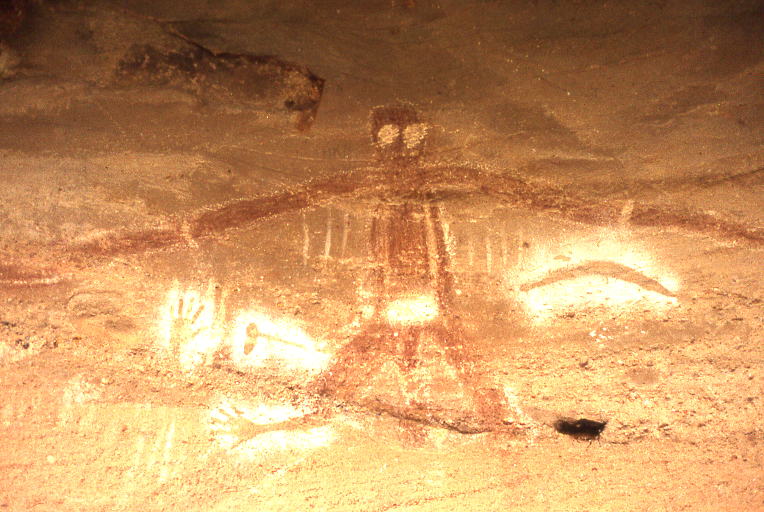

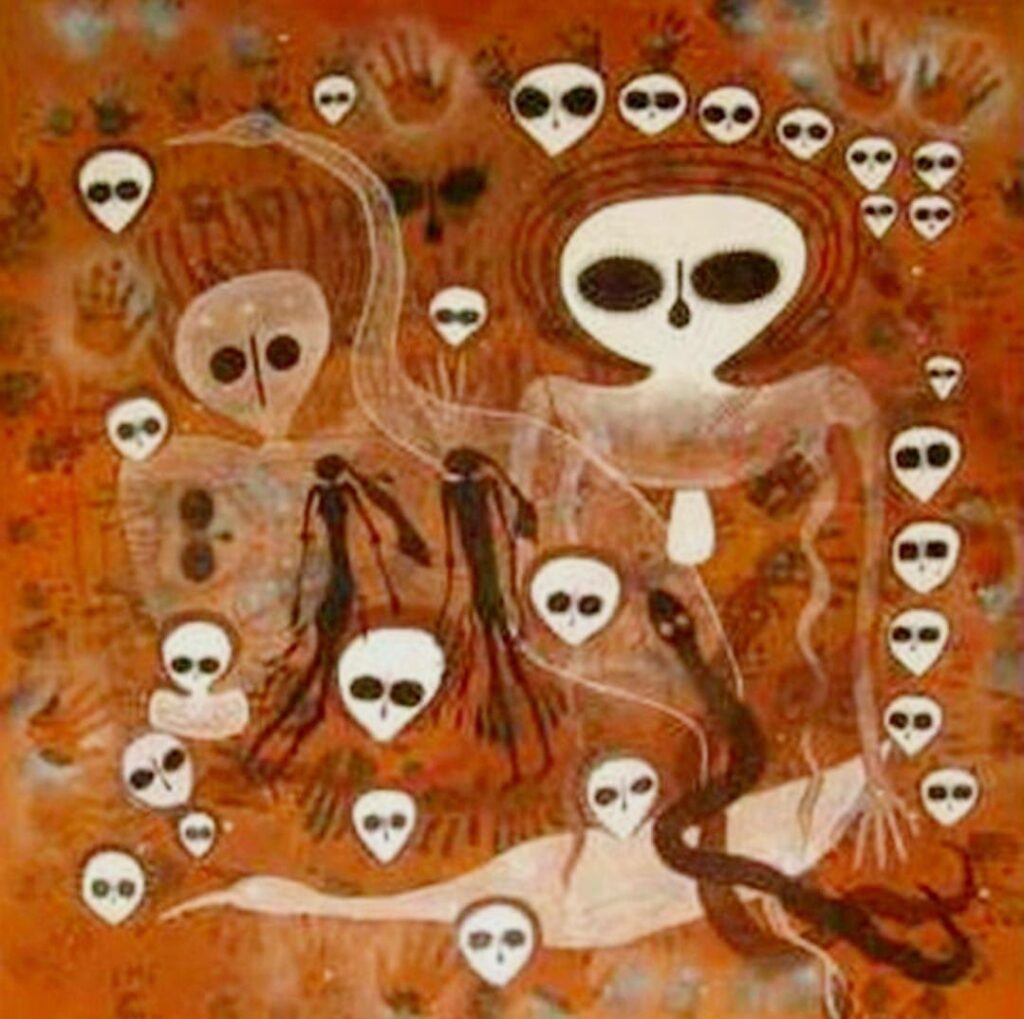
1.Credit- Ian Cochrane 2.Image credit – Sardaka
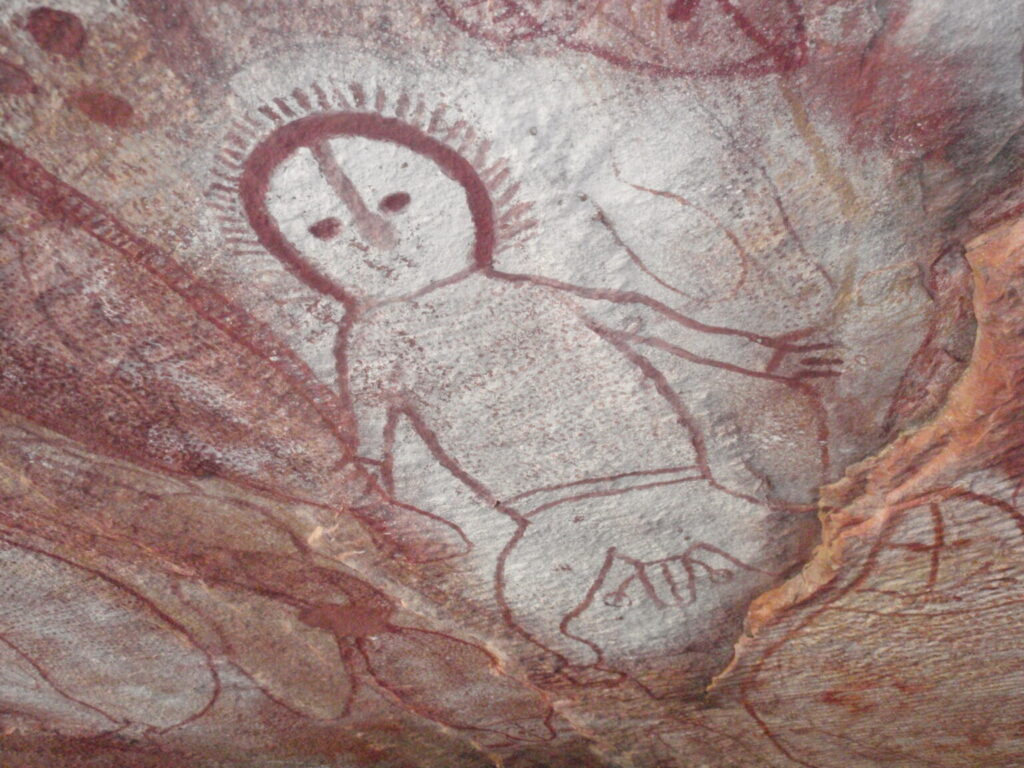
Wandjina, Australia, 3800 BC
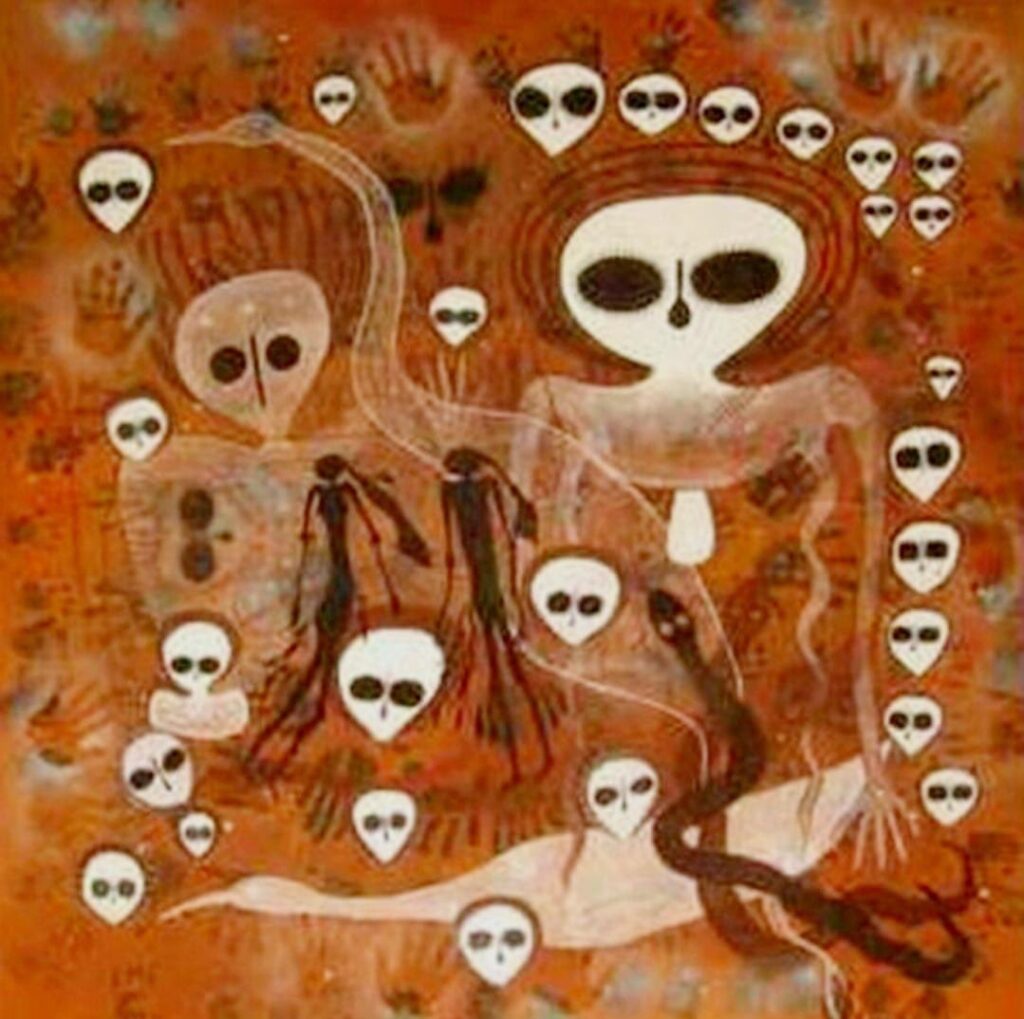
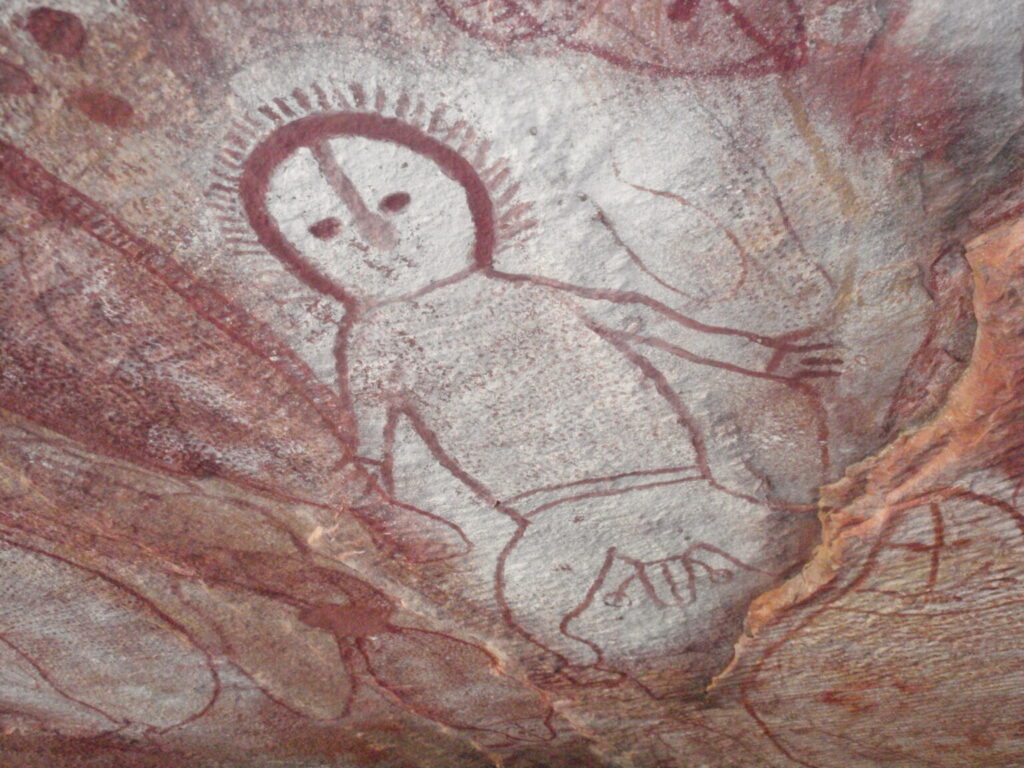
Baime caves, new South wales
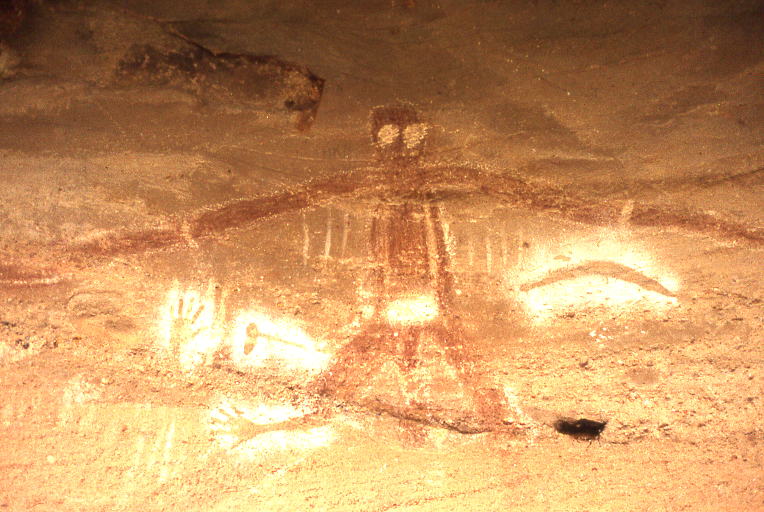
Image credit – Sardaka
Prehistoric Rock painting of Wandjina at Mount Elizabeth, Australia
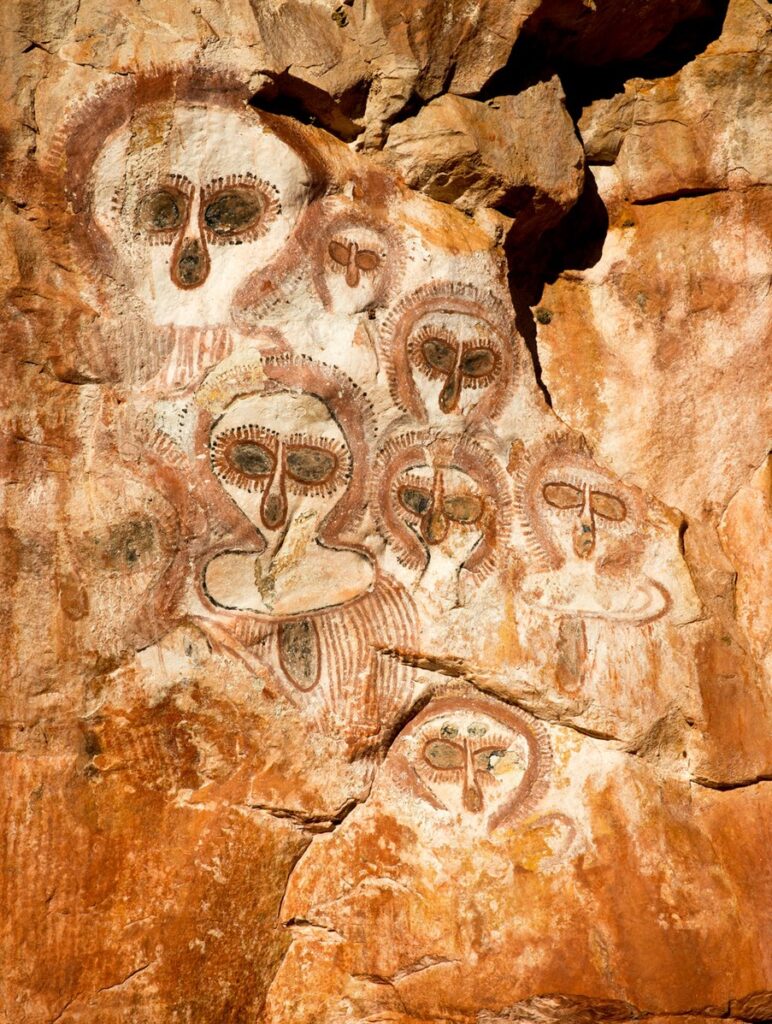
Credit-Robyn Jay CC BY SA 2.0
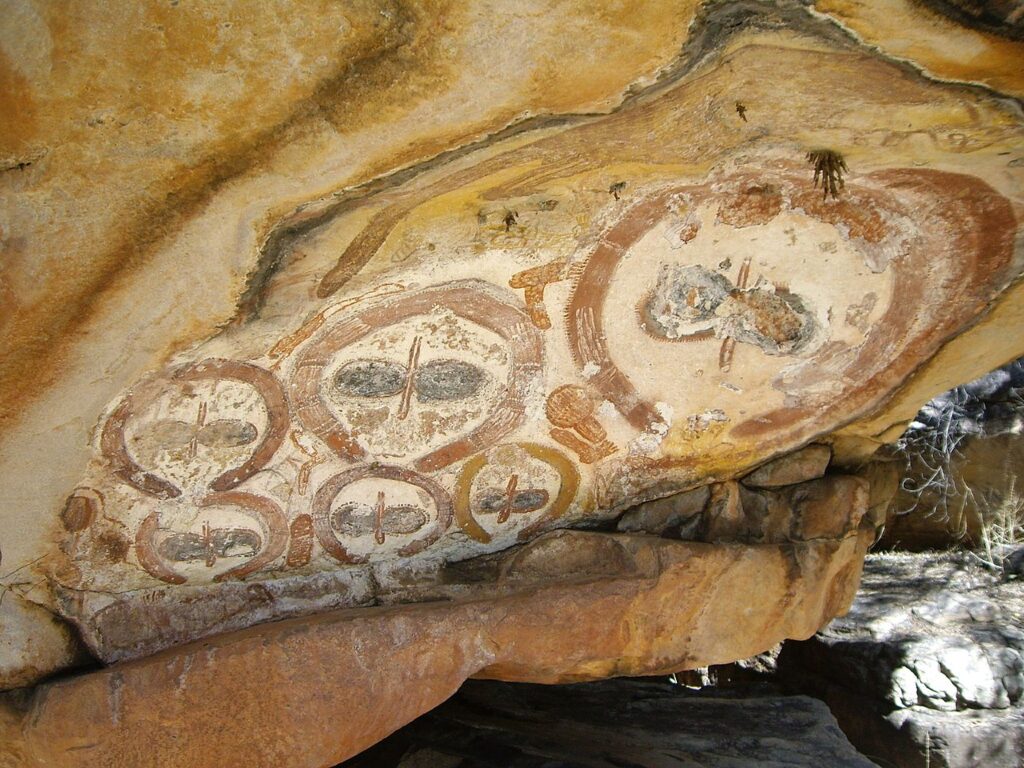
Credit-Claire Taylor CC BY SA 2.0
Cyprus, 4000 BC
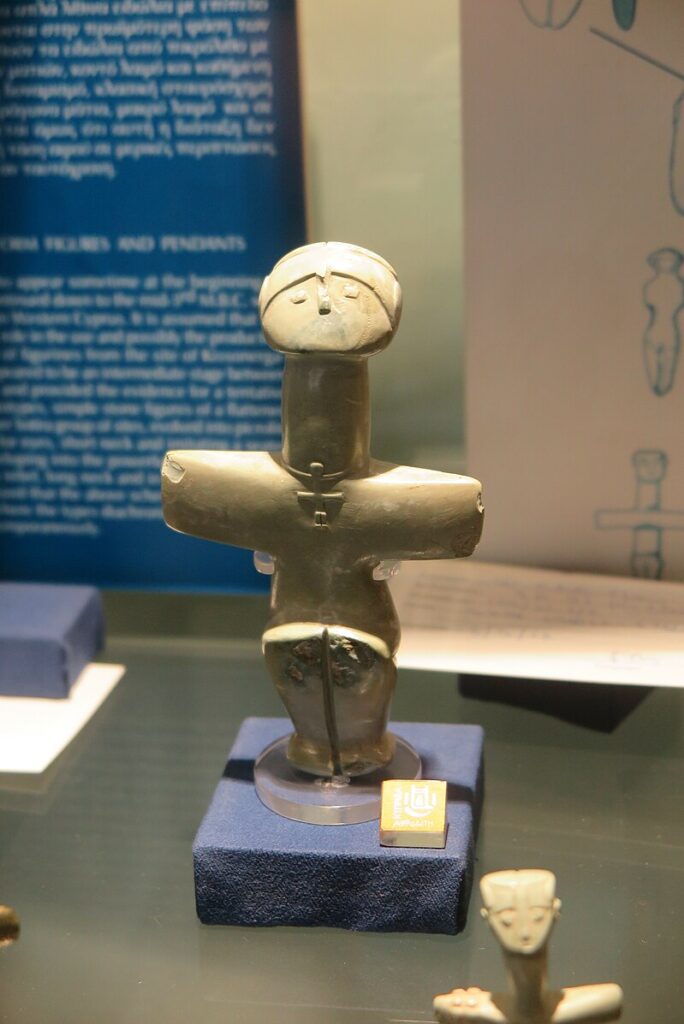
Credit – Tamas kisbali CC 4.0
Saudi Arabia, 4000 BC
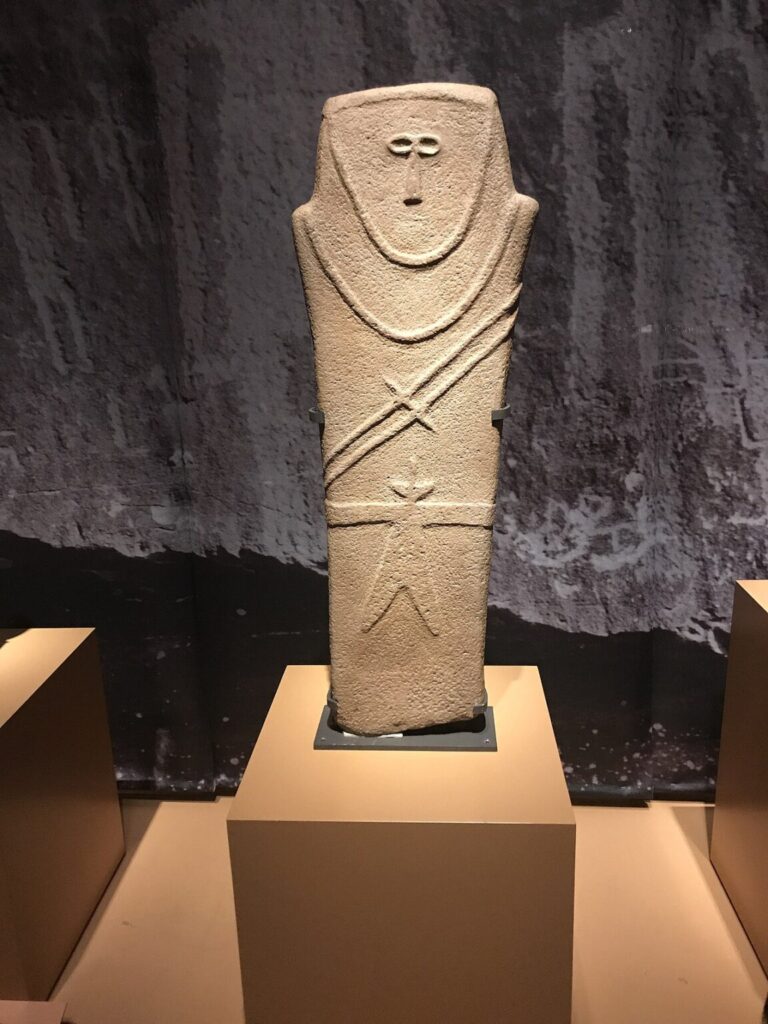
Credit – Explicit CC BY SA 4.0
Ozieri Culture, Italy 3500 BC
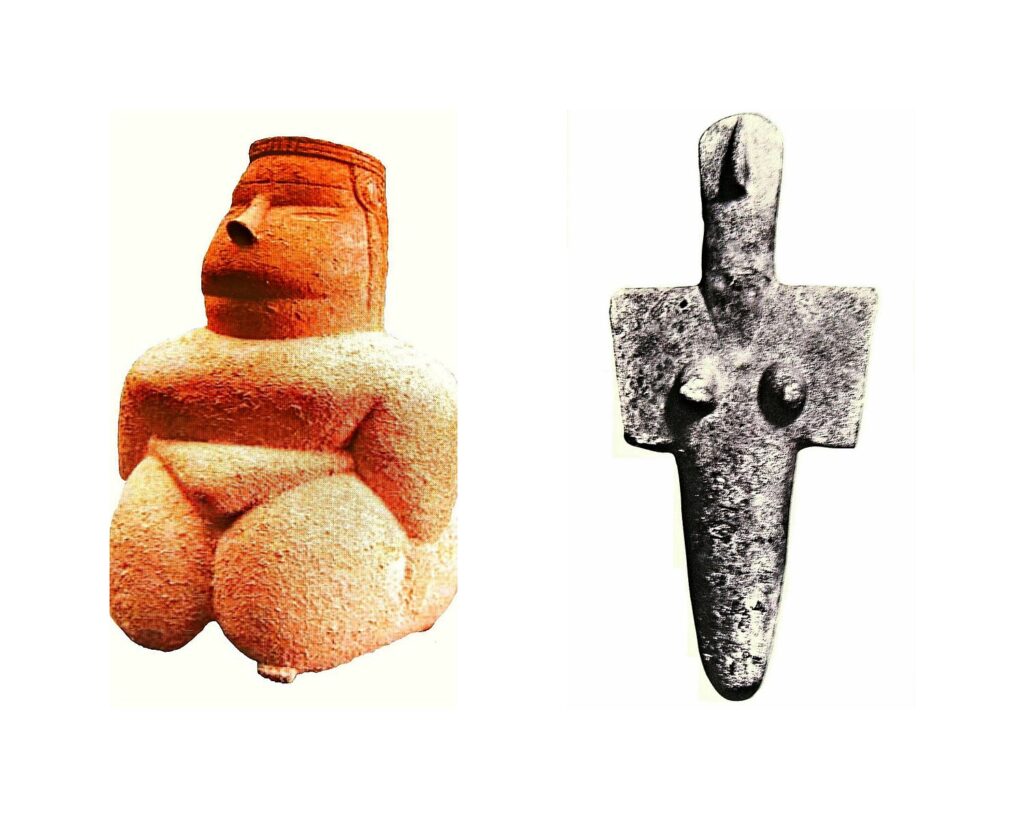
Credit – Shardan CC BY SA 4.0
As Egyptian civilization continued developing through the early dynastic period, lion-associated deities, serpent symbolism, protective goddess traditions, and sacred hybrid imagery became increasingly central within royal and religious iconography.
These recurring symbols often represented protection, divine authority, vengeance, fertility, kingship, and cosmic balance.
Lion Bastest Symbol -3000 BC
the lion Bastet appears at the beginning of the 3rd millennium BC in her form as a lioness of vengeance in Lower Egypt. At the time of the Pyramid Texts(c. 2400-2300 BC), she was associated with the king of Egypt as his nursemaid in his youth and protector when he was growing up.
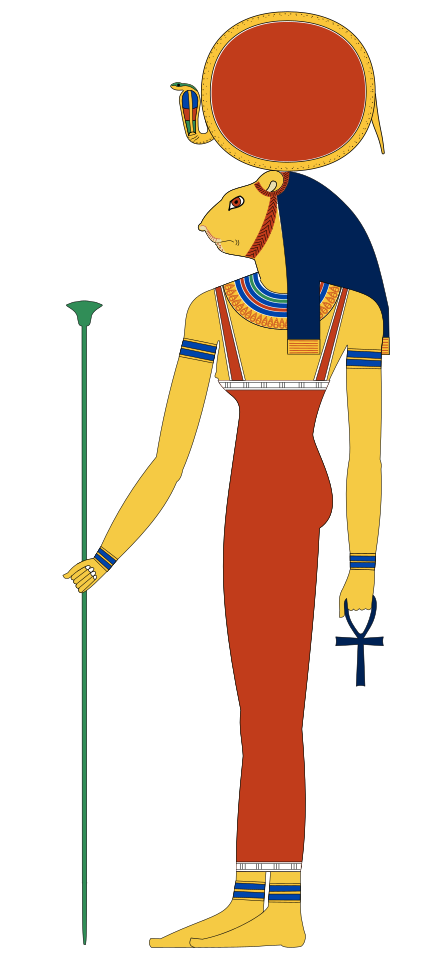
Menhit
Credit- PharaohCrab CCO
Menhit or Mehyt was an ancient Egyptian goddess. In the Early Dynastic period Egyptians drew and carved her to look like a lioness lying down with three bent poles coming out of her back. She is shown on many early dynastic sealings and ivory artifacts, usually next to a picture of an Upper Egyptian shrine. People worshiped her in Hierakonpolis and Thinis.
Qed-her
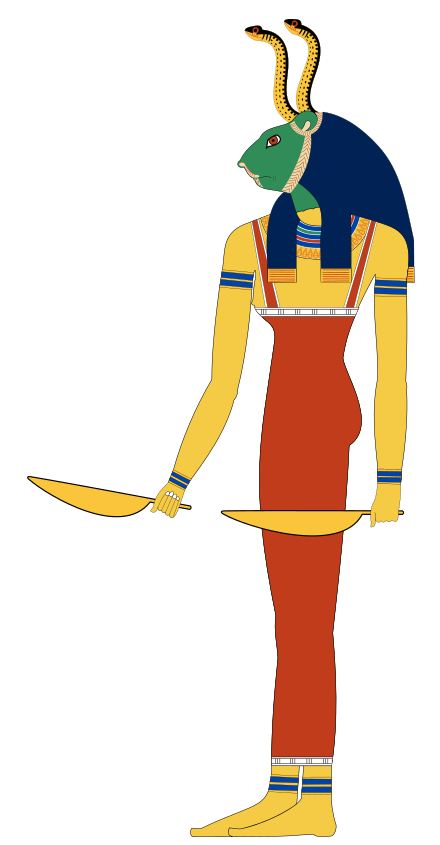
Credit- Jeff Dahl CCC BY SA 4.0
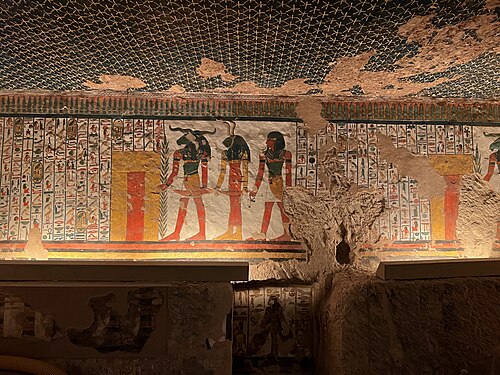
Credit – Onceinawhile CC BY-SA 4.0
Qed-her was portrayed as a woman with the head of a lioness with two snakes on her head and a knife in both hands.
Androgynous Kukulkan hand over calendar to Maya Civilization Start in 3113 BC
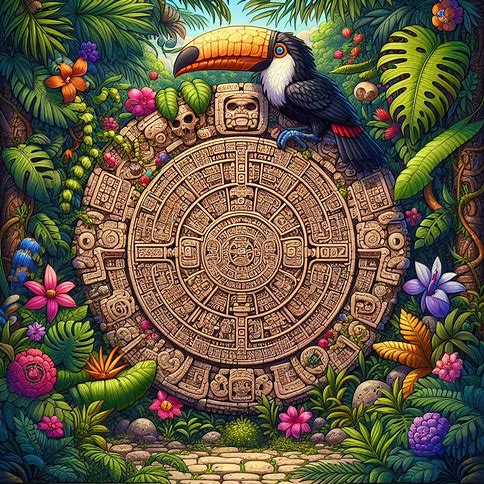
Esoteric traditions and later mystical writings also preserve symbolic narratives describing the decline of earlier spiritual ages, the corruption of humanity, and the gradual loss of divine or higher consciousness across successive world cycles.
Within the framework of cyclical civilization theories, such accounts are sometimes interpreted as symbolic memories of earlier lost civilizations or spiritual eras.
Stanza X
38.Thus two by two on the seven zones, the Third Race gave birth to the Fourth-Race men; the gods became no-gods; the sura became a-sura. ( Means how human deity behavioral traits vanished & enter vices in human behavior)
39. The first, on every zone, was moon-colored; the second yellow like gold; the third red; the fourth brown, which became black with sin. The first seven human shoots were all of one complexion. The next seven began mixing.
40. Then the Fourth became tall with pride. We are the kings, it was said; we are the gods.
41. They took wives fair to look upon. Wives from the mindless, the narrow-headed. They bred monsters. Wicked demons, male and female, also Khado (Dakini), with little minds.
42. They built temples for the human body. Male and female they worshipped. Then the Third Eye (power of Soul Decrease) acted no longer.-Stanzas Of Dzyan
References
https://theosophy.wiki/en/Stanzas_of_Dzyan
Yemen
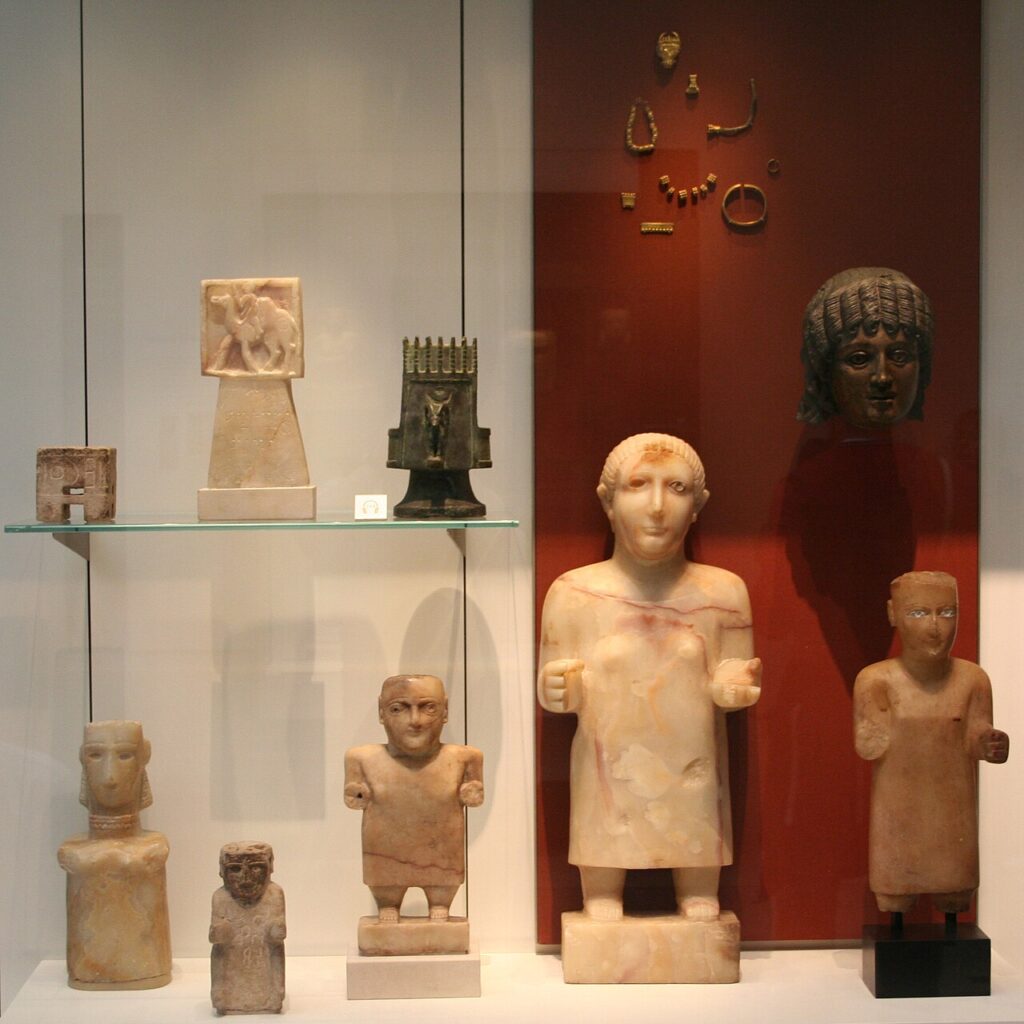
Credit – Einsamer Schutze CC BY SA 3.0
As the timeline advances through the rise of early mythological civilizations, recurring symbols of sacred authority, divine rulership, hybrid beings, fertility archetypes, wisdom bringers, and cosmic decline continue to appear across multiple ancient cultures.
From Egypt and Mesopotamia to India, Greece, Australia, and Mesoamerican traditions, these recurring motifs continue to raise symbolic questions concerning the origins of civilization and the persistence of shared spiritual archetypes across human history.
Whether these similarities represent mythology, symbolic memory, cultural transmission, or fragmented recollections of forgotten civilizations remains an unresolved mystery.
The investigation continues in Part 7, where additional ancient rulers, sacred traditions, symbolic systems, and civilization-founder figures will be examined through the framework of cyclical civilization and the Eternal Authority hypothesis.
Every civilization preserves sacred symbols.
Every myth carries fragments of forgotten memory.
And every closed mouth may guard a hidden truth.