
Era of Flood Survivors, First Kings, and Post-Cataclysmic Civilization Restoration (6000 BC – 4000 BC)
In Part 4 of the Closed Mouth Mysteries Timeline, the investigation explored early kingship traditions, prehistoric fertility symbolism, dying-and-rising deity mythology, and recurring civilization-founder archetypes associated with Keyumars, Cybele, Attis, and Thoth.
Part 5 continues this investigation by examining ancient Near Eastern and Persian traditions connected with flood survivors, sacred kingship, early post-cataclysmic civilization rebuilding, and recurring “first man” narratives preserved throughout mythology and ancient religious traditions.
Within the symbolic framework of the Eternal Authority hypothesis, this section explores whether recurring figures associated with restoring civilization after catastrophe may represent symbolic memories of recurring wisdom bringers preserved across different cultures and ages.
Argos, Greece -5000 BC

Credit – Mary Harrsch CC BY SA 4. 0
Filitosa IX, statue-ménhir France -(4000-3000 BC)
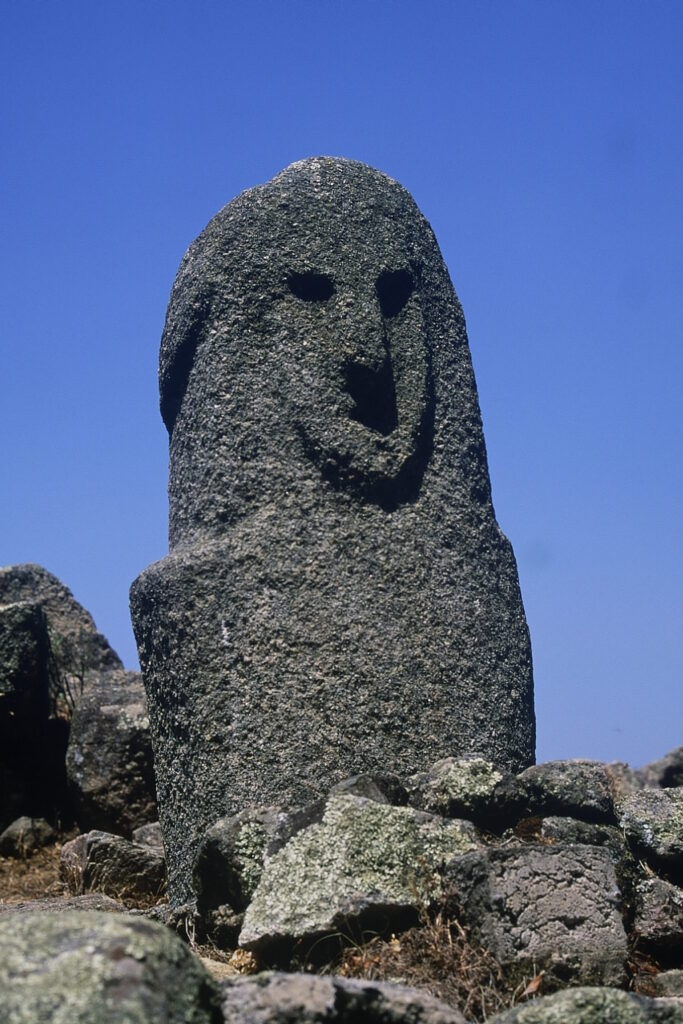
Credit – Blejuez CC BY SA 4.0
Samarra Period, Iraq, 6000 BC
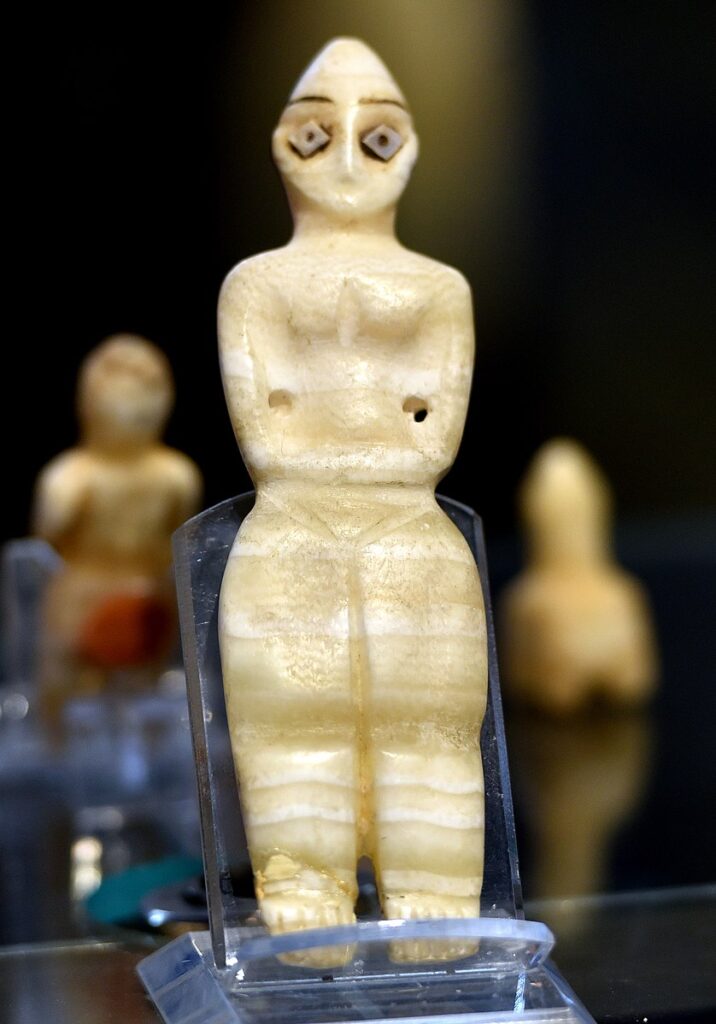
Credit – Osama Shukir Muhammed Amin
Syria, 5000 BC
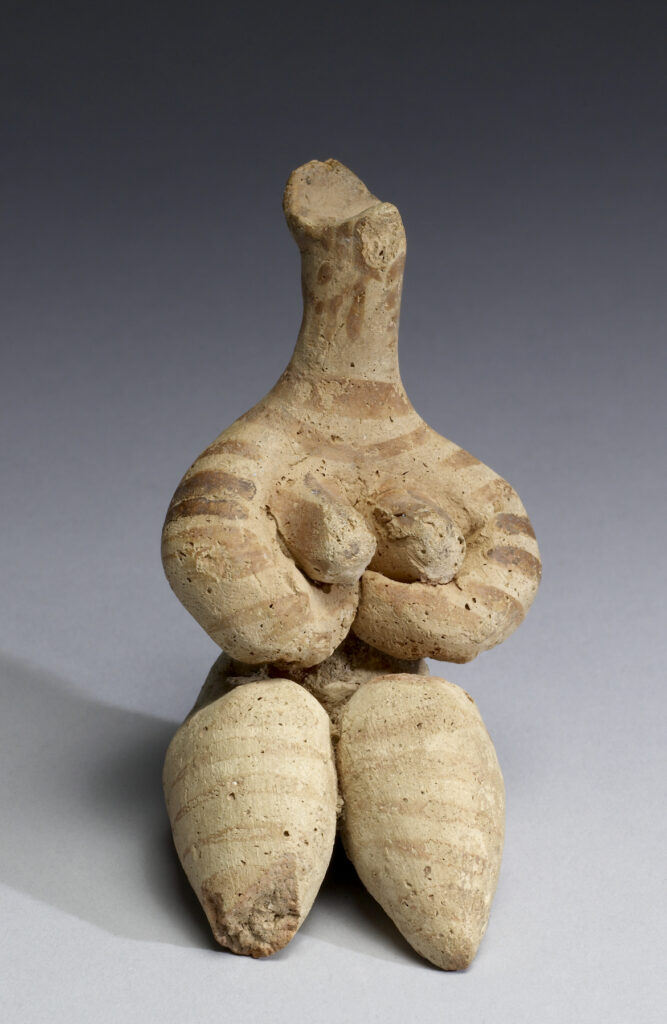
public domain
As organized societies continued to emerge across Mesopotamia, Persia, Anatolia, and the ancient Mediterranean world, myths concerning flood survivors, divine kings, and civilization restorers became increasingly central within early religious traditions.
Across many ancient narratives, these figures are associated with sacred knowledge, justice, agriculture, kingship, and the rebuilding of civilization after periods of destruction or cosmic upheaval.
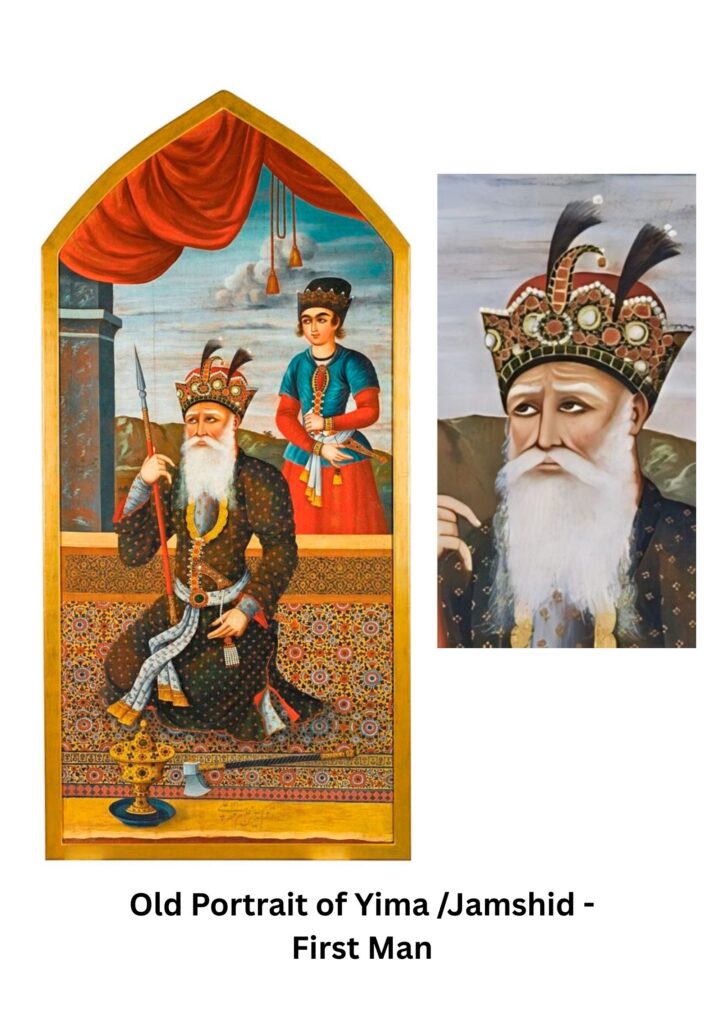
Yima/Jamshid – First Man
( Taught Knowledge of civilization After Flood)

public domain, Painting of Jamshid
● According to Persian mythology and Zoroastrian traditions, Yima (Jamshid) was regarded as one of the earliest legendary kings of humanity and is also associated in some traditions with the idea of the “First Man.”
● Yima was chosen by Ahura Mazda to protect and preserve creation during a coming catastrophic winter and world disaster.
● Ancient texts describe Yima as expanding the world three times to accommodate the growing population of humans, animals, and living beings.
● He is credited with introducing civilization, social organization, clothing, agriculture, and prosperity to humanity.
● Yima was associated with a golden age in which there was said to be no disease, death, hunger, or suffering.
● According to the Vendidad, Yima constructed a protected underground enclosure or “Vara” to preserve selected humans, animals, plants, and sacred knowledge from a devastating catastrophe.
● Persian traditions describe Yima as a ruler connected with divine glory known as the “Khvarenah” or royal radiance associated with sacred kingship.
● In later Persian mythology, Jamshid became associated with advanced knowledge, architecture, royal authority, and the foundation of dynasties.
● Some traditions describe Jamshid as teaching crafts, medicine, metalworking, and social divisions necessary for organized civilization.
● Yima/Jamshid is remembered throughout Persian mythology as a primordial king, first man, civilization protector, wisdom bringer, and symbolic restorer of humanity after catastrophe.
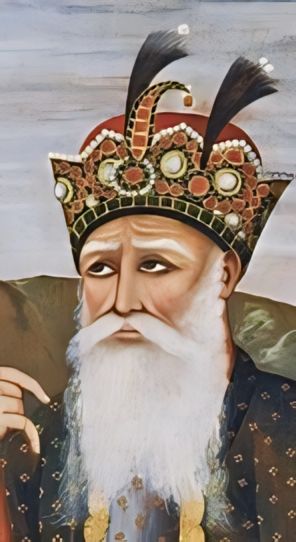


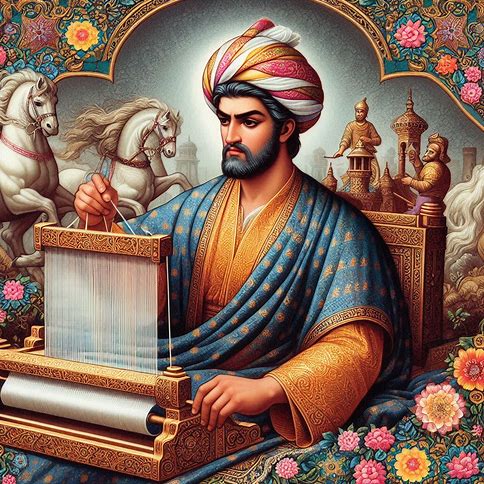
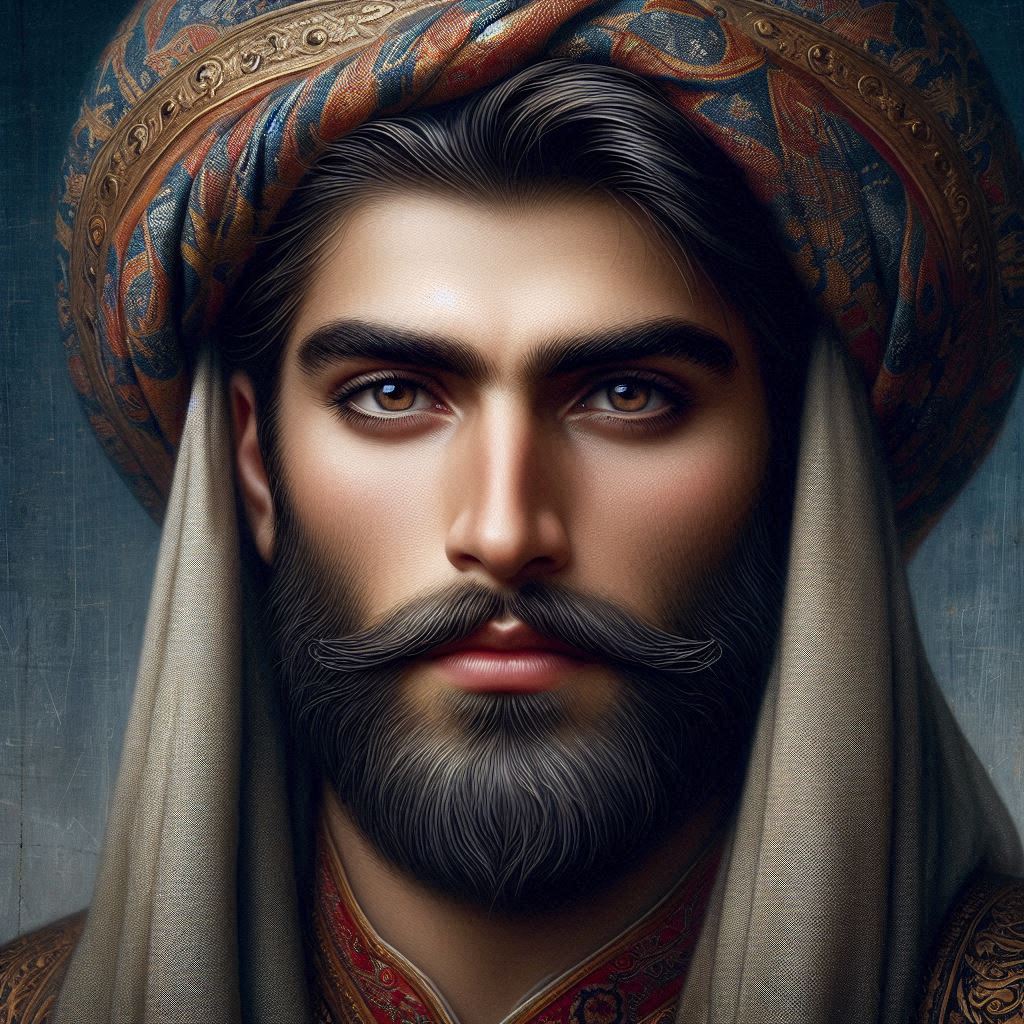
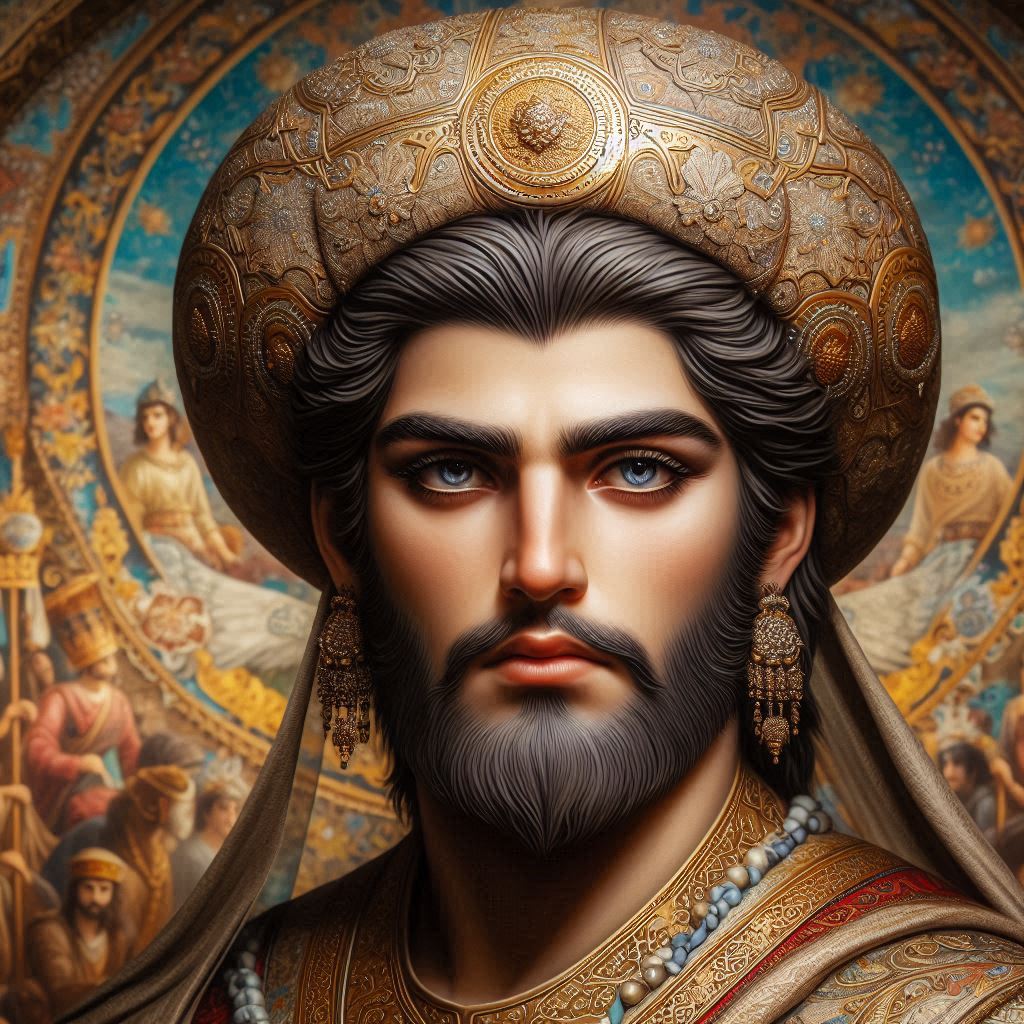
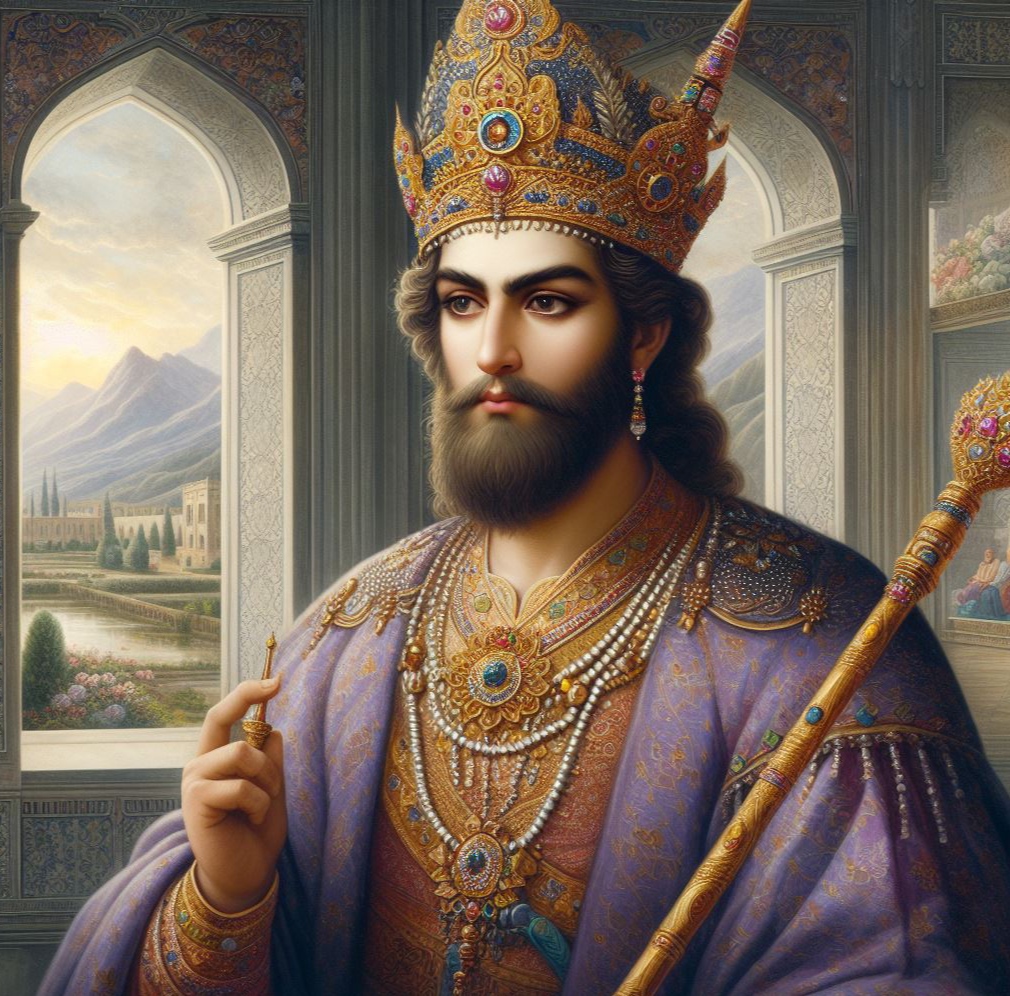
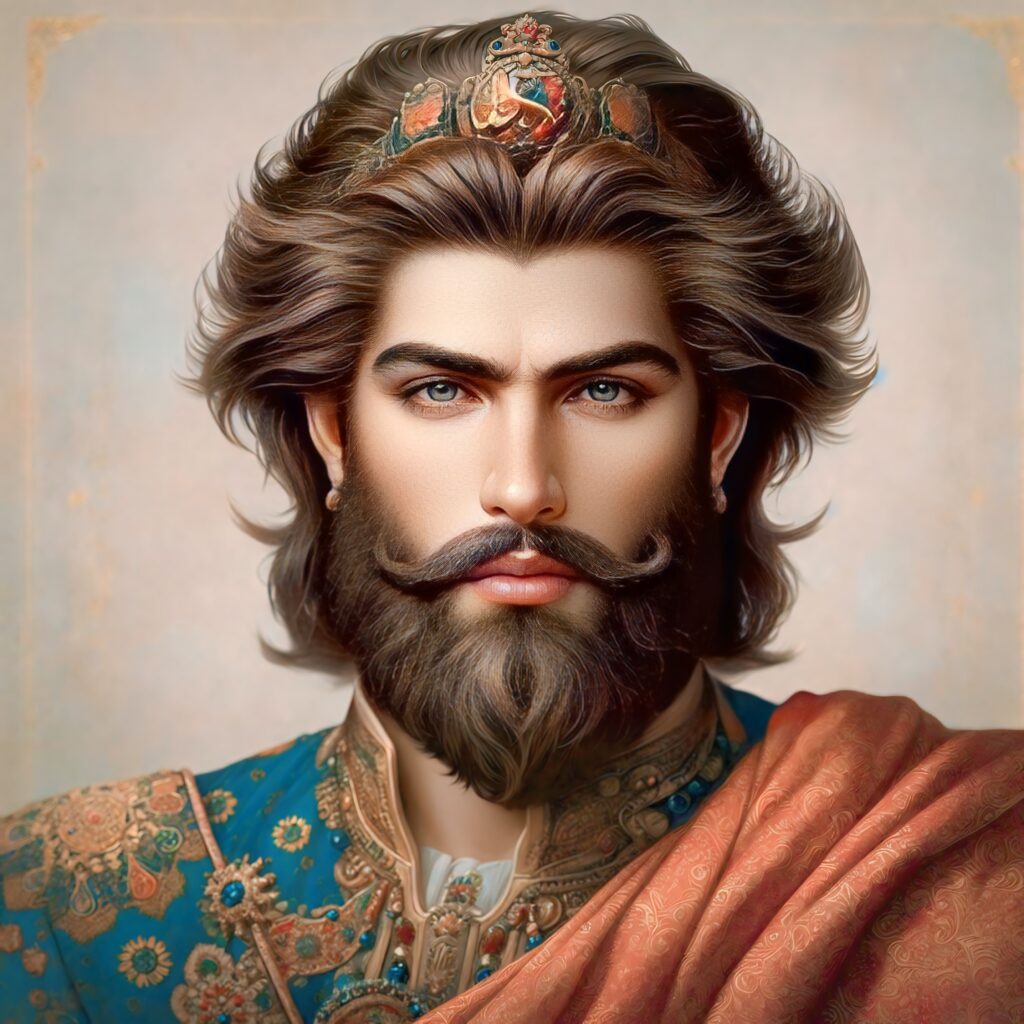
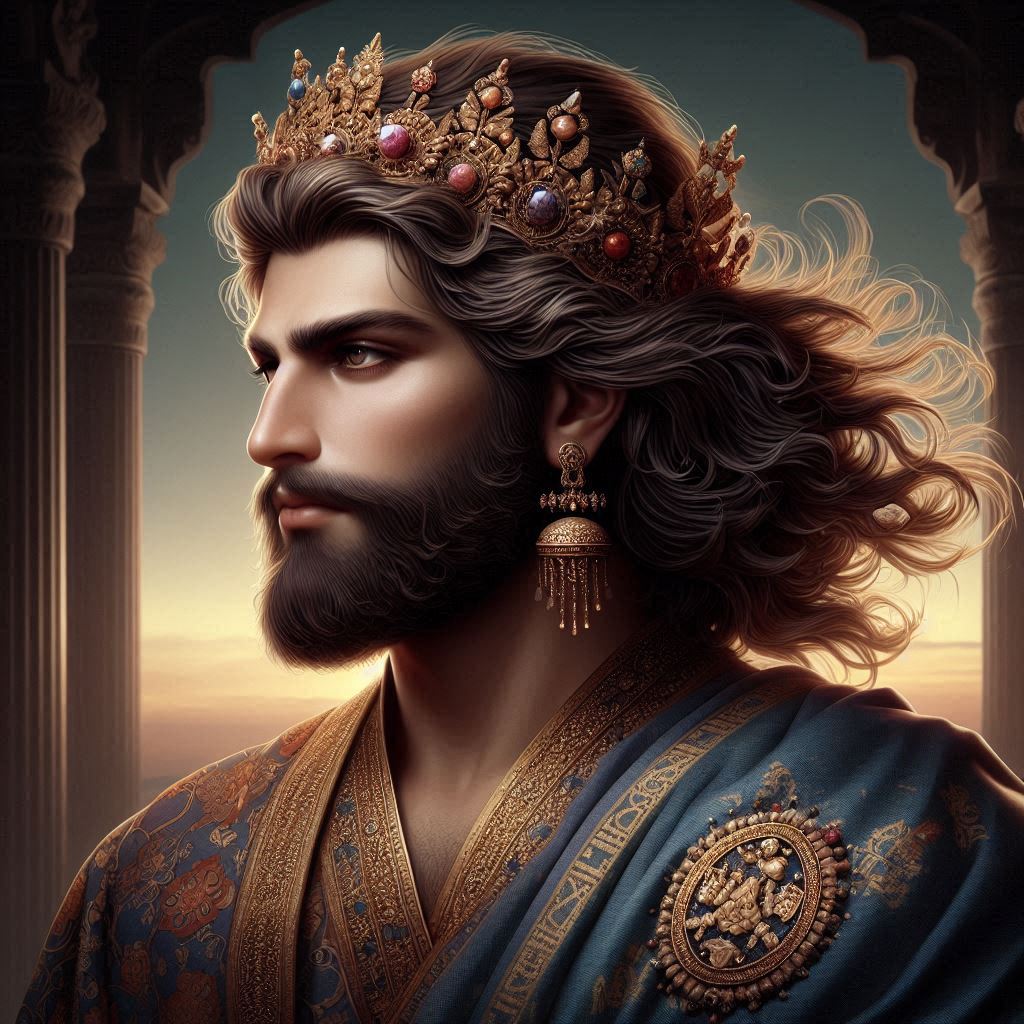
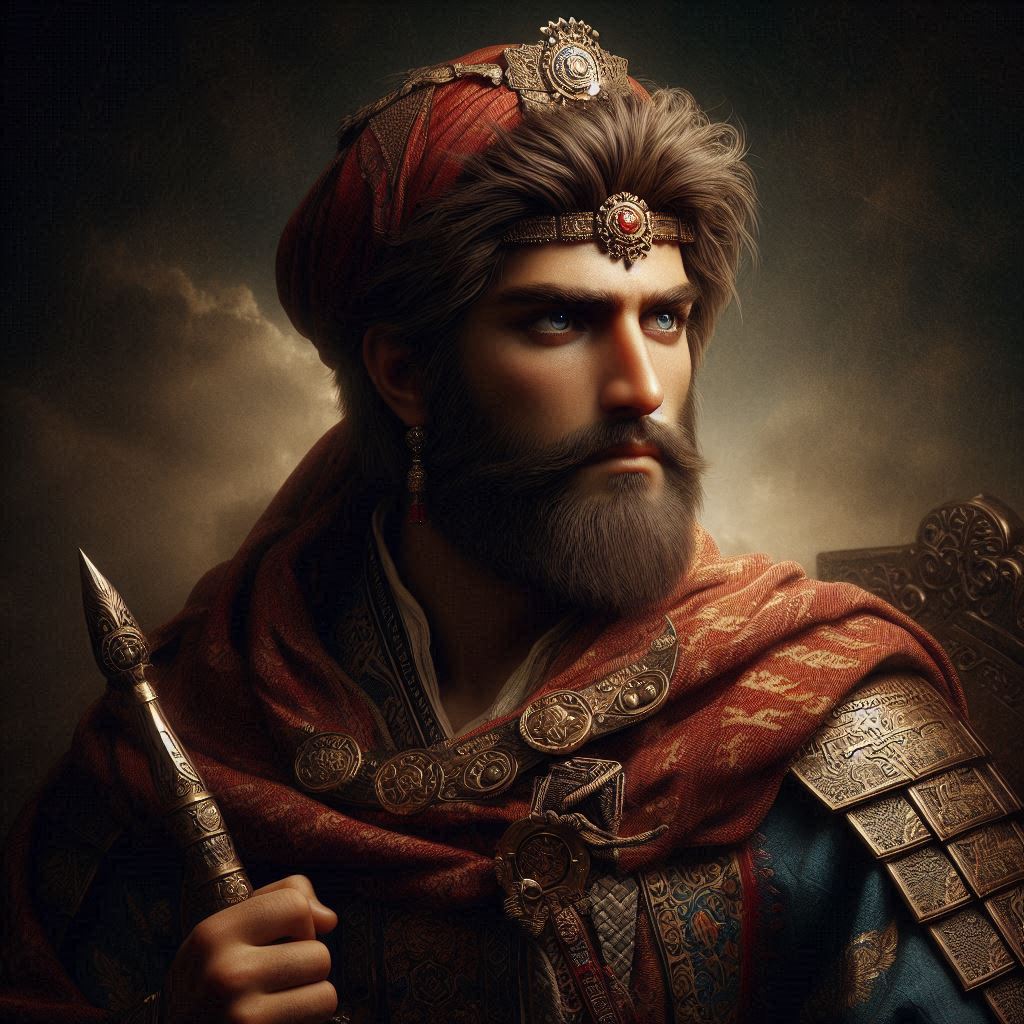
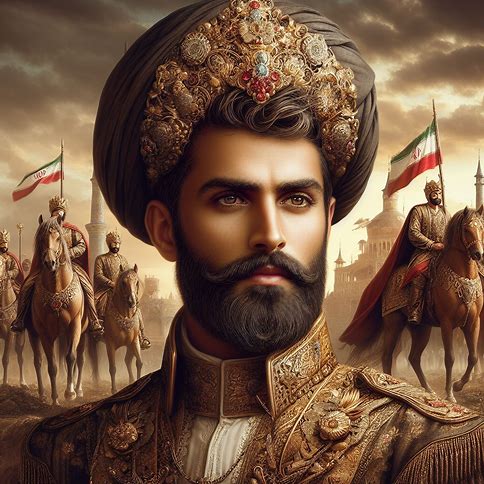

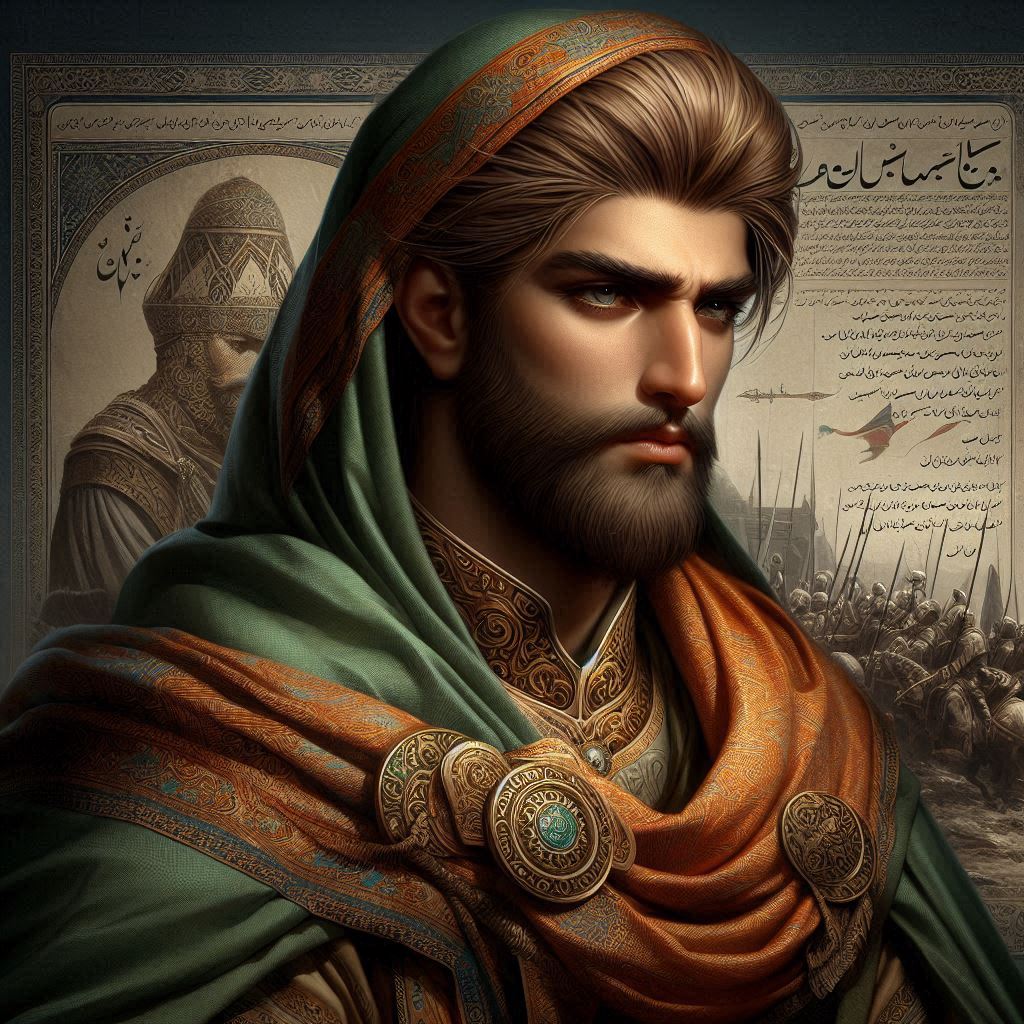
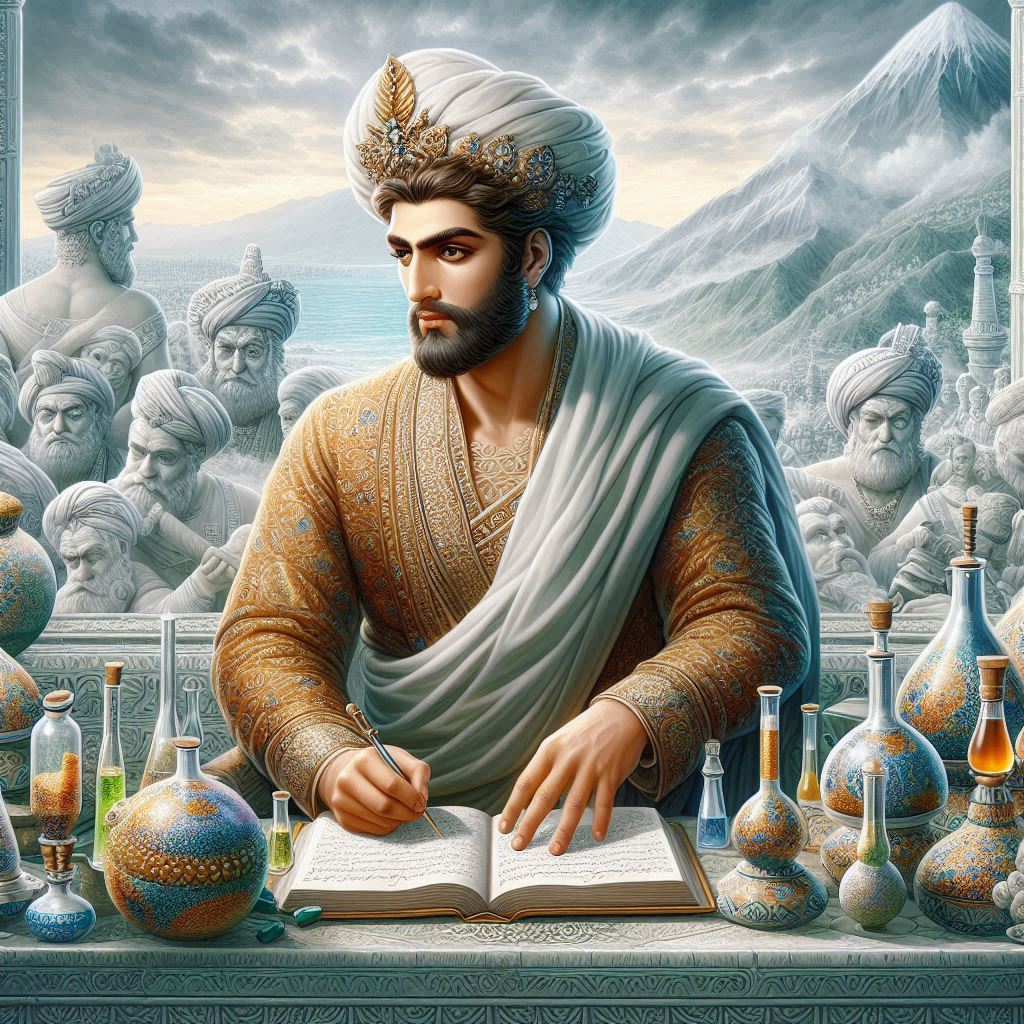
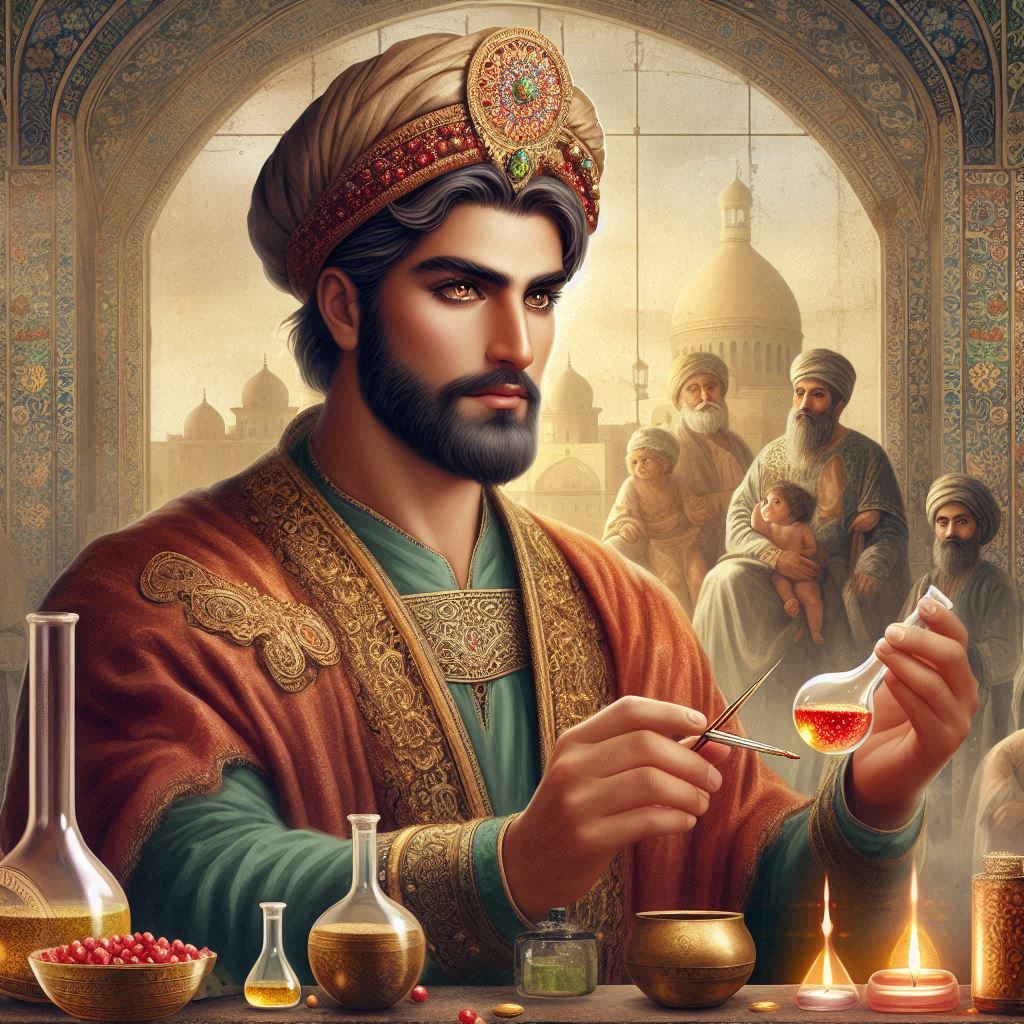

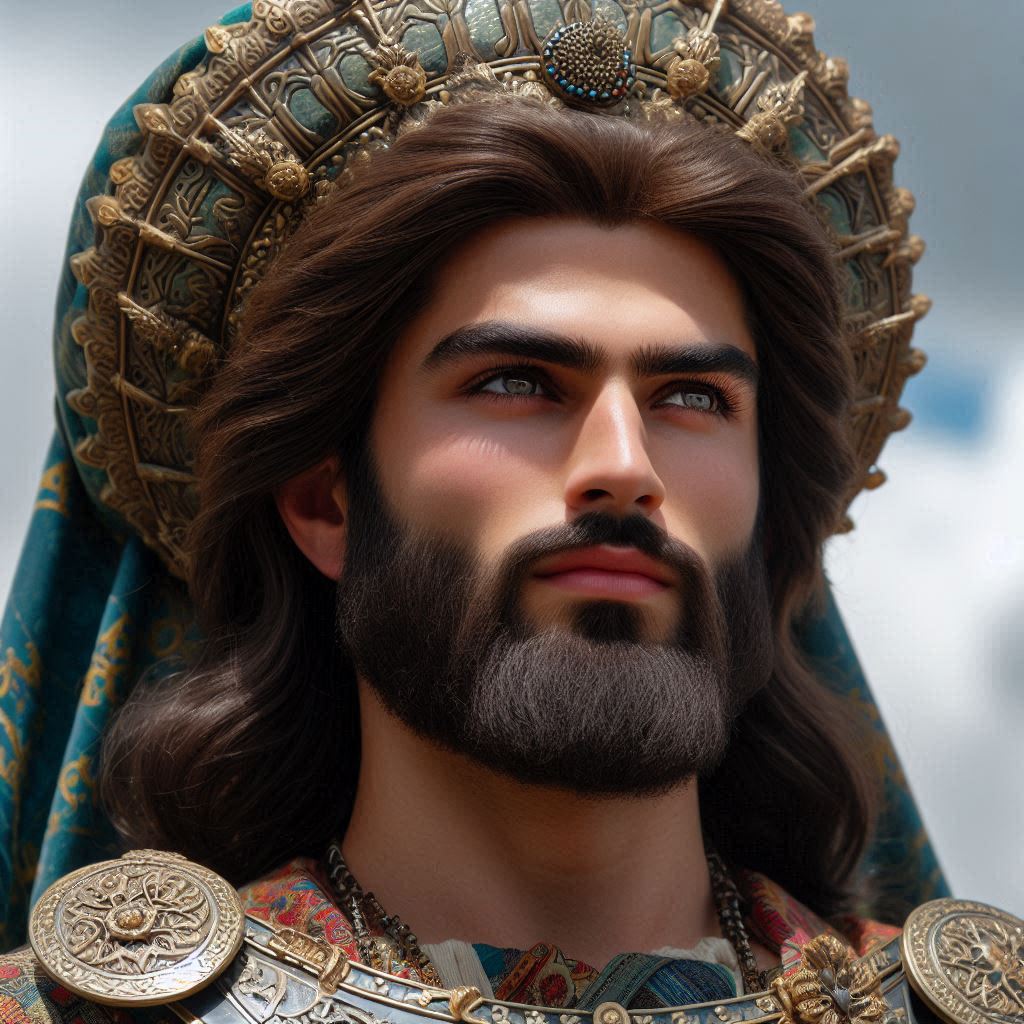
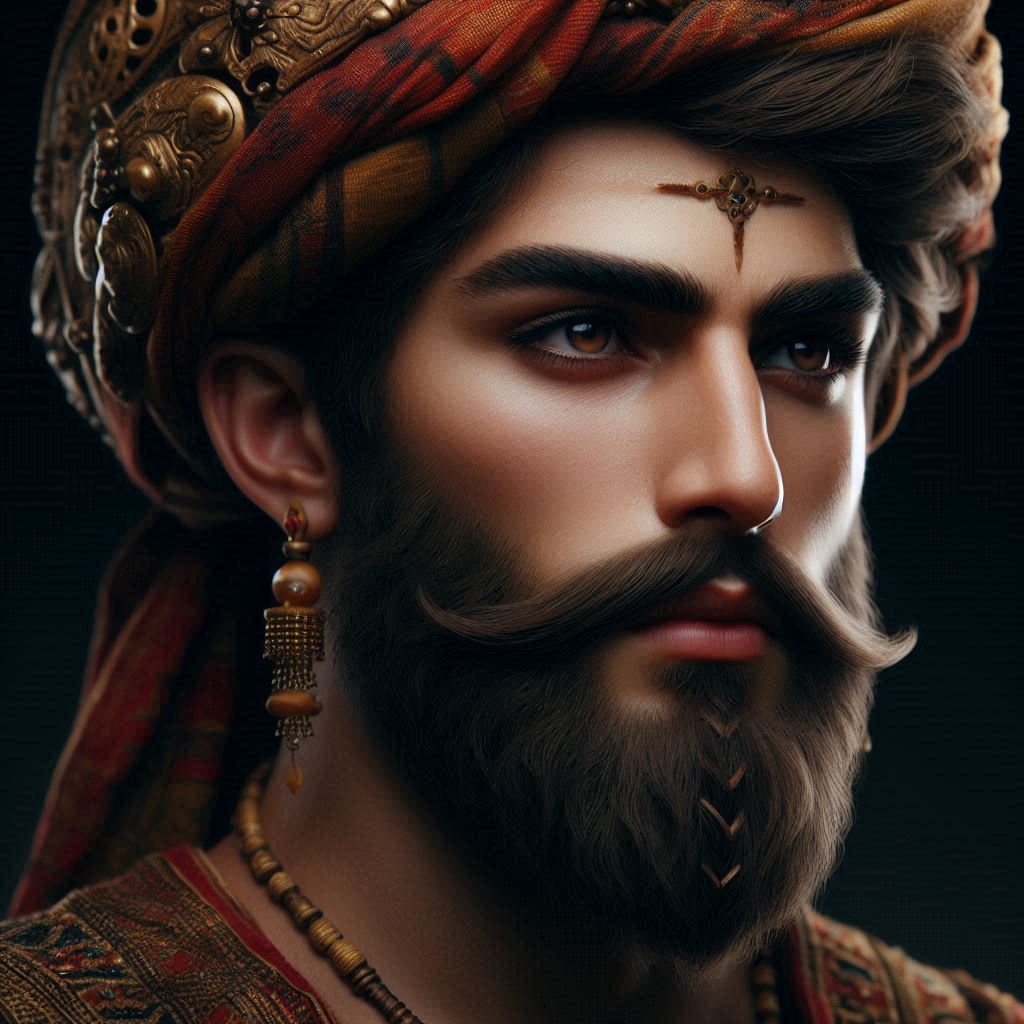
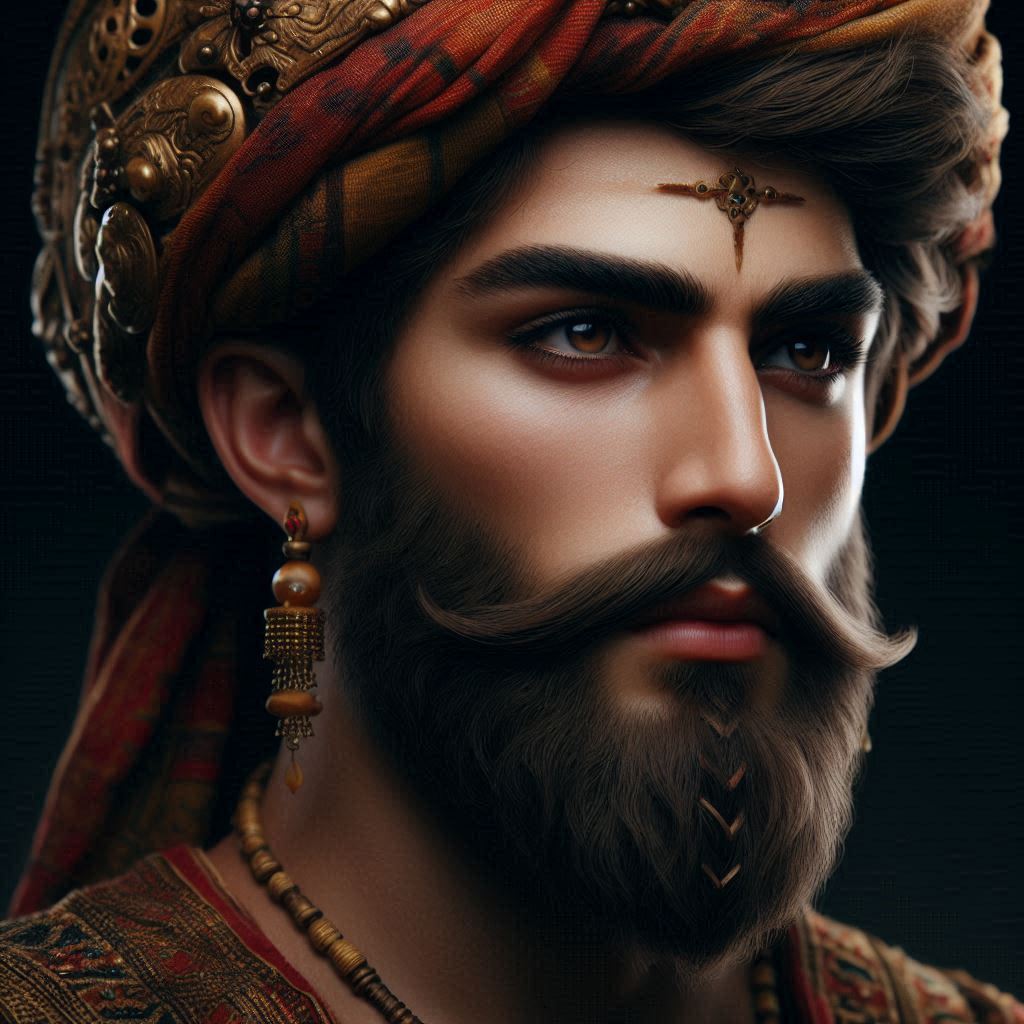
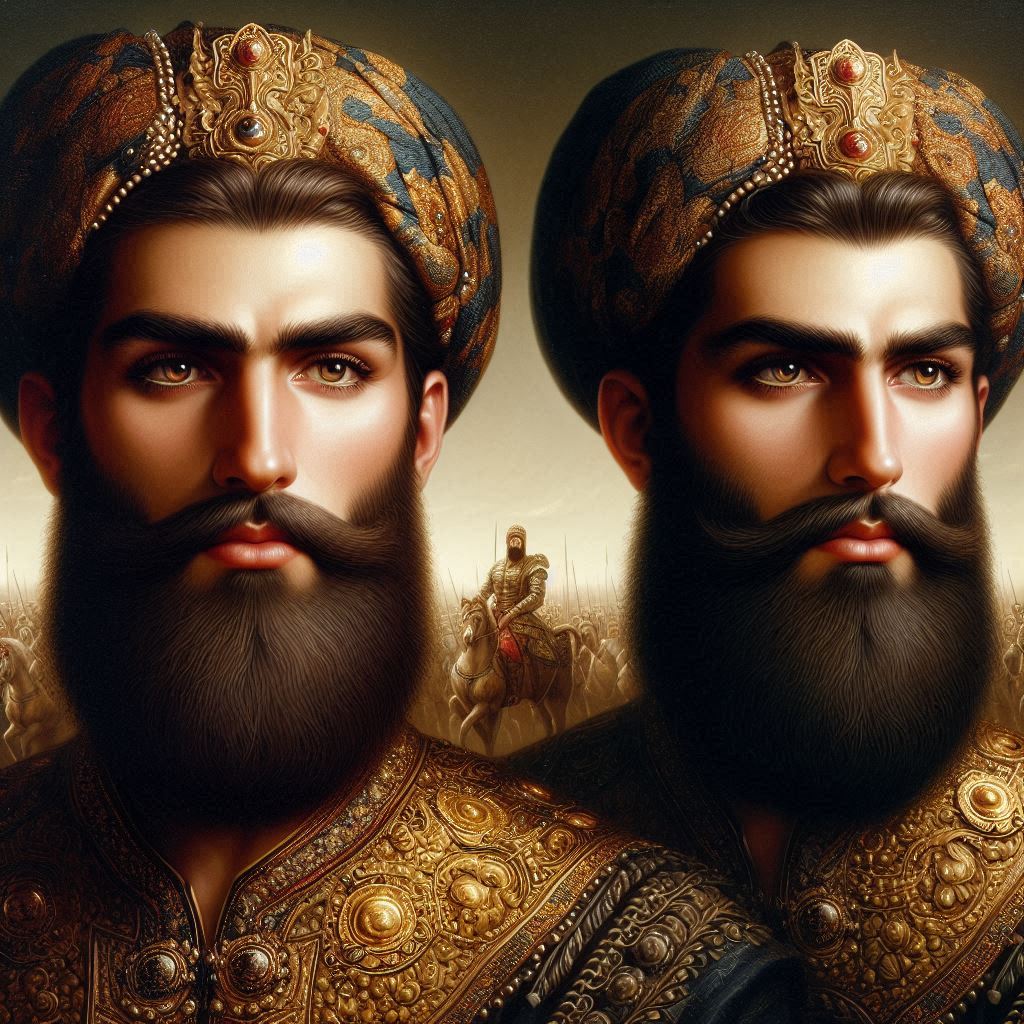

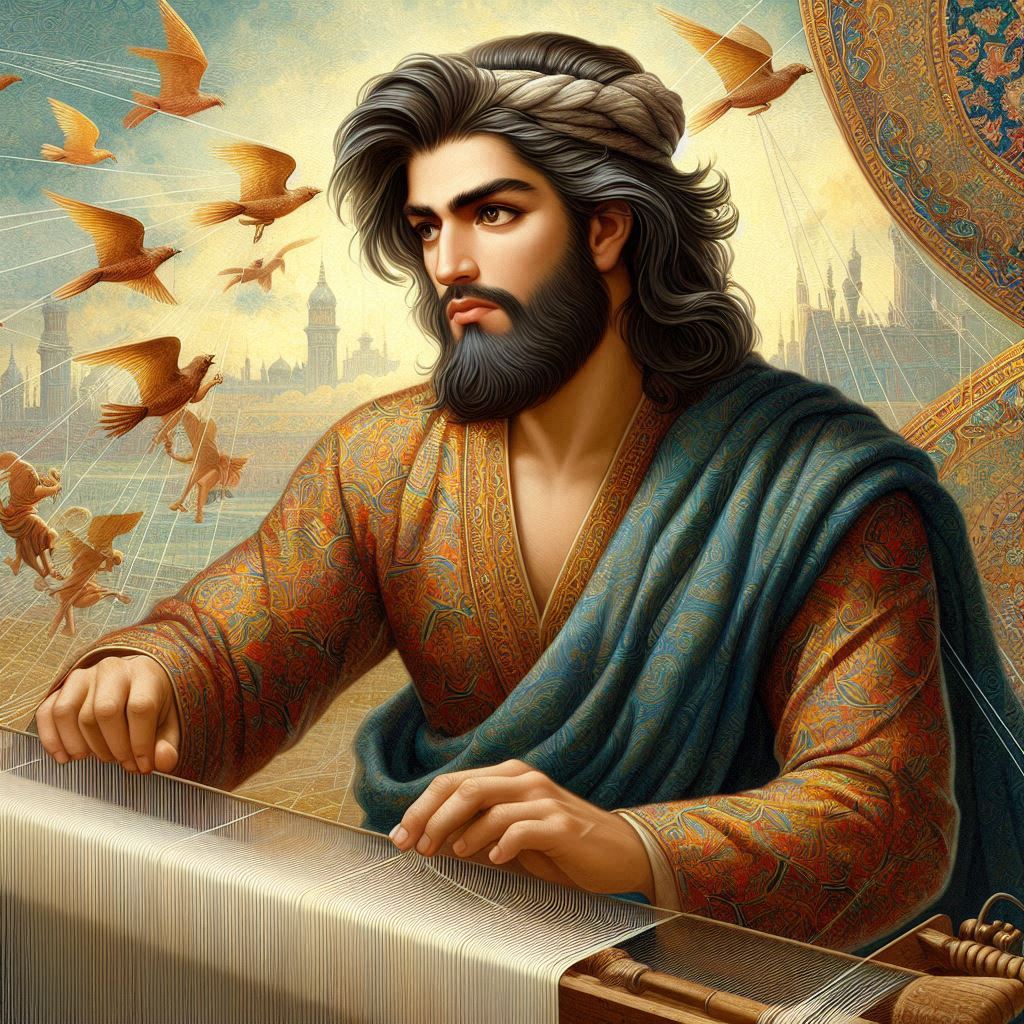

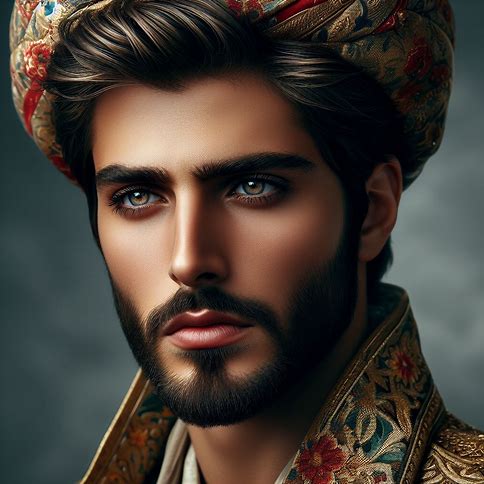
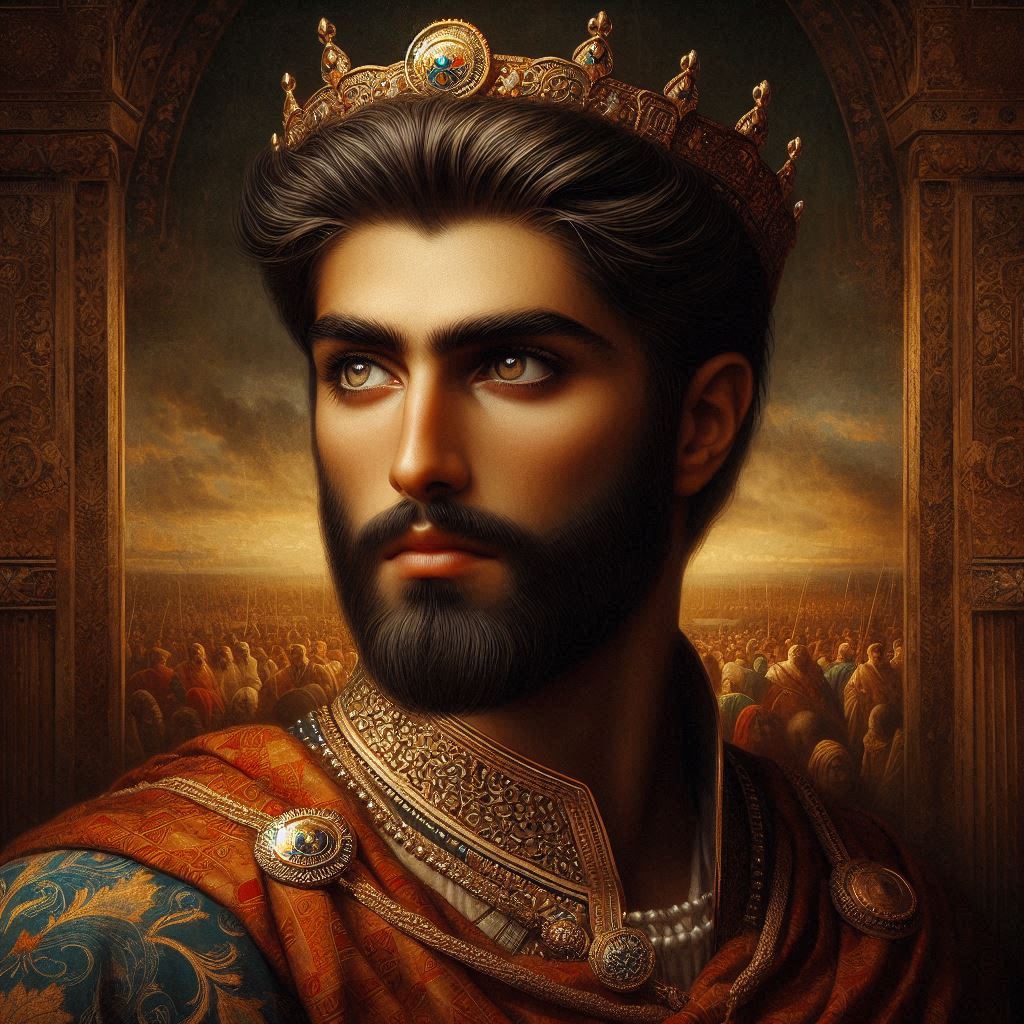
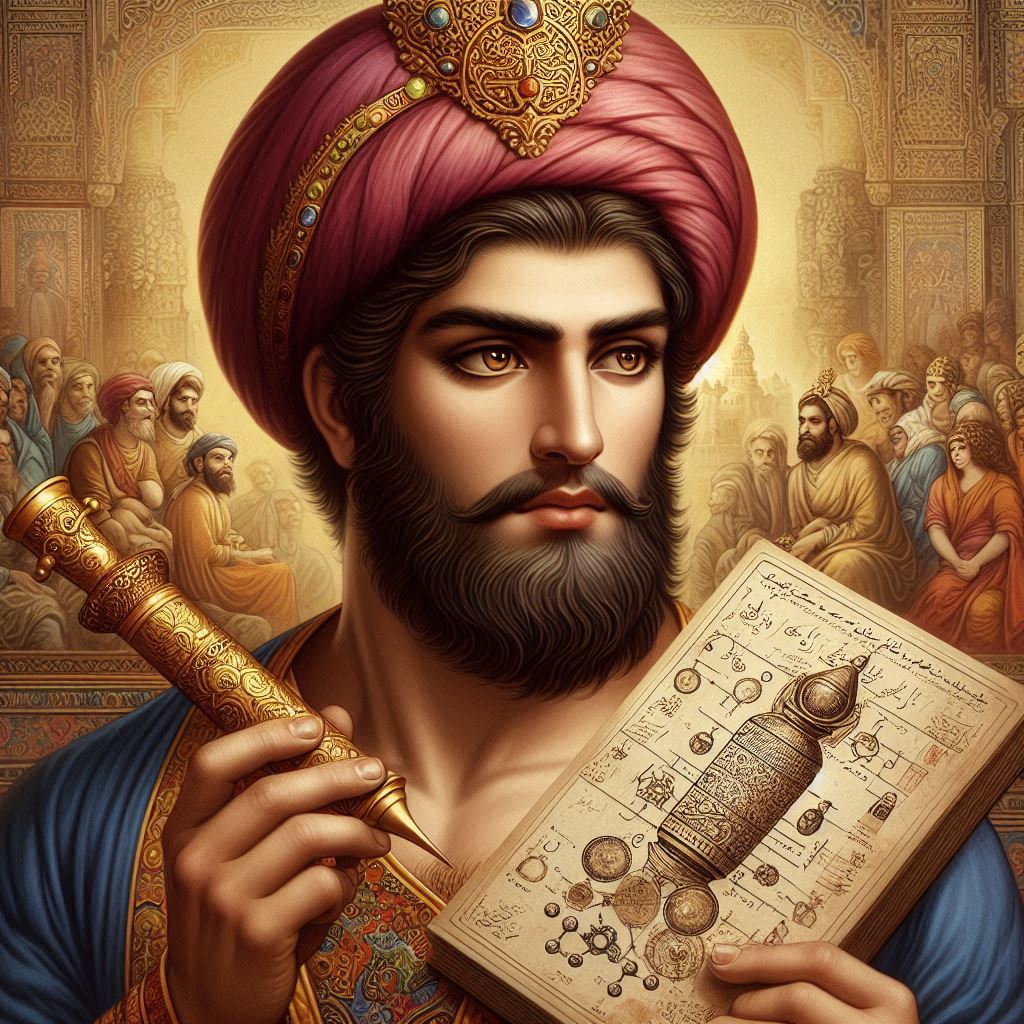



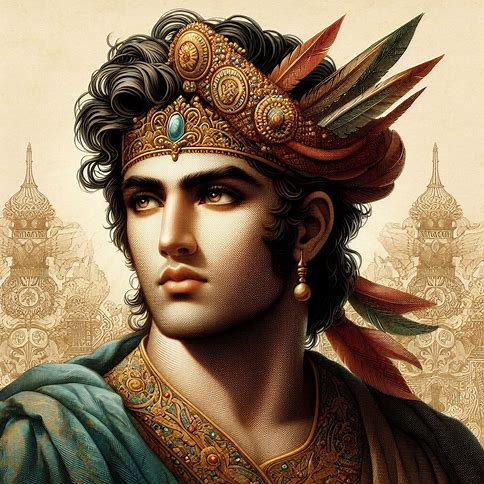
The following artistic interpretations and AI-assisted reconstructions are presented for comparison and research purposes within the framework of this investigation.
Yima/Jamshid Face reconstruction through Microsoft Bing AI software
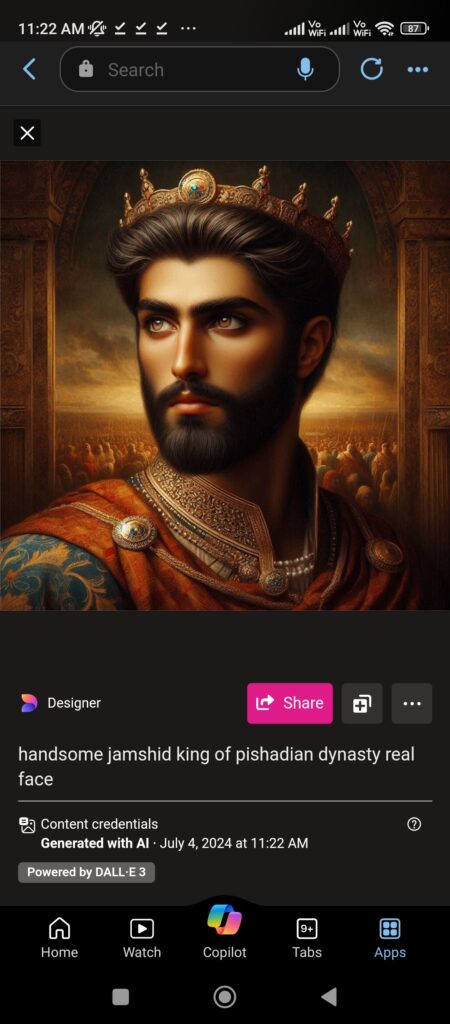
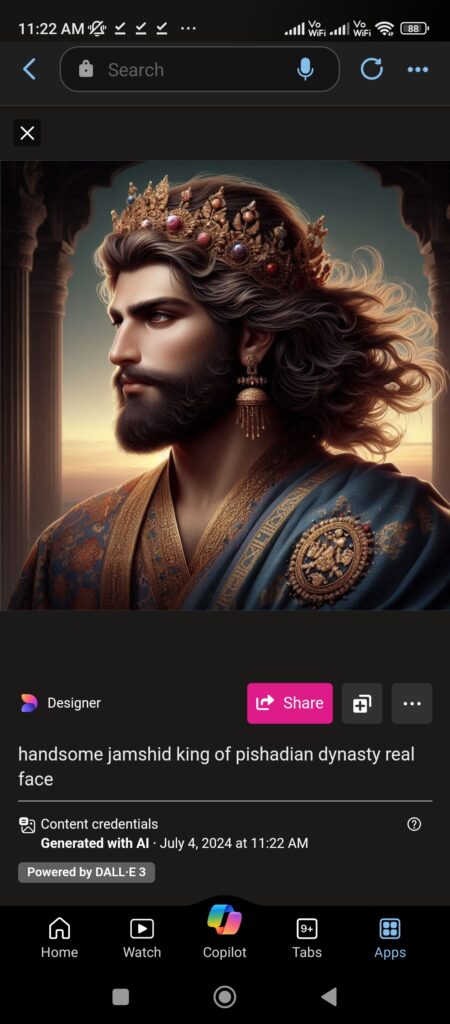
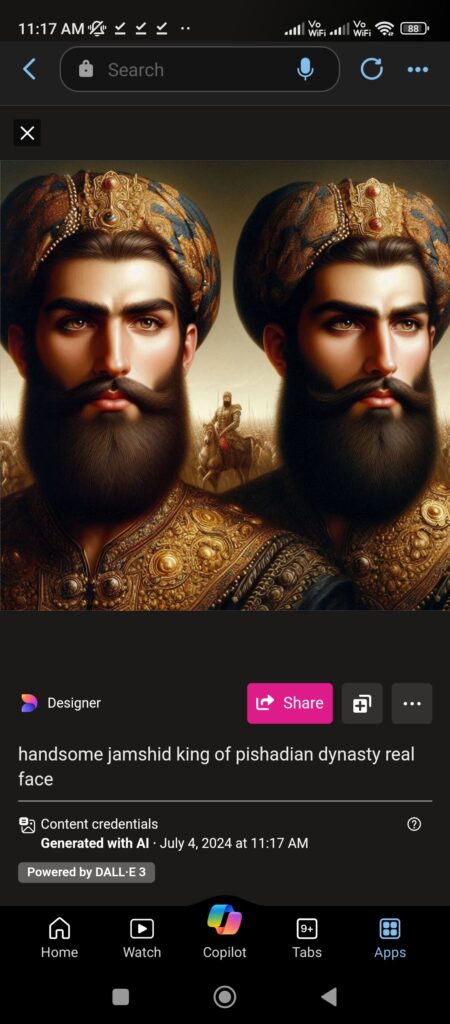
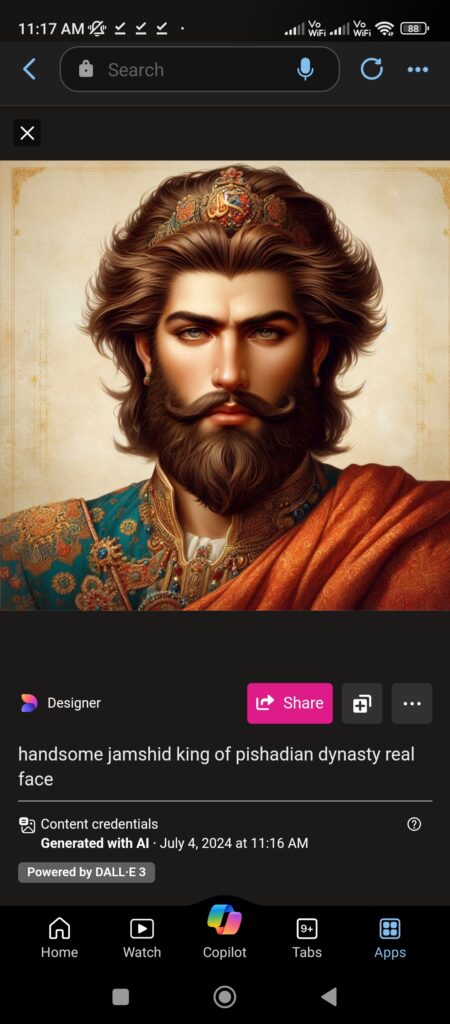
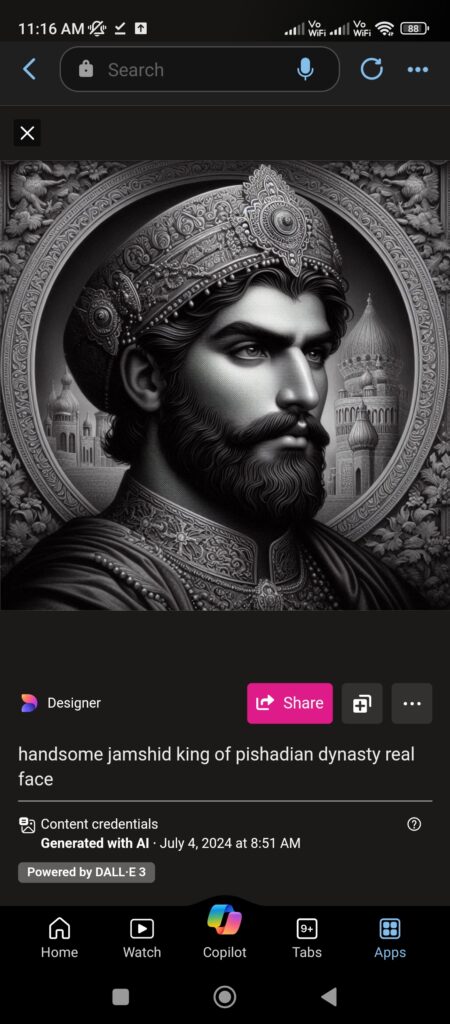
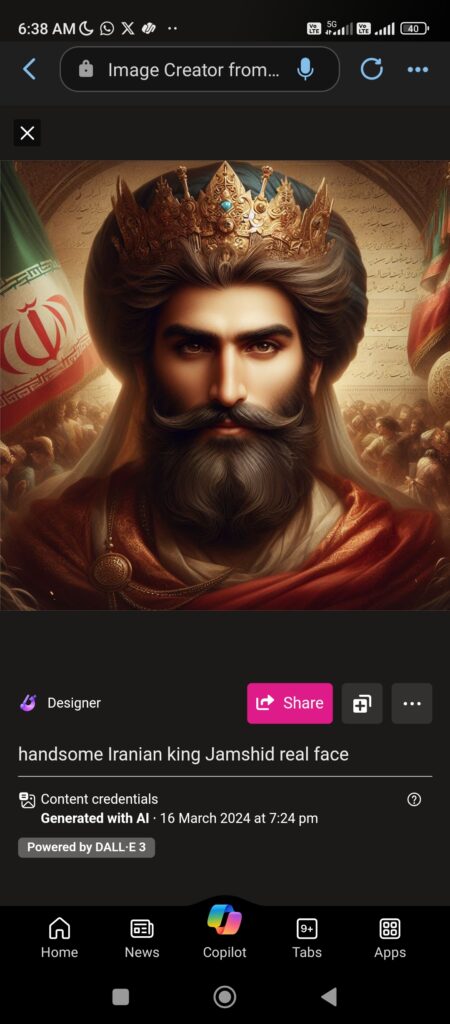
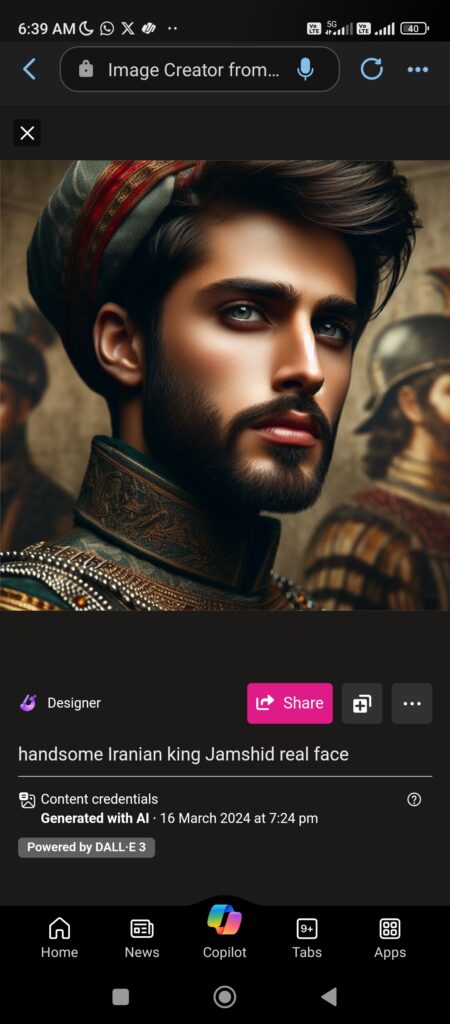
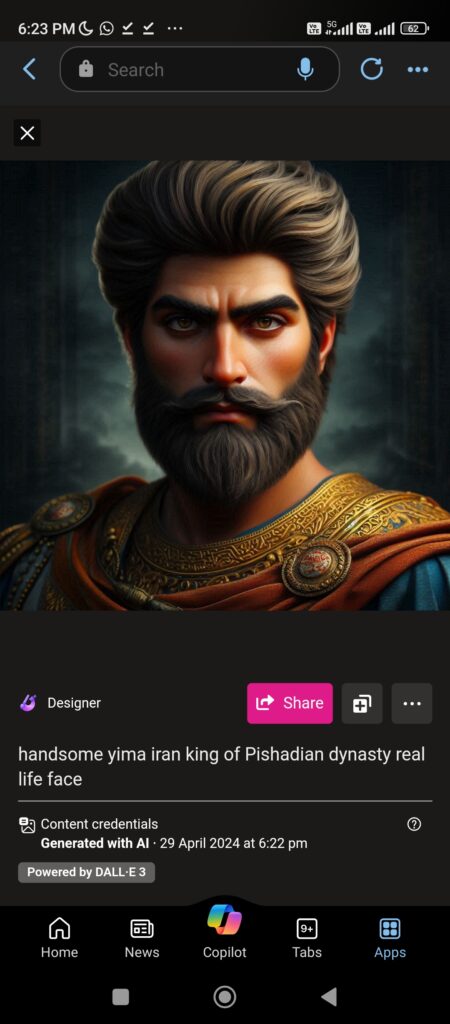
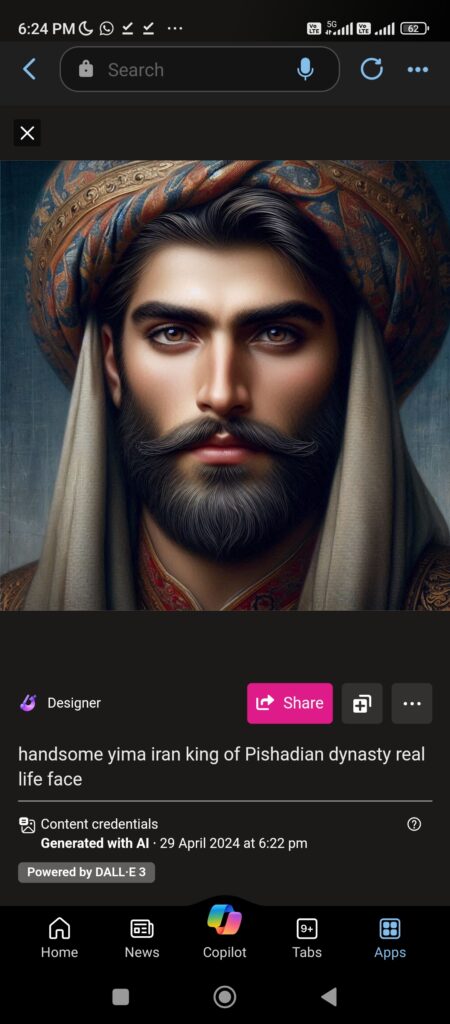
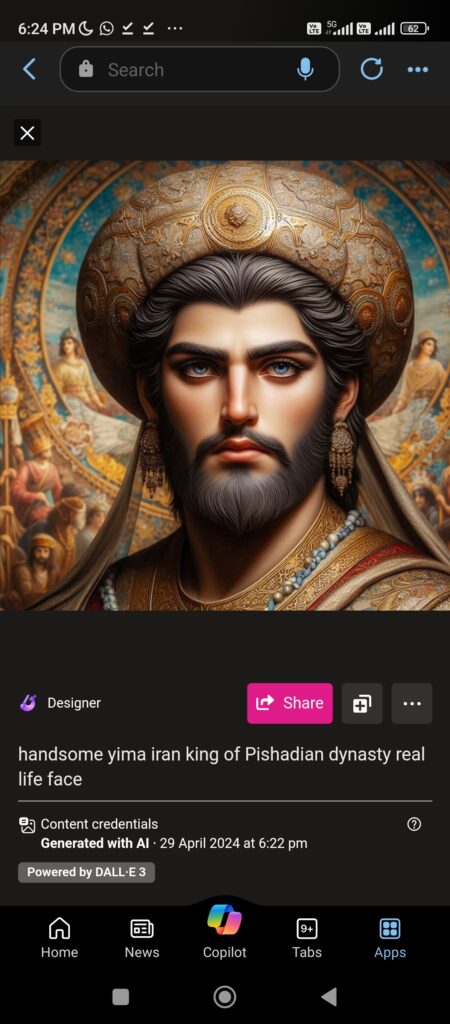
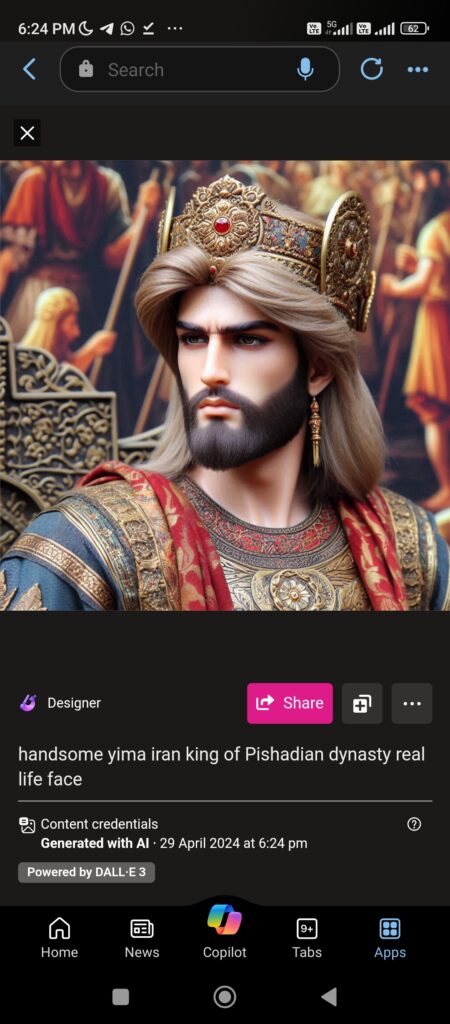
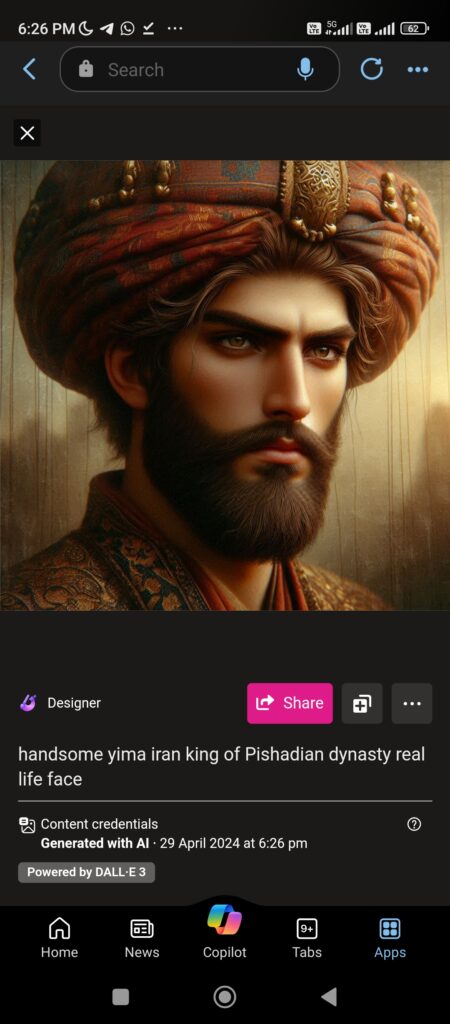
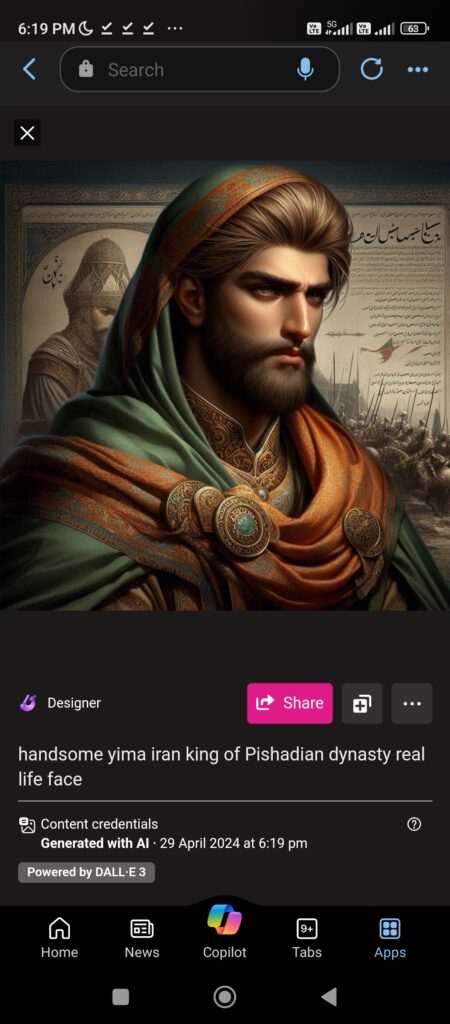
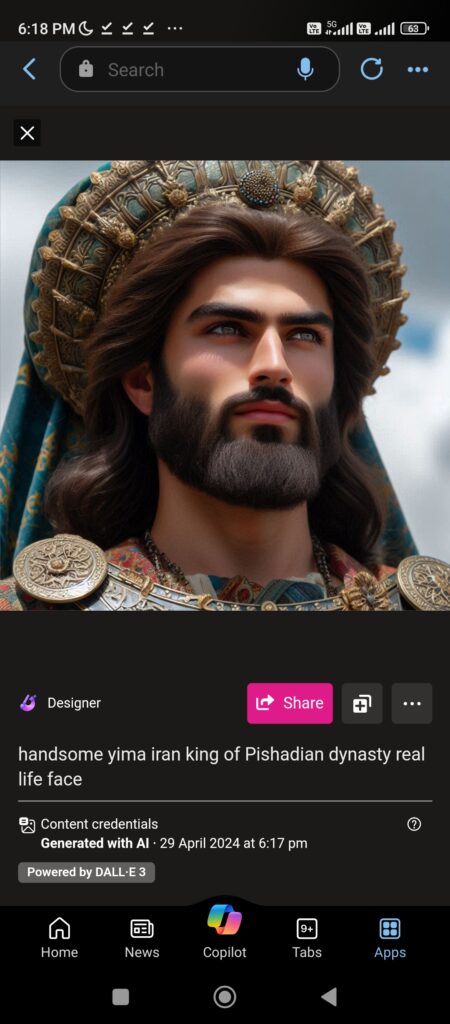
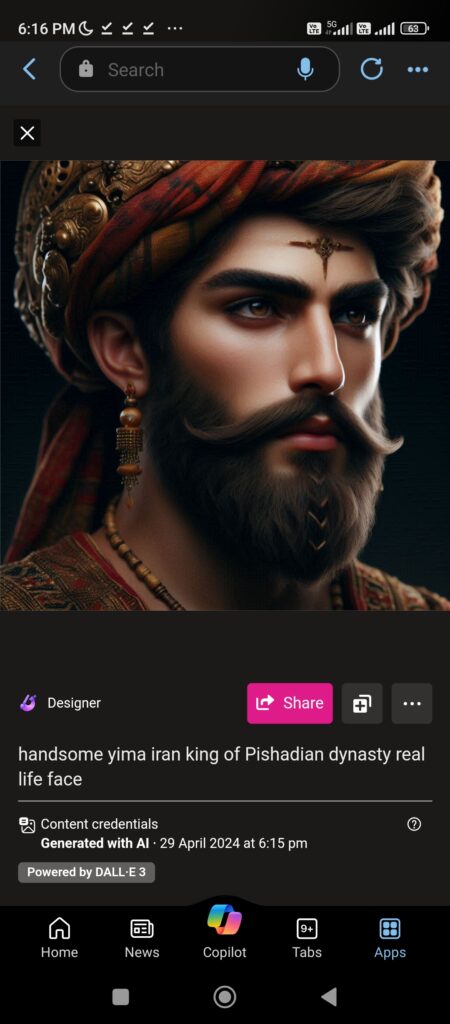
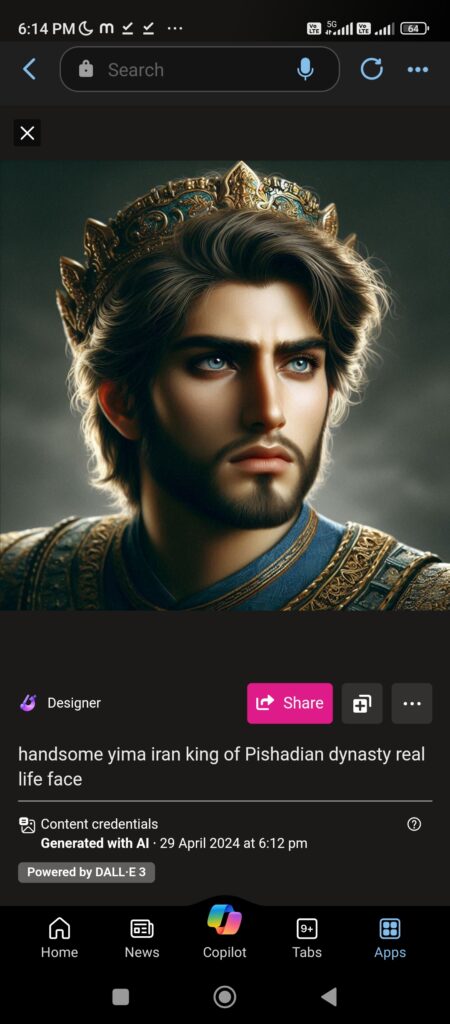
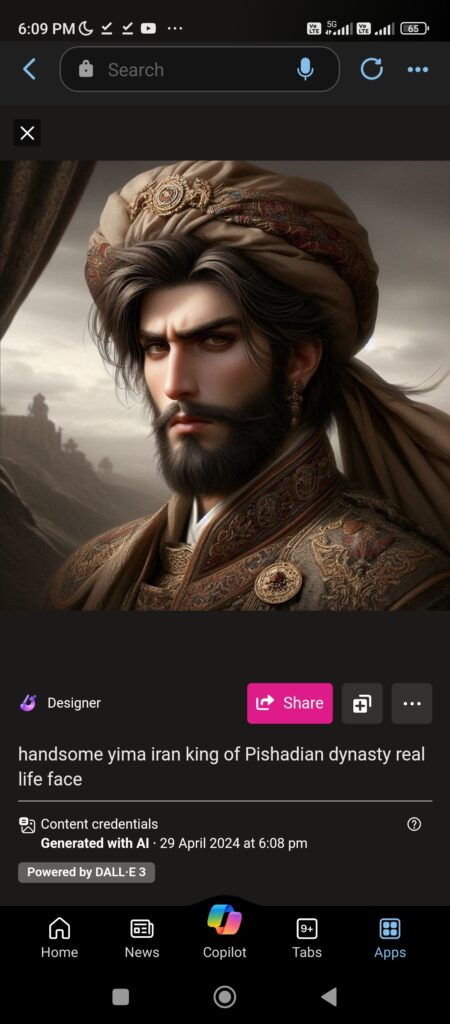
Face Transformation of Yima/Jamshid from Old to Young age
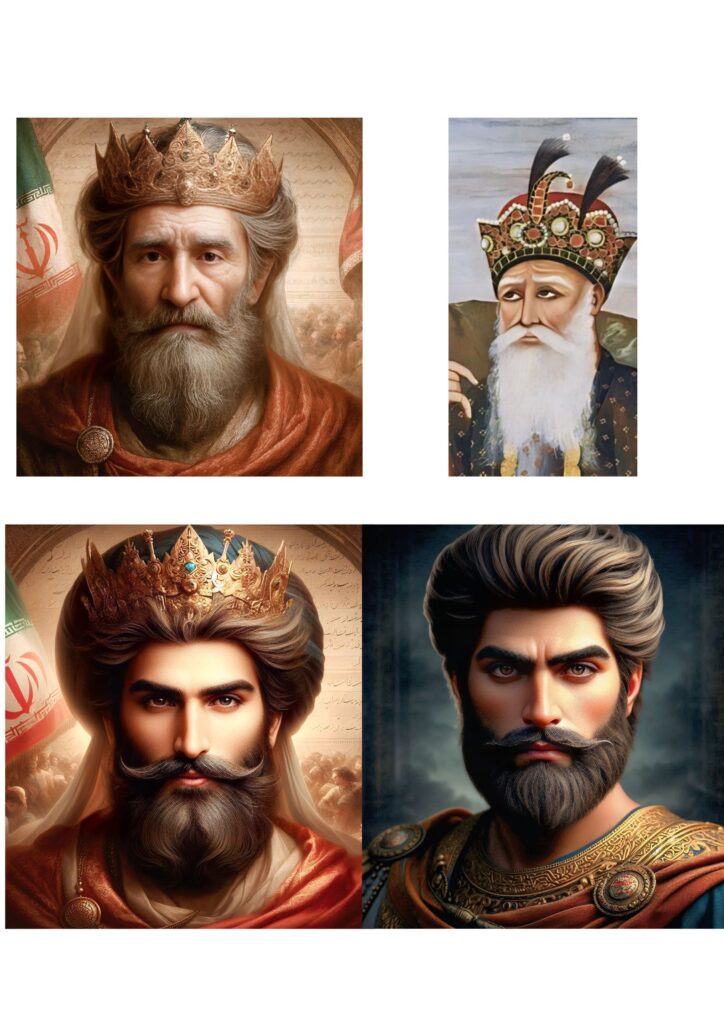
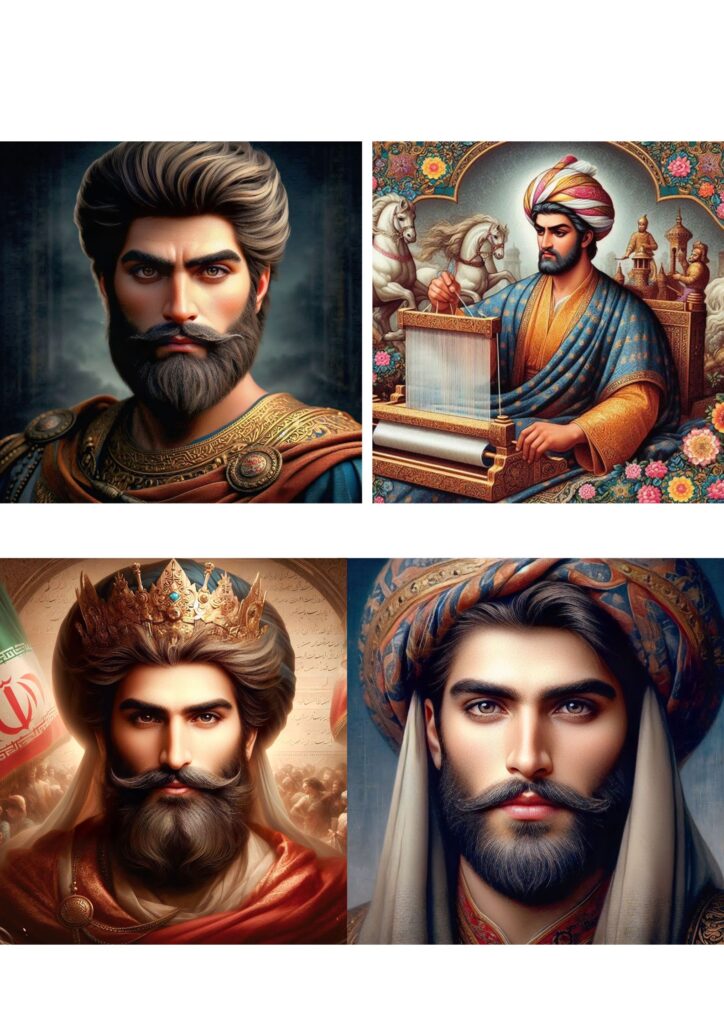
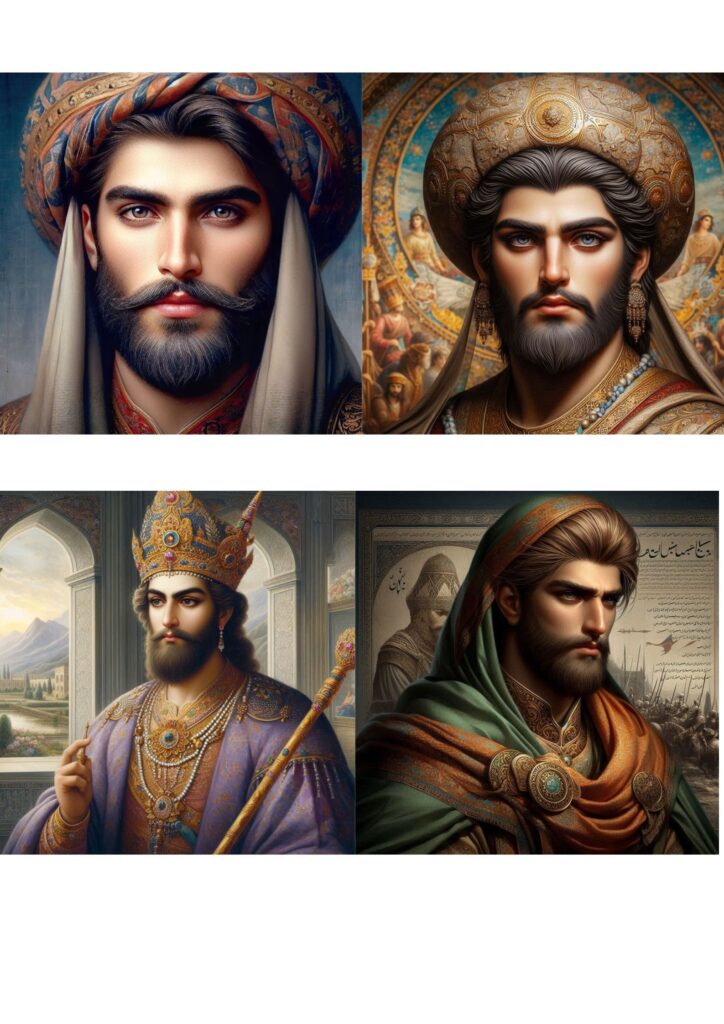
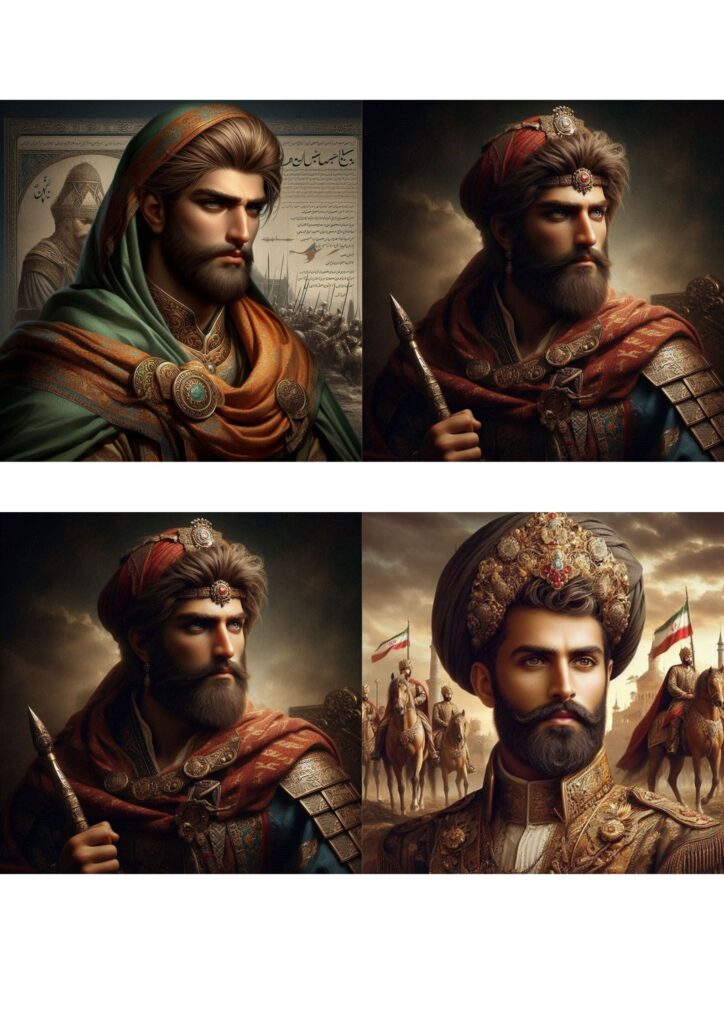
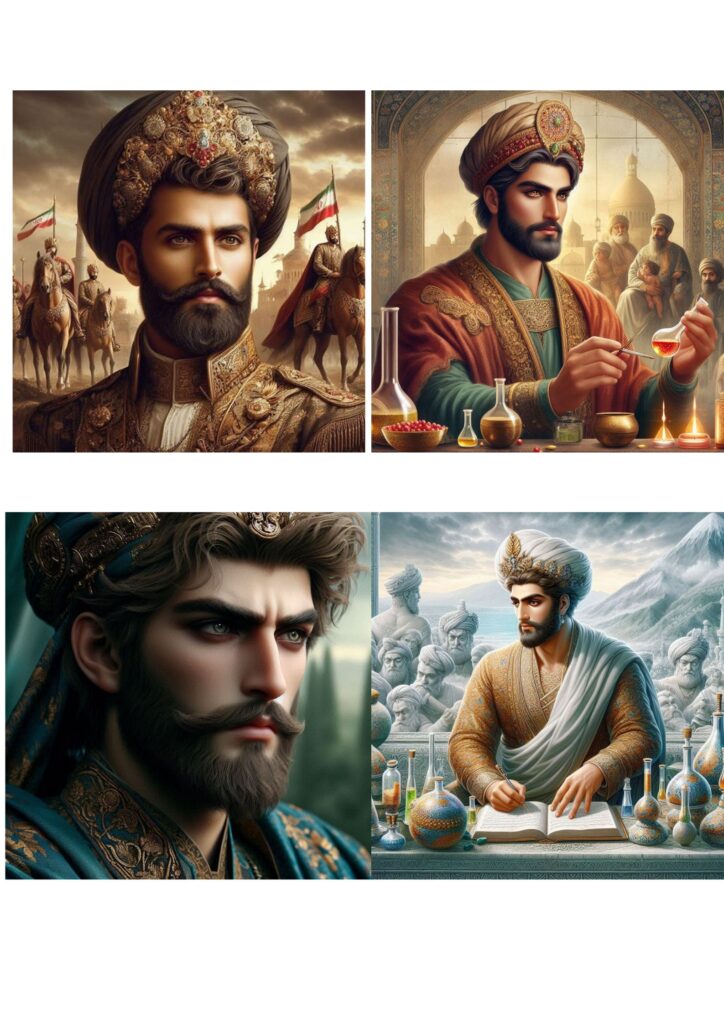
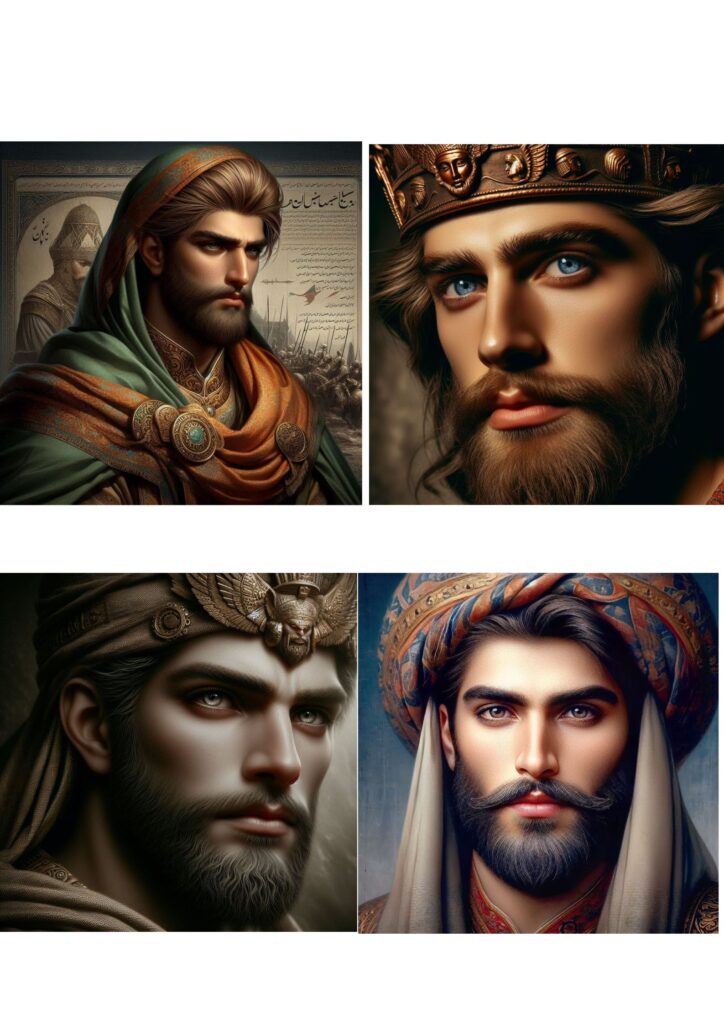
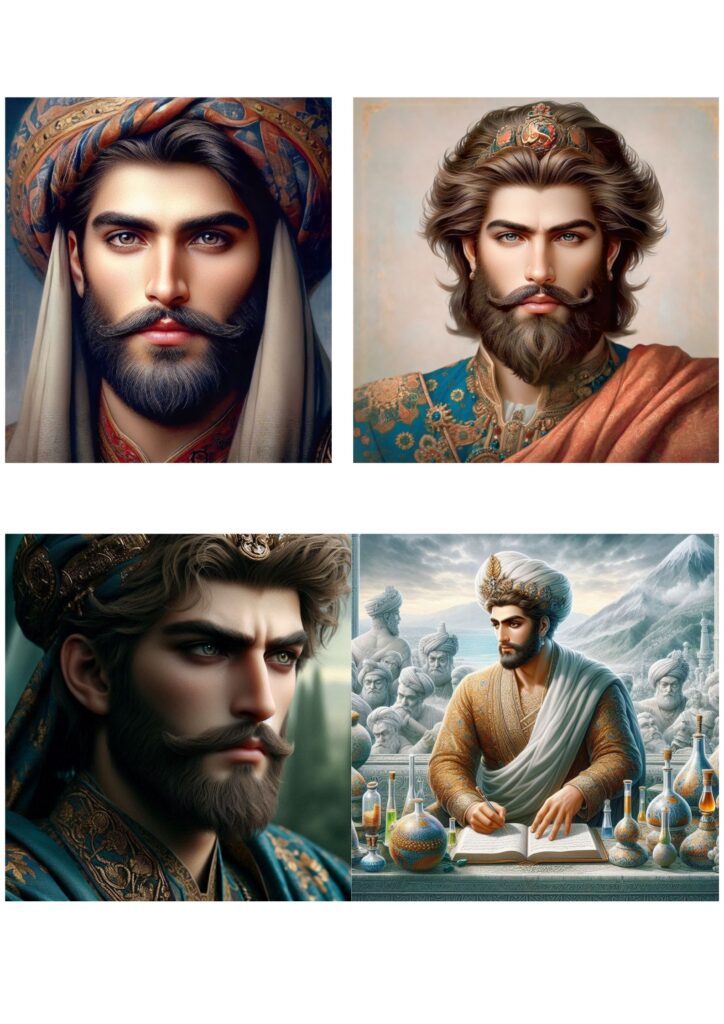
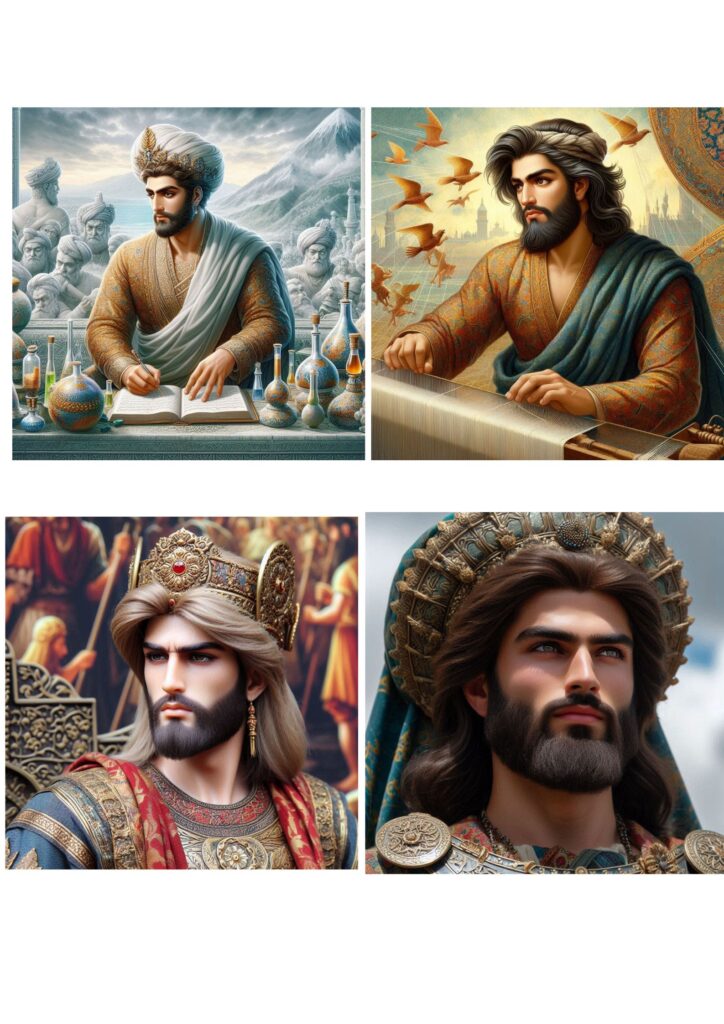
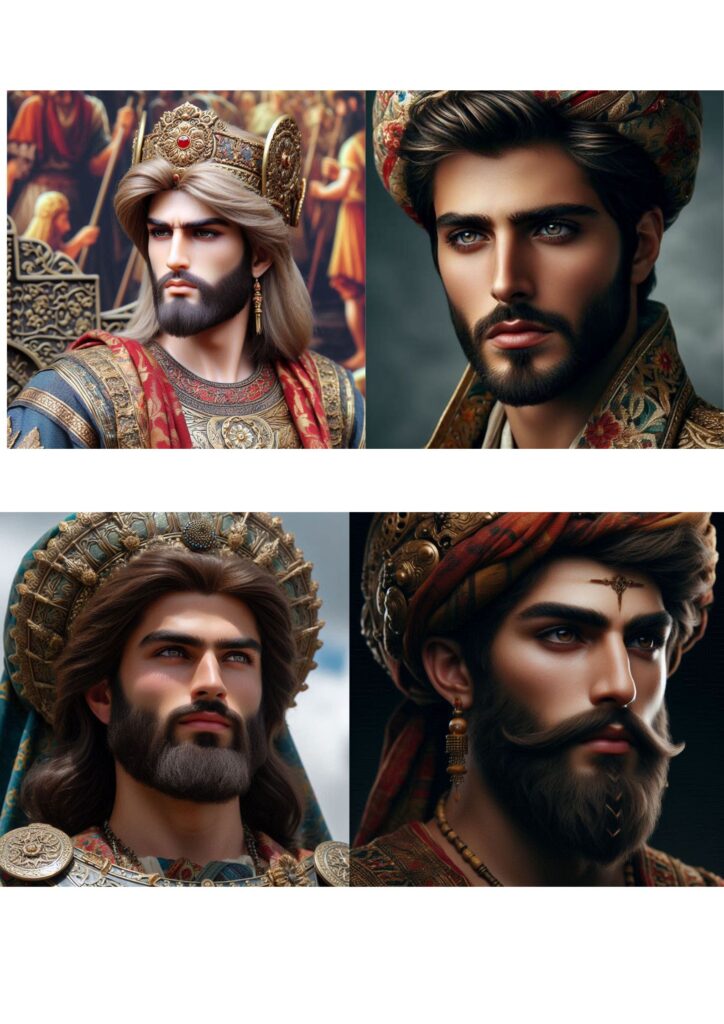

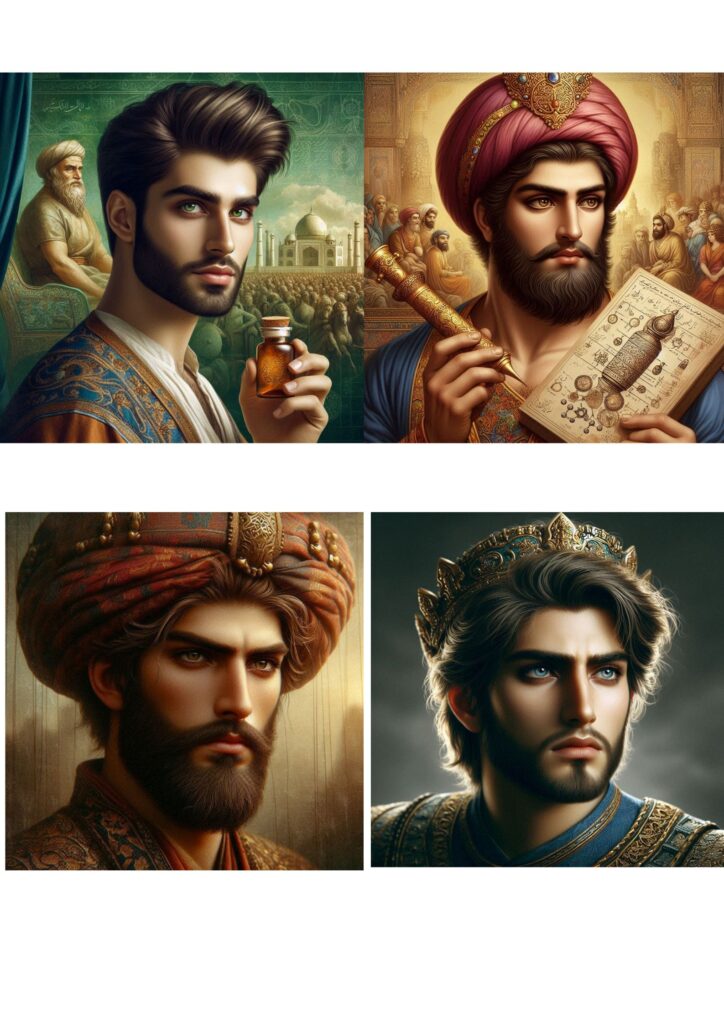
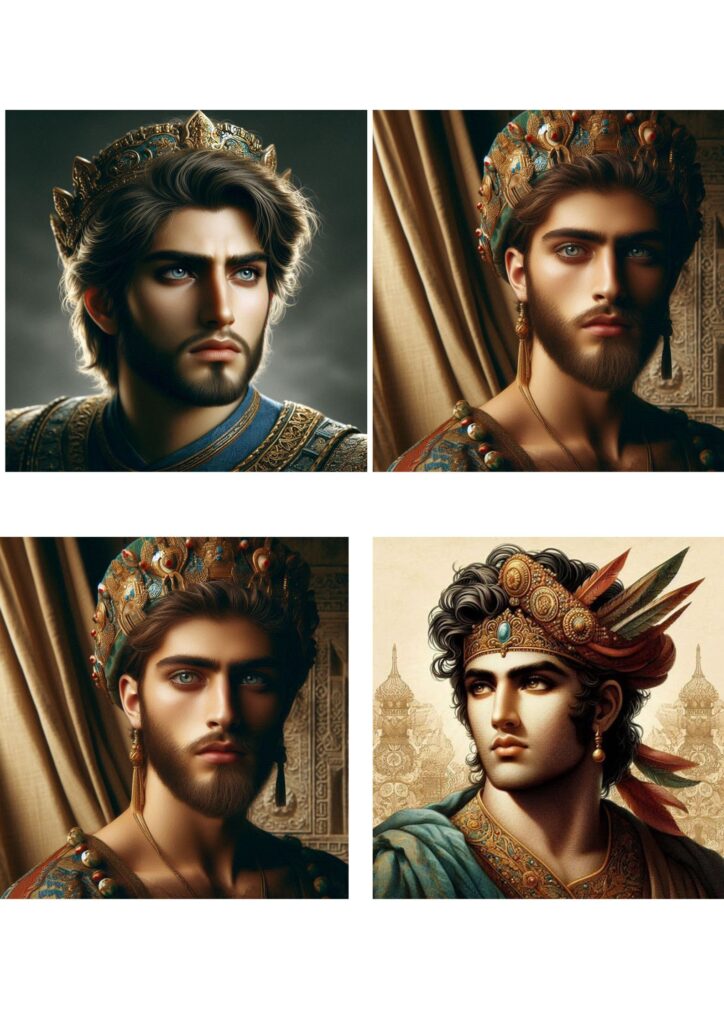
Conclusion – Yima/Jamshid Known as a First man and taught knowledge of civilizations after flood, was He the same Androgynous dying and Rising authority who is responsible for restoring knowledge of civilizations after flood and whose face remains the same in every birth as per Bhagvadgita verse 4.6, as well as Face of Yima/Jamshid match with Other possible births of this Androgynous authority.
Within Persian mythology, Yima/Jamshid occupies a unique role as a primordial king, civilization restorer, and protector of humanity during catastrophic events.
Because many ancient traditions describe civilization founders as divine lawgivers, wisdom bringers, or rulers connected with sacred authority and post-cataclysmic restoration, Yima/Jamshid becomes especially significant within the framework of this timeline investigation.
Let’s Test the Hypothesis
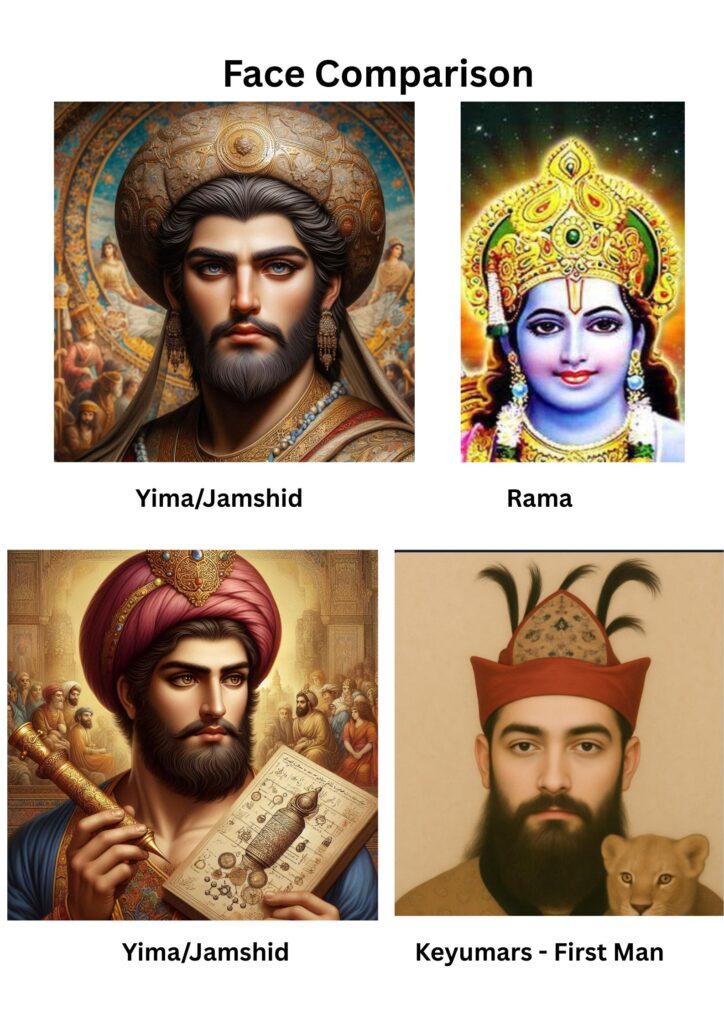
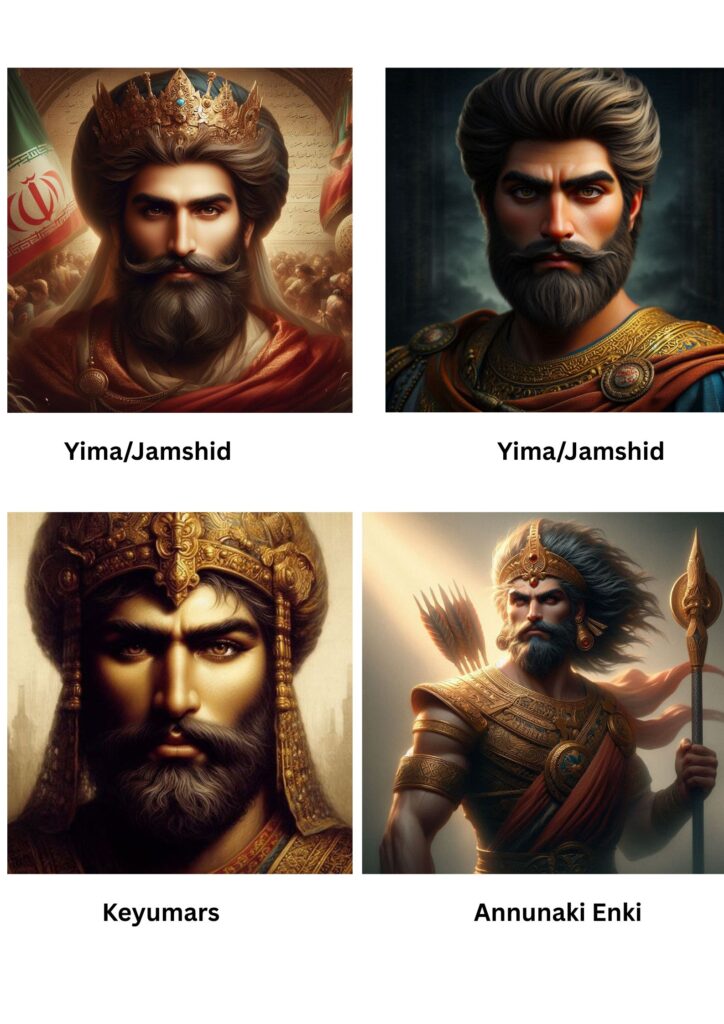
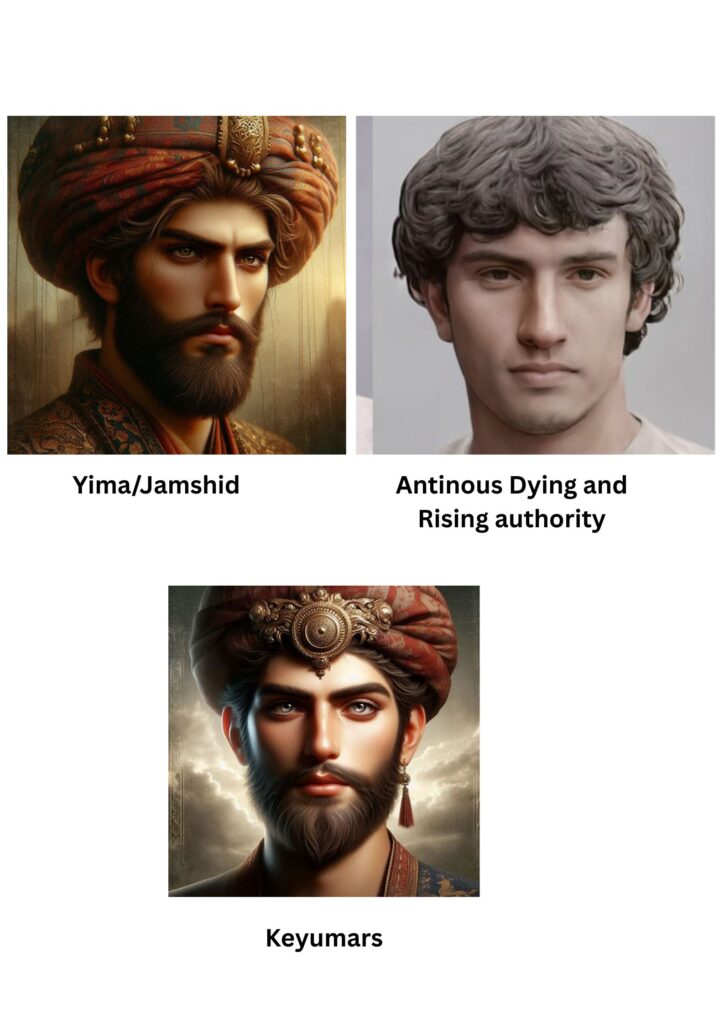
Unsolved Mystery – Yima/Jamshid face Match with Another Possible Births of this Creator of civilizations and Dynasty founder Androgynous Dying and Rising authority Mentioned in Indian vedic text, and Egyptian book of the dead. And Yima also taught knowledge of civilizations after flood and known as a first man like this Authority, was he the same authority, it is yet a Biggest unsolved Mystery.
Yima/Jamshid shares symbolic similarities with other civilization-founder figures explored throughout this timeline series, particularly traditions associated with first kings, sacred authority, and post-catastrophe restoration of civilization.
Whether these recurring similarities represent mythology, symbolic memory, cultural transmission, or fragmented recollections of forgotten civilizations remains an unresolved mystery.
Israel, 6000 BC

Image by Hanay CC BY SA 4.0
As the timeline progresses through the earliest dynastic and post-flood traditions of the ancient world, recurring themes of sacred kingship, civilization restoration, wisdom bringers, and divine continuity continue to appear across multiple cultures.
From Mesopotamian ritual symbolism to Persian first-king traditions and Mediterranean sacred figures, the persistence of these recurring archetypes continues to raise symbolic questions concerning the origins of civilization and the preservation of ancient memory across ages.
The investigation continues in Part 6, where additional ancient rulers, sacred traditions, archaeological mysteries, and recurring civilization-founder figures will be examined through the framework of cyclical civilization and the Eternal Authority hypothesis.
Every civilization preserves echoes of its origins.
Every myth carries fragments of forgotten memory.
And every closed mouth may guard a hidden truth.