
Era of Founders, Flood Memories, and Lost Civilizations
As Bronze Age civilizations expanded across Europe, Egypt, Mesopotamia, and Asia, stories of founder-kings, serpent rulers, storm deities, and civilization teachers continued appearing throughout ancient traditions.
Part 13 investigates a period marked by major cultural transitions, the decline of the Indus Valley Civilization, the emergence of new religious traditions, and the preservation of myths surrounding rulers who were credited with bringing law, writing, marriage, justice, and civilization itself.
Within the framework of the Eternal Authority Hypothesis, this chapter explores whether recurring founder figures such as Cecrops, Indra, and Hermes preserve fragments of a deeper memory associated with sacred kingship, restoration after catastrophe, and the transmission of civilization.
Serpent King -Cecrops (Founder of Athens)-1600 BC
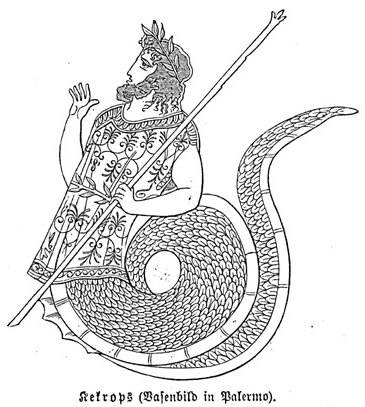
public domain

Cecrops – The Serpent King of Athens
Among the earliest legendary rulers of Greece stands Cecrops, the mysterious founder of Athens.
● His reign lasted fifty years.
Ancient traditions describe him as a culture-bringer who introduced marriage customs, writing, laws, religious practices, and ceremonial burial rites. Unlike ordinary kings, Cecrops was often depicted with a human upper body and a serpent-like lower body, making him one of the most unusual founder figures in world mythology.
Greek traditions also credit him with organizing one of the earliest recorded population counts in 1600 BC. According to later accounts, citizens cast stones which were counted to determine the population of Athens.
The combination of serpent symbolism, civilization teaching, and dynastic foundation raises an intriguing question:
Why do founder figures associated with civilization repeatedly appear alongside serpent imagery across distant cultures?
Unsolved Mystery- Was Cecrops First King of Athens the Same Androgynous Dying and Rising creator of civilization authority responsible to Restore Civilization and founder of Royal Dynasties Authority ? As well as Cecrops Depicted with serpent Symbol similar like Meso-american Civilization feather Serpent Androgynous civilization teacher known as a Equivalent Deity, means Same Mayan Androgynous Kukulkan Deity known with Androgynous Quetzalcoatl Name in Aztec civilization.
Bastet – A Symbolic Transformation
One of the interesting developments of this period is the transformation of Bastet’s imagery. Early depictions present Bastet as a powerful lioness associated with protection and strength, while later representations increasingly portray her as a domestic cat.
This transition may reflect broader cultural changes occurring within Egyptian society, where symbols of royal power gradually merged with symbols of domestic protection, fertility, and everyday life.
Within the framework of the Eternal Authority Hypothesis, such symbolic transformations raise an intriguing question:
Do changes in divine imagery preserve memories of larger cultural transitions occurring within ancient civilizations?
1800-1500 BC Lion Bastet Symbol Conversion into Cat Bastet Symbol

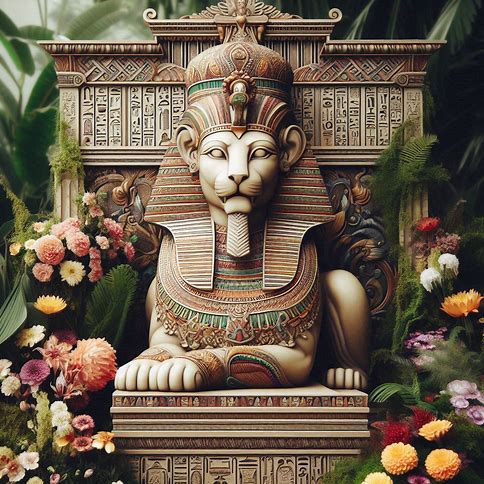
Bastet first appears in the third millennium BC, where she is depicted either as a wild lioness or as a woman with the head of a lioness.
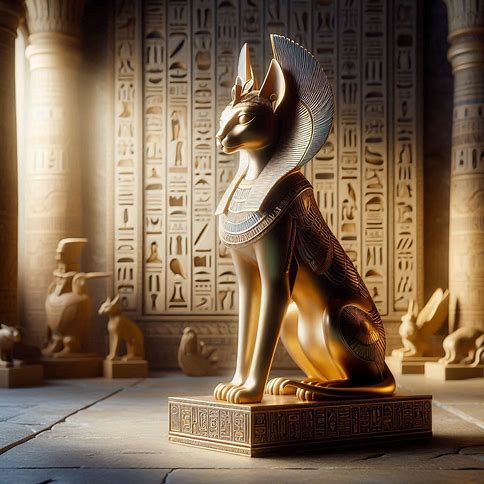
At the beginning of the New Kingdom, around 1500 BC, more depictions are found on wall paintings and reliefs. The Late Dynastic period saw a peak in appreciation of the domestic cat, and ancient authors such as the Greek historian Herodotus (484–425 BC) noted their importance. Images were produced on papyrus, as bronze and wooden figurines, on shards, as amulets of various materials, and in abundance as mummies. Such representations had special magical properties and communicated religious beliefs
1500 BC Collapse of Indus Valley Civilization and changes in Indian Culture
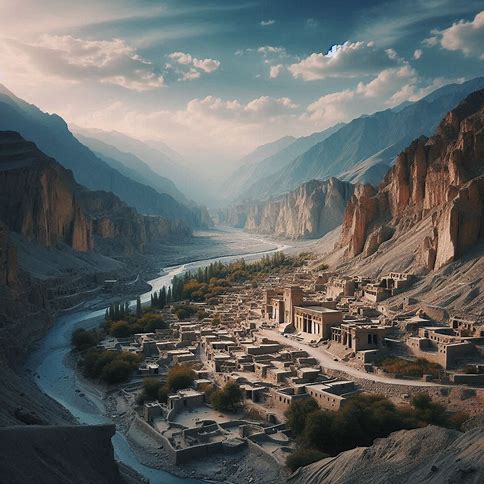
Indus valley civilization collapsed in 1500 BC modern archaeology has established a probable chronology and periodization:
➢ Pre-Harappan– c. 7000- c. 5500 BCE ➢ Early Harappan– c. 5500- 2800 BC ➢ Mature Harappan– c. 2800- c.1900 BCE ➢ LateHarappan– c. 1900- c. 1500 BCE ➢ Post-Harappan– c. 1500- c. 600 BCE
1500 BC Period – Visualization of Possible Situation face By this Civilization People
1. After the collapse of Civilization in 1500 BC, possibly Ancient religion, Set of Rules, laws of Justice, and System established by this Androgynous Dying and Rising light and thunder authority lost in collapse of civilization
Indian Vedic Culture turn towards Patriarchy in 1500 BC
Hence Next Generation Evil Nature Authority, Change and introduced Evil Law Structure.
Caste System Enter in This 1500 BC Time Period
The Indian caste system is widely believed to have originated around 1500 BC with the arrival of the Aryans in India.
Why More Praise of Indra in this 1500 BC Time Period in Rigveda ?
Possibly this creator of Civilization, light and Thunder Authority Return and show his superhuman power and Restore Collapse Indus valley civilization with another equivalent name Indra.and possibly remove Corrupt laws and To prove his authority possibly he show his superhuman Power and same face of every birth to Indus valley people, and hence Indus Valley People Saw Power of Indra And Praise for Indra in this Duration When they get relief from evil laws. And describe him with superhuman strength.
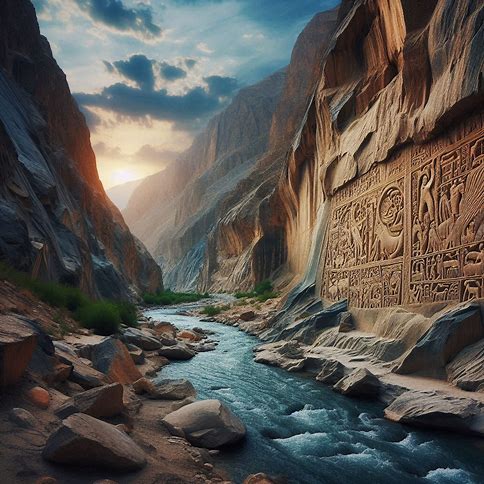
In ancient Vedic times (around 1500 BCE), Indra was a highly praised and revered deity, particularly in the Rigveda. He was considered the supreme deity and was celebrated for his power, strength, and the beneficial rain he brought, essential for the well-being of the Vedic people
Indra was not just a Light and Thunder Deity but also a leader and a chosen one by the people. He was praised for his compassion and selfless service for the welfare of the people
In Vedic tradition, Indra is celebrated as the conqueror of the great serpent Vritra, a symbolic enemy associated with drought, obstruction, and chaos. Ancient myths describe Indra releasing life-giving waters after defeating Vritra with his thunderbolt, restoring balance and prosperity to the world.
Within the framework of the Eternal Authority Hypothesis, this symbolism raises an intriguing possibility. If serpent figures in ancient traditions sometimes represented forces of destruction, disorder, or natural catastrophe, then myths of storm deities defeating great serpents may preserve symbolic memories of civilizations overcoming periods of crisis.
According to interpretations presented in the Ancient Religion of the Sun, large serpent imagery can symbolize natural calamities and destructive forces of nature. Similar motifs also appear in other mythological traditions, including stories of Odin and other storm-associated figures confronting serpent-like adversaries.
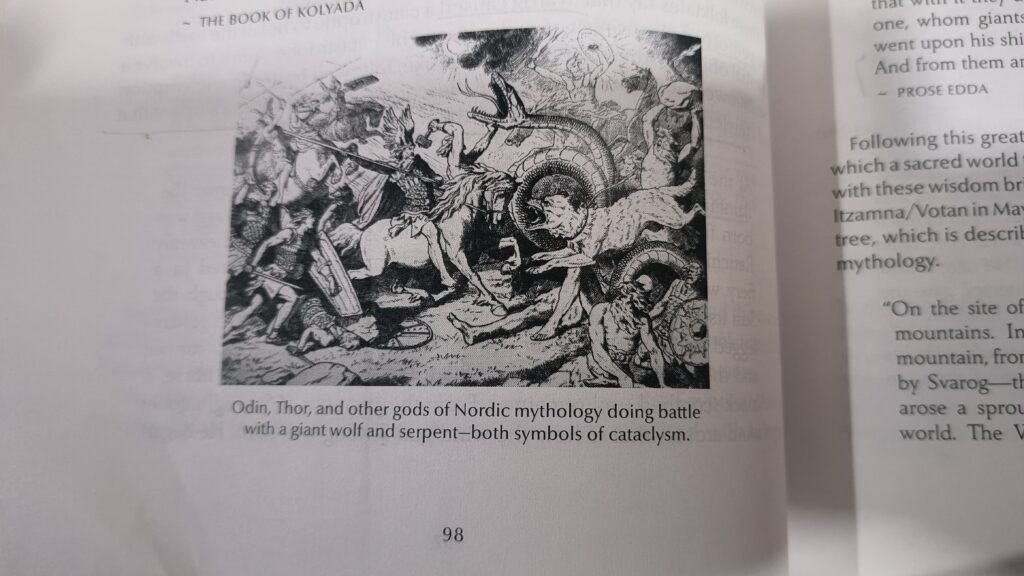
According to Ancient Religion of Sun Book, Page No. 98 – large serpent symbol of natural calamities
This raises an important question:
Could myths of Indra and Vritra preserve cultural memories of humanity’s struggle against environmental disasters, droughts, floods, or societal collapse?
One of the greatest mysteries of ancient history remains the decline of the Indus Valley Civilization.
Archaeological evidence suggests that urban centers gradually declined between approximately 1900 BC and 1500 BC. The exact causes remain debated and may include climate change, river shifts, economic disruption, or a combination of multiple factors.
As later Vedic traditions emerged in the region, Indra became one of the most celebrated figures of the Rigveda. Praised as a storm deity, protector, and conqueror of the serpent Vritra, Indra was associated with restoring order and overcoming chaos.
Within the Eternal Authority Hypothesis, an alternative symbolic interpretation can be explored:
Could myths surrounding Indra preserve cultural memories of a civilization-restoring figure remembered after periods of crisis or societal collapse?
Whether this represents mythology, symbolic storytelling, or memory of historical events remains an unresolved question.
Androgynous Dying and Rising authority Role in Indus valley civilization
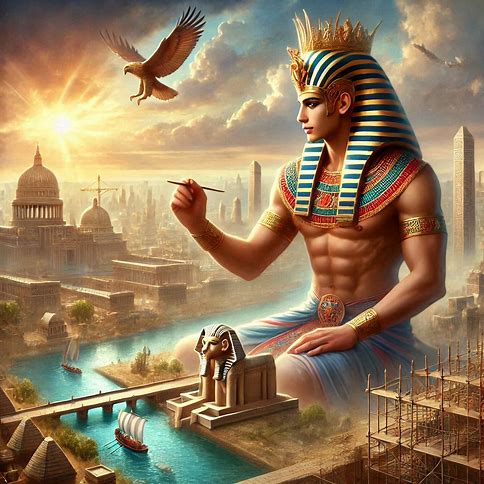
As Greek Historian Didorus, Mentioned that Androgynous Osiris Dying and Rising Ancient Egyptian Deity Travelled to India, Where he built City Nyssa near Indus River.
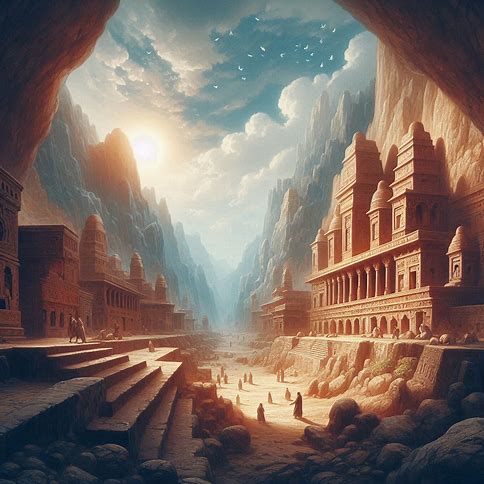
Closed Mouth Indus Valley Civilization Sign Unsolved Mystery
Androgynous Dying and Rising authority possibly left this Similar closed mouth, Alien, Fertility sign as a proof of one Soul authority founder with Equivalent name in Indus valley civilization Architecture
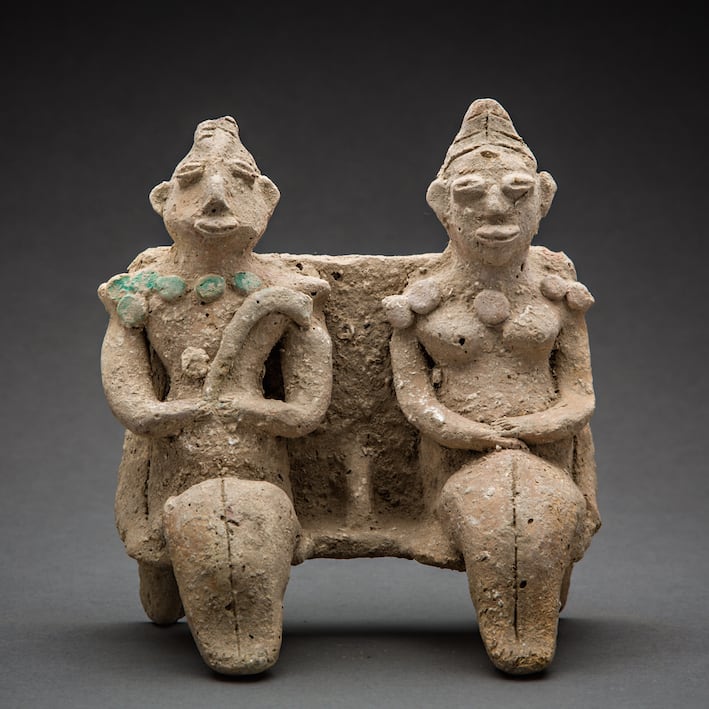
Credit – Barakat gallery copyright © credit
Indus Valley Civilization collapse due to Nuclear blast?
As civilizations adapted to changing political and religious landscapes, traditions concerning divine messengers, wisdom-bringers, and keepers of sacred knowledge became increasingly important.
Among the most influential of these figures was Hermes, a deity associated with communication, learning, commerce, and hidden wisdom.
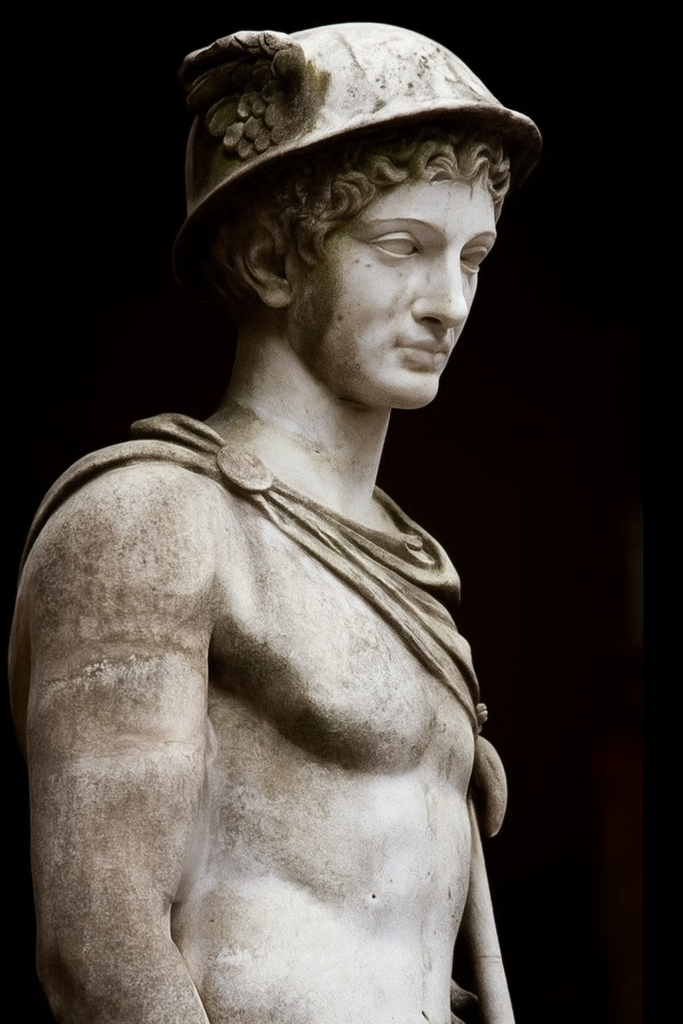
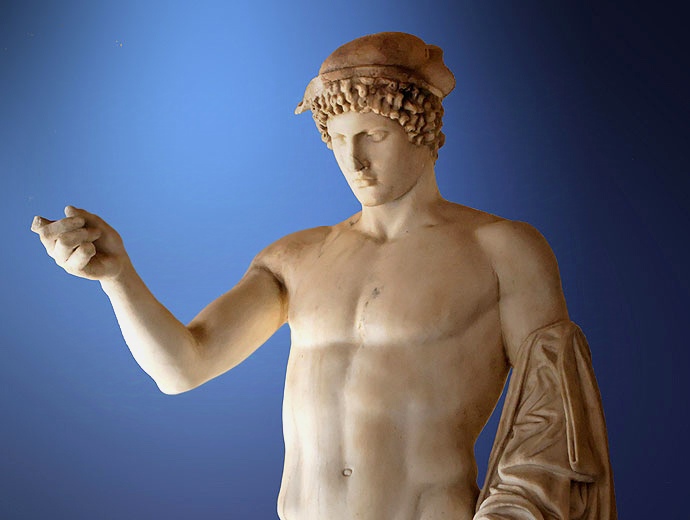
Hermes, Deity of Wealth (Author of 20000 Books) –1500 BC
public domain
Hermes has a very long history, being mentioned in the Linear B tablets of the Mycenaean civilization, at its height from the 15th to 13th century BCE. Such tablets have been discovered at Pylos, Thebes, and Knossos.
Hermes mentioned as Consort of Androgynous Aphrodite Although some Sources mentioned He never Married.
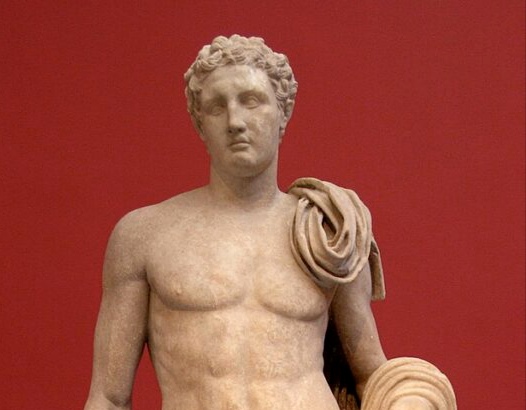
George E. Koronaios CC BY SA 4.0

Credit – equator AI
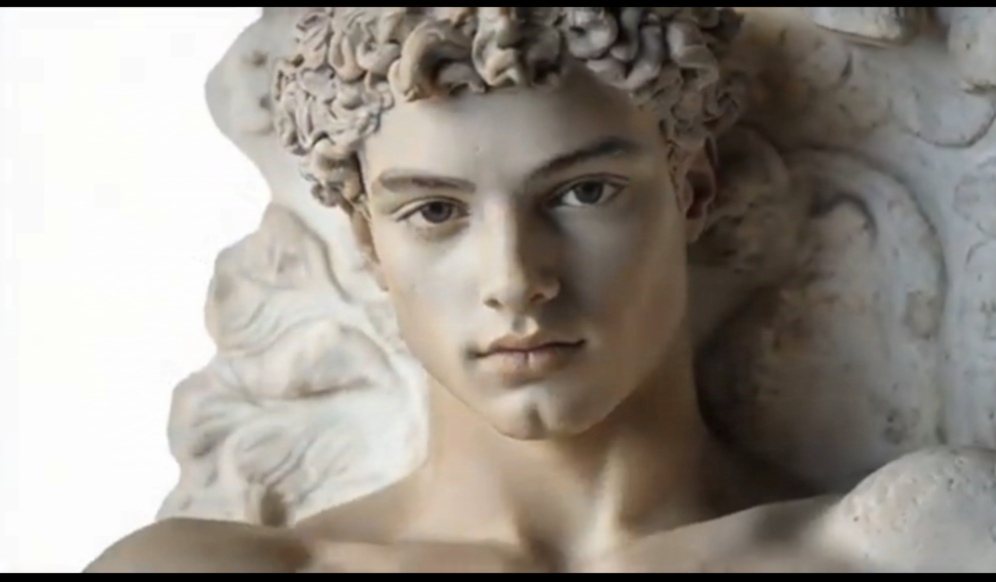
Face reconstruction by CT AI Studio

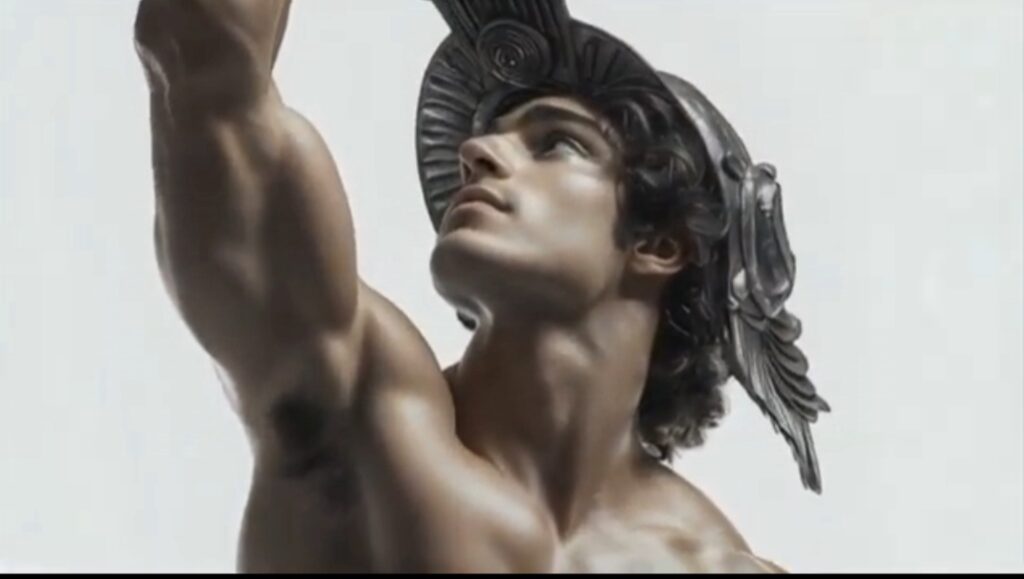

Face reconstruction by CT AI Studio
video reference – https://youtu.be/AjsNTWV_8RE?si=lojYjMdxCz7_0urz
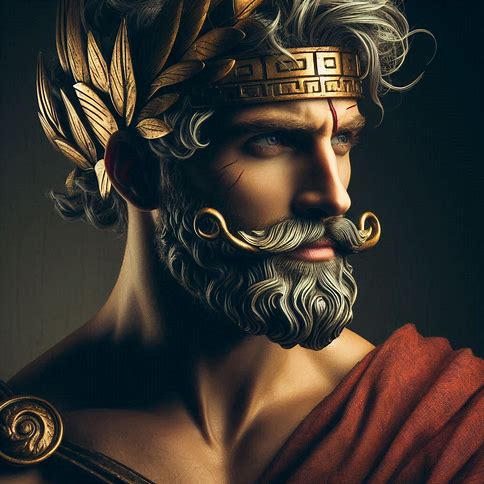
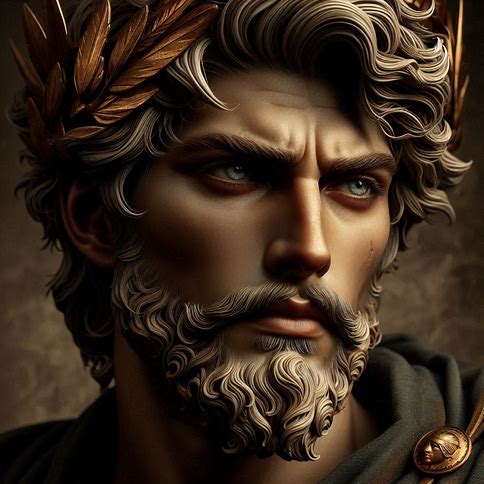
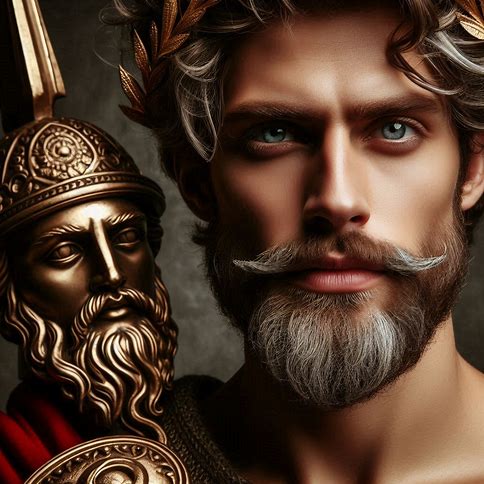

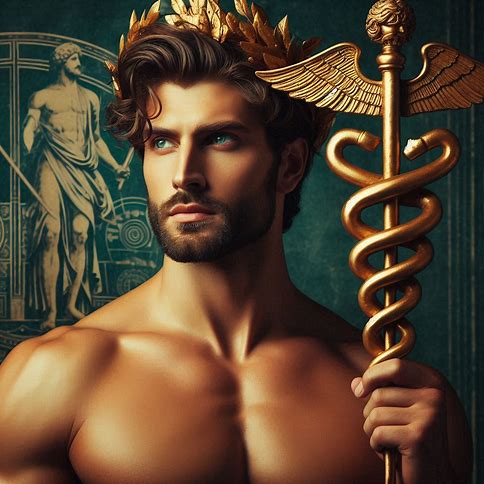
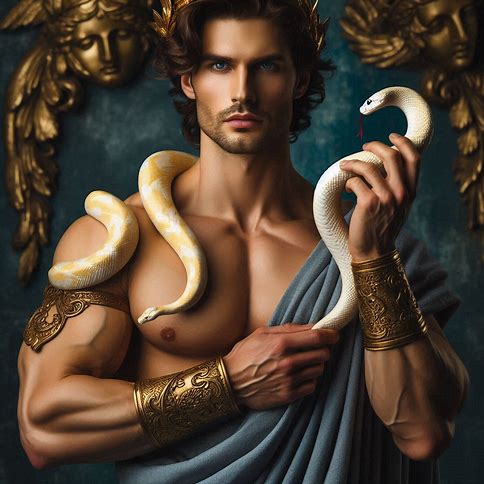
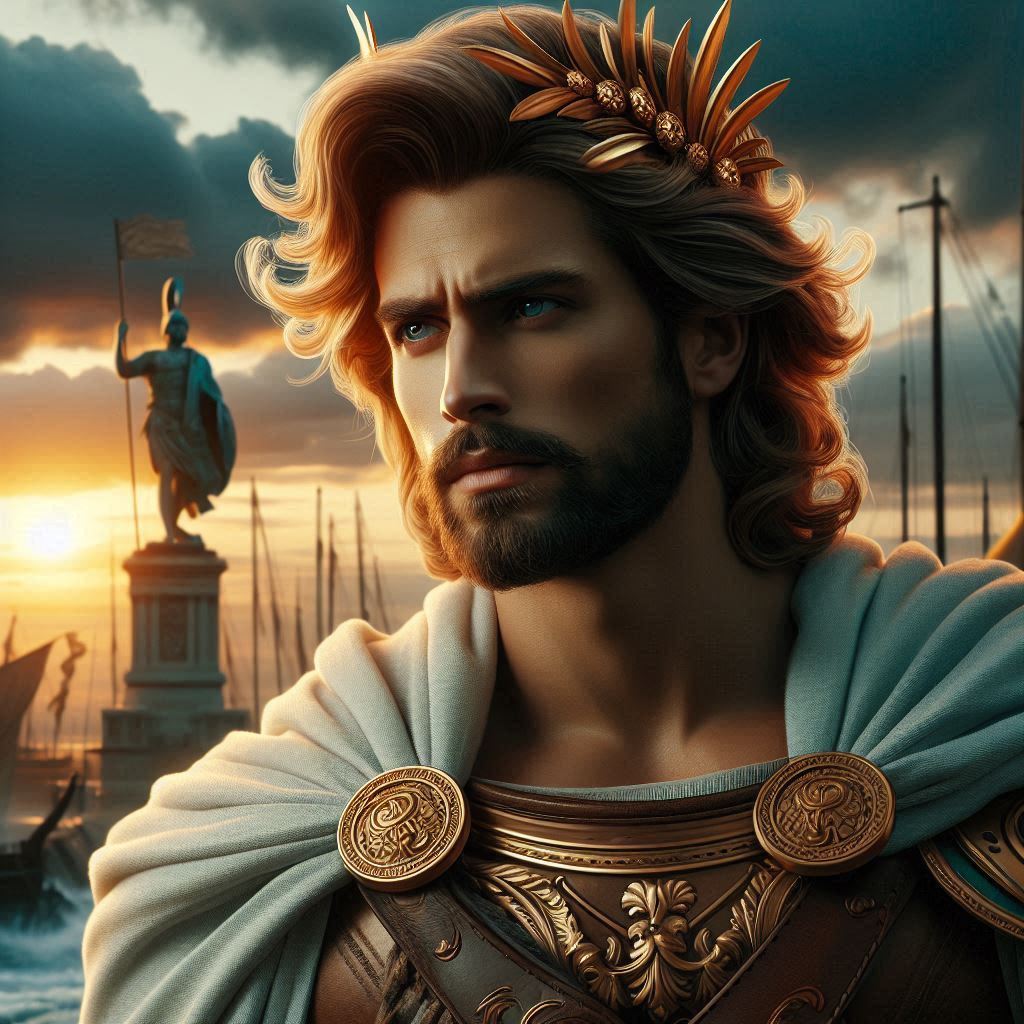
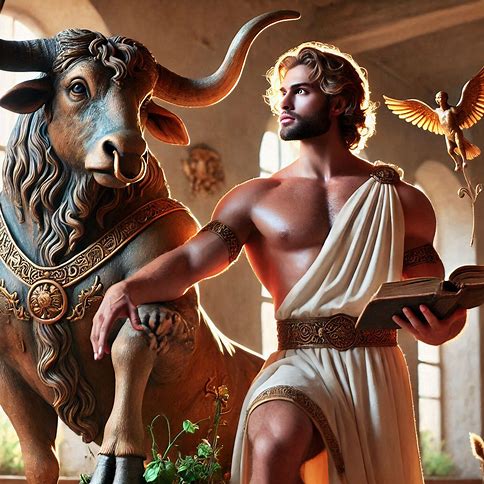
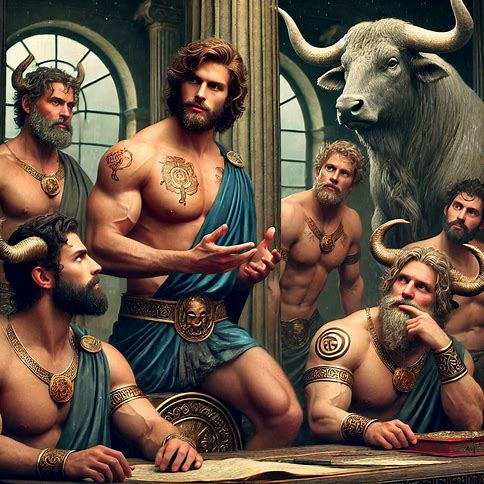

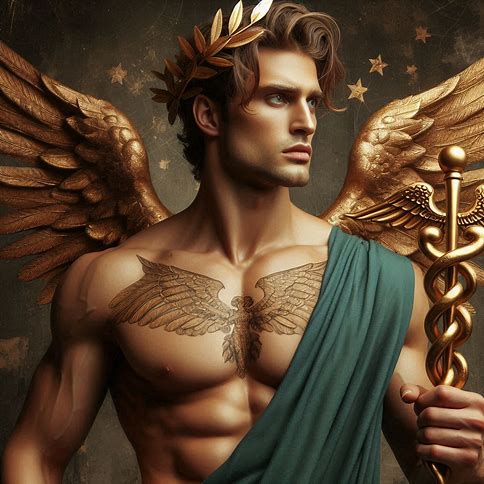

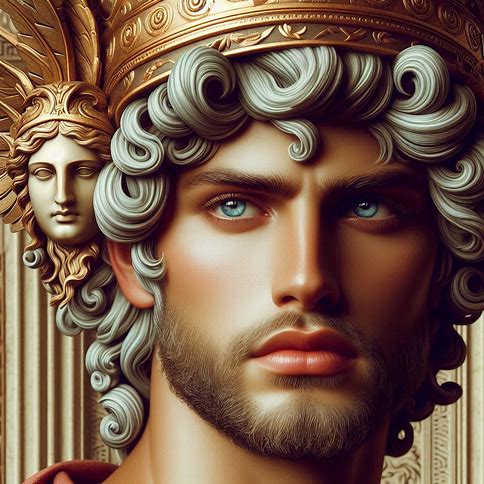

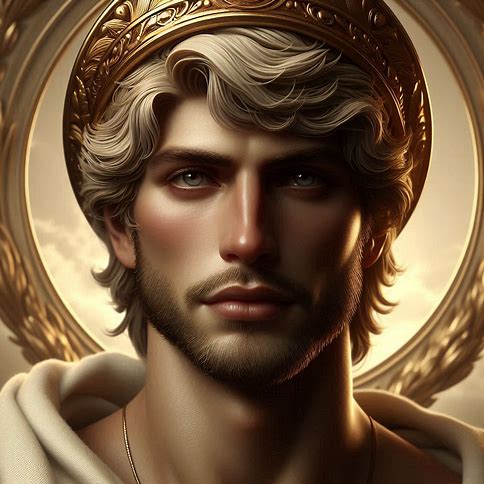
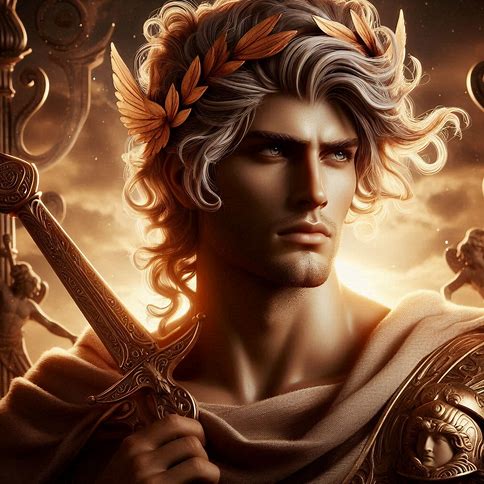
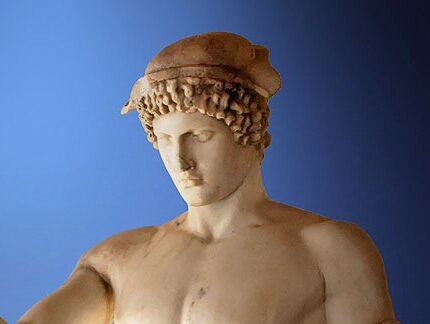
Face Transformation of Hermes from Young age to Old age
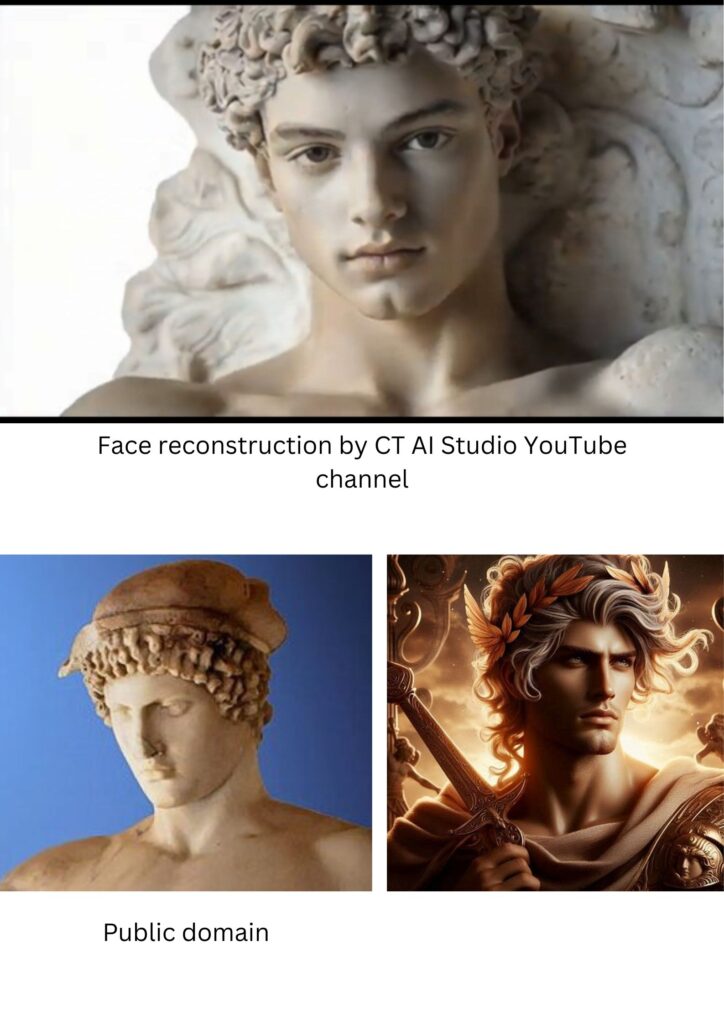
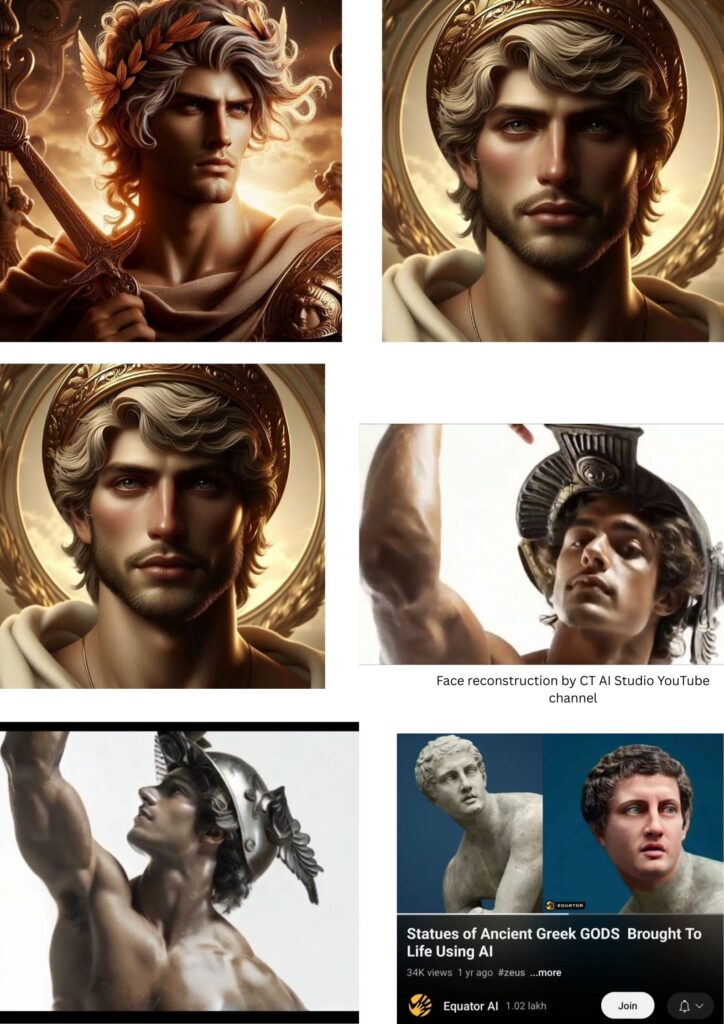
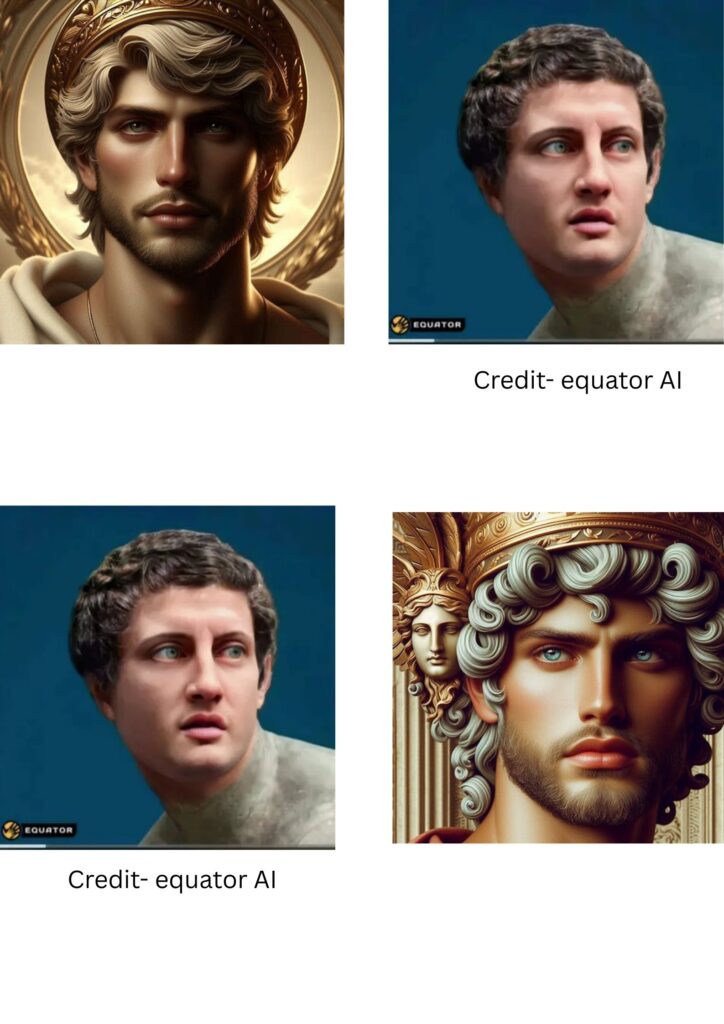
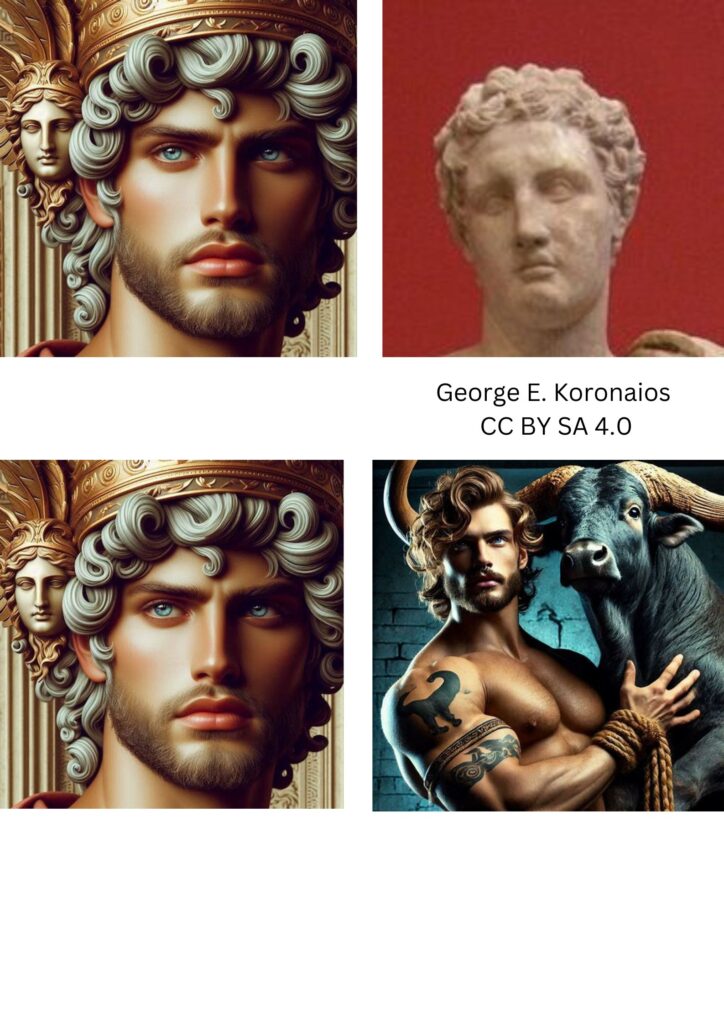
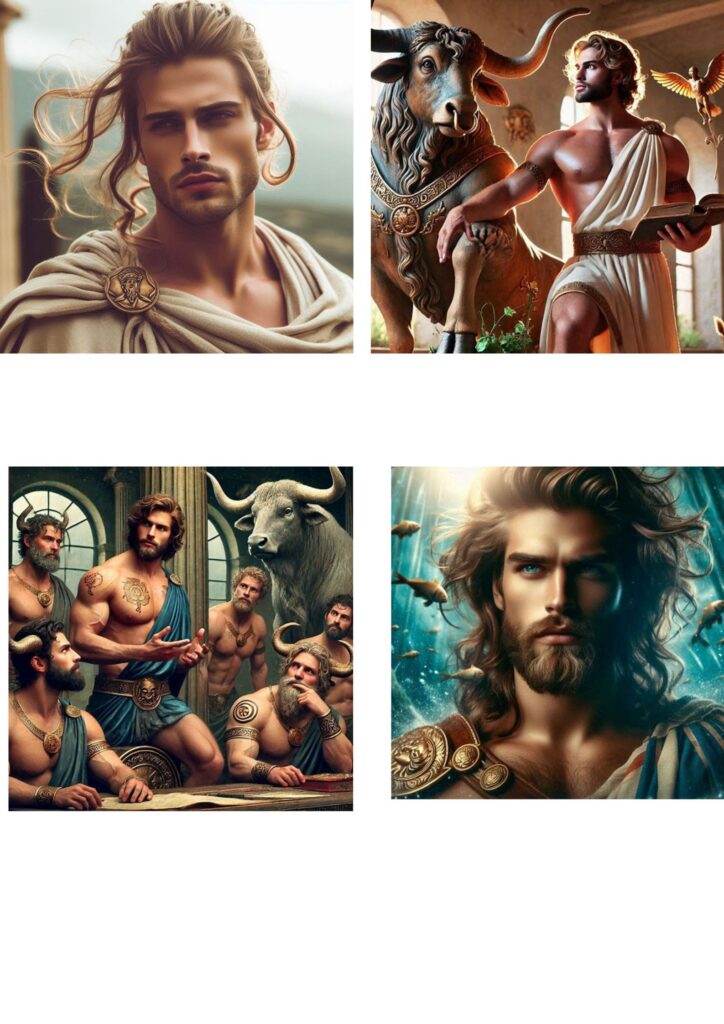
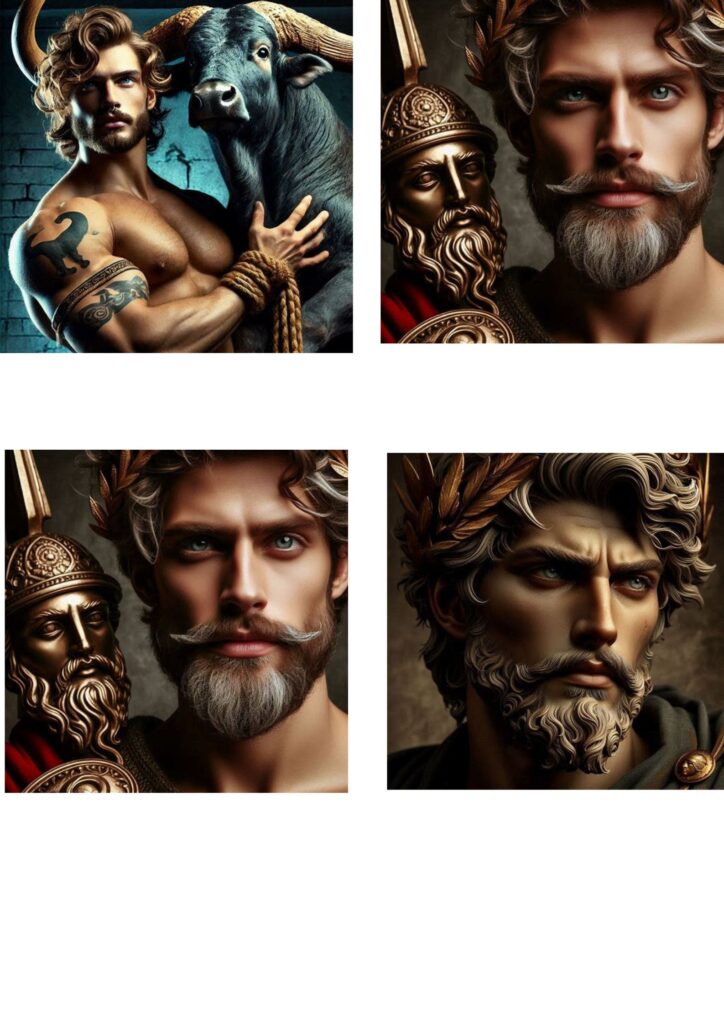
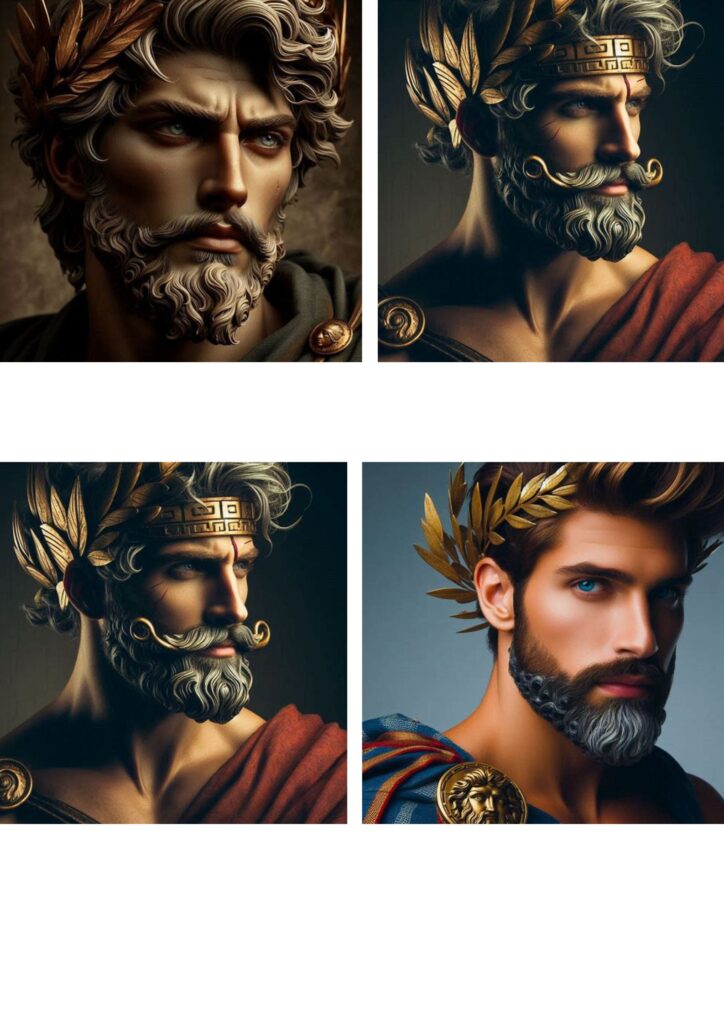
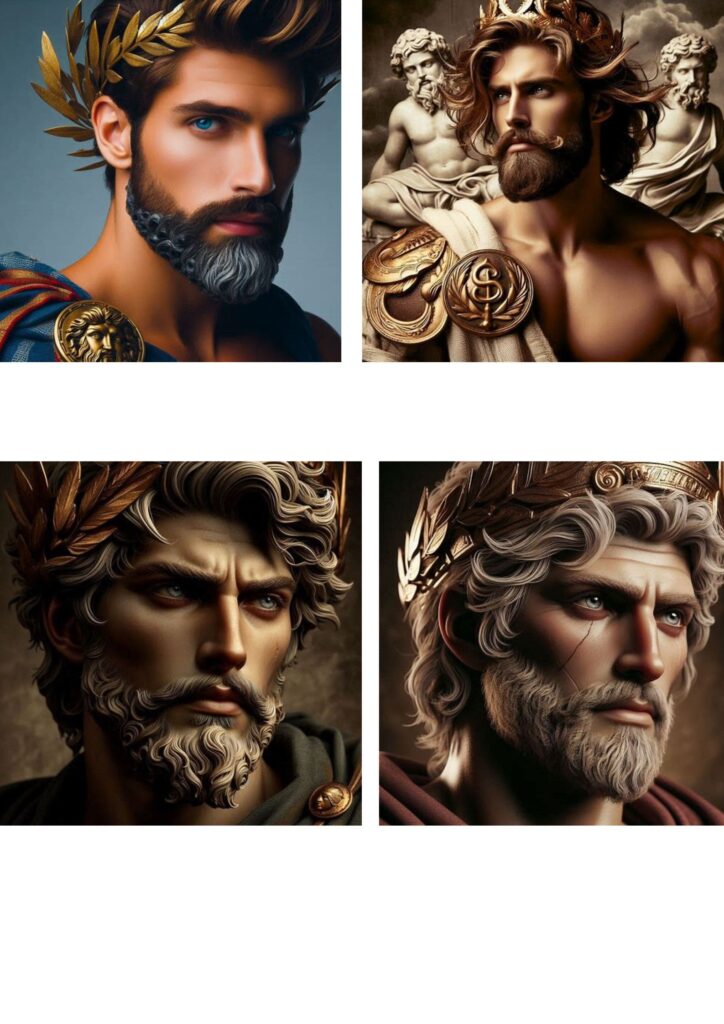
Unsolved Mystery – was hermes the same androgynous dying and rising authority responsible for restoring of civilization after natural calamities, as he is author of 20,000 work, as well as Androgynous Aphrodite always found consort of androgynous dying and rising authority,
As well as according to bhagavadgeeta verse 4.6 ,Dying and rising authority face remains the same in every birth,and his face match with another possible birth of this androgynous dying and rising authority, is yet remains and unsolved mystery.
Hermes appears throughout Greek tradition as a bringer of knowledge, communication, trade, and wisdom. Later traditions associated him with vast bodies of sacred knowledge and writings. Because civilization-founder figures throughout the timeline are frequently linked to teaching, law, writing, and cultural advancement, Hermes occupies an important position within the broader Closed Mouth Mysteries investigation.
Conclusion
From the serpent king Cecrops and the storm deity Indra to the wisdom-bringer Hermes, ancient traditions continue to preserve recurring themes:
- Founders of cities and kingdoms
- Teachers of law and civilization
- Serpent symbolism
- Restoration after catastrophe
- Divine legitimacy of rulers
Whether these similarities emerged independently, spread through cultural contact, or preserve fragments of a much older tradition remains unknown.
As the timeline moves forward, new founder figures, sacred symbols, and forgotten traditions will continue to be examined through the framework of the Eternal Authority Hypothesis.
Every civilization remembers a teacher.
Every dynasty remembers a founder.
And every mystery may preserve a fragment of a forgotten past.