
Era of Flood Survivors, Dragon Slayers, Culture Heroes, and Early Kingdom Builders (2000 BC – 1500 BC)
In Part 11 of the Closed Mouth Mysteries Timeline, the investigation explored legendary kings, flood heroes, justice rulers, protector deities, and dynasty founders preserved within Iranian, Slavic, Chinese, and Japanese traditions.
Part 12 continues this investigation by examining flood-survivor traditions, culture heroes, dragon-slayers, civilization founders, and storm deities preserved across ancient China, Greece, and the Near East.
Within the framework of the Eternal Authority hypothesis, this section explores whether recurring figures associated with restoring civilization after catastrophe, teaching knowledge, establishing laws, founding kingdoms, and defeating forces of chaos may represent symbolic memories of a recurring civilization-founder archetype preserved across multiple cultures and ages.
Across many ancient civilizations, myths describe a period of disorder, catastrophe, or societal collapse followed by the arrival of a wisdom-bringer who restores knowledge, social order, and civilization.
Among the most influential of these figures within Chinese tradition is Fuxi, remembered as a first ancestor, culture hero, flood survivor, and teacher of civilization.
Androgynous Fuxi – First Man_(Taught knowledge of Civilization) – 2000 BC
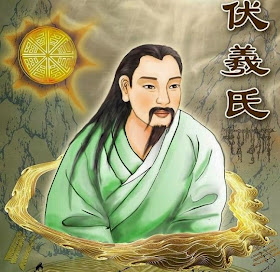

In Chinese mythology, Fuxi is seen as the first male ancestor of mankind, a cultural hero, and one of the most benevolent deity in ancient China. Fuxi is credited with creating several innovations that benefited humanity, such as the invention of the writing system, fishing, and animal domestication.
Fuxi often portrayed in art as having the head of a human and the body of a snake
● FuXi brought order to the universe and created the two forces of yin and yang after a catastrophic flood that devastated the Earth. He left behind the Eight Trigrams for future people to use in divination.
Fuxi And Nuwa – known as a Only Survivor after Great Flood
Fuxi and Nuwa were often represented as the same androgynous figure with intertwined snake bodies.
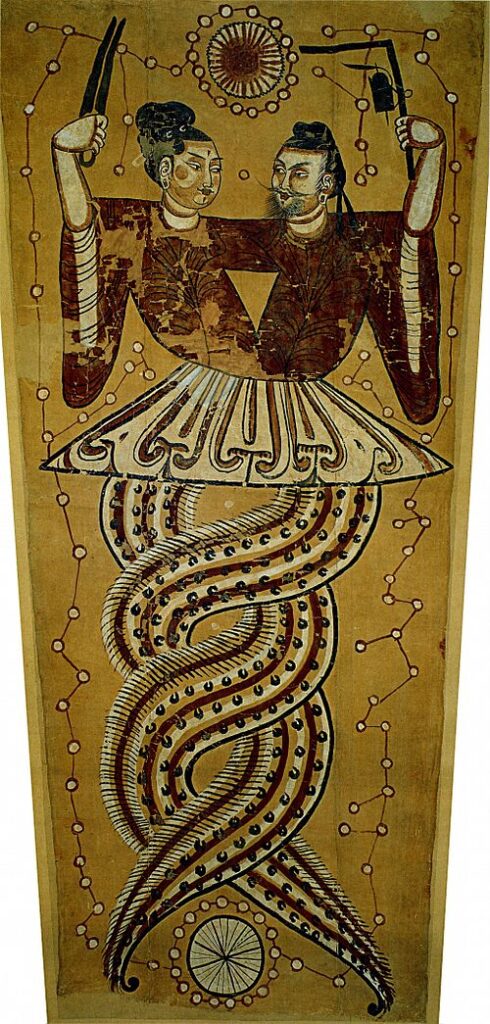
Fuxi or Fu Hsi is a cultural hero in Chinese legend and mythology who, along with his wife Nüwa, is credited with the creation of mankind and the invention of music, hunting, fishing, domestication, and cooking, as well as the Cangjie Chinese character writing system around 2000 BC. Fuxi was counted as the first of the three emperors at the beginning of China’s dynastic period.
● Fuxi taught his subjects how to cook, fishing with nets, and hunting with weapons made of bone, wood, or bamboo. He instituted marriage, and a stone tablet from AD 160 shows Fuxi with Nüwa.
● Social Condition Described after collapsed of civilization & loss of invention
Describe Chinese in Primitive Condition Before Arrival of Fuxi
In the beginning, there was no moral or social order. Men only knew their mothers, not their fathers. When they were hungry, they looked for food; when they were satisfied, they threw away the remains. They ate their skin and hair, drank their blood, and dressed in skins and reeds. Then Fu Xi came and looked up and contemplated the images in the heavens and looked down and contemplated the events on earth. He united man and woman, directed the five stages of change, and established the laws of humanity. He invented the eight trigrams to gain dominion over the world — Ban Gu, BaiHu Tongyi
● Fuxi is said to have lived a total of 197 years and died at a place called Chen (modern Huaiyang, Henan), where his monument can still be found and visited as a tourist attraction.
Unsolved mystery – was he the same androgynous dying and rising authority, responsible to restore civilization after natural calamities, as well as according to bhagavadgeeta verse 4.6 , Androgynous dying and rising authority face remains the same in every birth, and Face of fuxi also match with another possible birth of this androgynous dying and rising authority,
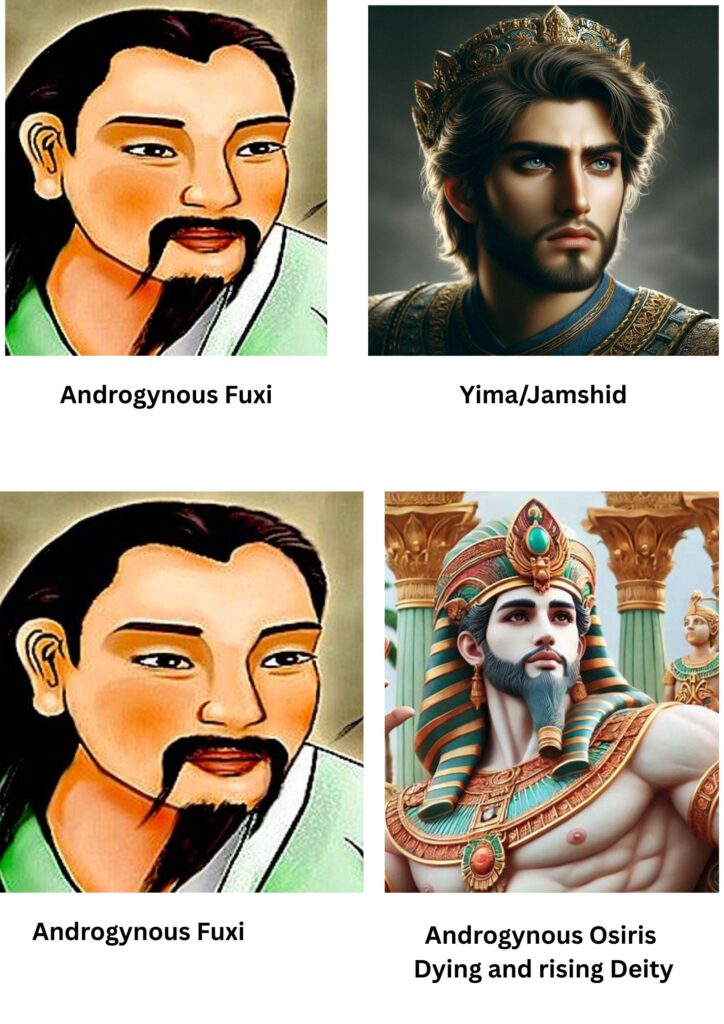
it is yet remains and unsolved mystery.
The story of Fuxi preserves several recurring themes that appear throughout ancient mythology, including flood survival, restoration of civilization, invention of essential knowledge, establishment of social order, and the beginning of dynastic culture.
These themes continue appearing across numerous civilizations and often become associated with revered founders remembered as benefactors of humanity.
Beyond China, ancient Mediterranean traditions also preserve accounts of culture heroes who introduced writing, established cities, and laid the foundations of civilization.
One of the most influential among these figures was Cadmus, the legendary founder of Thebes and the culture hero traditionally credited with bringing the alphabet to Greece.
Cadmus Authority Deity kill Dragon- Founder of Thebes

Credit-Hendrick Goltzius
Cadmus is known as the founder and first king of Thebes, a powerful city in ancient times near Athens. He is also known as the man who brought writing and the alphabet from the Phoenicians to the Greeks and through the Greeks to the whole world. According to mythology, his life was long and adventurous.
● Herodotus estimates that Cadmus lived sixteen hundred years before his time, which would be around 2000 BC.
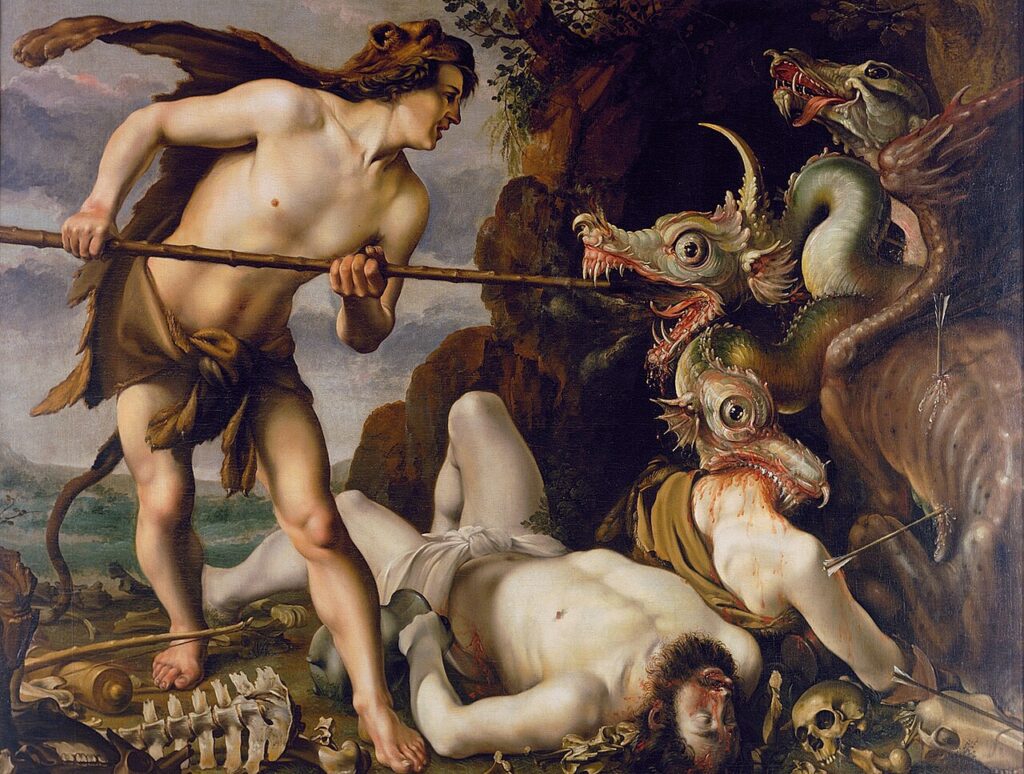
Was he the same androgynous dying and Rising authority, who is responsible to restore and creation of civilization and foundation of dynasties is yet remains a mystery.
As Bronze Age kingdoms expanded throughout the Near East, storm deities and divine rulers became central figures within mythology, religion, and kingship traditions.
Among the most important of these figures was Baal, whose mythology became closely associated with storms, fertility, kingship, death, rebirth, and the cyclical renewal of nature.
Baal Dying and Rising Deity (Deity of Storm)
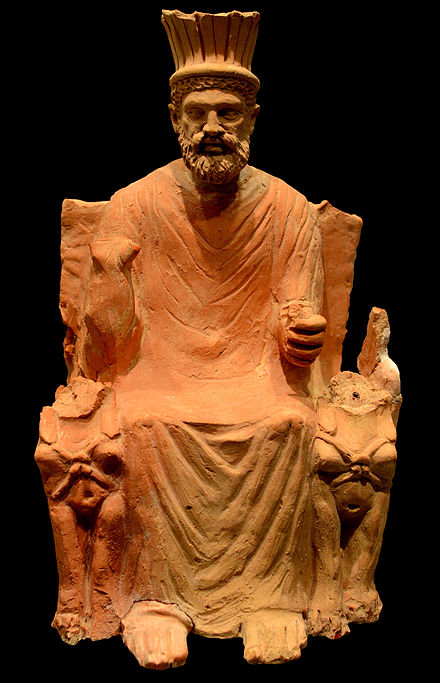
Statue of Baʿal Hammon on his throne with a crown andflanked by sphinges, 1st century by AlexanderVanLoon
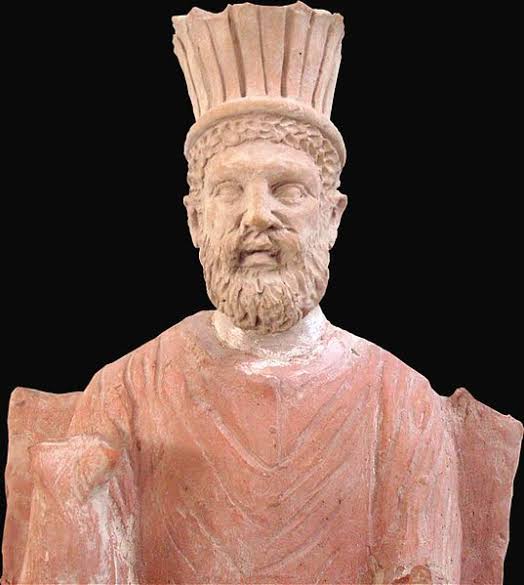
credit – fandom. Com
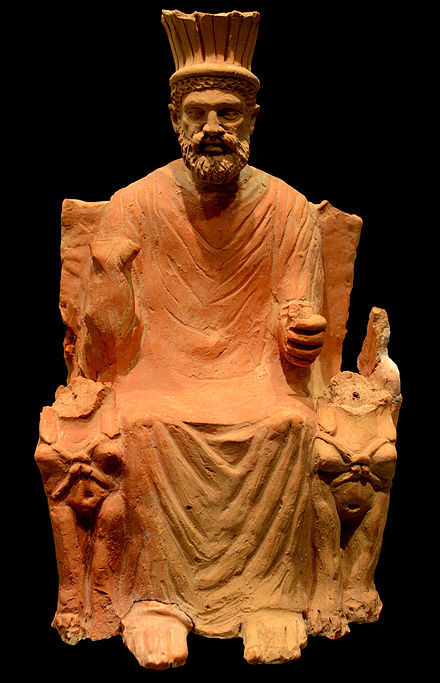

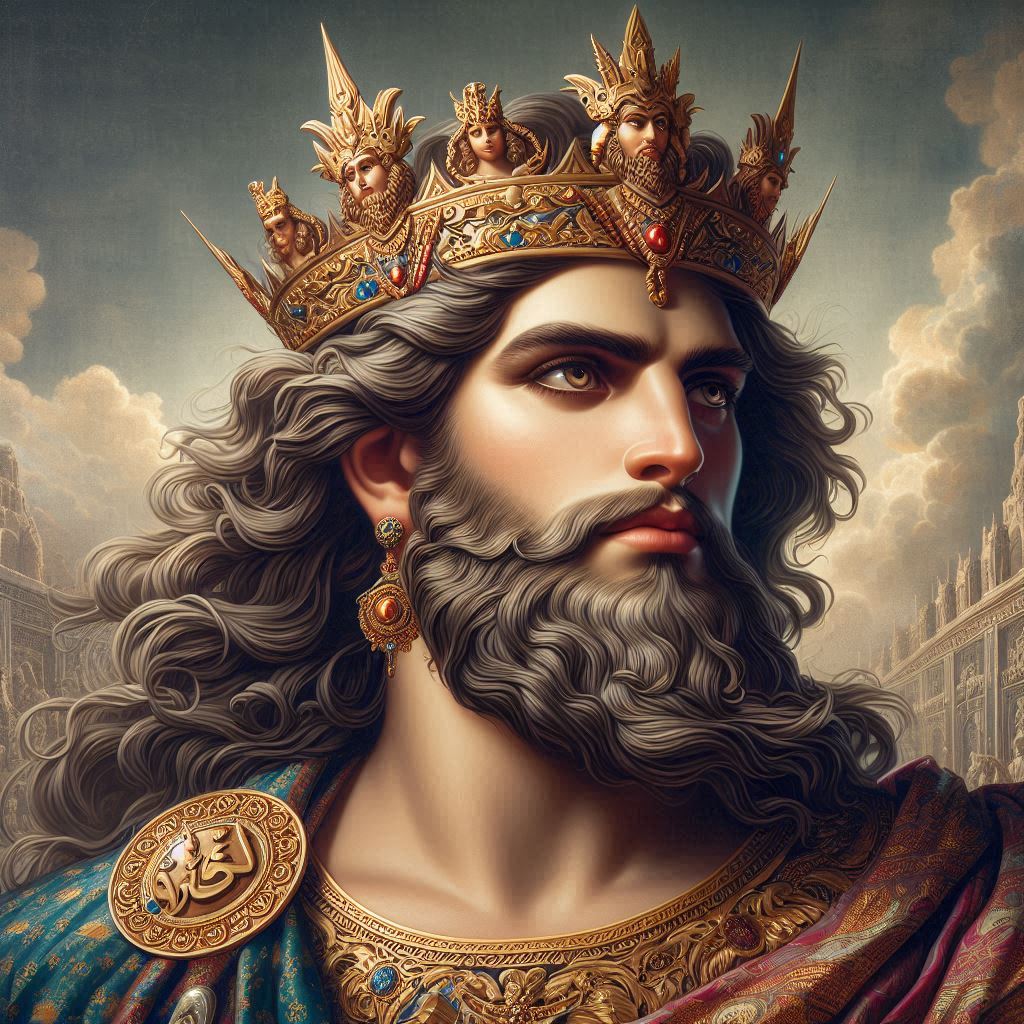


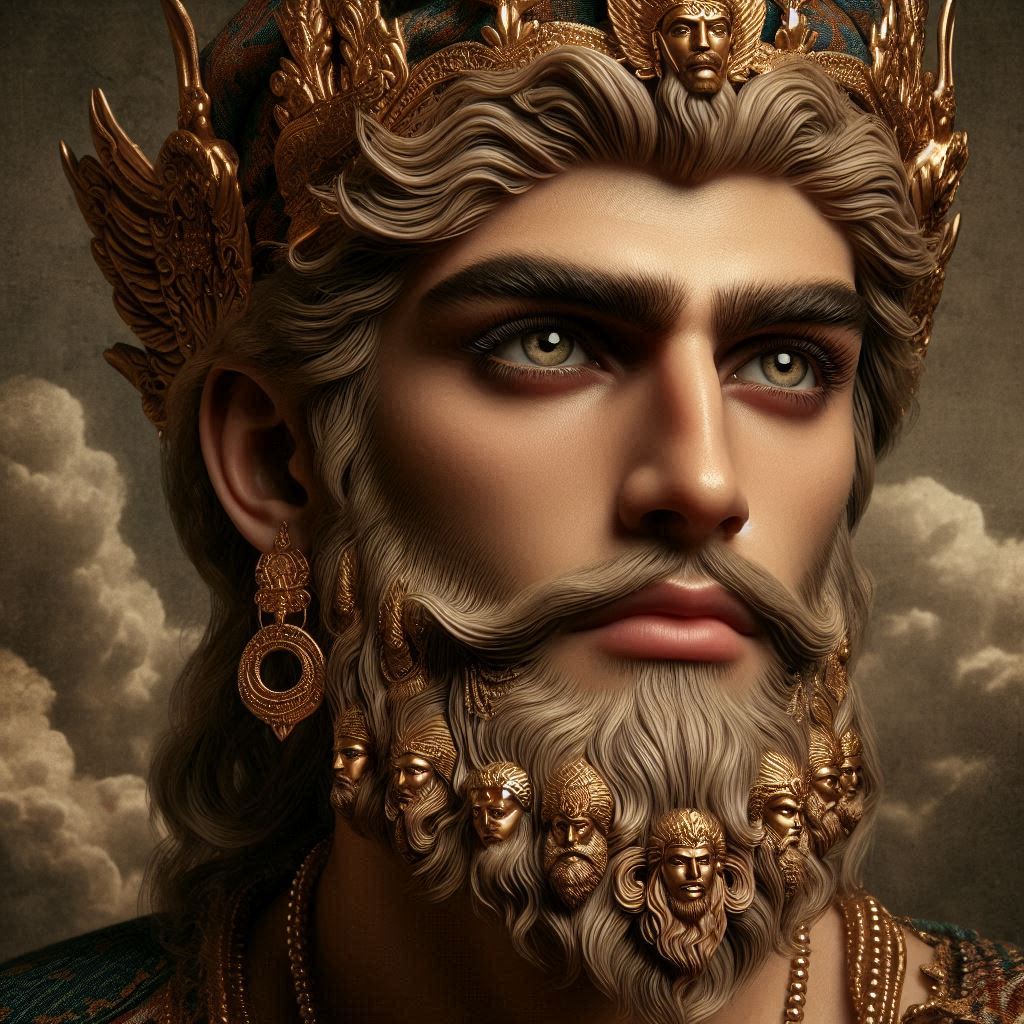
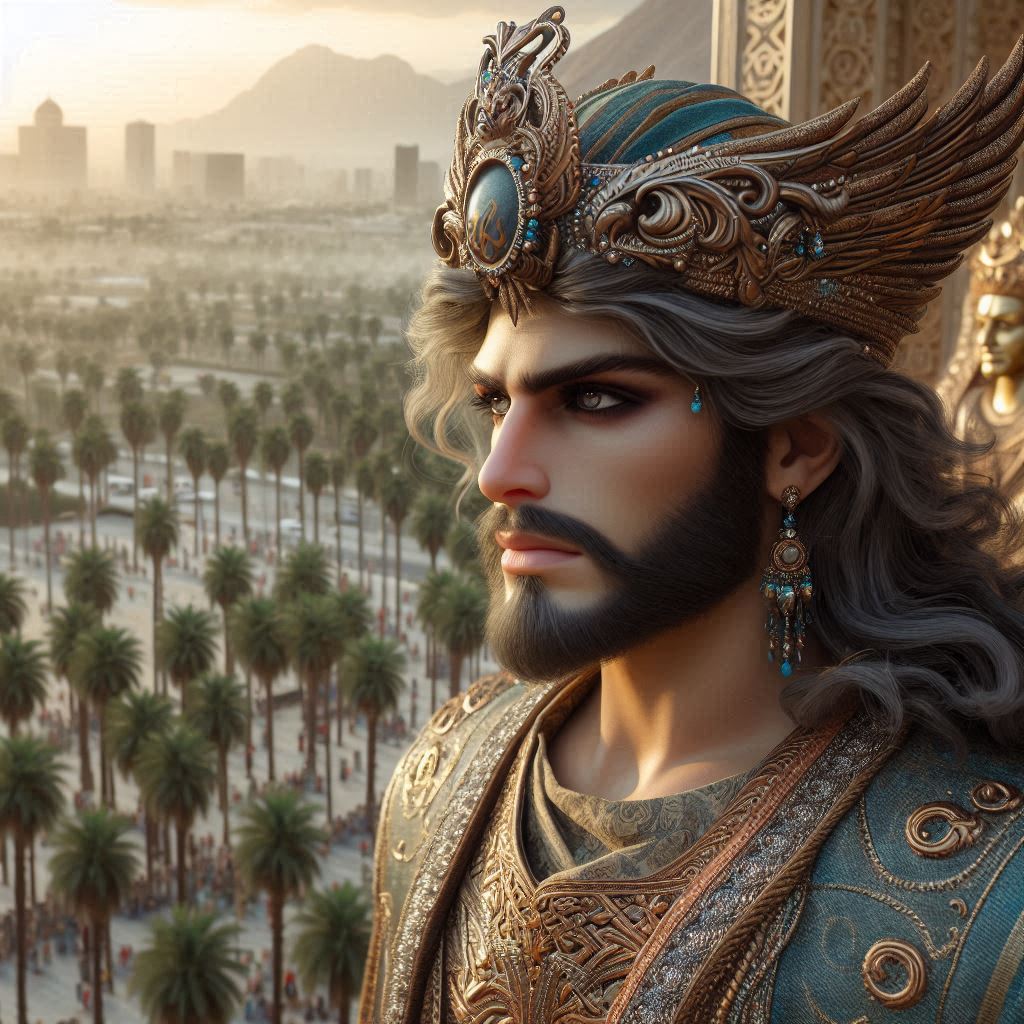
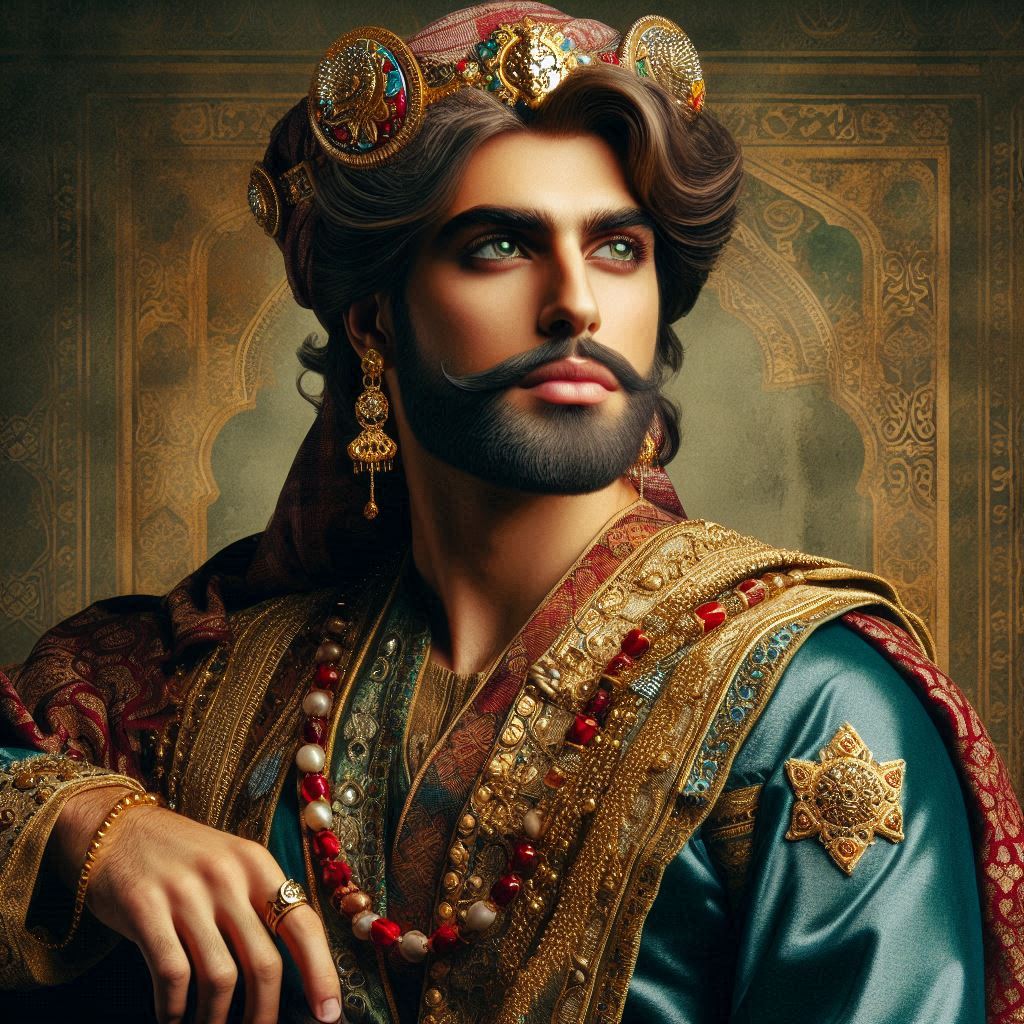
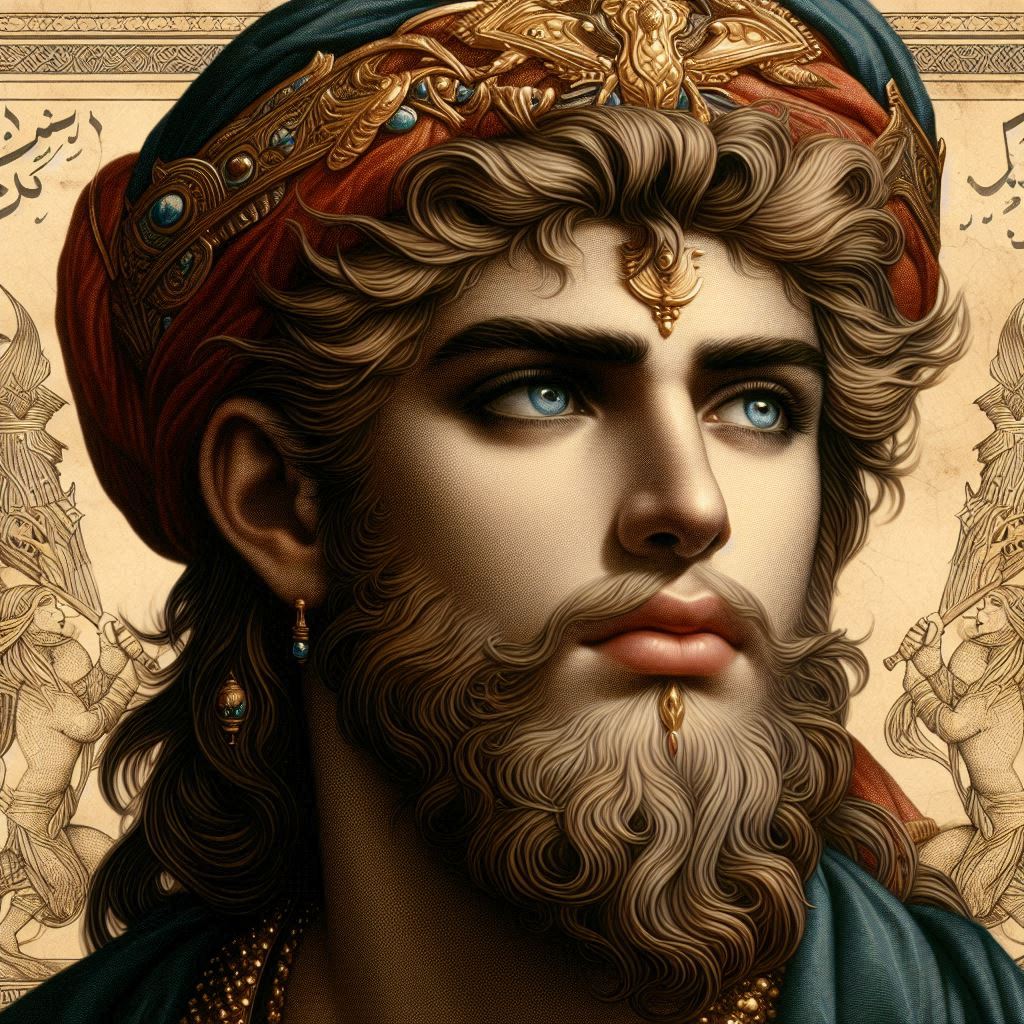
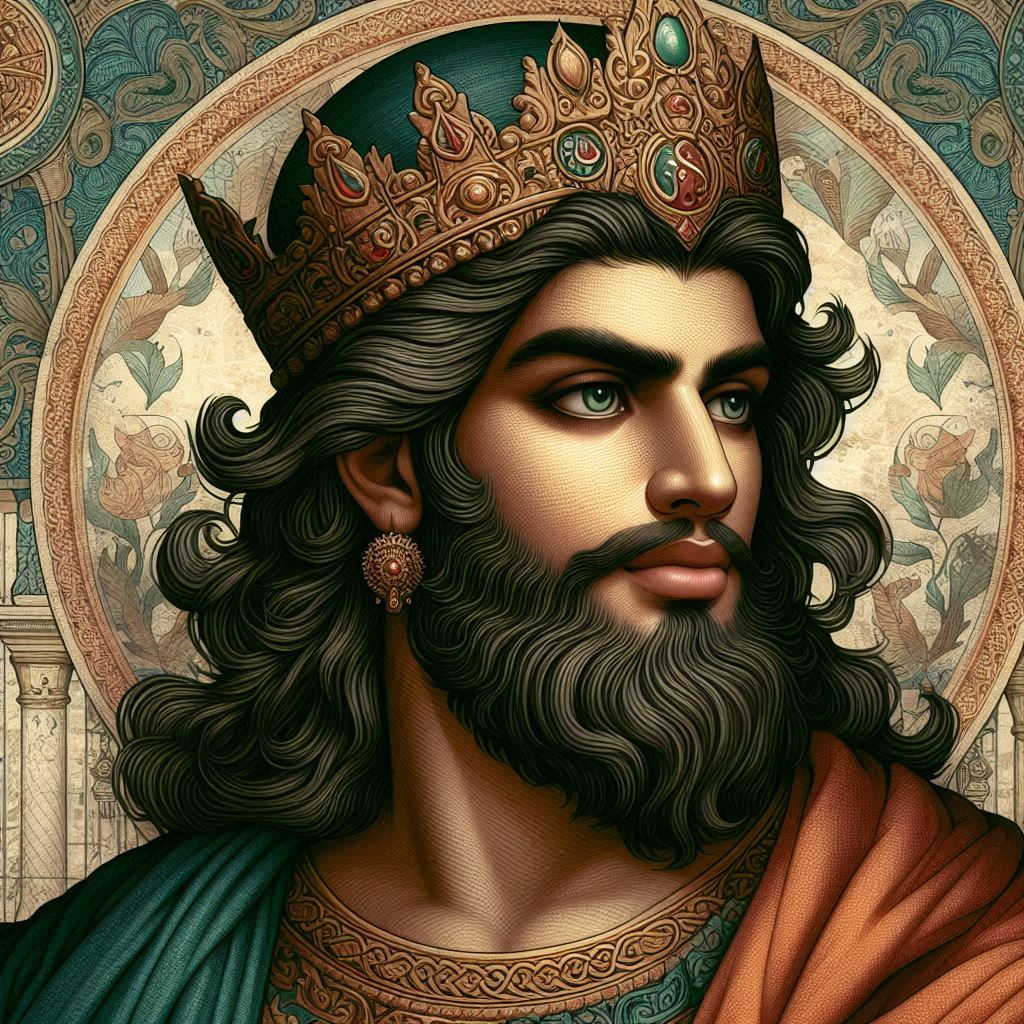

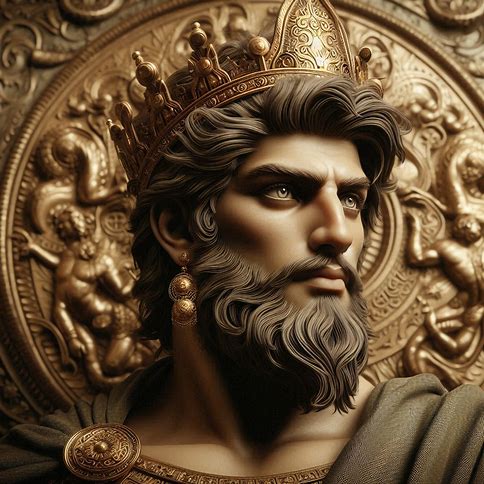

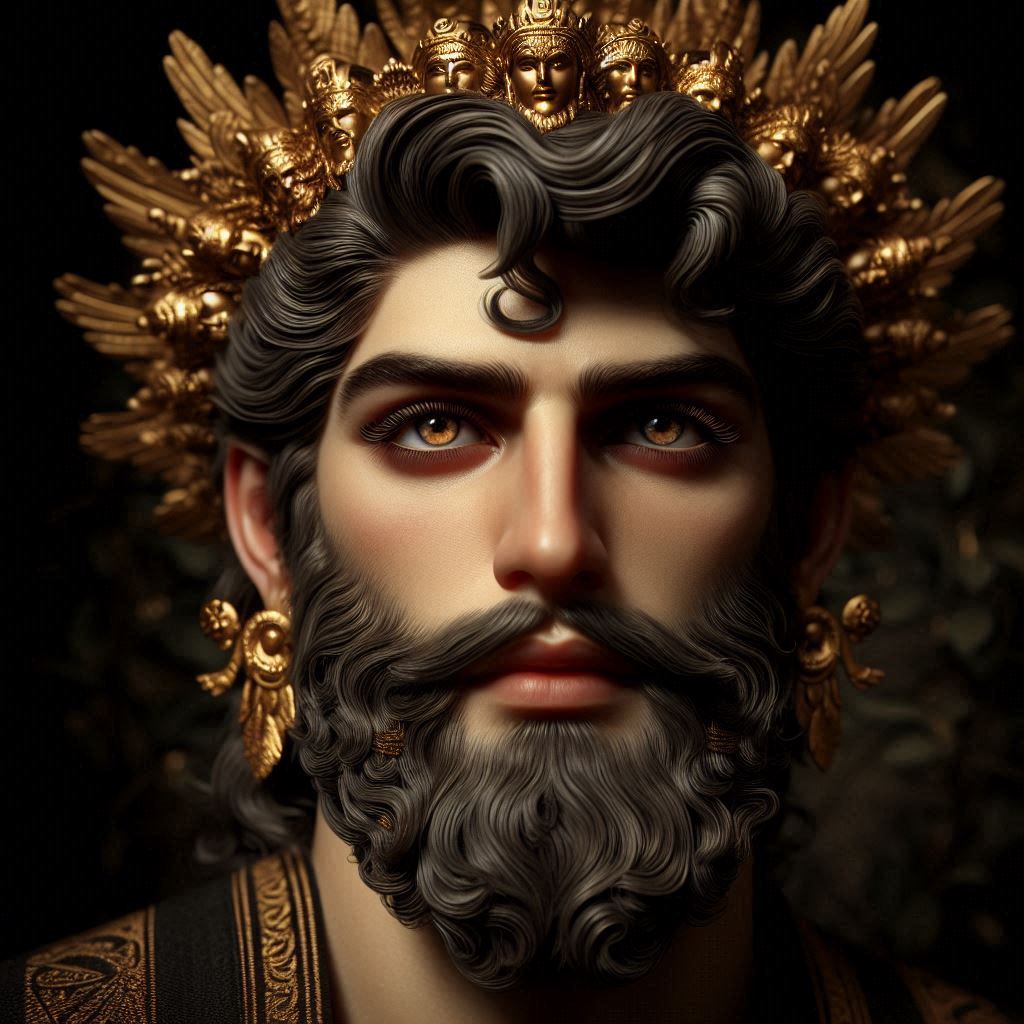
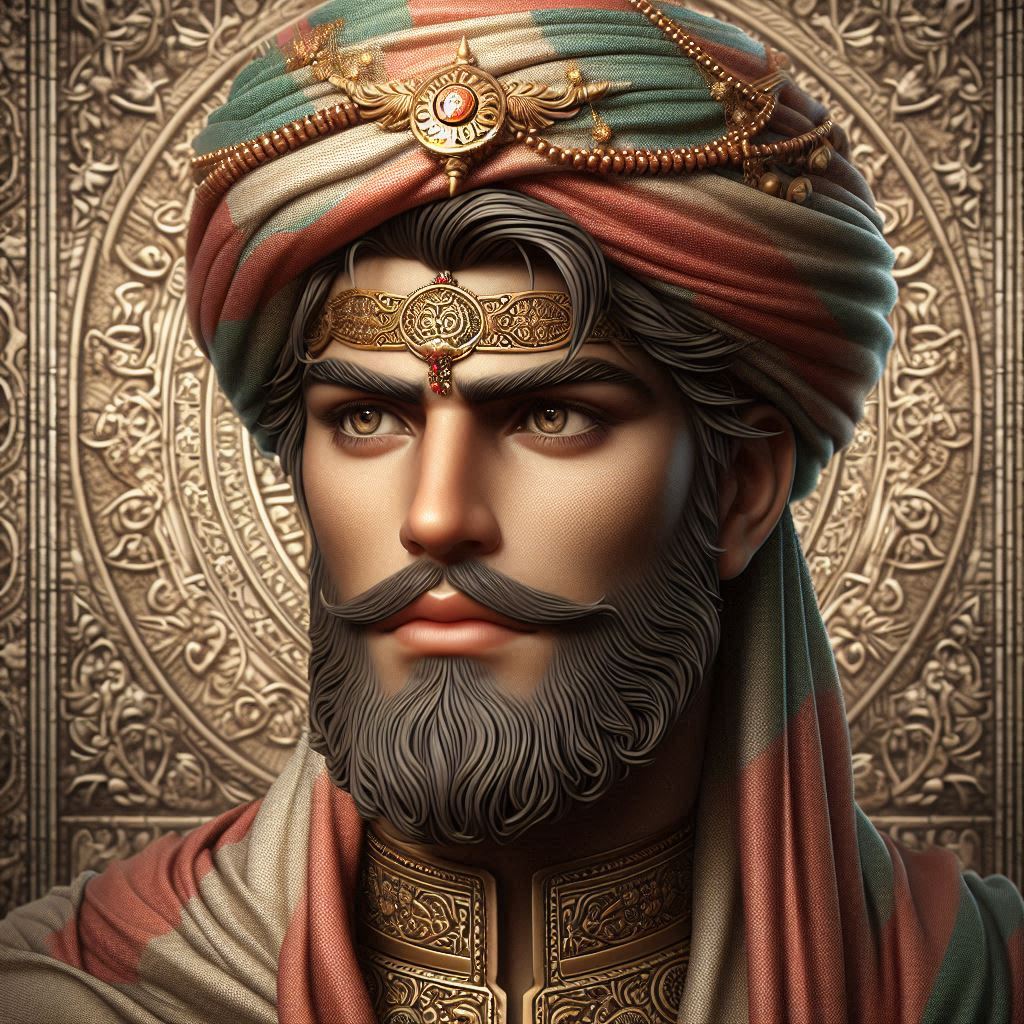




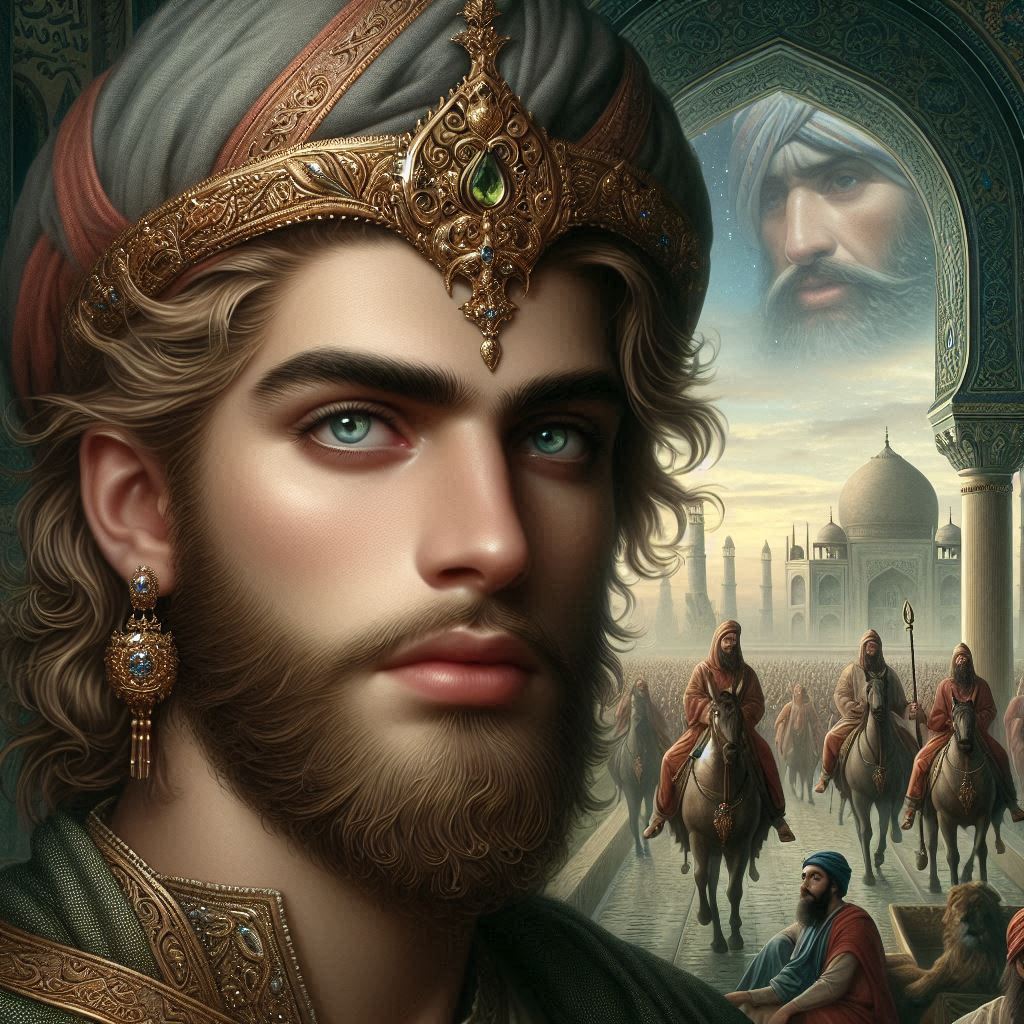


Baal face reconstruction through Microsoft Bing AI software
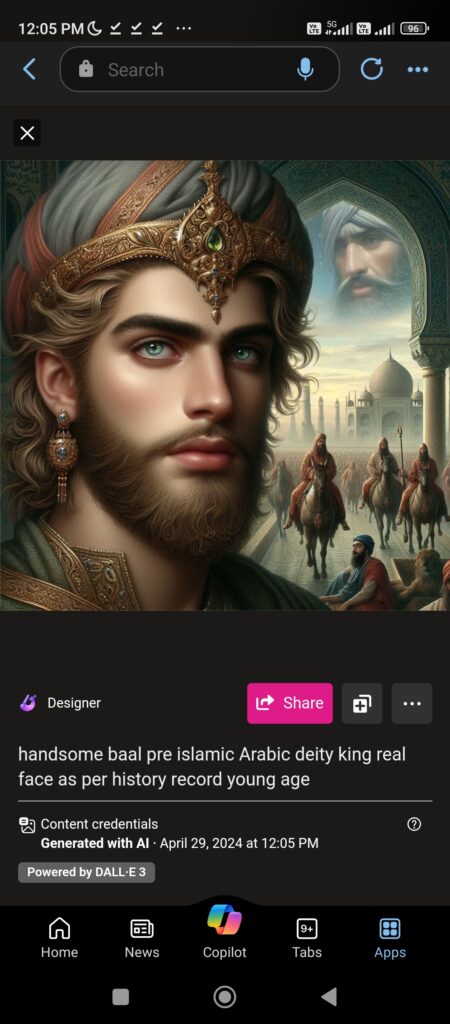
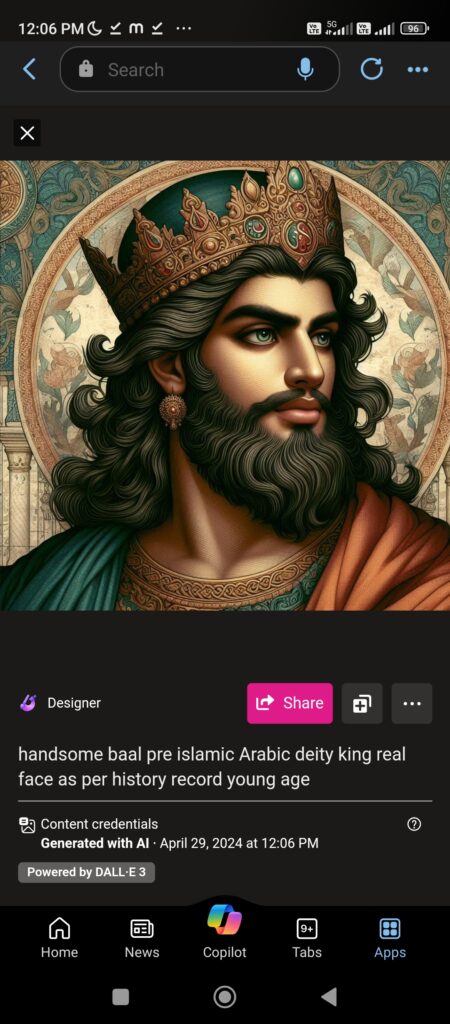
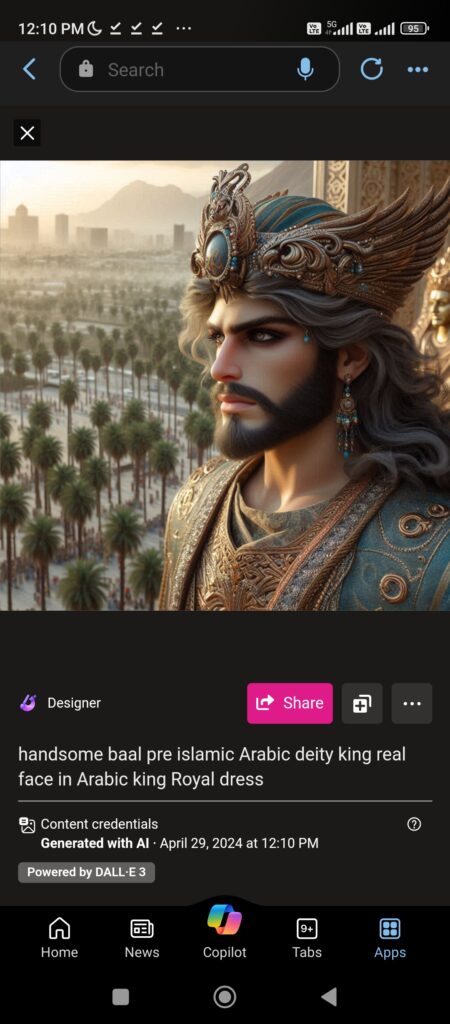



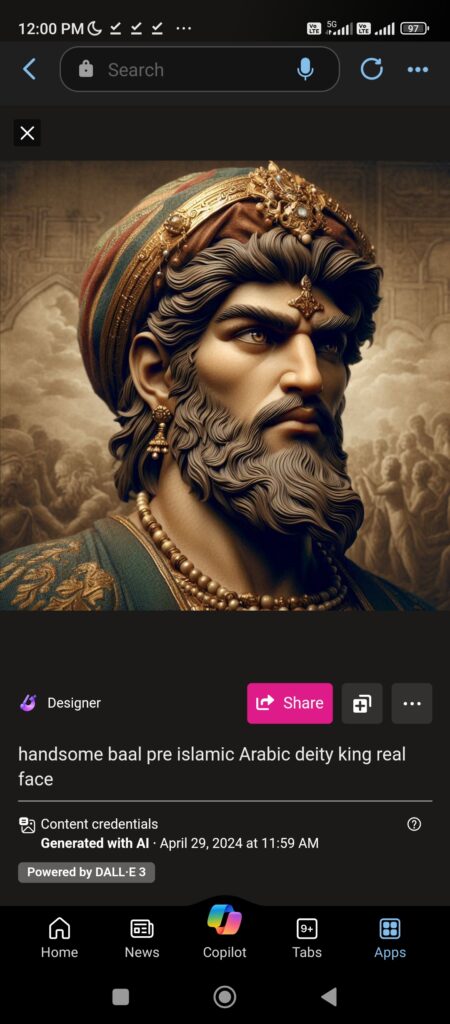
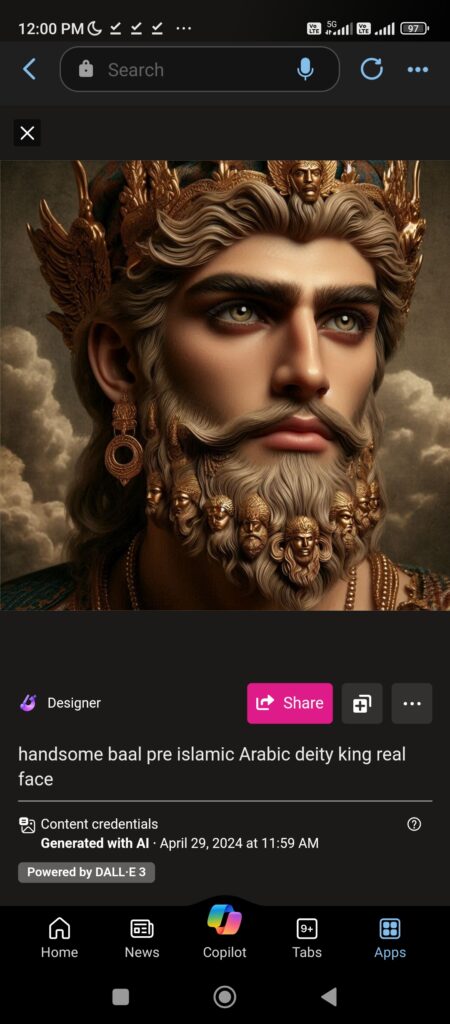
Face Transformation of Baal Dying and Rising Deity from Old age to Young age
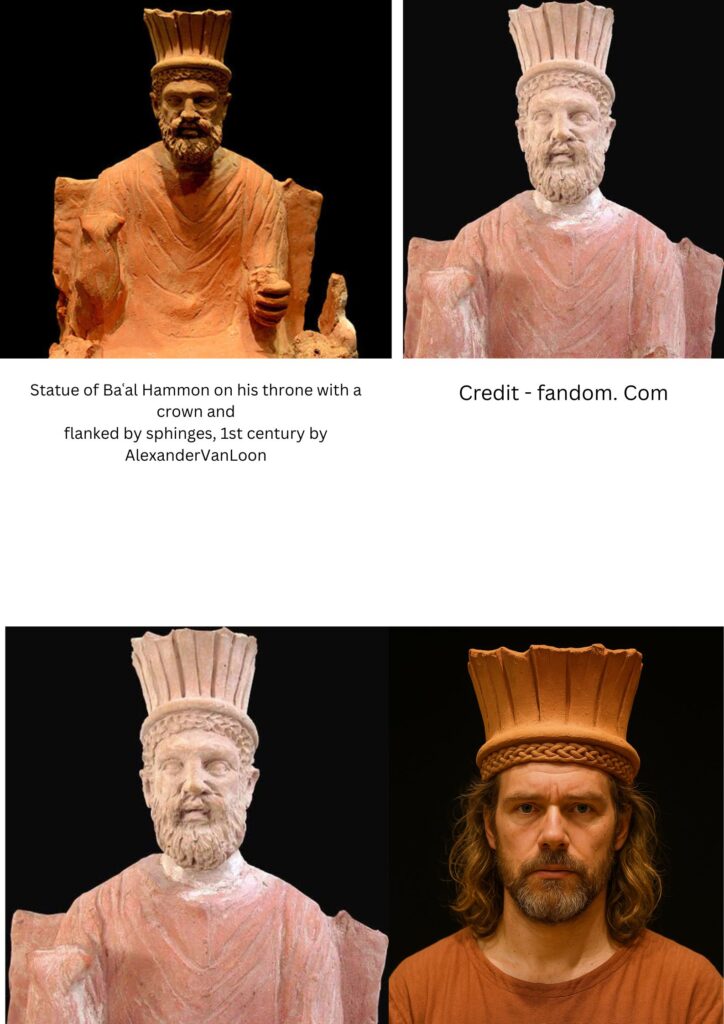
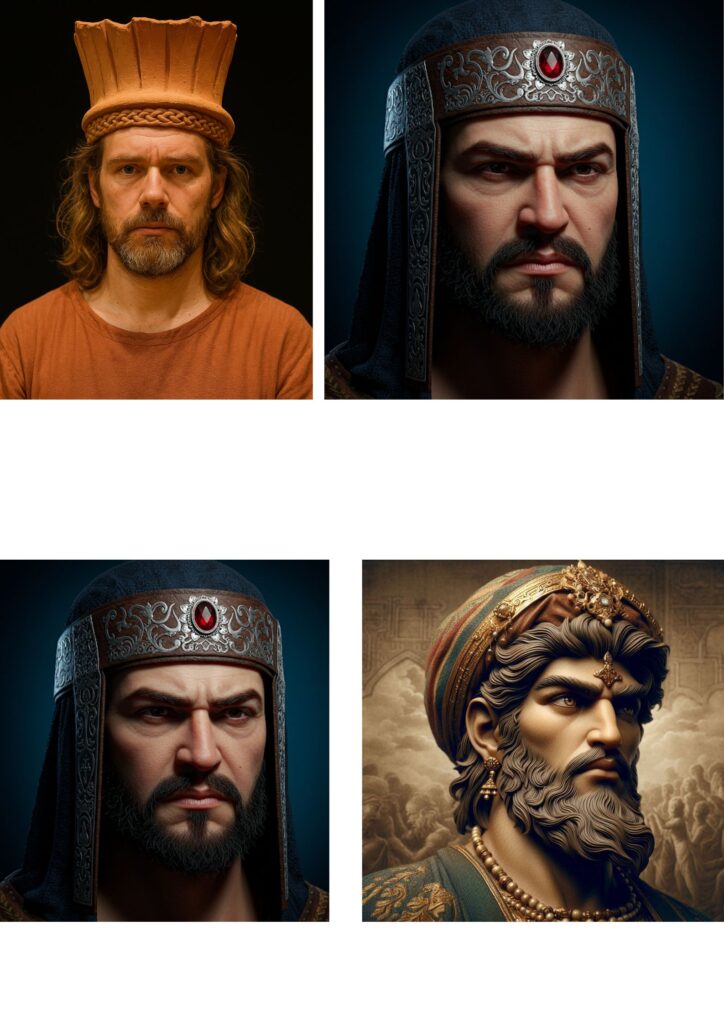

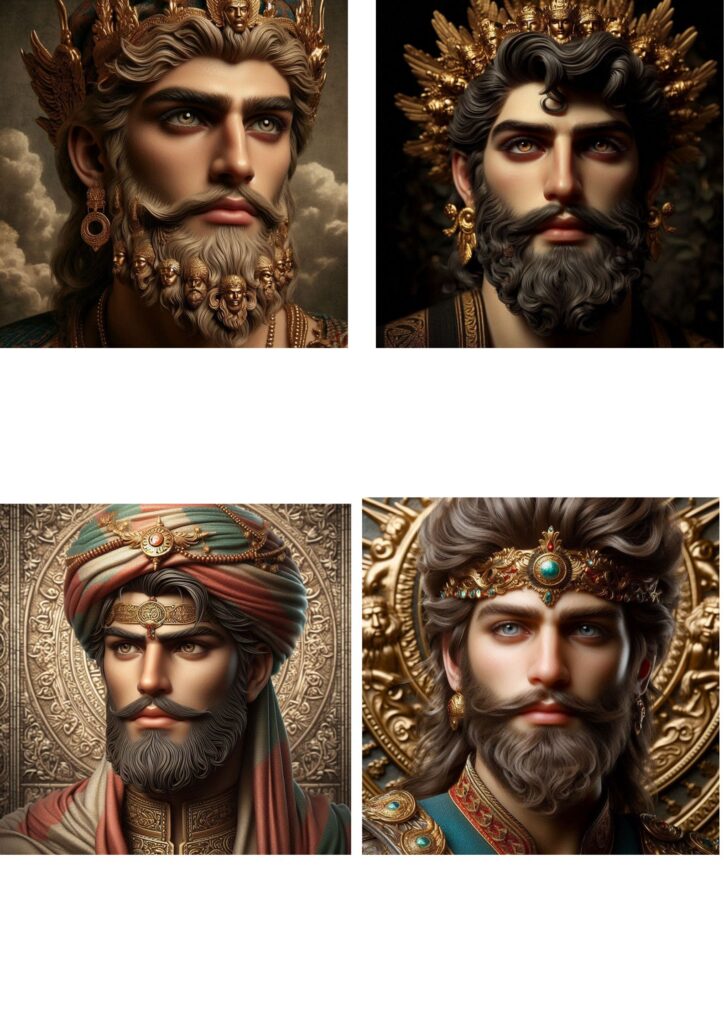

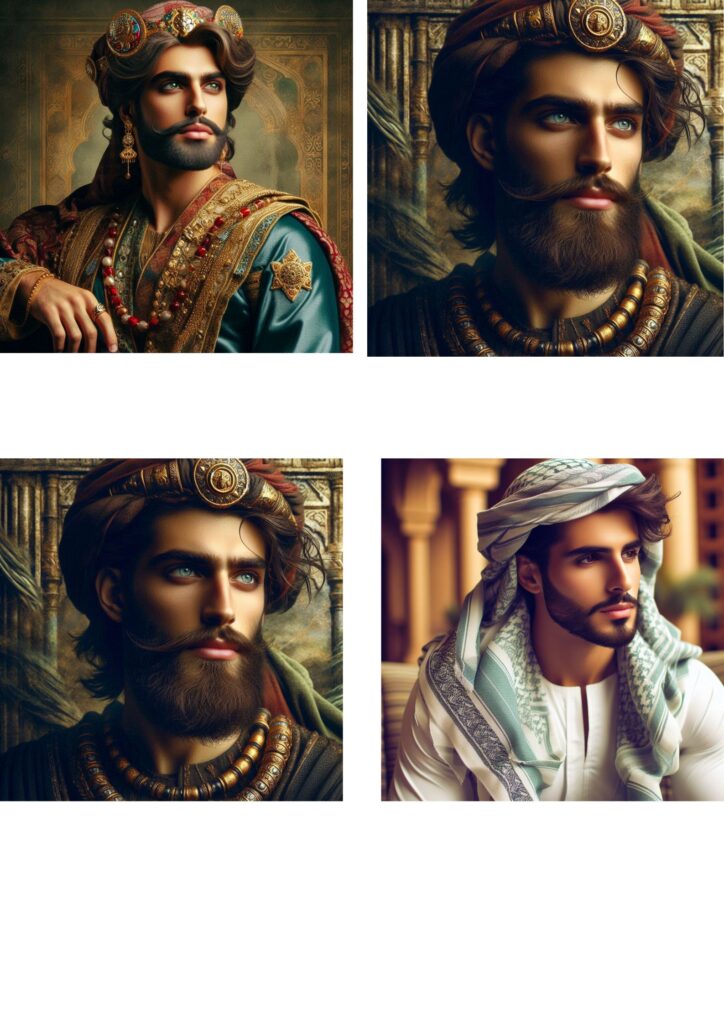
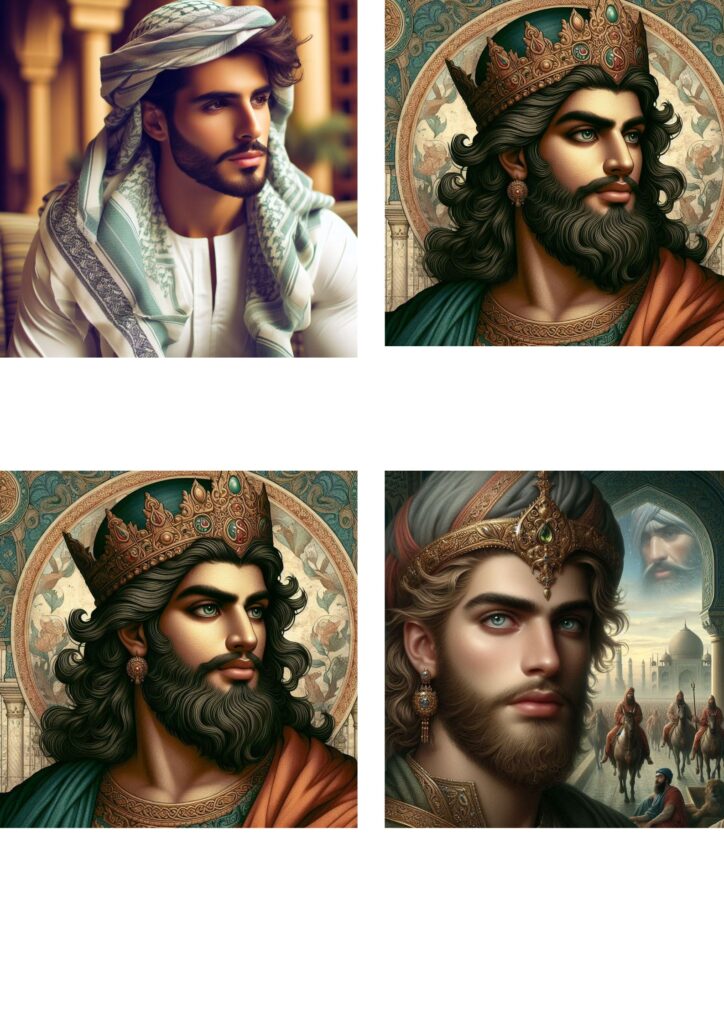

Conclusion – Was Baal the same Androgynous dying and Rising Authority known as a Deity of Justice, Light and Thunder, as Baal known as a Deity of Storm and Dying and Rising authority, According to Bhagvad-Gita Verse 4.6 Dying and Rising authority face remains the same in every birth,
Lets Test the Hypothesis
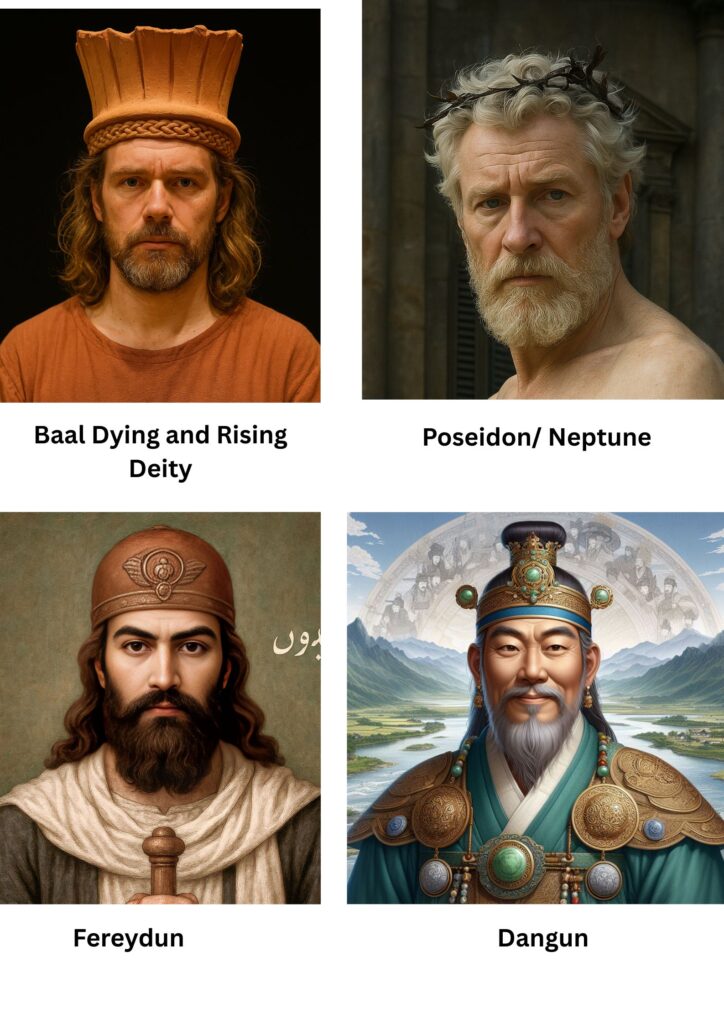
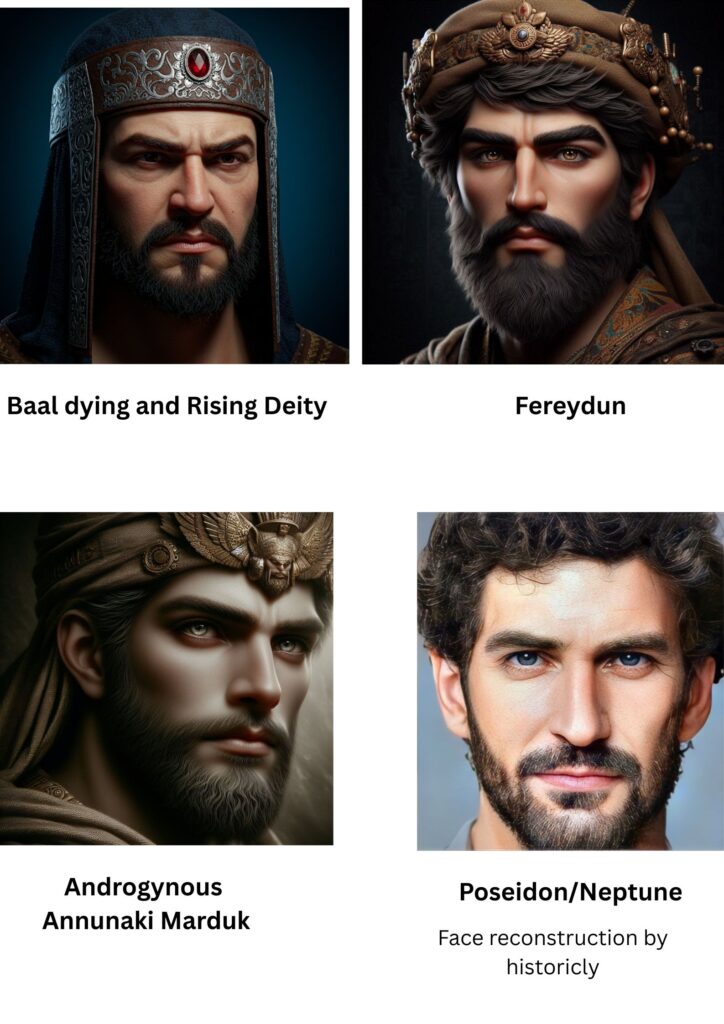
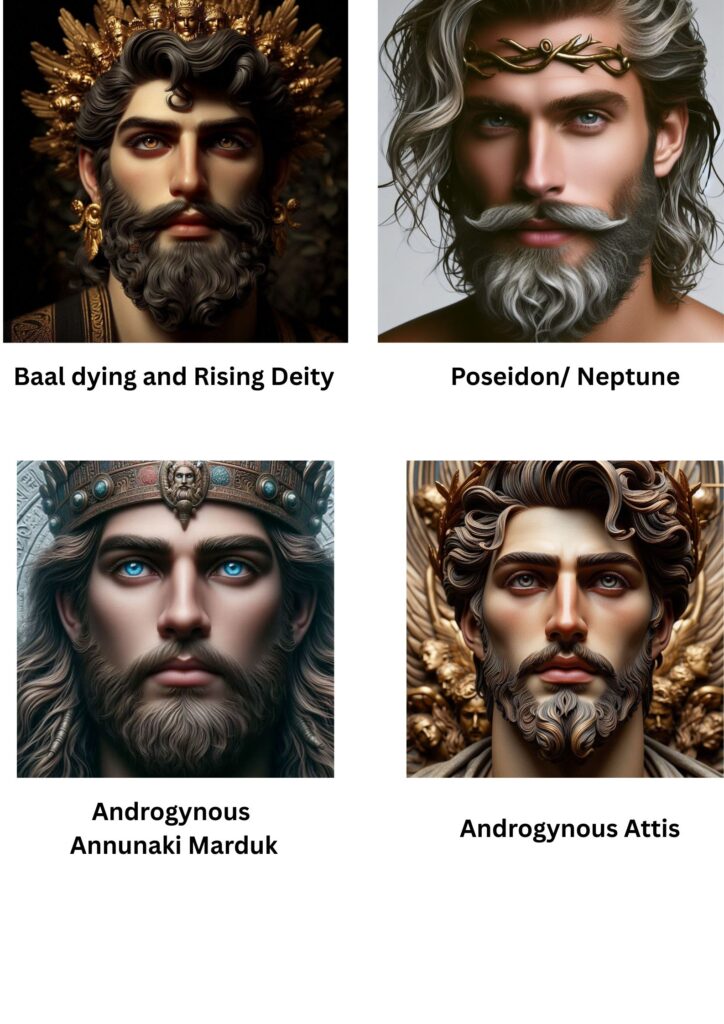
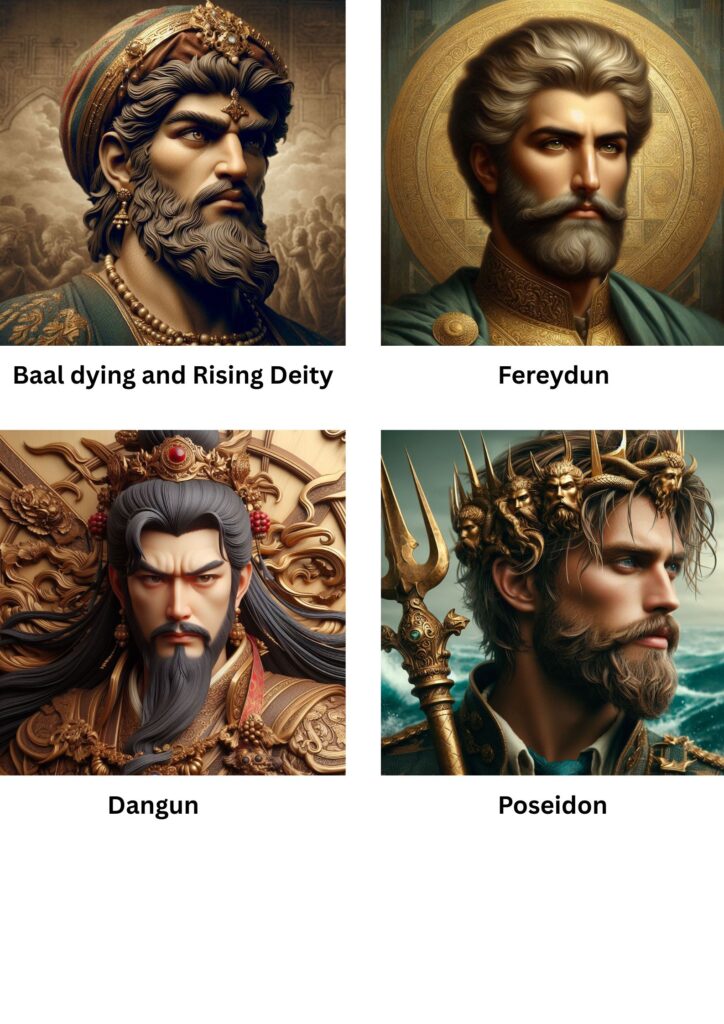

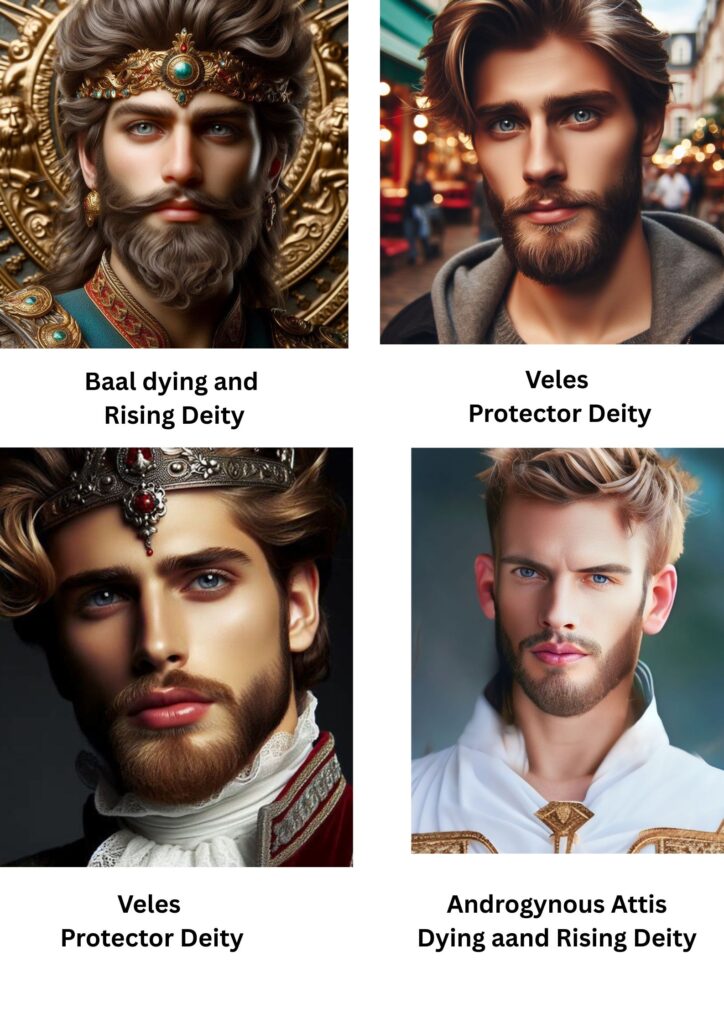
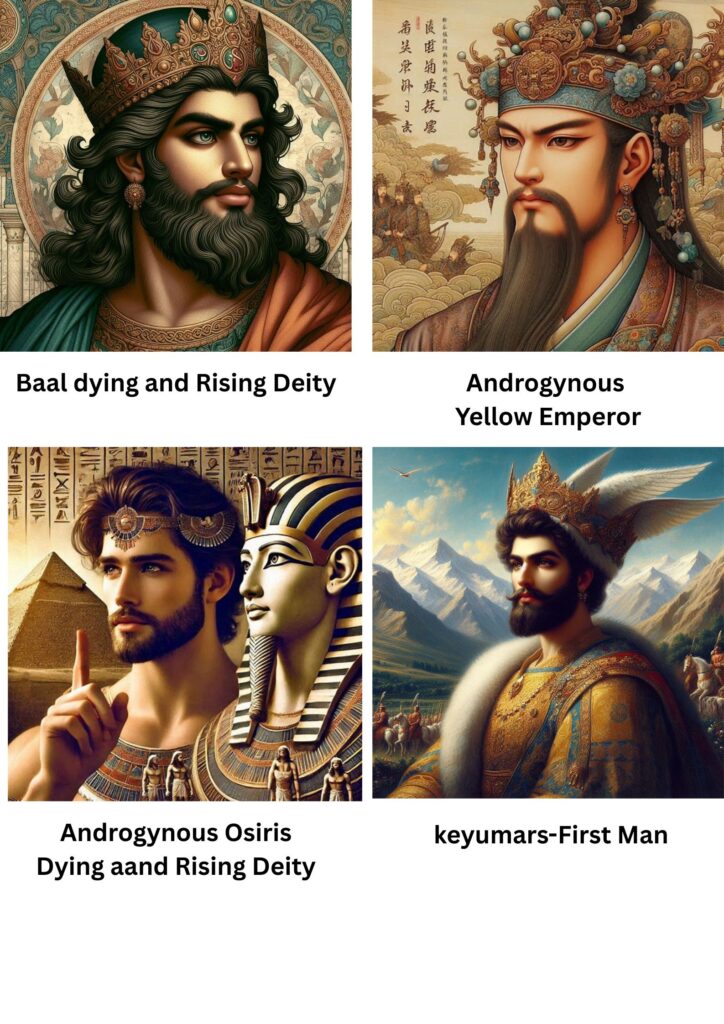

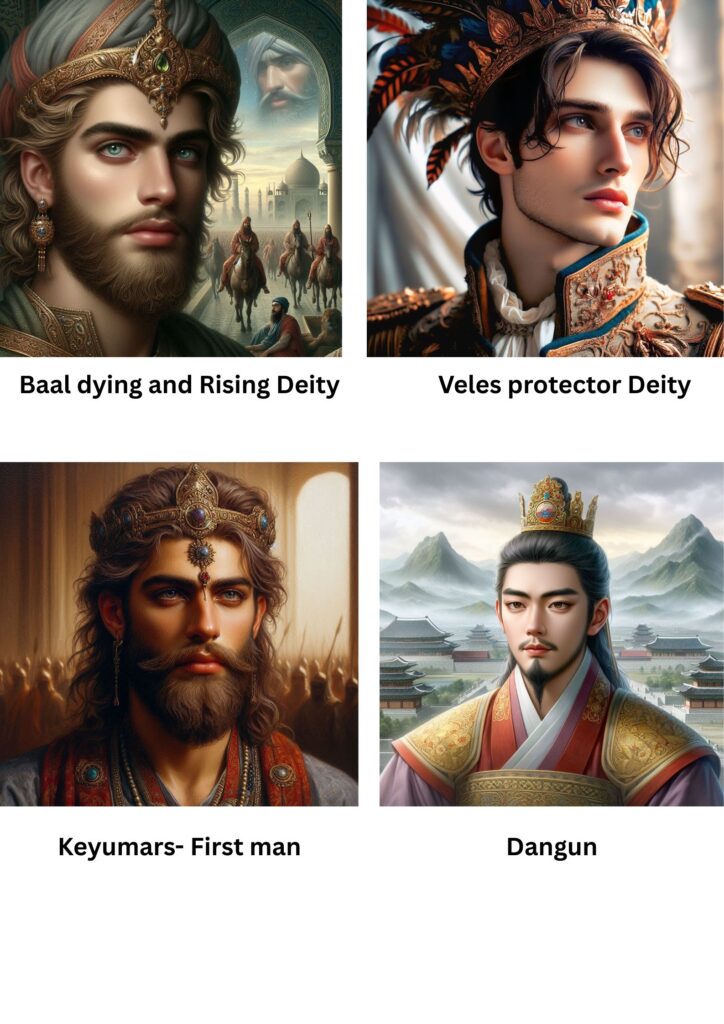
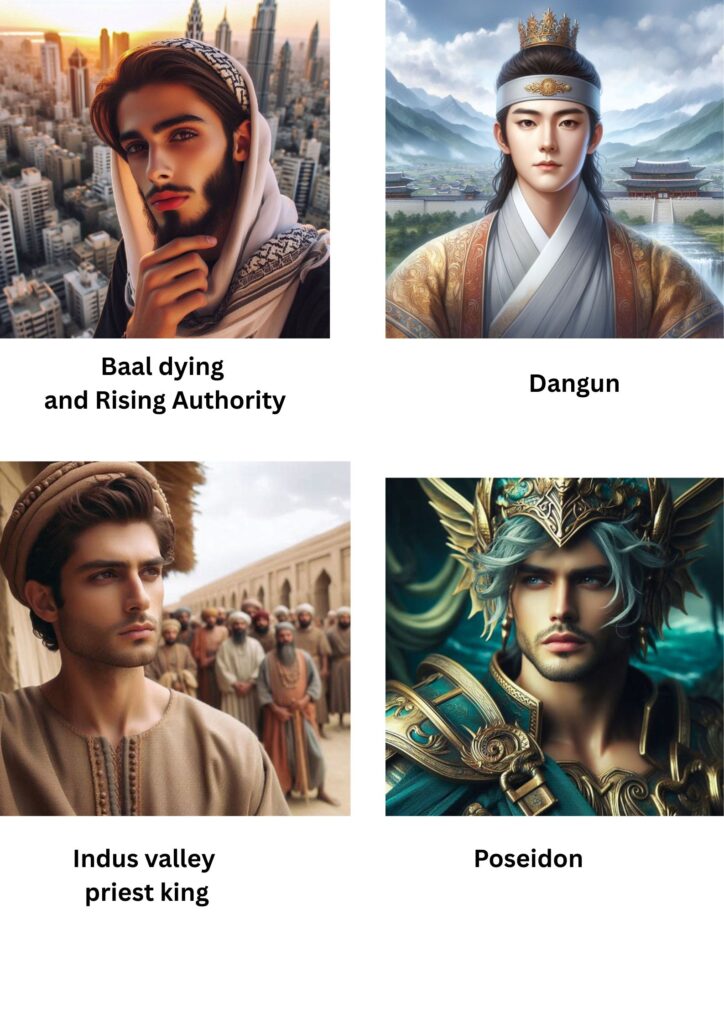
Unsolved Mystery – Baal’ Deity face also match with possible births of This androgynous Creator of civilization Dying and Rising authority, It is biggest unsolved mystery.
As civilizations continued expanding across China, the Mediterranean, and the ancient Near East, recurring themes involving flood survivors, culture heroes, dragon-slayers, civilization founders, sacred kingship, and dying-and-rising figures remained deeply embedded within mythology and religious tradition.
From Fuxi and Cadmus to Baal and other legendary rulers, ancient narratives repeatedly preserve memories of individuals associated with restoring order, transmitting knowledge, founding kingdoms, and guiding humanity through periods of transformation.
Whether these similarities represent mythology, symbolic memory, cultural transmission, or fragmented recollections of forgotten civilizations remains an unresolved mystery.
The investigation continues in Part 13, where additional ancient rulers, sacred traditions, archaeological enigmas, and civilization-founder figures will be examined through the framework of cyclical civilization and the Eternal Authority hypothesis.
Every civilization remembers its teachers.
Every kingdom remembers its founder.
And every closed mouth may guard a hidden truth.