
Era of Storm Gods, Serpent Symbols, and Legendary Heroes
As civilizations continued to evolve after the decline, new traditions emerged across India, Greece, Central Asia, and the mountainous regions of modern Pakistan.
Many of these traditions preserve stories of storm deities, warrior heroes, civilization restorers, and legendary figures associated with justice, protection, and survival during periods of upheaval.
Part 14 explores Parashurama, Indra, the Kalash traditions, Achilles, and the legends surrounding the Trojan War through the framework of the Eternal Authority Hypothesis.
Can recurring symbols such as the thunder deity, the serpent, the eagle, the axe, and the civilization-restoring hero reveal fragments of a deeper forgotten tradition?
The investigation continues.
Harrappa Civilization (1800-1500 BC)
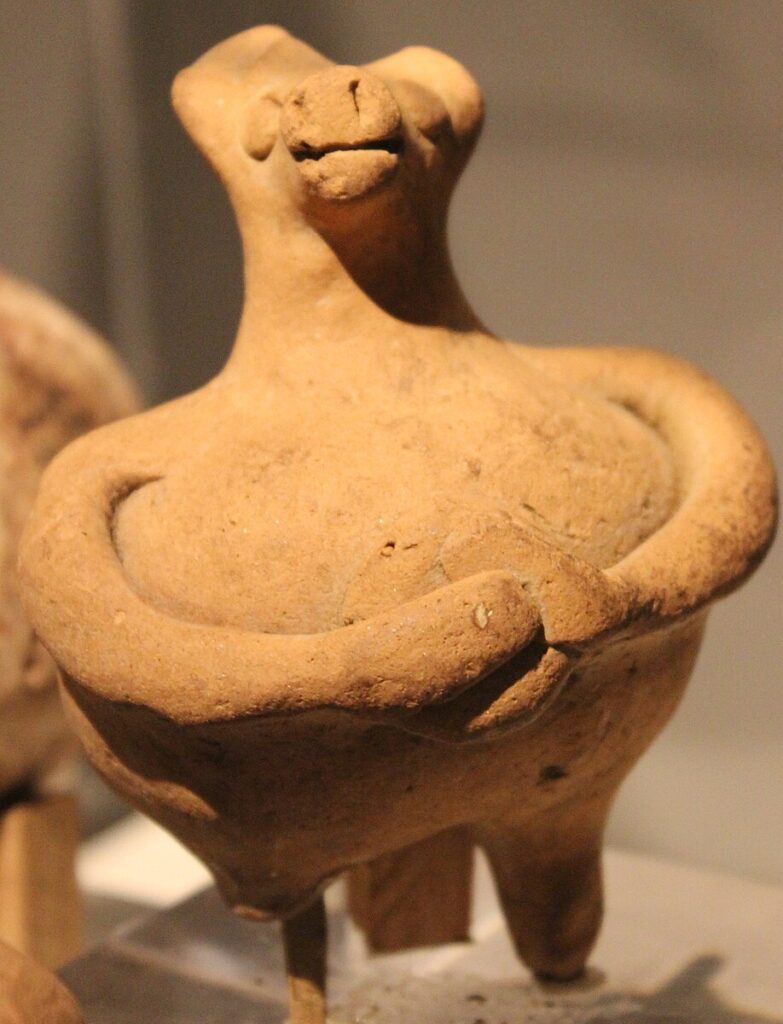
Credit-Nomu 420 CC BY SA 3.0
Parashurama and the Axe Symbol Tradition
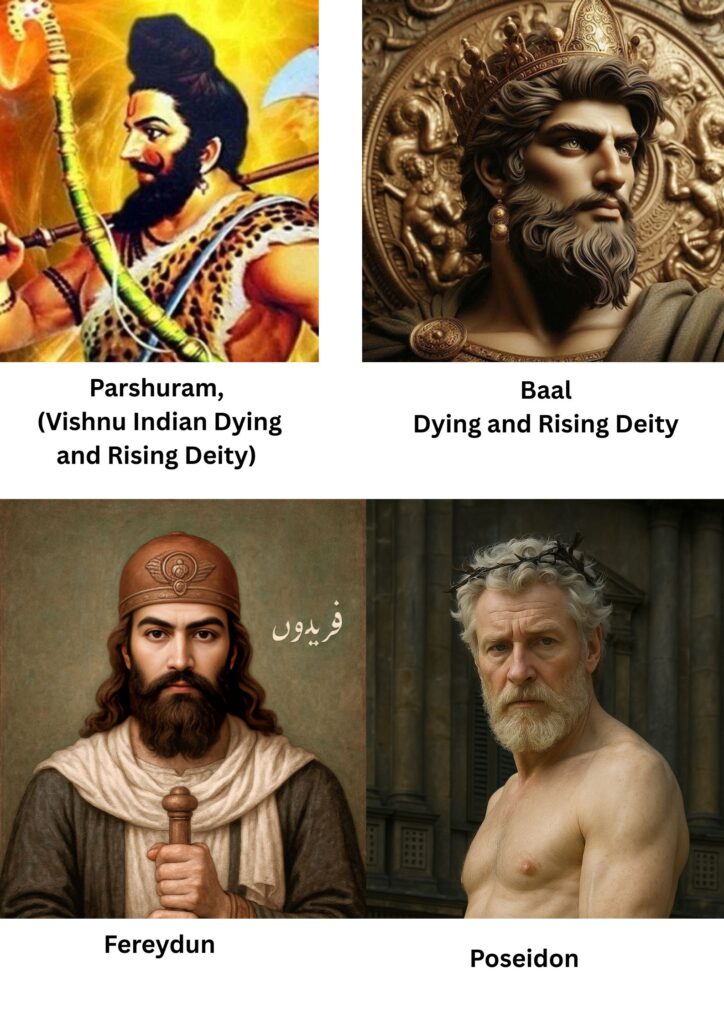
Parshuram ( Vishnu, Indian Dying and Rising Deity )
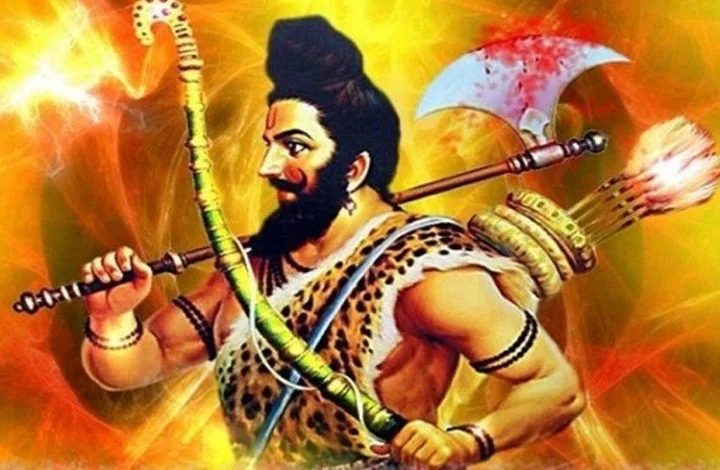

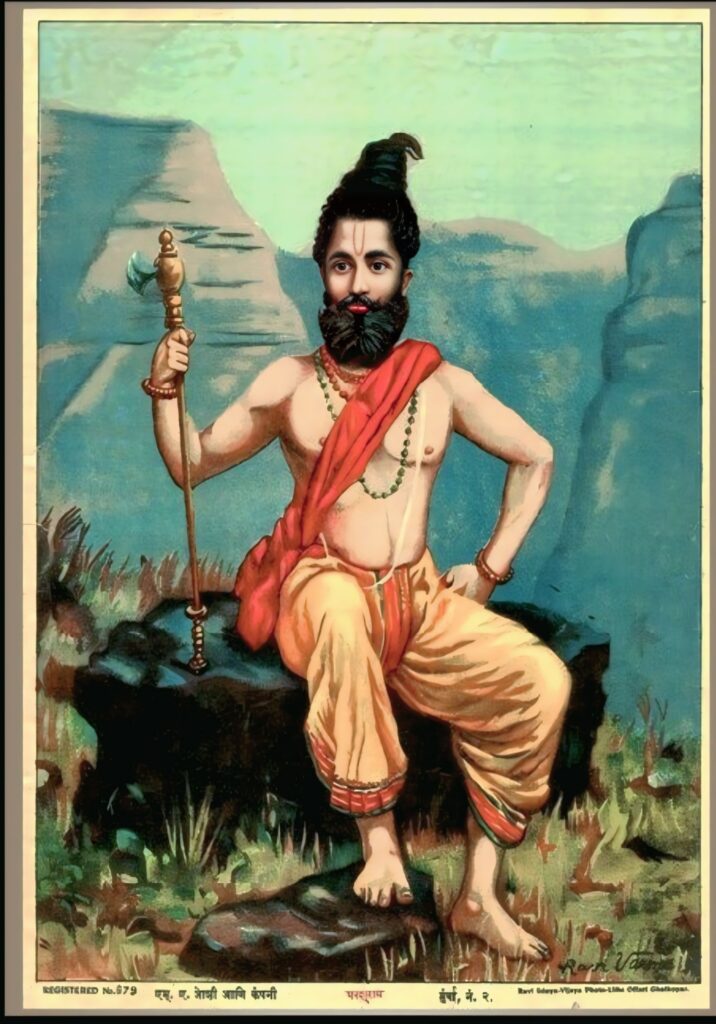
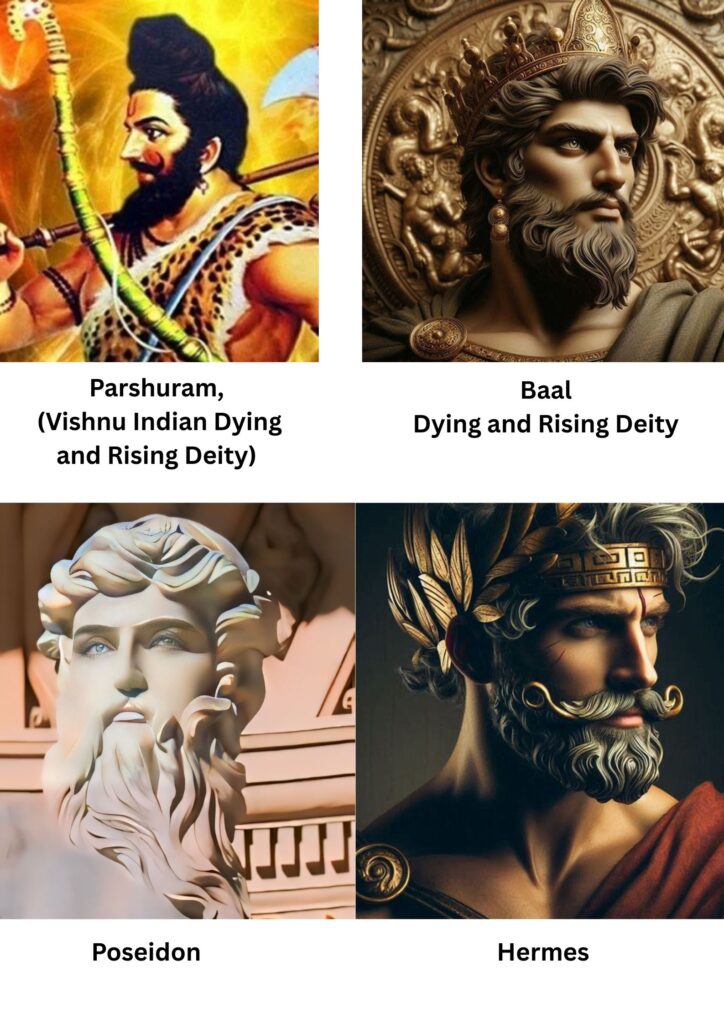
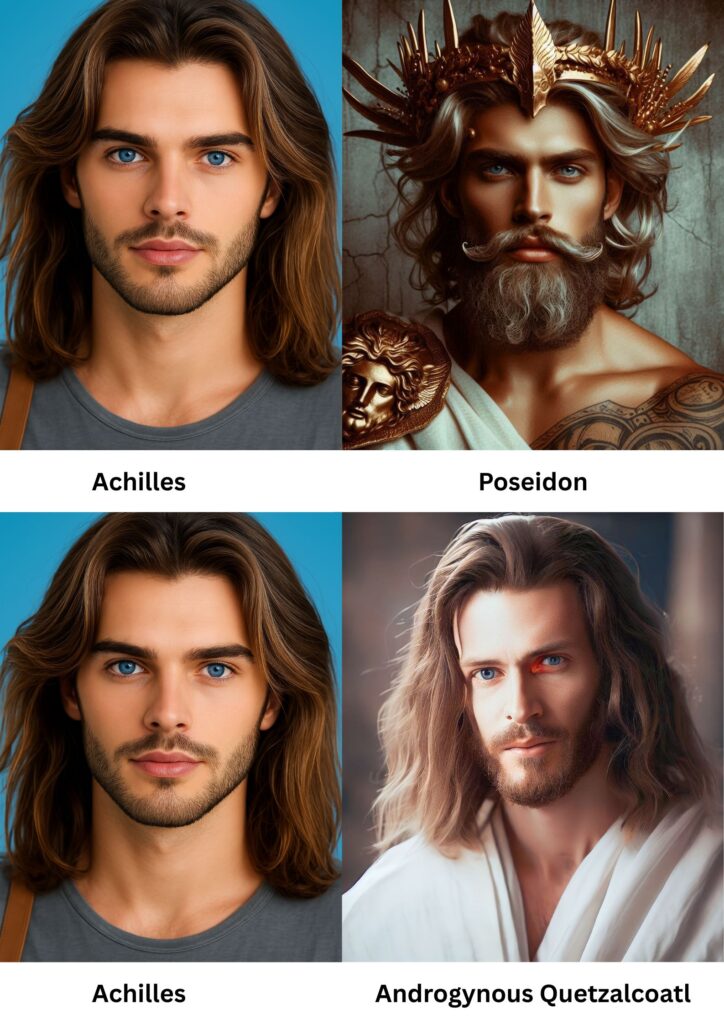
Face Comparison of Parshuram with other possible births of Dying and Rising Authority

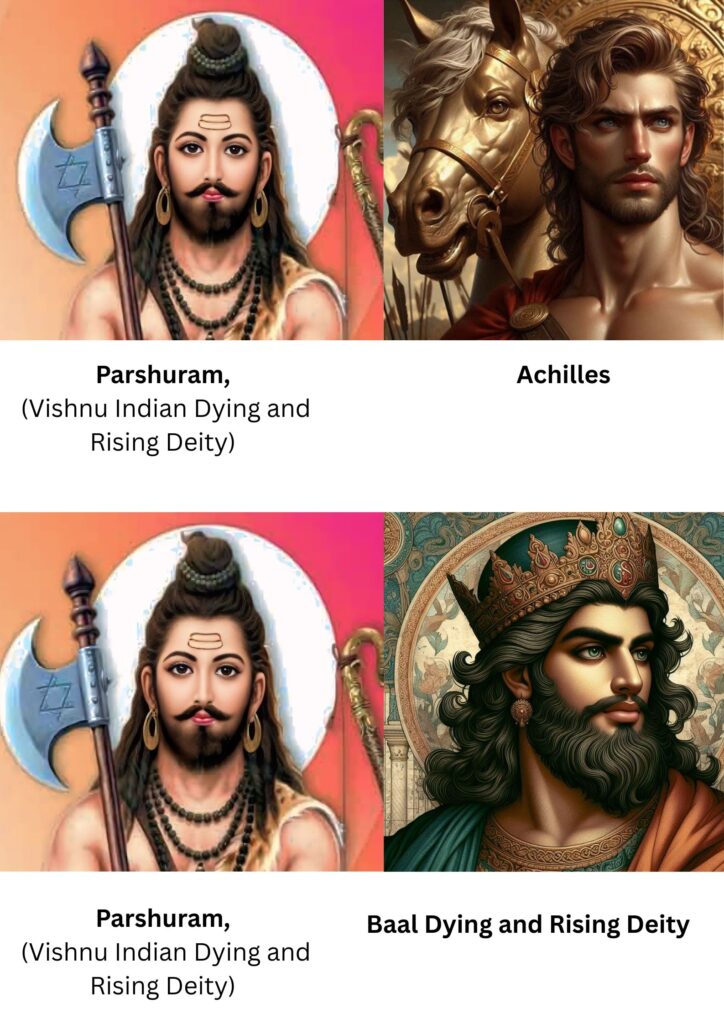
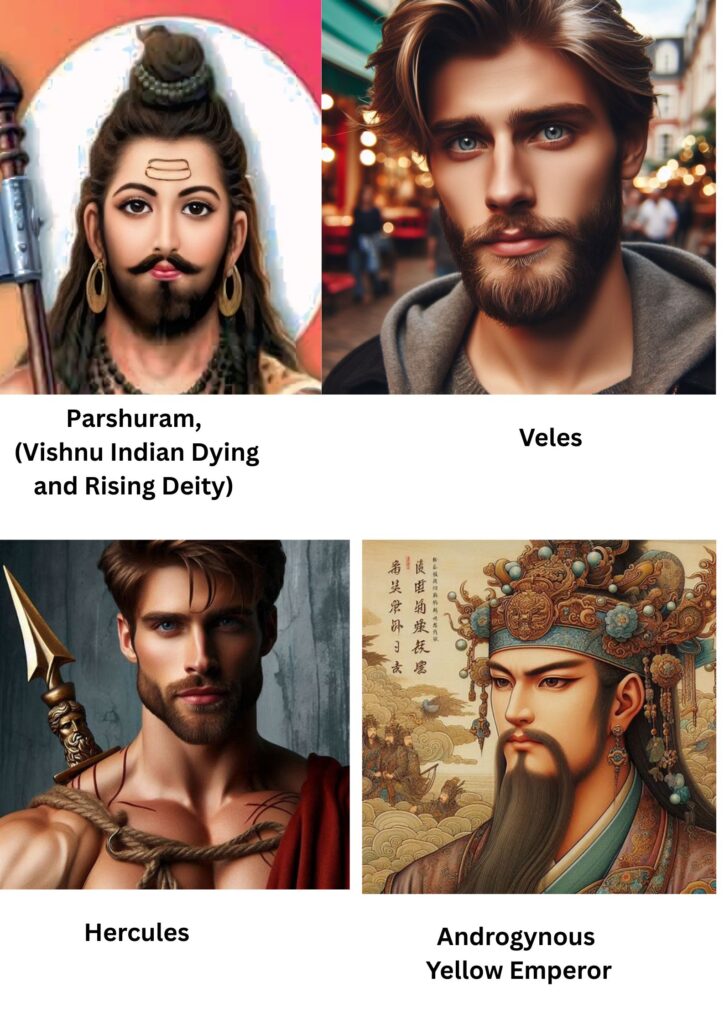

Axe Symbol Similarities in different Civilization – Androgynous Authority Shango and Parshuram, (indian Androgynous Vishnu Dying and Rising Deity) Depicted With Axe Symbol
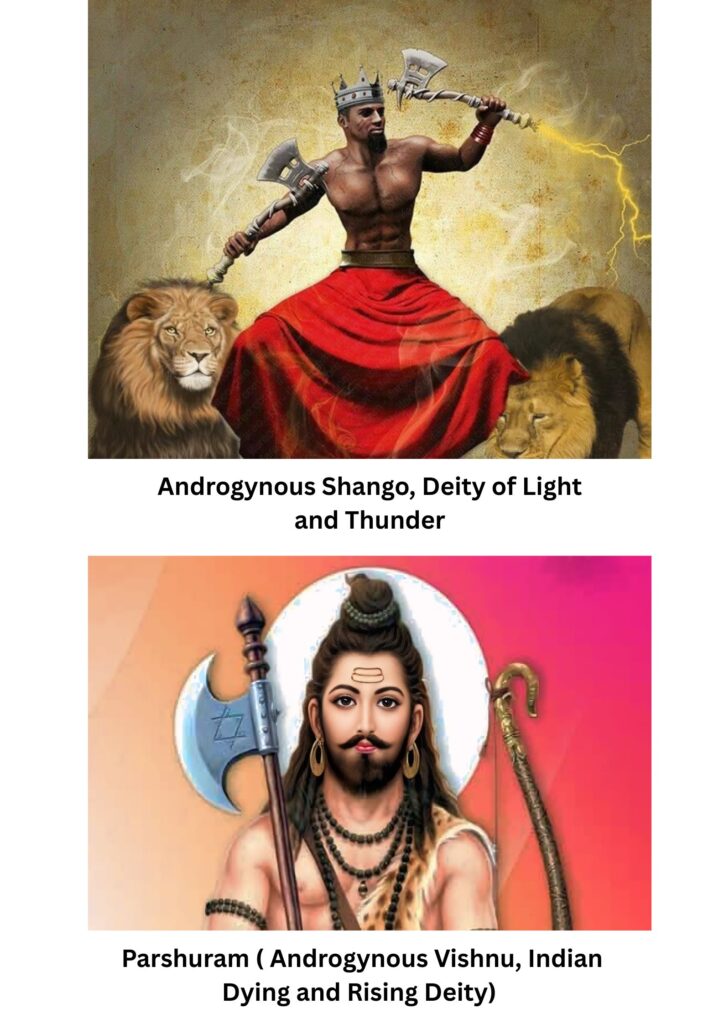
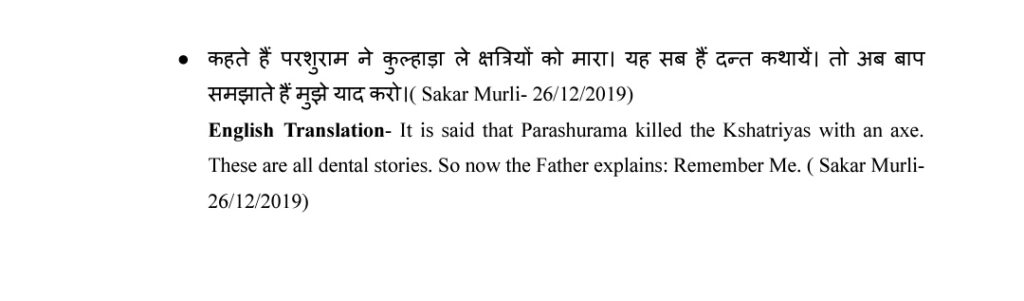
According to History, He killed Kshatriya 21 Times, but according to Brahmakumari Cult beliefs,This is Wrong History, Because Supreme Father Shiva Sustain 84 Birth Cycle through Androgynous Vishnu Dying and Rising authority, Who is responsible to restore civilization after flood.
Brahmakumari Beliefs Reference – It is said that Parashurama killed the Kshatriya with an axe. These are all dental stories. ( Sakar Murli 26/12/2019)
Survival of Ancient Traditions in the Mountains
While many ancient civilizations disappeared or transformed over time, isolated communities sometimes preserved remarkably old religious traditions.
Among the most fascinating examples are the Kalash people of northern Pakistan, whose beliefs retain striking similarities to early Indo-European and Vedic traditions.
Their continued reverence for Indra and other ancient figures provides a rare opportunity to examine how ancient religious memories may survive across thousands of years.
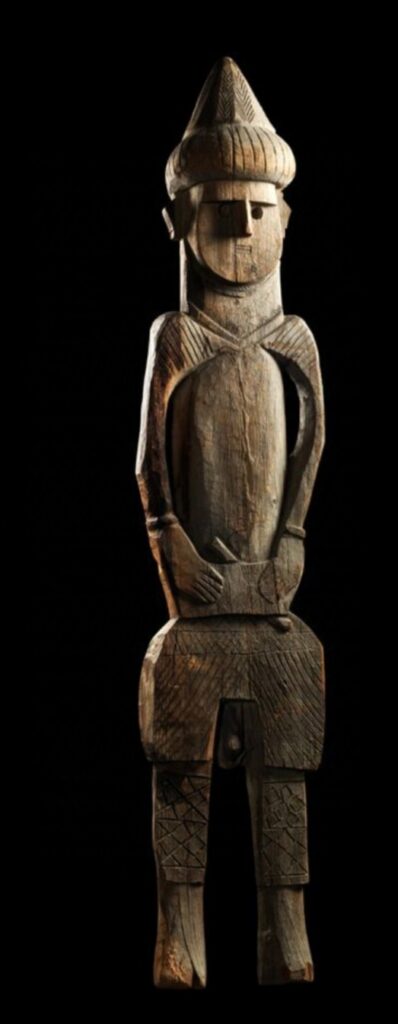
Gandao Statue, Kalash Religion, Pakistan
Disclaimer- Use under Fair use policy
● A Gandao is a wooden image aimed at perpetuating the important departed souls of a Kalash family member. Gandao is installed in the graveyard. Kalasha is the only pagan tribe in Pakistan with a strength of about 4000. Kalasha’s religion is more than 2000 years old.
During the Vedic period, Pakistan Kalash Religion And Indus Valley Civilization People Worship Light and Thunder Deity Indra
● Hence the similar representation of Indra as the ruler of the heavens, the Deity of lightning & thunder & the sky
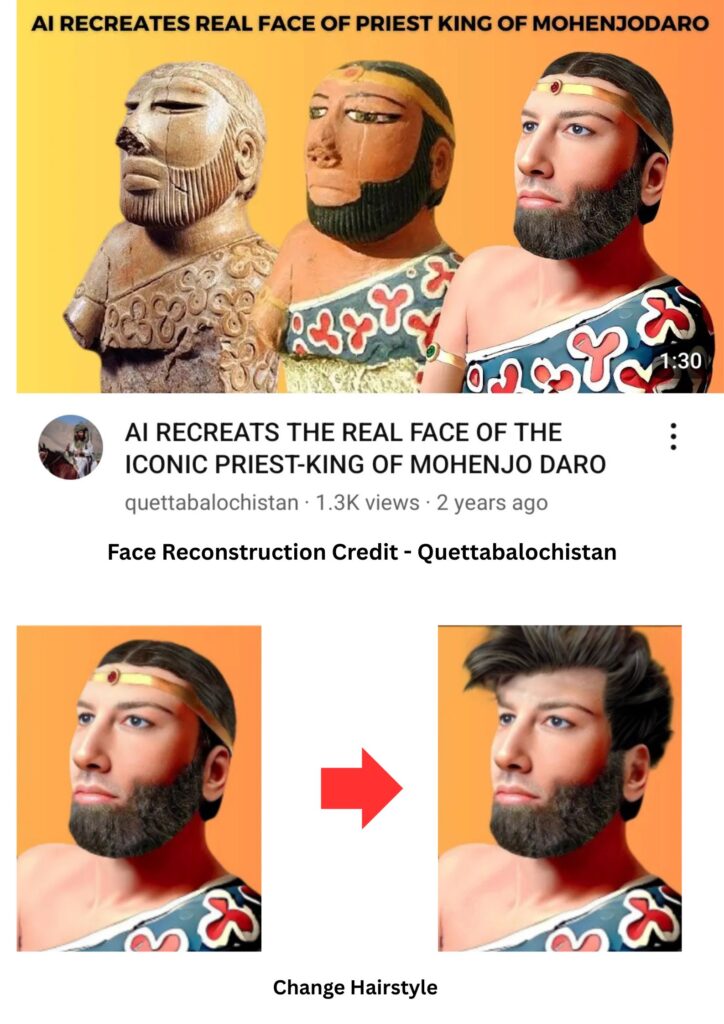
● Indra was called the equivalent of Zeus, As well as , as we saw in earlier blog, How Face of Indus valley Civilization Priest kings Statue exactly similar to this Androgynous dying and Rising authority possible births face.
Indra is a Hindu deity from the Vedic period. He is the ruler of Svarga (heaven) and the Devas (offspring of Kashyap and Aditi). It is associated with the sky, lightning, weather, thunder, storms, rain, river flows, and war. Indra’s mythology and powers are similar to those of other Indo-European deities such as Jupiter, Perun, Perknas, Zalmoxis, Taranis, Zeus, and Thor, suggesting a connection with Proto-Indo-European mythology. (all these different names of vishnu in different nations)
● Indra is the most frequently mentioned deity in Rigveda. He is admired for his abilities and powers.
Indra has an ancient but unknown origin. Aspects of Indra as a deity are similar to other Indo-European deities; there are thunder deities such as Thor, Perun, and Zeus who share parts of his heroic mythologies, act as king of the Deities, and are all associated with “rain and thunder”.
● According to Max Müller, the similarities between Indra of Vedic mythology and Thor of Nordic and Germanic mythology are significant. Both Indra and Thor are storm deities, with powers over lightning and thunder. Both carry a hammer or an equivalent, and the weapon returns to their hand after they hurl it. Both are associated with bulls in the earliest layer of respective texts. Both use thunder as a battle cry. both use thunder as a battle cry,
According to Michael Witzel, the traditional Kalash religion shares “many of the traits of myths, ritual, society, and echoes many aspects of Rigvedic religion” .
The Recurring Storm Deity Pattern
Across numerous ancient civilizations, a powerful storm deity appears as a protector, warrior, and defender of cosmic order.
Indra in Vedic tradition, Zeus in Greece, Thor in Scandinavia, Perun among the Slavs, and other thunder-associated figures all share remarkably similar characteristics.
These recurring patterns have long fascinated historians, linguists, and comparative mythologists.
Within the Eternal Authority Hypothesis, an alternative possibility can be explored:
Could these seemingly different deities preserve cultural memories of a single archetypal civilization-restoring authority remembered under different names across different regions?
Whether these similarities emerged through cultural exchange, common ancestry, or symbolic storytelling remains an open question.
Was Indra, the founder of the Kalash religious tradition of Pakistan, the civilization-founding figure of Greek culture, and a guiding authority of the Indus Valley Civilization, actually the same Equivalent Light-and-Thunder Creator of Civilization — the Androgynous Dying and Rising Authority? This remains an unsolved mystery.”
Noted linguist and Harvard professor Michael Witzel summarises the faith practiced by the Kalash with this description: In myth, it is notably the role of Indra Deity of Light and Thunder, his rainbow and his eagle who is shot at the killing of his father, the killing of the snake or of a demon with many heads, and the central myth., Similarly Zeus, Deity of Light and thunder Depicted with Eagle.
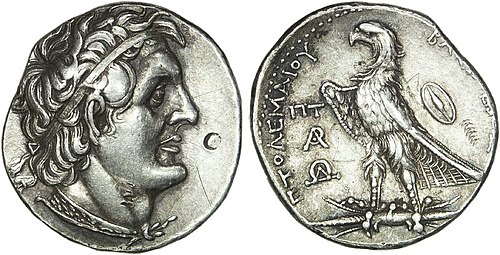
Zeus Deity of Light and thunder with Eagle Symbol , Similar Like Indra, Deity of Light and Thunder
Credit: cgb – CC BY SA 3.0
Ptolemaic tetradrachm with the Eagle of Zeus, standing on a thunderbolt, on the obverse
Brahmakumari Beliefs – According to them Supreme God Shiva known with different names in different Religion as Allah, Sun God etc and Supreme God Shiva Sustain 84 Birth Cosmic Cycle Human Civilization through Androgynous dying and Rising authority.
Closed Mouth Sign Mystery – Does Androgynous Dying and Rising Equivalent Authority with Same face left this same closed mouth fertility Sign as a Evidence Founder of One equivalent Authority with different Names in all civilization ?
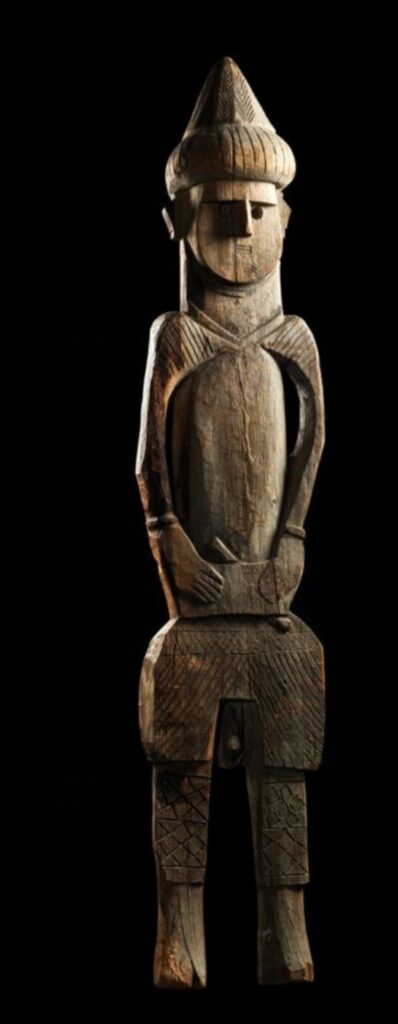
Credit – Kafir
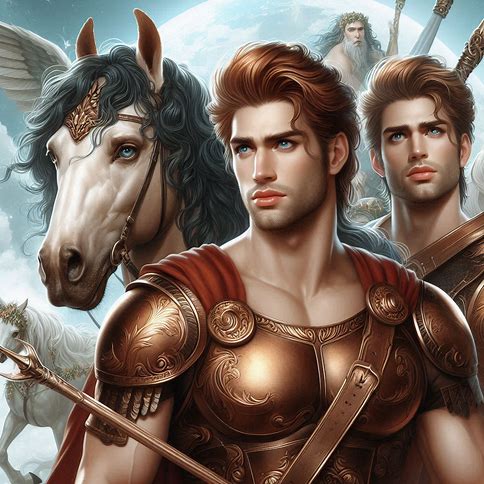
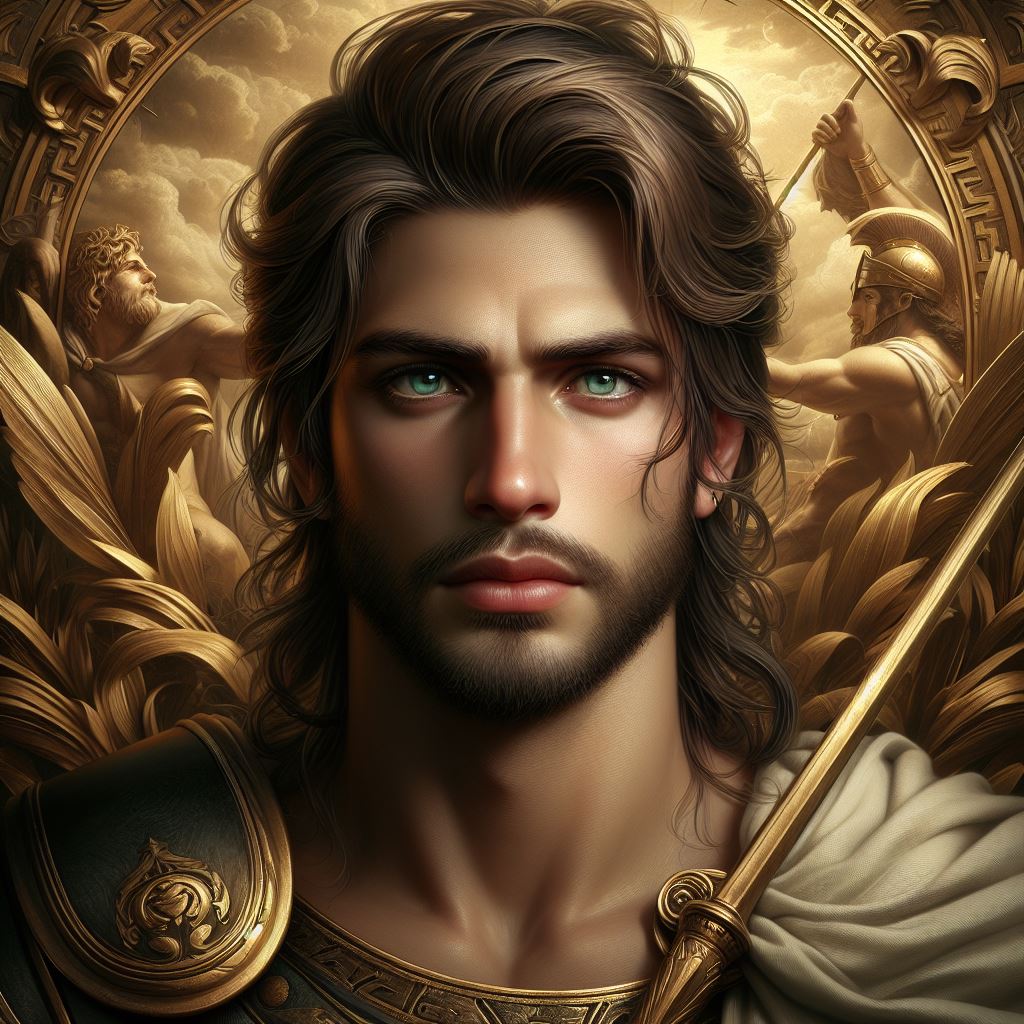
Centaur and Serpent Symbol associated Symbolic Trojan War-1200 BC & Achilles
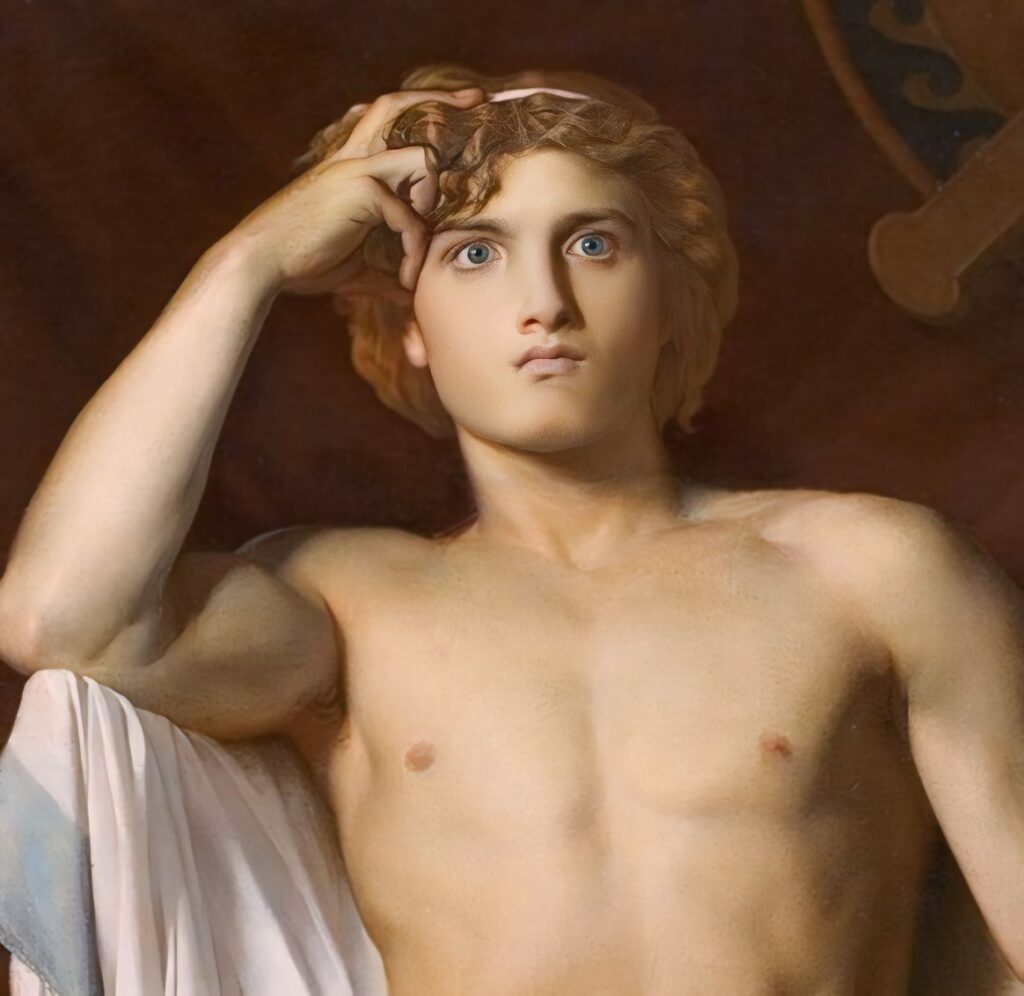
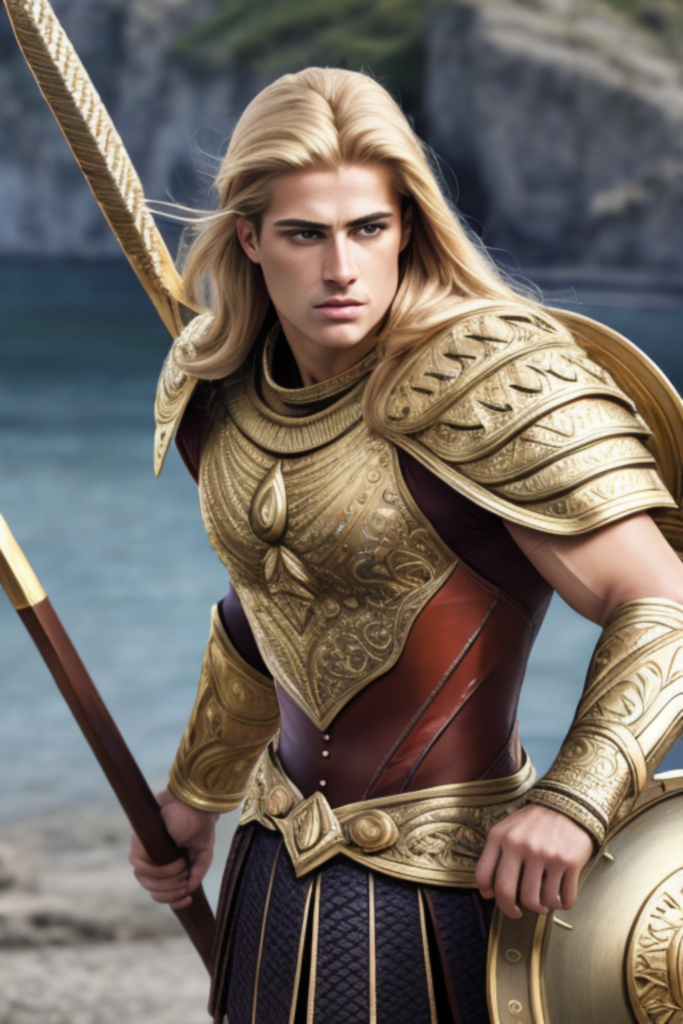
credit- greek mythhology by ai
Achilles and the Memory of the Trojan Age
By approximately 1200 BC, traditions surrounding the Trojan War became some of the most influential stories in the ancient world.
At the center of these narratives stands Achilles, the legendary warrior whose bravery, skill, and destiny made him one of the most celebrated heroes of classical mythology.
Because the Trojan traditions contain recurring serpent symbolism, divine intervention, heroic sacrifice, and themes of fate and immortality, they occupy an important place within the Closed Mouth Mysteries investigation.
Achilles is one of the most famous heroes in Greek mythology, especially known for his role in the Trojan War, as told in Homer’s epic, The Iliad.
Classical Description of Achilles’ Appearance:
- Tall and Athletic – Achilles was often described as extremely tall and powerfully built, with the perfect physique of a warrior.
- Youthful and Handsome – He had striking, almost divine beauty, often said to rival that of the gods.Golden or Light-Colored Hair – Many ancient sources and artworks describe him as having blonde or golden hair (Homer uses the term “xanthos”, often interpreted as golden).
- Radiant or Glowing Skin – Some mythic texts describe him as having a glow or shine to his skin, symbolizing his semi-divine nature (his mother was a sea goddess).
- Piercing Eyes – His gaze was intense, often used to reflect his heroic rage (“Achilles’ wrath”) and determination.
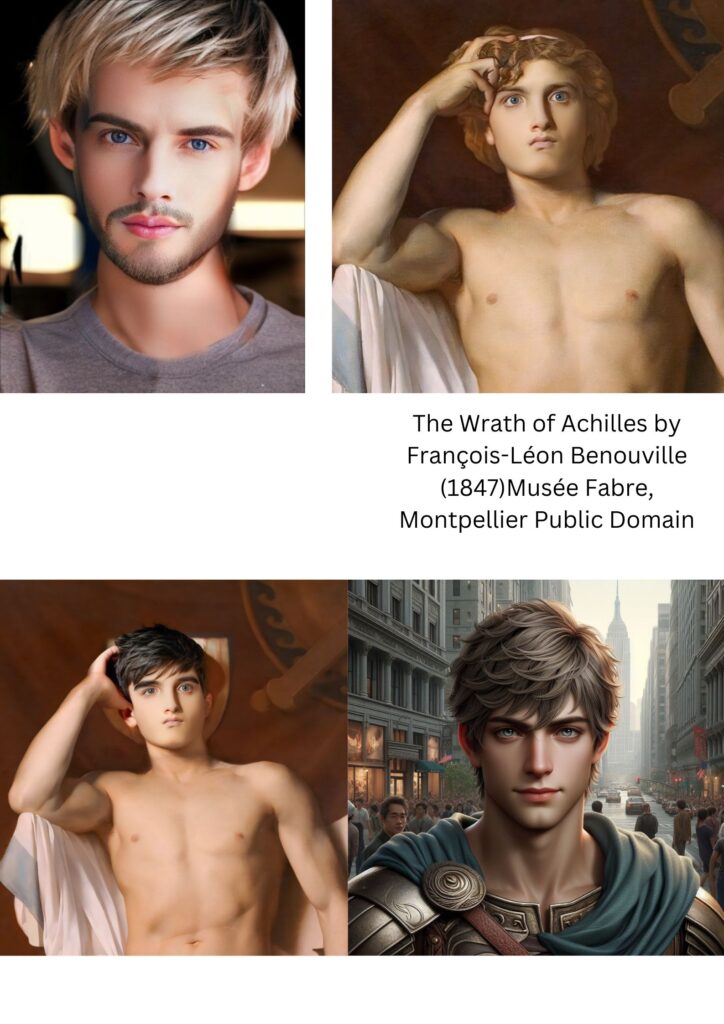
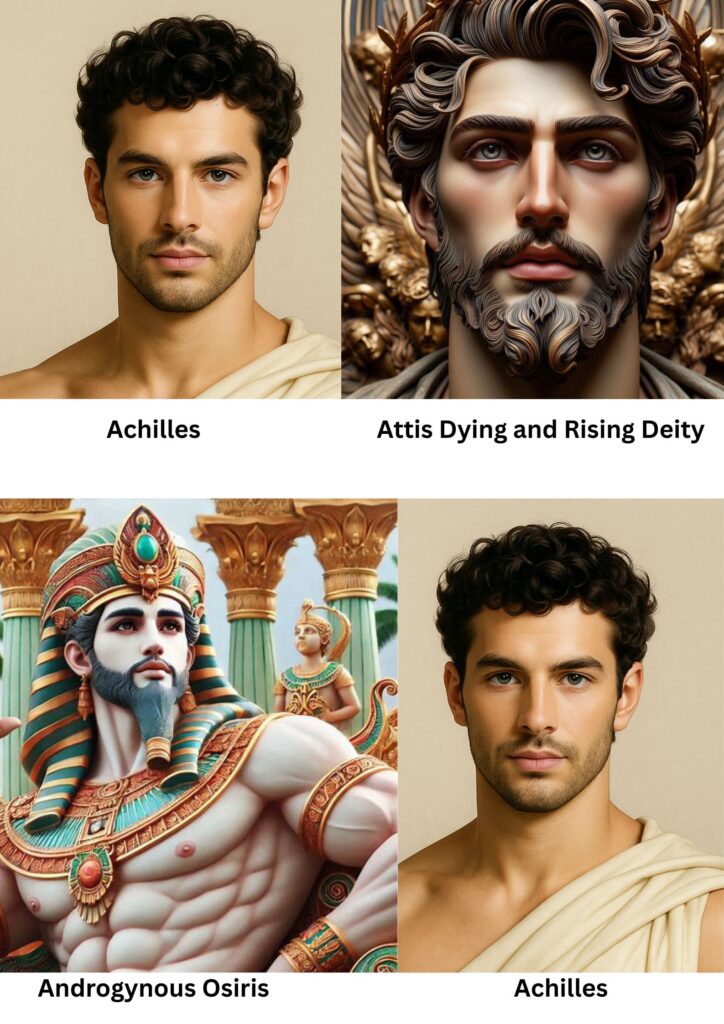
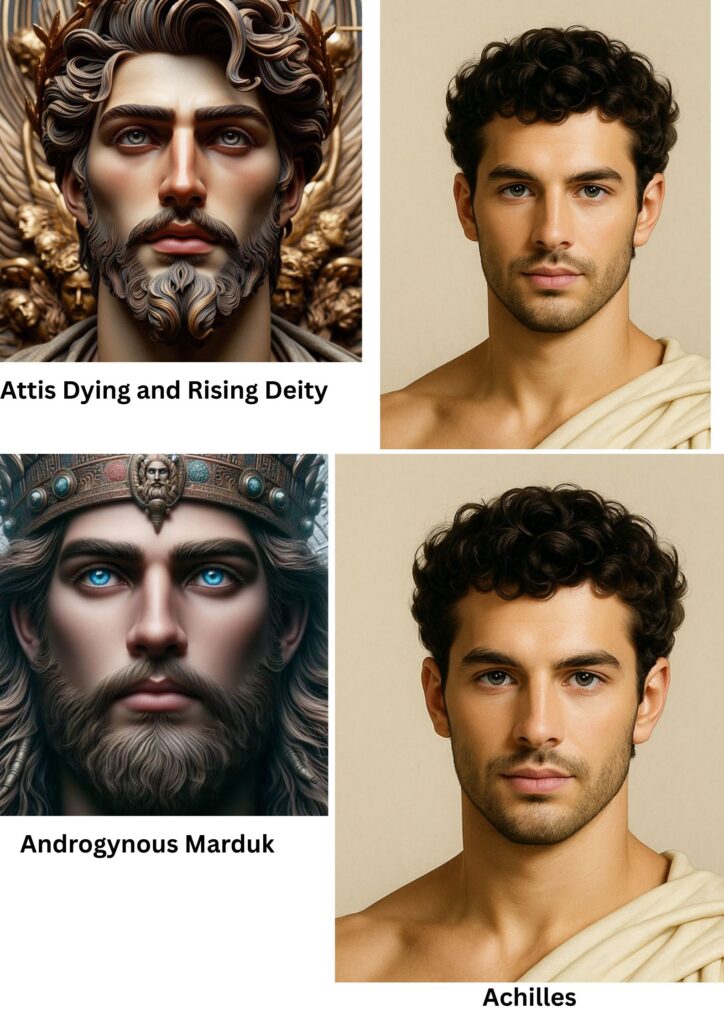
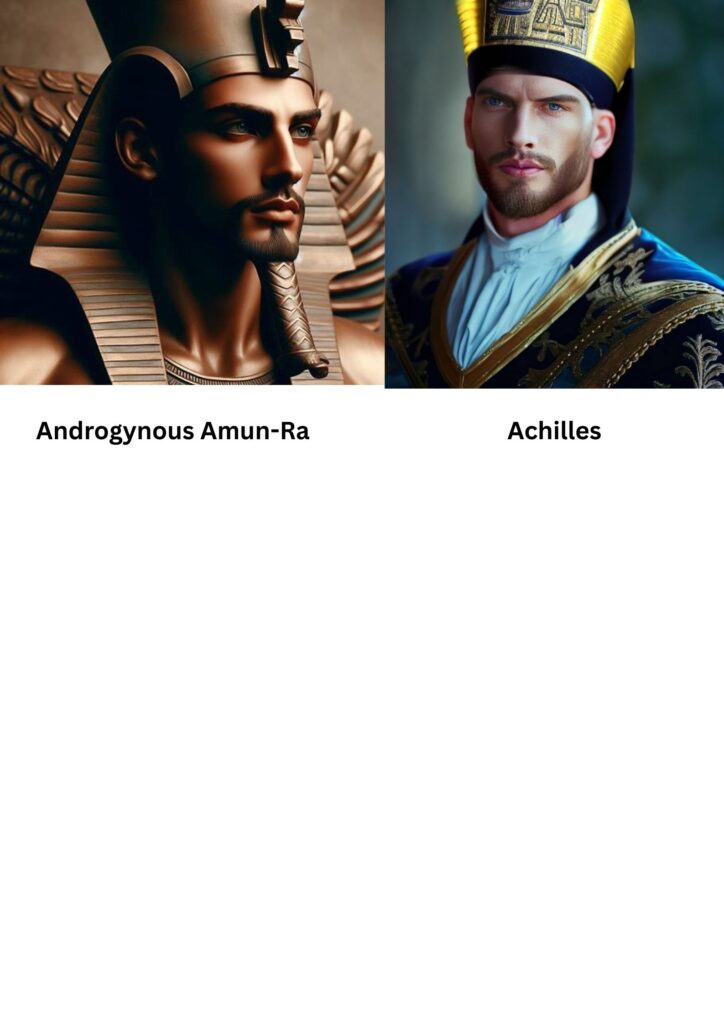
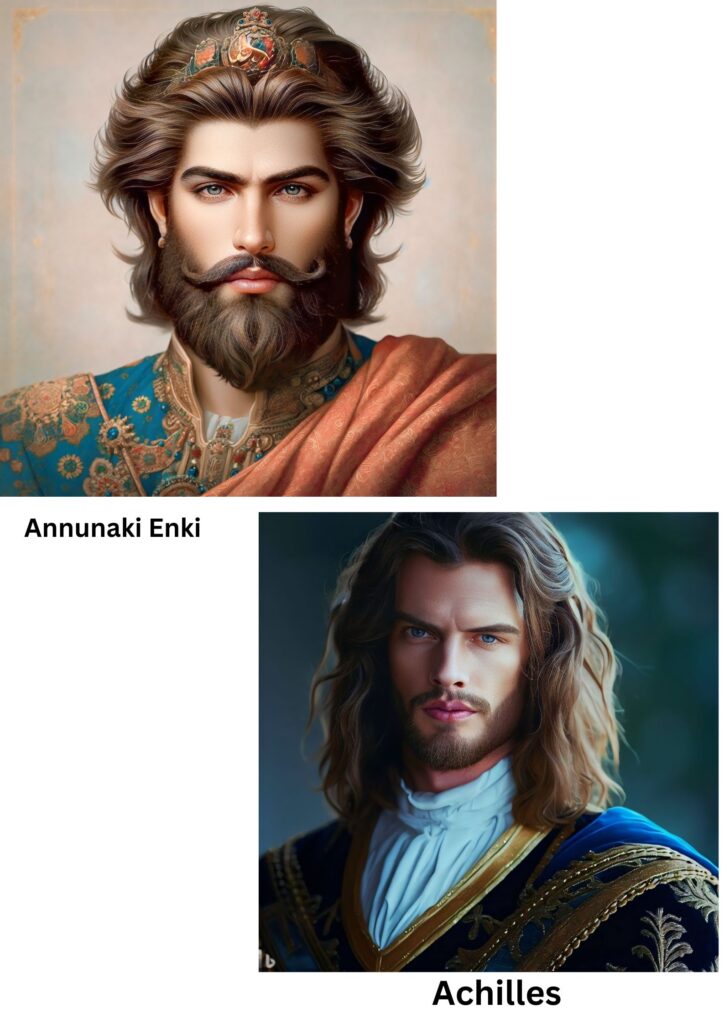
Achillies Face Reconstruction by Ancient Nations
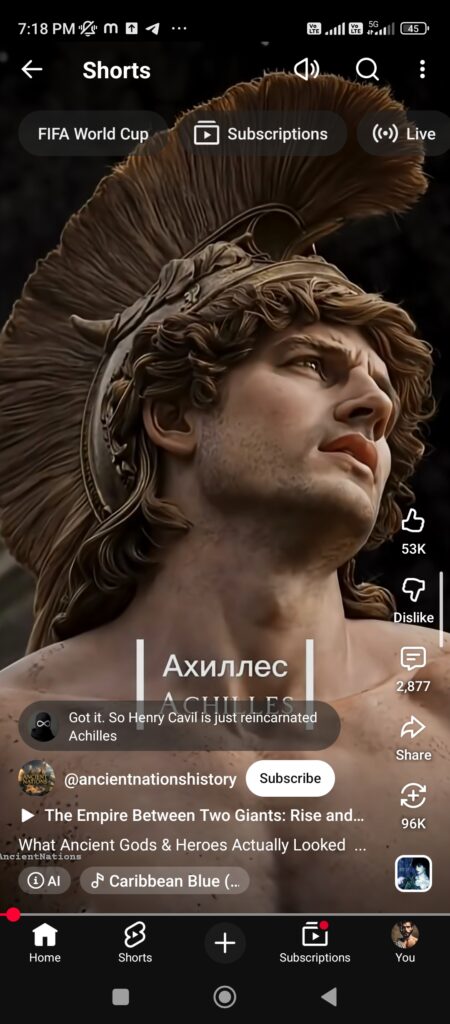
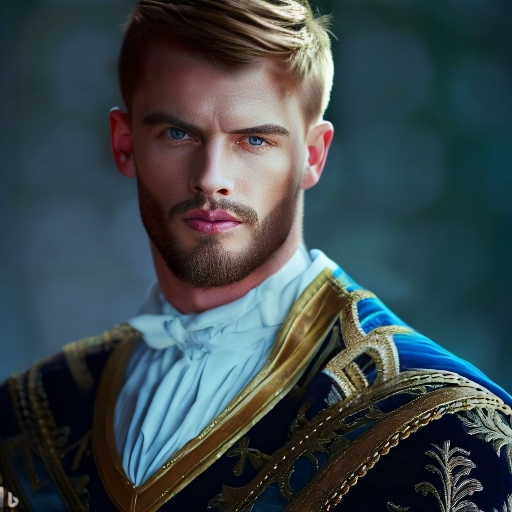
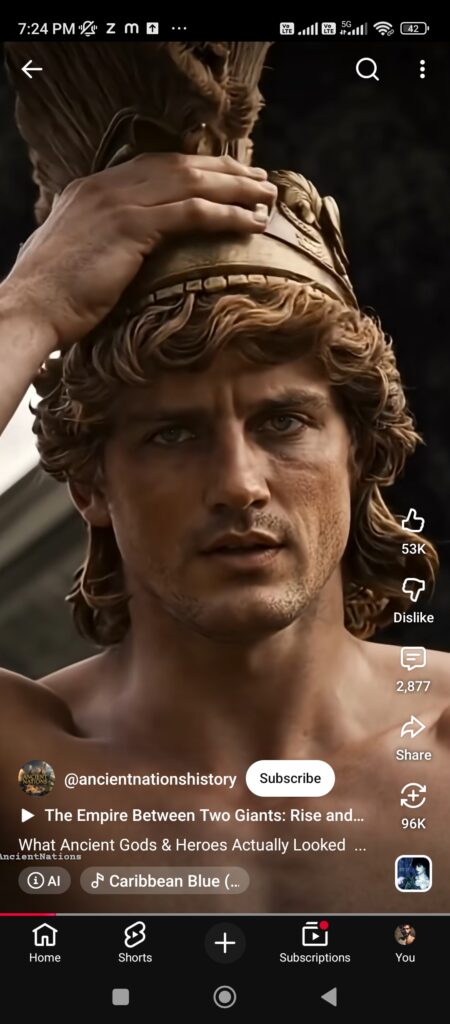
Achillies Face reconstruction by Buried in Times

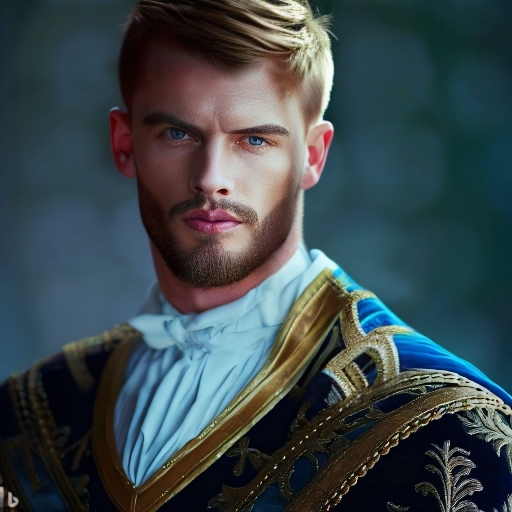

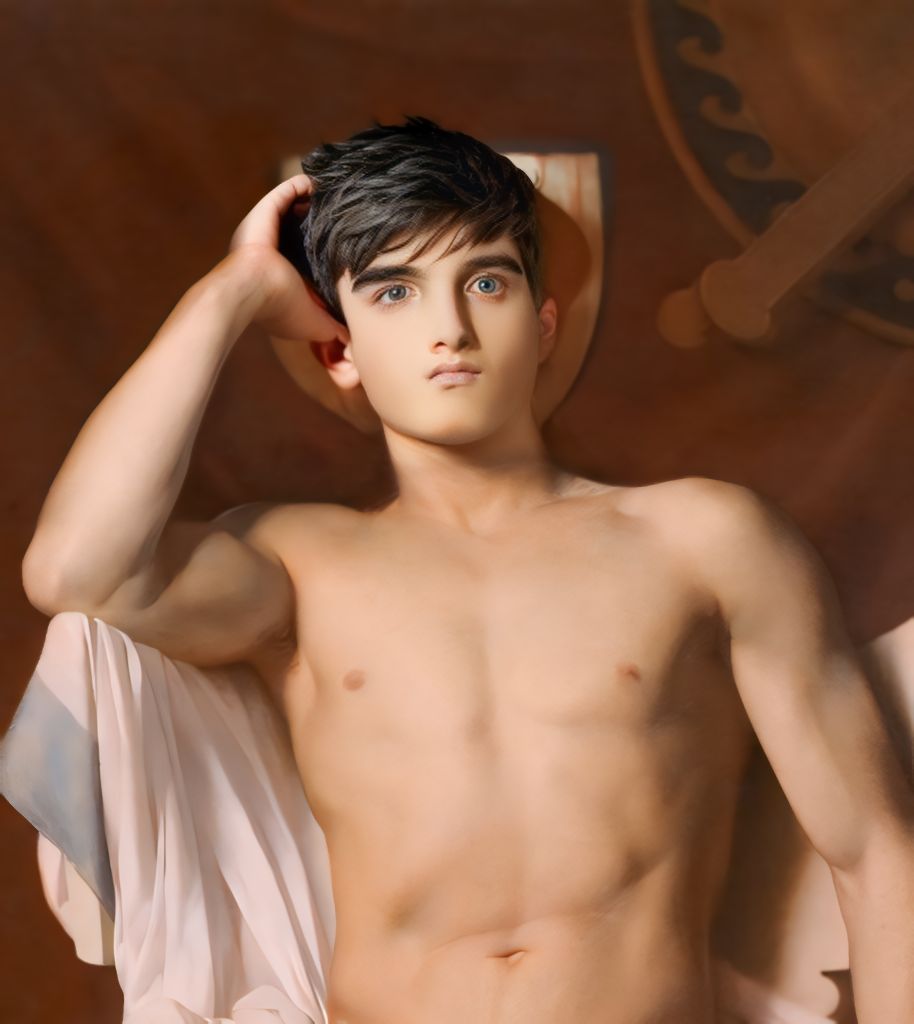
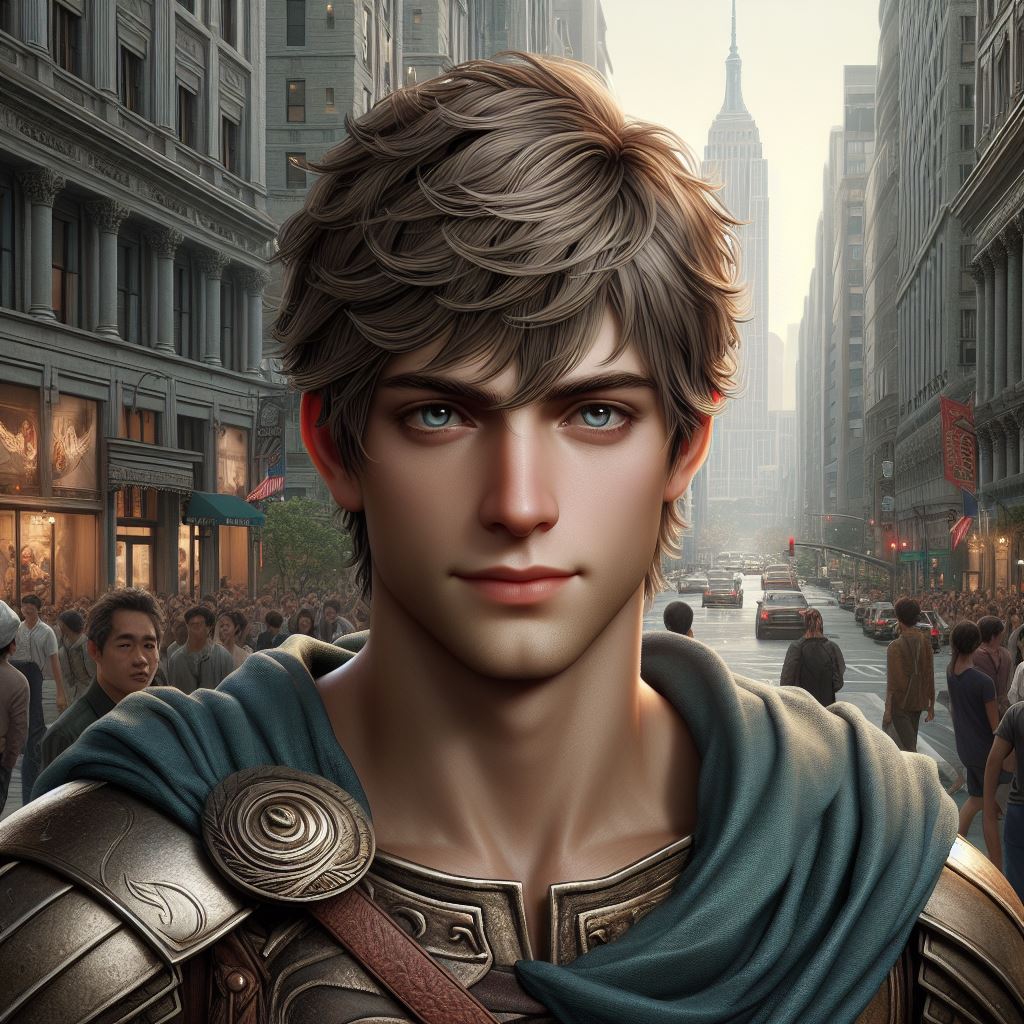




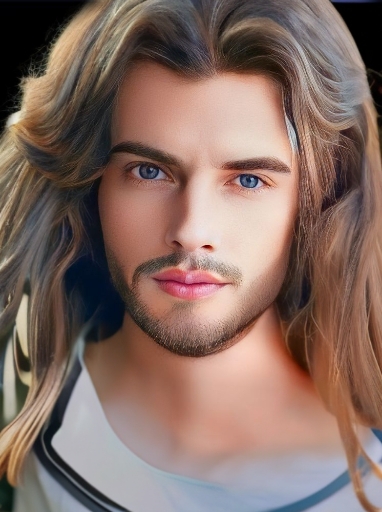
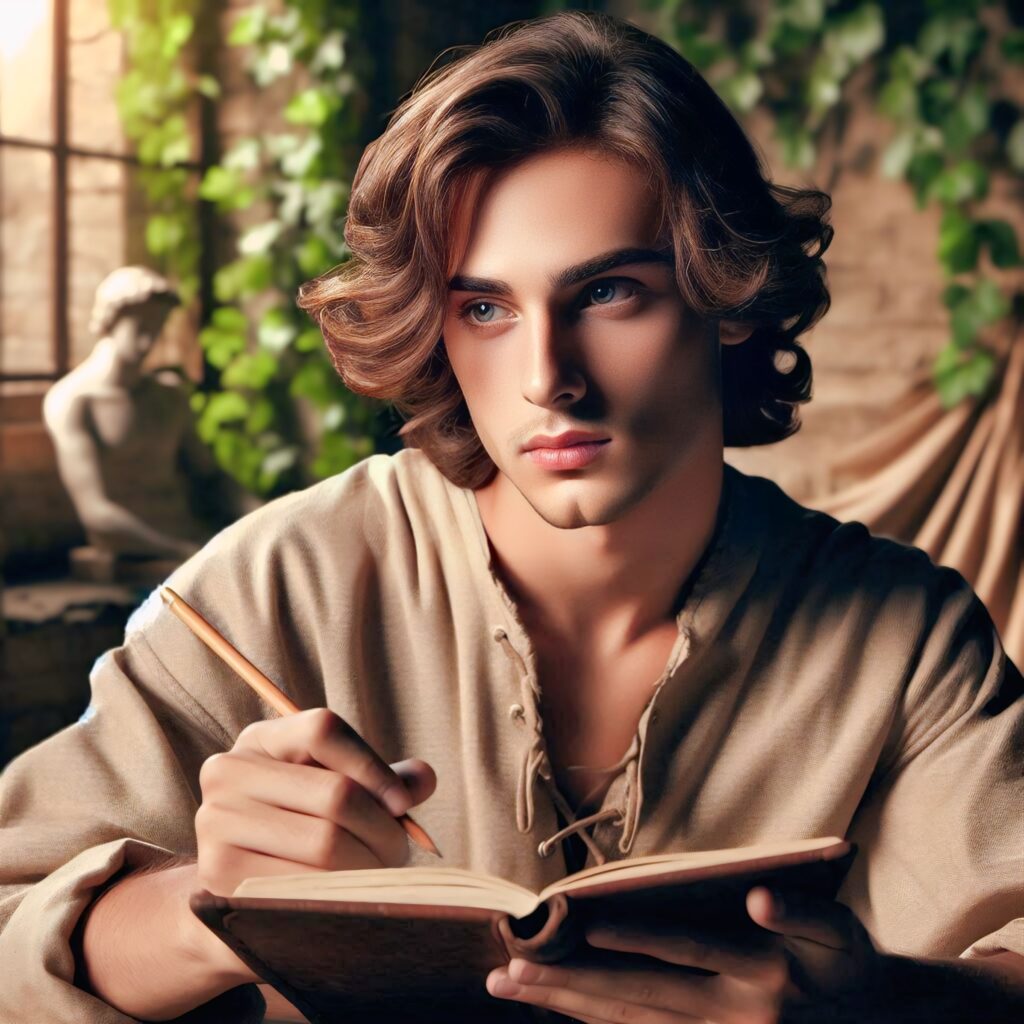


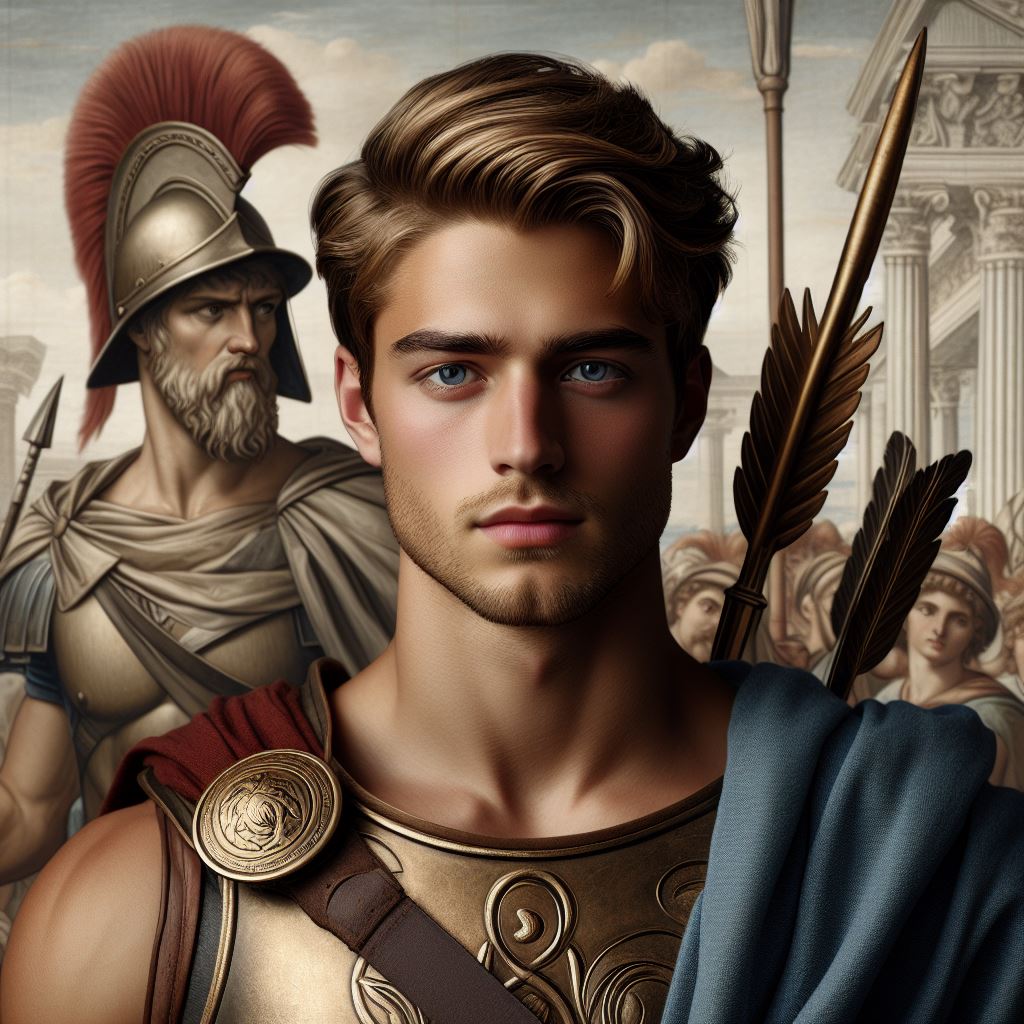




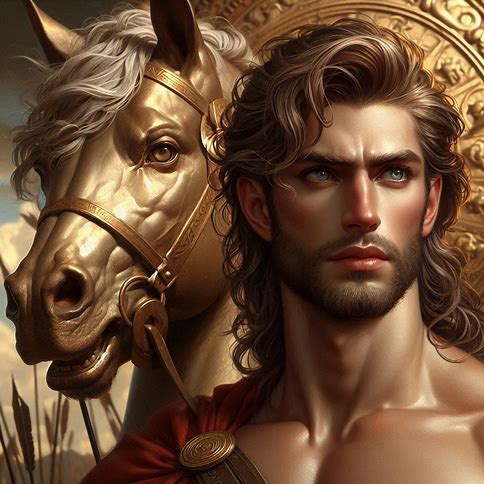

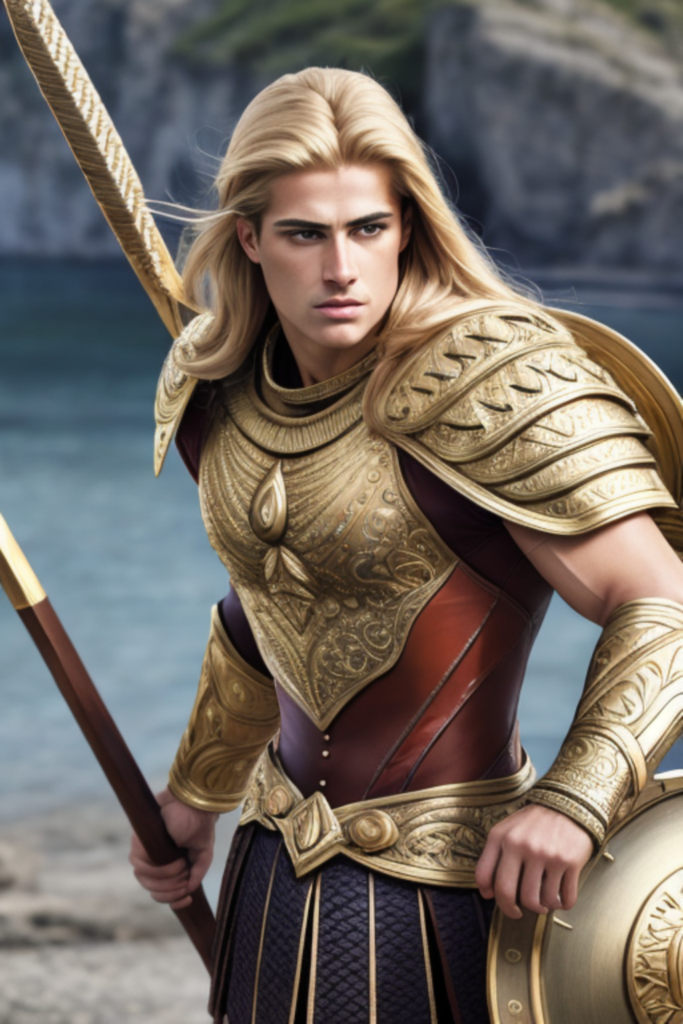
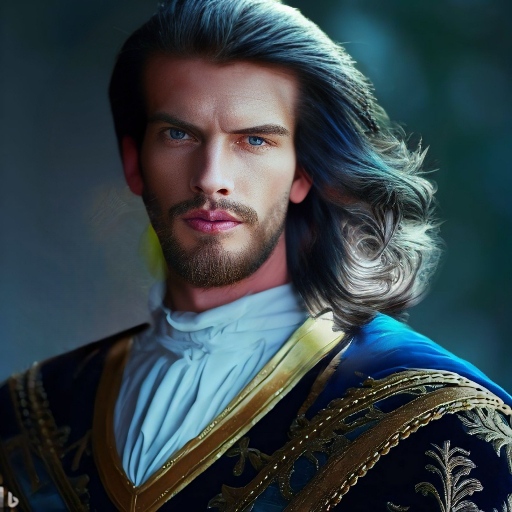

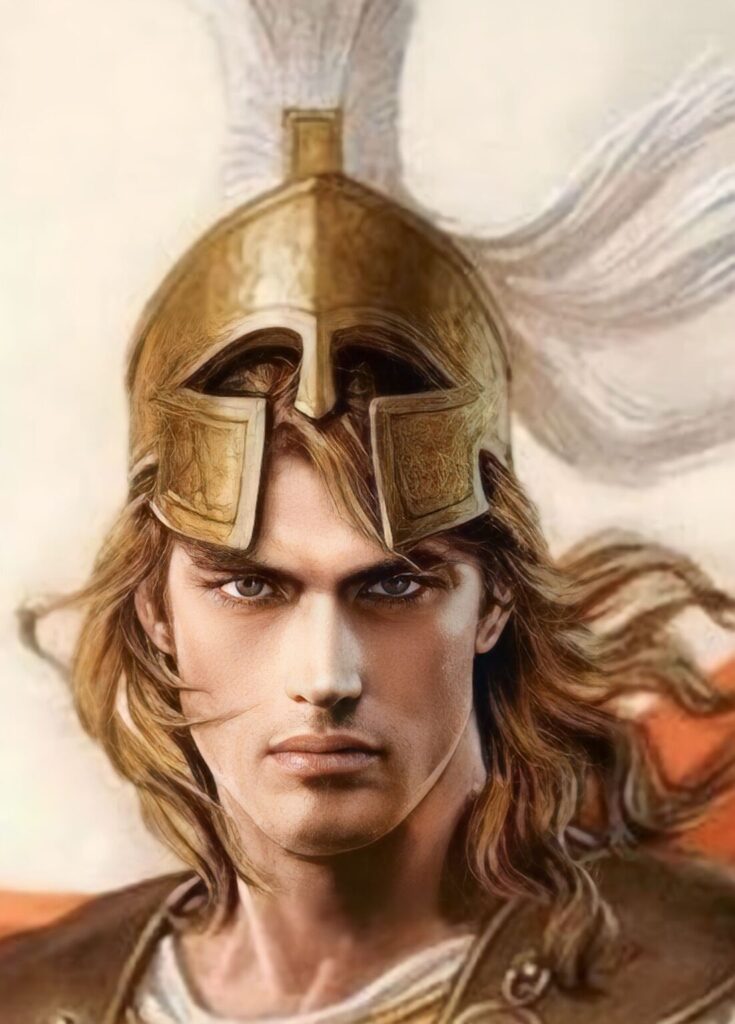
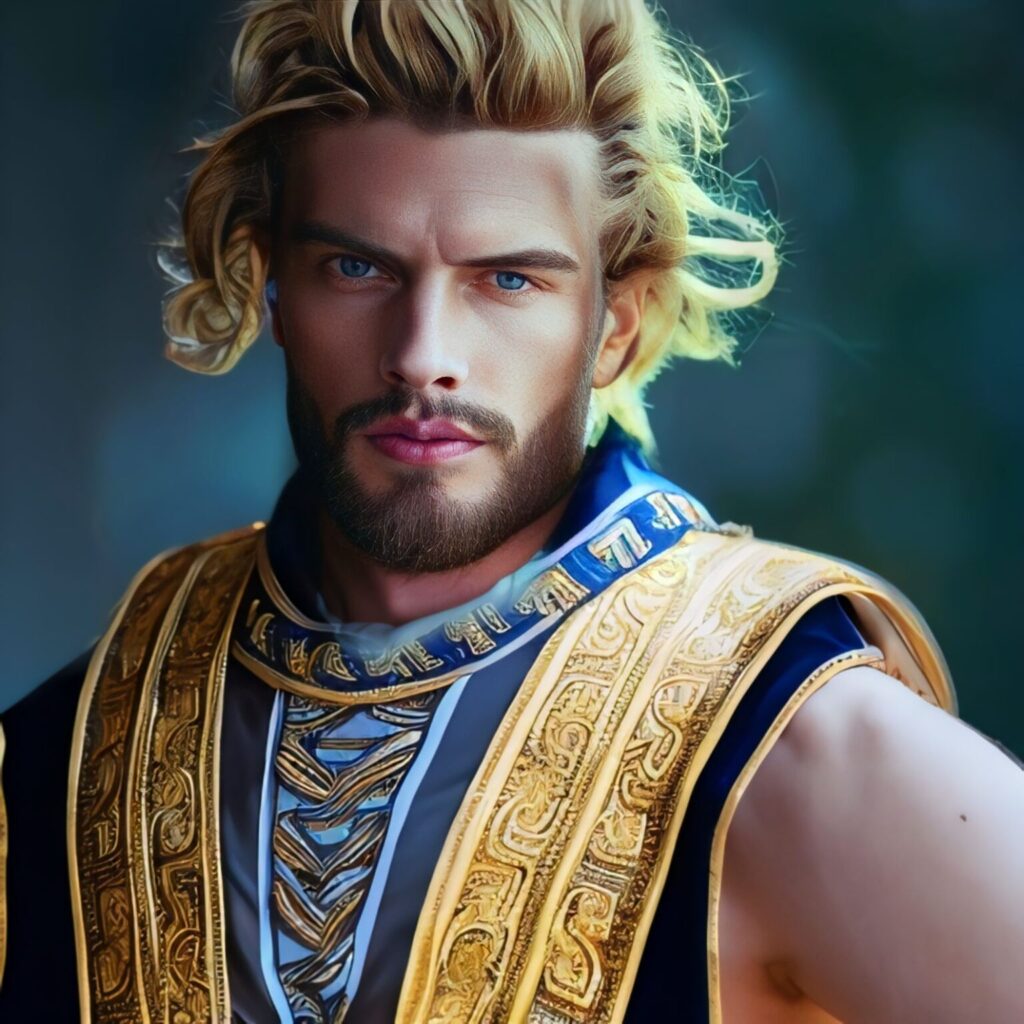
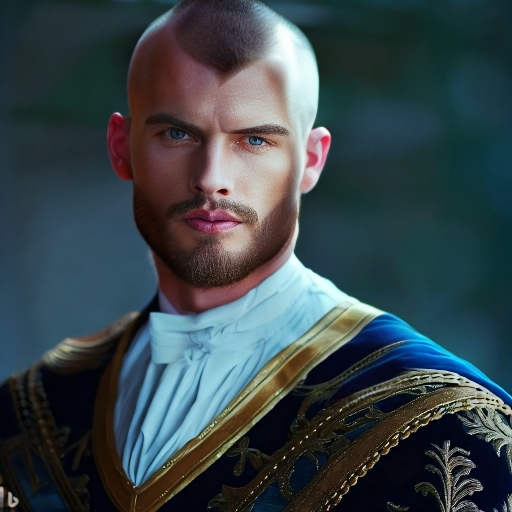
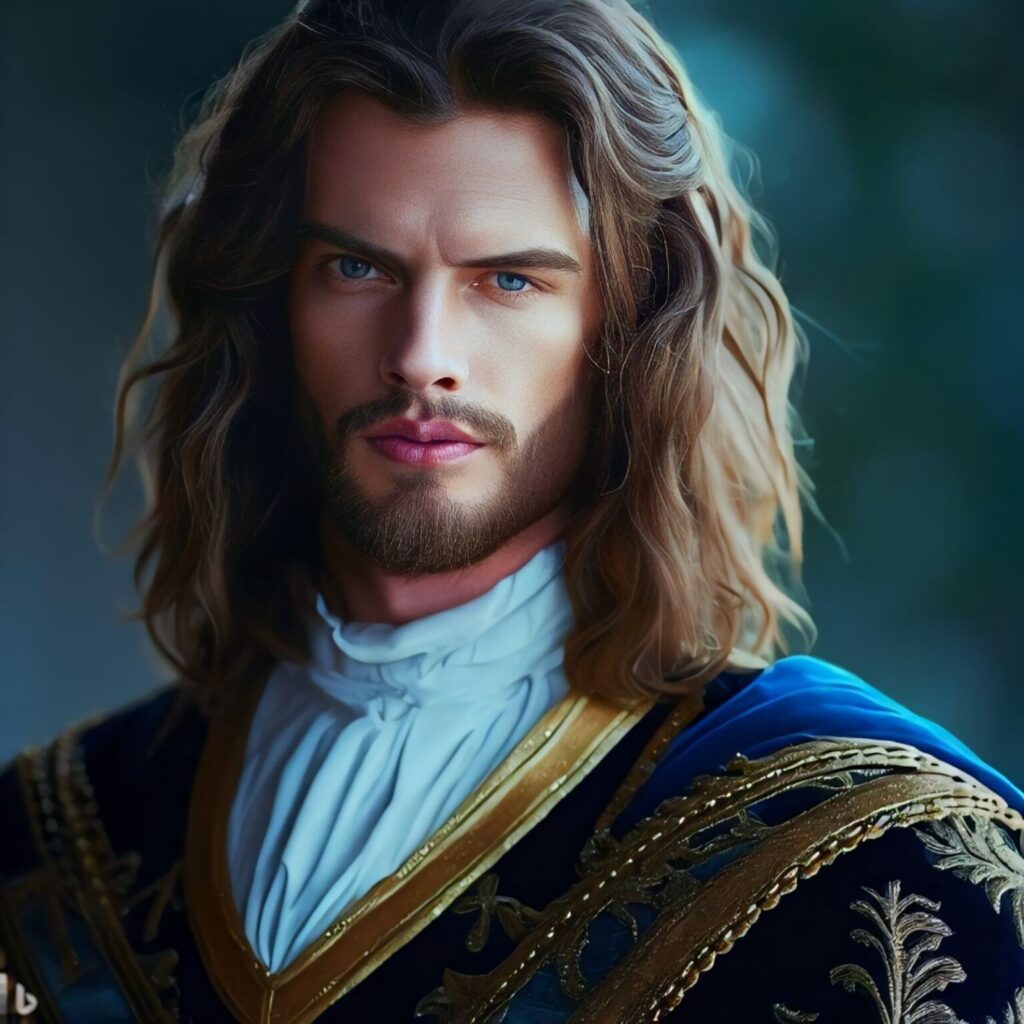

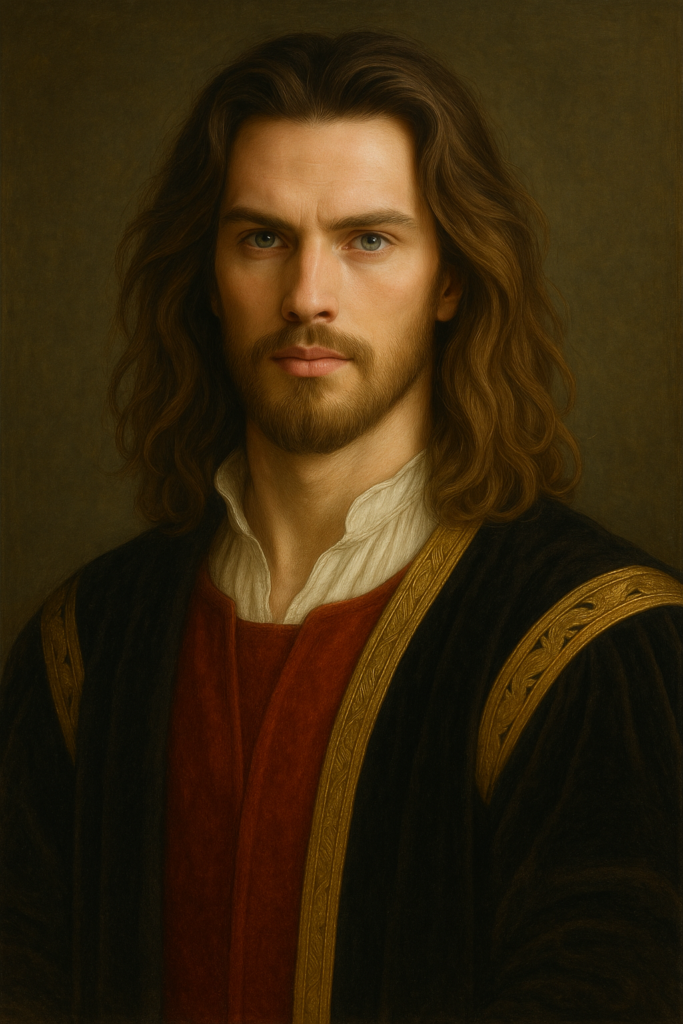
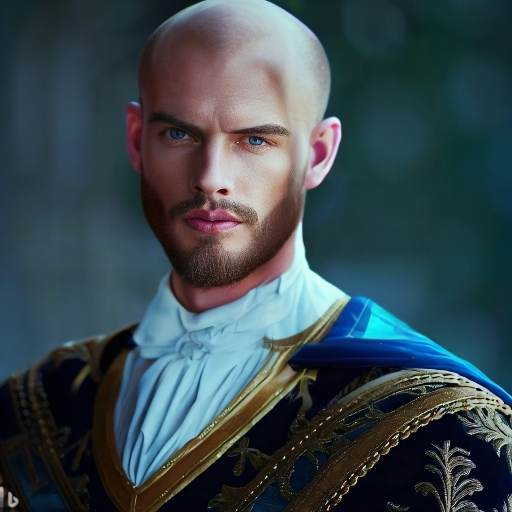
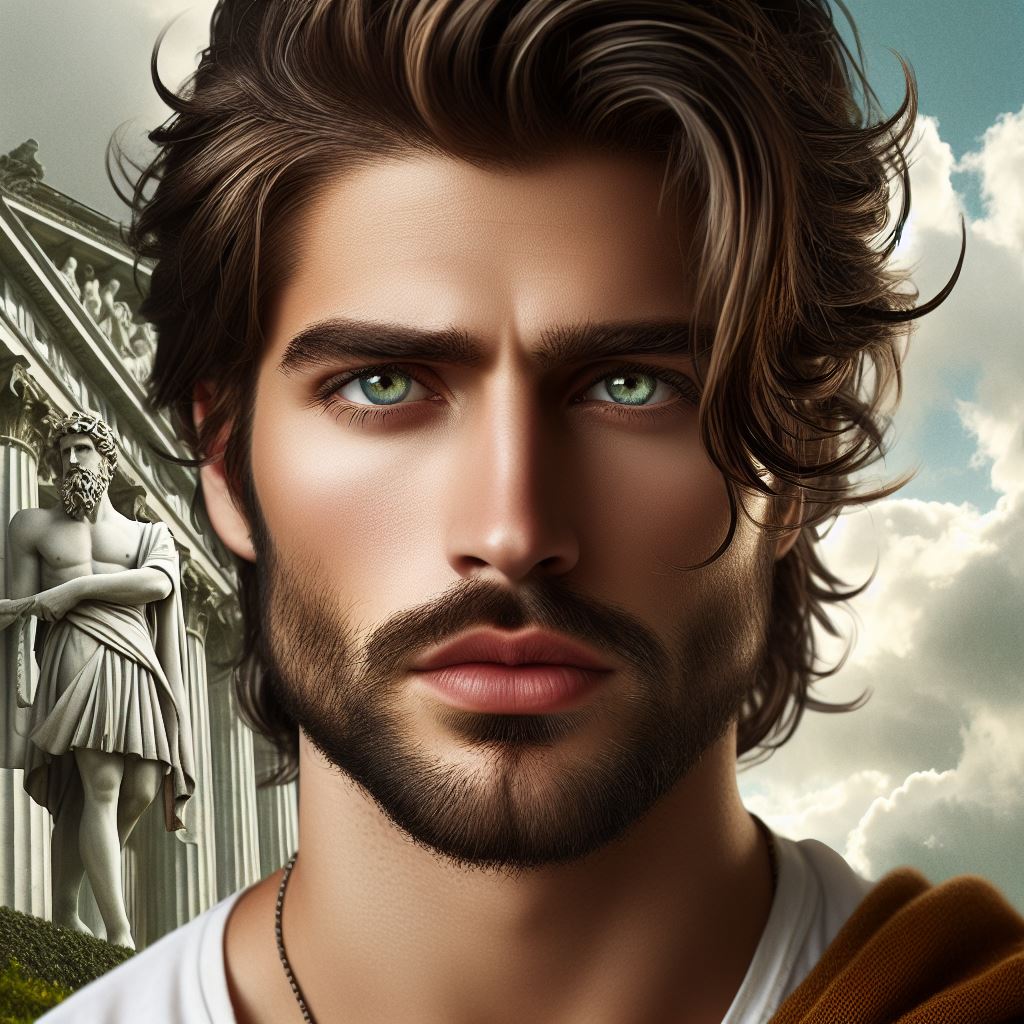
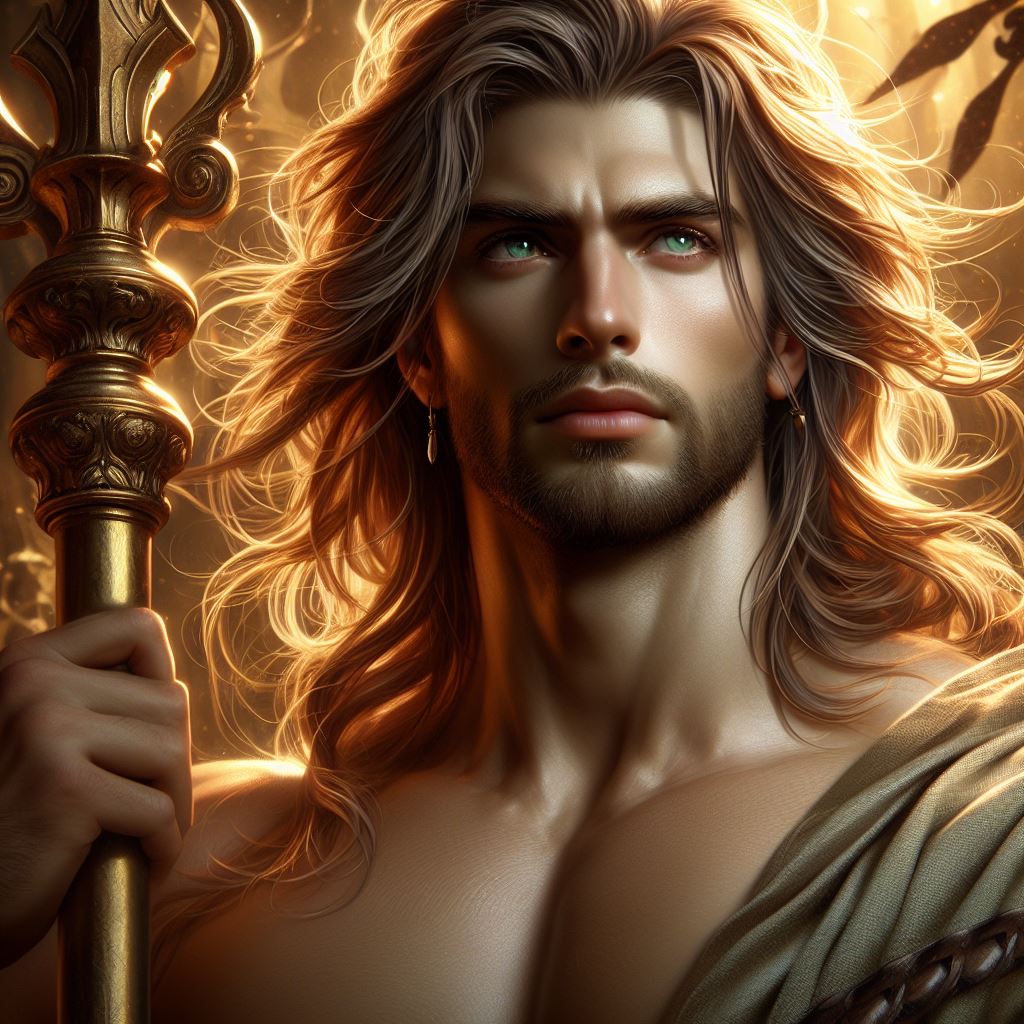
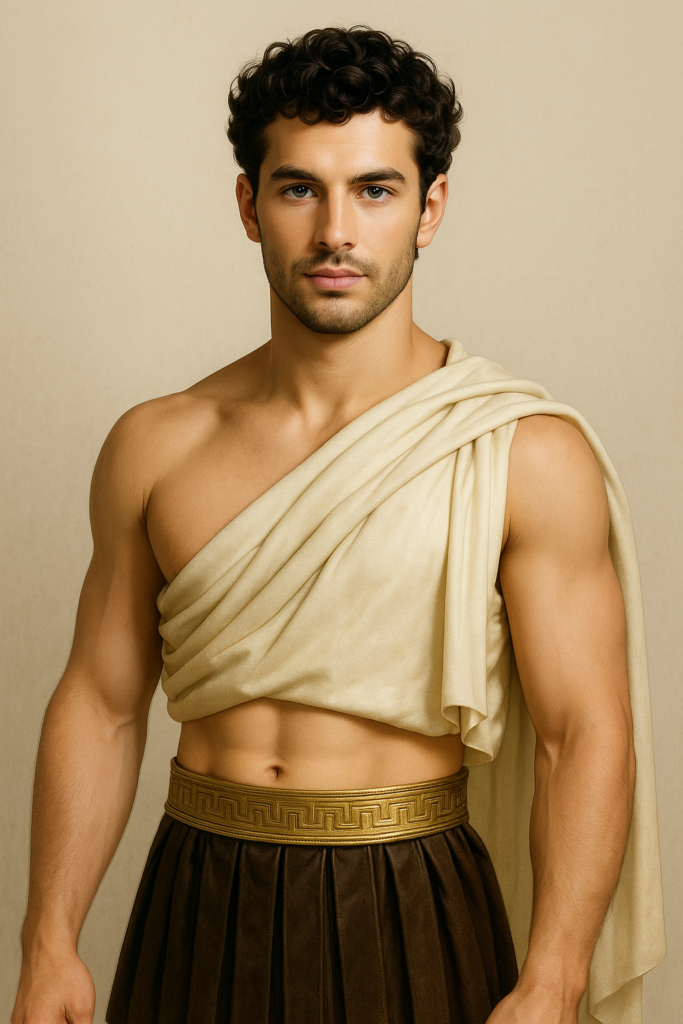
Face Transformation of Achilles from Young age to Old age

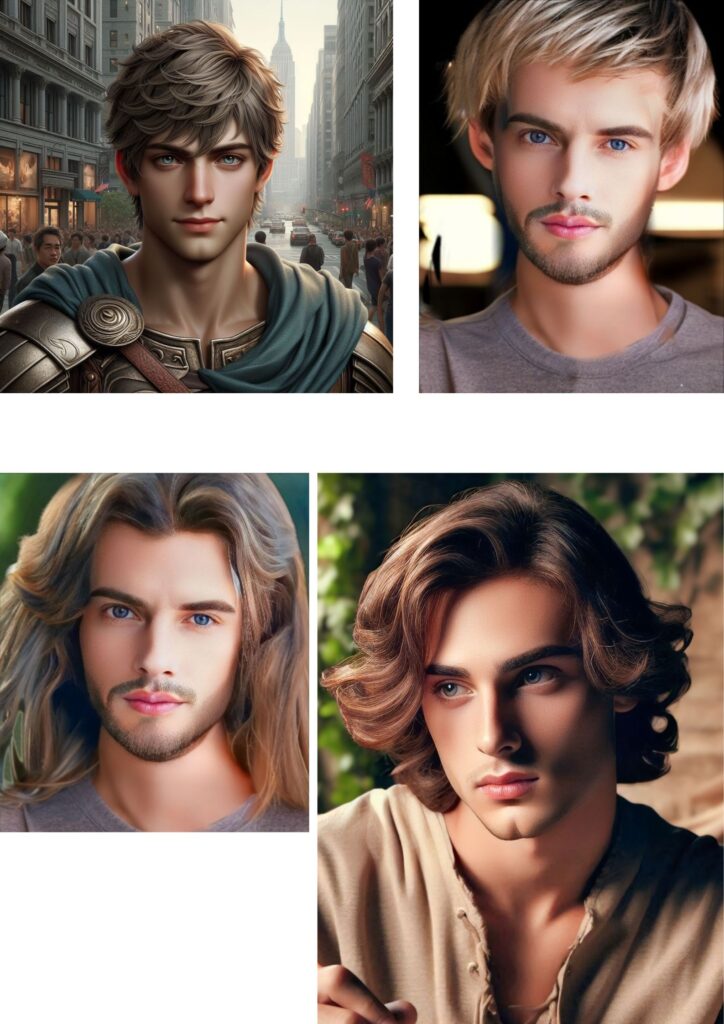
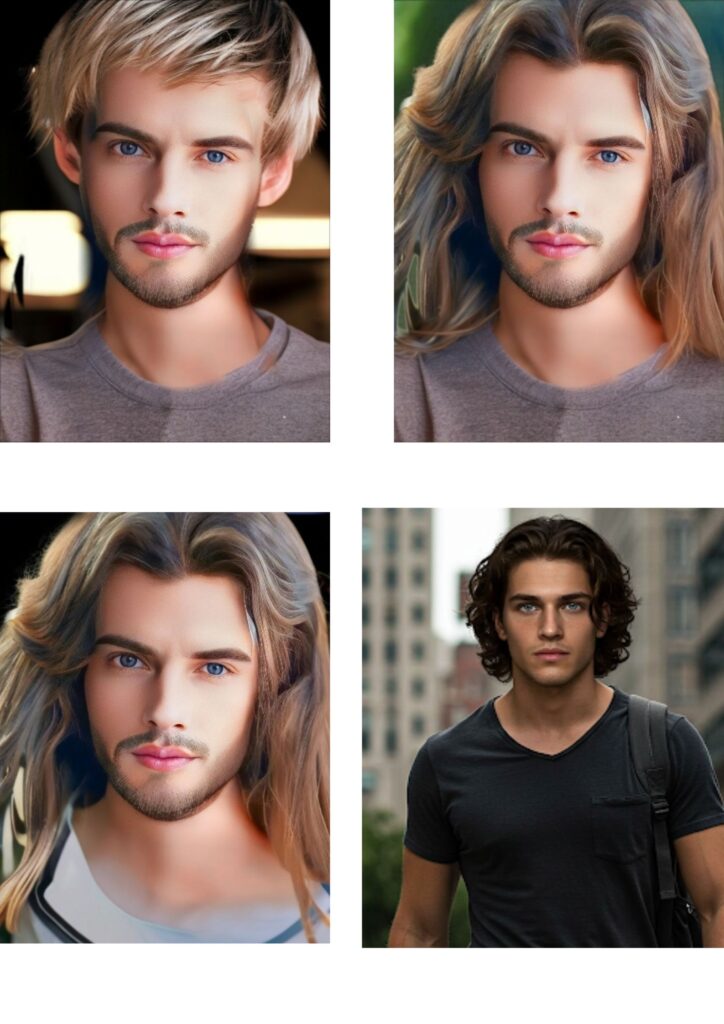
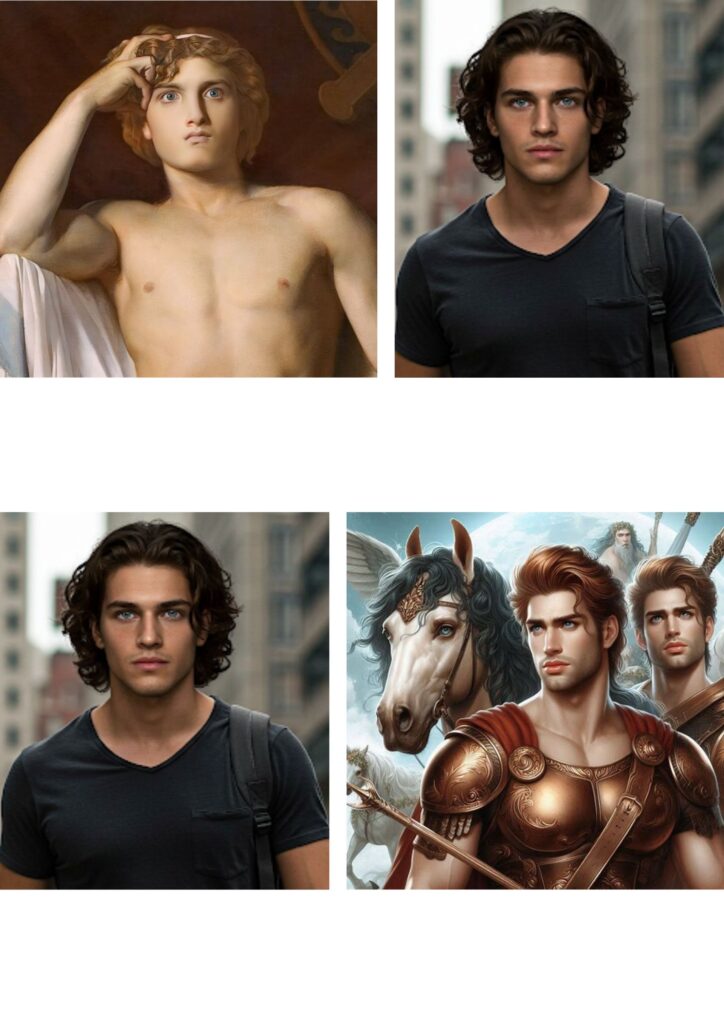
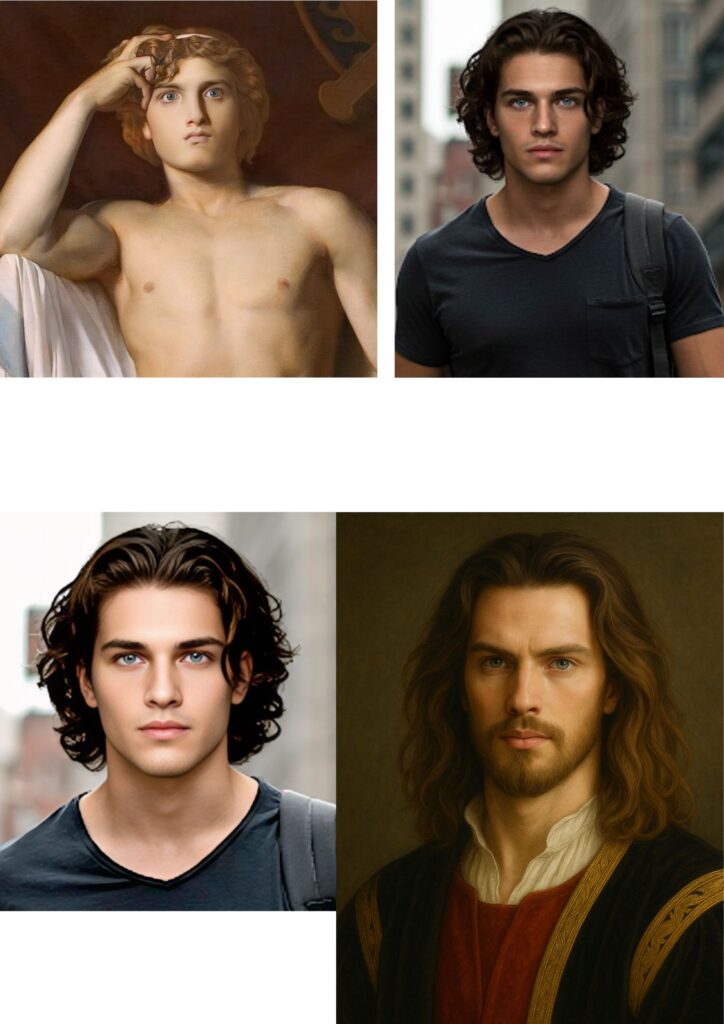
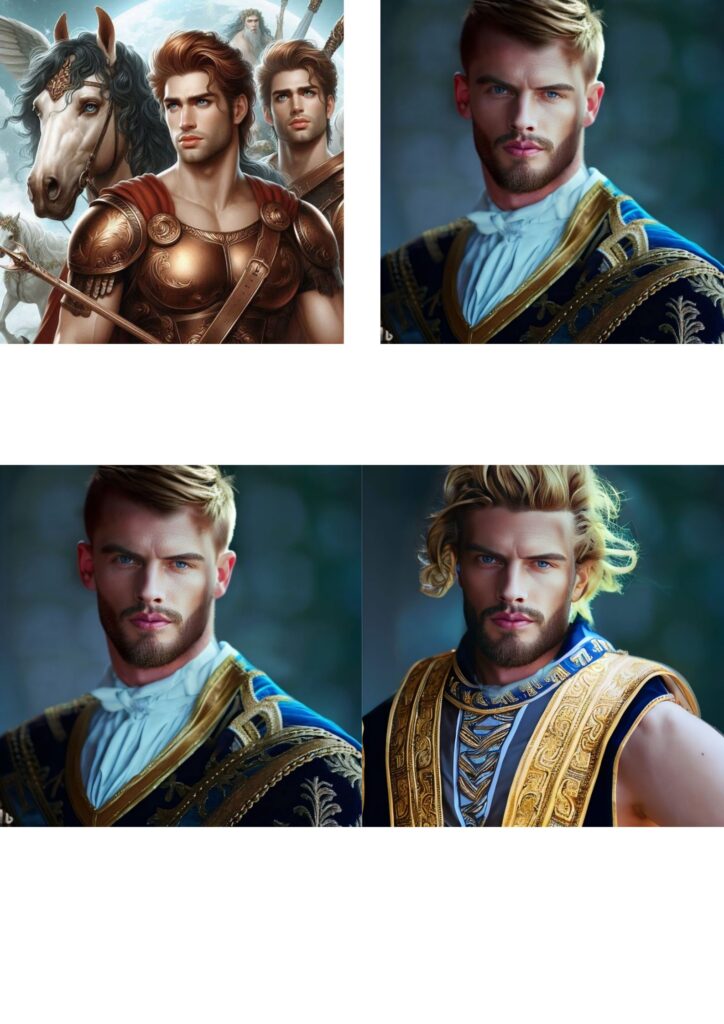
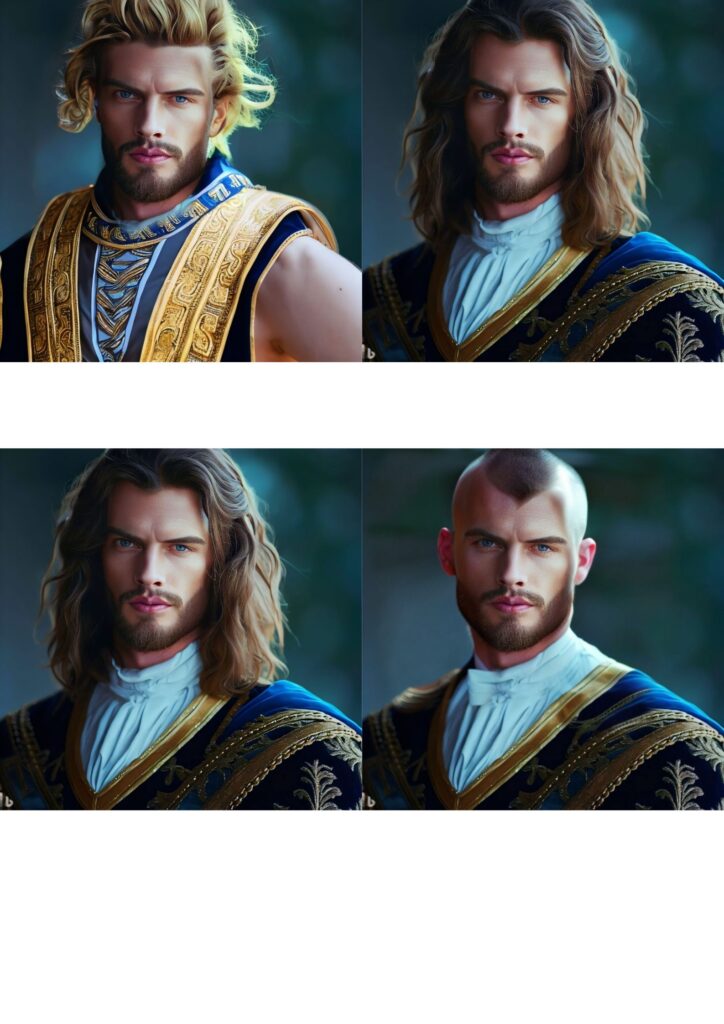
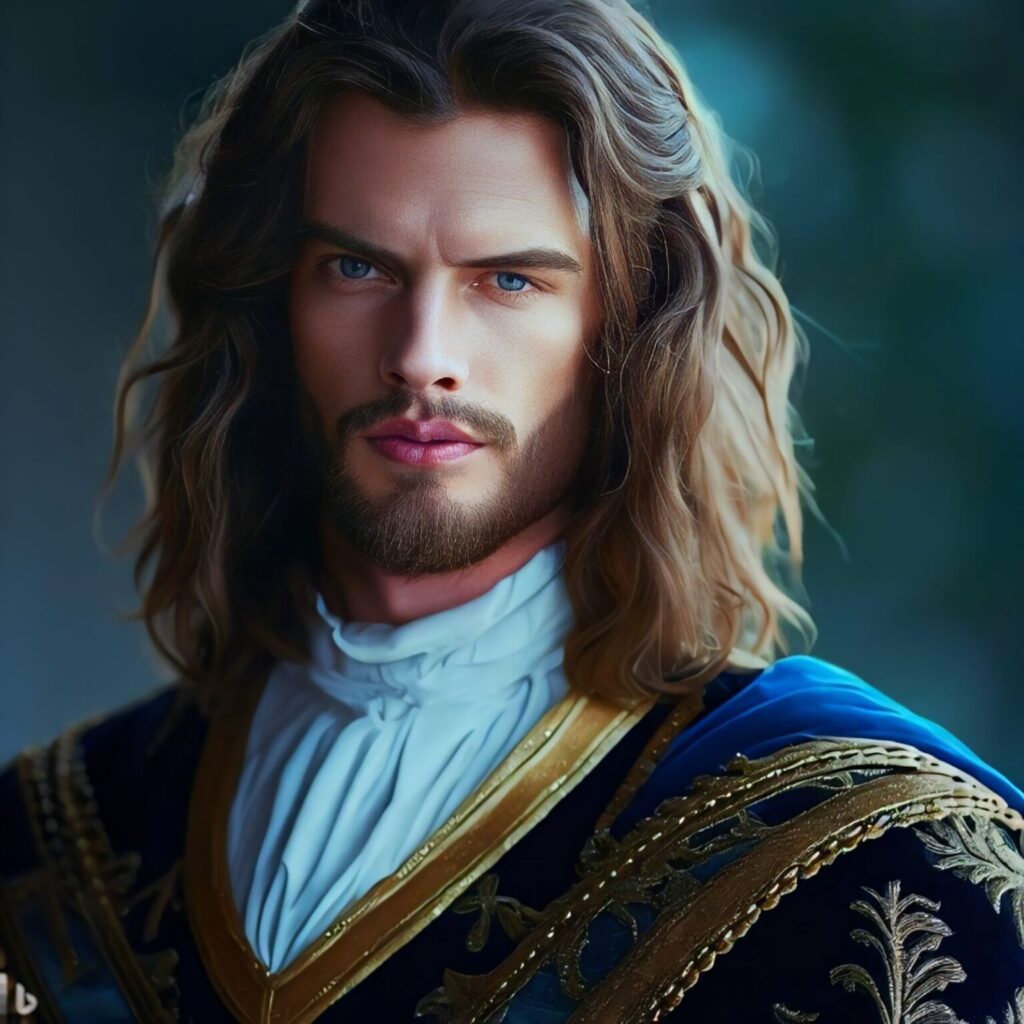
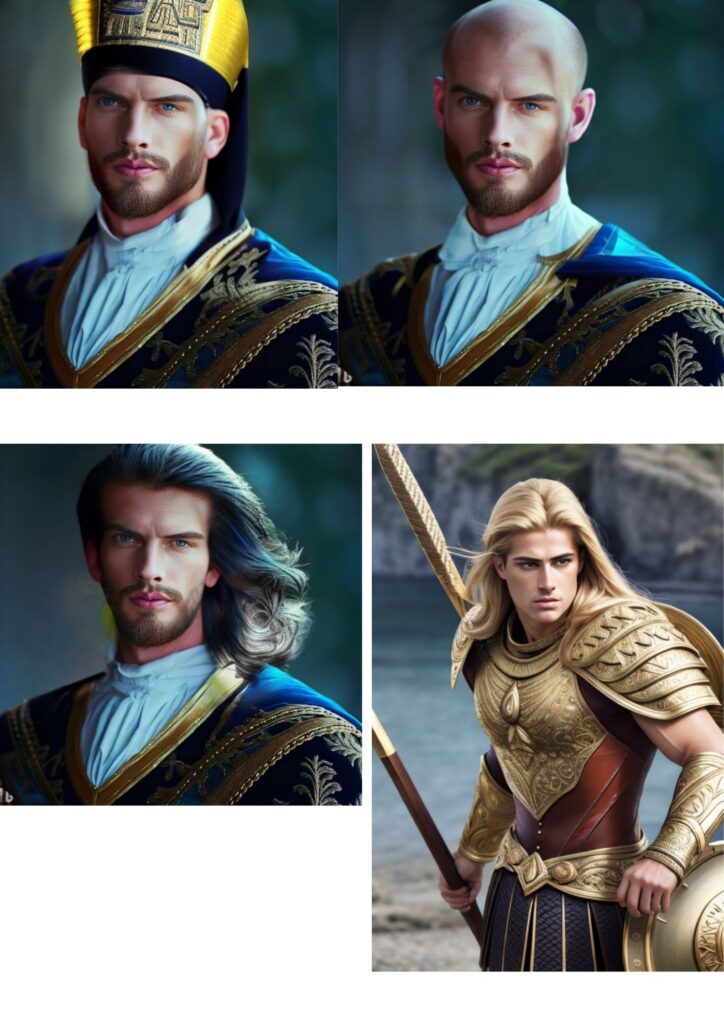
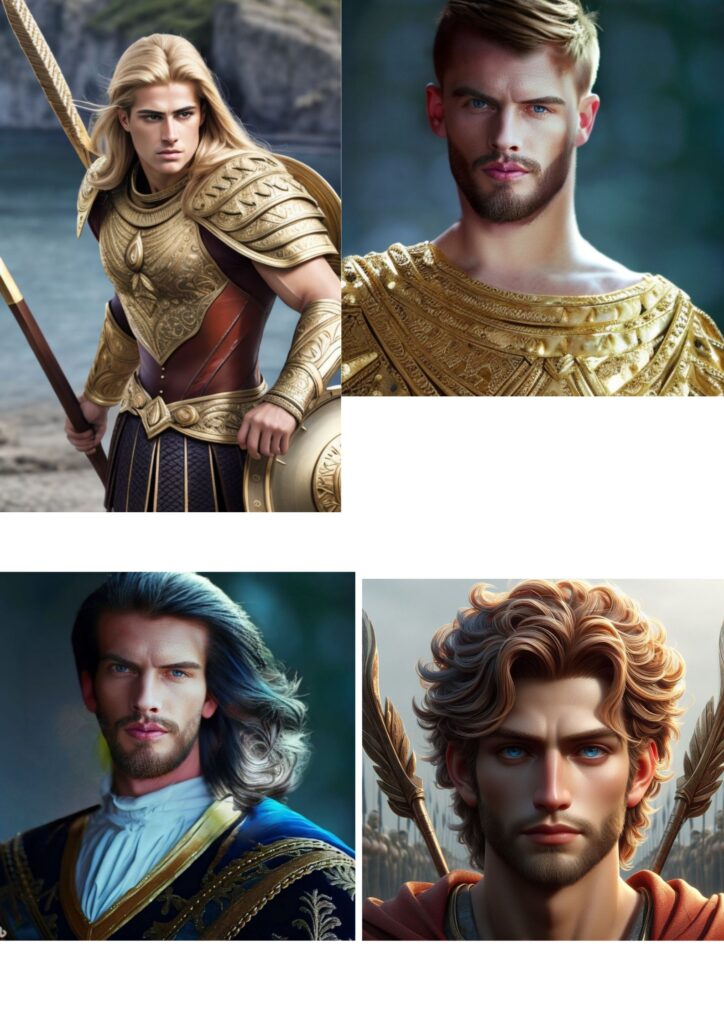
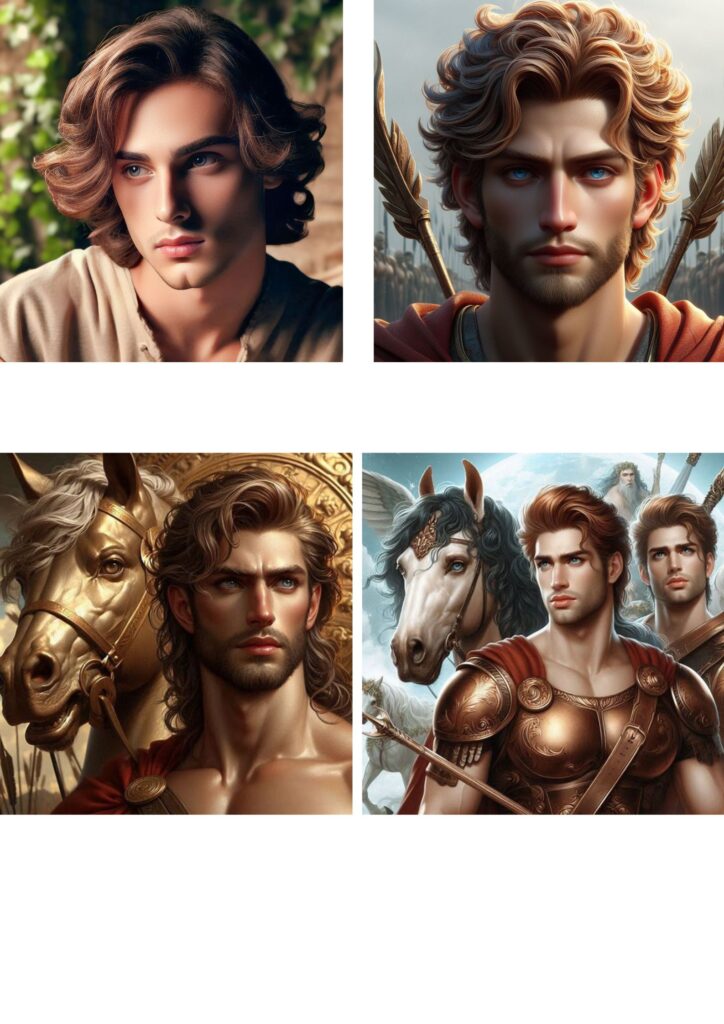
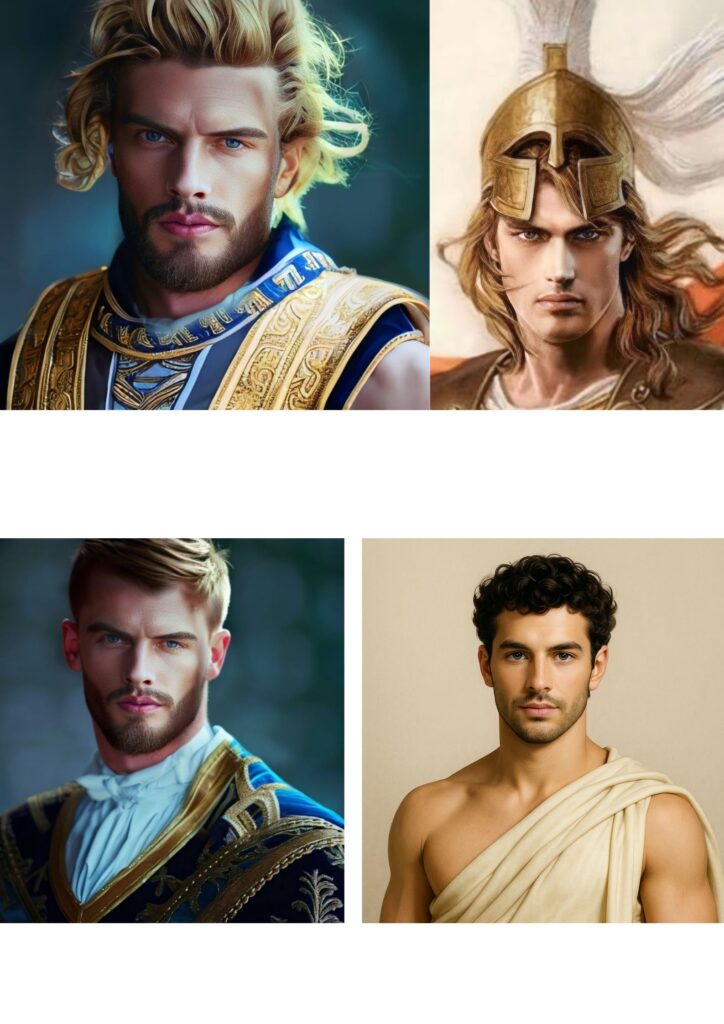
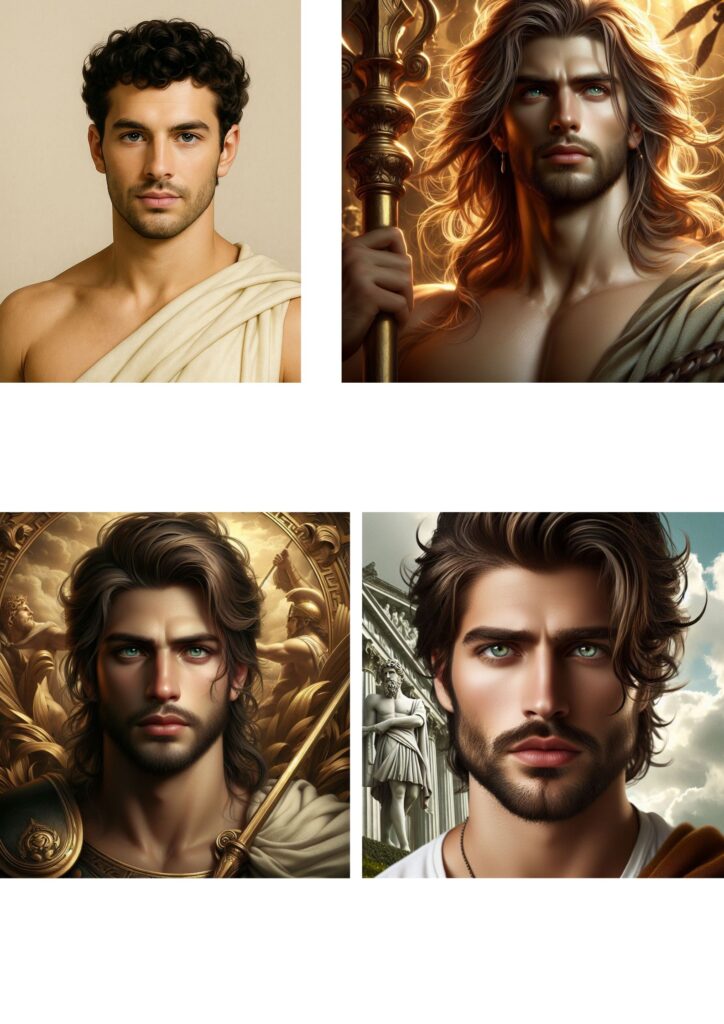
Serpent Symbolism and the Trojan Mystery
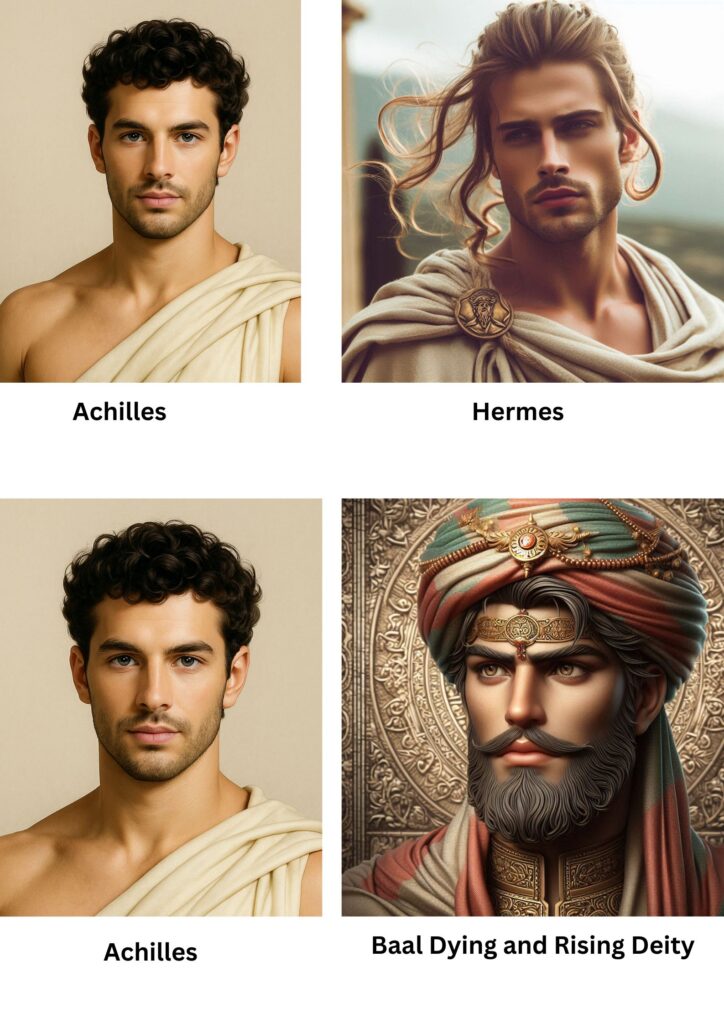
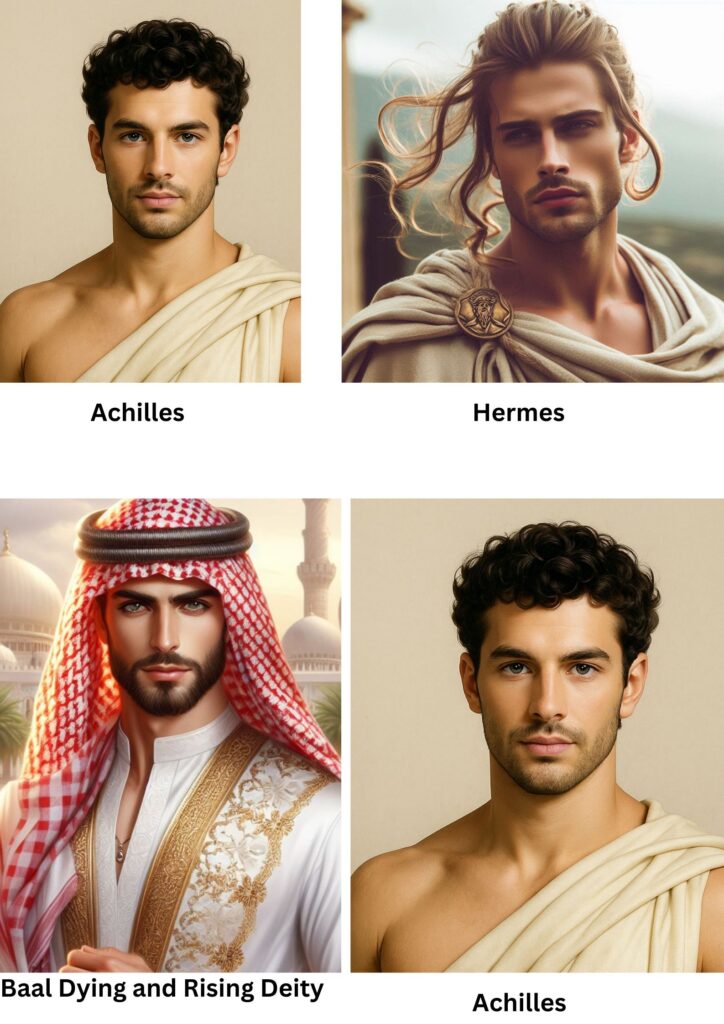
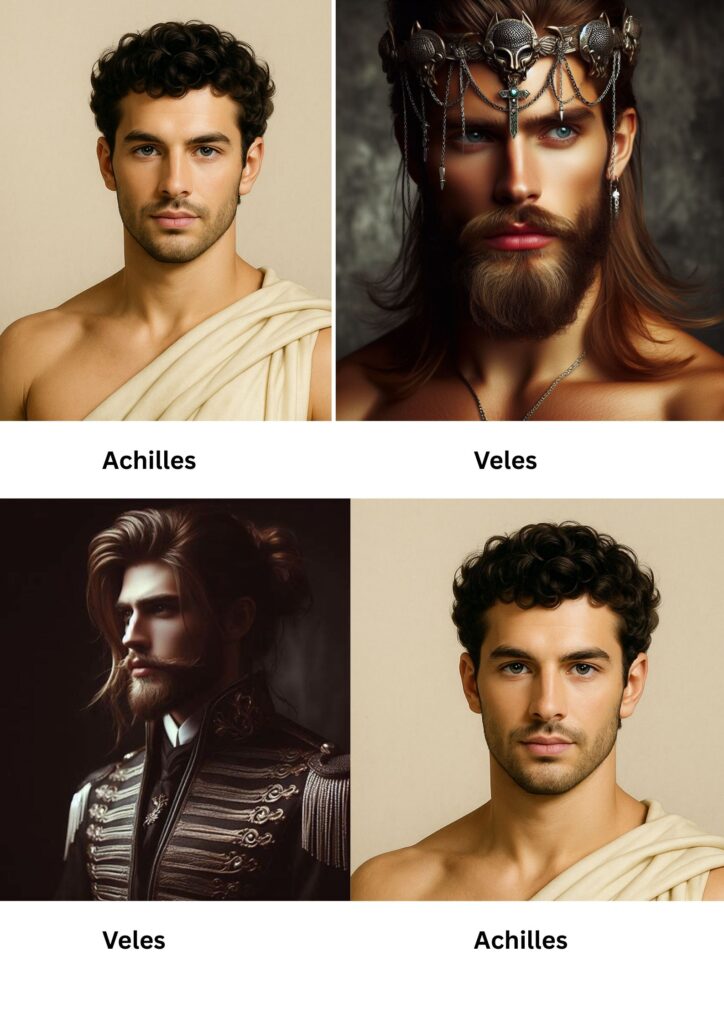
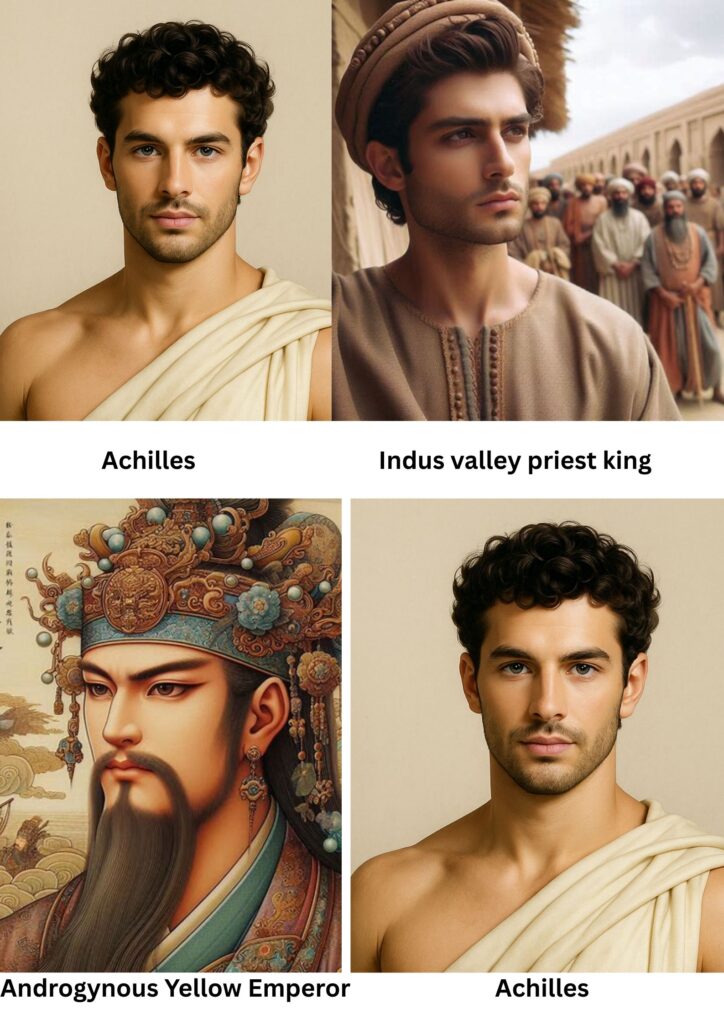
as we saw As per dogon Myths, Ogotomeli said that For Androgynous Nummo, Rebirth is like shading skin like a Serpent, As well as as per Ancient beliefs, Serpent Symbol is always related to Soul, Rebirth Spirituality. And There are Mentioned of presence of Snakes in Trojan war, So if we killed Snake, more over some months our near by people will sing songs of our bravery but then why historian Will give that snake related war so much historical importance to write books etc. And remember it for 1000 years later, So possibly that war Could be related to the Soul, and Since Presence of Soul Could be Prove only By this Androgynous Dying and Rising Authority Soul, if his Historical presence we consider True for a while, So Snake related Spiritual war means possibly any Spiritual Principles concept also could be teach by this Androgynous dying and Rising Authority only, as his face remains the same in Every Birth as per Bhagvad – Gita Verse 4.6, And Achilles Was consider the Hero of This Snake and Centaur Related Possible Spiritual war, So Was Achilles also and Dying and Rising authority ? As his face Match with possible births of this Androgynous Dying and Rising authority,
Serpent symbolism appears repeatedly throughout world mythology. In many traditions, serpents are associated with transformation, rebirth, wisdom, catastrophe, and spiritual knowledge.
The Dogon traditions of Africa describe rebirth as comparable to a serpent shedding its skin. Similar symbolic themes appear throughout Greece, Mesopotamia, India, and Mesoamerica.
Because serpent imagery frequently appears alongside civilization founders, divine teachers, and legendary heroes, an intriguing question emerges:
Could ancient serpent myths preserve symbolic memories connected to renewal, survival, and the transmission of sacred knowledge across generations?
Within the Eternal Authority Hypothesis, Achilles becomes another figure worthy of examination due to his role in one of history’s most influential mythological traditions.
Whether these similarities represent coincidence, archetypal symbolism, or fragments of a forgotten tradition remains unresolved.
Lets Test Hypothesis
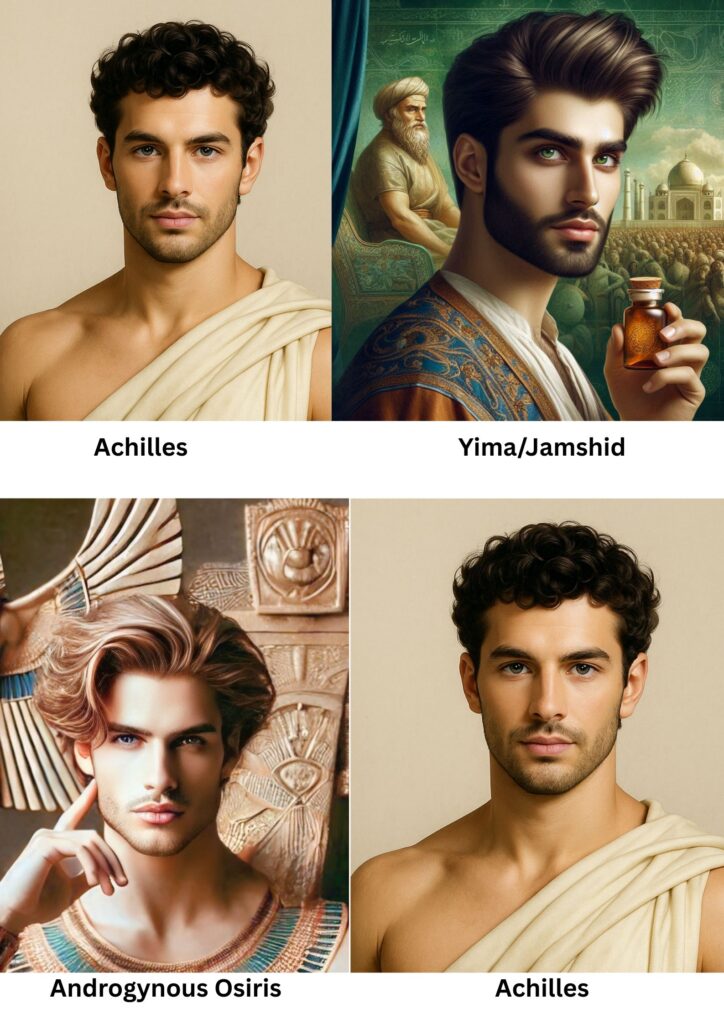
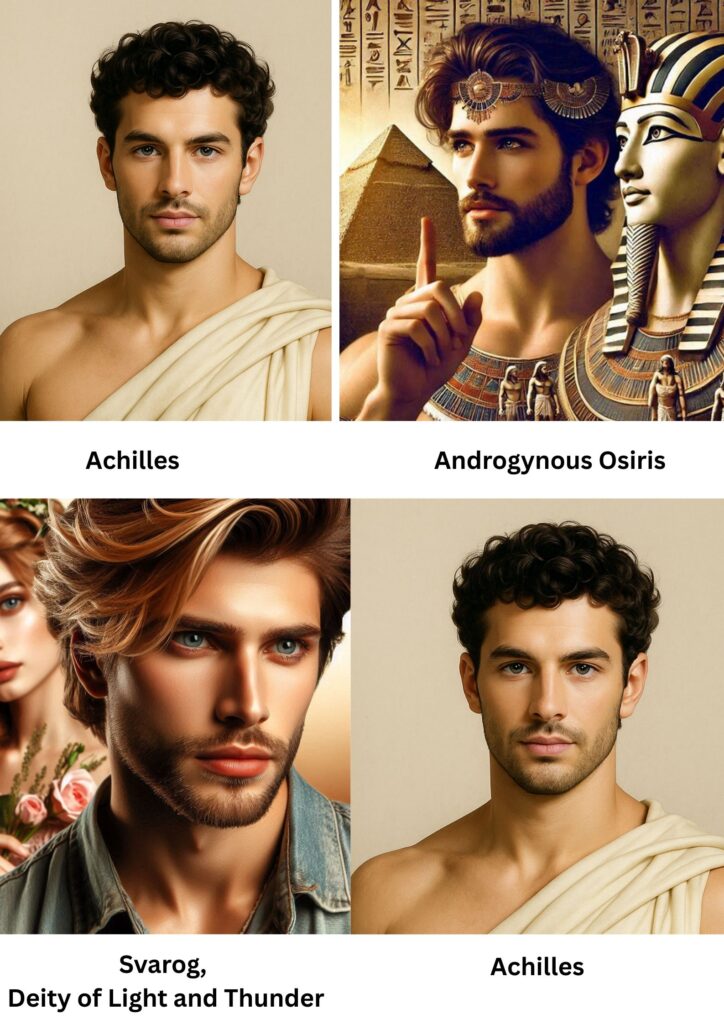
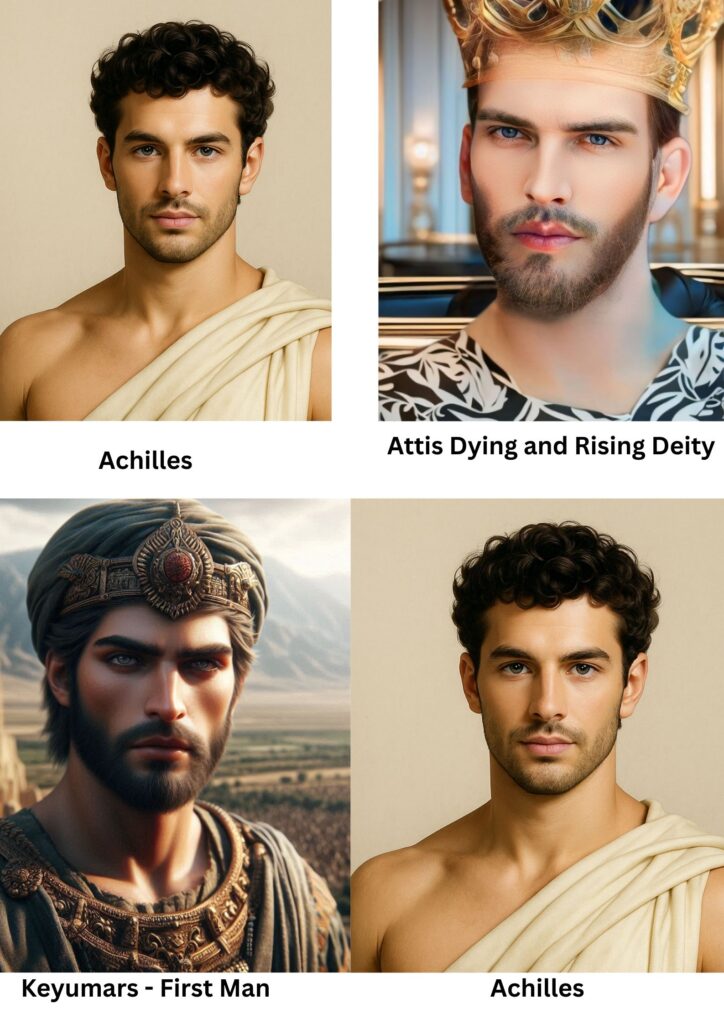
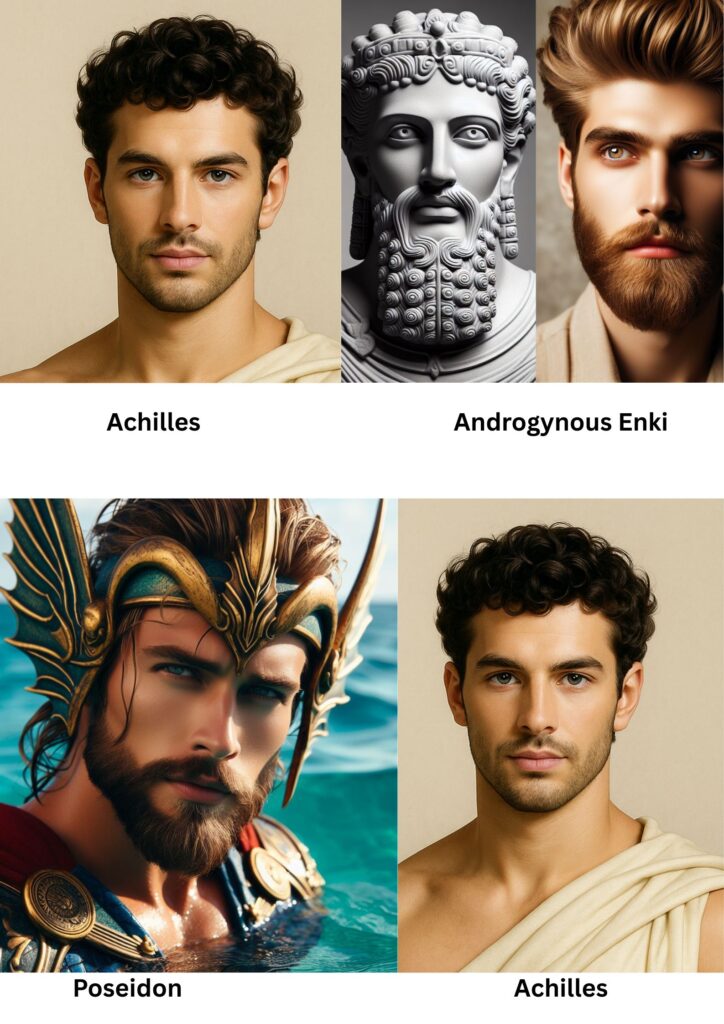

Helen Of Troy
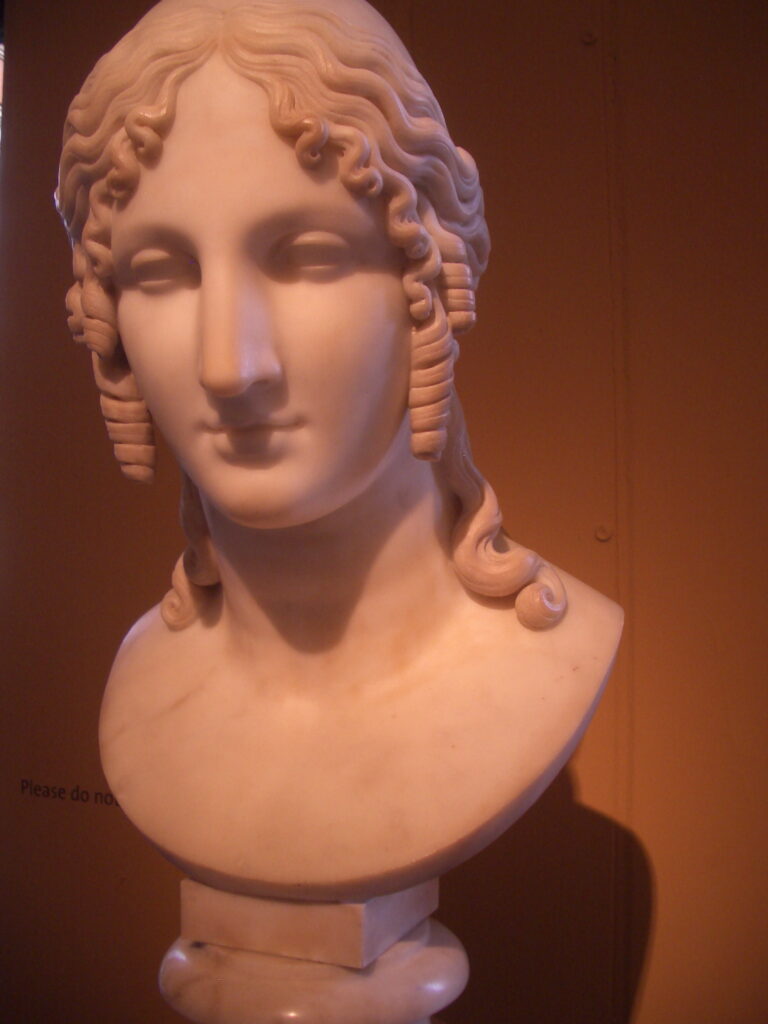
Credit- dullhunk CC
Face Reconstruction of Helen by Ancient Nations
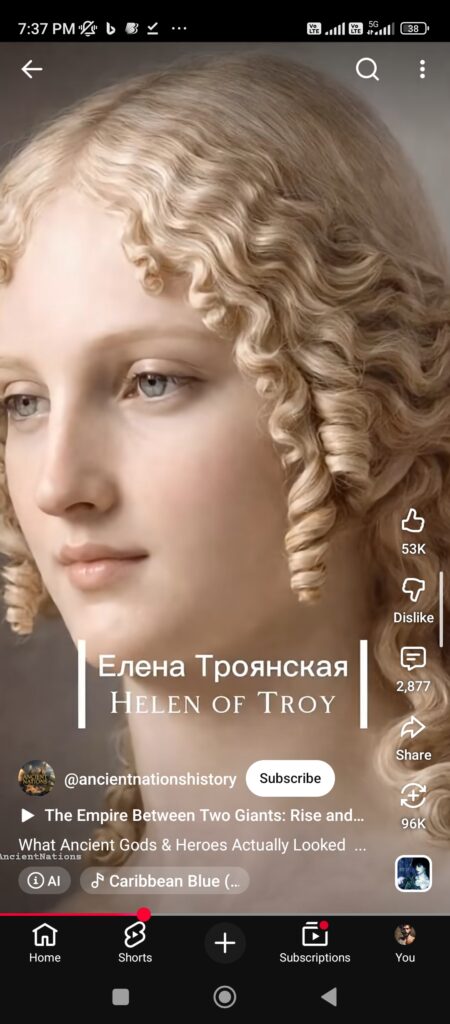
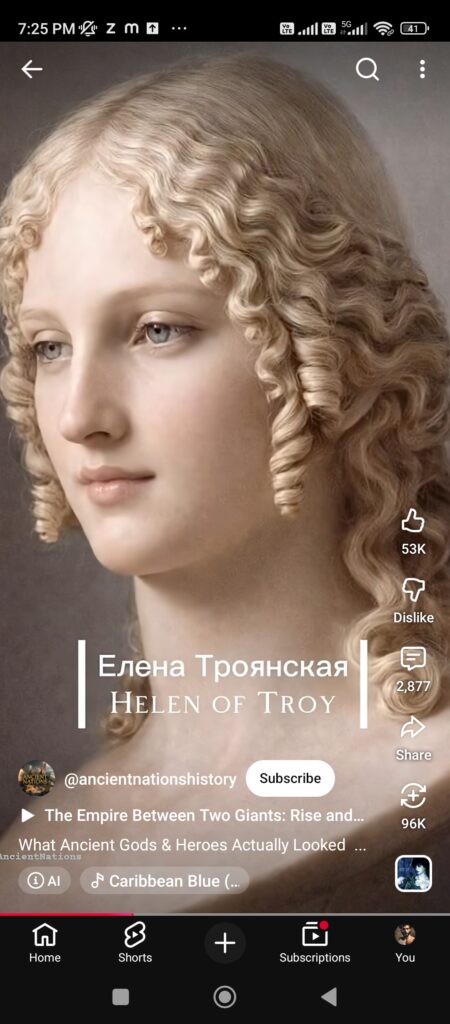
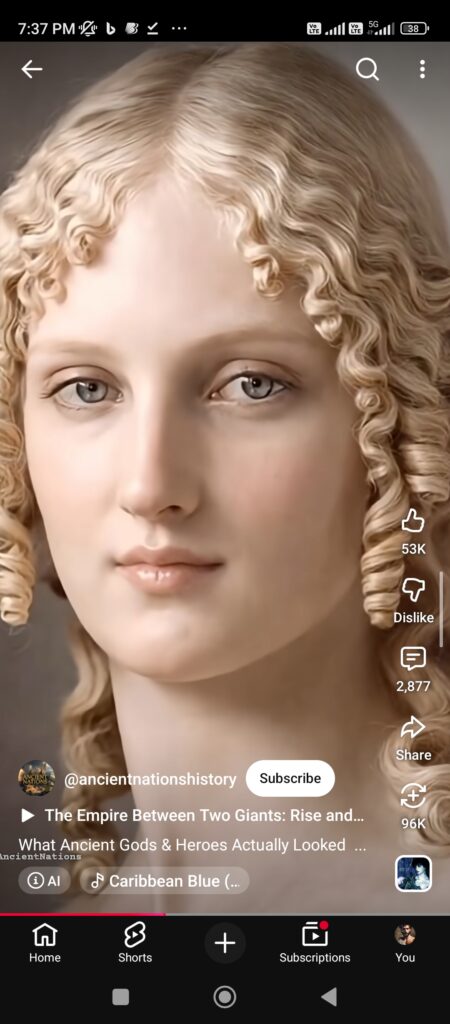
Face Comparison of Helen with Androgynous Dying and Rising authority Soulmate Consort
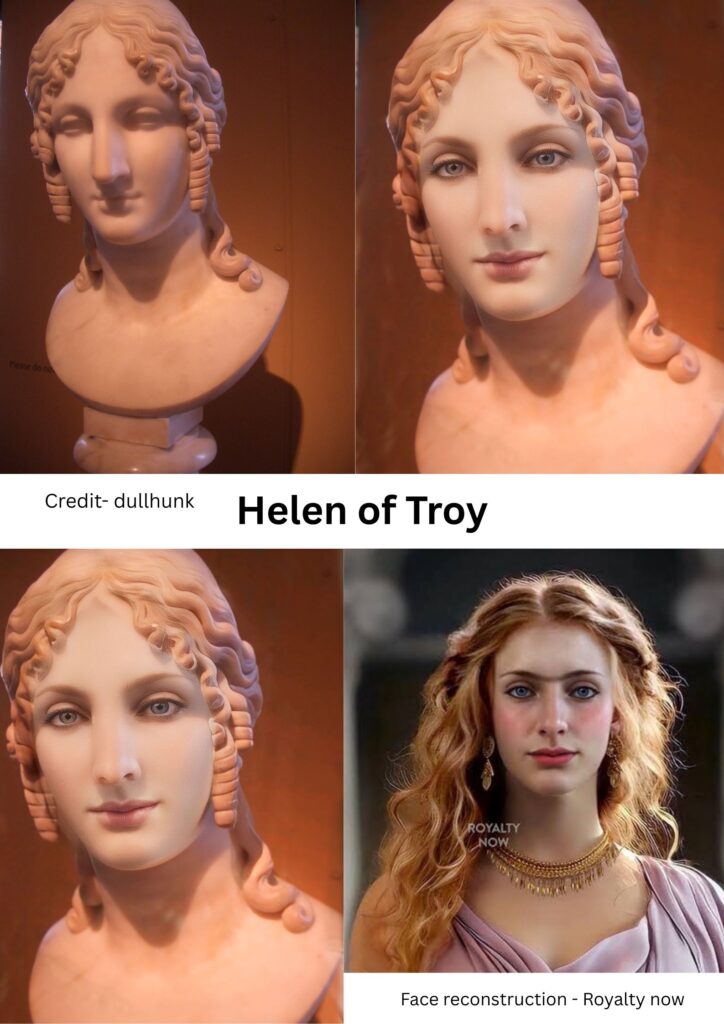
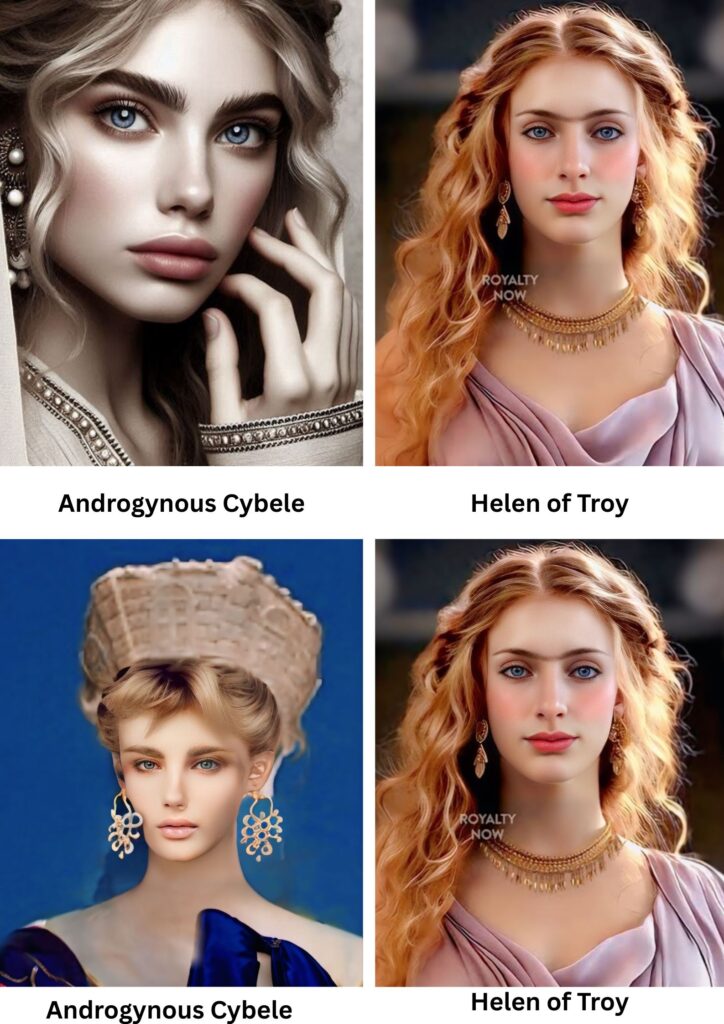
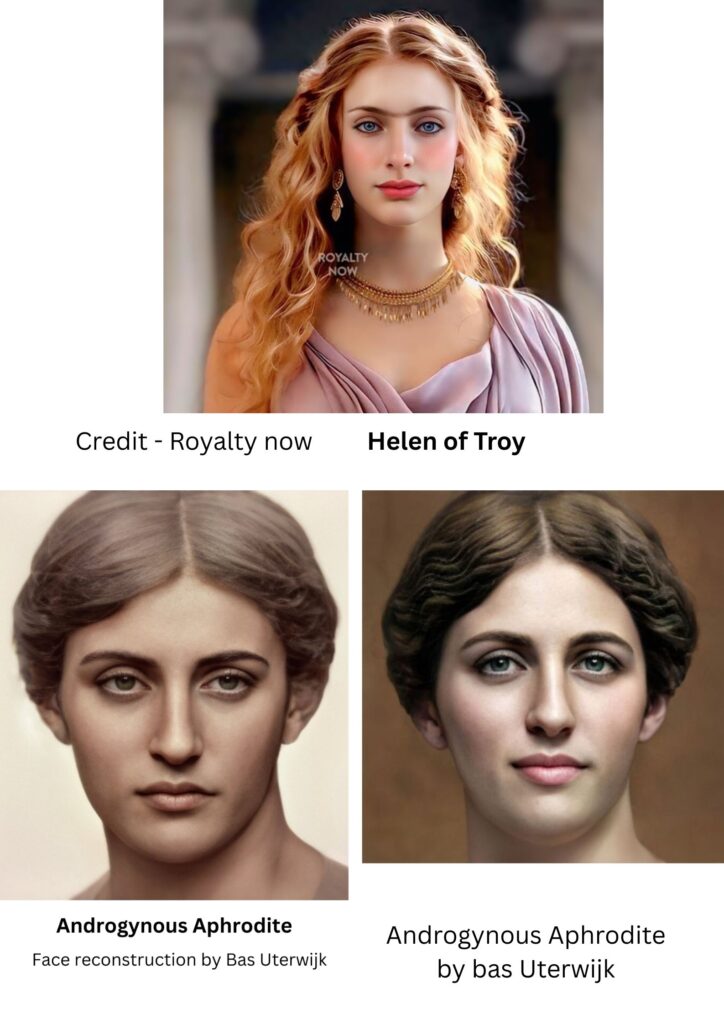
Unsolved Mystery – Achilles, the legendary hero of the Trojan War, displays facial similarities to other figures examined throughout the Eternal Authority Hypothesis. Likewise, Helen of Troy appears to share certain visual similarities with figures such as Cybele and Aphrodite, who are associated with the consort traditions examined elsewhere in the timeline.
Could these similarities represent coincidence, artistic convention, recurring archetypes, or evidence of a deeper forgotten tradition? The answer remains an unsolved mystery.
Conclusion
Across India, Greece, Pakistan, and other ancient cultures, recurring symbols of thunder gods, serpent adversaries, civilization founders, and sacred authority continue to appear. Whether these patterns reflect shared mythology, cultural transmission, or fragments of a forgotten historical memory remains an open question.
From Parashurama and Indra to the Kalash traditions and Achilles, ancient cultures continued to preserve recurring symbols and themes:
- Storm deities and thunder gods
- Serpent symbolism
- Warrior-protectors
- Civilization restoration
- Divine legitimacy
- Survival after catastrophe
Across different regions and centuries, these motifs appear again and again, often attached to founders, heroes, and sacred authorities.
Whether these parallels emerged independently or preserve memories of a much older shared tradition remains one of the central questions explored throughout the Closed Mouth Mysteries Timeline.
As the investigation continues, additional figures, symbols, and forgotten traditions will be examined in the search for patterns hidden within humanity’s oldest stories.