
Era of Divine Kings, Justice Deities, and Sacred Dynasties
As Bronze Age civilizations transformed and new kingdoms emerged across Greece, China, the Mediterranean, and the Americas, traditions concerning divine rulers, civilization founders, justice-bringers, and heavenly authorities continued to develop.
Many ancient cultures preserved stories of immortal heroes, rulers of heaven, dying-and-rising deities, and sacred founders who were believed to guide humanity through periods of change and uncertainty.
Part 15 explores Dionysus, Ares, Apollo, Perseus, the Jade Emperor, and early civilizations of the ancient world through the framework of the Eternal Authority Hypothesis.
Can recurring themes such as heavenly kingship, justice, resurrection, divine rulership, and dynasty-building reveal fragments of a deeper forgotten tradition remembered across multiple civilizations?
The investigation continues.
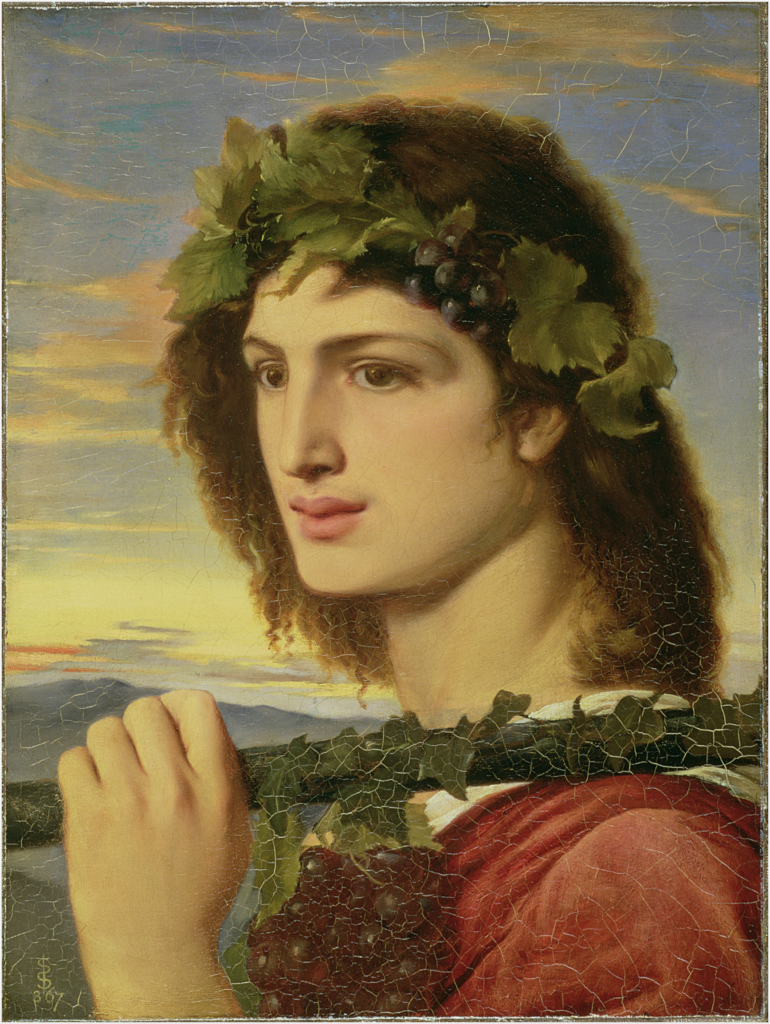
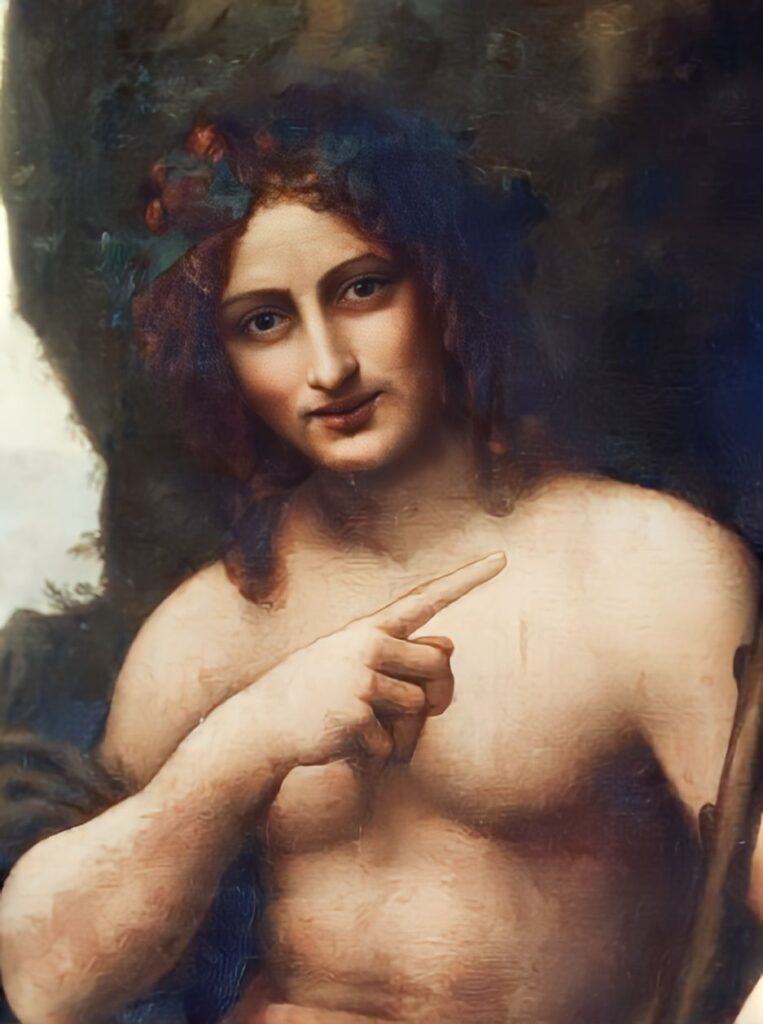
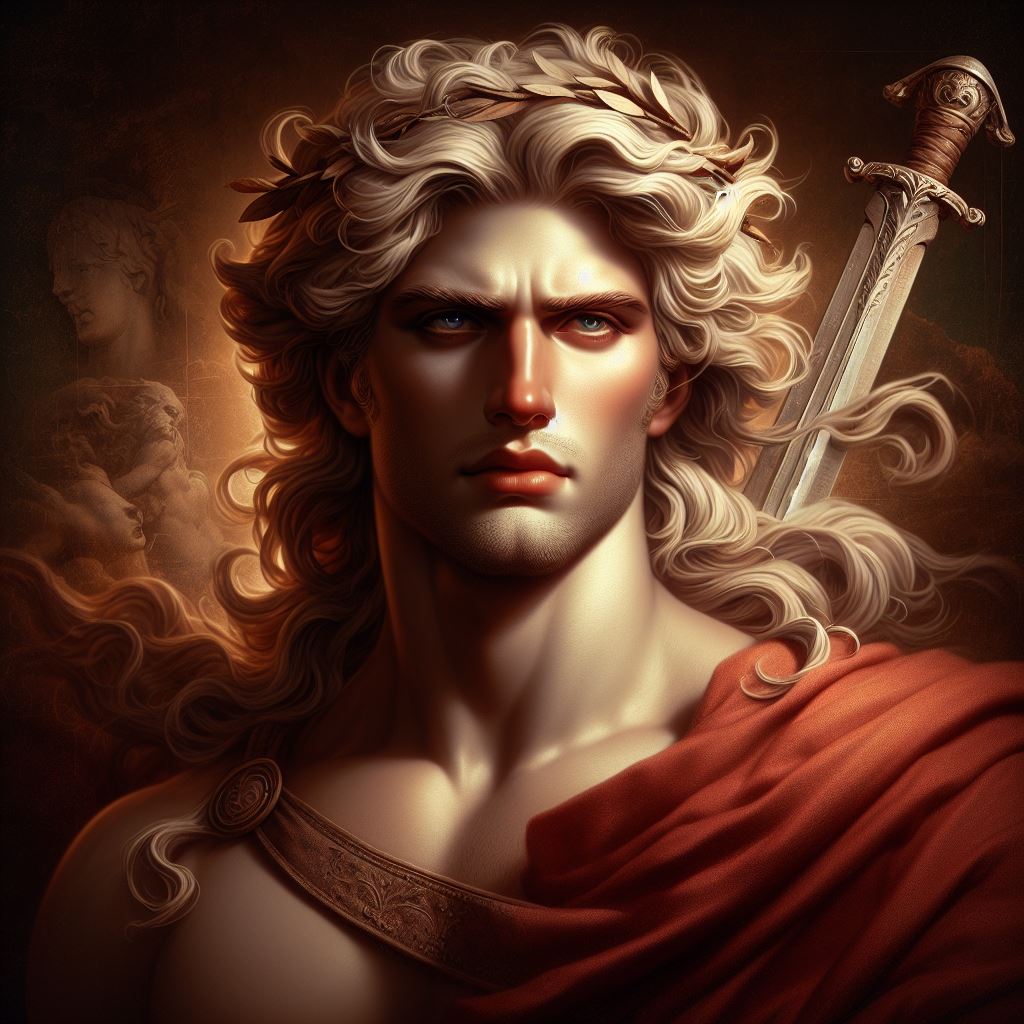
Androgynous Dionysus Dying and Rising Deity
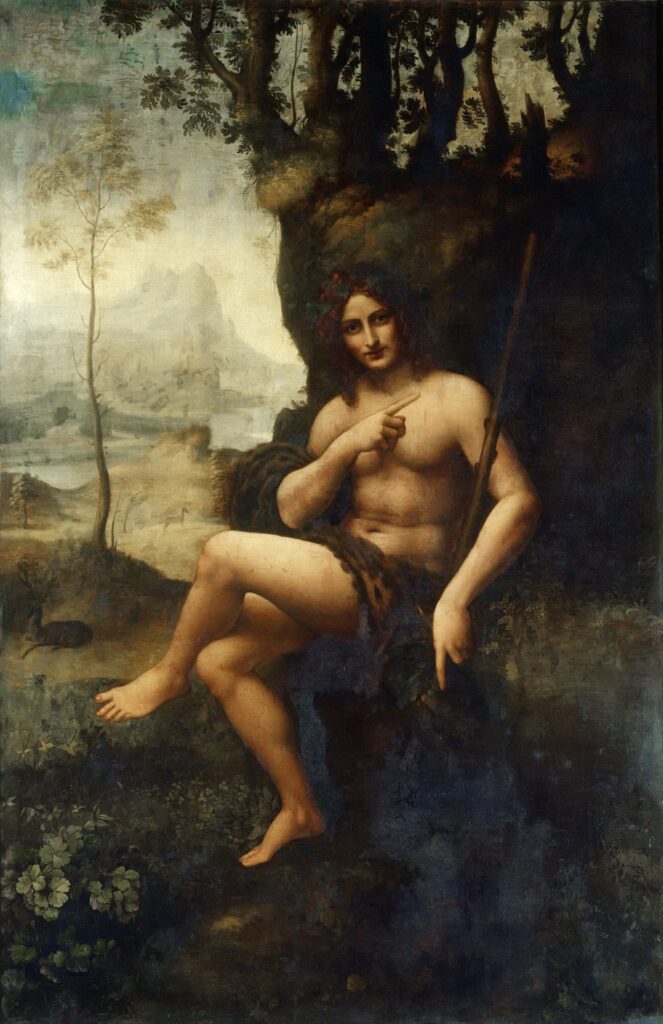
Androgynous Dionysus painting by Leonardo da Vinci
Around the events of his multiple births. These include the first-century BC Bibliotheca Historica by the Greek historian Diodorus, which describes the birth and deeds of the three incarnations of Dionysus;
● a brief birth narrative by the first-century AD Roman author Hyginus that describes the double birth of Dionysus;
● and a longer account in the form of the Greek poet Nonno’s epic Dionysiaca, which deals with three incarnations of Dionysus similar to Diodorus’ account.
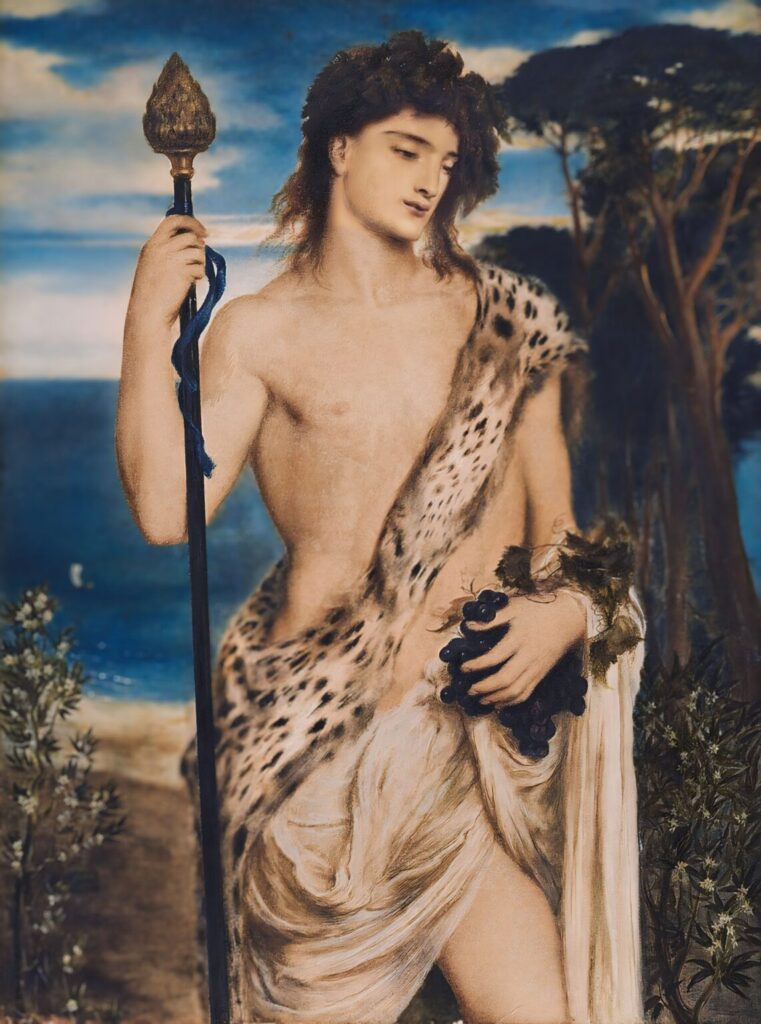
painting of Dionysus
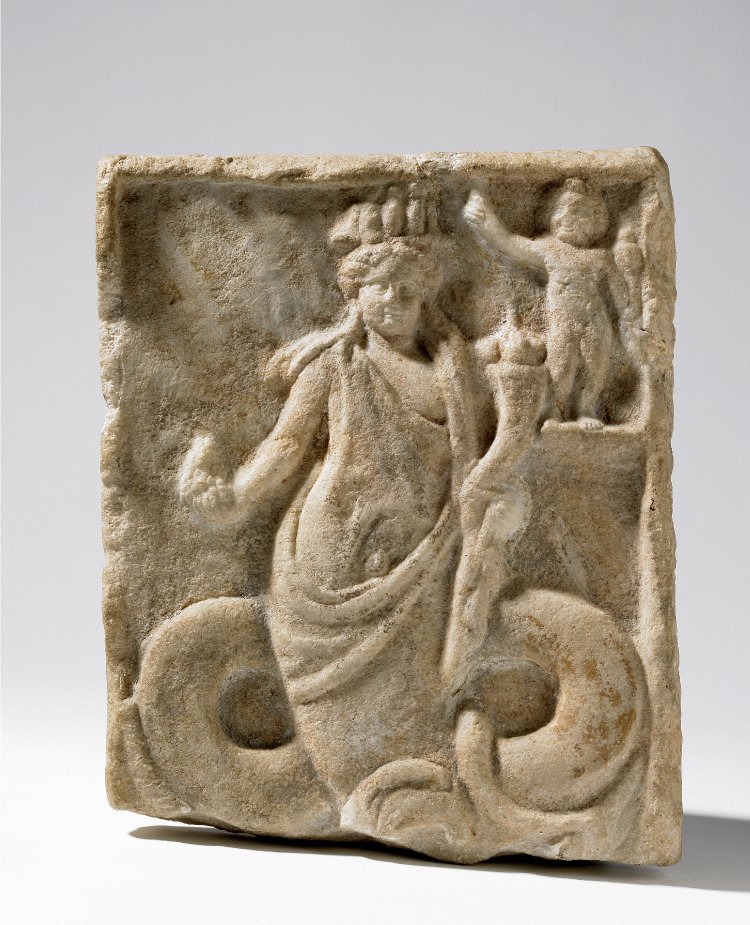
The Trustees of the British Museum CC BY SA 4.0
Roman marble relief (first century AD) from Naukratis showing the Greek Deity Dionysus, snake-bodied and wearing an Egyptian crown.
Androgynous Dionysus Dying and Rising Deity vs Androgynous Osiris Dying and rising Deity
In the Greek interpretation of the Egyptian pantheon, Dionysus was often identified with Osiris. The stories of the dismemberment of Osiris and the reassembly and resurrection of Isis closely parallel those of the Orphic Dionysus and Demeter. According to Diodorus Siculus, the two deities were already syncretized as a single deity known as Dionysos-Osiris in the fifth century BC.
The most notable record of this belief is found in Herodotus’ “Histories.”
Plutarch also described his belief that Osiris and Dionysus were identical, stating that anyone familiar with the secret rituals associated with the two deities would have recognized the obvious parallels,
and that their shattering myths and related public symbols were sufficient to further evidence that about the same Androgynous deity worshiped by two different cultures.

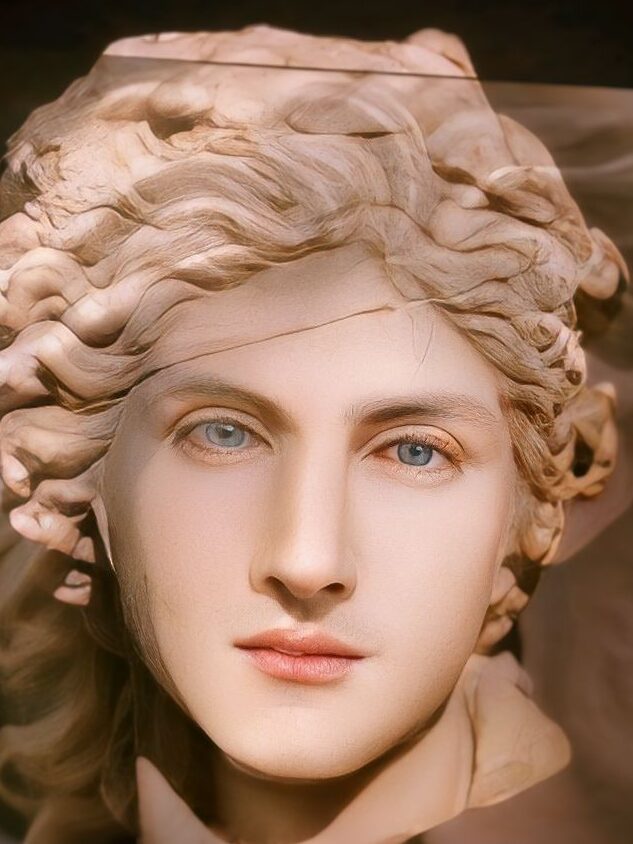
Face Comparison of Dionysus with other possible birth of Androgynous dying and Rising authority
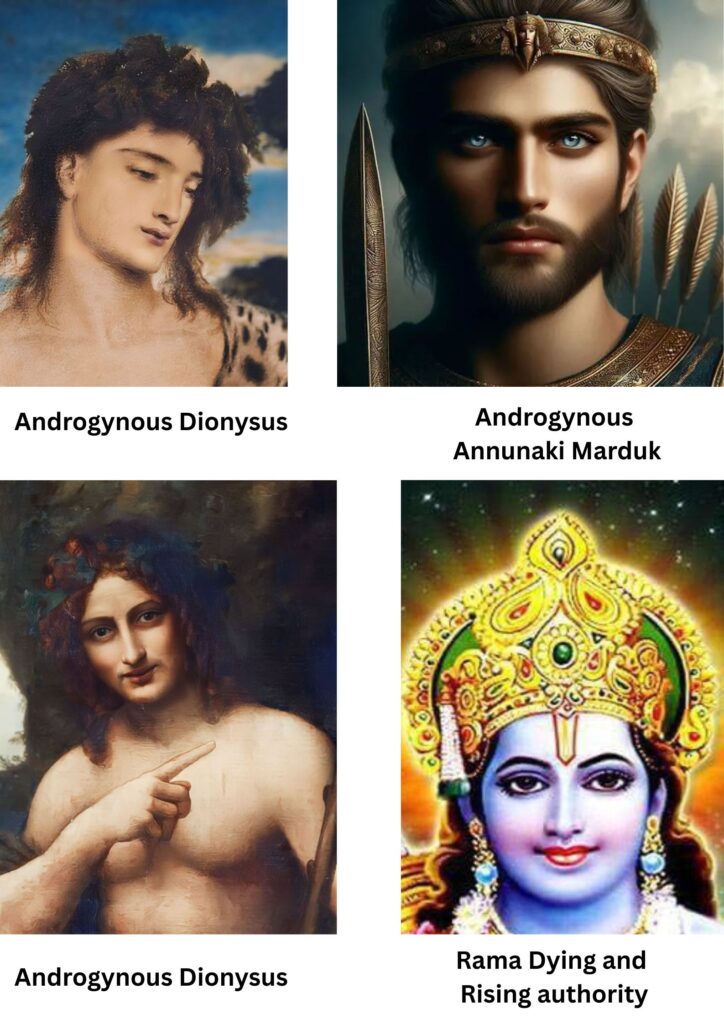
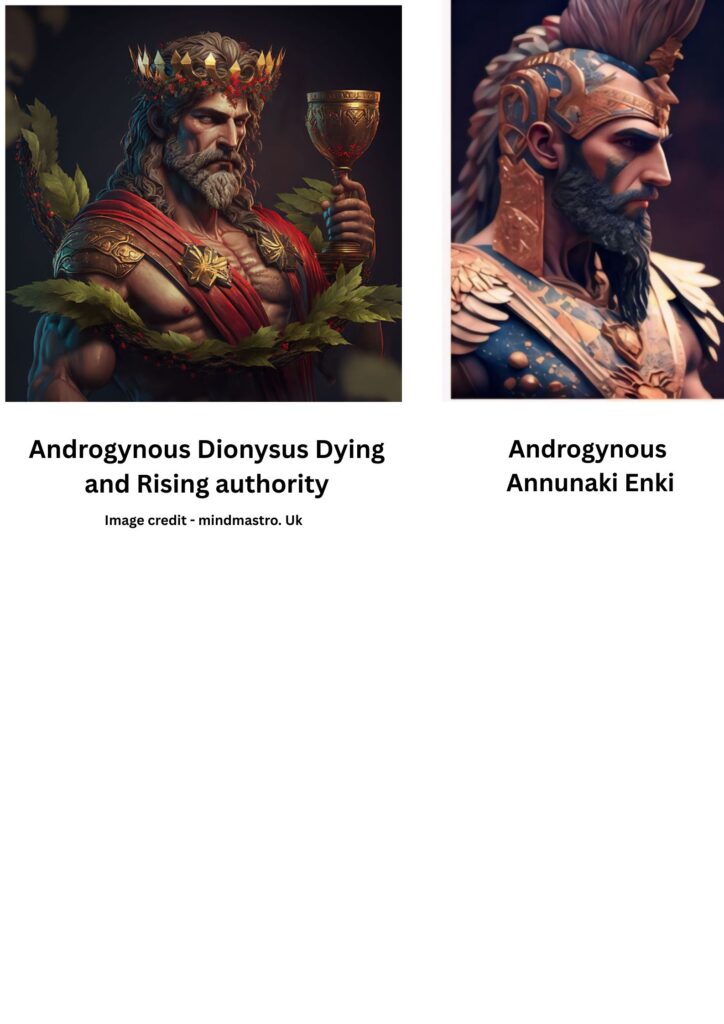
Unsolved Mystery –According to Bhagavadgeeta Verse 4.6 Dying and Rising authority face remains the same in every birth, Androgynous Dionysus face exactly similar to possible birth of this Androgynous Dying and Rising authority, was he the same Dying and Rising authority, its yet remains a unsolved mystery.
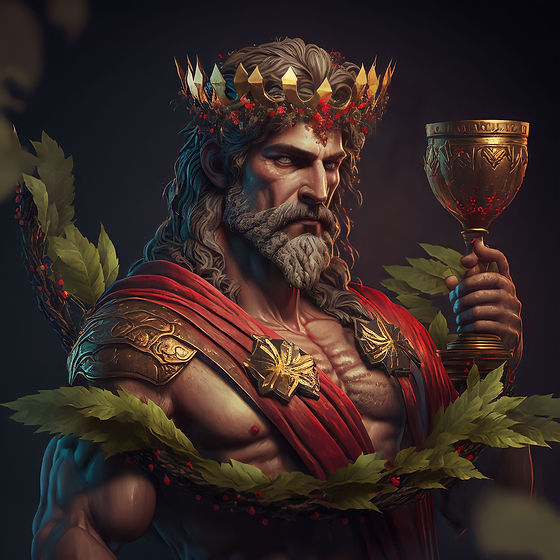
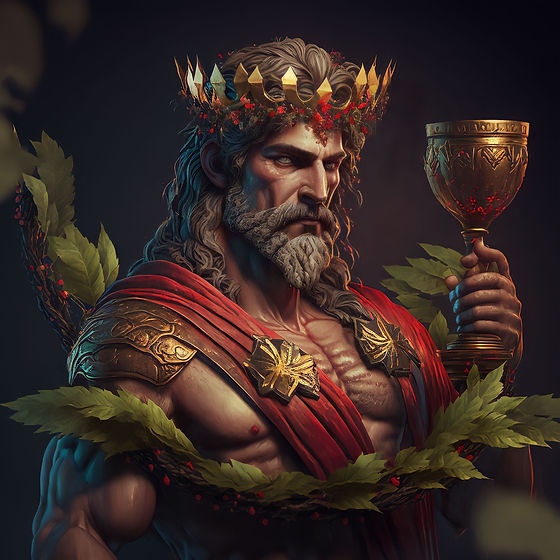
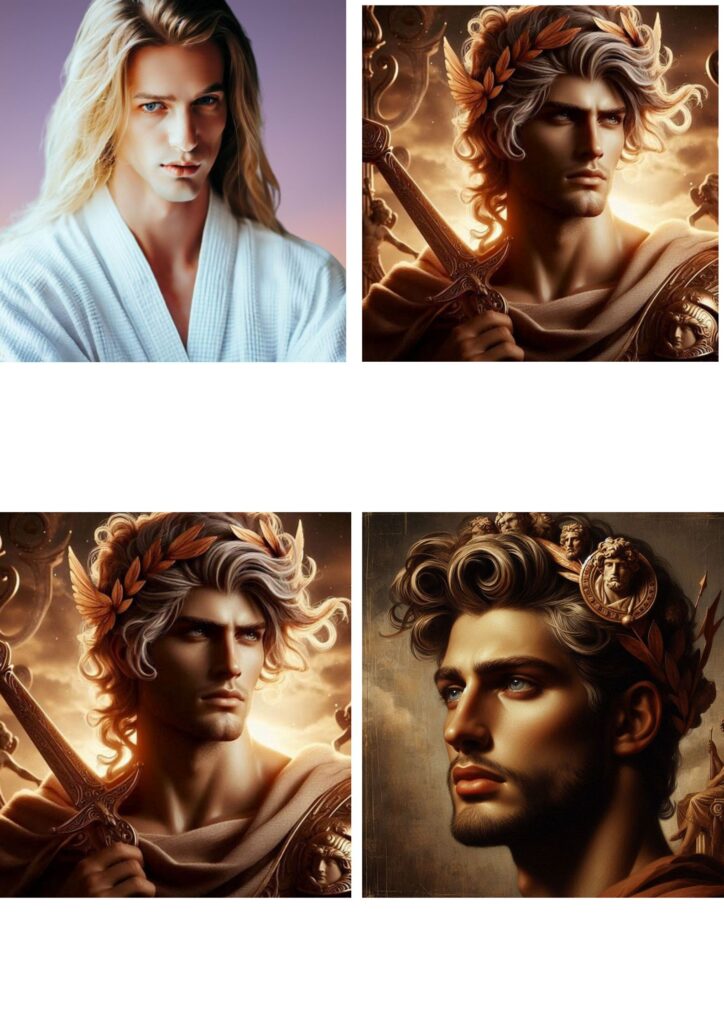
Ares Consort of Aphrodite
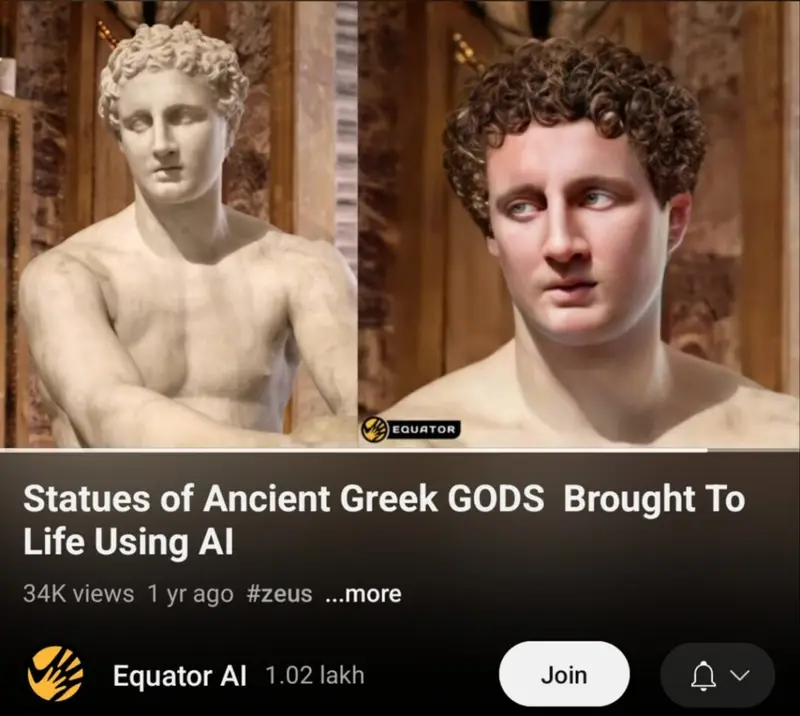
credit- Equator AI
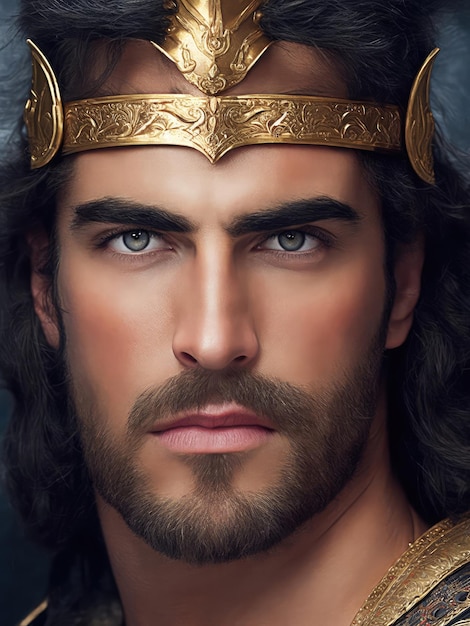
copyright image credit – Freepik (use under fair use policy)
Face Comparison of Ares with other possible birth of Androgynous dying and Rising authority
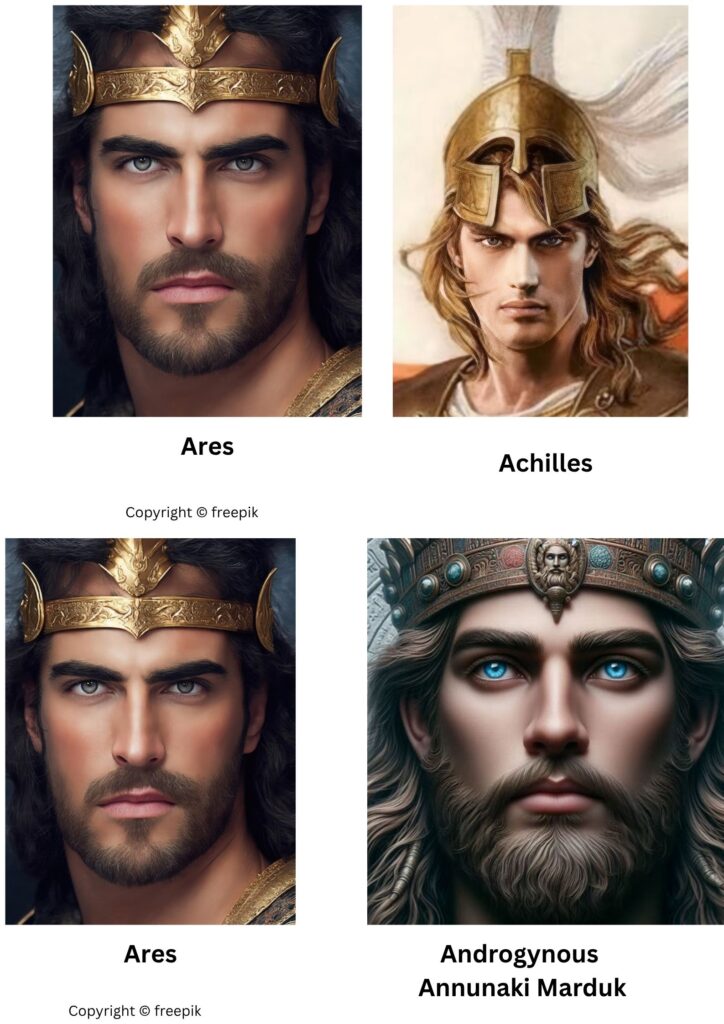
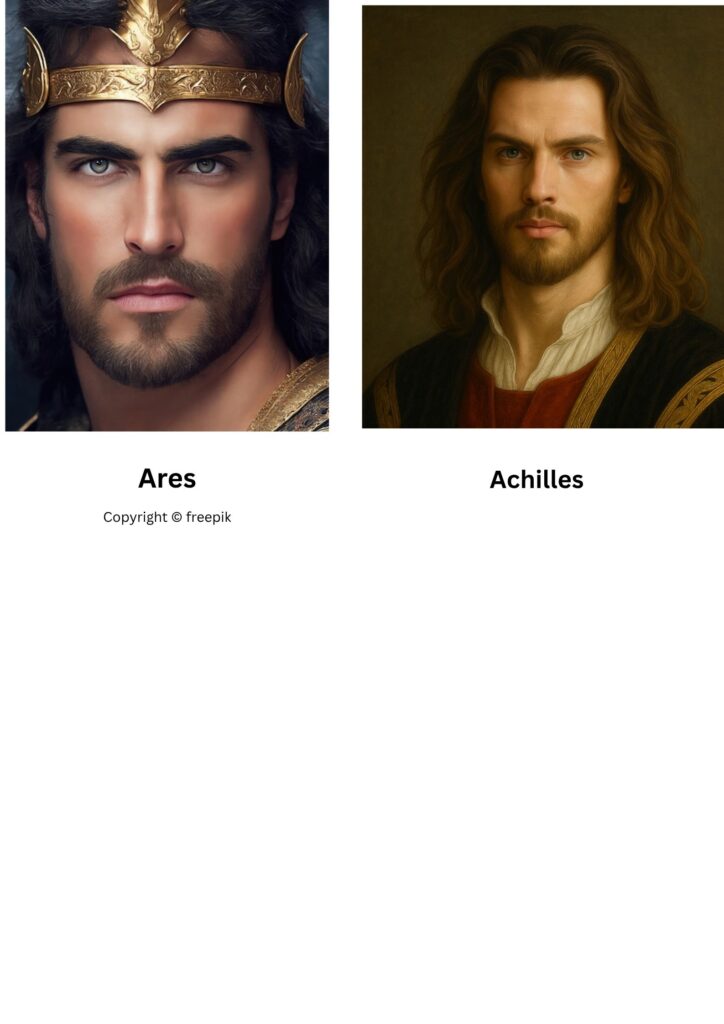
Unsolved Mystery – Aphrodite always mentioned as a Consort of Androgynous Dying and Rising authority, So Aphrodite mentioned as a consort of Ares, so was he also and androgynous dying and Rising authority? Is yet remains a mystery, as well as his face match with other possible birth of this androgynous dying and Rising authority, According to bhagavadgeeta verse 4.6 , face of androgynous dying and Rising authority remains the same in the every birth.
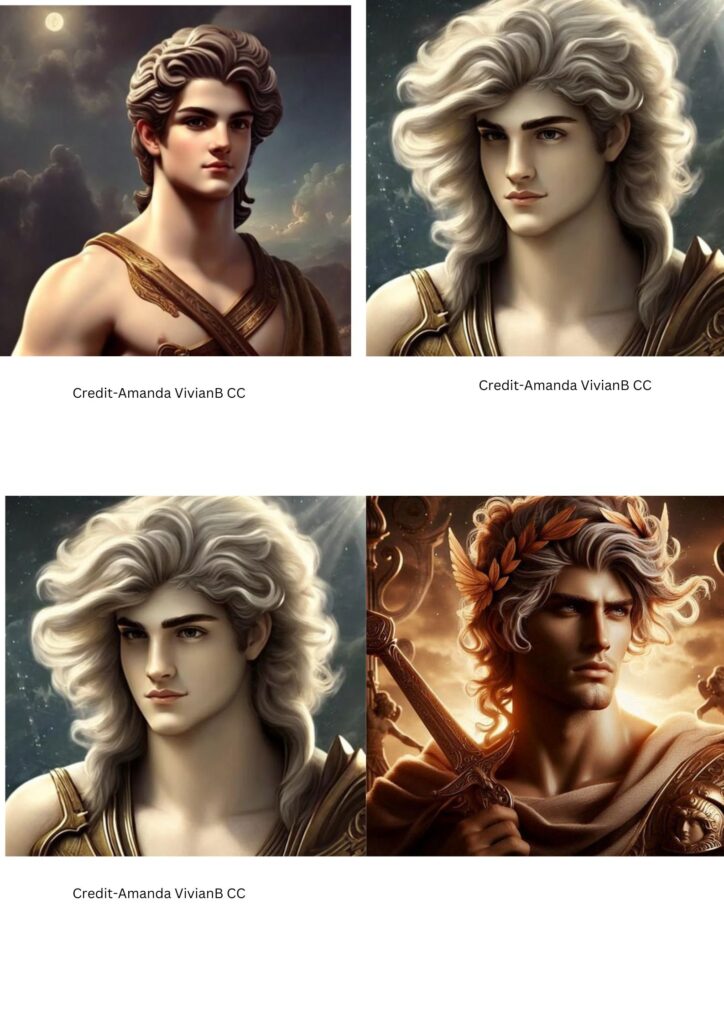
Androgynous Apollo- (Deity of Justice)

Disclaimer – use under Fair use policy for educational purposes.

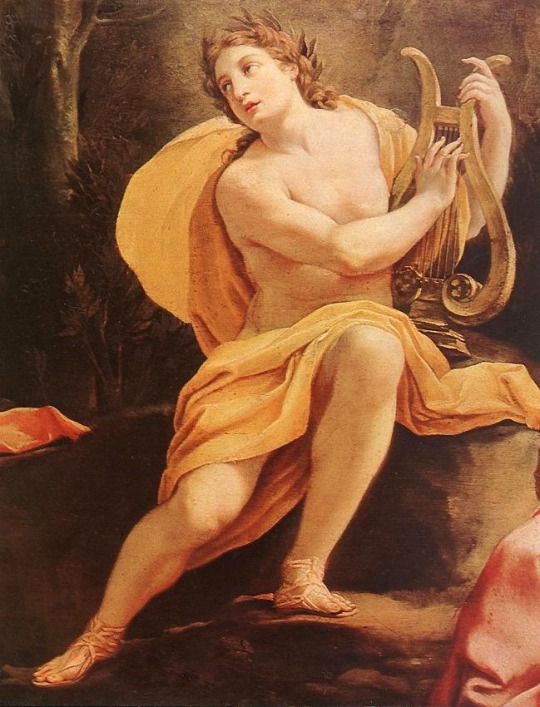
Oil painting by Simon Vouet (1640)
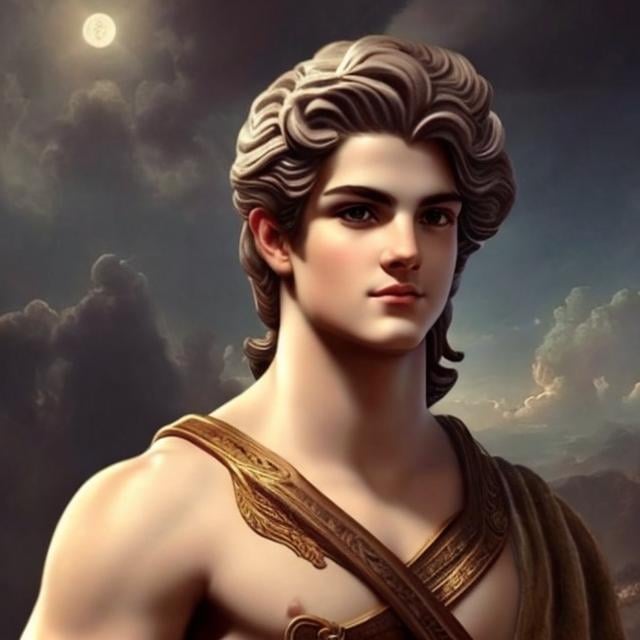
Credit-Amanda VivianB CC
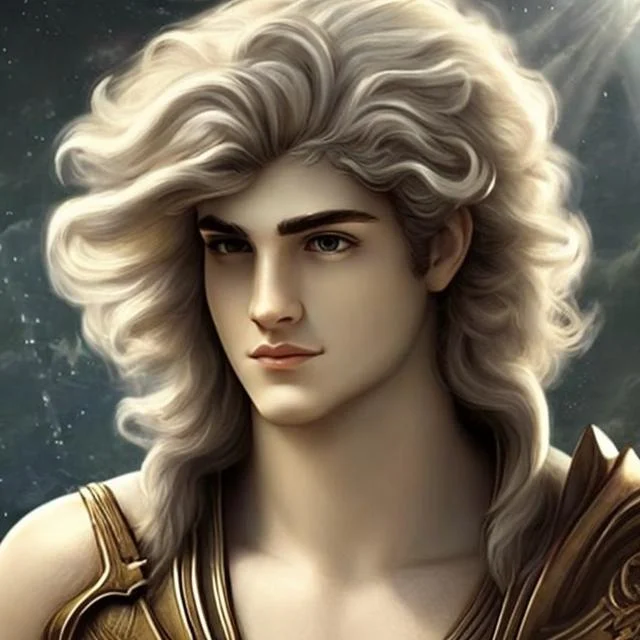
Credit-Amanda VivianB CC

1798 Painting of Androgynous Apollo
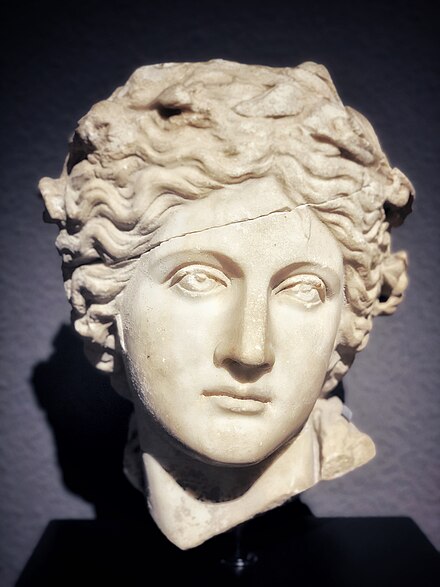
Credit-Yamen CC BY SA 4.0
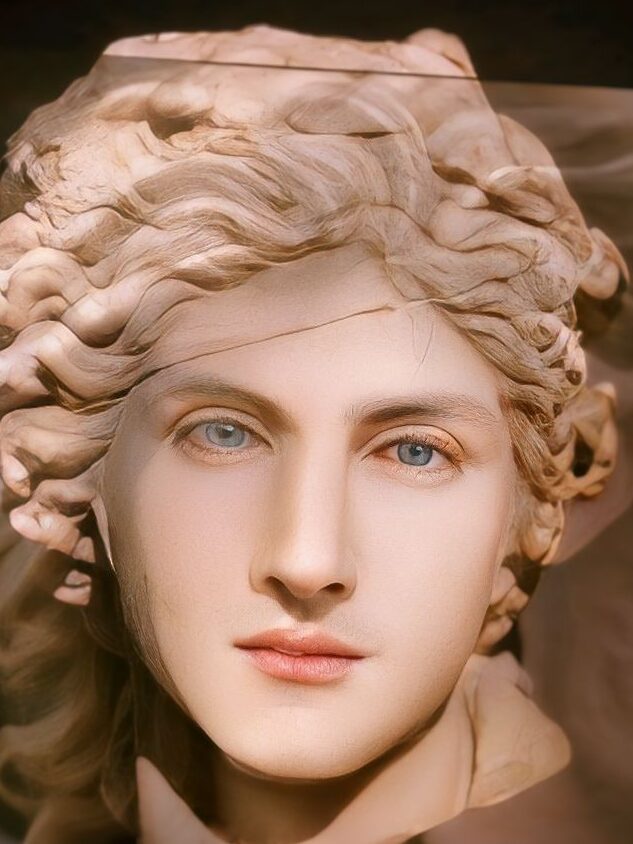
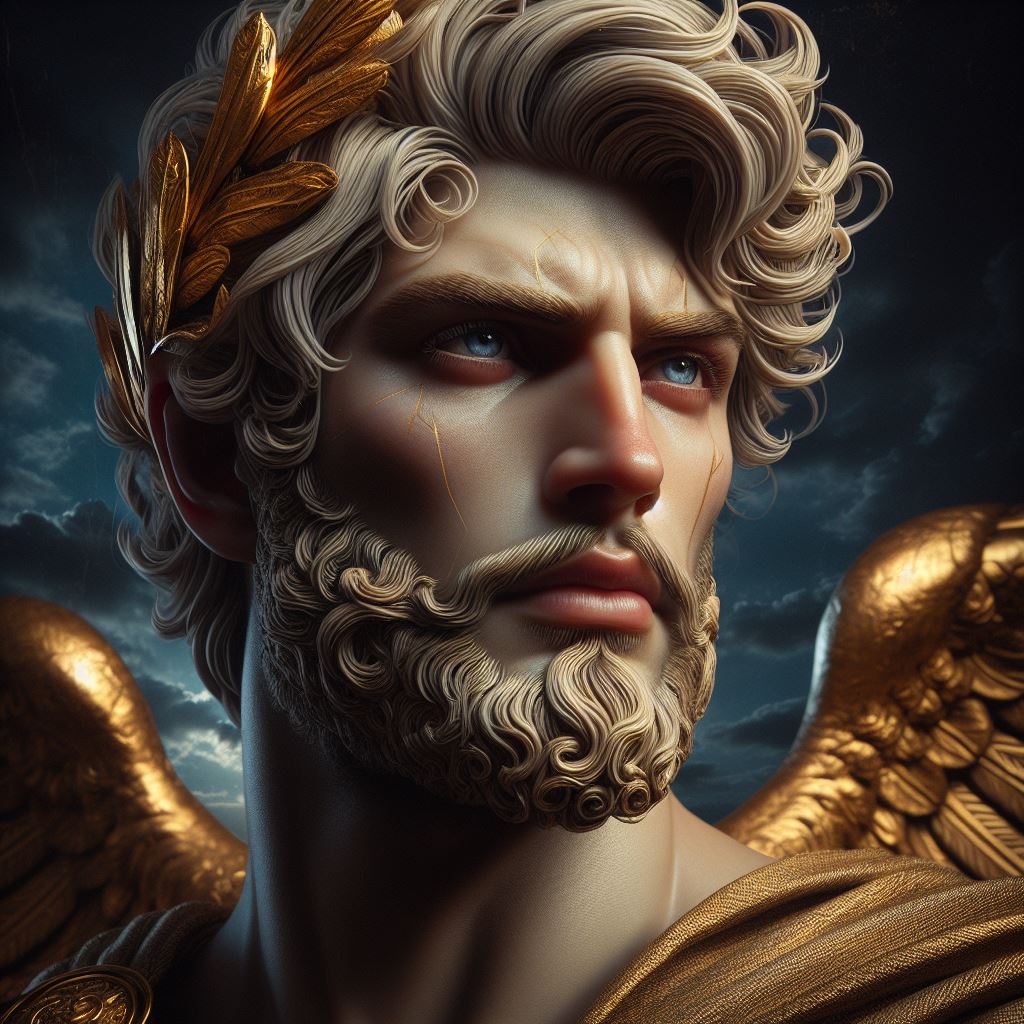
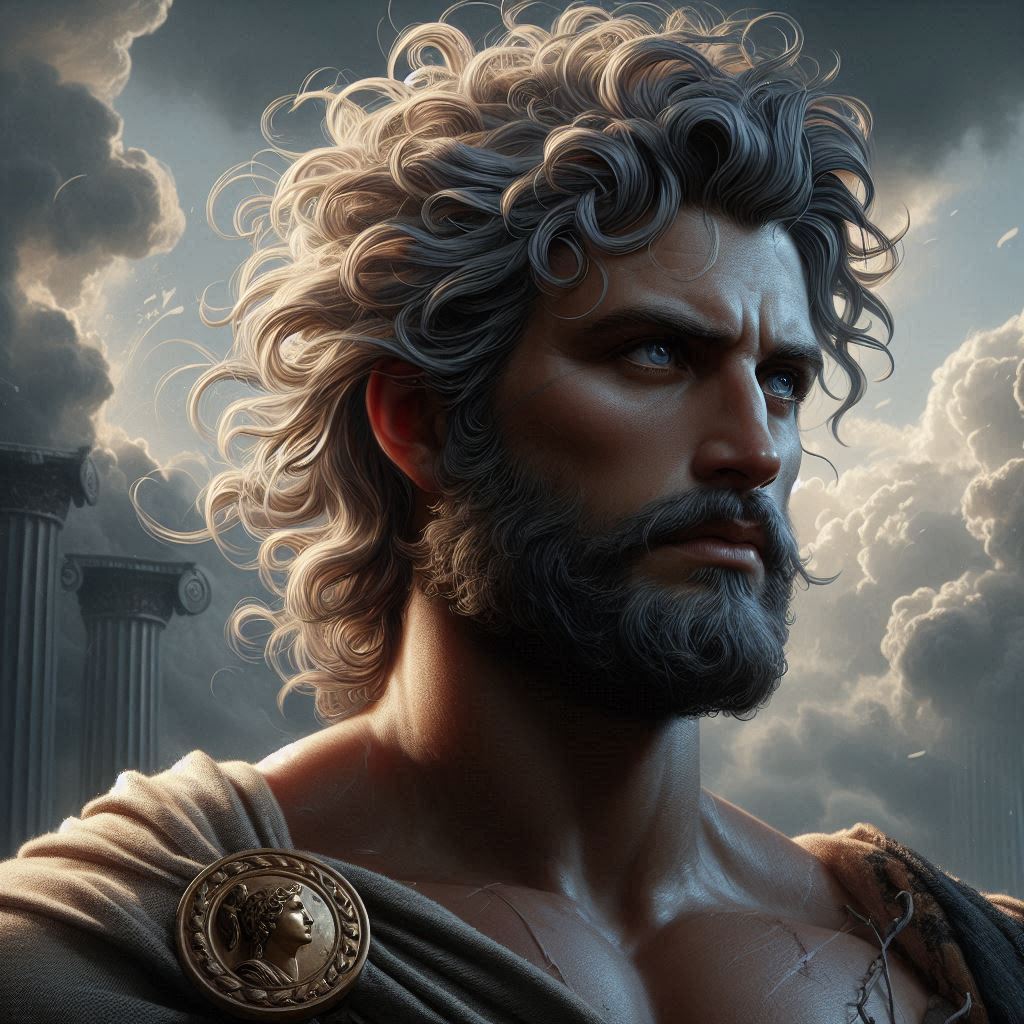
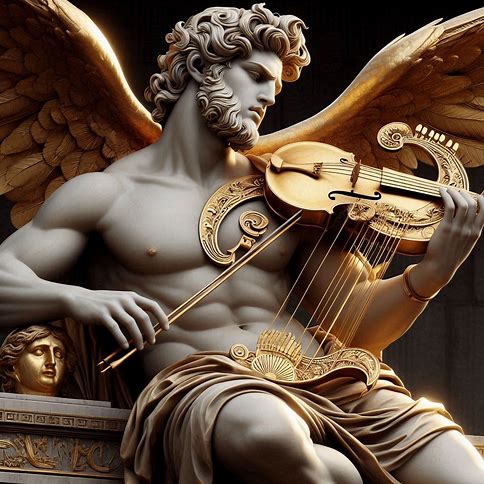
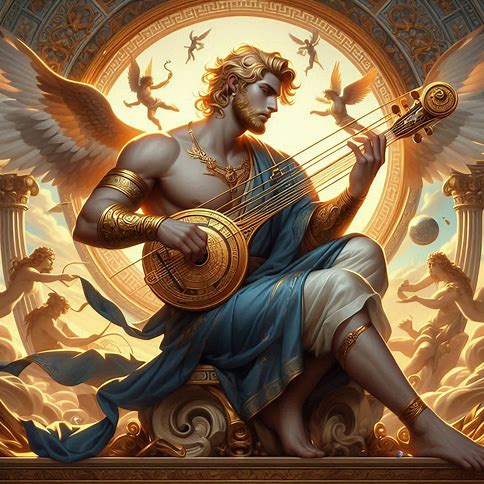
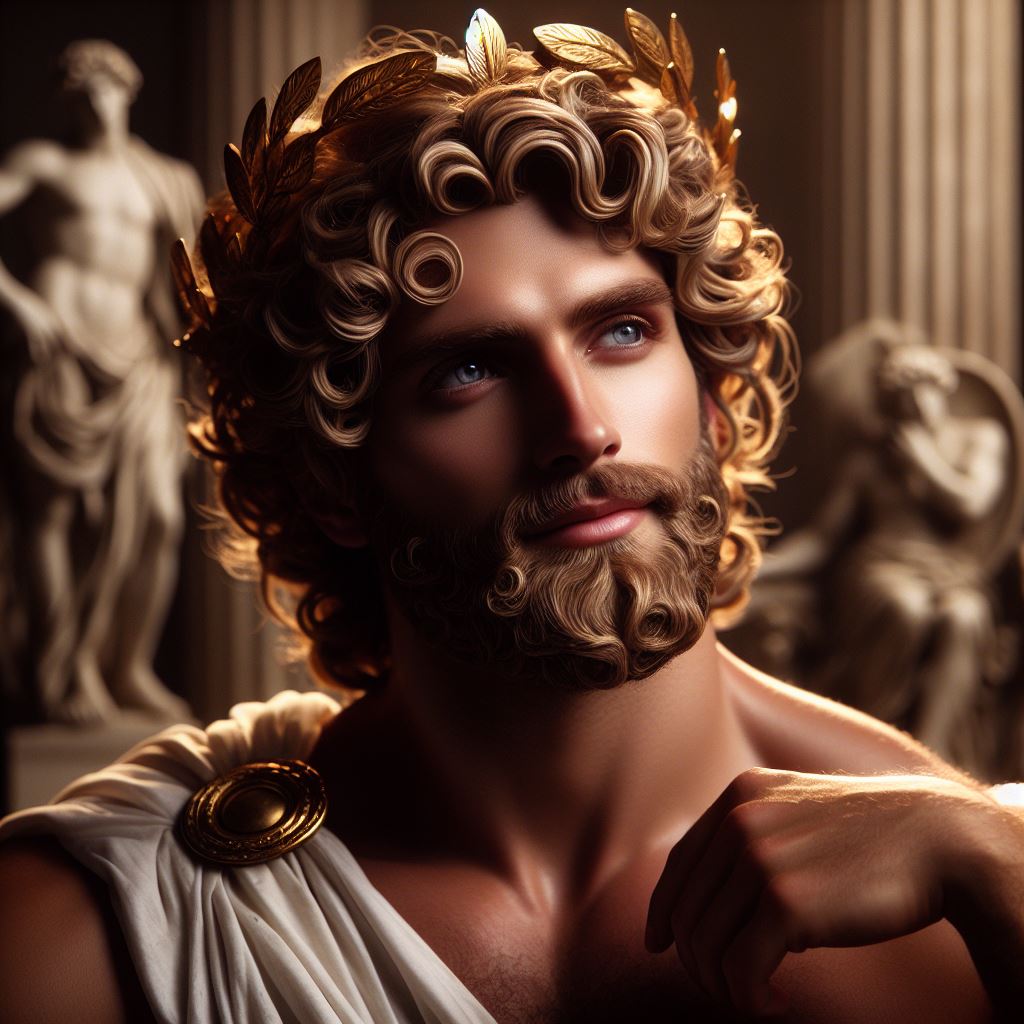
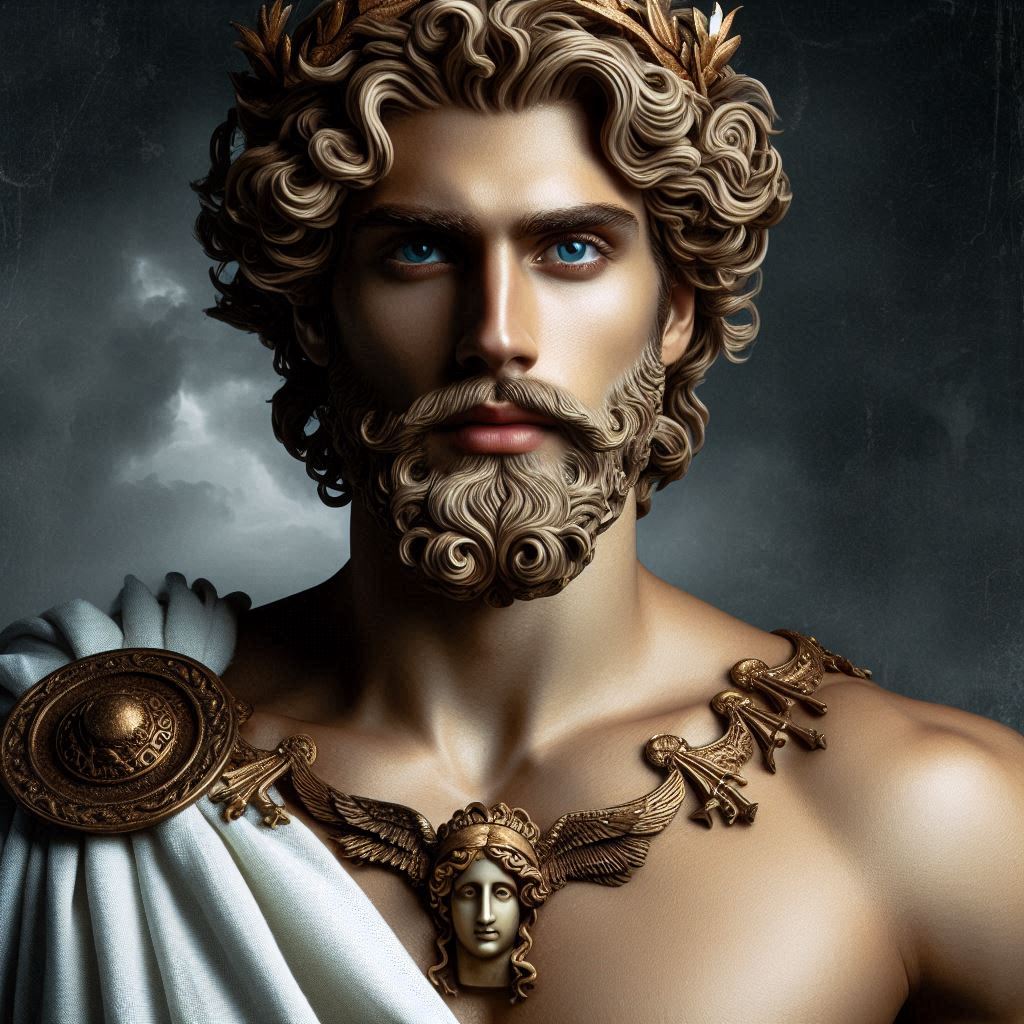
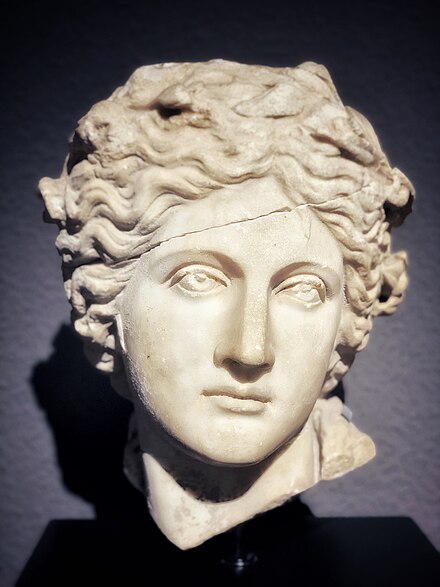
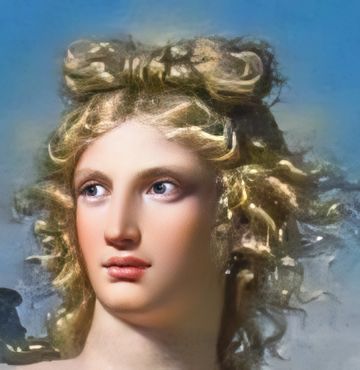

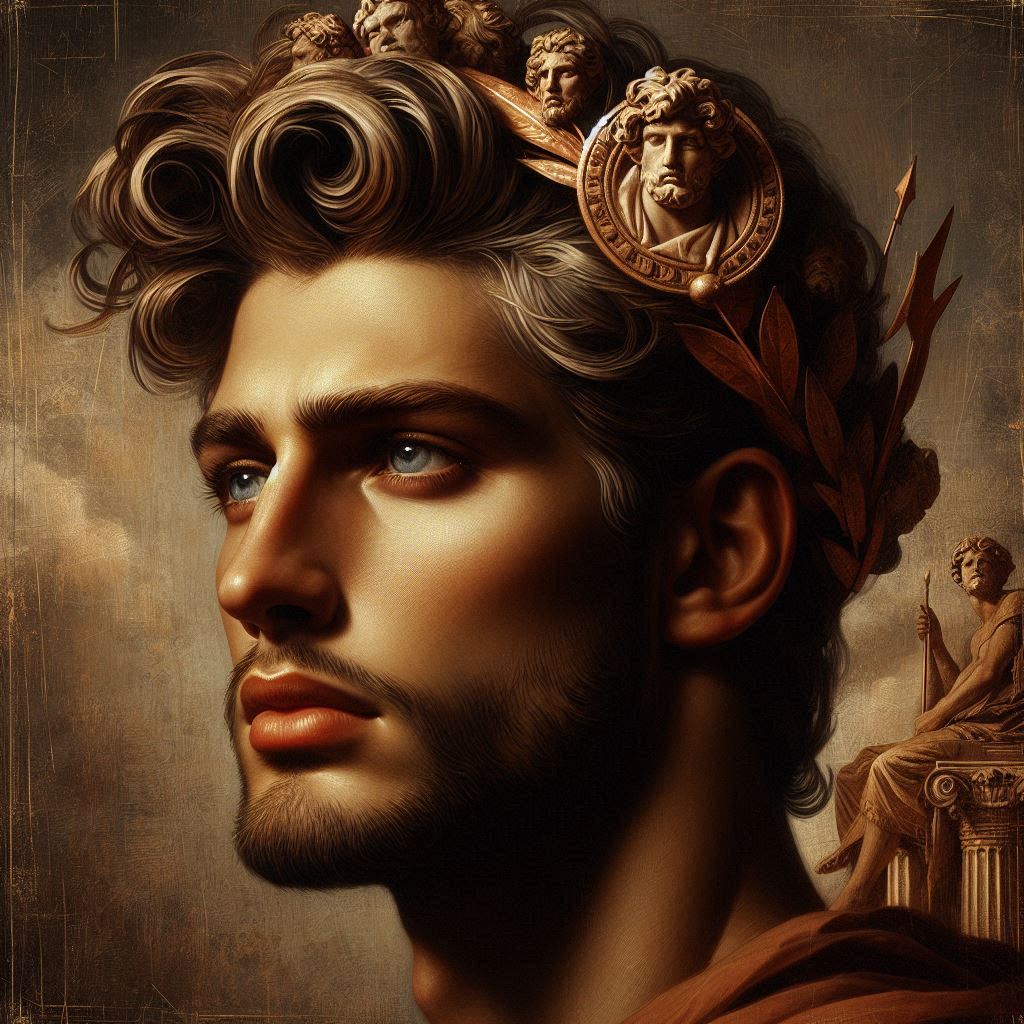


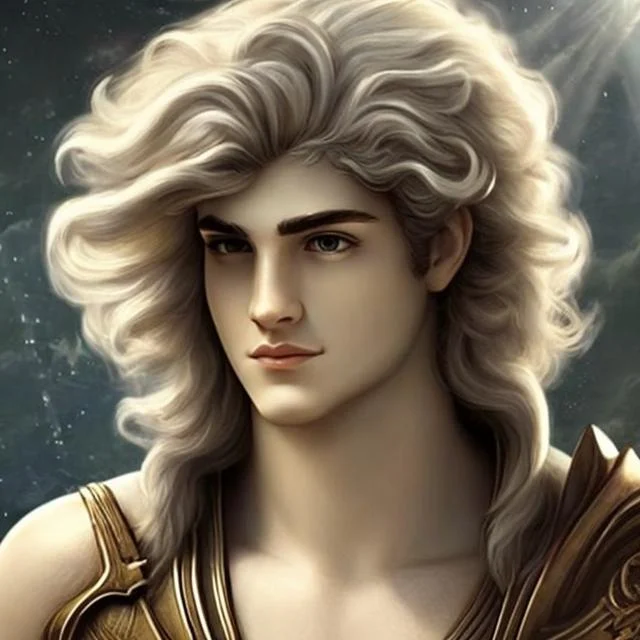
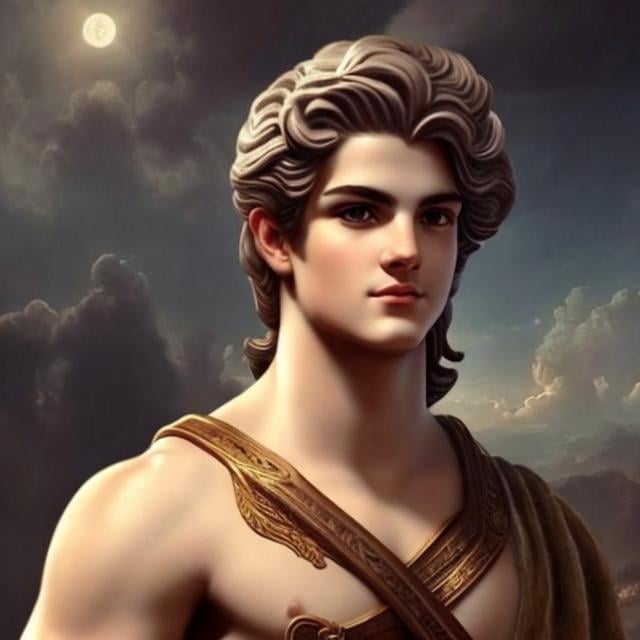
Face Reconstruction through Microsoft Bing AI Software

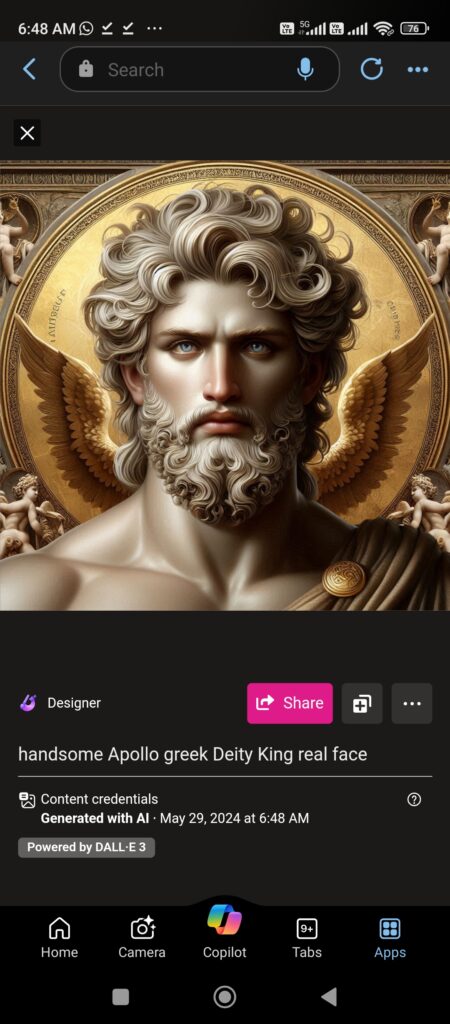
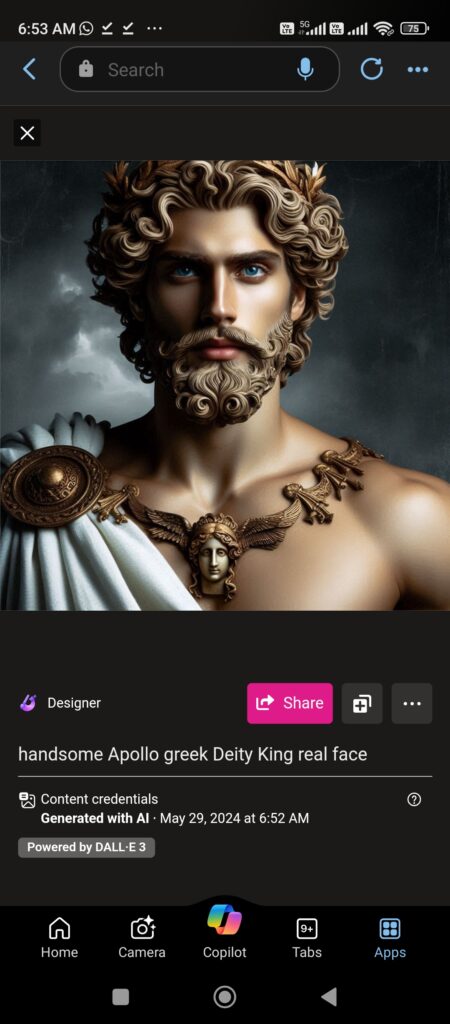
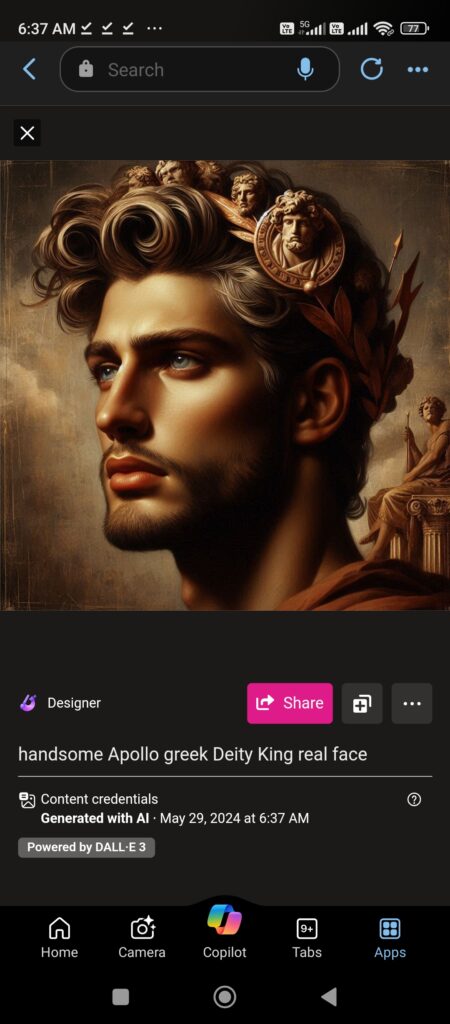

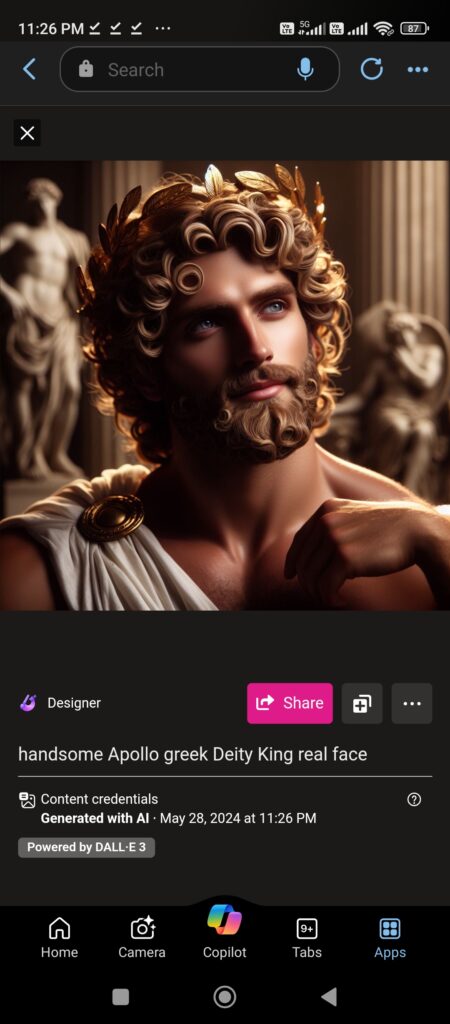
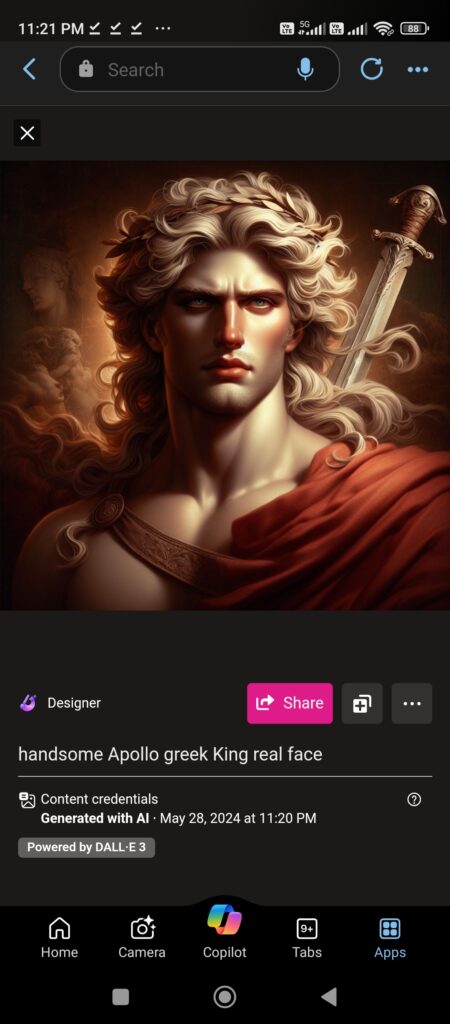
Face Transformation of Androgynous Apollo from childhood to Old Age

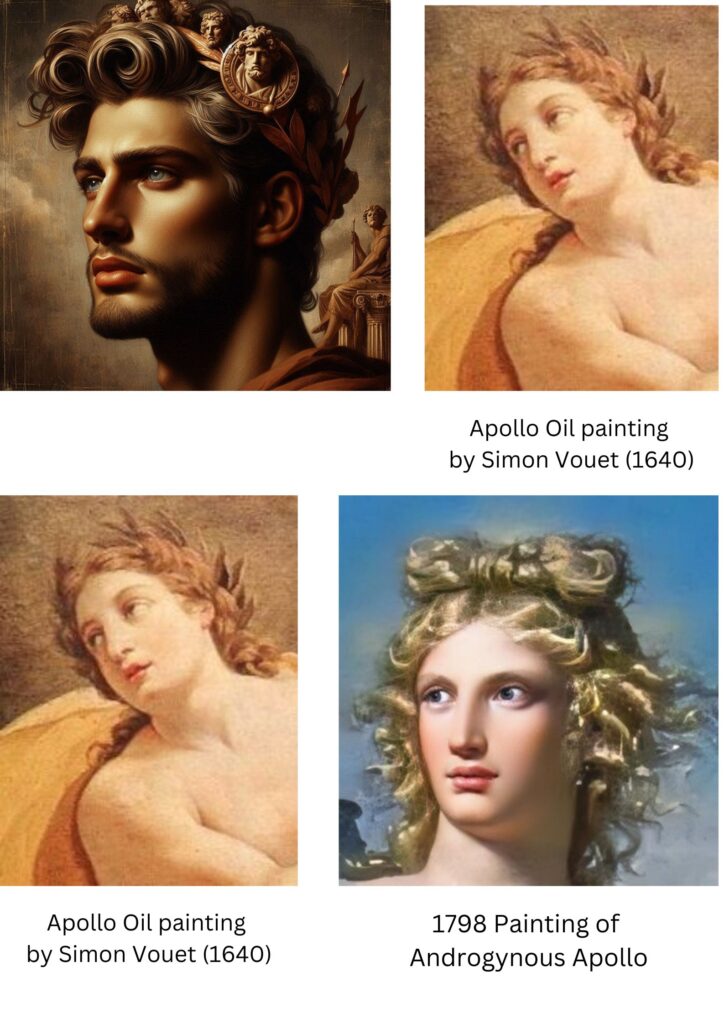
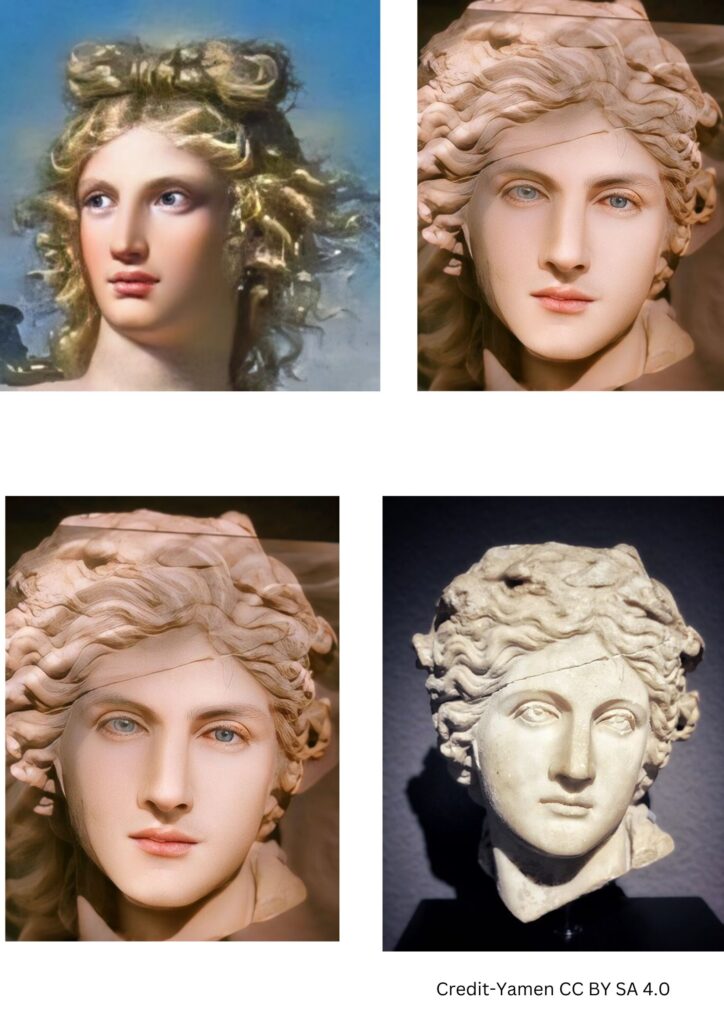
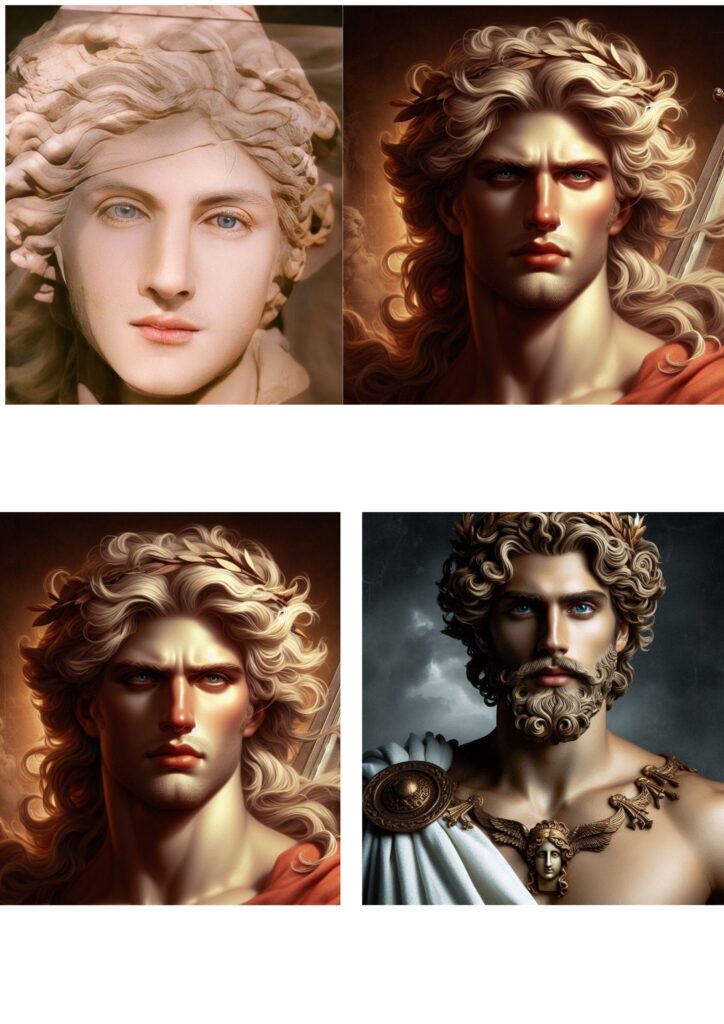
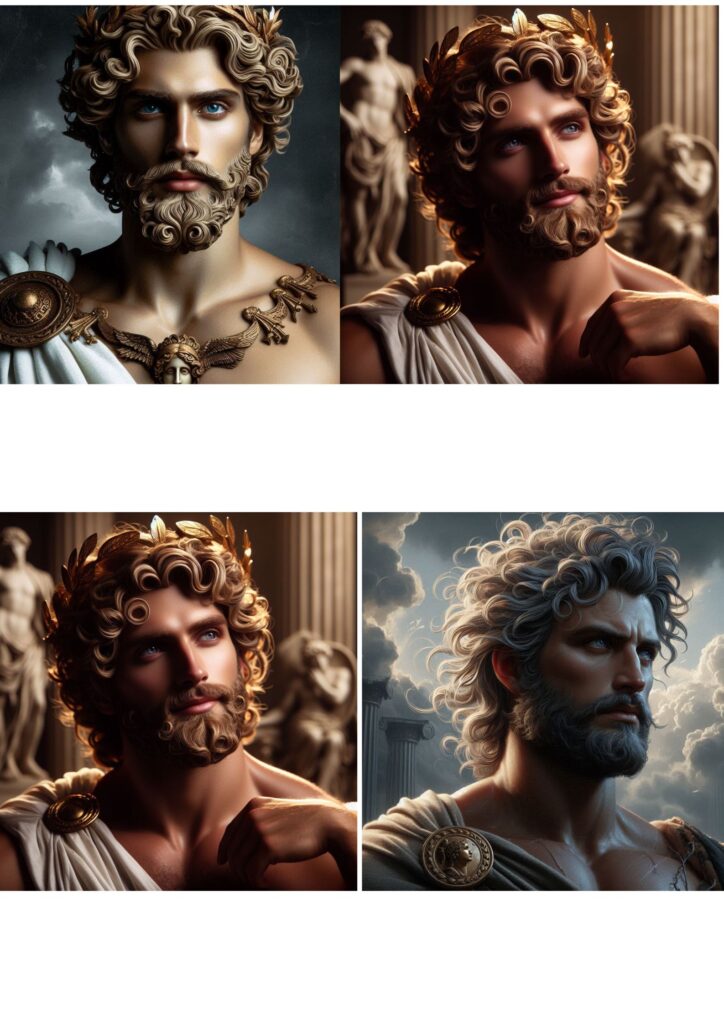
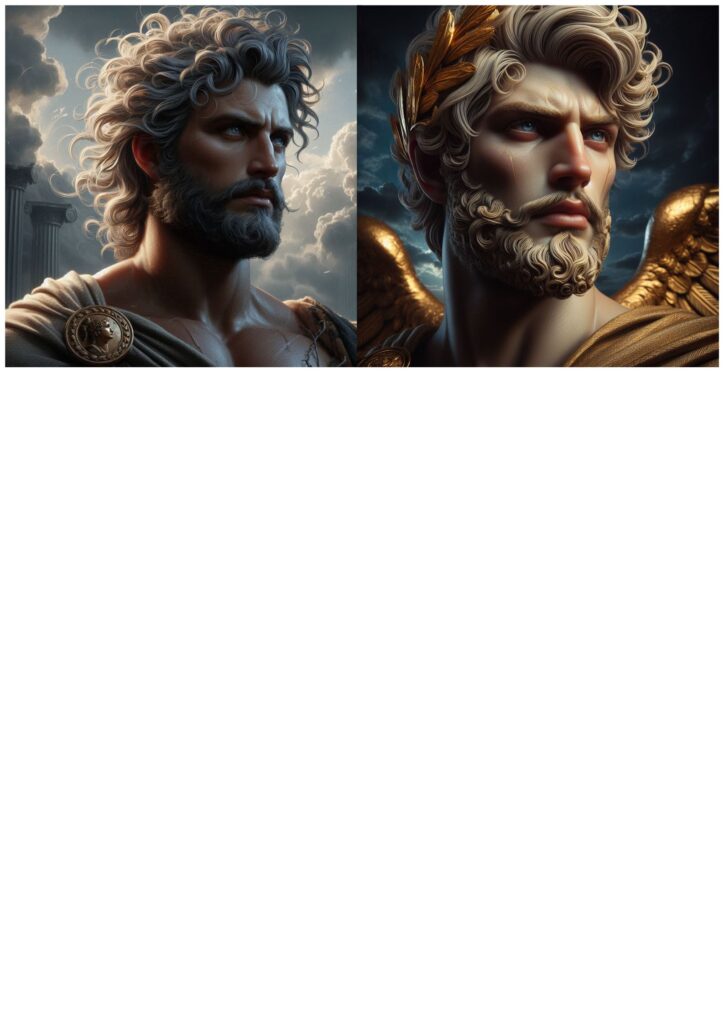
Face Comparison of Apollo with other possible birth of Androgynous dying and Rising authority
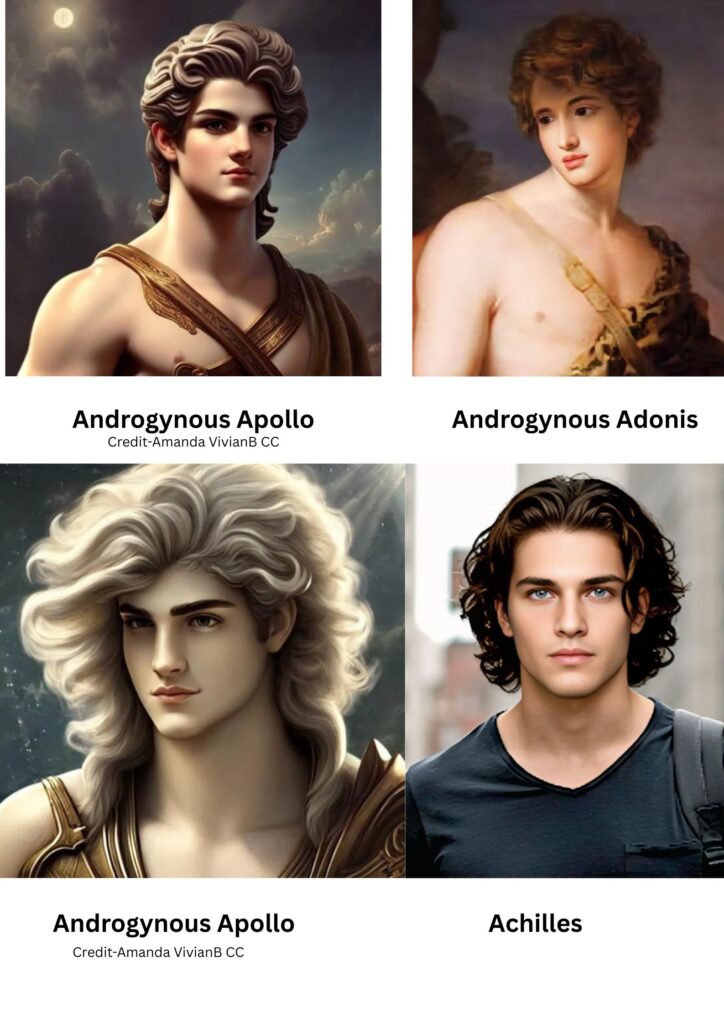
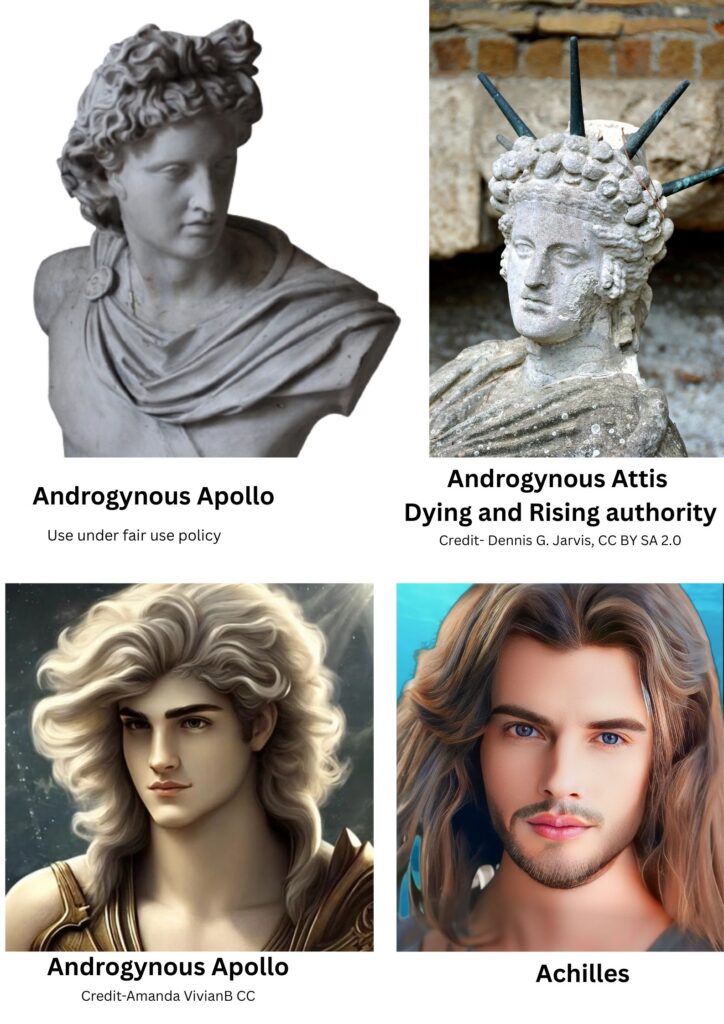
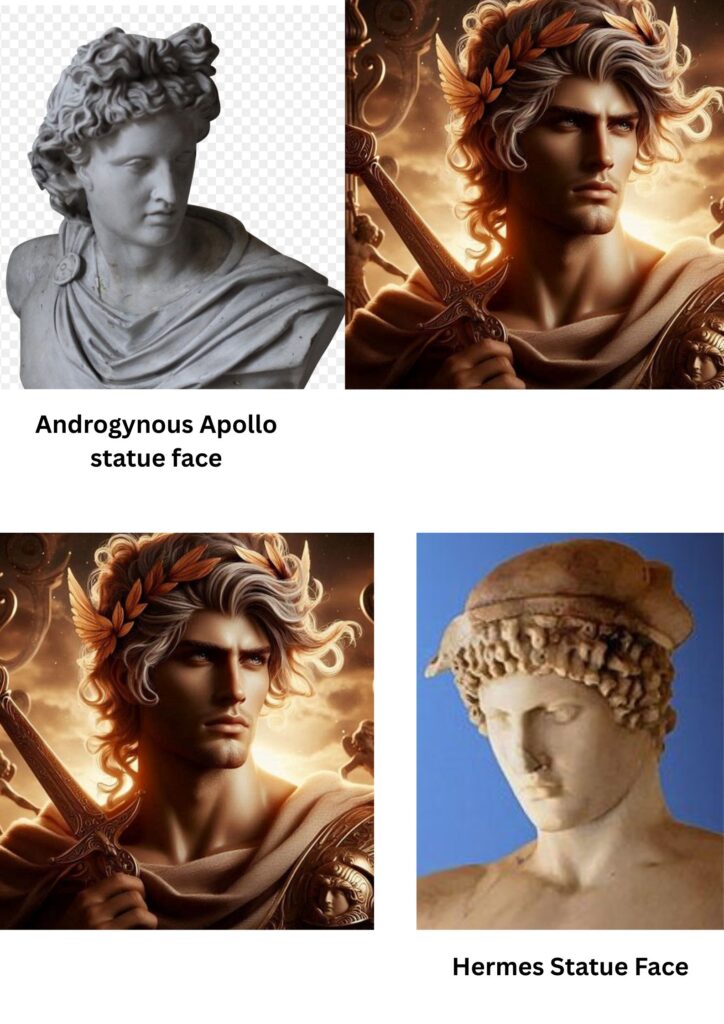
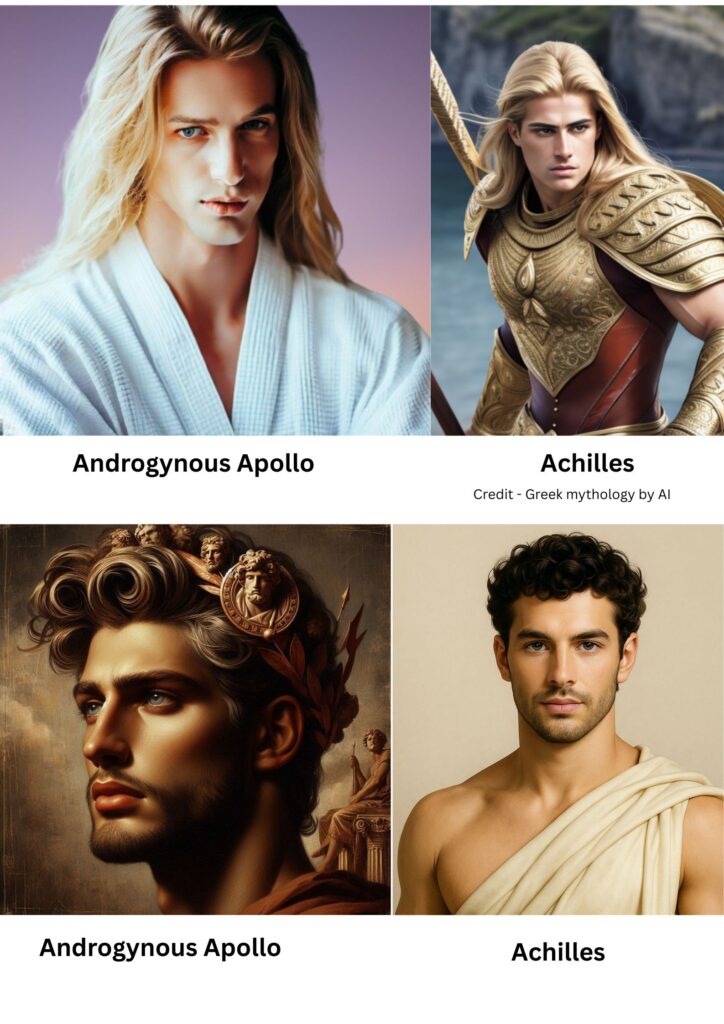
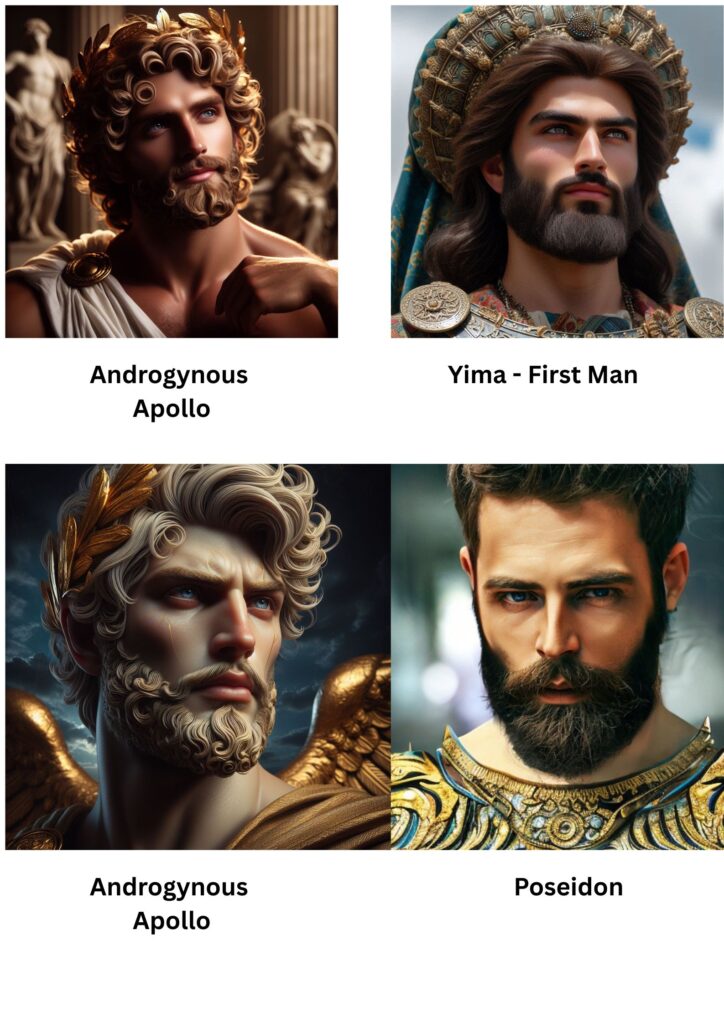
Unsolved Mystery – was androgynous Apollo the same creator of civilization androgynous dying and Rising authority? As this authority known as a Deity of the justice and Apollo also known as a Deity of the Justice, And contribute in development of Civilization. Still it is a unsolved mystery.
Jade Emperor – Ruler of Heaven
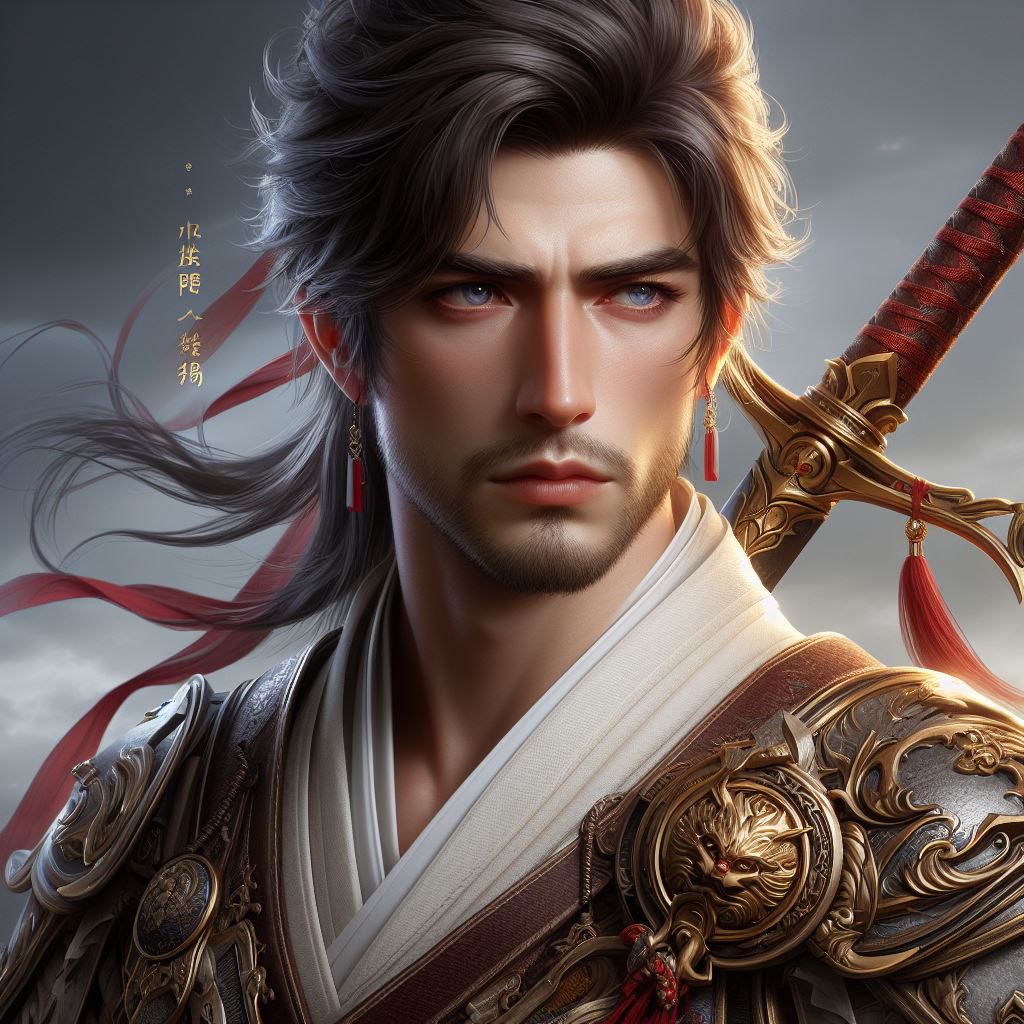
However, the Jade Emperor is considered by many to be a benevolent, fair and just ruler and a deity. Fair to his rule and treating his subjects as equals, the Jade Emperor is also very humble
● He is a ruler who has a high sense of justice and fairness, strongly against any injustice or senseless violence. Yet he is merciful and can show compassion, even towards demons. A very skilled and formidable fighter in battle, the Jade Emperor is also a very skilled and calculating leader, tactician, and strategist, finishing battles as quickly as possible and unwilling to engage in any pointless fights.
● He was a vegetarian.
● Dragon connection symbolism of Natural calamities
● Called Ruler of Heaven
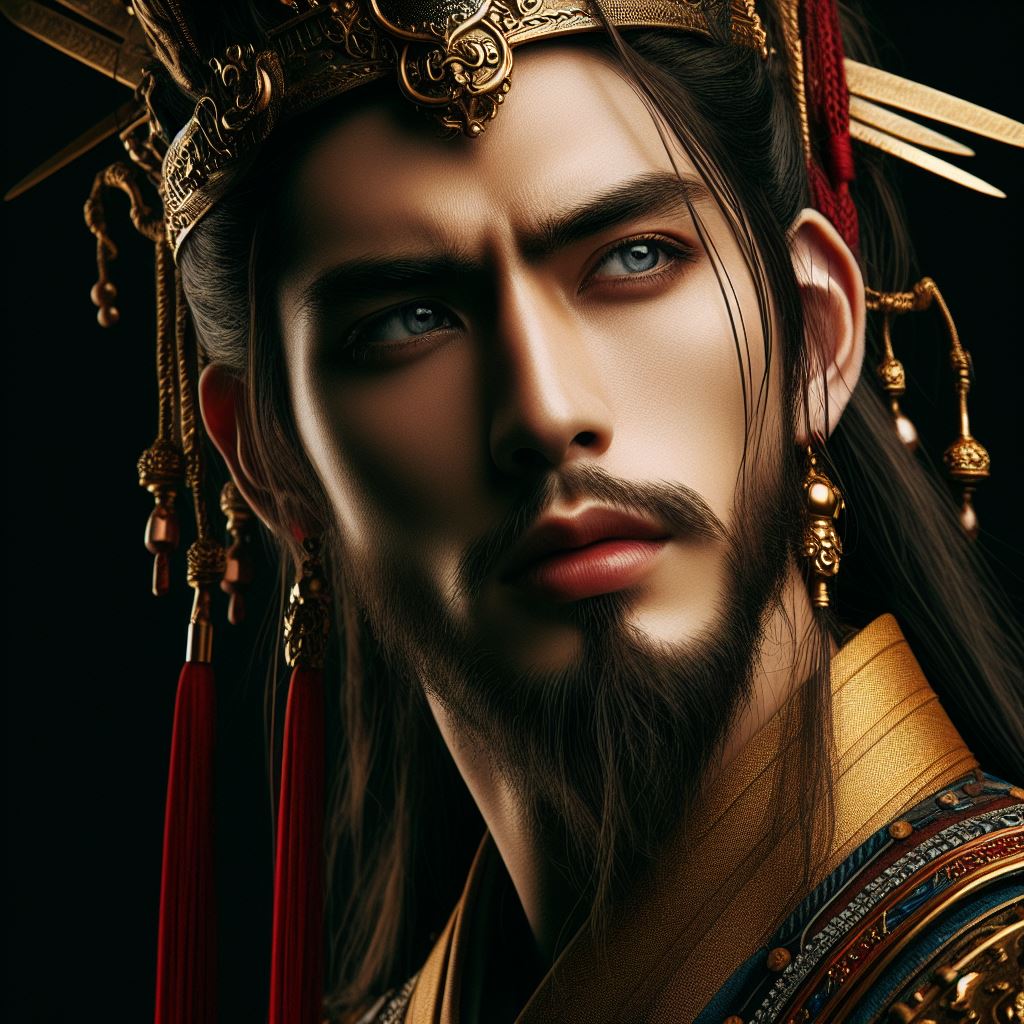
Unsolved Mystery – was he the same Androgynous dying and Rising authority, as Jade emperor known as a Ruler of Heaven, and This Androgynous dying and Rising authority, majority times describe as a ruler of heaven. like Androgynous Osiris Dying and Rising authority describe as a Ruler of heaven. It yet remains a unsolved mystery.
Sacred Kings and Dynasty Founders
While some traditions remembered heavenly rulers governing from the celestial realm, others preserved stories of heroic founders who established cities, dynasties, and royal bloodlines on Earth.
Throughout ancient history, founder figures were frequently associated with divine ancestry, extraordinary abilities, and the creation of royal authority. Their stories often became the foundation upon which entire civilizations built their identity.
Among the most influential of these figures was Perseus, whose legends became closely connected with the origins of Mycenaean civilization and the development of royal authority in ancient Greece.
Within the Eternal Authority Hypothesis, founder-kings such as Perseus occupy an important position because they combine themes of divine legitimacy, dynastic foundation, and civilization-building that repeatedly appear throughout the timeline.
Androgynous Perseus – Founder of Mycenaean Civilization
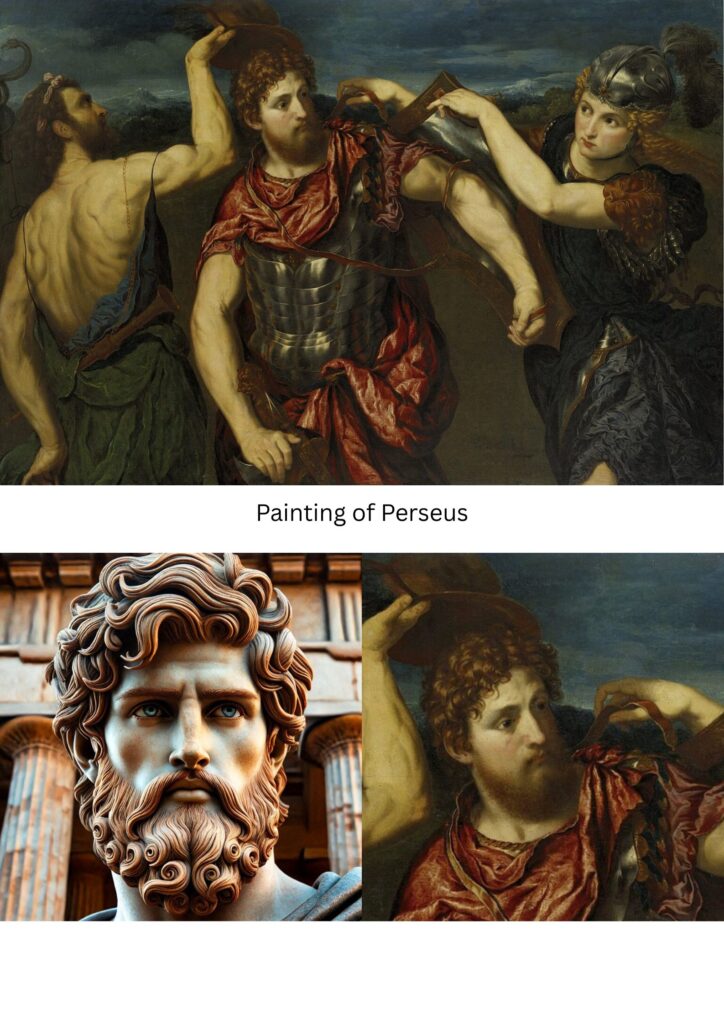
Martin Nilsson- Confidently dated Perseus and his myths to the Bronze Age (ca. 1600–1100 BCE).
● Perseus is depicted as Immortal and became the ruler of Mycenae and founded an important dynasty.
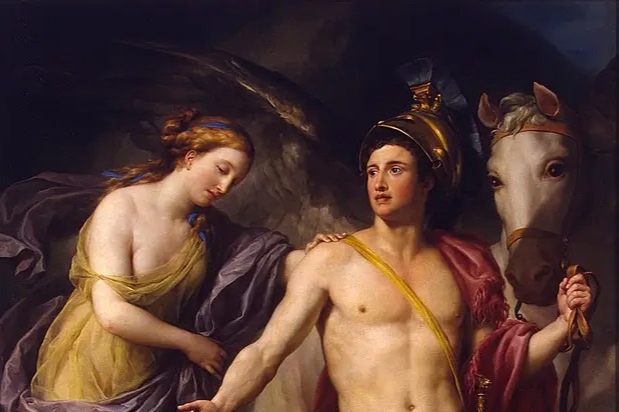
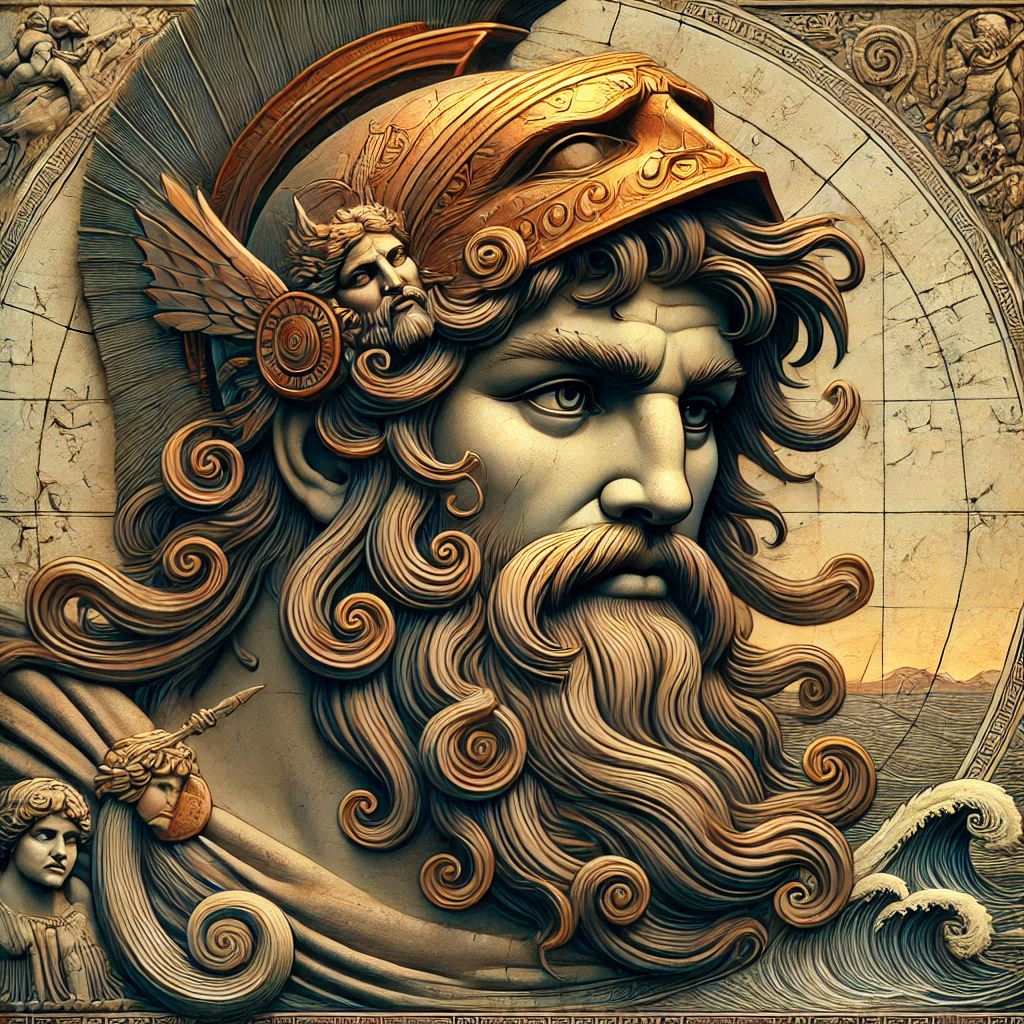
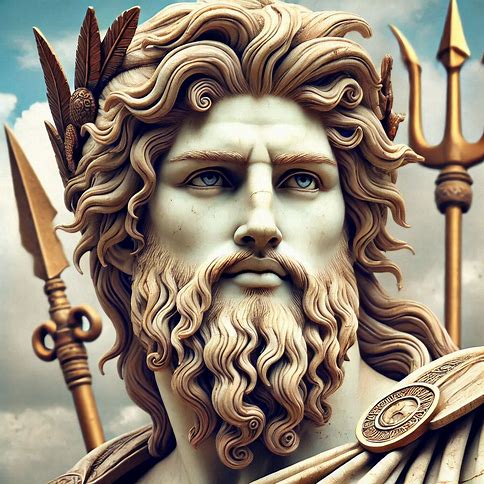
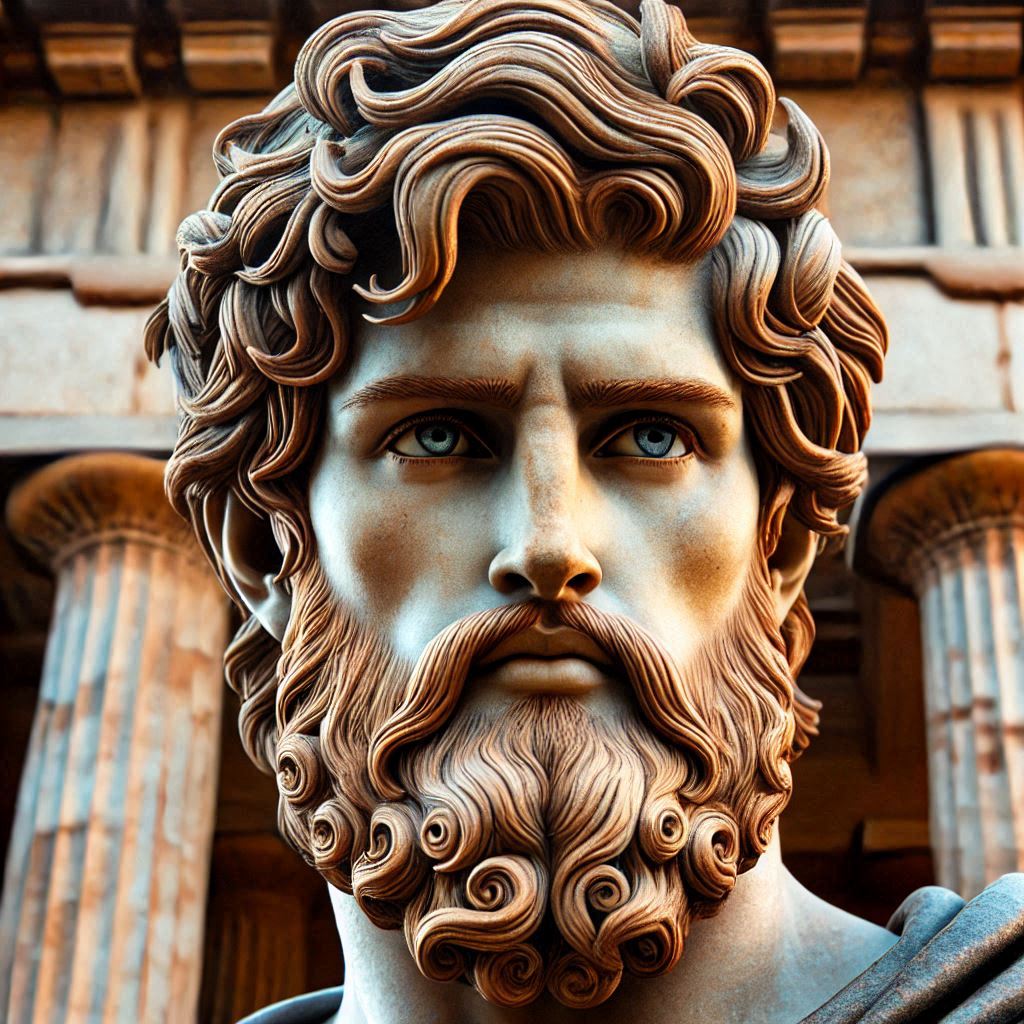
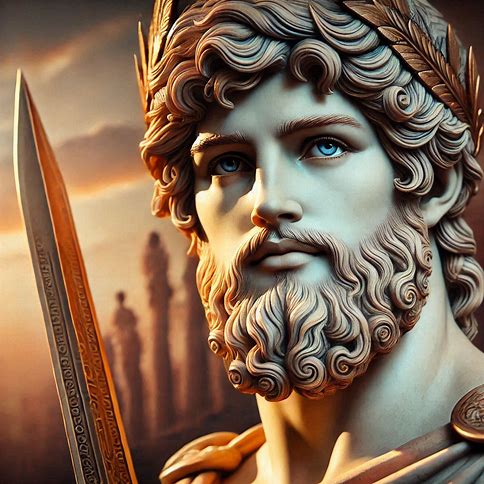

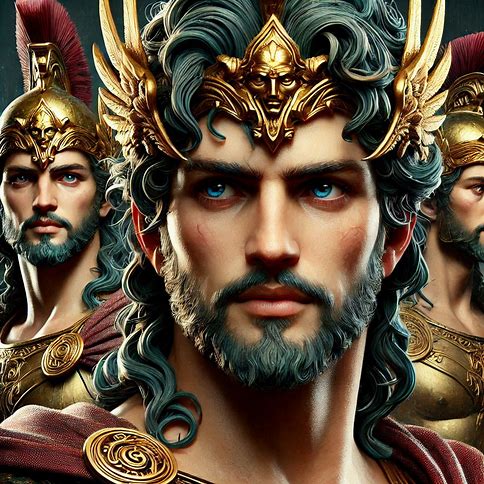
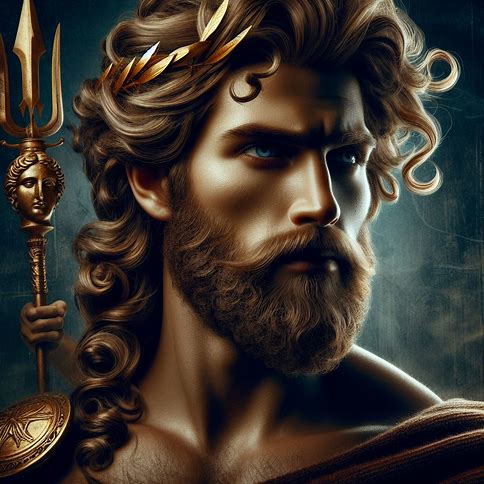
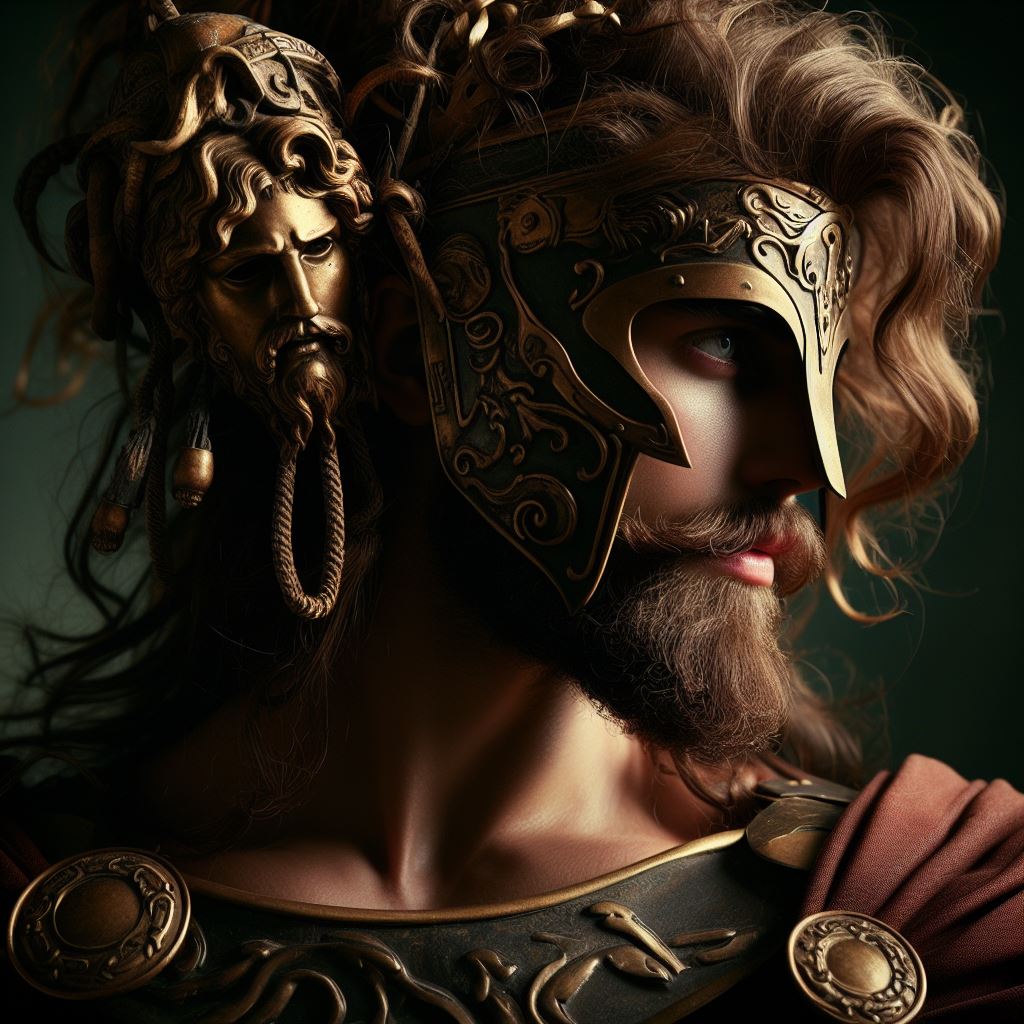
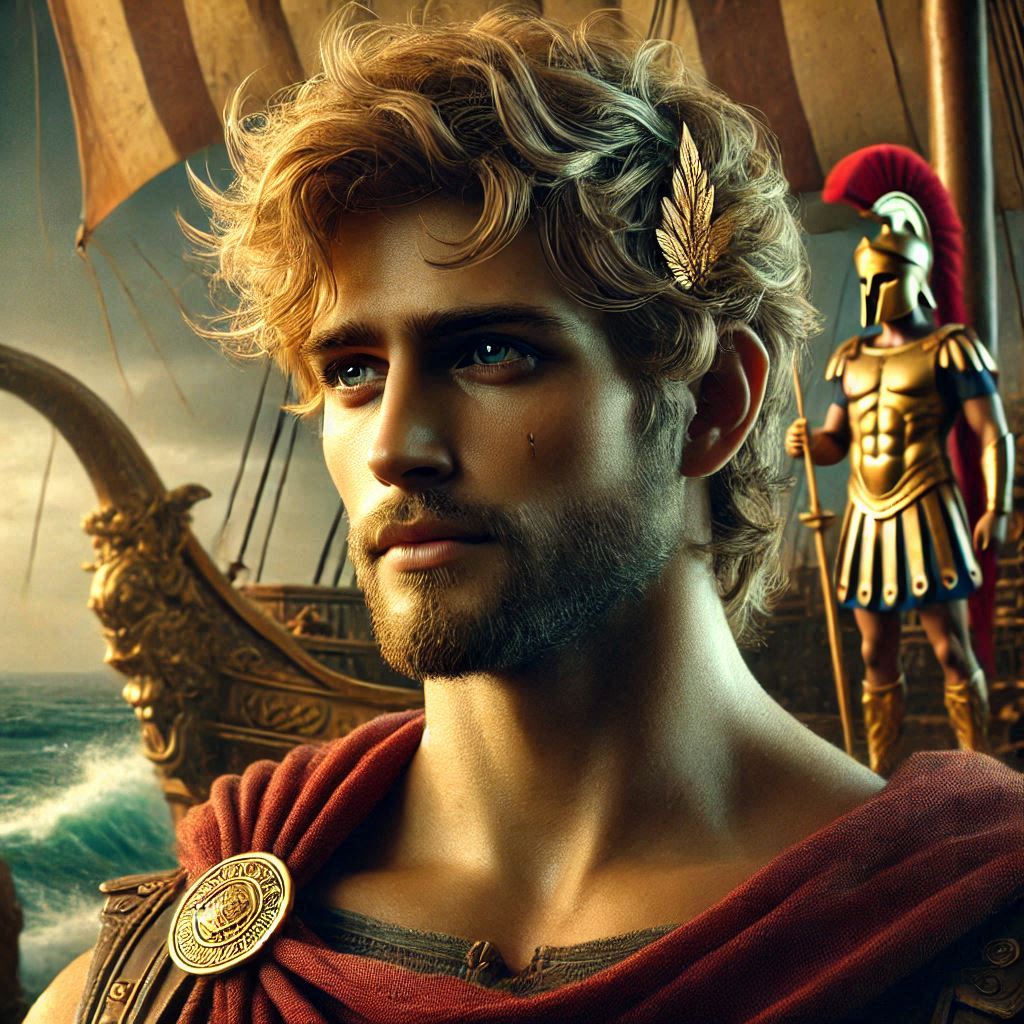
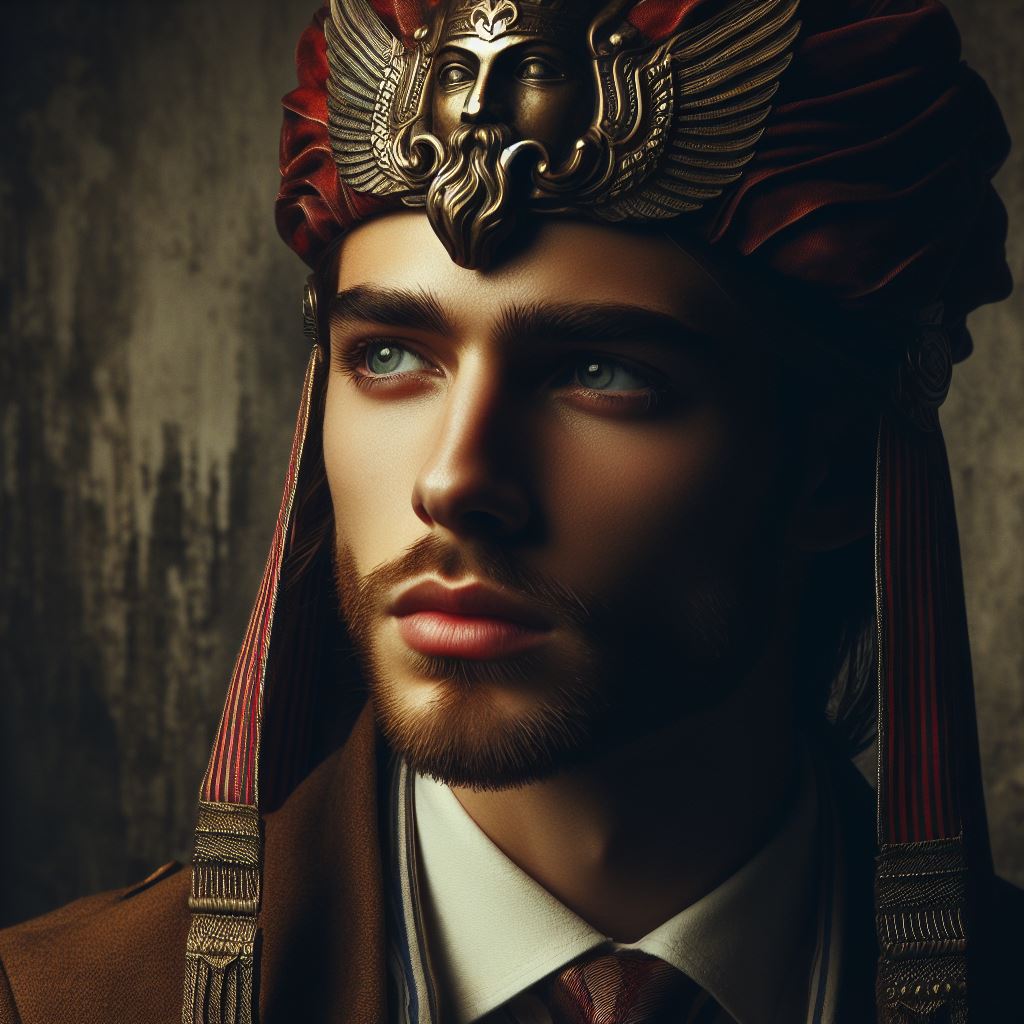
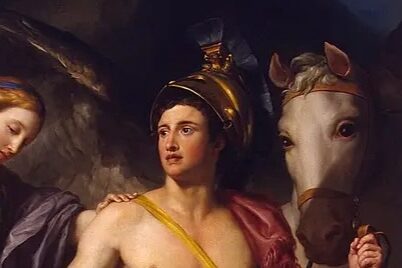
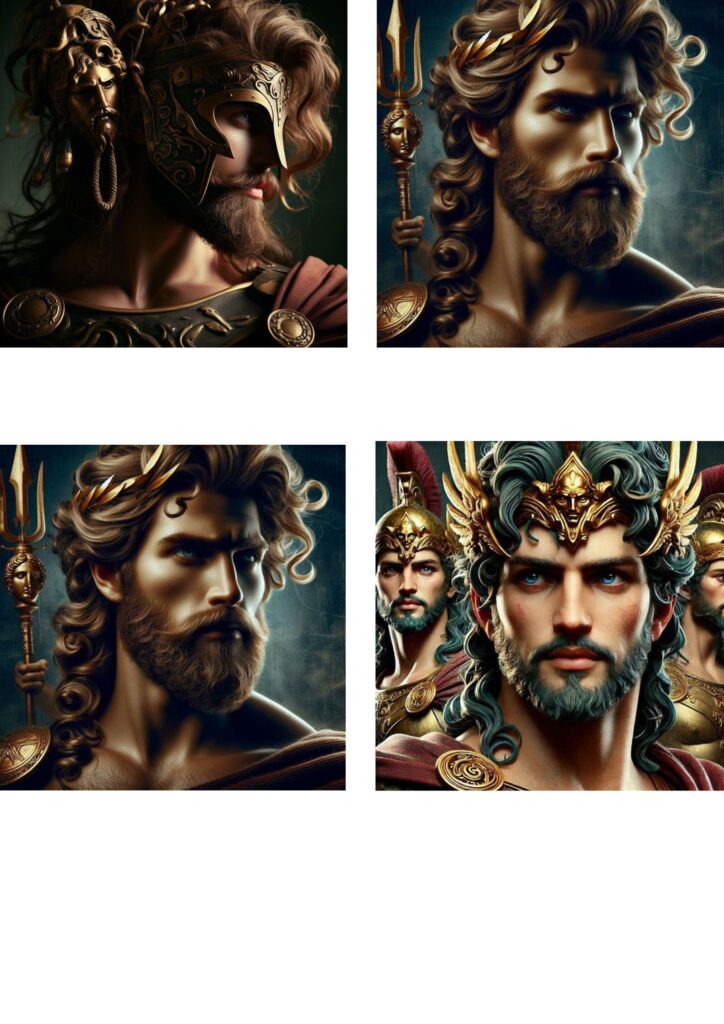
Perseus face reconstruction through Microsoft Bing AI Software
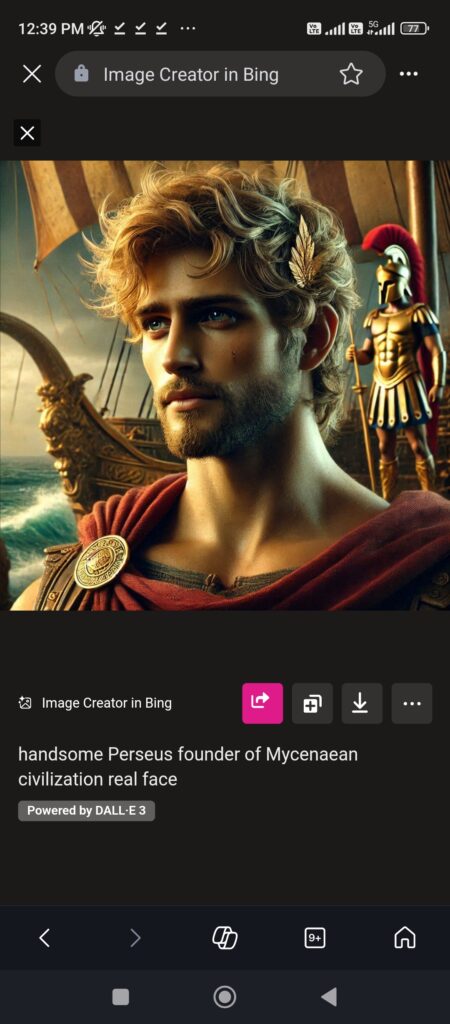
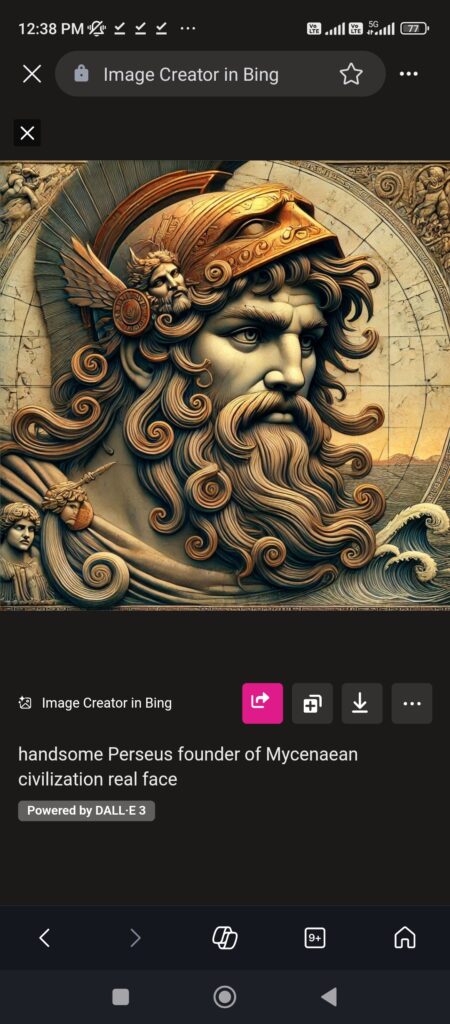
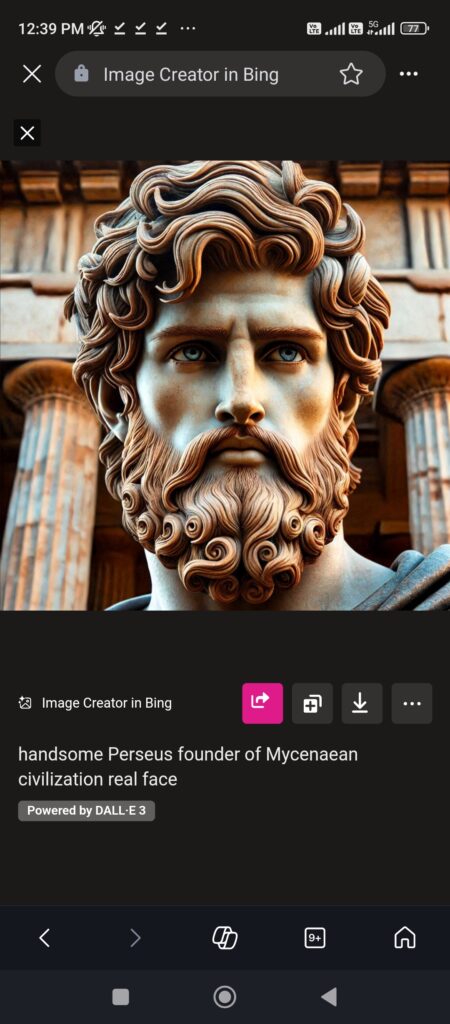
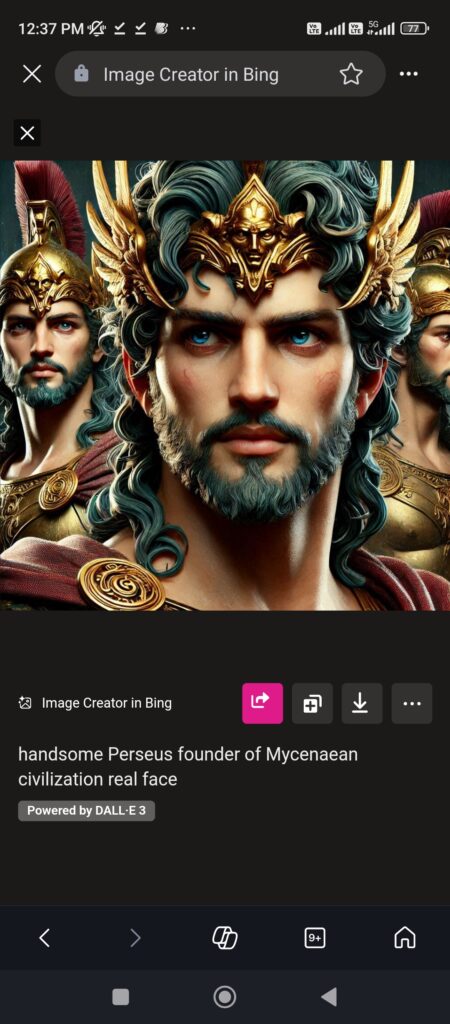
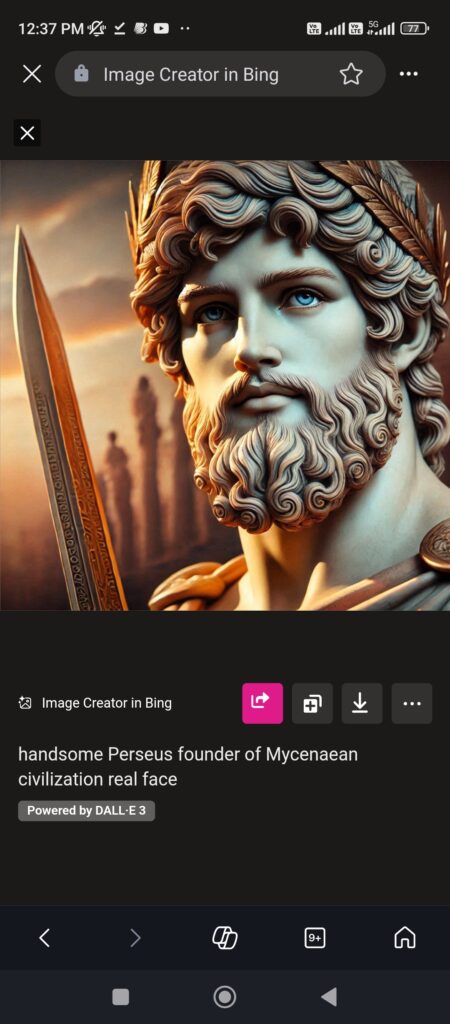
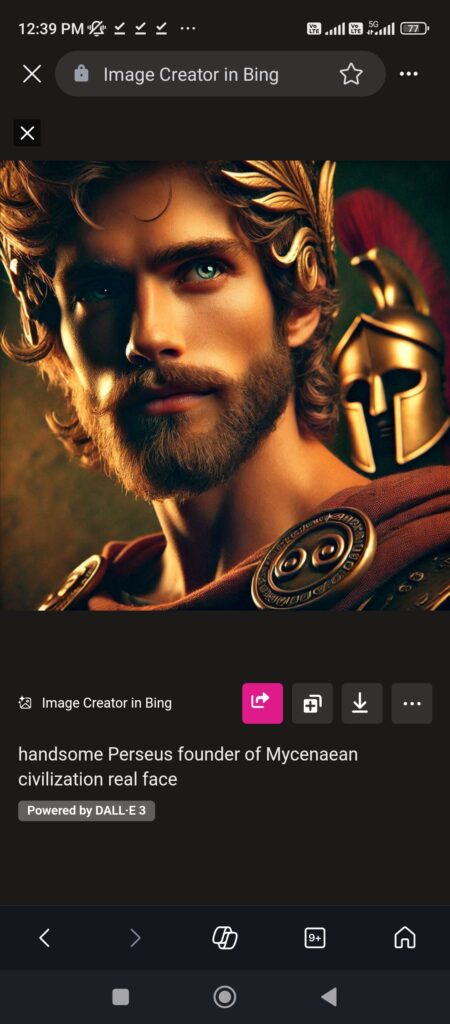
Face Transformation of Androgynous Perseus from Youth age to old Age

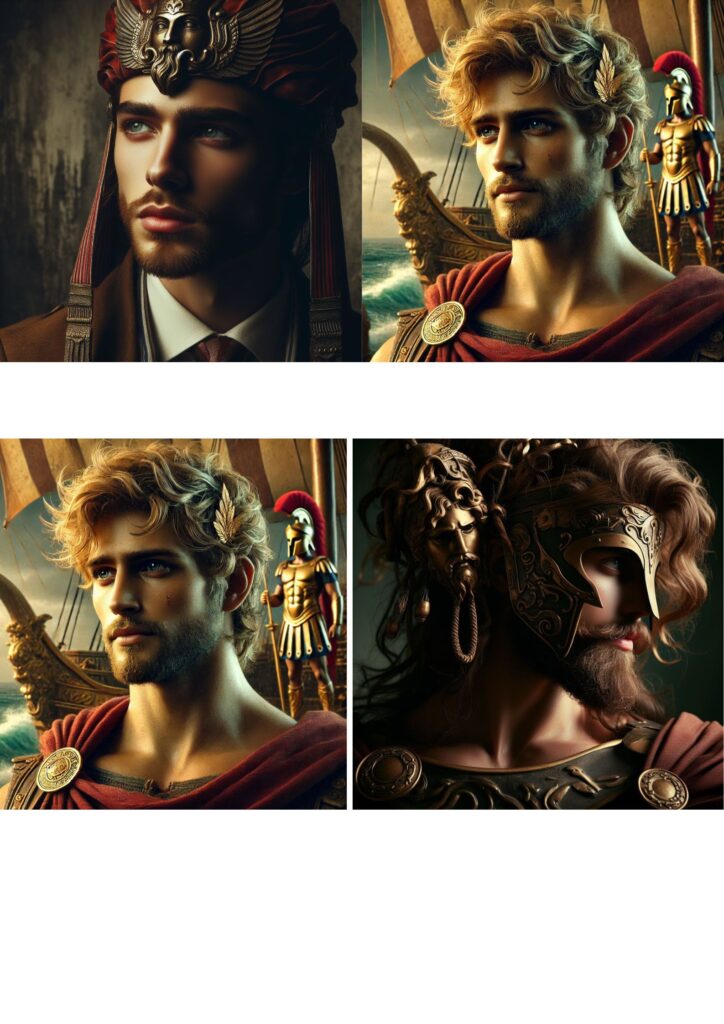

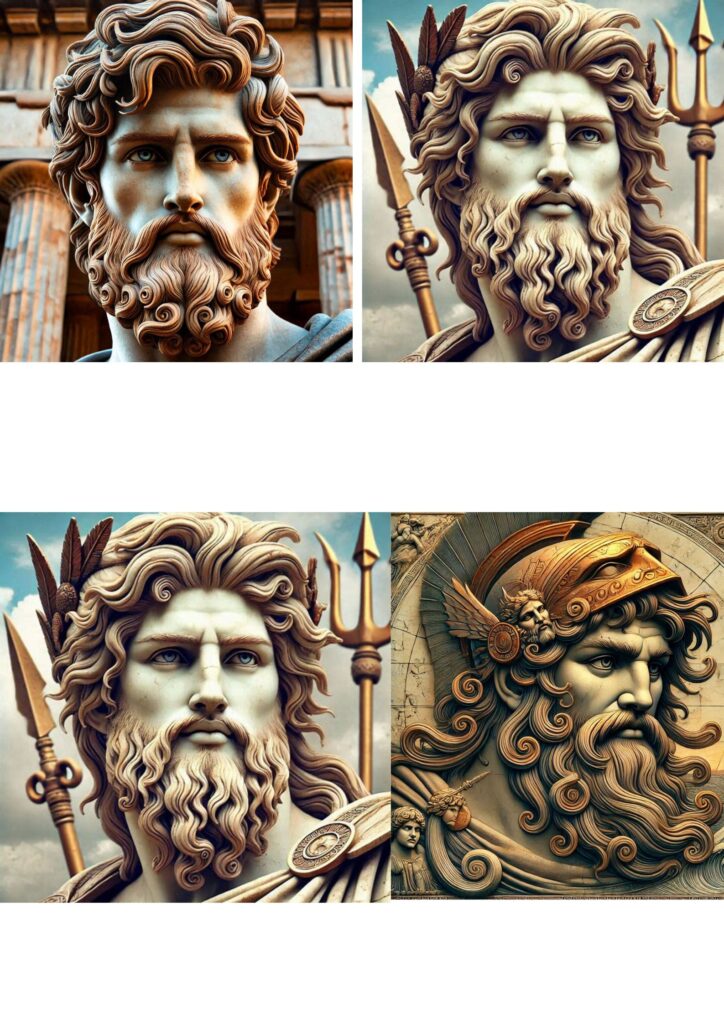
Face Comparison of Androgynous Perseus with other possible birth of this Androgynous Dying and Rising Authority
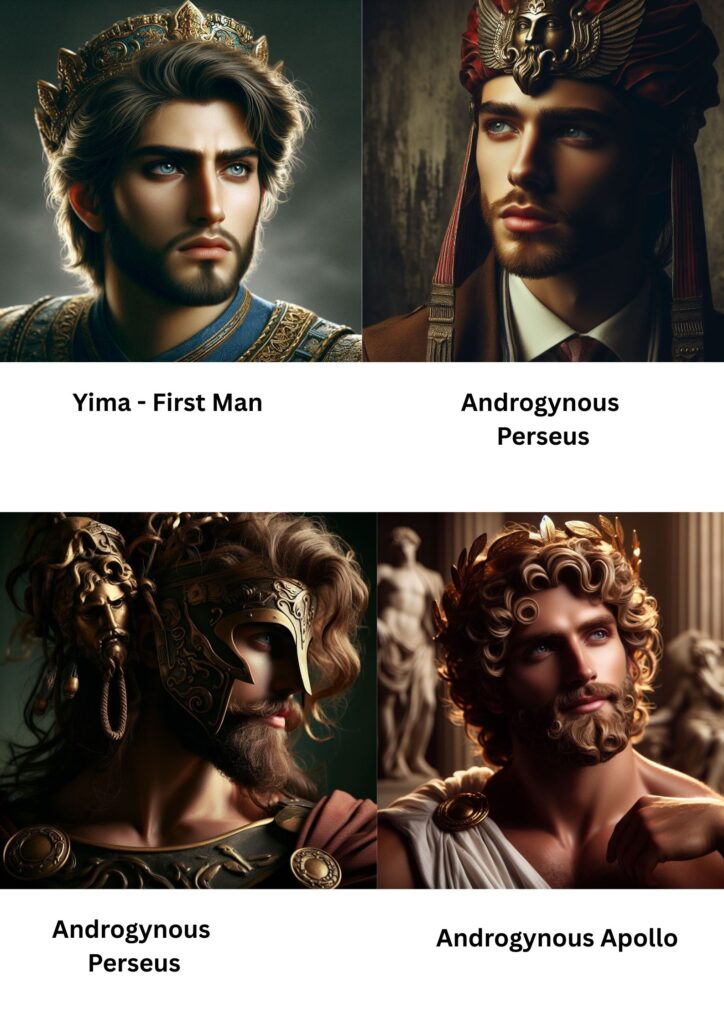
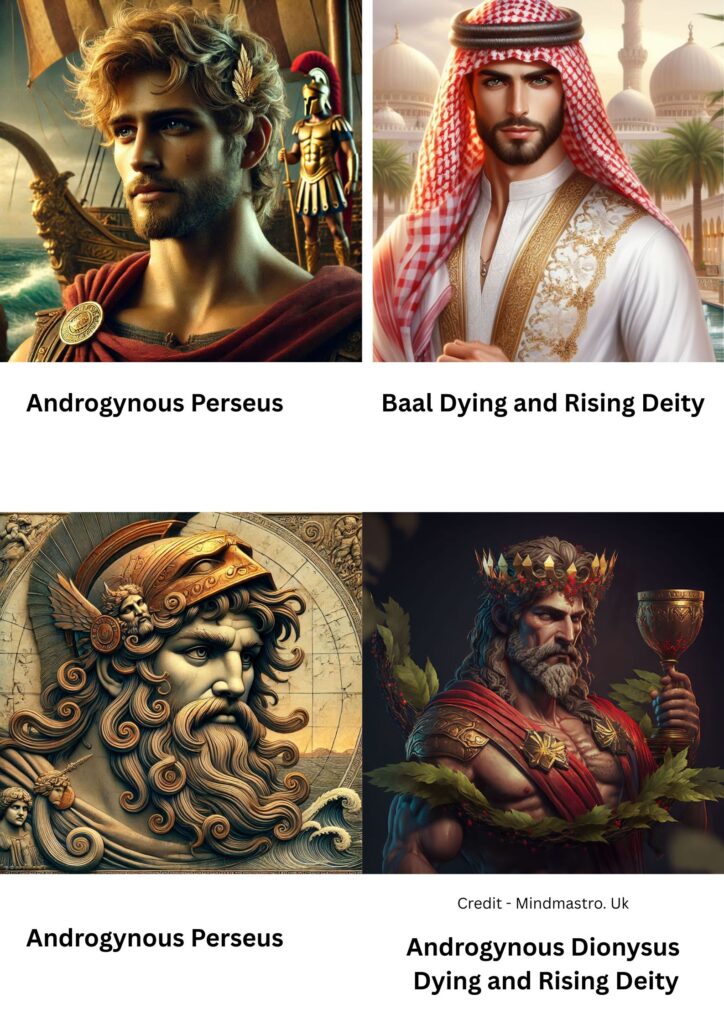
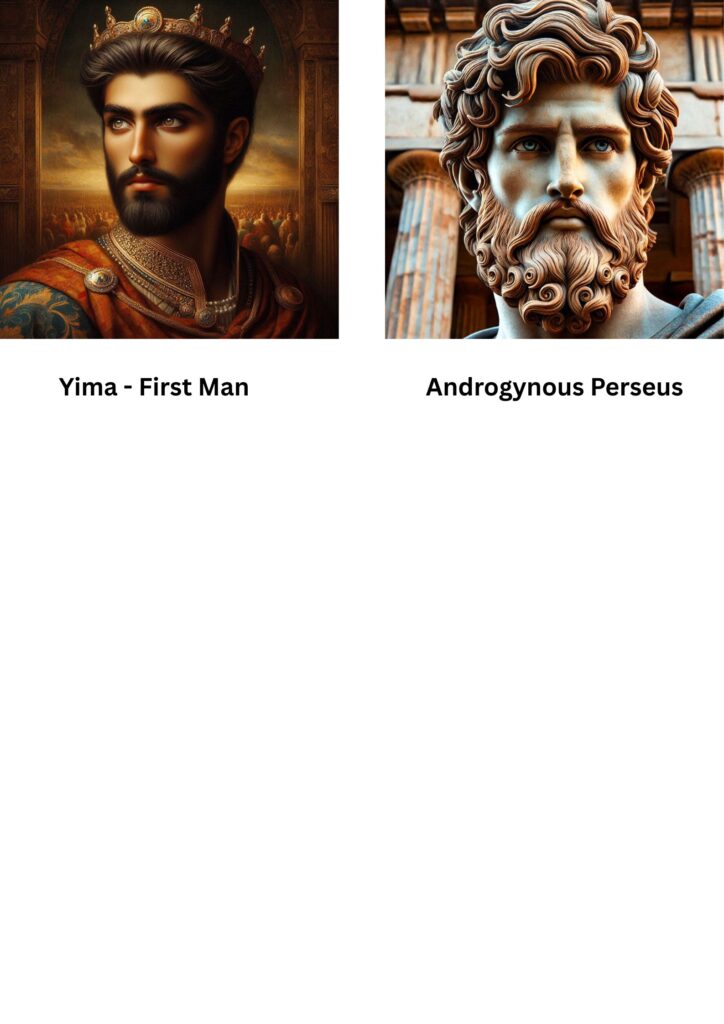
Unsolved Mystery – Androgynous Perseus face match with this Possible birth of this Androgynous Dying and Rising creator of civilization Authority, as per Bhagavadgeeta verse 4.6 , face of Androgynous dying and Rising authority remains the same in every birth, and Perseus also founded Mycenaean city, Was he the same androgynous dying and Rising authority, it yet remains a Mystery.
Ancient Mexico
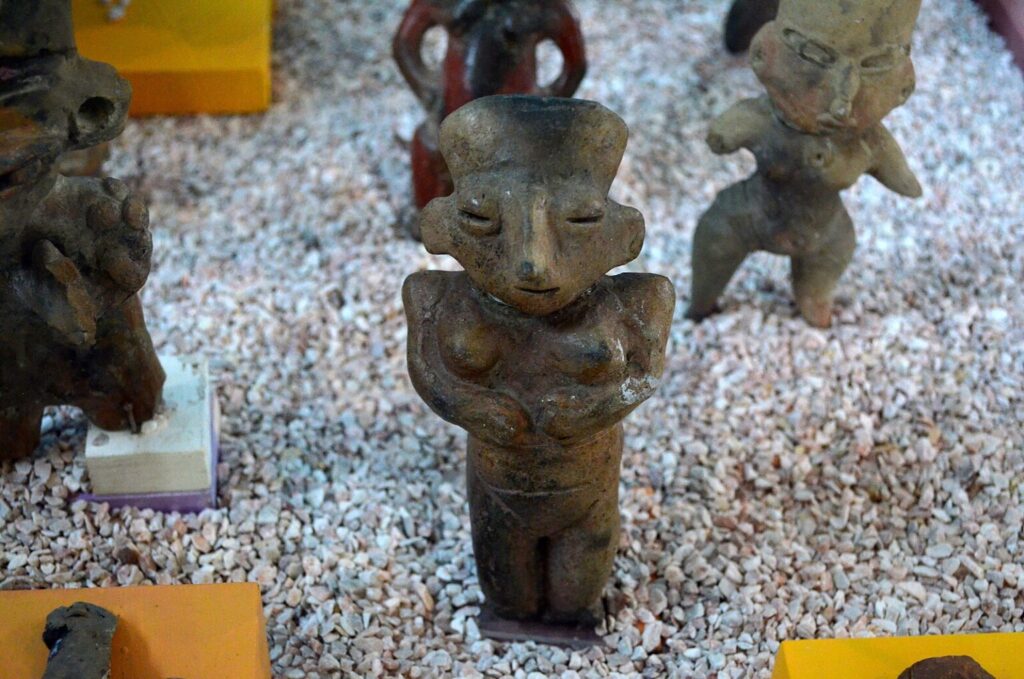
Credit- Celinbje CC BY SA 4.0
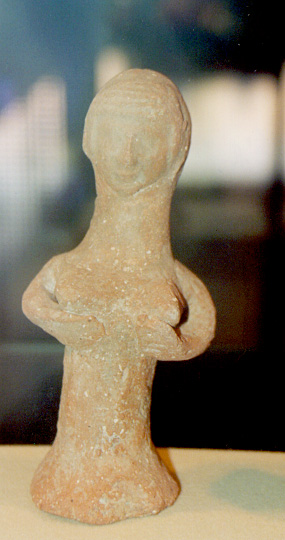
Judean Statue, 800 BC
Chupicuaro, Mexico
500 BC
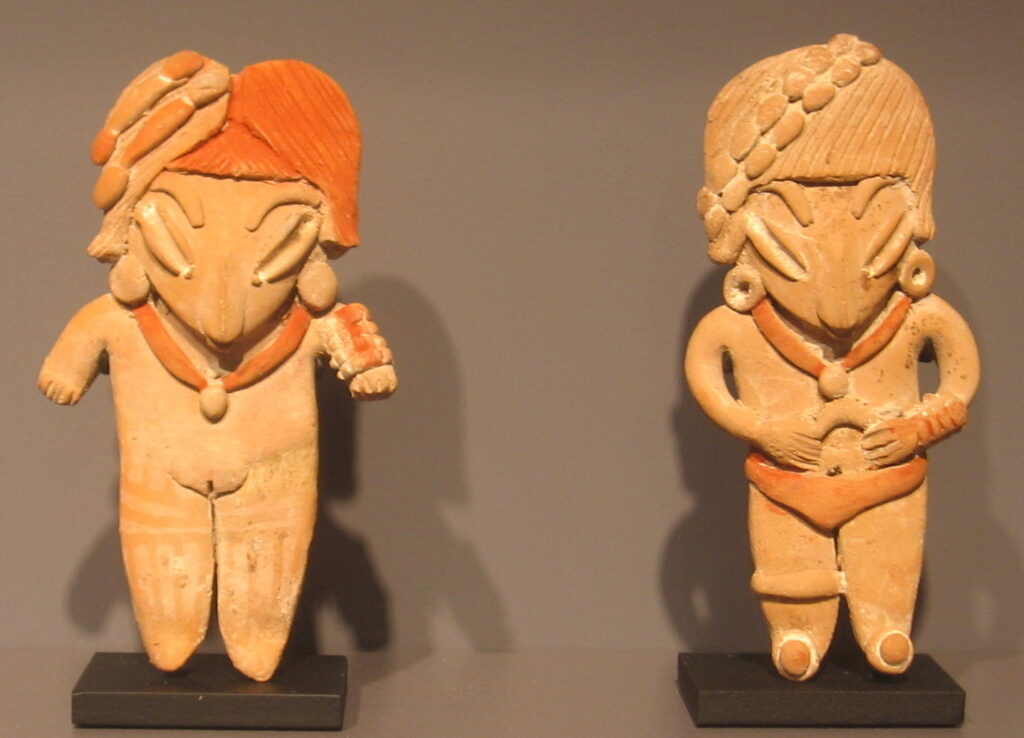
Credit- Madman2001 CC BY SA 3. 0
Conclusion
From Dionysus and Apollo to the Jade Emperor and Perseus, ancient civilizations continued to preserve recurring themes of divine authority, sacred kingship, justice, resurrection, and civilization-building.
Across Greece, China, the Mediterranean, and the ancient Americas, traditions repeatedly describe rulers, founders, and heavenly authorities who guided humanity, established dynasties, protected sacred law, and restored order during times of change.
Whether these similarities emerged independently, spread through cultural contact, or preserve fragments of a much older shared tradition remains an open question.
Within the framework of the Eternal Authority Hypothesis, these recurring patterns continue to provide clues that may point toward forgotten memories preserved within mythology, religion, and royal tradition.
As the timeline progresses, additional figures, symbols, and civilizations will be examined in the search for connections hidden within humanity’s oldest stories.
Every civilization remembers a founder.
Every dynasty remembers a ruler.
And every mystery may preserve a fragment of a forgotten past.