
Disclaimer
“The theories and interpretations presented in this article are speculative philosophical and symbolic thought experiments by the author and are not established scientific, archaeological, geological, or historical conclusions.”
Introduction
Throughout history, humanity has attempted to understand the rise and fall of civilizations through archaeology, mythology, science, religion, and cultural memory. This article explores speculative ideas and alternative interpretations regarding how historical knowledge, technology, and civilization records may become misunderstood, lost, or reinterpreted over long periods of time.
Using mythology, symbolic reasoning, historical observations, natural phenomena, and thought experiments, this article discusses how future generations may potentially misinterpret the technological capabilities and lifestyles of past civilizations when evidence becomes fragmented, destroyed, altered, or disconnected from its original context.
The theories presented here are speculative interpretations intended for creative discussion, comparative analysis, and exploration only. They should not be considered established scientific, geological, archaeological, or historical conclusions. The purpose of this article is to encourage curiosity, questioning, and open-ended exploration regarding civilization, memory, technology, symbolism, and the limitations of historical interpretation.
Because of this Types of Illusion we consider ancient civilizations as a Primitive. In vedas Vishnu describe as who cast out all illusions
Reference– Ramayana Episode 01- English subtitles


Magnetic Absorption Theory of Earth – Speculative Interpretation
The following section presents a speculative theory exploring how natural geological processes, environmental destruction, earthquakes, volcanic activity, erosion, corrosion, and long-term planetary changes may contribute to the disappearance or fragmentation of technological evidence from past civilizations over thousands of years.
Inspired partly by natural magnetic phenomena such as Magnetic Hill in Ladakh, this theory symbolically imagines how future generations might misinterpret ancient civilizations if physical evidence becomes damaged, buried, melted, recycled, or disconnected from its original historical context.
This concept is presented as a creative speculative interpretation. It is not an established scientific, geological, or archaeological theory. The purpose of this section is to encourage discussion regarding the fragility of historical evidence, the loss of technology over time, and the challenges involved in reconstructing ancient history from incomplete remains.

Magnetic Hill in Ladakh, India.AKS.9955 • CC BY-SA 4.0
A sign board near the Magnetic Hill in Ladakh, India.

Toprohan at English Wikipedia • CC BY-SA 3.0
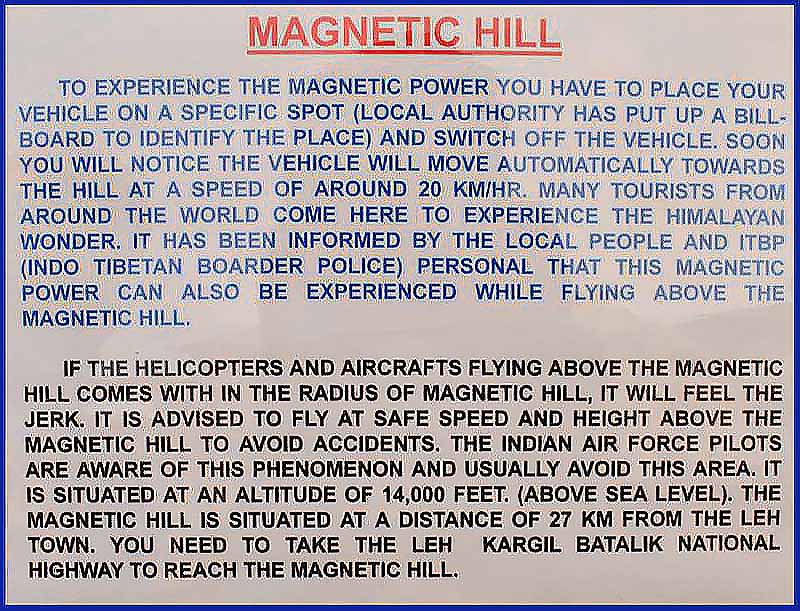
For example, As indian Ladakh Magnetic Hill pulls cars towards the hill due to magnetic power, possibly similarly after collapsing of civilization in an earthquake metal technology pull inside by the magnetic power of the earth & get melts into a volcano layer & much technological evidence may have become fragmented, altered, or lost over time.
As Ladakh Magnetic Hill pulls cars towards the hill due to magnetic power

similarly after collapsing of civilization in an earthquake
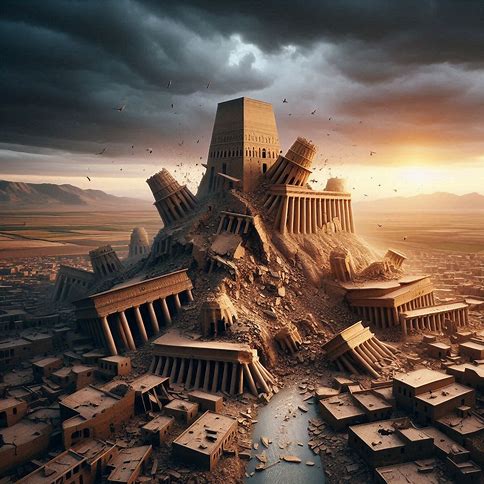
metal technology pull inside by the magnetic power of the earth , this speculative theory imagines that some technological materials may have become buried, destroyed, recycled, corroded, or lost through long-term geological and environmental processes.

& May be get melt into a volcano layer & technology evidence vanished about civilization
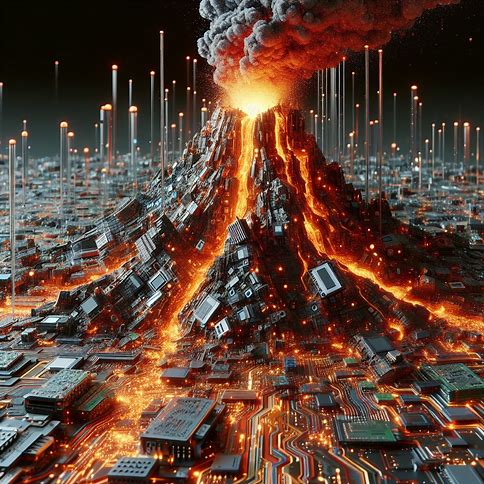
An archeologist found only sand pottery as it does not get affected by magnetic attraction force.

archaeologists often discover surviving materials such as pottery, stone artifacts, and other durable remains that preserve more easily over time.

Questions Regarding Ancient Stone Construction Methods – Speculative Discussion
The following section presents speculative questions and philosophical observations regarding ancient stone construction, engineering methods, labor systems, and the interpretation of archaeological tools associated with past civilizations.
Many ancient structures around the world display large-scale stone cutting, transportation, carving, and architectural precision that continue to inspire curiosity and debate among researchers, historians, engineers, and alternative theorists. This section does not reject mainstream archaeology but instead explores imaginative thought experiments about how future generations may interpret incomplete archaeological evidence.
The ideas presented here are speculative interpretations intended for comparative discussion and creative exploration only. They are not established archaeological or scientific conclusions. The purpose of this section is to encourage curiosity regarding ancient engineering capabilities, lost techniques, historical interpretation, and the limitations involved in reconstructing the technological history of past civilizations from surviving material remains alone.


If we have to crack a nut with stone, then after hammering 3-4 times by hand, the palm of our hand starts showing a burning Sensation.
For example, if a person repeatedly strikes a hard object such as a nut using a stone by hand, physical discomfort or strain can quickly occur. This observation leads to speculative questions about the scale of labor, tools, engineering methods, and organizational systems that may have been involved in constructing massive ancient stone structures.
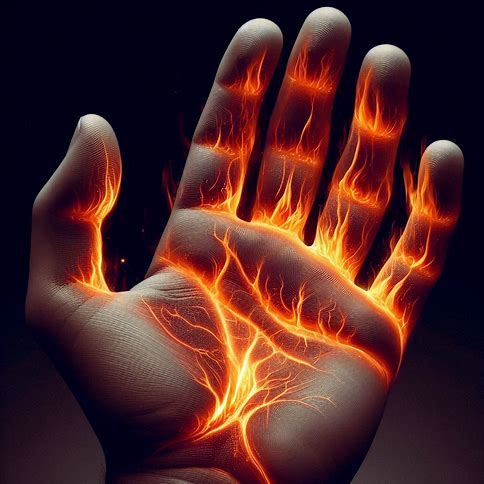


This raises speculative questions about how large stone forts, temples, and monumental structures were constructed in ancient times, and whether additional techniques, organized labor systems, advanced craftsmanship methods, or tools beyond simple hand-held stone hammering may also have played a role in such large-scale construction activities.
Medieval Civilization Stone Fort

let us consider if we are in place of Medieval king & if we want to construct that much huge fort with the stone hammering method, whereas if we have to crack small nuts by stone then after 2-4 hammer our palm start giving burning sensation & become red. Then in this condition, we will choose to live in a small hut instead of constructing a fort by this method & become bloody injured.Means we have to cut a small square stone by hammering process from a mountain place, then walk many kilometers carrying that square cut stone in hand & arrange stone on fort wall construction after climbing 8 or 10 km above the huge fort.
How is it possible with this stone tools hammering method, the Shivaji Indian king in the 16th century built 300 forts in a 30-40 years timespan?
Means we have to cut a small square stone by hammering process from a mountain place,
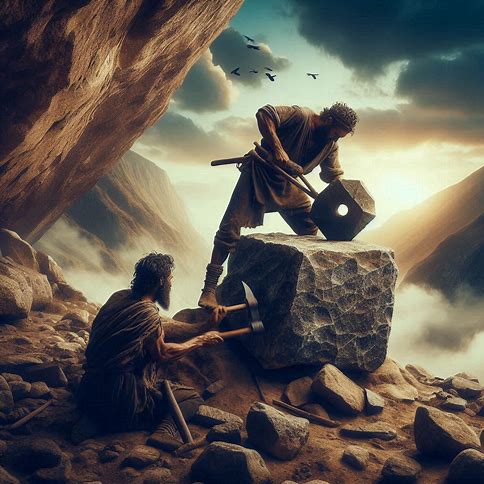
then walk many kilometers carrying that square cut stone in hand & arrange stone on fort wall construction after climbing 8 or 10 km above the huge fort
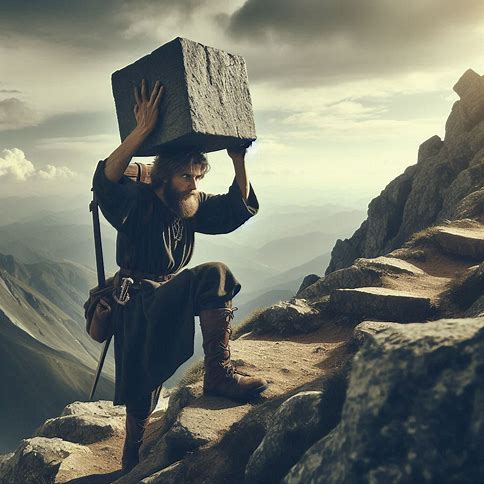
Then in this condition, anyone will choose to live in a small hut instead of constructing a fort by this method & become bloody injured.

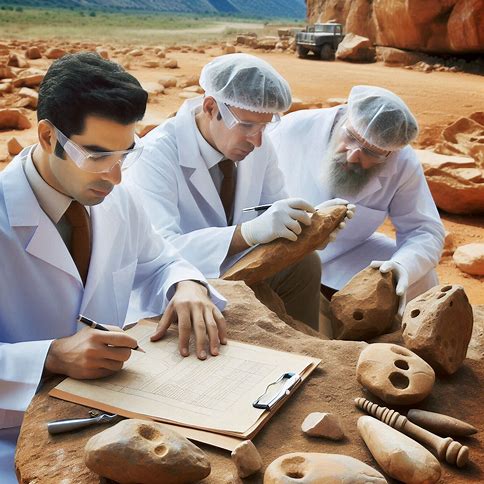
Mystery Similar Size Stone tools found in the Excavation of Civilization

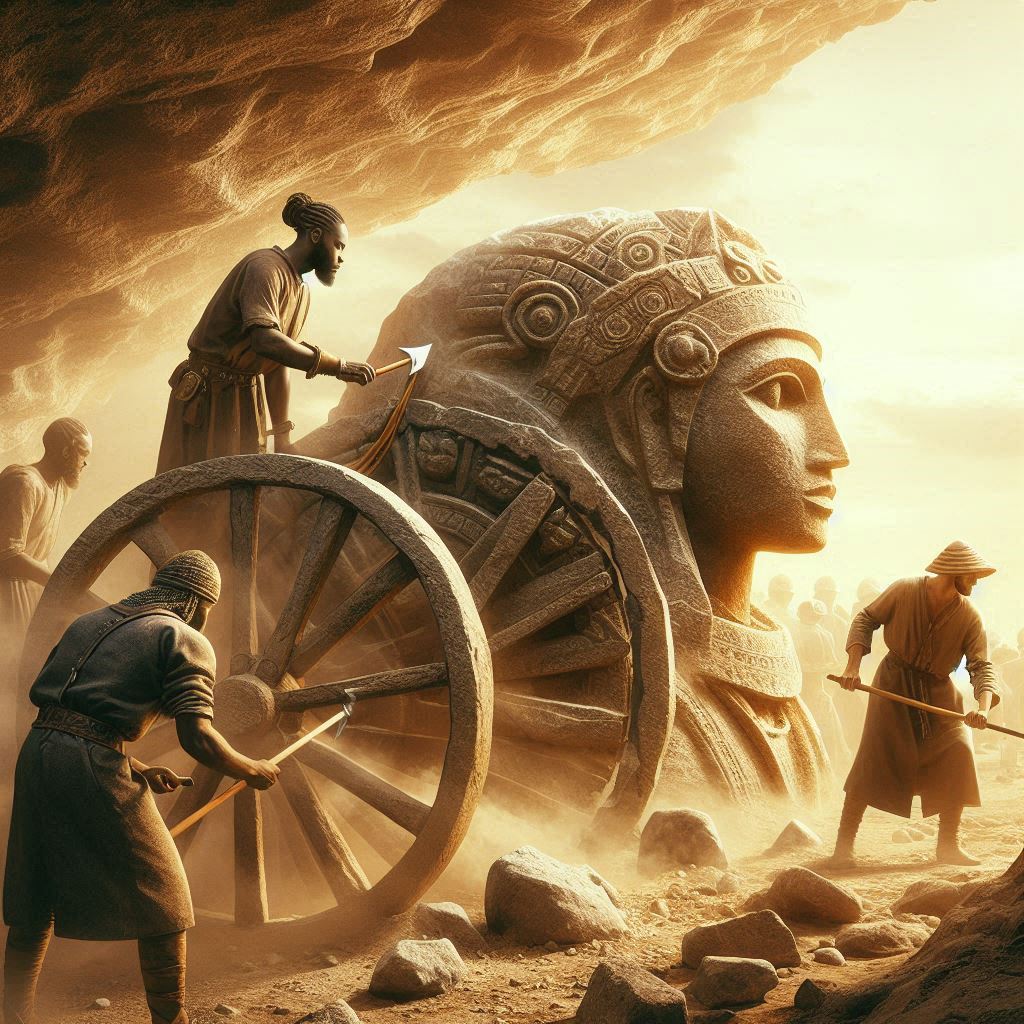
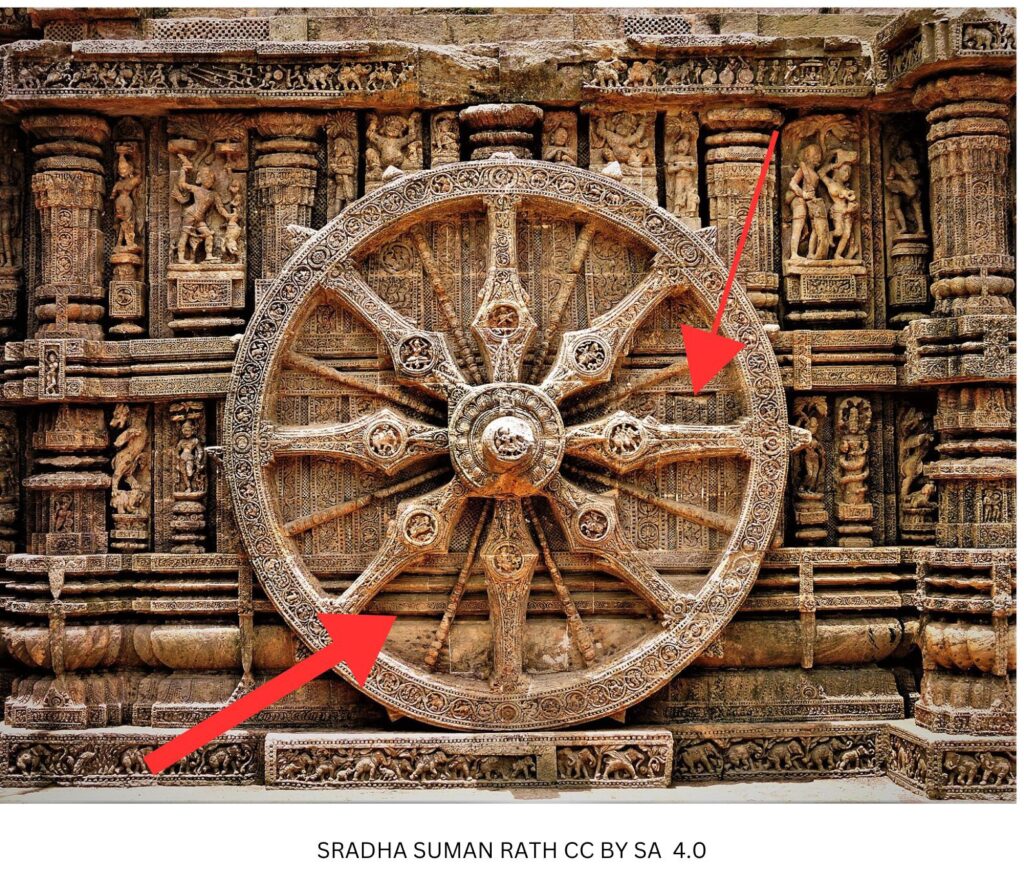
Take the above example– Ancient engineers while carving above chariot similar shaped stones chips came out in the process of carving, while carving similar shapes, to create a design.

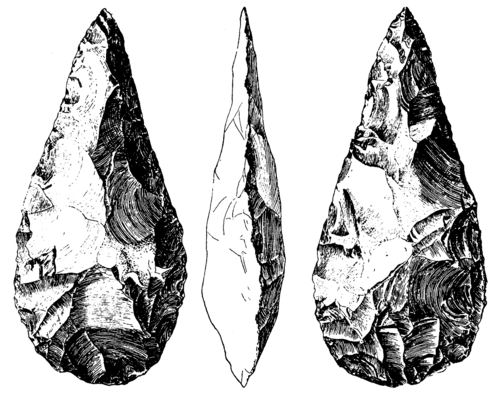
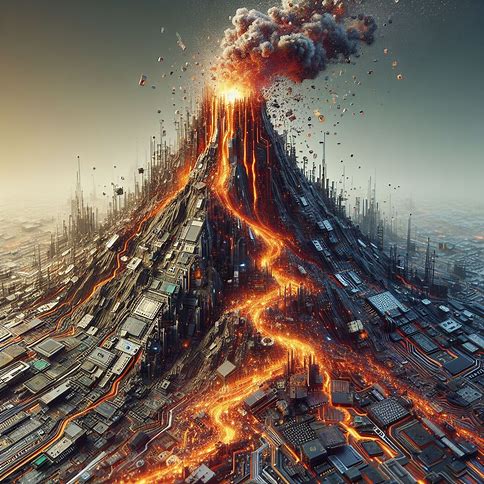
● That similar shape part came outside in process of carving & fell on construction sites & after the earthquake when civilization collapsed in natural calamity all metal technology get absorbed inside the earth

& get meltdown in a volcano layer

& Archeologists found sand pottery & this similar shape stone leftover of any stone building construction site.

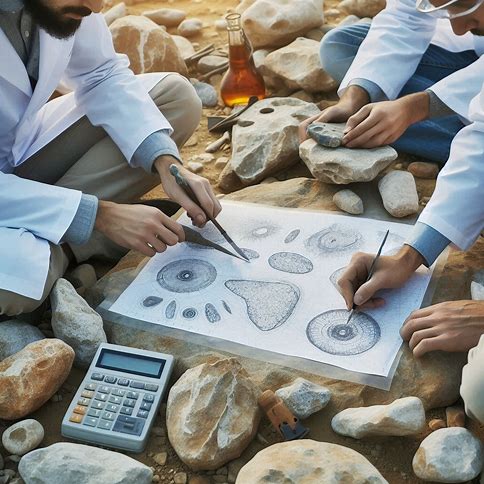
according to this speculative interpretation, some objects discovered during excavations may later be classified by archaeologists as stone tools or artifacts associated with prehistoric cultures based on the available evidence and prevailing historical interpretations of their time.
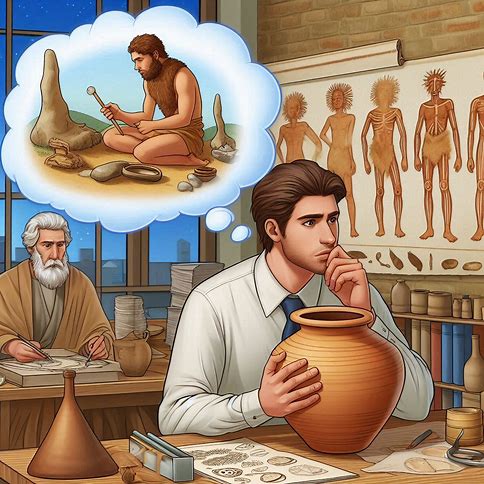
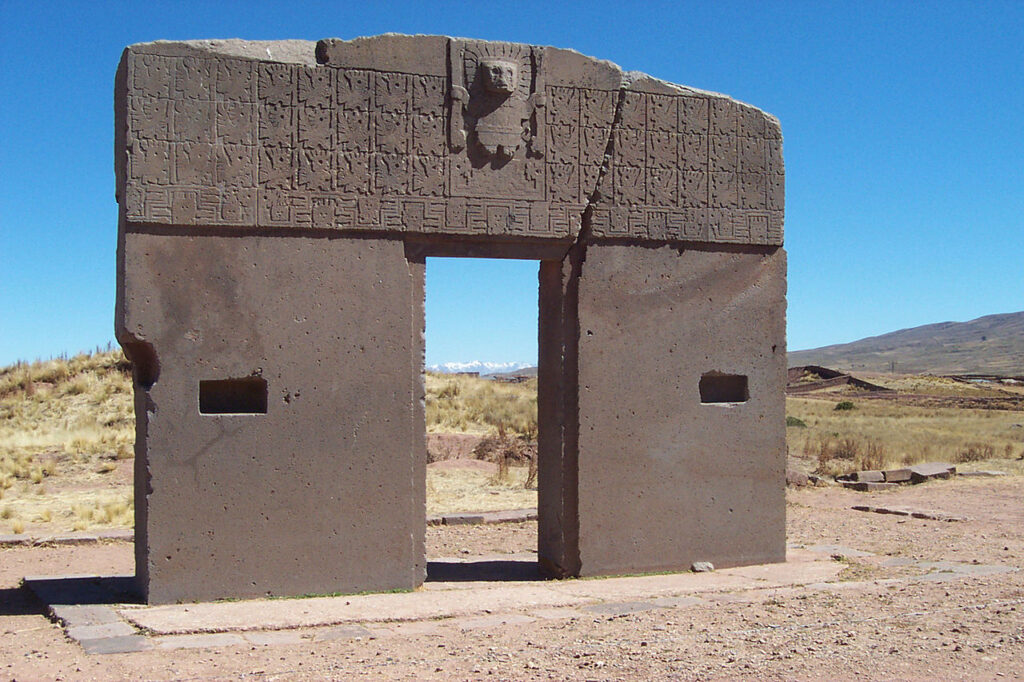
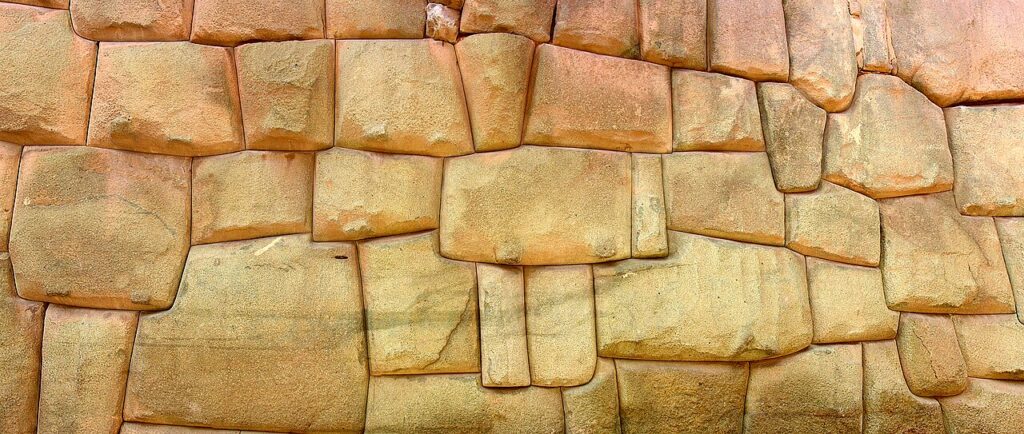
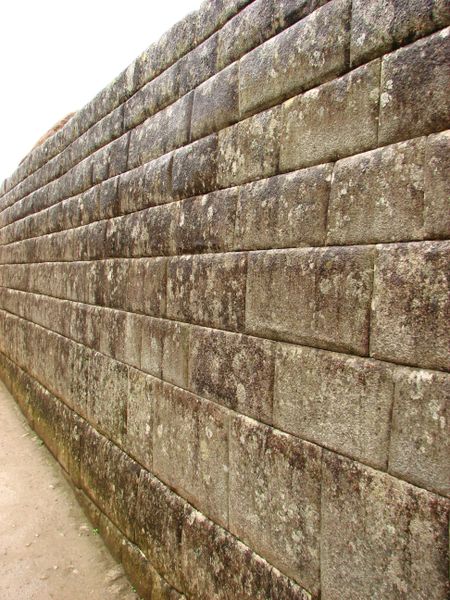
Sharp Stone Cutting Technology
“Some ancient stone structures display highly precise cutting and shaping techniques that continue to inspire discussion among historians, engineers, and archaeologists.”
Ancient Puma punku site
public domain
Cuzco, Peru
Martin St-Amant (S23678) • CC BY 3.0
Ancient Machu Picchu architecture sharp stone cutting
rubyk CC BY SA 2.5
Ancient Gold Treasure and mining of gold with Stone Tools

“This section raises speculative questions regarding the labor, engineering methods, mining techniques, and organizational systems that may have supported ancient extraction activities.”, How is it possible to dig gold mines with stone tools, The gold which is found in every ancient civilizations & why they will prefer to use gold/iron if they need to take so much hard work to mine gold and iron with stone tools.
Interpretation of Technology History under Illusion by Scientist
1.Loss of Patent Office Illusion Principle

➢ Loss of patent office in the collapse of civilization in an earthquake, etc
➢ Then new scientists made changes in existing products, change process of manufacturing or raw material, any part of product & filled patent on their name in the new patent office (patent office which established after earthquake)& old patent record evidence lost in earthquake collapse of civilization
Example – bulb light present from thousand years such evidence found in history,
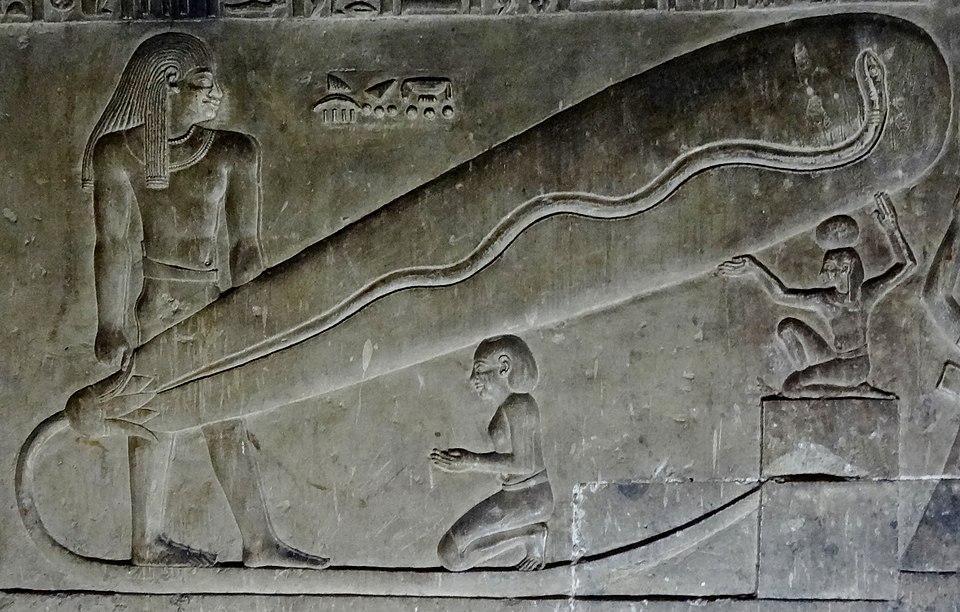
Olaf Tausch CC BY SA 3.0
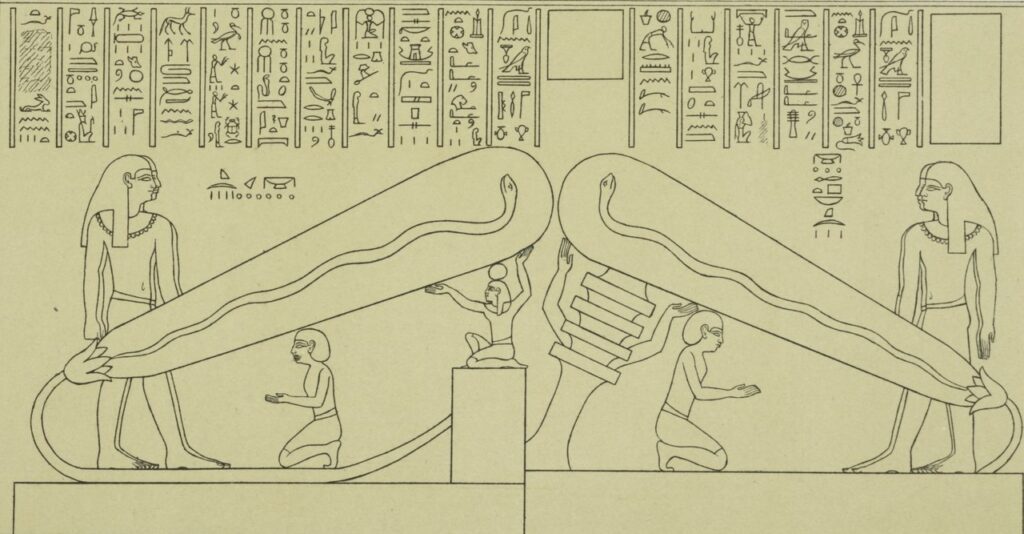
then visualize, this bulb technology pass generation to generation, as time pass generation to generation, new civilization find out new resources, any existing resources become costly to use, then every time scientists of every generation made changes in existing technology and fill patent on his name, but then patent office loss in natural disasters,

then next generation government established new patent office and next generation scientists who made changes in process, resources, design of existing product took patent for his discovery, then time pass
➢ After 100 years, The New Generation Government Administration checks Patent Office records & think 1’st patent of bulb light on the name of Edison so just before 100 years is the date or time when humans invented the 1st bulb light in history & start visualizing that before that time period, people were using candles.
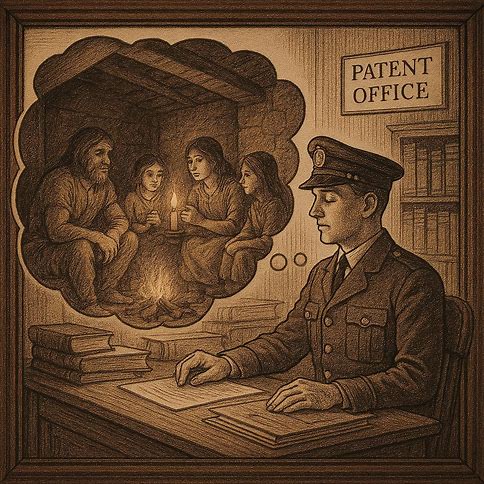
In fact, by the time Edison started working on the bulb invention, the light bulb had already been around for a long time, just in a different form, DeGraaf explained. About 20 Inventors from all over the world have proposed various patents for it.
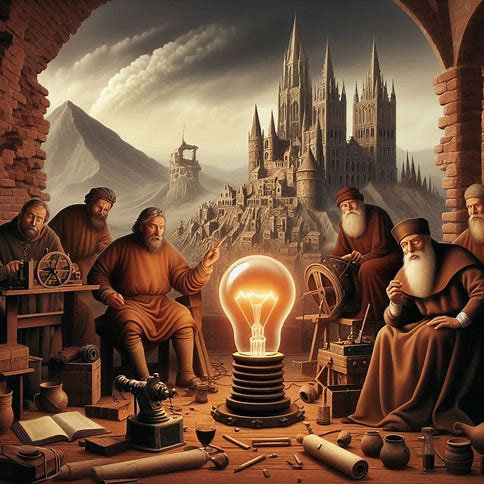
● Edison made improvements To the existing idea.
● “Looking at his private writings, he invented other components-generators, distribution systems, and organized companies that distributed them,” DeGraaf said. “He decided to develop a filament that would use ‘high resistance’ to light it up without destroying it. Then you could use cheaper materials that made it more economically viable to make light bulbs.
But next generation government may be don’t think that previous patent office history and evidence of technology records lost in earthquake.
Evidence of ancient technology Lost in Magnetic Absorption Theory of Earth-

After the Collapse of Civilization in Earthquakes, civilization may be enter in earth stomach, Metallic parts attached to the technology of that civilization get affected by the Magnetic Attraction Force of the Core of the Earth & Pull inside in volcanic layer & get Meltdown in Volcanic Layer.
According to this speculative interpretation, after the collapse of civilizations through earthquakes, volcanic activity, or other natural disasters, some technological materials and metallic remains may have become buried beneath geological layers, damaged by environmental processes, recycled over time, or lost from the historical record, contributing to the disappearance of certain technological evidence from ancient civilizations.
How Technological Evidence from Historical Sites May Become Lost Over Time – Speculative Interpretation
This section explores a speculative idea regarding how technological evidence associated with older historical sites may gradually disappear across generations due to renovation, rebuilding, modernization, recycling of materials, environmental damage, war, natural disasters, changing infrastructure systems, or replacement of older technologies with newer systems by later societies and administrations.
As Next-Generation Descendants or Next-Generation Government Remove Past Old technology System.
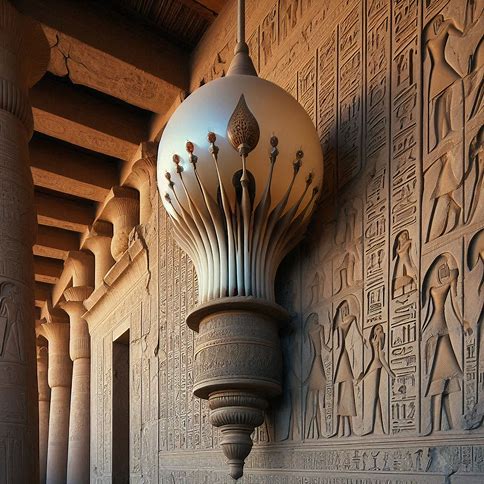
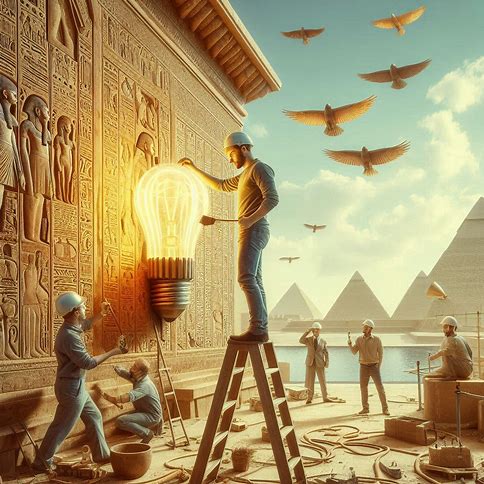
& put the new updated technology system to convert places, palaces, temples, forts into tourist place and to flourish Tourism
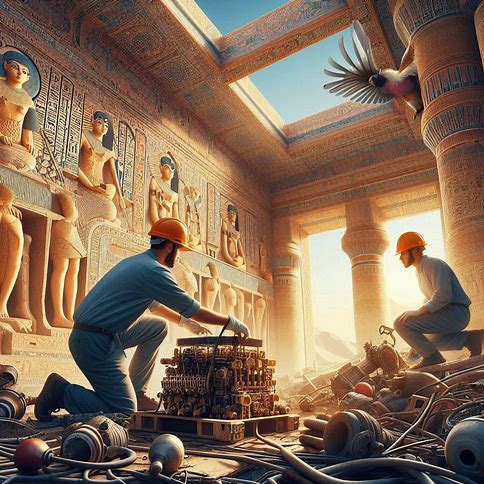
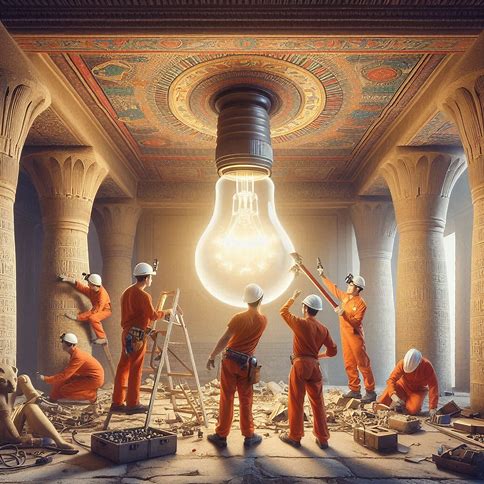
& sold old Generation bulbs & electric wires, and old technology in scraps hence from these places also past civilization technology evidence lost.

As Next-Generation Descendants or Next-Generation Government Remove Past Old technology System & put the new updated technology system to convert places, palaces, temples, forts into tourist place and to flourish Tourism & sold old Generation bulbs & electric wires, and old technology in scraps hence from these places also past technology evidence lost.
Ancient Leftover Houses/places –


Small Robbers, Scrap sellers, and extremely poor people, find out such places & collect bulbs & wires & other old technology things to sell in scrap & to raise money from it for their survival, Hence from these places also Evidence of old technology Lost.
Use of Mashal Fire-
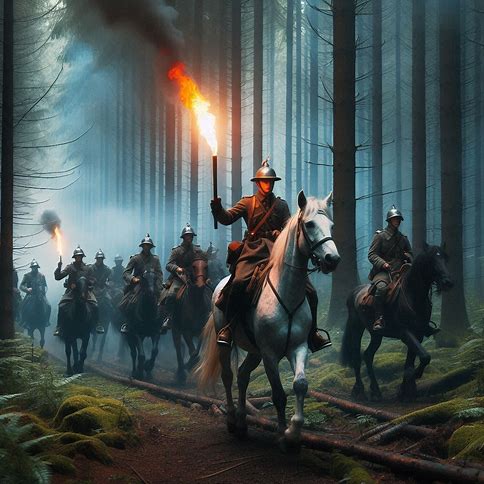
Before in Ancient Time, the population was Fewer & forest was dense & Wild Animal Population was Abundant, hence Mashal fire use in surrounding forts walls to prevent the entry of any wild animal into human habitat ,


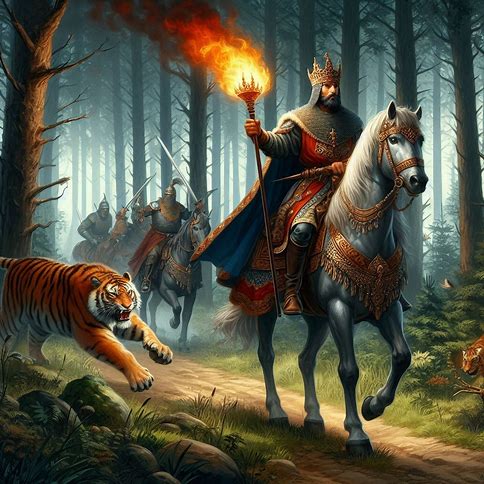
as well as if the person moving in the night on a horse, from forest route then they use to carry Mashal in hand to terrify wild animals.as wild animals fear to fire.

as well as if any person living in a dense forest area, then they put a Mashal fire outside the home to terrify wild animals & prevent their entry into the surrounding house area. the ceremonial or practical use of fire-based lighting alone may not fully represent every aspect of historical technological development.
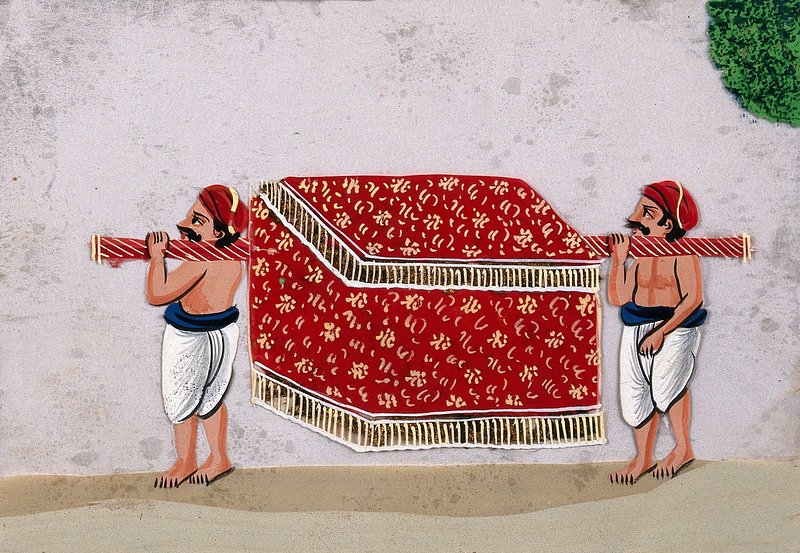
Horse Chariot & Shoulder Chair / palanquin Mystery
(Horse Chariots and Palanquins – Symbolism, Ceremony, and Historical Interpretation )
The following section explores speculative interpretations regarding the ceremonial, symbolic, cultural, and practical use of horse chariots and palanquins in ancient and medieval civilizations. Rather than assuming that such transportation methods alone fully represent the technological level of a civilization, this discussion considers the possibility that some royal or ritual vehicles may also have carried symbolic, ceremonial, social, or cultural significance.
public domain
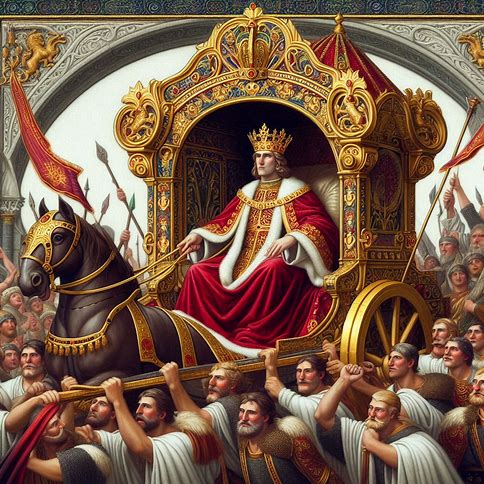
● For example, even in the modern world, ceremonial horse-drawn chariots are sometimes used during royal or cultural events as symbols of tradition, prestige, and heritage. Their continued ceremonial use does not imply the absence of modern transportation technologies such as automobiles, trains, or aircraft.

Similarly, palanquins or shoulder-carried royal chairs may also have served ceremonial, cultural, or symbolic purposes in certain historical contexts, representing status, honor, tradition, or royal protocol during public events and processions.
● Similarly, shoulder chairs or palanquins might have been used in ancient times as ceremonial symbols of royalty, prestige, and royal protocol during important public events, rituals, or official gatherings.
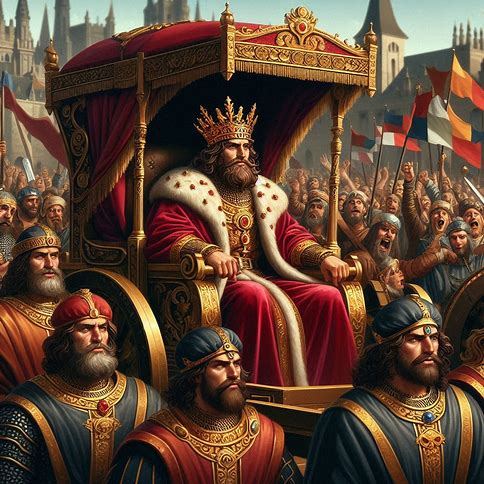
In civilizations where large forts, palaces, or elevated royal complexes existed, palanquins may have been used ceremonially to escort kings or rulers through palace corridors, stairways, or formal gathering spaces during important events. Their ceremonial use alone should not automatically be interpreted as evidence regarding the overall technological capabilities or developmental level of a civilization.
Symbolic Interpretation of Chariots in Philosophy, Spirituality and Mythology
The following section explores symbolic and Spiritual interpretations of chariots in ancient traditions, mythology, and classical philosophy. In various cultures, chariots were sometimes used not only as physical vehicles but also as symbolic representations of spiritual ideas, inner struggle, consciousness, power, or the structure of the human soul.
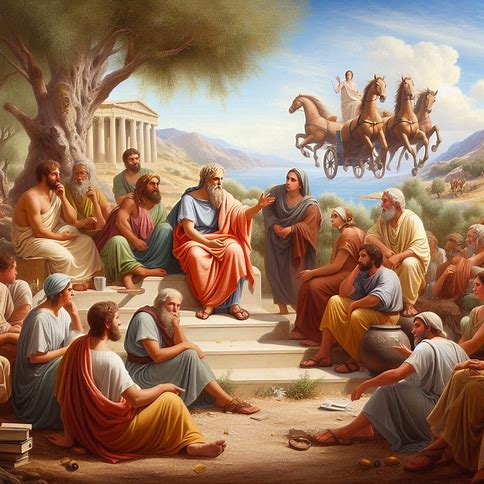
For example, in Plato’s writings, symbolic chariot imagery is used allegorically to describe aspects of the human mind and soul rather than literal transportation technology alone. This section explores such symbolic interpretations from a comparative and Spiritual perspective only.
Example: In the Allegory of the cave, plato mentioned that two horse chariot represent soul Structure and Mechanism.
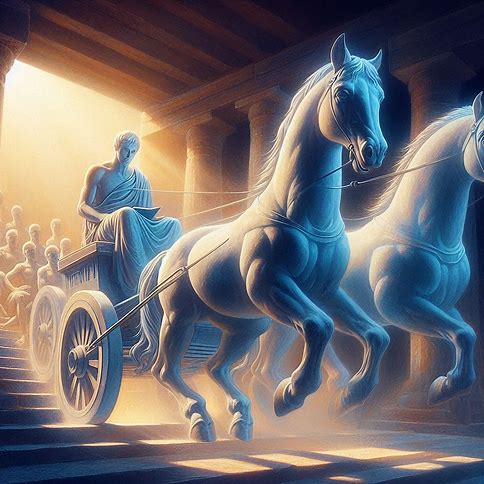
Hermes pulling Cock chariot –
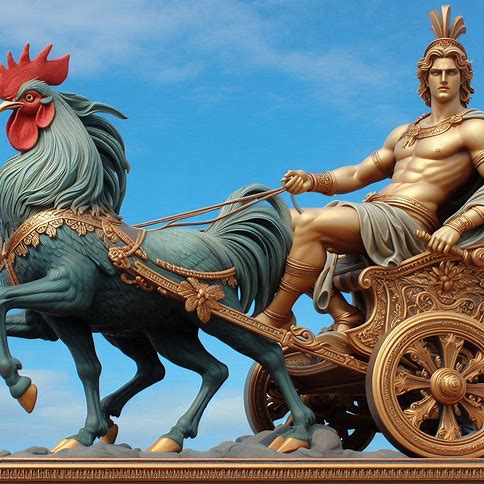
Greek goddess Hera pulling Peacock chariot –

Since birds such as cocks or peacocks would not realistically be capable of pulling large physical chariots, such imagery in mythology and religious art may have been intended symbolically, artistically, or spiritually rather than as literal representations of transportation methods.
Ancient and Medieval Royal Horses — Symbolism, Practical Use, and Alternative Transportation Interpretations
The following section explores speculative interpretations regarding the use of horses by ancient and medieval kings, rulers, and royal administrations. Horses may have served multiple purposes including transportation, military movement, ceremonial display, forest travel, communication, prestige, and royal symbolism within historical civilizations.
This section also examines the possibility that surviving historical evidence may represent only a partial view of past transportation systems. Some speculative interpretations imagine that certain transportation methods, technologies, or infrastructure may no longer survive in the archaeological or historical record due to environmental destruction, rebuilding, material recycling, loss of documentation, or the passage of time.
The ideas presented here are speculative interpretations intended for discussion, symbolic analysis, and creative exploration only. They are not established historical or archaeological conclusions.

● In many historical periods, human populations were smaller and large forested regions existed around settlements and travel routes. In such environments, horses may have been considered practical, accessible, and economically useful for transportation, communication, agriculture, military movement, and travel across difficult terrain, particularly in areas where natural grazing resources were widely available.
● Horses may also have been used by ancient and medieval rulers for movement across large fort complexes, hilly terrain, long internal pathways, and elevated regions where travel on foot could be difficult or time-consuming. In many historical settings, horses served practical, military, and ceremonial transportation purposes within and around large fortified settlements.
Example, as to climb the steps of forts & for movement within forts which cover an area in km, ancient and medieval king & other civilizations king may have used horses,
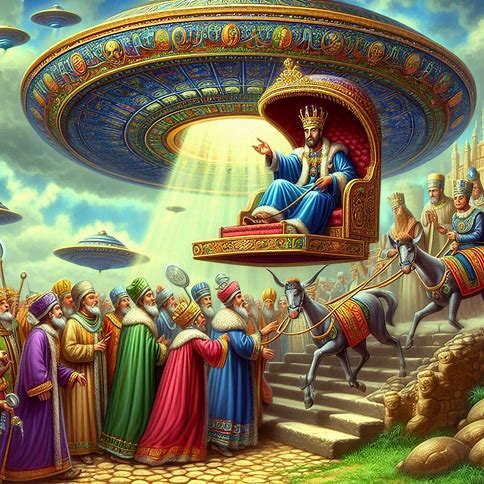
as well as cutting all forest was not possible as the forest was dense, so to pass from the forest area ancient and medieval kings military use horses as a transport purpose
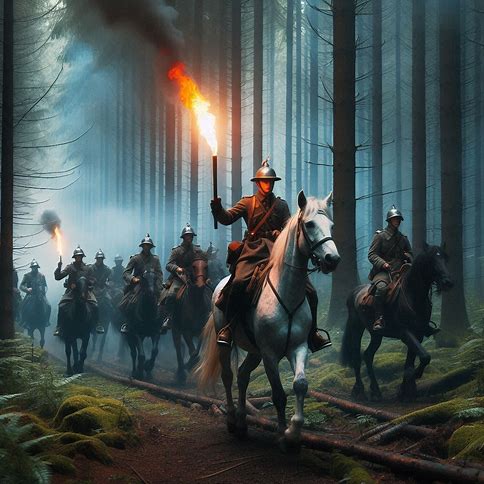
According to the author’s speculative interpretation, horses may have been used for ceremonial movement, travel through forests, or transportation within large forts and palace complexes, while other forms of transportation may also have existed but no longer survive in the historical record. This idea is presented as a speculative thought experiment rather than an established historical conclusion.
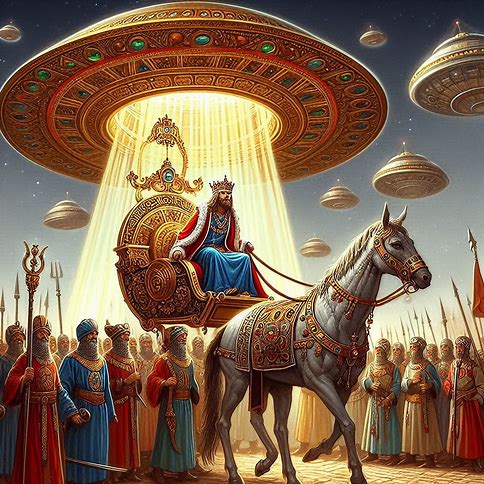
● But After the Collapse of civilization, lost all technological evidence in the magnetic absorption theory of the earth, from the ancient and medieval period, & lost technology evidence in magnetic absorption theory of the earth
Technology Continuity and the “Loss of Records” Illusion – Speculative Interpretation

How Historians write history under illusion
● Then the latest historians & authors get few resources of that time & treaties records-from which historians interpret history

“and may unintentionally interpret incomplete historical evidence through the imagination, assumptions, and cultural understanding of their own era.”.
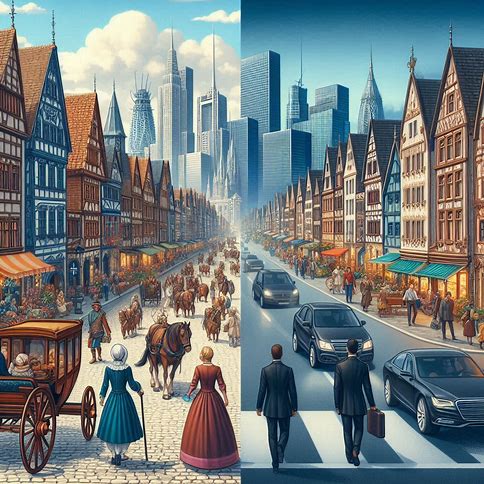
● Example– Today also while writing records, government officers/clark write only information about signing a treaty with this nation, don’t write prime minister came out from a flight or helicopter then seat in four wheelers then took a pen in hand, made up of metal from this brand technology & sign treaty hence Todays Historian can’t judge ancient technology.

Then historians from these few sources, treaties, and records of that ancient time visualize & made the fantasy of undeveloped civilization people how they were living in that time,
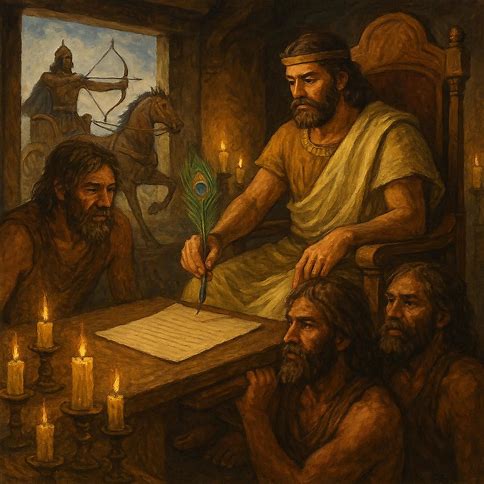
king come on a horse chariot & on palanquin in the room filled with candles & took peacock feather in hand & dip into the ink bottle & signs treaty, By the way historians possibly filling the blanks by own era Visualisation & Perception.“ According to this speculative interpretation, later generations may sometimes imagine past civilizations primarily through surviving symbols, artwork, limited records, or cultural assumptions, potentially reconstructing historical scenes in ways influenced by the perspectives and interpretations of their own era.”
Pen History

This speculative interpretation considers the possibility that writing technologies may have evolved gradually across generations, with different societies improving existing tools, materials, and manufacturing methods over time. It further imagines that some historical records, technical knowledge, or documentation systems may have been lost, damaged, or fragmented due to natural disasters, societal collapse, or the passage of time, potentially influencing how later generations interpret the history of technological development.
possibly Pens are also present from ancient times and pass technology from generation to generation, each generation Scientists made changes in existing technology, process or as per cheap availability of raw materials & filled patents of newly develop products & past patent records are lost in earthquake with the lost patent office.
● This speculative interpretation suggests that later generations may have associated ancient writing primarily with feather quills based on surviving artwork, records, or cultural imagery, while the broader evolution of writing instruments and technologies across history may have been more complex than what survives in the historical record today.

How would it have been possible to produce highly detailed and clean handwritten notes using feather quills without ink drops, smudges, or irregular lines? This speculative question invites discussion about the evolution of writing instruments, manuscript preparation techniques, and historical writing methods across different civilizations.

similarly, check ancient and medieval scientists clean notes,
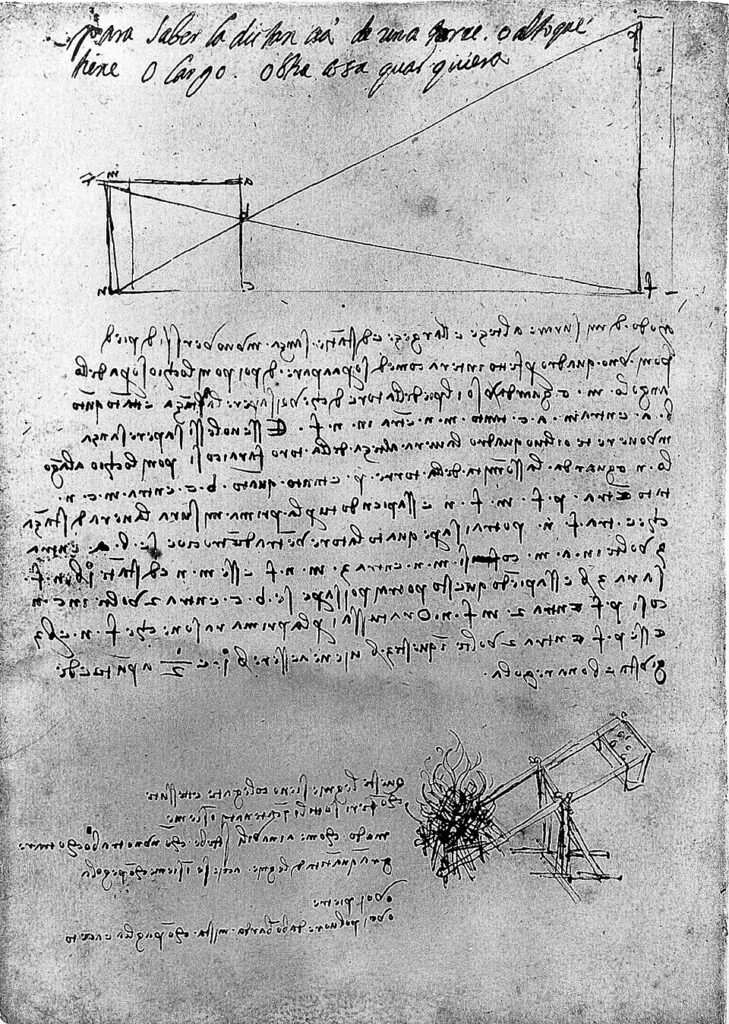
Wellcome Collection CC BY SA 4.0 Leonardo da Vinci notes
possibly pen technology was present from ancient times & pass from generation to generation & due to the loss of patent office illusion principle-scientists interpret it as Recent Century Discovery.
This speculative interpretation considers the possibility that certain technologies may have evolved gradually across many generations, with knowledge being modified, improved, lost, rediscovered, or reinterpreted over time. It further explores how incomplete historical records and the loss of documentation systems might influence modern perceptions regarding the timeline of technological development.
Alternative Interpretations of Ancient Cave Art and Symbolism
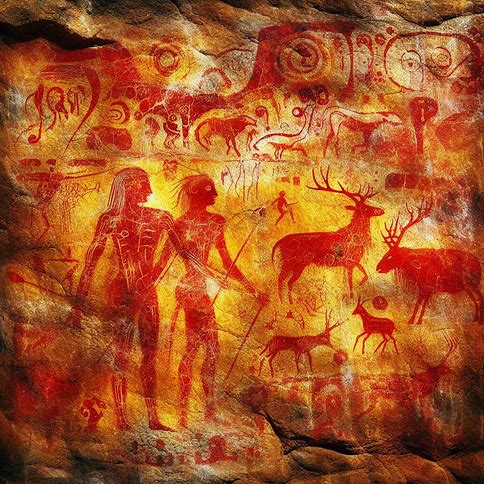
As to day we also decorate walls with warli paintings as a part of interior design where scenes of dancing people around the fire, and hunting scenes are depicted on walls.
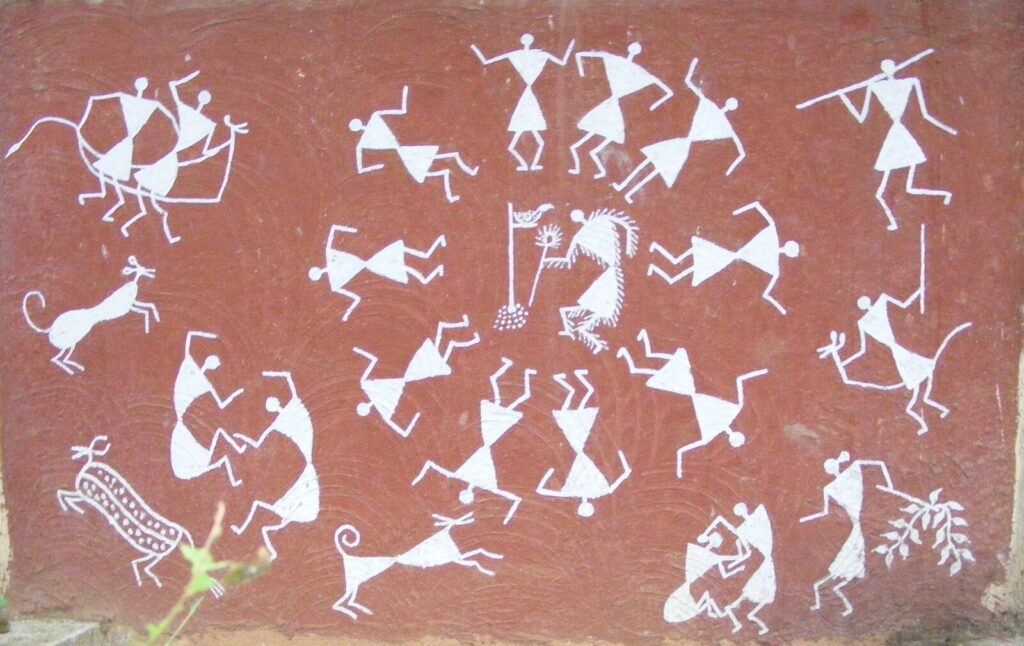
Dr. Raju Kasambe CCC BY SA 4.0

So we decorate walls with such warli art, in which draw hunting scene but it does not mean this is our hunting lifestyle
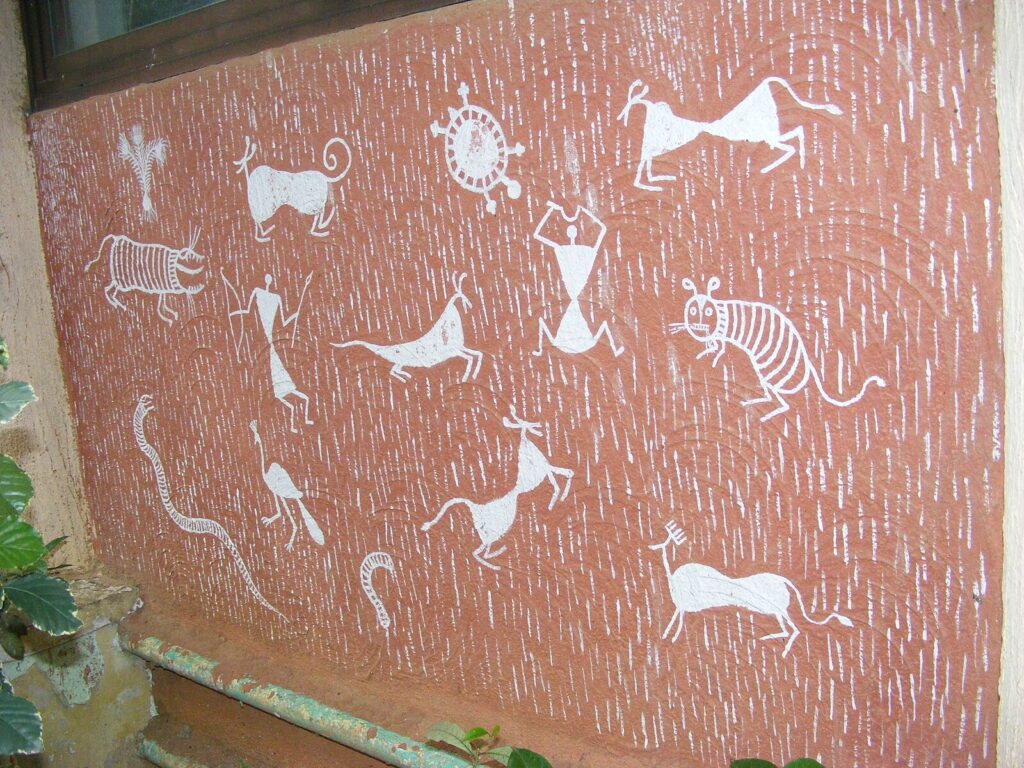
Dr. Raju Kasambe CC BY SA 4.0
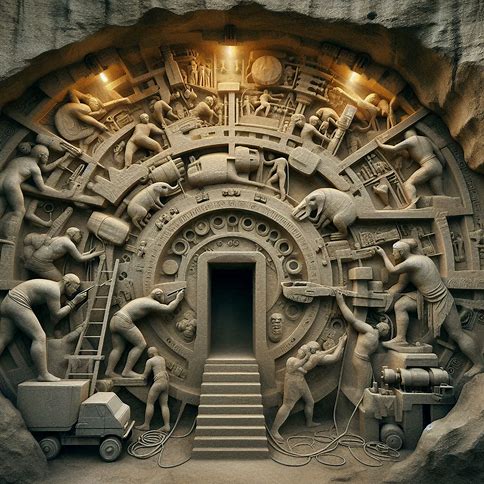
● Similarly, in ancient times possibly people used to decorate caves with such scenes in beautiful carved Mountain Caves with Help of Advanced Technology, technology which lost in Magnetic absorption theory of earth.
Conclusion
History is often reconstructed from incomplete evidence, surviving structures, fragmented records, oral traditions, mythology, archaeology, symbolism, and the interpretations of later generations. As civilizations rise, collapse, rebuild, and transform across centuries, many original contexts, technologies, cultural meanings, and historical records may become lost, altered, recycled, or reinterpreted over time.
This article explored speculative ideas regarding how natural disasters, environmental changes, symbolic misunderstanding, technological replacement, loss of records, and changing cultural perspectives might influence humanity’s interpretation of ancient civilizations and their capabilities. Through mythology, symbolism, historical thought experiments, and comparative observations, the article encourages readers to reflect on the limitations involved in reconstructing the distant past solely from surviving evidence.
The concepts discussed throughout this article are speculative interpretations intended for exploration, comparative mythology discussion, symbolic analysis, and creative inquiry only. They are not presented as established scientific, archaeological, geological, or historical conclusions.
Ultimately, the mysteries surrounding ancient civilizations continue to inspire curiosity, debate, imagination, and research. Whether viewed through mythology, science, symbolism, spirituality, or historical investigation, these questions reflect humanity’s enduring fascination with origins, knowledge, memory, technology, and the rise and fall of civilizations across time.