
Era of Legendary Founders, Flood Heroes, Justice Kings, and Early Dynastic Expansion
Introduction
In Part 10 of the Closed Mouth Mysteries Timeline, the investigation explored creator deities, civilization-founder traditions, sacred kingship, and recurring authority figures appearing across Egypt, Africa, Greece, and Korea.
Part 11 continues this investigation by examining legendary rulers, flood heroes, justice kings, protector deities, and dynasty founders preserved within Iranian, Slavic, Chinese, and Japanese traditions.
Within the framework of the Eternal Authority hypothesis, this section explores whether recurring traditions associated with restoring civilization after catastrophe, establishing dynasties, teaching laws, controlling floods, and defending humanity may represent symbolic memories of a recurring civilization-founder archetype preserved across multiple cultures and ages.
As early dynasties expanded across Asia and the Near East, stories concerning righteous kings, dragon slayers, and defenders of civilization became increasingly important within cultural memory.
Many of these figures were remembered not only as rulers but also as restorers of justice who defeated chaos and established social order after periods of crisis.
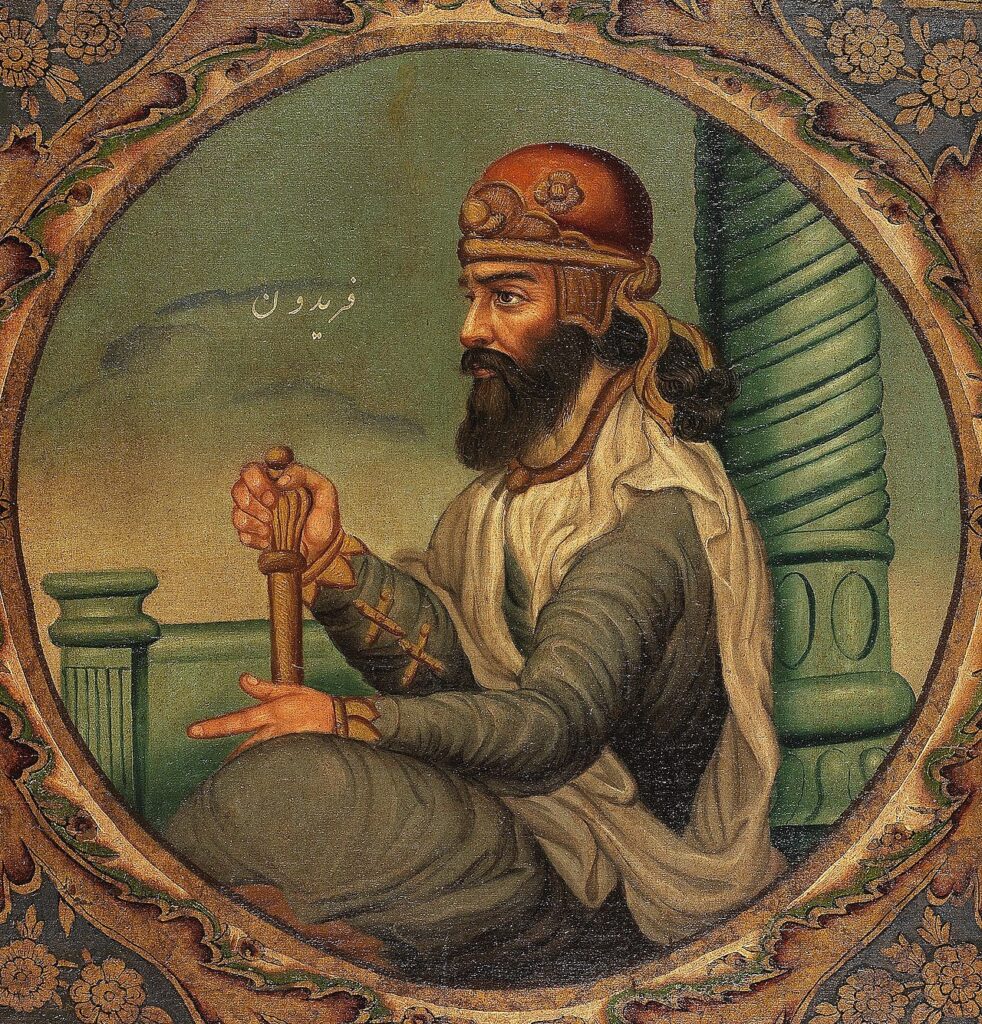
Fereydun – defeat dragon Azhi dahaka,& famous to work in the field of Justice
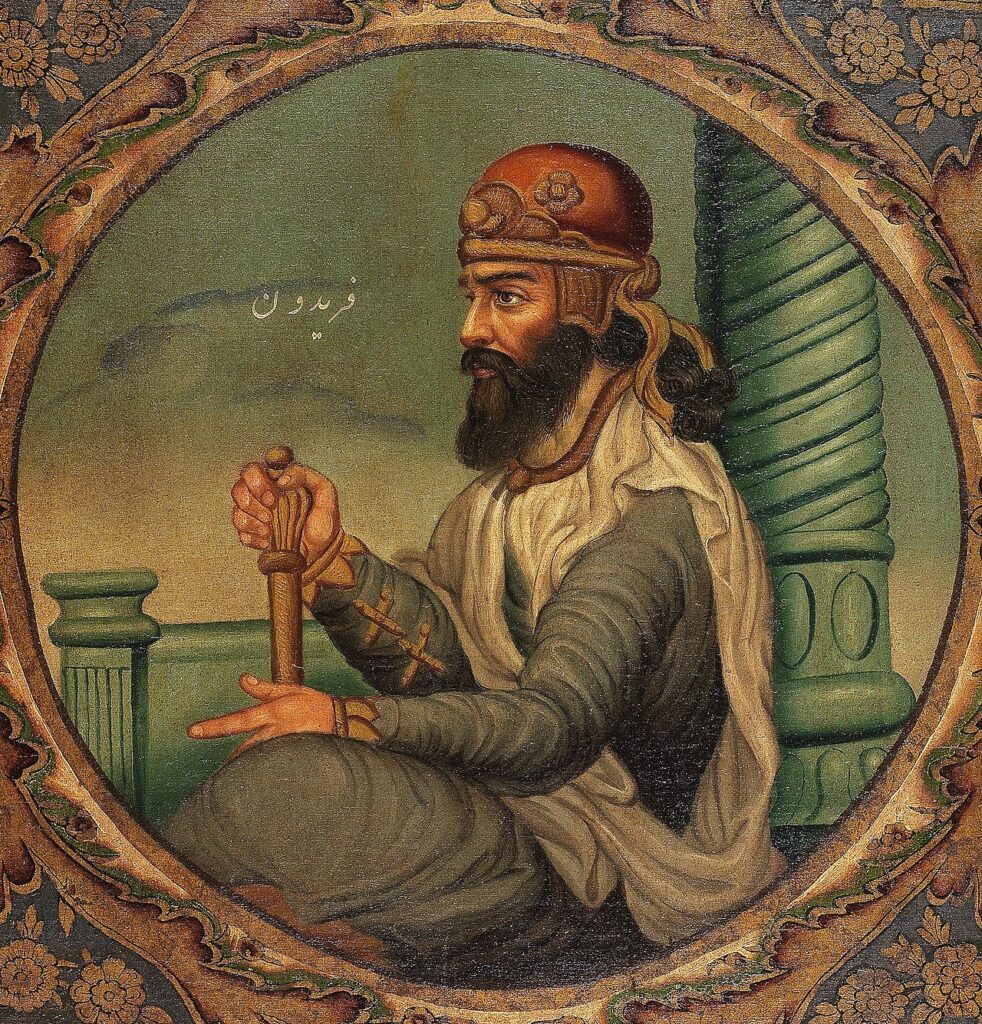
Fereydun is a prominent figure in Iranian mythology, particularly known from Ferdowsi’s Shahnameh (Book of Kings). He is depicted as a legendary king who overthrows the tyrannical Zahhak and establishes a just rule.
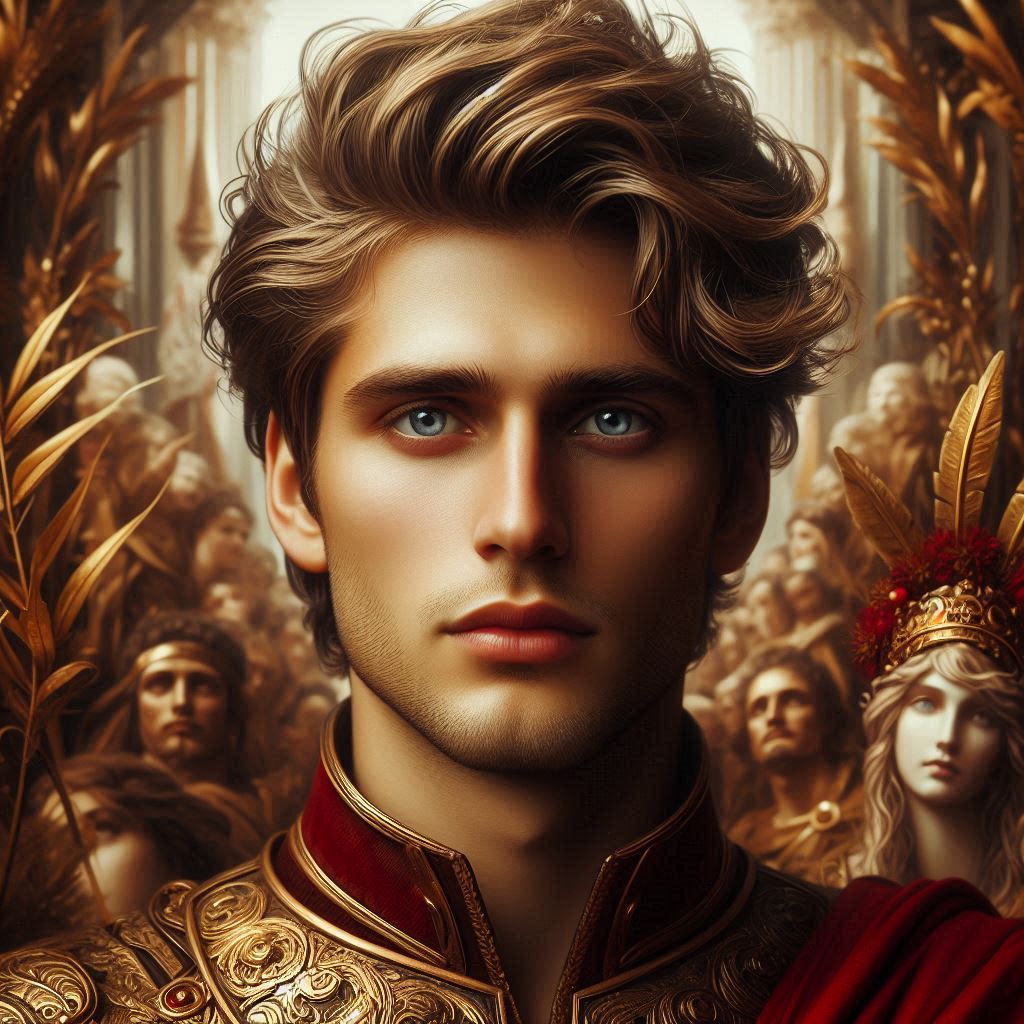
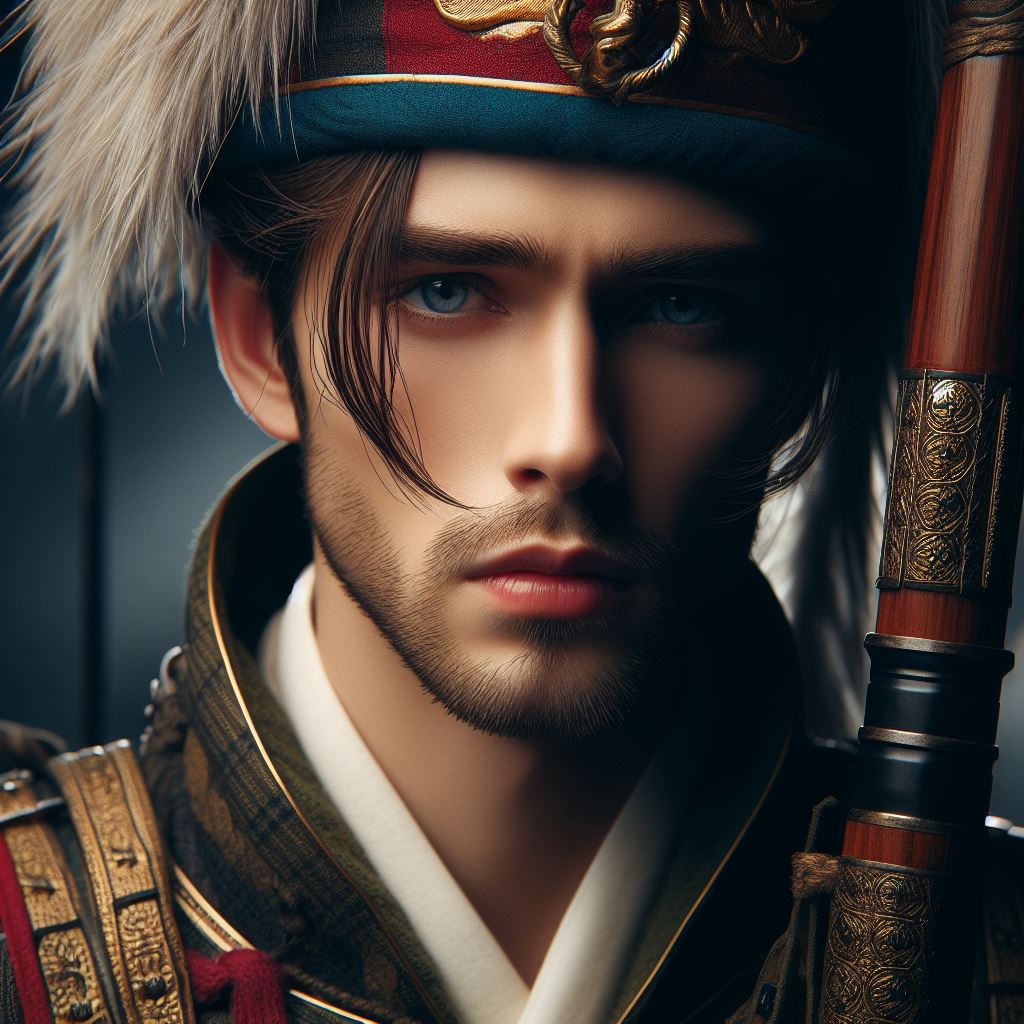
In Persian mythology and literature, Fereydun is depicted as an exceptionally handsome and magnificent figure, embodying the ideals of a victorious, just, and generous ruler. His noble and glorious qualities are prominent throughout his story, most notably in the epic poem Shahnameh (“The Book of Kings”) by Ferdowsi.
Was he the Androgynous creator of civilization Authority ? As The stories of Fereydun and the Pishdadians have been politically and culturally influential in Iranian society, with ruling dynasties claiming descent from them for legitimacy. As if we see in ancient times all nation Royal Family rulers claim their descent from There Civilization founder Androgynous Authority for legitimacy.
as if we turn towards Mayan civilization there Royal rulers claim descendants of Androgynous Kukulkan, where as Egyptian from Androgynous Osiris, British family claim from Androgynous Odin, for legitimacy.
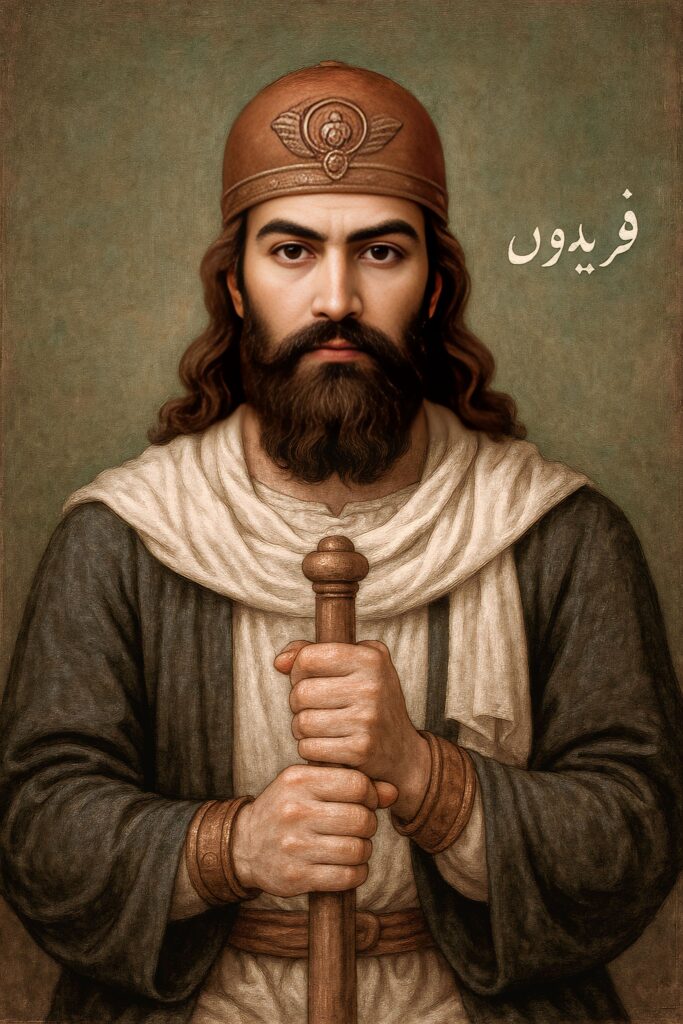

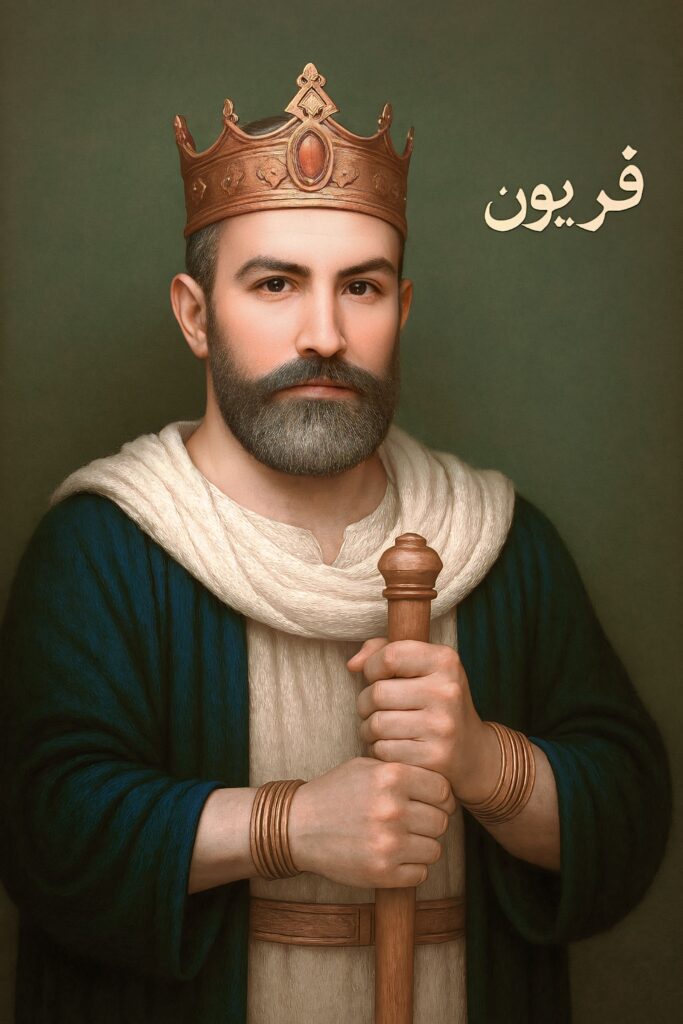
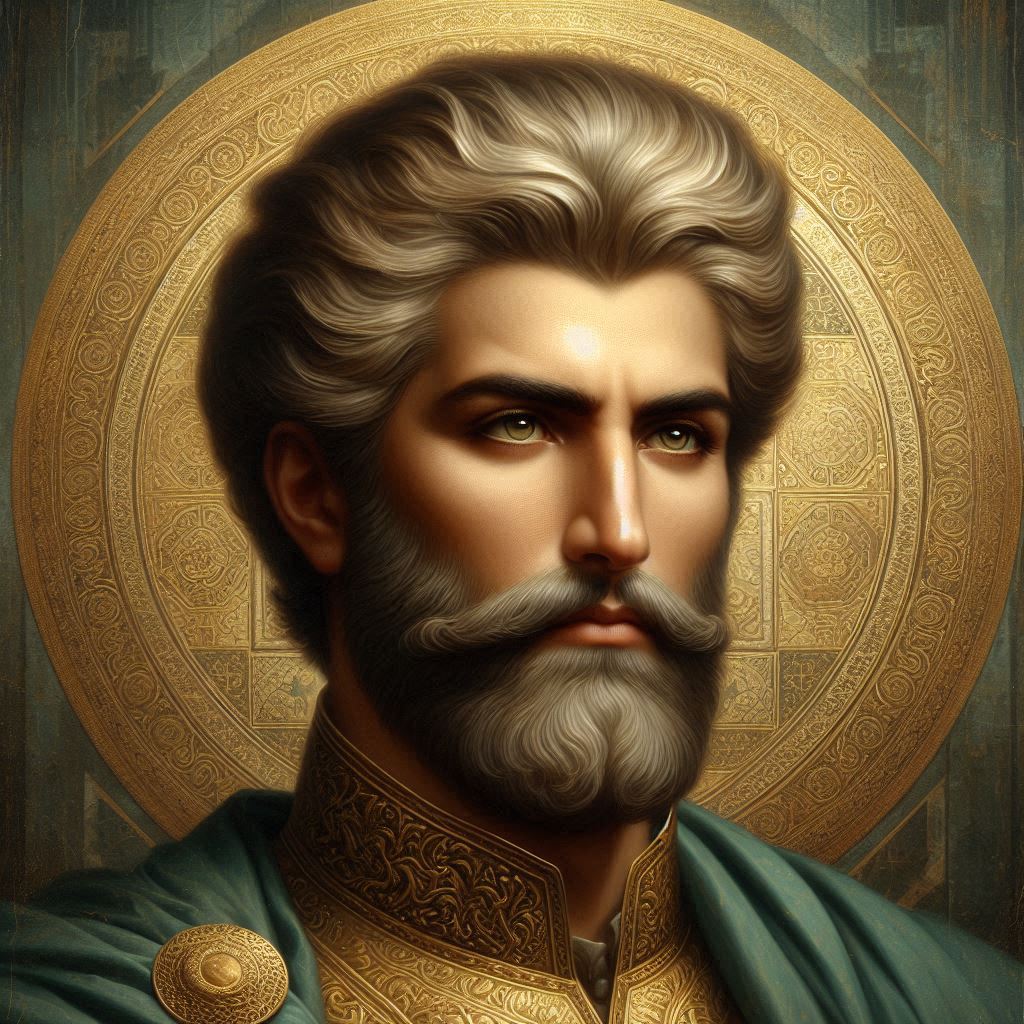


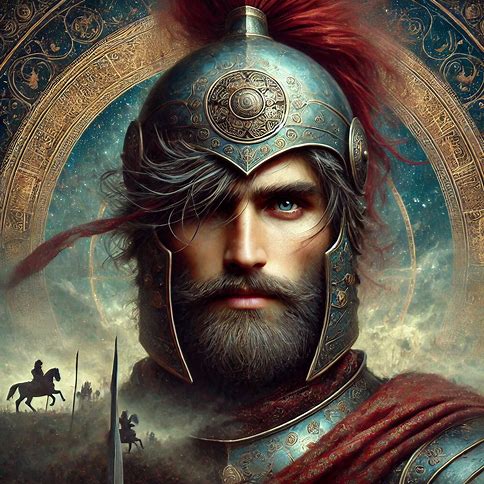

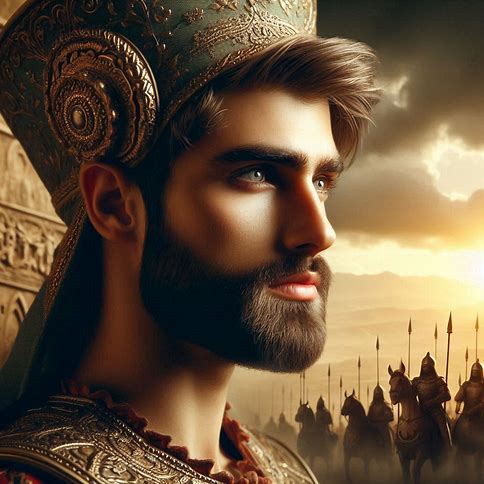
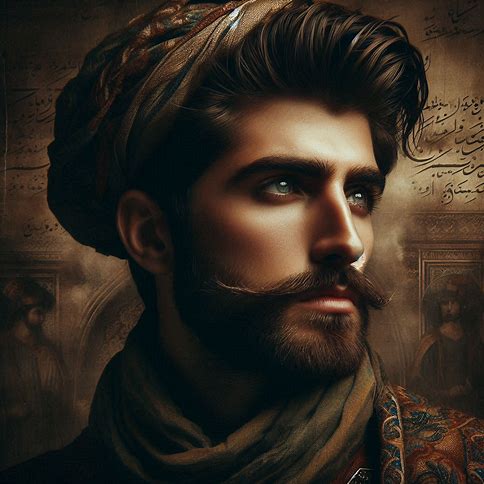
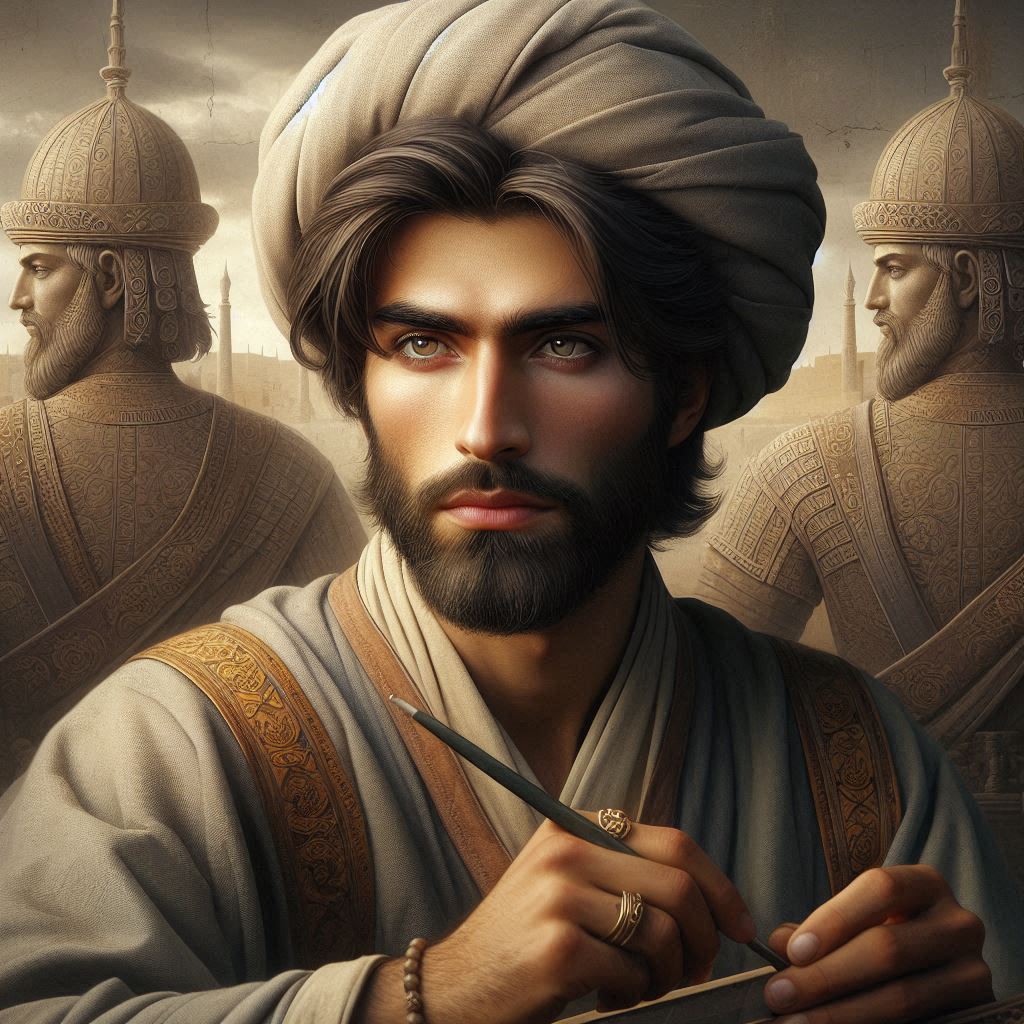

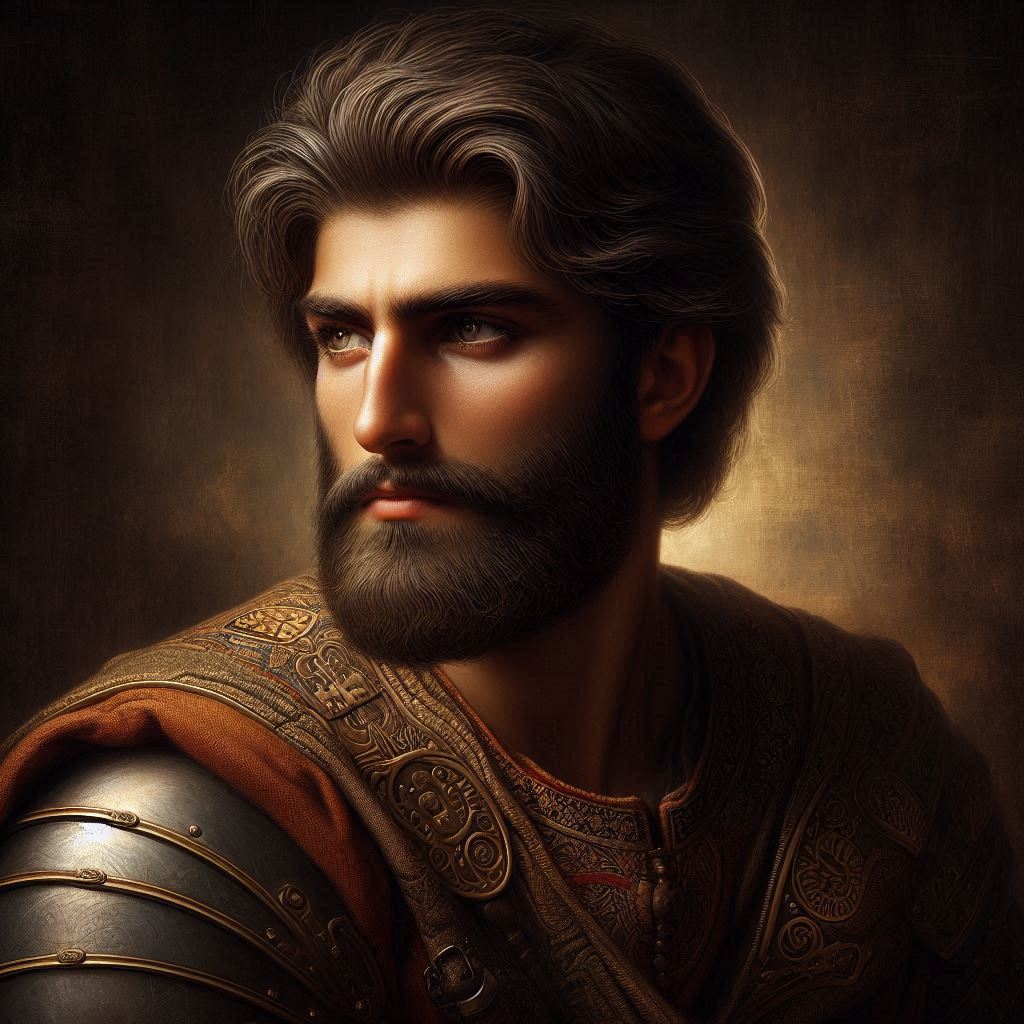
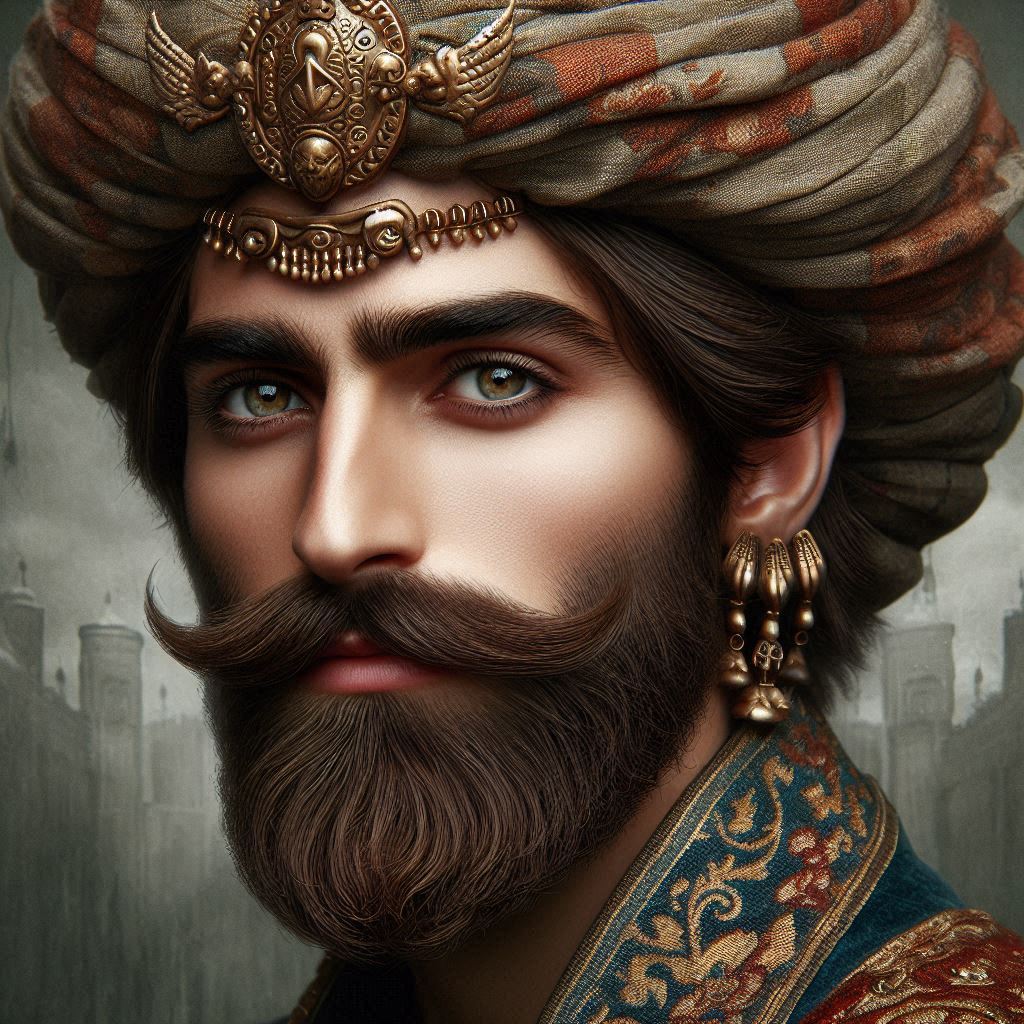
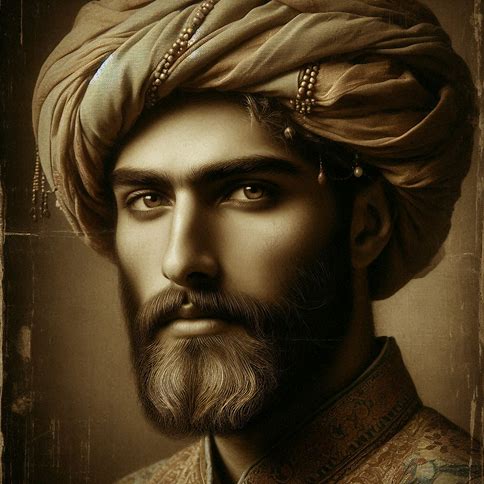
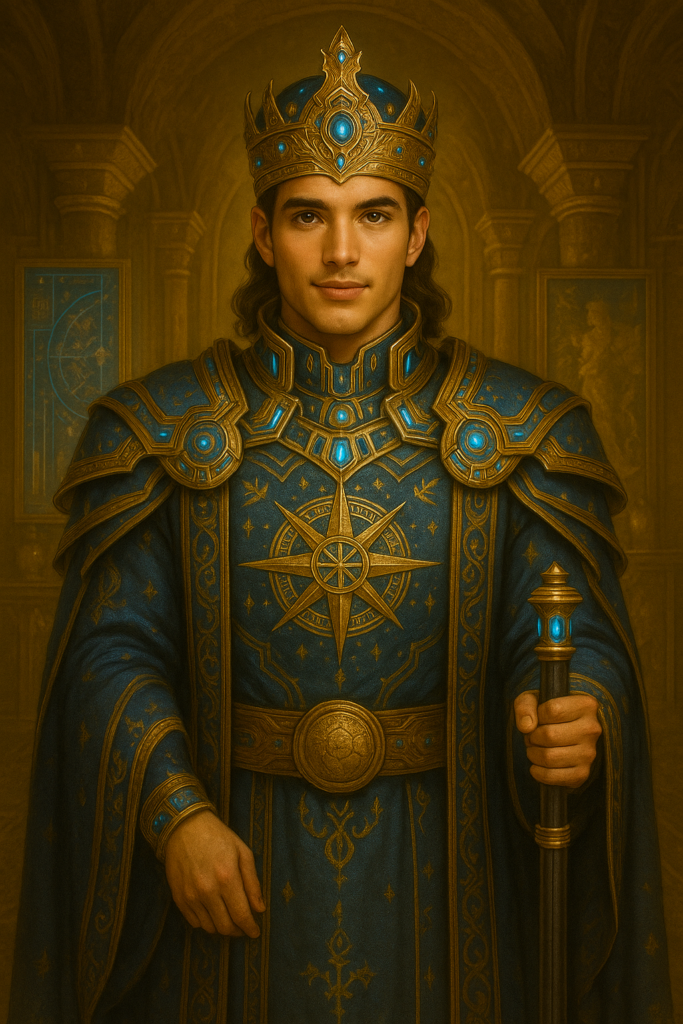
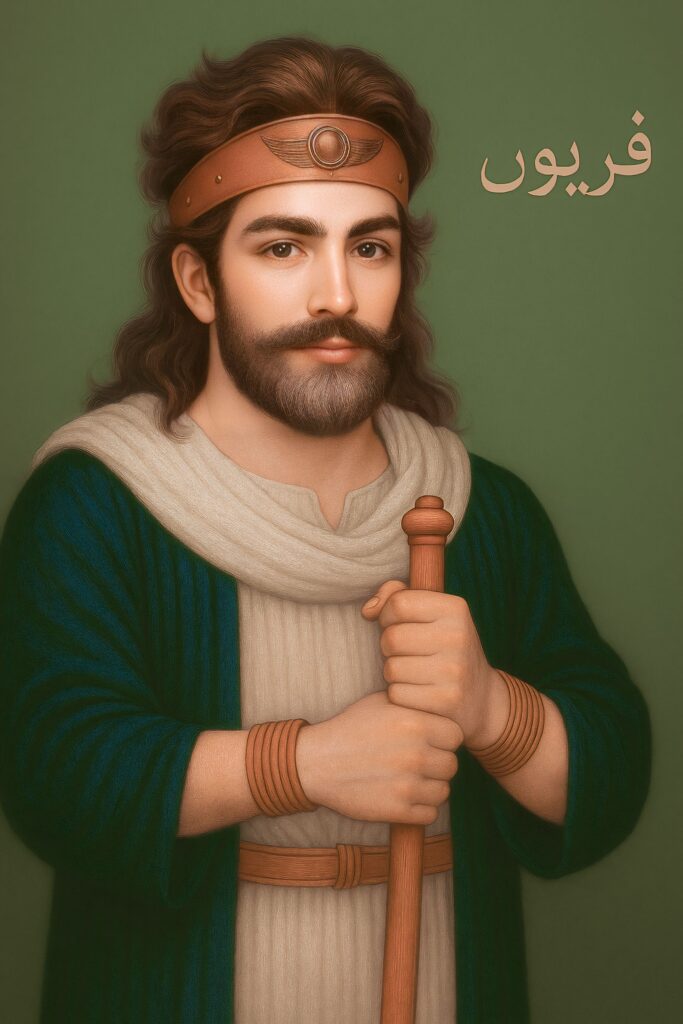
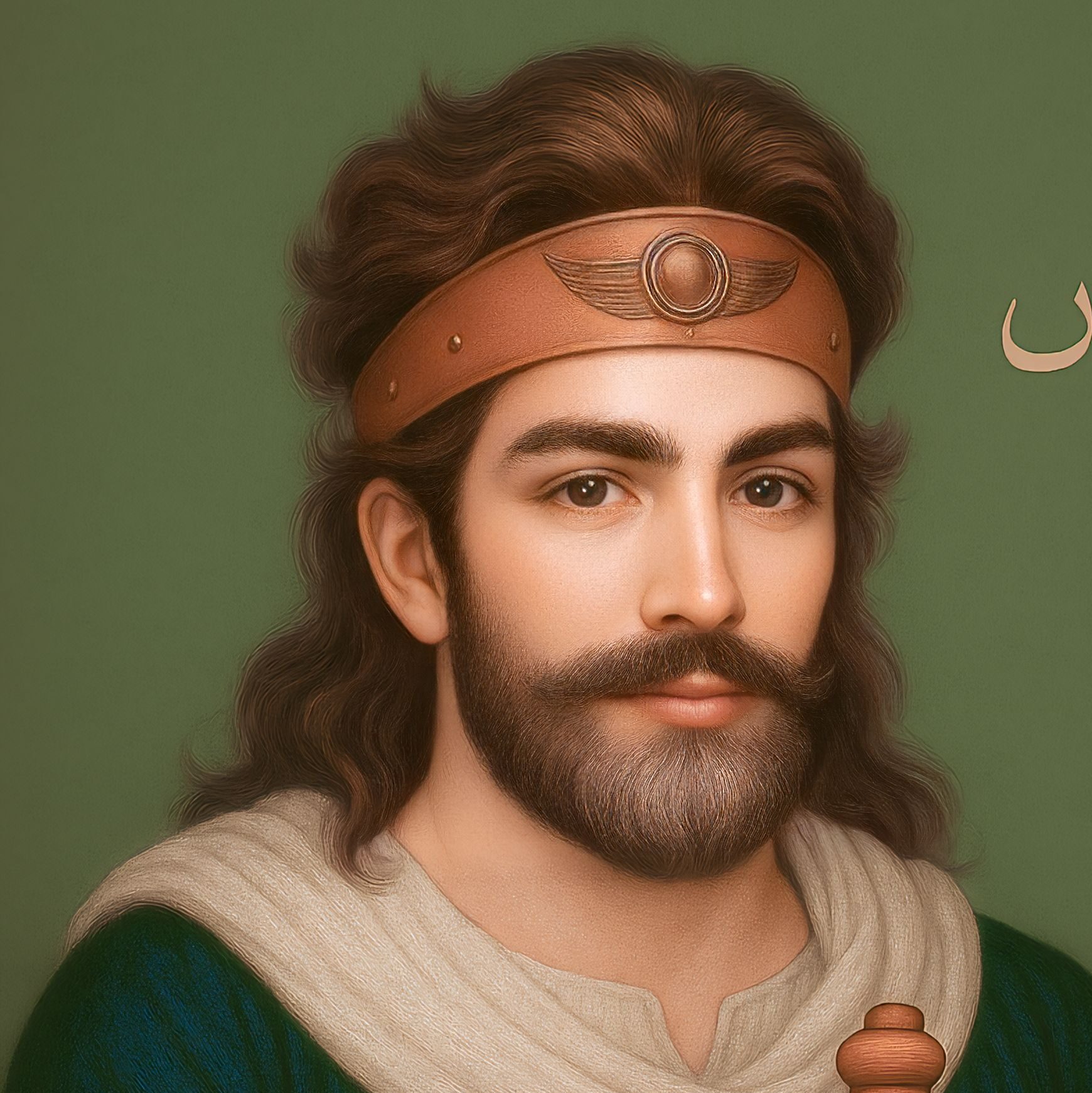
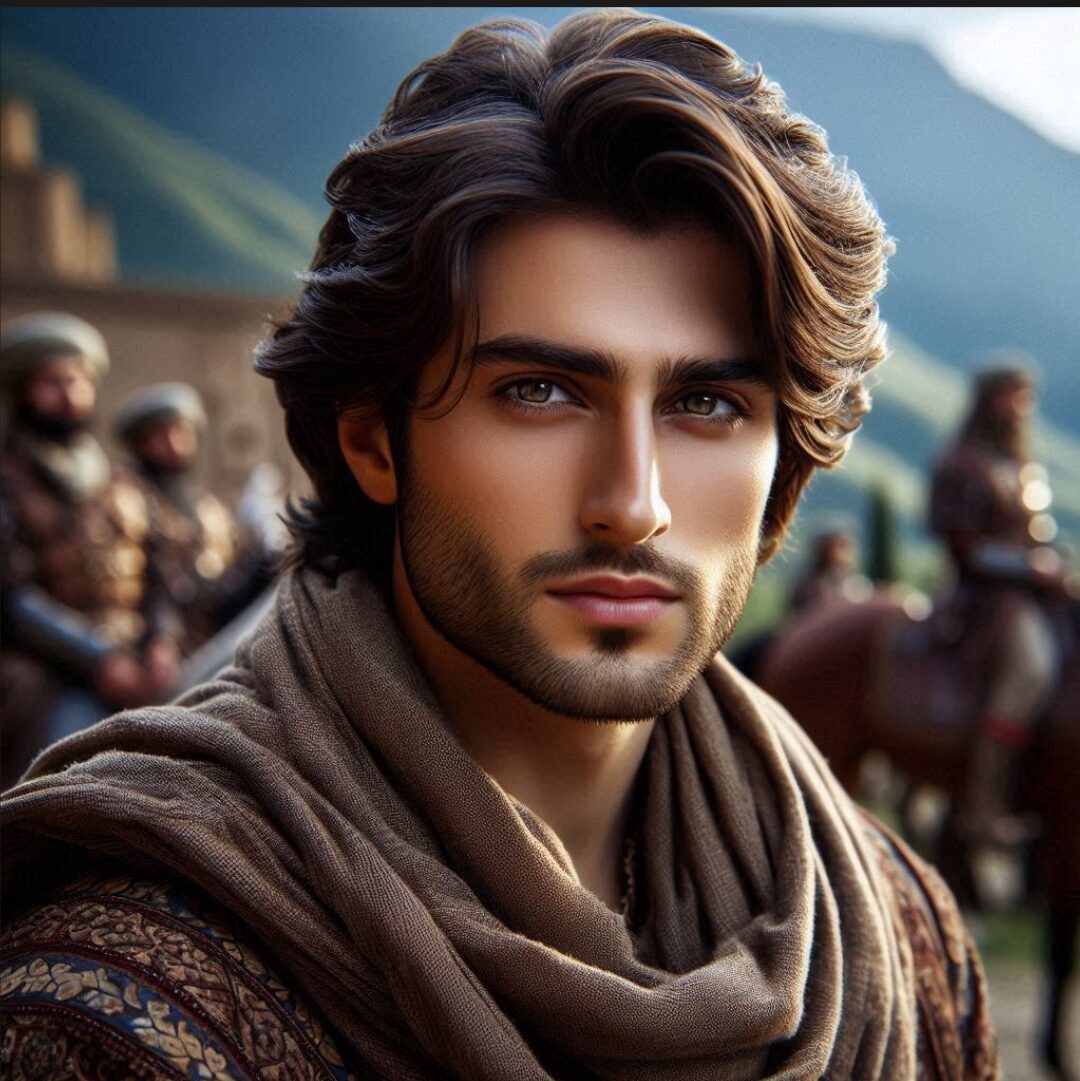
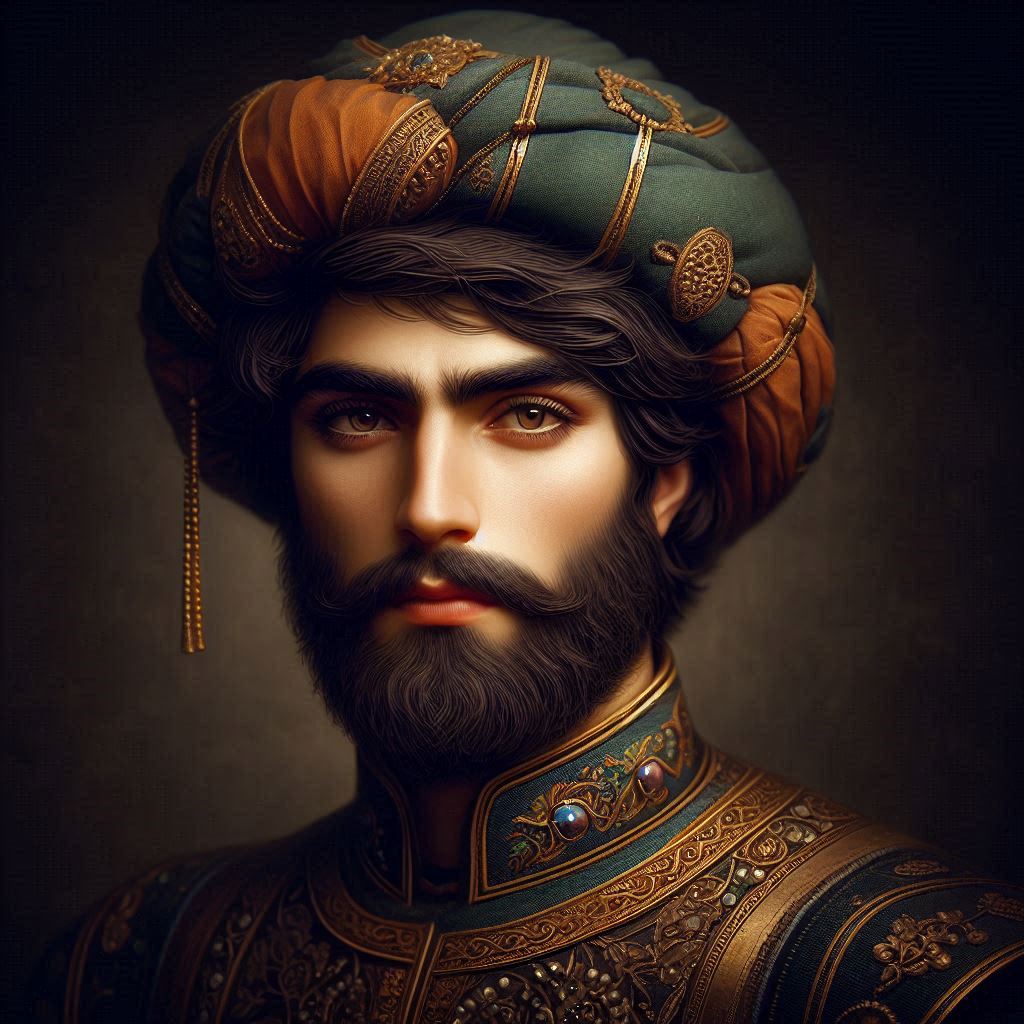
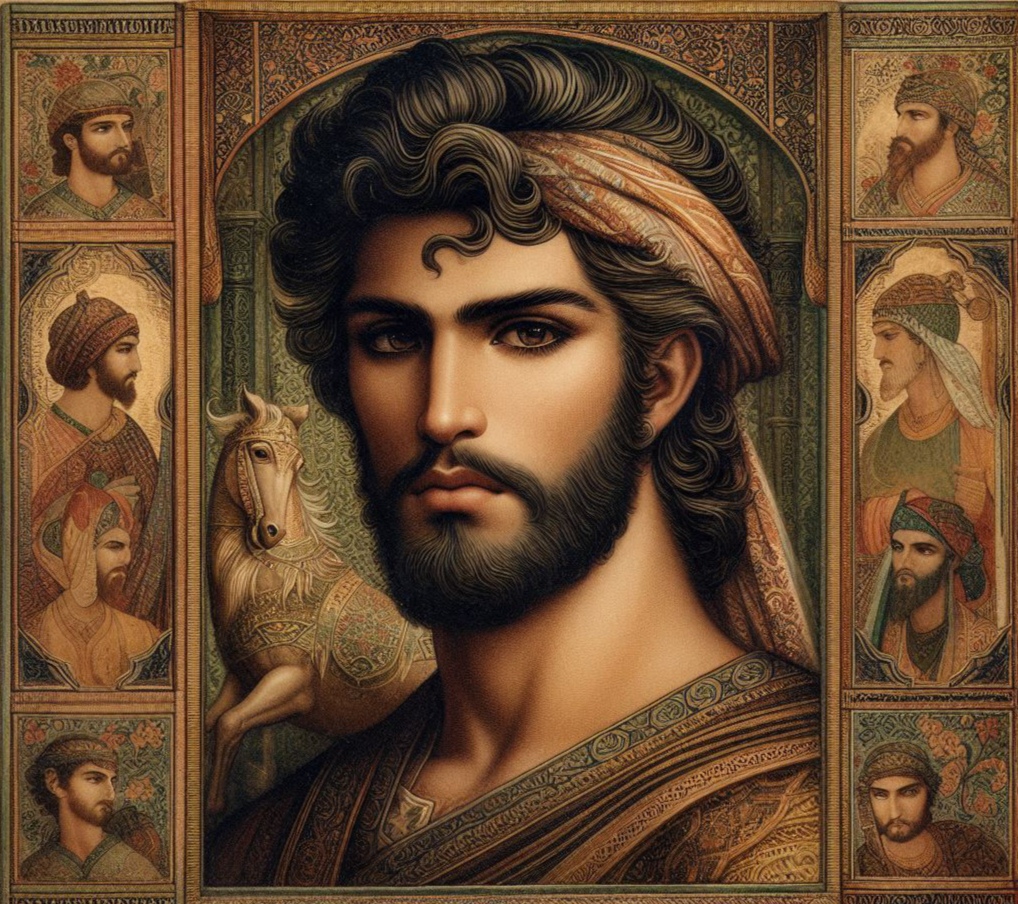
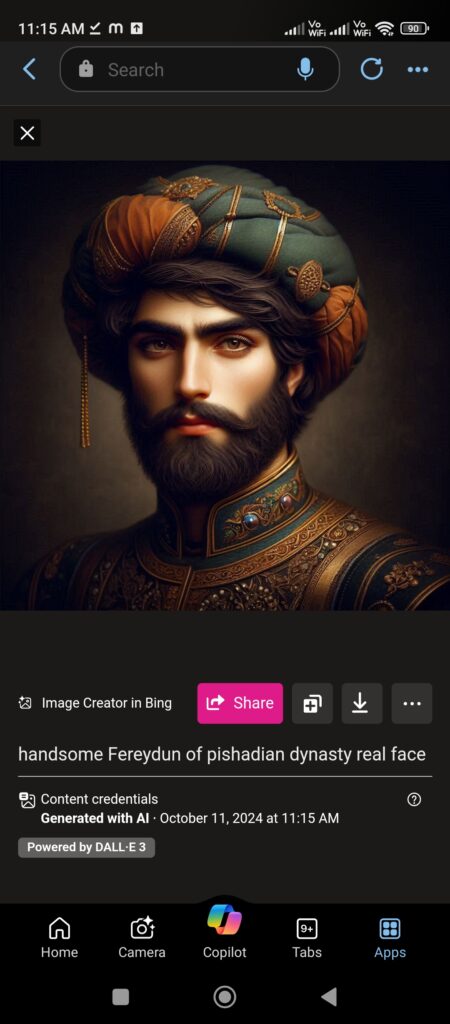
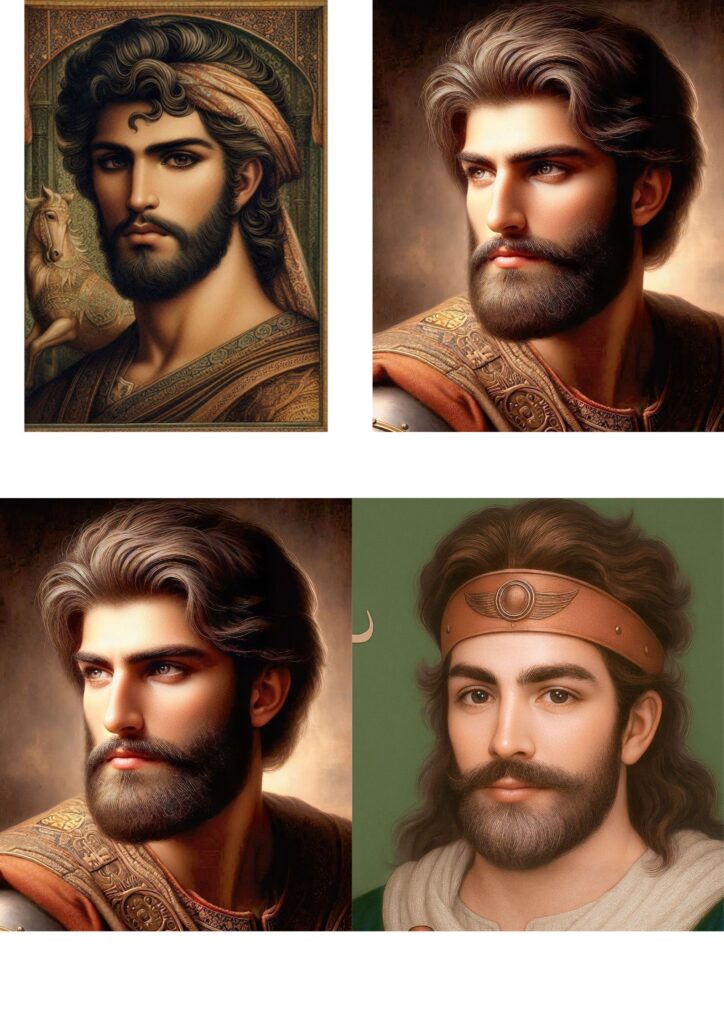
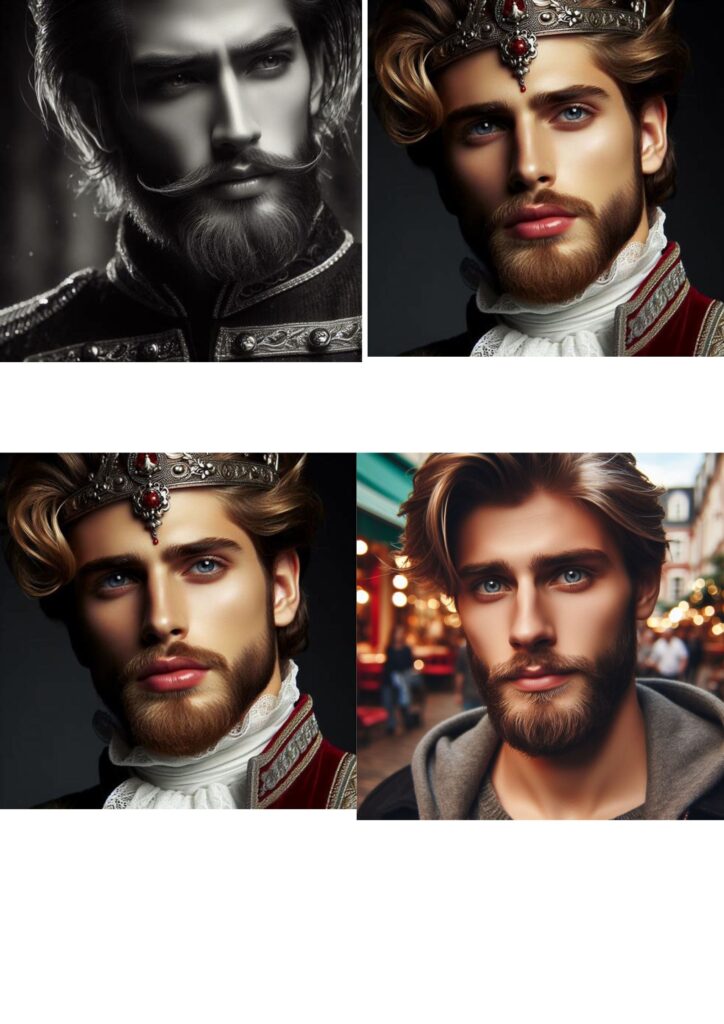
Fereydun Face reconstruction through Microsoft Bing AI software
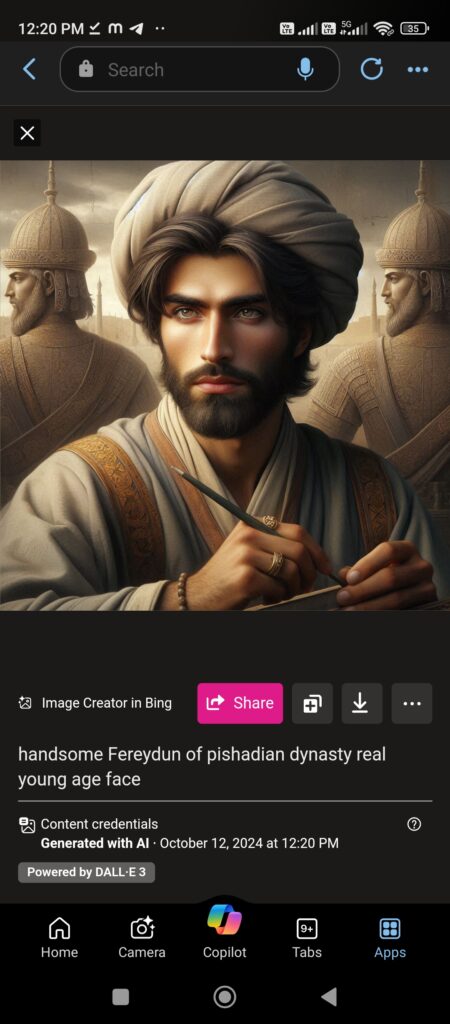
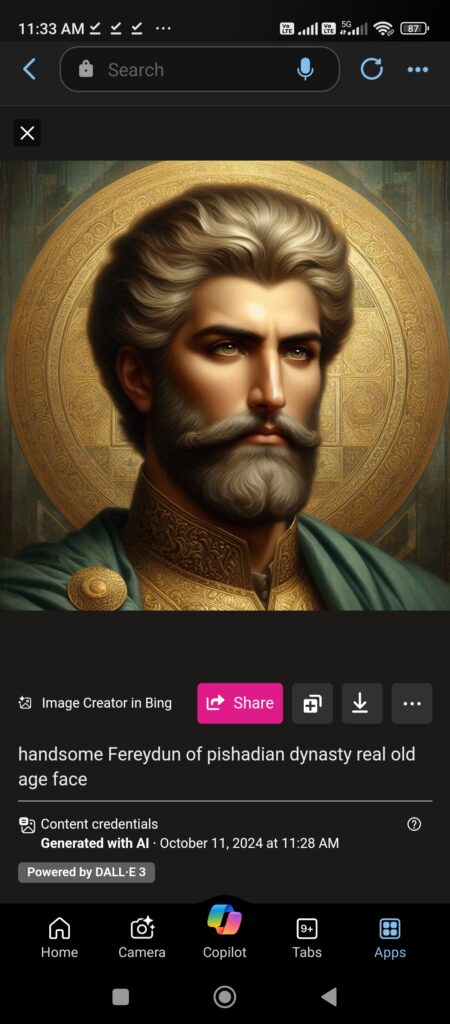
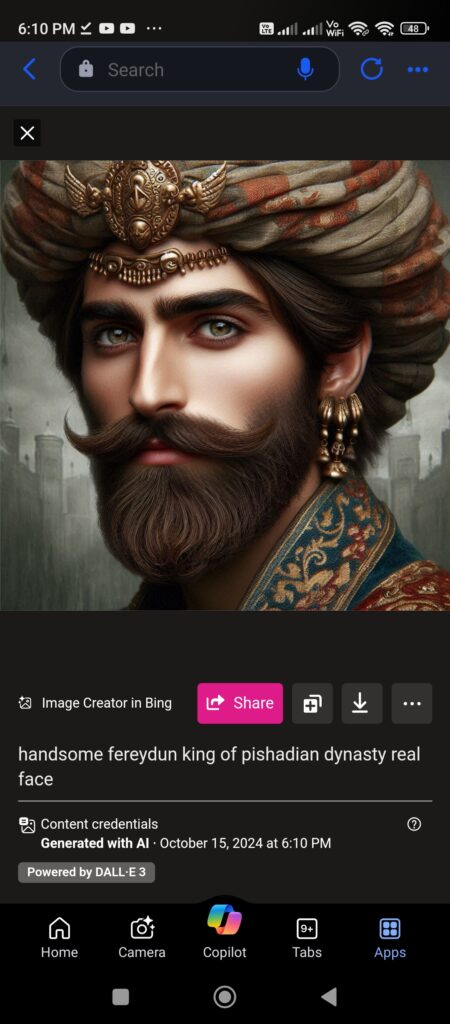
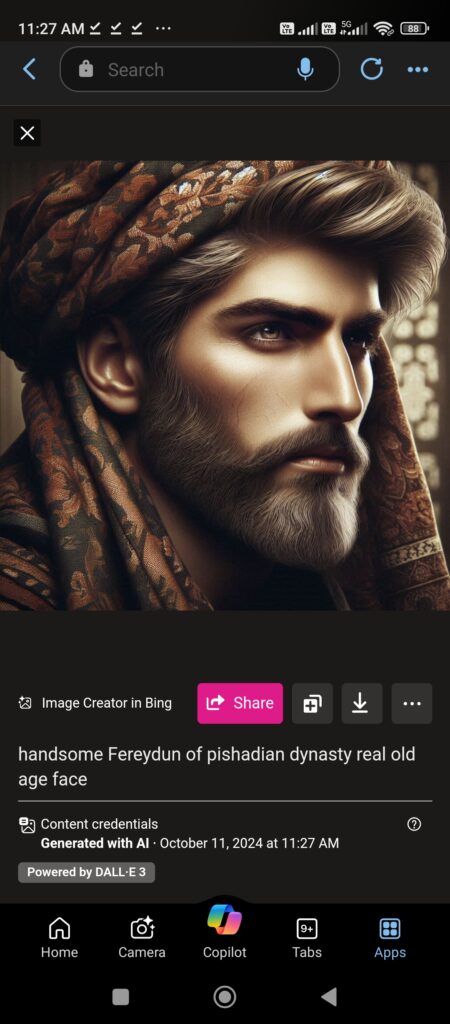
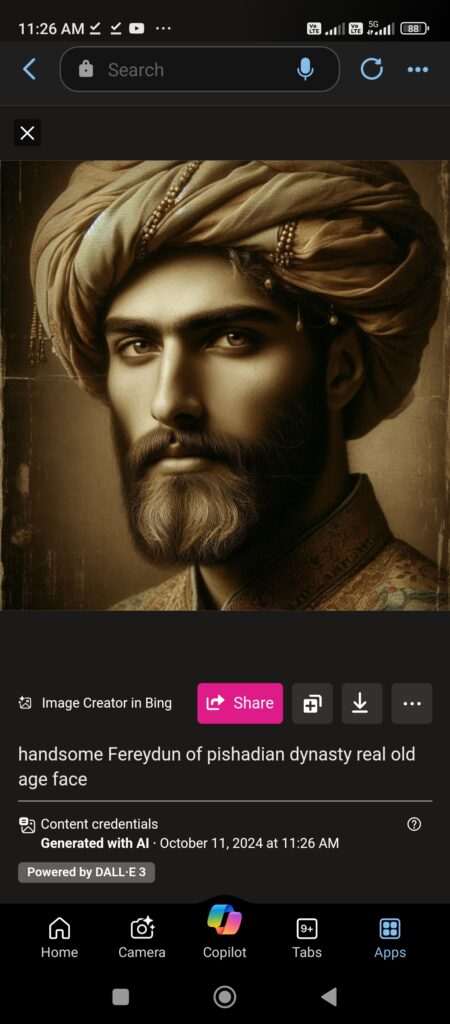
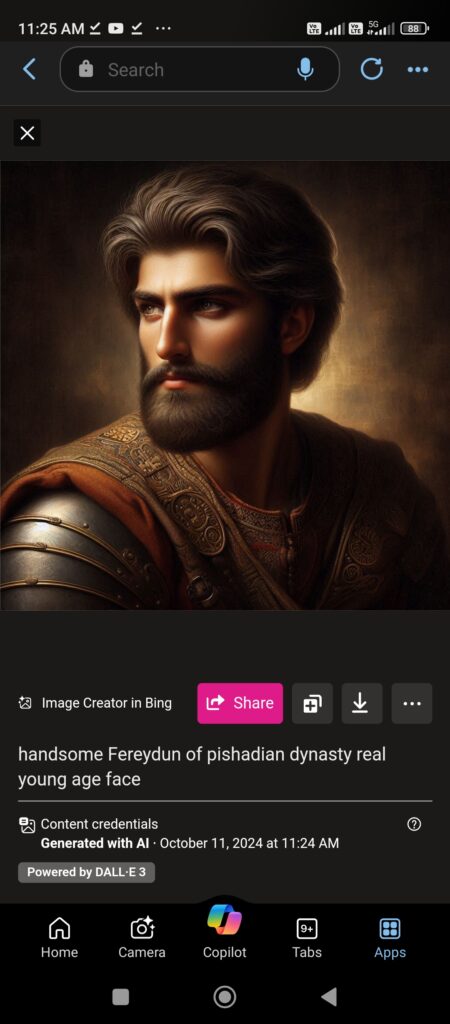
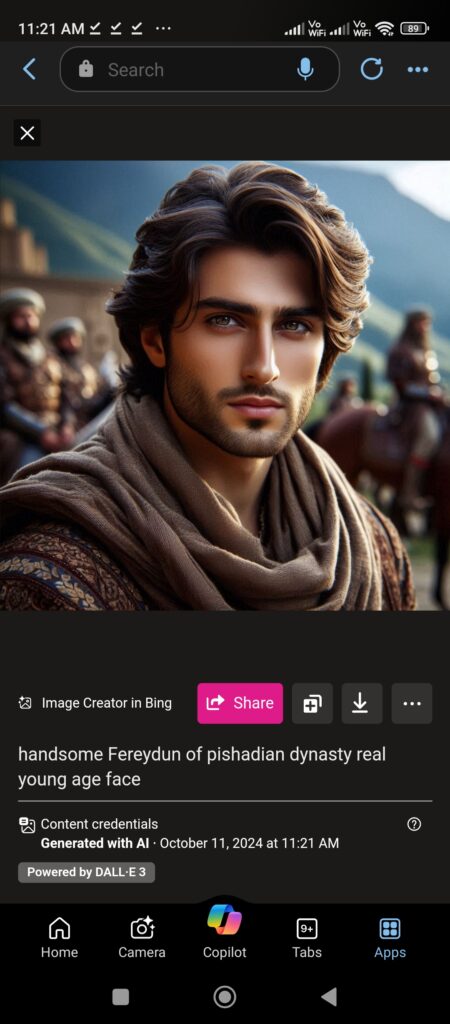
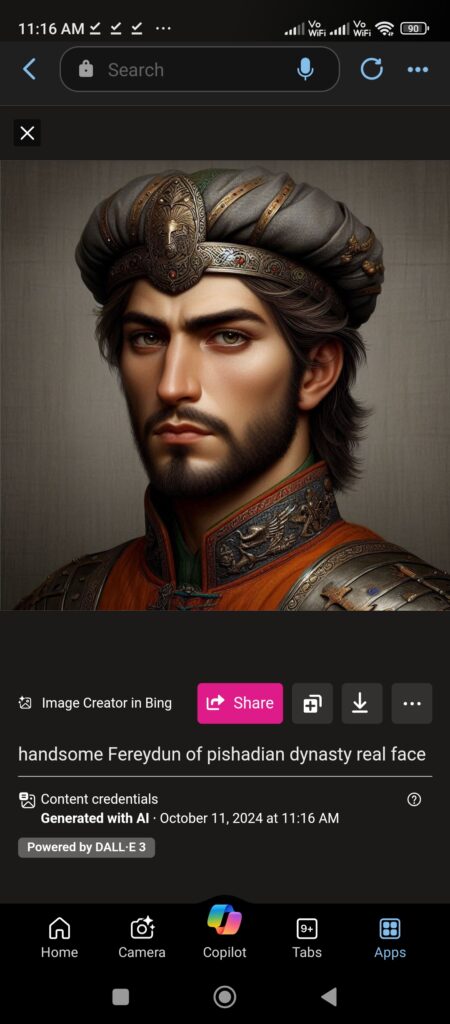
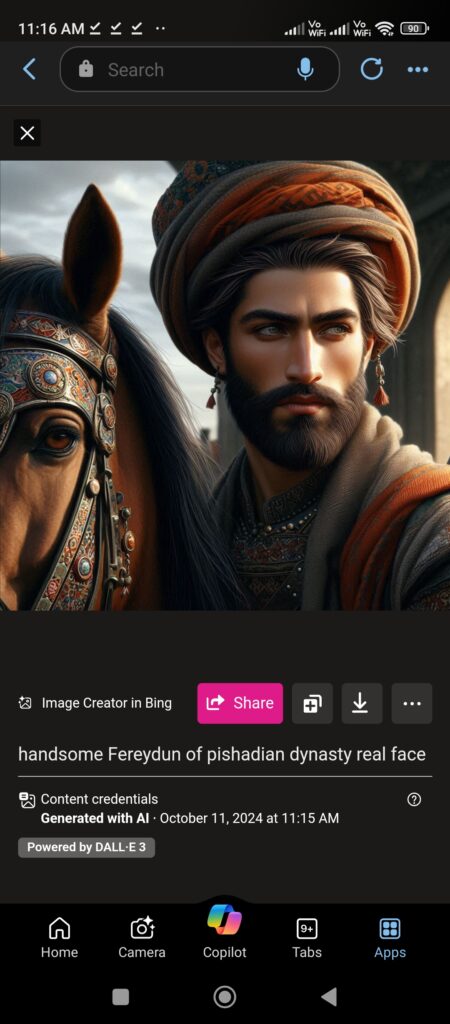
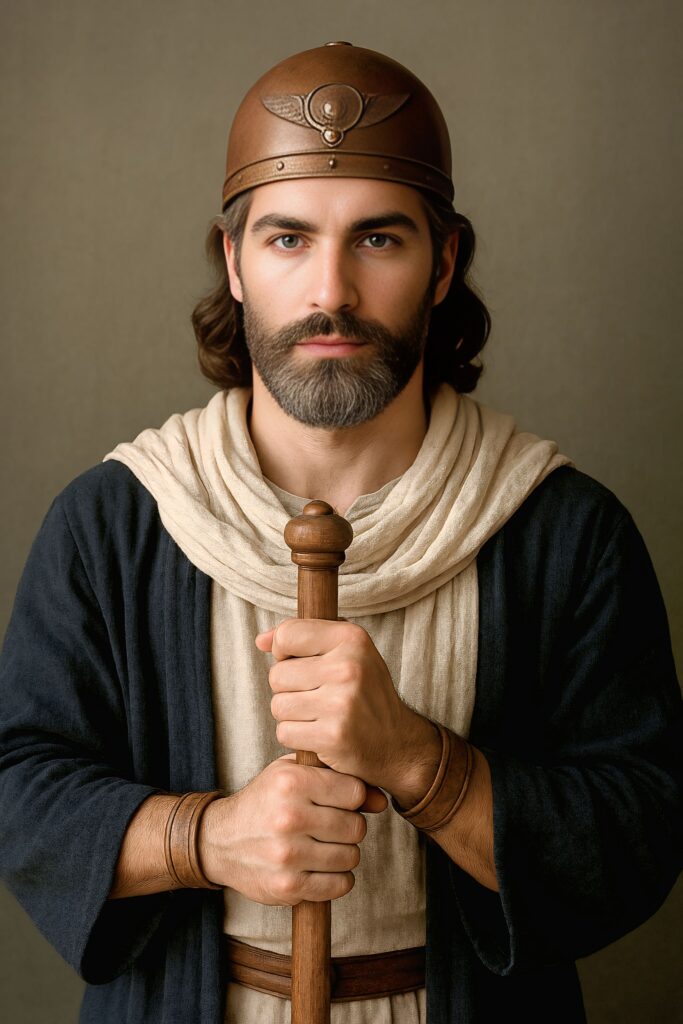
Face Transformation of Fereydun from Old age to Young age

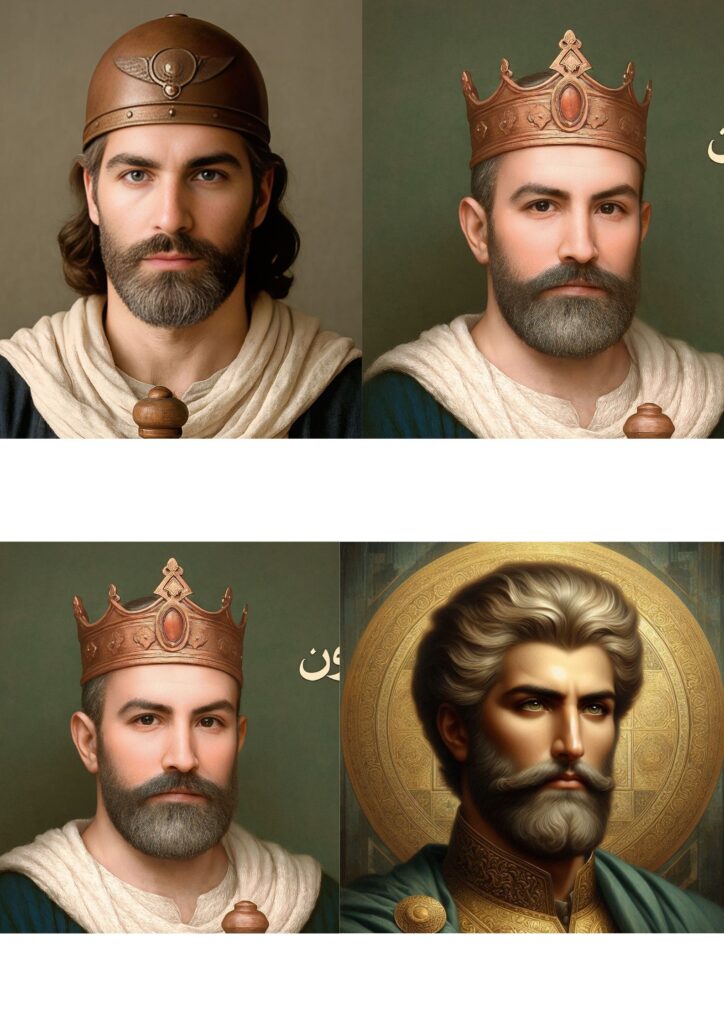

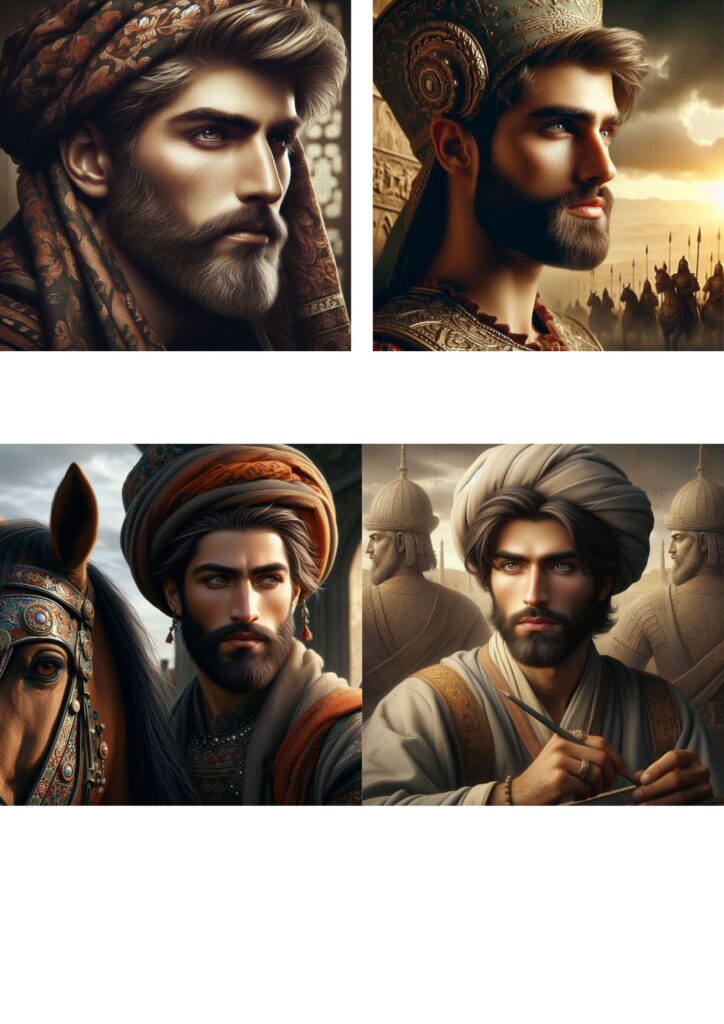

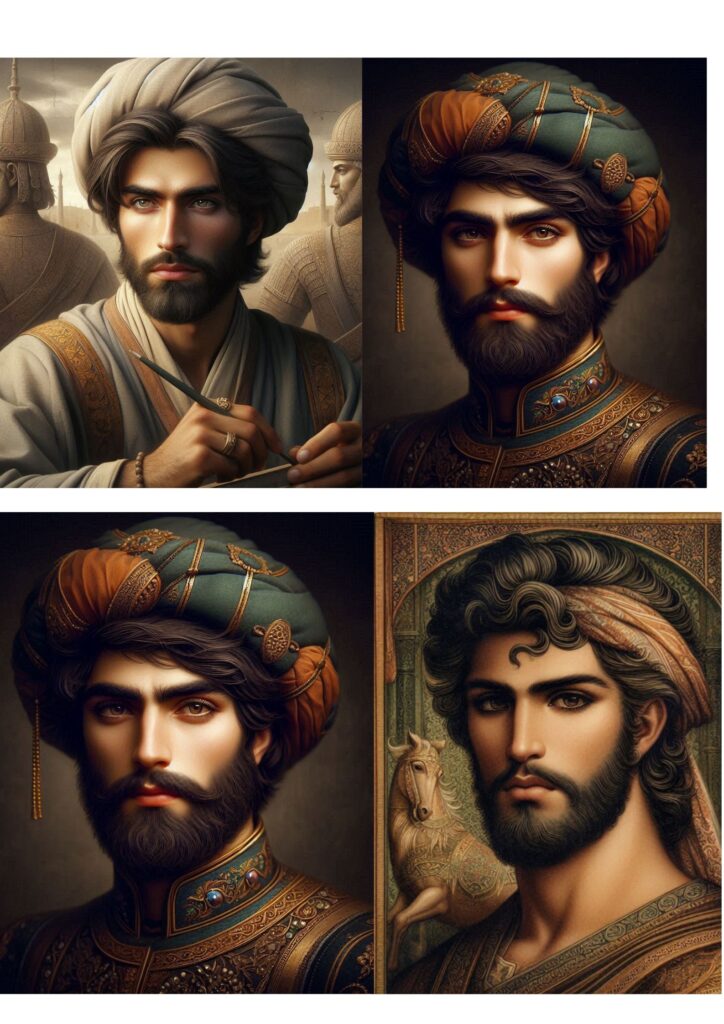
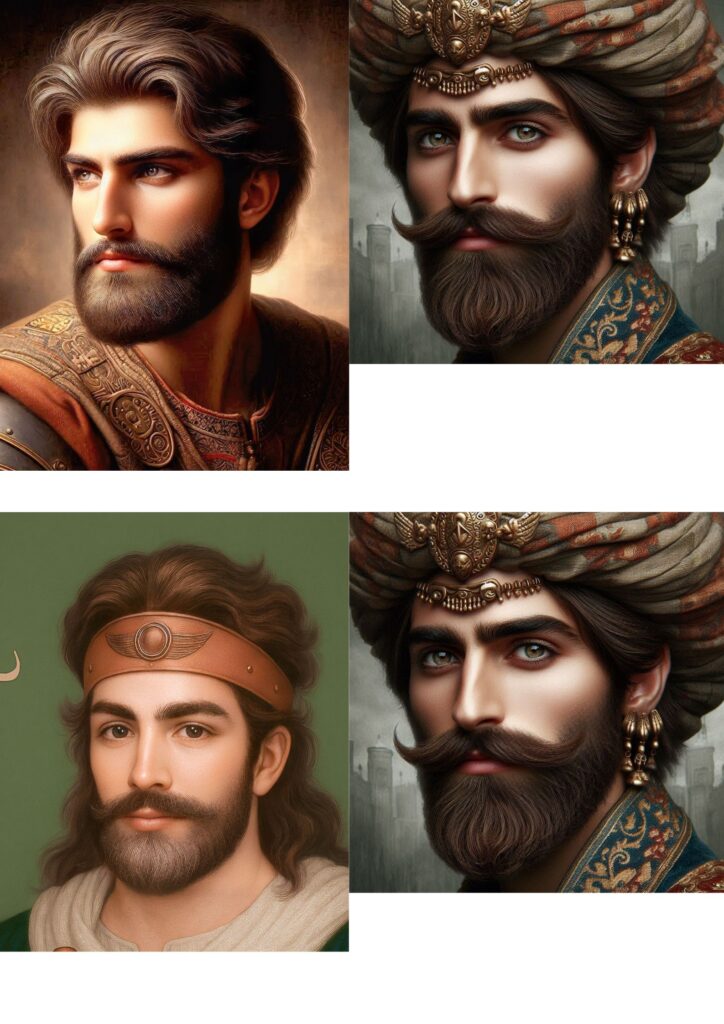
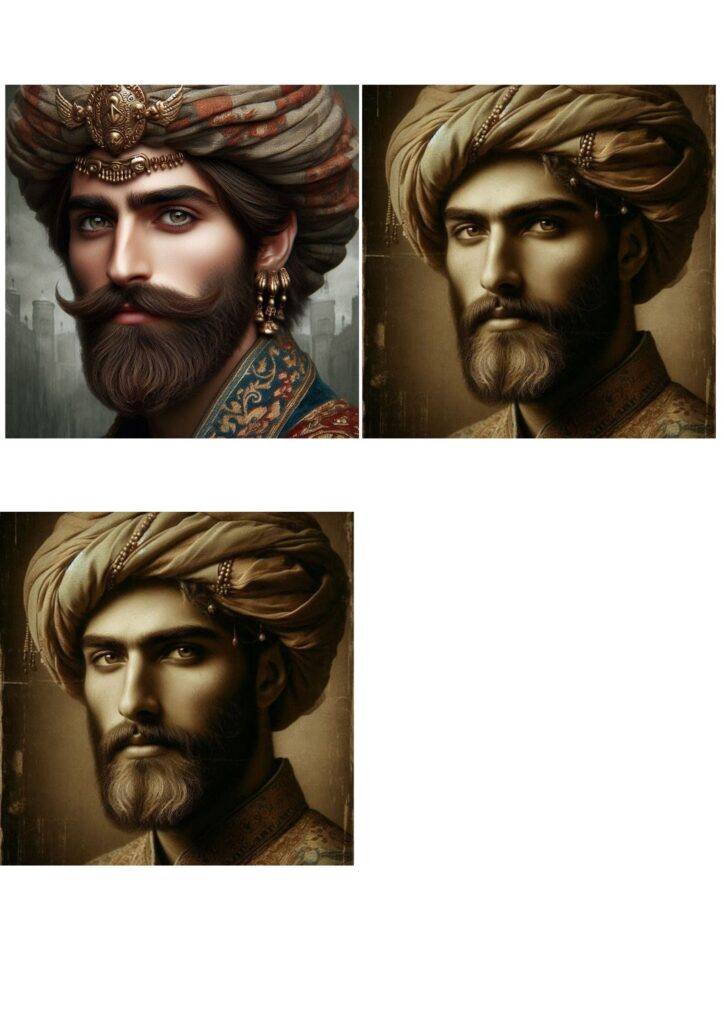
Conclusion – Was Fereydun the Same Androgynous dying and Rising authority known as a Deity of the Justice and Whose face remains the same in every birth as per Bhagvad-Gita verse 4.6,
Lets Test the Hypothesis
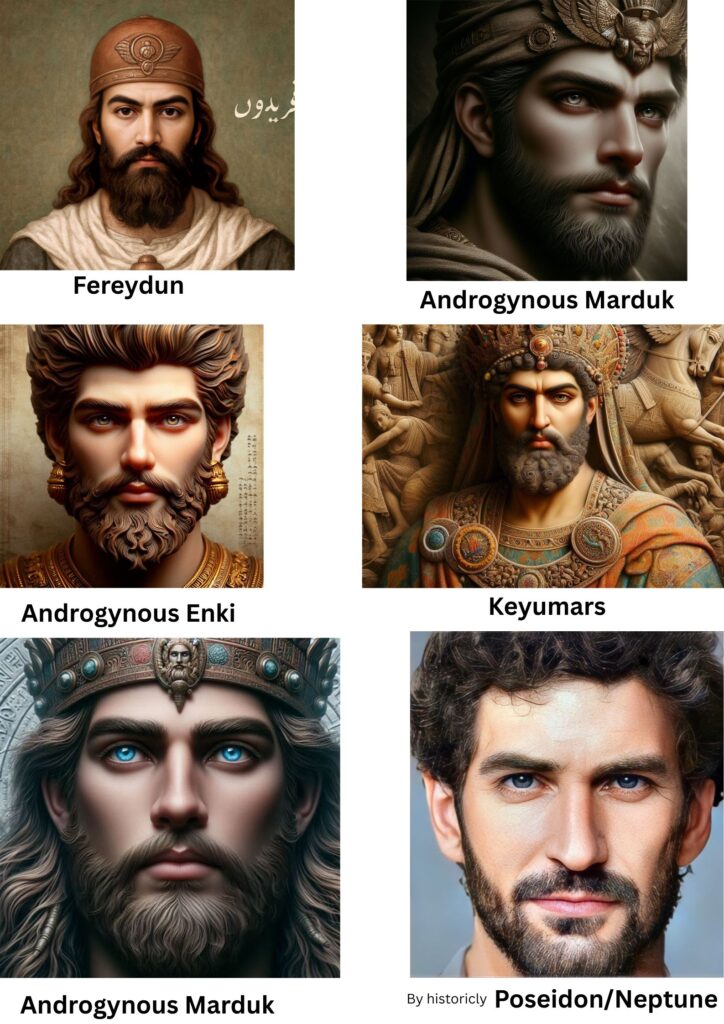
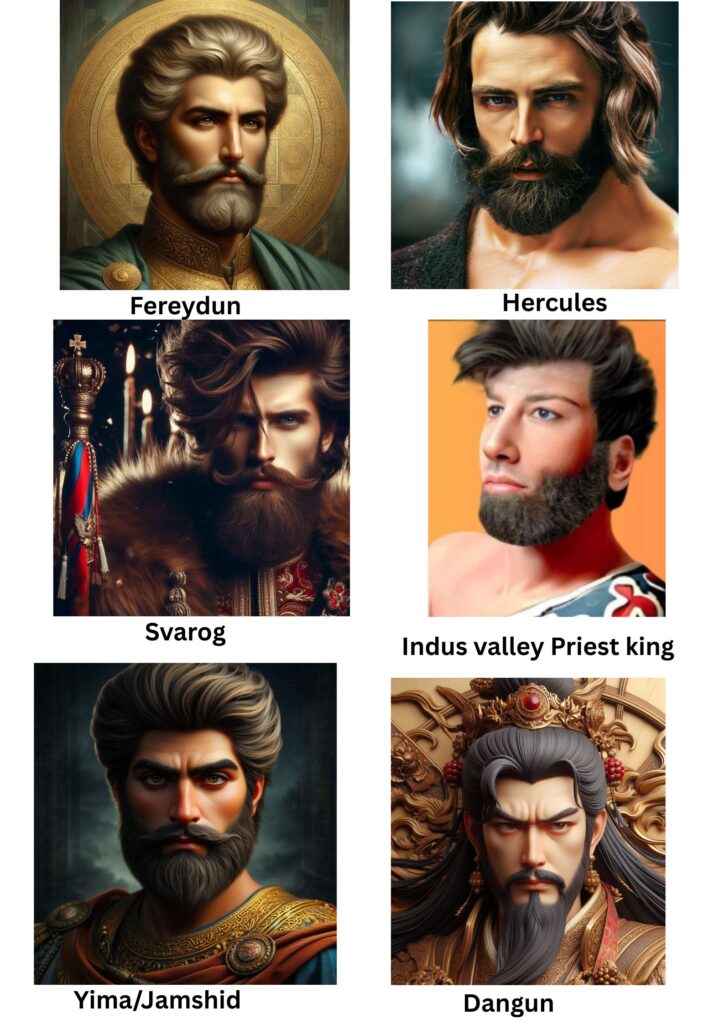
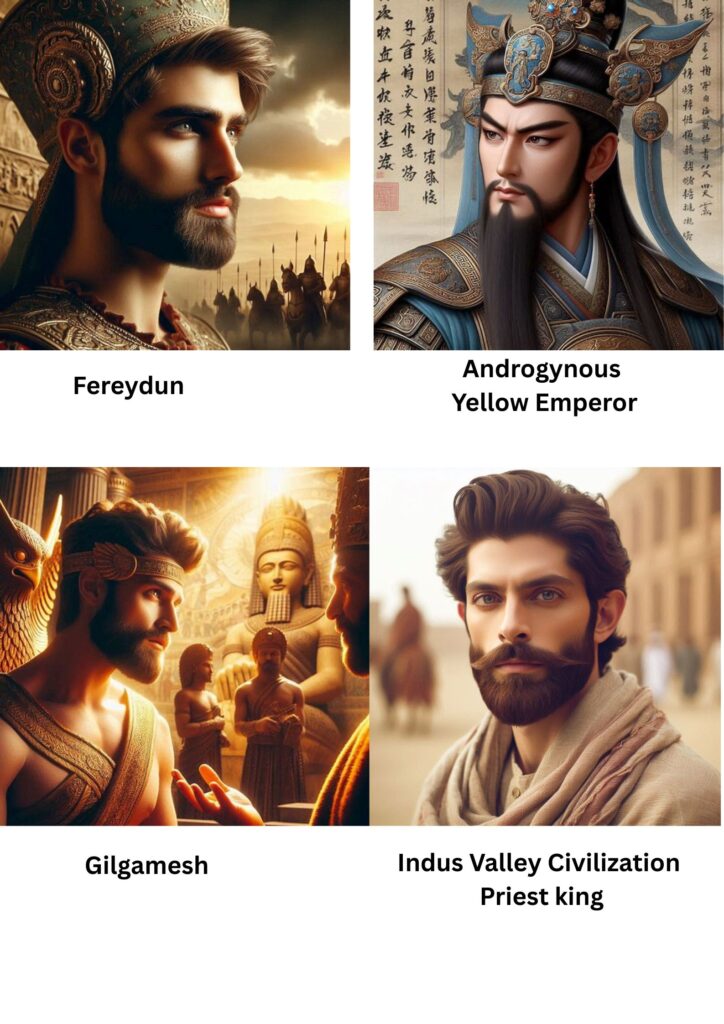
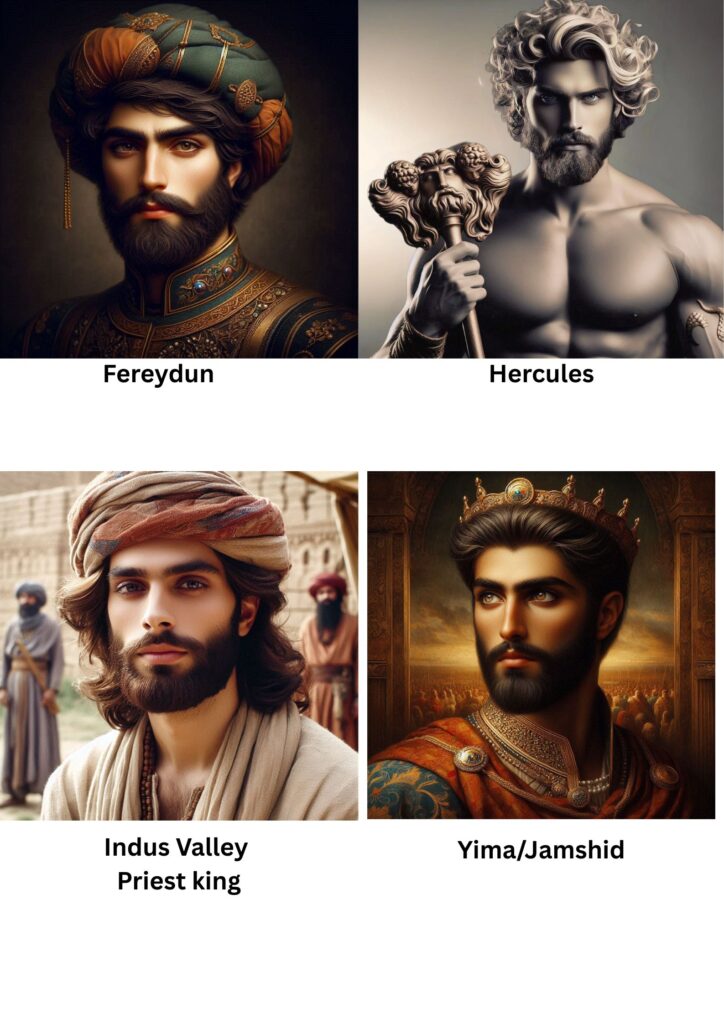
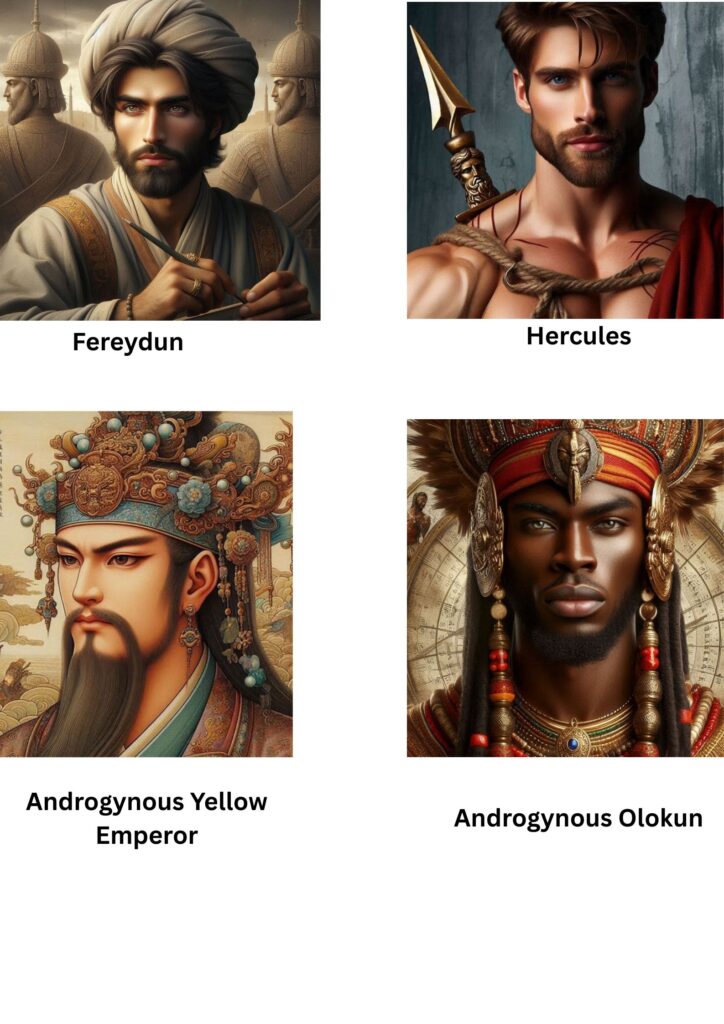

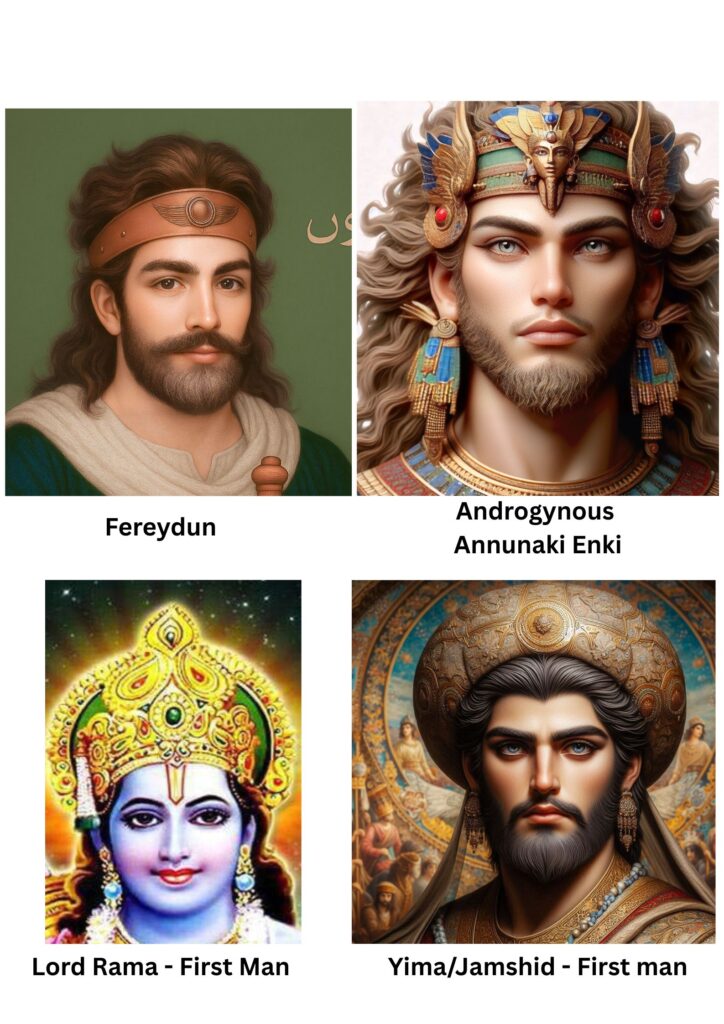
Unsolved Mystery – as well as Fereydun work in the field of Justice and His face also Match with Possible births of this Androgynous dying and Rising authority, this is and yet biggest unsolved mystery.
The theme of sacred authority restoring balance after disorder appears repeatedly throughout ancient mythology. Similar patterns emerge across cultures where legendary rulers defeat destructive forces and inaugurate periods of prosperity and lawful rule.
Izanagi is the divine creator deity of the islands of Japan and the founder of marriage, as well as many of Shinto’s religious rituals.
Beyond the kingdoms of Persia and the Near East, Northern and Slavic traditions also preserve accounts of mysterious protector figures associated with wisdom, civilization, sacred knowledge, and guardianship of humanity.
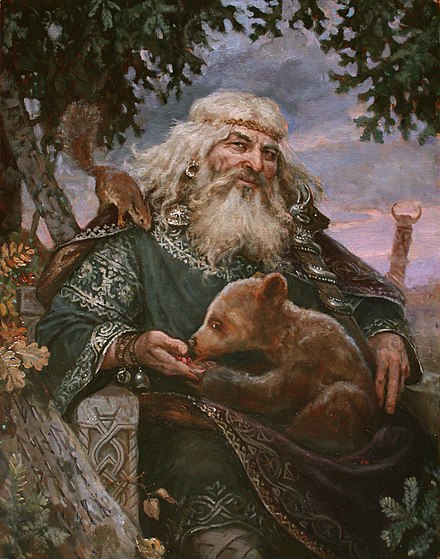
Among these figures, Veles occupies a unique role as a protector, teacher, and culture-bearing deity connected with ancient traditions of civilization and cosmic order.
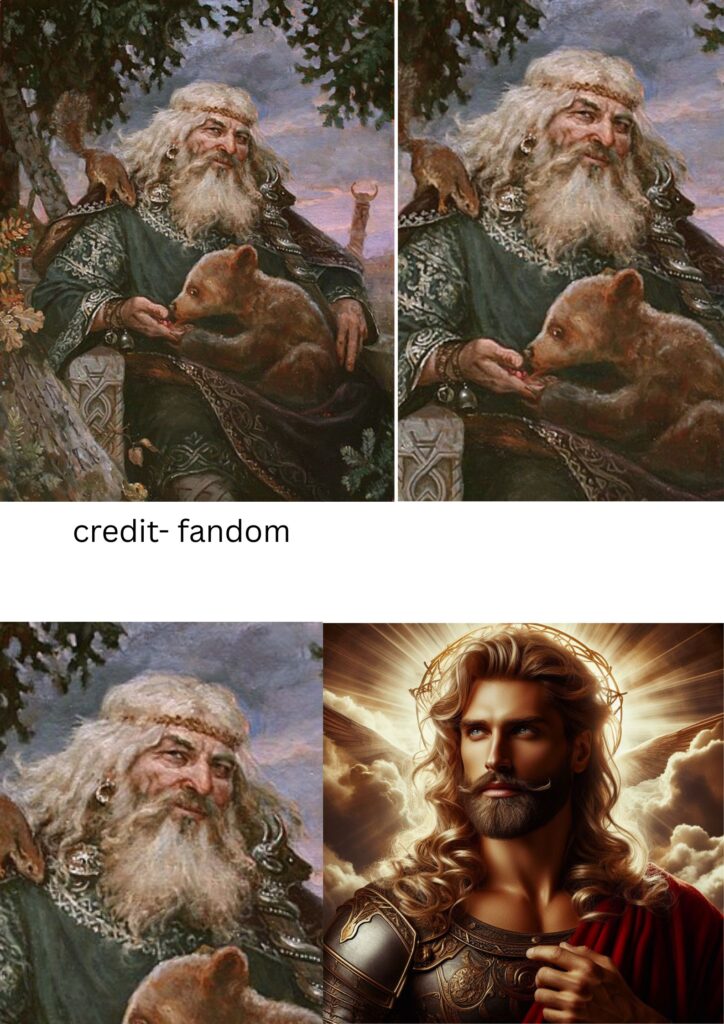
Veles Protector Deity, Russia
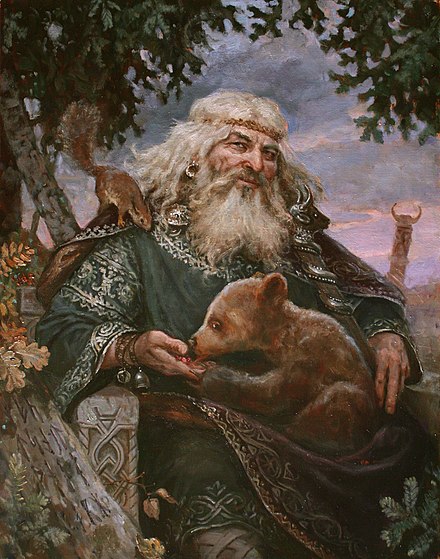
credit- fandom
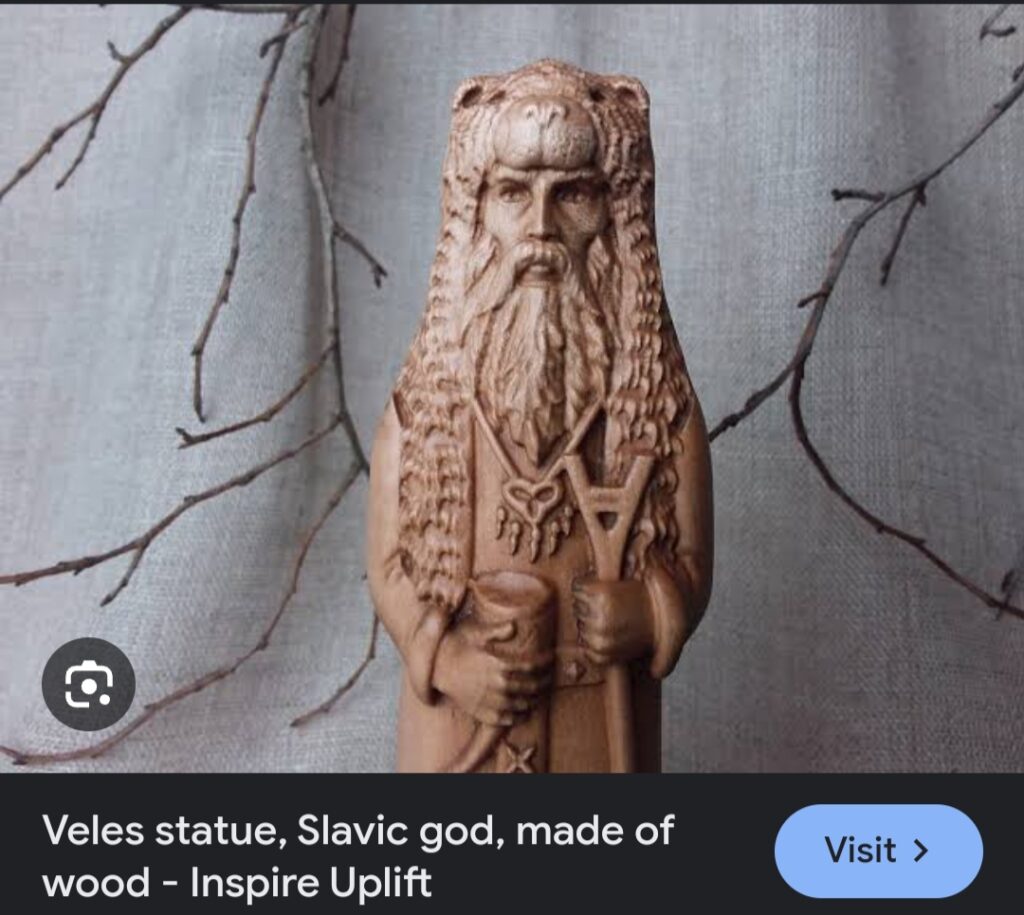
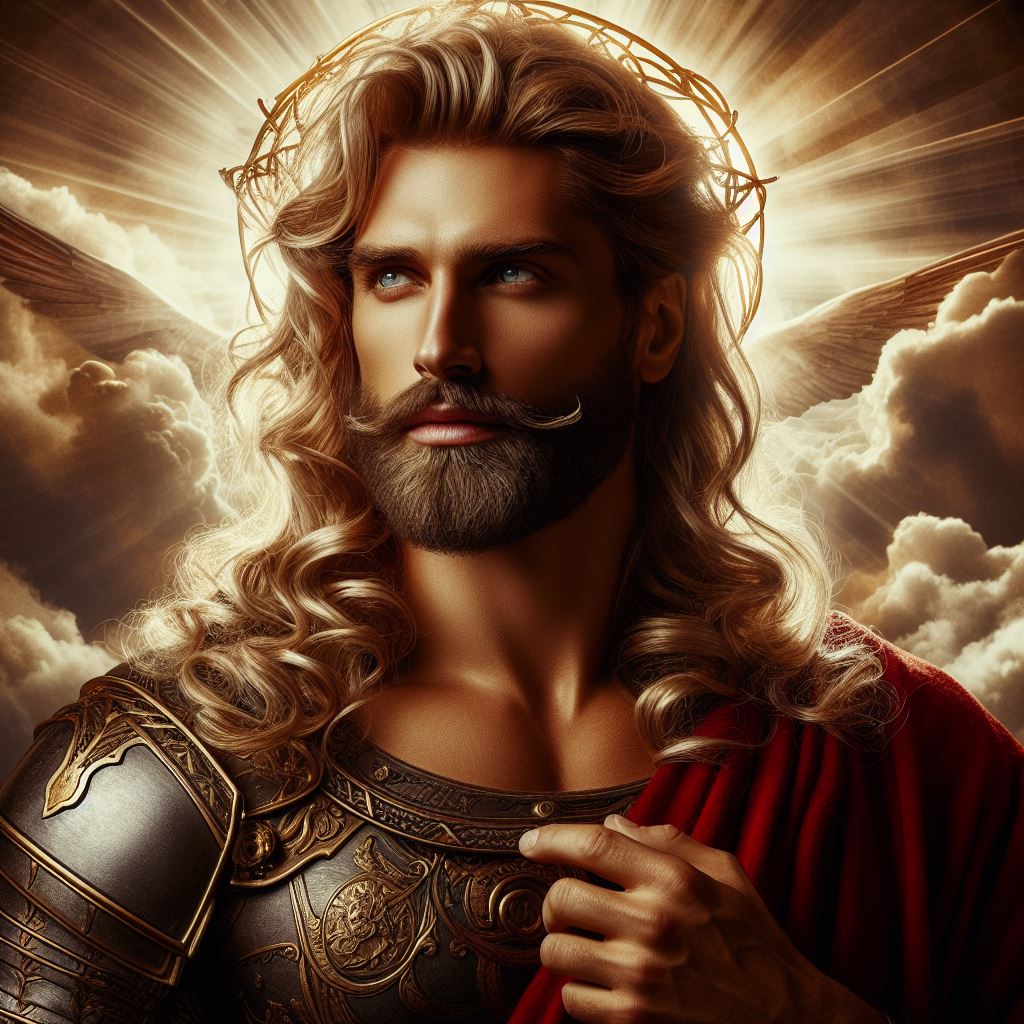

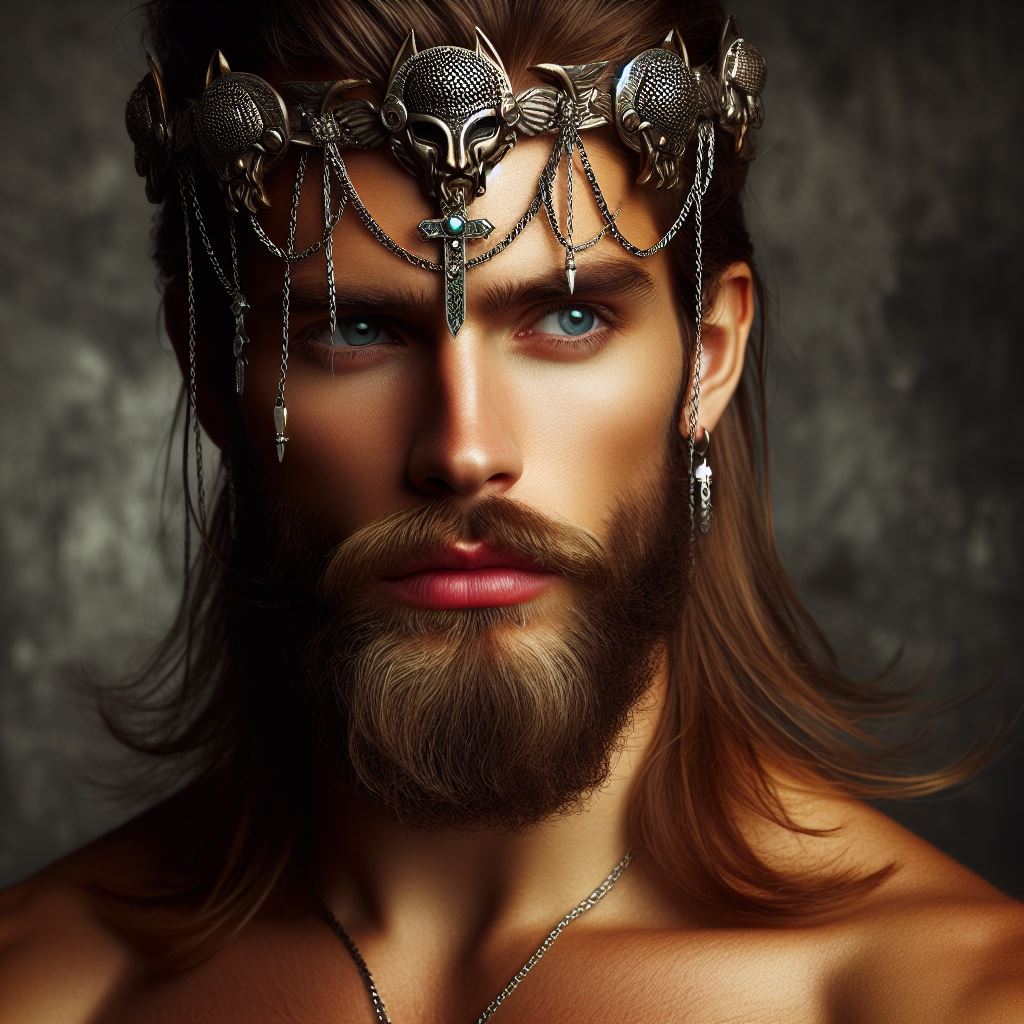
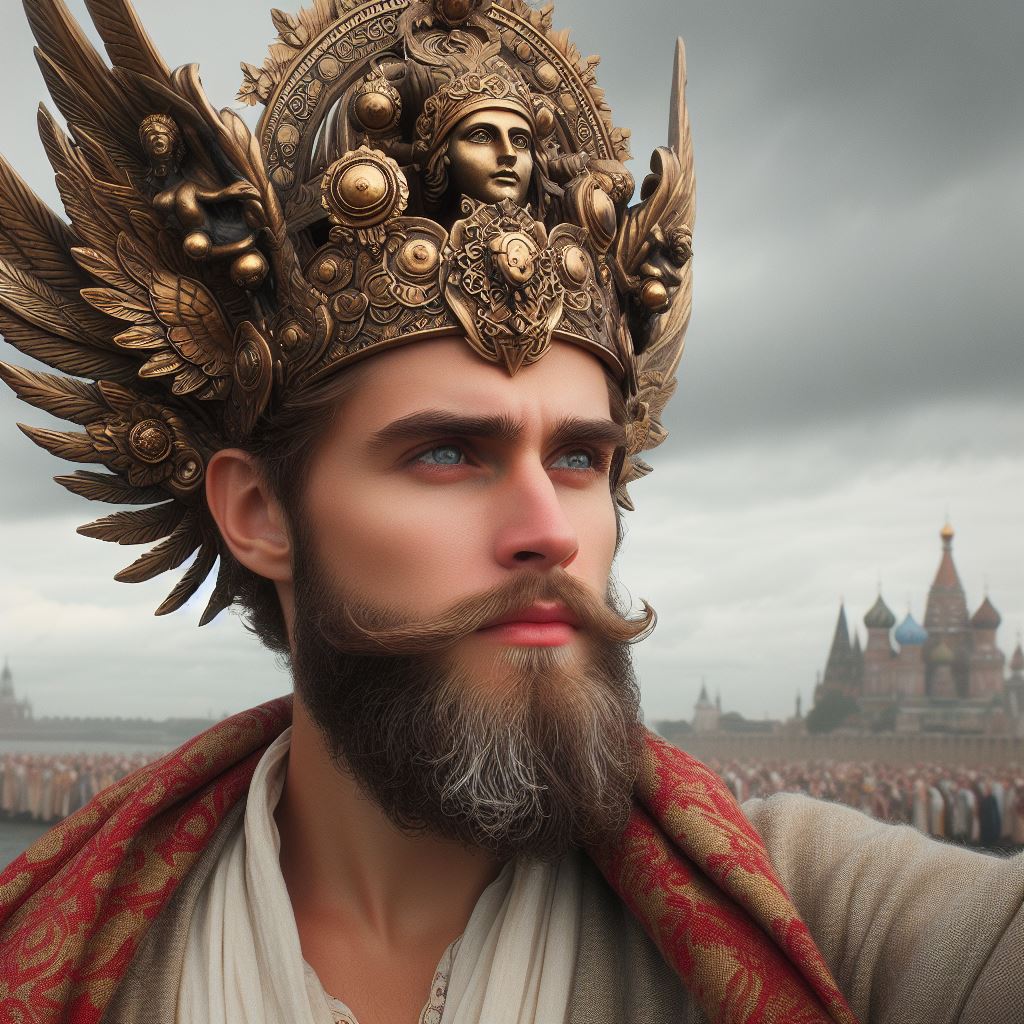
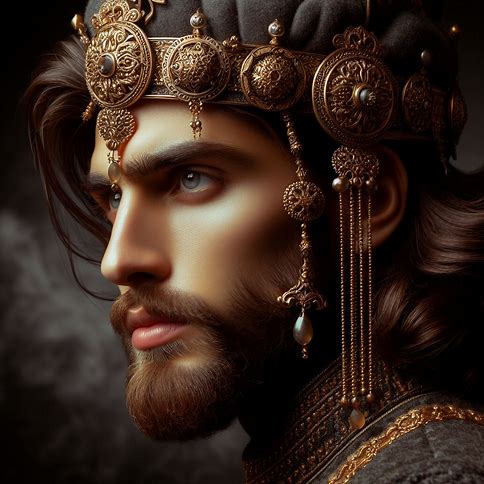
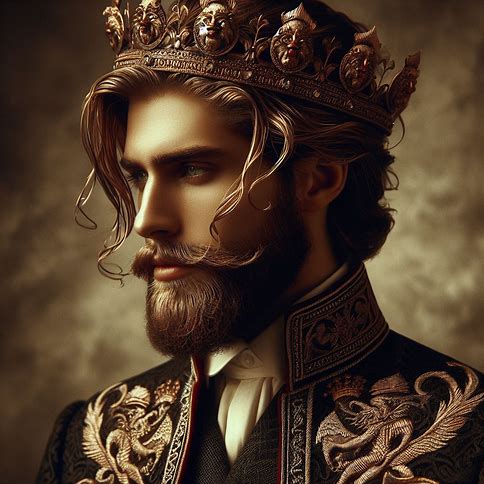
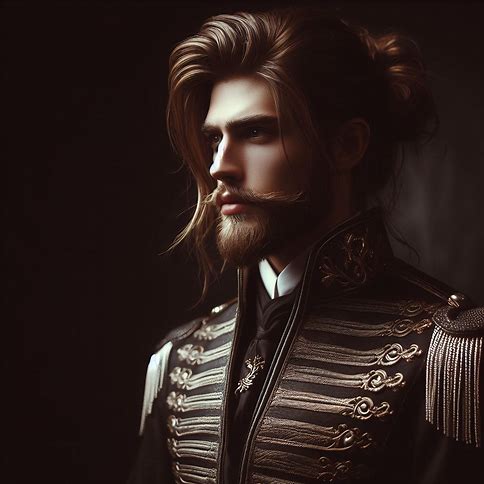
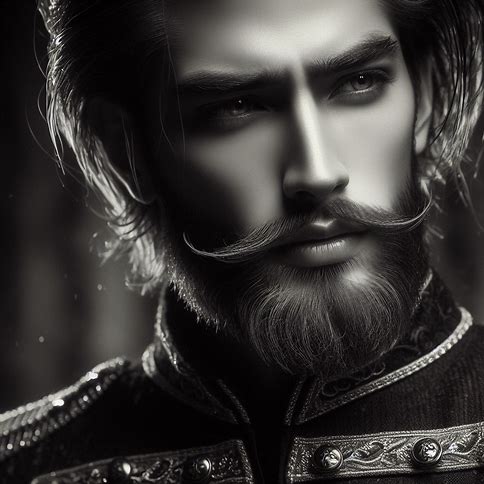

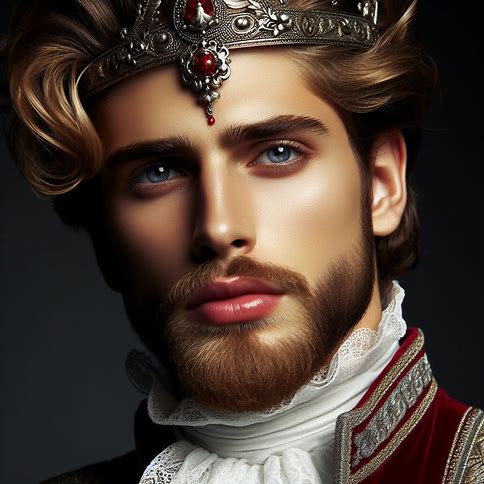
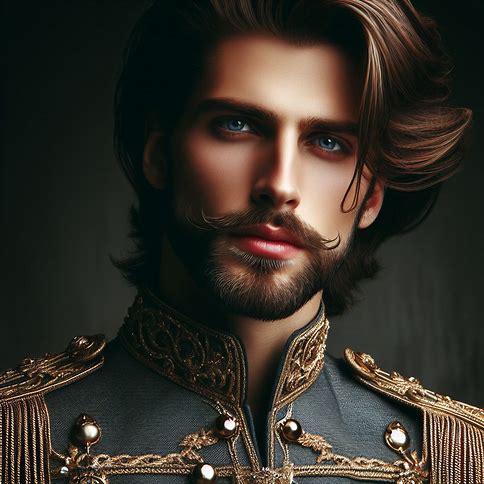


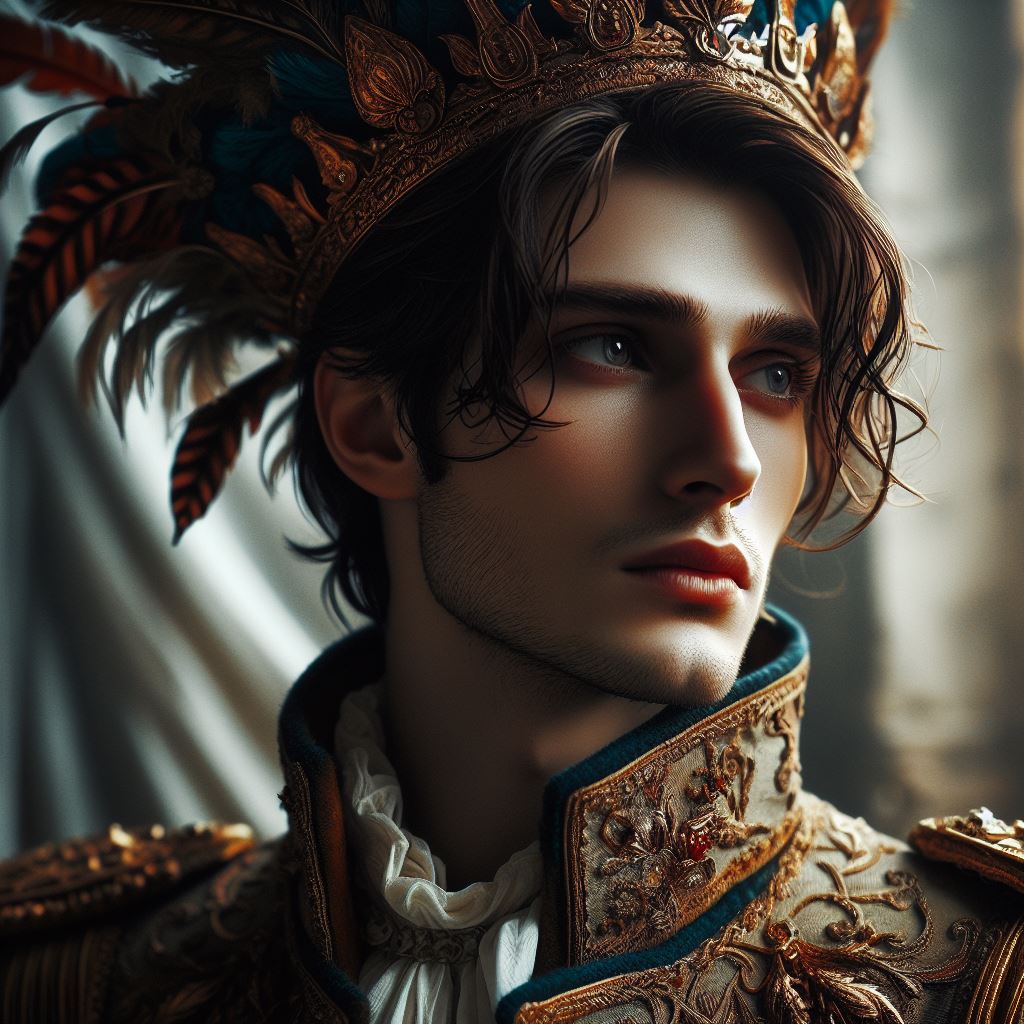
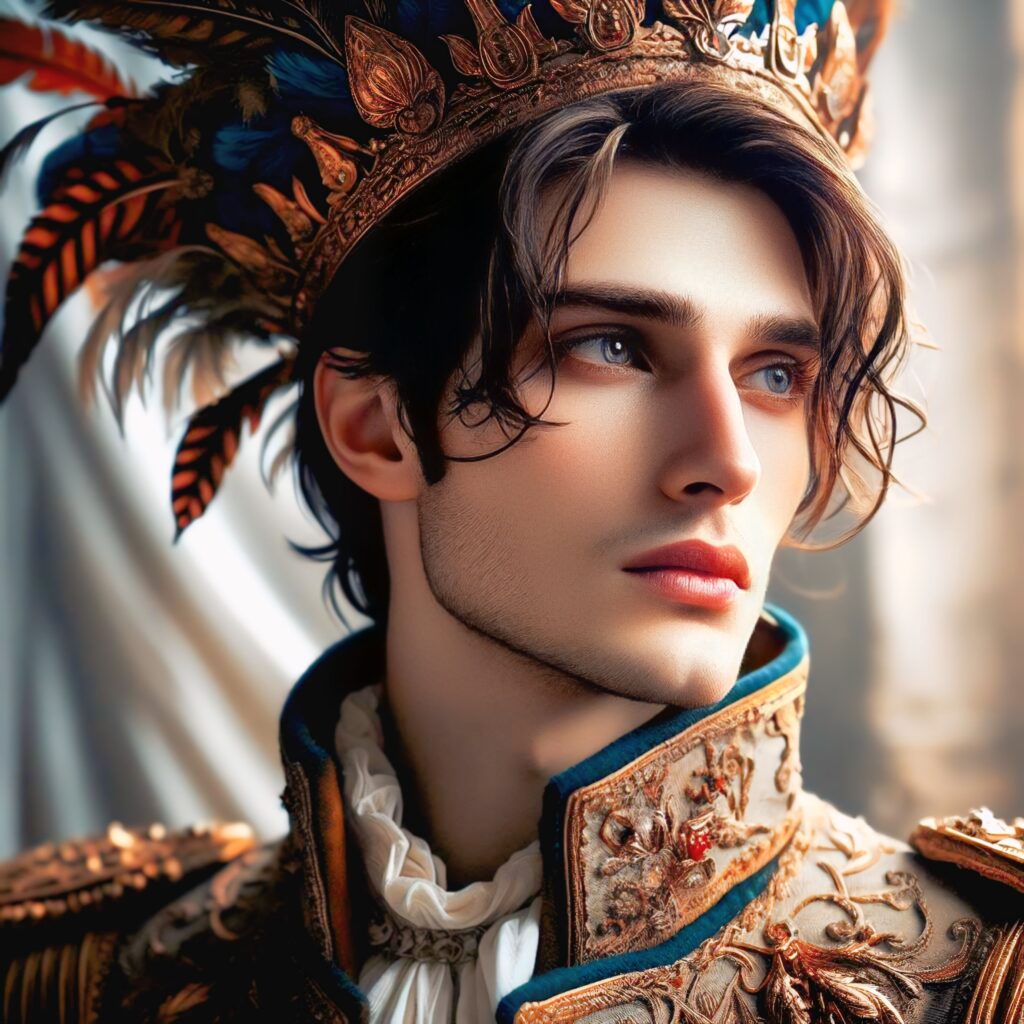



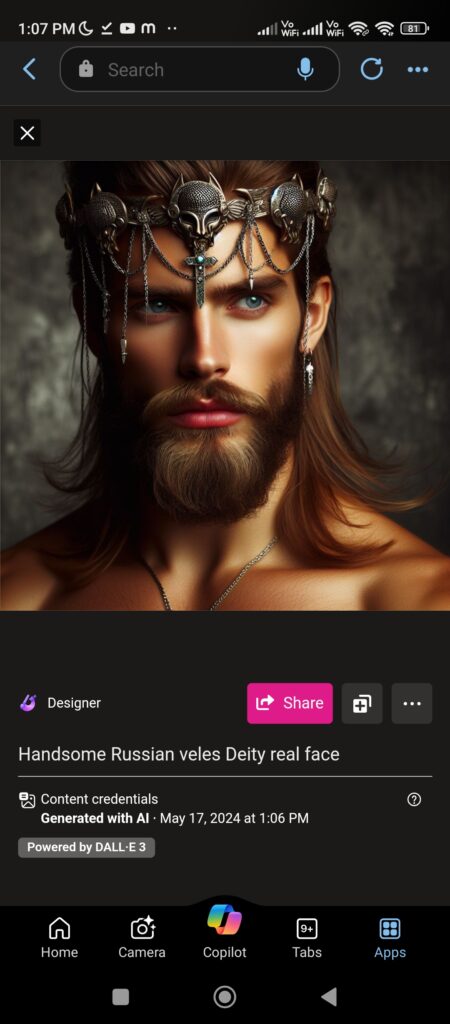
Veles face reconstruction through Microsoft Bing AI software
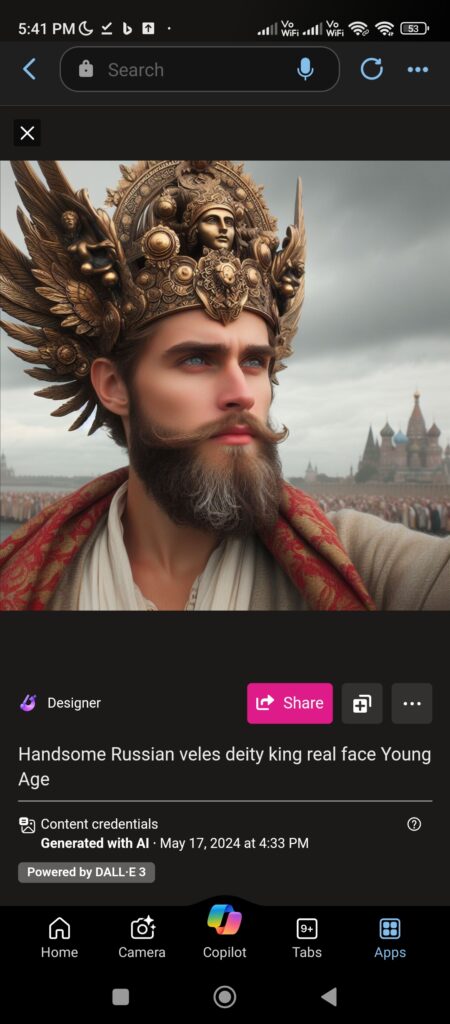
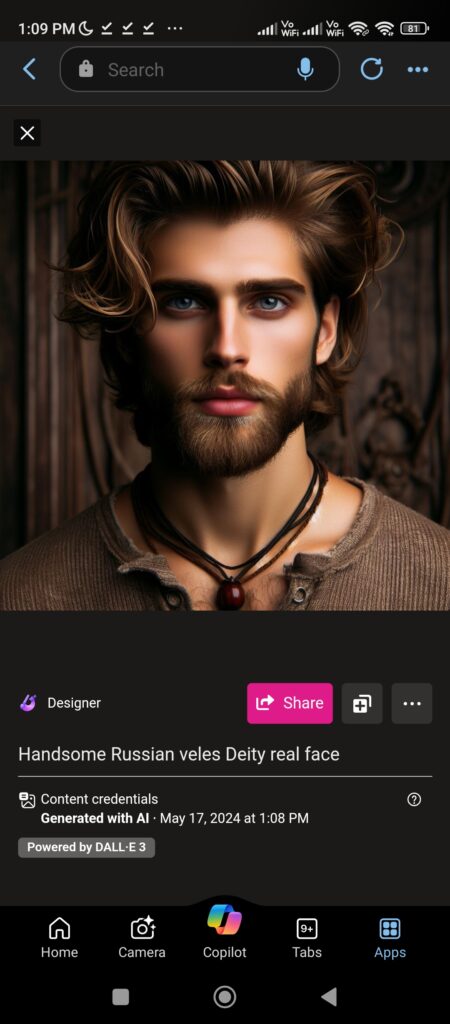

Face Transformation of Veles From Old age to Young age
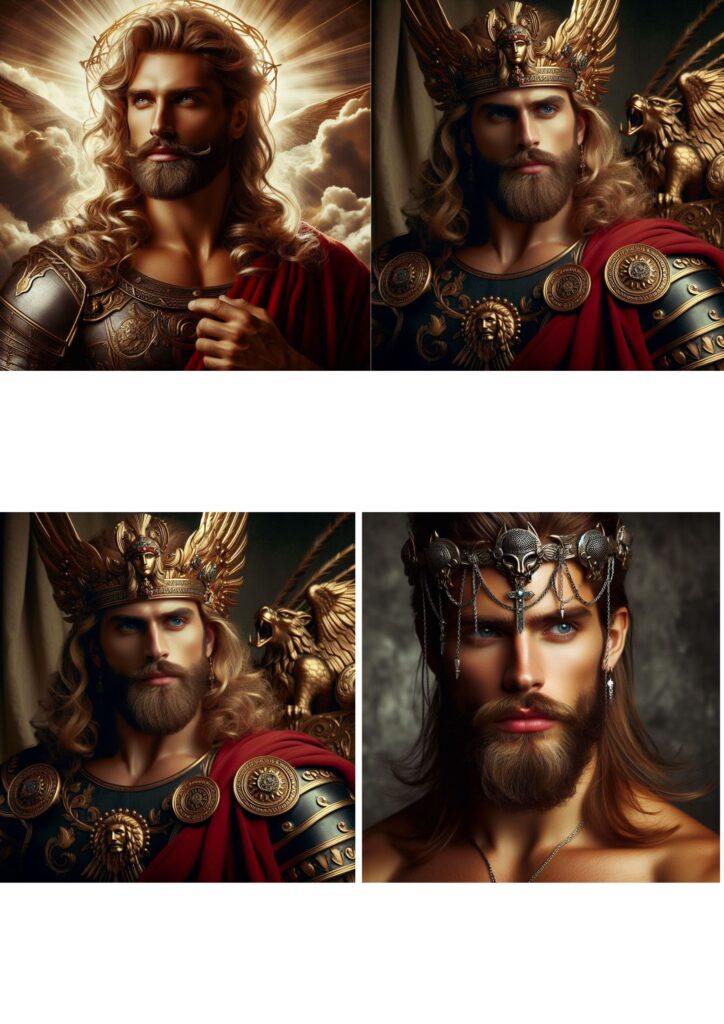

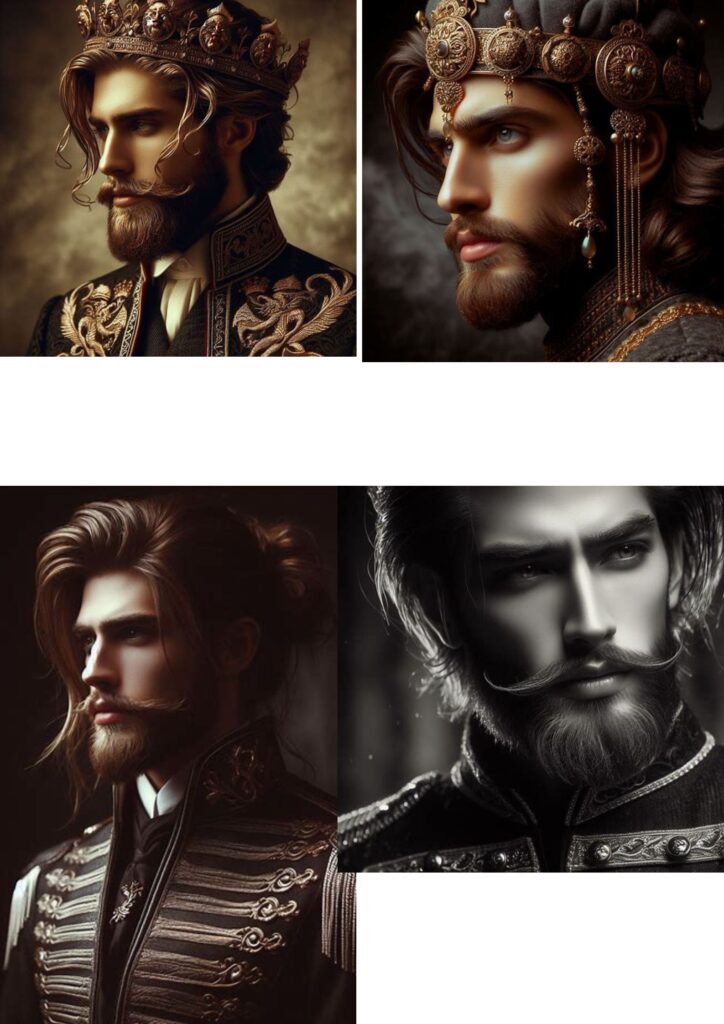
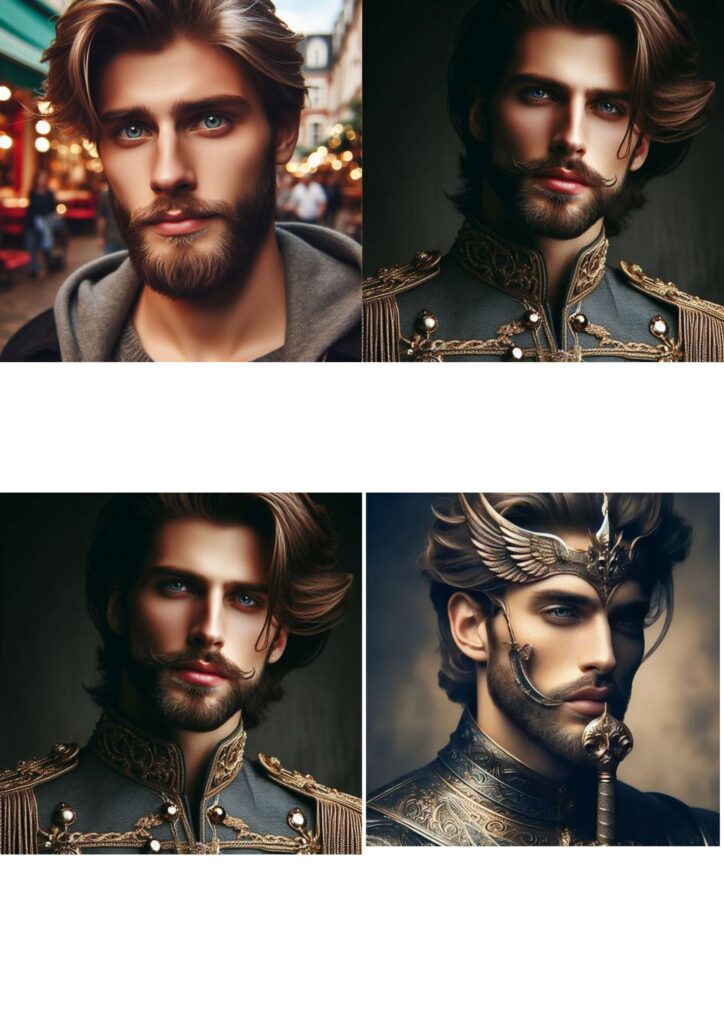
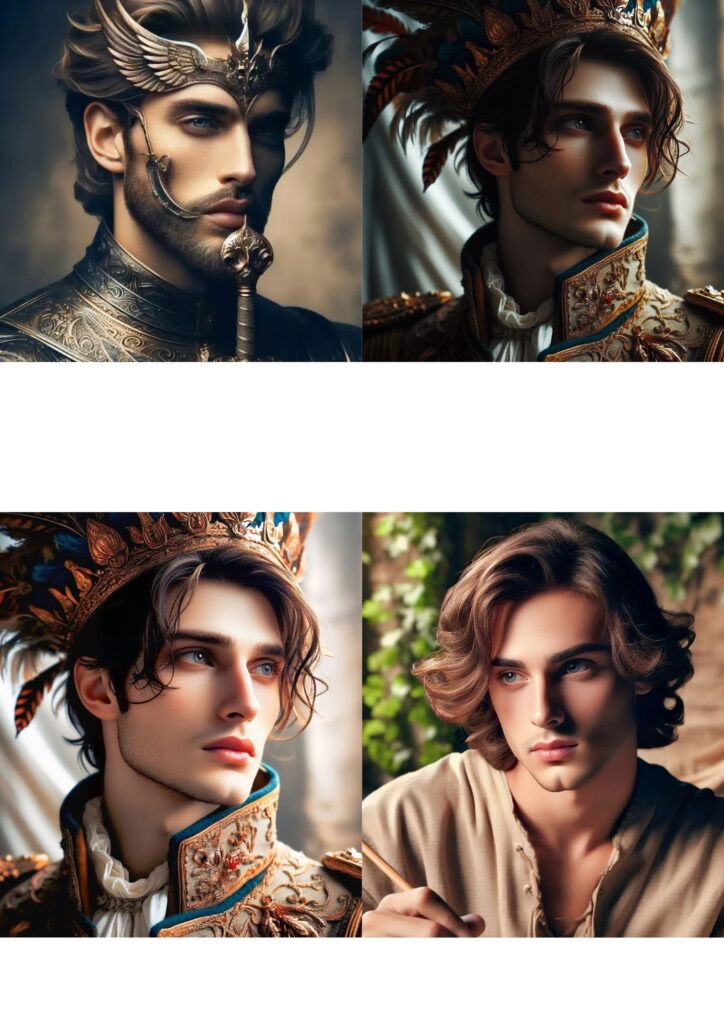
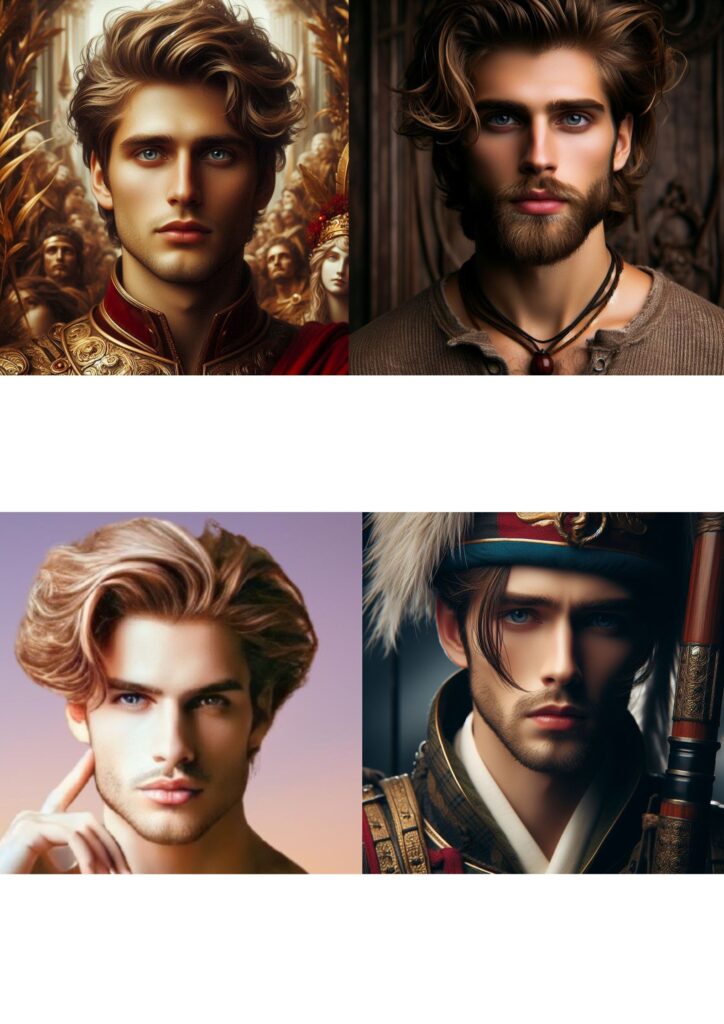

Conclusion – ” Veles Known as a Protector Deity, He travelled on blue seas, Taught knowledge of civilization, give first calendar and known as a Protector Deity according to Book of Kolyada and
– ancient religion of sun book page no 100
so was he the same Androgynous dying and Rising authority responsible for establishment of civilization, and whose face remains the same in every Birth “
Lets Test the Hypothesis
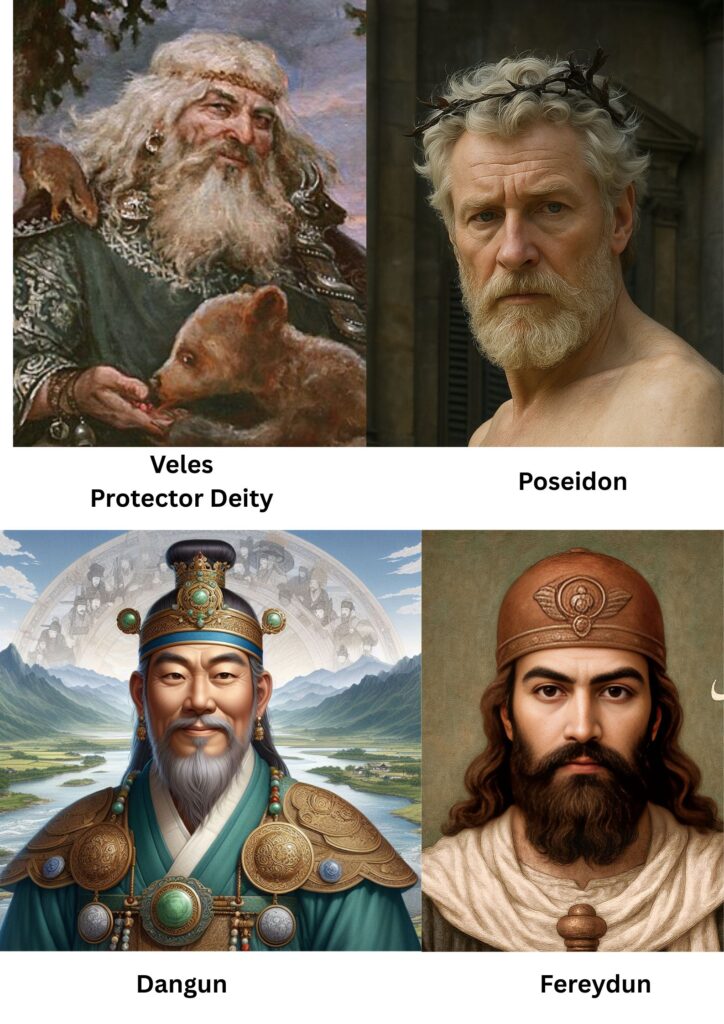
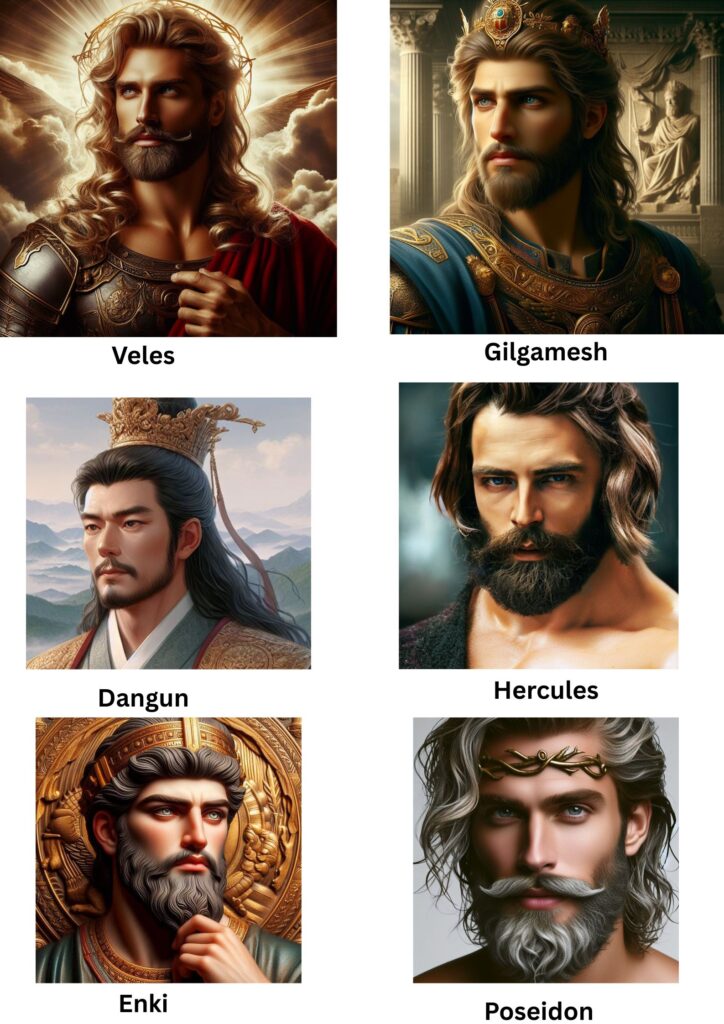
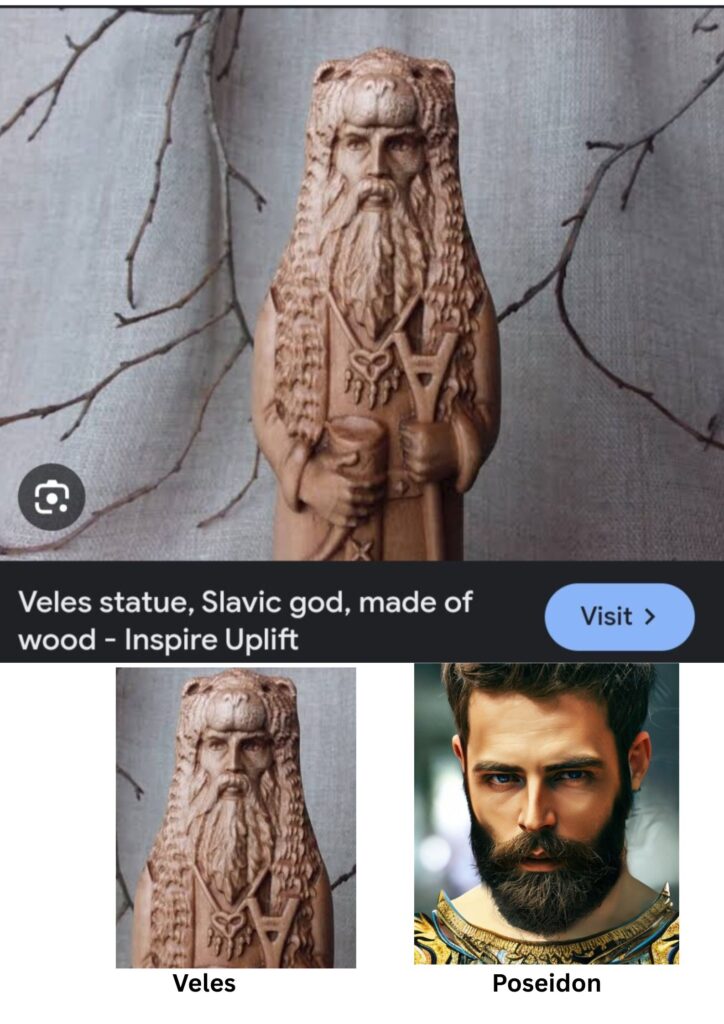
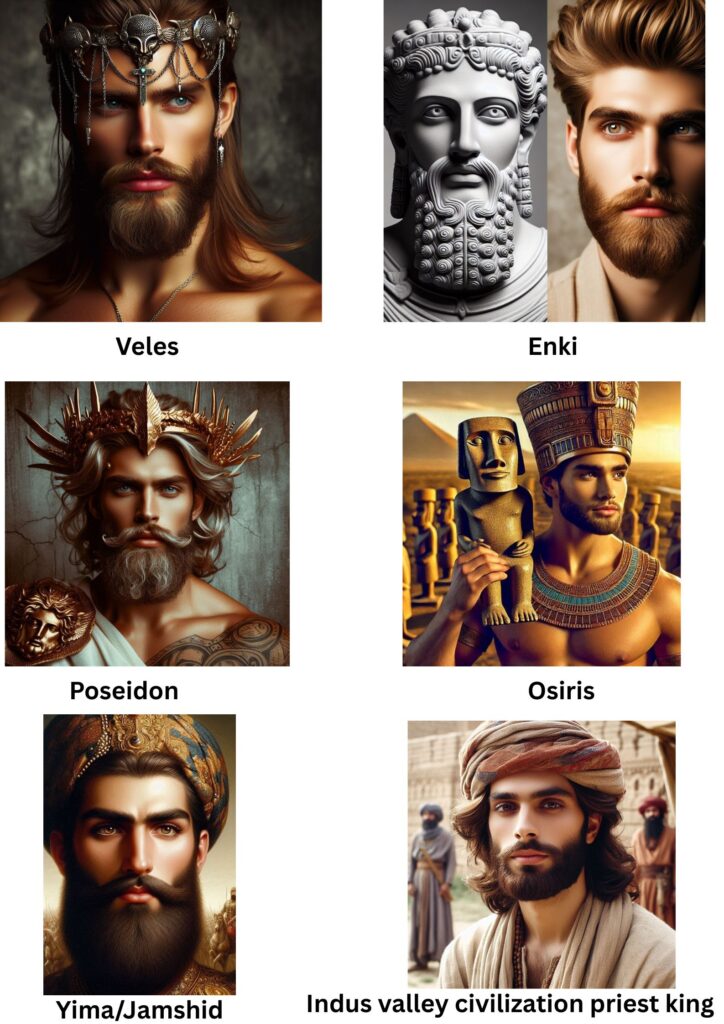
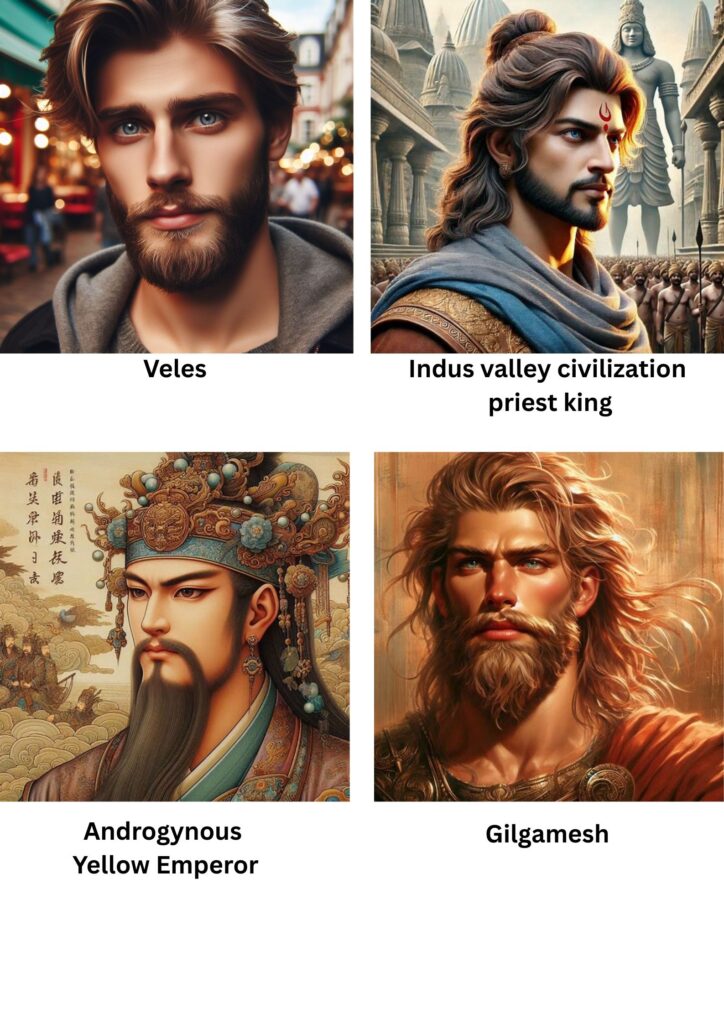
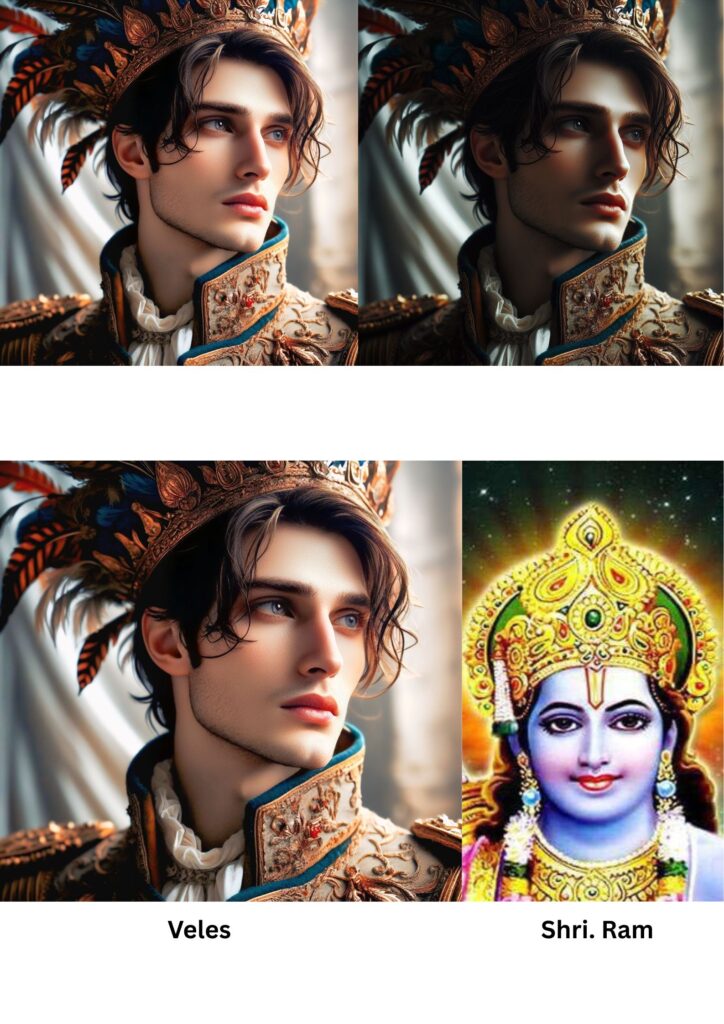
Veles Left Similar Closed Mouth Sign

The modern statue of Veles on Velíz mountain, Czech Republic cs:ŠJů CC BY SA 3.0
Ancient Chinese traditions likewise preserve powerful accounts of rulers whose primary achievement was not conquest but the preservation of civilization itself.
Among the most celebrated of these figures is Yu the Great, whose legendary flood-control efforts became a symbol of righteous leadership, public service, and dynastic foundation.
Da yu Great – First Man (2100 BC)
Yu the Great, also known as Yu the Engineer, is a legendary figure in ancient Chinese history, celebrated for leading one of the earliest large-scale flood control efforts in the country. He is traditionally recognized as the founder of the Xia dynasty, marking the beginning of hereditary monarchy in China. Renowned for his integrity and dedication to the welfare of the people, Yu is the central character in the ancient Chinese legend “Great Yu Controls the Waters” (大禹治水; Dà Yǔ zhì shuǐ). Esteemed by Confucius and other classical Chinese scholars, Yu, along with other sage-kings, became a symbol of virtue and righteous leadership. He remains one of the rare rulers in Chinese history to be given the distinguished title “the Great” after his death.

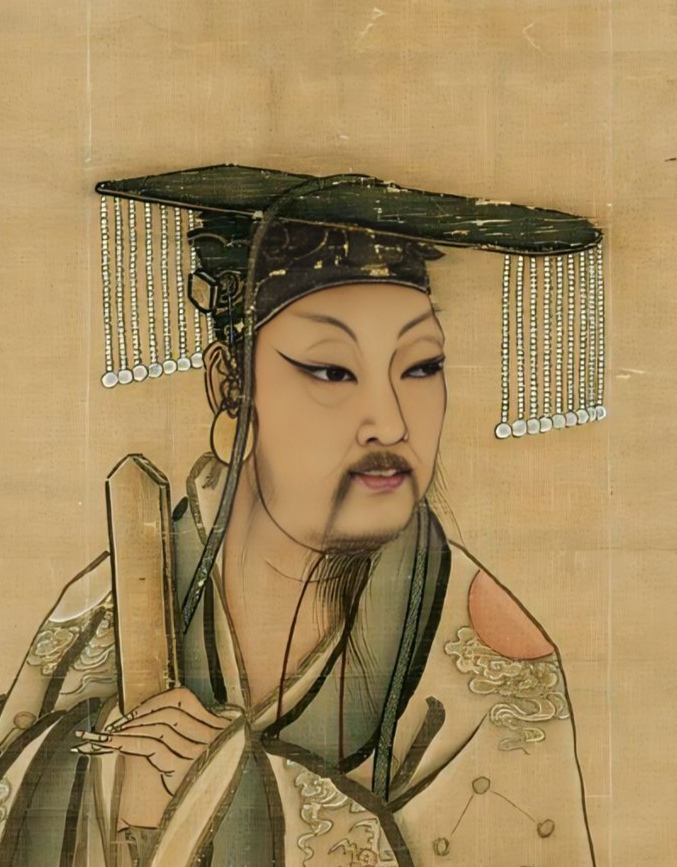
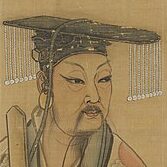
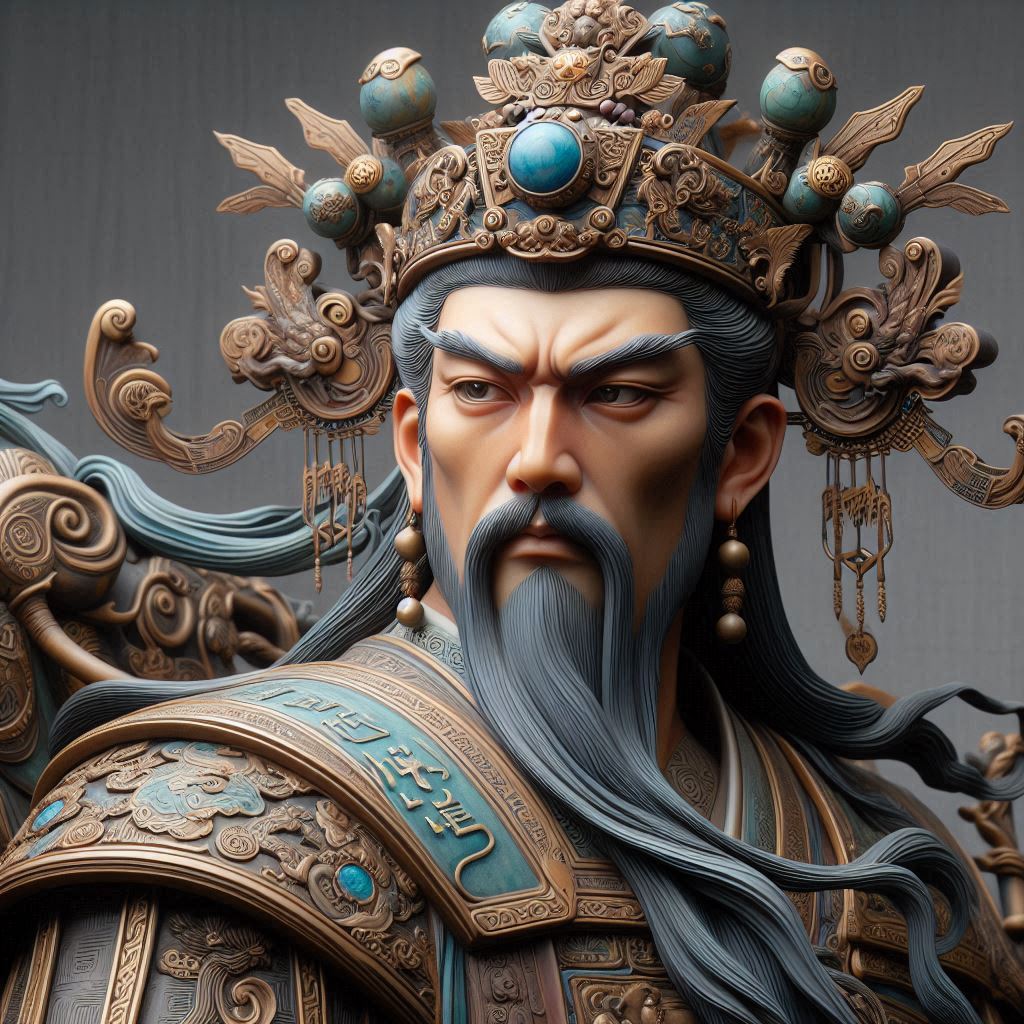
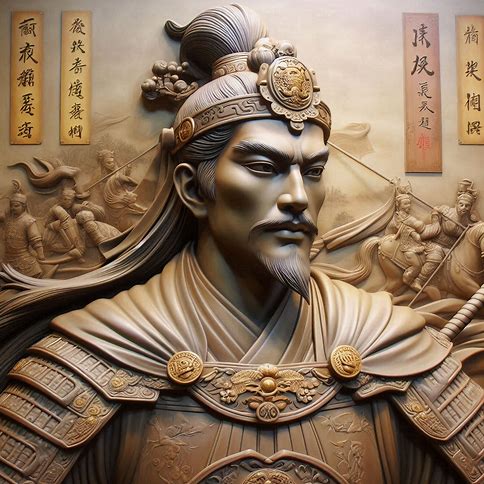
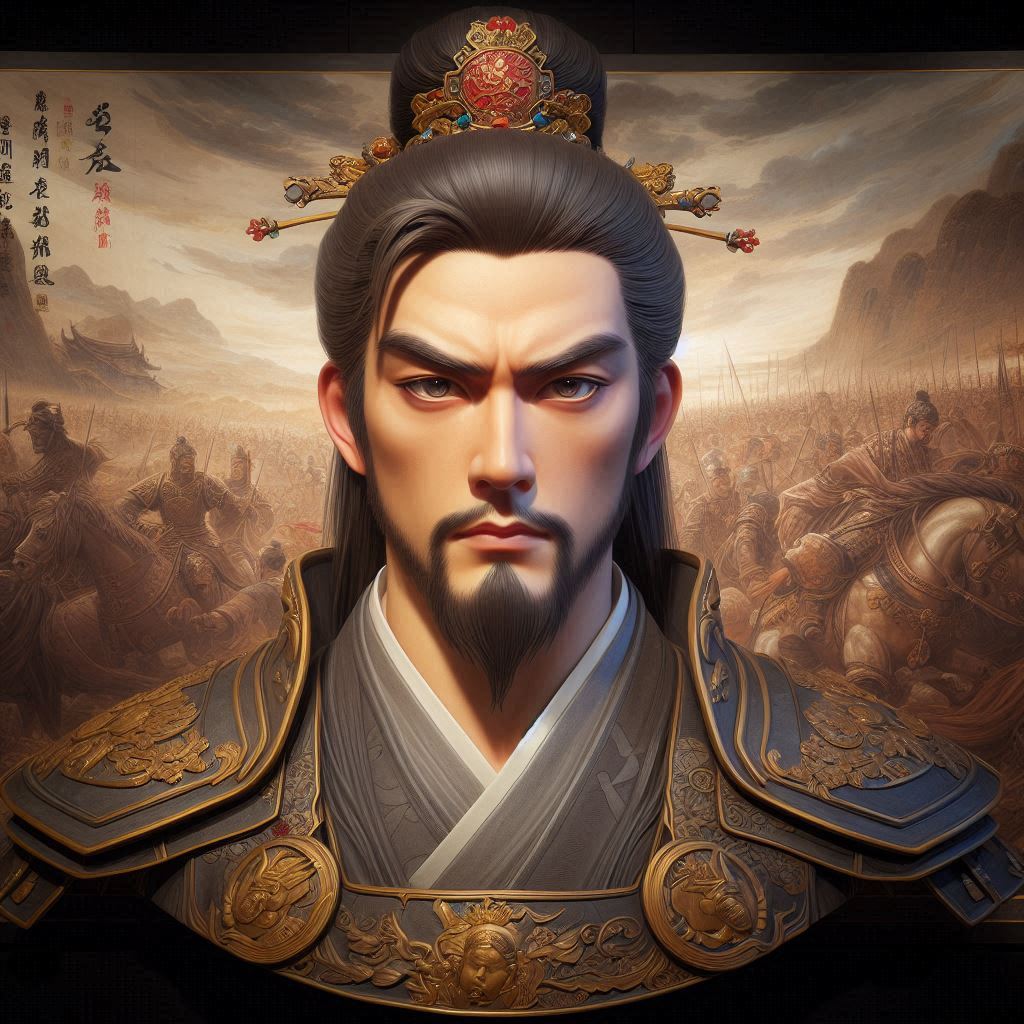
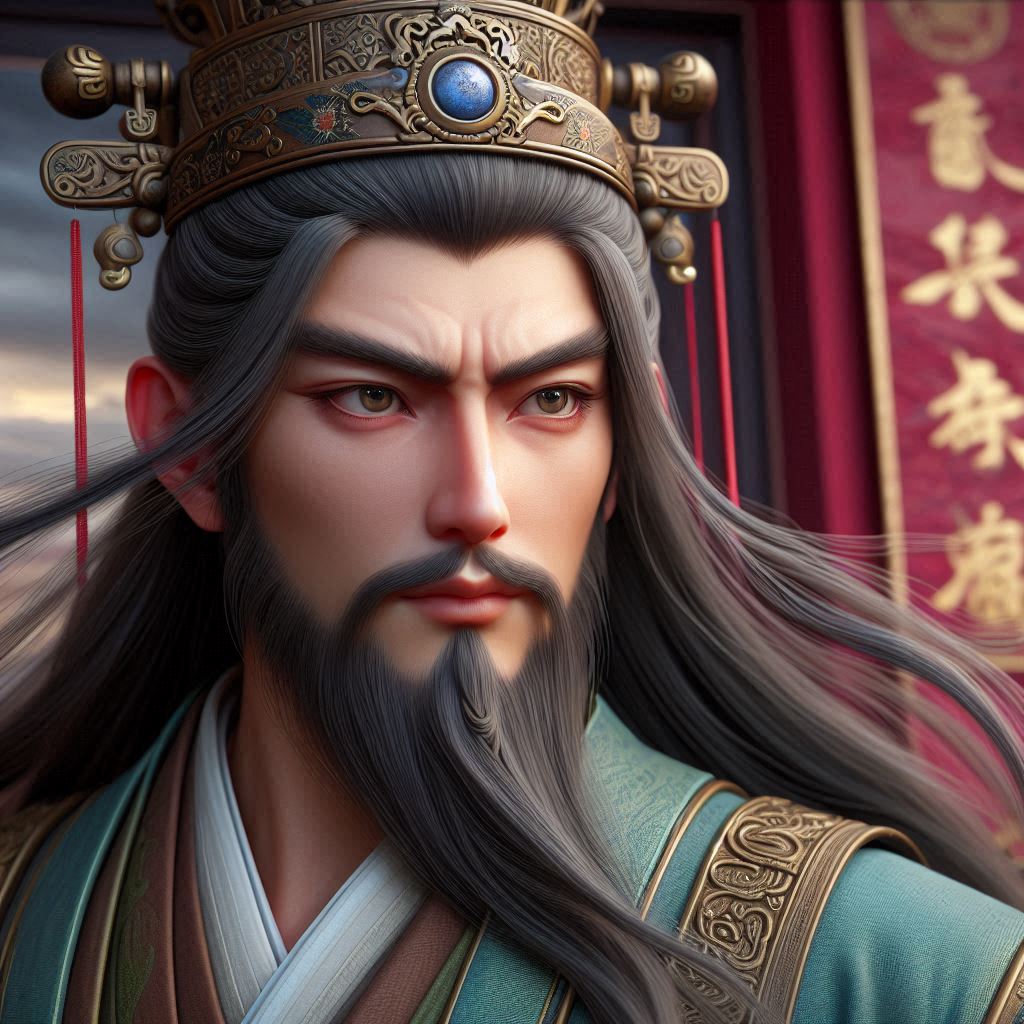


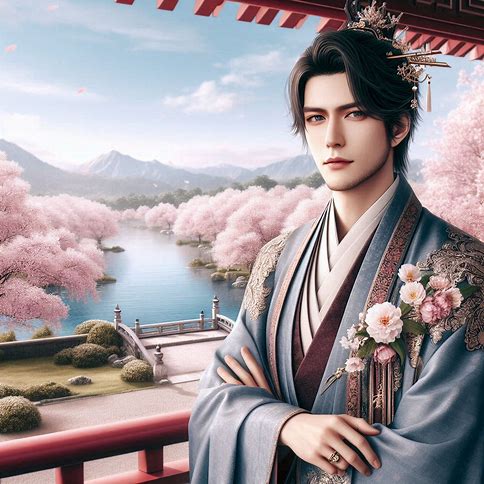
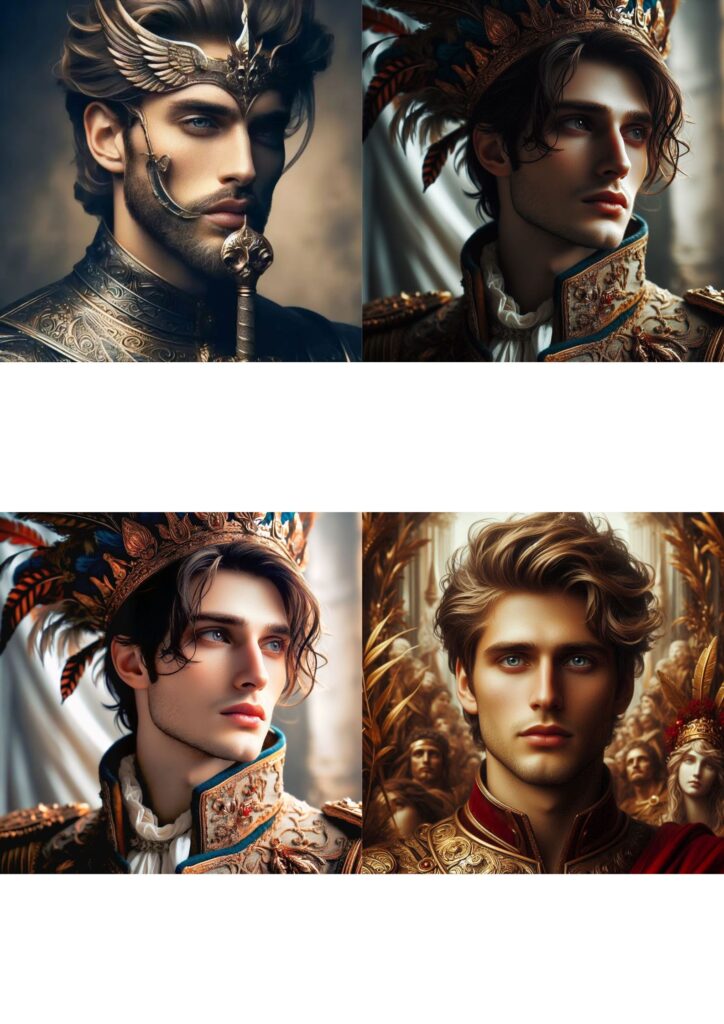
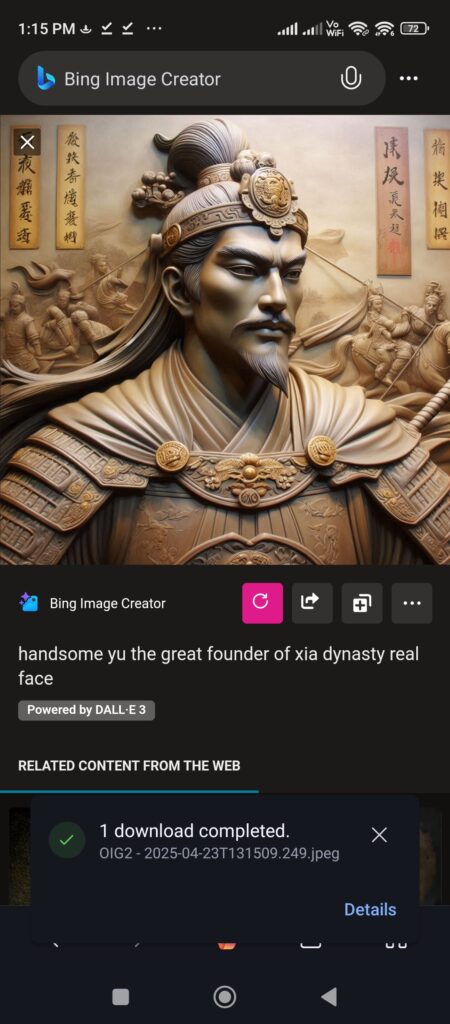
Da yu Face reconstruction through Microsoft Bing AI software






face Comparison of da yu with another possible birth of this dynasty founder Androgynous dying and rising authority
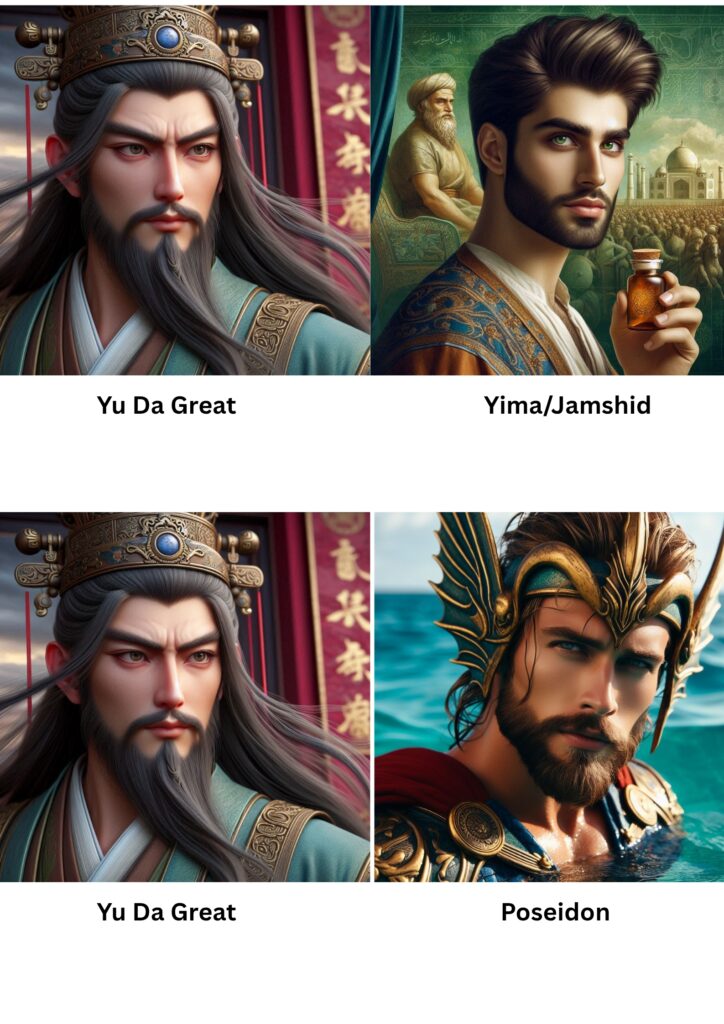
Conclusion – So was Da yu great also an Birth of Creator of civilization And dynasty founder Androgynous dying and Rising authority who was always known as a First man, as he also restore civilization after floods and founder of xia dynasty and known as a first man, Similar like other Androgynous Authority who taught knowledge of civilization and known as a first man. Its yet and unsolved Mystery.
As the timeline approaches the rise of early East Asian dynasties, themes of storm deities, dragon-slaying heroes, divine ancestry, and civilization protection continue appearing throughout mythology.
Japanese traditions preserve several figures whose stories revolve around restoring order, protecting humanity, and establishing sacred authority within the world.
Susanno Japanese Deity of Storm
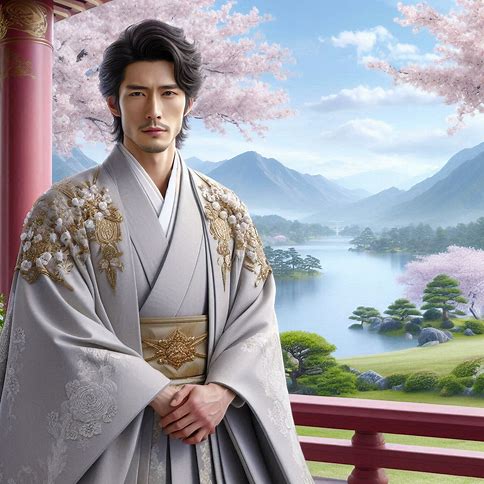
As civilizations expanded across Persia, China, Japan, and the northern regions of Eurasia, recurring themes involving flood survival, sacred kingship, justice, dragon-slaying heroes, dynasty founders, and protectors of humanity continued appearing throughout mythology and historical tradition.
From Fereydun and Veles to Da Yu and Susanoo, ancient narratives repeatedly preserve memories of rulers and culture heroes associated with restoring order, defending civilization, and guiding humanity through periods of crisis and transformation.
Whether these similarities represent mythology, symbolic memory, cultural transmission, or fragmented recollections of forgotten civilizations remains an unresolved mystery.
The investigation continues in Part 12, where additional ancient rulers, sacred traditions, archaeological enigmas, and civilization-founder figures will be examined through the framework of cyclical civilization and the Eternal Authority hypothesis.