
Era of Civilization Founders, Divine Kings, and Royal Dynasties
As ancient civilizations entered the first millennium BC, traditions concerning divine rulers, legendary founders, heavenly authorities, and sacred dynasties continued to shape cultural memory across Europe and Asia.
Many societies preserved stories of extraordinary figures who established kingdoms, founded civilizations, created royal bloodlines, and were later elevated to divine or semi-divine status. These founder figures often became symbols of justice, order, legitimacy, and national identity.
Part 16 explores Romulus, the legendary founder of Rome; Emperor Jimmu, the traditional founder of Japan’s imperial dynasty; Zeus, ruler of the Olympians and guardian of justice; and other traditions connected to sacred rulership and civilization-building through the framework of the Eternal Authority Hypothesis.
Throughout the ancient world, stories repeatedly appear of rulers who vanished mysteriously, ascended to heaven, established dynasties, or were remembered as divinely chosen authorities. Such traditions raise important questions regarding the origins of kingship, the legitimacy of royal authority, and the preservation of sacred memory across generations.
Can recurring themes such as divine kingship, civilization founding, heavenly rulership, royal dynasties, mysterious disappearances, and sacred authority reveal fragments of a deeper forgotten tradition remembered across multiple cultures?
The investigation continues.
Romulus Dying and Rising Deity –753 BC
Among the most famous founder figures of the ancient world is Romulus, the legendary founder and first king of Rome.
According to Roman tradition, Romulus and his twin brother Remus were descendants of a royal bloodline and were miraculously saved and raised by a she-wolf after being abandoned as infants. As they grew older, the brothers decided to establish a new city,
after which Romulus became the ruler and founded the city of Rome in 753 BC. He is traditionally credited with establishing many of the city’s earliest institutions, military organization, political structures, and social customs.
As Rome expanded from a small settlement into one of the most influential civilizations in history, Romulus became remembered not only as a king but also as the symbolic founder of Roman civilization itself.
Ancient sources describe his reign as a period of state-building, population growth, and the formation of Roman identity. His story occupies a unique position between mythology and history, making him one of the most enduring founder figures of the ancient world.
Within the framework of the Eternal Authority Hypothesis, founder figures such as Romulus are of particular interest because they combine themes of civilization-building, royal authority, dynastic foundation, and mysterious divine associations that repeatedly appear throughout ancient traditions.
The Mysterious Disappearance of Romulus
However, one of the brothers mysteriously disappeared from the pages of history. On July 7, 714 BC, Romulus disappeared without a trace while in the temple of Vulcan giving instructions to the senators. The historian Livy, in his History from the Beginning of Rome to 9 B.C. Romulus was surrounded by thick clouds that hid him from the sight of everyone present, and from that moment on, he was nowhere to be seen anywhere in the world.

Credit-Carlo Brogi public domain
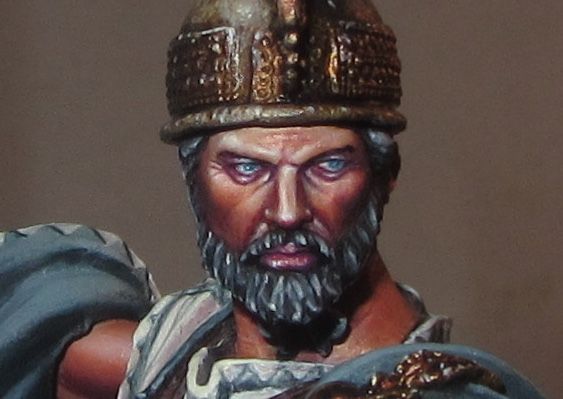
Credit- AYTHAMI ALONSO TORRENT
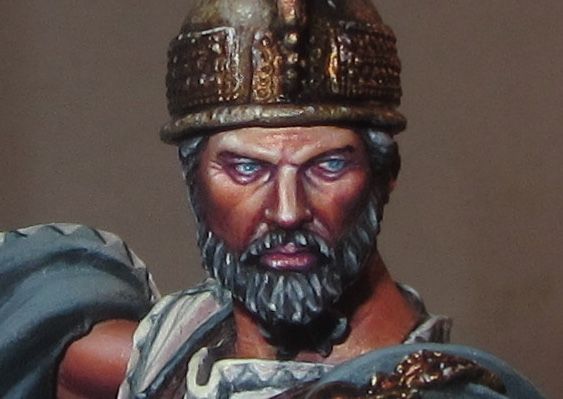
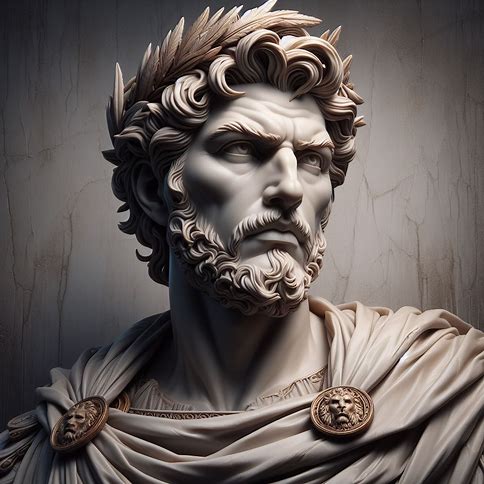
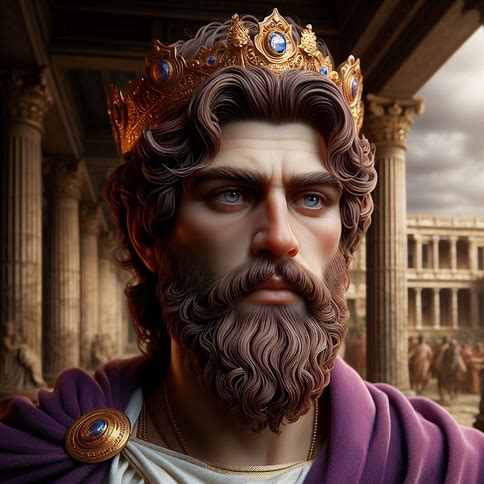
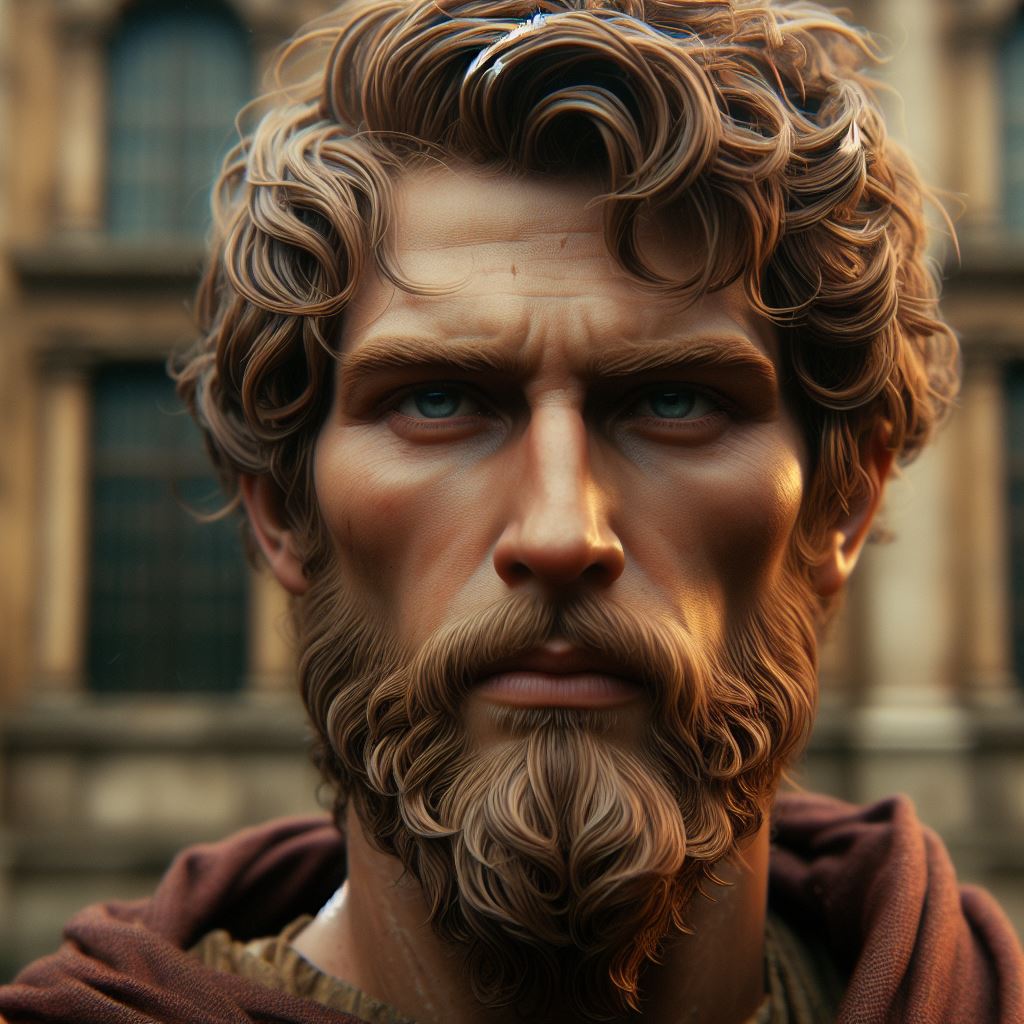
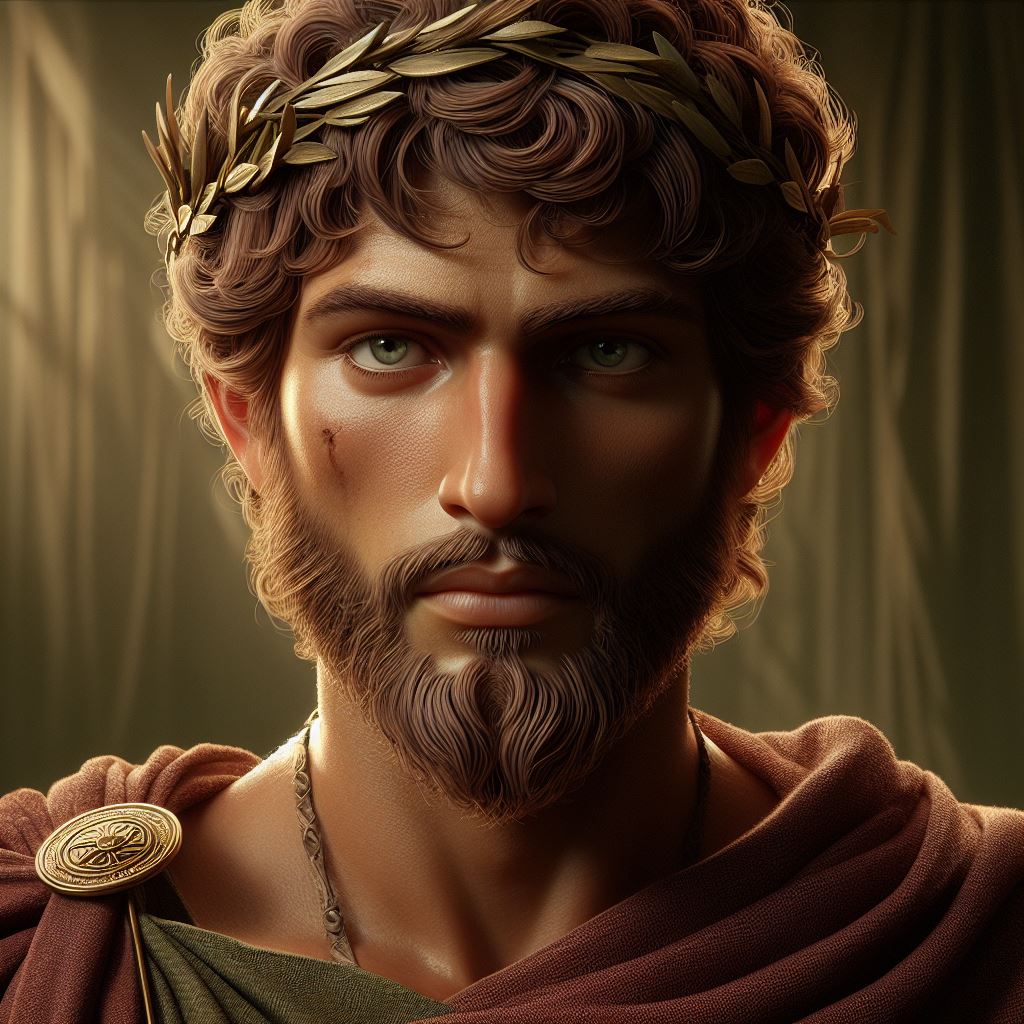

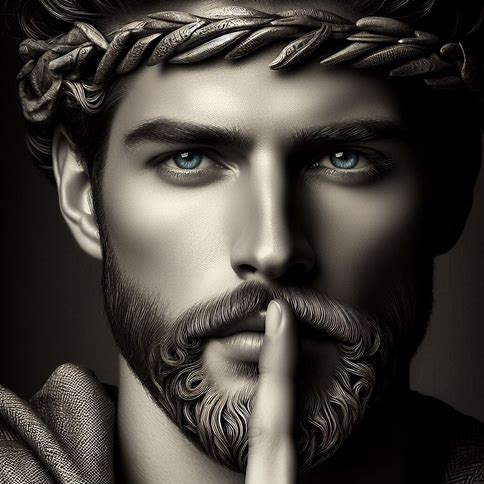
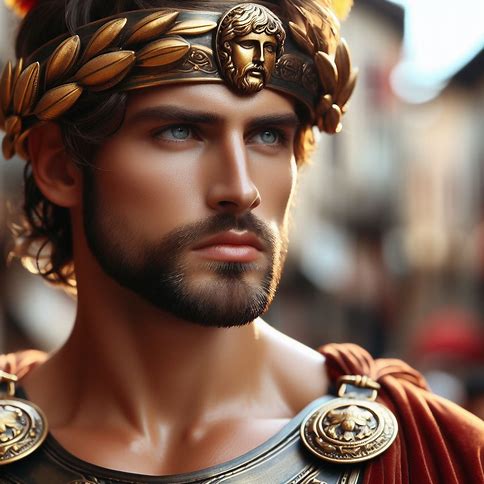

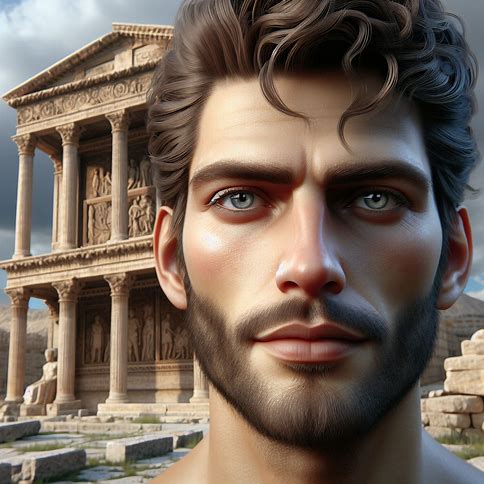
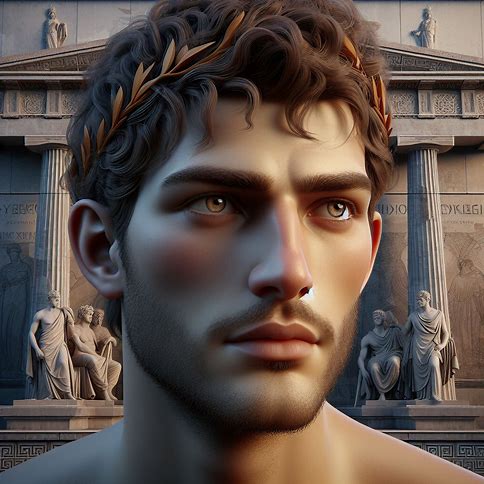
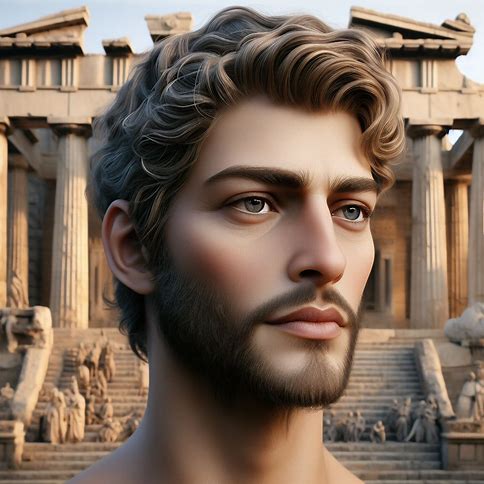
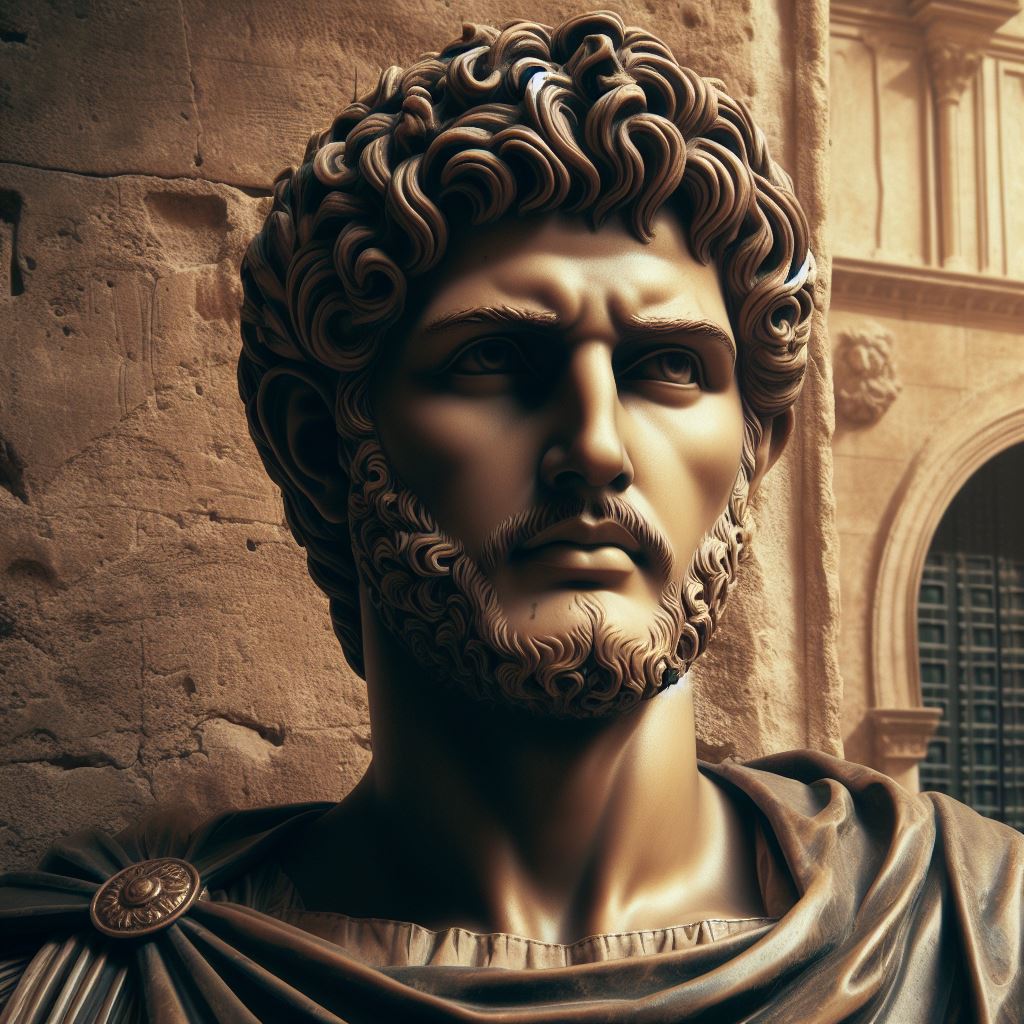
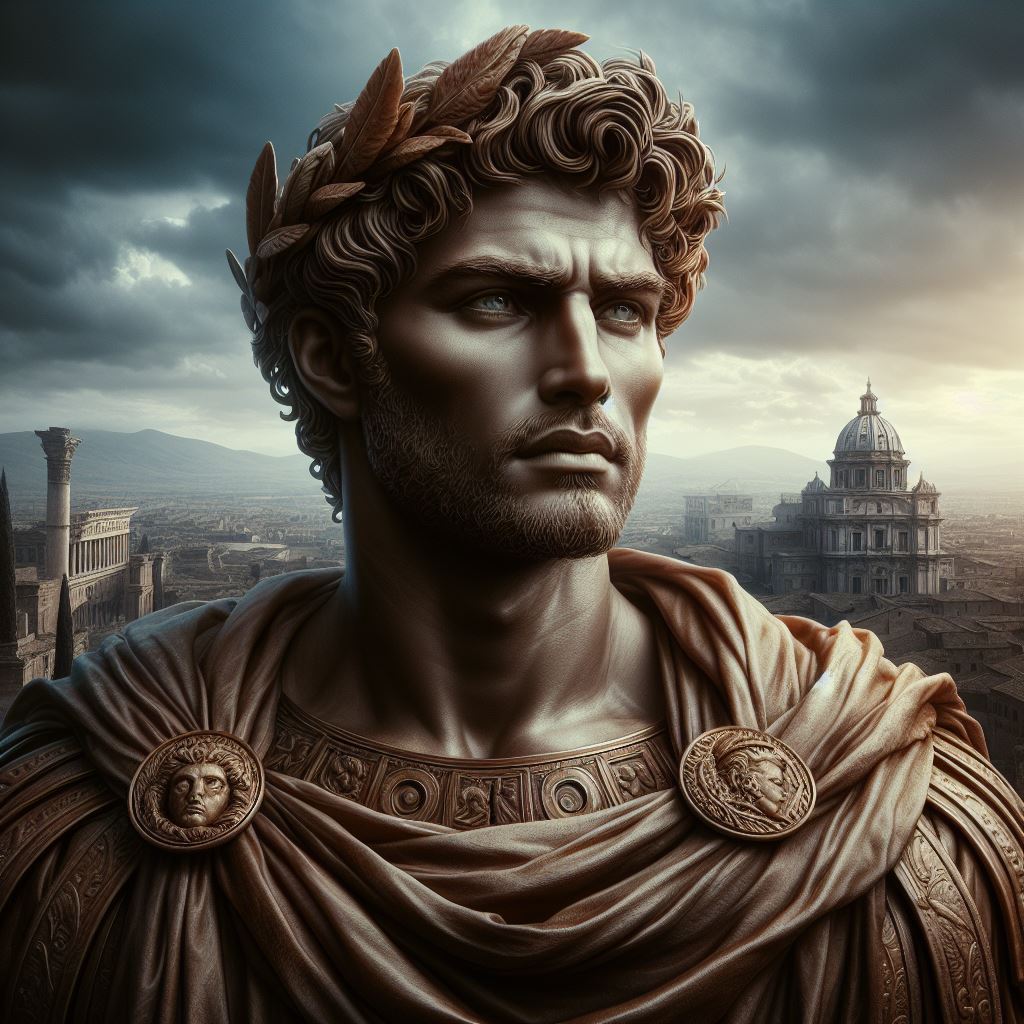
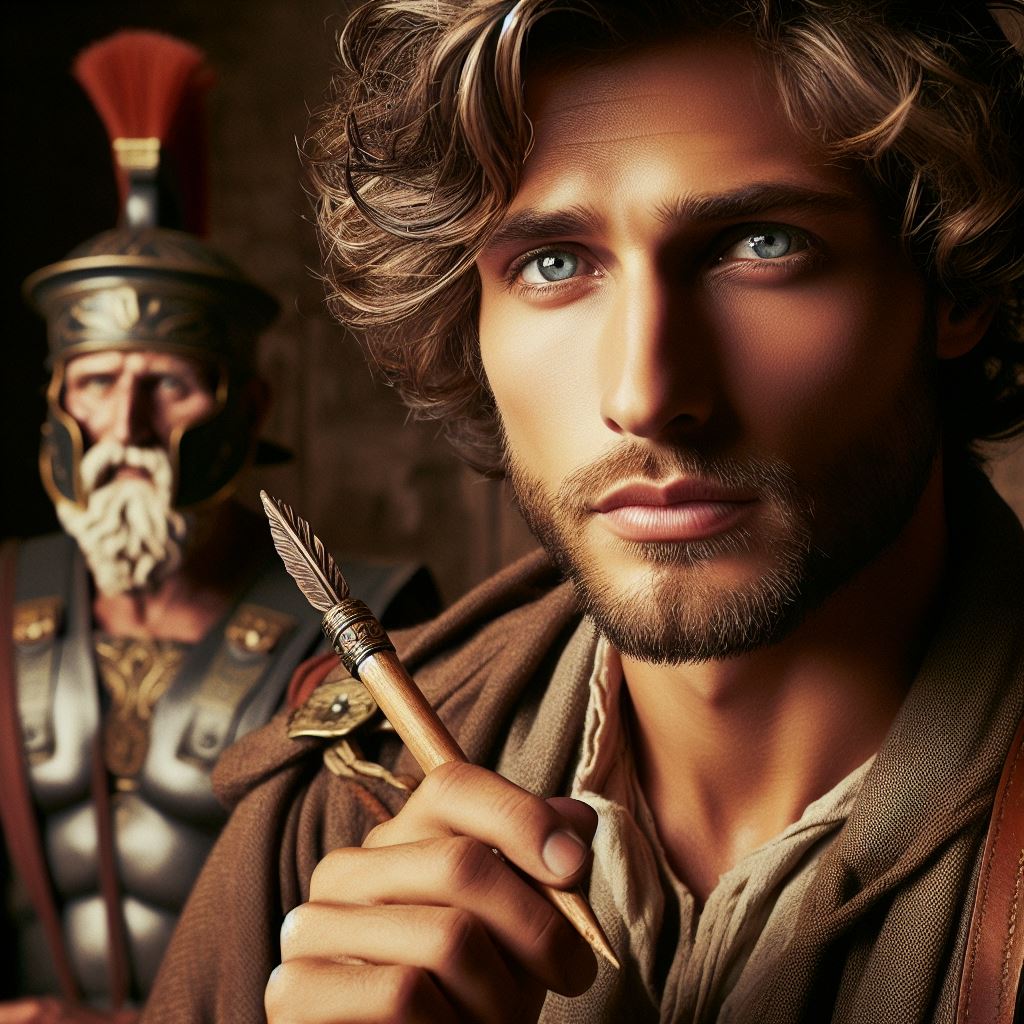
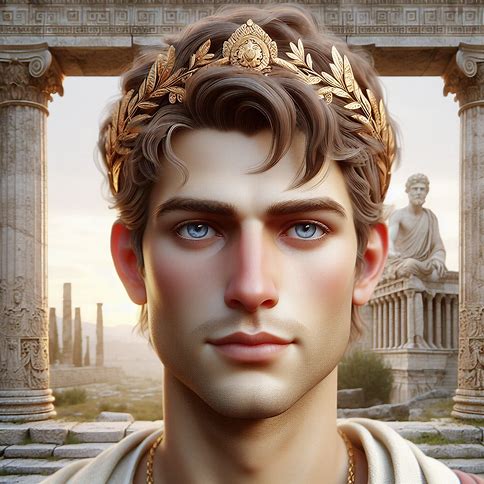
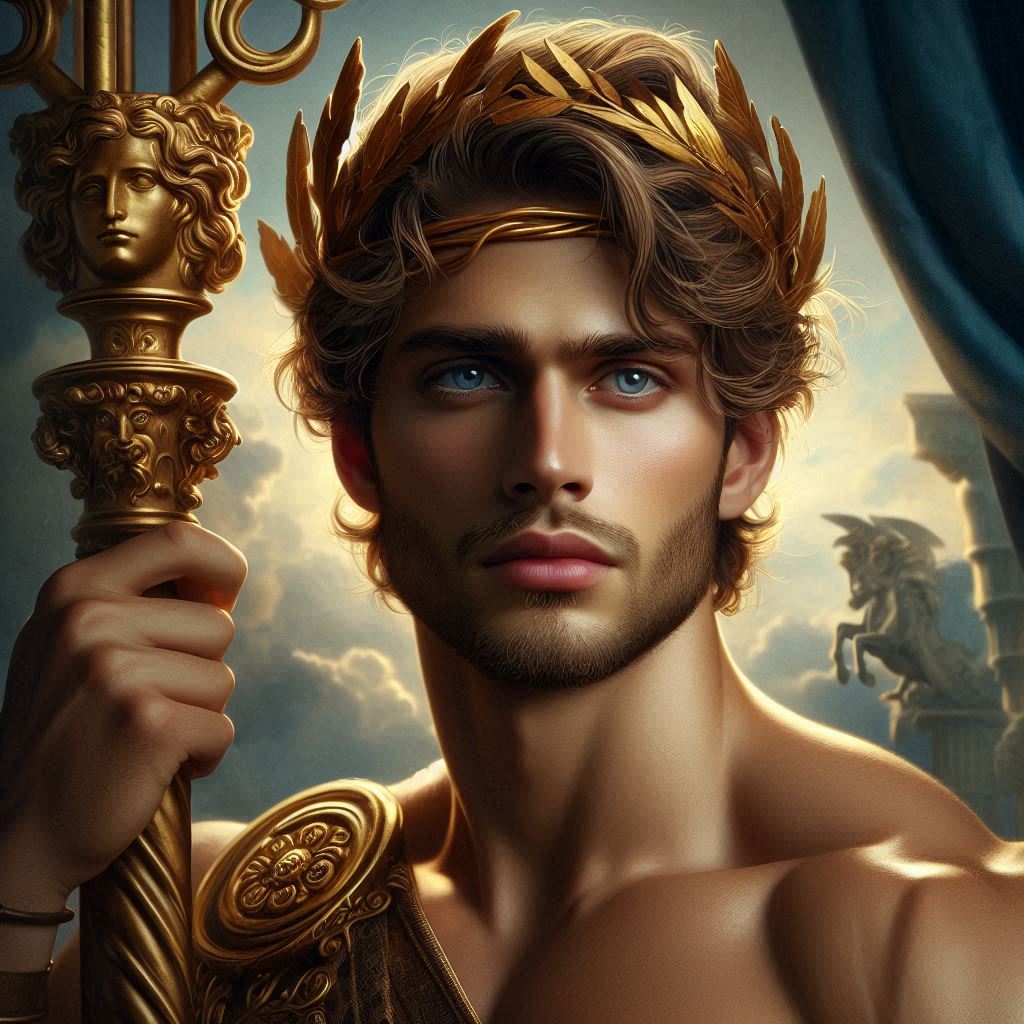
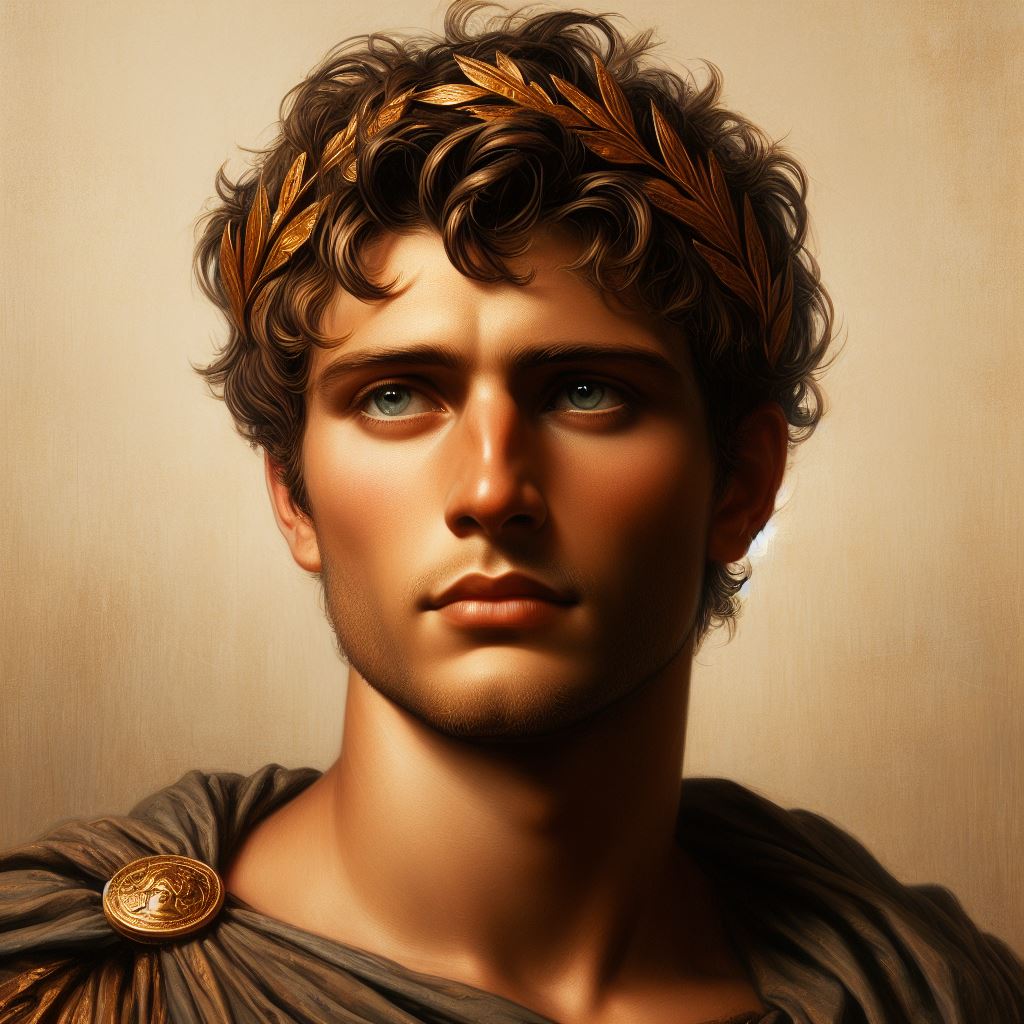

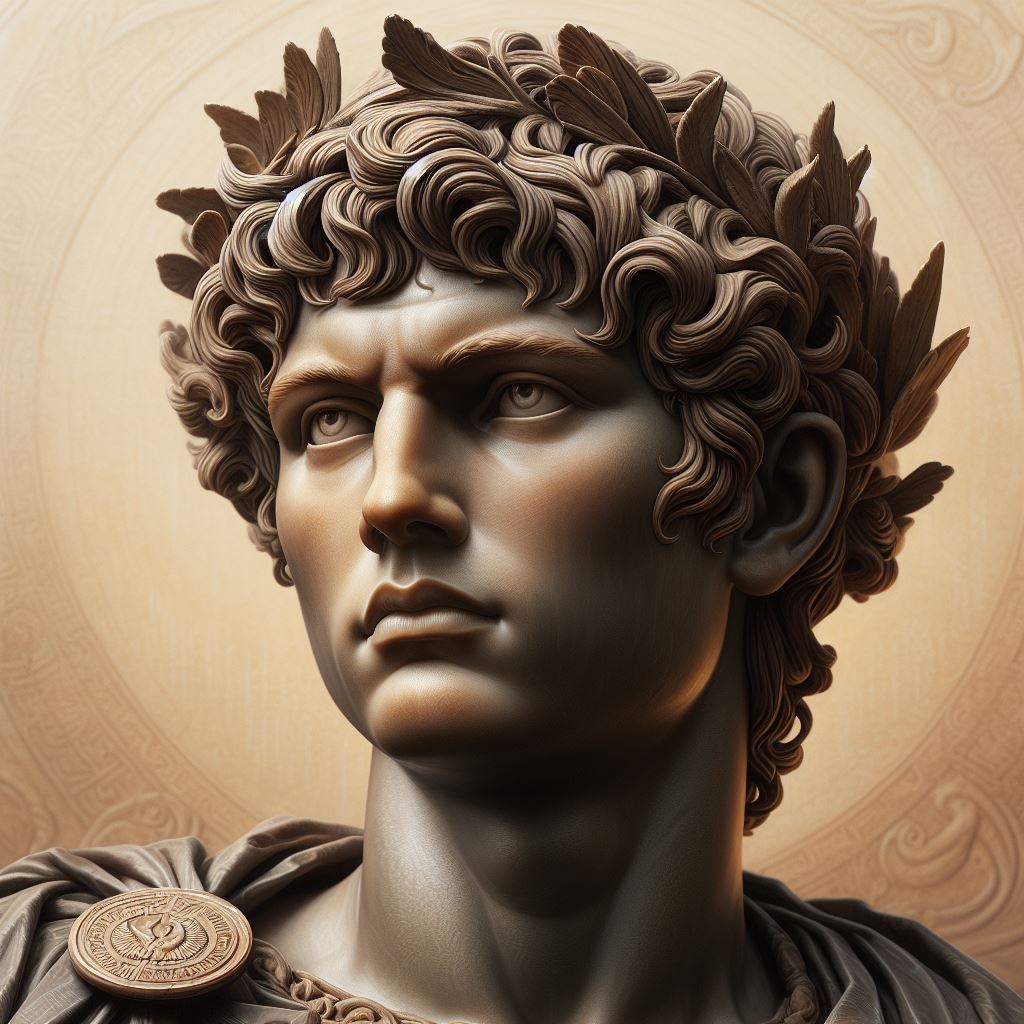

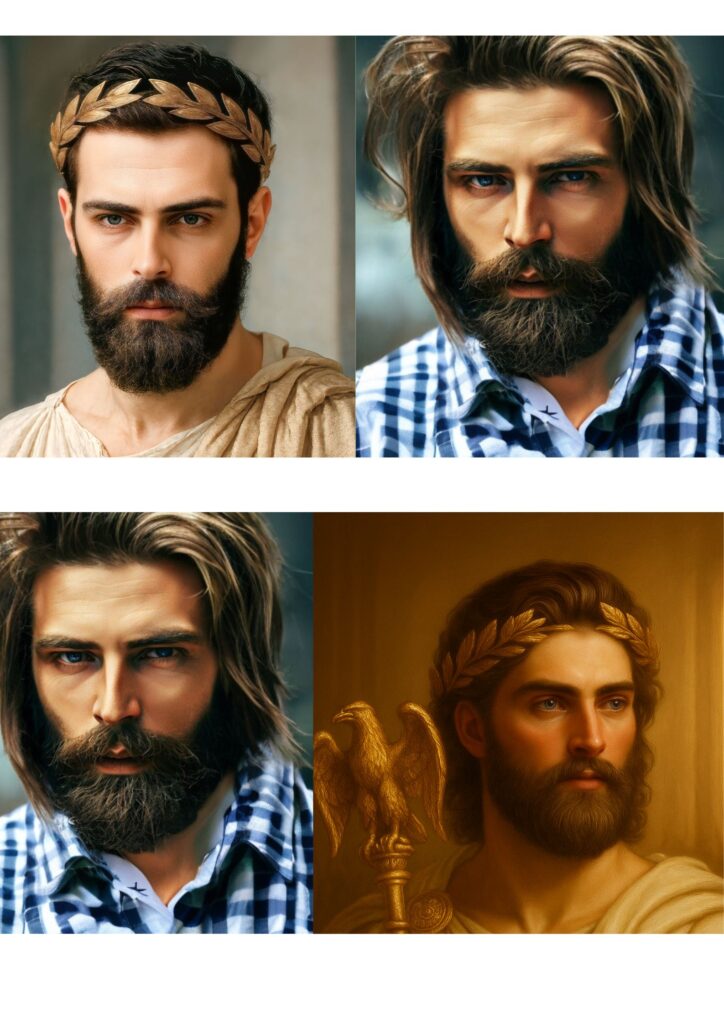
Romulus face reconstruction through Microsoft Bing AI software
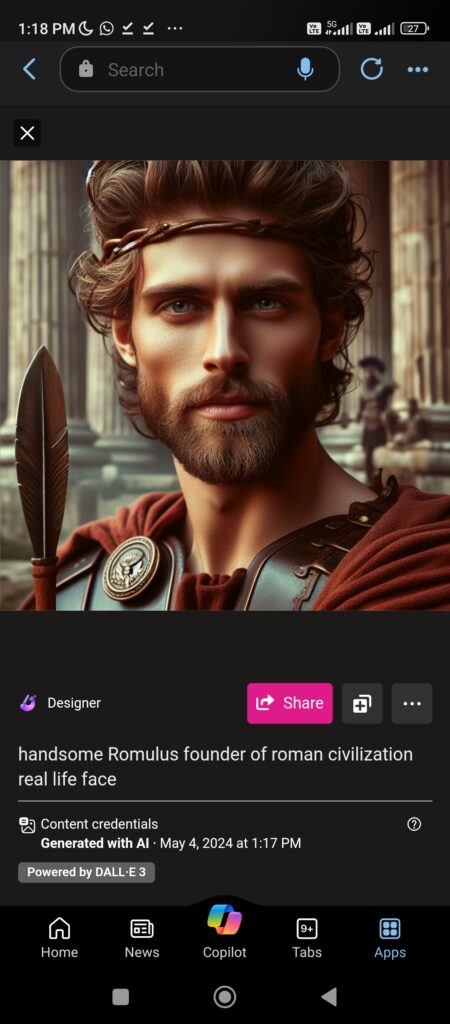
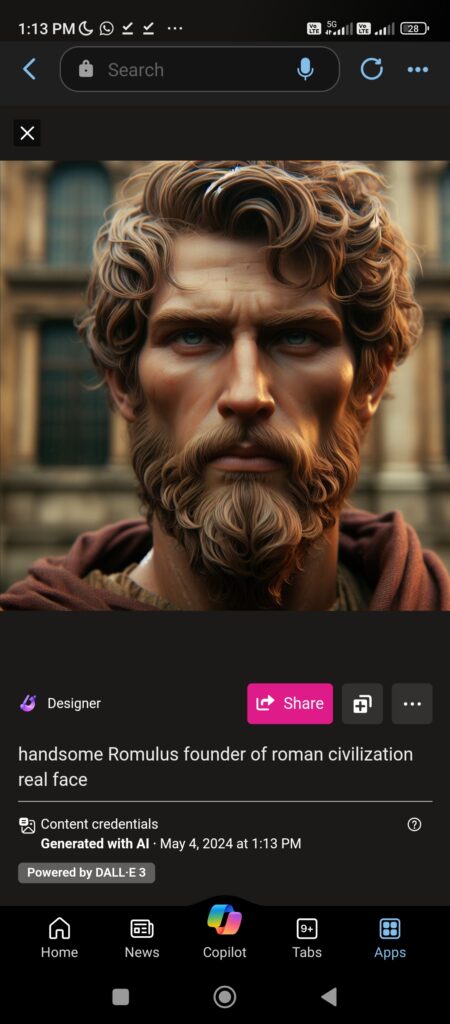
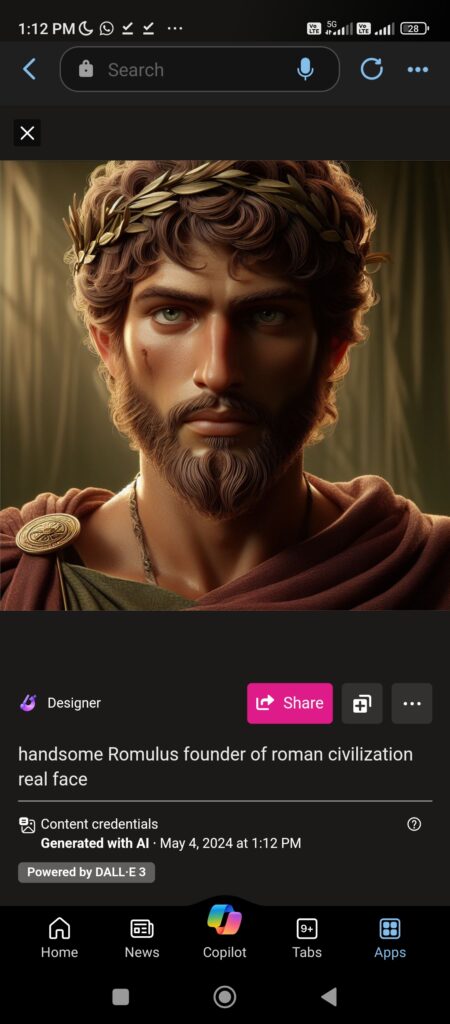

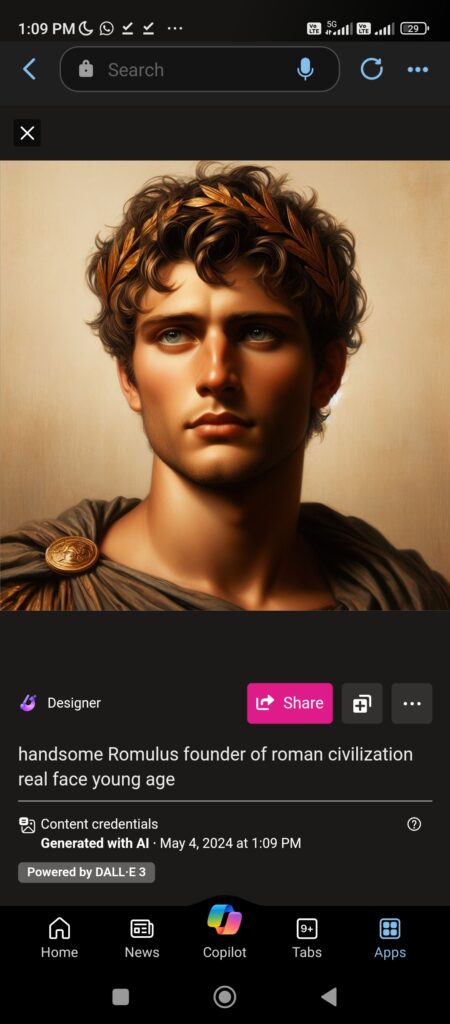
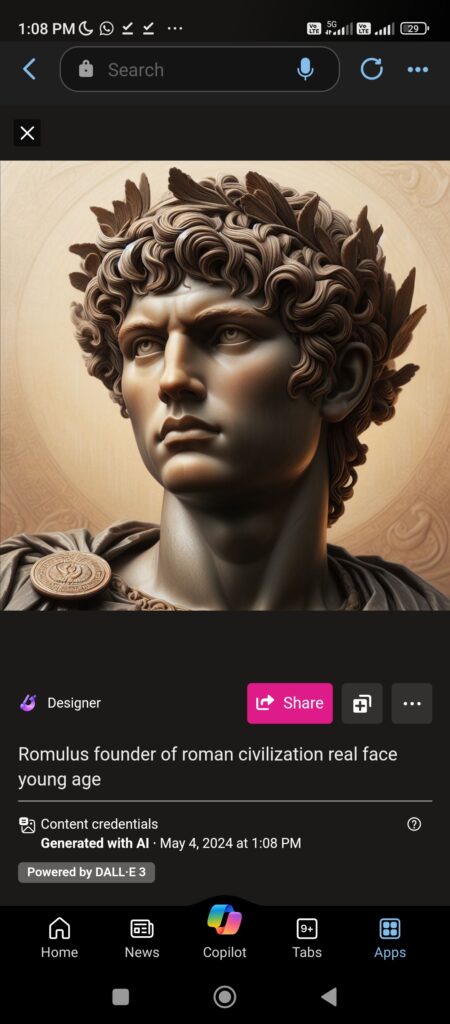
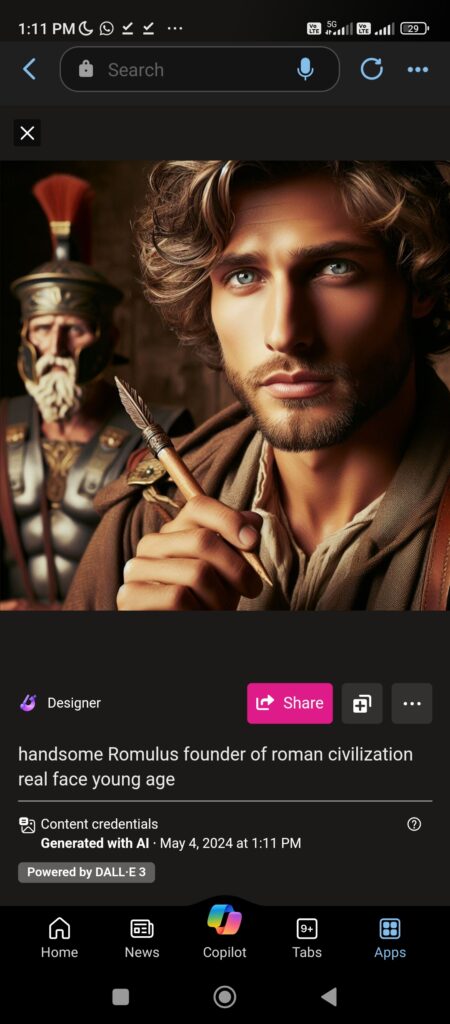
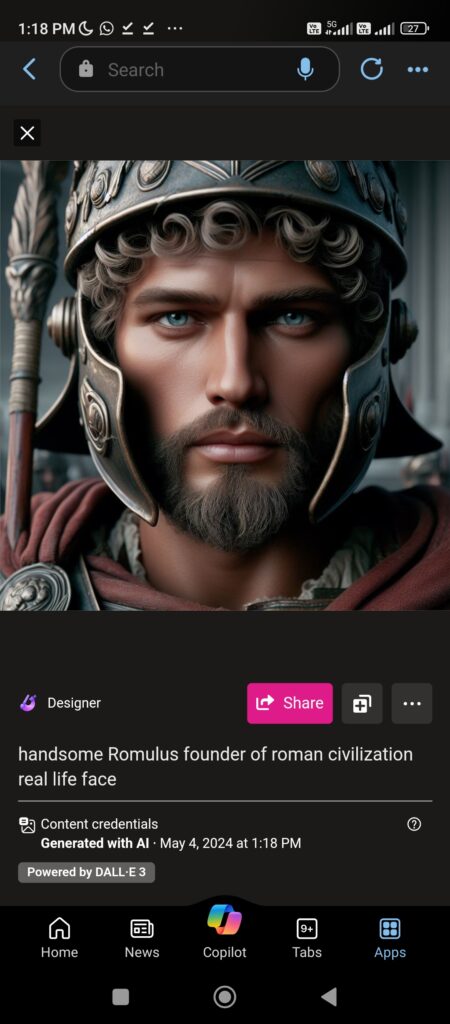
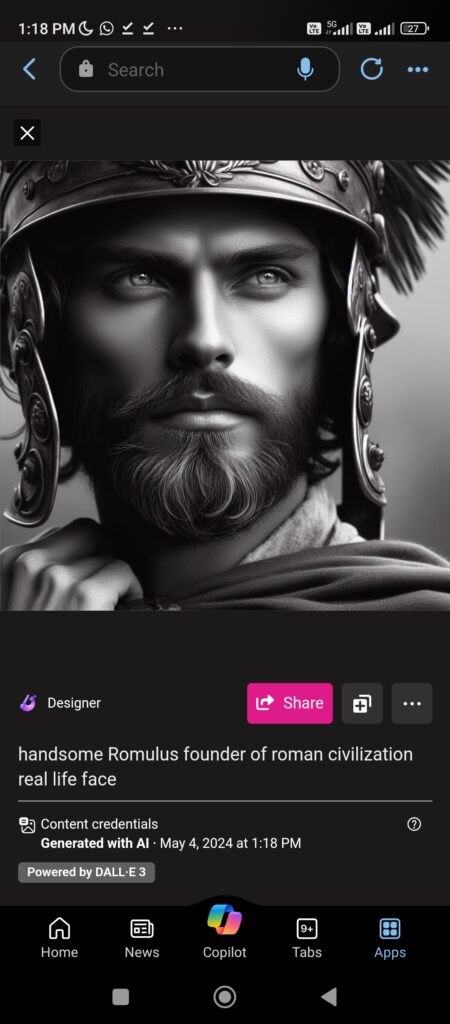
Face Transformation of Romulus Dying and Rising authority from Old age to youth age

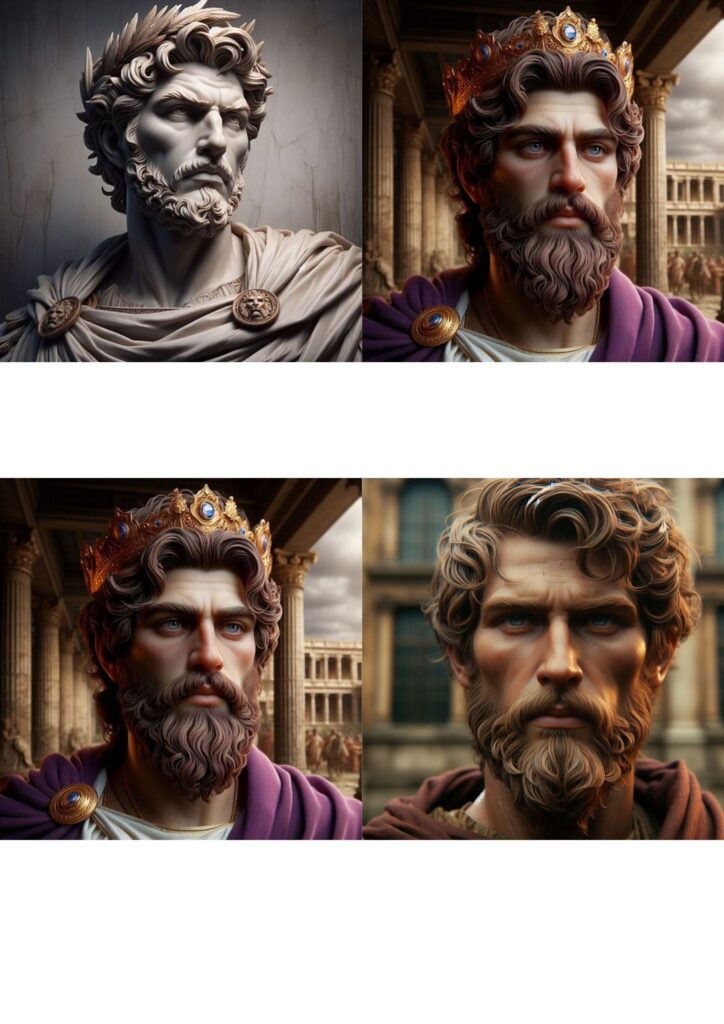
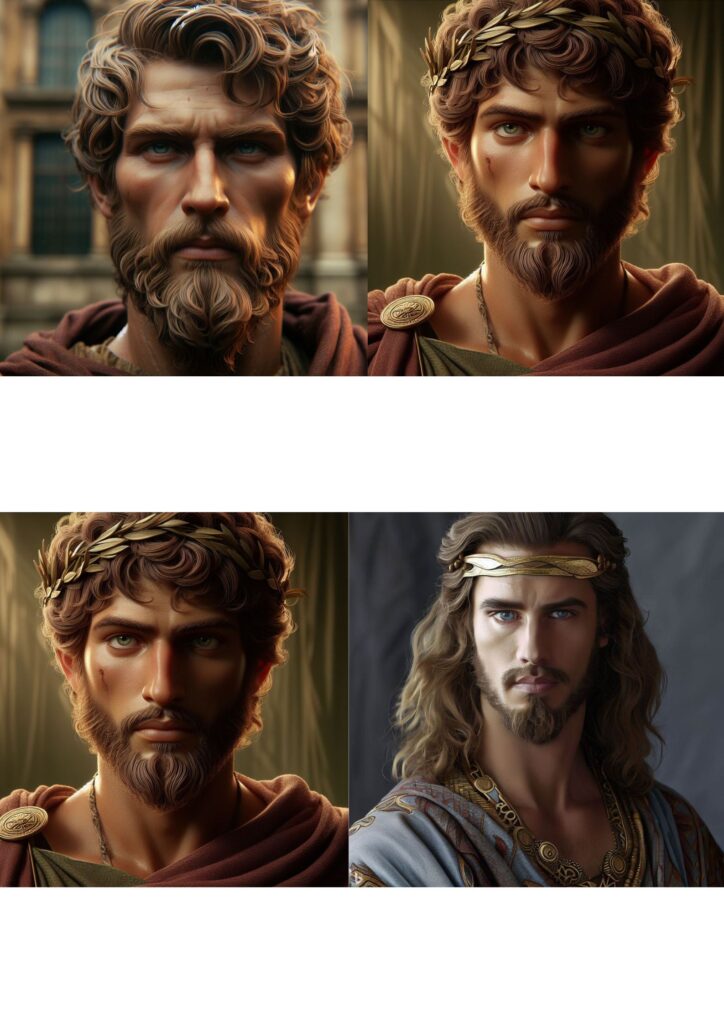
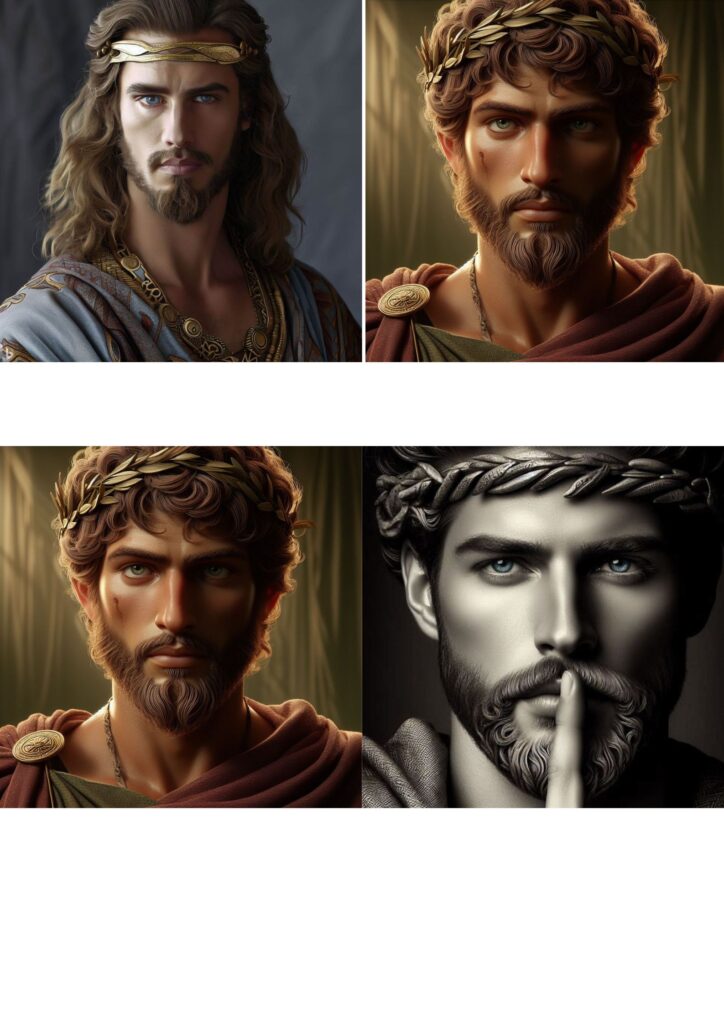
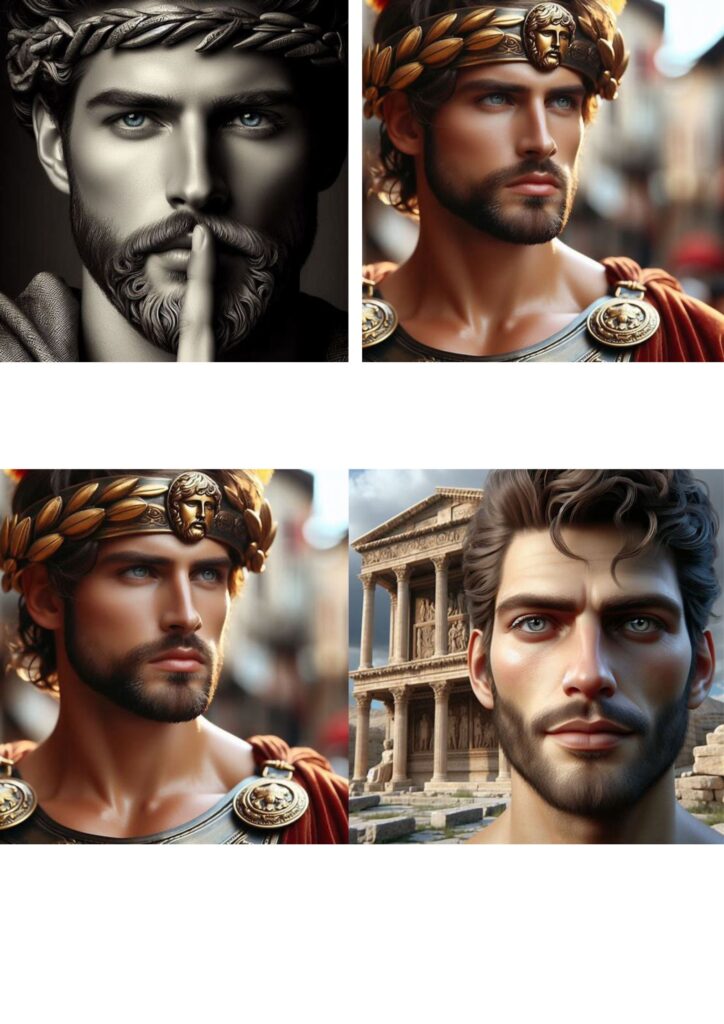
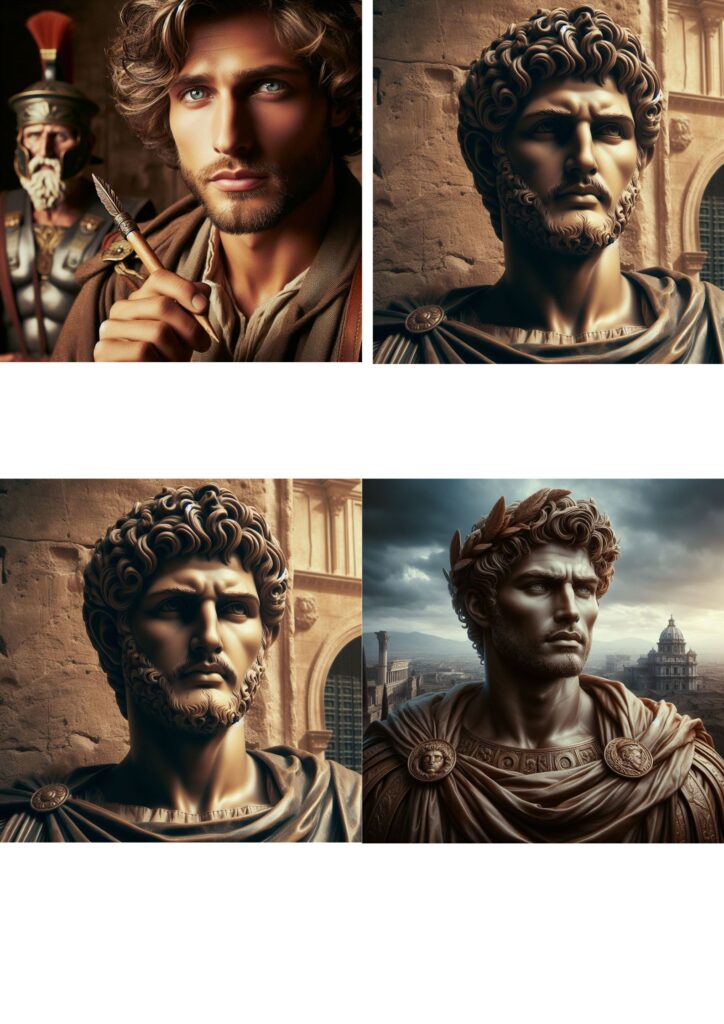
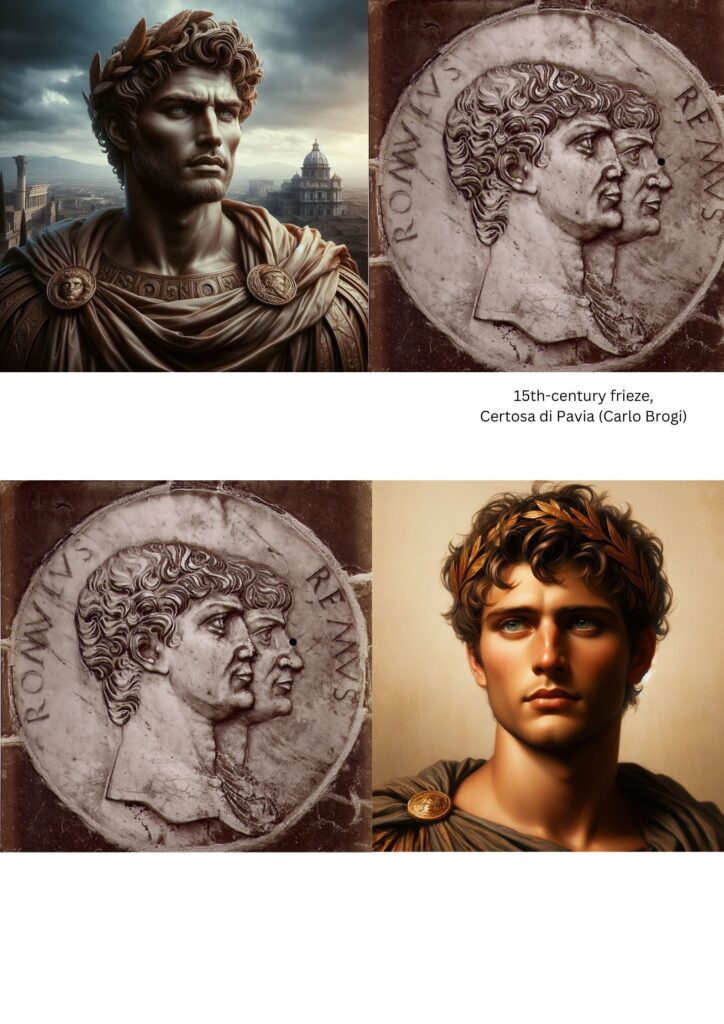
Matching face of Romulus with other possible birth of this Androgynous dying and Rising authority
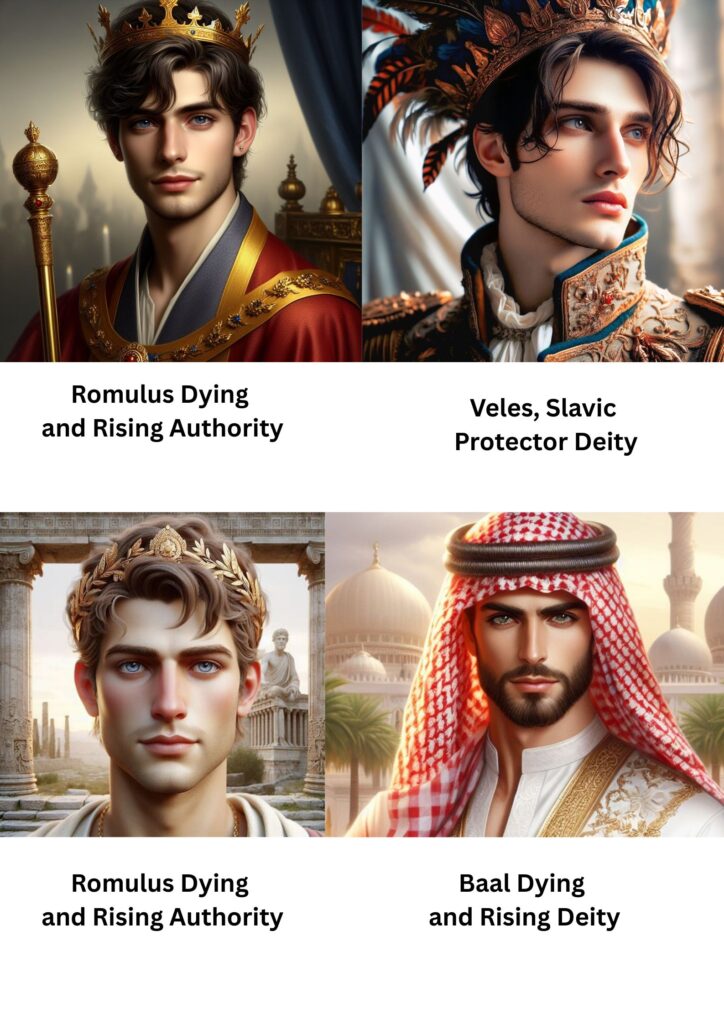
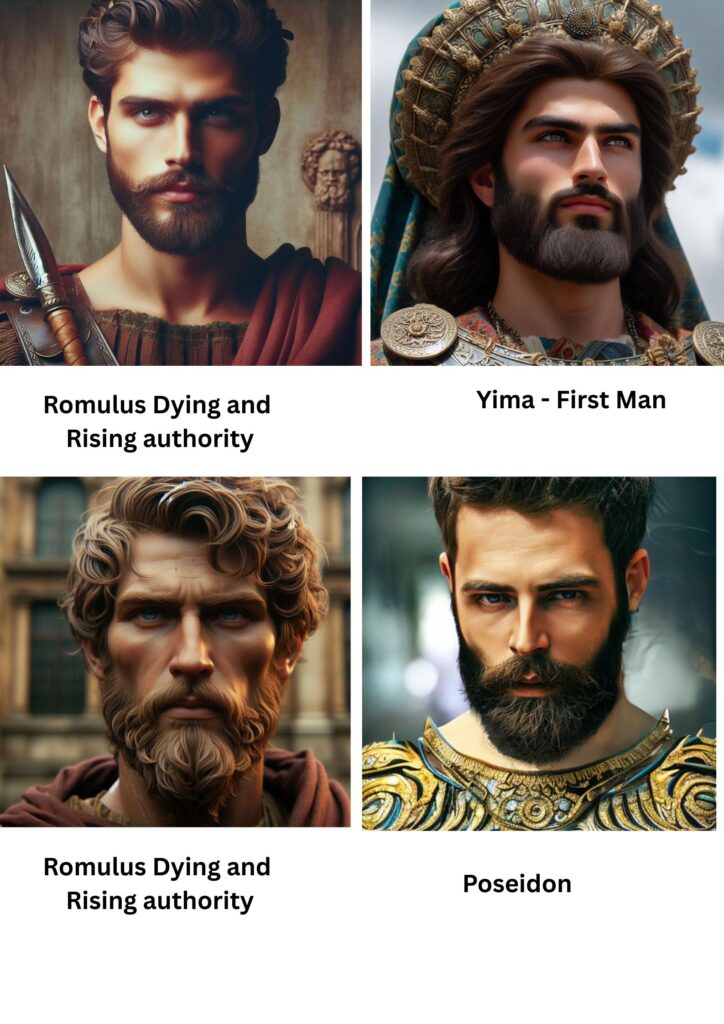

Unsolved Mystery – was he the same Androgynous dying and Rising creator of civilization authority as he also founded Roman civilization which is the work of this authority, and his face also match with other possible birth of this androgynous dying and Rising authority, yet its remains a unsolved mystery.
Emperor Jimmu -721 or 711 BC
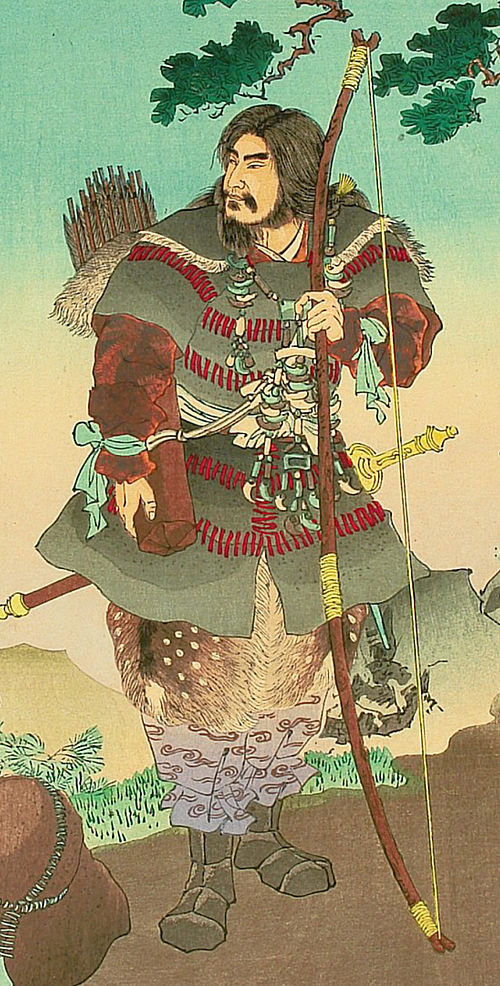
Ginko Adachi (public domain)
Among the most important founder figures in East Asian tradition is Emperor Jimmu, the legendary first emperor of Japan and the traditional founder of the Japanese imperial dynasty.
According to Japanese mythology, Jimmu was a descendant of the sun goddess Amaterasu and was chosen to establish a divinely guided kingdom. Ancient chronicles such as the Kojiki and Nihon Shoki describe his journey across Japan, where he unified territories and established his rule.
Japanese tradition places the founding of the imperial line under Emperor Jimmu in 660 BC, making him the symbolic origin of one of the world’s longest continuous royal dynasties.
Throughout Japanese history, Jimmu became a powerful symbol of national unity, sacred kingship, and divine legitimacy. His story combines elements of mythology, royal tradition, and early state formation, placing him among the most influential civilization founders remembered in the ancient world.
Like many founder figures found throughout world mythology, Emperor Jimmu is associated with divine ancestry, the establishment of political authority, and the creation of a lasting royal lineage.
Within the framework of the Eternal Authority Hypothesis, figures such as Jimmu are of particular interest because they preserve recurring themes of sacred rulership, civilization-building, dynastic foundation, and the transmission of authority across generations.
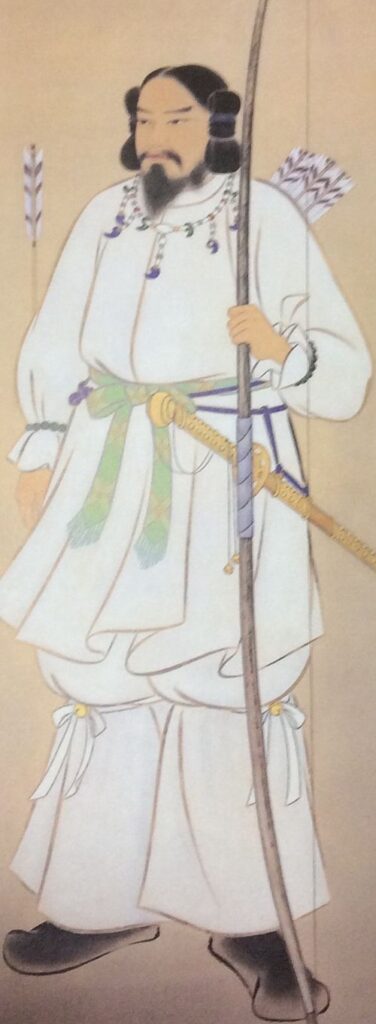
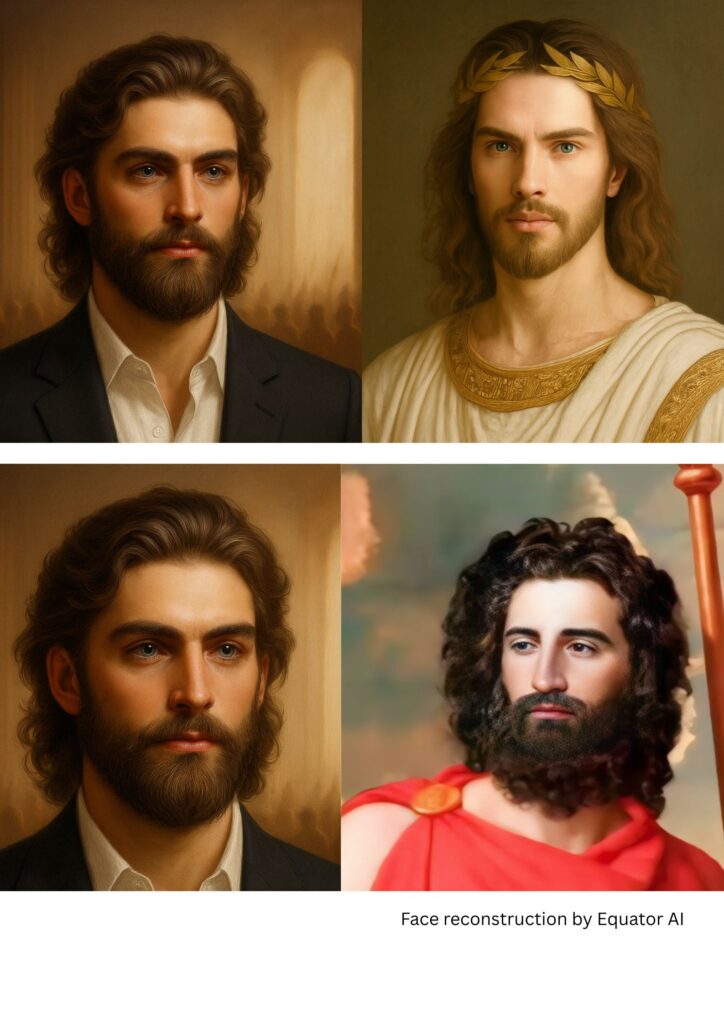
Face Reconstruction by Equator AI YouTube channel


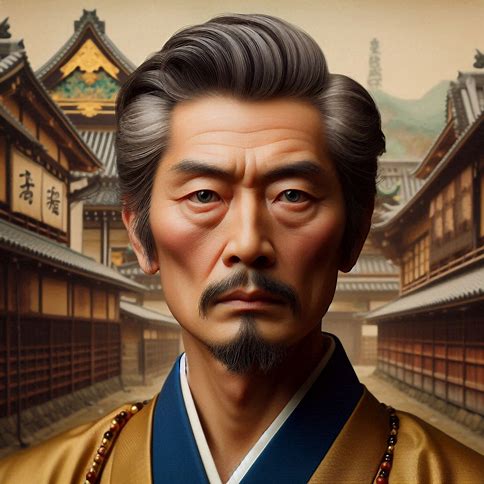

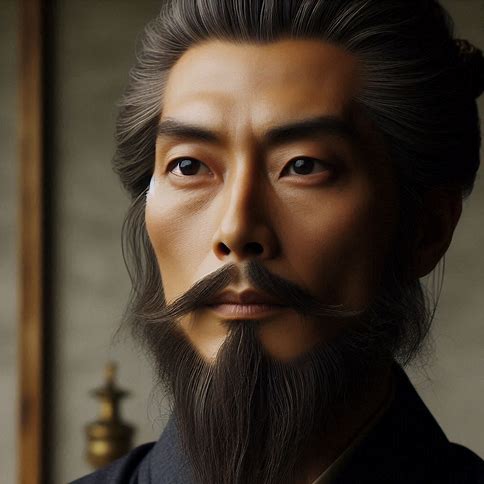






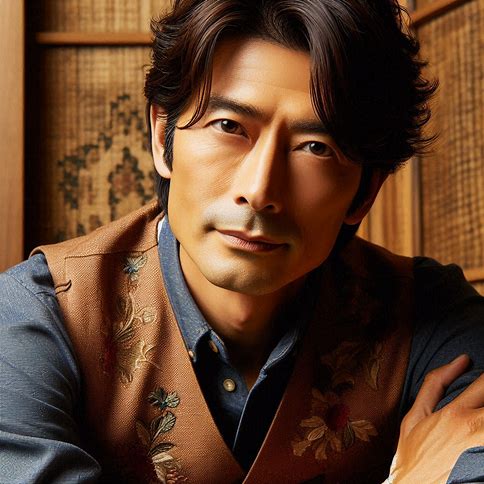











Emperor Jimmu’s face exactly match with this creator of civilization and Dynasty founder Androgynous Dying and Rising authority possible birth, was he the same Androgynous dying and Rising authority ?
Lets Compare face of Jimmu with another possible birth of this Androgynous Dying and Rising Authority
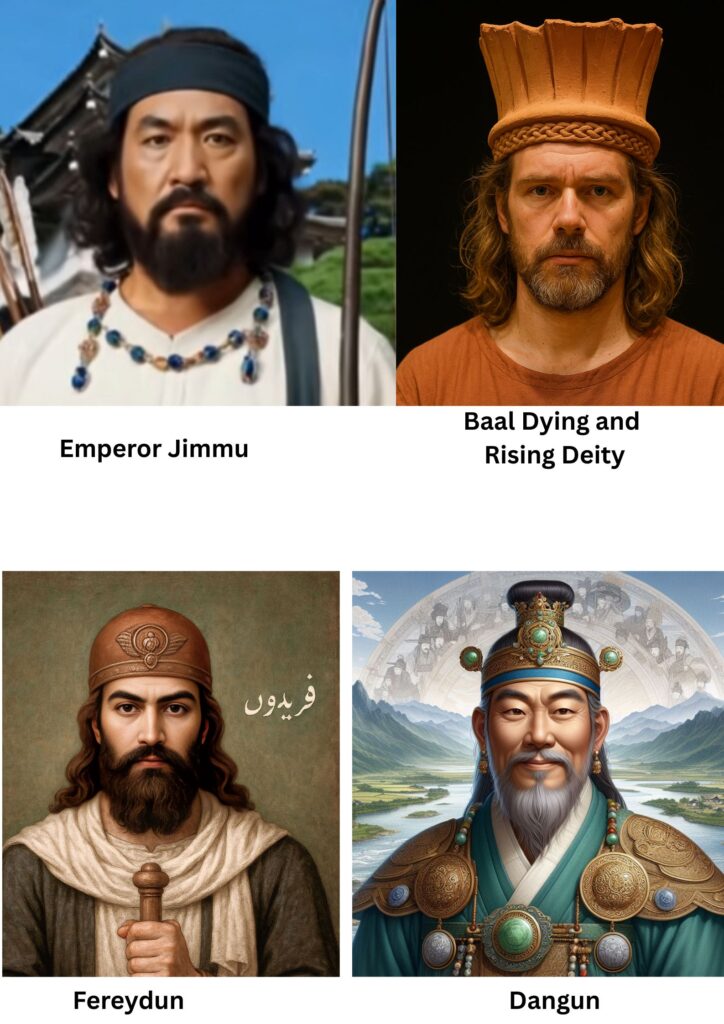

Emperor Jimmu also founded Civilization and his face match with this Androgynous Dying and Rising authority, was he the same androgynous Dying and Rising authority, is yet remains and unsolved Mystery.
Zeus – Deity of Justice ( Approx. 700 BC)
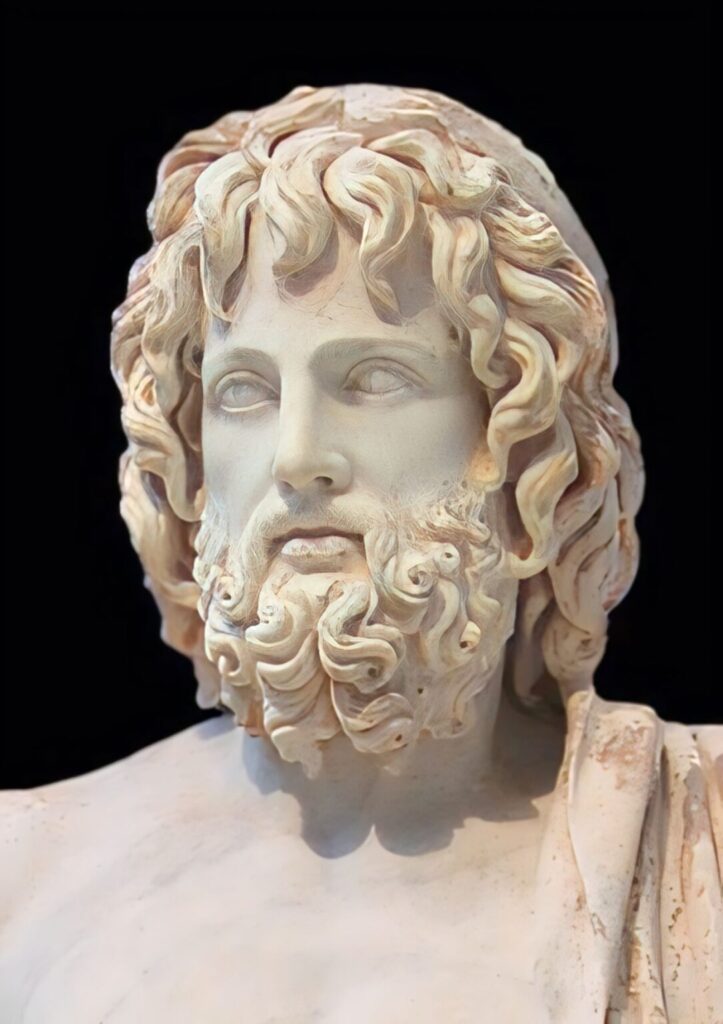
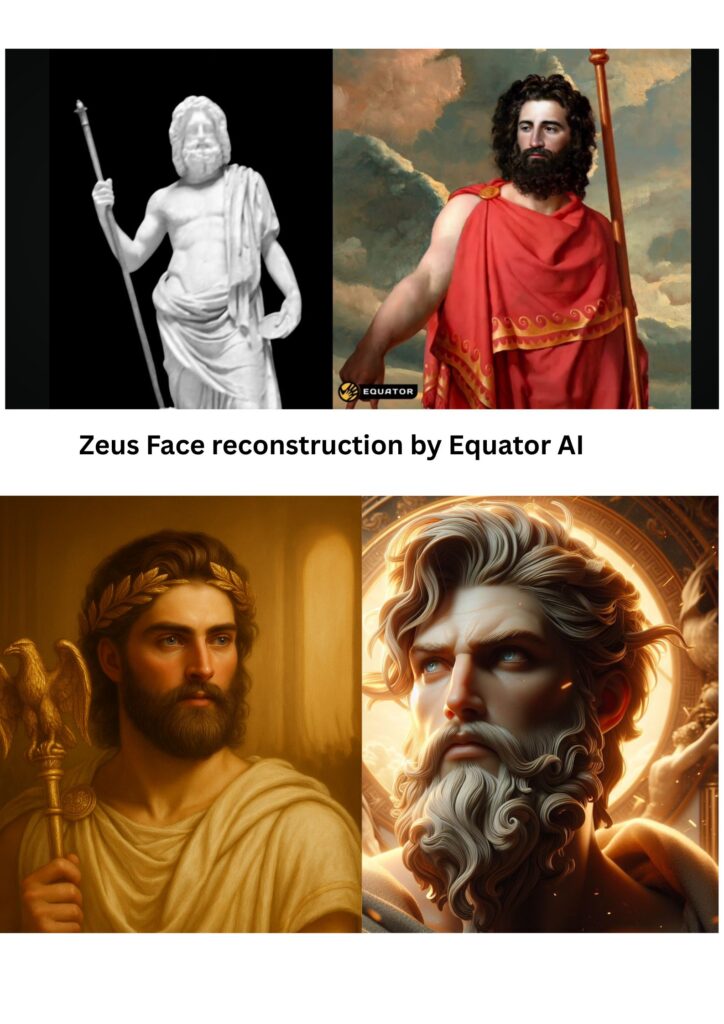
Statue of Zeus /JupiterJean-Pol GRANDMONT CC BY SA 3.0
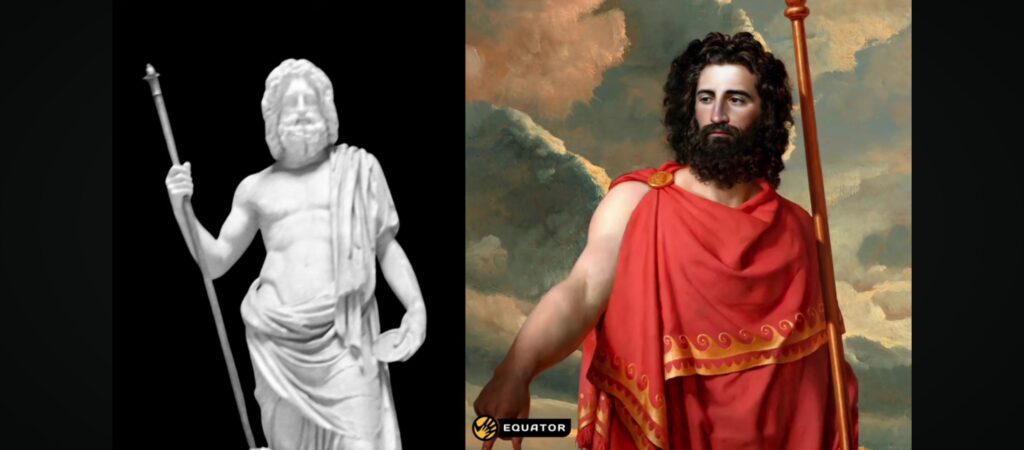
credit -Equator AI
Among the most influential deities of the ancient world stands Zeus, the supreme ruler of the Olympian in Greek mythology.
Zeus was regarded as the king of heaven, lord of thunder and lightning, protector of law and justice, and guardian of cosmic order. Ancient Greek traditions describe him as the highest authority among the gods, responsible for maintaining balance, punishing wrongdoing, and protecting sacred oaths.
According to Greek mythology, Zeus was the son of the Titans Cronus and Rhea, he established the rule and became the sovereign ruler of Mount Olympus
Throughout the ancient Greek world, Zeus was worshipped as a symbol of divine authority, kingship, justice, wisdom, and protection. His influence extended beyond religion into political life, where rulers often sought legitimacy through association with his divine authority.
Zeus was commonly represented with several important symbols:
● Thunderbolt
● Eagle
● Oak Tree
● Scepter
● Throne
Because of his role as ruler of heaven and defender of justice, Zeus became one of the most widely recognized figures in world mythology. Scholars have also noted similarities between Zeus and other Indo-European thunder deities such as Indra, Thor, Perun, and Jupiter, suggesting the preservation of ancient mythological traditions across different cultures.Within the framework of the Eternal Authority Hypothesis, Zeus occupies an important position because he combines recurring themes found throughout ancient traditions: heavenly rulership, justice, divine authority, protection of civilization, and sacred kingship.
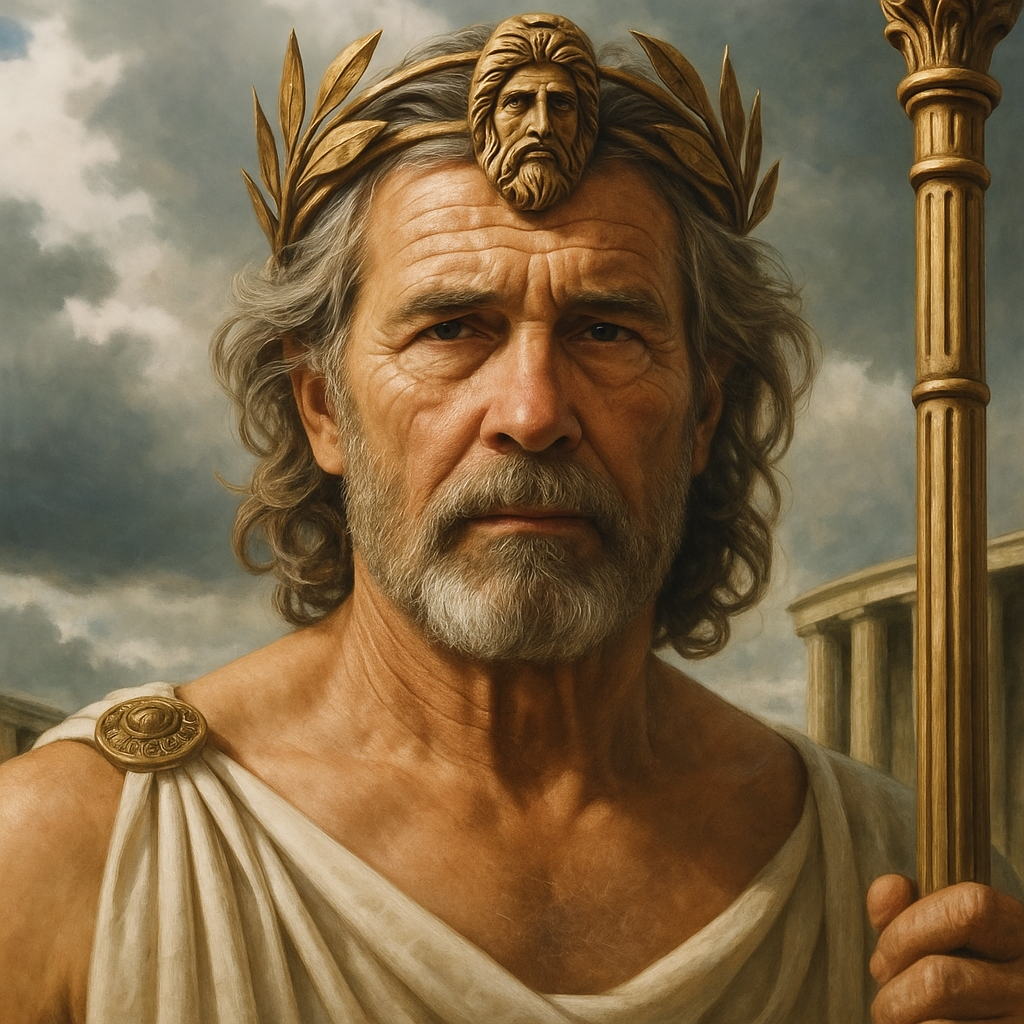
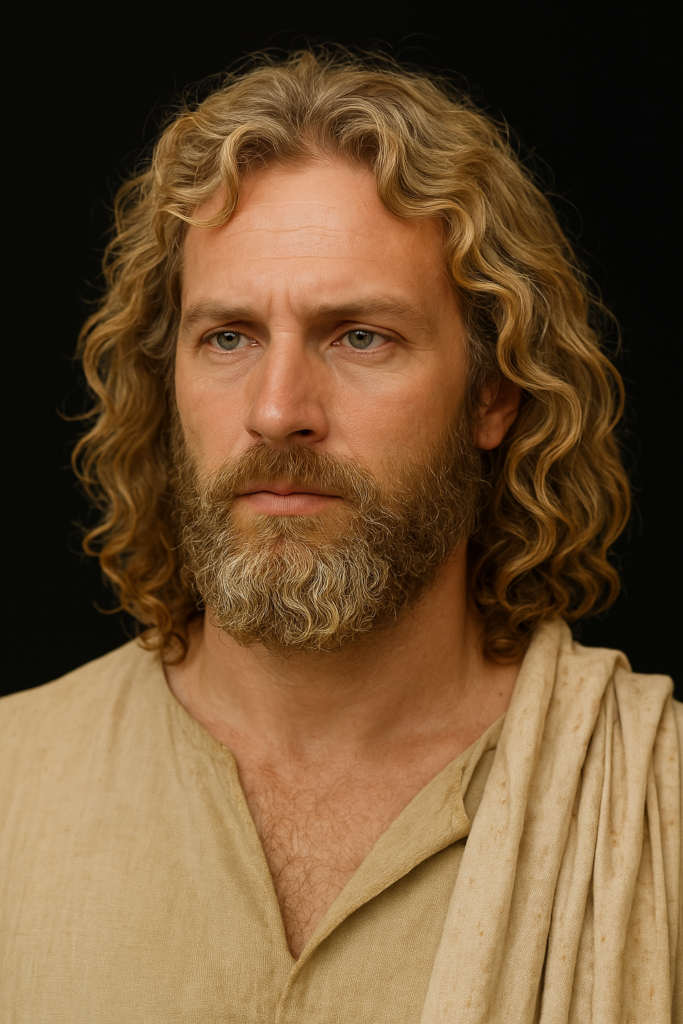
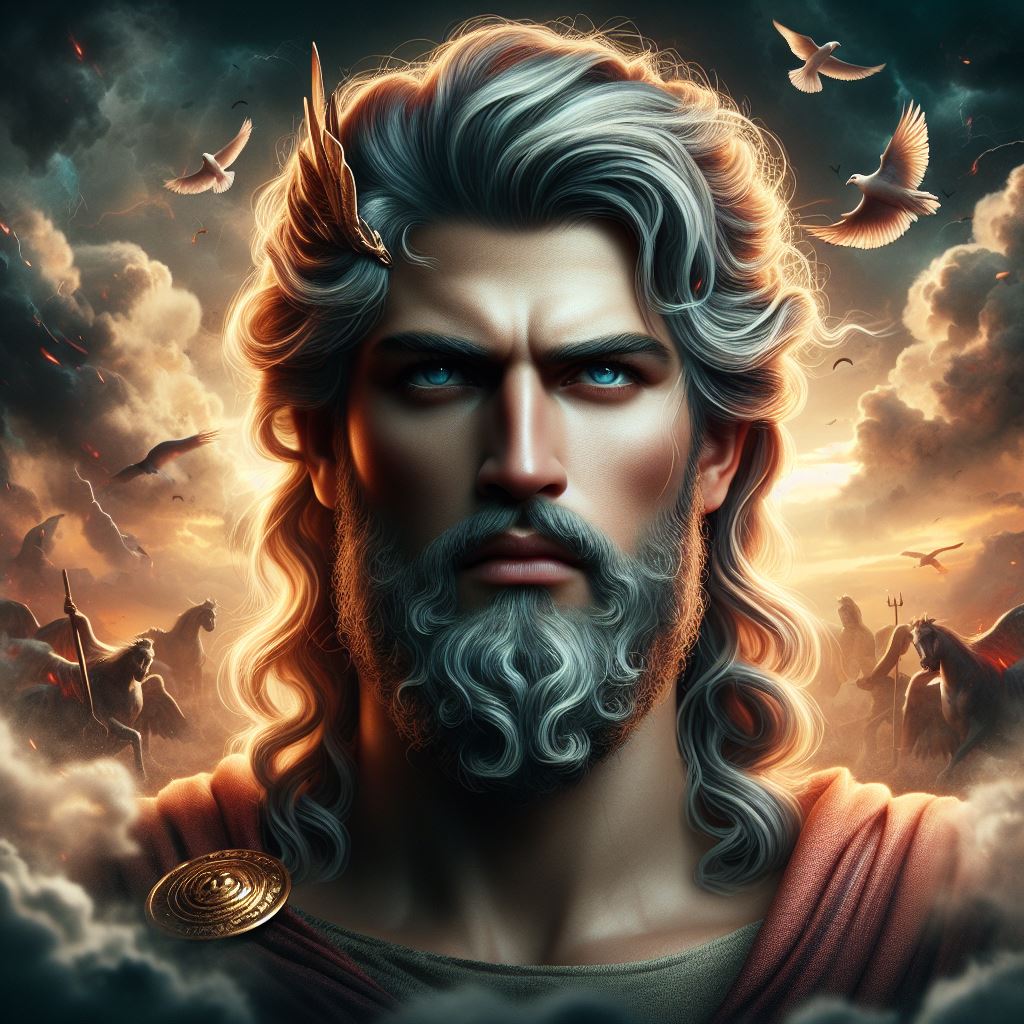

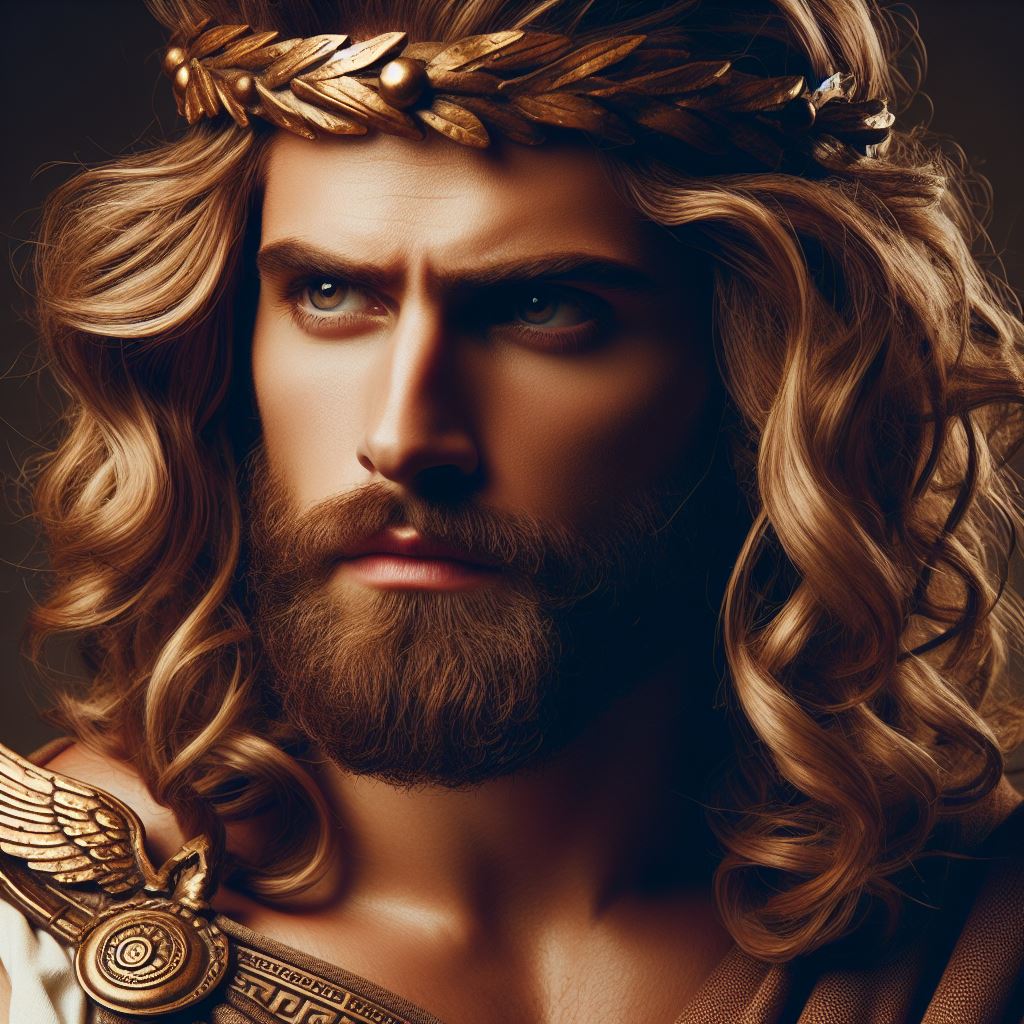



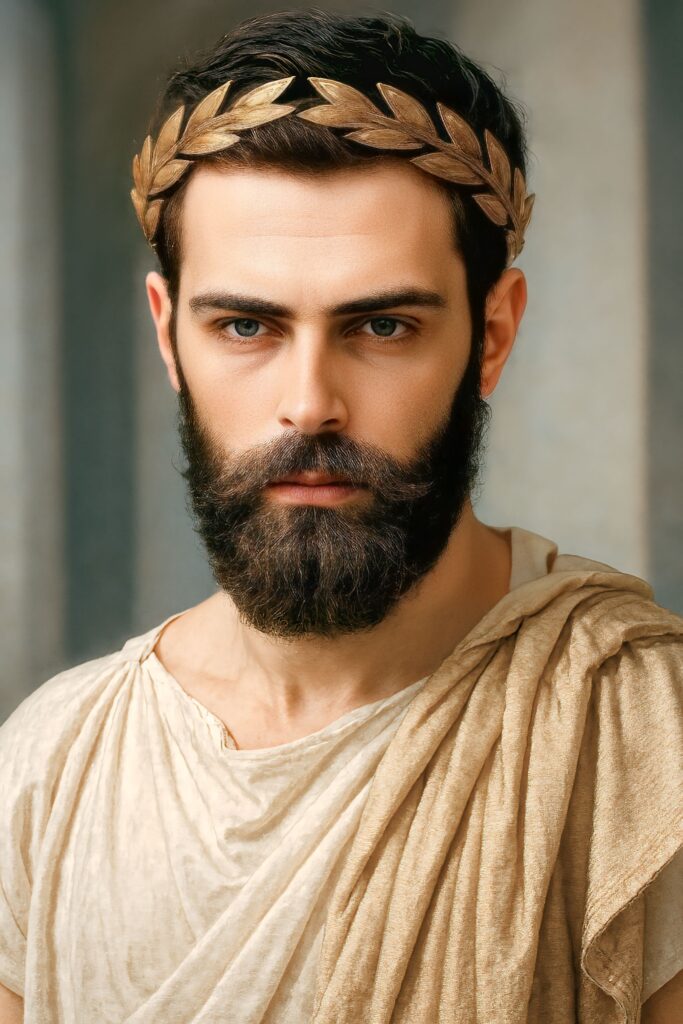
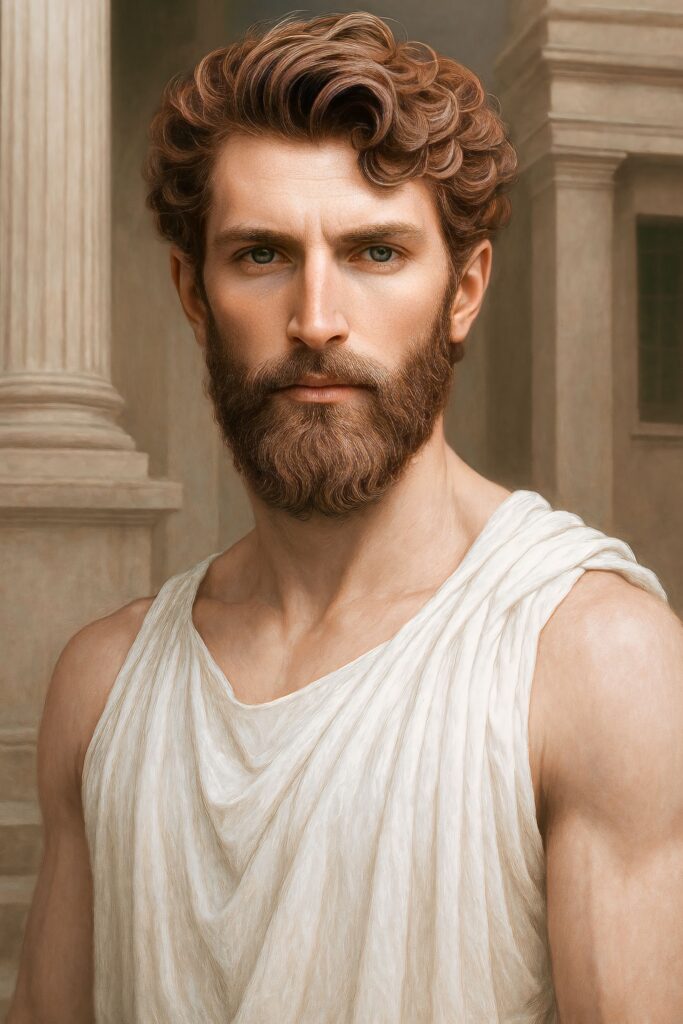
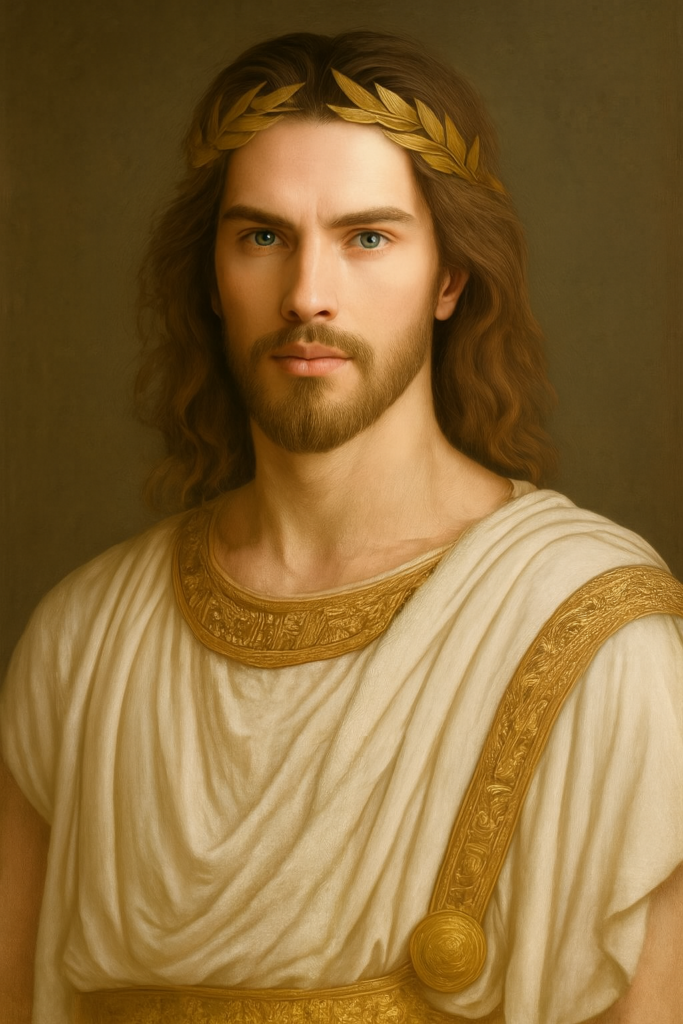
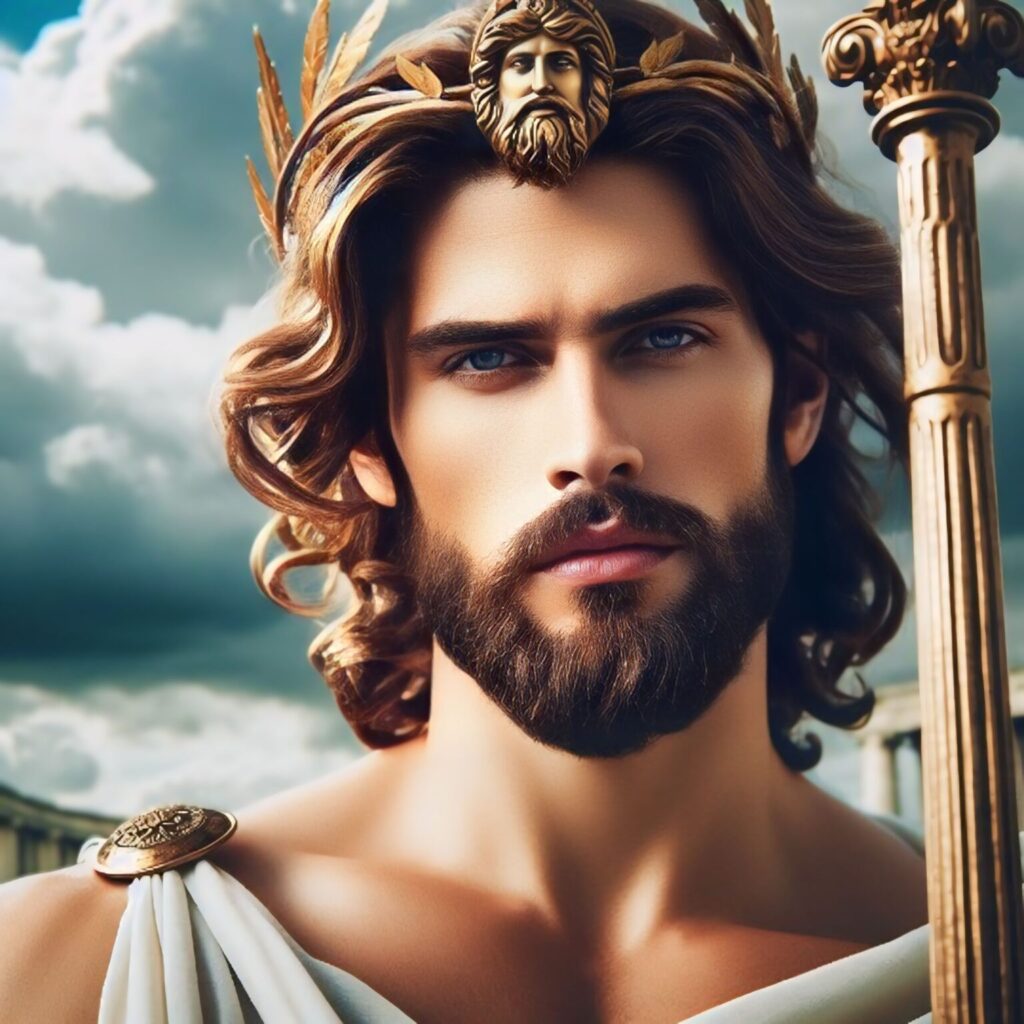
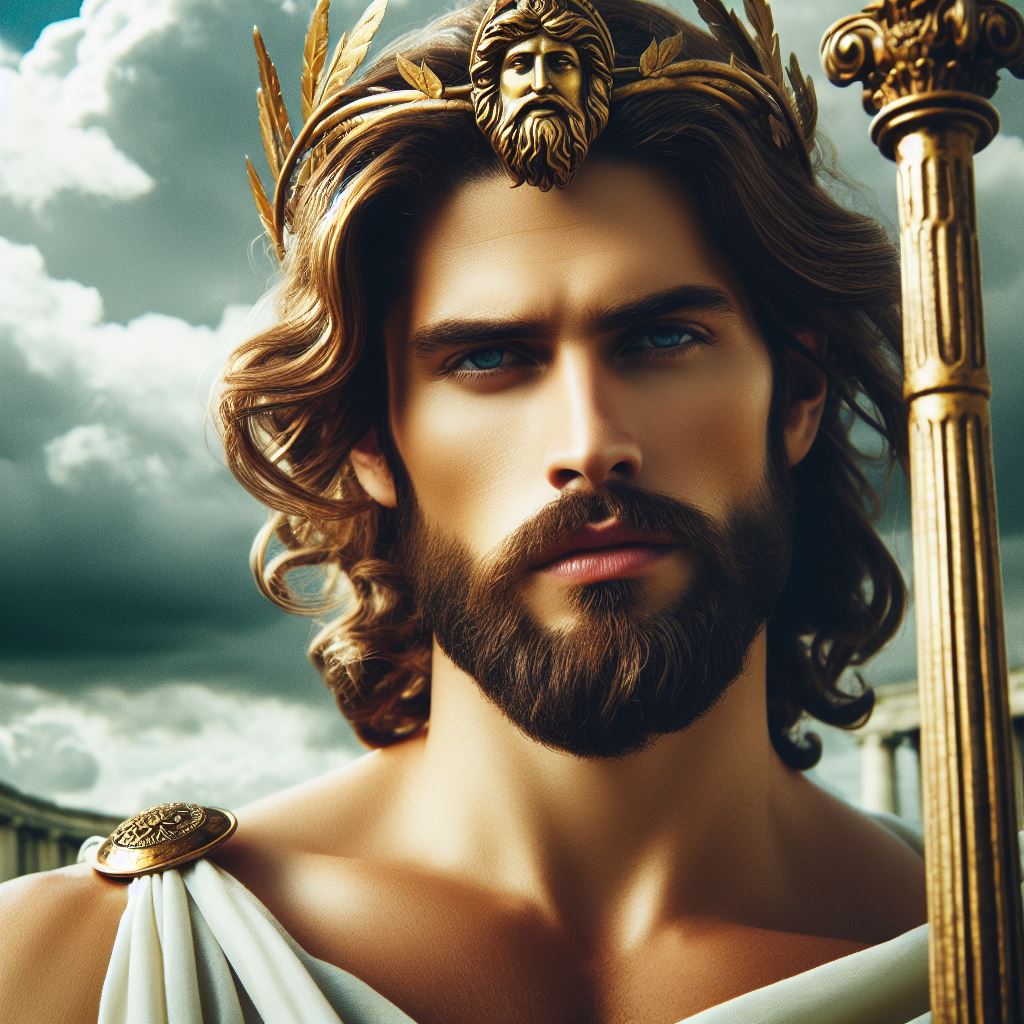
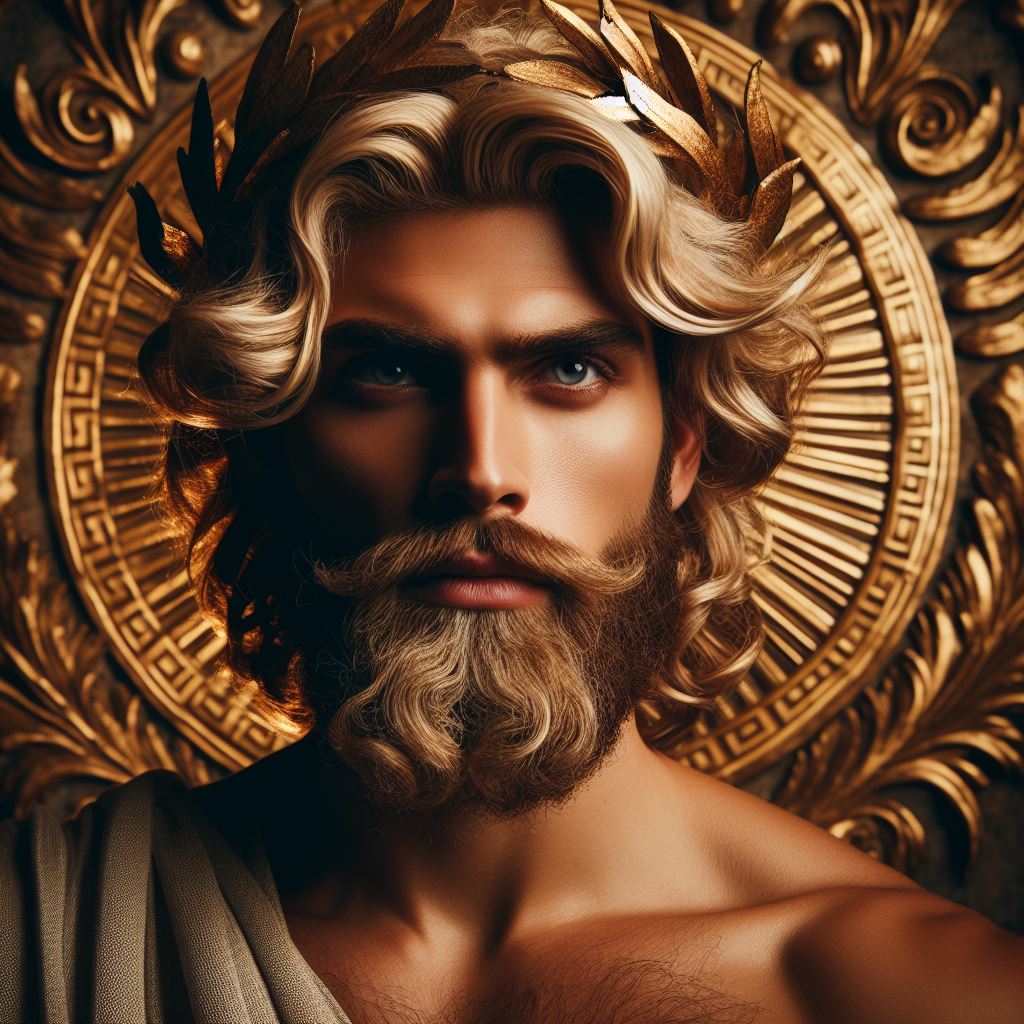
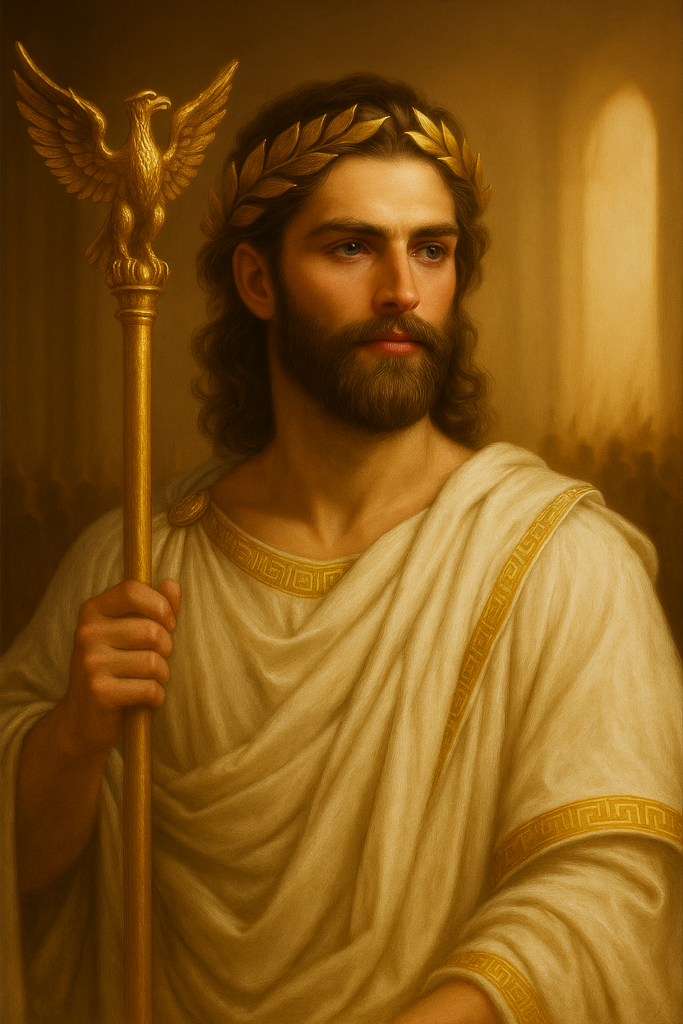
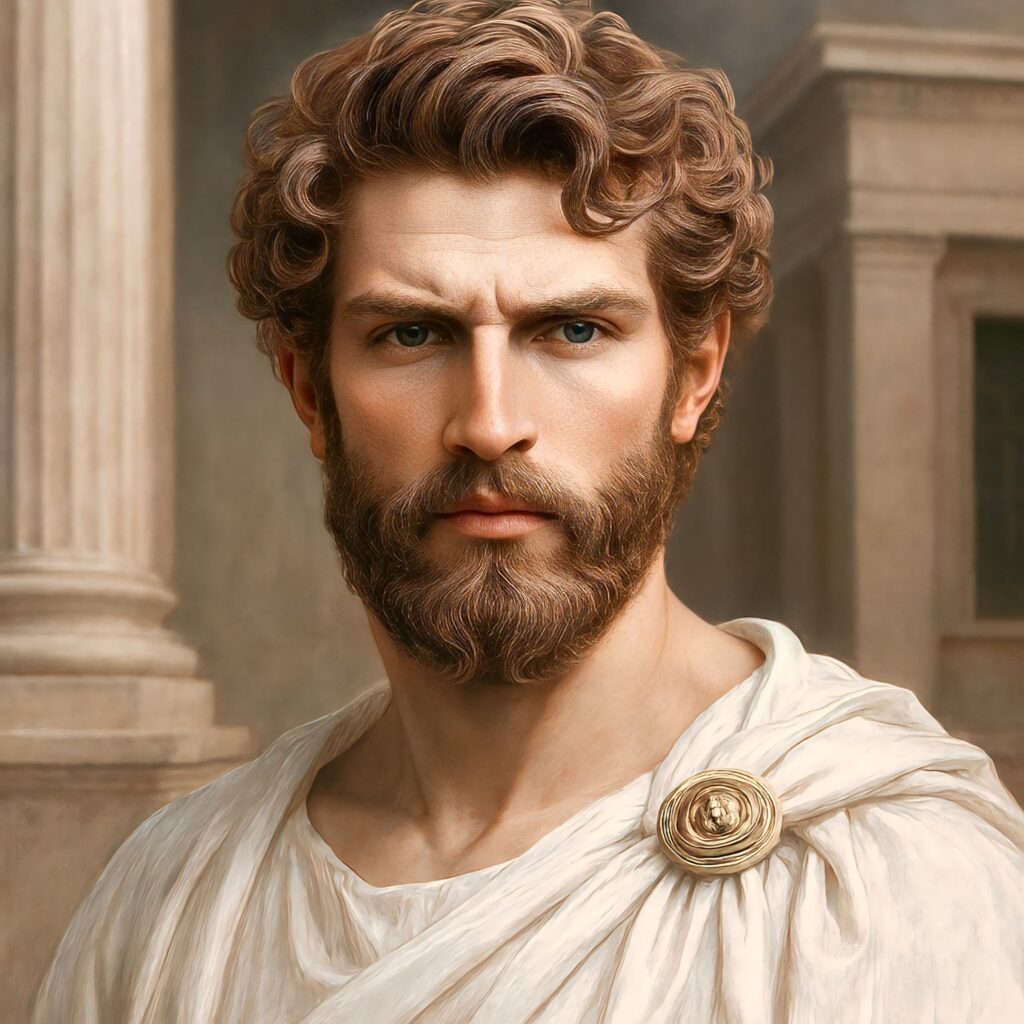
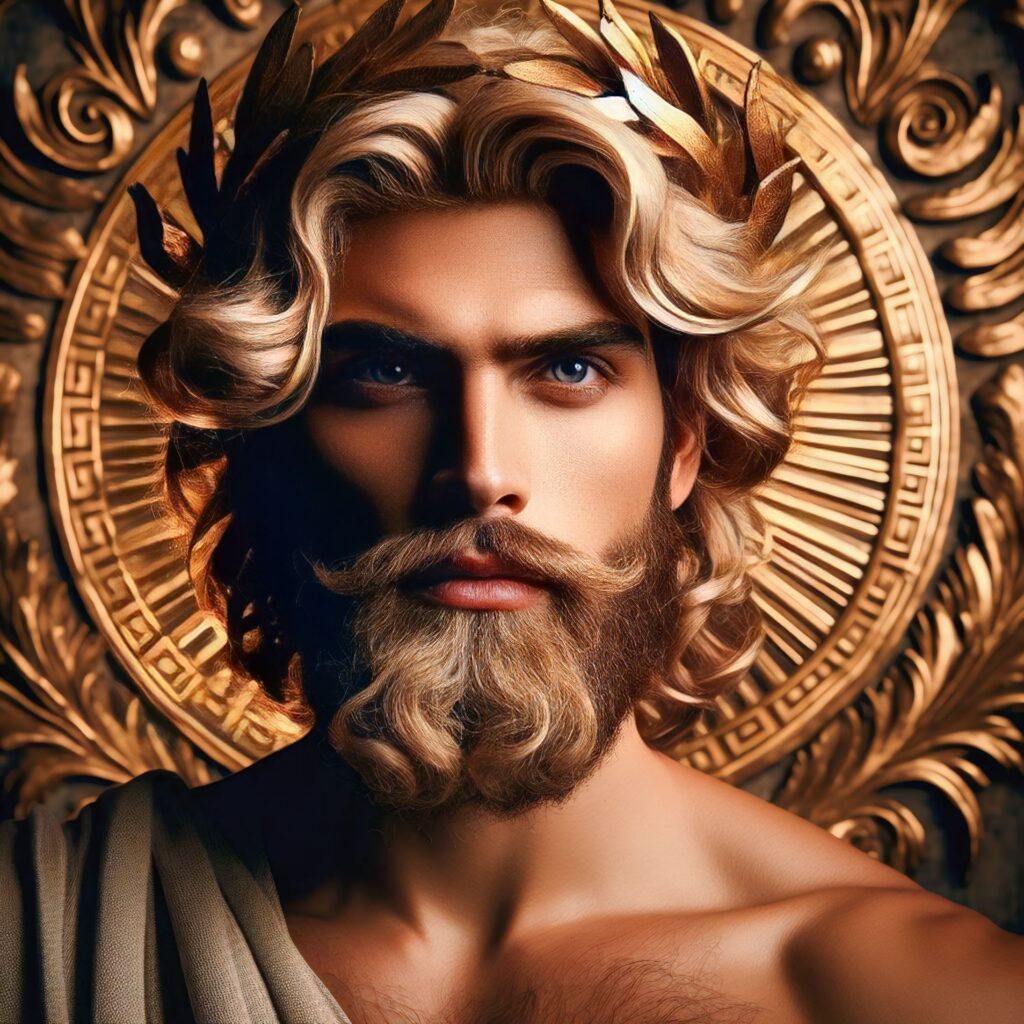
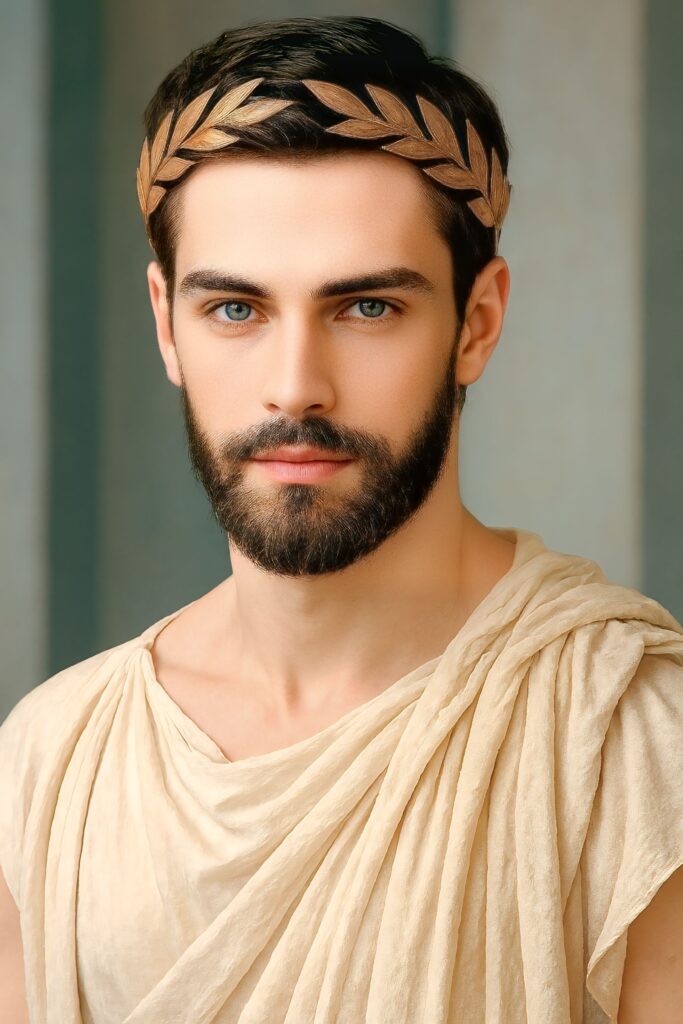
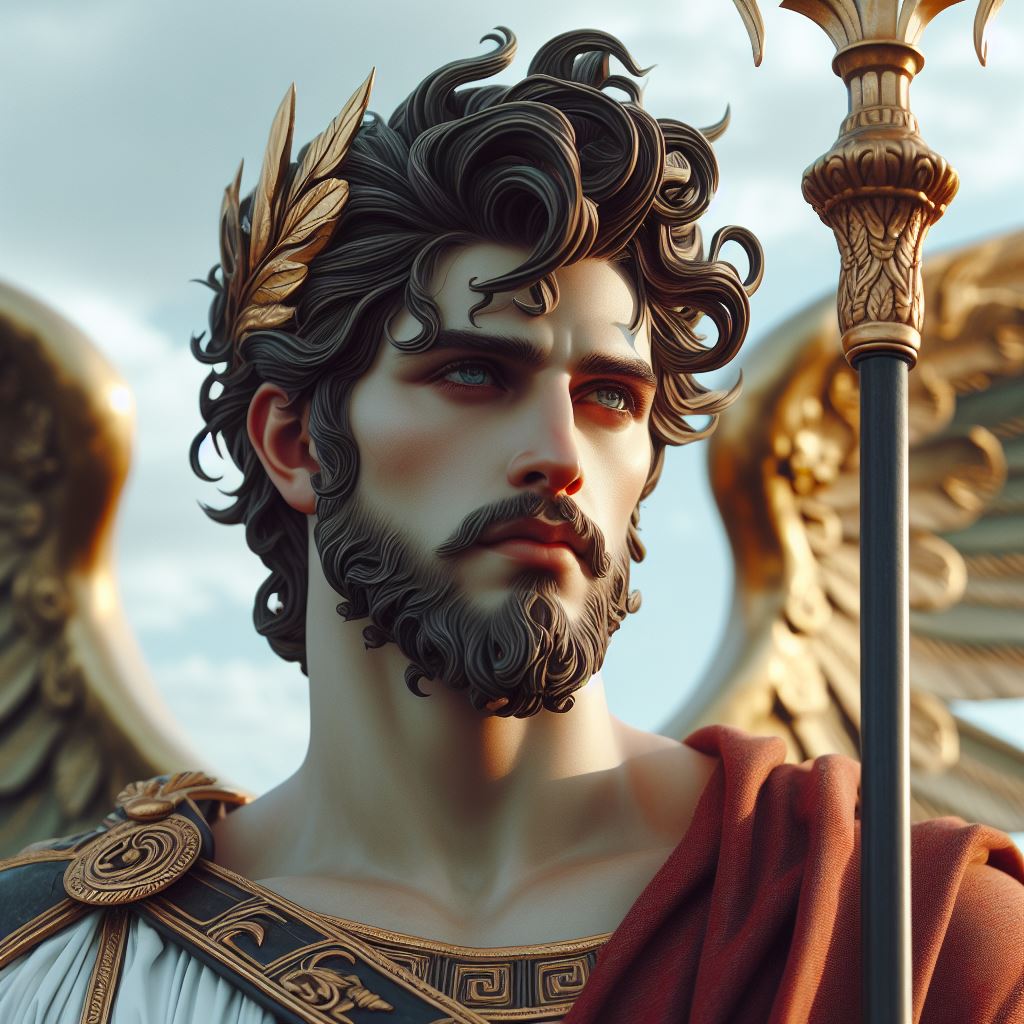
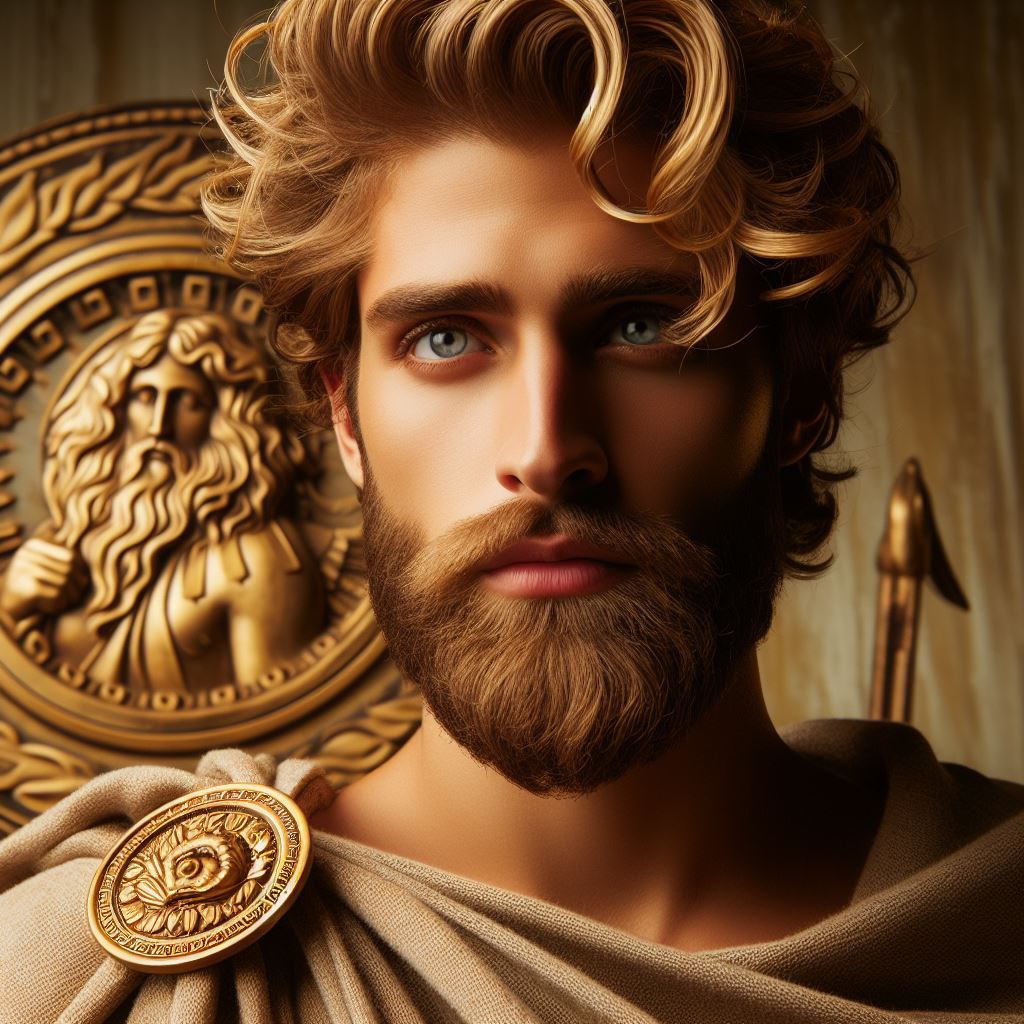
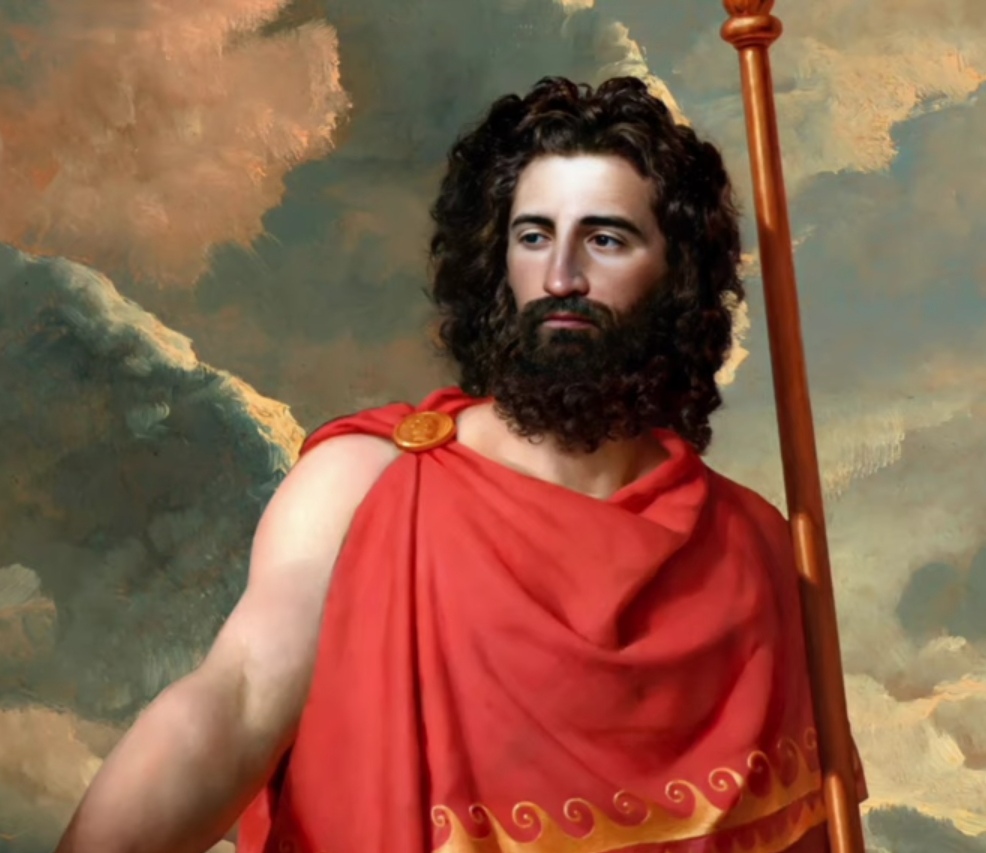

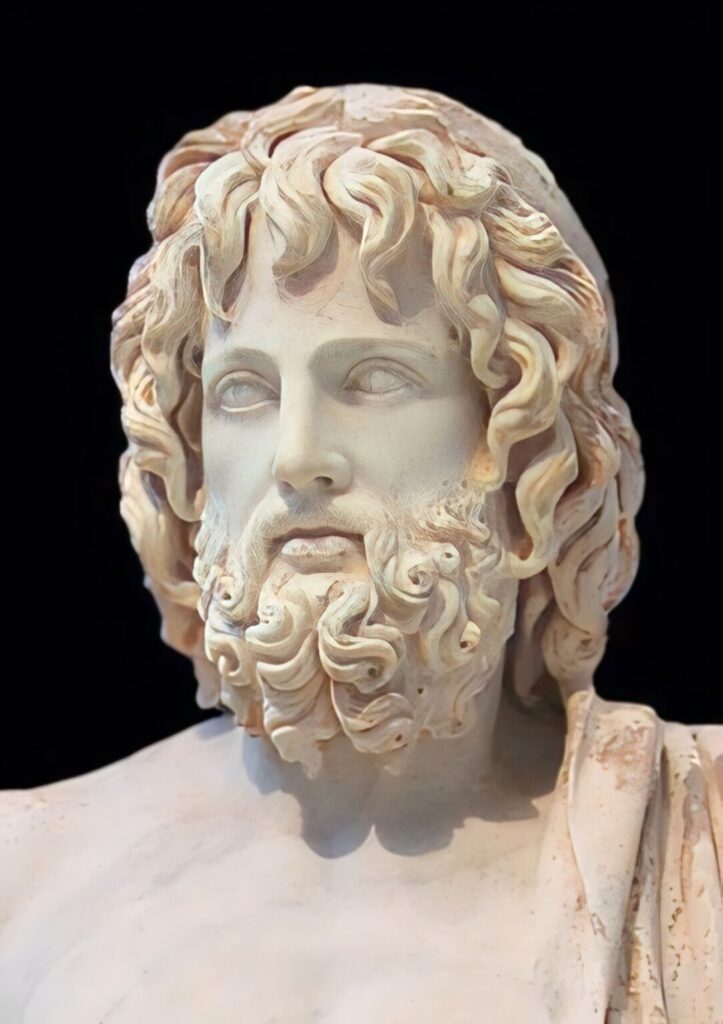
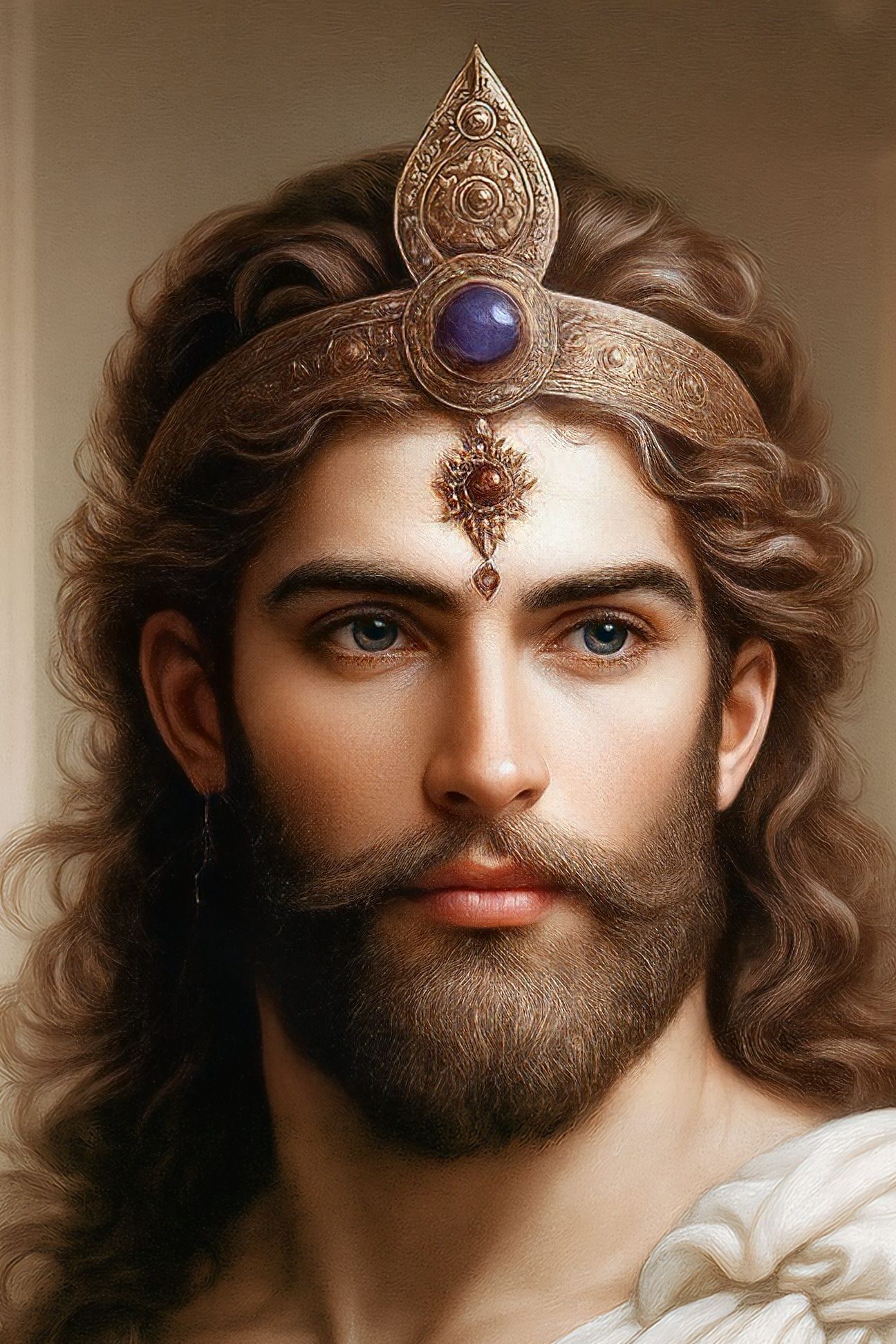
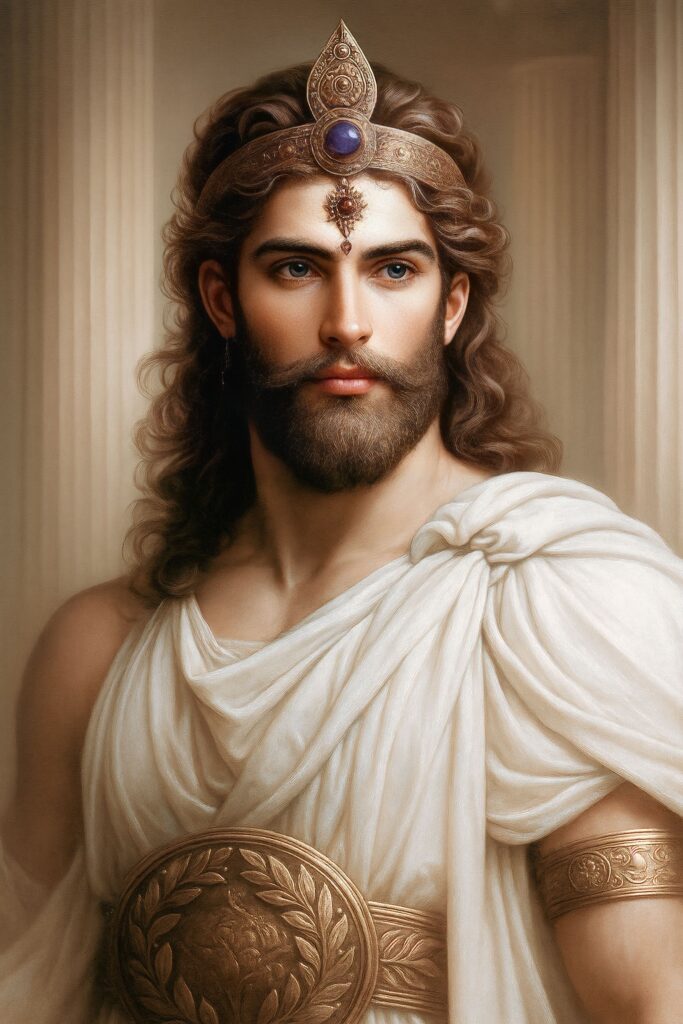

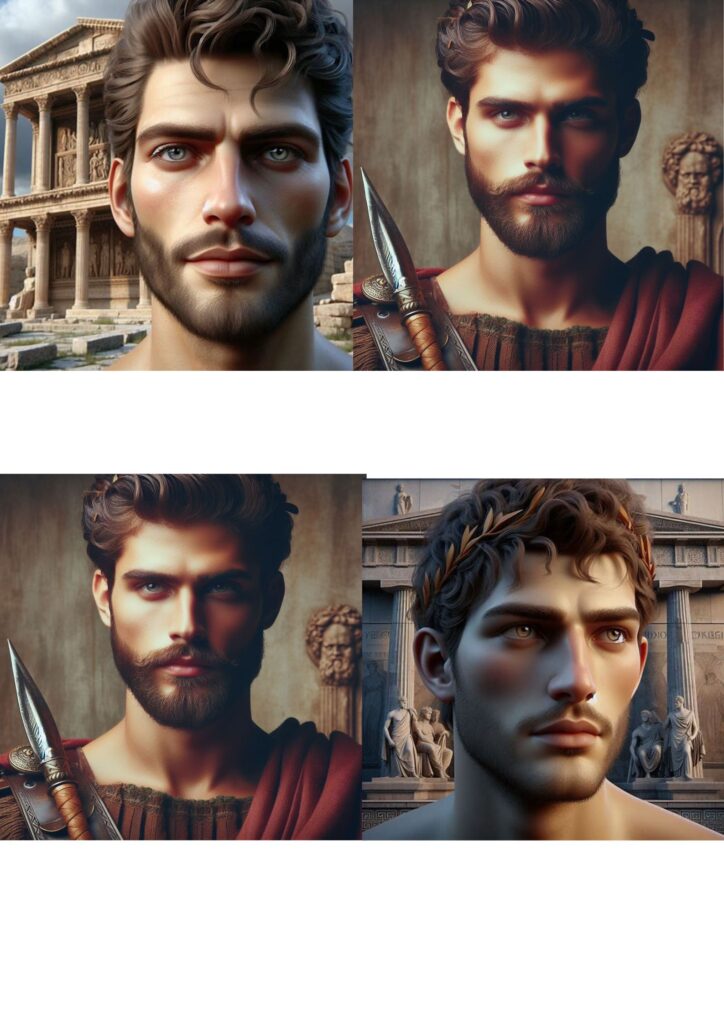
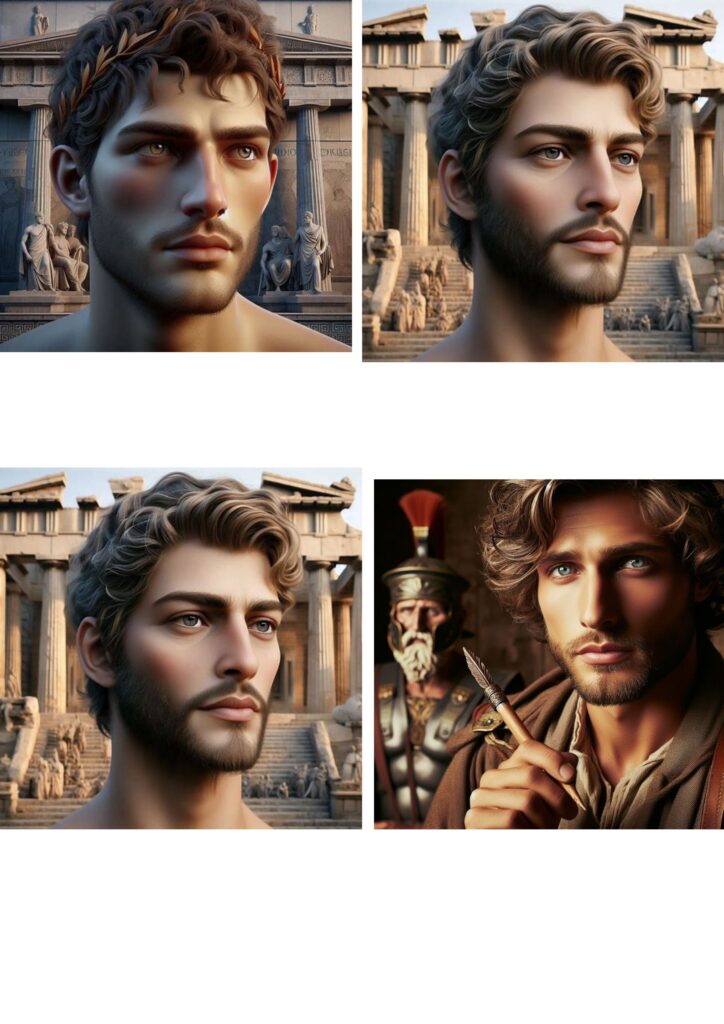
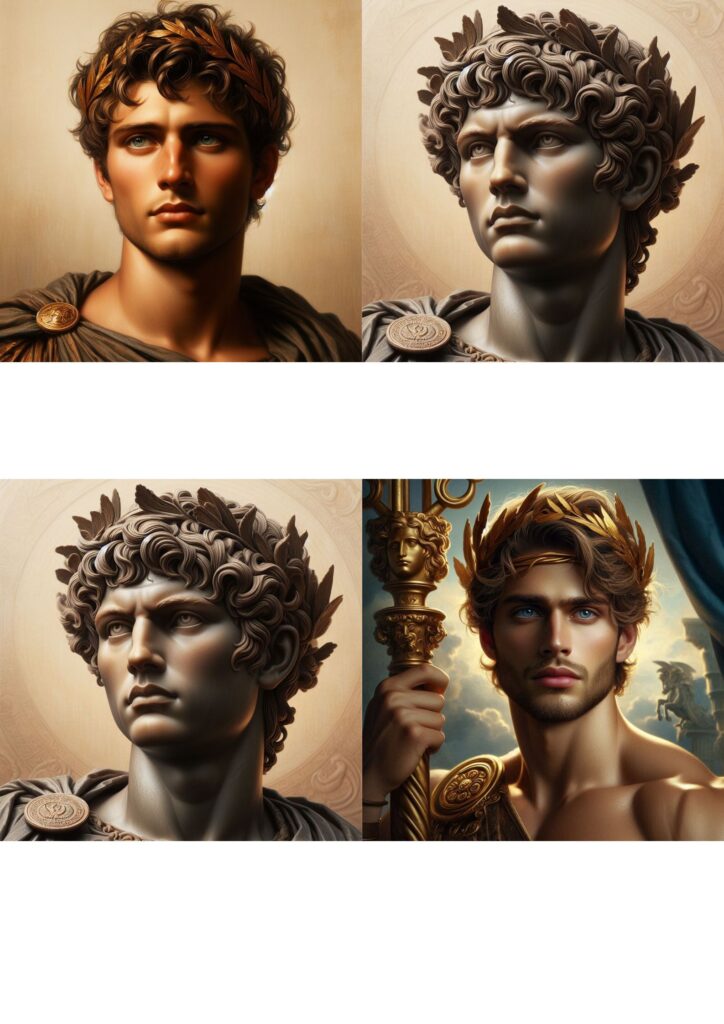
zeus Face reconstruction through Microsoft Bing AI software
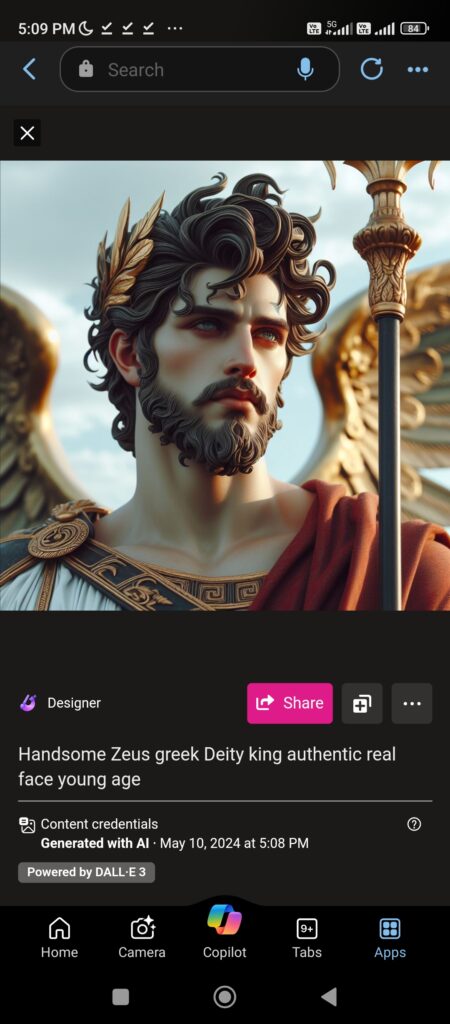
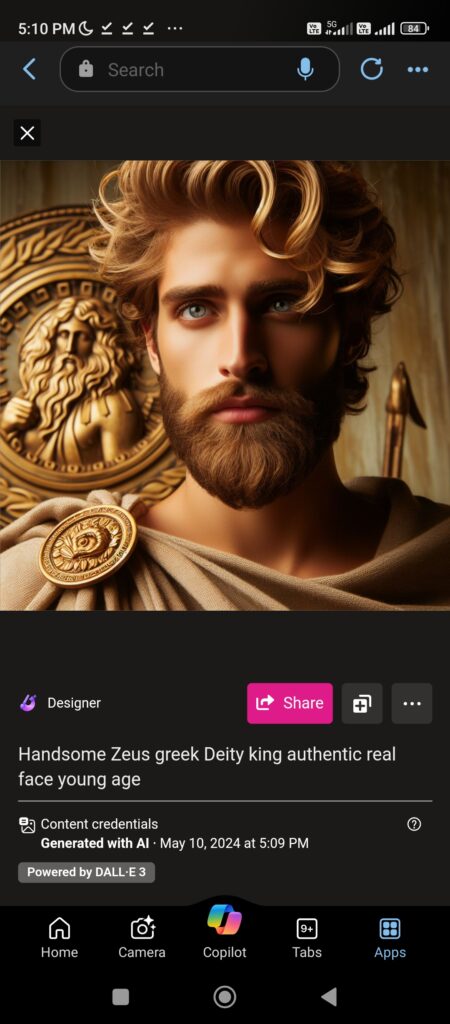
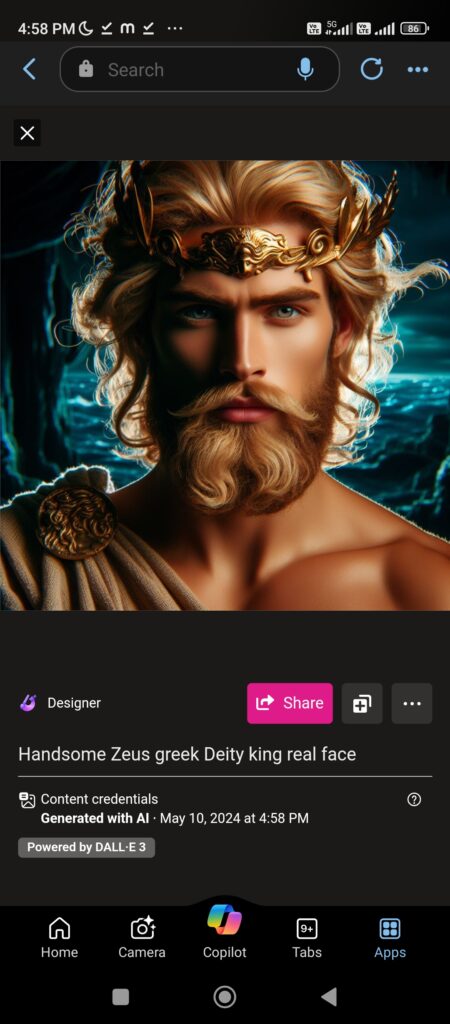

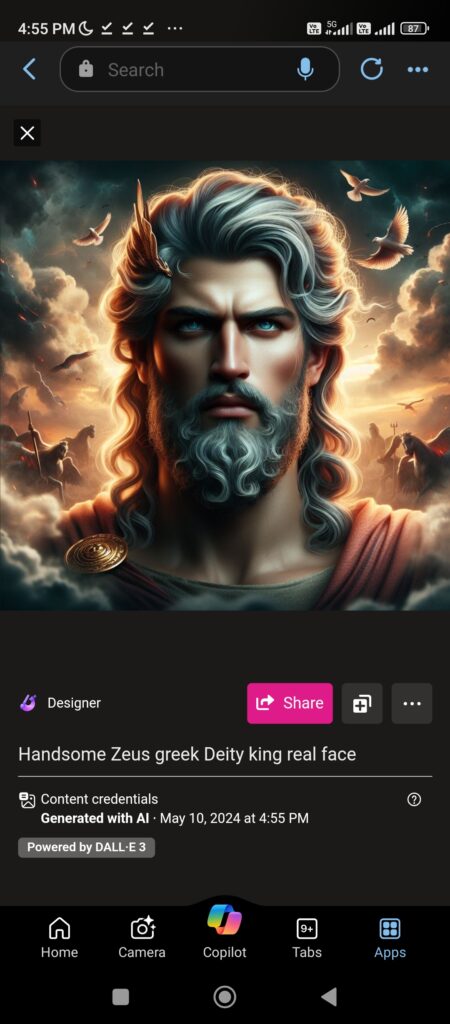
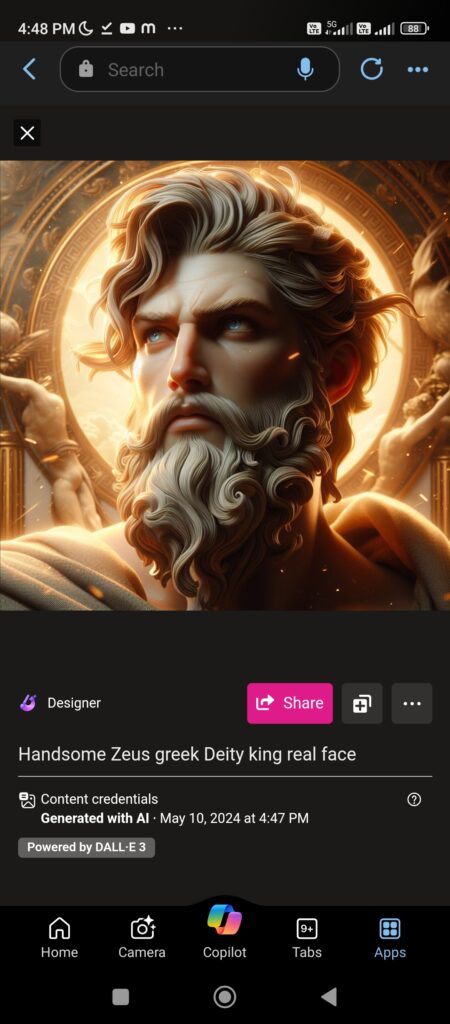

Face Transformation of Zeus from Young to Old age
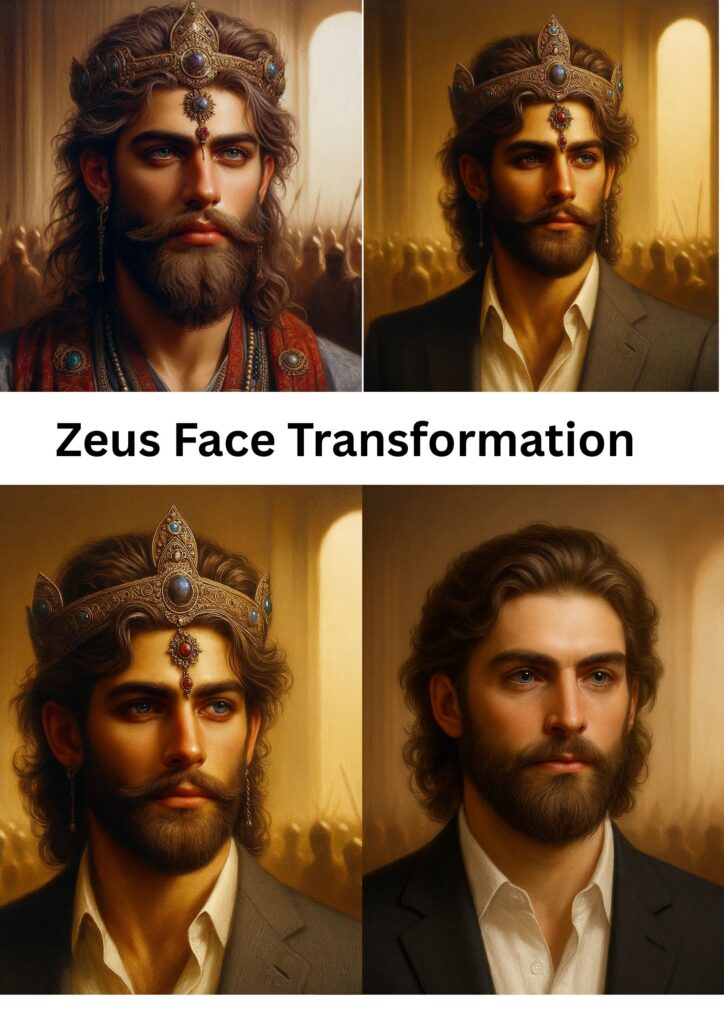

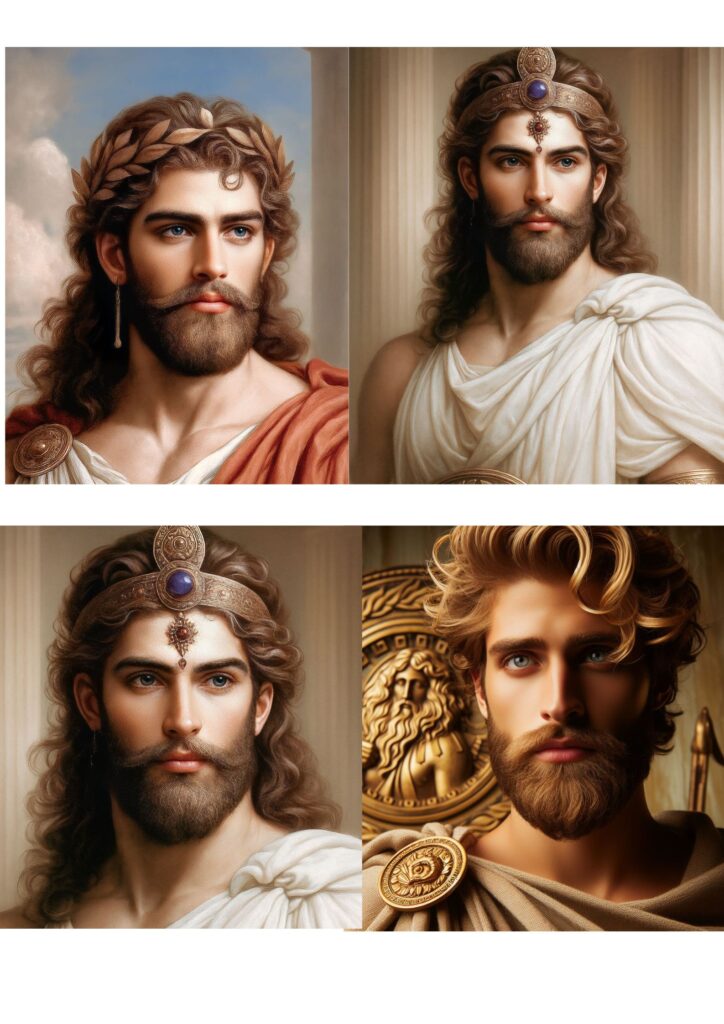

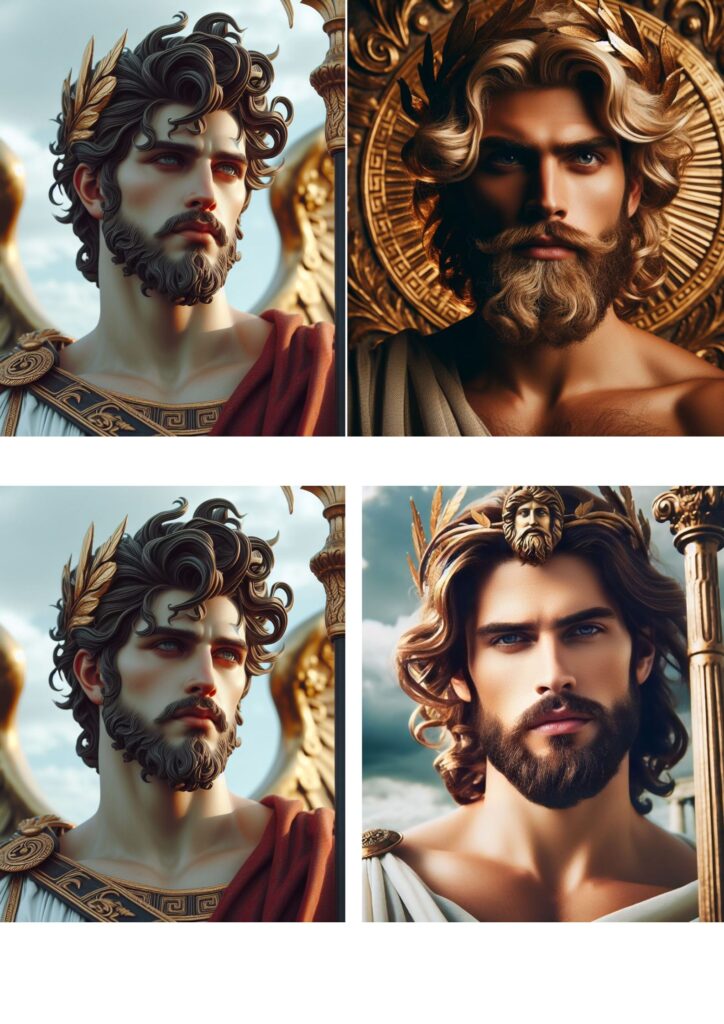
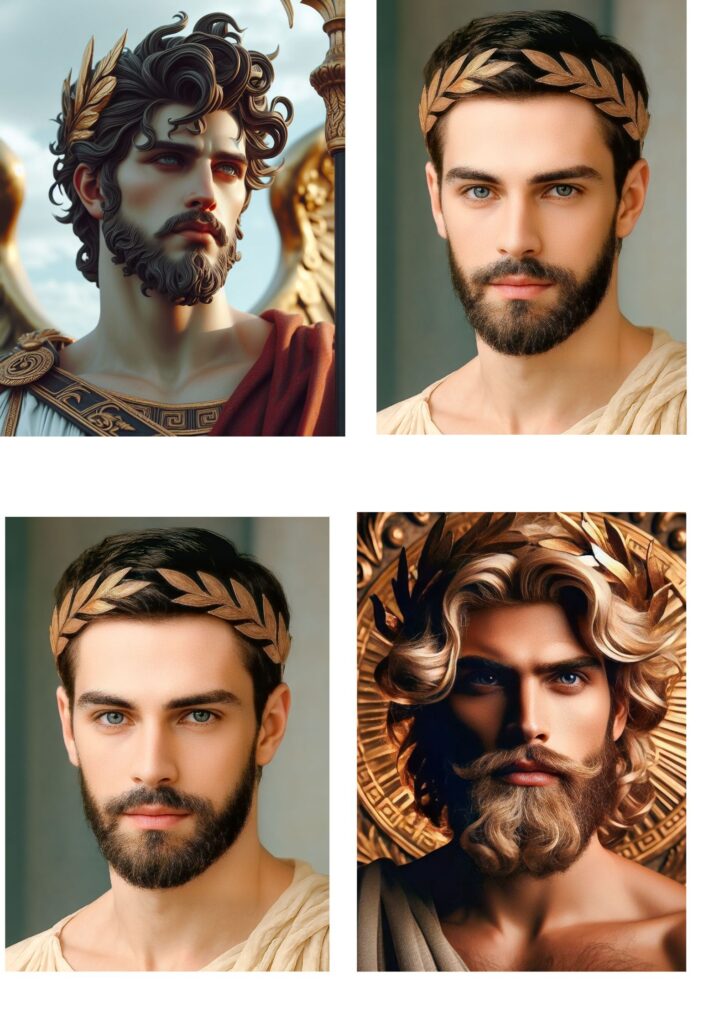
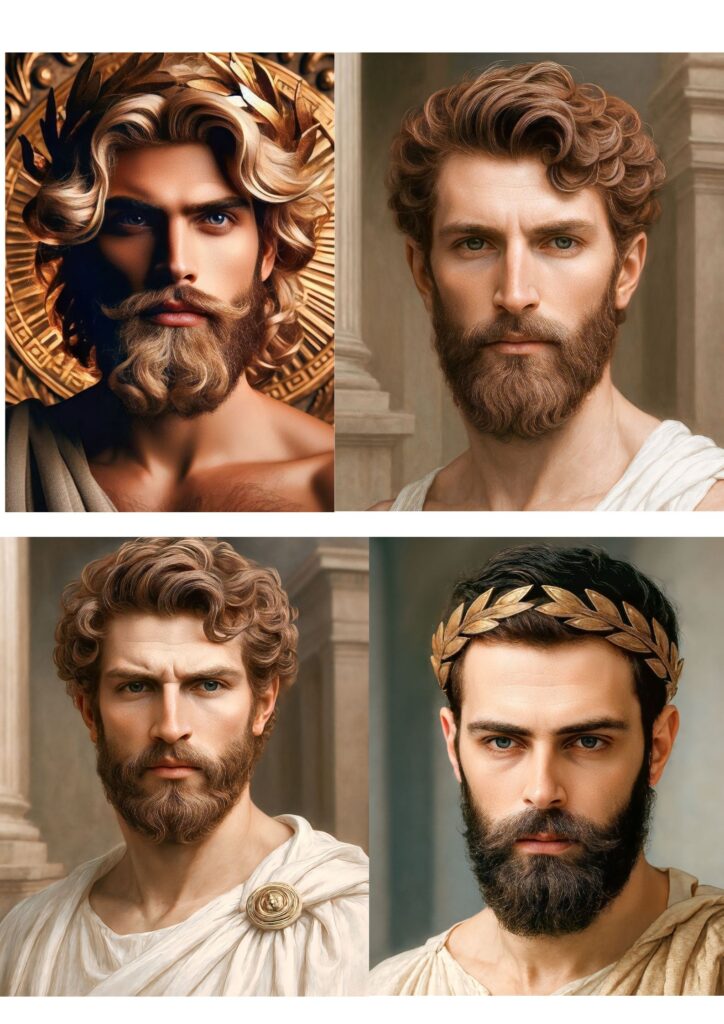

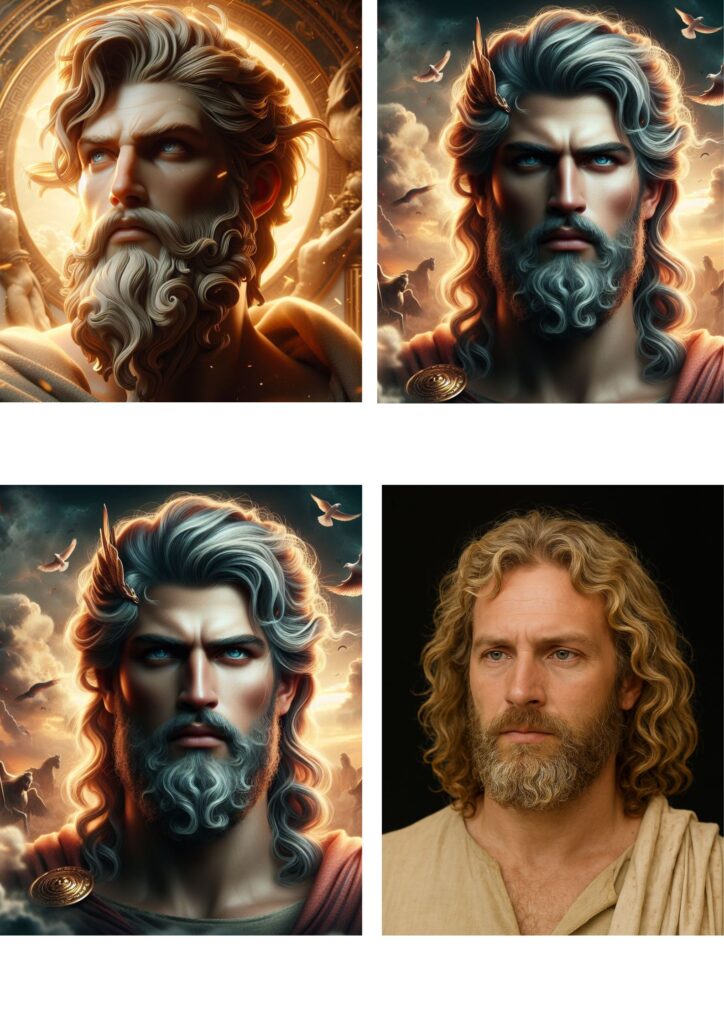
Face Comparison of Zeus with Another possible birth of this Androgynous dying and Rising authority
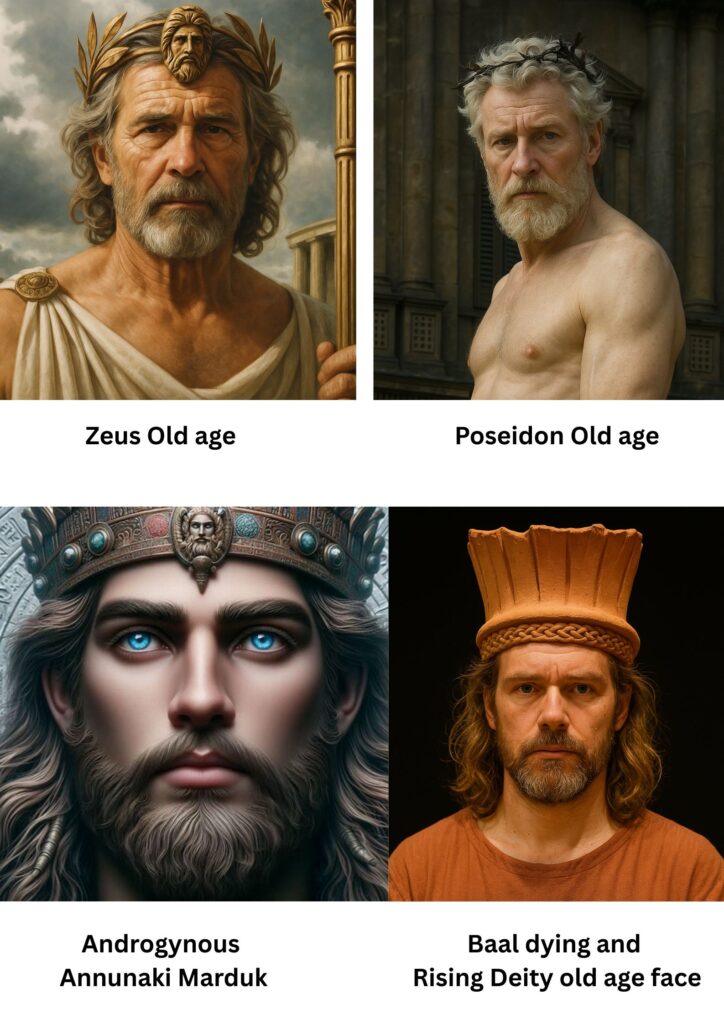
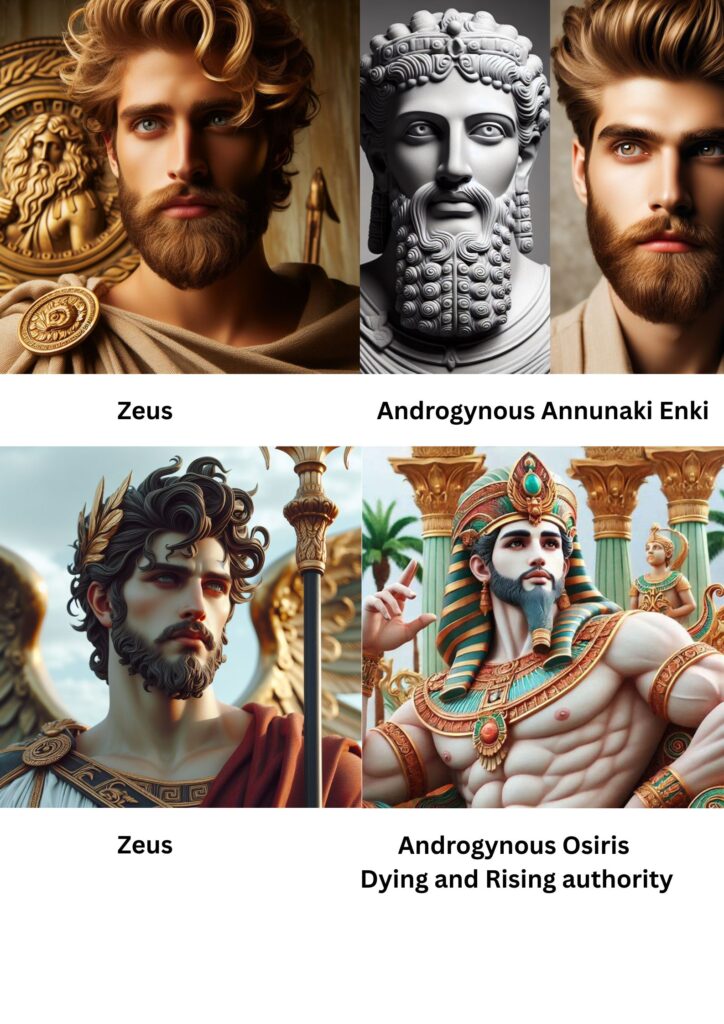
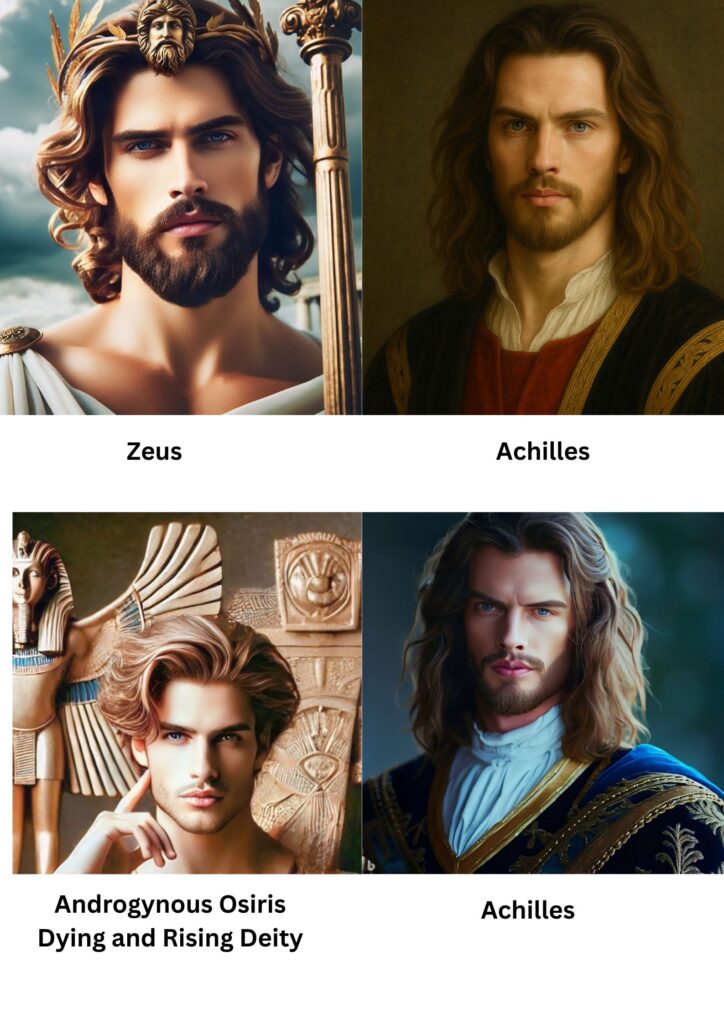
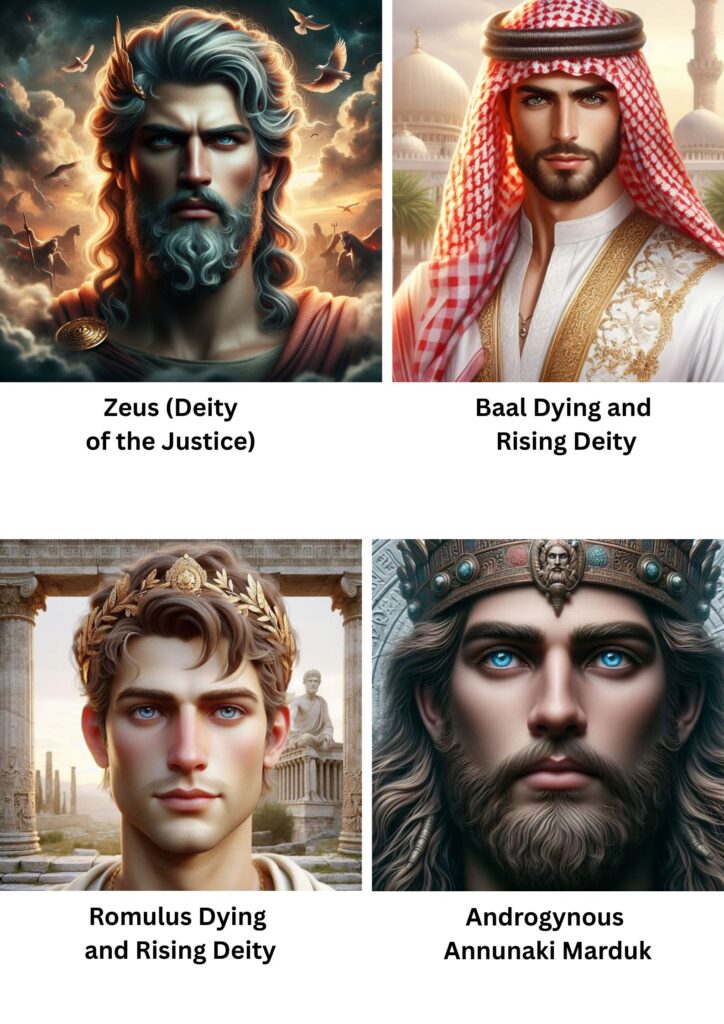
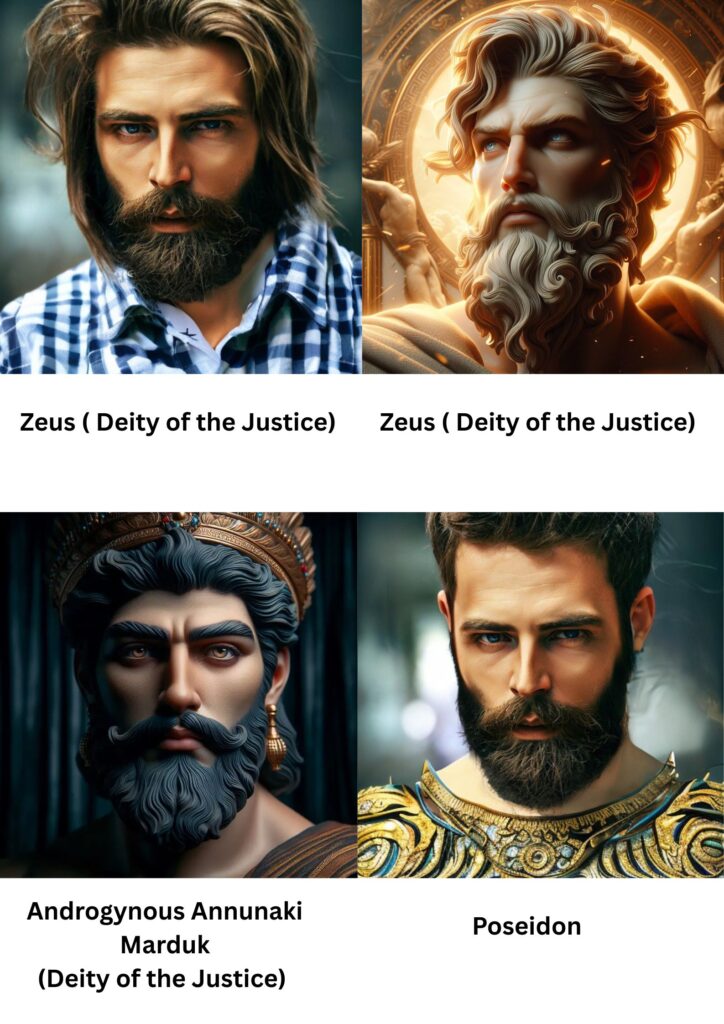
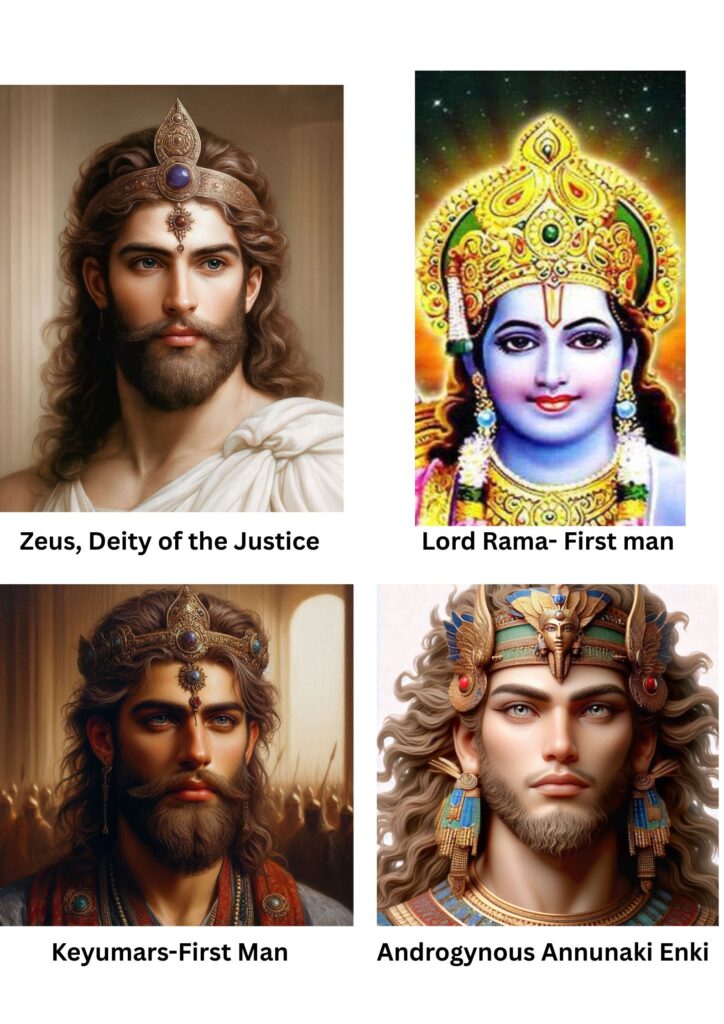
Unsolved Mystery – Androgynous Dying and Rising authority describe as a Deity of the Justice, Creator of Civilization authority in different ancient sources, was Zeus also an Deity of the Justice, Androgynous dying and Rising authority ? Is yet remains a Mystery.
Hera – Queen of Heaven and Goddess of Marriage
Hera was one of the most important deities in ancient Greek mythology and was regarded as the Queen of Heaven, wife of Zeus, and ruler of the Olympian goddesses.
She was primarily associated with marriage, family, childbirth, women, and the protection of lawful unions. Throughout Greek tradition, Hera was viewed as a powerful divine figure who upheld the sanctity of marriage and royal authority.
As the consort of Zeus, Hera occupied the highest female position within the Olympian hierarchy and was often depicted seated upon a throne, wearing a royal crown and carrying a scepter as symbols of her authority.
Her sacred symbols included:
● Peacock
● Crown
● Scepter
● Cow
● Pomegranate
Ancient Greek artists frequently portrayed Hera as a majestic and dignified woman possessing exceptional beauty, wisdom, and regal presence. Temples dedicated to Hera were among the most important religious centers in the Greek world, reflecting her status as one of the principal deities of the Olympian pantheon.
Because Hera was closely associated with divine kingship and sacred marriage, she occupies an important position within ancient traditions concerning royal legitimacy, heavenly authority, and the relationship between rulers and their divine consorts.
Within the framework of the Eternal Authority Hypothesis, Hera becomes a figure of interest due to her role as the queenly counterpart of the supreme heavenly ruler, preserving themes of sacred partnership, royal authority, and divine legitimacy that appear repeatedly throughout world mythology.
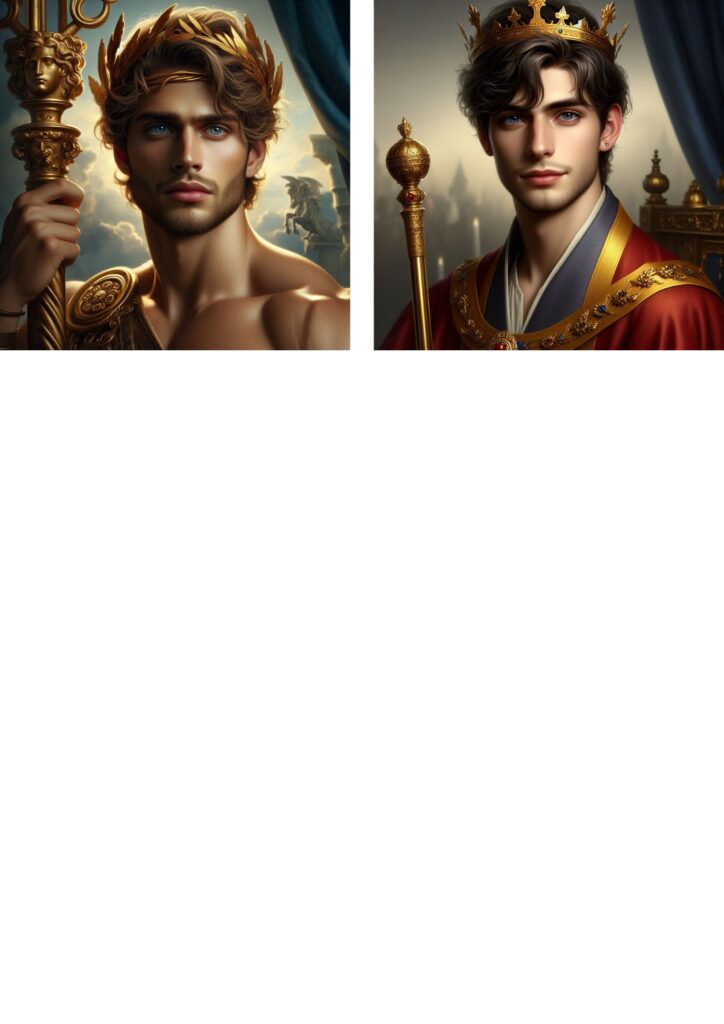
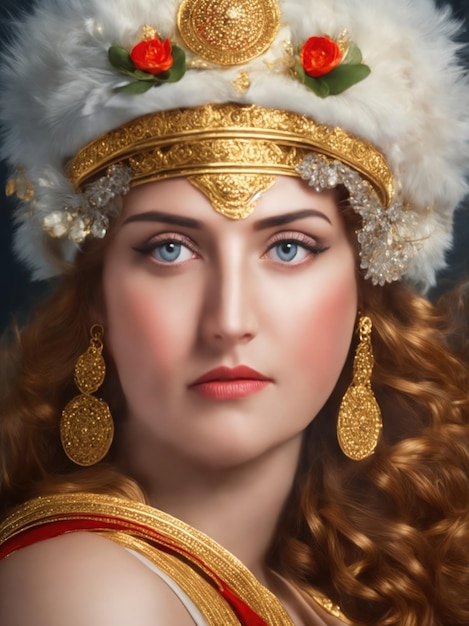
Face of Hera
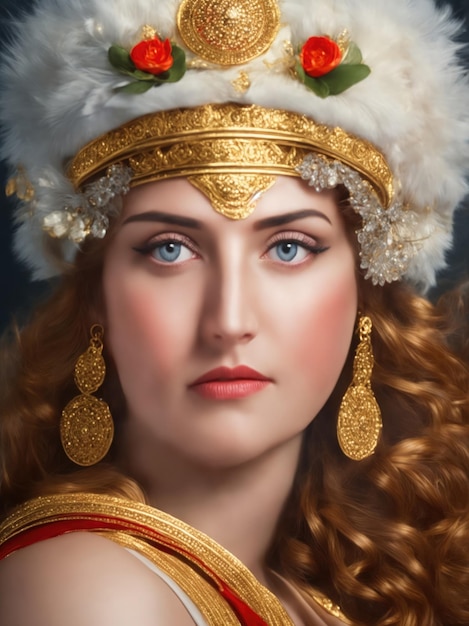
Copyright © Credit – Freepik

Face Reconstruction by Equator

Copyright image credit – Historicly






Conclusion
From Romulus and Emperor Jimmu to Zeus and the traditions of divine rulership, ancient civilizations continued to preserve recurring themes of sacred kingship, heavenly authority, civilization-building, and dynastic foundation.
Across Europe and Asia, cultures remembered extraordinary rulers who established kingdoms, guided their people, created royal bloodlines, and became central figures within national traditions. Many of these founder figures were associated with divine ancestry, justice, wisdom, protection, and the maintenance of social order.
Whether these similarities emerged independently, spread through cultural contact, or preserve fragments of a much older shared tradition remains an open question.
Within the framework of the Eternal Authority Hypothesis, these recurring patterns continue to provide clues that may point toward forgotten memories preserved within mythology, religion, royal traditions, and civilization foundations.
As the timeline progresses, additional rulers, founders, symbols, and civilizations will be examined in the search for connections hidden within humanity’s oldest stories.
Every kingdom remembers a founder.
Every dynasty remembers a ruler.
And every mystery may preserve a fragment of a forgotten past.