
Era of Healing Deities, Sacred Consorts, and Rising Empires
As civilizations entered a new age of expanding kingdoms, new thought, and cultural exchange, traditions concerning healing deities, divine rulers, sacred consorts, and empire-builders continued to spread across the ancient world.
From Greece and Persia to Arabia and the ancient Americas, many cultures preserved stories of miraculous healers, dying-and-rising deities, founders of powerful empires, and divine figures associated with justice, wisdom, fertility, and civilization itself.
Part 17 explores Asclepius, Adonis, Aphrodite, Cyrus the Great, Al-Lat, and other influential figures through the framework of the Eternal Authority Hypothesis.
Can recurring symbols such as the serpent of healing, the sacred royal founder, the divine consort, resurrection traditions, and civilization-building authorities reveal fragments of a deeper forgotten tradition preserved across multiple civilizations?
The investigation continues.
Asclepius – Deity of Medicine Serpent Symbol
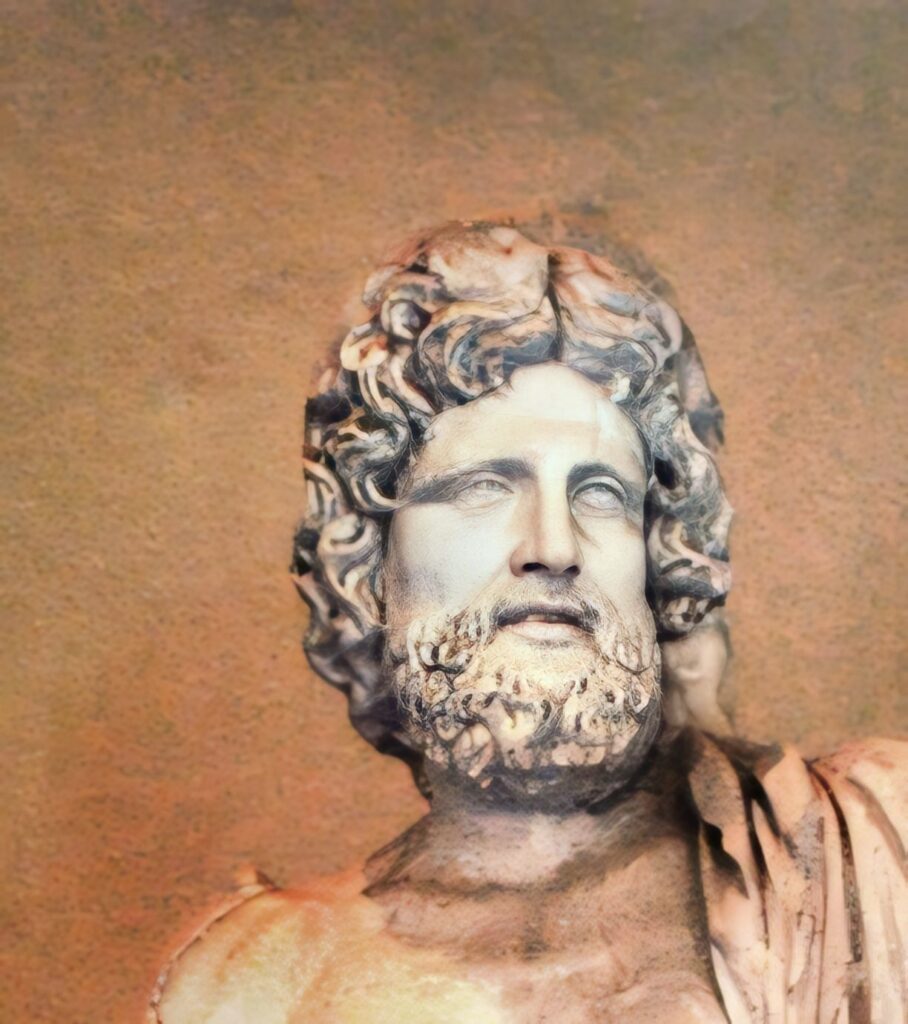
original file by Michael F. Mehnert • CC BY-SA 3.0
Asclepius – Deity of Medicine and Serpent Symbolism
Throughout the ancient world, healing traditions were often associated with sacred knowledge and divine intervention.
Among the most influential healing figures of classical antiquity was Asclepius, the Greek deity of medicine. His symbol, a staff entwined by a serpent, remains one of the most recognizable medical symbols in the world today.
Because serpent imagery frequently appears throughout ancient traditions associated with transformation, rebirth, wisdom, and sacred knowledge, Asclepius occupies an important place within the Closed Mouth Mysteries investigation.
Within the framework of the Eternal Authority Hypothesis, healing deities such as Asclepius may preserve symbolic memories of civilization-restoring authorities associated with knowledge, protection, and renewal.
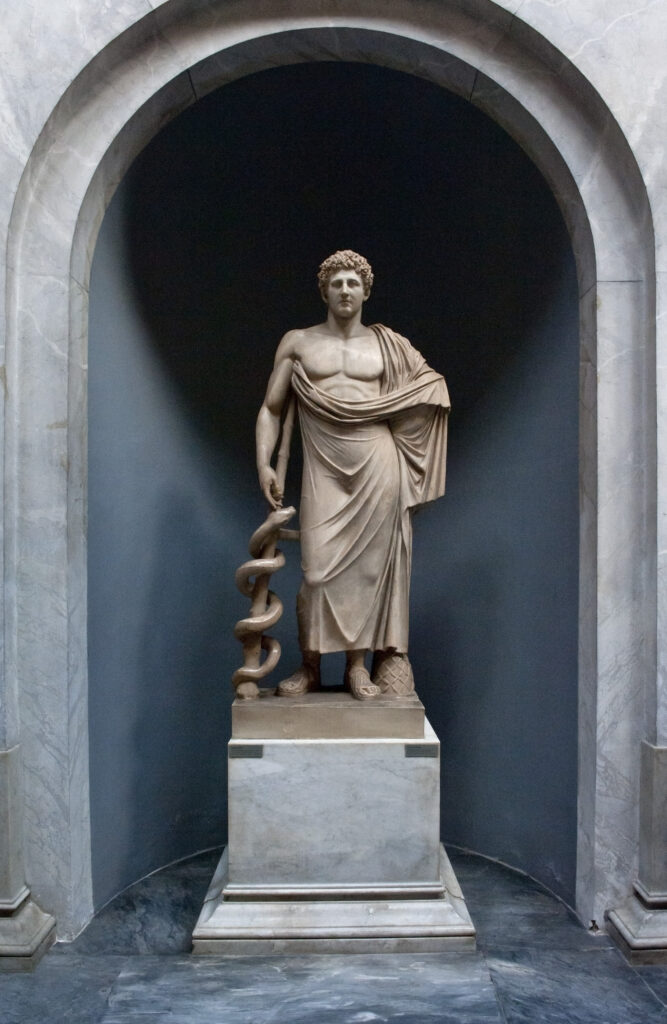
Credit- Egisto Sani CC BY SA 2.0
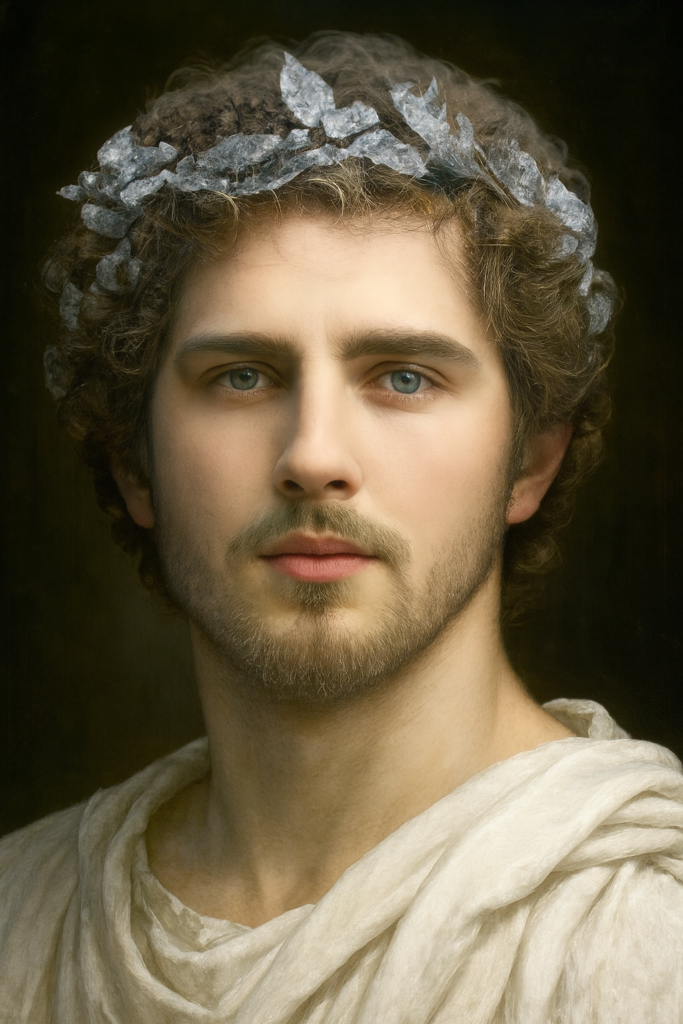
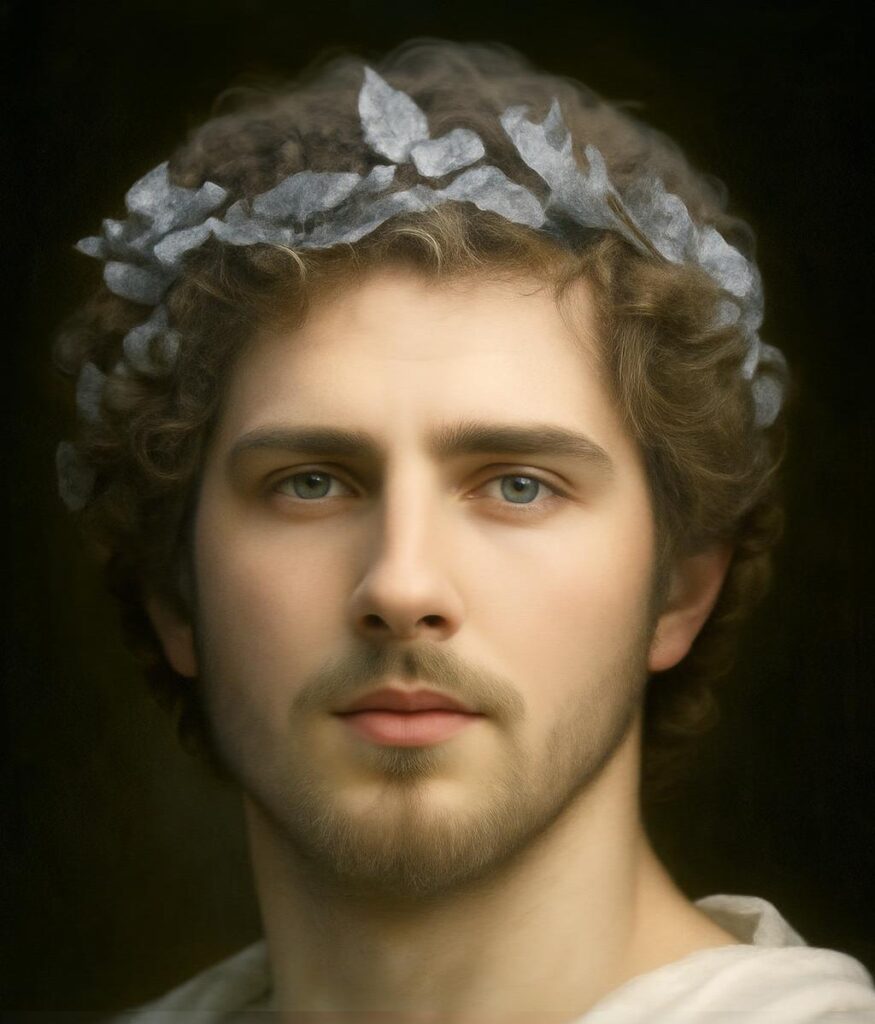

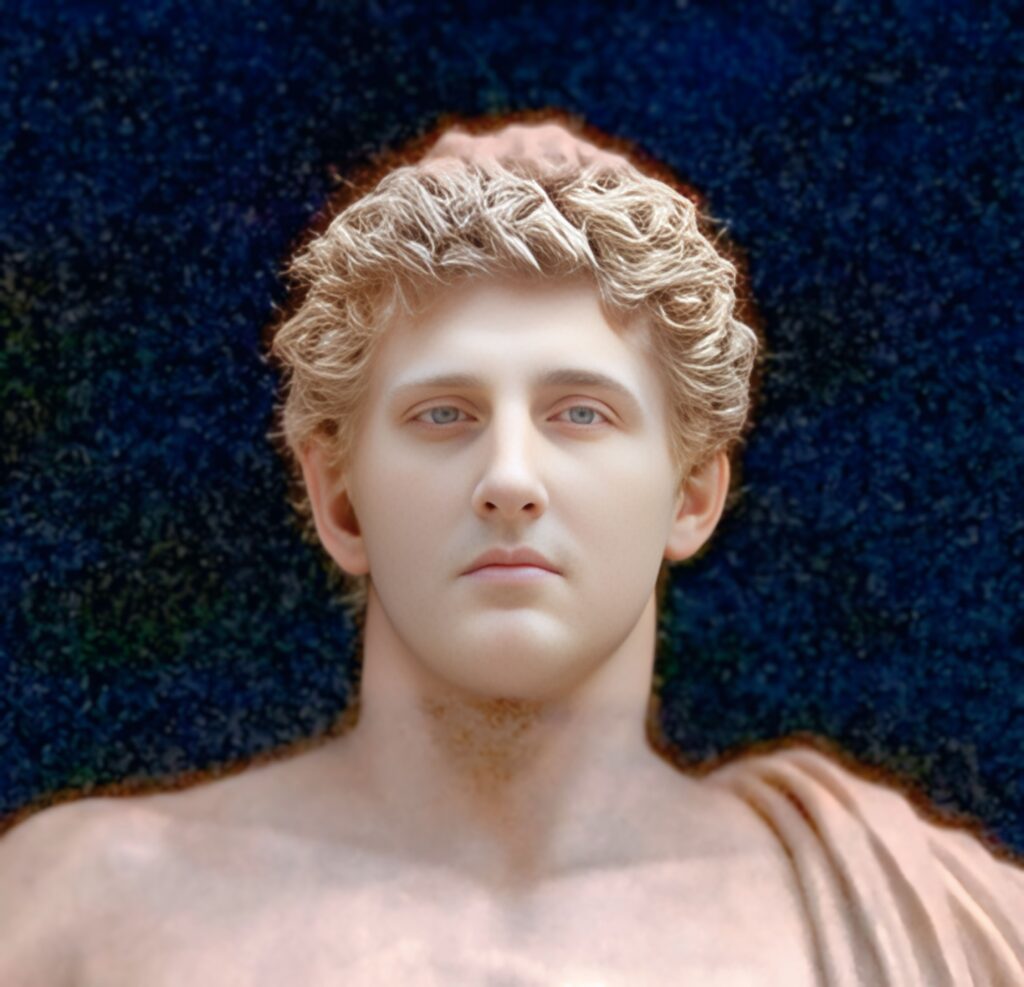

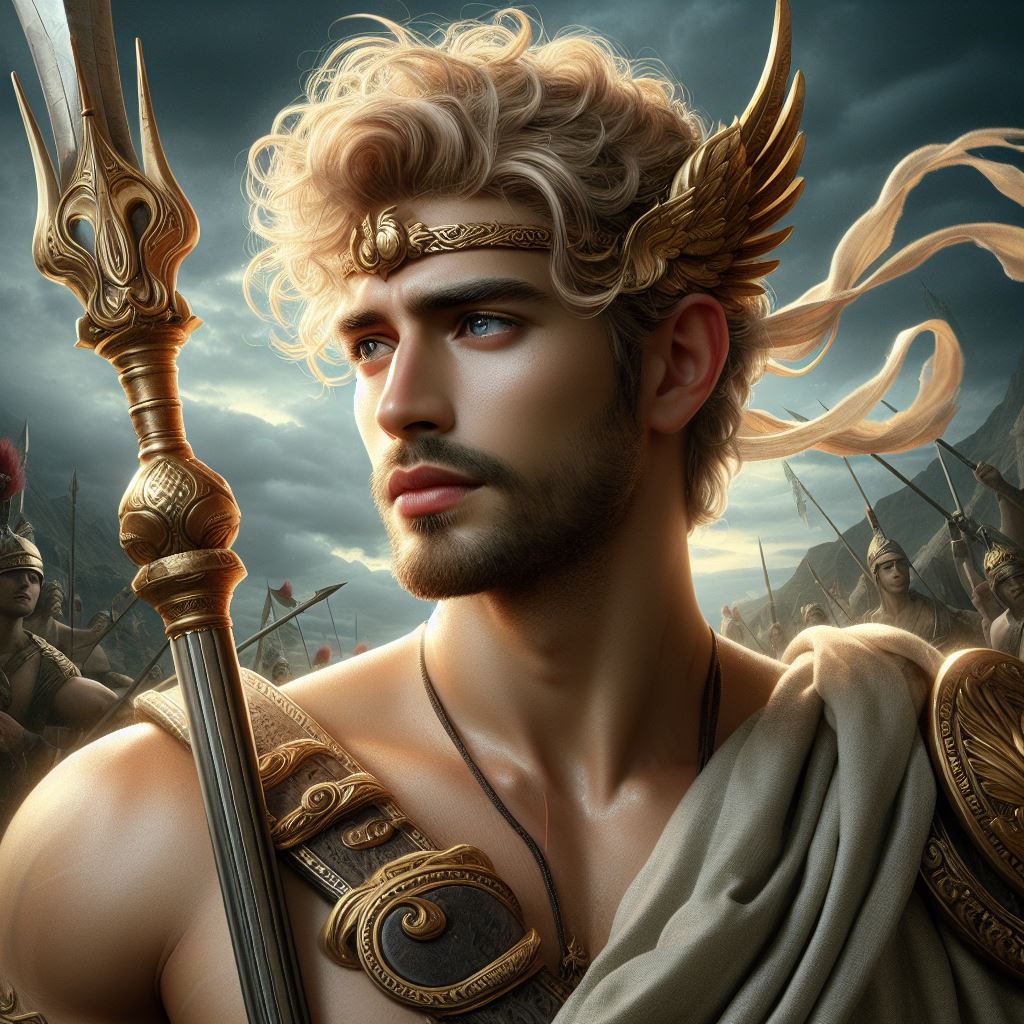

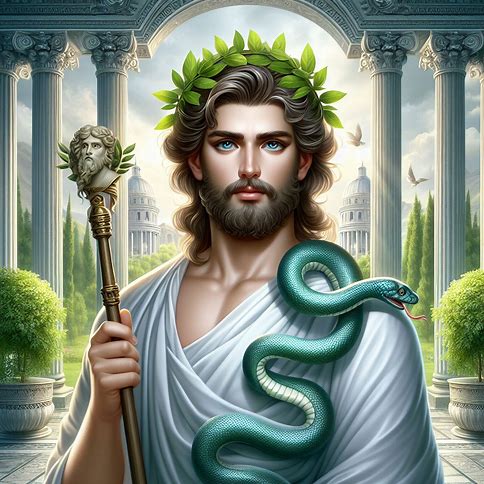
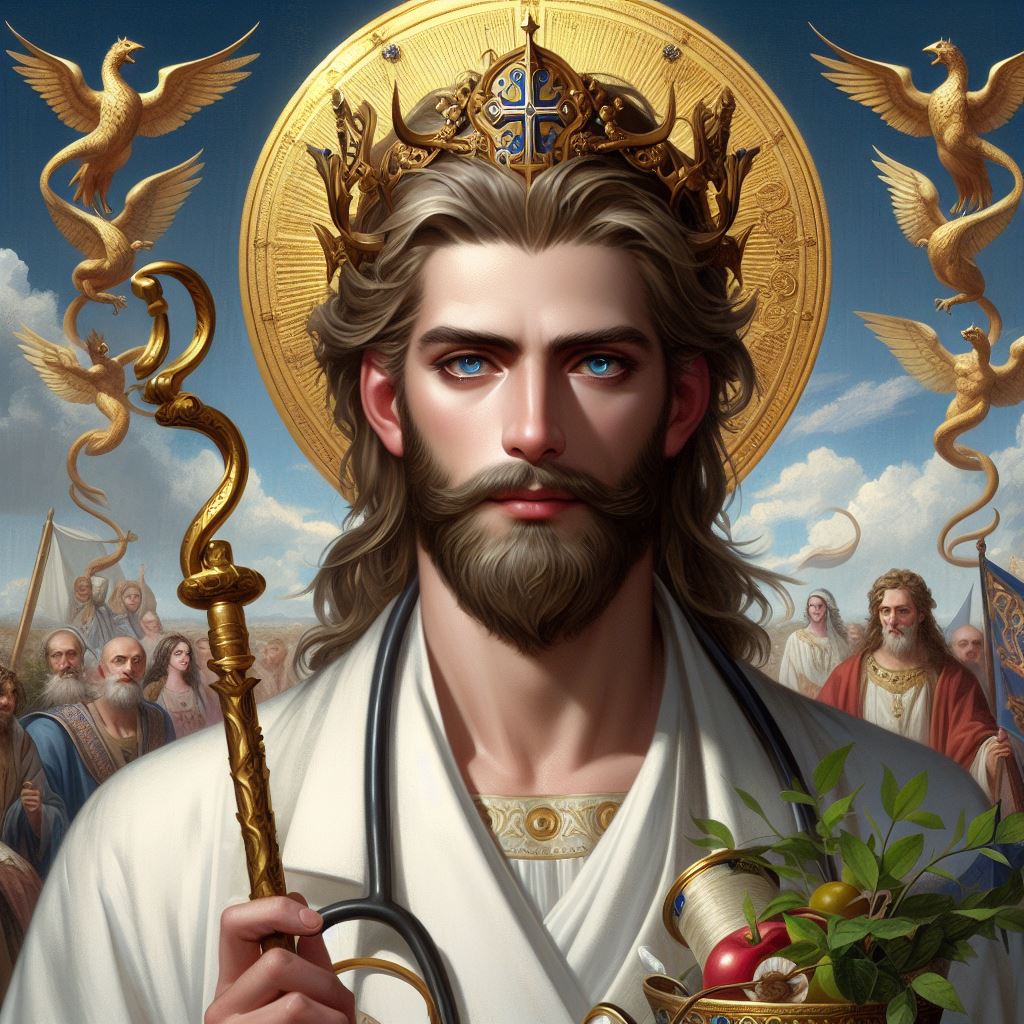
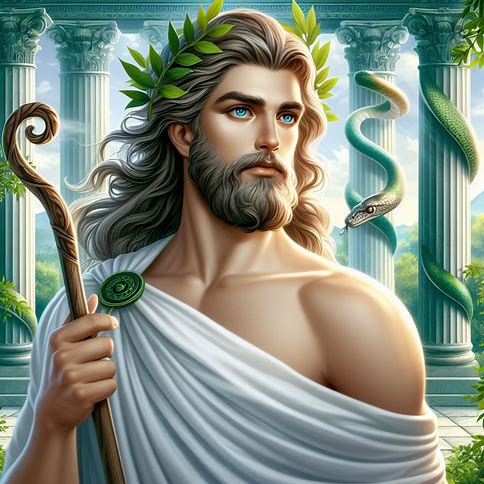

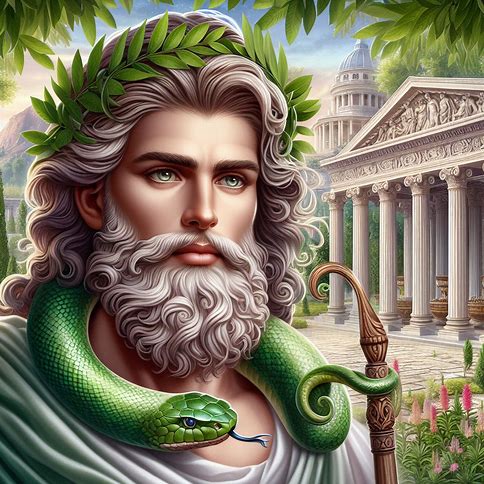
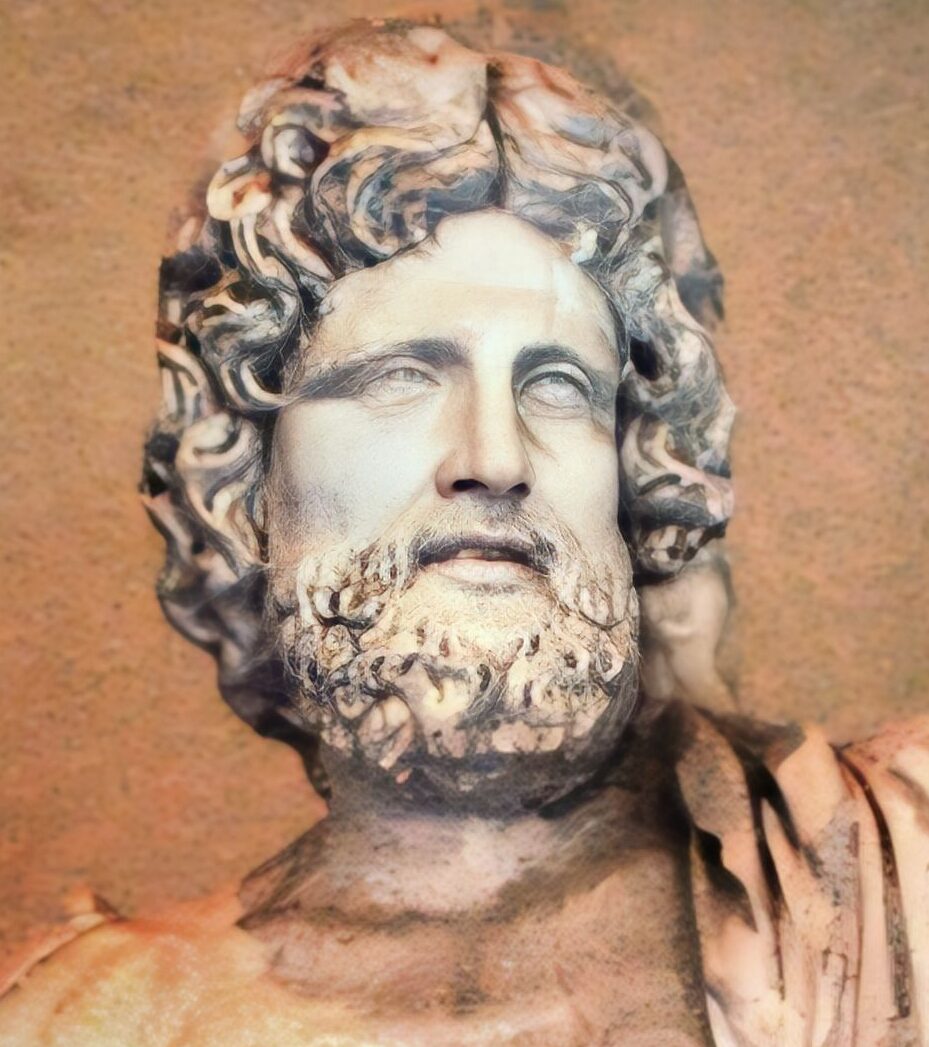

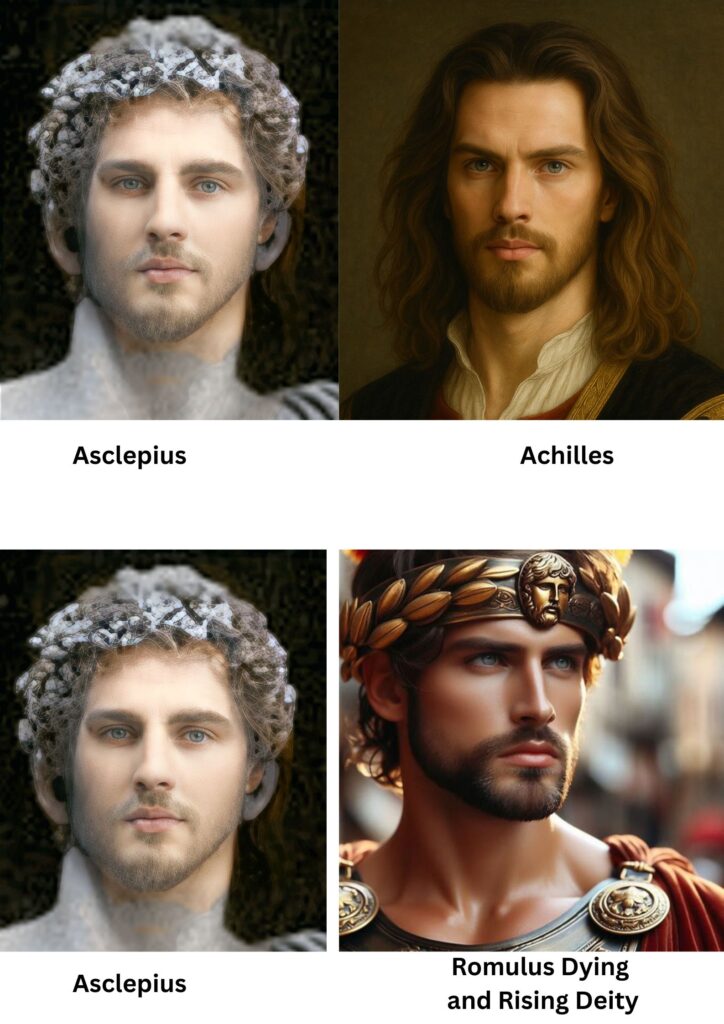
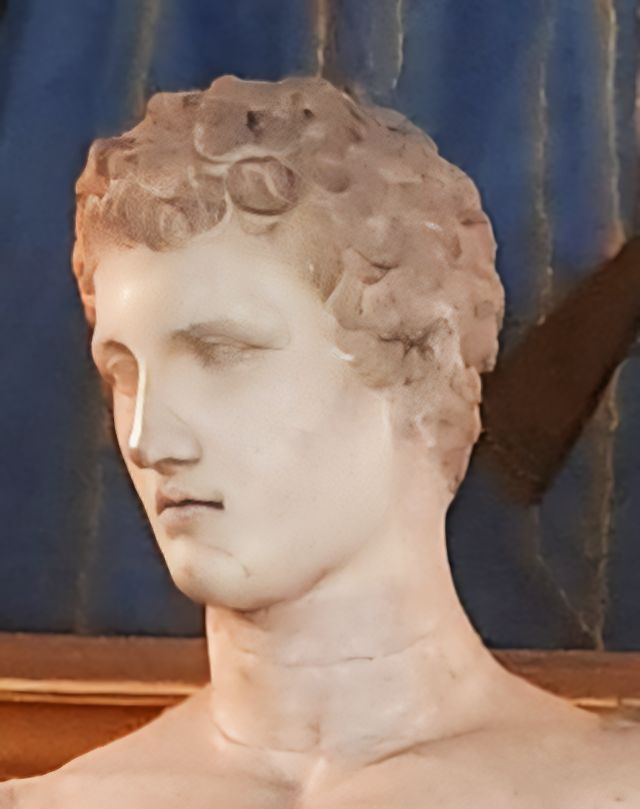
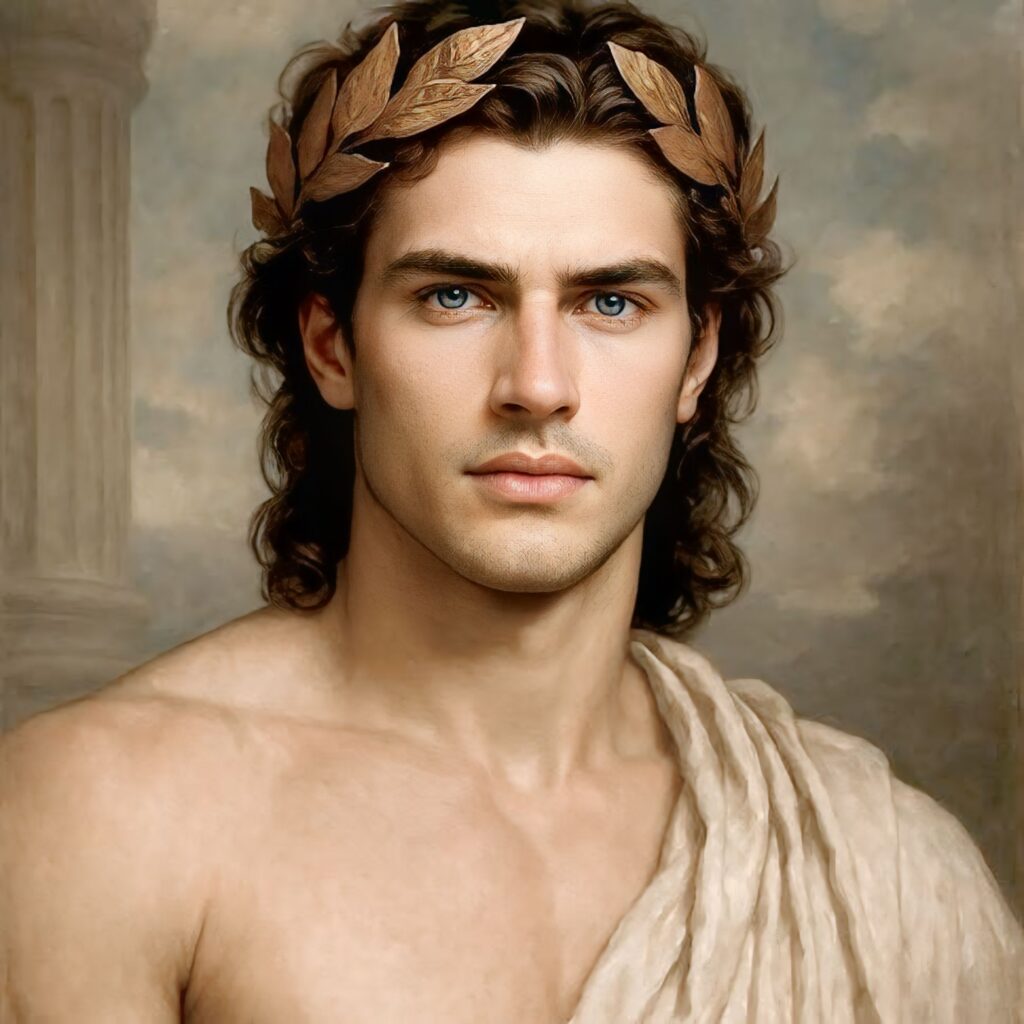
Asclepius Face Reconstruction through Microsoft Bing AI Software

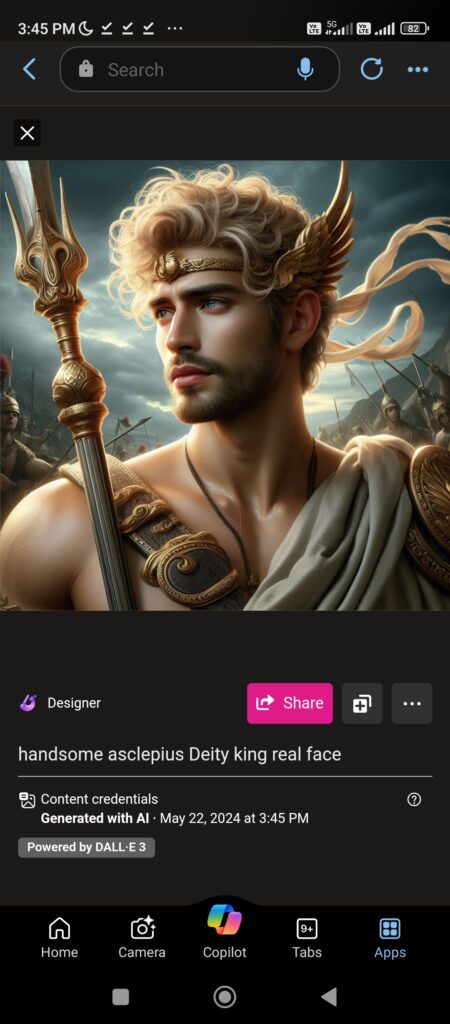

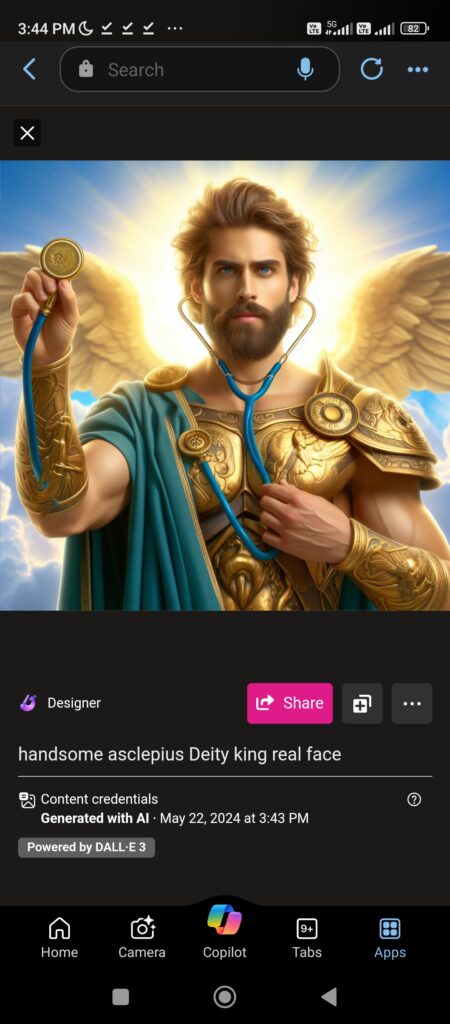
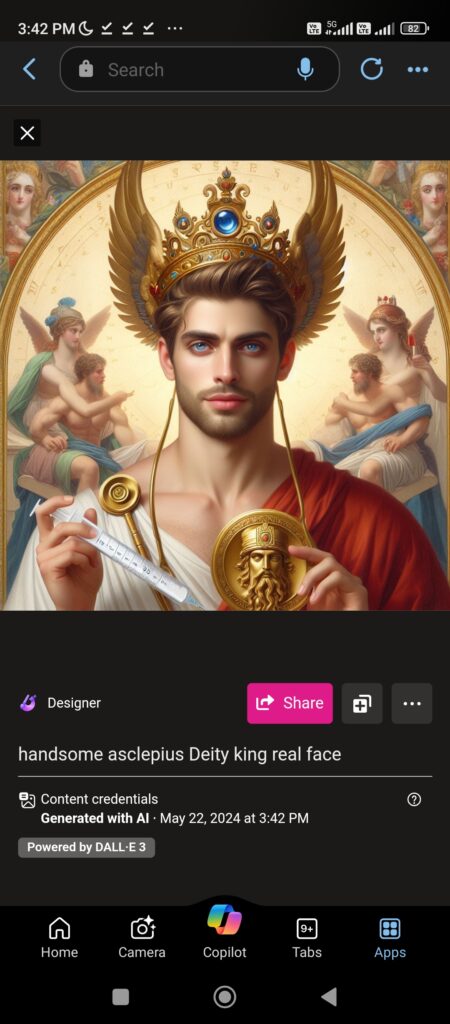
Matching face of Asclepius with another possible birth of this Dying and Rising authority
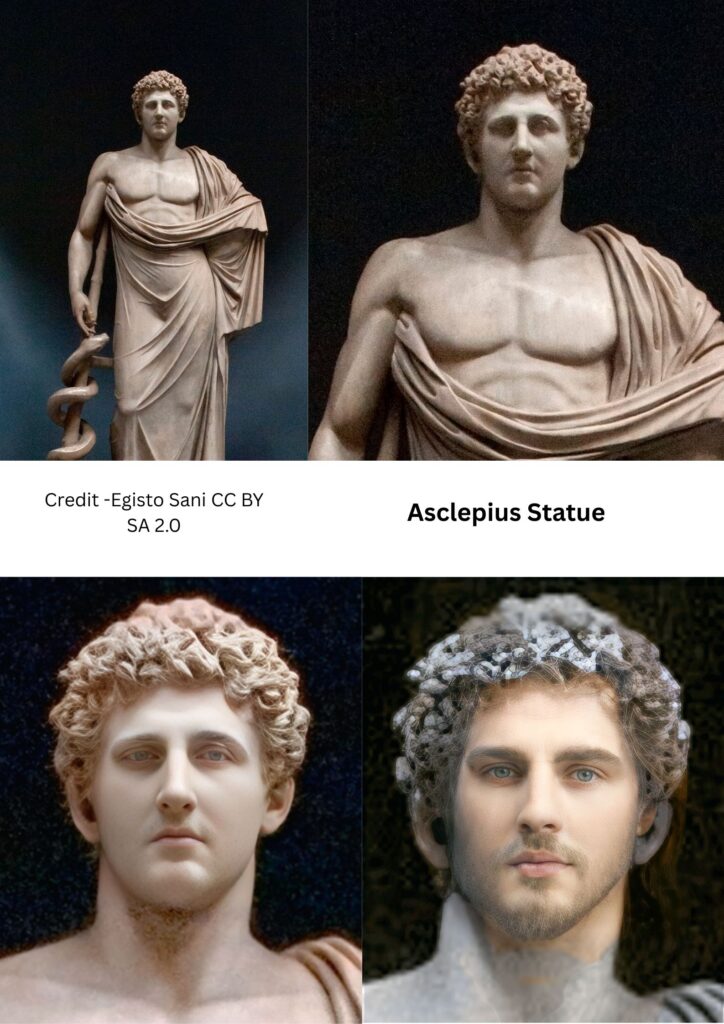
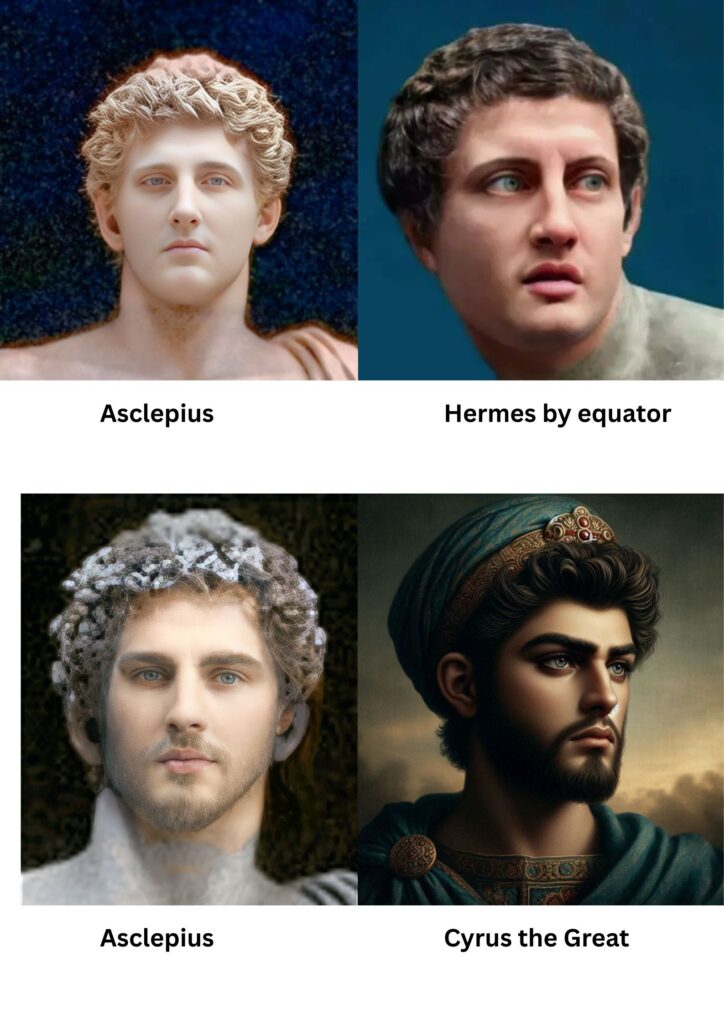
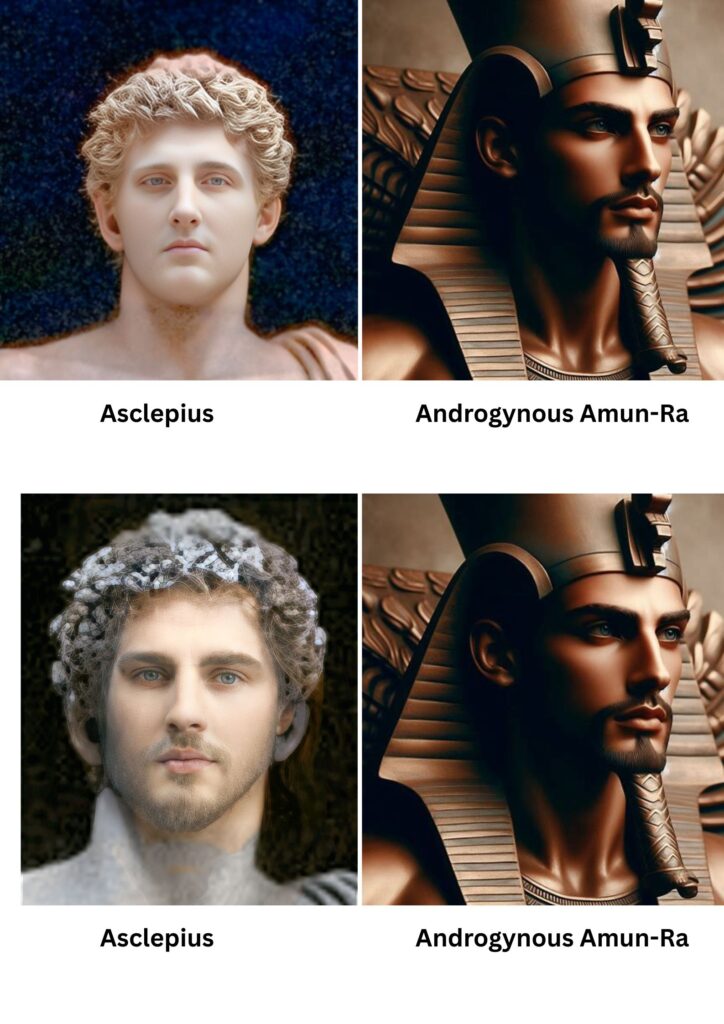

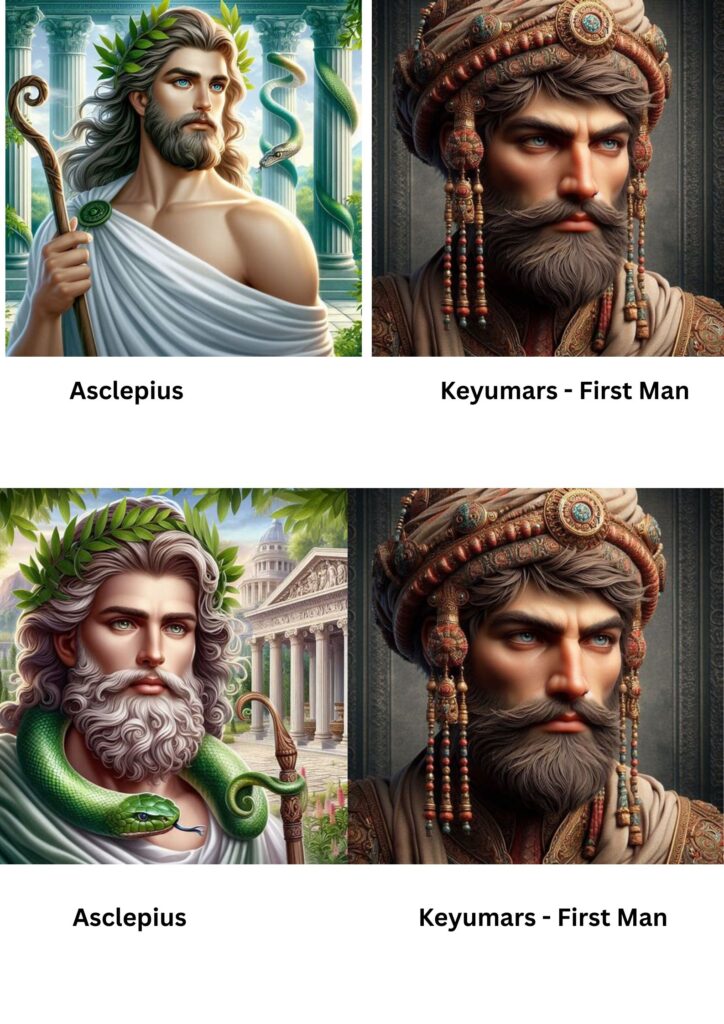
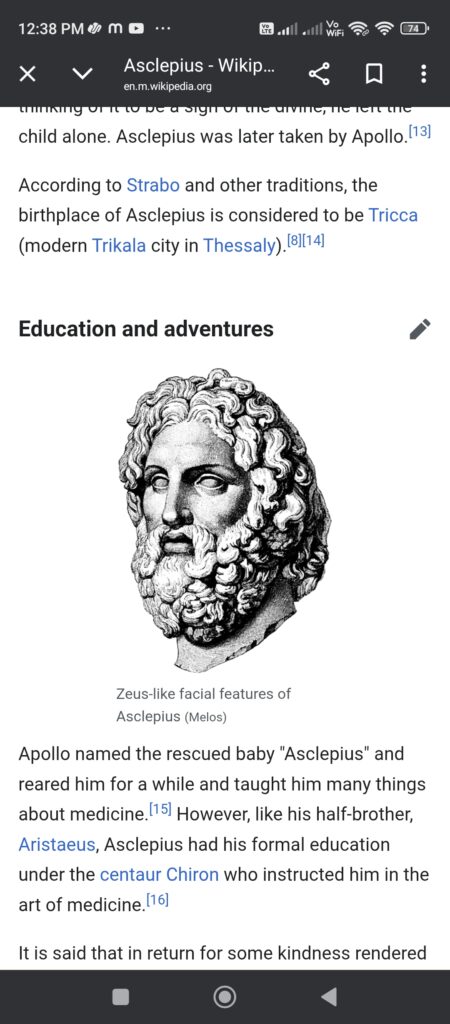
asclepius feature similar to Zeus – mentioned in Wikipedia Article
Asclepius was Dying and Rising Deity as per Myths – https://share.google/CPp7thLI9xQ9S9H2k
Unsolved Mystery – Asclepius known as a Deity of the medicine, and his face similar to this creator of civilization Androgynous Dying and Rising authority, was he the same androgynous dying and Rising authority ? Yet we don’t know truth behind this mystery.
Androgynous Adonis Dying and Rising Deity
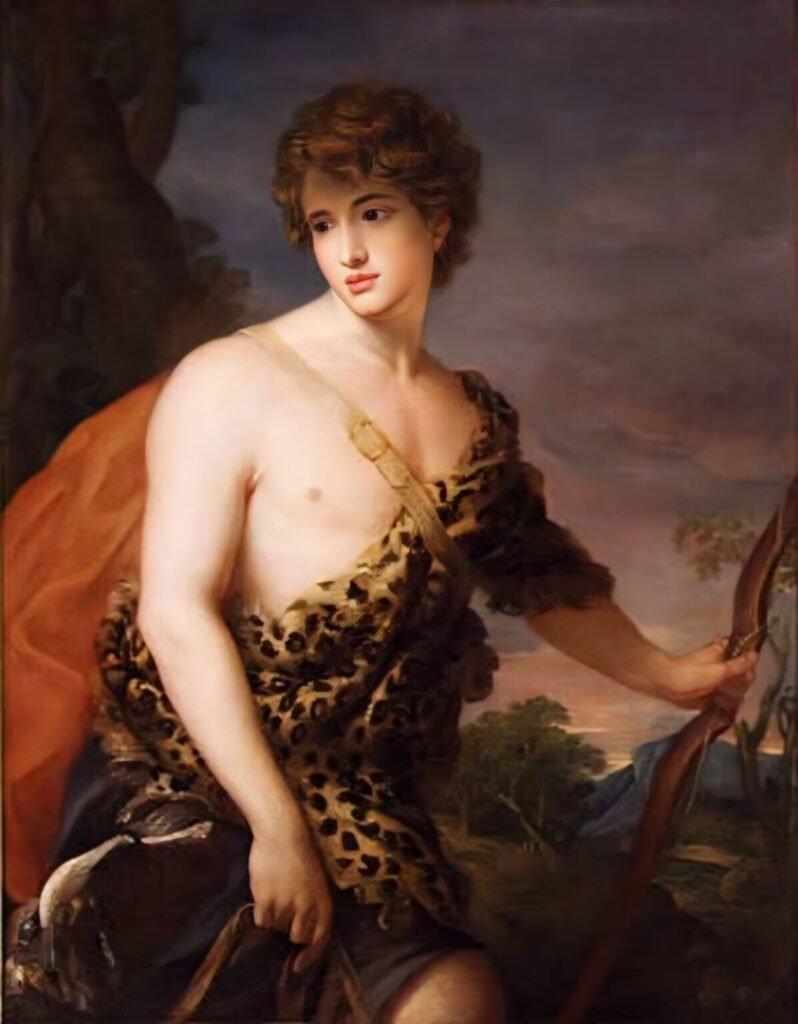
Adonis Dying and Rising and the Ancient Resurrection Tradition
Stories of death, rebirth, and sacred renewal appear repeatedly throughout the mythology of the ancient world.
Among the most famous examples is Adonis, whose tragic relationship with Aphrodite became one of the best-known resurrection traditions of antiquity.
Adonis was associated with seasonal renewal, fertility, beauty, and the cyclical return of life after death. Similar dying-and-rising traditions also appear in the stories of Tammuz in Mesopotamia and related figures throughout the Near East.
Because these recurring myths preserve themes of loss, restoration, and rebirth, they continue to attract attention within comparative mythology and the Eternal Authority Hypothesis
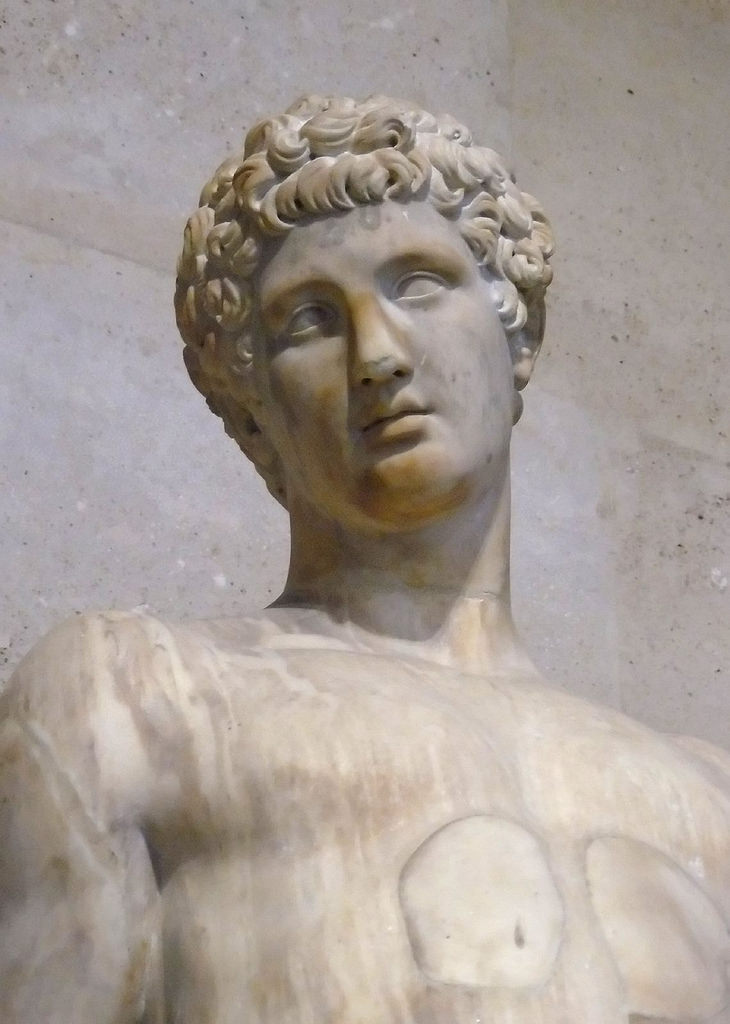
marry Harrsch CC BY NC SA

painting by Benjamin
Credit-Yair haklai CC BY SA 4.0

Face reconstruction by history and mythology YouTube channel
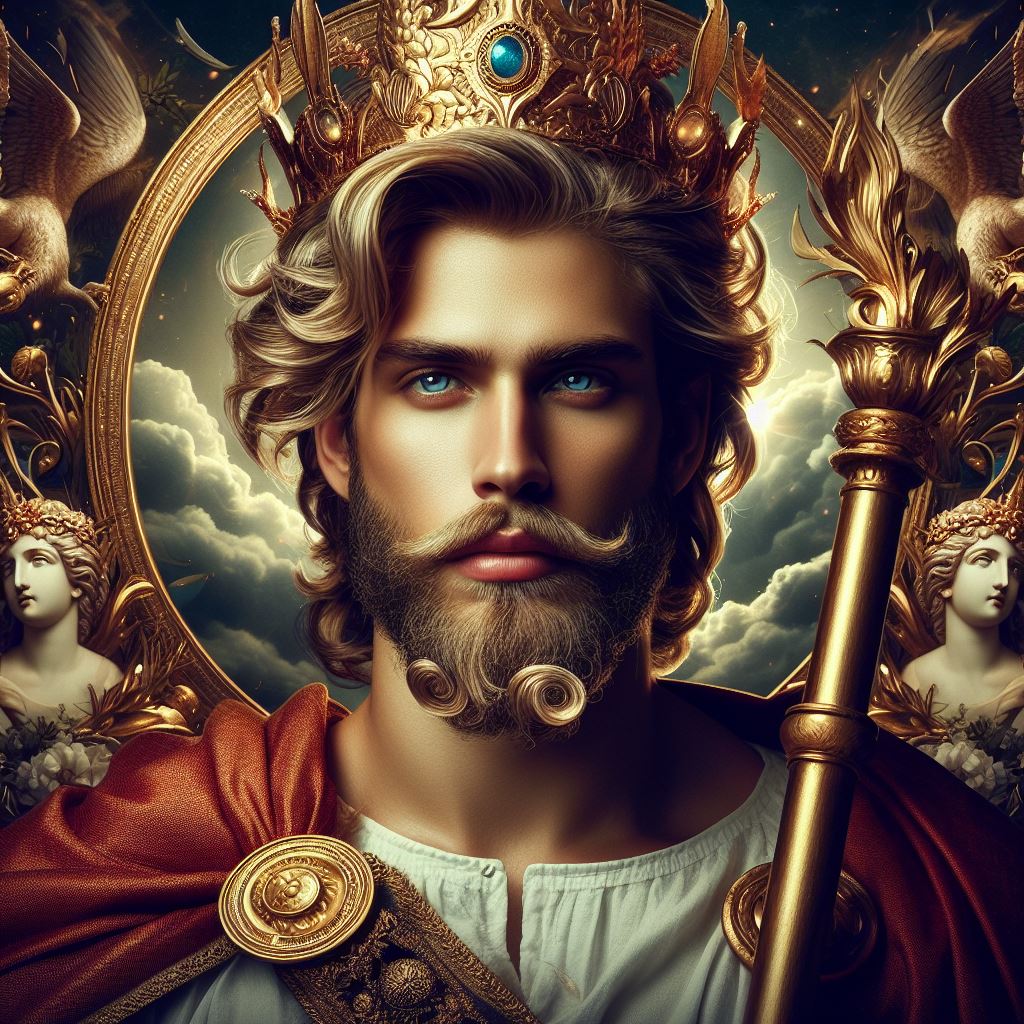
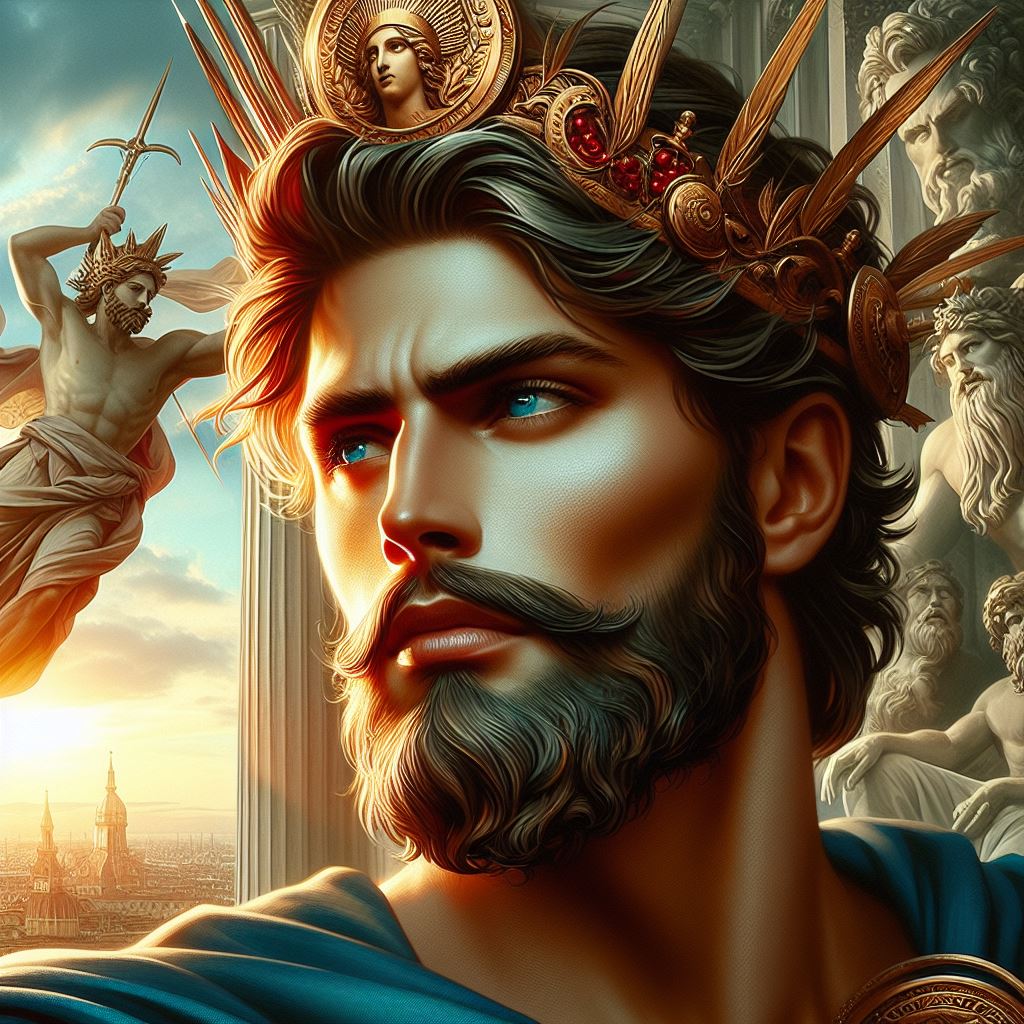

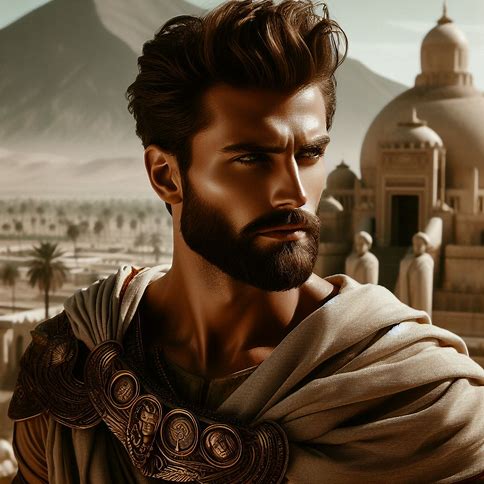

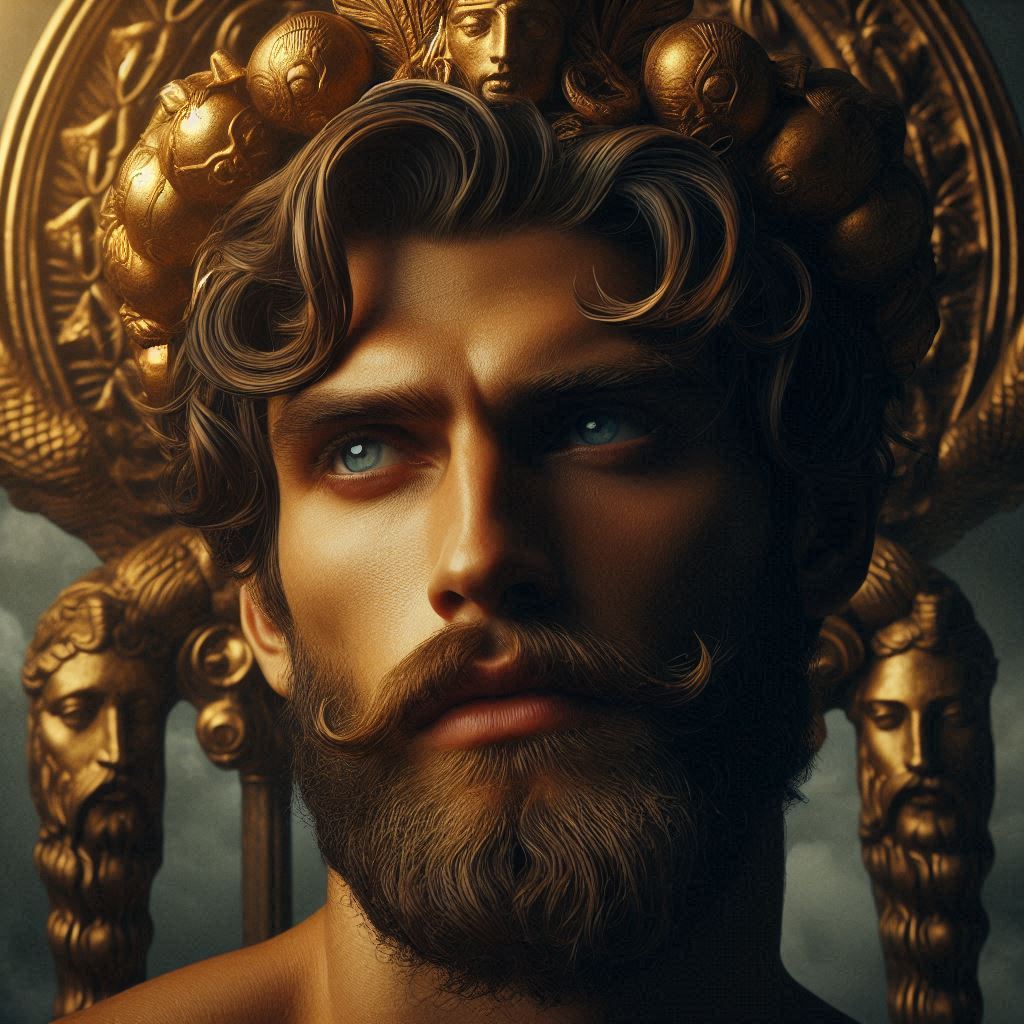
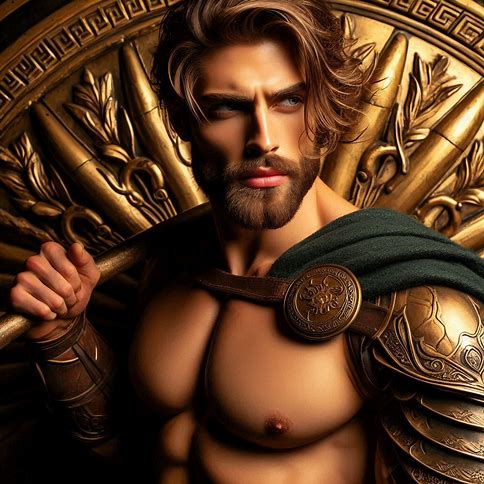
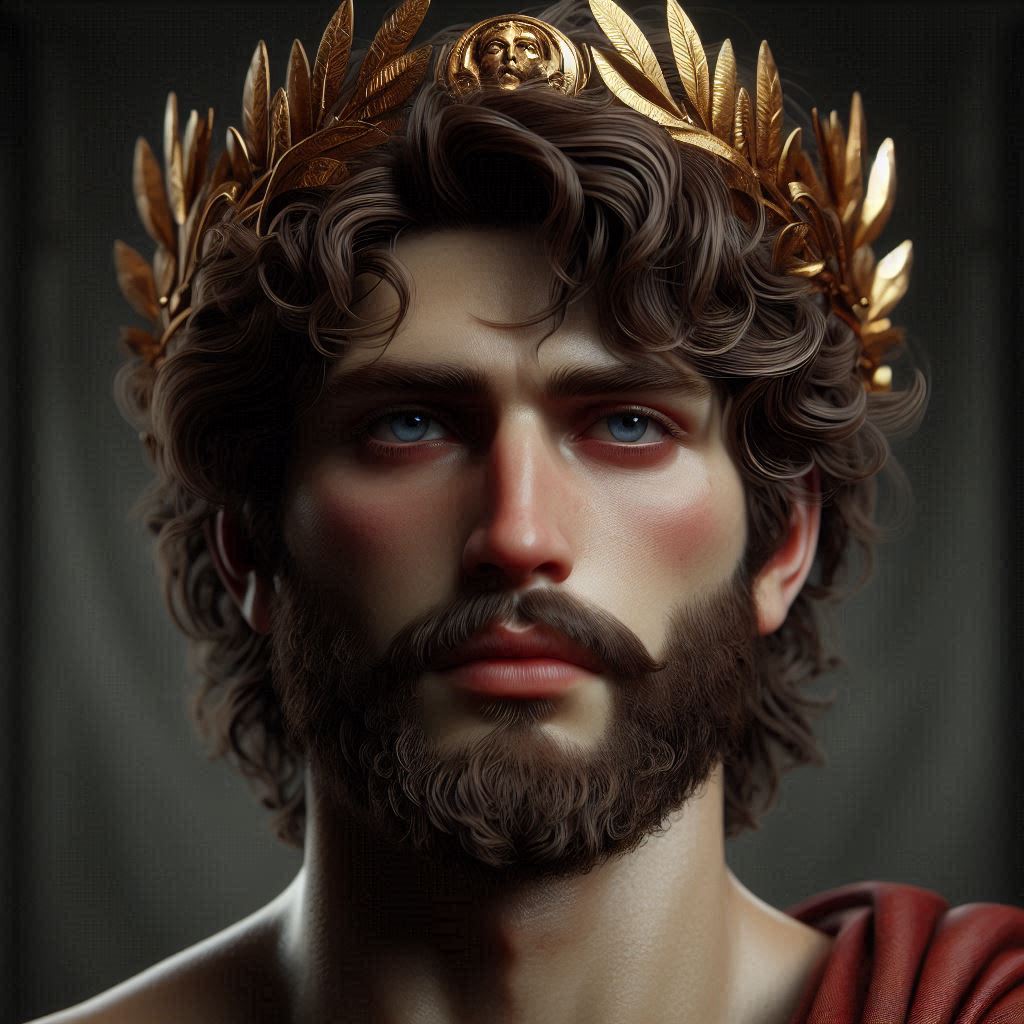
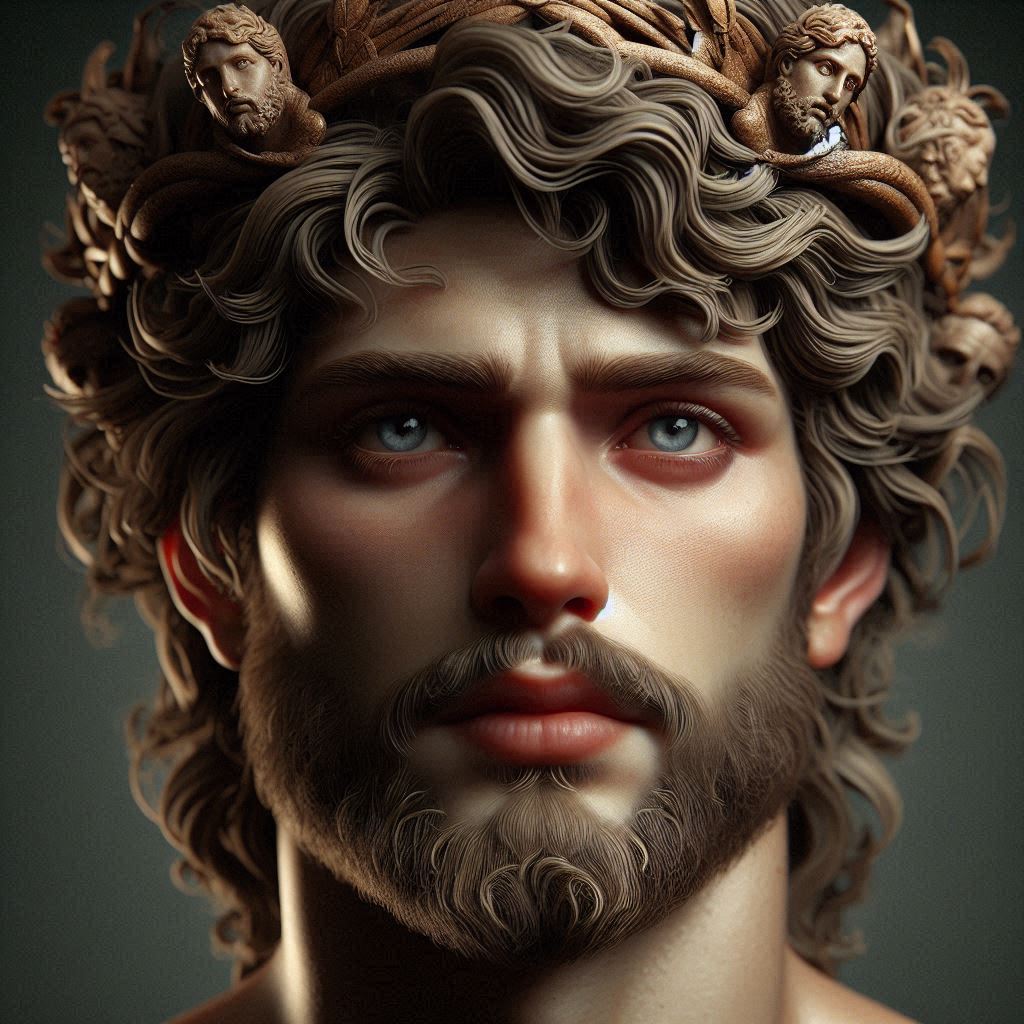




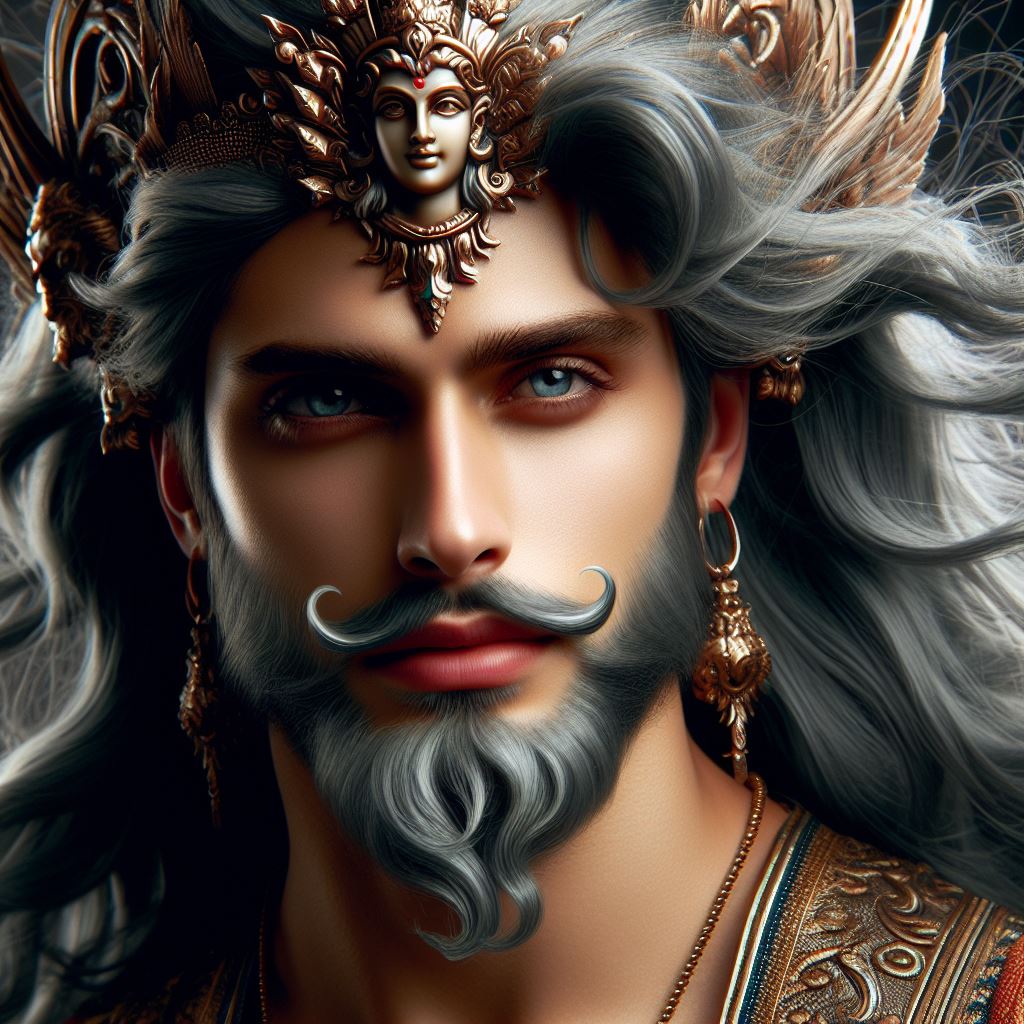
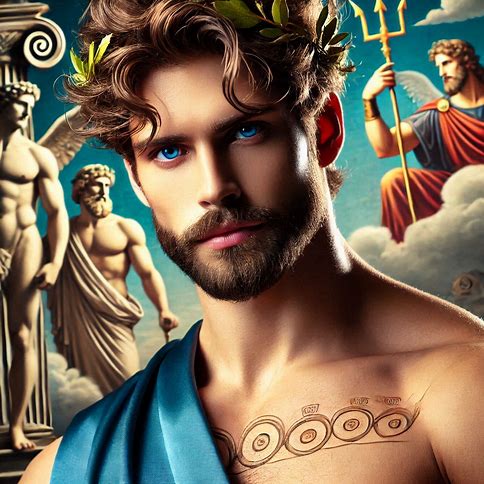









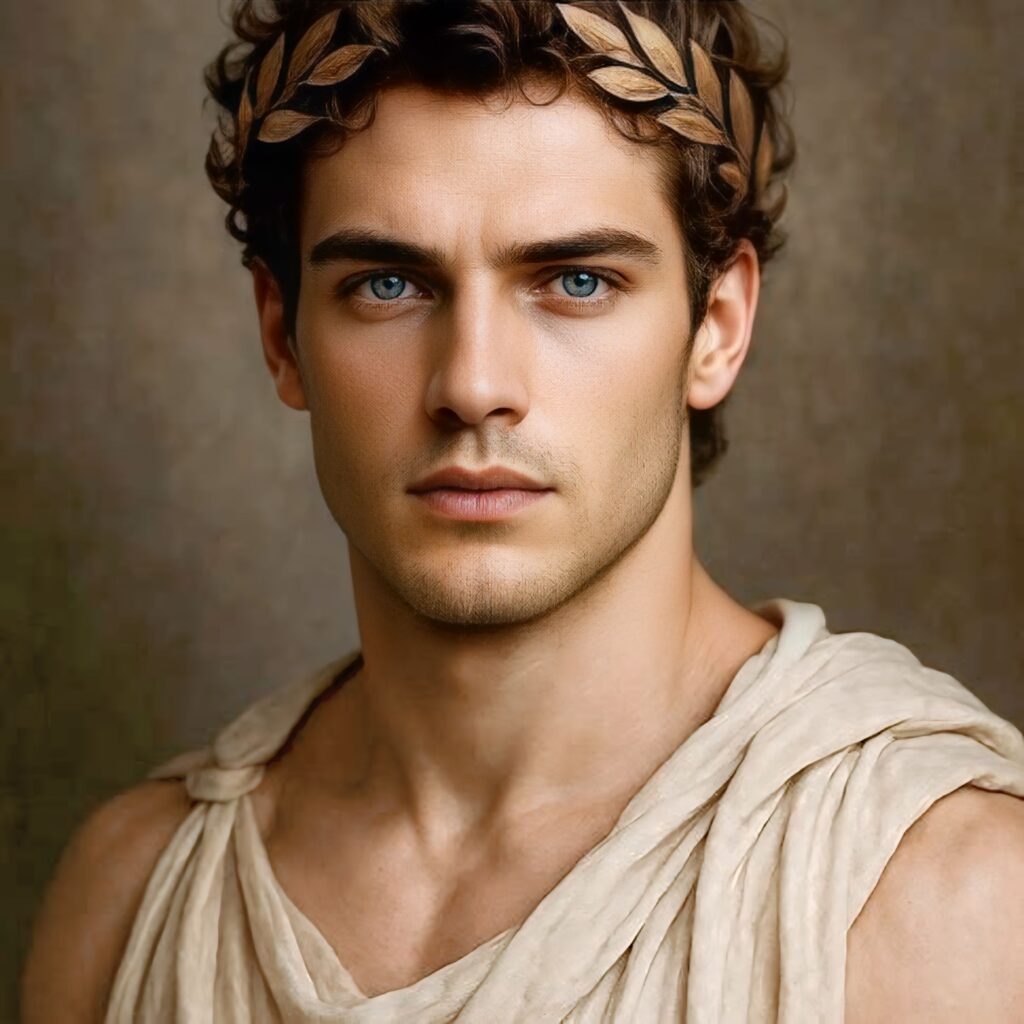

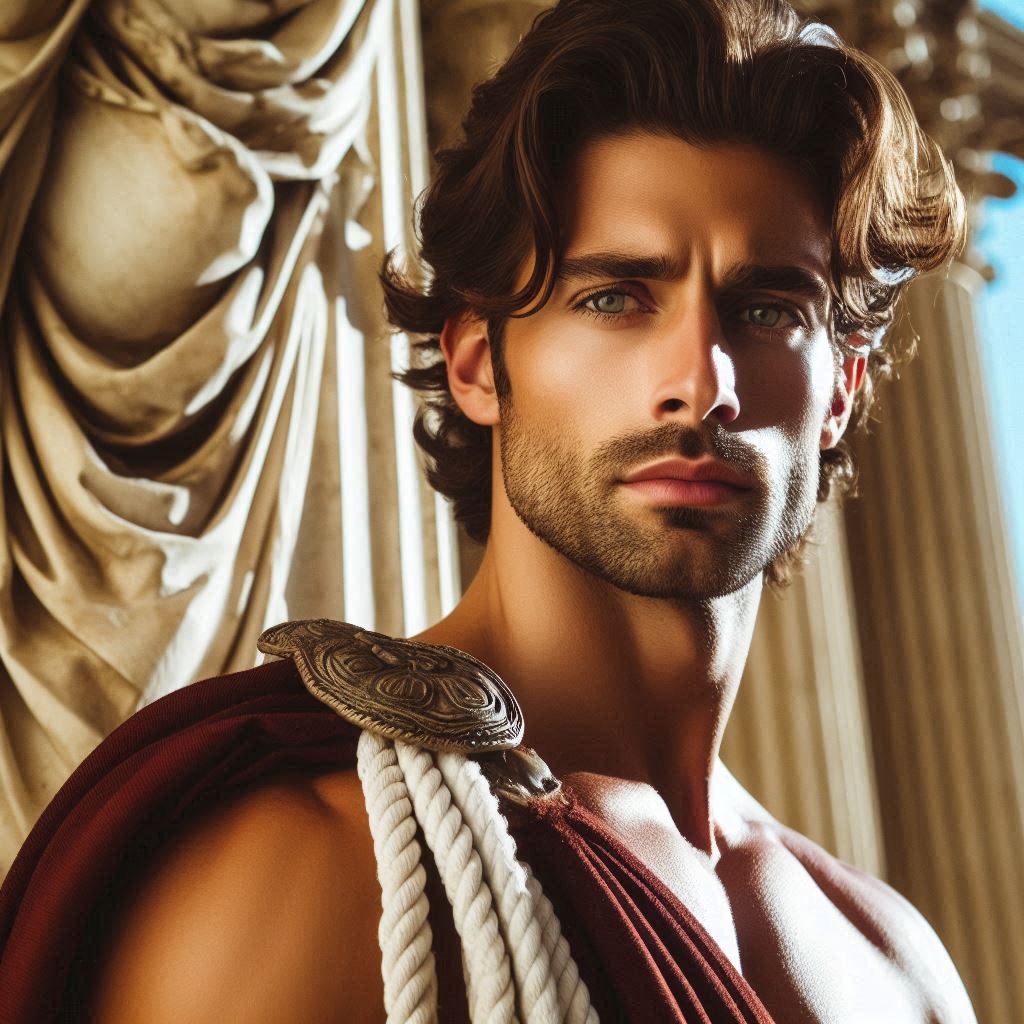





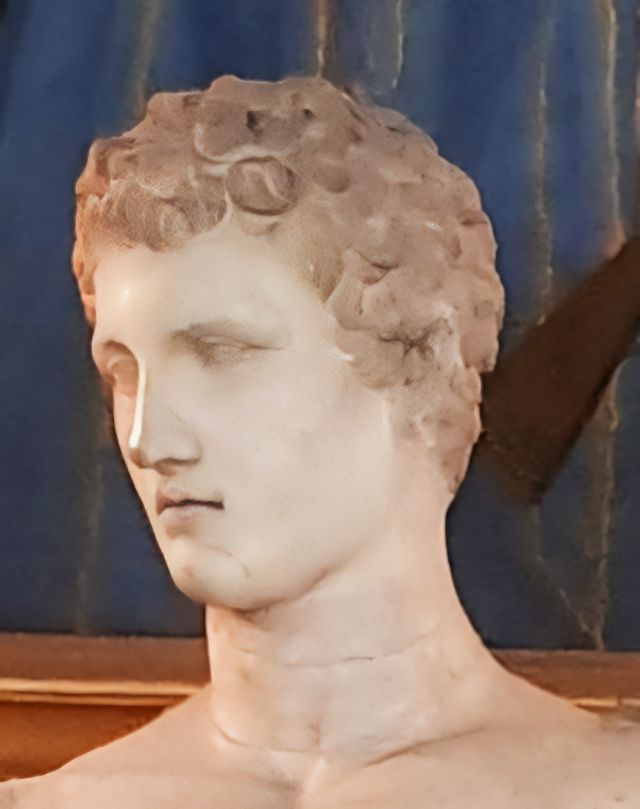

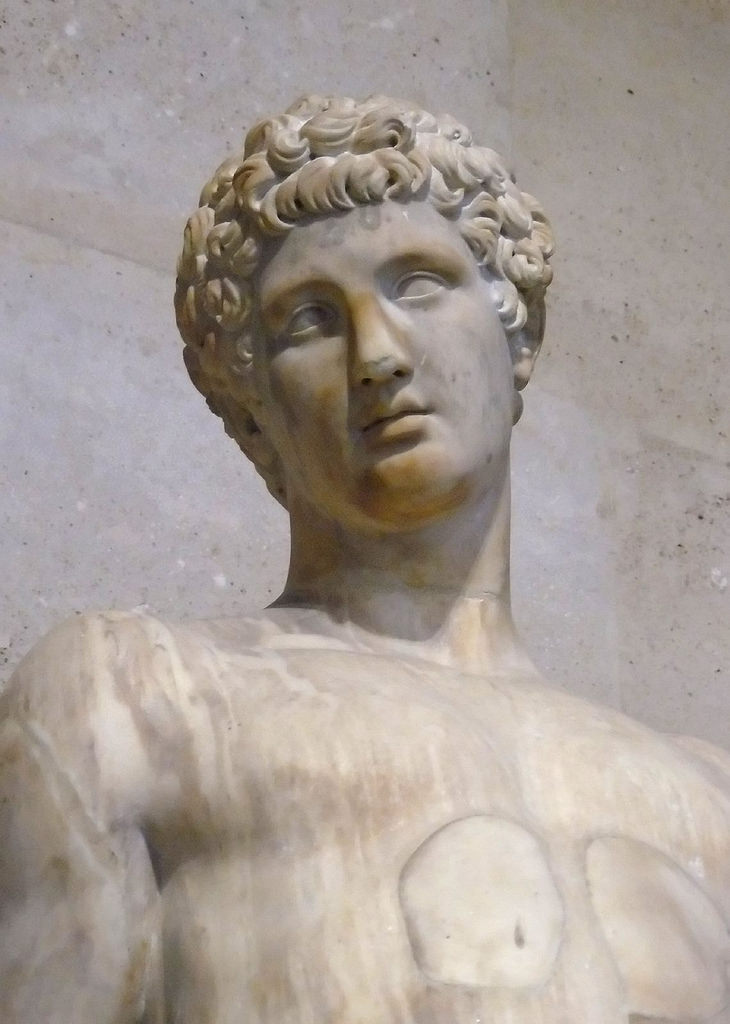




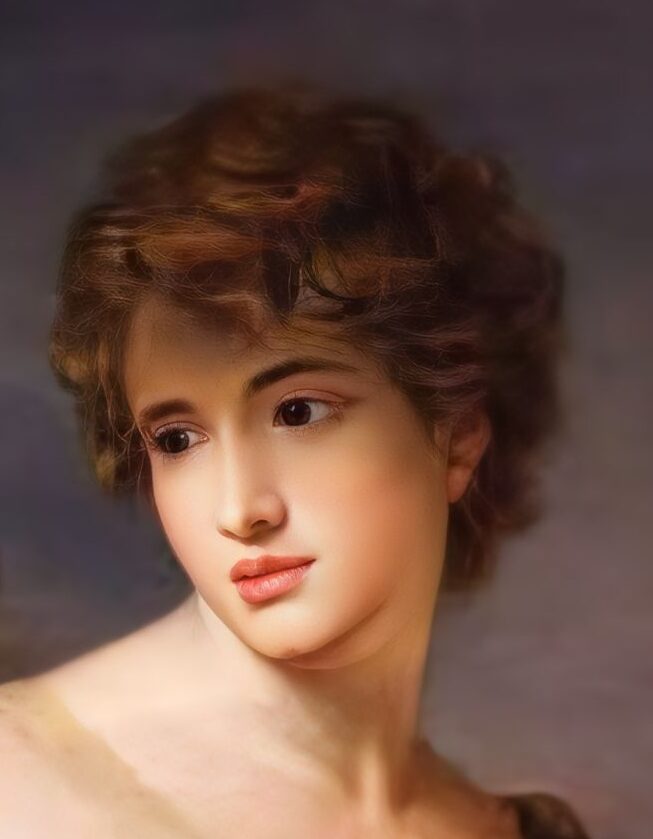
Adonis Face reconstruction through Microsoft Bing AI software








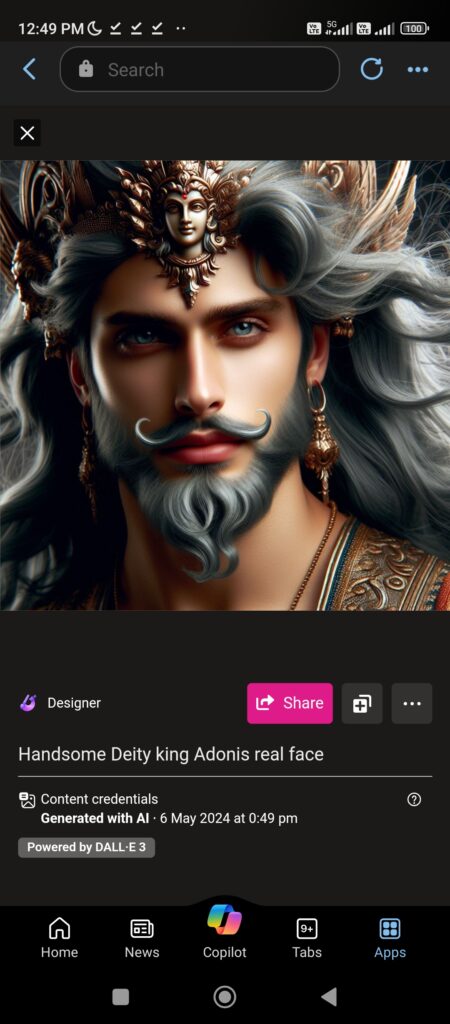
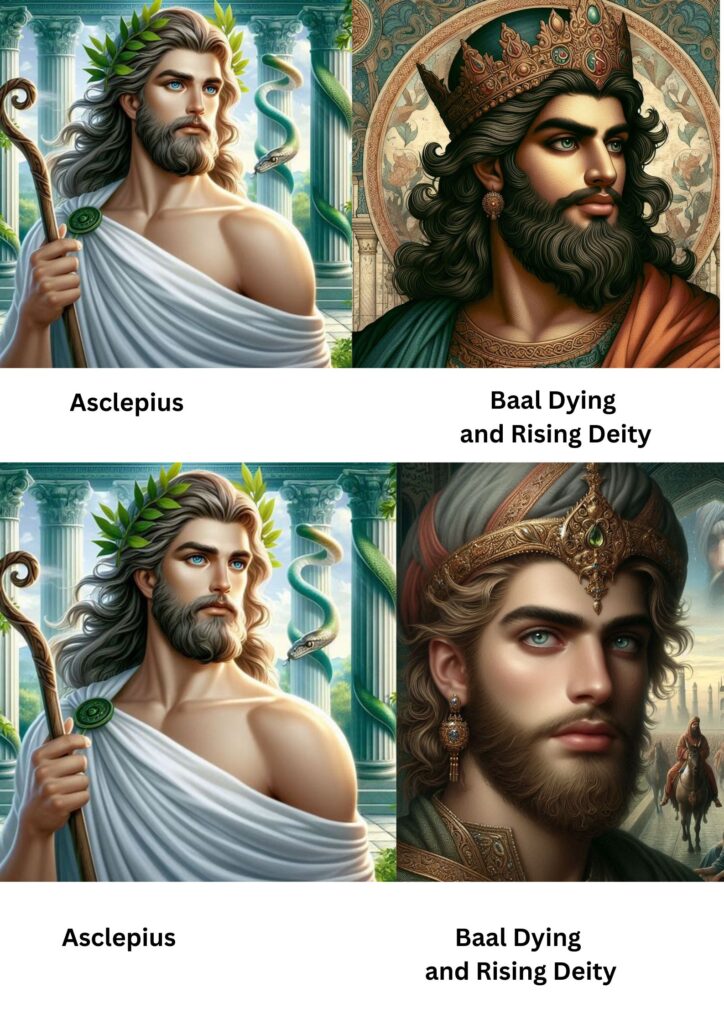
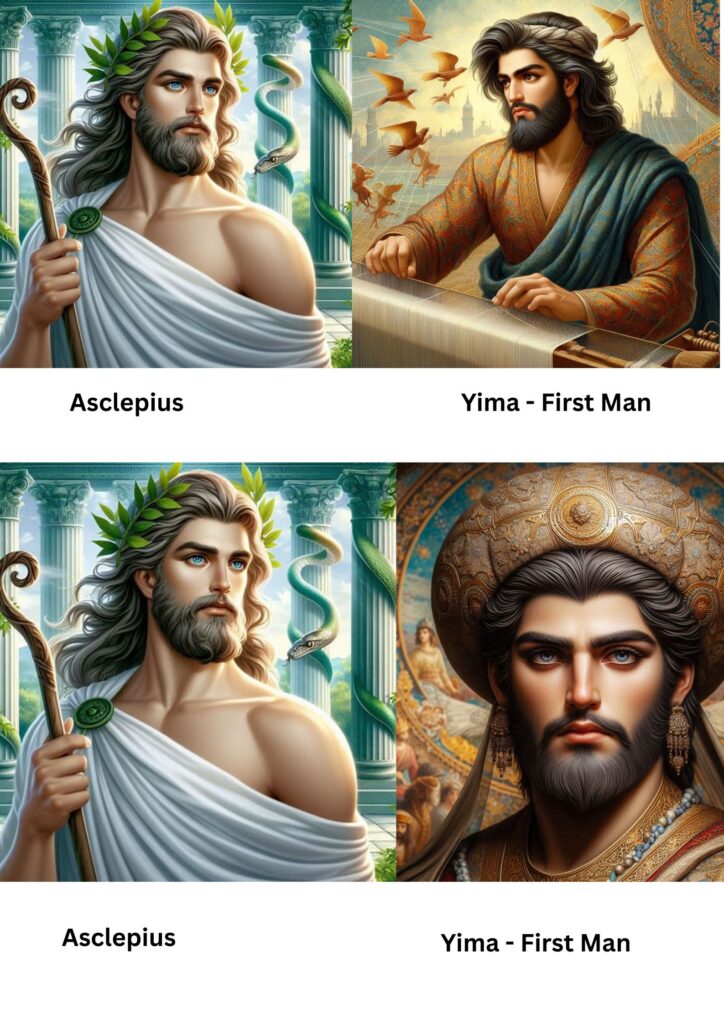
Adonis is a Greek Dying and Rising Deity, Mortal consort of Androgynous Aphrodite, Known as a Baal in Arabic civilization,and as a Tammuz in Mesopotamia, there are several myths found regarding this Androgynous Deity as a tragic love story of Adonis and his consort Aphrodite.
Face comparison of Adonis with another possible birth of this Androgynous Dying and Rising Deity
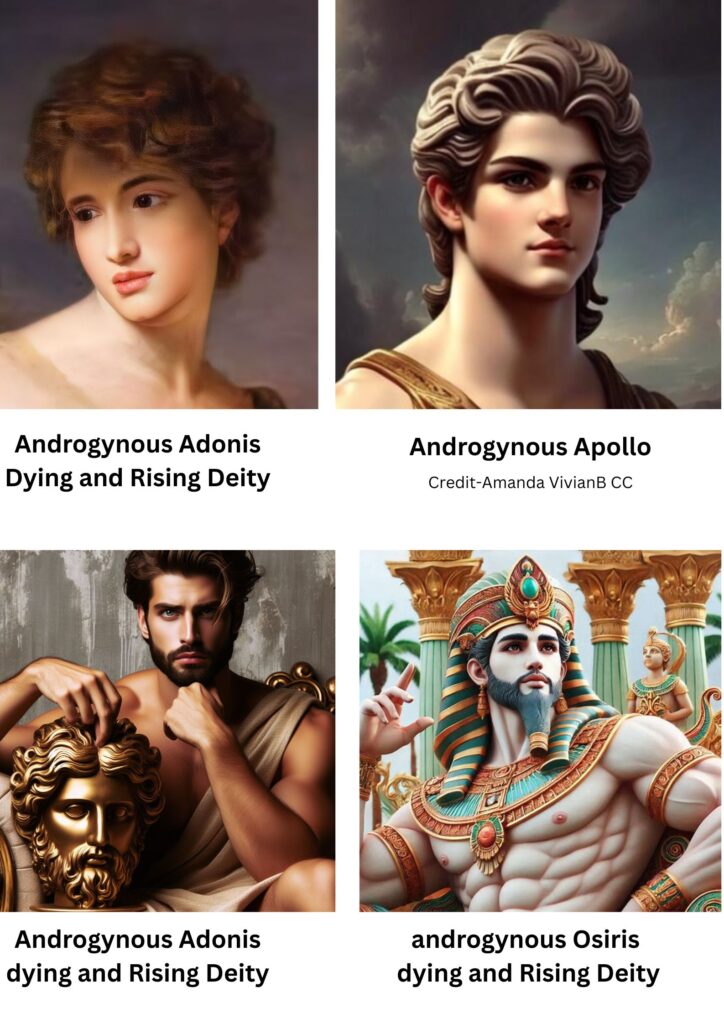
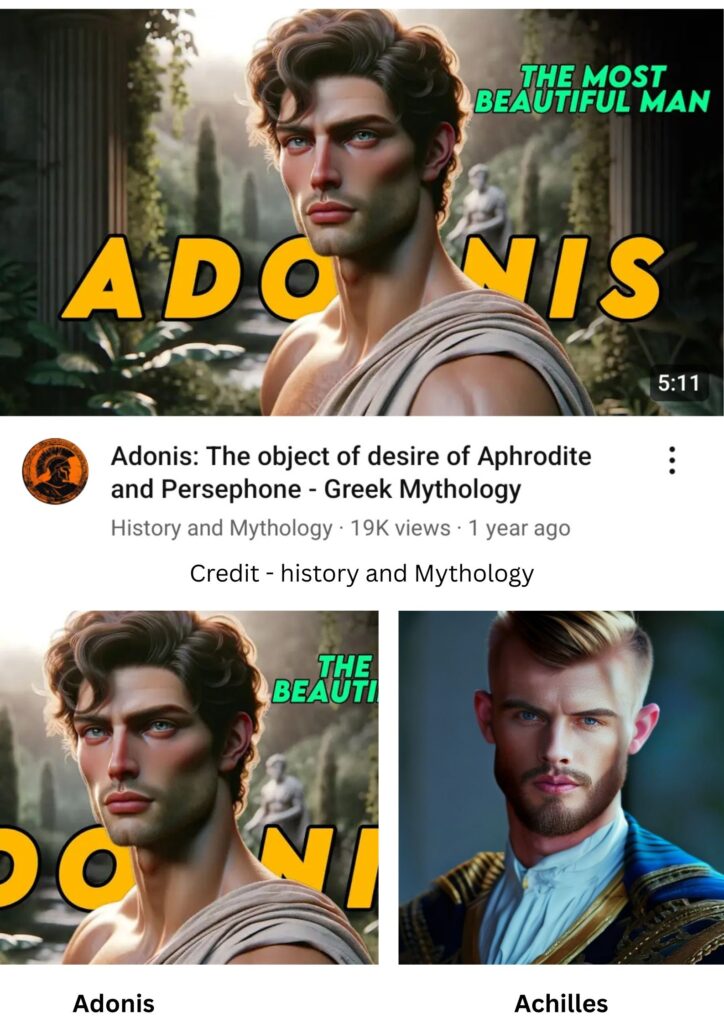
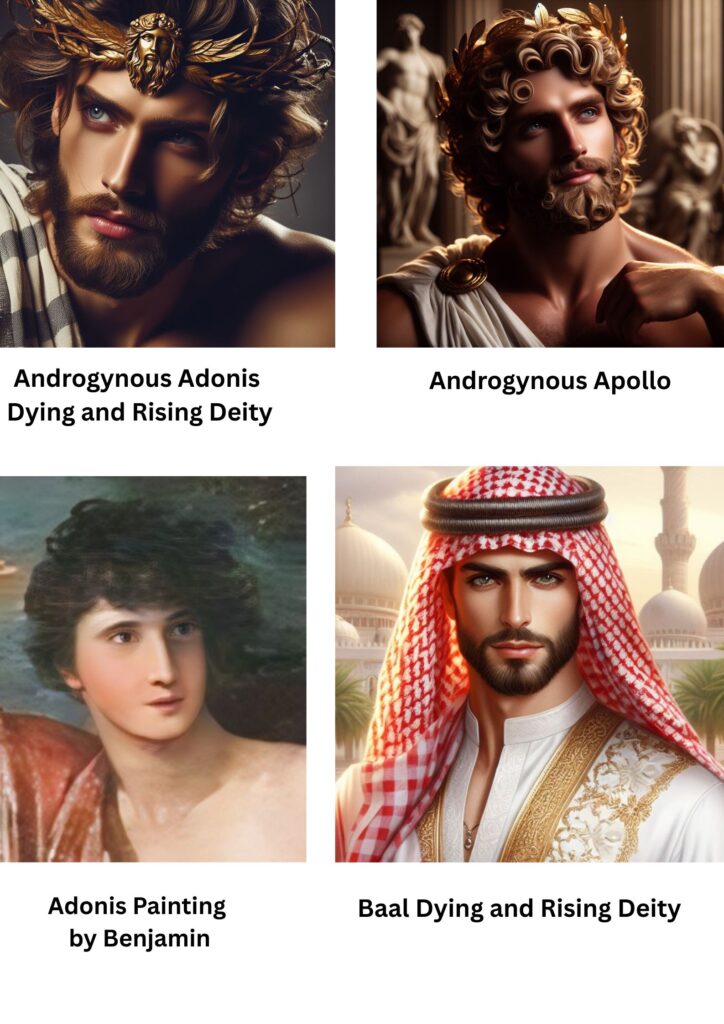
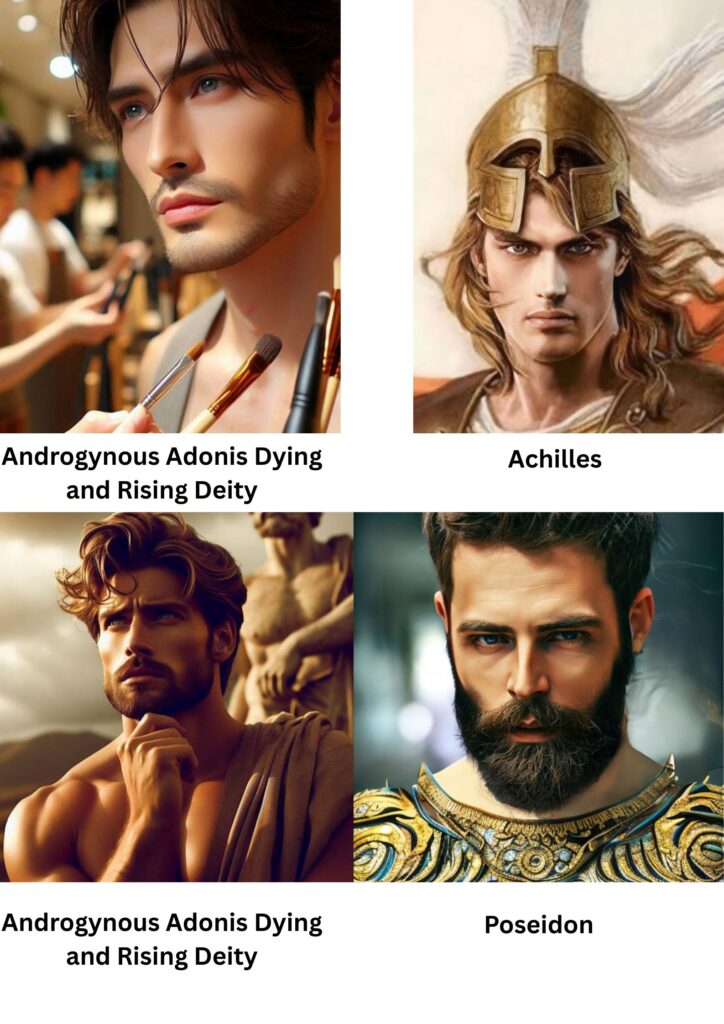
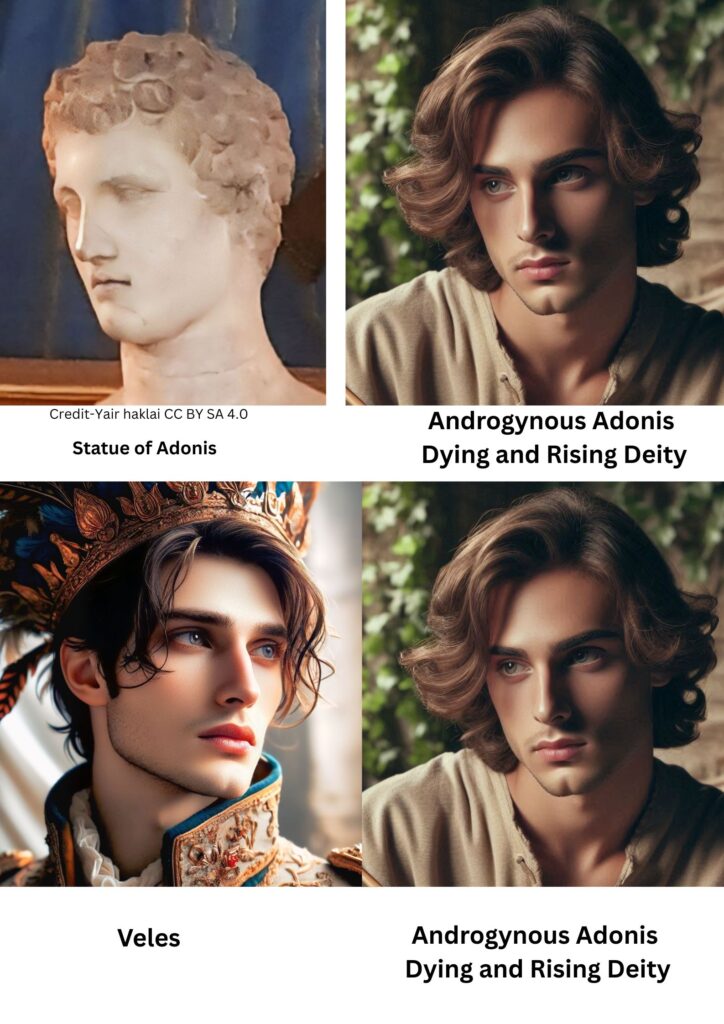

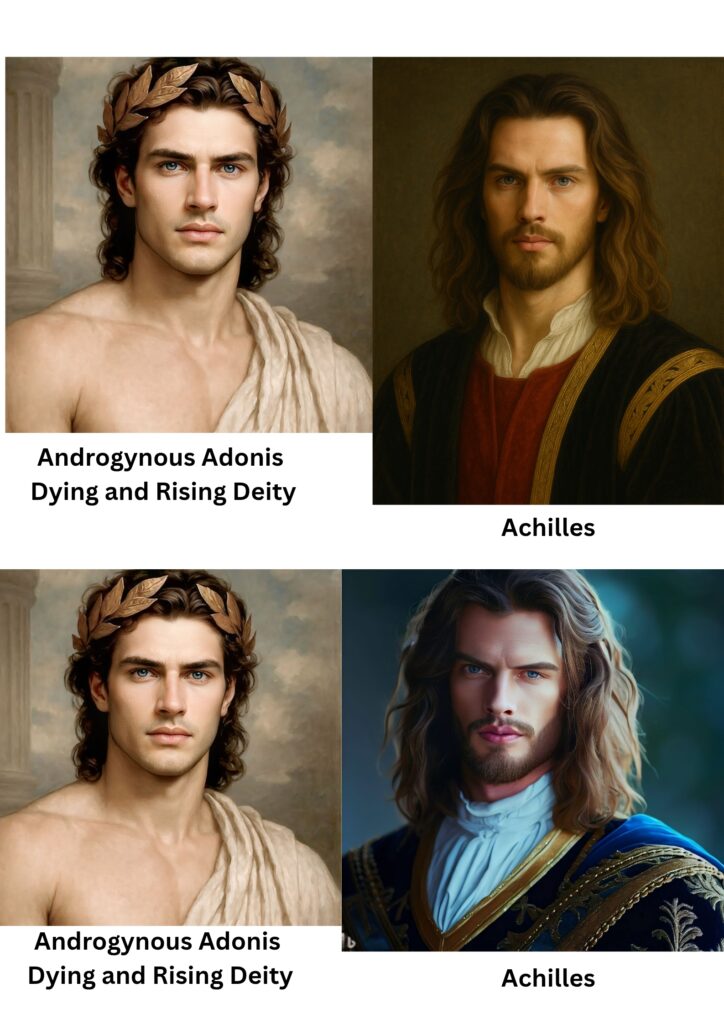
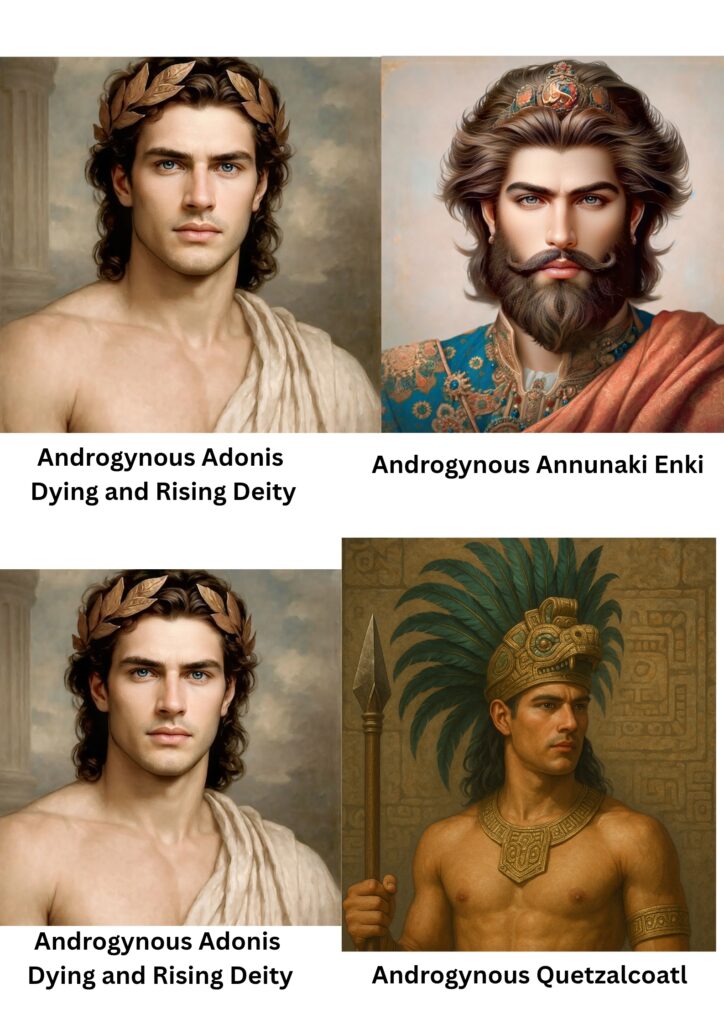

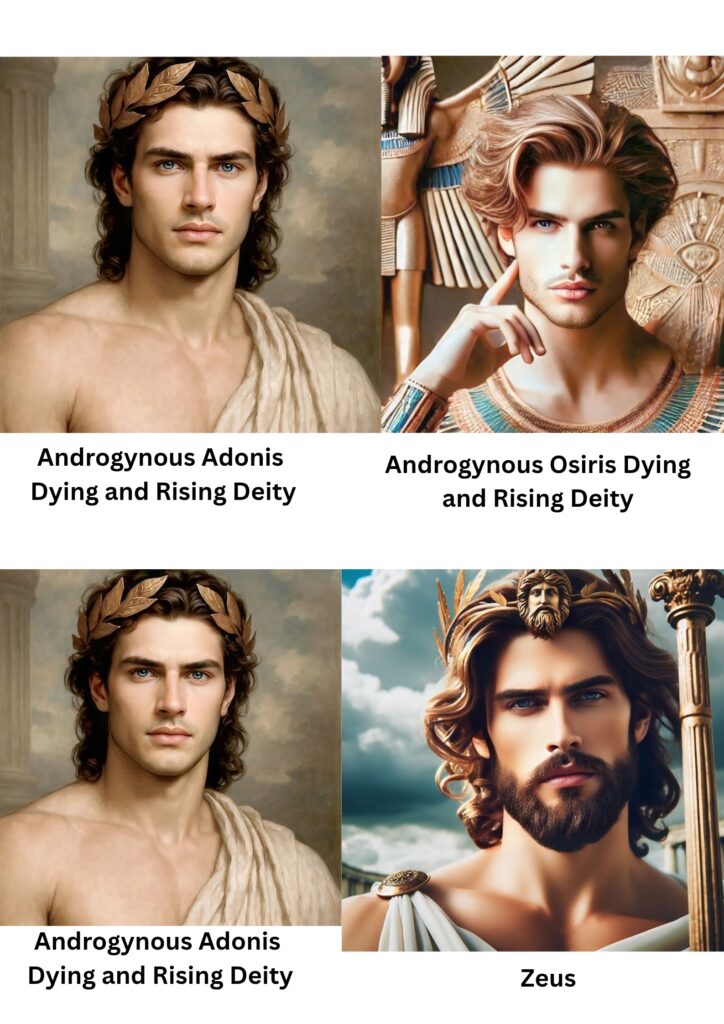

His face also match with previously discuss possible birth of this androgynous dying and Rising Deity, as per Bhagavadgeeta verse 4.6, face of this Dying and Rising authority remains the same in every birth. Was he the same one Androgynous dying and Rising authority, is yet remains and unsolved mystery.
Androgynous Aphrodite Face Reconstruction

Face reconstruction by jose art YouTube channel( use under fair use policy )

By © Livioandronico2013 / Wikimedia Commons
Aphrodite and the Sacred Consort Tradition
Throughout numerous civilizations, traditions describe powerful female figures associated with beauty, fertility, protection, and divine partnership.
Aphrodite became one of the most influential examples of this recurring pattern within Greek mythology.
Because sacred consort traditions repeatedly appear alongside civilization founders, kings, and dying-and-rising deities, Aphrodite occupies an important role within the broader investigation of recurring mythological archetypes.
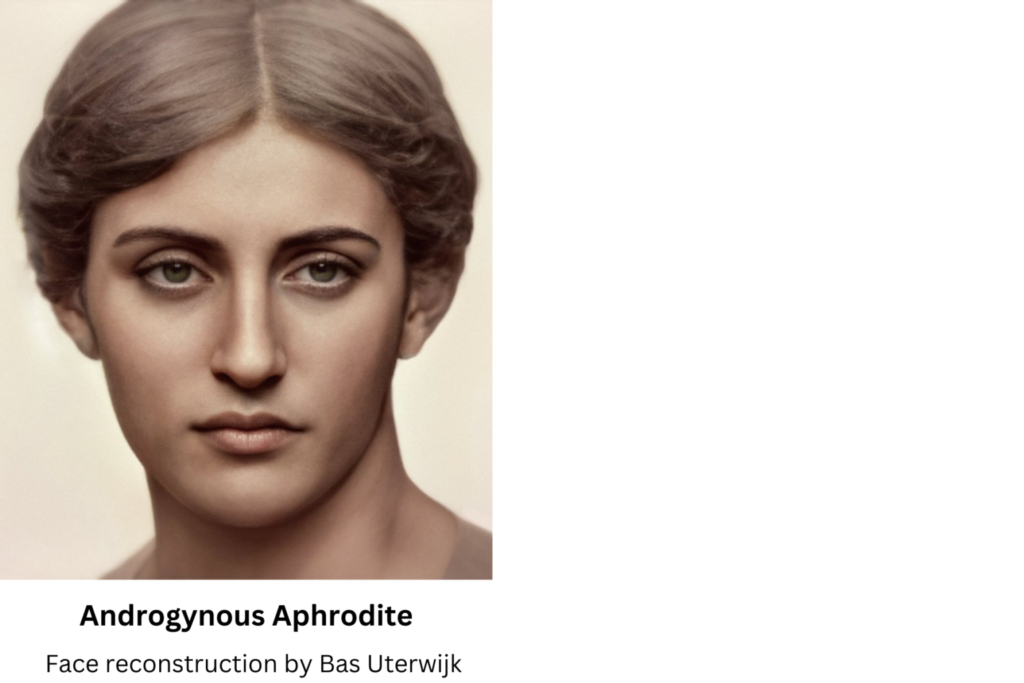

Credit- bas uterwijk







Cyrus the Great-550 BC
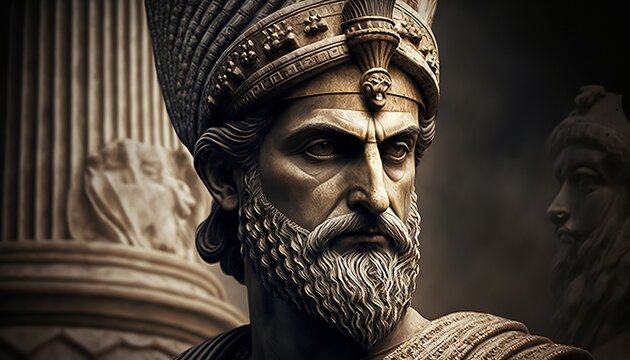
Copyright image © credit – stock. Adobe , ancient statue of Cyrus the great
Cyrus the Great, also known as Cyrus II of Persia or Cyrus the Elder, was the ruler who founded the First Persian Empire, also known as the Achaemenid Empire.
His empire included most of Central and Southwest Asia as well as the civilized nations of the ancient Near East. Called “the father of his people” by the ancient Persians, his reign lasted nearly 30 years. Although he conquered several empires, he possessed the unique quality of respecting the religion and culture of the lands he conquered. This enabled him to win public support and establish a proper administration to work for the people.
“The Cyrus Cylinder is often described as one of the earliest known documents associated with concepts of royal tolerance and governance.”. He was also revered for his knowledge of politics as well as military strategy. Respected as an ideal monarch, he has also been referred to as a Messiah by the Hebrew Bible. Cyrus the Great managed to build the world’s largest empire of that time. Cyrus the Great conquered much of the known world. Media, Lydia, Assyria, Babylon, and countless other nation-states and city-states lowered their standards before the armies and diplomats of the Father of Iran. While conquest alone would have made this Great King of Kings truly stand out in history, it was his tolerance and inclusive approach that truly sets him apart from the rest.
Because Cyrus combined the roles of conqueror, lawgiver, empire-builder, and respected ruler, he remains one of the most influential figures in ancient history and occupies an important place within the Closed Mouth Mysteries investigation.

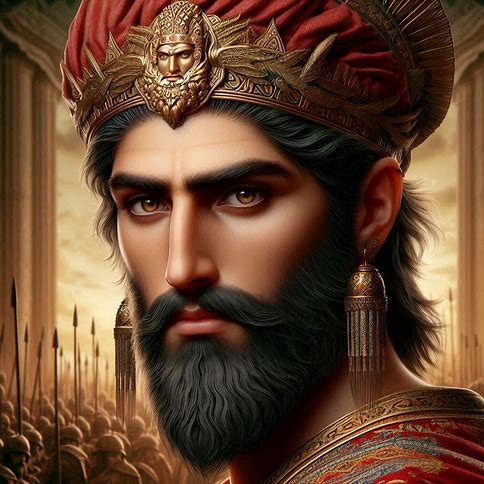
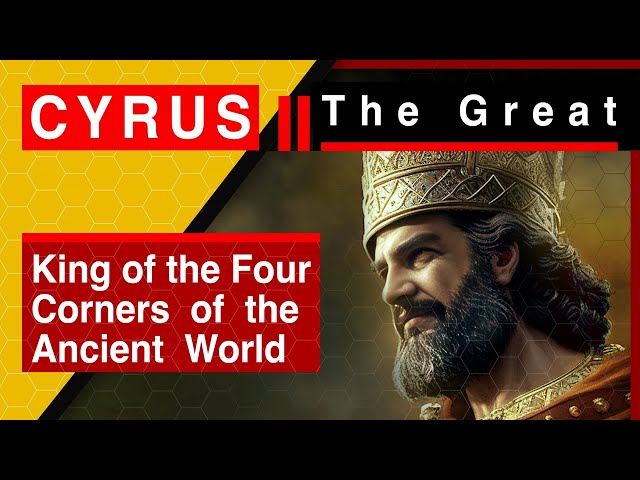
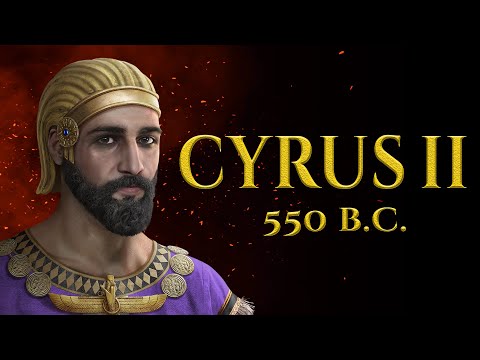
credit-info sting YouTube channel
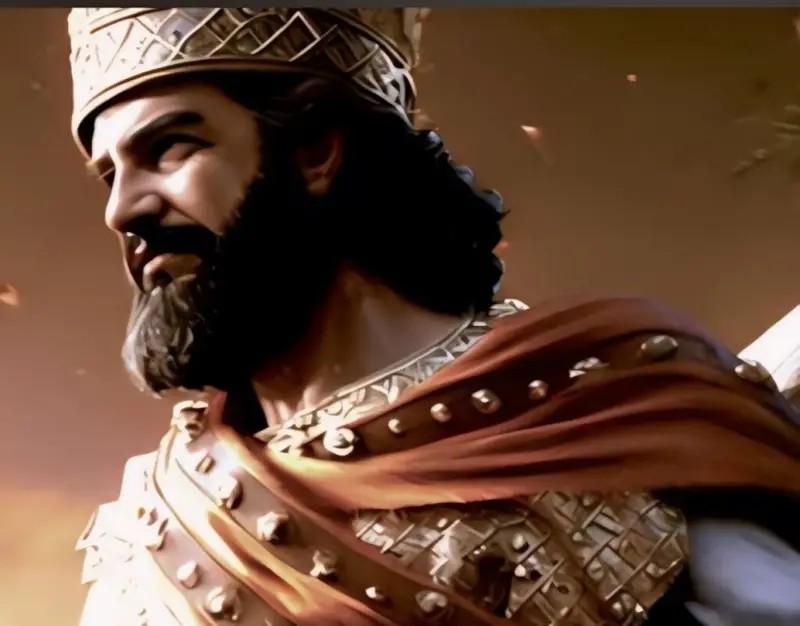
Appearance and Character of Cyrus the Great
Ancient writers such as Herodotus and Xenophon recorded detailed accounts of the birth, upbringing, character, and military achievements of Cyrus the Great. Through their writings, Cyrus emerges as one of the earliest historical rulers whose personality was described in remarkable detail.
Accounts of his childhood include descriptions of his behavior, manners, leadership qualities, and even the way he interacted with those around him. Ancient traditions portray him as a natural leader whose abilities became visible from an early age.
According to historical descriptions, Cyrus was remembered as a tall and slender man with a straight nose, firm chin, thick lips, and fair complexion. Some sources suggest that he possessed striking features and was considered exceptionally handsome. His appearance became so admired that later Persian artists and sculptors reportedly continued to model royal images after his features long after his death.
Ancient accounts also describe him as having a slightly stiff walk, a cheerful personality, and a tendency to laugh often. Although he took his responsibilities as ruler seriously, he was known for communicating comfortably with both nobles and ordinary soldiers.
Cyrus earned a reputation for mercy, wisdom, justice, and religious devotion. His treatment of conquered peoples, including respect for local customs and religious traditions, distinguished him from many rulers of the ancient world.
The Greek historian Herodotus described Cyrus as a ruler who was both just and wise, while Xenophon portrayed him as an ideal king whose leadership qualities approached the divine.
Because of his reputation as a conqueror, lawgiver, empire-builder, and benevolent ruler, Cyrus the Great remains one of the most admired figures of ancient history.
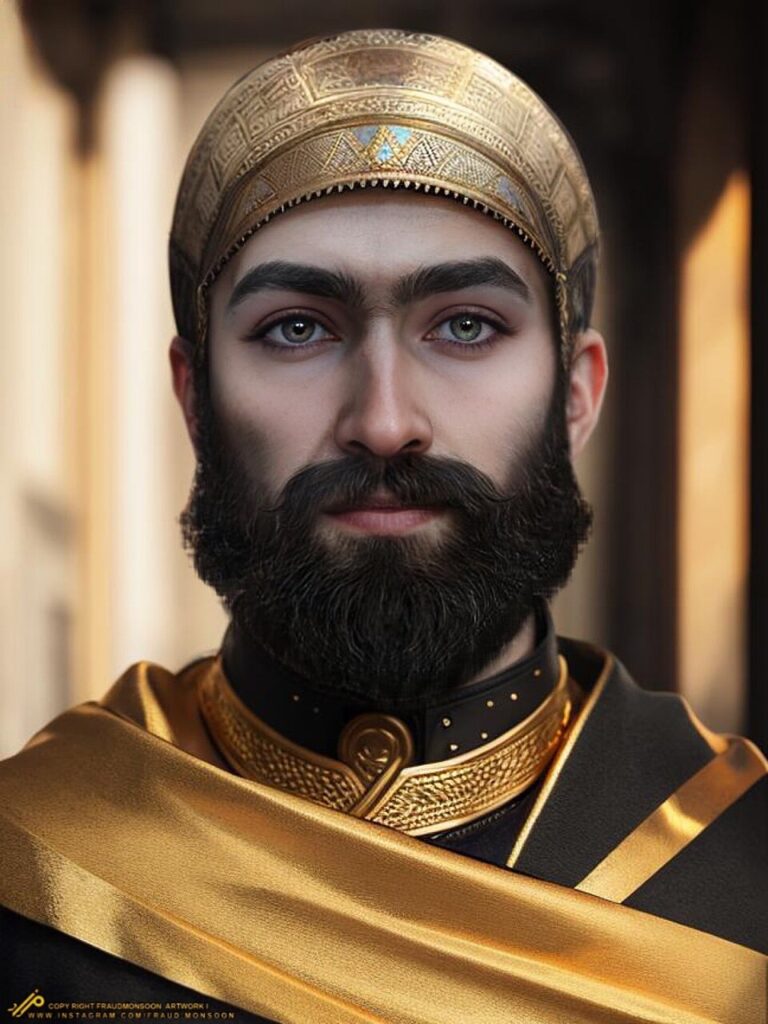
Credit- Fraud monsoon CC BY SA 4.0
Cyrus the Great and the Rise of Persian Power
The Persians originally emerged as an Iranian people living in the highlands of southwestern Iran. During the early first millennium BC, they existed alongside the Medes, another Iranian-speaking group that became a major regional power.
By the sixth century BC, Cyrus the Great united the Persians and successfully challenged Median authority, creating the foundations of the Achaemenid Empire. Through a combination of military success, diplomacy, and administration, he transformed Persia into one of the largest empires of the ancient world.
Cyrus in Religious Tradition
Cyrus occupies a unique position in several religious traditions. In the Hebrew Bible, he is described as a divinely appointed ruler who allowed the Jewish people to return from Babylonian captivity and rebuild their temple.
Because of this role, Cyrus is referred to as the Lord’s “anointed” in the Book of Isaiah, making him one of the few non-Israelite rulers to receive such recognition in biblical tradition.
Babylonian sources also present Cyrus as a liberator rather than simply a conqueror, emphasizing his restoration of temples and respect for local religious customs.
The Mystery of Cyrus’ Success
Historical records suggest that Cyrus achieved many of his victories through a combination of military strategy, diplomacy, and political alliances. Some historians have proposed that negotiations and defections among rival leaders contributed to the relatively smooth transfer of power in certain regions, including Babylon.
This raises an intriguing question within the framework of the Eternal Authority Hypothesis:
Could Cyrus’ extraordinary success have resulted not only from military strength, but also from unusual leadership qualities, wisdom, and an ability to unite diverse peoples under a common system of governance?
Communication and the Preservation of Civilization
The Persian Empire became famous for developing one of the most efficient communication networks of the ancient world. Relay stations and mounted couriers allowed messages to travel rapidly across vast distances.
This system helped maintain administration, law, trade, and royal authority throughout the empire and became one of the foundations of later postal systems.
Within the Eternal Authority Hypothesis, the development of such communication systems raises broader questions about how civilizations preserve knowledge, maintain order, and recover after periods of disruption or decline.
Unsolved Mystery
Because Cyrus was remembered as a liberator, empire-builder, lawgiver, and divinely appointed ruler, he occupies a unique position within ancient history.
Was Cyrus simply an exceptional historical king, or does his legacy preserve memories of a deeper civilization-restoring authority remembered across multiple cultures under different names?
The answer remains an unsolved mystery.
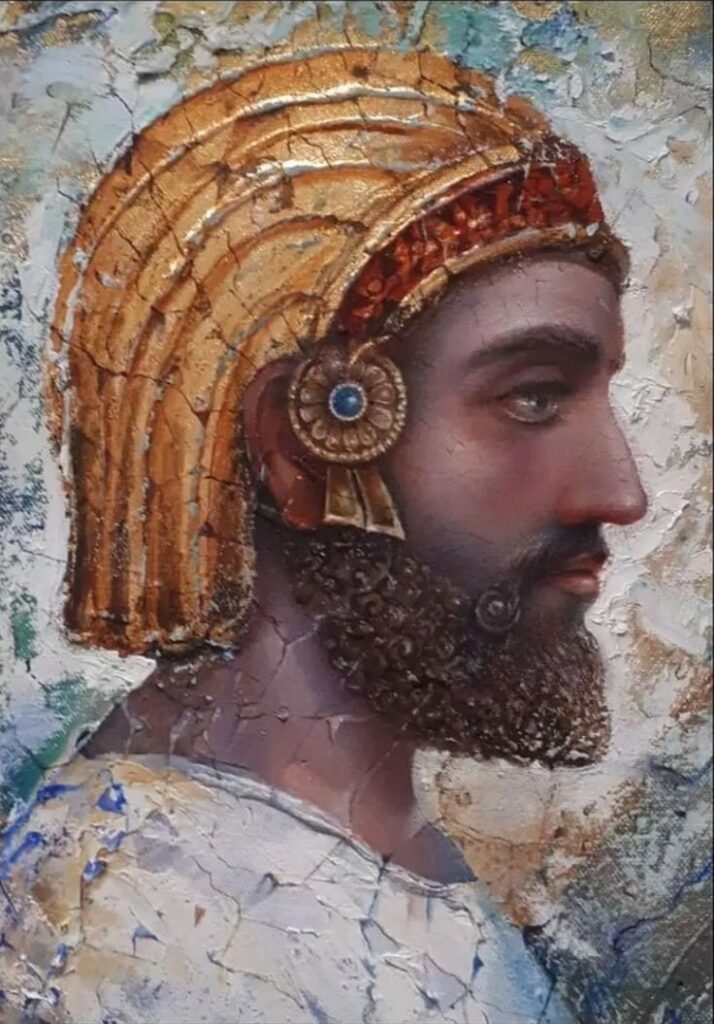
Credit- DiegoColle CC BY SA 4.0
Cyrus the Great and the Liberation of the Jews
One of the most famous events associated with Cyrus the Great was his liberation of the Jewish people following the Babylonian conquest. According to biblical tradition, Cyrus allowed the Jews to return to their homeland, rebuild Jerusalem, and restore their religious institutions.
Because of this act, Cyrus occupies a unique place within Jewish history and is remembered as a liberator and protector. Unlike many conquerors of the ancient world, he became known for respecting the customs, religions, and traditions of the peoples who came under his rule.
Ancient sources describe Cyrus as a ruler who governed through wisdom, diplomacy, and tolerance. His reputation became so influential that both Persians and foreign peoples remembered him with exceptional admiration.
According to Xenophon, many of the nations under his rule regarded him as a father figure. The title “Father of His People” became one of the most enduring descriptions associated with his legacy.
The Father of Nations
The achievements of Cyrus extended far beyond military conquest. He established one of the largest empires of the ancient world while maintaining a reputation for justice, mercy, and effective administration.
Greek historians such as Herodotus and Xenophon preserved accounts of his leadership and character. Their writings reveal that Cyrus was admired not only by Persians but also by Greeks and many other peoples who encountered the Persian Empire.
Because of these qualities, later generations often viewed him as an ideal ruler whose authority rested not only on military power but also on wisdom and moral leadership.
The Cyrus Mystery within the Eternal Authority Hypothesis
Within the framework of the Eternal Authority Hypothesis, Cyrus represents another intriguing civilization-builder figure.
Ancient traditions remember him as a liberator, empire-founder, protector of religious communities, and restorer of social order. These characteristics appear repeatedly throughout the Closed Mouth Mysteries Timeline among founder-kings, lawgivers, and civilization-restoring authorities.
Historical accounts describe Cyrus as possessing unusual leadership qualities, strategic brilliance, and the ability to unite diverse peoples under a single system of governance.
His birth, rise to power, and death later became surrounded by legends and competing traditions. Some ancient writers portray him as an extraordinary figure whose life appeared larger than history itself.
Because founder figures associated with justice, restoration, and civilization repeatedly emerge throughout world traditions, an intriguing question remains:
Was Cyrus simply one of history’s greatest rulers, or do the stories surrounding him preserve memories of a deeper civilization-restoring authority remembered across different cultures under different names?
The answer remains an unsolved mystery.
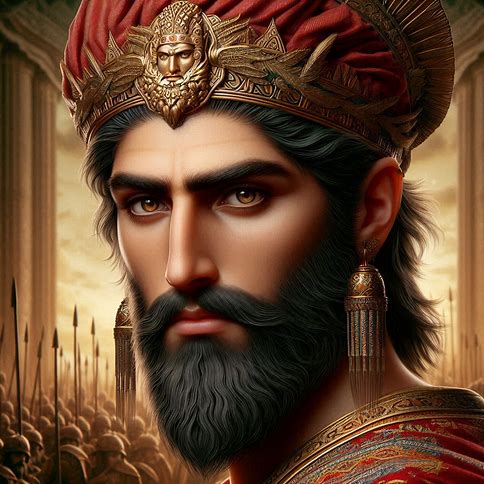

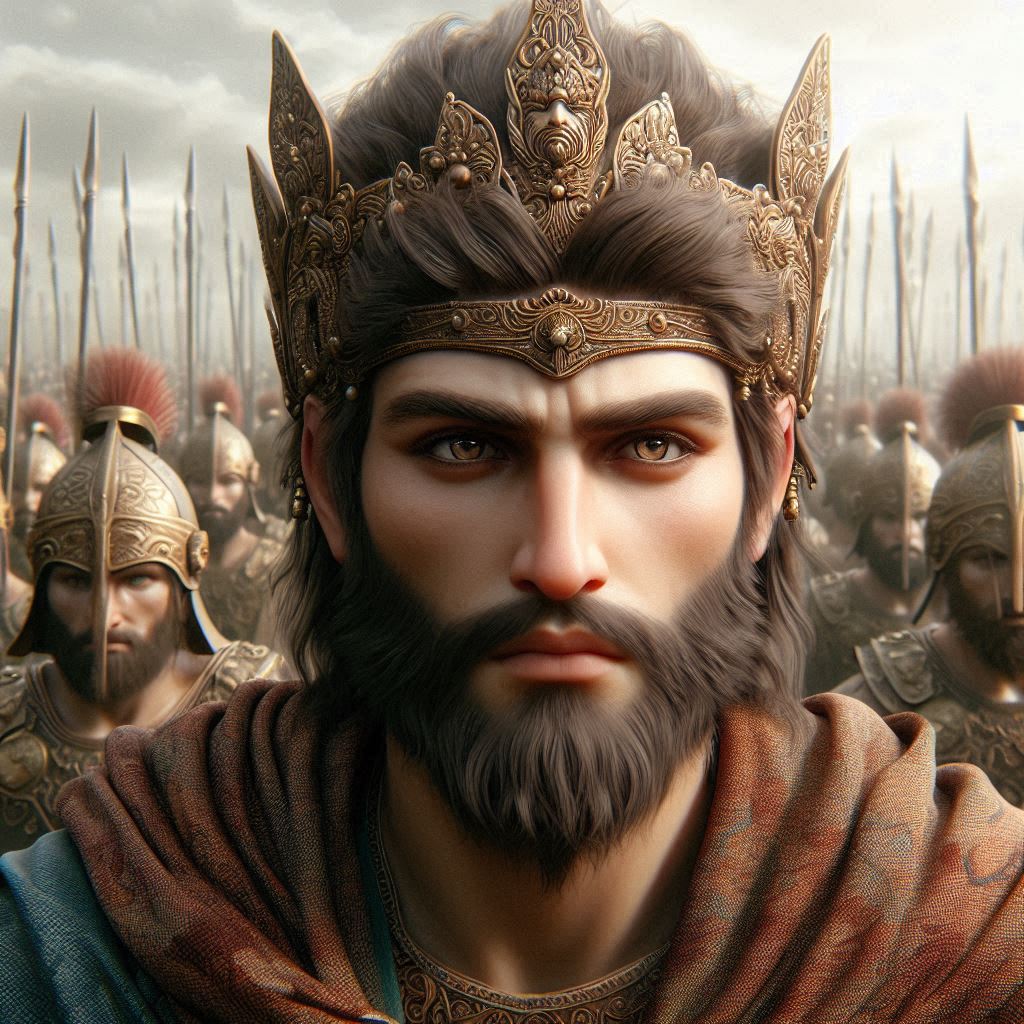
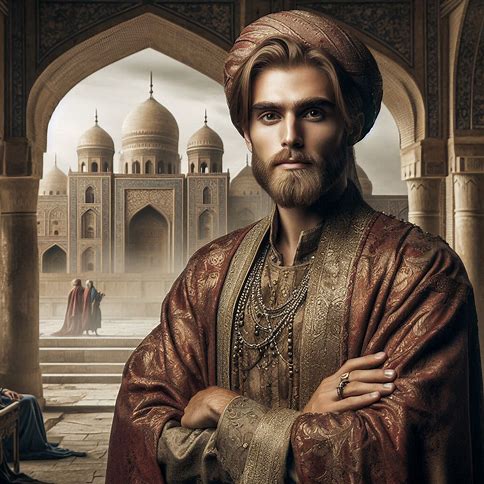
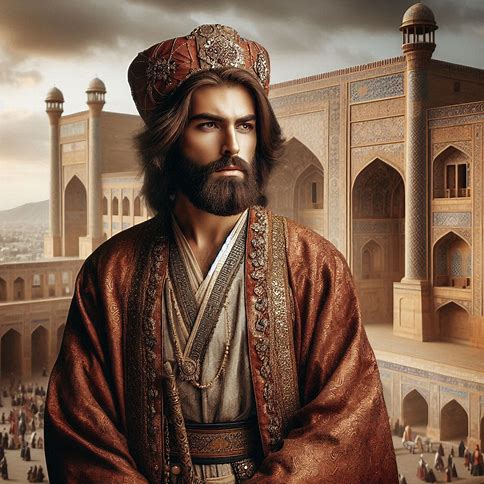



Logical Proof Hypothesis: Was Cyrus the Soul of the Androgynous Dying and Rising Eternal Dynasty Founder Authority?
Authority as Creator of Civilization and Founder of Dynasties
Within the Eternal Authority Hypothesis, the Androgynous Dying and Rising Eternal Dynasty Founder Authority is believed to possess the knowledge, legitimacy, and responsibility required to establish civilizations, restore societies, and found royal dynasties.
Supporters of this hypothesis point to the life of Cyrus the Great as a possible example of these recurring patterns.
Early Life
The story of Cyrus’ early life, recorded by Herodotus, belongs to a well-known tradition of legends involving abandoned noble children who later rise to greatness.
According to Herodotus, Cyrus’ grandfather received a prophetic dream indicating that the child would eventually overthrow him. Fearing the prophecy, he ordered his steward Harpagus to kill the infant.
Unable to carry out the order, Harpagus secretly entrusted the child to a royal herdsman named Mithridates.
When Mithridates discovered that his own child had been stillborn, he substituted the dead infant and raised Cyrus as his own son.
Childhood
Herodotus records that by the age of ten, Cyrus displayed qualities considered far beyond those expected of a common shepherd’s child.
His confidence, leadership, noble behavior, and natural authority reportedly caused many to suspect that he possessed a royal origin.
Within the Eternal Authority Hypothesis, such accounts are interpreted as possible evidence of the recurring appearance of the Androgynous Dying and Rising Eternal Dynasty Founder Authority throughout history.
King of the Four Corners of the World
Ancient records describe Cyrus as the “King of the Four Corners of the World.”
Supporters of the hypothesis suggest that this title reflects the broader role traditionally associated with the Androgynous Dying and Rising Eternal Dynasty Founder Authority—an authority connected with the organization, restoration, and governance of civilization itself.
King of Kings
Cyrus was also known as the “King of Kings.”
Within the hypothesis, this title is interpreted as symbolizing authority over multiple kingdoms and dynasties, consistent with the role of an Eternal Dynasty Founder whose influence extends across generations of rulers.
Symbols Associated with Cyrus
Several symbols associated with Cyrus and the Persian tradition are viewed as significant within the hypothesis, including:
- The Eagle
- The Griffin
- The Shen Ring
- The Bow and Arrow
- Symbols connected with wisdom, leadership, and spiritual authority
Supporters argue that these recurring symbols may indicate teachings related to civilization-building, moral governance, and spiritual knowledge.
Unsolved Mystery
Cyrus the Great founded one of the largest empires of the ancient world, was remembered as a just ruler, liberated captive peoples, established administrative systems, and earned the admiration of both allies and former enemies.
Because his life contains recurring themes of dynasty founding, civilization building, justice, legitimacy, and extraordinary leadership, an intriguing question emerges within the Eternal Authority Hypothesis:
Was Cyrus the Great one of the historical appearances of the Androgynous Dying and Rising Eternal Dynasty Founder Authority?
At present, the answer remains unknown.
An unsolved mystery.
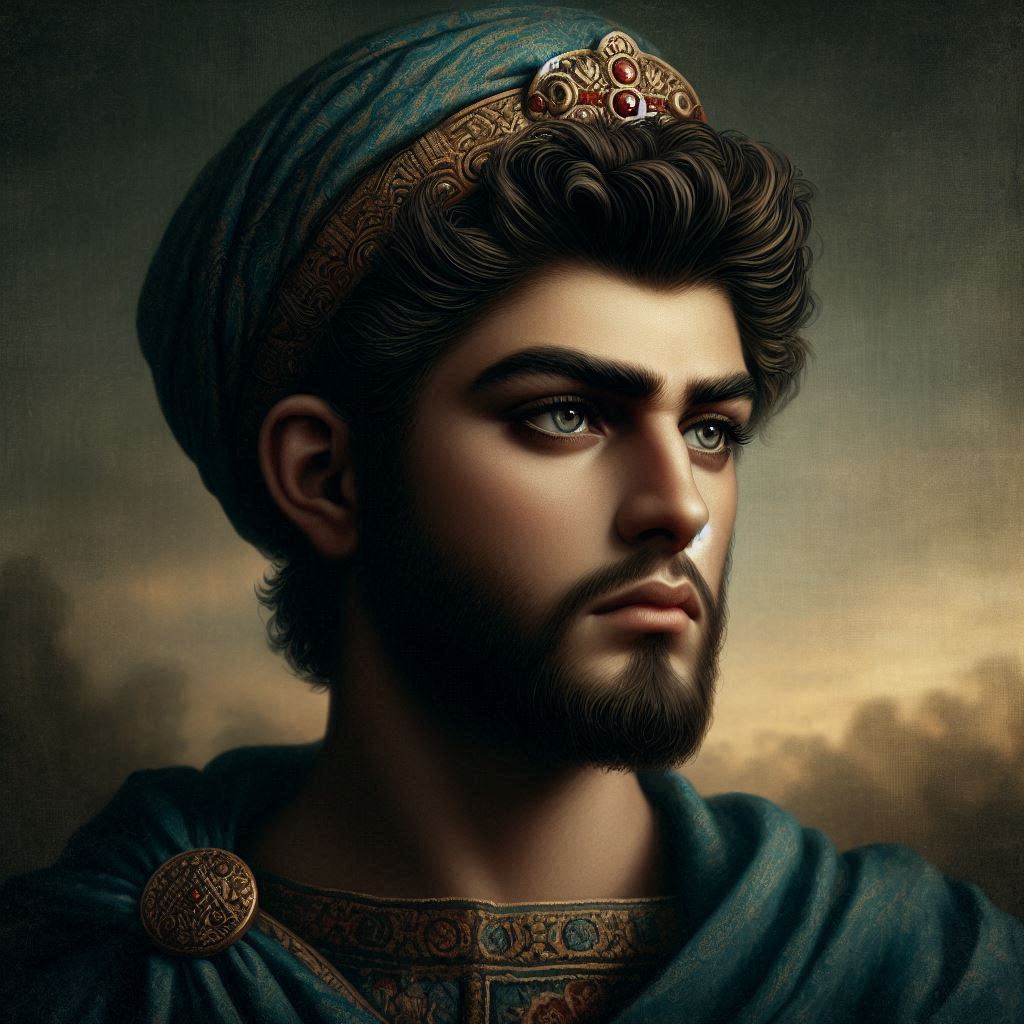
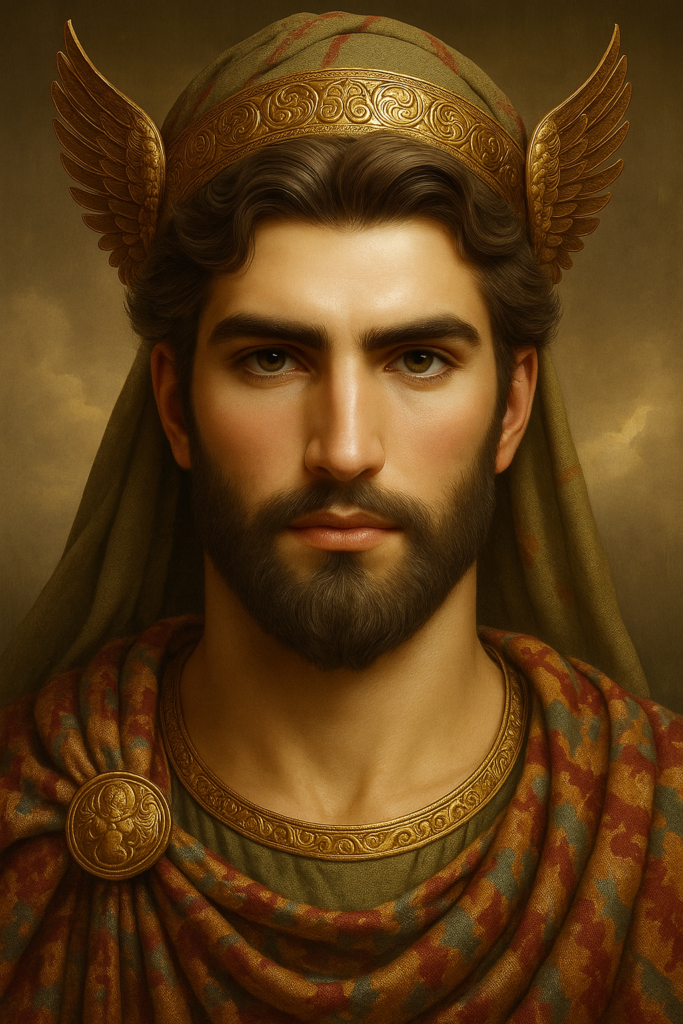
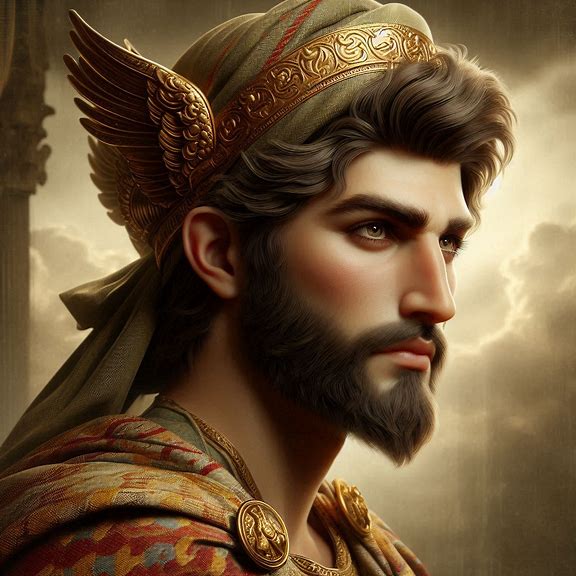
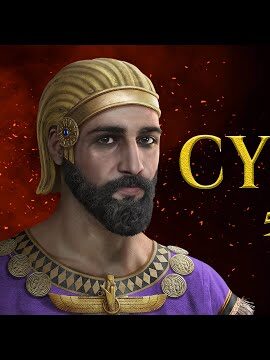
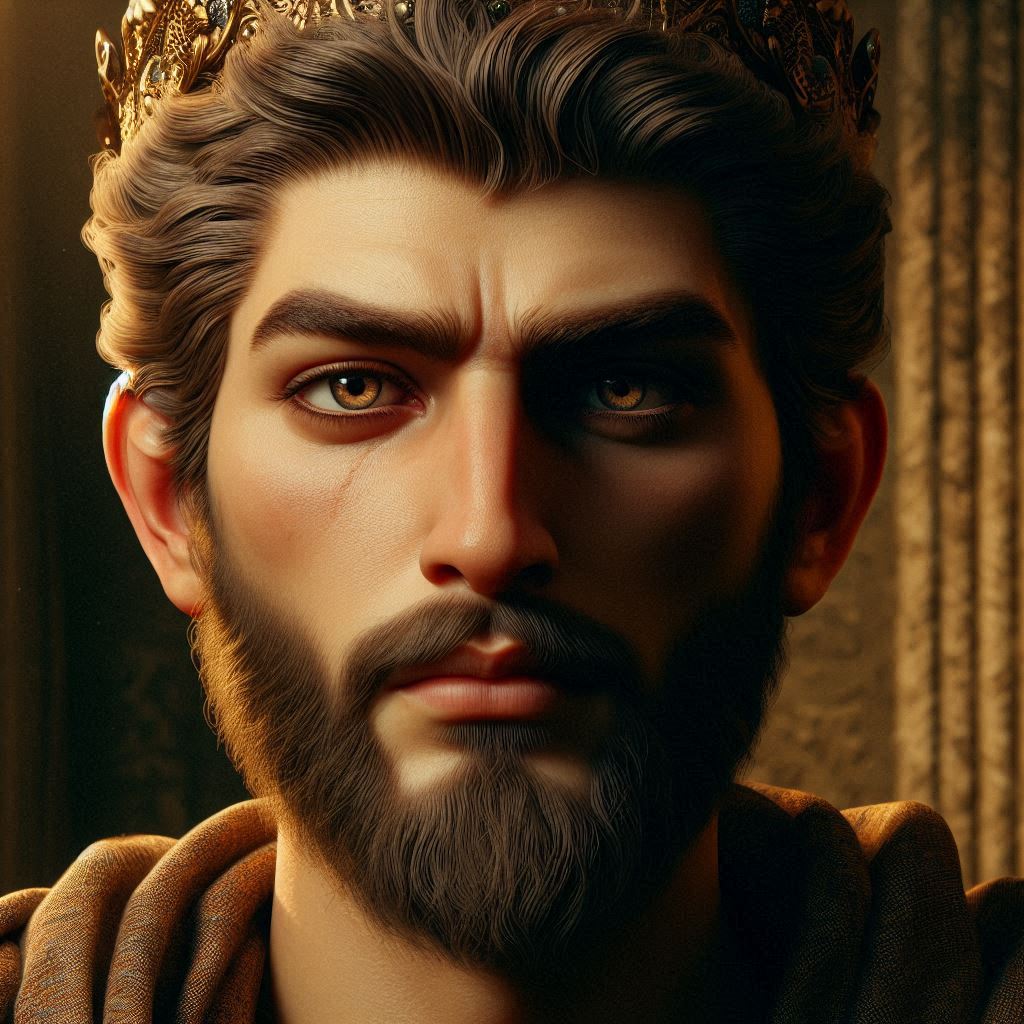
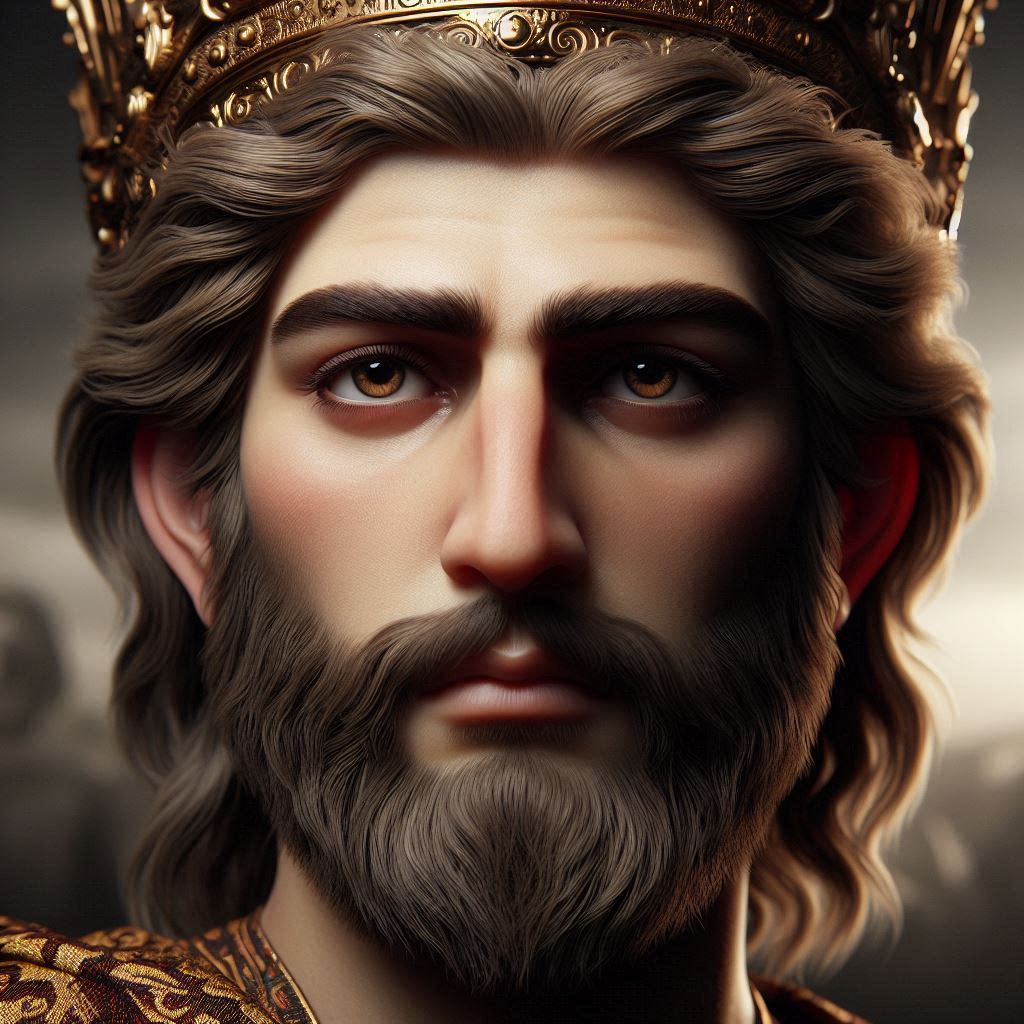
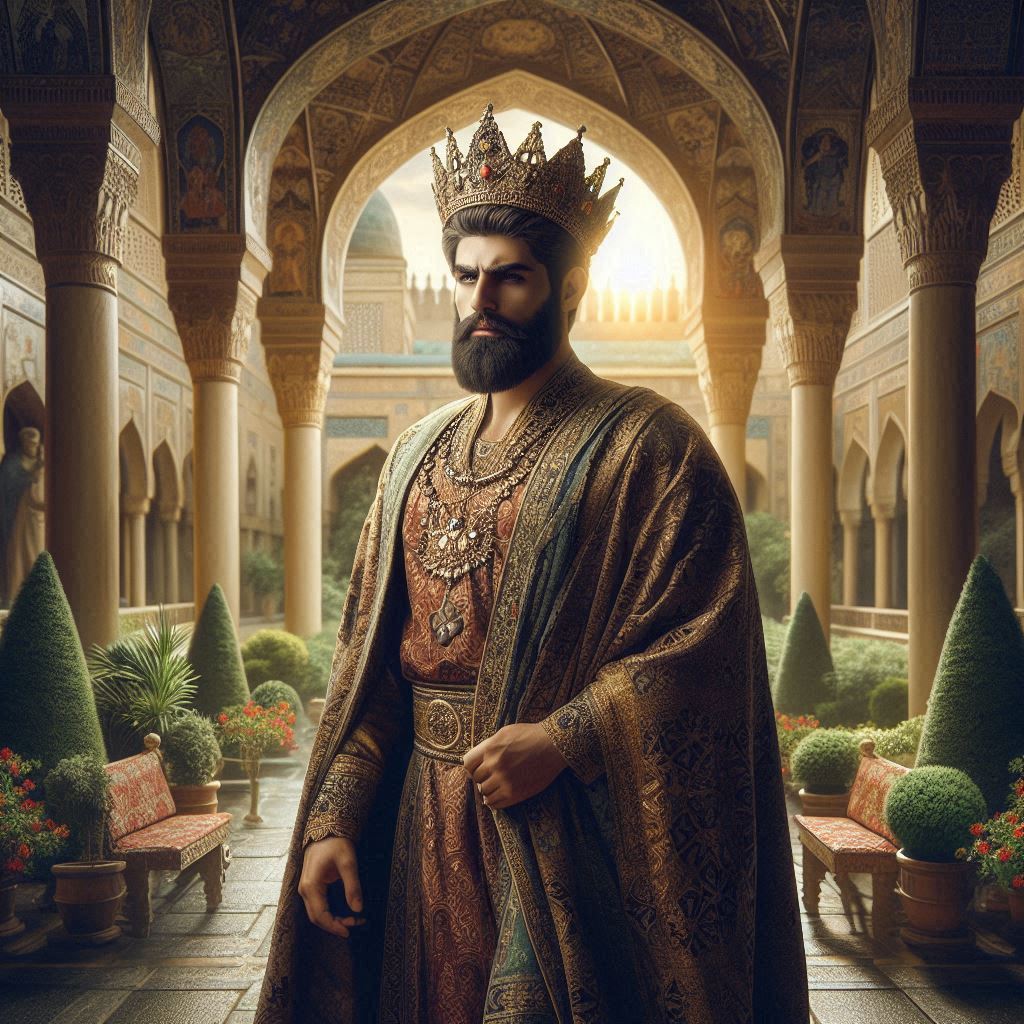
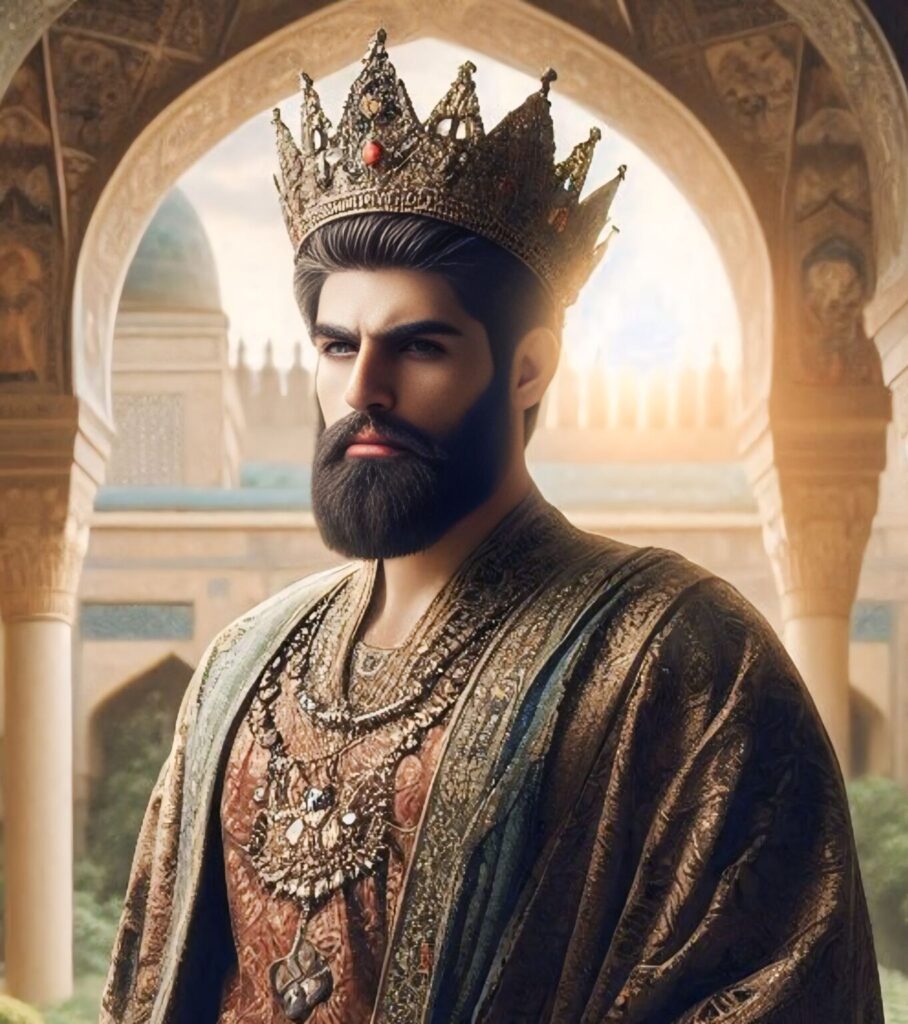
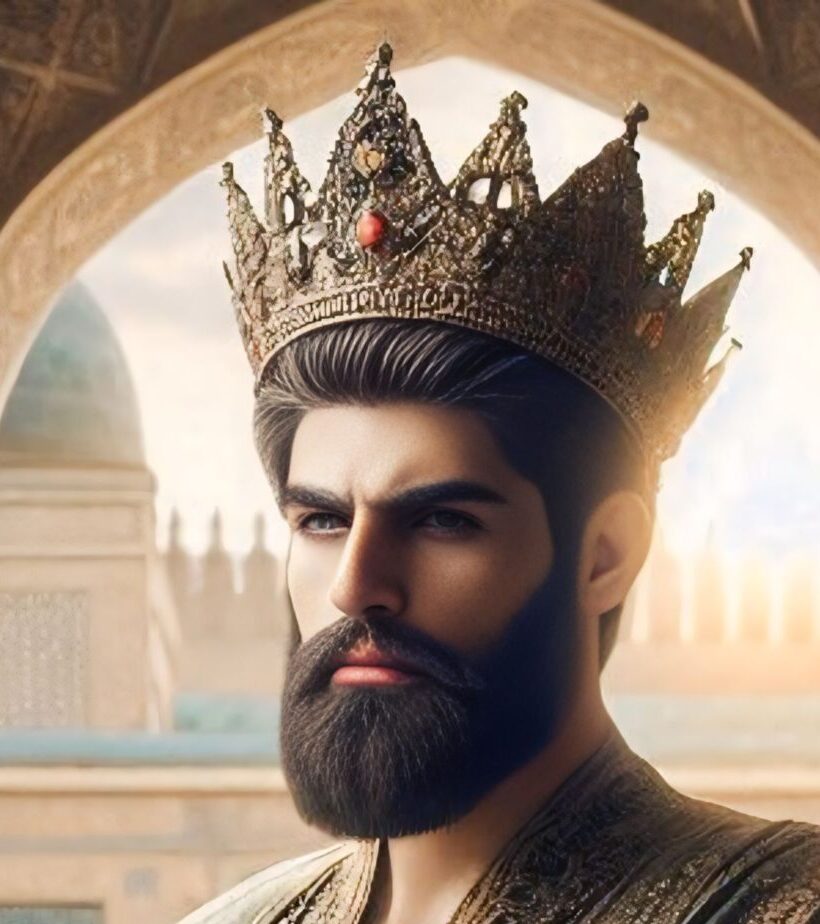
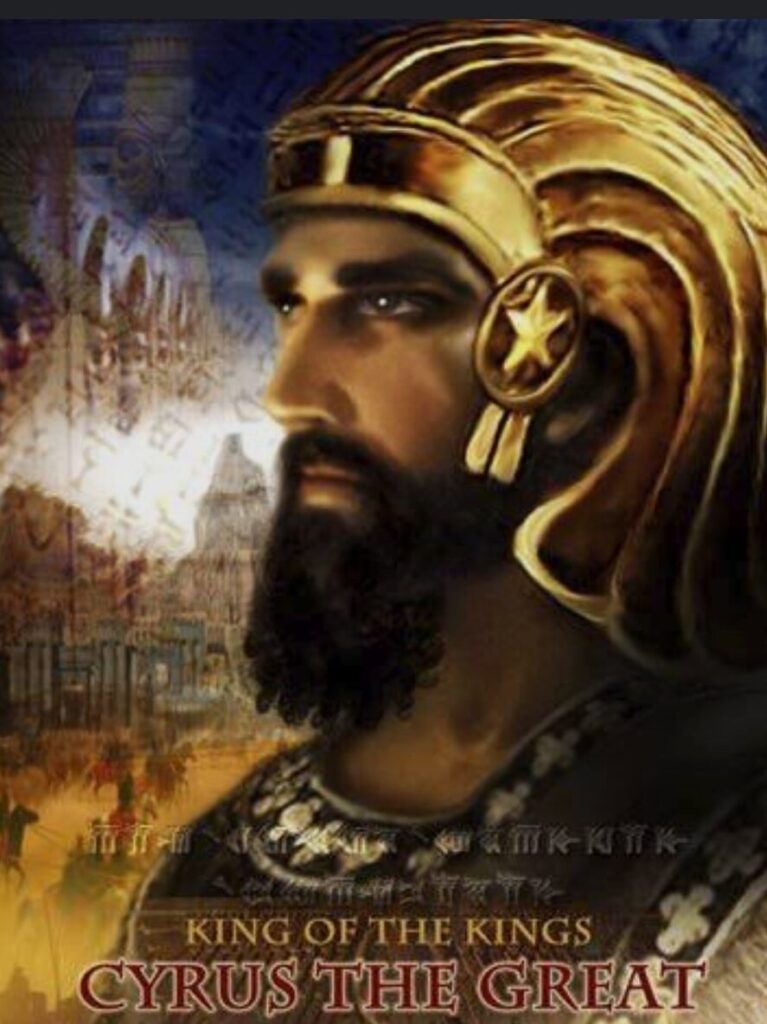
Cyrus face reconstruction through Microsoft Bing AI software
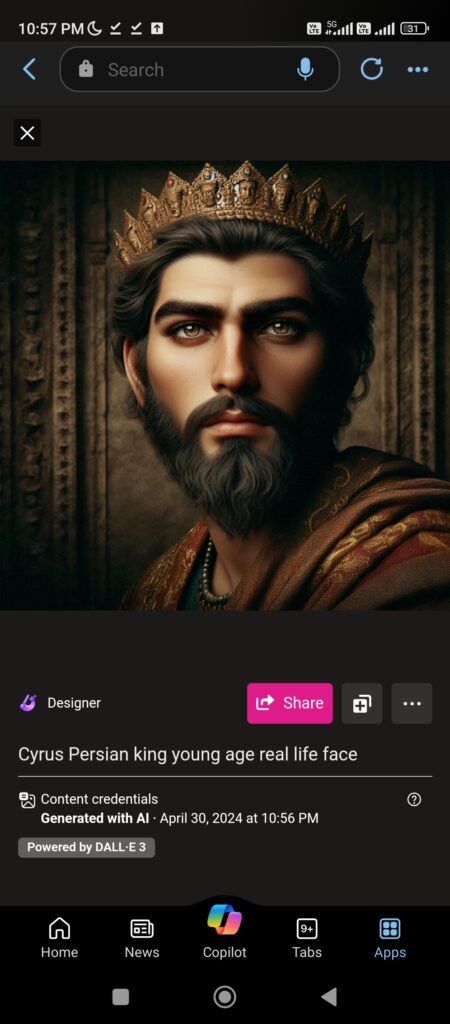
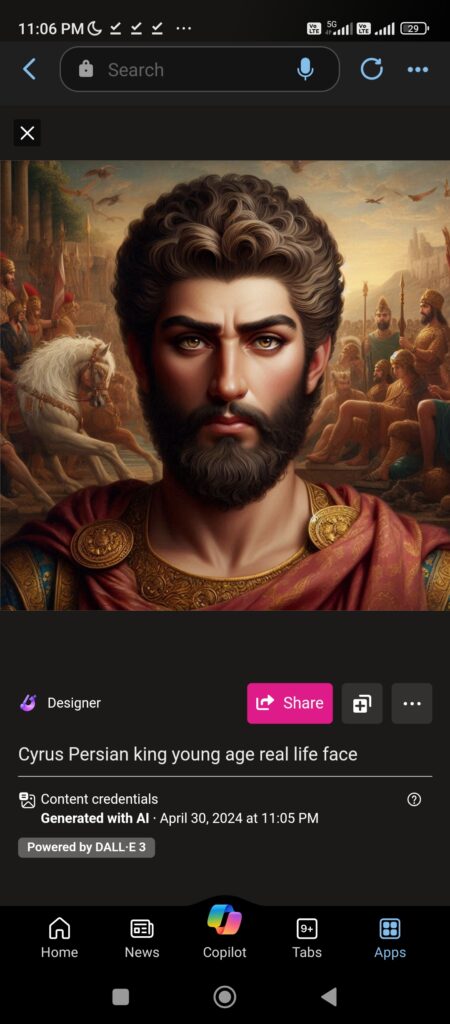
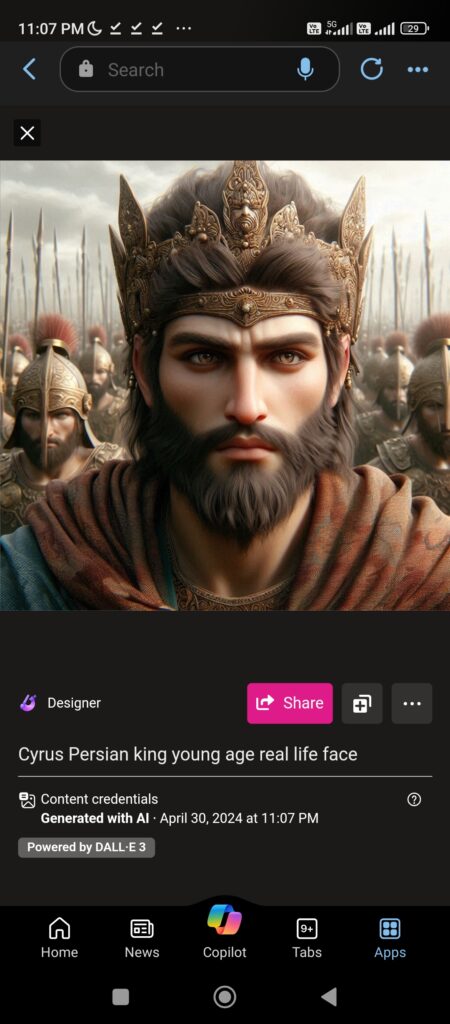
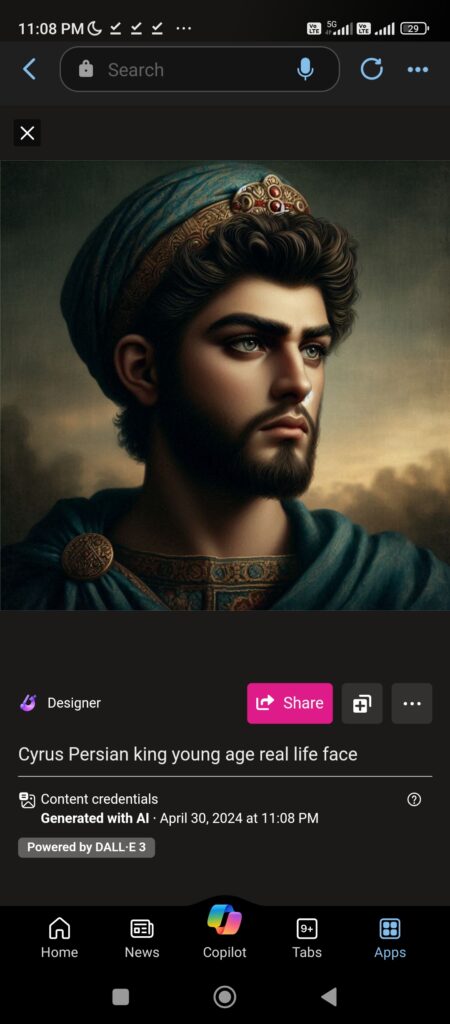

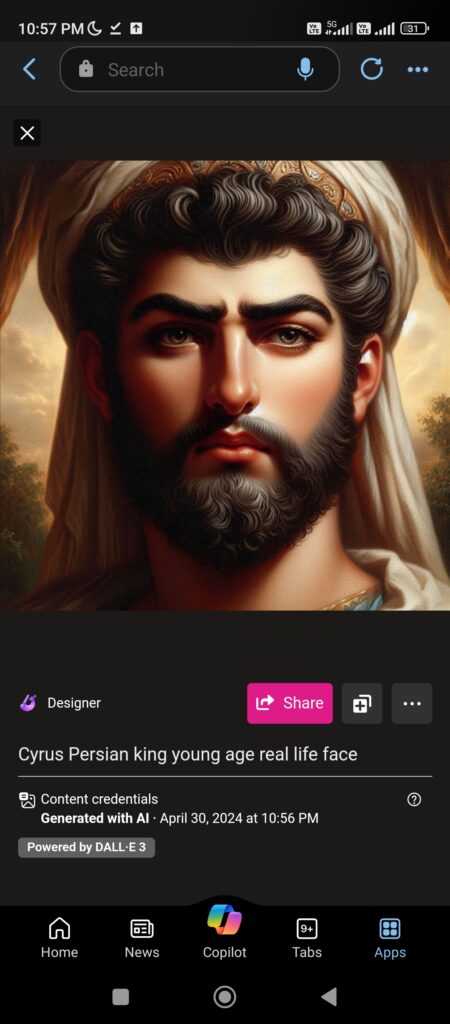
Was Cyrus the Great Androgynous dying and Rising authority ?
Because According to various ancient sources Dying and Rising authority responsible for creator of civilization and Dynasty, and legitimate Royal rulers, and according to BhagavadGeeta Verse 4.6 Dying and Rising authority face remains the same in every birth, and Cyrus the great Also founded achaemenid empire and his face also match with another possible birth of this Dying and Rising authority, as well as he describe as a prophet in his time sent by God.
Lets Test the Hypothesis
Disclaimer: The facial comparisons presented in this article are speculative visual analyses used within the framework of the Eternal Authority Hypothesis. They are not presented as established historical or scientific conclusions.
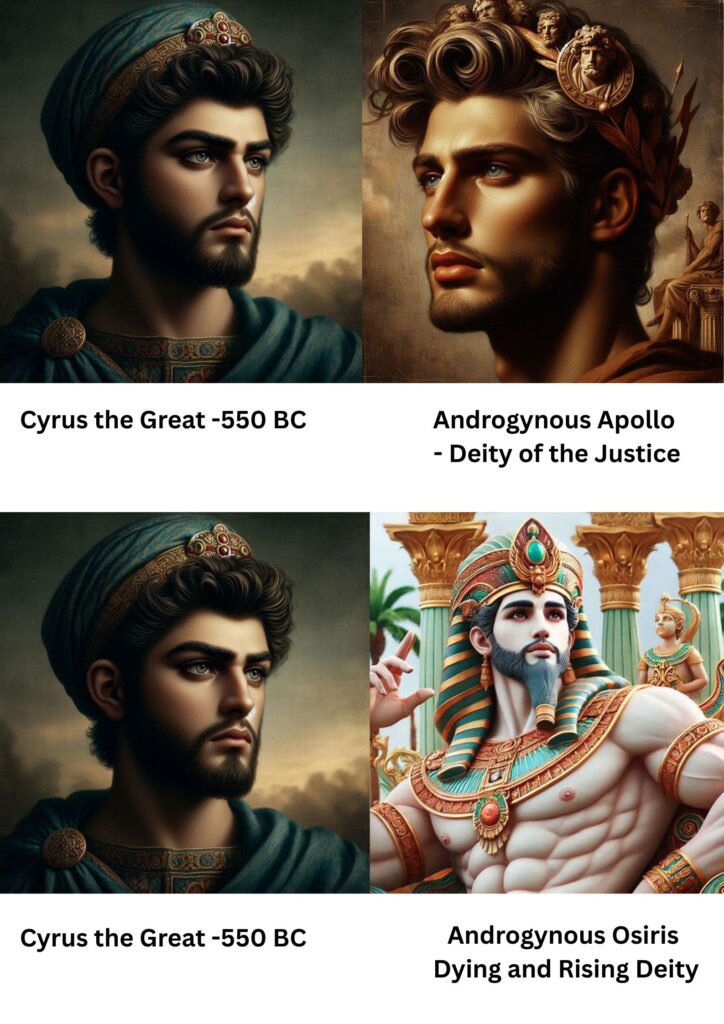
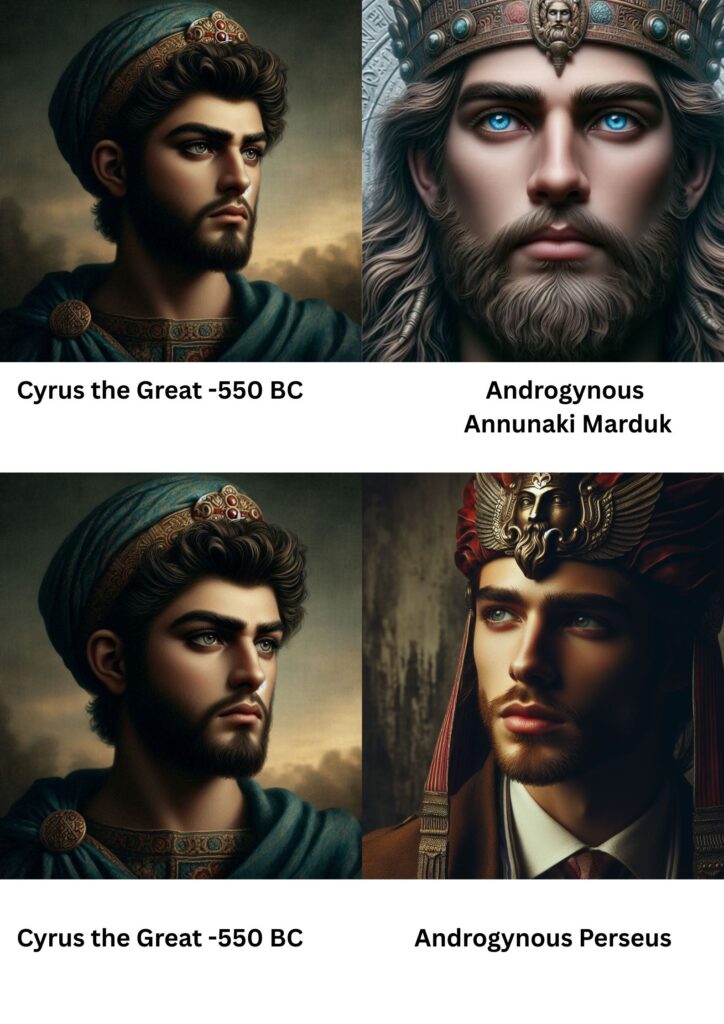
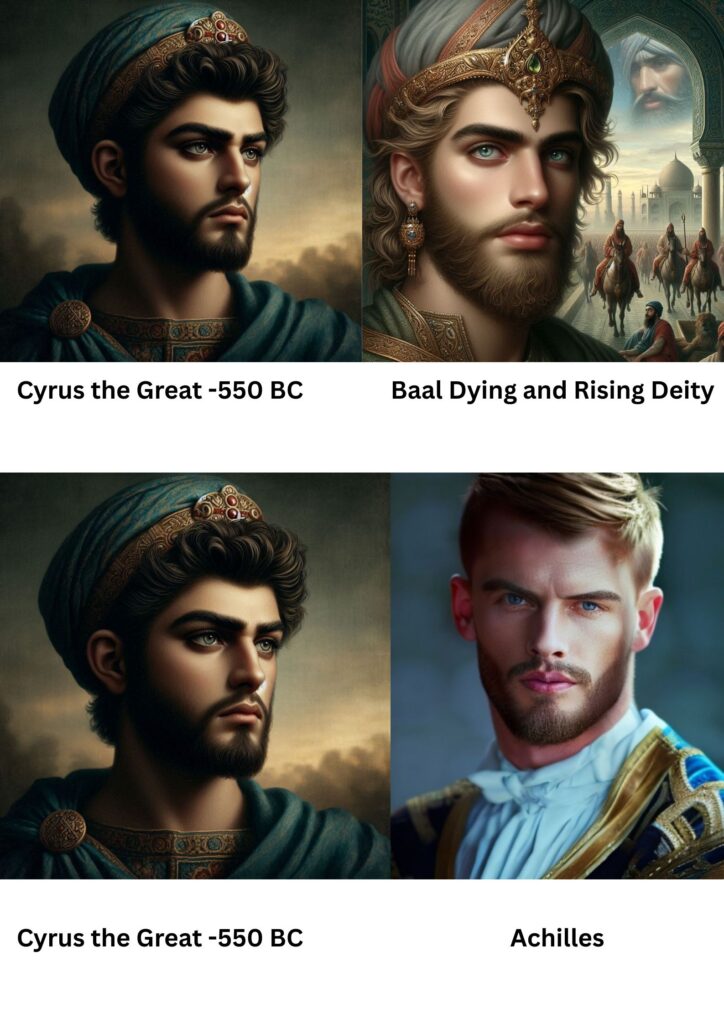
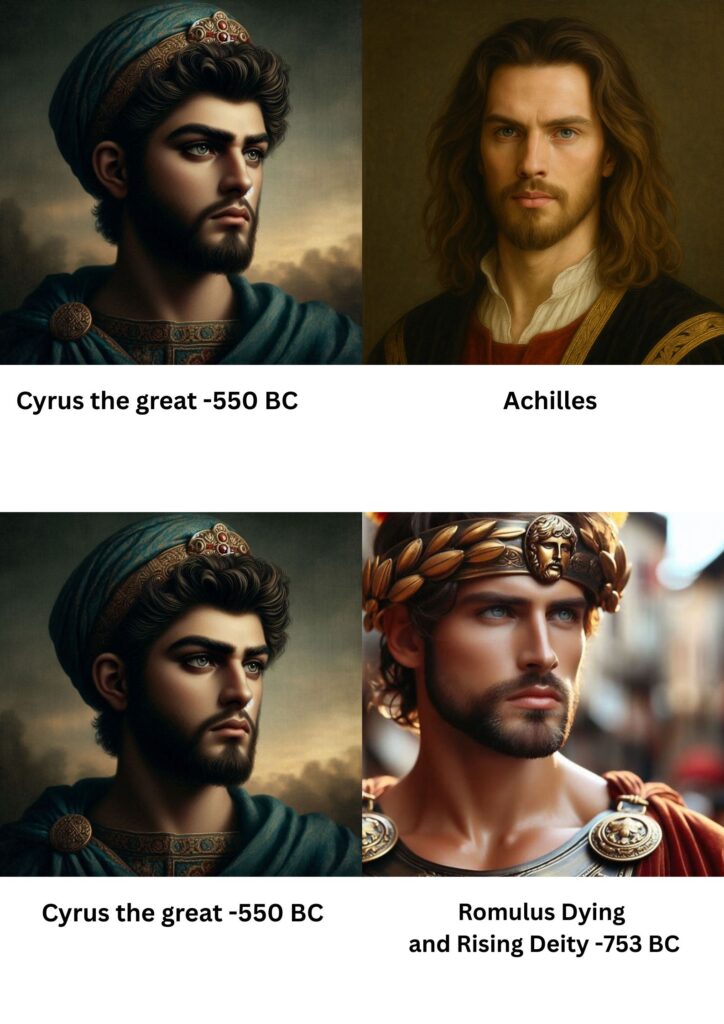
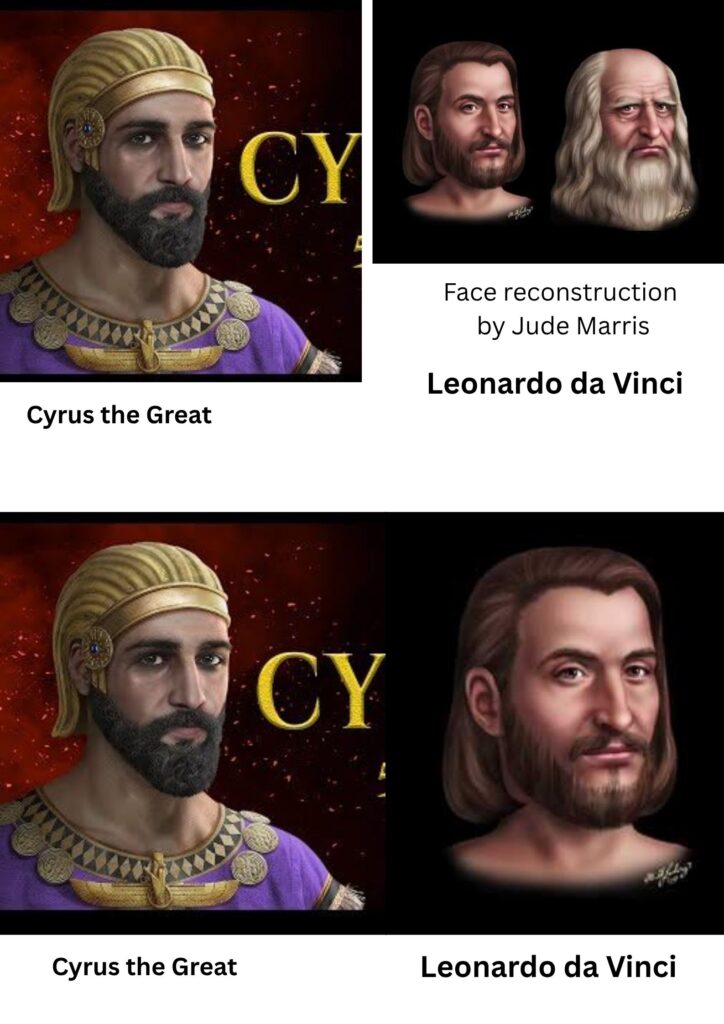
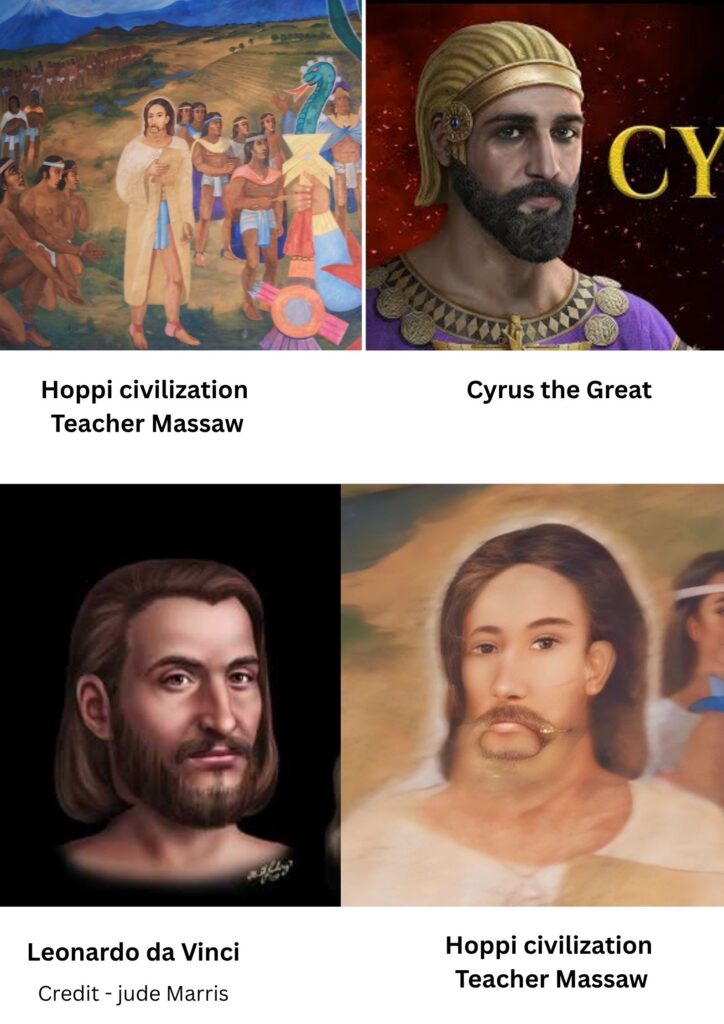
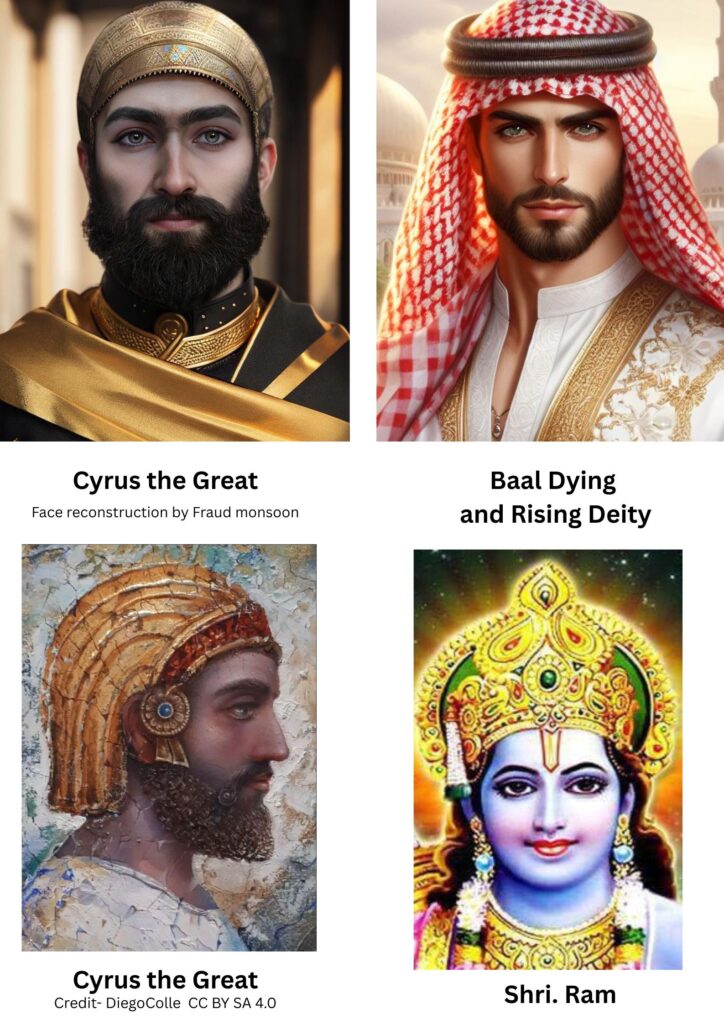
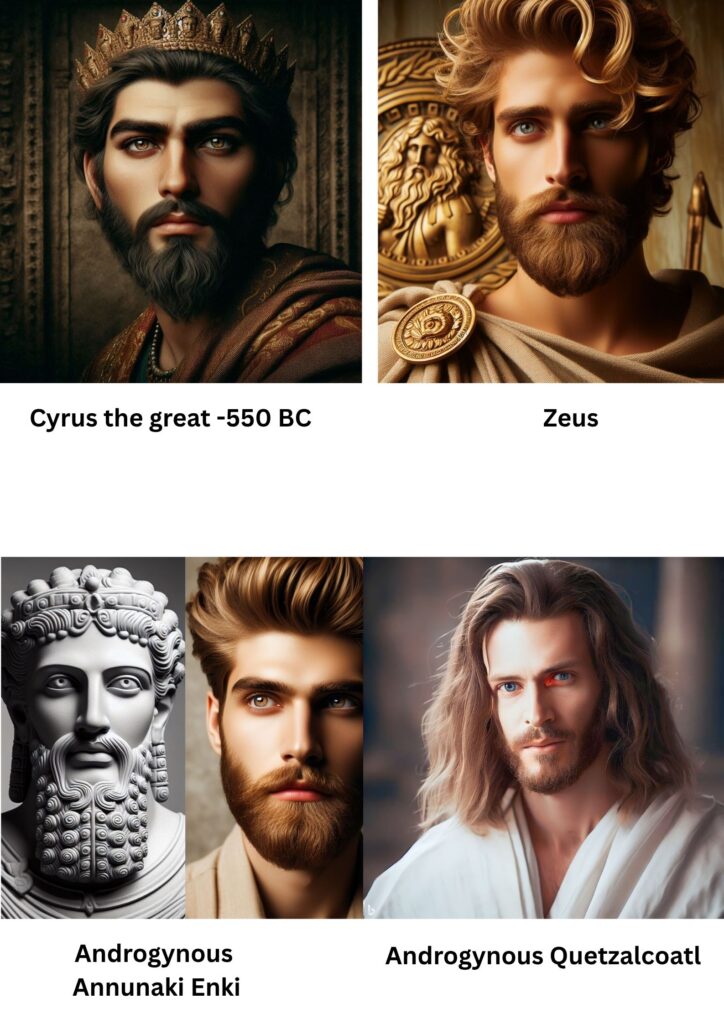
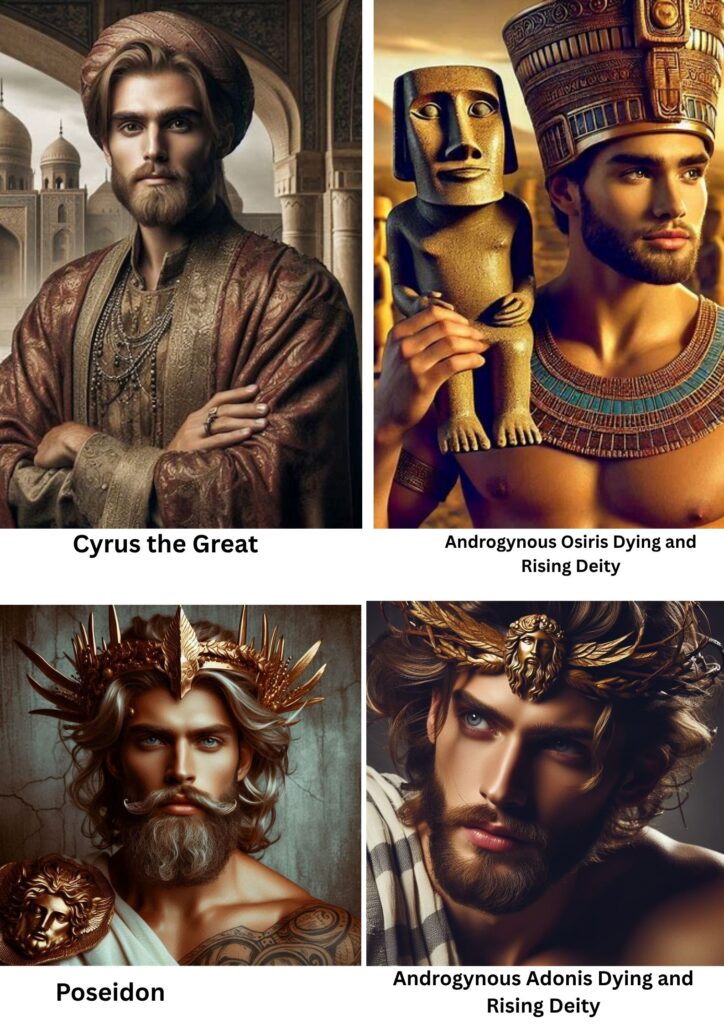
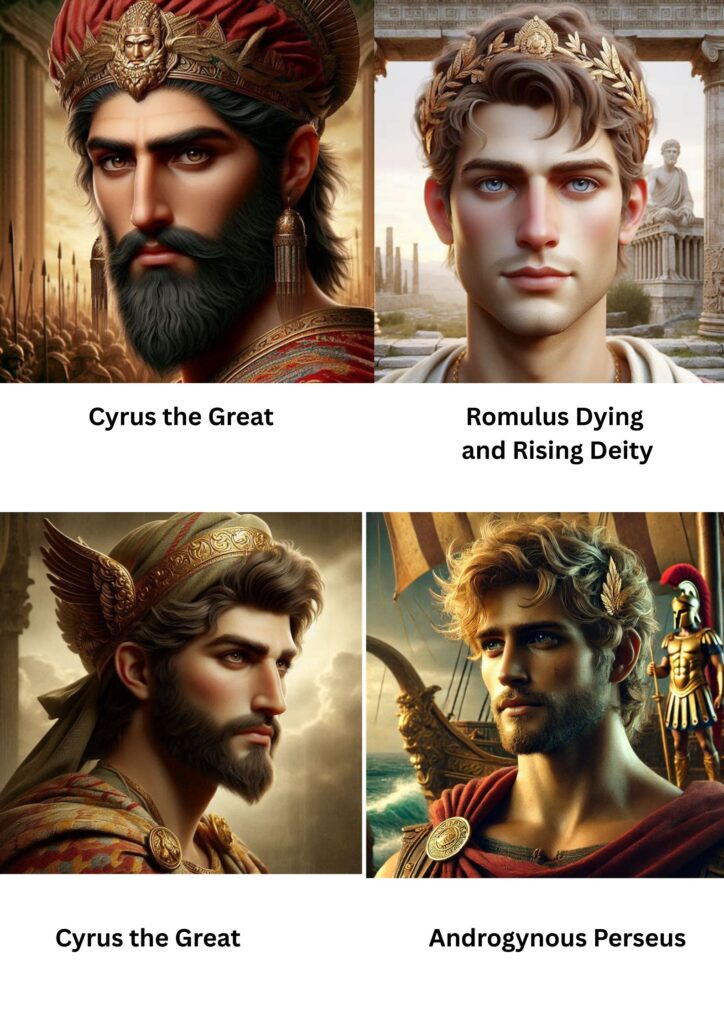
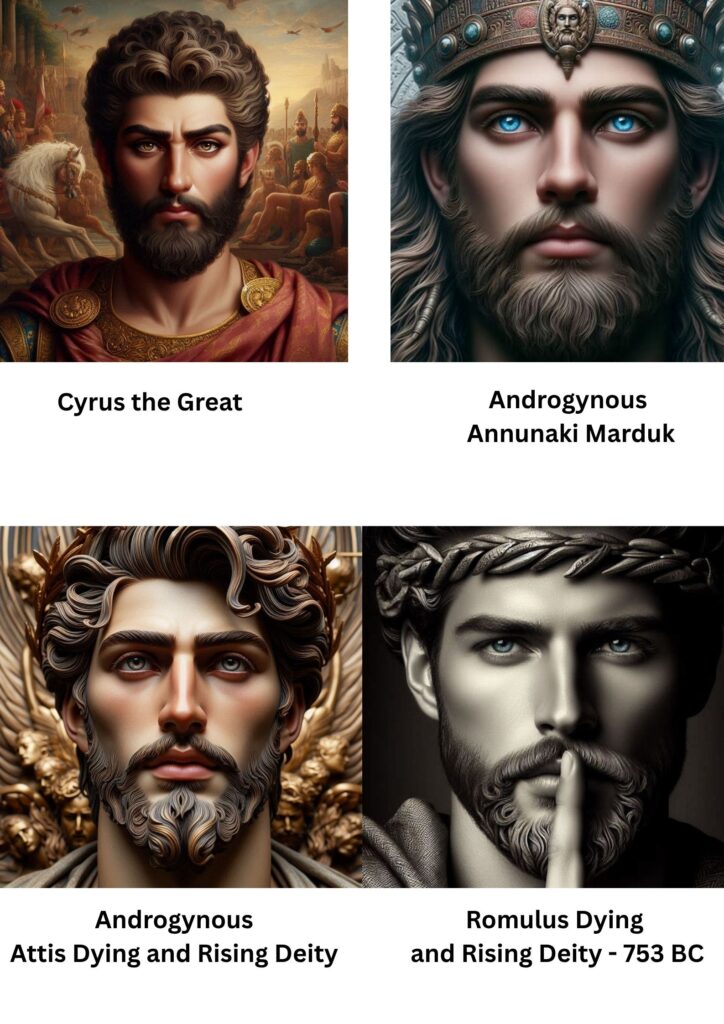
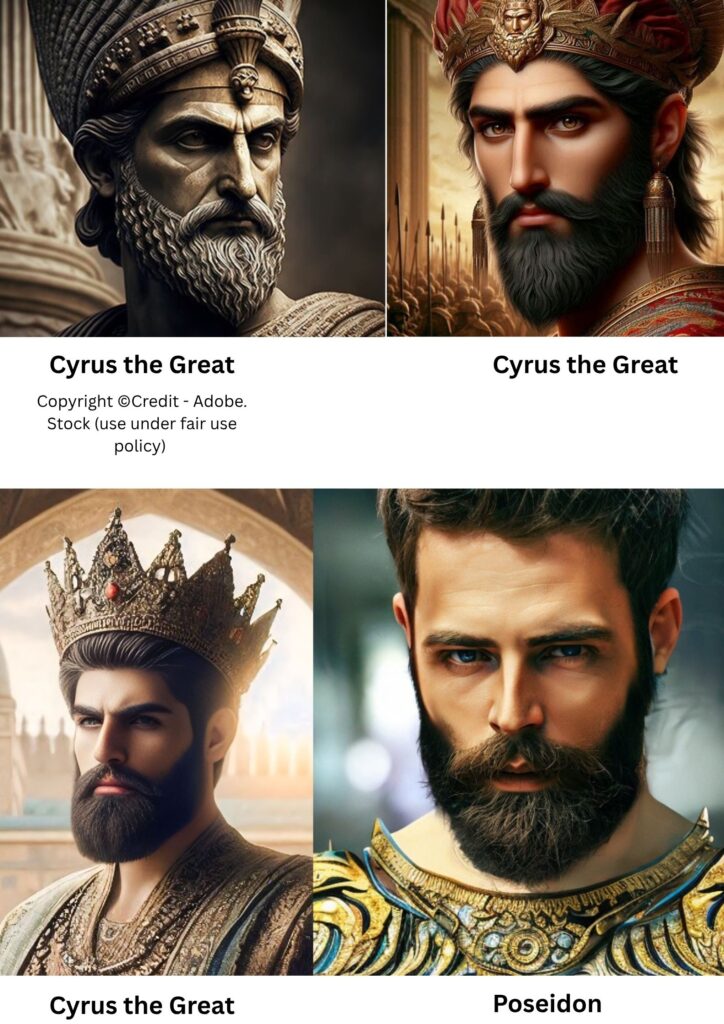
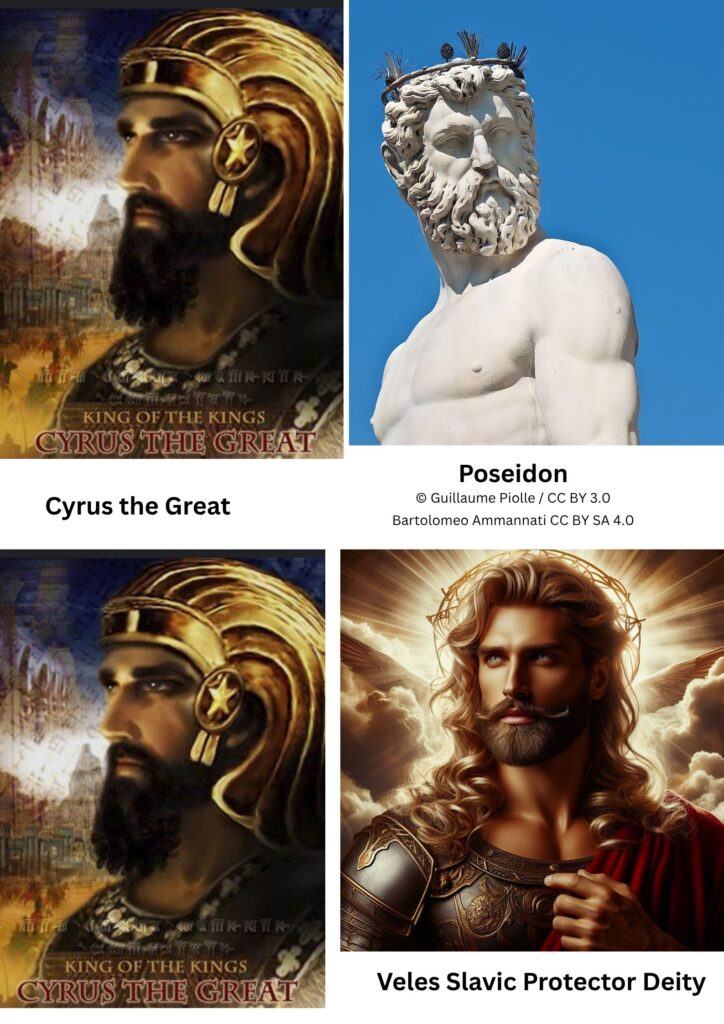

Cyrus the great face match with Another possible birth of this Androgynous Dying and Rising authority, is yet remains a Mystery.
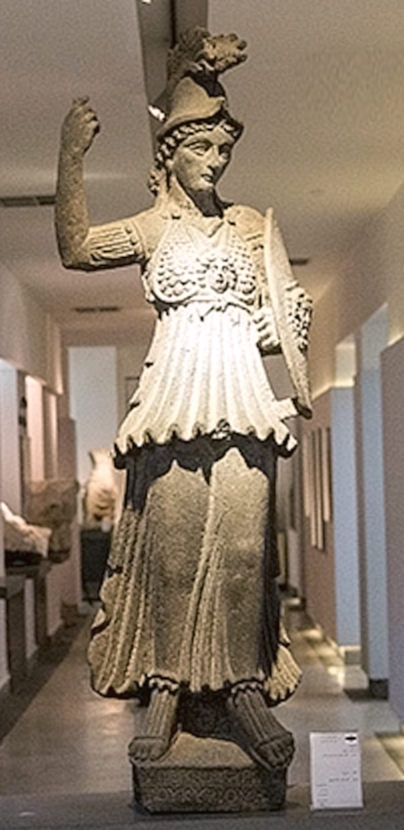
Pre-Islamic Al-Lat Equivalent of Greek Aphrodite as Per Herodotus
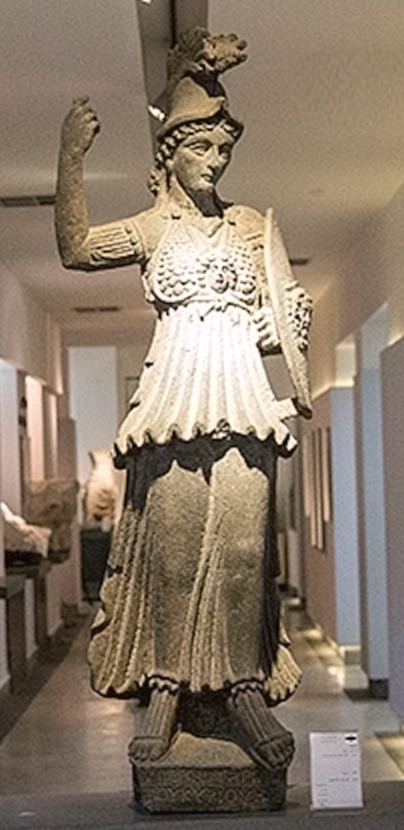
Ali Khara CC BY SA 4.0
Al-Lat and the Survival of Ancient Goddess Traditions
Ancient Arabia preserved many religious traditions that existed long before the rise of Islam.
Among the most prominent was Al-Lat, a goddess associated with fertility, protection, and divine authority.
Ancient writers such as Herodotus noted similarities between Al-Lat and various Mediterranean goddesses, demonstrating how recurring divine archetypes often appear across distant cultures under different names.
Such parallels continue to raise questions concerning the transmission of religious ideas and the preservation of ancient symbolic traditions.
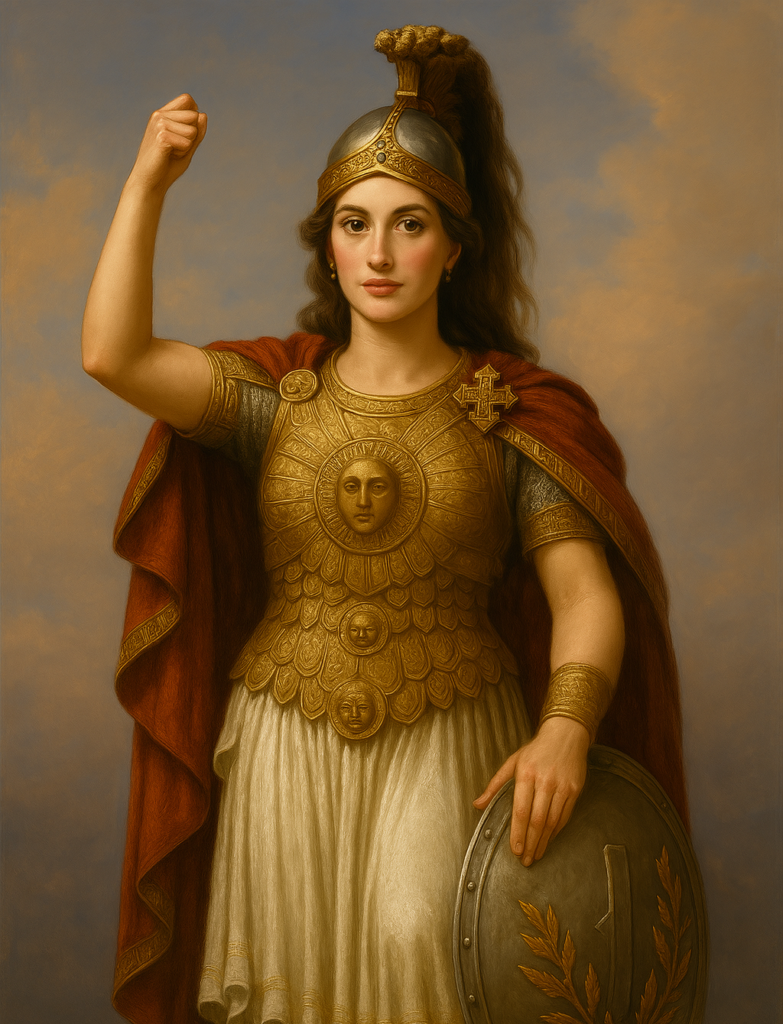
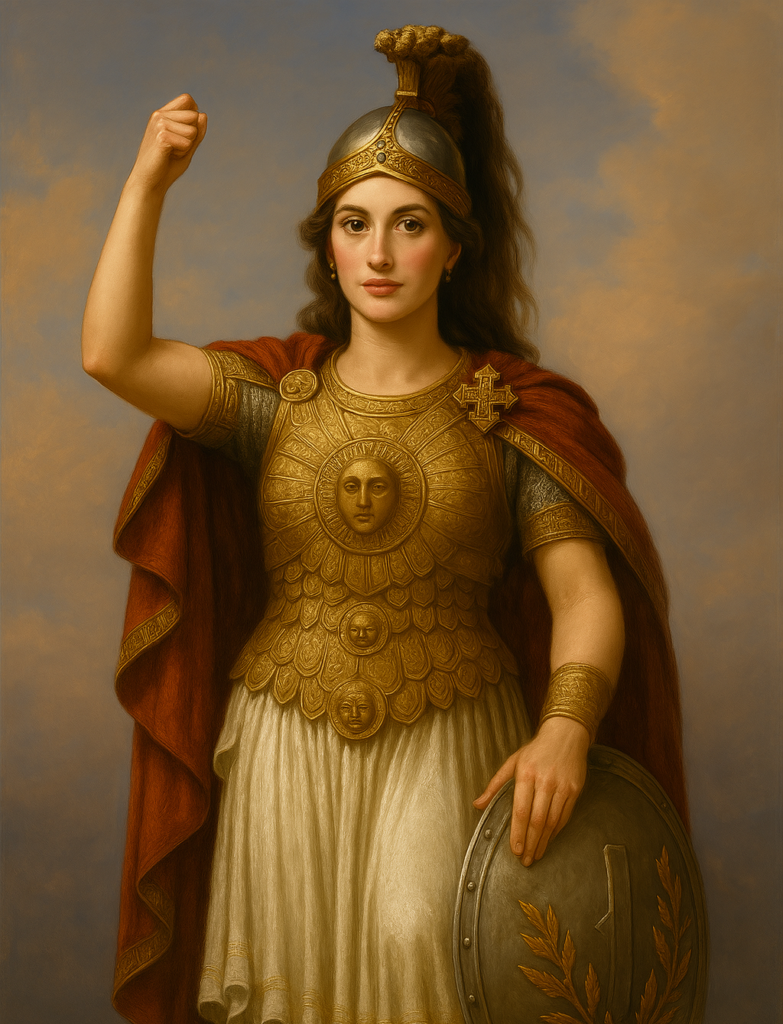









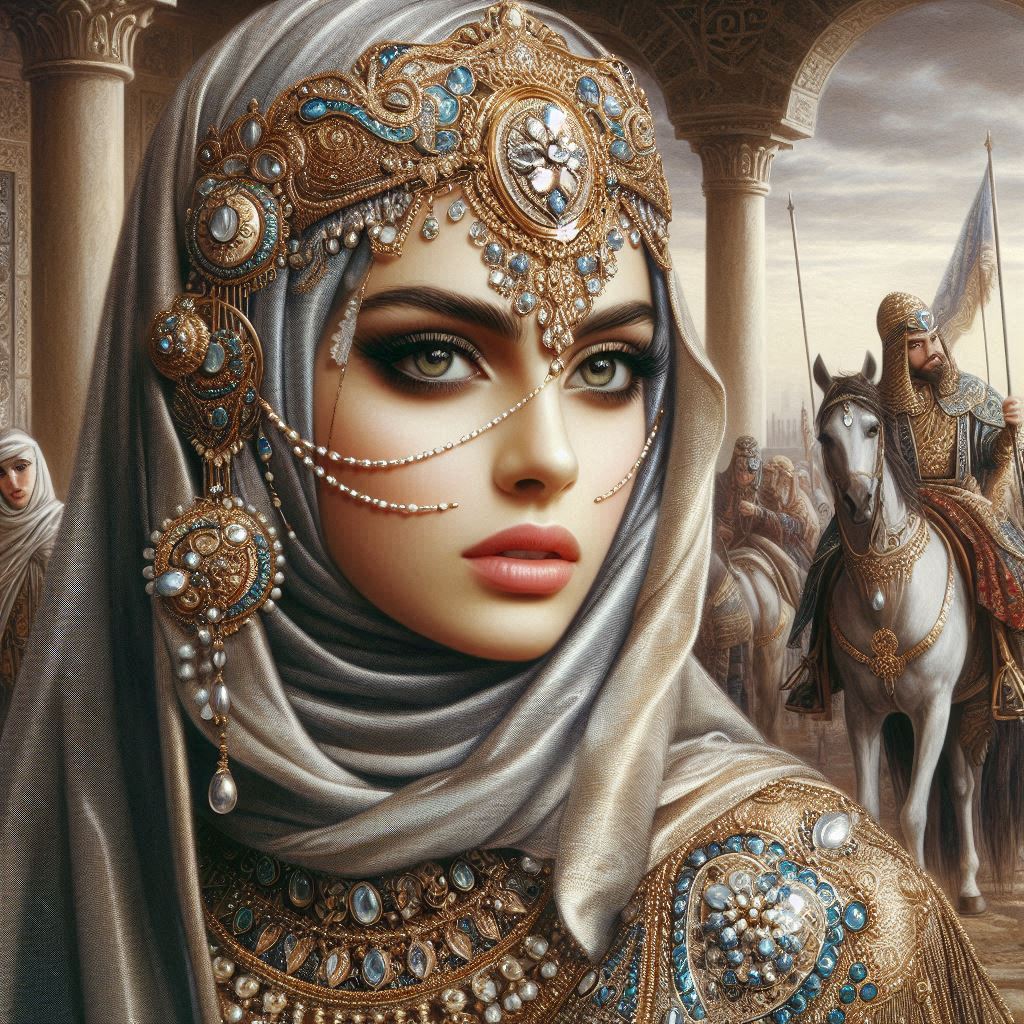



Queen Al-Lat Real Face Shown by Microsoft Bing AI Software





Chupicuaro, 400 BC

Credit-Jean Pierre Dalbera CC BY SA 2. 0
Conclusion
From Asclepius and Adonis to Aphrodite, Cyrus the Great, and Al-Lat, ancient cultures continued to preserve recurring themes of healing, resurrection, sacred partnership, royal legitimacy, and civilization-building.
Across Greece, Persia, Arabia, and other regions of the ancient world, stories repeatedly describe divine healers, sacred rulers, empire founders, and powerful spiritual authorities connected with the preservation and renewal of society.
Whether these similarities emerged independently, spread through cultural contact, or preserve fragments of a much older shared tradition remains an open question.
Within the framework of the Eternal Authority Hypothesis, these recurring patterns continue to provide intriguing clues that may point toward forgotten memories preserved within mythology, religion, and royal history.
As the timeline progresses, additional civilizations, symbols, rulers, and sacred traditions will be examined in the search for connections hidden within humanity’s oldest stories.
Every civilization remembers a healer.
Every empire remembers a founder.
And every mystery may preserve a fragment of a forgotten past.